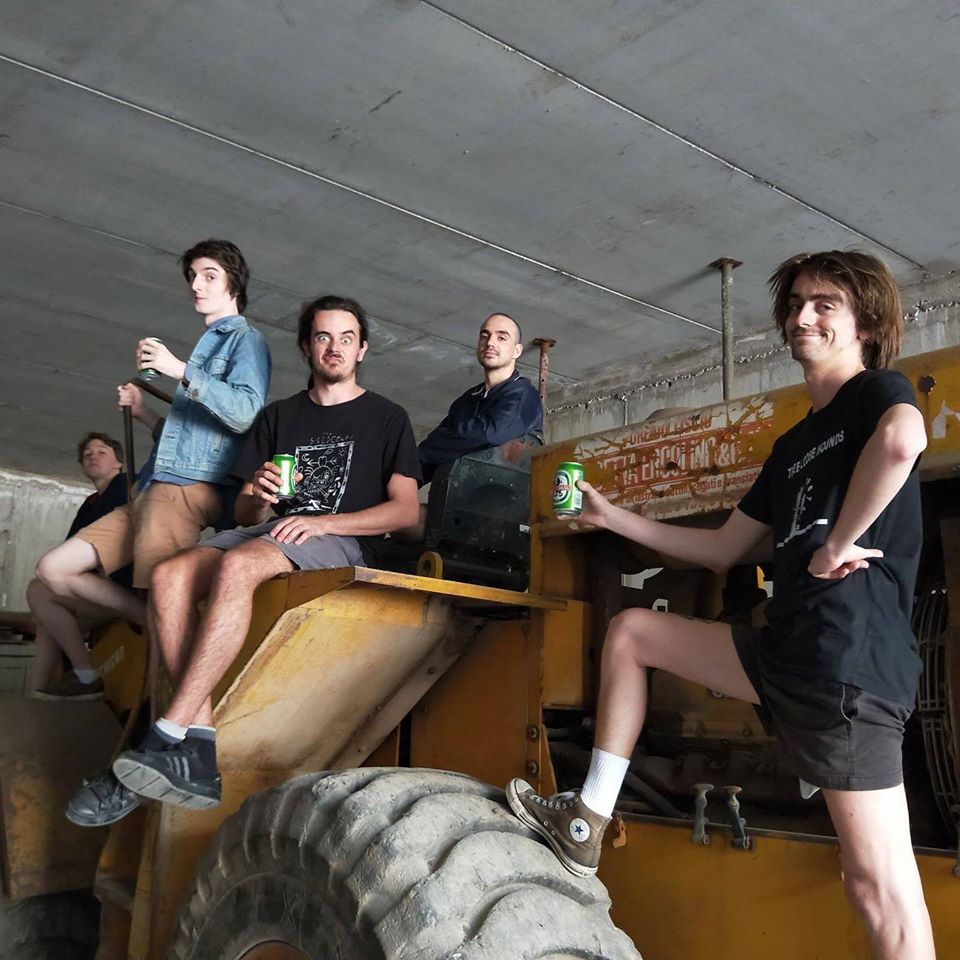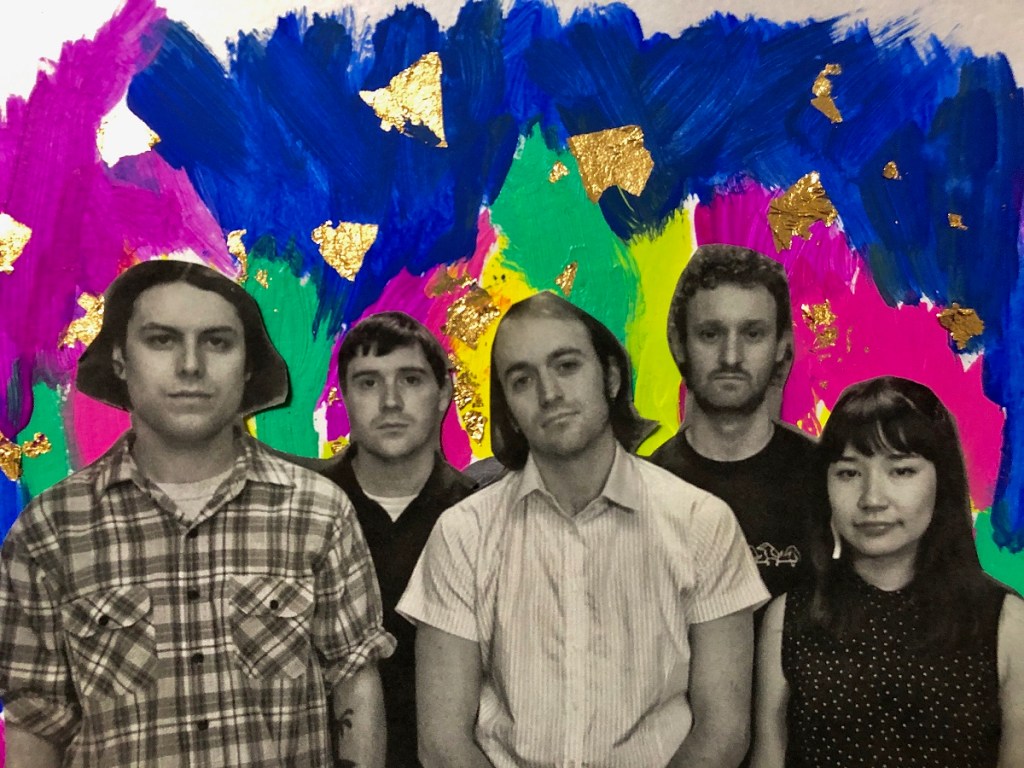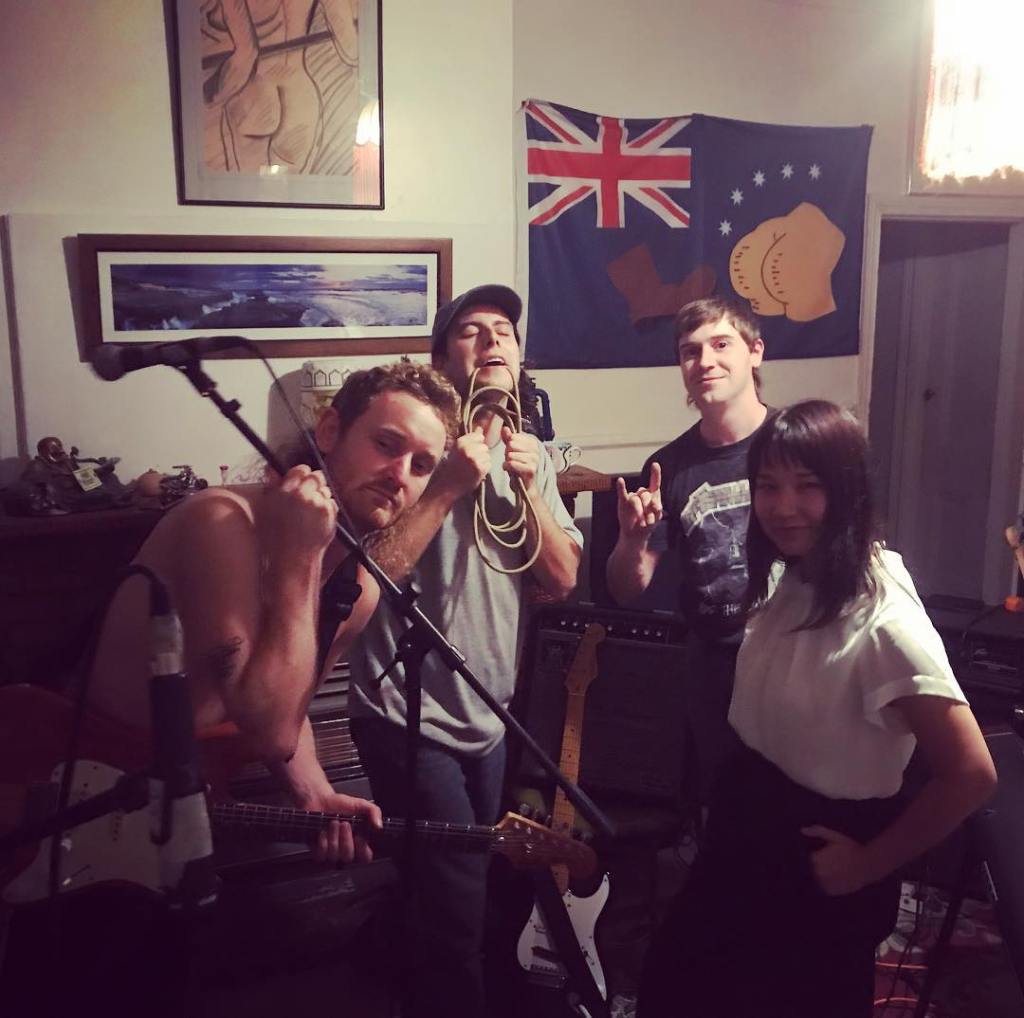
French Punks Mary Bell: “Paris is a tough city to live in: the population density is very high, gentrification is everywhere, the cost of living is skyrocketing”

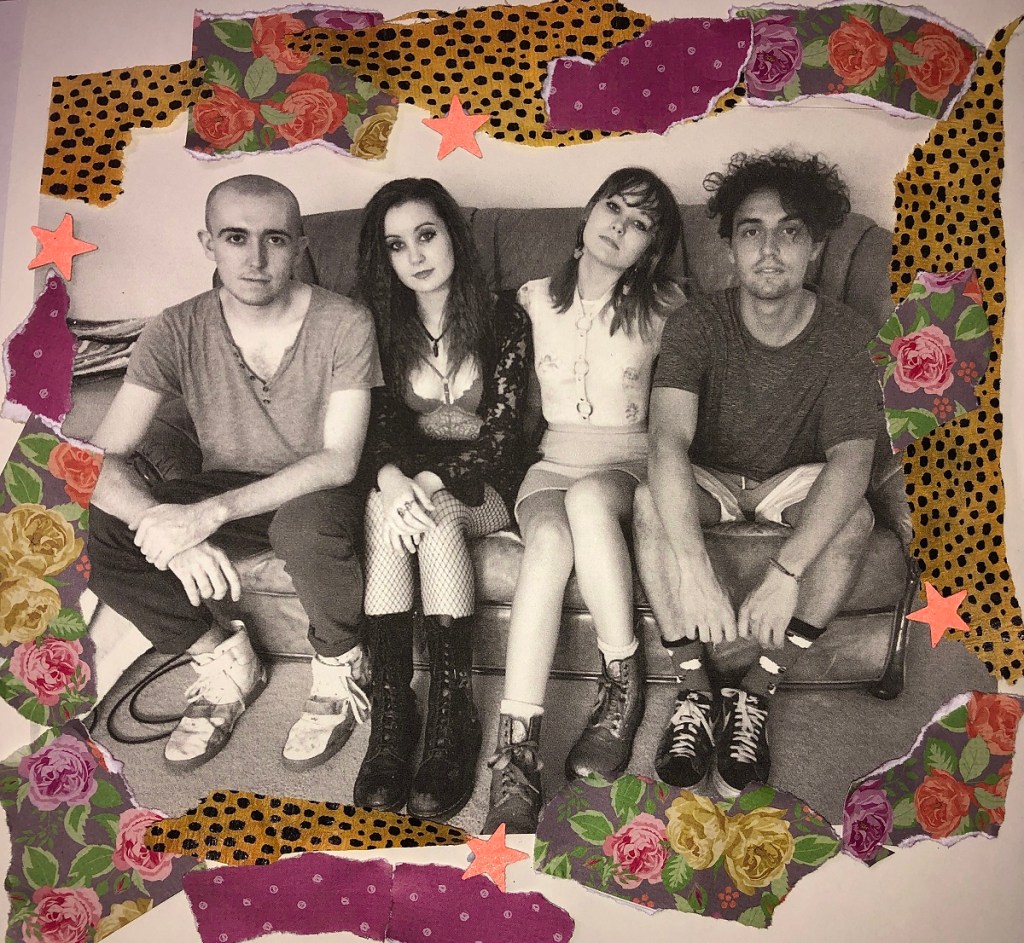
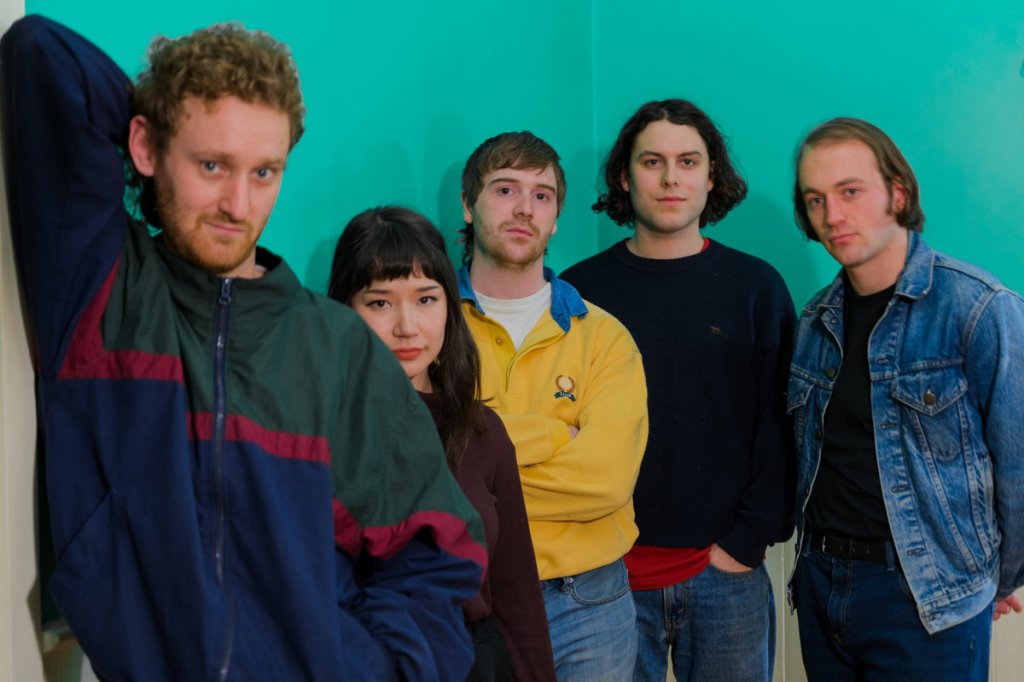
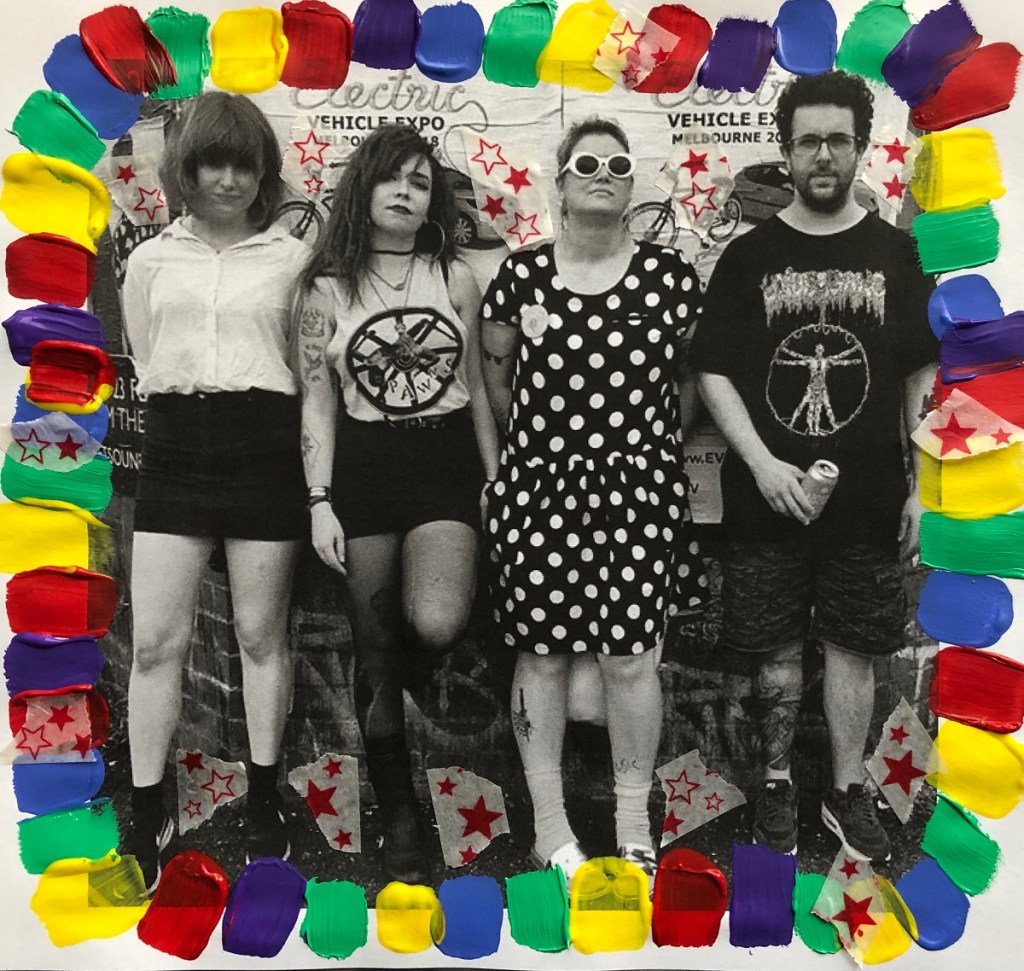
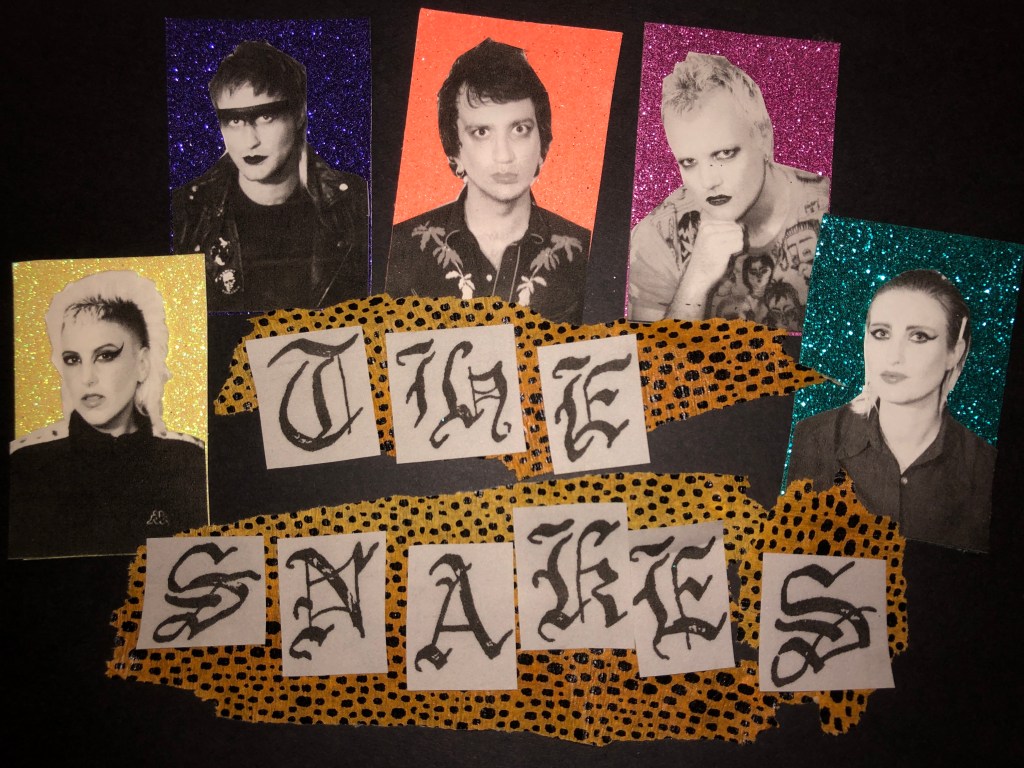
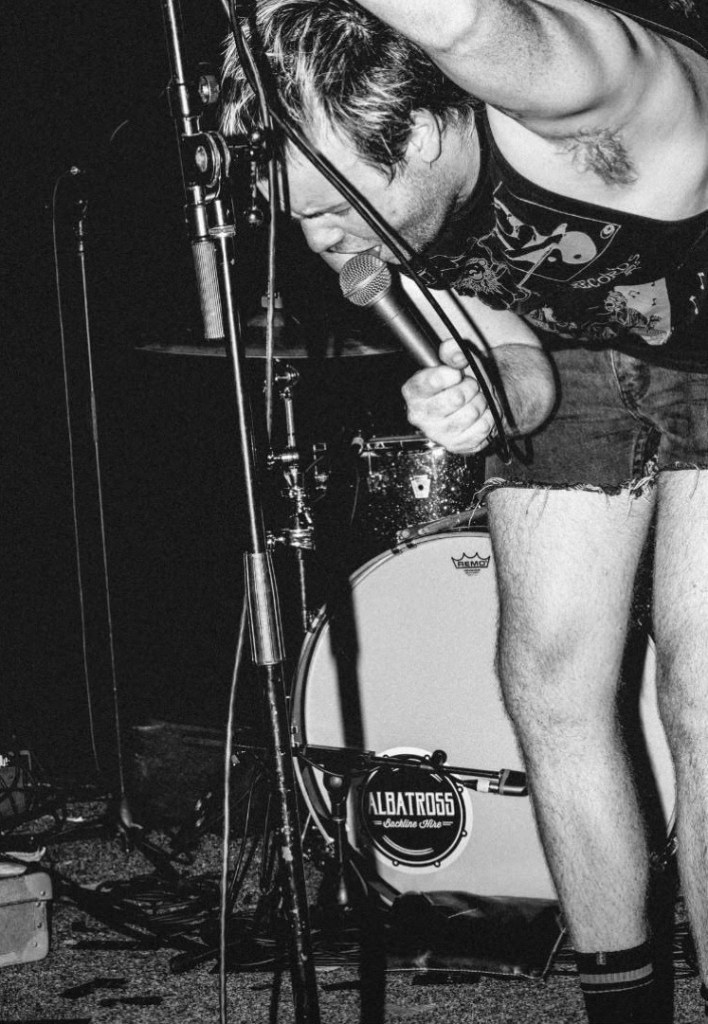
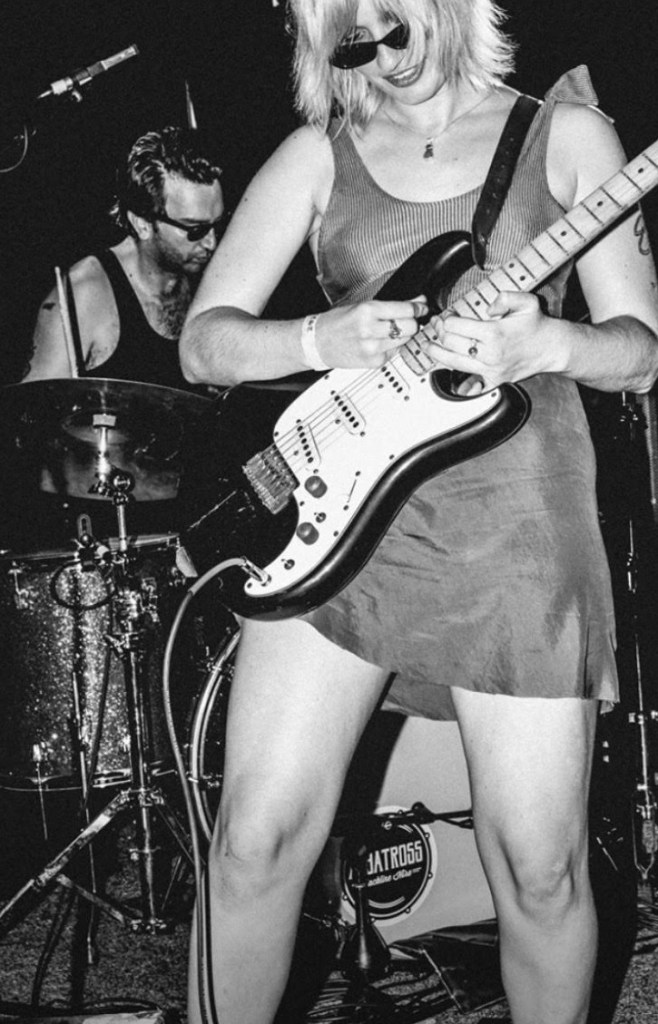
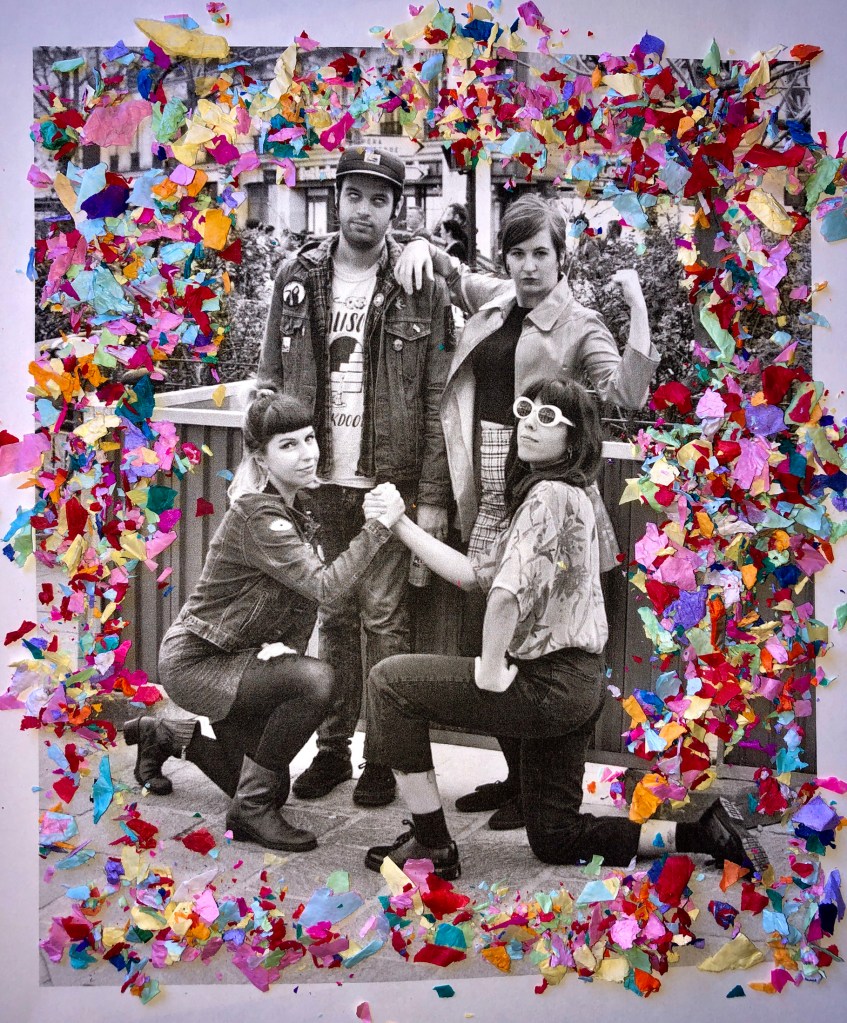
Original photo by Josephine Fournis. Handmade collage by B.

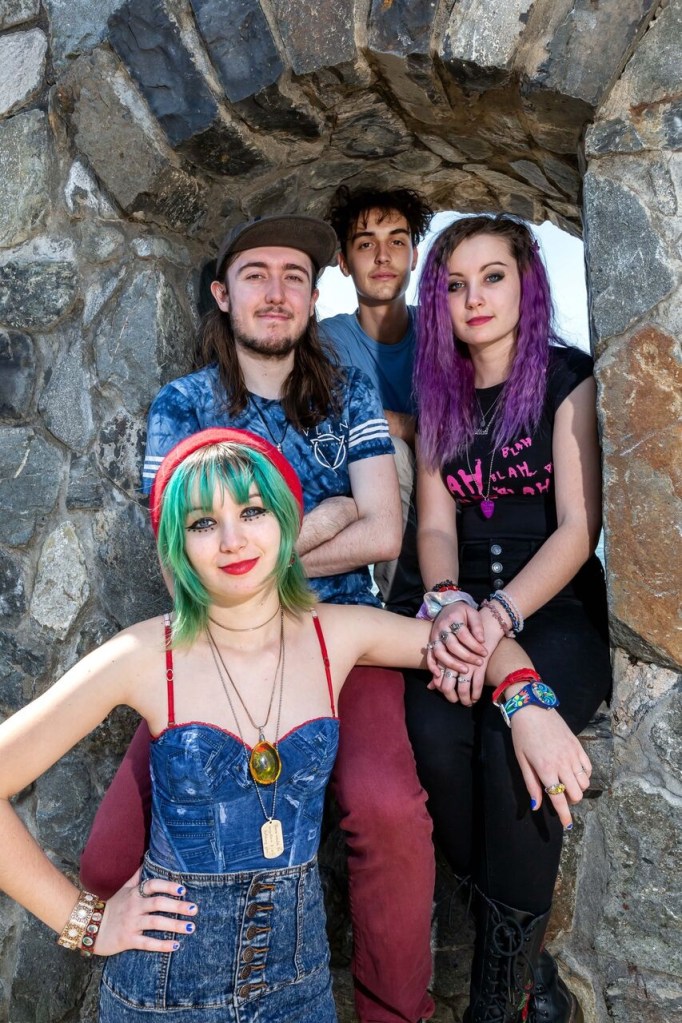
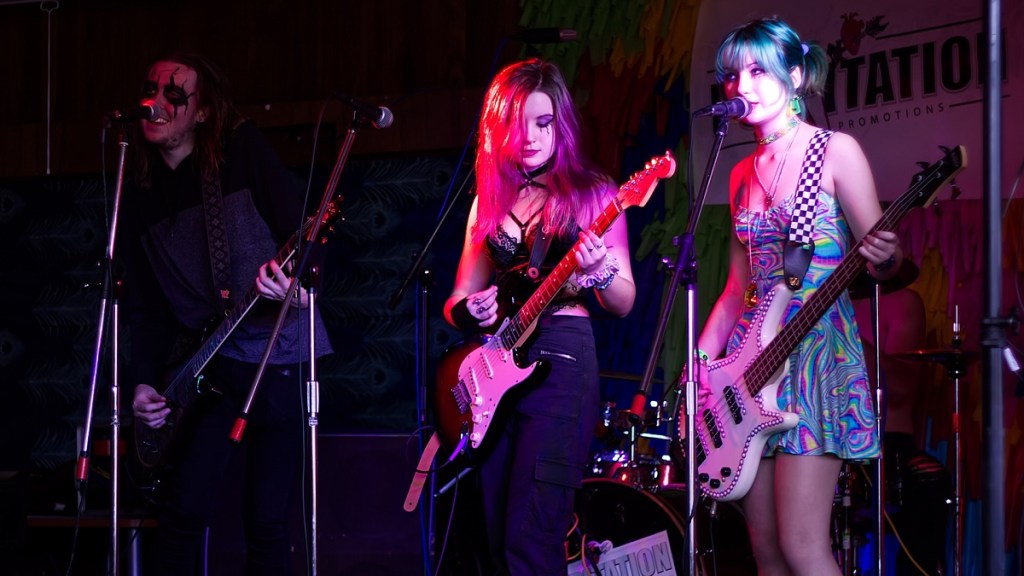
French band Mary Bell’s music is a combination of classic punk rock, American hardcore, grunge and Riot Grrrl. We spoke to them about what Paris is really like, got some insight into each member’s history of musical discovery, what they do outside of music, how they pulled through a controversy surrounding the band’s name and of new music in the works.

Mary Bell are from Paris; can you tell us a little bit about where you live?

VICTORIA: I’ll start with the positive things: Paris is very beautiful, it’s thriving in culture, you can go to a different gig every night, things to do and to see are really endless. It’s what keeping me here: as a hyperactive person, I constantly need new things to do and things to see, and Paris is the only city in France that has lived up to those needs. Still, Paris is quite small compared to other European capitals, so I think the DIY punk scene is quite small as well. That means that you easily get to know the other bands and that the different music scenes tend to mix with one another, which is a good thing, to my mind. Otherwise, Paris is a tough city to live in: the population density is very high, gentrification is everywhere, the cost of living is skyrocketing… A lot of people, especially young workers or students can’t afford to live in Paris anymore.

TRISTAN: Yes, gentrified, expensive, violent for a lot of people, especially if you have not a lot of money. What you notice the first when you come here is that there is a lot of impolite, not friendly, stressed and aggressive people, because the “everyday life” in this city makes you become this way. Everybody is always running and there’s no room for everyone in the transportations, and if you want to come home after a long day of work you have to walk on other people to do so… It does still shock me after living here for more than 10 years. But I guess it is normal for one of the most crowded place in the world (people per square mile: 55,138…). And it does rain a lot and the sky is almost always grey. Everything here is grey, the sky, the buildings, the pavements, and it makes you become grey too. I guess this is one of the most greyish city in the world too. The good side is that it is not that hard to find a job here compared to somewhere else in France, and there are a lot of shows and exhibitions happening. But forget about the romantic bullshit.

ALICE: I live in the countryside, two hour drive from Paris, in the “Center” region of France. It is beautiful, this is the “King’s region”, there is a lot of castles from the Renaissance area and a lot of forest… But it’s REALLY CALM. I go to Paris when I want to see shows and friends!

What kind of music and bands were you listening to growing up?

VICTORIA: Growing up, I was listening to lots and lots of music, different styles, different eras, and most of it I’m still listening to now. I had the chance to grow up in a musician family: I listened to classical and baroque music (Bach, Marin Marais…), pop, new wave, rock, hard rock… And then, at the beginning of the 90s, grunge exploded and it totally blew my mind. I listened to bands such as Nirvana, Hole, Babes in Toyland, Melvins, Soundgarden on repeat. Those bands still stick with me nowadays. At the same time, I was really into hip hop and French rap. One of my favorite bands at the time was the French band NTM (it stands for “Nique ta mère” which you can translate to “Fuck your mom”, haha). I discovered punk and hardcore music a couple of years later while hanging with some skateboarders at a party. Again, it totally blew my mind. I was already what you can call a music digger, as music has always been the most important thing in my life, and so, started digging into punk and hardcore.

ALICE: I went to music school, I listened and studied classical music, specifically Baroque. At home my parents were listening to Led Zeppelin a lot, The Doors, The Beatles, Pink Floyd, we danced on Madness… Then I took my big sister’s CDs, I mainly remember screaming to Hole and Nirvana, but also dancing on Madonna and Ricky Martin… At 11, I discovered internet and Sum41, Marylin Manson, Avril Lavigne… Hahaha. I was living in the suburbs, at fifteen I went to school in Paris and discovered the Punk scene.

TRISTAN: I feel like I’m still growing up, so I don’t know what you mean exactly in term of period. So, when I grew up the most (in height) I think it might be when I was five to eight or something, the bands I listened the most were AC/DC, The Cure, Helloween, Sex Pistols, Bad Manners, Deep Purple… Just stealing my parents’ old tapes and records in the attic. A lot of “bed jumping” happened for me as a kid on these things.

GAÏLLA: I grew up listening to what my parents were listening to. Artists like Jimi Hendrix, Led Zeppelin, Jefferson Airplane, Grateful Dead, Zappa, and a lot of blues and jazz too. And I feel like it really impacted me. But during my adolescence, like a lot of teenagers, I wanted to listen – to try – every kind of music. I listened to rock in general, metal/ heavy, punk, grunge but also Hip-hop/ R’n b etc.
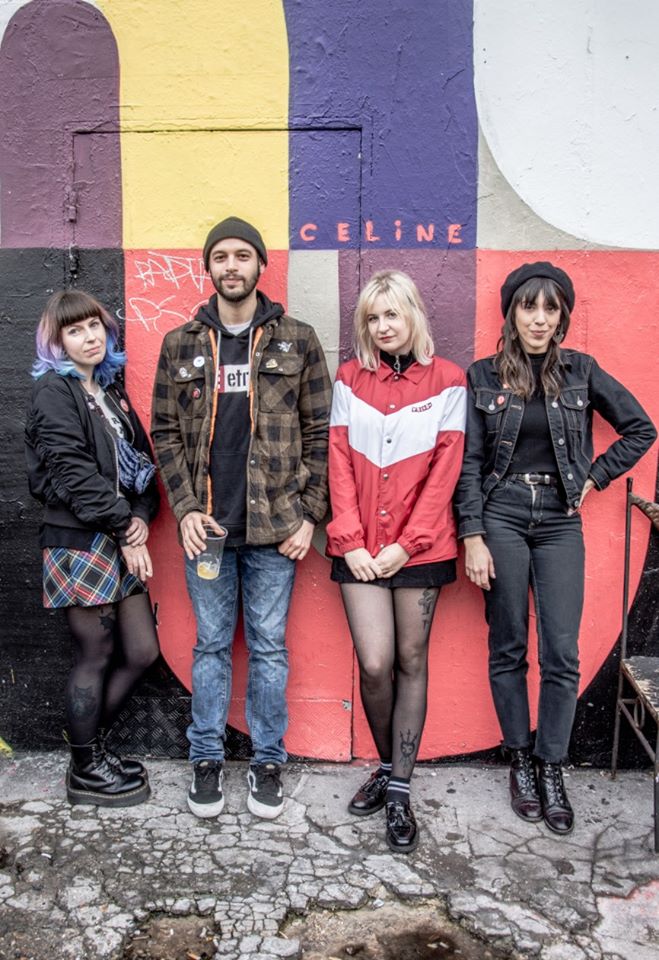
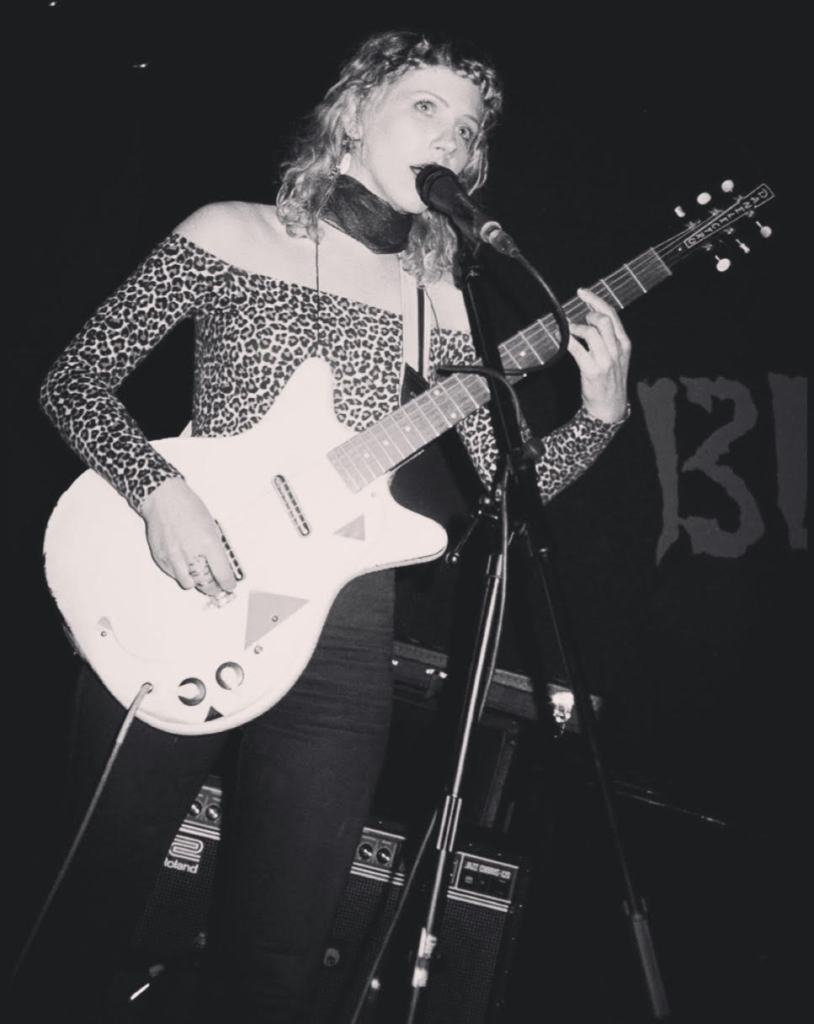
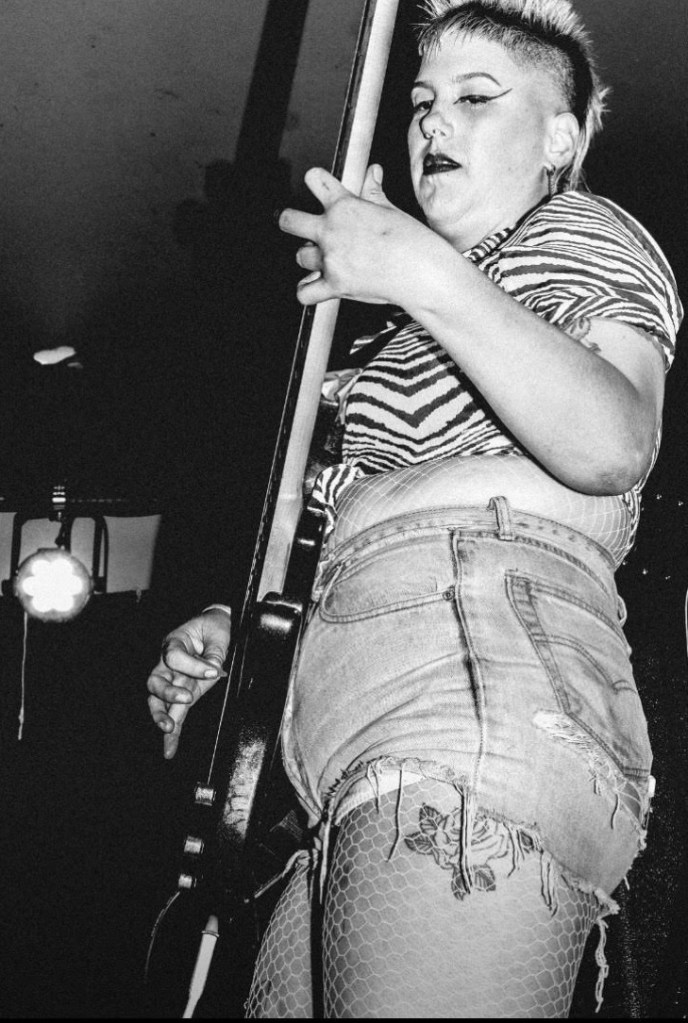
Photo : Céline Non.

How did you start playing music?

VICTORIA: I started playing the piano at an early age, and then the viola da gamba, but stopped everything when I became a teenager: the academic way of learning music was becoming a real pain in the ass for me. At that time and since then, most of my friends were musicians, and were playing in bands. And all of them were guys. I could have picked up a guitar, but somehow, being a girl, and having internalized a lot of fucking sexist ideas, I didn’t feel legitimate to do so and even thought, at some point, that it just wasn’t for me. What a bunch of bullshit!! But I guess those crazy ideas kind of stick with you growing up, even when you start to realize that it’s not true and such. While getting deeper into Feminism and meeting more and more female musicians, a lot of them reclaiming from the legacy of riot grrrls, I realized that I could grab an instrument as well and start a band. By the time I realized that, I was 30!! Yes, I guess you can say that it took me some time to get accustomed to the idea… The cool thing about all this is that as soon as I started playing the guitar, I knew exactly what I wanted to play, what I wanted to sound like, and what it was gonna be for me.

ALICE: My big sister was singing in a professional choir, my parents did the same for me and my little brother. I started by learning the piano at 6, then at 10 I went to “half-time teaching music school”, school in the morning and music studies in the afternoon, every day from the age of 10 to 18. Then, at 16, I started screaming. I have to say it was not really good for my lyrical voice, which I gave up on at 18.

TRISTAN: My mom offered me a guitar when I was in primary school. I was too scared and shy to ask to or begin something like this by myself, but was always listening music, so she just bought me the piece of wood and gave it to me. I never stopped playing since…    

GAÏLLA: I tried playing bass when I was +/- 15 because my dad was a prog rock and jazz bassist, but I wasn’t very studious. I liked it but it wasn’t really my thing. And at this time, drums looked out of reach for me, so I put this idea aside. But when I turn 26, it feels like an urge to play music again, especially drums, it feels like it was “now or never”. So I took a few drum lessons, and a few days later, I met Victoria and we started Mary Bell.

How did the Mary Bell get together?

VICTORIA: We started playing with Gaïlla while both learning how to play our instruments. After three or four rehearsals, we decided we wanted to have a band, and started looking for musicians.

ALICE: I saw an announcement Victoria posted on Facebook, “looking for a singer”, I was shy to but I answered because I really wanted to sing in a band and I liked the bands she mentioned as references. I passed an audition, we played “Rebel Girl” from Bikini Kill (which is too high for my voice by the way), and a composition she and Gaïlla made. I also played the bass but it was so, so hard for me to play and sing and the same time!

TRISTAN: Playing guitar, they were searching for a girl to complete the band, I’ve insisted a lot and it finally worked out as a boy and as a bass player. I was like, “let me join you, I can play some really dirty bass, and I can record the band too”, and blablabla… I don’t even know why I wanted that much to be in that band in the first place. I was homeless at the time and searching for an additional band to have fun after a long day of work before sleeping who knows where. But I don’t regret my insistence in joining it at all, for what it gave us in terms of records, tours, and funny times. (Haha…)
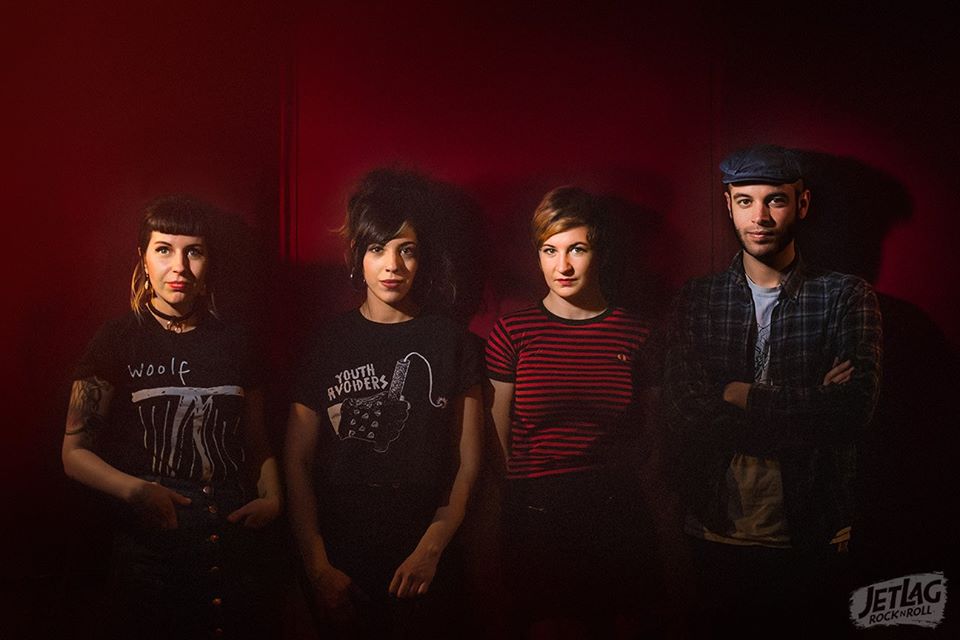
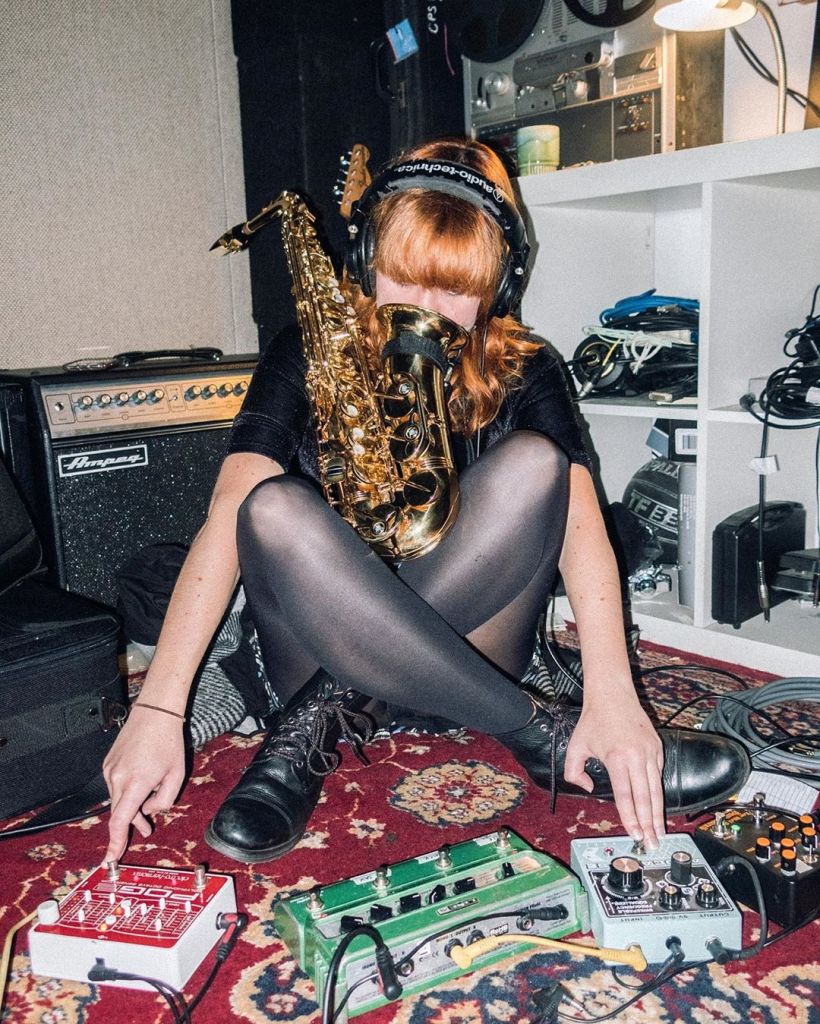
Photo: JetLag RocknRoll.

Can you tell me something interesting about everyone in the band?

VICTORIA: Gaïlla is a huge fan of Mariah Carey, Tristan is a highly trained virtual plane pilot and Alice bakes amazing carrot cakes.

ALICE: Ok, this is very interesting: Victoria’s zodiac sign is Scorpio, Tristan had a chicken pet when he was little, Gaïlla has her driving license but don’t let her drive!! Hahaha

TRISTAN: Vicky can tell what your future is with tarot, Alice knows a lot of weird medieval music stuff, and Gaïlla can sleep up to 23 hours a day when we tour!

GAÏLLA: We all love listening to horror/crimes podcasts while on tour but, I don’t really remember because I was sleeping.

Your band is named after a British serial killer from the ‘60s; how did you find out about her?

VICTORIA: I first heard of Mary Bell while reading Crackpot from John Waters, where he cites the Mary Bell case as one of his obsessions. Somehow, Mary Bell being a child at the moment she committed her crimes, it really interested him and I totally can understand why. There really is something striking in the Mary Bell case, her being a child, her murdering two children, her trying to manipulate people in thinking that another girl committed the crime… She was just 11. Children are believed to be innocent at that age. Anyway, I think we all thought it matched well with the idea of our band. 

Mary Bell was forced to cancel a concert in the UK in February last year following outrage from the families of Bell’s victims and other locals; how did this situation impact the band?

VICTORIA: It all started when a lousy so-called journalist wrote a piece about us claiming we were making lots of money from the name ”Mary Bell” + getting fame out of it (uh hello, we’re a DIY punk band, we’re not making any money…) The worst is that she reached out to the families of the victims to have their say about it (I guess otherwise, they would have never heard of us…). They went to their local MP to send a lot of letters to cancel all our shows in the UK… We had no choice but to let go, and take the shitstorm, the insults and the death threats (which we used to receive daily on our Facebook and YouTube pages). What a time…

ALICE: Victoria worked a lot for this tour, I was really sad but really angry for her because of all this work and efforts being ruined because of this sensationalist press. (Who’s really making money out of people sadness?) We still had a great time with our few concerts, meeting amazing people and having very interesting talks about England and safe spaces.

TRISTAN: Oh yeah, and I get beaten in the middle of the night coming home from one of these shows, by a bunch of crazy guys with knives and no t-shirt in the middle of winter. UK is a very nice place currently, it is really a giant safe space, safe from common sense. I hope it will get quickly better for them and our friends and family there in the future, but it does currently look bad, with clowns at the head, and a lot of racist and violent people. The shows we did were good but when talking to locals, I can see that the country was a mess in the middle of the Brexit thing and it was not an easy time for them at all. So yes, it was a little bit weird sometimes during the tour.   
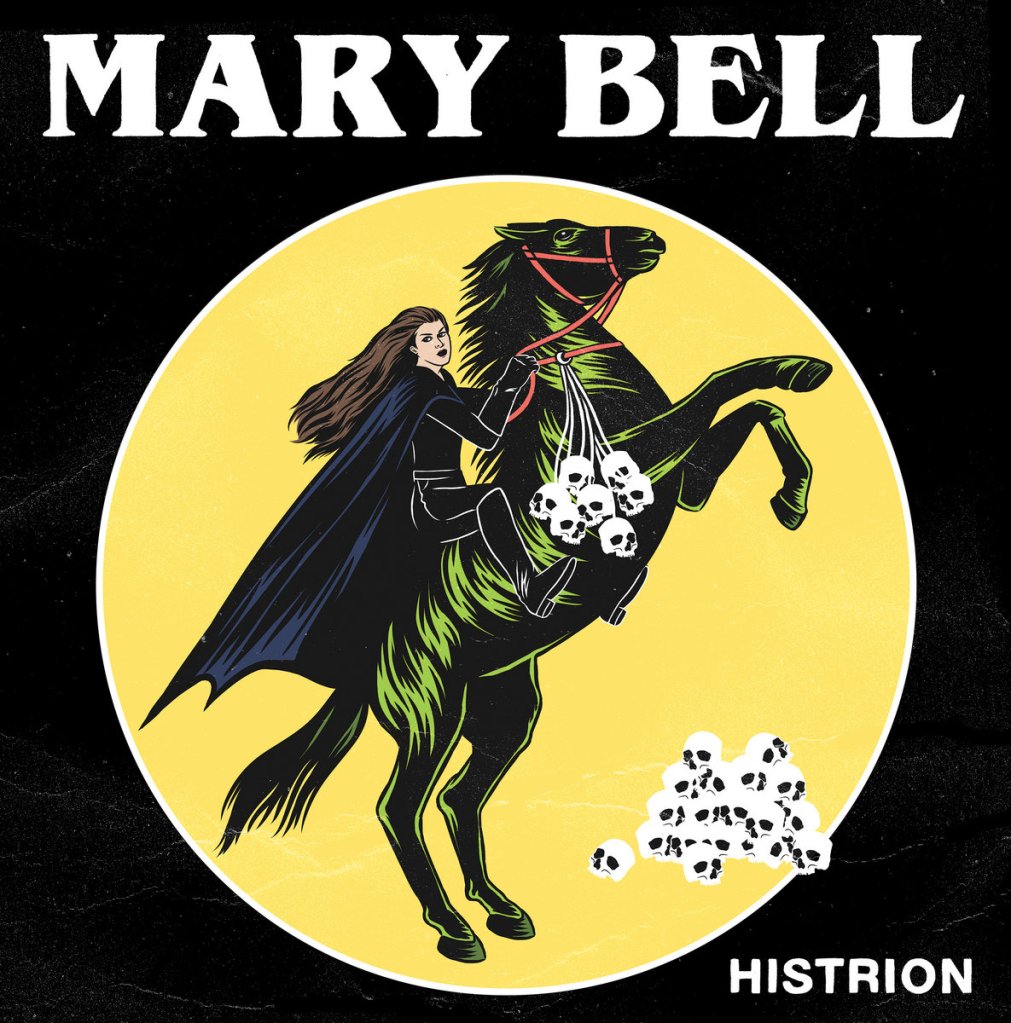
At the end of 2018 you released EP HISTRION on it there’s a song called ‘I Used To Be Kind To People In Crowds, But That Gave Me Murderous Tendencies’; what sparked the idea to write this song?

ALICE: Within a week, a friend of mine lost her daughter and another one had a stroke. It was so sudden and unfair, my friends and I suffered a lot. I’ve always been the “nice person” holding the door, smiling to people, saying hello to my neighbours, never complains… But the day after the funeral, one of my neighbours screamed at me because of my car. First, it was a nonsense, secondly, the fact she was so concerned about this tiny little shitty thing made me furious, I screamed at her, she didn’t say anything, she thought of me as a little smiling girl and was visibly shocked. I pictured my friend losing her child and people complaining to her about everyday problems, it made me furious… And “gave me murderous tendencies”.

GAÏLLA: It’s a really powerful song, and very intense – overwhelming sometimes – to play. I think Alice put the right words on a feeling mixed with hate, frustration, helplessness that we all felt once in our lives.

Your drummer Gaïlla has done the artwork for all your releases before the latest one which is by artist Stellar Leuna; what made you choose her for the art?

GAÏLLA: I studied graphic design so I started working on MB visual art pretty naturally. We love esoteric-witchy-weird stuff so it fitted well. But we also are big fans of Stellar Leuna’s work, she’s really talented. Her art perfectly reflects our music too: It’s dark and goes straight to the point. So we asked her and sent her our music. She loved it and got inspired by it and… ta-da! She did an amazing job, we were thrilled.

Have you been working on any new music? What can you tell me about it?

VICTORIA: We’ve been working on new material since the release of HISTRION, and we currently have 12 new songs we were supposed to record in April, and release on vinyl later this year… Unfortunately, due to the COVID-19 pandemic, all our recording projects are on hold. We’ll see how it goes…

ALICE: New things: donuts, trains, cats.

VICTORIA: Yes, the themes tackled in our new songs are very eclectic!!

What’s your favourite things you’ve been listening to lately? We love finding new music!

VICTORIA: I’ve been listening to lots and lots of music since the beginning of the quarantine… I think you can all find them easily on Bandcamp. Bands like Slush, Gaffer, Cold Meat, Nightmen, Thick, Lizzo, Malaïse, Mr Wrong… Also, please check out my friends Bitpart and Litige who both released records this year on Destructure Records.

ALICE: I mostly listen to podcasts because I need to hear people speaking during this confinement! I really have phases… Today it’s raining so I’m listening to Douche Froide, Traitre, Litige… Yesterday I spent the day listening to rock steady (guess the weather), but sometimes I really can’t bear it. (Apart from Phyllis Dillon I’ll always love).

TRISTAN: a lot of Australian bands actually, I guess you already know them all (Civic, Eastlink, UV Race, Destiny 3000, Cuntz, Venom P Stinger, Gee Tee, the Stroppies…) Aside from that : Destruction Unit, Slippertails, Sun Araw, Pussy Galore, KARP, Part Chimp, Marbled Eye, Lungfish, Red Aunts, Poino, Liquids,… Not new stuff, but these are a lot in my ear currently and I am not in a ‘music searching’ period. 

GAÏLLA: Like Alice, I mostly listen to podcasts lately. And during the confinement I listen to really chill stuff as Julia Jacklin, Angel Olsen, Beat Happening, Hope Tala, Cate Le Bon, Part Time, Charlie Megira, Deerhunter, Homeshake, Los Bitchos, No Name and some jazz/ classic rhythm and blues and some 70’s folk music.

Outside of making music what do you do?

ALICE: I’m a music teacher, I don’t do anything outside of music. Haha. Just kidding, I live for food, we cook a lot with my boyfriend and love to have home-made fancy dinner with a lot of red wine. We’re doing gardening too, crafts activities (I made my own garden furniture and I’m really proud of it! Haha).  I’m still studying musicology, I love to learn and research new things, I read and cuddle with my cat Mystic.

VICTORIA: I’m currently the International Digital Communication manager for a NGO. That sounds really pompous, but really, my job is great!! Also, with a friend, I’m running women and non-binary people empowerment workshops through music, it’s called “Salut les zikettes!” which I guess you can translate to “hello, musicians!”.

TRISTAN: I work as an IT engineer five days a week, aside from that I drink a lot of beers, like to read technical stuff before the beers, and more “artistic” stuff after, with my cats not far from me. I cook a lot too, and like to eat really tasty food. 

GAÏLLA: I’m a graphic designer but I started to study jewellery recently and I hope to do that full time at some point.

Please check out: MARY BELL. MB on Facebook. MB on Instagram.

Brisbane Grunge Indie Rockers Lunchtime: “Family and emotional violence is a hard topic because love is used as a weapon so often… we’re trying to help young people who are going through similar situations feel strong”

Original photo by Kieran Griffiths. Handmade collage by B.

Lunchtime are a band that wouldn’t be out of place in the ‘90s; the dream of the ‘90s is alive in Brisbane. Their songs are a mix of grunge, punk and indie rock, the band co-founded by twin sisters Eden and Constance along with high school friend Lachlan. We interviewed them just as they were getting set to drop their latest single and video ‘Science Of Sorrow’.

Lunchtime are from Brisbane; what can you tell me about where you live?

LACHLAN: Constance, Eden and I live at Stafford but they used to live in Deception Bay and I lived at Caboolture while Tim lives in Carindale.

CONSTANCE: The best thing about Deception Bay was going down to the local shops and seeing people sitting at the bus stop drinking wine. Our single ‘Deception Bay’ was inspired by these three blokes who were omnipresent at that bus stop. 

EDEN: I always know if it’s a cloudy day in Stafford cuz Constance only does the washing when it’s raining which is annoying but funny.

How did Lunchtime get together?

LACHLAN: We started when the twins and I were at school and then two years ago Tim joined the band after our previous drummer left.

CONSTANCE: It was kinda weird how we ended up in the same band because Eden and I were in a band with these other guys that broke up and started a band with Lachlan which also broke up then the three of us formed Lunchtime with the drummer from the original band.

EDEN: I just remember me auditioning Tim before the others got there and the only question I asked was “Do you like Tiny Teddies” and he said “Yeah they’re alright” and I was like yup this is the one.

Photo: Ben McShea.

How did you start playing music?

LACHLAN: I picked up a guitar.

TIM: I started drums in school.

CONSTANCE: I found my dad’s old guitar in the garage. It had three strings and that’s how I taught myself to play. Hence the punk rock band…

EDEN: Constance needed someone to back her up so I got forced into it and then I decided playing piano was cool cuz I was obsessed with Mika back then. Then I also got forced into playing bass cuz our first bass player decided he wanted to play guitar instead.

Can you tell us something about everyone in the band?

LUNCHTIME: Tim can do a kickflip. Eden is an artist @mumblebee_art and has 93 cacti. Lachlan can put his legs over his head Constance is a Pilates nut!

Constance and Eden are twins; what’s it like creating with your sibling?

CONSTANCE: It’s pretty great because I never really have to explain the artistic direction I want the song to go in, she just knows. Or if one of us is struggling with part of a song in the writing process we can run it by the other and they usually can make it perfect in two seconds.  

EDEN: I love it because it’s like we were made to harmonise with each other. Singing together is so easy and she can always finish things if I hit a wall or tell me how to do it better. You can be brutally honest with each other and there’s no hard feelings.

What’s an album that means a lot to you?

LACHLAN: Hungry Ghost by Violent Soho. They’re a really good Brisbane band, I think we look up to them a lot.

EDEN: I remember hearing ‘Covered in Chrome’ and thinking he had a weird voice and I liked that cuz I thought I sang funny as well. The show at the Riverstage for that album was my first mosh pit and I lost my toenail which I keep to this day in a jar.

Photo: Schema Collective.

What was the first song you wrote for Lunchtime? What was it about?

CONSTANCE:  The first song I wrote for Lunchtime was called “Get over it”. It’s the last song on our first EP Feedback and it was about the first time a band I was in broke up. When bands break up it is way more upsetting than any romantic break up. For me anyway haha. The song was me telling myself that you can try and do everything to forget and still feel the pain but you need to find a way to move on and get on with your life.

EDEN: My first song for us was “I Bleed Lemonade” it was about me punching a concrete pillar after my mate told me he had unknowingly set up my secret crush with someone else.

Your latest song was released late last year and called ‘Deception Bay’; how did that song get started?

CONSTANCE: Deception Bay is where Eden and I grew up. I wrote it when I was about 16 and in the midst of trying to figure out life and all these crazy emotions. ‘Deception Bay’ was named because when it was discovered they thought it was a river because it was so shallow. Random fact but it started the process of ‘huh this place isn’t as it seems let me make some art about it.’ At 16 I was at the restless point when you just want to run away from your problems and used my hometown as a synonym for everything (mentally, etc) I was trying to escape from.

Last year you released single ‘Show n Tell’ which is a song about domestic violence and feeling like there is nowhere to go even when you’re in the place where you are supposed to be safe; what inspired you to write this song?

CONSTANCE: Eden and I had a lot of family issues (as you can probably tell cuz half of our songs are about it.) ‘Show n Tell’ was written about my family and basically what it was like for us growing up. Writing songs has always been a coping method for me because I felt the only way to be heard was through music. The lyrics are pretty dark and sarcastic I think I wrote them after a particularly nasty fight.

EDEN: Family and emotional violence is a hard topic because love is used as a weapon so often. I think we’re trying to help young people who are going through similar situations feel strong and let them know they can get out because there is so much to look forward to in life.

I saw that you were recording last month; is there new music in the works? What can you tell me about it so far?

LACHLAN: We’re recording every day for a couple of things hopefully you see it sooner rather than later cause we don’t have any excuses for time.

CONSTANCE: We’ve been working away at an album which should be finished this year at some point. Its top secret but we may be about to drop a new single – ‘Science Of Sorrow’ [Ed’s note: the song has come out since we did this interview]. We are pretty stoked about this song as it is our longest yet (over 5 mins) and quite different from our other material.

EDEN: One of our mates is hiding in a scene so there’s a Where’s Wally kinda scenario in the new music vid.

I know recently you were super excited to be working on a music vid with Kieran Griffiths Filmmaking; tell us a little bit about it?

LACHLAN: Kieran is a mate we met at a gig and have been good mates since and he did a degree in film so we thought it would fun to work together.

CONSTANCE: We were filming the music vid for our next single. It was pretty fun we all just set up in Tim’s living room for a couple of hours. Kieran is super talented and we are pretty honoured to be working on this with him.

EDEN: The Griffiths twins are our insanely talented best mates, Kieran had been bringing his camera to Gathos and one night we got talking and said it would be cool to do a collab. He directed and shot the whole thing singlehandedly. I’m really proud of it cuz the new song is my baby and is very personal to me. He made me punch yet another concrete wall and made Tim sing which was great. Keen as mustard for yas all to hear it.

How are you keeping busy while we’re all locked down at home right now?

LACHLAN: Lots of recording and Netflix and Minecraft.

CONSTANCE: Studying a marketing degree and a lot of songwriting and jamming.

TIM: Hanging with my girlfriend and fishing.

EDEN: Painting and gardening and watching Friends at 6pm on channel 11.

Please check out: LUNCHTIME. Lunchtime on Facebook. Lunchtime on Instagram.
Alex Patching of Perth Punk Band Aborted Tortoise: “I became obsessed with four-tracks, thanks largely to Get Real Stupid the first Reatards 7-inch”

Handmade mixed-media collage by B.

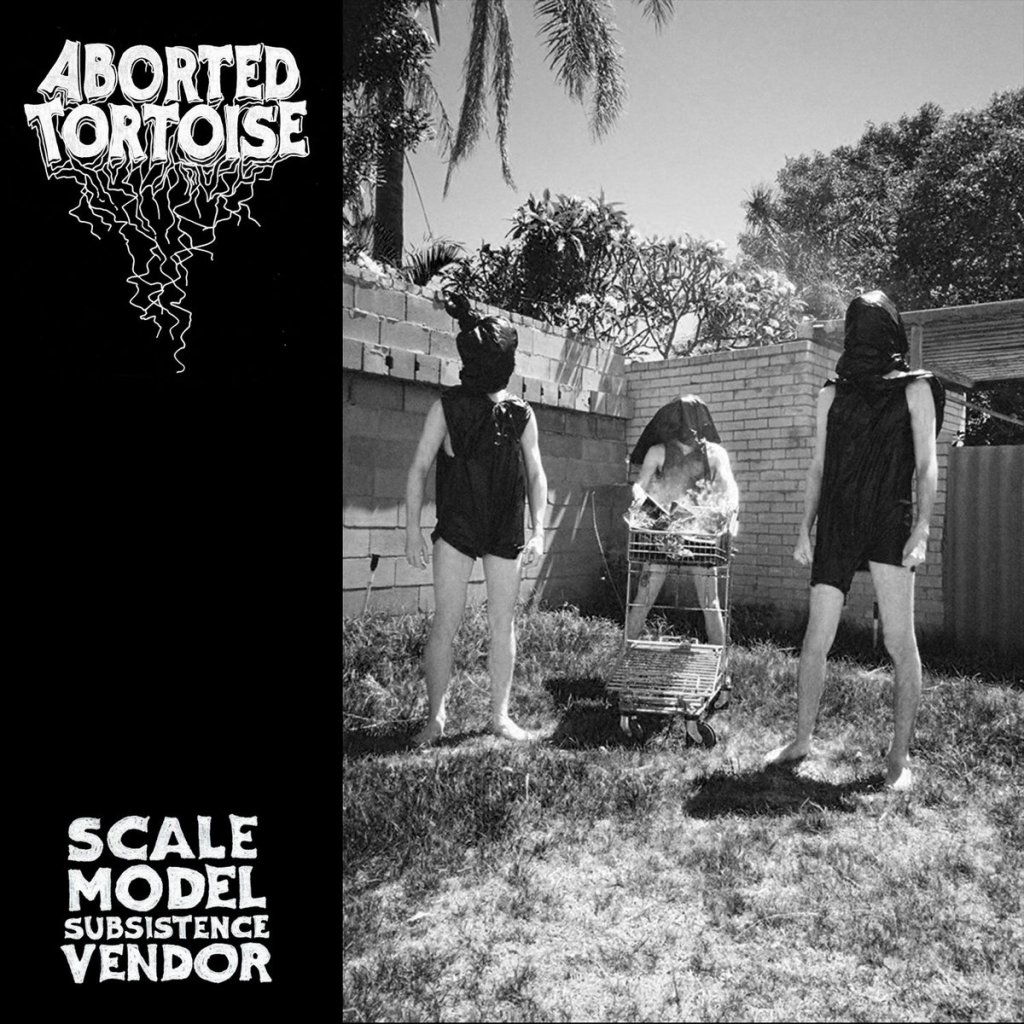
We really dig Aborted Tortoise with their wild, driving, rapid-fire, jangly, buzzing punk. Their latest release is a concept EP – Scale Model Subsistence Vendor – about Coles’ Minis, the stupidity and frustration of the frenzied obsession and the pointless consumerism people buy into. We chatted with drummer, Alex Patching.

How did you first discover punk rock?

ALEX PATCHING: Personally most of my initial exposure probably came from the skate videos I used to watch when I was younger. The influence of the Tony Hawk’s Pro Skater soundtrack also can’t be overstated. My dad is a massive rock dog so I didn’t really grow up with much punk being played aside from maybe the odd Sex Pistols song. Initially I got really into the bigger names (as you do) like Black Flag, Dead Kennedys, Minor Threat etc. but eventually started digging a little deeper and got really into the lo-fi cassette stuff that’s been so popular on YouTube over the last few years.

You all grew up together before Aborted Tortoise was even a band; tell us a little something about each member?

AP: Connor [Lane; vocals] is The Tony Galati of cryptocurrency (WA reference – sorry). Charles [Wickham; guitar] is a reality TV addict/Coles Minis enthusiast. Tom [Milan; guitar] is a medical physicist/renaissance man. John [Peers; bass] is a rock pig/gamer and I’m a subpar historian.  

All of us (except Connor) went to the same high school, so we were all more or less familiar with each other long before the band was a thing. Tom and I have known each other since pre-primary and have a long and vibrant history – I have vivid memories of playing AOE at his house in primary school, the one you used to get in Nutri-Grain boxes. We used to make mazes filled with various hazard like crocodiles and lions and force innocent villagers to escape.

The four of us had a short-lived high school band which we fucked around with before starting Aborted Tortoise just after we graduated. We needed a vocalist, so we ended up recruiting Connor who I’d known for a while through a wider group of friends who used to go skating.

What’s the story behind your band name? How did you come to putting the words “aborted” and “tortoise” together? It’s has a nice ring to it!

AP: Haha, thanks. There was talk of changing the name at one point but we decided against it and now, for better or worse, it’s what we’re called. Its eye catching at least?

From memory we were hanging out in a carpark at this lake near where we live and there are all of these signs warning the public of tortoises crossing the road. Pretty sure I just saw the sign and the words came out. It’s far less heinous than the two pages of alternate names that we had lying around so we decided it would be the band name.

Aborted Tortoise are from Perth, Western Australia; how does your environment influence your music?

AP: I’m not sure it does influence our music per se. It does influence where we play in that it’s far more expensive to tour living here than it would be if we were based in Sydney or Melbourne or something. It’s not like we can pop over to a neighbouring city for the weekend with any ease, so we have to get used to playing the same five venues to the same 50 people. Thankfully we have the internet to peddle our wares because if we had to rely solely on the local scene for selling merch, things would be a bit grim.

You once describe your music as “like Chuck Berry on crack”; what key elements do you think make the Aborted Tortoise sound?

AP: Hahaha that quote is edgy 18-year-old me to a tee. Certainly early on, particularly on the first EP, there was a pretty strong element of traditional garage and surf like the Sonics or Dick Dale, so there was lots of blues scales, and most of the lyrics (at least on my behalf) ripped off a lot of the song concepts from those bands.

That said we’re a totally different band to the one that recorded our first EP. I think now we try to use the dual guitar thing a bit more interestingly rather than just having two guitars playing power chords. There’s also definitely a sense of humour and immaturity because we don’t want to take things too seriously. We have the most fun when we’re taking the piss.

At the start of March you released your Coles’ Minis inspired concept EP, Scale Model Subsistence Vendor EP; what sparked the idea?

AP: We had the idea of doing some form of concept EP and Charles had written a song about Coles Minis so we ran with that idea. Charles reckons he went to some movie night at a friend’s house and saw a bunch of Coles Minis on display around the place and got unreasonably (I say reasonably?) annoyed about it. The rabid presence of makeshift marketplaces and swap-meets for them online were also an inspiration.

Was it hard to write all the EP songs to theme?

AP: Honestly it probably helped a bit. We don’t often write to a consistent theme and we just choose ideas based on what we think is funny. Everyone had an idea about what part of the Minis process they wanted to respond to so we split the writing duties like that. Any parallels to the actual minis process are purely coincidental, but we made some educated guesses. Very happy to have finally used the word polyethylene in a song though.

You recorded and mixed the EP on a 4-track; how did you first learn how to record? Are you self-taught? Can you tell us a bit about recording process?

AP: In the pre-Aborted Tortoise days we used to badly self-record stuff with a USB mic into a computer, but we had no idea what the fuck we were doing and consequently the recordings are heinous. I ended up studying sound at Murdoch Uni which was fun but only maybe 40% was relevant to my interests. During that time I became obsessed with four-tracks, thanks largely to Get Real Stupid the first Reatards 7”, and in the end I learnt more by just playing around with my four track at home than I did during my degree. I just used my other bands, and my friends’ bands as guinea pigs to figure out what I was doing.

The first Aborted Tortoise release that I recorded and mixed was the Do Not Resuscitate 7”. That release was done mostly live on my Yamaha MT50. That machine shat the bed during that session, so the second side of the 7” was recorded on a different four-track that we borrowed (cheers Tom Cahill). When we were doing takes of 20XX the tape was speeding up as we started playing so it sounded like we were taking off or something, it was fucked.

Subsequently, for Scale Model Subsistence Vendor I reverted back to using my first-four track, my Tascam Porta 02. It’s probably the most basic four track you can get that isn’t just a tape deck. It’s technically a four-track but it can only record on two tracks at once. The only mix functions it has is level and pan control so essentially the mix had to be decided on before pressing record, and all the instruments were squashed together on two tracks as a stereo mix.

Connor’s place has a neat granny flat which we have kindly been granted access to, so we can record in there for free. The set up for Scale Model Subsistence Vendor was super basic; we just chucked all the instruments in the same room, popped a few mics about and played some takes, tweaking the settings on the desk as we went. Once we were happy with the mix, we just played the songs through and got them done in a day. Vocals were done separately a week or two later and that was that.

What’s is the most memorable show you’ve played? What made it so?

AP: Definitely a major one was when we went to Melbourne around 2015 to play a couple of gigs. We played a show at The Grace Darling with Dumb Punts who were kind enough to chuck us on a bill with them. The set itself wasn’t very memorable but at some point, someone knocked over a pint glass and it smashed on the stage. Later during Dump Punts’ set, Tom fell over straight onto the smashed pint glass with arms outstretched and badly cut up his hands, so we had to bail to the hospital so he could get stitched up which took all night. Tom still couldn’t move his fingers when we got back to Perth, so he went back to hospital only to find out that he’d actually severed some tendons in his hand, and the fuckhead doctor in Melbourne hadn’t properly checked it out. In any case it’s miraculous that Tom can even play guitar anymore. Hopefully that doctor got fired.

Some honourable mentions: that shit house party in Yanchep, Chaos Club 1 + 2 (for all the wrong reasons), Camp Doogs (both times).

Outside of music, how do you spend your time?

AP: Charles is in his final year at uni studying education so he can finally morph into Mr. Wickham and boss kids about.

I’ve just started studying honours in history part time, so I’ve got two years of uni ahead of me before my life starts truly resembling Night At The Museum. Charles and I both work together at the same store of a popular technology chain selling unnecessary shit to annoying techies who have nothing better to do.

Tom works at a hospital as a medical physicist doing complicated things to complicated machines that I don’t fully understand but its fucking sick nonetheless.

Connor had been residing in Europe until coronavirus kicked off big time so he’s back for the time being. Probably plotting his next crypto move.

Finally, John works in disability support, and has recently logged 200 hrs of the new Call Of Duty.

Please check out: ABORTED TORTOISE. AT on Facebook. Scale Model Subsistence Vendor available via Goodbye Boozy Records.

Program’s Jonno Ross-Brewin: “We’re all about jamming in as many riffs and melody as possible”

Handmade mixed-media collage by B.

Melbourne’s Program play catchy as fuck power pop. The songs off their debut album Show Me get stuck in your head, so much so that later in your day after listening to them you’ll find yourself humming the melodies to yourself. We spoke to Program co-founder Jonno Ross-Brewin.

Program released their debut album Show Me in October last year; have you been working on anything new?

JR-B: Rory [Heane] and I have been working on stuff for quite a while now. We’re constantly working on stuff. We’re working on the next album, we’re in the early stages.

How long were you working on Show Me for? It took a while, right?

JR-B: It was because it was the first record for the band, we didn’t really mess around with demos or anything. You could say Rory and I were writing songs for a couple of years before it came out. We were in another band before this one for years, we were kind of a mathy-punk-emo-jam band. For a couple of years we started playing guitar, because neither of us played guitar that much. It probably took a year from when we formed the group.

What inspired you towards the sound you have now?

JR-B: How we were feeling about everything. I used to write much more angsty stuff when I was younger because that’s how I felt. Now that I’m older – I’m not sure if it comes across in the music though – there’s a resignation and acceptance and maybe even a slight comedy about stuff. I’m seeing things in a lighter way, I’m being a bit lighter about things. I still feel the same ways I did then but, I’m just better at dealing with stuff. I know what is useful and what to act on and what you can’t really change.

Lyrically Show Me is quite personal.

JR-B: Especially for me. The tracks that I wrote were pretty personal. There’s definitely a mix in writing but the ones that I sung on were ‘Tailwind Blues’, ‘Program’, ‘Unexpected Plans’ and ‘They Know’.

Was there anything in particular that you were going through in your life when you wrote them?

JR-B: Yeah. ‘Unexpected Plans’ and ‘Tailwind Blues’ are basically based on a failed romantic endeavour, where I flew over to the USA for somebody.

Awww man, that sucks, I’m sorry. Why did you decide to kick the record off with ‘Another Day’?

JR-B: That’s what we’re feeling at the moment, there’s elements of repetition and boredom of our lives, that kind of stuff.

I noticed the album has really bright sounding jangly guitars all over it.

JR-B: A lot of that is just from the guitar that I started learning to play guitar on, it’s an old Japanese Fender imitation thing. The stuff that we’ve been writing is definitely inspired by Big Star and more poppy kind of stuff like The Kinks, a lot of Replacements—a lot of heartfelt power pop.

What did you listen to growing up?

JR-B: Neither of us really came from musical families at all. Our parents are the kind of people that would just listen to The Eagles or Bob Marley. When we were kids Rory and I listened to a lot of stuff that I’m probably a bit too embarrassed to mention [laughs]. I was a massive Red Hot Chilli Peppers fan when I was a kid, and that’s what got me into music. Later on there was stuff like The Strokes, stuff like that has massively influenced us.

I’ve seen Red Hot Chilli Peppers live five times and every time they’ve totally sucked. I was so disappointed, because growing up I’d listen to them too.

JR-B: Yeah, I feel exactly the same way too. I only saw them once, when I was eighteen, and that was the last time I listened to them in a non-ironic haha sort of way. They came out for album Stadium Arcadium when they were well after their prime, I was very disappointed. I thought that I was watching little robot ants from a distance.

Pretty much everyone I talk to that’s seen them says they are boring live. You hear them recorded, see their videos and live footage of them overseas and I think, they might be great to see live, then you do and it’s boring! I actually fell asleep at one of their shows.

JR-B: Where was it?

At an Entertainment Centre like a big arena.

JR-B: That’s probably why, because the place was too big. I don’t really rate big venues. All my favourite moments of live music have always been pretty intimate, in bars and smaller settings… except The Pixies, they’re always amazing no matter where they are. I saw them at Golden Plains recently and I saw them ten years ago at Festival Hall, both times amazing!

What’s been one of your favourite musical moments in an intimate setting?

JR-B: Probably my favourite band, who we’re all mates with too, is Possible Humans—I LOVE seeing those guys. We played their launch at The Tote. Every time I see them I love it. They’re really lovely dudes, amazingly lovely dudes!

You and Rory started Program around 2016 but have known each other since the first week of primary school…

JR-B: Yeah, since we were five!

That’s pretty amazing to have a friendship for that long.

JR-B: It’s wild! We live together as well. It helps us make music, we understand what each other wants.

Can you tell us a little bit about the recording of Show Me?

JR-B: We recorded most of it live except the vocals and a few overdubs. We did that in a day down in Geelong, in Billy [Gardner]’s warehouse. Billy from Anti Fade has this little rehearsal studio down in these old army barracks in Geelong. We drove down to Geelong for the day.

What made you want to do it live?

JR-B: We just heard his Civic recordings and we thought that sounded amazing! I’m pretty sure they did most of it live as well, so we were really happy for him to do it. There wasn’t too much thought actually, we were like, let’s just do this! We weren’t even sure about it all to be honest until we heard it.

We would have officially formed the band in 2018, Rory and I had songs we were doing but we hadn’t officially got anyone together. We were probably just jamming for about a year because we didn’t even know what we were going to sound like and it took a while. We started playing a few shows, mainly house parties. Not long after that Rory bumped into Billy at a party and Billy said “I’d like to record you guys”. We were lucky. When Billy was mixing it, he got an idea of it and just asked if he could put it out. He seemed to really like it. Things just really worked out.

I love that there’s so much melody on the album.

JR-B: There’s a lot of that. We’re all about jamming in as many riffs and melody as possible.

What was the thought behind the album art?

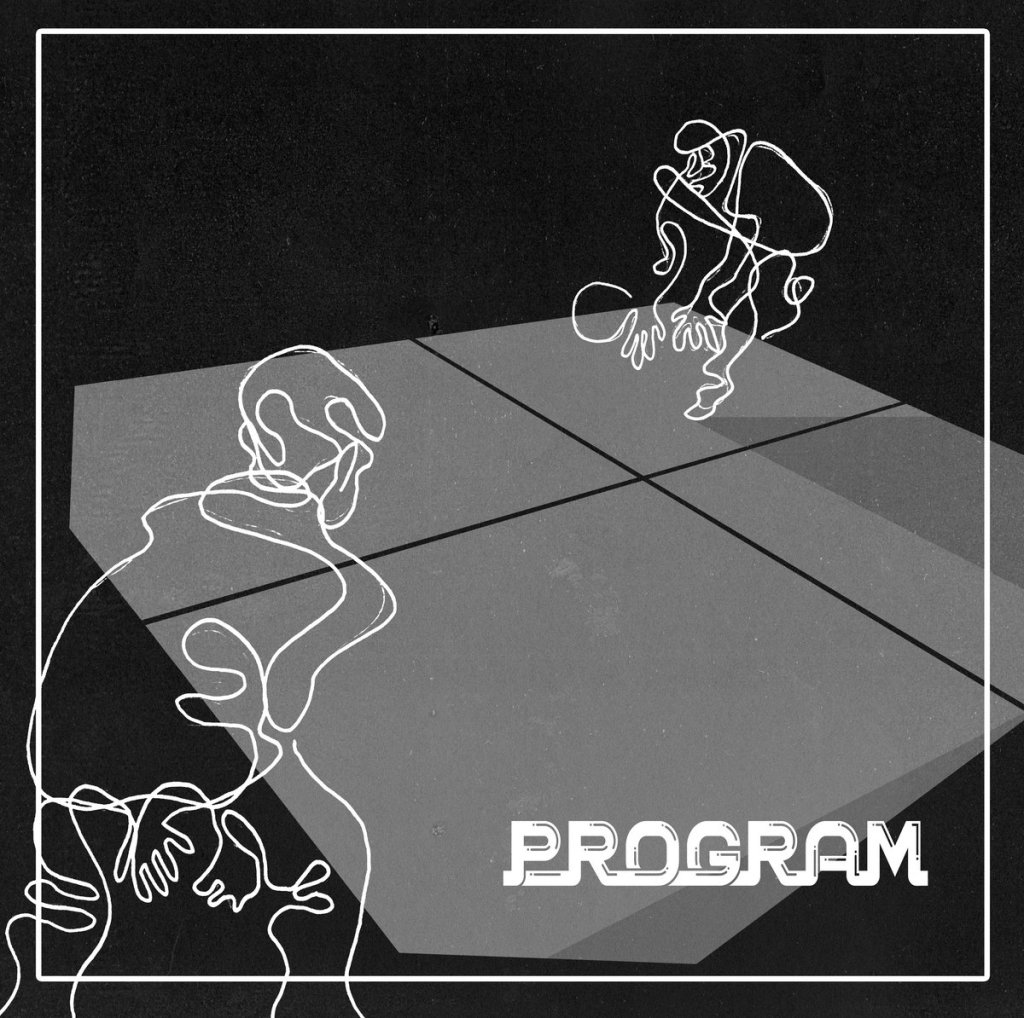
JR-B: The idea was Rory’s but it was a group effort. We went through a lot of ideas of me trying to draw up stuff and it was getting close to the release date and Rory was like “What about kids playing Four Square?” I found a cool image of it and the album is called Show Me and the vibe is the idea of having a young view of the world, not knowing what to do. I did the little squiggly bits then our bassist James Kane came in – he does a lot of posters and stuff so he’s really good on the design perspective – we put it together. I did the drawings and James put it together on Photoshop and did the font.

It sounds like everything just happens really organically for you guys?

JR-B: Yeah, I think it’s because we’re all really old friends. Jessie [Fernandez] and the two James’ we’ve all known each other for ten years. It was all very low-key, let’s just get these dudes because we like them. Jessie saw our first show and told us she’d been playing keys and asked if she could play keys for us, and after six months we said, let’s do it! She’s not on the album because we recorded it before she joined. Hopefully keys are going to be really prominent on the next recording.

What kind of direction are you headed in now sound-wise?

JR-B: With the songs we’ve done we’ve set it up so there’s kind of different genres in each song – some songs are more punky, others are more poppy, some are even folky – I think we’re going to still run with that for a bit. We’ll keep doing this until it sounds shit and then we’ll probably try something else.

What’s the part of songwriting you find challenging?

JR-B: I find the details challenging [laughs]. I’m better at coming up with chords and a vocal melody. Rory is a much better musician than I am, he’s really good at all the technical stuff and riffs.

My lyrics are very direct and personal. I don’t like them to be too overthought. I like them being accessible and easy to hear but upon more analysis they mean more. I try to do that, I don’t know if that actually happens though [laughs].

I really like the track ‘Memory’ on the record I think it’s a good blend of Rory and I as writers. There’s not much effort put into it but I really like the result, it sees effortless.

Do you edit yourself much?

JR-B: Definitely. Usually I’ll write on my phone and then go over it and fine tune it over a period of months. It never ends up being anywhere near what I initially write. I always reduce it to all that’s needed. We definitely spend a lot of time on the tracks.

Who are the songwriters you admire?

JR-B: My gods are David Bowie and Neil Young. I like how epic Bowie is and how heartfelt Young is. There’s a lot I like though. Maybe Ray Davies as well, I like his tongue-in-cheek and catchiness.

What’s been influencing the songs you’ve been writing lately?

JR-B: The same everyday stuff and personal things.

What do you do outside of music?

JR-B: I work full-time as an Operating Theatre Technician. I set up for surgery. Most of my music just takes up everything around that.

What an interesting job.

JR-B: It is at the start. I work in a smallish hospital with the same surgeons, so you get to know each surgeon and what they’re like then it becomes pretty repetitive and dull. But in some ways it’s good because I’ll be sitting there and in my head can be coming up with lyrics. Rory does the same thing, we both work in the same place.

Wow! You guys are so linked.

JR-B: Yep, that’s it!

It’s pretty special to share so many things in life with someone.

JR-B: Yeah, I’m pretty grateful. It’s pretty amazing!

Anything else you want to tell me?

JR-B: I think at the end of all this isolation period there’s going to be so many people coming out with stuff. Rory and I are working on demos. We’re just trying to make good songs, nice songs. We’re on to the next one and excited about that!

Please check out: PROGRAM. Show Me out on Anti Fade Records. Program on Facebook. Program on Instagram.

Violeta from Madrid punk band Rata Negra: “Sadness, anger… feelings are more interesting than positive ones ‘cause people can relate more easily… than when you are proclaiming how happy you are or how wonderful your life is”

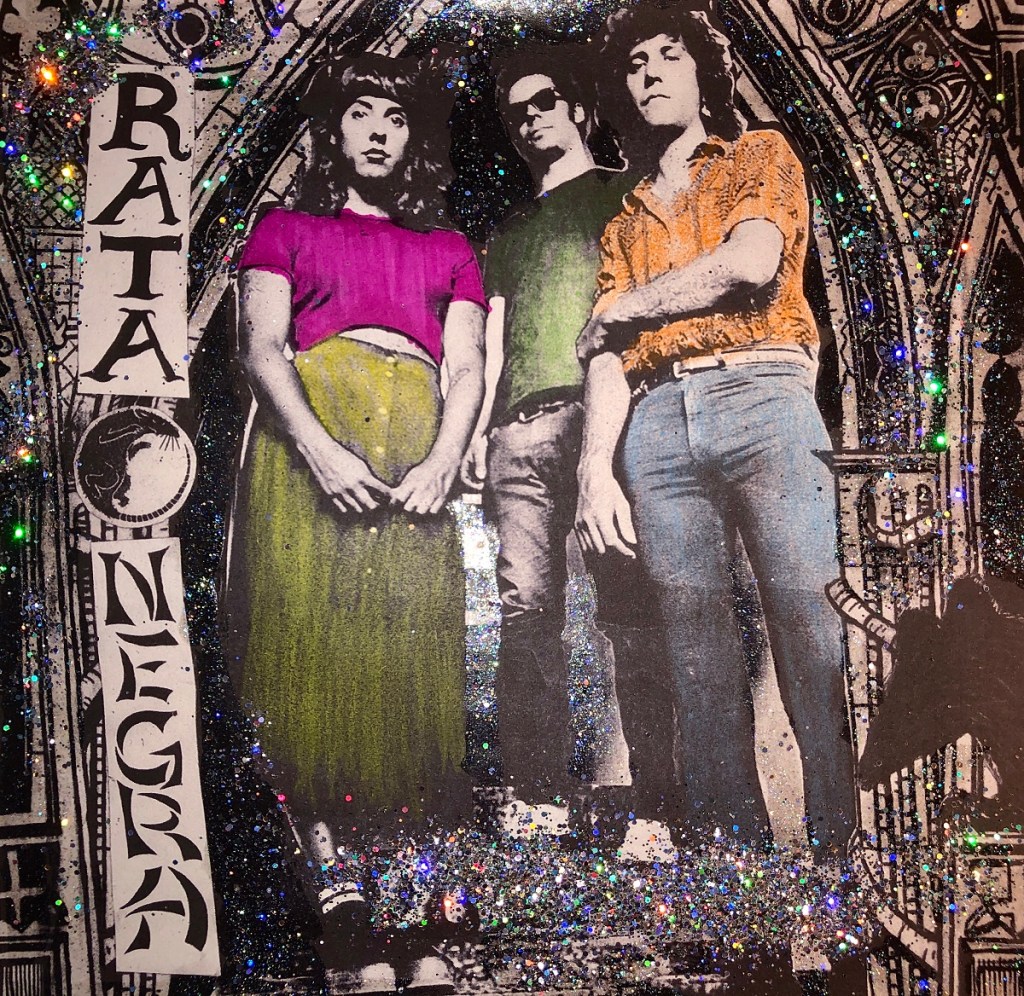
Handmade mixed-media collage by B.

Great music transcends language because it is its own form of communication, it expresses feelings and captures moods and sparks the imagination, speaking volumes beyond words. Rata Negra are from Madrid, Spain and sing in Spanish; when we first found them we didn’t know yet what they were singing about (English being our first language) but the power of their great songwriting, their music and its melodies spoke to us. Rata Negra are one of the coolest punk bands you might not know yet. We interviewed bassist-vocalist Violeta to get to know Rata Negra better.

Rata Negra are from Madrid, Spain; what’s it like where you live? Can you tell us about your neighbourhood?

VIOLETA: Madrid is the capital and it’s a big city in the centre of the Spanish peninsula. It’s a pretty cool city with lots of things to do, but I live in the worst neighbourhood ever. Right now I live in an apartment which belonged to my grandmother. When she moved out here at the beginning of the 80’s this was the outskirts of the city in the north, and it was lots of open space. Right now it’s the rich neighbourhood of the city where the worst people live, all of them unsupportive rich bastards with a total lack of respect or solidarity. So right now I’m trapped here and can’t wait to move out.

What were you like growing up?

VIOLETA: I was a total loser, had lots of problems making friends and going through high school. That made me who I’m now, a total hater. Thankfully that hate was pretty productive so I came out as a very creative person and my concerns kept me making things, drawing and composing music.

How did you first find punk rock?

VIOLETA: My best and only friend in high school was from the US. Back then, we didn’t have internet or such an easy access to the culture as we have right now, so she introduced me to the Ramones first and then we started exploring punk music.

I understand that one of your favourite bands is the Adolescents; what do you love about them?

VIOLETA: Their music sound immediate and fresh to me. They have the best energy. Simple and perfect at the same time.

I know you are inspired by pop punk from Spain from the 80s; what are some of the bands you would recommend to us?

VIOLETA: Some of my favourite pop ones are Alaska y Dinarama or Pegamoides, La Mode or Los Zombies. Also some more punk like Deshechables, Parálisis Permanente or Ultimo Resorte. And finally the sad and darker ones like Décima Víctima, Ataque de Caspa or Golpes Bajos.

What made you start a band?

VIOLETA: I’ve always find making music a very fun process. I met our guitarist Fa the last year of High School and we used to spend the afternoons making songs with an acoustic guitar and recording them track by track in a double deck cassette player. Time went by and we met other people interested on music so we started Juanita y los Feos.

Can you tell us about your process for writing songs? Is it collaborative?              

VIOLETA: Some of the songs just come up at our practice space, but most of the times we start from an idea, the most common thing is that Fa composes a guitar line at home, record it and shape it adding other instruments in a digital format and then send it to the rest of us by mail so we can start thinking about our part and finally we put all the pieces together at the rehearsal. So yes, we all collaborate in the process.

What are some of the feelings you’re trying to get across in your music?

VIOLETA: I always say that sadness, anger or other obscure feelings are more interesting than positive ones ‘cause people can relate more easily when you are telling your problems than when you are proclaiming how happy you are or how wonderful your life is. So normally I talk about things that I find frustrating or that I’m struggling with. Mostly death and getting old. But also things that I see and find interesting.

Where did the title of your last album Justicia Cósmica (Cosmic Justice) come from?

VIOLETA: In the song ‘te elevas’ we talk about this person who is not moving on while everybody else is doing great, we try to reflect the frustration behind that feeling, and also how we find peace on thinking that the “cosmic justice” will put everyone in place sooner or later. We believe in karma in that sense.

What is the song ‘El chico de las estrellas’ about?

VIOLETA: ‘El chico de las estrella’s tells the story of a friend of us who is certain that some of these days the aliens would come and take him with them. He loves psychedelic drugs, and he is very serious about all that. I found a resemblance somehow with David Bowie and the Spiders from Mars, also inspired by Rocket Man by Elton John…you mix all that and ‘El chico de las estrellas’ came out.

Your latest release is the EP La Hija Del Sepulturero (which translates to The Daughter Of The Gravedigger); what inspired this song/EP?

VIOLETA: The song “Que tendrá” is based on a poem with the same name by Gabriel y Galán, a Spanish poet from the XIX century. My friend Hector from the band Sudor, found it and sent it to me because he knows very well the things I like and the poem is very dark but also very funny. It tells the story of this girl who happens to be the daughter of the gravedigger whom nobody likes but is always happy, and nobody likes her cause she is always showing off with new clothes and people gossip about how all of those clothes come from all the bodies his father buries.

I love that you include your lyrics with your music; why is this important to you?

VIOLETA: I’ve always loved to sing along with my records, so I try to help people to do the same with our music. Is not essential but I think that is important to know what a song talks about.

Outside of music what are some things that are important to you?

VIOLETA: Art and Literature. I’ve studied Fine Arts and I love drawing. I love making posters for the incoming shows. Pablo, our drummer and I screen print. Also love comic books and really enjoy reading.

What are your working on at the moment?

VIOLETA: Musically we are working on our third album. In the real world I’m an art teacher in High School. Pablo works as a printer in a workshop. Fa is a graphic designer and illustrator and he designs most of our artwork.

Please check out: RATA NEGRA. RN on Facebook. RN on Instagram. La Vida Es Un Mus Discos Punk Records.
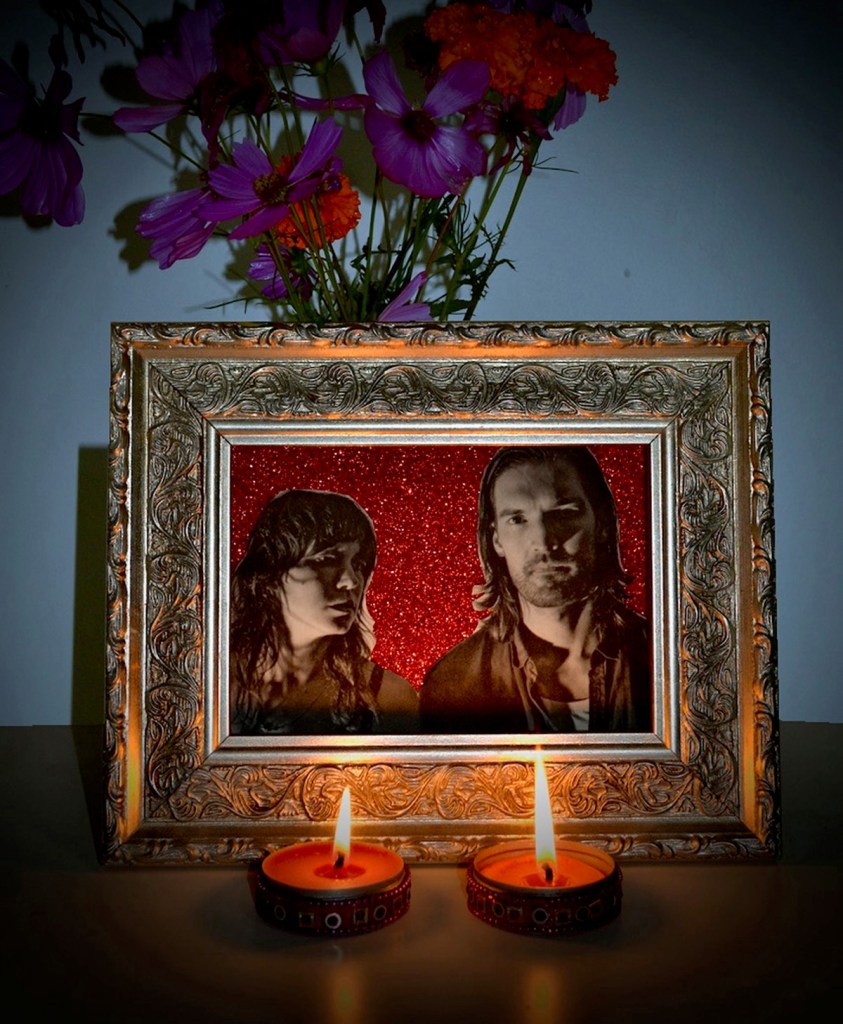
Nellie Pearson From Melbourne Brat-beat Punk Band Ubik: “We’re all sitting at home getting weird because of the global pandemic. Instead of being at all productive… I wear soft pants and play video games”

Handmade mixed-media collage by B.

We love Melbourne’s Ubik with their brat-beat anarcho-punk stylings. They’re inspired by sci-fi & horror films as well as politics; who can tell the difference between the two right now though, with politics in Australia feeling like a sci-fi dystopian horror movie. We interviewed bassist-vocalist Nellie Pearson.

How did you discover music?

NELLIE PEARSON: I grew up with my parents being obsessed with classical music, and being forced/being privileged to learn classical instruments. As soon as I had any independence I started obsessing about modern music, reading old Q magazines at the library as a tween, buying Oasis cassingles etc.

How did you first get into making your own music?

NP: My first band was over a decade ago in Wellington; me and some other young women decided to all give it a go for the first time since we were a bit sick of seeing a heavily cis-dude hardcore scene. Thought it couldn’t be that fucking hard. It wasn’t! mostly.

What’s a record that had a really big impact on you; what was it about it?

NP: Honestly I’m a bit of a song magpie; I listen to my personal greatest hits of every band so often don’t go deep into a full album anymore (since it became an Online Streaming World). I refuse to apologise for this. The two DiE 7”s I was obsessed with for ages. I’m also a huge fan of ’90s British sort of stuff, so the Stone Roses self-titled has certainly had a huge impact on me. Definitely honed my ears for how a rhythm section can work together.

When you first started Ubik everyone had other bands – Masses, Red Red Krovvy and Faceless Burial + more; what inspired you to start Ubik?

NP: Tessa and Ash had plans to do like… an oi band I think? Then I inserted myself and suggested my friend Chris as a drummer. It was his first time in a band and Tessa’s first time playing guitar/writing. We sort of just went from there, had fun and ran with it.

You’ve had a couple of line-up changes; what’s something you can tell me about each person in your current line-up?

NP: Only one line-up change; Max has been the drummer for over 3 years, and we’ve been a band for less than 4. Ash and Tessa own two fluffy weird cats each. Max has a giant young dog and I have a tiny old dog. 

What’s your favourite song you’ve written? What’s it about?

NP: My favourite is ‘Sleep’. It has equal doses of dumb head bang and fiddly fun bits for me to play, personally. And good dynamics within the structure. I think it’s just about anxiety induced insomnia, which is something most people can identify with. 

Vid by PBS 106.7fm.

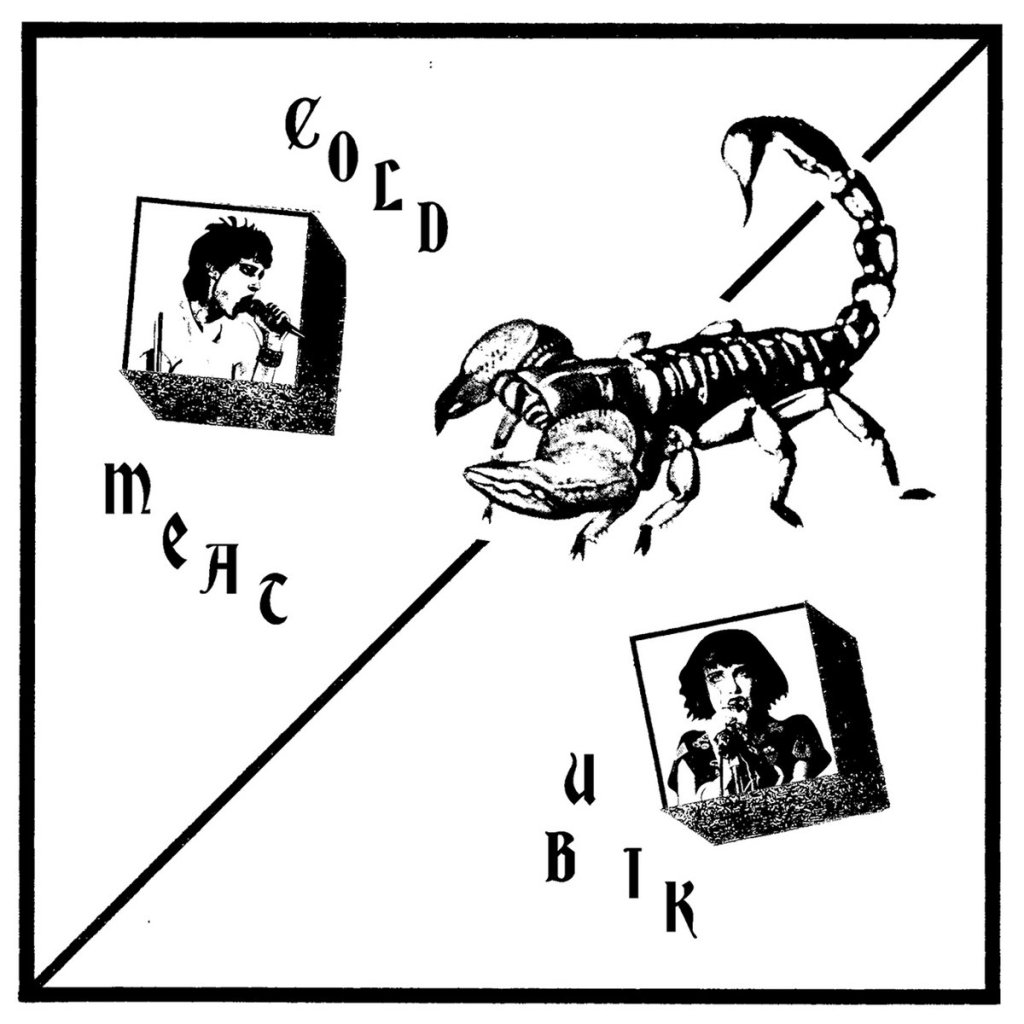
On the Ubik/Cold Meat split release each of you have a homage to amazing women in punk, Siouxsie Sioux and Exene Cervenka of X; why did you chose to cover X’s “Nausea”?

NP: We supported Cold Meat when they visited Melbourne (the first time but not the last time that happened, I think?), and we were all fans of each other. The singers of both bands are redheaded childcare workers called Ash so we were drunk and like hurhurhur Ash and Bizarro Ash (I still don’t know which is which). The split idea happened, and they had done their Banshees cover that night so we thought we’d get matchy-matchy.

Last year Ubik released Next Phase MLP; what sparked the idea to write the songs ‘John Wayne (Is A Cowboy (And Is On Twitter)’?

NP: This is one of my favourites, Ash-lyrics-wise. I believe it’s directed at internet right-wingers, trolls, MRAs, and other general digital filth. Skewering the misunderstanding of “free speech”, and pointing out how “free thinking” doesn’t often overlap with critical thinking.

What about “Peter Dutton Is A Terrorist”?

NP: Peter Dutton IS a terrorist. Music-wise, Tessa wanted to do another very anarcho song, so I always picture myself in a ‘80s squat playing this one. The lyrics that Ash wrote do a great job of expressing the shame and sadness regarding Australia’s offshore concentration camps, and the horrifying treatment that Peter Dutton and other potato-headed fascist stool samples think is justified in regards to refugees and asylum seekers. Just an utter lack of the basics of humanity.

Mikey Young recorded and mixed Next Phase MLP and your self-titled EP and mixed and mastered the Cold Meat split; how did you come to working with him?

NP: The self-titled EP was actually recorded by Adam Ritchie in the same session as the Cold Meat split. Max and Mikey go way back both personally and musically, so it was a great choice. It was very quiet and laid-back, and we were doing it all in one day (minus box) so we all just put our heads down and worked. He was, as usual, impeccable.

Who in the band has a love for sci-fi and horror films? You had song “The Fly” and one of your shirts featured Debbie Harry when she was in Videodrome; can you recommend anything else cool we should check out?

NP: I’m pretty sure all of us are sci-fi and horror fans. Genre stuff definitely goes with the punk territory in general. Me and Ash in particular are big on Cronenberg. Most of it has naturally stemmed from the name (evidently the Phillip K Dick book), and Ash’s specific interests, since she writes all the lyrics. I’ve been watching a lot of ‘90s movies with their visions of futuristic virtual reality; very pretty, very silly, very fun. Apart from the obvious Johnny Mnemonic, recently I really liked Virtuosity, where Russell Crowe plays a virtual reality murderer who crosses over into the real world. 

Have you been working on new music?

NP: Both me and Tessa have scraps of stuff, and we had one or two songs almost ready by the end of the Next Phase recording session. However we’ve all been madly busy, then we toured Japan, and now we’re all sitting at home getting weird because of the global pandemic. Instead of being at all productive while staying at home, I wear soft pants and play video games.

Other than making music do you do anything else creative?

NP: Most of my time is taken up with bands. I used to write but I realised I hate it.  Give me two more weeks of social distancing/isolation and I’ll probably start a podcast, just to make 2020 even worse.

Please check out: UBIK. Ubik demo on Lost In Fog Records/Distro. Ubik’s self-titled EP via Aarght Records. Next Phase MLP via Iron Lung Records. Ubik/Cold Meat split via Helta Skelta Records.

Portland Punks Mr Wrong on their new LP: “Create A Place acknowledges that the spaces we wanna exist in may not be fully formed yet but that we can create them together”

Handmade mixed-media collage by B.

Mr Wrong is our kind of right in every way, super fun in a Devo meets the B-52s kind of way. At the start of this year they released album Create A Place, we spoke to the band to get the bigger picture of where they’ve come from, what inspires them and of the place they’re creating for themselves with their powerful – tackling important subjects like politics, healthcare, oppression and rape culture – spirited punk.

What were you like growing up? How did you first come to music?

URSULA (drums, vox): I was a shy kid, very much in my own world, which music was a vital part of. Both my parents had great/really varied taste, and there was always music playing at home- from Balkan Choirs to Here Come the Warm Jets. Music gave me a context/outlet for the extreme emotional turbulence of adolescence. 

MOF (guitar/vox): the term my parents used for me as a kid was, “spacey.” Some of my earliest memories are listening to Gang of Four, Human League, Depeche Mode, The Buzzcocks, DEVO, etc. in my dad’s car and feeling overwhelmed with hope and excitement by the prospect of existing in those worlds someday. I was a sensitive kid that appreciated the emotional strength & honesty of the music my dad introduced me to, it was empowering and validating & I never grew out of loving it.

 LEO (bass/vox): I stared at the world through big eyes, fascinated in what was going on around me, but contemplative to the point of hesitancy. My family would sing together, we’d play dulcimers that we made out of long green boxes, and I would strum along as a lil beb in a high-chair belting with them, and not worrying about a thing. I grew up singing, folk songs and songs my grandparents grew up with, and slowly my dad’s rock n roll fascination with far-away music got infused in there too. My cousin taught me about punk rock, my friends and I would drive around immersed in PNW rap, and I fell asleep to Enya every night. I loved it all. 

Photo courtesy of Mr Wrong.

What inspired you to start making tunes?

URSULA: I was always singing along to things. All of my heroes were musicians. My dad played in bands so it seemed like a somewhat accessible world (though it took me a really long time to be in a band- not until my early 20’s). As a kid I dabbled in piano, and guitar. 

MOF: I tried to write music a lot as a kid using layering in Garage Band but never had formal training or much confidence. After reading Girls to the Front I decided to finally kick that insecurity to the curb and form a band.

LEO: I always had big feelings, they were overwhelming and confusing, and often stuck inside me. Music became my way to process, to let the feelings out so I could look at them and turn it into something I could understand. I started on piano, quickly moved and got completely obsessed with acoustic guitar, where I started writing sad and freaky songs to myself and never really stopped.

How did you come to playing the instrument that you do in Mr. Wrong?

URSULA: Mof and our friend Colette (who now lives in Berlin) told me they were starting a band. At that point, we were just acquaintances, I had seen them around and thought they were super cool. When they asked me if I wanted to play drums, I jumped at the chance and started teaching myself to play. We jammed a few times in that incarnation, and then Colette moved away and Mof and I continued as a two piece. 

MOF: Shortly before staring Mr. Wrong, I found an off-white Squire with a teal pick guard on Craigslist for $50. I loved it (still do) and decided that would be what I tried to learn. I did end up painting the pickguard white with black triangles, however. 

LEO: I’m drawn to the low end. Bass is where rhythm meets melody and I’d always dreamed of basking in that magical crossroad. Getting to play with Mof and Urs is a dream come true.

I feel there’s little hints of Devo and B-52’s in your music; are you fans of either?

URSULA: We are giant fans of both- good instincts.

MOF: One of the two covers we’ve learned is 52 Girls by the B-52s and Ursula and I do a radio show with two other friends called Time out Four Fun, named after Devo’s song, “Time Out For Fun”. You could say we’re big fans of both bands! 

LEO: (Heart-eyes emoji). 

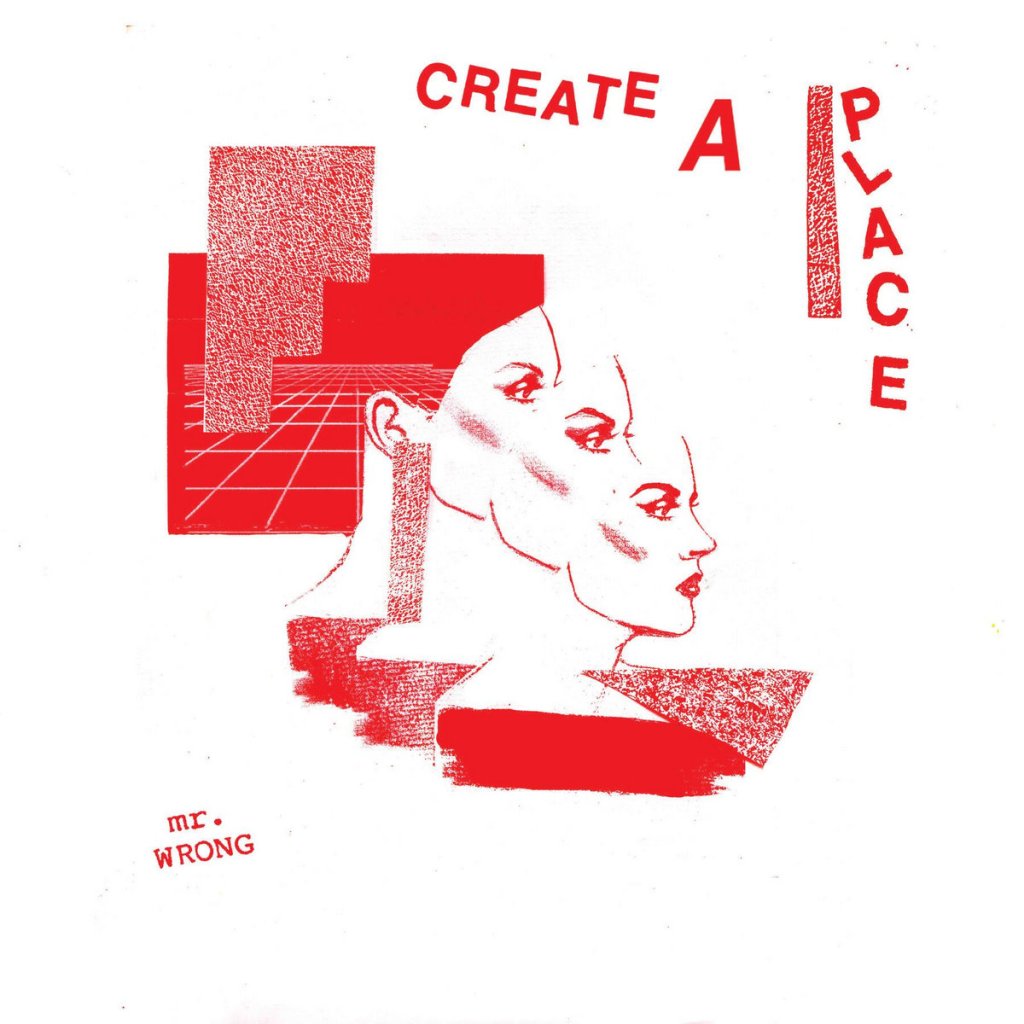
In January you released your LP Create A Place; where did the title come from?

URSULA: It’s a line from the song ‘Isolation Du Plenty’. We had a really hard time coming up with a name. Our first ideas were more apocalyptic in vibe, but we ended up feeling that, although the album deals with a lot of chaos and unrest, our ultimate outlook is still hopeful. Create A Place acknowledges that the spaces we wanna exist in may not be fully formed yet but that we can create them together. And it’s probably gonna be messy, but we have to try. 

MOF: The title comes from the song ‘Isolation du Plenty’” which was written in the winter of 2016/2017. Inspired, in part by, Tomata Du Plenty’s world, via The Screamers and his visual art. The lyrics are about creating a place of stability in your mind, even if it’s just a vision of a someday physical space that you hope to occupy, and drawing inspiration through artists you’ll never meet. I feel that the songs on Create A Place are all, in one way or another, critical of institutions that prevent stability for large portions of the population, the hopeful message we aspire to leave with listeners is that we can change that. 

 LEO: It’s about noticing what we need in the world around us and feeling inspired to create it for ourselves (and anyone who feels connected to it). It can seem scary to take those first steps when no one around you is doing something, but that makes it all the more important to trust your gut and do it.

How long were you working on the album for? Were there any challenges?

URSULA: About two years, I think? We were in a songwriting rut for a minute there- I think we were feeling the pressures-or perceived pressures- that can come with making a sophmore album.

MOF: A famous quote by Mark Twain that I always fall back on is, “I didn’t have time to write you a short letter, so here’s a long one instead.” Create A Place is Mr. Wrong’s short letter, we had a couple songs written when our first album came out in 2017 and let the next 7 evolve over the following two years.  We tried a lot of new things on this album and also went through a lot of changes as individuals over those two years, so there were certainly challenges. 

 LEO: Life is full of unexpected challenges. This album was us learning how to tenaciously push through the chaos of reality together, and learn how to be there for each other and ourselves in uncertain and scary times.

Photo by KC Weimann; courtesy of Mr Wrong.

How did you go about writing songs for this record? Was it collaborative?

URSULA: As usual, almost all of it was through jamming out ideas. Super collaborative. 

MOF: We write everything collaboratively, aside from some lyrics.

LEO: We talk about everything, and hold space for everyone’s ideas. The music is an extension of our relationship.

What’s your personal favourite track on the LP? What’s it about?

URSULA: I really love them all, but I’m especially proud of how ‘White Male Teacher’ turned out. That songs about all sorts of things- mostly power dynamics and oppression. The title is a reference to a high school teacher I had who wrote a public letter announcing that rape culture does not exist and passed it out to his freshman class. 

MOF: ‘Holding for Healthcare’ means a lot to me, It comes from a massive frustration with the inaccessibility & inefficiency of privatized healthcare; the discrepancy of care between poor and wealthy Americans. I remember thinking about how DEVO might broach the subject, with a hint of humour and absurdity, it feels cathartic to play every time. 

LEO: ‘Nuclear Generation’ will always hold a dear place in my heart. For me it’s about not giving up, even when there are many daunting forces out of our control, decisions being made in locked rooms by a lot of old white men, that started long before we were born and will continue to really fuck things up. But through acknowledging and learning about the past and the effects on the current systems can rally us together to change our future, to “reinvent it, power down” -bringing the power to the people, turning off our phones and screens and realizing how much beautiful world we still have to fight for.

What’s a song you wished you wrote?

MOF: ‘It’s Obvious’ by the Au Pairs

URSULA: ‘Nervous Tonight’ by Portland’s own, Lotek.

L: ‘Hounds of Love’ by Kate Bush 

All of you sing; when did you each discover your voice? Were you ever self-conscious or nervous when you started out singing? 

URSULA: Singing in public used to scare the shit out of me. The sense of support and empowerment that I get from my bandmates has gone a long ways towards evaporating that fear. I definitely found my voice in this band. 

MOF: I feel I truly discovered my voice when listening to bands like Bratmobile, The Petticoats, Delta 5. My only experience with singing before was as an alto in High School Choir, while I loved the harmonies and comradery of being in a choir, it didn’t feel expressive to me. Hearing a vocal style sang by women that was individualistic, verging on talking or yelling-but not without melodic elements- was an “aha” moment for me. Exploring that with Ursula at the start of MW (we were a 2 piece at first) is when I feel I truly discovered my voice, she was super supportive and encouraging, which really helped me find my way. That supportive dynamic has continued with the addition of Leo, I feel very fortunate to have a safe place be vocally expressive.

LEO: When I got exhausted by the pressure to sound pretty. I like singing at the top of my lungs, or making freaky sounds and seeing where my voice can take me, but it took me SO long to be confident enough to let my voice do it’s thing in the presence of any other living humans. It is still a struggle, and some days it feels way harder than others. But I try to remember how good it feels, and focus on the gratitude that there is a place in my life where I can let go.

Who did the art for Create A Place? What was the thought behind it?

URSULA: Mof. 

MOF: I was thinking about the future & creating that future amidst isolation, through solidarity with like-minded people, when I drew the cover for Create A Place.

Why is it important to keep creating art in these crazy/uncertain times?

URSULA: Art is a way of processing/ trying to make sense of the human condition (sometimes it cannot be made sense of, and you just need to scream about it). It’s important to know that someone else out there is feeling something you feel, and they turned that into a piece of art that can be experienced and enjoyed. That’s pretty fucking magic. 

MOF: There are nuggets of wisdom and catharsis in art from the past, the recent past especially. It’s important for artists to continue creating- not just as an outlet for them personally, which is important- but as a life raft for future generations as well. We need to keep a document of what’s happening so that our collective history isn’t solely written by the ruling class.

LEO: I often don’t even know what I’m feeling until I can express it. Being able to make some kind of art, and look at it from the outside is a window into myself. Art is something to hold on to, to be able to fully fall into when my mind is running away from me or I’m lost inside myself. Focusing and immersing myself something can allow me the space to come back to myself when some time has passed and I can think differently. It is an anchor to keep me here, to recover into, to be able to take a breath, get up and do what I need to do.

Why is community important to you? Where do you feel yours is?

URSULA: Community is important because no one has all the answers. Crowd sourcing is the way of the past, and I think we’re seeing it return in a big way right now. The people I’m lucky enough to call friends make me feel seen, supported, and loved. Art for art’s sake is great- but I think having a community to share it with really takes it to a different level that’s so special.

MOF: Art doesn’t occur in a vacuum, and as Ursula said, having community to share with is what gives art meaning. I guess I could say I feel community most when I feel understood and valued on an emotional level. As that’s what art is to me- an emotional exchange of ideas- I feel I have found a large part of my community through this band and the people we have connected with.   

LEO: Feeling in community can be difficult in such an individualistic society. I have started to think of community as family, and it’s clear to me: The nuclear family is not enough. We need to form our own families, with all different kinds of people, with elders and kids and babies and teenagers and neighbours and mentors and friends and plants and people we just met and from places we’ve never been. Community is giving and taking care in so many ways, reinventing old ones and imagining new ones. It is accepting and letting others see the beautiful and ugly mosaic of who we are, so we can confidently be our vivid and dynamic selves together. I always say it takes a village to be a band, because it does. It takes so many people believing and doing to make anything happen. And wow, do we all need to believe in each other and a future right now.

Please check out: MR WRONG. Create A Place out on Water Wing Records. Mr Wrong on Facebook. Mr Wrong on Instagram.
Pray For Party Dozen is on the way: “Party Dozen is a band that no one asked for, so I think it’s funny, the idea of praying for us”

Handmade mixed-media + still life collage by B.

Sydney’s Party Dozen is the dynamite combo of Jonathan Boulet and Kirsty Tickle. They’re one of the most interesting and exciting bands around with an experimental musical fusion of saxophone, drums and electronics to create a unique, fierce sound. They’re getting set to release their highly anticipated sophomore LP Pray For Party Dozen. We interviewed them, getting to know them a little better and hearing more about the awaited release, out May 22 on their own label Grupo Records. Get on your knees and start to pray, the second coming is almost upon us!

Party Dozen is a project loosely based around improvisation; what appealed to you about taking this approach?

JONO: I think all live forms of music conjure some kind of energy, sometimes it’s a familiar energy and sometimes it’s not. Audiences aren’t stupid and they can sense when you’re checked in to your performance. For us, keeping our performances unhinged and untethered not only keeps shows fun for us but I think it brings a sense of danger and if we want to project more energy we simply play harder and faster. And even though there’s a lot of songs we now generally play structurally the same, there’s always room for spontaneity and expression if we’re feeling it.

You’ve known each other for over a decade; how does that familiarity help when playing music and writing songs together?

JONO: Obviously knowing each other’s tendencies and even subtle physical cues can help immensely when it comes to performing as a unit. I guess at the same time we’re always developing as players and not being too familiar with someone’s playing style can lead to surprises and new paths. Sometimes I think we’re dead on the same page but it’ll turn out we are on opposite ends of the book! A welcome surprise as there are no mistakes when you’re “making it up”.

How did each of you first get into music?

JONO: It started for me when I was 10. I tended to be a little on the hyperactive side but instead of opting for drugs, my folks bought an old drum kit from a country town that used to belong to a Jazz guy that was in the war but never came back.

KIRSTY: My start in music was pretty run of the mill. Bullied my parents for piano lessons age 4, because I was the youngest and my siblings were all having them already. Music was the only thing that ever really held my interest for a long period of time.

All photos courtesy of @partydozen Instagram.
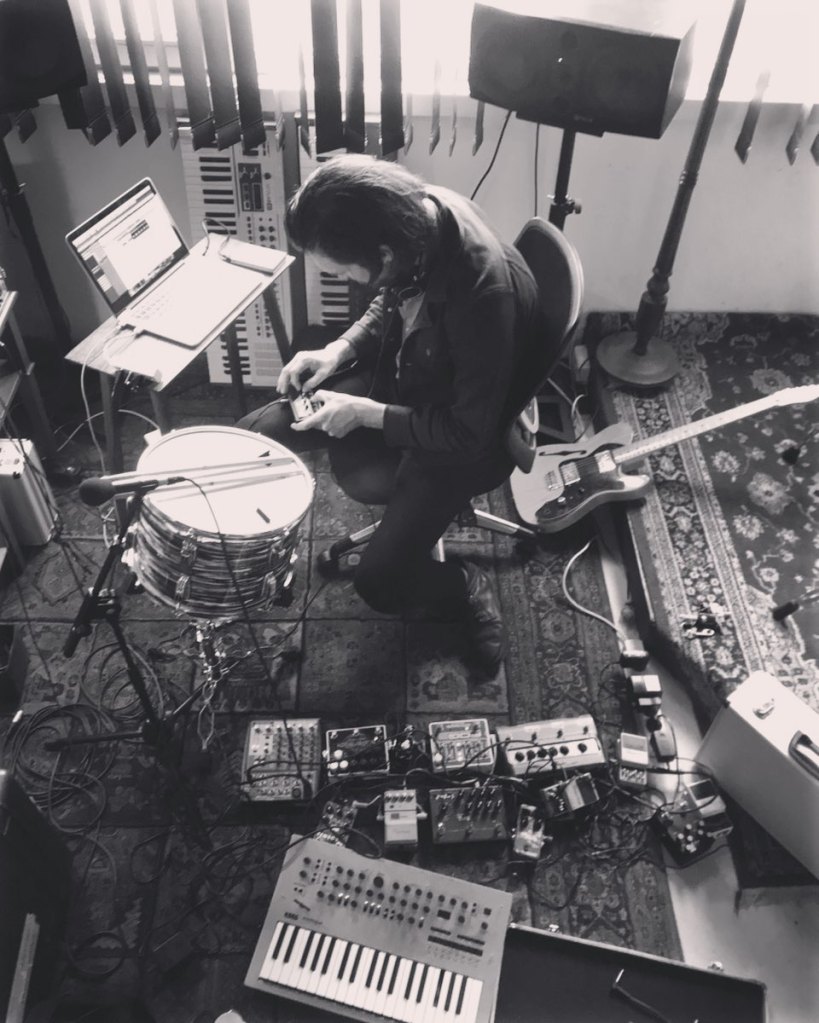
How did you first come to creating music yourself?

JONO: When I hit high school my parents got me a keyboard. It had this looping arranger function on it where I could layer up 5 or 6 instruments. I would get home from school and play it every day, recording loops that I liked on to floppy disks.

KIRSTY: I started writing songs when I was around 13, just keyboard and vocal kind of stuff. But I didn’t get into experimenting until I met Jonathan. He really pushed me to think about music differently and follow my own path with creating it.

I understand that Party Dozen started while you were overseas and that you started out playing the reverse – with Jono on saxophone and Kirsty on drums – of what the band formation is now; firstly what inspired you to be a two-piece with these instruments? Why did you first experiment by switching instruments?

KIRSTY: Yeah, we did one jam like that. I think Jono really wanted to play sax and I’ve always wanted to play drums. But it was dogshit, so we went back to the ones we’re good at. My memory is that we spoke about making a band in Berlin, but recorded our first song while living in London. We started taking it seriously when we moved back to Sydney. Coming back to Australia was this real lightbulb moment for both of us – we love living here, we love creating here and we love the community here.

Party Dozen’s music has quite an aggressive vibe and has an edge to it that can push the parameters of what makes people feel comfortable both as a listener and as a live experience; was that an intentional goal when crafting your sound?

KIRSTY: For sure. We always want to push the boundaries of how much sound two people can produce, and then extend on that. For me Party Dozen is also an experiment in how to utilise our instruments in more interesting ways, and appreciating that that sometimes isn’t going to be “nice” or “pretty”. There’s a real strength in that for me.

You’ve previously mentioned that with Party Dozen you wanted to “form a band that could help us grow as musicians”; in what ways do you feel you’ve grown since starting PD?

KIRSTY: When we started this band I couldn’t really use effects pedals. So I’ve really grown in that department. I also feel like we’ve both gotten so much better at playing our instruments in a live setting – still plenty of room for improvement though.

JONO: Yeah with the current format of this band, the better we get on our instruments the more options we have for exploration. This band has forced me to play harder better faster stronger.

Where did the title of your forthcoming sophomore LP, Pray For Party Dozen, come from?

KIRSTY: I think it sort of started as a bit of a joke…

JONO: Party Dozen is a band that no one asked for, so I think it’s funny, the idea of praying for us.

What inspired the new record?

KIRSTY: Film Noir, cults, 1960’s rock, conversations about dead friends.

How did you record it? Jono you record, mix and master Party Dozen’s songs, right?

JONO: We recorded it in our little 15sqm box in Marrickville, Sydney. Generally we’ll improvise to a loop a couple times and pick the best one. We run the sax through an amp with a DI and generally use 4-6 mics on the kit. We mix and master in house because we’re possessive and greedy.

I know when writing songs that you like to experiment and that you like to play a few different takes over loops to find what sounds best; how important are feeling and intuition in your process?

KIRSTY: The writing process is very improvisational, so I’d say feeling and intuition makes up about 90% of it. If it feels good, we’ll explore. If we like the vibe, it’ll normally make the record.

JONO: You can tell pretty quick if a song is coming together and whether it’s worth pursuing. Once we’ve made a loop, you can envision the song and if that sounds good in your mind, it’s likely to sound good in reality. There’s only ever been a couple of jams that got to the jam phase and didn’t make it.

Were there any risks you feel you took while making the album? Or any happy accidents from the process that made it on to the album?

KIRSTY: There’s a song with no loops! Which is the first time we’ve done that, and we didn’t go into the recording aiming for that either – so I guess that’s a happy accident!

JONO: Nothing too risky. We were more focused on expanding our sonic palate. More colours to play with in the Party Dozen world. There was definitely an intentional focus on aesthetic and vibe this time around.

What gear really helped shape the sound of, Pray For Party Dozen?

KIRSTY: On my set up, I got some new pedals. A wah, a new fuzz and a couple of new delays.

JONO: I run all my loops off of a Roland SP-404, I use one crash, tighten the fuck out of my snare and try to hit everything as hard and consistent as possible.

What was one of your favourite moments of recording the new record?

KIRSTY: The opening track “World Prayer” is probably the most challenging track to listen to on the record. It was also the most fun, rule-free, throwing-shit-at-a-wall noisey tracks I’ve ever recorded.

JONO: Some songs you know just don’t feel right while you’re playing them, so it takes a few goes to get it right. But there are some songs, eg. “The Great Ape”, that feel right every time you play it. When it feels right the first time, you get this rush of excitement or a hit of some highly addictive drug.

What keeps music exciting for you?

KIRSTY: I get excited to just keep making. And trying different things. It’s not hard to keep excited with a band like PD… we can do whatever we want next.

JONO: Touring is what keeps it exciting for me. When there’s heat in the room and you can feel people’s energy on stage, nothing beats that.

As artists what are the things that you value most?

KIRSTY: I value time. Time to tour, practise, make records, hangout with friends who give me tonnes of inspiration. The more time we have as Party Dozen, the better.

JONO: I value a sense of humour, originality, and people with a sense of vision.

Please check out: PARTY DOZEN. Pray For Party Dozen out May 22 on Grupo pre-order here. PD on Instagram. PD on Facebook.
Melbourne punks The Snakes are: “An angular vortex of pain but you can dance to it.”

Handmade mixed-media collage by B.

The Snakes are one of our editor’s favourite bands. When we recommended their self-titled debut LP (on Anti Fade) on our Albums We Loved in 2019 list we described their music as early ‘80s underground L.A-style new wave punk. The actual underground though… The black market kind. You know, the “under the counter” kind. We interviewed The Snakes and found out they’re working on new music! Stoked much?!

How did you get into music?

LEWIS (vocals): Who has a choice? At some point some cunt’s gonna play some shit and you’re either gonna love it or hate it, I guess I liked it.

What have you been listening to lately?

CHARLOTTE (bass/vocals/harmonica): Ummm… Butch Willis, GG Allin, Roy Orbison, The Byrds, Rupture, Napalm Death, Traffik Island, Plantasia, Anohni, Ariana, X (Aus).

LEWIS: Death (from Florida), Extortion (aaaagain), The Kinks, Obituary.

JIMMY (drums): Jackhammers and my own inner dialogue.

STEPH (guitar/vocals): In the mornings we listen to ambient sounds such as the distant radio and twings and droplets from whatever James puts on the stereo. When we play cards we listen to hardcore and punk. And I like the start of the Exploding Hearts album so I listen to that in the shower. Same with The Loved Ones but that whole album is good. Could be in a musical rut… I like soul and country music a lot.

CHARLOTTE: You like Suzi Quatro, Steph.

STEPH: I like lots of things not mentioned. Loves Suzi but. Gets wild to Suzi!

When did you first know you wanted to make music yourself?

LEWIS: When I realised it was a piece of piss. It’s the socially acceptable way to be the loudest person in the room.

CHARLOTTE: I was in choirs my whole life but guitars were always for boys, I really just wanted the attention.

JIMMY: I didn’t, I was just jealous of my friend’s guitar when I was six.

STEPH: I got into music by being rejected from my family for not being as good a singer as my sister, and not being allowed guitar lessons like my brother cause I’m a girl. So I taught my damn self and now I rule the world!

Tell us the story of how you all got together. What inspired you to start The Snakes?

LEWIS: Three of us had on and off lived together for a while, two of us had planned to do a psychedelic proto-punk band called Giant Door (side note: Giant Door is one of the top three bands that never existed). We are two couples and at some point, Charlotte our bassist moved into a new house and we went over for a kind of house warming. We ended up jamming and writing about six songs that all pretty much ended up on the album. We had some shitty phone recordings and shared them with each other and realised we needed a drummer. It took us about two seconds to find him and that’s it.

STEPH: Jim completes us.

Photo by @sub_lation; courtesy of Snakes.

What do you feel are the key elements that make your sound?

CHARLOTTE: Jim’s drums swing, there’s no one like him.

LEWIS: Clearly the keys stands out, having James on them is a refreshing take. Flange plays a massive factor. It’s a mash of shit we listen to and shit we find fun. It’s an angular vortex of pain but you can dance to it.

How do you go about writing a song?

LEWIS: Charlotte generally comes up with the riffs with a few exceptions and we all just put our parts in from there. We’re natural, baby!

Photo by @sub_lation; courtesy of Snakes.

Last year you released your self-titled debut album on Anti Fade Records; can you tell us about recording it? Billy from Anti Fade recorded it, right?

CHARLOTTE: Yes, he did. We’d spent about a year playing together before our first show and he offered to record and put us out at that first show. Recording in Geelong was great but what was really fun was doing vocals and mixing with Billy. We had a lot of ideas, we had a vision, Bill helped us execute it.

JAMES (keys/vocals): Bully Gardner is our mentor and he wax trax layer to the max.

Cover art by Eve Dadd.

What’s your personal favourite track on the record?

LEWIS: We don’t play this one anymore but I really like singing “Drug Pig”. I came up with the lyrics on the fly and I love screaming “Virgin Mary, Jesus Christ, smoke a gram of pure ice”. “Solid Income” too, it just kind of cruises.

CHARLOTTE: I hate “Drug Pig”, even though it makes me feel tough, there’s a part that makes me feel kind of sick. I love playing “Ugly Faces” it’s simple but it’s rude. I know Steph loves “Pop Song”.

When you finished the record; who was the first person you played the songs to?

CHARLOTTE: I think my friend Kieran, they frothed for it!

Eve Dadd did your album’s cover art; what’s the story behind it?

STEPH: Eve does art and is related to James. She is talented and a boisterous bitch that lives on the South Coast of NSW. We love and hate her at the same time.

CHARLOTE: She’s a Scorpio.

LEWIS: Me and Charlotte outright bought it, it’s on our wall.

Launch poster by Eve Dadd.

How do you feel when you’re performing?

LEWIS: Extremely confident and self-conscious at the same time. I just go for it, I don’t really give a shit.

CHARLOTTE: When I play, I’m singing my bass parts in my head. I like watching Steph solo and smiling at James.

What’s been the best and worst gig you’ve played? What made it so?

STEPH: Best show was one at One Year (in Collingwood). I had just discovered the beta blockers and dexie combo and I did not give a fuck and people could tell. Smiling is good when playing fun music. Worst show was that one with Bloodletter. Can’t remember why but I know it was bad.

LEWIS: Last Maggot Fest was great, it actually went off. Supporting The Stroppies was pretty dry, not The Stroppies, I love The Stroppies I just don’t think that that crowd was really down for us. I remember putting on a show and crawling on the floor and screaming but still there was a big gap between us and the crowd. Maybe we’re too high brow.

Photo by @sub_lation; courtest of Snakes.

Have you been working on new music?

LEWIS: Yes.

What would we find you doing when not making music?

LEWIS: Working like a dog.

CHARLOTTE: Watching telly. I just bought a keyboard too, been trying to figure out how to play “Everytime” by Britney [Spears]. Also pretty heavily into Tik Tok at the moment.

JIMMY: Drink, complain, bate.

Vid by VOGELS VIDEO. Check out more of what they do here!

Please check out: THE SNAKES. The Snakes on Instagram. ANTI FADE records.