Original pic courtesy of Flightless Records. Handmade mixed-media art by B.
Cook Craig returns with Pipe-eye release number four, Dream Themes. The record is adventurous and playful, crafting stories without needing words, in the tradition of the greatest soundtracks and Library Music, but with his own twist. Gimmie chatted with Cook in-depth for an hour about Pipe-eye’s beginnings, songwriting, his creative process, new passions that emerged in lockdown, finding a love of jazz in his “twilight years”, we get a little peak into his home life, and of King Gizzard and the Lizard Wizard touring. Today we’re premiering the song and clip for first single ‘Ancient 5G Aliens’ along with an extract of the chat; the full interview will appear in our next print zine, Gimmie Issue 5.
Where did the title of your new album Dream Themes come from?
COOK CRAIG: I had the idea that all of the songs on the new album would be theme songs, instrumental. I wanted to match them with the song titles, that they were weird dreams; they weren’t real TV shows. I thought it just sounded cool too.
It does have a nice ring to it—Dreeeammm Themmmes!
CC: [Laughs] Yeah! And, I googled it and there weren’t many things called dream themes.
Did this collection of songs come from dreams?
CC: Kind of. Just wacky day dreams. Day dreams about my cat and my dog [laughs]. ‘Detective Dogington’ is about my dog, Homer. He’s really snoopy and walks around investigating things. ‘Martina Catarina’ is about my cat, Martina. She’s real crazy, she’s like a kitten.
Are all of the songs on the album from something in your life?
CC: Yeah, or things like current events, like ‘Ancient 5G Aliens’ is about deadshit conspiracy theorists [laughs]. I usually write the music first and then try to think up titles and themes that I think match the vibe of the music. It’s what naturally comes out when I sit down. I wasn’t going for an overall theme or vibe for the album. In terms of the titles, they’re not particularly linked.
For you are the songs linked musically?
CC: Definitely. I pretty much wrote all of the songs at the one time, within a week. It was actually on my honeymoon.
Is that where ‘Let’s Get Married’ comes from?
CC: Yeah. We got married in our backyard the day before the very first Covid lockdown. We did that because we had an overseas wedding planned, but had to can it. We went to an Airbnb for two weeks and were locked down, and that’s when I wrote all of those songs. The Airbnb was really isolated in a costal country town, we didn’t really have that much to do, so I’d sit down for a couple of hours every day in the morning and wrote a song at a time.
I’m guessing just having got married and being on your honeymoon you would have been in a really great mood and that might have helped your creativity and productivity.
CC: I definitely had some gusto! Normally I’m not like that, I usually take ages to do anything. When I have an idea, it doesn’t take me long to write a song, but it takes me a while to get started and to get motivated.
Is there anything that helps you get motivated?
CC: I have to just sit down and force myself to do it sometimes, I’m so busy with my other bands, with Pipe-eye I find it hard to get the time to sit down and write a song, or I don’t feel like it because I’ve been at band practice all week and I’m mentally fatigued or musically fatigued. Sometimes I’ll just sit down for a week and write a bunch of songs, and that will last me for the next six months.
How did the song we’re premiering ‘Ancient 5G Aliens’ come together?
CC: I made a lot of the songs on the album to drum machines that I had programmed. Later on, I got Cav (Michael Cavanagh the drummer who plays in King Gizz) to drum on it. I was going for a fast afro-esque groove, looped that a heaps of times, and it turned into a song from there. The title was inspired by the History Channel, it’s really funny now. It’s all about Ancient Aliens [laughs], it’s all about that crummy, really trash kind of TV.
Ha! I remember watching the first couple of episodes of Ancient Aliens thinking, ok, maybe there’s a little something here, but then as the series continued on, it just really, really started to stretch things and make some wild claims.
CC: Yeah. I was sold on it! Still am I reckon! [laughs].
Was it a conscious choice to make this album instrumental (of course besides the song ‘Chakra’ that has the part where the word is said over and over)?
CC: I started it without any intention of doing that and as it went on, I thought a lot of the songs were strong without vocals. I thought it would be cool to take a different direction for a change and focus really hard on the music itself, rather than… I normally make songs then I write the lyrics, the vocals as an afterthought. I wanted to change it up.
Was there a freedom or relief that came from not having to write words for the songs this time around?
CC: A little bit. I like writing lyrics, but making the music is definitely my favourite part.
What’s the first song you wrote for this album?
CC: ‘Let’s Get Married’. I wrote it when I was engaged.
Awww. How did your partner feel when you showed her?
CC: She liked it. She likes it when I sing though, and I don’t think she quite got the whole instrumental thing [laughs]. She was still appreciative.
‘Oakhill Avenue’ was the last one I wrote. I wrote it to fill a gap in the songs in terms of vibe, another slow kind of chill vibe song. I wanted to do something in a different time signature that wasn’t in 4/4.
Most of the songs are fairly in my comfort zone. I feel like when I do Pipe-eye stuff it’s never that challenging, because I’m writing everything myself; I don’t’ necessarily write hard parts. In general, it was challenging to find sounds that I hadn’t used on albums before. I’ve done keyboards and synths a lot, I tried to push that a fair bit more on this record.
I noticed that. Do you ever bounce your ideas of someone else when you’re working on Pipe-eye material?
CC: It’s pretty much just me. Sometimes it’s good to get Michael, who drummed on it, I’ll send him a song and not really give him much instruction on what kind of drums to play, which is good because sometimes he sends it back and it’s completely different to what I would have thought of, and I’ll roll with that.
As the album progressed and evolved where there many other changes you noticed in the songs?
CC: The main one was just deciding to make it instrumental. I was halfway through when I decided to do that. I just plod along and slowly do things.
No stress! I assume with other projects you’re a part of it could get real hectic. With Pipe-eye you have control over everything yourself and no urgency to do anything, you can just take your time.
CC: Exactly! I don’t play live with Pipe-eye, it’s just a recording project. There’s less stress to do albums by deadline. It’s not like I have to do an album to do an album tour and promote it. I take my time and do it as it comes…
When I first listened to Dream Themes, I was wondering is you’d be listening to a lot of soundtracks and Library Music?
CC: Yeah, 100%, I always listen to that kind of stuff…
There’s also a film clip to go with ‘Ancient 5G Aliens’; what can you tell us about it?
CC: It’s made by a guy called Jake Armstrong, he’s from The States. I learnt about him because Ambrose hit him up for a Murlocs clip; he did the ‘Skyrocket’ clip. I hit him up out of the blue and he was keen. It’s animation. His stuff is pretty kooky and playful, but there’s an underlying vibe of darkness, I guess. With this clip, he’s never done anything like it before. He fully went animation, they kind of look like PlayStation 2 graphics! It’s real cool. It’s kind of got a storyline, there are these two aliens fighting and it’s in a cityscape. It looks like the old kind of not-quite-there graphics, that PlayStation 2 kind of graphics.
Yeah, I remember those and Sega and Atari and all the games!
CC: [Laughs] Yeah. I still game a bit. I got a PlayStation 5 recently! There’s not too many games out on it yet, so I haven’t got to play it too much. I was playing Ghost of Tsushima where you get to play a samurai, it’s a bit like playing open world. Pretty nerdy!
Original photo: Kalindy Williams. Handmade collage art by B.
We love Naarm-based feminist bratwave punk band Hearts and Rockets. We first chatted with the inspiring duo when we started Gimmie. Today we’re premiering their super fun clip ‘Square Eyes’ which is the first single off their forthcoming EP TV is Boring, their love letter to TV—one of their favourite things. We chat about making the clip, EP, 80s horror flicks, The X-Files, TV shows, and other creative projects in the works. We wanna have a TV Party tonight! with Hearts and Rockets.
Hearts and Rockets were one of the first bands that we interviewed for Gimmie. We’re excited to have you check-in with us again; what’s life been like lately for you?
KURT ECKARDT: Life is SO weird! Life is always weird, but lockdown #6 hit us in Melbourne in a strange new way. I’m so grateful to have a creative outlet that can be completely self-contained and can be done at home, and so so grateful for our doggo Bonez. She and I have had some pretty heartfelt moments lately, thankfully she’s a very good listener.
KALINDY WILLIAMS: We are really so thrilled to be chatting with you again! Thank you so much for your support. You always feature our favourite bands and artists, we really love all that you do.
Thank you! The love is mutual. You have a new EP TV Is Boring coming out on cassette in November and it’s a collection of songs about TV; what was the initial spark that gave you the idea to write to this theme?
KW: We were writing songs for our next album, and we had so many ideas! While we were writing melodies for them, we found a couple with kind of ‘working’ lyrics that referenced TV, mostly in the chorus. From this we kind of discovered a running theme. We realised that four main songs that we were close to finishing all went really well together and had a loose theme of television, so we decided to separate them out and create a fun EP!
KE: We also both love TV and movies, and we’ve had a few songs on previous releases about both so it’s kind of a continuation of that. It was tempting just to make the whole album about TV to be honest, but that’s pushing it, plus we have other things to sing about – some of which are a little more important.
How long has the EP been in the making for?
KW: We had a show planned for July this year, which was then rescheduled ‘til October, and now is in limbo, where we were going to play a set of entirely new songs that we were working on for our album. It was set to be at The Tramway Hotel which is a lovely small and super intimate venue, and we were really looking forward to kind of trying some things out live to see how they sounded. When lockdown #5 hit and it was postponed, we decided to make sure we didn’t waste that energy and momentum and got to recording a few of the tracks.
KE: Yeah, we pulled those TV tracks out and knuckled down and finished them off, then took our time recording them at home. So, I guess we started the EP officially in August, and had it recorded by the end of that month. In concept only for the past few months, but I think one or two of these song ideas were kicking around for a while leading up to that decision.
Art by Kalindy Williams.
I know that you both have fond recollections of staying up late and watching Rage and bad movies; what are some of your favourite bad movies?
KW: We both watch lots of horror movies, mostly 80s horror as well as silly comedies. A few great ones that we have watched recently are Dudes (punks on a roadtrip), Times Square (punk girls making punk music against the status quo), Hell Night (frat party murder house), Once Bitten (silly slightly problematic 80s vampire romance/comedy/horror with Jim Carrey), Earth Girls Are Easy (80s does 50s does 80s alien movie), Aerobi-cide & Death Spa (both ridiculous 80s workout-themed horror movies), Sorority Babesin the Slime Ball Bowl-o-Rama (single location – a bowling alley – horror movie) and anything by John Waters. He’s the king of bad taste, and I think everything he does is iconic.
KE: This is so hard, because while they’re bad, they’re so so good! My faves are The Stuff (actually the best movie ever made), Chopping Mall (security robots go bezerk), Body Melt (this country’s greatest schlock), and Happy Birthday To Me (the first horror movie that I ever watched). Plus Stay Tuned, which is a favourite of ours and was an inspiration for the video clip for ‘Square Eyes’.
Is there anything of note you’ve been watching lately? What sucks you into watching it?
KW: Sexy Beasts. I assumed it was a role play of people being aliens and squirrels. And when I watched it and realised the absurdity of it being a reality show, I couldn’t stop watching it.
And I’m always rewatching Doctor Who. Space travel, time travel, queer undertones… what more could you want?! And in this last lockdown, Buffy has been on rotation.
KE: I’m obsessed with The Golden Girls. It was one of my favourites growing up and when I thought back to that throughout my life I thought it was so weird. Like, ALF – I get why I liked that – but a 7-year-old obsessively watching Golden Girls? I’ve rewatched the whole series recently and I still love it. While it’s not 100% PC, I think it was pretty ahead of its time. I can’t help but need to know how each episode is resolved, no matter how obvious it may seem.
You’re both also avid X-Files fans (us too!); what’s your favourite episode?
KW: Mine is Zero Sum! It’s in season four and starts off with a woman being swarmed by bees in a toilet cubicle. I watched it when I was way too young, but it’s the first one I think of when I think of The X-Files. I also really like the one with Jack Black set in an arcade where that guy gets the power to control electricity – it’s got some amazing visuals in it.
KE: My fave would have to be Squeeze. It’s the first monster of the week episode, and I remember watching it when it first aired and thinking it was so cool. I also love that the monster, Tooms, reappears later in the series. He’s the perfect X-Files character. A notable mention has to go to Flukeman though, my second favourite monster from The X-Files.
My friend Tom and I were so obsessed with The X-Files when it first came out, but I wasn’t allowed to watch it. Thankfully, he was, so I conveniently stayed at his house once a week at least.
Tell us about the title of the EP?
KW: TV Is Boring came from just watching too much TV in lockdown, and realising how many TV shows follow the same formula and get boring so quickly. I like TV, but sometimes you’ve just had enough.
What did you love most about the process of making TV Is Boring?
KW: I found writing the songs and practicing them the best part, because when we found out that we couldn’t play live we just set our own reachable goal and our own reachable deadline and came at it with the attitude of not rushing and not pushing ourselves. So, it was so fun to be able to try new things, speed up and slow down songs, and because we had no time limit it made it fun and took the stress out of it.
KE: Yes totally! The beauty of self-releasing music! There’s almost always a deadline, and that’s great to make sure you get what you need to get done done, but the two of us just playing fun songs for fun and for ourselves made this such an enjoyable experience. My highlight of this year was spending time on these songs – adding more and stripping back, spending time just playing around and having fun with them. We’d hoped to be able to do that in a live scenario, but we were so lucky to be able to do that throughout the recording process.
We love how Hearts and Rockets are very D.I.Y. in all aspects of what you do. What was the best part about producing your musicyourself?
KW: Being able to record in our tiny spare room is one of the biggest benefits. If you are trying to record a guitar part and it just isn’t working that day, you can just try again tomorrow. It’s a huge benefit for us, because we don’t have to book in a studio or have those time constraints.
If we had the money to do it that way, we would! But we’re broke, plus the DIY bedroom set up works well for the type of music we make.
KE: While being DIY is a necessity for us at this point, it’s also silly not to think of it as an aesthetic decision. We could borrow stuff or call-in favours or get a grant to do something more ‘pro’, but instead we shove a SM-57 microphone in front of our amps and turn it up really loud.
While we totally respect the craft of studio engineering, we’d also say that if you’re reading this and you can’t afford to pay someone to record your stuff – just do it yourself. The best thing an old band of mine did was record using headphones as microphones. We broke a pair of over-ear headphones, gaffer taped one side to the guitar amp and one to the bass amp and ran them as inputs through a mixer. It was awesome and all it cost us was a pair of shitty headphones, a borrowed mixer, and a free audio app on a laptop.
You do what you can with what you have. If you have a lot, go for it. If you don’t, don’t let that restrict your output. The music is all that matters.
Photo: Kalindy Williams.
Which track from the new EP are you most excited to perform when shows can happen again?
KW: The opener, ‘On/Off’. I’m not sure why, but I’ve always thought of this song as a cowboy song. I think it will be fun to play because it will be hard to play. I have to play this slidey rhythmic guitar part and sing at the same time. But I love failing on stage. Also, yee-haw.
KE: For me it’s ‘TV is Boring’. It’s just so long. In the past, if a song has approached three minutes long, I’ve insisted on cutting entire verses and choruses out. Some I’ve let go, but not easily. But as soon as Kalindy and I wrote the basic bones of ‘TV Is Boring’, we both knew it had to be a long song. Then she went wild with the synth at the end – it ended up being 13 minutes long! I genuinely can’t wait for people who expect two-minute bangers from us to hear this song. It might be my favourite Hearts and Rockets song ever. Kalindy is just so boss in the recording, it’s amazing.
We’re premiering the clip for the lead single ‘Square Eyes’. The video features lots of fun scenes like a TV news reader/“weather girl” combo, a 50s sitcom witch show, a vampire movie, a zombie apocalypse, a cowgirl flick, an adventure film, a workout video (which is a little nod to a previous single ‘Workout’). What’s your favourite scene? Can you tell us a little about creating it?
KW: We spent a total of I think 5 days filming different scenes for it over about 3 weeks. We moved entire rooms in our house to create the sets with just stuff we already owned. I’m a huge vintage collector – clothing, trinkets, homewares – I love all things vintage, so it was fun to plan out and put together props and clothing for the clip.
I think my favourite scene is the witchy / sitcom one. I really love camp special effects from the 50s/ 60s/70s (like Bewitched and I Dream of Jeannie), and it was pretty fun to try and recreate some of them for ‘Square Eyes’. We also spent so long making food props for that scene and you only really see them for about 3 seconds. They were really delicious though.
KE: I liked making cucumber sandwiches and eating them. Why do they actually taste good? They absolutely shouldn’t, and kind of don’t, but I couldn’t stop eating them. We also used a vegan ‘duck’ in the spread, and we toyed with the idea of getting a real roast chook, but somehow the vegan duck from our freezer was completely fitting. It looks so gross.
I don’t think I’ve ever had more fun making anything in my life, every scene was so much fun to shoot.
There’s also clips of “Ramones” and “Siouxsie Sioux” in the clip; how did you first discover those artists and what do you appreciate about them?
KW: Ramones was the first punk band I discovered and Siouxsie Sioux was the first goth femme person in music I was ever aware of and she is an icon. She’s so effortlessly cool and she and the Banshees had such a unique sound that I was craving when I was a teenager. I think I’ve just always wanted to be her.
KE: I think Kalindy and my first common ground when meeting was Ramones. I will never tire of that first album. I had a step-brother, Dean, who I never got to meet. He lived in Toronto, but for much of my formative years he’d send me mix tapes. My favourite was called ‘Smells Like DEAN’S Spirit’. In the late 80s and early 90s he’d send me tapes with bands that I’d never heard of – I was like 7, 8 years old when he started – and it was bands like Ramones, Siouxsie, TSOL, Angry Samoans, Slayer, Pixies, The Stupids… like really cool punk stuff that I don’t think I would have heard otherwise, at least not at the time.
Blitzkrieg Bop started one of these tapes and I swear he put it there like a gateway to the rest of the tape… but it got me hooked, and I’ve loved Ramones ever since. Siouxsie and the Banshees were on that same compilation, it was ‘Love In A Void’, and I was so obsessed with it. One of the first records that I ever bought was their Peel Sessions EP and I treasure it to this day – their live to air version of ‘Love In A Void’ rules
You’ve been together for around four or so years now. What has been your proudest moment during this time?
KW: My teenage self would be so proud of us being on Rage! And every time we play a gig and people yell our lyrics back at us, that makes me so happy that we have made a connection with so many people through our music.
KE: OMG yes Rage, I still can’t believe we’ve had a few of our clips played on Rage. And yeah same. The first time we ever played our song Drama Club live, we had just written it and hadn’t learnt the lyrics yet, and Billiam from Disco Junk was there and held up our notebook for Kalindy so that she could sing it. There’s only one live moment that beats that, and it’s when we played it a few months later and BIlly was there again, in the front row, singing along.
Music-wise what bands, albums or songs have you been enjoying of late?
KW: Our label mates Zig Zag have just released their single ‘I Care About You’, and it’s so catchy, I am constantly singing it around the house, their joy and energy is infectious and they really do care about you! I love it!
KE: Wow, where to start?! I’m loving all of the Dr Sure’s Unusual Practice singles that have been coming out, they’re such a good band. Other newish releases that I can’t get enough of are K5’s album, Eat-Man’s record, Sweeping Promises’ Hunger For A Way Out and I haven’t been able to move past Blake Scott’s album from last year. Oh and Gordon Koang! Such pure and positive music, it’s impossible not to enjoy a Gordon Koang track.
You’re currently working on album number three, which is due out mid-2022; what can you tell us about it at this point?
KW: We still have a lot of work to do on it but at the moment we already have one really good song about a being a clown and at least one song about bugs – so I’m pretty excited about that.
KE: Album number three is so exciting to think about. I have genuinely liked each of our releases more than the last, and I can’t ask for more than that. Our goal is to constantly change what we’re doing, challenge ourselves, and keep making the music that we want to hear. This EP and our next album is all of that for me. Also, geez Kalindy just writes so many good songs… We could make a thousand OK albums, but we want to make a few really good ones.
What else have each of you been working on?
KW: I started a daily art project in lockdown in May 2020, it was going to be a 100-day project where I would make an art postcard everyday with whatever I already owned (lockdowns meant art supplies were scarce). But lockdowns kept going so I just kept making them. There are collages, illustrations, cut paper pieces, paintings, embroidery and anything else you can think of, they have been some of the best and some of the worst pieces of art I have made (hahaha) and I think some of them will be really good record covers or band posters. We actually used two of them for the covers of our last record and one for a poster last year. I’m currently at about 530-ish different postcards, which is wild!!!! And right now, I’m preparing for an online art show in mid-November to showcase the first 500 art postcards on my website http://www.orbitarcade.com.au.
I’m also planning to make a new photo zine in the next couple of months and work on some new music videos!
KE: I spend lots of my time preparing for a radio show that I co-host with Maddy Mac on PBS FM. We play music from so-called Australia and our closest neighbours, and I spend loads of my time in front of a computer screen listening to new music! I’m also tinkering away on some new solo music, but I don’t have any plans to share it just yet. Lots of my work revolves around live music events, too, so once lockdown lifts, I will have so many fun projects to announce!
Original photo by Nadeemy Betros. Handmade mixed media art by B.
At Gimmie HQ we’ve been bumping the new Cong Josie album Cong! hard since it arrived in our inbox. We loved it so much that we ordered the hot pink limited edition vinyl version. The album is officially out Oct 22 on It Records (home of our favs – New War and Atom). It’s a fabulous high energy clash of minimal synth, EBM (Electronic Body Music), rockabilly-ish vocals, punk attitude with a whole lotta throb and thrust, along with some heart tugging surprises.
Today we’re debuting the electrifying song ‘Cong The Singer’ along with its video, a guerrilla D.I.Y. ode to the Naarm/Melbourne suburbs that spawned Cong! We chatted with the man, the myth, the legend himself, Cong Josie alter-ego of musician Nic Oogjes.
In your heat beat ensemble NO ZU you play instruments; now as Cong Josie you’re just singing?
CONG JOSIE: Yeah. It was a really deliberate choice, a really arrogant choice [laughs], that’s kind of what the song ‘Cong The Singer’ is about. Arrogant in that I’ve never been a singer. I love singing; I love singing in the shower. I’ve always loved singing along to Roy Orbison, trying to sing ‘Crying’. Very ambitious targets! All of the “Bobby Movement” like Bobby Darrin; there was a lot of guys called Bobby in the 50’s that did rock n roll ballads. Elvis. All that kind of stuff. It was a deliberate decision not to carry around instruments anymore.
I keep going through these things with each new project. After my first when-I-was-becoming-an-adult-and-start-taking-things-seriously band, I was like, ‘I don’t ever want to have to carry around a drumkit anymore!’ I would be up front playing some rototoms so that I could stand up, and that led into NO ZU. I was only going to carry standup percussion, but then it expanded. It grew to a point where I didn’t want to carry all this stuff around; trumpets, all sorts of stuff. There was lots of clothes for each band member too, I’d carry around to each gig. Our baggage loads on planes were crazy!
I was like, ‘I just want to be a singer!’ Even though I can’t sing. That’s really arrogant, but I have always had the belief that anyone is an artist and anyone can make something interesting if you have the drive and ideas. In fact, most of my favourite singers, that I just mentioned… even Roy Orbison, sings off key, which makes his voice really interesting and intriguing, where he often has to bend into a note. There are a lot of notes that aren’t quite right.
I love singers that are non-singers, I find their voices really interesting. There’s this Greek singer Márkos Vamvakáris, who was one of the biggest rebetiko stars; they call it the Greek Blues, it’s a lot about hash dens and sordid activities. It was real people’s music, real working-class music. His voice is like a chainsaw! It’s not good, but I love it, it has the most edge to it. Obviously, that throughout punk and post-punk as well, it’s like that. It’s from that background that I thought I could at least make something interesting. I can sing these two notes, kind of, if I’m in this register [laughs].
[Laughter]. What else is the song about?
CJ: It’s about playing with that idea of a singer. It’s a fantasy tale about being a hero of the suburbs. I’ve never really understood why everything has to be so city-centred, and why everything has to play into these references of what’s cool and what’s happening now. In my fantasy dreamworld, there would be pockets all throughout the urban sprawl of Melbourne and beyond, where amazing music is happening. And, there’s this one singer that plays around the Eastern suburbs, around the R.S.L. and chicken-parmigiana-pubs, that are actually really creative and great but for whatever reason in our culture (in the 80’s bands would go out and play those places), it’s just not a thing now. It’s about that, because it’s just an impossibility.
The other layer is that actual baring of childhood and real-life things. As I was saying before, it’s amazing to hear yourself in music. I haven’t heard other people mention the Eastern Freeway in a song before! It’s a pretty good road [laughs]. It also expresses that driving was a form of freedom when I was younger. Going to the city, to places for “culture” and discovering different kinds of music was really important to me. So, that road means a lot.
Even my suburb. I’ve actually moved back to my teenage house, that’s where I am now. I bought it off my mum, which was very strange. I remember living here when I was younger, I remember this Australian rapper called Bias B, he talked about the trainline here. Aussie hip-hop around 2000 was the first time I ever heard specific areas mentioned. He talked about the Burra to Eltham train! Growing up here in a leafy suburb having nothing to say, but it’s not true, hearing things like that, I loved it, and that’s probably how it fed into my work.
The video clip we’re premiering for ‘Cong The Singer’is really fun! What do you remember about filming?
CS: We only shot it two weeks ago, so I remember all of it [laughs]. And if anyone wants to know, we did do it Covid safe, I’m even wearing a mask in one part. I was actually saying this to Nick [Mahady] who filmed it with me…
He did your ‘Leather Whip’ clip too!
CJ: Yeah. This is kind of like ‘Leather Whip #2’. The first song was set in Greece because we happend to be there before Covid. Nick is a really great friend and talented artist; he did the portrait artwork for my releases so far and the Cong! cover. He’s an example of someone that is so open and creative and sensitive. We have a really great relationship, since I discovered more about myself and valued that aspect in people even more.
I was saying to Nick, that this video and ‘Leather Whip’ mean so much to me and are so close to me, because we literally went out with a camera and a few sketched ideas. We saw a rabbit, so we filmed a rabbit. We saw a bin chicken… or we decided to go to the river, which felt like minus thirty degrees! It was all very spontaneous over two days. It was nerve-racking also.
The first shot we did was Footscray Amphitheatre. We got there and it was so quiet. It was a Saturday morning, beautiful weather. A couple of people were sitting in their Northface jackets drinking coffee. There were two groups of people looking down at exactly where we were filming. There were people jogging. Being in a cowboy hat, add to this debaucherous music, which we knew was going to be loud for a moment; I had my little Bluetooth speaker to mime to. It was scary! We actually started talking to each other, “Oh maybe we can do this other shot” [laughs]. We started setting up and one of the people there made a joke to me, he said, “Are we going to get an organ performance?” Because he saw my pants underneath my long jacket I was wearing and that broke the ice. I was like, ‘Ok, this is alright’ [breaths a sigh of relief], and then I started performing. I was like, ‘This is the best grassroots campaign ever, I just made three fans!’ It was me and Nick, and Johnny Cayn(Cayn Borthwick) was there.
The clip is very direct and real. It’s very D.I.Y. This is going to sound really bad, but I can’t stop watching it. My band The Crimes that are in it, can’t stop watching it either. There’s so many funny bits. They’re like, “Why are you presenting the Westgate Bridge?” [laughs]. I’m like, ‘I don’t know?!’
Do you have a favourite moment from the video?
CJ: In one of the first musical breakdowns, I’m on the Coburg Lake stage and there’s people having picnics, bemused by what we were doing – I’m either clicking my fingers or combing my hair – and there’s a rollerskater behind me twirling. That was a guy we met while we were packing up. Initially there were two boxers on stage. They said they were happy to be in the video and they had the music cranked, they were big beefy guys; then they told us they didn’t want to be in it. As we were packing up one of the boxers were like, “Hey, get Tony! Tony is amazing. Get him in it.” We introduced ourselves and asked if he wanted to be in it. He said, “Ok.” Then he started doing spins and we pretended music was going on. It’s one of the most beautiful shots, because he’s really great. It’s a great juxtaposition.
That’s one of my favourite shots too! His leg movements are perfect, such finesse. It works so beautifully.
CJ: There’s another one second shot of us with a beautiful white dog.
That’s my other favourite shot!
CJ: There was a mum and daughter walking their dog. I was doing the shot where I comb my hair near the car, obviously people were looking at us a bit strange. I said ‘hi’ as they walked past and thought maybe I should ask them if we can get a shot with that big gorgeous dog. They were really happy to, and they gave me treats to keep the dog in the vicinity. You don’t get shots like that otherwise. I wanna keep doing it. Maybe it’s a great way to build my fan base [laughs], very slow and labour intensive.
[Laughter]. We’re so happy to be premiering the song and video, it’s right up our alley. We really love your whole album Cong! It fuses so many things we love together – it has a kind of rockabilly vocal and then it’s got an EBM feel and a punk spirit.
CJ: Yeah, cool! It has all of those things. I really dug into a world of the Norton Records label, they do some really great outsider rockabilly like Hasil Adkins. Those wild rockabilly/rock’n’roll/country fellas: Jack Starr, Stud Cole, Legendary Stardust Cowboy, Terry Allen are some of the sleezy cats that have been an influence. Also, a lot of the artists that The Cramps were inspired by, they called them wild men, and apparently some of them really were—that’s a big influence on who Cong is. Cong is the wild rockabilly artist but in a suburban Australian setting, so he’s also gonna be a bit different.
In terms of the electronics, I was never able to focus on the throb, as I call it, the throbbing rhythm. In NO ZU everything was still mechanical and awkward funk, a bit more danceable in a different way. It’s a big clash of those things.
I love Johnny Cayn’s guitar on the track. It’s probably the most slide-y, rockabilly thing on the record. It’s just wild and out of control.
Yes! It’s very cool.
CJ: I really love Simone aka Mona Reeves’ voice with the “Saturday night” part on there too, which is inspired by the Elton John ‘Saturday Night’s Alright For Fighting’ track. Just that idea of being really excited by a Saturday or Friday night is a musical trope that was really fun to explore!
Ed’s note: We spoke with Cong Josie for over a hour, this is a small extract from a more in-depth chat exploring the entire album, growing up in Melbourne, toxic masculinity, Nicolaas Oogjes musical evolution, creativity, getting through life’s challenges, and creating your own world to heal and grow. Read it in our next print issue (#5) we’re currently working on.
With raw expression and attitude Naarm/Melbourne punk band SHOVE are about to drop their debut EP 7” on the world. Maq of The Faculty gave us a heads up on them last year singing their praises: “I’m gagged for that new band Shove I think they are formidable.” Indeed, they are; they’re here to obliterate us. SHOVE’s Ham, James and Bella tell us about the release.
How did you first get into punk?
HAM: I grew up in a small-ish town in regional NSW (the country music capital!), and was a snotty teenager who was pretty pissed off. Having some sort of outsider complex coupled with access to the internet meant I ended up listening to bands like Rudimentary Peni and The Locust. All the dudes I used to hang out with back then were more into metal, which I thought was too slow “where’s the speeeeed man!” (Although now in my older age I have more appreciation for it).
JAMES: I wasn’t really into punk when I was younger. Then about a decade ago I saw this band called Battle Club. Their shows were so dirty, and intense, I just wanted to be around that all the time. And now finally I have fulfilled my destiny, as Hamish (the bass player from Battle Club) plays drums in SHOVE!
What’s one of your all-time favourite albums and what do you appreciate about it?
HAM: Ooof, hard question – there are too many to count. Although it’s not an album, I’d have to go with The Shitlickers self-titled EP. I mean, it’s 8 songs so it nearly counts as an album. The whole thing is so sonically extreme and ridiculous it’s hard not to chuckle when listening to it. The riffs are absolutely shredded and the drums are simple but absolutely brutal and full of frothy spit and energy. Rumour has it that to get a sound that fried, they resorted to stabbing their amp speaker cones with needles. On top of this churning mess, the lyrical content is full of far-left despair and the sentiment of capitalism being shiiit, which is something I think most people can get behind in 2021.
How did you discover your local music community?
HAM: When I moved to Naarm I ended up living in sharehouses with people who played in the local music scene. It kind of snow-balled from there, where the majority of my friends and everyone I hang out with either plays in bands or I regularly hang out with them at gigs. I was always pretty into music zines when I could find them too so it was a pretty natural progression from reading them to wanting to get more involved.
Bella, I know this is your first band, and that you’ve “spent too much time on the other end of the industry to know how corrupt and generally useless it is”; can you share with us a little bit about your experience with the industry?
BELLA: As far as cliches go, the one about big egos in the music industry isn’t an unfounded one. Local community stuff is great but once you move into a national stage things become more about how much money you can make off some group of young white cis males from Byron who are probably writing some catchy form of indie pop that’ll take them to the top of a meaningless annual countdown, help them sell out a few shows and the next year never be heard of again. Not to mention the high levels of patriarchal sexism, misogyny and multitude of other -isms that are prevalent the whole way throughout.
SHOVE’s been around since 2019, but members of SHOVE are from bands Shit Sex, Eat-Man and Burger Chef, collectively you’ve been involved in music for a while now; what’s something that you’ve learned doing what you do that you wish someone would have told you earlier on that would have made things a little easier for you?
HAM: Most of the learnings I would tell my younger self are still things that I’m still not good at today, and still trying to improve. Things like ‘Get better at relaxing and talking to people you don’t know so well’. Or ‘Record and release things sooner and then move on, don’t just sit on material or ideas for years then get depressed that no-one has seen/heard your stuff’.
What brought SHOVE together?
BELLA: Well, the boys were already jamming and I was working in an ice cream shop when I realised that punk rock was my true calling
You’re first show was Best Fest 3 back in 2019; what are your recollections from the show?
HAM: I was at this show as a punter. I remember seeing Shove playing and thinking “How the fuck is this Bella’s first gig!? She’s so good!”
You’re releasing your debut self-titled EP 7 inch, which you recorded with Alicia Saye. What was the recording process like for you? (I know your earlier single releases were recorded separately in your own homes). What did you love most about the process?
JAMES: I’ve had the good fortune of having Alicia as our sound engineer at a bunch of shows in a few bands over the years. You always know you’re in good hands when she’s behind the desk. So, we were stoked when Alicia said she’d record us, we knew the technical side of things was covered. What I loved the most about the process was probably getting to hang out with that legend for a couple days, she tells ripper stories. Definitely spent more time eating chips and talking shit than we did making music, which keeps everything feeling chill when you do go to record.
HAM: Yeah, Alicia is a complete gun. We recorded It over a weekend. It was really nice having someone pulling the levers who knows what ball-park you’re aiming for and who can also set you back on track when you’re off your game and losing your shit a bit.
What’s your approach to songwriting?
JAMES: We’ve gotta keep it simple. One of us usually has a sound that’s been stuck in their head for a week, the other instruments join in, and Bella tells us if it’s a number-one hit. Bella will do her self-proclaimed muppet singing along with it, but then she takes the phone recording home and does the lyric writing in bed with an ice cream.
HAM: What James said. It has always been pretty collaborative. Generally, someone will have a riff and we build from there. Everything is up for discussion and no idea too stupid to try, but also nothing is too precious for the bin if it doesn’t work. Thankfully we all tend to be on the same or at least very similar pages when songwriting so it’s fun.
The song ‘Power’ from your EP also features on the Blow Blood Record compilation A Long Time Alone 3 (you had a track ‘Non-essential Citizen’ on the ALTA 1 comp too); what sparked it’s writing?
HAM: Someone brought in a riff which sounded really good when paired with a d-beat underneath it. When Bella added some vocals, we got really excited because it brought it all together and added the necessary punch.
We really love the song ‘Control’; how did it come together?
JAMES: I started this one off. I again forgot that I was playing a bass guitar and just starting frantically trem picking. It doesn’t help that I learned guitar from playing Guitar Hero… But the others were supportive as always, and ran with it. I think a defining feature a good band, of bands that’ve worked well for me, is that when you’re in a room and you play something that sounds a bit rough, a bit stupid, everyone just stands back and goes “hmm, maybe that could work” instead of dismissing it.
What made you decide to close the EP with song ‘Maggot’? How much thought goes into your track sequencing?
HAM: A reasonable amount of thought goes into the track sequencing but the final decision mainly comes down to gut feeling. Adrian suggested several different track sequences based off a few different paths the EP would take the listener on. The ultimate decision always seems to come down to if it does ‘the thing’ for your reptile brain.
What do you get up to when not making music?
HAM: Mainly trying to make weird little animations, and I’ve recently been trying to learn how to make my own fucked up ‘walking simulator’ video game.
What’s making you happy right now?
JAMES: Without a doubt, it’s that we have the amazing support of our new label Rack Off! We seriously feel like the luckiest band in the world. At this level, I don’t expect to get more than a logo and few records on shelves, but Grace and Iso have done so much for us. It’d be a bloody shambles if we attempted to do a tenth of what they have done for the band. And well, we were already stoked to be playing shows and hanging out with our fave bands Blonde Revolver and Future Suck, so being label mates is a dream. Can’t wait to get out soon and play more shows together, and get this EP into some more ear holes.
HAM: Not too much at the moment haha. Lately I’ve been really enjoying having hot baths while listening to some dub or reggae and smoking a big joint. It’s the simple things. But also, what James said! RACK OFF RULE!
SHOVE’s self-titled EP 7” is out tomorrow (Oct 15) on Rack Off Records, a label that focuses on female-identifying and gender diverse releases.
Original Photo: Cielo Croci. Handmade mixed-media by B.
Dr Sure’s Unusual Practice are Gimmie favs (they were one of the first bands we chatted with when we started Gimmie). We’re thrilled to announce the new wave art-punks’ forthcoming full-length album Remember The Future?, which will be out on Marthouse and Erste Theke Tonträger, as well as premiering the entertaining video for song ‘Infinite Growth’. We love their blend of clever social commentary and politics with catchy well-written compositions and fun visuals. Gimmie spoke with guitarist-vocalist Dougal Shaw to find out more.
How have you been feeling? I know a lot has happened this past week in Naarm/so-called Melbourne with lockdowns still in place, protests and an earthquake!
DOUGAL SHAW: I’m actually surprisingly pretty good at the moment. The pendulum has swung back around to the positive end [laughs]. It’s been swinging back and forth pretty consistently. Today I’m feeling good. Yesterday I had one of those days where I was just, what’s the point? Why? [laughs]. Trying to find some motivation to keep pushing forward. In general, in the last month, I’ve been feeling pretty positive.
Good to hear. On the “why?” days like yesterday, do you just allow yourself that space and know that what you’re feeling will pass?
DS: Yeah. The last couple of years if it’s taught me anything, it’s taught me to listen to your body and mind if you’re having those down times. Maybe in the past I would have tried to push through those times and keep working on projects. I’ve realised now that, if I do try to work through those times it’s pretty shit work; you go back to it and it’s got this weight to it, you’re putting all this stuff onto it. I’ve learnt to give myself days off, which I’ve never really been good at giving myself days off—what’s the next project?
Same! Jhonny and I are like that too. This next print issue of Gimmie has taken longer to get together because we both deal with (as many people do) bouts of depression, anxiety, stress, heath problems and things of that nature. Even though it’s something you absolutely love doing and it’s fun, some days you still find it hard.
DS: Exactly. I feel like it can work both ways. In the past I have used my creative practice as a way of processing a lot of what’s going on in my world and the world around me. Potentially in those down times would be when I was more inclined to get in the studio and write music. Now maybe being removed from all of the good times, and being able to have that separation where you’re out in the world doing things and having a good time, obviously you’re not going to be doing creative things and writing in those moments, so when you have that quiet moment to yourself and you’re feeling introspective, those might be the times that I’ll go and create. Now being removed from the outside world and being stuck in my own little world, it’s made me a bit more conscious of those kinds of things. A bit more conscious of your emotional state and more intuitive when it comes to what I need for myself in each moment. Sometimes it will be that I’m not doing anything today, I’m just going for a really long walk and I’m going to try and clear these cobwebs out. The one positive, I guess, is that I have a lot more tools now to manage those things, in the past I may have found those bouts of anxiety and depression to be really overwhelming and not know how to deal with them; going out and partying used to mask those things. Without those vices to lean on, you’re faced with yourself and your like, ‘Fuck this is a lot!’ Being human is a lot to fucking handle [laughs].
Photo by Alivia Lester
There’s been a period where you haven’t been writing too many songs, especially not as many political songs, but writing more fun songs when you do write.
DS: Yeah. For a long time, I thought of my music as a vessel for change, to use my voice and privilege to start conversations. At the same time, I’ve always just written silly songs as well. I pretty much didn’t write anything for a year. I was working on other projects. I didn’t feel like I had anything to say.
I feel like you did say a lot before that, you had this run where you put out a lot, and everything was such a high quality.
DS: Thank you. Maybe that was part of it, feeling a bit empty. Being isolated from the community and from actually being able to engage with the world, I found it really hard to think about what I had to say, or I found what I had to say wasn’t worth documenting. Deciding to put this album out this year… it was floating around for a while, we finished it a couple of months ago and we didn’t feel like there was any rush, because we aren’t able to play shows for it.
By this album do you mean, Remember the Future Vol. 1 & 2 together?
DS: Yeah, that’s this one. It was a really drawn-out thing because of Covid that really felt like it was hanging over my head for ages. That was this big black cloud in my head as well. We recorded half of it at the start of last year and we were booked in to do another session in April, two weeks after we first went into lockdown. The whole idea with the record was that it was going to be the first full band recording, so I was kind of stuck on that for ages. Rather than moving on, finishing and getting it out, it was like, no, we gotta do this with the band. We finally finished it in May this year. It’s finally come together! It feels like a really weird one, because of the Covid stuff we decided to put out the first half last year. Our European label Erste Theke Tonträger, hit me up to do a record, he really liked Remember the Future Vol. 1, he wanted to do a full-length with that and then another of our EPs on the other side. I was like, well, this is half of a full record. That was the push to finish this record.
You recently had a song ‘Live Laugh Love’ on the Blow Blood Records compilation, A Long Time Alone.
DS: That was the first song I’ve written after this huge gap of not writing. The compilation was the kick I needed. I’d seen that Christina had been advertising for contributions for ages, and I thought, ‘I have to do a song for this.’ The deadline had come and I hadn’t done it, which was a Friday, so the next day, Saturday, I plugged everything in for the first time in ages and made this really dumb song.
Did it feel weird plugging everything in again after so long?
DS: Kind of. The song is funny in itself, I’m glad it has a home on the ALTA compilation, because otherwise it would have been another one on a dusty hard drive. It feels like a song after not having written a song in ages, it’s a silly song.
It has a fun title!
DS: [Laughs] I know! The concept came before the song. It’s about forgetting about how to live, laugh, love. I saw one of those inspirational infographic things that someone had posted. I’m glad it’s getting a home. I wrote that song, then in the week following it, I wrote one or two songs in a day, ten songs in a week. A week later I sent Christina a different song, and was like, ‘I actually made some decent songs now. Do you want to put one of these on?’ She was like, “It’s too late, I’ve already sent it off.”
A couple of days ago you released the song ‘Ghost Ship’ too.
DS: Yeah, that was another compilation [on Critter Records]. I wrote that one at the very start of the lockdown. It was inspired by… they were coming out with all these bail out packages, but they were going to big corporations and multi-million dollar companies [laughs]. It was a funny concept.
It’s crazy how all of these big companies received bail outs and then ended up making a profit and doing better than ever!
DS: Exactly! They didn’t actually lose any revenue; they gained all this government funding that was designed to help struggling people. That’s capitalism!
We’re premiering Dr Sure’s new clip for the song ‘Infinite Growth’. It’s a fun clip. What sparked the idea?
DS: A lot of the time when I’m doing visual stuff, I want it to be fun and playful, because a lot of the time I find the lyrical content to be pretty heavy. I liked to offset it with something a little more accessible. Potentially if you were to follow the narrative of the song then the clip would be pretty heavy—talking about mining, the destruction of the ecosystems. By taking a representation of these things, of people in suits, business men, which is a reoccurring motif in a lot of our visual stuff, and thinking about the result of their actions. For this one, they’re still pedalling their narrative of infinite growth, while the climate has heated up so much that their faces as literally dripping from their body.
Love the special effects!
DS: Yeah, really top of the line. We got the hair and makeup team… professional prosthetics! Nah. I looked up how to make prosthetics and the easiest solution that I came across was to just mix Vaseline and flour, then use coco to create different tones of it. It was pretty gross stuff to put all over your face, but it was worth it.
Pic by Cielo Croci
You wrote the song around the time that our government were talking about destroying sacred Indigenous sites.
DS: Yes, exactly. It was Djab wurrung Country. They decided to build a new highway that was going to take off two-minutes of drive time for people commuting into the city. To do so, they had to destroy these hundred-year-old sacred birthing trees. That was the spark, but at the same time, it felt like a real time of solidarity for people coming together to stand against those things. That’s where the duality in that song is trying to reframe this capitalist terminology talking about infinite growth and kind of reclaim it for the people and the ecology.
Nice. What else have you been up to?
DS: I’ve been collaborating with my partner Liv on some things, which is really nice. She’s an artist and really good photographer. We’ve worked on stuff before, a lot of the time our practices have been off in different directions. Having a lot of time together and being isolated from anyone else, we’ve been working on stuff. I spent this week making a zine to go out with the record. It’s a collaboration with Liv, she took all the photographs. It’s a zine of lyrics, photos, my art and poetry, all mashed up. She took a series of photos based around the concepts of the record and I mashed them up with my brain spew! [laughs]. We’ve been thinking about creative ways to put out this record.
Liv and I have been making some songs too. She’s been learning the guitar for the last couple of years. We’ve been putting down some of her ideas. With Liv’s limited knowledge of playing, it’s been good for me to teach her that a song can be really simple; it’s made me reassess my approach to songs. When you make a song that’s only two chords, you can leave all of this space for layering and making it interesting in other ways. It doesn’t have to have all of these chord changes for it to be engaging.
When Jhonny and I make music, I like to go for how does this feel, and keep trying things until eventually something fits and feels good to me and us. That’s when you come up with something that is unique to you, because you come with all of your experience or lack of, and that all comes out in those moments.
DS: Exactly. I feel like I’ve always approached music in a really similar way. I’ve purposely avoided learning too much. Sometimes I question if that has been the right approach? Most of the time, I stick by that approach, it’s more about feeling and how you react to it. To me, it’s always been about how you react to whatever it is you’re recording. Picking up the next instrument is a reaction to the last instrument. It’s about what feels interesting.
Power Supply have come together to bring us an inspired record for grim times. The Naarm/Melbourne group features Leon Stackpole (The Sailors), Richard Stanley (Drug Sweat), Per Bystrom (Voice Imitator) and Mikey Young (The Green Child). In the Time of the Sabre-toothed Tiger packs a one two punch with its bright melodies and first-class songwriting. An invigorated, yet chilled and charming style of garage rock, that will have you smiling; the sincere and entertaining lyrics a highlight.
Gimmie are excited to premiere first single ‘Infinity’! We chat with vocalist-guitarist Leon about the track and forthcoming album, out October 22, a co-release between Anti Fade and Goner Records.
We’ve been listening to the new Power Supply album In the Time of the Sabre-toothed Tiger on high rotation all week. It’s such an incredible record. It has a really bright feel to it and it’s made us really happy. In grim times, like the world has been experiencing of late, it’s nice to have something like your record to lift the mood.
LEON STACKPOLE: That’s really nice to hear. It makes me feel happy too.
When I recently spoke to Billy from Anti Fade Records (who is putting the record out) he told me that you’re one of the funniest guys he knows. How important is humour in your life?
LS: It’s through everything really for me. I really like music that has a sense of humour. I also like music that is serious too, but I think that some of my favourite stuff has that extra little bit, that humour, in it. I gravitate towards those sorts of things.
One of the things that I really love about Power Supply is your lyrics. There is a comedy in there, but then there is also introspection and a lot of thought behind it.
LS: I think you could say that… [pauses]. Sorry, I’m just walking past my wife in the garden.
Lovely!
LS: There is humour. The lyrics that are on there are probably no particular theme, yeah?
I feel like it’s a real collection of thoughts, from everywhere, just from living life.
LS: Yeah, there is. I made up all of the album pretty much. Probably the ones that get on there are the ones that are the least ridiculous [laughs]. Some of the songs I’d take to rehearsal to play to the guys and they’d just go, “Oh my god, what is that?” [laughs]. They may consider it to play live once in a while, but other than that they just go, “All right, it’s a bit too absurd.”
[Laughter]. I understand that when you got back into the shed to write the record that “jams became songs, jokes became lyrics”; what is one of your favourite jokes that became a lyric?
LS: I think the ‘Time of the Sabre-toothed Tiger’ one makes me laugh. It comes from the concept of when people talk about anthropology and evolution, these sorts of concepts, and how all of our behaviours go back to early humans, back in the time of the sabre-toothed tiger. When my wife and I are talking about things, we’d be like, ‘what would they have done back in the time of the sabre-toothed tiger?’ That crept into the lyrics to the point where I suppose you hop into a time machine and go find out. To me, that’s funny! I don’t know if it is to anyone else though [laughs].
[Laughter] It is. I totally get that. There are a lot of moments lyric-wise on the record that had me smiling in amusement and laughing.
LS: I think ‘Infinity’ is funny as well. That song is completely absurd. I haven’t actually talked about these songs to anyone, you’re the first person I’ve spoken to. It’s funny you’re asking me these questions because I was just out in the bush taking the child for a ride, feeding the guinea pigs and things, it was getting closer to the time for us to chat and I thought, aww sheezus those songs, I have to talk about those songs! [laughs]. I called up Per and said, Per, what do you think are the themes of the songs on this album? He said, “It’s kind of like all these songs that you made up before lockdown that kind of predicted lockdown. Fuck, we’re soothsayers or something like that!” [laughs]. I don’t know if I honestly believe that, but it’s interesting to hear his perspective on it.
I love how the opening lyrics for ‘Infinity’ literally say that Mikey sent you an MP3 and the title was ‘Infinity’.
LS: [Laughs] That’s exactly how it happened.
Did you ask Mikey about why he called it ‘Infinity’?
LS: I never did ask him about it. My son became a but obsessed by that song. With the last verse about lying on your deathbed, he’s like, “What’s a deathbed, dad?”
Wow. That’s a big question.
LS: [Laughs] Yeah. Then he became obsessed with the concept of infinity as well. I pinched all of his little phrases that he says for the other song… what’s it called?
Photo: Raven Mahon
‘Infinity and 90′?
LS: Yeah. ‘Infinity and 90’.
I was going to ask you if there is a connection between the songs ‘Infinity’ and ‘Infinity and 90’?
LS: Yeah, there’s a connection… I’ve never really thought of this before. So, since hearing ‘Infinity’, my son was obsessed with the concept and we were driving along in the car and he’s like, “Daddy, I think I know the biggest number ever! Infinity and 90!” [laughs]. I wrote it down and when it came time to write the song, I thought they made good lyrics, so I threw Archie’s lyrics on there.
That was one of the songs that had me amused by the lyrics. I also love the line: Does the mountains make the mist or does the mist make the mountains?
LS: I love that one too. We were driving to Melbourne passed Mount Macedon, it was covered in cloud. My son was contemplating that and said that, that’s how that lyric came.
The next line too, about there being a bee in the car; that was real too?
LS: We were in the car and there was a panic. In absolute terror and fear he’s like, “There’s a bee! There’s a bee in the car!” But actually, it was a piece of dust [laughs]. I don’t know how he confused dust with a bee, by the way.
It’s funny because as a listener who has no idea of the backstory of the song, you could listen to the lyrics and it could sound like an abstract metaphor and you could read really into it like, oh this is such a deep concept! In reality though, it comes from the everyday ordinary life stuff you experience.
LS: Yeah, for sure. I love that.
The way you deliver the vocal for ‘Infinity and 90’ is almost whisper-like; what inspired that?
LS: I’d been listening to a lot of La Düsseldorf that day and somehow or another that voice ended up on that song.
I think the vocal delivery really suits it. I also love how every song on the record sounds different. I don’t want to sound too wanky, but the cohesiveness of the album feels like a journey.
LS: Yeah, yeah. There’s nothing wrong with a good journey here and there.
Are there any lyricists that you really love?
LS: Yeah. It’s funny, this morning the local radio station was asking people about that, to text in and say their favourite lyricists. People were writing in fairly regular things. I thought, what would I do? I’ve been listening to Kate Wolf lately, a lot. I ended up texting in and saying, Kate Wolf. Some of her lyrics, songs like ‘Green Eyes’, I love that song. It’s beautiful, just so perfect and genuine.
When did you first start singing?
LS: I used to sing in bed when I was a kid, until I’d finally fall asleep. I didn’t really sing that much until we started a band with some friends of mine called, The Sailors. It was a good band because we’d all jump in and have a go. With Power Supply, I’m trying to get everyone to do backing vocals. I think Mikey is finally coming around to the concept [laughs]. I like to hear backing vocals, I love them.
Same! I’m a big fan of backing vocals. The band No Doubt have some really cool backing vocals that Gwen Stefani does. They’re actually really interesting and have some cool harmonies.
LS: Yeah, right. I haven’t really listened to their records except for the hits and a bit of her first solo record [Love. Angel. Music. Baby]. I kind of like that record.
That record rules!
LS: I like the big hit off of that one. The one where she’s basically struggling to come up with new songs.
‘What You Waiting For?’?
LS: Yes! That’s a classic that song. I do like that record. When the harmonies are done really well it’s just wonderful.
Totally! Do you ever get self-conscious doing vocals?
LS: Not so much anymore. I remember the first gig that us guys played, I didn’t really have any lyrics [laughs]. I was driving to the gig trying to make them up; that was probably a bit nerve-racking.
How did the gig end up going?
LS: Well, it’s amazing what you can get away with! [laughs]. The gig was fine.
Art by Mark Rodda
How did a Mark Rodda painting end up becoming the album’s cover?
LS: That was Per’s research. How it went about it, I’m not sure. We did look at a few different things and a few different artists’ styles. Per looked at all that stuff and we discussed a few. In the end he said, “This is the one.” And, we all agreed.
When you look at the album cover, what do you get from it?
LS: I haven’t seen it for a little while, but it makes me feel warm inside.
[Laughter]. Awww.
LS: It probably looks a little desolate. I’m living in Central Victoria right now, so everything is a little like that sort of a landscape, which I feel pretty comfortable with. How about you?
I get more of a lush feeling from it. The tree gives me ancient forest vibes. I think it ties in with Time of the Sabre-toothed Tiger theme too.
LS: I do recall us making that connection. I do guess that’s why Per suggested it.
What’s one of your favourite things about the new album?
LS: I love the sound; I think it sounds amazing. We recorded it at The Tote in the front bar. We did a residency in September two years ago; we played each Sunday afternoon. We left our gear there on the last night and came in on the Monday and recorded it there, cos we were pretty well-practiced. You’ve got the traffic out the front, I thought it was all going to come through the windows, but it’s fairly well insulated and you couldn’t really hear anything else. In fact, the beer fridge was making more noise than anything else and we had to turn the beer fridge off.
What did recording at The Tote add to the songs or experience?
LS: It made it feel more comfortable because we’d just played there. It’s been hard for us to get together to play. I’ve been in Castlemaine, Mikey is down on the Peninsula, the other guys are in Melbourne. We have to make an effort. We played five gigs in a row over five weeks and recorded, we were hoping that we would feel comfortable, relaxed and well-practised. We do have fun together. We recorded in one day. We’ve added some overdubs and things in since; a few years for some overdubs! [laughs].
How does it feel to finally have the album coming out in October?
LS: A relief really. Just last year I was saying, oh, let’s just put this out on Bandcamp and be done with it. It kind of felt like that for me [laughs].
I’m glad you didn’t just release it digitally. It’s such a beautiful album and deserves a physical release. The album is too special for it to only be digital!
LS: It’s been such a long time since we recorded it all.
Have you listened back to it recently?
LS: Nah, but I probably should. We have been talking about playing some gigs, but I don’t think it’s going to happen for a while.
When we jam and it’s Mikey, Richard and Per just playing away, it’s the best thing for me, I just sit back and listen to those guys.
We’re excited to be premiering ‘Infinity’ the first single from the new album!
LS: That’s so great!
There’s a lot of stuff around water and the environment that seeps into the music.
I know that you work in environment protection roles, so obviously you have a passion for doing that.
LS: For sure. It’s probably the sub-theme in the whole sabre-tooth-tiger-thing—environmental change.
I totally got that. It’s interesting how a lot of the world seems so divided right now and people get so hyper-focused on particular things and who is right and wrong, but they also forget that there’s crazy stuff going on with the planet, climate change, depletion of land and resources. If we don’t have a planet then we’re not going to have anything! It’s pretty much the number one base thing we should be concerned about.
LS: Yeah. It’s pretty fundamental [laughs]… that’s just trying to add some humour to it, because it is fundamental.
Photo: Matt Weston
**Note: This interview is an extract. The entire chat where we talk more about the album, Sun Ra, turning every day occurrences into song, and more, will appear in the October print issue of Gimmie**
Here’s the first sneak peek at ‘Infinity’ from Power Supply’s forthcoming album, In the Time of the Sabre-toothed Tiger:
Original Photo by: Jamie Wdziekonski. Handmade collage by B.
Gimmie have loved Naarm/Melbourne trio MOD CON since we first heard their debut release in 2017, the MOD CON/Fair Maiden split 7”. In July we featured guitarist-vocalist Erica Dunn on the cover of our first print edition, and now we’re incredibly excited to premiere the film clip for song ‘Ammo’, the first single off upcoming sophomore album, Modern Condition. We chatted with Erica about the song and clip, and of finally playing live shows again, plus we get a sneak peek into the new record, due out October 1 on Poison City Records.
ERICA DUNN: I’m walking my dog, Poncho. We’re just strolling around in soggy-arsed creek-land.
Nice! How have things been since we last spoke a couple of months ago?
ED: Things have been busy. Sometimes I’m like, it’s a rat race in my mind! [laughs]. There always seems to be a lot to juggle. I feel like it’s a strange new era where, because we’ve been locked down, you have to clear your mental expectations if your mental health is going to be ok; you have to get really present. When the lockdown is lifted it’s fucking crazy the adrenaline kicks in, you feel like everything is on, and you have to make the most of it! There’s also a new gratitude for when you are able to work and do stuff. It’s just, let’s fucking go! [laughs].
You’ve finally got to play some live shows again.
ED: We [Tropical Fuck Storm] were pinching ourselves thinking that the gigs with King Gizzard & the Lizard Wizard happened! We played every capital city without a hitch. It was incredible, it felt like normal life. We’re playing a MOD CON show on Sunday and the capacity is forty people, you just have to roll with it. We’re supporting Exek on Saturday night too, they just released one of the best records I’ve heard in ages! There’s only 100 people able to attend, it’s like a parallel universe.
We love that Exek album too!
ED: Shows have been varying degrees of normal. It’s always great to play though. Playing a show to forty people a year ago, might not have seemed worth it, but now I’m like, fuck it! The venue can sell beer and we can party—do it while we can! We have to take it as it comes. It’s hard to know where boundaries are when booking things because it can change so quickly, it’s all go, then stop, then go again. We’re about to release an album into a very different world than when we have previously.
[Erica talks to Poncho: “come on, up you get, in the car!”]
He’s old!
What kind of dog is Poncho?
ED: A mystery boy! [laughs]. He’s probably a Ridgeback mixed with a Staffy. He’s getting on to be thirteen now. He needs help getting into the car, but still loves to cavort around every day. We did our loop of the Darebin Parklands, which is so beautiful.
That’s a lovely way to decompress after rushing around doing things all day.
ED: For sure. There are times when I’m so busy or it’s freezing or raining and I’m like, fuck this! But then I always feel better afterwards.
Yeah, I get that too. Especially if it’s wet or cold, you kind of feel like you really accomplished something. I find that when you push yourself to do something and you do it, then that filters out into other parts of your life and you can start to achieve more and more.
ED: Yeah, that’s a great way to look at it. I’m going off to boxing class later, that’s the real decompression! [laughs].
We’re premiering the clip for your new album Modern Condition’s first single ‘Ammo’; can you remember writing the song?
ED: I was talking to the girls yesterday about it when we were having a practice. It was actually the last song written for the album, which is funny because it’s the first song out. It was the wild card song. It was the last one to get lyrics, I wrote them on the second last day of recording with John [Lee]. I just moved house and it was in the same week I spoke to you last; we just finished recording the record.
The song is not exactly how I have gone about things in the past. We had the riff, structure, tension and trajectory of the song sorted, and in the jams, I was yelling mystery words. In that coming together, we all recognised there was a vibe, an angle, to the song and the stuff I was spontaneously yelling. I had recordings of those jams and captured a couple of the bits of imagery that I was on about. The genesis is, that it was a bit of a mad, haphazard one [laughs].
One of the things we especially love on ‘Ammo’ is the drums!
ED: Raquel [Solier]! Fuck yeah! We were really running on a mad schedule and a couple of things interrupted the recording, [bass player] Sara [Retallick] got real sick and couldn’t make it, and there was a snap lockdown just before we were to start recording, which was meant to be our final pre-production-type thing.
There was a couple of days that Raquel and I did that was a guitar and drums day trying to nut out mystery question marks about a few songs. She came up with this crazy fucking rhythm for this song. It’s so sick! The subtext right there, is that it sounds kind of military-esque, it’s very explosive. She’s a wizard! She’s complicated and it’s fantastic [laughs]. We have a lot of back and forth, she often writes rhythms based on the lengths of my lyrics or parts of phrases. She’s much more adept at musical knowledge and language than I am. I get too fucking muddled and am like; where’s the one?! [laughs].
[Laughter]. I’m excited to hear the full album. How amazing is that remix that Ela Stiles did for ‘Ammo’?
ED: It was something that we did on the last record too, we approached Jacky Winter to do a remix for us. I don’t know if other artists get this certain hang up, but if you record something it’s strange, it’s like, is that it? It’s very finite in a way and then it’s out in the world. I’m interested in melodies and melody writing and playing around with ways of doing things, it makes sense to chuck out a remix and have a different perspective; another layer on all the ideas that are in there. You can see people’s reactions to it as well, for some people it’s another way into the band. Remixes freak some people out and others think it’s bangin’! It’s another way to explore the world of the song.
We’re definitely on the it’s-bangin’ side of things!
ED: Same!
It’s always cool to hear a song in a new context.
ED: And, it’s fun! Ela is another musician, composer, producer that has such mad chops! I have a lot of respect for her. It’s so cool to see how your song comes back at you and you can see things that someone else picked up, and what they have as the backbone, how they put a whole new spin on it. When I first heard it, I was driving in the car and I was like, far out! It raises your heartrate for sure! It’s anxiety inducing in a good way, especially how she pulled out the melodies.
Let’s talk about the ‘Ammo’ film clip. It was Oscar O’Shea that filmed it?
ED: Yeah, Oscar is someone that is so positive and excitable. He’s a can-do problem solver, up for anything. The clip, artwork and all the things that come beside releasing a song and album, are the stepping stones in which to explore and springboard some of the ideas at play in it. The clip is a play on sitting in a society that is always throwing shit at each other and navigating that, hoping it doesn’t stick, hoping that it doesn’t fly up in your face. It was a couple of packets of Golden Circle pancakes and crumpets, and a few friends on the side chucking them in our faces. It was a challenge trying to eyeball the camera, get the lyrics out and seem unphased [laughs]. It’s an analogy, sometimes I feel like that in life. It was a fun way to build on what I’m ranting about in the track.
It looks cool visually. Did you cop any crumpets to the head?
ED: We got a couple! [laughs]. I definitely got a couple in the face; I could definitely do a blooper reel! Raquel is Kung fu trained and did a couple of badarse, sick moves at the end. She grabs one out of the air without even paying much attention to it, it’s super cool!
I noticed in the clip she was reading The Tao Of Pooh [by Benjamin Hoff].
ED: Yeah, how good! I wanted her to bring along a prop. She was reading it at the time. She’d come over for a cup of tea and she brought up that she had been re-reading that and finding pearls of wisdom in it. I was like, fucking bring that to the clip, it’ll be perfect! That was legit on her bedside table at the time we made the clip. It sat perfectly in this world of trying to be present while everything is exploding overhead. Then we were playing around with the flour and the milk, it was evoking smoke and explosions, which was cool fun to experiment with.
There was a bit of a collab on the clip too. Carolyn Hawkins from Parsnip and School Damage did a bunch of the stop motion.
When we first saw the clip, we totally thought it was reminiscent of her style, that’s so cool it actually is her work!
ED: Yeah, it’s got her all over it. She’s another person that we thought of working with because she’s got the mad prowess, great vision and she understood what we wanted straight away. I sent her an old clip of the Sesame Street [sings] “one, two, three, four, five, six, seven, eight, nine, ten…” old school thing. I was thinking about “ammo” and thinking about it in all these different contexts, weaponry, and objects in our lives gaining agency. She nailed the undertones of aggressiveness and the sinister aspect that simple objects can have, especially en masse. It’s not overdone or in your face. That’s how I feel at least when I watch it. Part of me is like, woo hoo! Look at those little forks fly! Oh my god they’re getting power! They’re growing and stockpiling and conspiring with each other! [laughs]. There’s an edge to it. Props to my housemates too, that are still wondering when they’re getting their bottle opener back, and our forks!
I love that you’re all such nerds and there’s so much thought that goes into everything you do.
ED: Yeah, it’s true! I feel like there’s two ways of looking at things. In the past, album releases like this have a big emotional weight for me, they can be fucking stressful. You can think, argh! I’ve already put all of my spirit into making the record and now there’s all these other strange hats you have to wear as a musician.
The other thing is, you can see it as extra opportunities of getting to collaborate with people that you want to work with and make it really fun! This experience has been completely fun. I am completely enamoured with what Caz has done, and all of the mad ideas with Oscar; same with Ela. It’s all fun new ways to see the song. A new dimension.
I love that there’s a light-heartedness to it too. The things you’re singing about can be serious, but then the clip give them a levity.
ED: It’s definitely crossed my mind that the song is not prescriptive, I’m not saying there’s a better way or that I have an answer, these are things that are going around in my mind and this is an avenue in which I can explore them. Having a light-hearted aspect is part of my personality, there’s a tongue-in-cheek-ness. Often, I realise retrospectively that I’m asking questions in my lyrics. It’s definitely an exploration.
It’s also a double-sided coin, the band is really serious and aggressive, we play live shows and there’s not much mucking around, the things that the three of us bring to a live show can be pretty staunch! However, the flip is that we’re in love with each other and when we’re playing, we’re having a really good time, it’s just the best for our mental health and for our relationships, it’s what the band is built on, and we’re always laughing. That gets represented in the music and all we put out, in some way.
I’ve always loved the quote from Gareth [Liddiard] where he said: MOD CON is like a cross between The Bangles and Black Flag. I thought that’s pretty on the money, because you have that aggression but then also pop sensibilities.
ED: [Laughs] Yeah! I think he was chuffed about that quote being pulled out about our last record. Maybe it’s just the two bands Gaz knows?! [laughs] Only kidding! I do think there is a crossing of a couple of worlds.
With the new album being called Modern Condition is the title a reflection of the album’s themes?
ED: Yeah. We had a long car trip together recently, we played a show three hours outside of Melbourne, and we were sussing out what the album should be called. We wanted it to be another MOD CON-ism, keeping Mod in the title. I think this is going to be two of three, there’s probably going to a trilogy. This section “Modern Condition” is a bow that can be tied between all of the songs, it’s really exploring human sensibilities. People talk about the human condition, but this is what humans are up to in these kinds of circumstances. If I was going to pull out some overarching themes of this album—it’s mostly a plea for honesty and a real searching for truth in these sorts of times.
“Ammo” is the first cab off the rank to represent that. It’s having a little investigation and inspection of the human condition in modern times. I feel like the backdrop of big scale and small-scale weaponry is the first investigation, without wanting to sound mega highbrow or whatever the fuck! [laughs]. I’m still trying to work it out for myself. It’s investigating myself too; what are my default positions? What am I defensive about? Doing that I’m also trying to investigate how to be open and how not to always be on the default and being defensive and collecting ammo, shit to chuck at another person.
I feel that finding your truth and actually living it can be a very hard thing. I’ve been going through that the last few years of my life, but I can definitely say since I found it and have been living it, nothing but great things have happened.
ED: You’re absolutely right, it’s a life journey! It can be totally confronting. But, once you have realisations about some things in your life, you can’t go back.
Original photo: Sam Harding. Handmade collage by B.
Delivery is an effortlessly cool garage-rock, post-punk combo with programmed beats from Naarm/Melbourne. Today Gimmie are premiering their debut EP Yes We Do in full. Delivery’s Bec Allan and James Lynch were kind enough to fill us in on the energetic release and give us a glimpse into the band.
What do you love about making music?
BEC ALLAN: Really just hanging out with likeminded people and friends, doing a creative thing that we’re all passionate about, nothing funner than that!
JAMES LYNCH: Yeah, just a good excuse to hang out with friends really! Also, quite cool how quick the process can be between making something up and having it out in the world.
How did you both first meet? And, when did you realise you wanted to make music with each other?
BA: We first met at this music festival Boogie in 2017 and have been going out for about four years now… haha. We never really planned to make music together per sé but I guess since we were both doing it separately and share similar musical interests it was bound to happen at one point or another. Also being locked in a room together for a few months helped push that along pretty quickly.
JL: I think we’ve also been big fans of each other’s bands for as long as we’ve known each other, so it was pretty easy to trust we’d be able to make something sorta cool together, even if it was just to pass the time.
Delivery formed in lockdown. You’re both in various other bands – Gutter Girls, Blonde Revolver, The Vacant Smiles & Kosmetika; what did you want to do differently with this new band? I know you started out just making songs up for fun.
BA: We were actually trying to figure out how and why we even started doing this project the other day, but neither of us can really remember haha. I think this band is cool because we both play pretty different music in other bands and it’s kind of a cross over between both our styles. Someone said when we first started that it’s probably the most punk band James has played in and the least punk I have. I think for me, it’s also been really cool to write lyrics for the first time and have a way bigger songwriting input than in other bands.
JL: I guess it was also a nice opportunity to play with someone else who had a pretty different musical background/set of experiences so there wasn’t really an obvious intention to begin with, we just wanted to see what might happen – I don’t think we had any specific goals other than to have some fun with it. It’s definitely forced us both to think about what our usual musical tendencies are, but to also come up with something that suits the group dynamic, which is a good challenge, and I think so far we’ve been able to meet somewhere in the middle nicely.
I love the synthesisers and programmed beats in Delivery’s music; where did your love of these stem from?
JL: To be honest, I don’t think either of us have a proper love for synth heavy or drum machine music haha, this band is my first time ever using drum machines and I know almost nothing about synthesizers. I suppose it was more a necessity to be able to make something interesting from within a bedroom, when you don’t have too many tools are your disposal and can’t really go too loud. That said, I think it’s maybe shifted my brain a bit to be a bit more curious about how bands that I like do use synths and drum machines in cool ways, there’s so many good bands doing this kind of stuff and using those instruments to mess with whatever feels like a ‘normal’ rock band setting. It’s nice to throw yourself in the deep end a bit sometimes too.
Personally, who are your biggest creative inspirations?
BA: Well, I’ve always been really into the 70’s New York punk scene but have definitely been expanding my music taste way more in last few years and that’s probably where more influences for this band came from – recently a lot of garage rock and post punk bands like Parquet Courts / The Clean / ESG / Raincoats and others have been on pretty high rotation so I use them as inspo for sure. Also, just the Melbourne music scene in general is super inspiring and being part of it always keeps me motivated, listening to new stuff coming out constantly and seeing so many sick bands all the time is so cool, so I guess to be able to work on my own things is exciting to be part of it.
J: When we started Delivery, a big reference point was The Intelligence – they’re such a good band and I think a lot of the music coming out of Melb shares a lot of qualities with their stuff but no one really talks about them! Just generally though, I think the biggest inspiration I get is from local bands and friends though, it’s so exciting being in Melbourne and being able to see an amazing band one night and then using that to prompt something in your own music, feels a bit less like you’re ripping off a band if you know them haha.
What puts you in the mood to create?
BA: Literally having any spare time haha… playing in so many bands plus work and uni keeps me busy for sure so getting a sec to relax and just fiddle around on the bass is a bit of a luxury that I try make the most out of when it comes around! And when I can come up with something cool or interesting (to me at least) I pretty much charge with it cause it’s always pretty exciting having something new to bring to the band and work on.
JL: I don’t know if I really need a mood to create either. I think I almost like the idea of having lots of songs more than I like the creative process, so actually making up songs is just a means to an end. I think I’m fairly lucky that I can just force myself to make up ideas if I really want to, so if I do get an idea, I like I’ll run with it regardless of my mood because it’s kinda nice to have another song at the end of the day.
We first heard you on the Blow Blood Records ALTA comp with song ‘Poor-to-middling Moneymaking’; how do you feel your sound has grown since that first song?
JL: A couple of the songs on Yes We Do were written at the exact same time as ‘Poor to Middling’, so that’s a bit of a hard question to answer. I guess both the 7” and that song catches us while we’re trying out different ideas of what Delivery could sound like and maybe testing out a few of our tricks all at once – although maybe the final version of the 7” songs were given a little more focus. We play that song live at the moment though and I’m really excited to do a full band version of that song, maybe once we do that it’ll be easier to compare and see how Delivery has developed. The full band help it rock a little harder I reckon.
Bec, you’ve previously said that writing lyrics is always pretty intimidating; what intimidates you about it and what helps you push through that?
BA: I guess the most intimidating thing is that people will hear what you’re saying and think about it then think it’s lame or bad haha but over time I’ve come to realise people don’t really read into lyrics that much or if you don’t want to give too much away you don’t really have too. Definitely working with our guitarist and my housemate Lisa has made me feel way more comfortable rolling with ideas or even lines of songs. We are both kind of each other’s hype person when it comes to that so it makes it a really fun positive experience and makes me feel way more confident as we go!
What’s something you love about your debut EP Yes We Do?
BA: I love the artwork by Mac Int., massive legend and she hit the nail on the head with it. Feels a bit weird saying what I like about my songs but I will say I love Delivery and everyone in it!
J: I like the drum sound. I also like that Bec and Lisa’s deadpan singing makes us sound a bit more badass than we maybe are.
Was there anything that surprised you about writing or recording this release?
BA: How quickly writing and recording 7” can be done if you want it to be haha – think we decided in April we actually wanted to do this so it all came together pretty quickly.
JL: When we started Delivery, I thought we’d be writing these wild punk songs and then when they were finished it sorta turned out that my most punk still is kinda not super punk whoops. Sam from Spoilsport actually said a nice thing along those lines, that even though we sorta do post-punk there’s still a fair bit of garage and pop smarts about it that maybe helps us stand out a bit from the real punks. If you can’t join them, beat them.
Can you give us a little insight into each song on the EP? ‘Floored’, ‘The Explainer’, ‘Rubber’ & ‘Brickwork’.
BA: ‘Floored’ literally about a stain on my carpet (Lisa and I are pretty precious about our carpet so we were devastated to find it) but also maybe it’s about some other things in life that are stuck and hard to get rid of or move on from. I dunno haha maybe just trying to place some meaning that isn’t there or maybe it is??? You can make what you want of that.
JL: ‘Explainer’ is a song about how you don’t need to hear the end of every story. I’m a sucker for wanting to know what happens next in every irrelevant anecdote, and this is a reminder that you don’t have to tell me if you don’t want to.
BA: I wrote ‘Rubber’ after a kinda shitty experience buying some things from a music store near me and I guess it’s a little diss track to some people that work at some music stores that don’t always take non-male identifying people seriously, not all stores are like this but it still gets you every now and then.
JL: ‘Brickwork’ is about how anyone who does anything good or shitty is ultimately either as celebrated or held as accountable as the people who back them up. Good to double check the people you hold up deserve your support, I guess.
Sound-wise, why was it important for you to keep some of the spirit of the sound of your early home recordings rather than really polish things up too much?
JL: Playing with the band is so good that it was very tempting to just ditch all the home recordings and make an album like we sound live. But there was lots of charm to our original production style that I thought would’ve been a shame not to share, so I guess it seemed nice to do the 7” as a little stepping stone.
After starting as a two-piece Delivery have now expanded into a five-piece; how have the songs evolved with the additions to the band and finally getting to play them live?
JL: It’s been fun making the songs sound a bit bigger, and it’s nice having a few more perspectives in the band to throw in the mix. The 7” definitely wouldn’t have come out as it did if we didn’t have the full band helping to steer the ship. All five of us are real good friends too, so it’s just a blast to play rock songs with more of your buds.
Your release is coming out on Spoilsport; what’s one release you’re loving from a fellow Spoilsport band we should check out?
BA: EGGGYYY!! My favs and besties! Bravo is just excellent but also so many friends and great music on the label… Quality Used Cars, Carpet Burn, Hooper Crescent etc. just go on the bandcamp and pick anything and there will be no disappointment.
JL: Spoilsport are the best in the biz and I love every album they’ve put out. A particularly cool one for me is Quality Used Cars album, Francis is one of my longest friends and the two of us helped each other get into making music when we were about 14, so there’s something special in coming full circle and putting out music in different bands but on the same label 13 years later.
Original Photo: Liam Brownlie. Handmade collage by B.
Naarm/Melbourne-based musician Winter McQuinn gifts us a shimmering psychedelic pop album, A Rabble of Bees. Themes of environmentalism, friendship, connection and change thread throughout the highly enjoyable jaunt. Gimmie got in touch to find out more about the record and learn more about project, Green Your Noise, co-created with Acacia Coates (Pinch Points) as an initiative for musicians and creative industry workers to get a better idea of how to make events and tours more sustainable.
Hi Winter! How are you? What did you get up to today?
WINTER MCQUINN: I’m doing okay! Drove back from Wadawurrung Country / so-called Fairhaven today on the Great Ocean Road, it’s so dreamy down there. Currently in the midst of either cancelling the rest of the album tour or continuing it! Geez.
What inspired your new album’s title A Rabble Of Bees?
WM: The album had a couple of name options. A Rabble of Bees was actually an idea given to me by the album covers visual artist Zac Terry when we we’re talking about what a group of Bees were called. A Rabble! I think the album was always going to be called something related to Bees; due to the environmental theme running throughout the songs as well as the idea that these songs all used to be B-sides and really rough demos before they got cleaned up.
This collection of songs was written during lockdown; how did writing help you during this time?
WM: Writing was something that I could do to escape from the world around me and make something that was purely creative and not driven by any other forces. I think that I’m always influenced by the world around me though and this poured into my songwriting around this album’s conception. The privilege to be able to spend a lot of time writing and demoing heaps of ideas is something I’m very grateful for and think it’s important to use that privilege to write about things that matter and are meaningful to you.
What sparked the writing of ‘George Harrison’s Crystal Ball’?
WM: I was inspired after a conversation with my mum about our Prime Minister (gross) and her hope for his kids to grow up to be contemporary artists and to reject the church because that would really hurt him the most. It’s really just a foretelling of what future he’s condemning his own kids (and everyone’s kids) to. The name is centred around looking into the future and the guitar line after the first verse kinda gave me George Harrison vibes.
What’s your favourite lyric you’ve written for this record? Where did it come from?
WM: Hmm probably the line between me and Acacia “you make avocados green, yes you do, bananas yellow and still you” I had the most fun with that haha. I think I really wanted to keep it fun and light with the lyrics on Friendship Pheromone and this was the perfect encapsulation of that feeling in a few words.
What was the best part about recording this record yourself in home studios in Brunswick and Northcote?
WM: I guess the freedom both financially and creatively is the best part about home studios in general. Most of the album was done in the Northcote spot which is where I wrote it all. To have written and recorded my first solo album in my childhood home feels pretty special so I think that might be the best part.
Can you tell us a little bit about the recording process? It was produced by Sunfruits’ drummer Gene Argiro and recorded with two SM57 microphones, right?
WM: The recording process was a pretty messy one in all honesty, there was never any intention with this group of songs to make them into an album but I’m so glad they are now! I usually send most demos that I’m working on to Gene to see what he thinks and suss if they’re worthy or not to make the Sunfruits bag of magic. These songs we’re all tracks that maybe didn’t quite fit the Sunfruits vibe but still we’re worthy of something.
I think I actually just decided I wanted to clean up the songs a bit more and asked Gene if he’d wanna mix them. He is such a talented producer, mixing engineer and songwriter and makes everyone he works with a better songwriter so It was a blessing to have him mix these songs. All the recording was done with two SM57s that I have (Drums included!) and I think sometimes that’s all you need.
Some of the songs are centred around friendships; did you find your friendships changed in any way during or even after time spent in isolation due to the lockdown?
WM: Yeah, I think that friendships in my life changed profoundly during lockdown. When you’re involved in a music community, I think you are “friends” with so many people as you share a common interest and share common meeting places e.g., venues, record stores, festivals, studios etc and that helps you connect with a vast range of people. Lockdown changed and stopped these connections from happening as regularly so I felt quite isolated and had a longing for that feeling again.
We really love the song ‘Friendship Pheromone’; what was the writing process for this track?Acacia Coates does vocals on ‘Friendship Pheromone’ and ‘Tangerine La’; what do you love most about her voice?
WM: Thanks so much! “Friendship” was written during a particularly hard part of lockdown where I was really missing a lot of the people in my life. It’s just a reminder to love your friends and spend time with them and listen to them. Acacia is my favourite collaborator and we really have a great synergy when it comes to songwriting and general life! She has such a good ear for melodies and writing catchy but interesting lines and lyrics. I love her voice and just asked if she wanted to sing on both of those tracks.
Nature is a recurring theme on the LP; what compels you to write about the environment?
WM: I think nature and the environment is on my mind most days, it’s all around us and is us, we are it, it is us but I think we’ve lost touch with that. I think it informs anything I do and it has such an effect on my moods and life in general so it was kind of inevitable that it intertwined with all the songs on the album.
Acacia and yourself started Green Your Noise after questioning what else you could do, as musicians and individuals, to combat climate change, for those who might not know about it; can you give us an overview? What’s something important you’ve learnt from this initiative?
WM: Yep! So, we co-founded Green Your Noise together as a way to help musicians and creative industry workers get a better idea of how to make their own events and tours more sustainable. In short, Green Your Noise is an online carbon calculator specifically tailored to musicians and creative industry workers who want to figure out the emissions created from their events, how to mitigate them and how to make their events more sustainable in the future.
I think the one of the most important things we’ve learnt by doing this project is how eager everyone in the creative sector is to be able to work out their impact and how to mitigate it. It was also really interesting to really get into the nuts and bolts of carbon calculating and accounting and just how broken our systems are in terms of power, waste management and transport.
What’s something that’s been interesting to you lately that you’d like to share with us?
WM: I’ve recently been researching the history of environmental activism within music and songwriting and just seeing how widespread and how far back the two go together is really interesting and quite inspiring. To see it in the mainstream as well with Billie Eilish etc is really great, a personal favourite from these research sessions has been a song “I Pity The Country” by Willie Dunn, really powerful folk music from the 60s/70s that’s still so poignant today.
Are there any other projects you’ve been working on?
WM: Yeah a few! I’ve been working on a concept album quietly in the background which is examining environmental activism within music which will be paired with a visual accompaniment. I’ve also been preparing with Sunfruits to record our debut album at a house down on Great Ocean Road which I’m super excited about!
What was the last thing that made you really, really happy?
WM: I think getting to play the solo album live with a group of musicians and people I really admire made me really happy. To be able to travel and play songs you’ve written is a huge privilege and I’m very grateful to be able to do that.

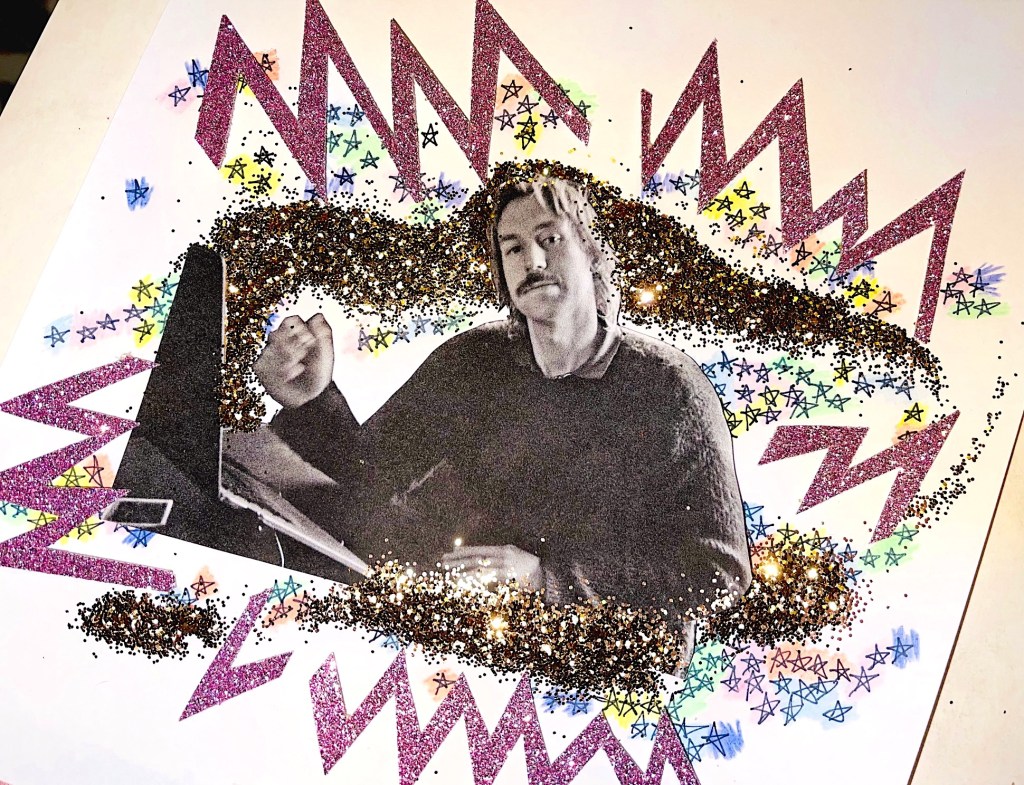
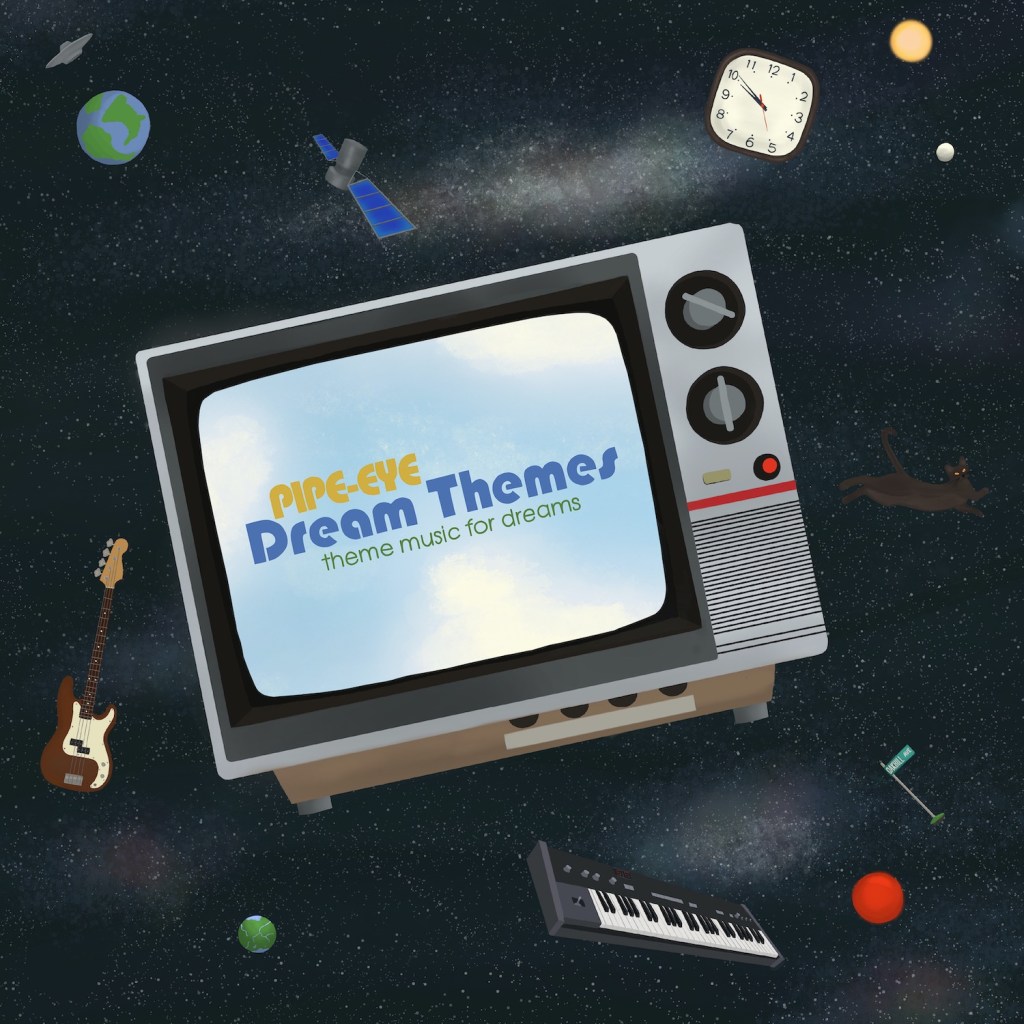
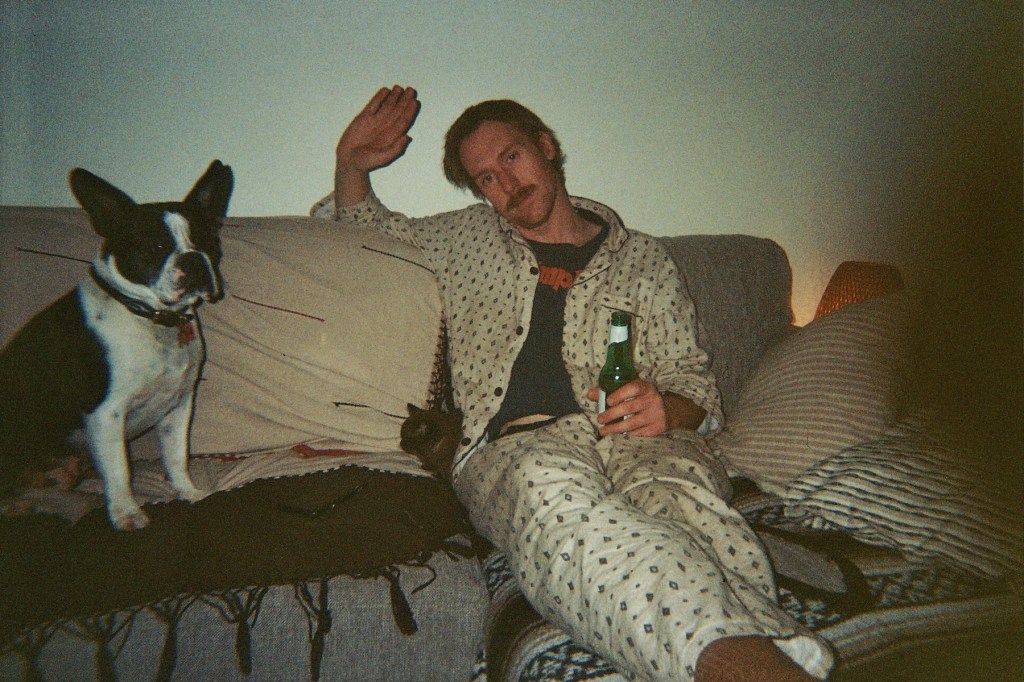

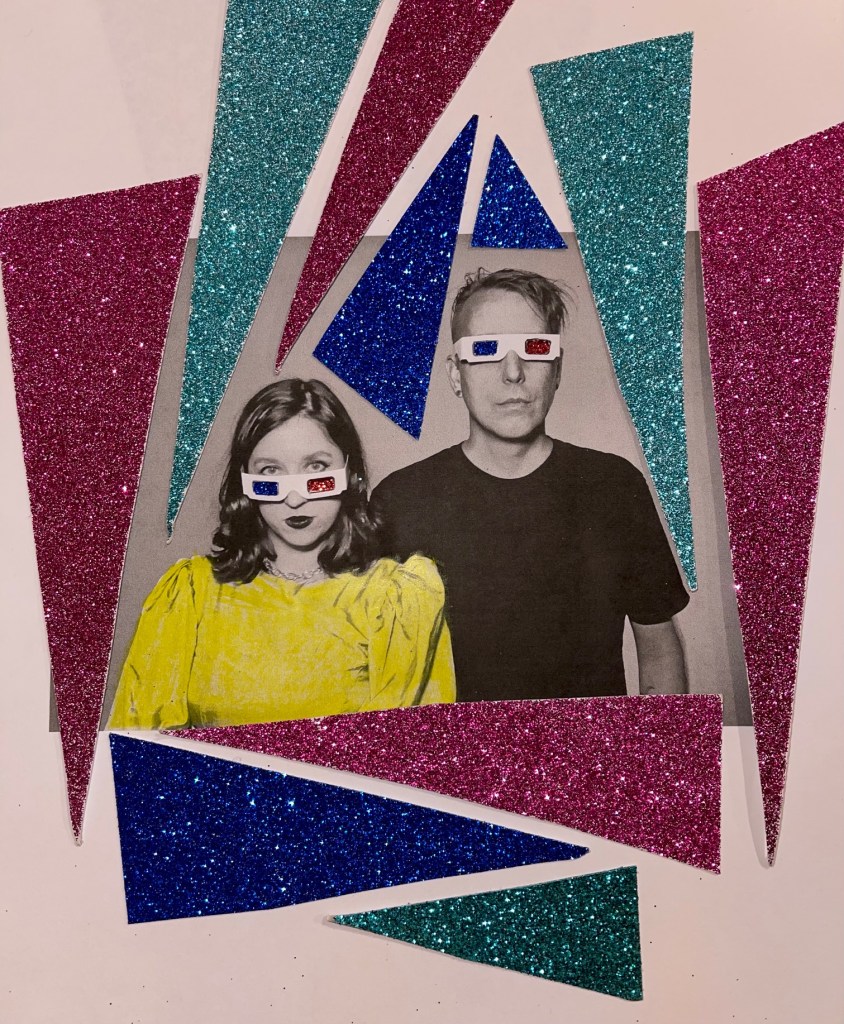
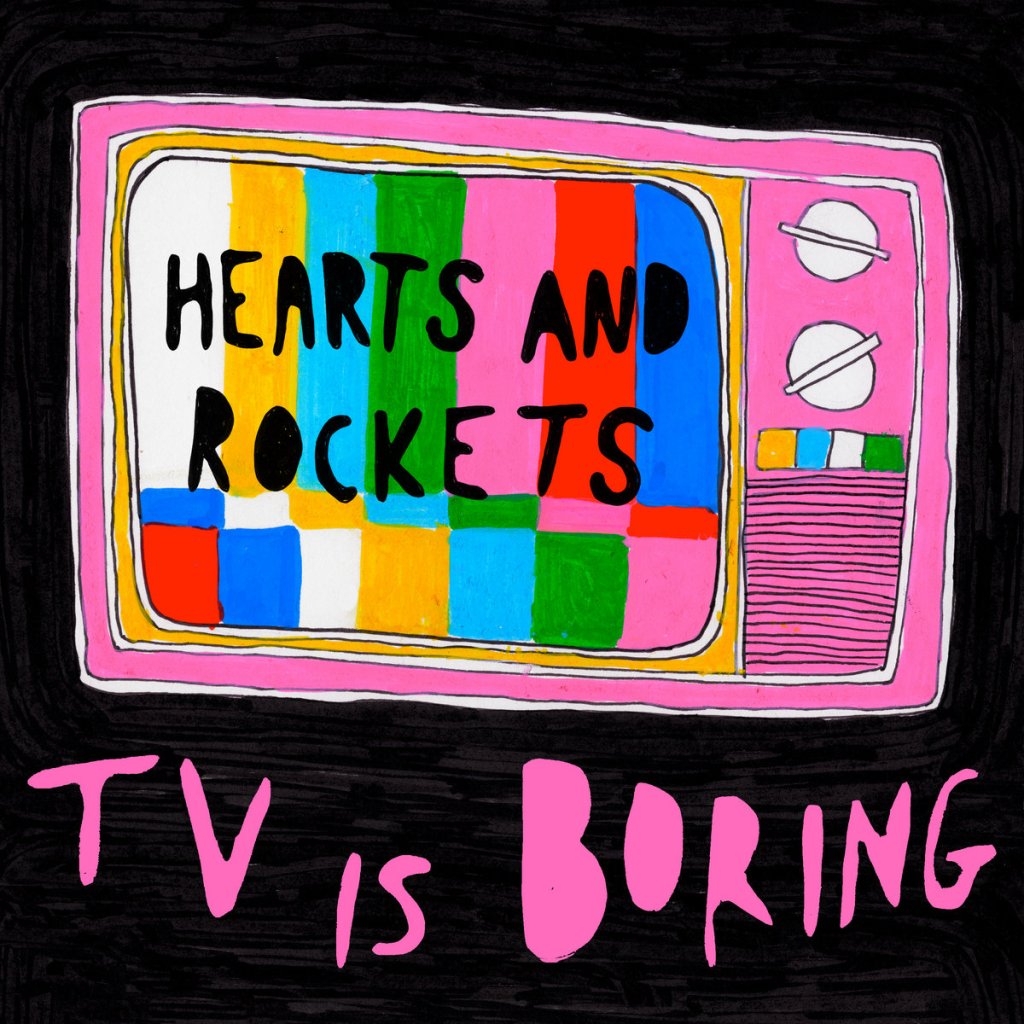


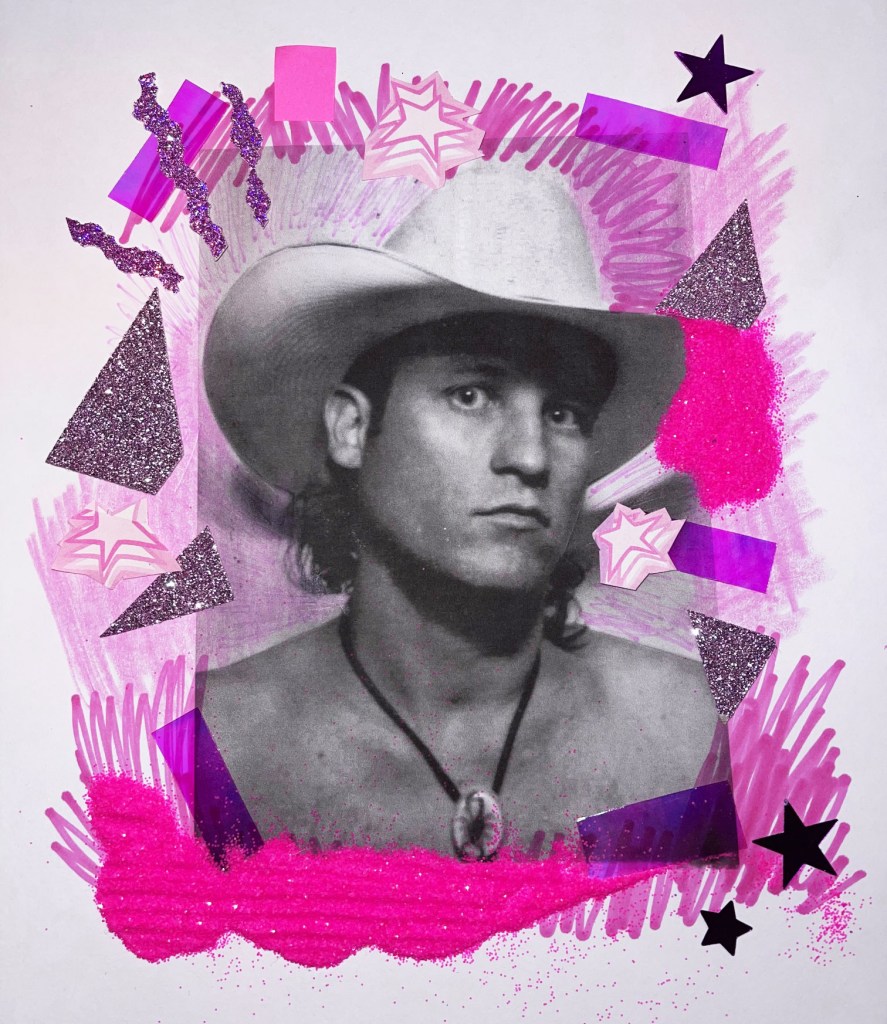
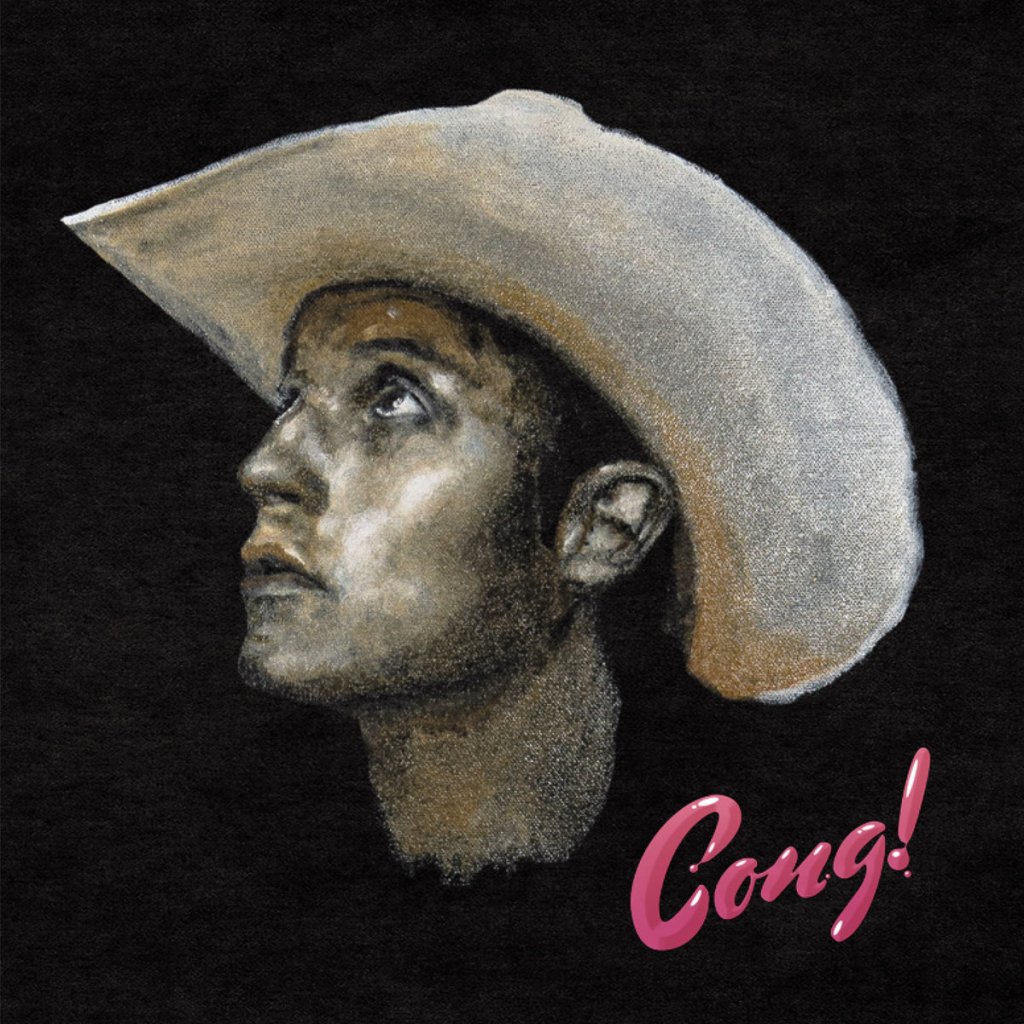
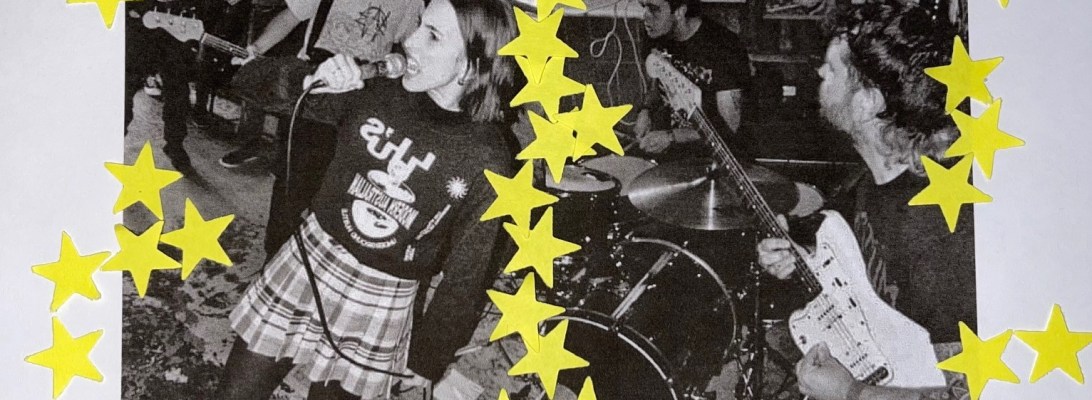
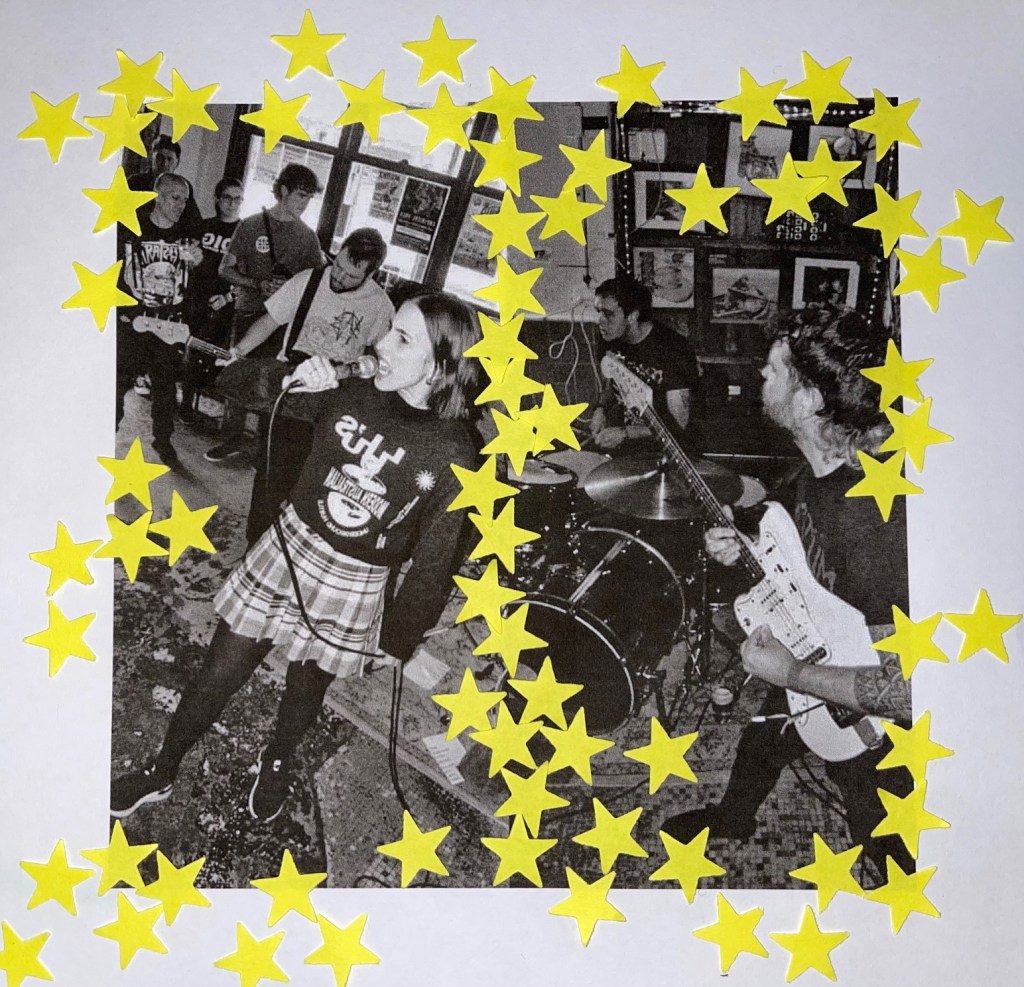

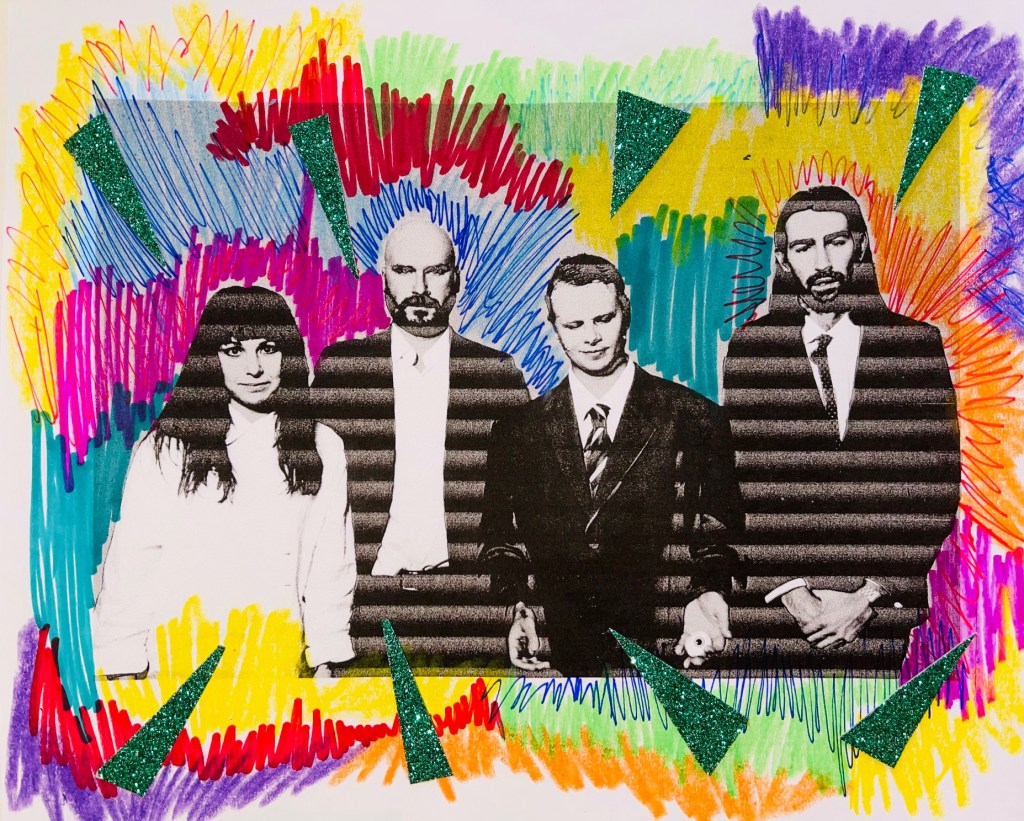
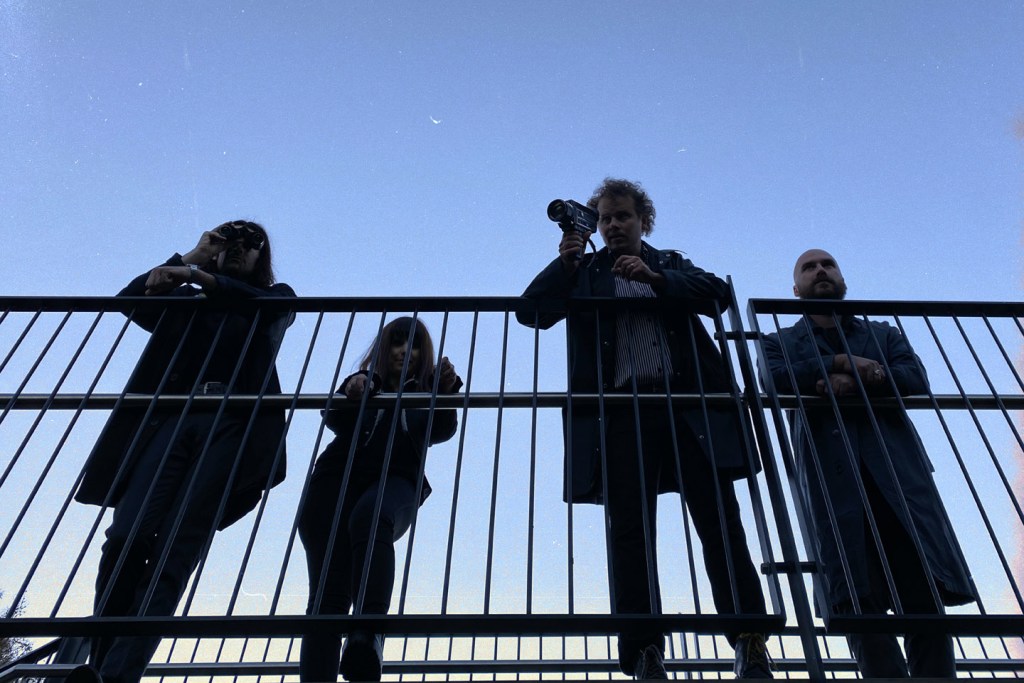
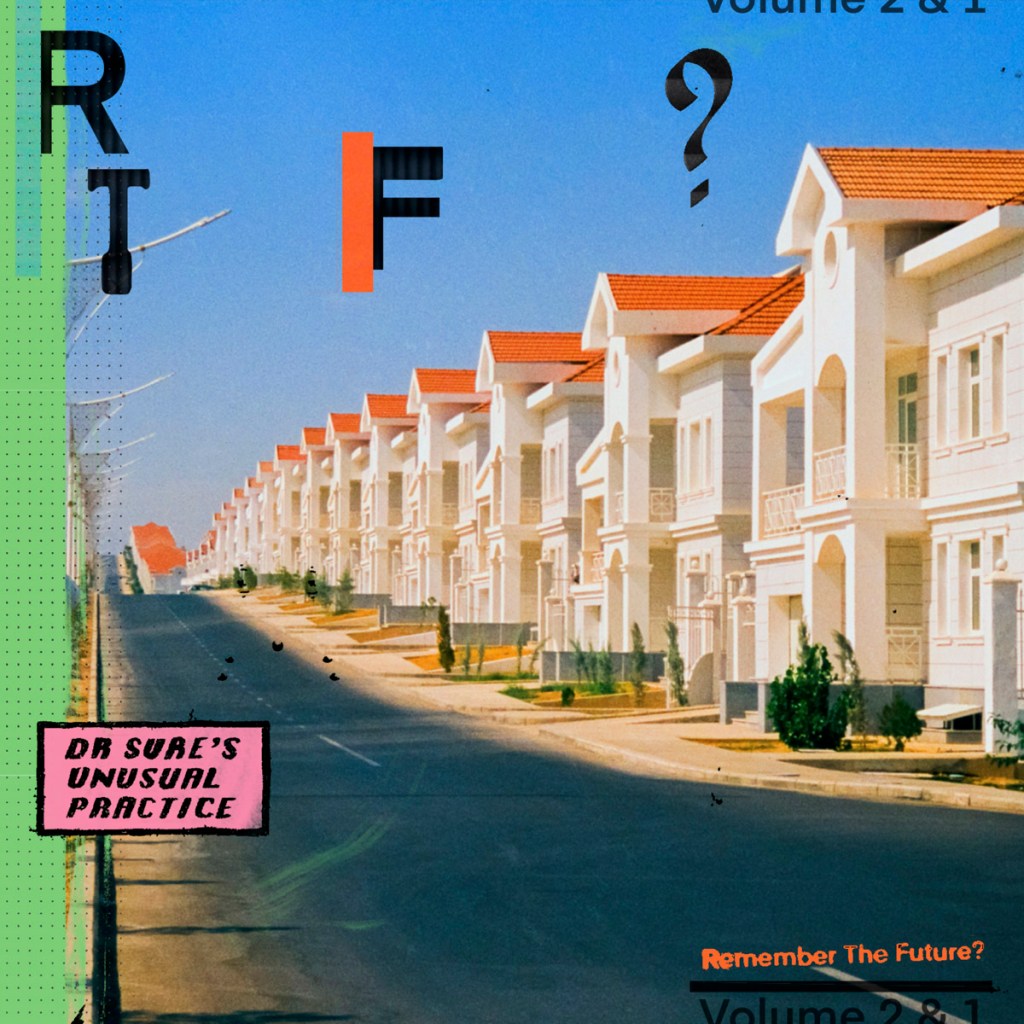
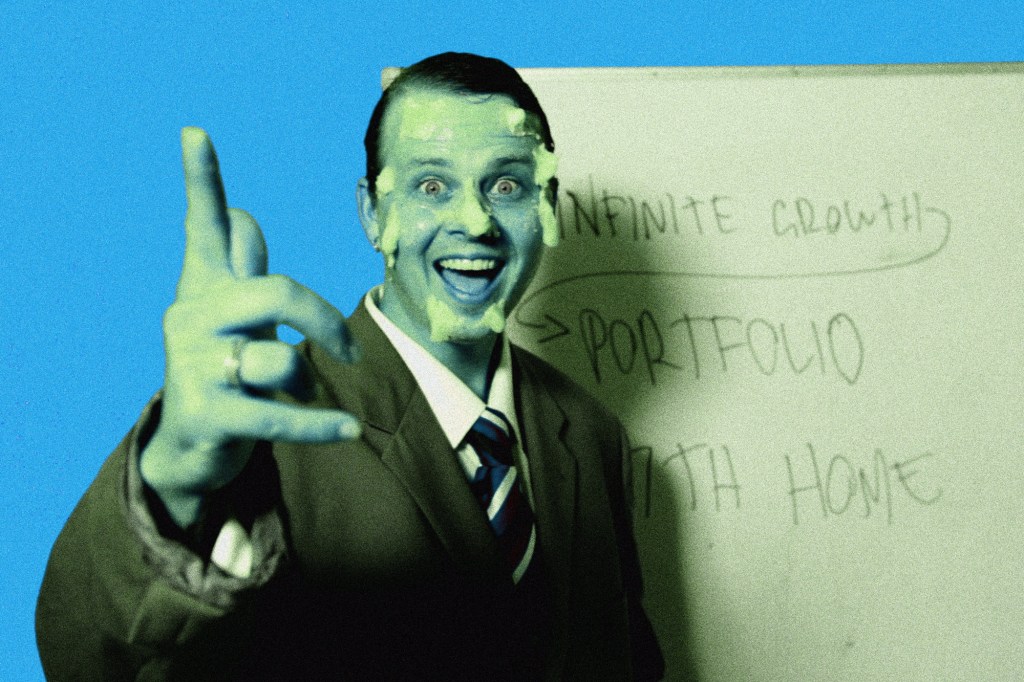


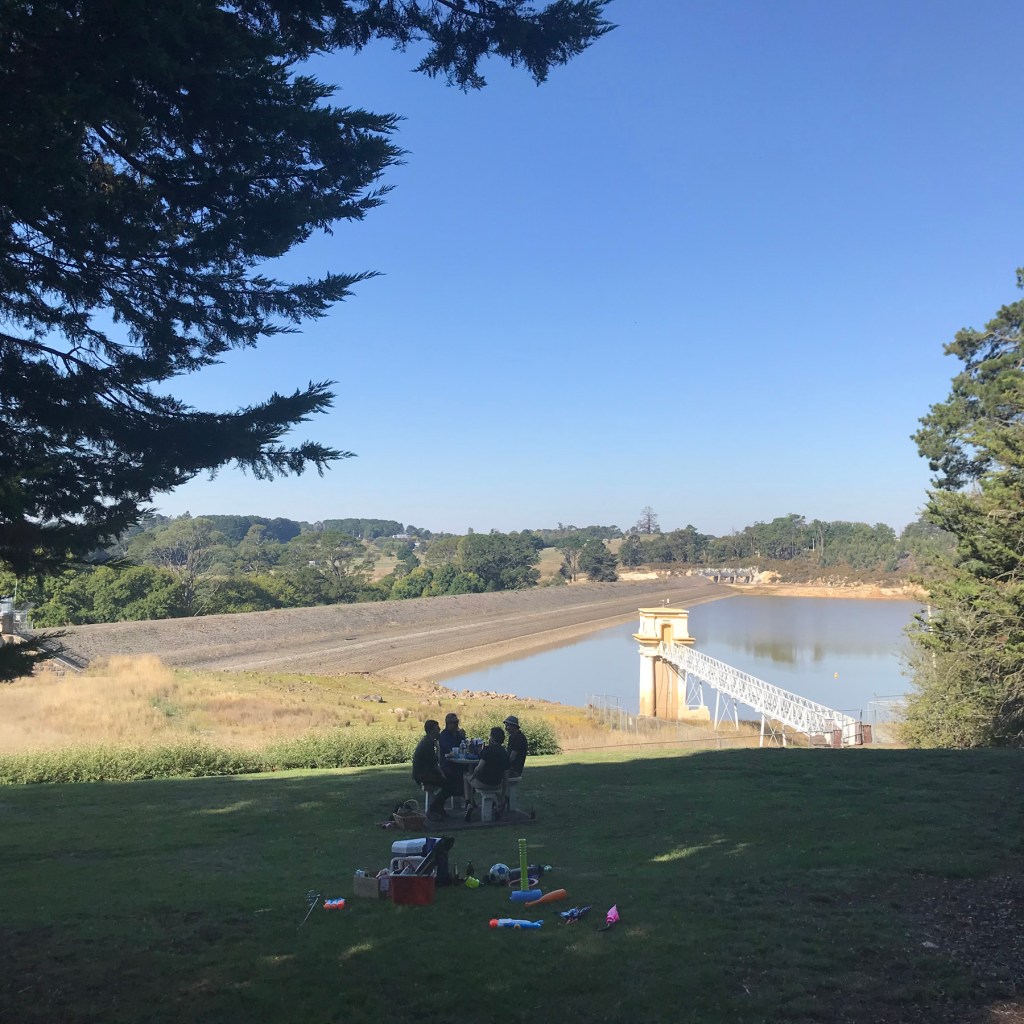


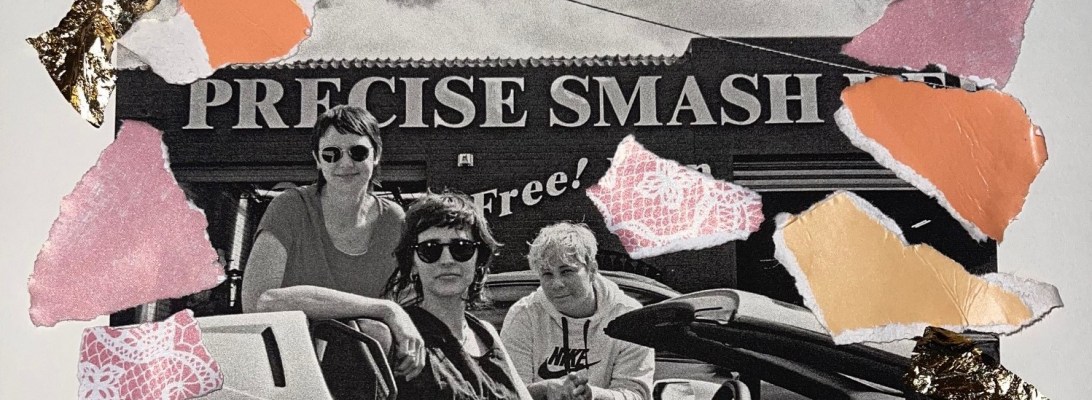
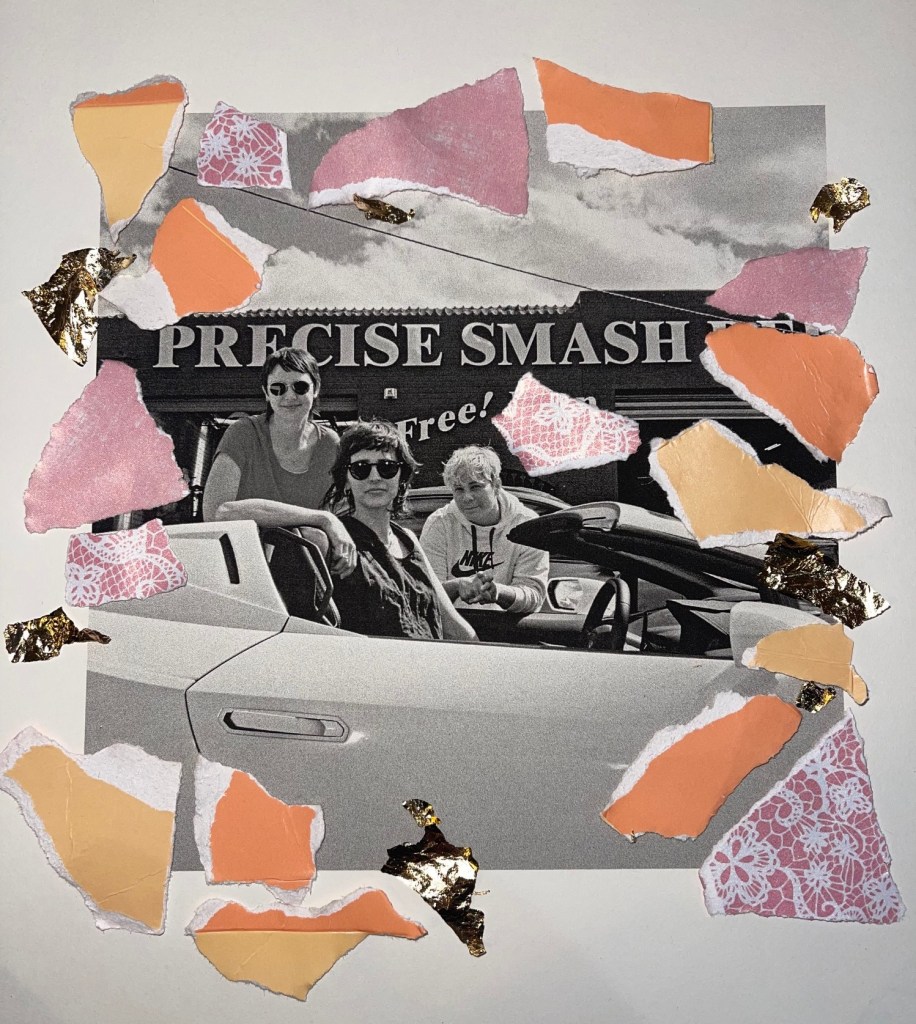
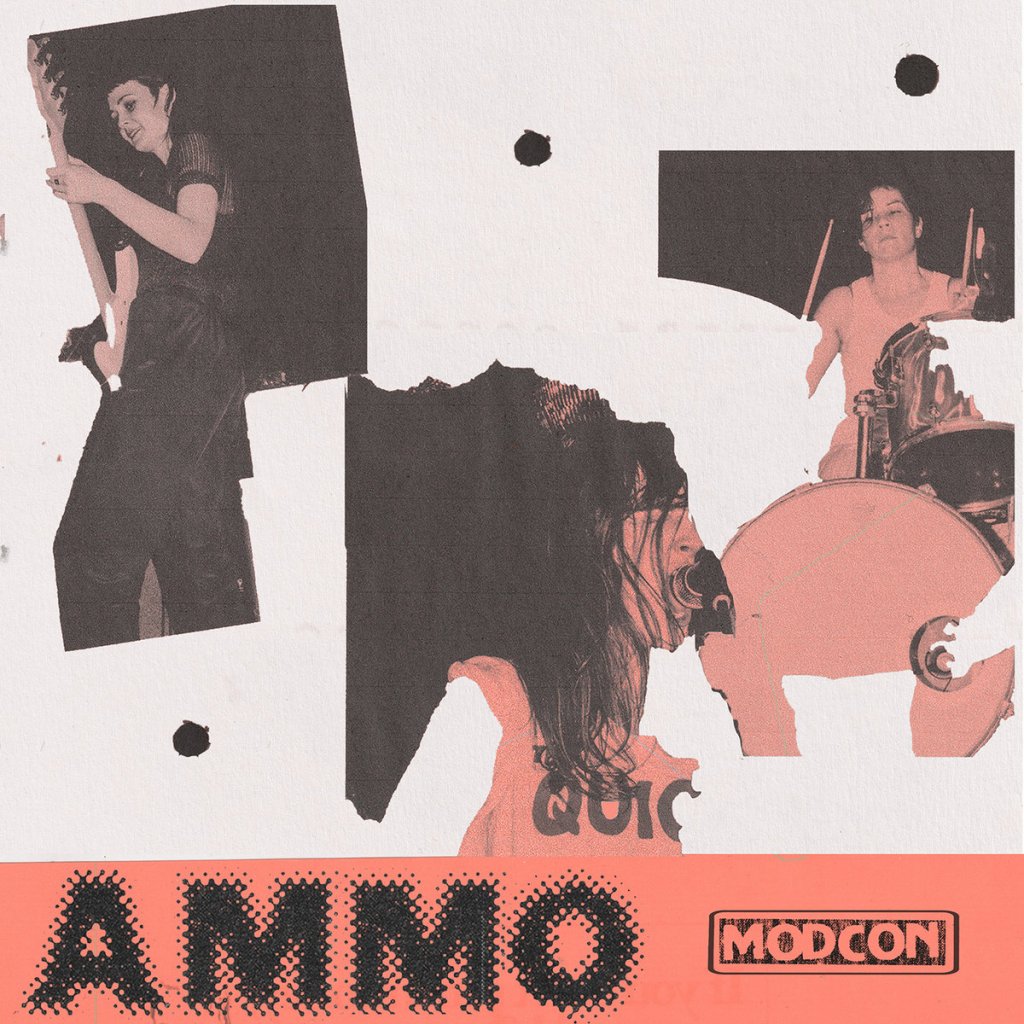
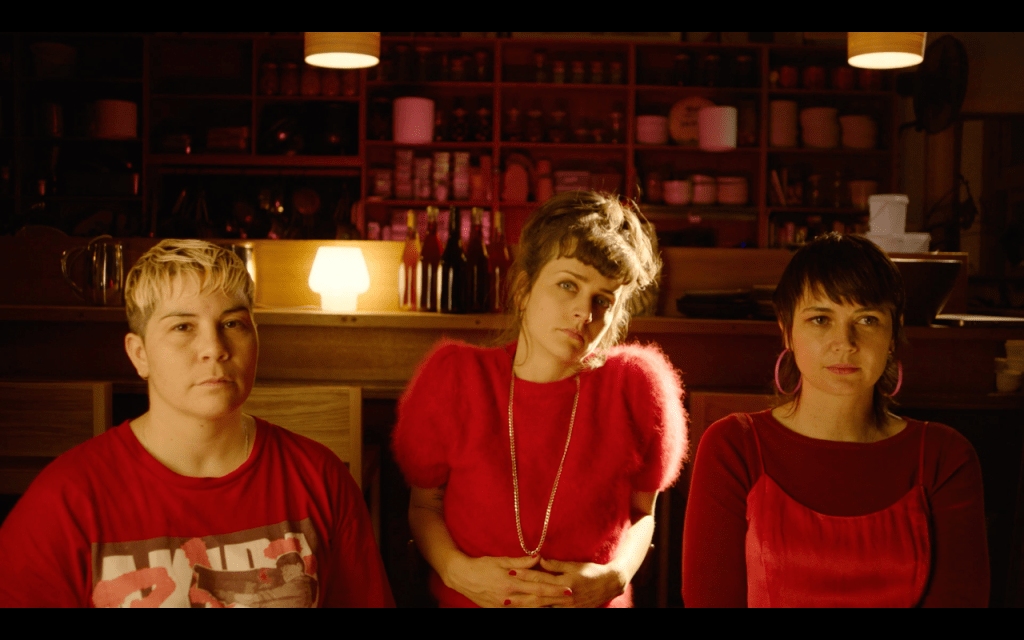

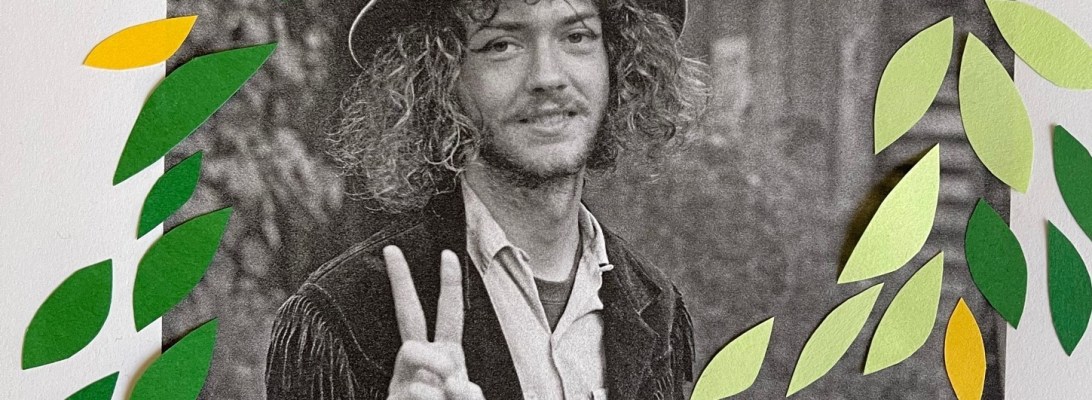
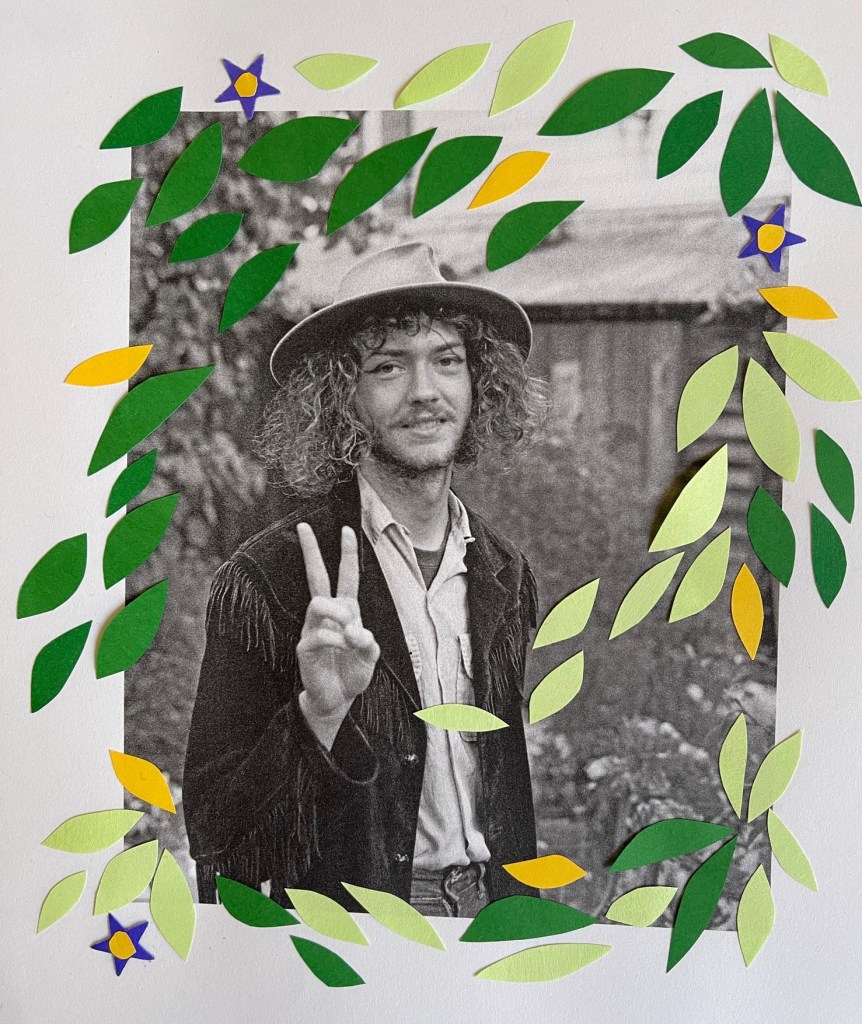
 Gimmie Gimmie Gimmie Zine