Obnox’s Lamont Thomas: “The whole damn world is protesting right now! The whole world is tired of this shit!”

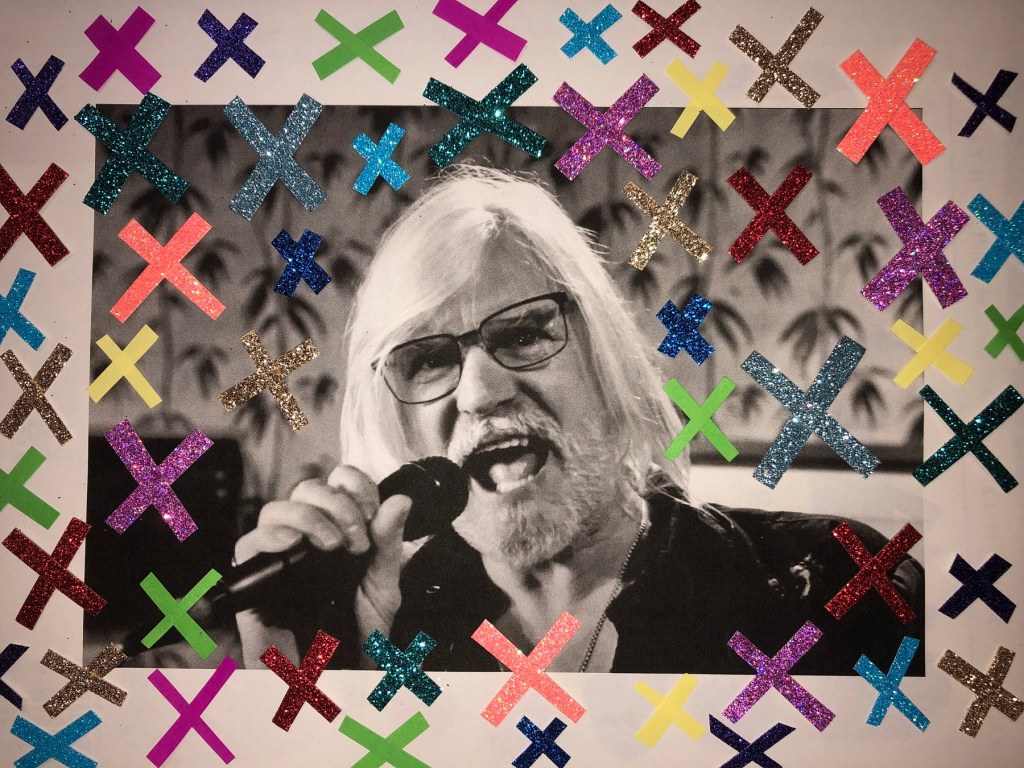
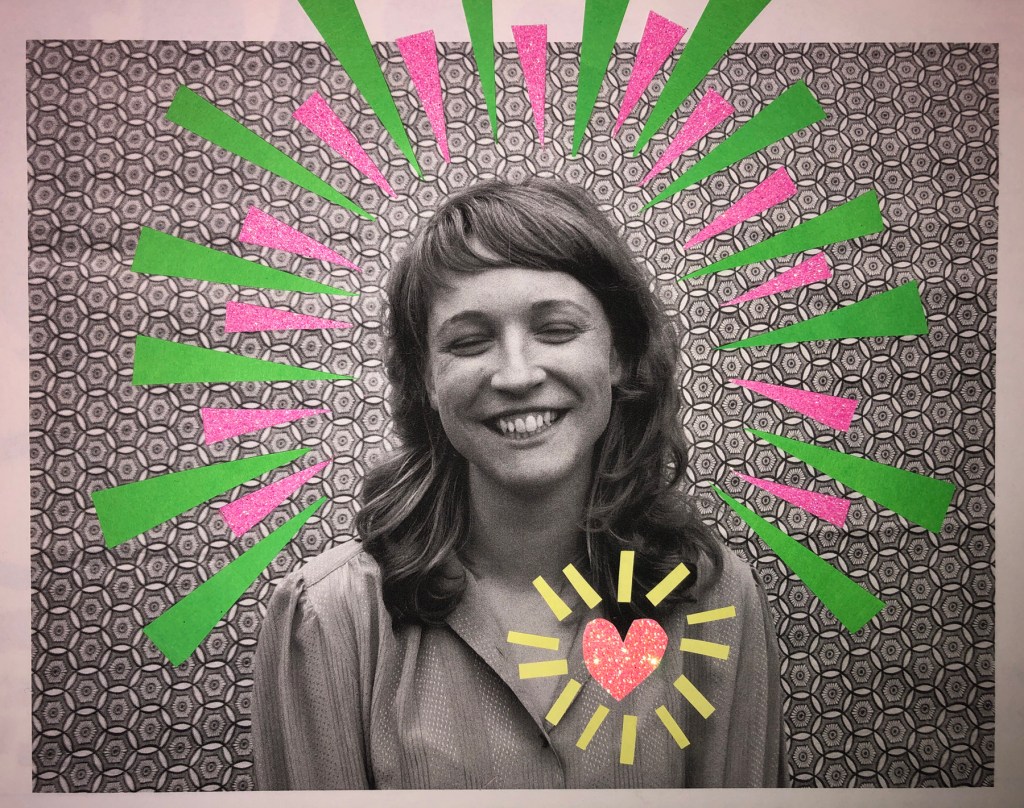
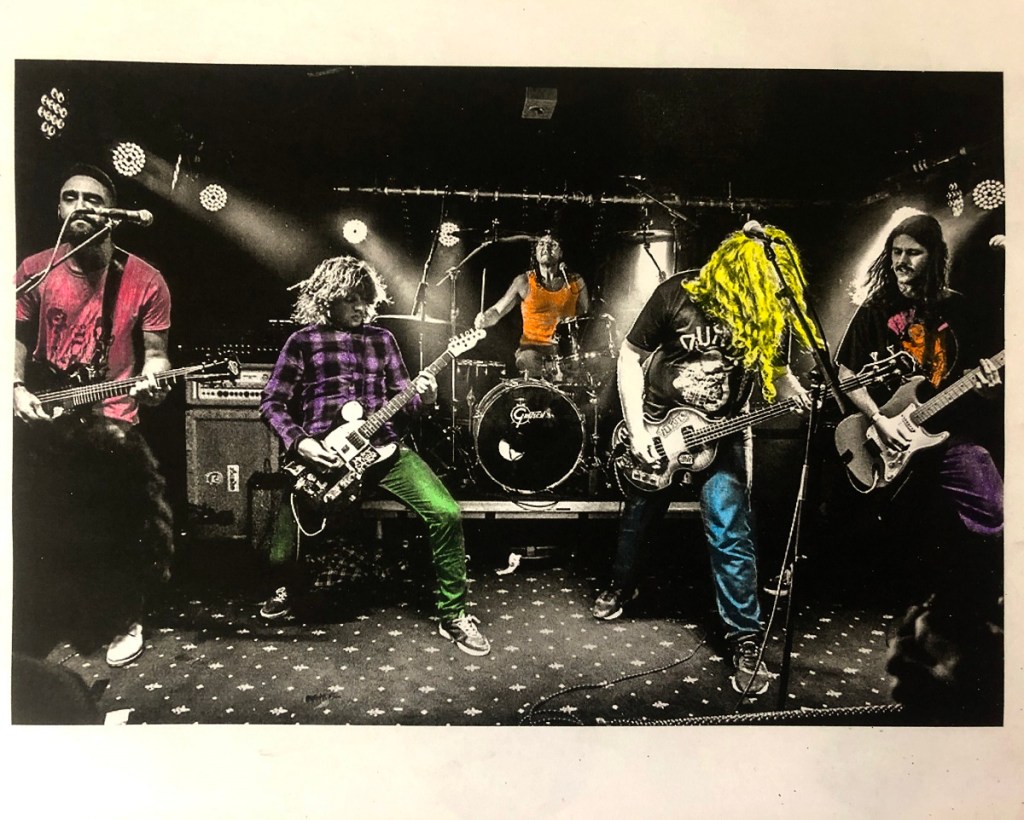
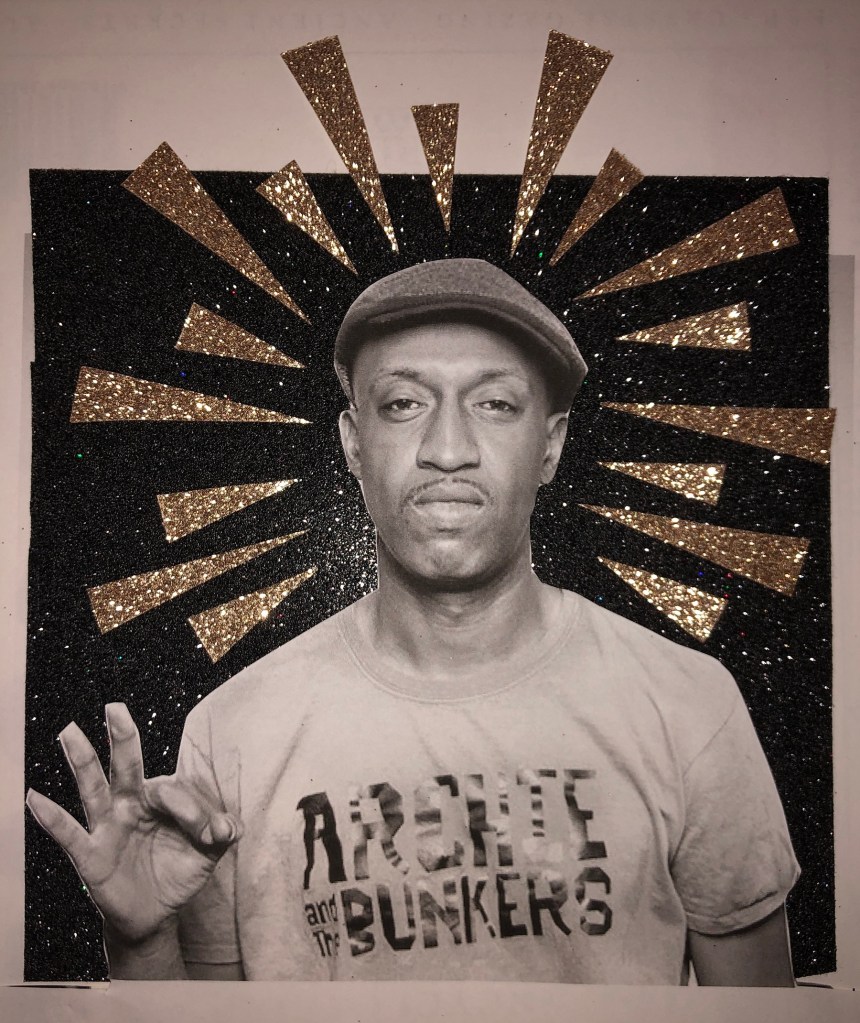
Handmade collage by B.

Cleveland musician Lamont Thomas creates an exciting clash of punk, hip-hop and everything in between, with his ultimately genre-defying experimental musical project, Obnox. Lamont’s been prolific in the underground for decades – Bassholes, Puffy Areolas, This Moment In Black History + more – latest release Savage Raygun, shows he’s still got vision, passion and message, all while making jams for listeners to make memories to. There’s a lot of powerful stuff on this double album. Gimmie chatted with Lamont about the new record, the recent BLM protests worldwide, of racism, Black Excellence and more as he picked up some Thai food and his car from the mechanic.

The new album you’ve recently released Savage Raygun is really, really cool.

LAMONT THOMAS: I really appreciate that, thank you.

Why is music important to you?

LT: [Laughs] That’s a really good question! The rhythm, the rhythm is the rhythm of life. I love to play and the energy, art, creativity, you can tell a story; just dancing, moving, and communicating, it’s all a part of it.

How did you first discover music?

LT: Church, my family’s record collection, these types of things. The neighbourhood and hanging out, hanging out with my cousins. It was always around. My folks had good records, my church kinda rocked.

Is there any records that you remember from your parent’s collection that have really stayed with you?

LT: Yeah, lots of them. Prince, Al Green, Bar-kays. Gospel stuff like The Hawkins Family.

What was the first music that you discovered that was your own, independent of your family?

LT: I got into hip-hop right when it was going down. I loved soul music—Black music. It really soaks into your ribcage.

How did you get into punk rock?

LT: Skateboarding and hanging with my buddies in high school. Watching skate videos you would hear a lot of independent punk that was used for the soundtracks. A couple of guys that I went to high school with would make me mix tapes, they kinda got a kick outta the fact that a Black guy was listening to rock n roll.

There’s a lot of parallels between punk rock and hip-hop; basement shows, flyer culture, vinyl releases.

LT: Yeah for sure. When I was young the idea was to not sell out, whereas now selling out is the goal [laughs]. Monetizing your image on the internet, all the crap you gotta do now. I came around at the right time, a different time. I can still be out here doing stuff and not be some internet phenomenon. People just focus on the music when it comes to me. I do have fun with online, keeping up with people and connecting with people feeling the music, we can talk instantly. But, waking up every day feeling like someone has to give a shit about me today, so I’ gonna take selfies and post tracks… ya’know what I mean? That’s most people’s get down and how they do things, whereas I’ trying to write a song, a riff, play some drums, listening to music, I’m just trying not to rip people off with things.

I feel you. It’s so weird to me what’s popular or what a lot of people pay attention to. I’d rather do good work, work on my craft than put selfies out there. I want the attention for my work not for what I look like etc.

LT: The internet is a great way for discovery of new music and art, but people get tired of the other. Even stuff I used to look at or follow on the internet, I don’t even care so much anymore, even though those people are still out there. Maybe it’s just me, but people tend to fall off after a short period of time, two or three years of that kind of popularity, then you better have something really crackin’ or people will forget about you.

People forgot about me before this record [laughs]. I thought I was over! I hadn’t toured in a couple of years, I hadn’t put anything out. Last year I thought; maybe people are just over me? There’s been such an incredible response for the new record! Shout out to Flash Gordon over at ever/never Records for keeping me in the conversation and for still believing in the music.

Who or what has really helped shape your ideas on creativity?

LT: I started out as a teenager skating and catching mix tapes and then you get to reading fanzines and you become aware of the network, the underground… most things that are underground – things that most people would call failure – those are the artists that I tend to gravitate towards. There are certain records where you just can’t believe that it wasn’t a big hit and more people heard it or were into it. I sympathize and empathize with those kinds of stories… or even records that become huge over time that nobody gave a shit about like Funkadelic, nobody gave a shit and now everyone gives a shit. Funkadelic you know are still pretty underground [laughs]. I think they are the greatest American psychedelic rock band to ever set foot out. It wasn’t like that stuff was flying off the shelves.

That was the same with a band like Black Flag. I’ve spoken with Keith Morris and Henry Rollins and they both say that when they were first around people never cared so much, even hated them, now you see so many Black Flag tattoos etc. out there and they’re really loved.

LT: They had to create the network and that influenced that whole scene basically as far as how and where you can tour… someone’s got a basement space or you’re in some weird strip mall and the locals are about to tear your head off.

As a creative person what are the things that matter to you most?

LT: You go from there to college, where I hung out with a lot of radio station guys, that leads to a lot of local shows. I had a little band in high school. I got used to playing then. In college I would see guys that were early influences, they had their little bands and t-shirts and they were good bands and dudes, which I’m still really good friends with a lot of them.

Eventually, I moved to Columbus and that’s when I started playing with Don Holland and The Bassholes when I was twenty-one. Then I meet Jim Sheppard and Ron House, all the guys, and there’s tons of great bands in town at the time like New Bomb Turks. It was a great scene and I really lucked out. There were a handful or indie labels and they were all doing 7-inches. We were real lucky.

The thing that matters creatively to me is not ripping people off. It’s just what I’ve been doing since I was a kid. I’ve worked a little bit of everywhere, I’ve worked for record stores, I’ve worked for the phone company, I’ve worked for General Motors, I used to build pedals for EarthQuaker Devices… I’ve always got a little hustle but music… let’s just put it this way, I could never go do that 9 to 5 thing very long. I’ve always had great jobs and there’s probably times when I should have quit playing music and focused on a career. I enjoy music that’s just it. I don’t have any money but I don’t feel poor.

I feel the same way. I work part-time in a library which pays the bills and then interviews, writing, music is what I do the rest of the time. Not having to pay the bills with my passions allows me to never have to compromise in what I do creatively. Any time I’ve tried to make a career out of those things I’ve always ended up having to compromise. I mean since I was a kid I wanted to write for Rolling Stone and I finally got there and was writing for them and then the editor told me to make my interviews less deep! I’m happy where I am now doing Gimmie, doing something that’s my own.

LT: Yeah, we need that perspective. I appreciate you. I’m trying to keep my music raw, that’s the basis of my art per say. Everyone these days has a laptop and can make beats or makes a video, but they’re just a motherfucker with a laptop and a video, you’ll be done in three years. To me an artist is someone that is in it, it’s just what they do, they don’t think so hard about artistry per say, they just in it and try to be creative and get that release. It makes them feel good, when it comes to music as far as I’m concerned, if it feels good it probably sounds damn good.

One thing that I’ve always loved with your music is that it’s always surprising me, you fuse so many genres into your music and when I’m listening to it I don’t know where it’s going to go and I keep listening to find out and hear it unfold. It’s never predictable.

LT: Thank you, I appreciate that. People listen to everything, Spotify shuffles and playlists, people listen to three or four different styles of music in a day, four different types of records—I do! I don’t want to do my beat-funk stuff here and then my noise stuff there or write some pop tunes over there. I’m like, fuck it, let’s put it all together and make the best sequence that we can. Find the best art and pack it up for someone to enjoy for a lifetime.

When you started making Savage Raygun did you have a vision for it?

LT: Yeah, I did. I had a bunch of ideas and I wanted to make something over four sides, I wanted to do a double album just in case I was over! Eventually, I tried to record some stuff digitally like what the modern dudes are doing but it didn’t work, I lost some files. I had beats from friends. I had to double back on all of the stuff that I had lost and staring pieces together stuff. My buddies would come by the studio a couple of days. I just kept going until I got a flow.

How do you know you’ve got the right sequence? Intuition? A feeling?

LT: You listen to it. Certain things don’t sound good back to back. Certain things should be left off of a record or redone. I don’t think about a lot of stuff that most dudes do, I just open myself up to creativity. Lyrically, I try to turn good phrases to see what makes it interesting. I’m recording in my friend’s living room for the most part. Here and there you might be running with Steve Albini or Jim Diamond, someone like that but, you go into those situations a little more well-rehearsed and thought out so you don’t blow a bunch of money in the studio. Those dudes aren’t cheap.

90% of my stuff was recorded in my buddy’s house. It gives you time to try things. When we first started a band, he and I used to record from three o’clock in the afternoon until one in the morning, just trying stuff. Things were coming out a lot more frequently and faster then, that wasn’t the point though—just doing what felt good was the point, just making stuff. I do what comes natural. I like to get stuff out faster so I can do more. I just want to do more, I love it. I’m not trying to impress people.

Do you ever impress yourself with what you create?

LT: I like it. It’s right up there with what’s out there. I can’t say I wish it was more popular, I don’t know what that’s like. When you start talking about popular acts, they have a lot more money and stuff to deal with… there’s different types of stuff to consider, I don’t have to worry about that.

I’ve interviewed many bands over their lifetime and if I’m being honest I’ve found that often with success and popularity their music becomes really boring.

LT: [Laughs] Maybe!

Artists on the fringes of things always seem to be more interesting and exciting. They’re not worrying about being liked, getting on the radio, fulfilling whatever obligations and expectations comes with being popular. Not having those things, you just have the freedom to create and you’re not believing your own hype.

LT: There’s no record business like there used to be now, like the old Tin Pan Alley model, with record advances and accounting and stuff like that. Depending on who I’m working with, I have to consider publishing and certain stuff, that’s me sitting around on a Saturday keeping track of things, keeping right with everybody. I’m not employed by anybody though, and neither is anyone else; these cats run through the music business like there’s still this industry standard that they have to live up to, this checklist of things they have to do before they become famous, it’s a giant myth. People spend so much time focusing on that shit that they never do realise their full potential, ya dig?

Totally! Why did you decide to kick your record off with the track “Super Dope”?

LT: That was just a jam session. We were jamming in Texas, I had a little 8-track machine running and I brought those songs from there and finished them up here. “Catbird” comes from that session and “She (Was about That Life)” does too. Just hanging out and having a good time.

How about “Supernatural”?

LT: There’s a lot of girls that are into witchcraft and astrology and energy and chakras and all that shit [laughs]. It’s like, everybody can’t be a witch! Everybody’s not intuitive. Everybody is not wired like that… c’mon, some of y’all are just trending out! [laughs]. It’s cool though… some people collect comic books, some people collect albums and some people collect personalities; ya know what I mean? Every now and again I’ll run into a girl that’s super witchy and I’m like, OK, I get it I understand, it’s wild out here ya know… collectively witching! [laughs]; watching the stars and the moon and you get your power… I understand but, I gotta write a song about it [laughs].

Are you a spiritual person?

LT: If you’re talking about Christianity and that kind of thing, no, not really. I think Jesus was my uncle! [laughs]. Spirituality for me, relates to being a Black man, I’m the original man, directly connected to God. Everything we’ve been through and everything we’re capable of, all of the innovations: traffic lights, heart surgery… I haven’t had a cold in twenty years, these types of things, these are divine qualities and I think a lot of brothers have them. I think there’s a lot of people working hard to make sure that these qualities don’t manifest, God-like qualities within every Black man—that’s my religion. I just got a copy of the Quran from my job the other day, I’m gonna start reading that to try to understand other ideas.

I’m having my own spiritual journey. Spending more time alone meditating, listening to jazz, trying to channel what made my people great from the beginning.

What kind of meditation do you do?

LT: It’s not any organized practice or anything, not like yoga or chanting, it’s more like prayer, just being silent and taking the time to not have to worry about what might be outside my door—really using the silence. It’s loud within itself though. That’s when I can think about other things that don’t worry me like; how do I want to carry myself? How do I want to atone for my walk in life and my path? How am I going to move forward in the future? How am I going to make the music better? To just stay up! Especially when someone tries to tear you down. They’re the things I think of in my own meditative state. I’m not some spiritual guru or expert on anything, I think a lot of people that say they are, are hustlers!

Black Excellence is my religion. When I need guidance I talk to my elders. I read someone like James Baldwin. I just curl up and read one of his books—it’s so strong. That feeds my soul as much as anything like God or whatever. Baldwin was a god. We get to enjoy this stuff and they figure out ways to sell it but, if you really look at the people behind it and take all of the production and administrative shit away, you’re dealing with some divine people with extraordinary talent. What happens when it’s untainted and it’s in its rawest form and you ain’t got to answer to nobody? If your life is improving on top of that and you’re helping others… I work at a church, I try to live in a way that my music will reflect the real person that I am, it ain’t always pretty but, shit, you put it all together, and it’s really powerful!

Your music is very honest. Life isn’t always pretty.

LT: Yeah, I’ve been through a lot in the last year or two. I’ve finally reckoned with everything. In your late forties you hope you’ll have your shit together, I feel like I’m starting to get things back together.

That’s great news!

LT: [Laughs].

Have you had a really life changing moment?

LT: Yeah. I was with my ex for twenty-five years! It takes time to really bounce back from something like that.

Is that what you were talking about when you mentioned you’ve been going through a lot the last couple of years?

LT: Yeah. She’s wonderful and we’re still cool, our daughter is great, that’s all I can ask for. Knowing that and still being able to make an indie record every now and again, I’m fine.

I’ve noticed through speaking with you and through your music, it really does seem like you want to touch people and inspire them. In interviews I notice you’re always encouraging young people, especially young Black people to explore and learn about punk rock and DIY; why is that important to you?

LT: That’s what music is—its communication! If you’re just sitting around only concerned with yourself and not with who the music is reaching… it’s to be shared. The record buying public isn’t just there to pat you on the back, its give and take. You want people to be able to smoke they joints and wiggle they feet and have fun—you want it to be the soundtrack for they life! I hope their life is turning out better because of the music, or I hope my music is what they making their memories to.

Is there a track on Savage Raygun that’s really special to you?

LT: “Return Fire” is an idea that you have a lot of gang members, a lot of shooters in America right now, everybody’s got a pistol and the Black community, brothers don’t hesitate to squeeze the trigger on another brother but, when the cops come down and terrorize the neighbourhood they have no fire power for these cops. The Black Panthers have already showed us that you can protect yourself from the police. Maybe it comes down to illegal weapons, or my stuff isn’t registered, I don’t go to the range or nothin’… if I got a pistol and someone’s choking a man for eight minutes, I’m not reaching for my phone, I’m going to pop his ass right in the shoulder! Just to get him off. “Return Fire” is an imaginary angle on that. You keep this shit up, you keep fucking with our people, we’re going to police you when you come around in our community. Nobody is asking how the Black community got this way? Now it’s all coming out.

You talk about looters, I talk about the Boston Tea Party. You talk about civil rights, and I talk about bringing many nations of people over here to build your country for free and then treating them like shit for centuries after that. That shit is not fair. “Return Fire” that’s basically what that is, the whole damn world is protesting right now! The whole world is tired of this shit! This is what Foundational Black Americans have been dealing with. People are socialised to not care about another Black man. Whether they’re an African guy in Paris or Barbados they’re not feeling me just because I’m an American Black man—it’s insane. They really did a number on our people, it’s global. Everybody knows who “they” are.

People rock with the money. I’m rockin’ with global unity! Everybody all over the damn world has some sort of colour and pigment. Everybody around the world has had they ass kicked to a certain extent. You can’t be out here invading small nations and calling them terrorists and enemies; what the hell can they really do to us? Blow they whole shit up with one missile and all of a sudden you want me to live in fear because somebody that you’re trying to take advantage of, like you took advantage of my people… I can’t rock with this shit! “Return Fire” is about that shit and “Avalanche Grave” is another one. Take your lawyer to the gun range and both of y’all get ready for this shit. What’s the shit? Civil war? I don’t know. Protest? Uprising? I don’t know.

I wanted to ask you about the song “Music Saves”.

LT: [Laughs] Yeah, that’s just like, one of those road songs. It’s a little pop that describes showing up at a venue and ultimately having a great show. There’s a store down the street from a club we play all the time called, Music Saves. The song is a little homage to the girl that used to run that spot. She’s wonderful. She was having a little trouble even before Covid and we wanted to put it out there so she knows we think it’s special.

You’ve been involved in the music community for decades and I know that you’ve never really cared for the industry side of things and you once said that, when you stopped giving a shit about any of that stuff, that’s when things got really fun for you.

LT: That’s right! That’s when the fun happens! The people around me really look after me, when you realise that you’re being treated better than some guy signed to some company, that is redemptive, it’s like, man… I’m doing better than someone that has to be on the internet all day. I can do what I like and I’m having fun with my friends but that guy might have to go rehearse with band members he doesn’t even like! [laughs]. The machine is rolling and they’re popular, its happening! I don’t give a fuck about that shit.

I know you have a beautiful little daughter named Mia; what’s fatherhood mean to you?

LT: She changed everything. She’s wonderful. She’s smart and healthy and happy. I’m just trying to live my life in a way that nothing messes that up. She’s on her way to great things. She’s something to live for! You don’t behave as recklessly as a young man, coming of age and understanding more about women, what they need from us. I falter here and there but I’m trying to get it together so she has everything she needs.
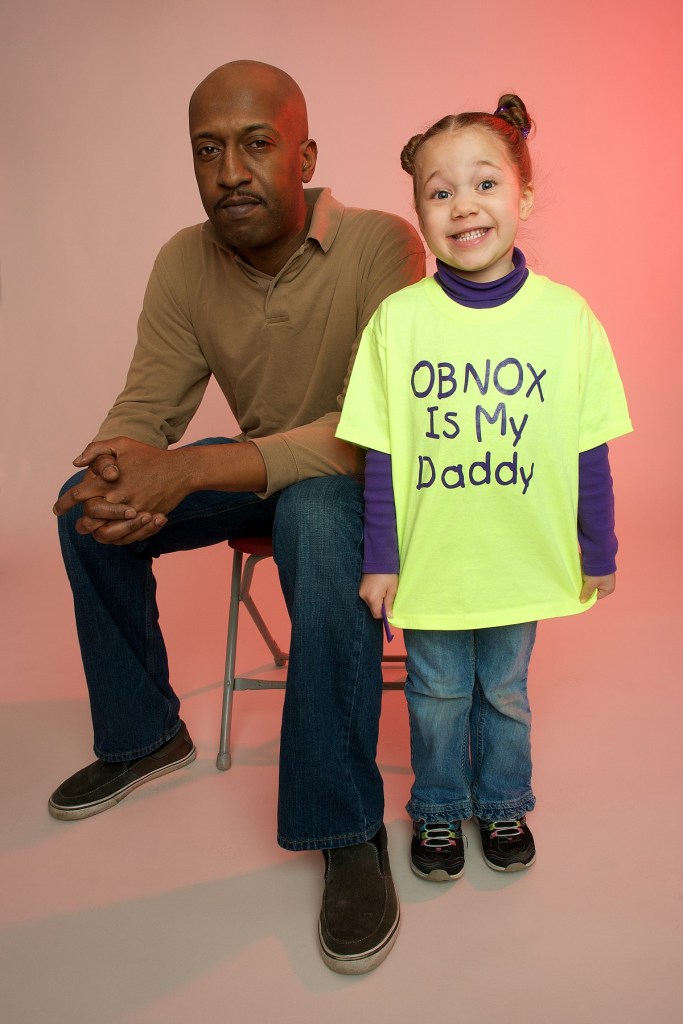
You’ve said that she inspires you when she’s around; how so?

LT: She’s smart and she’s into great music, just like every woman I ever loved! I’m proud of her. I try to match wits with her, she’s incredible. I have to stay up there! [laughs]. It’s a good gauge. She plays a little clarinet and she’s’ in the band now! [laughs].

At this point in your life; what are the things that matter the most to you?

LT: With everything that is going on right now, I hope that people aren’t just trending trying to seem socially conscious, I hope they are really trying to make changes. I hope this isn’t just another one of those things that in a few months people are just onto something else and talking about something else. I hope the election doesn’t supersede this movement and everyone gets… do you know what I mean?

I do.

LT: I wanna see equality. I’d love to see a new trend in music that ain’t even rock n roll. I deal with a lot of different people, white and Black—I’m just hoping for some understanding. I can dig where everyone is coming from. Let’s just level the playing field. Not just all this same political yip yap. I hope somebody does something for the Foundational Black community. I hope that people understand that women’s bodies are their own, ease off of the legislation and control and shit. I hope money and the economy and the Black man’s ability to take care of his family becomes easier. We’ve got 2.6% of the nation’s wealth, in the meantime 15% of white families have a million or more—that’s fucked up! Especially considering we built the nation. Real change! Not “oh, I was at the protest the other day! Did you see my photos?” Get your ass out of there! Put a mask on! You trying to look cute at the protest and take a photo! Get your ass out! We don’t need that. People always say they call out racism but we know that’s not true!

I’ve experienced so much racism in my life and there’s been so many times when I’m the only Black person in the room and no one stuck up for me when shit was going down. I really hope that we see real change and that things change in the everyday for us POC.

LT: People can grow. People need to keep things up. Hopefully we change the music game again too and things can get interesting again! We built it! This is my uncle’s shit! This is my family’s shit! Give me my shit back! [laughs].

Please check out OBNOX’s Savage Raygun via ever/never Records; OBNOX on Facebook; on Instagram; on Soundcloud.
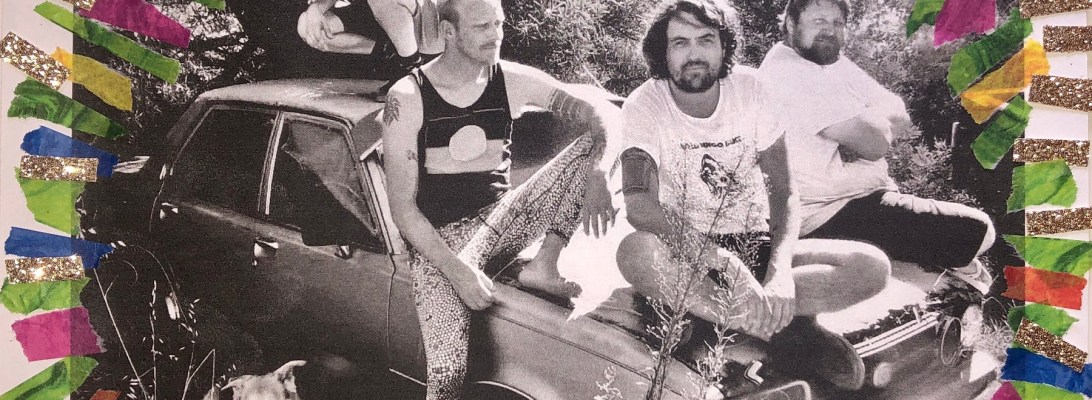
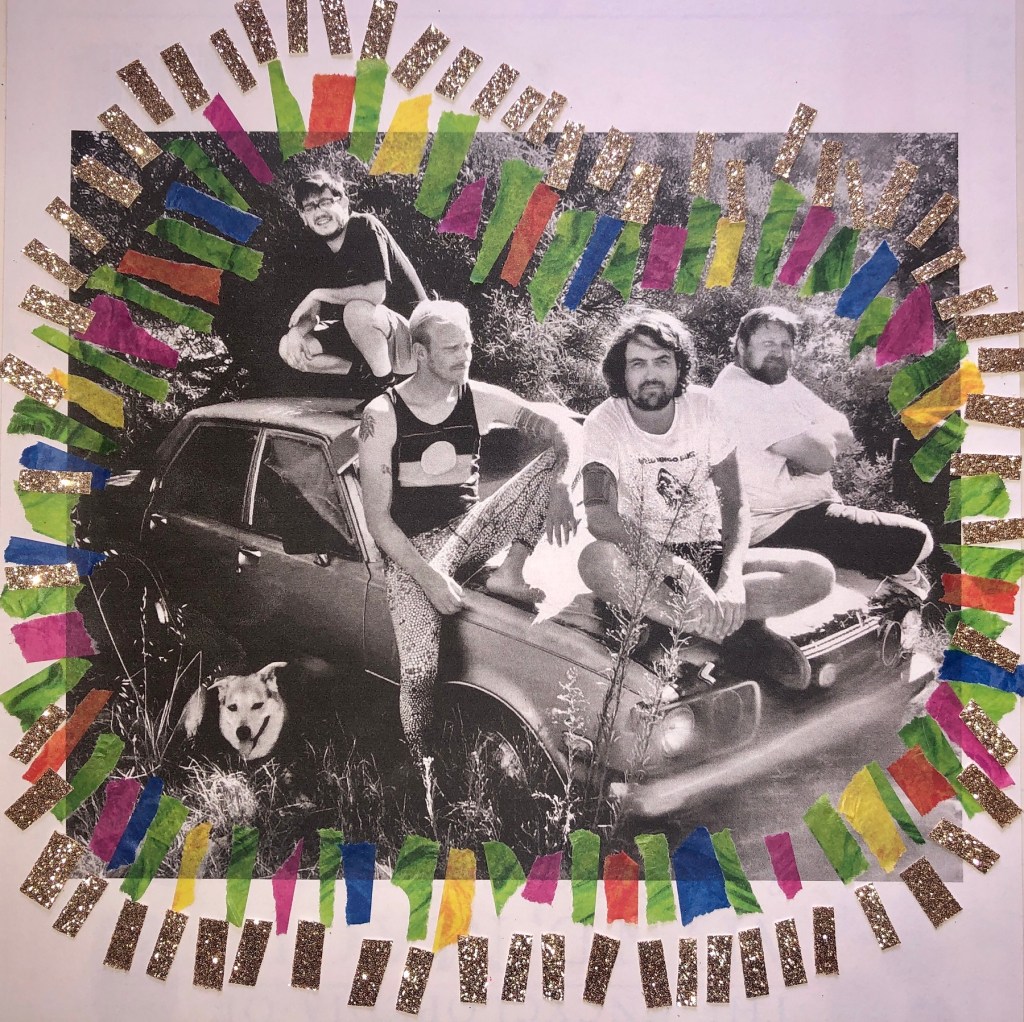
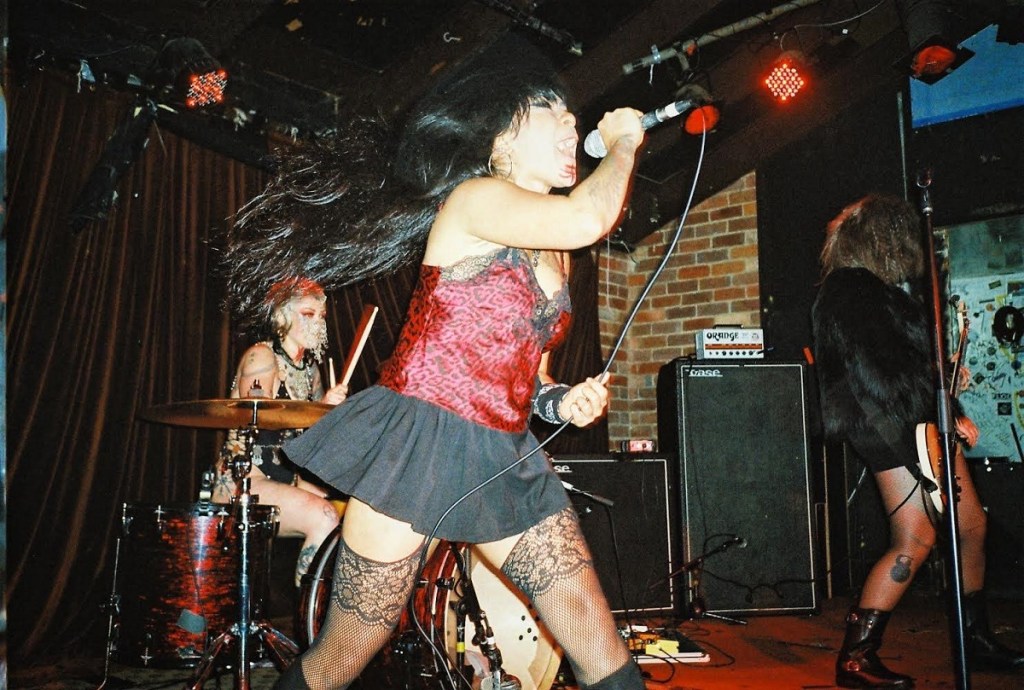
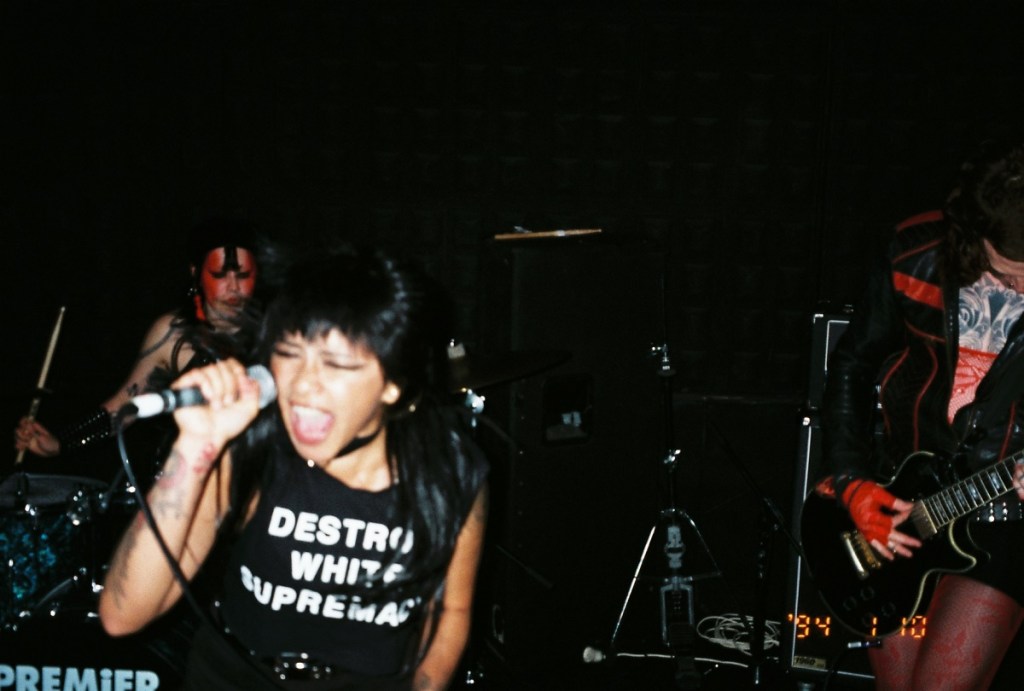
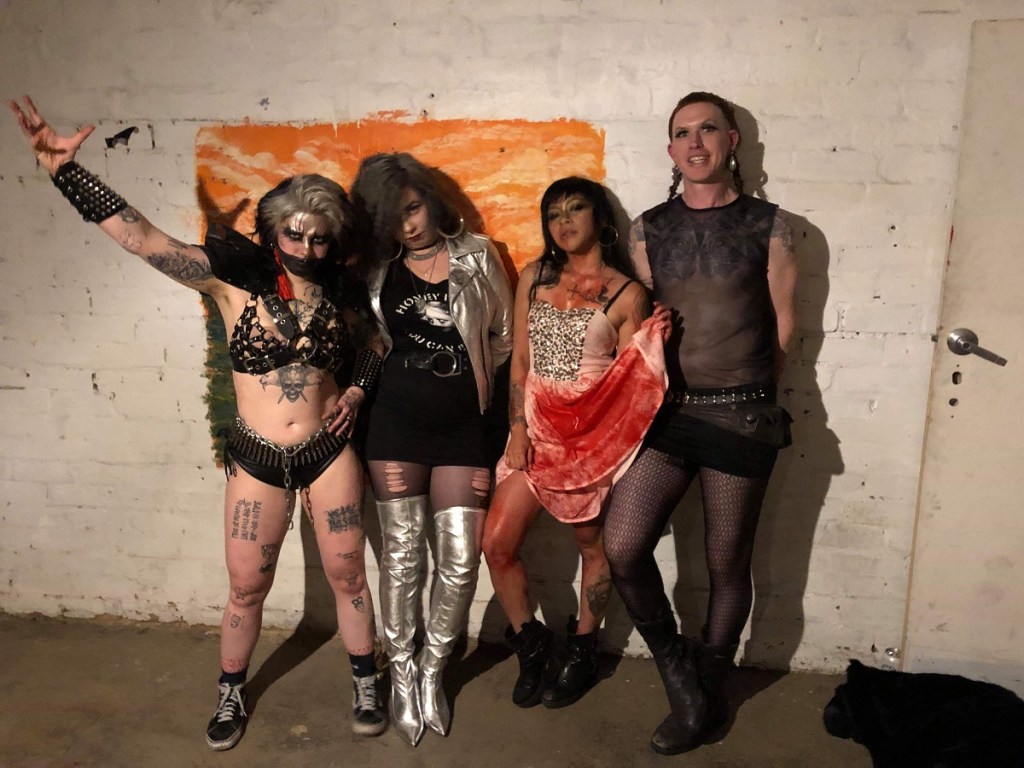
Perth’s Anti-Fascist Punks Last Quokka: “Today Western Australia had the third Aboriginal death in custody in the last two months which brings the country to about 440 since 1991”

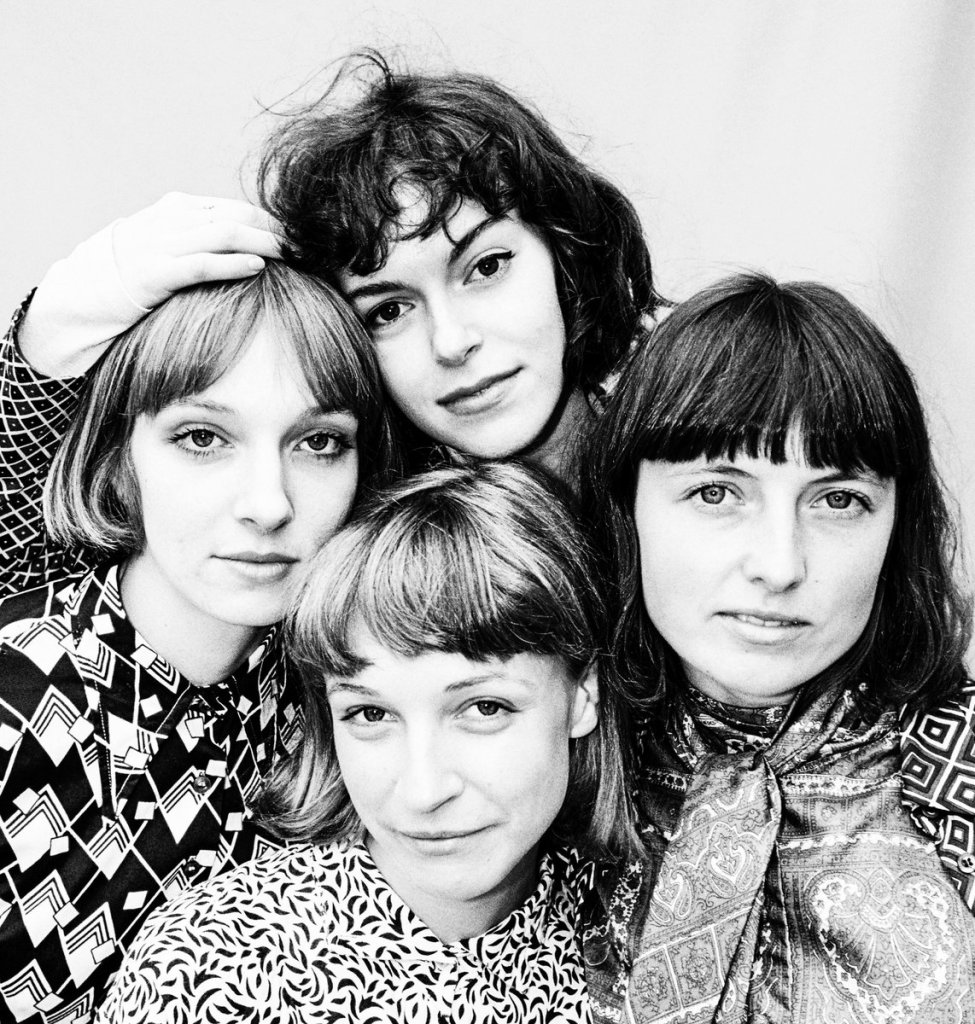
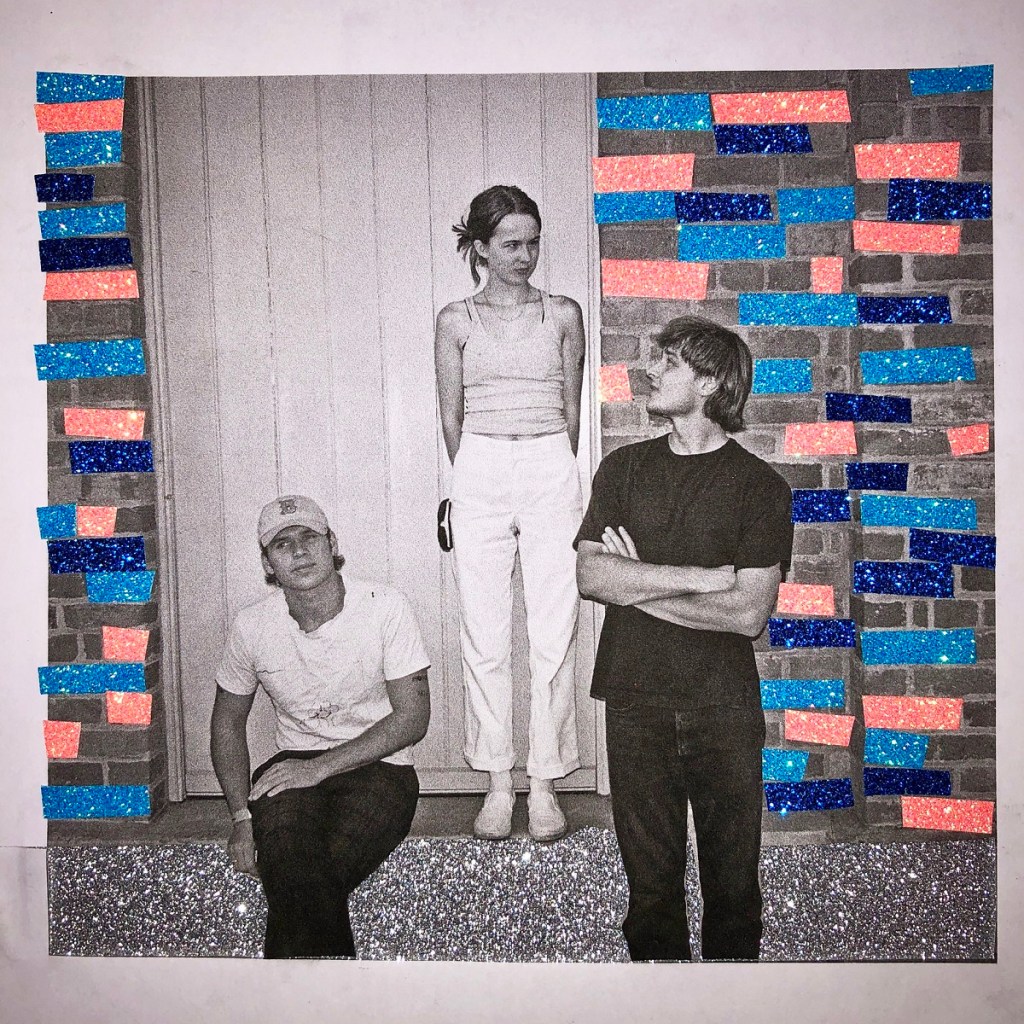
Original photo courtesy of Last Quokka; handmade collage by B.

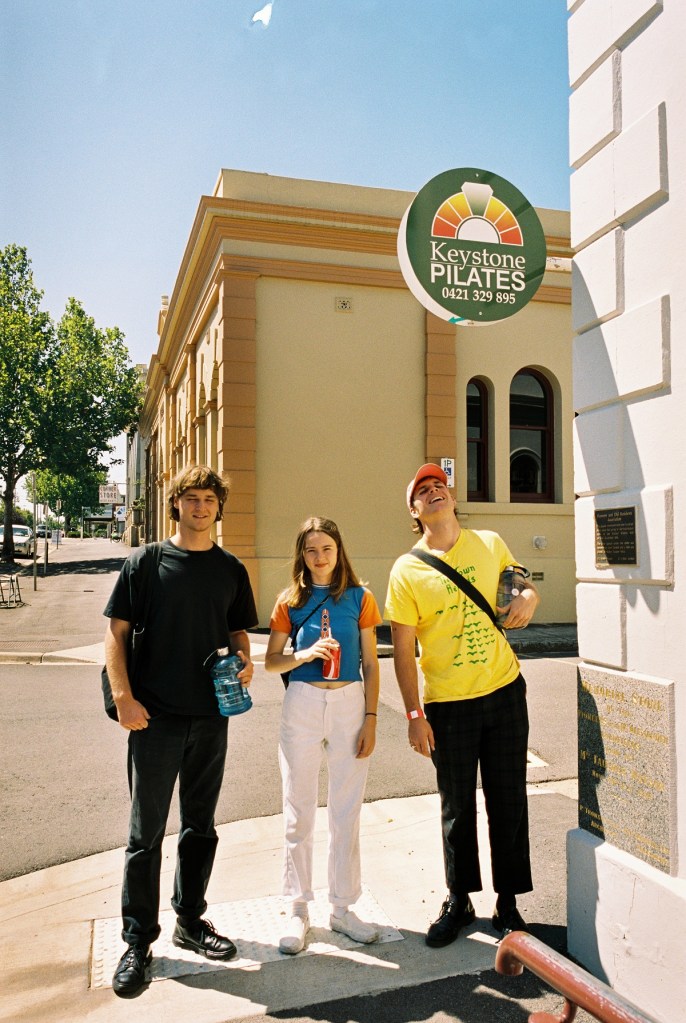
Political punks Last Quokka are set to release album four, unconscious drivers (out September 4). Their music is urgent and timely, their lyrics conveying emotional, thought provoking social commentary.  Gimmie interviewed them to find out more.

Last Quokka are from Perth “the most isolated city on the planet”; can you tell us a little bit about where you live?

TRENT (vocals): Perth is pretty great… Love the sunshine and lots to do. It’s especially great being able to leave the house without a face-mask and go get a parmy at the pub. Isolation definitely has its perks. Personally I am really happy with the support and love we get from the close friends around us, we are surrounded by great people and I think sometimes that is more important than location.

RAY (bass): Perth is a really strange place. While it can be dominated by conservative yuppie assholes, there is also a really incredible local music and arts community that produces some of the most committed artists and activists in the country. We feel very lucky to be a part of such a rad community of folks doing what they can to make the scene and broader community a better place. It’s also just really beautiful, especially the forests down south.

KIRILL (guitar: Perth is a great place to live, we have forests and beaches, sand dunes, rivers, walking trails. We have an amazing park right in the middle of the city called Kings Park, it overlooks the city and swan river and makes for a great picnic spot. The weather is great too.

JOSE (drums): Perth it’s a strange place.

I know that everyone in the band is from different places – Jose is from El Salvador, Kirill from Russia, Ray from Fremantle and Trent from the northern suburbs of Perth; how did you each discover music? What were things like growing up for you?

JOSE: I use to listen to a lot of Latino music, get those hips to shake. And I Remember always listening to the same Frank Sinatra tape over and over again. As I got much older, I listened to a lot of hip hop, that’s actually where I think my love for drumming and music really started. I couldn’t break dance very well to the hip hop music so the next best thing was drums.
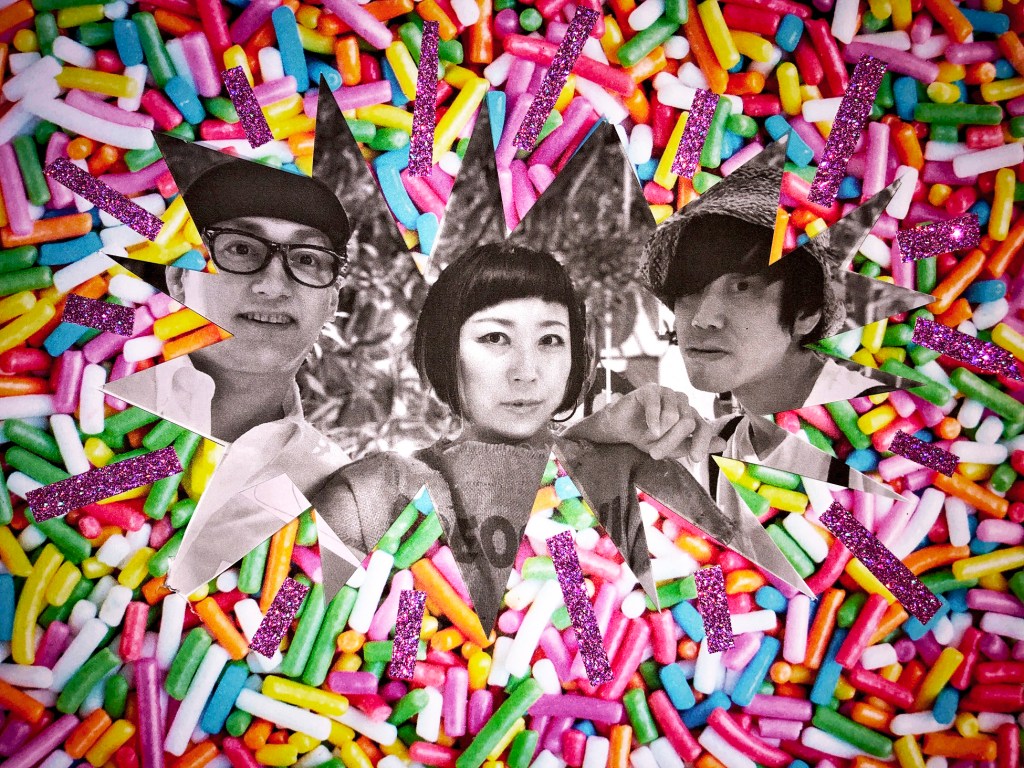
TRENT: My first ever album was John Farnham – Whispering Jack and my excellent music tastes cascaded from there. I used to love Rage Pop of the 90’s and early noughties. I still adore it actually, give me some Killing Heidi or Vanessa Amorosi, cover me in sparkles, put me on a dancefloor and watch me groove. I think my first movement into punk music was when I saw the video clip for Joy Division’s song ‘Atmosphere’ and fell in love with the feel of it. I was a pretty angry kid; the northern suburbs will do that to kids that don’t fit the pre-bogan mould – so I started journeying into punk music from there. For me, punk was a way to validate my anger of growing up surrounded by people that didn’t understand me and always feeling like an outcast. I connected online with a lot of people from all over the world in similar situations and I started to feel accepted.

RAY: I grew up listening to my mum and dad’s records, I don’t think I bought my own album until I was 17 when I also started playing in my first band with a bunch of much older hectic, drug-addled street punks. I grew up down south in Gracetown, what was absolutely incredible. I don’t have any siblings so just spent my childhood hanging with my dogs at the beach. I reckon the best thing about WA is the coastline, it’s why after moving away a few years ago I moved back.

KIRILL: I started playing guitar when I was maybe 13 or 14, I was playing Euphonium in high school band too. Worked a summer job at a metal fabrication shop and used the money to buy my first electric guitar and amplifier. After that it was the usual run of grunge and rock and playing at patries.

What are some of your all-time favourite bands? What do you appreciate about them?

TRENT: A Silver Mt, Zion – I find this band so inspirational on so many levels, especially politically and they have been blowing me away for decades. I can’t see myself ever growing out of love with them; Joy Division – there is an authenticity and darkness to their music that I find really honest and comforting; Death Cab for Cutie – they make cute music and have always kind of been there for me as a comfort, they often unlock a lot of emotion for me; Eddy Current Suppression Ring – because they’re fucking Eddy Current; Salary – a local band from here in Perth that hit me right in the feels all of the time; Propagandhi – they are the package deal.

JOSE: My taste changes so often, but I think what I’m currently drawn to is 60’s Garage Rock, like The Sonics or The Electric Prunes. Raw “Rock’n’Roll” with really nice melodies.

RAY: I am huge fan of the 90’s Washington D.C. Scene, bands such as Fugazi, Minor Threat, Fire Party etc. I’m really interested in what Ian Mackaye and others did with Dischord Records. That unwavering commitment to DIY has really inspired me.

KIRILL: I like oldies like ACDC, Metallica, Slayer, Pantera – there’s mad energy about those bands that seems to be lacking in most popular bands today. A while ago after watching the documentary “DIG” about Brian Jonestown Massacre and Dandy Warhols, I got into those bands too. There’s also a bunch of Soviet and Russian bands that I listen to as well.

What have you been listening to lately?

TRENT: I am actually completely obsessed with pretty much everything Phoebe Bridgers has ever done. She is phenomenal and will be with me for the rest of my life. Outside of listening to her on repeat every day, I just discovered an album by a band called Life Without Buildings which they released it in 2005 and it was their own ever album – but it’s excellent.

RAY: Speaking of Fugazi, I am really enjoying the new Coriky album (featuring members of Fugazi and The Evens). But I’ve also discovered Katiny Slezki from Yakutsk in Siberia and The Hu Band from Mongolia who are both amazing.

KIRILL: Been listening to a band from Greece called Villagers of Ioannina City.

JOSE: Allah-Las, Ty Segall…

What initially made you want to be in a band?

TRENT: It was a bit of a running joke in my friendship group for ages – “fuck Trent, you’re loud, have a lot to say and don’t shut up, you should be a vocalist”. Problem is, I couldn’t sing. But it turns out that doesn’t matter with Last Quokka.

JOSE: I just love make art and music. That’s why I wanted to be in a band.

RAY: I think I’ve always wanted to be in a band, ever since being a kid and flicking through music mags, there was always something so romantic about it, from the leather jackets to the tours and everything in between. But as I got older I thought more about the idea of being in a band as being a part of a community and creating a platform for ideas and action. And once I started playing I just got addicted to the catharsis of performing.

KIRILL: I just wanted to play music, the band thing is cause and effect type of thing.

Last Quokka are an anti-fascist punk band; why is it important for you to let people know this? What does it mean to you?

RAY: This is something we often discuss as we all share similar political values and are all united in our anti-fascist and broadly anarchist politics. But lately we’ve been debating whether it is necessary to describe ourselves as such or just let our lyrics speak for themselves. Personally, I think it is important to be openly anti-fascist as fascism is no longer a relic of the 20th century. We are facing the rise of very real and dangerous fascist movements, the world over. While it may not be significant if some random rock band in Perth is anti-fascist or not, for the sake of history and global solidarity, it’s still important to use any opportunity to declare our opposition to the forces of control, domination and exploitation… Also I guess I hope it inspires some local folks to take action.

TRENT: Look at the world we are living in at the moment. Abuses of power have become so commonplace that nobody even bats an eyelid anymore. We have such a small minority of people with all of the wealth doing whatever they can do grow that wealth and maintain power, and the people, largely, support them in that quest. It’s completely absurd, we have the working class hating their unions, we have disunity, and slowly our freedoms are being eroded away. Rather than uniting to resist, change and overthrow this toxic power, we are fighting with each other. Today Western Australia had the third Aboriginal death in custody in the last two months which brings the country to about 440 since 1991. Surely that’s enough to unite people to create change, but white Australia largely allows this to happen. The struggle against oppression is all of ours. Unfortunately, most of the population has fucking Stockholm Syndrome and have sided with their captors. I mean, it’s becoming an insult to be anti-fascist? The media is perpetuating divisive messages to prop up political parties of their choice and maintain their business interests. The world is a copybook of the 1930s and we saw how that turned out. And we have a huge recession on the way. We have to resist now. Fucking Bazil Zempilas is running for Mayor of Perth, surely now is the time to scream from rooftops.

Can you remember what it was the first got you interested in politics?

RAY: I grew up surrounded by political activism, with both my parents being active in environmentalism and other causes. But I clearly remember the moment I wanted to get involved in activism: I was living with my mum during the September 11th terror attacks and when the towers went down my mum was devastated. I couldn’t understand why she was so upset, but she said she wasn’t just crying for those who had died in the towers but because now America would invade Afghanistan, Iraq and eventually Iran and she was crying for the hundreds of thousands of people who going to suffer as the result of the US-led wars to come. Of course not not long after that the US invaded Afghanistan and Iraq and I got involved in the anti-war movement.

TRENT: Punk music started it… I was 13 years old when the war in Iraq started and that’s about the same time I started listening to punk. I started applying the critical lens that punk music was giving me to messages in my family, school, government, and on a global scale such as the invasion of Iraq. I started wanting to do something about it and started organising small actions at school which pretty much only I would attend.

I saw that you attended the Black Lives Matter protest rally in Perth. BLM is something that has very much been in the forefront of a lot of people’s minds especially of late and it’s stirred up a lot of thoughts, feelings, emotions, discussion and action in the community both locally and worldwide; what’s something important you’ve been learning?

RAY: It’s been incredible to see so many people organising and taking to the streets to demand justice. But I’ve been thinking a lot about how these kind of movements can escape the media cycle and the unfortunate online spectacle that seems to consume most contemporary movements. I’m not sure any of us have learnt the answer to that but it’s great to see people trying to build community that exists beyond one off events and rallies.

TRENT: I have been learning Noongar language on-and-off for the last couple of years – first at Langford Aboriginal Association with Merinda Hansen and now with Sharon Gregory at RePlants in Fremantle. I find it is important to listen and learn about injustice and act in solidarity, and it is also important to understand and learn. It’s great fun as well, you get to understand Noongar culture at a much deeper level and my love and appreciation for it continues to grow. Other than that, I have just been supporting those around me who have to cop racial oppression every day, being there in solidarity is hugely important. I have been trying to use my own privilege as much as possible to challenge the status quo.

JOSE: We need to listen and help those in need. Really Listen!

Your song “Colony” is a commentary on Australia colonialism; what inspired this song? Why was it important to you to write it?

RAY: To be honest despite being politically conscious people we don’t ever set out to write political songs and we’re not really a ‘political band’ or at least don’t try to be. The songs are usually just a reflection of whatever we are talking about or thinking about at the time. But I guess this issue is really important to all of us. Personally, I think that in order to address any social, economic or environmental justice issues in this country we must first deal with the ongoing effects of colonialism.

TRENT: We are on stolen land that was never ceded, it is quite simple really. The British Empire and the Nazi Party have too much in common for me to be comfortable with us not calling that out.

“Privilege” is about online trolling and macho right-wing keyboard warriors; what first sparked the idea for this song?

RAY: Pretty sure it was something to do with an uber annoying local facebook group here in Freo and Trent and I were arguing with a bunch of privileged yuppie dickheads…

TRENT: Haha, yeah Ray and I are part of a Facebook group called ‘Freo Massive’ and it is a breeding ground for neo-liberals to spout their privileged shit. We actually took a bunch of quotes from one of these privileged dudes and turned it into a song.

RAY: Actually I’m currently banned from the group…

Your latest release is a song called “Wake Up Geoff” which is about Western Australian premier Geoff Gallop; why did you chose to write about him?

RAY: We should probably make it clear that none of us are really fans of politicians and I think it started out as a bit of a joke… We don’t really ever think about what songs we’re going to write… But we’d been chatting about how bizarre it was that given how much shit has shifted to the right someone like Gallop seems like a radical lefty.

TRENT: Yeah he was just a long way better than the shit we have to put up with now.

You’ll be releasing your fourth album unconscious drivers in August; what’s the significance of the LP title?

TRENT: It has a couple of meanings and I think its best we let the people make up their minds on what they make of it.

Can you tell us about recording it?

TRENT: We recorded with Stu and Dave at Hopping Mouse Studios and it was mastered by Mikey ‘the dolphin’ Young. It was such a fun recording process; they were great people to work with and bought some great ideas and enthusiasm. It took one weekend and then a number of week nights… plus lots of beer.


RAY: It was such a joy recording this album with the guys at Hopping Mouse. Stu and Dave totally get where we are coming from and are just absolutely lovely people to work with. I think we all really wanted to get it sounding as swish as possible, being our fourth release and also I guess we’re really proud of these songs, so they deserved to be done right.

KIRILL: It was over two sessions about six months apart plus some overdubs. Most tracks are maybe third of fourth take I reckon. Definitely not a perfect record in terms of technical aspect and Stuart had to cut’ n chop a few mistakes I made here and there. In terms of energy and feeling I think it’s bang on. The last track we just made up on the spot, played once, then called Madeline in, she listened once to what we recorded and then just nailed the violin part first go – well I guess that’s what professional ‘mussos’ do!

What’s your favourite track on the new album? What do you love about it?/What’s it about?

RAY: That’s a hard one, I think with any songs you have favourites that change. I definitely enjoy playing “Colony” the most live at the moment. But i’d say my favourite track is “Punks in the Palace”. It’s all about the hope and despair we all find ourselves in and that maybe hope will win out. It’s just a real high energy and kinda emotional song, plus it’s a kinda nod to the 90s indie grunge stuff that we love.

Trent: Yeah “Punks in the Palace” is my favourite track on the album, I really love each element of the song a lot. Kirill’s guitar midway through the song gives me spine tingles.

KIRILL: “Conversations” starts off pretty slow n rocky but when it breaks it’s like “ohh wow ok, this is music now!”

JOSE: The “secret” track at the end.

Is there anything that you’d like people to know about that’s important to you or that you’d like more people to be aware of?

RAY: I think people are pretty aware of a lot of things these days. Our collective problem is one of organising, how we can project power and create alternatives to all of the capitalist bullshit. I’d personally love to see more physical community, DIY events, spaces, gardens, collectives etc and more thinking more about what unites us all, our common interests, passions and struggles rather than what divides us.

JOSE: Empathy.

KIRILL: There’s a bug goin’ around, wash your hands people and cover your mouth when you cough.

TRENT: Follow ‘Trent Steven’ on Spotify and follow my playlist that’s called ‘emotional regulation…’ it’s got some ripper tracks on there and is guaranteed to get any party started.

Please check out: LAST QUOKKA; on Facebook; on Instagram.

Melbourne Early Punks X’s Steve Lucas: “Once you start to make better choices, you start to have a better life”

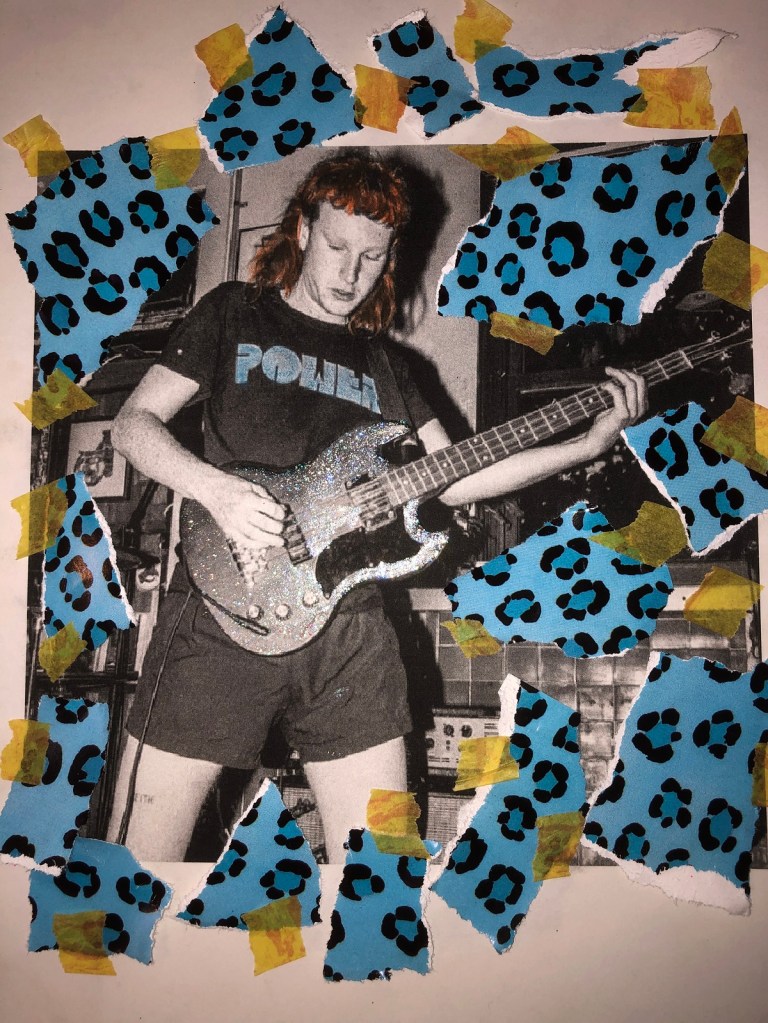
Handmade collage by B.

Melbourne musician Steve Lucas has been making music for over four decades. In 1977 he co-founded early Australian punk band X, who gifted us one of Australia’s greatest punk records, their debut X-Aspirations. He’s also lived many musical lives since X genre hopping from post-punk to indie rock to acoustic folk to country to gospel and all kinds of things in between with bands and projects: Bigger Than Jesus, Double Cross and The Groody Frenzy, Empty Horses, The Acland St Booze Hounds, The Strawberry Teardrop, The Pubert Brown Fridge Occurrence, Armageddon Resource Management and more. Gimmie spoke to Steve in-depth, to get a real insight into his music and the man behind it. We talk about songwriting, mental health, depression, his early life, overcoming spine surgery, creativity, of making good choices and of life in general.

STEVE LUCAS: I have to learn a couple of songs for a recording session on the weekend.

What are you recording?

SL: Two originals that my wife wants to do and a cover of Deuce by Redd Kross.

How are you going with it all?

SL: The original ones are fine because I’ve been there hearing it since the concept but going back to Redd Kross is how I used to play forty years ago. I’ve got unlearn everything I’ve learnt so I can do the real grunge sort of underplaying. It’s underplaying but really in your face. I’ve got a little bit too good for my own good [laughs].

Do you think that the style you were playing back in the beginning was so raw and powerful because there was a naivety in your playing?

SL: Absolutely! You didn’t know what to do so you had to do anything that worked. Looking back it worked, limited knowledge meant maximum feel. It was all about the feel. I actually used to play a really clean sound which made it more awkward. But, now going back and looking at Redd Kross I can see, they’re a bit New York Dolls-y kind of thing, thirty or forty years ago I would have just done it but now it’s like, fuck, that’s not really that chord… it’s that chord now because I’m correcting it but it’s not a chord at all, it’s whatever it is.

When did you start playing guitar?

SL: I got my first guitar when I was fourteen, that didn’t last long, accidently setting it on fire and smashing it to pieces, very dramatic, almost burnt the house down.

Was there anything that inspired you to set it on fire?

SL: I was trying to… I had this grand idea that I was going to strip it back and have this cosmic kind of paint job on it. I was in the laundry at home and there was a gas heater, the pilot light is always on; I had the door closed because I didn’t want anyone to know what I was doing and I was using tons of thinners and turpentine and the fumes kept building up and building up until the pilot light just ignited them! It went booooosh and blew the door off and blew me out of the laundry [laughs]. There was turps and thinners everywhere, all the shellac and stuff that was on the guitar was all molten like and running river. The more I tried to hose it out, the more it spread. In the middle of it all I saw my guitar and grabbed it and flung it out to save it but all the goo on the guitar sent molten globs of stuff onto the back wooden fence [laughs]. It was really, really traumatic. By the time I got all the fires out, I was looking at the smouldering guitar, I was so angry. I took to it and smashed it to pieces and thought—never again!

Wow! When did you start playing again and change your mind?

SL: It wasn’t that long after. I was always a much better singer than I was guitar player. I learnt how to play Bob Dylan kind of guitar, nice strumming and chords you could put under a melody, very folky, bluesy kind of stuff, that was totally relevant in 1977. I was just singing when X started, it was only after Ian Krahe died and a few other people didn’t fit that I was told I actually had to have an electric guitar, I had to have an amp, I had to learn how to play riffs… it was traumatic. Three months later we recorded X-Aspirations.

Have you always enjoyed singing?

SL: Yes, as long as I can remember. On my father’s side of the family, my grandmother was a chorus girl and my grandfather was vaudevillian, and he’d sing honky tonk piano, soft-shoe, magic tricks, all that kind of stuff. He would always be singing and if we stayed over with those grandparents he would sing us to sleep every night. I don’t remember when I started singing because I was too young to remember but being sent to Sunday School… my family wasn’t religious but they thought I should have some sort of religious experience, so I had to go to church on Sunday and I’d sing in the choir there. I did that up until I was twelve and when they said “Now if you want to go you can go, we’re not going to make you” so, I didn’t want to go and that was fine. By then I was into primary school and singing in the school choirs, doing choral concerts in Sydney Town Hall. I was always singing; singing along with the radio, with records—I’ve always loved singing.

Who was one of the first songwriters that first moved you?

SL: [Laughs] That’s funny… the answer I’d like to say is, when I was around thirteen or fourteen there were songs like, some very basic things like Don McLean or Dylan, really basic Creedence stuff… I loved to listen to Big Band music, I used to think that one day I might rather play the trumpet but it didn’t happen. Once I did actually have a guitar I really liked to “chunk” along to basic stuff. One of the first songs I learnt to play on guitar was something like “[Vincent] Starry, Starry Night” [laughs]. Cat Stevens was very big then, and again, very chord-y, easy songs. If you went to a party and there was a guitar sitting around you could pick it up and play Cat Stevens songs and girls would tend to like you more than if you sat there doing a Deep Purple song [sings opening riff to “Smoke On the Water”]; guys would love that but girls would be like, oh no. I made up my mind very quickly which direction I was going to go.

How did you discover rock n roll music?

SL: Mainly through Top 40 stuff but, when I was seven or eight my mother or my aunt took me to the cinema to see A Hard Day’s Night. Everyone was screaming so loud in the actual picture theatre that you couldn’t really hear very much at all. I got Beatle-mania like every other kid back then. They were accessible and covered songs by Little Richard. Then there were The [Rolling] Stones and between the two of them they opened the doors to my musical education, I suppose. Just really good RnB, soul-y kinds of ballads.

Was X your first band?

SL: It was my first real band. When I was fifteen I was in a school band and we did a gig for the sixth form’s farewell and we were never allowed to play again because we…. It was a big banquet and all the teaching staff was there and we were supposed to play stuff like Cat Stevens, we did play a couple of those to start but, then we broke into “Aqualung” and “Smoke On the Water”—that was the end of that! [laughs]. I changed schools again – I changed school a lot when I was younger – and met a bunch of other people and we used to play music together, I had my cousins and school friends playing bass and guitars and stuff and I was singing; we never had a name but one night a band was meant to play at a Police Boys Club but they didn’t and my cousin was in the Police Boys Club and told them he had a band, so we went and did that. It was fun! We did that one show and then maybe played at a party once. It was just something to do. X was the first band that we geared towards going out and playing to crowds in pubs, making money, the whole thing. We were gonna write great songs and get a record deal. Ian [Rilen] had left Rose Tattoo or had been discharged depending on who you talk to [laughs], so he had all that experience and the original drummer Steve Cafiero had plenty of experience, so we had a good chance of doing something if we played ball but we were a little bit… [pauses]. There’s ten years difference between Rilen, Cafiero and me and Krahe, Ian and and Steve were just hitting thirty and Ian and I were just about to turn twenty, our naivety and their experience was a great combination but it found us shooting ourselves in the foot quite often. We blew more chances than we actually embraced, by choice.

Are there any songs on X-Aspirations that really stick out to you or that has a special significance to you?

SL: No, because if I think of one I just think of another. The ones I would say I like least is easier to answer, “It Must Be Me” and “Turn My Head”. We weren’t sure of them when we recorded them, they were very much just off the cuff. When I used to take the records into record stores to sell, the first track I would always put on for the is “Delinquent Cars” because it had a nice steady pace, it had nice poetic lyrics, they always thought that was kind of good and they’d ask; what other song would you recommend? Then you’d play them “I Don’t Want To Go Out”. “I Don’t Want To Go Out” is the obvious one to say but I love them all. “Suck Suck” was great, and “Revolution”. “Dipstick” is so funny. “Waiting” is so tortured. They’re all very, very potent songs, which is why Lobby [Loyde] called it a concept album because it wasn’t an album that had two songs for a 7” single Top 40 hit… it was a collection of songs that stood well together but maybe not so well independently.

Do you remember writing “I Don’t Want To Go Out”?

SL: Yeah, I remember Ian would have brought that into the rehearsal room, it was predominately his song. I sing the riff ect. [hums the riff] and the first and second verse and it was like; where do we go now? I was sliding up and went to a C# or something and thought, that’s wrong! Then started moving down trying to find where he [Ian Rilen] was and he was following me, that ended up becoming the middle eight… we wrote the middle eight accidentally and then put in the last verse. He wrote the first two verses about me. I added the words to the middle 8 and I added the last verse about me and my friends preferring a beer to disco.

A lot of the time that’s how Ian and I would work, he’d have a blueprint for a song, he’d say it goes like this, do half and verse and then say that I can do the rest [laughs]. Sometimes I’d come in and do the same thing, like I’ve got this idea for a song but it needs a hook or something; he’d say, “How about this?” We were good like that from the beginning. I used to write with Ian Krahe as well. It was very organic in its original 4-piece format. Ian [Rilen] and I were obviously forced closer together when Ian Krahe died. We wrote a lot of songs together, maybe 120-130 songs!

Is there anything from that time with X that you learnt that’s stayed with you?

SL: Two things, OK… both the Ian’s were chronically late, that drove me mad! If anything I’m over punctual as a consequence. The big lesson that I’ve learnt that I’ve carried forever is one day Lobby explained to me how gigs worked. It sounds pretty dumb because you turn up, play, get paid and go home… that’s how you’d think about it but there’s more to it than that. Back then we had to hire our own P.A., you had to know the size of the room, whether it needed a single or double 4-way system, you’d have to hire the right rigging. You had to hire someone to operate it and then you had to hire people to lug it in. It was like running a small business, but it was called, being in a band!

As we got more and more popular and we could ask for more and more money, it got the stage where we were kind of pricing ourselves out of the market. Lobby said, “It all costs money. Pubs aren’t given alcohol to sell for free, they have to buy it and pay their staff, there’s overheads. You’re taking a percentage of the bar and door and there’s nothing left for anyone else.” He said “you have to understand that it’s very easy that you’re worth that but the most important thing to do is not believe the hype. People are paid to make that bullshit up! Don’t believe the hype!” He told me that and was about to walk away and turned around and said, “Especially your own!” That was it. I’ve lived by those rules ever since.

Do you like to create every day?

SL: No, no, no, ‘cause then it would be like a job. There are two kinds of camps, there are people that work at it and people that are sitting around waiting for a transmitted beam to be sent into your head and you go, ah! Thank you! Sometimes you dream of a song and if you’re really lucky you wake up and remember it and can figure it out before it fades away. Most of the time it falls into your hands. You’ll be playing it and as you’re playing it, sometimes the riff or progression will suggest words to you and then you latch onto them and you build. For me it’s always been a spate of songs, maybe ten or three or four that will come all at once and then they’ll be nothing for months. You don’t force it. I used to try and force it and I used to write shit, at least I thought it was and no one else would get to hear it; I’m not gonna say, hey, listen to this it’s shit! [laughs]. I’m not precious about it but, I just think if you want it to be a natural thing and really represent who you are, you can’t force it because, then you’re just tinkering with nature, I’m not a fan of that. Tin Pan Alley and the Big Think Tank, big songs of the ‘50s and ‘60s… I love some of those songs but they were obviously made under duress because they had to write hit singles.

Can you think of any songs that have been particularly challenging for you to write?

SL: Definitely. It’s weird because the song that made the most money in my whole musical life was a song that I wrote in about five minutes. It was a non-song almost. I wrote it because my daughter had a sleepover, a bunch of ten or eleven year old girl students, they’d all been picked up the next morning except for one that was left… I don’t know what my daughter was doing but, I was sitting in the lounge room waiting for this other girl’s parents to come and I was mucking around on the piano and she said “What’s that?” I said, I don’t know, I’m just mucking around. She said “Can you make that into a song?” I said, I don’t know, and I was looking around and saw a memo pad and it had written: thought of the day, make it happen! I looked at that and was like, yeah, I can make it happen! I just made up the song “Make It Happen”. I didn’t think much more of it until I was recording an album and needed an extra track. I thought it was pretty jaunty and threw it on. Thirteen years later it got picked up by Yoplait in America for a commercial. It was just like, wow! That’s one extreme of how lucky you can be.

On the other hand, my daughters favourite song that I’ve ever written, I had the music and arrangement in my head for twelve of thirteen years. I could never find the words that I thought belonged to the song. One day I was sitting the bus thinking about it and a line came to me and I thought it was perfect for that song. Once I had that it was like getting a key and unlocking a door and everything went booof and came tumbling out. I imagine that somewhere in my subconscious I had been thinking about it for all of that time, the lyrics wrote themselves in a matter of minutes, I was scribbling on bus tickets and whatever paper I could find it write it all down, this was obviously before mobile phones [laughs]. It can take forever.

What was the line in the song that came to you?

SL: I can’t sleep for loving you. It’s a nice tender little ballad, my daughter loves it. She loves it and says she’s going to cover it one day.

Aww that’s so lovely.

SL: Yeah, it’s for her. I think it’s a very beautiful song. I’ve demo’d it but never put it out. I think because I like the demo so much, I don’t want anybody to mess it up… I mean alter it by bringing their own feelings into it. Then again, the demo isn’t quite good enough to release, maybe one day on an anthology or something. I’m just leaving it there so if my daughter covers it, it can be hers.

I wanted to ask you about the song “Don’t Cry No Tears” it’s such a beautiful song and it’s become a bit of a signature song for you; can you tell me about writing that one?

SL: I remember it vividly. It was sometime, but not too long, after Ian Krahe had died. I was reading The World According to Garp [laughs], and I always associate that song with that book for some reason. I’d borrowed a 12-string guitar from someone and this C Major Seventh chord sounded beautiful on this guitar, I was mucking around with that. Of course in the end of the book Garp dies, I was thinking about that and then I was thinking about my friend that had died, I was thinking of how I never got to say goodbye and well, he never got to say goodbye either. I was having a conversation with him, representing him and myself talking to each other saying; this may have happened but it doesn’t change this. Wherever I go people want me to play it. I did a live stream for a mental health issue last night, it was the last song I played. I love the song, I’ll play it endlessly forever. It spoke the truth that just needed to be spoken.

Do you get emotional playing it?

SL: Sometimes I get very emotional. If a friend has passed away and someone asks if you can come to the funeral and sing it, it’s like, fuck! [laughs]. Yeah, I can. A couple of times I’ve really had to choke back the tears on it definitely, that’s what makes people like it—it’s real. I can’t do it without emotion. You can have the best or worst voice in the world but, it’s the emotion and the honesty of the delivery that moves people more than anything else.

I’ve found that throughout your catalogue of music that loss seems to be a prevalent theme; does music help you with healing?

SL: Yeah, it is. Music helps me sort out my feelings, absolutely. From my earliest memories there’s been issues around love, my parents split up when I was very young, then they got back together again and my sister came along, then they split up again. I went to live with my maternal grandparents. My mum was in and out of sanatoriums, she was manic depressive. Then she remarried, had my brothers and then that guy disappeared… love or the lack of love or the abuse of love, or the longing for love has been part of me for as long as I can remember, everyone wants to be loved. It’s so tricky because there’s so many kinds of love [laughs] and not all of them are healthy, not all of them are joyful. It is a powerful emotion. If you can sing about things like that people can relate to them, anger is another one. People loved X because of the satirical but very real anger in a lot of the songs, the critique, the social stuff. While I’m interested in social interactions and politics, I tend to address them through interpersonal relationships instead now. Love is love, you can apply it to anyone in any situation, having the same kind of joy and happiness or loss and sorrow; the politics of love is just as important as social politics. If you don’t have love within yourself, you’re not going to put it into anything else that you’re going to take out into the world; are you?

Absolutely. Did it take you a while to come to a place of self-love?

SL: Yeah, it took a while. I can’t remember when it happened [laughs]. One day I realised that I wasn’t so angry anymore; I wondered if that was a good thing or a bad thing? I decided it was definitely a good thing. When people say “Why don’t you write more songs like the classic X songs?” I say, it’s because I’m not that person anymore. I can’t go back and feel the way I felt then… people say “Times are so bad now, we need more songs like you and Ian wrote!” I’m like, they’re there. You can take songs like “Revolution” or “Suck Suck” or “Police” any of those songs, and they will apply to today, emotionally and politically. Nothing has changed, it’s just different labels and factions, people are still arguing about stuff that often doesn’t need arguing. People talk more about doing things than actually doing things because it’s much easier just to talk than take action. Nothing’s changed; why should I write another song? It’s there! [laughs].

I read on your blog a little while back about the power of naming things, songs, albums, etc. and how things can have a prophetic quality about them; have there been times you’ve felt you’ve done this?

SL: Wow! That’s going back a bit [laughs]. I’ve definitely had that, “Cry No Tears” is one. Now that you’ve mentioned it, it’s got me thinking… sometimes it can be a curse and you’ve got to be careful. Ian was always labelled with the [Rose Tattoo song] “Bad Boy For Love” thing and he hated it! It made him lots of money but it made him sick of people calling for him to play “Bad Boy For Love” especially at an X gig. The last thing he ever wanted to do was play that song again. It’s almost like a pre-destined, big clue to who you’re gonna be and what you’re gonna be for the rest of your life. For me, my two are “Moving On” which is the first song I ever wrote by myself; the other was “Don’t Cry No Tears”. The “Moving On” thing, I finally realised I didn’t think that I would remain rootless or without a real family for the rest of my life. I realised it was possible to build a home and a family and to be happy. With “Don’t Cry No Tears” it’s a nice resolution, it’s a song about closure but also about any parting, it reinforces that it can’t change your life, it can never be taken away, and sometimes you just have to be strong. When I think about it, I’m actually quite surprised that I wrote it.

Where do you get your strength from?

SL: That’s a complicated one. Partly sheer stubbornness [laughs]. The difference between my sister and I is about three and a half years, in the first few years of my mother and father being together when I was born they were happy for a while. I was too young to remember specifically but, I had a sense of that love. Later on when I was in my forties and my mother was permanently ill, she didn’t want to die in hospital, so I told her I would be her carer, you can die at home. During that time we got to talk about a lot of stuff. She said “Yeah, you know, I know it didn’t work out so well but when you were born, I really, really did like you”… I really needed to hear that. We weren’t the most communicating kind of family. My mother would say stuff like “You’re not much but I like you anyway, I suppose”. That was just her way. Anyway, her being able to tell me that made a huge difference, it reassured me about something that I had suspected on a subconscious level, that there was a golden time for me. It took a long time to get back to it.

I was also the eldest of the family so I did have to take care of my sister and my younger brothers. I had to be strong no matter what, it was expected of me. The quickest answer for your question is, it was firstly expected of me and secondly, because I’m incredibly stubborn. A third answer is that having suspected something had happened and having it confirmed, that was a very powerful moment.

I know what it is like to care for a parent, I spent sixteen years caring for my mum with Alzheimer’s and then my dad had mobility issues all for the later part of his life.

SL: That’s tremendous.

I had a similar moment with my father. He told me as a teen I wouldn’t be anything or do anything, that I was a no-hoper like the rest of my siblings… after my mum got sick and we were looking after her, our relationship changed and he told me that he’s always been proud of me and that he loved me. It’s the one and only time he said it to me. It really changed things for me.

SL: Yeah, if you hear it once and it’s honest and heartfelt, you only need to hear it once. I feel so sorry for people that don’t get that, because I do know people who have never felt loved by their parents and consequently never felt loved in their whole life—it’s terrible.

Are you a spiritual person at all? I know you went to Sunday School.

SL: Yeah, at the local Anglican Church, that was because my grandparents thought I should be introduced to some religion. Church of England is probably the most passive, it was back then. They thought it would be up to me to make up my mind. They weren’t particularly religious, no praying over meals or anything like that. For me, I’m pretty spiritual. When I was doing the stream last night I was talking about mental health issues and we were having a conversation and it came up; what do I believe in? I believe in something, it doesn’t have a name or a face but it is a faith. It comes from the necessity of me to carry on my daily existence, to think along the lines of basic science that energy cannot be destroyed it can only be transformed, we are made of energy. When you die, whatever you want to call it, a life spark or a soul or a neuron or whatever, I believe it goes somewhere else. I’ve heard some pretty funny ideas, Billy Connolly said, we all made up of atoms, molecules and can’t be destroyed, the body might die but you might become part of a teacup or a chair [laughs]. That’s one way of looking at it, you don’t have to necessarily be reincarnated or go to Heaven or whatever but, because we can’t figure out what happen afterwards doesn’t mean that nothing happens… it doesn’t mean anything happens either for that matter.

A long time ago, I was into Buddhism for a while, two Jehovah’s Witness knocked on my door, normally I’d say I’m not interested but back then they were using a different tactic [laughs]… there was the typical guy but an absolutely stunning woman; I was like, if you’re a Jehovah’s Witness I could be converted on the spot! [laughs]. I thought I’d talk to them because I was interested in what she had to say really, I’ll be honest. We were talking for a while and they said “You don’t believe in God?” I said, I don’t believe in god but I don’t necessarily not believe. I was into Buddhism and possibly being reincarnated, I said, maybe that’s what happens to you when you go to Heaven. They were like “What do you mean?” You’re reincarnated into another person or a better version of yourself then you get together but then you find that now you’re in Heaven and if you behave and do really good you might die and go to another Heaven that’s even better! That might go on for an eternity of eternities. They were like “Wow! We never thought of it like that!” I’m not saying it’s true but anything is possible. They said “Can you come to our chapter meeting next week and explain this?” [laughs]. I said, no, you can talk about it amongst yourselves. I’m not a spiritual leader, I’m just saying there are infinite possibilities, you believe in what you want to believe in and it’s fine with me as long as you don’t hurt me through your beliefs.

Outside of music what else are you passionate about?

SL: I love cooking! I was taught very young, as I mentioned I was brought up by my maternal grandparents and my grandmother had it in her mind that she didn’t want to be responsible for another stupid man walking this planet [laughs]. For her that meant, unable to look after themselves. She taught me to cook, sew, to do all the things she thought was important for a nice, comfortable day-to-day life. Cooking has always been a great comfort for me. I tried to get into art for a while but I’m no good at painting. I liked drawing for a while. There was a period where I felt very unmusical so I got into drawing a lot. It was fun for a while but it’s not the same… at the end of a drawing, people don’t clap and cheer. You don’t go to the pub and set up an easel and paint and at the end of it people go “That was fucking awesome! Can you do another one?!” [laughs]. There is an ego involved in creativity, it’s pretty hard to be creative I think if you don’t have an ego, I mean you might be very self-depreciating but it still makes you do whatever you need to do to… [pauses] process whatever it is that makes you feel that way. I’m not a psychologist though but I talk to all different kinds of people and when you do that you hear lots of different things that maybe you never considered yourself.

If I was lucky with anything… I remember someone interviewing Sean Connery once and they asked him; what’s the best gift ever given to you? He said “The ability to read”. I’m very passionate about literature, I love reading… to be able to listen, to be able to talk and write things; I like writing. I was actually really enjoying it until someone asked me to write a book. I started and then I thought, oh, now I’m doing this for the wrong reason. I was having fun before that and if I wrote something and someone liked it, it was great, if they don’t, so what. It’s not like my career depended on it. That was a bit odd.

Anything can hold my interest or catch my eye but how long it maintains my interest is a different thing. It depends if I can actually use it, like cooking, I can make a dozen bread rolls and people can come over and eat them and go “Oh my god, this is fantastic!” …back to the ego, if you do something and it gives you a positive return, you want to go back and do it again. Passion can manifest in many ways. I made leadlight windows for ten years. It was after my first wife and I split and I needed a job because I wanted custody of my daughter, I thought it was important to have a job. I needed a job that would be through school hours so I could pick her up after school and all that kind of stuff. A friend of mine said “Come and work for us”. I actually got really good at it and I enjoyed it but, I’m not in a hurry to make another one [laughs]. It was good while it lasted.

The things that are the most rewarding are the things that at the end of the day you can look back at and see it’s complete and finished, that you have a sense of accomplishment. That’s what’s good about writing a song… unless it takes thirteen years [laughs], then it’s not so good. I’ve been doing a few talks about depression and one of the big things with depression it seems is that people get that way because they’ve lost or never felt they had purpose, beyond the philosophical; why am I here? It’s like, literally; why am I here? I’m not doing anything for anyone, myself included. To have no sense of purpose, I can’t imagine anything more hellish.

When I was a kid I used to like making models because at the end there was something to look at. Even if that meant I’d blow ‘em all up with bungers! It was still fun.

Have there been times in your own life where you ever felt like you didn’t have purpose?

SL: Not really, because as I said, I was the eldest whether I had a purpose or not I had a responsibility, a responsibility is kind of similar. I’ve never felt like; why am I here? I’m lucky in that regard, I don’t know what I would have done if I had felt that way. You’d know having been through that carer’s situation, it’s a huge responsibility but, it’s infinitely rewarding when you get those breakthrough moments, they can make years of pain, if not necessarily evaporate, give it a sense of proportion where they’re no longer a millstone or albatross around your neck.

Before you were talking about playing a song for people and they clap and that being ego and then your friends coming around to eat the bread rolls you’ve made; maybe it’s more just coming from a place of connection?

SL: Yeah, absolutely. There’s the social aspect of it, which is important. I’m not going to pretend I don’t like it when people cheer or clap at the end of a song [laughs]. It’s very gratifying. I can play a song and have no one clap at all and still feel like I’ve done a good thing.

What’s next for you? You mentioned you were working on some songs for your wife.

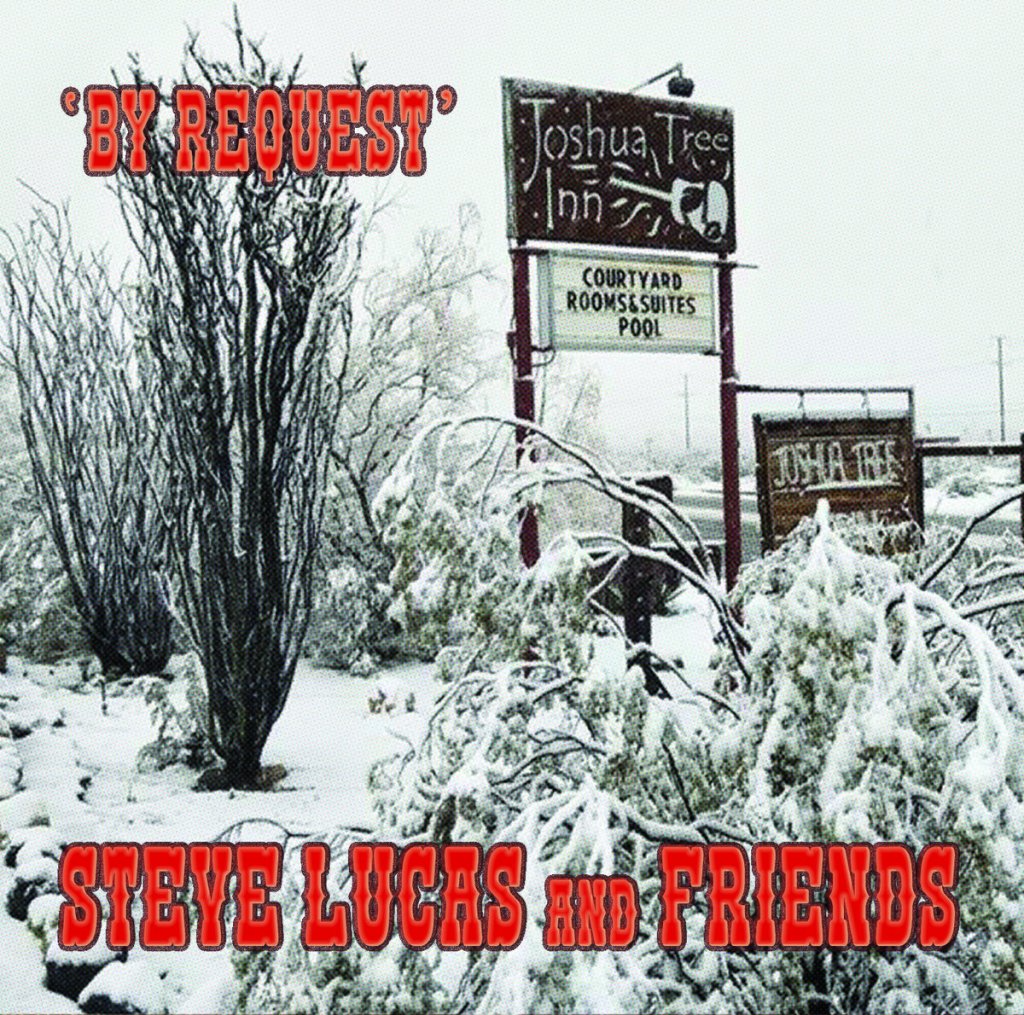
SL: Yeah, she’s got a few projects going. Last year I lost a very close friend and one of the things he asked me to do before he dies was go to America and find some genuine Mexican musicians and record some songs with them, because he always thought I was wasting my time doing rock n roll. He always thought, in his words that “I had a beautiful voice for country music”. He said the Mexican people are so passionate, and he played me some stuff. I was going to do to Tijuana but the guy that was organising it for me just disappeared. My wife used some guys in San Diego, they fitted the criteria. When I recorded with them it was beautiful, it was fantastic.

That was the album By Request?

SL: Yes. Things come from all different corners and it comes back to; what do I believe in? I do believe in a certain amount of destiny. I had massive spinal trauma, my left leg was paralysed and they said I might lose the use of my right leg too. I had to wait a year for an operation. I asked myself; what am I going to do in that year? The doctor said “You’re a musician, if there was something you’ve always wanted to do, now’s the time to do it”. I said, I always wanted to tour America. He told me to go do that! [laughs]. I said, it’s not that easy! I can’t walk. He said, “Don’t let that stop you! It’s a thought!” I went home thinking, shove this thought up your bum! [laughs]. But, within weeks a guy sent me an email from America saying he loved X-Aspirations and that he wanted to do a run for his own little label on vinyl. I said, sure go for it! He told me he really wanted me to come to America and tour it. I said, I’d love to but I’m in a wheelchair at the moment, I’m having an operation on my spine. He said, “Don’t worry about it then”. I said, no, no, wait! My doctor said I should do something like this, there will be limitations. So I went and played.

I was in so much agony and had to take so many prescription drugs to manage the pain. I don’t really remember much. I’d get to a gig and they’d prop me up and as long as I didn’t move I wouldn’t fall over. I did twenty-eight gigs up and down the west coast of America. It was insane. I came back here and then after a bit had the procedures done. Gradually I got my left leg back. They recommended I do physio, which I wasn’t too keen on but, my wife bought me a drum kit. I set it up left-handed so I had to use my left foot to drive the kick pedal. They said you can train your muscles and nerves to work differently, the ones that aren’t working doesn’t mean you can’t stimulate the muscle, it’s like a detour, you’re rerouting things. I tried it and then the stubbornness kicked in and I worked at it and worked at it; even now if I’m walking down the street I take a cane because I get tired, but if I walk the way I used to I’m all over the place ‘cause the things don’t work anymore. It’s amazing what your brain can do if you let it. This could apply to anything pretty much. Being told you might not have feeling in your leg to doing what I am now, I thought that was an insurmountable thing and I’d never get over it, but I did!

A friend of mine who was a Buddhist said “You were given that pain for a reason, you have to love it for what it is” ….again my first reaction was, pffft! [laughs], you try feeling like this and tell yourself you’re gonna love it! Then I realised what they meant, it was an opportunity of sorts to deal with things. It was great! I remember waking up one day and being, that’s it, today it changes! I’m not going to be this person anymore, I’m not going to be dominated by my pain, I am going to dominate my pain! It didn’t just go biiiiing! It took a long time, that’s where stubbornness really comes in handy! [laughs].

I say to people, you always have a choice, no matter how shitty the choices are, you still have one and if you’ve got nothing but bad choices laid out in front of you, then you pick the less harmful or more palatable of those choices, take it. Once you get there you’ll see more choices, maybe equally as bad but maybe one that’s not quite as bad as that, so you go there. The further you go along taking the most positive steps you can take, even though they might seem like there’s no difference at all, you start to learn how to make better choices. Once you start to make better choices, you start to have a better life—to me it’s that simple. I’ve been through it. I still have to do it and make hard choices but I have learnt what is a good choice and what isn’t. It helped enormously. It is rewarding. As you know, it’s not always an immediate plus but you can look back and go, oh, I’m actually glad I did this because now I don’t have to worry about those ones, or you can look back and go, well now I’ve done this, I can face that and get over that hurdle too. I hate the words “empowering yourself” but it’s good to empower yourself to make good decisions for yourself that will benefit you mentally and spiritually, in health, in your relationships… but you don’t need to have a world dominating vision at the end of it [laughs]. You don’t need to be a CEO of a mega company to feel like you’ve accomplished something. I feel like I’ve accomplished way more than I could ever imagine I could. At the same time, that doesn’t mean that I have to stop doing things!

Please check out: STEVE LUCAS; on bandcamp; on Facebook.

Naarm D-beat band Lái’s vocalist Alda: “It is very important for women living and growing in misogynistic cultures to take these shitty narratives back, to reclaim their own stories and destroy the toxic ones”

Handmade collage by B.

Naarm/Melbourne Swedish D-beat inspired band Lái (a Chinese Mandarin phrase meaning ‘to come/next’) play distorted, political hardcore punk with vocals ferociously and urgently delivered in both Bahasa Indonesian and English language. Their songs explore experiences with abortion, sex work, Southeast Asia and the diaspora, religion, queer rights and more, all given voice through vocalist Alda’s lyrics. Gimmie are looking forward to the release of Lái’s forthcoming LP Pontianak. We spoke to Alda about it and of her life growing up in Indonesia as well as her experience of immigrating here to Australia.

This interview will also appear in our editor’s soon to be released book, Conversations With Punx, along with in-depth chats with members from Crass, The Slits, Subhumans, X-Ray Spex, Black Flag and more from the worldwide punk community from its beginnings to today.

How did you first discover music?

ALDA: Before she went all extremely religious, my mom used to collect CDs like Queen, Backstreet Boys, Enya, Natalie Imbruglia, all time love songs, etc. That is the first time I discovered music, and English. Matter of fact those bands are how I start to learn English, from translating their lyrics as a 6-year-old having access to early internet in the net cafes, so I could sing-along at home and understand what it says.

You’re originally from Indonesia; can you please tell us a little bit about what it was like growing up there for you?

ALDA: Honesty it feels weird to be talking about myself right now, knowing that there’s so much more relevant matter…I can’t even fully put my mind to it, but I’ll give it a go.

I grew up in a Muslim household, and schooled in a Muslim-only school until I graduated Junior High school. After plenty of begging to my religious mom, she allowed me to have a public school experience at high school, with the condition that I have to wear a hijab, otherwise I’ll be kicked out of home. I hate being forced to look religious a lot. Even since I was at Muslim school, I always sneaked out with my trusted slutty closest friends to take it off, smoke and hook up somewhere. Turns out I strongly despise being forced to look religious in public school even more, because unlike my previous school, not everyone have to wear full hijab and I feel even more out of my element.

I went to Netherland for a scholarship for a year where I get to experience that double life again— but while free of my usual religious environment, so I get to think about what I wanted to do with my life without much peer coercion. When I’m back, I decided to take it off more and start being myself at school and in public. People suddenly called me a Satanist at school and made up surreal stories and rumours of my alleged “new behaviours” [laughs]. I pushed it more with talking about atheism and Indonesia’s communist background any time I got chances to, like in class presentations and stuff [laughs]. It was hilarious! I meant the things I said back then, but it was still funny to watch the impact.

Before that, I was one of the nerdy kids that got called to the front of school ceremony so I can give some short speech after winning some nerdy things like English debate competitions – I used to get into school competitions a lot because that was my excuse to get out of home. A lil’ bit of nerdy model student y’know [laughs]. But after I took off my hijab and stop giving a fuck about maintaining that “good image”, the teachers condemned me, most students tried to stay away from me like they can get infected with my godlessness, the school almost not letting me graduate because I didn’t graduate the religion class – it was mandatory to pass religion test for graduation – and I got kicked out of home. But it was probably one of the most important decisions I have made in my life so far, I’m so glad I stuck to that decision. I don’t wanna live this life any other way.

But yeah, I guess my feud with misogyny embedded in religions doesn’t really end there. As you might know, Indonesia is a religious country, so religion influences almost everything—starting from law making, social judgment, social punishment, etc etc.

All photos courtesy of Tessa Lost In Fog.

What was it like for you when you first moved to Australia?

ALDA: Life here is way easier than what I’ve ever experienced before. Here you can do things like dumpster diving, squatting etc. with way less risk, and there’s more ways to find out how to survive/make money. On the other hand, the rules of immigration to Australia is one of the hardest to go through, I believe, globally other than America. Especially if you come from a “third world country” like me (in quote marks because that outdated term is now a myth based on bullshit), and not come here loaded with trust-fund.

In the beginning, it was a bit hard because I was on student visa, paying it with working on the weekend (and occasionally after school when weekend & graveyard shifts is not enough). I couldn’t miss out on too many school days otherwise I will get kicked out from school (and therefore the country). I couldn’t pay the school fee late, otherwise, the same consequence. International students have to pay very high fee, and they try to make it near impossible for us to work (because they just want to take our money, not for us to make money from being in Australia; we’re just ‘cashcows’ with no rights and support back from this place, who will get dished out once we’re no longer bring the ca$h in).

I was in the cheapest school that I can find and that is still me having to pay $3,100 every 4 months. On top of my daily necessities and visa requirements. Anyway immigration rule is very classist, probably to avoid poor people from poor countries to move here. So yeah, I didn’t get to have much social life… but at least I still get to run away from fucked up shit that I would have to live with back at my hometown, so that was fine. It’s impossible to notice that the immigration rule is basically — if you are a person of color coming from a poor country, you have to go through so much more loop to stay here. My POC friends coming from America or Europe or even a rich Asian country like Singapore got their Visa waaay faster than I do, even when they have about the same amount of money in their bank account with me.

My white friends coming from those places? LOL …basically it seems like they barely have to prove anything, they get their Visa in no time, whether they have savings or not. It felt pretty shit to watch that. Treatment for white people in rich countries are like some “exclusive rich kids club” in my eyes, and maybe in the eye of “people like me”; like we had to prove so hard that we are worthy to enter the gate of this privilege. Getting our English tested every two years as if we can get worse at it while still living here—and being told that our English is not good enough, and got laughed at when it is not perfect; as if that proves that our intelligence is lower, despite that we can talk in over 5 different languages. Pfft.

In short, when I first come here I realized I’m now living in an awkward spot of getting more privileged than my friends/family back home; but definitely damn underprivileged economically here. My life quality gets better just because it was bad before, because my country is still ravaged by richer countries such as Australia, for our gold, land, farming produce, cheap labour, cheap productions of their fast fashion brands etc.; and once people like me managed to come here in a hope for a better life, we gotta give our fortunes (if we have any) and/or slaved away for many years here and give our “excess wealth”. So that maybe, maybe we can eventually move here and be less poor. So that one day we can awkwardly laugh with our peers at some party when they cringe how the countries that we are coming from are so poor, the food that we eat are so dirty etc. etc. so they can laugh at the poverty that their people enforced on us. Shit!

You didn’t come here to hear me bitch about your racist & classist immigration system LOL but here we are.

How did you first come to performance?

ALDA: In Australia? Lái is my first one. I was very lucky that Tessa, Nissa & Timmy needed a new vocalist. Before Australia I only performed a small handful of times with a band I made with my closest friends, but at those times (about a decade ago) we were wasted together more than we try to actually perform LOL so yeah I wouldn’t count that as much performance experience.

You sing in a blend of both Bahasa Indonesian and English; why is this important to you?

ALDA: Of course it’s important for me. I’m an Indonesian. I only moved here 5 years ago, I mostly grew up there. My body is in this land but all the experience I had while growing up has formed me, and is forever relevant to me. I chose to use both languages because if I only use English – other than the looming discomfort of using the global colonial language – my vocabulary will also be more limited; I don’t know how to express things in the same layers of meaning like I would in Indonesian. Not to say that I’m excellent at it but it’s a language where I know a bit more about the culture, literacy, the guttural and poetic expression. In the end, I decided to use both. I mainly use English for messages that I’d like to say more globally, and Indonesian words for things I mainly wanna express for Indonesian/Malay speaking listeners.

The way you sing is quite brutal (which I love); are you ever afraid that the message will get lost? Or is part of the way it’s delivered help reinforce what you’re saying?

ALDA: I guess the actual reason for me is because that’s the only way I know [laughs]. Or at least that’s how I feel I can respond to the kind of songs that we have…it ends up being some sort of noise/scream therapy, a way that I can channel how I feel when talking about the subjects that I’ve written in the lyrics. I realized this means most likely people won’t be able to understand what I’m talking about, so therefore sometimes I talk a little bit about the song, so the message wouldn’t get entirely lost. And if anyone would like to know more about it, they can just read the full lyrics online in our bandcamp or somth.

How did you first find your voice? Is confidence something you have developed over time (or are still developing)?

ALDA: My first band called Negasi (2009) but I sing in a different way back then…the first time I sing like this is with Assusila (in 2011); a crust punk band from Bandung, a few years later when I felt more angry and would like the chance for “scream therapy” in a band. I can’t afford a therapist, so playing with Lái has been helpful for my mental health actually. In real life I’m one of those opinionated socially reclusive introvert, so going on stage has been a fuckin’ challenge from day one for me. I don’t naturally feel comfortable under a spotlight. I’ve spent some portions of my life trying to hide from the spotlight too, and was raised under a culture that holds high values on playing the subtlety game, so taking that spotlight feels naturally counter-intuitive. To be on stage in a country where I don’t even know many people… If you’ve been to any of our shows, especially in the first year, woof especially the first show (!!), you’ll notice how awkward I am [laughs]. I mean, I’m still pretty awkward on stage these days, but I guess I’m developing a lil’ more self-confidence..?

When do you feel most powerful?

ALDA: I feel the most powerful when I manage to put all my mind noises aside, and just do things that felt natural for me. When I get lucky, it felt cathartic, and when I’m really lucky, it also felt spiritual.

What inspired Lái to start?

ALDA: I wasn’t there from the beginning, but what I know is… Timmy had a dream where they’re in a band with Tessa, Nissa and Annelise (the first vocalist) and it was awesome; so they asked these talented babes to join them in a band, and they’re all keen, so they started. I was excited when I heard that too—I mean they’re an awesome team! I’d definitely come to their show. But Annelise is a very busy person already, hence it’s hard to find time for practice, so eventually she quit…and then Tessa messaged me if I’m interested, and I’m like hell yeah! I got to scream my lungs out and make fun projects with these amazing peeps! Stage fright aside, I was very keen.

Later in the year once all the Coronavirus uncertainty has settled down Lái will be releasing LP Pontianak (it’s also the name of the first track from the album), from what I understand the Pontianak is a female vampiric ghost in Indonesian and Malay mythology/folklore; what was the significance to you of her appearance in your creation?

ALDA: I feel a lot of connection with Pontianak. When I grew up, one of the main scary folklore figure is Pontianak. Older people told me, if a women did an abortion/child birth and died—she will turn into Pontianak. She will haunt the neighborhood, trying to kidnap babies, because she has lost her baby, and that will be “the only thing that she wanted”. Other adults told me, Pontianak is also those women hangin’ outside past sunset, sometimes they hang around frangipani trees – the tree is associated with death, because in Java it is mostly planted in cemeteries for its nice fragrance – and they will try to lure men into their embrace. The men fallen prey to Pontianak will be killed after they hookup. Some adults also added that these men will be skinned alive, but I think they might confuse it with the myth of Gerwani (one of the propaganda spread in the military regime time, when they wanted to justify the massacre of communists but that’s another story!). Other adults also told me, “Pontianak (also called Kuntilanak in Indonesia) can be turned into an attractive women, very suitable to be married. But you will have to stake a nail on top of her head, and keep it there. As long as the nail remains there, she will turn into a beautiful, obedient women, and she will be a good wife.”

As I turn older, and survived some horribly dodgy illegal abortion practices in Indonesia, met other women who are going to do their abortion in those shady, overpriced, hidden abortion clinic;

I realized fully how fucked those stories are! Why does Pontianak become a demon after she failed giving birth? And, why the hell do they think having a baby would be the only thing she cares about? Hangin’ outside at night time, is that just a way to give shit to women that are still going out having a night life, and a way to scare people off them? Also WTF?? Lobotomizing her so she can become “a good, obedient wife”?? Fuck that! Fuck those stories! Her story needs to be retold. Reclaimed, by all other women who don’t think that these hateful stories does her justice. I draw Pontianak here and there before the album artworks too, just because, of course.

In 2015, Yee I-Lann from Malaysia also made a video art called “Imagining Pontianak” where she interviewed a bunch of girls covered with long black hair (as Pontianak usually is depicted), and I lived in  Kuala Lumpur at the time so one of them is me. The topic of our talk was about sex, abortion, and generally about being a women, the types of women that “Pontianak would be”. I thought her project was important and inspiring, as these topics needed to be brought up more often. We all have versions of ourselves, and therefore our own versions of Pontianak. But what she shouldn’t be anymore, is a feared folklore figure with a story told by misogynist men and women. I loved the fact that she made a cool art project out of our folklore (and I think you should check it out if you can), as I think it is very important for women living and growing in misogynistic cultures to take these shitty narratives back, to reclaim their own stories and destroy the toxic ones (or at least acknowledging how the toxic narratives affects people).

Art by Alda.

I really love the art work you did for the album too; how did you decide to draw her like that?

ALDA: Traditionally, Pontianak is depicted with long black hair… but I had a dream once where I got dragged down to a river, where the water was bottomless, and a particular Pontianak slowly swimming towards me, with all her white hair flowing gently around her face contrasting with the dark waters, and I get to watch in vivid details on how her entire looks were. Her dried up eyeballs, hollowed eye sockets, and enticing stare. Pontianak that I drew is based on her just because it feels more personal to me, although I did draw her in a way more comical version…hmm I don’t think my drawing style can do her justice to be honest, but I’m pretty happy with it.

Feminism and queer rights in South East Asia are themes that you explore in your lyrics; what has helped shape the importance of these themes to you?

ALDA: My main issue with everything surrounding my life in Indonesia since my forced-religious childhood until the demystifying moments of rape culture and sexism in the punk scene that I grew up in, can be concluded to mainly about the misogyny and rampant queerphobia. Although I’m trying to not make it define me in my current life, a bunch of traumas related to the subject have undoubtedly shaped me.

What’s your favourite moment on the record?

ALDA: Screaming (and punishing the ears of my lovely bandmates while they were having lunch LOL) without the music even playing loud at the recording, it felt funny.. There was also an attempt of recording group cackles with our mates that was hilarious and fun to do, even though we end up not using it [laughs].

Religion is another theme explored in your songs; are you a spiritual person at all?

ALDA: I’m somewhat spiritual, but definitely not religious… I think my resentment comes from being forced to practice religion that I don’t believe in, definitely put me off from being one.

Lastly, can you please share with us a really life changing moment you’ve had?

ALDA: I guess that moment in high school that I mentioned before was the main life changing thing. When I decided that being liked for what I’m not is not a good enough motivation to survive….you know, if I’m gonna try to stay alive, I might as well just do me, might actually try to make it worth the survival efforts. Even when it looks mundane, so what, right? Otherwise, what is really the point…? Self-discovery/exploration has been my constant reliable source of joy & sense of meaning. I think 2020 only makes this belief grow stronger for me [laughs].

Please check out: Lái bandcamp; on Facebook; on Instagram; demo available via Lost In Fog Distro; Pontianak will be out Spring 2020 on German label Ruin Nation Records.

Parsnip and School Damage’s Carolyn Hawkins: “You just have to tell that voice that doubts yourself to shut up!”

Carolyn Hawkins is a musician and visual artist from Melbourne. We love the art she creates! It’s imaginative, fun, whimsical and sentimental. She lovingly crafts album covers, gig posters, zines, videos and more as well as playing in two punk bands we adore, Parsnip and School Damage. Gimmie chatted with Carolyn about all this and more.

CAROLYN HAWKINS: I’ve been stuck in the studio today working on stuff that’s due this week.

What have you been working on?

CH: A stop-motion video. I’m glad we booked the interview for today because I feel like I’m starting to go crazy, I feel like I’m locked in a dungeon trying to get this thing done [laughs]. It’s good to break it up.

You also did a stop-motion animation for the School Damage song “Meeting Halfway”; is this new clip you’re working on similar to that?

CH: Yeah. It’s pretty similar. I’m still using paper cut-outs to do all of the images. I’m using a slightly better program. When I made the “Meeting Halfway” video I was using a $20 program and my computer didn’t have enough memory. I had to save it every time that I captured a frame, it was twelve frames per second. It would kick me out and I’d lose all of my work. I have a much better program now, which I’m glad I was able to save up for and get. It makes stuff a dream. It’s still really time consuming but it’s easier now.

I can relate! With my laptop at the moment I have to have it plugged into the wall all the time because the battery won’t charge and it has a dodgy port and if I just knock it slightly it shuts down and whatever I’m working on I lose. At the moment I’m saving after like every sentence I type!

CH: Oh no! That’s totally what this was like. It’s living on the edge way too much [laughs].

[Laughter] Totally!

CH: The “Meeting Halfway” video was a lot of fun to make. I don’t really do animation stuff, I didn’t really know what I was doing. My friend Alex gave me heaps of help in figuring it all out, I also borrowed a camera and a tripod off him. I still don’t really know what I’m doing, I guess that’s probably why I’m working in a similar style for this new one. I’m still getting my head around that way of doing things. I started using a green screen which is pretty exciting!

Nice! My husband’s made a few film clips with animation and using a green screen, he just uses a green sheet for the backdrop.

CH: Cool! I have a green bit of paper. It’s really fun! What videos has he made?

He made Regurgitator’s “Sine Wave” clip. What first got you interested in art?

CH: I’ve always enjoyed drawing and making things from as far back as I can remember. One thing that really stands out – I really don’t think that I probably would be into making things in quite the same way if I didn’t watch it – is watching Art Attack! When I was a kid I used to love that show so much! My mum used to tape it off the T.V. and I’d watch it on the school holidays. Someone gave me all the VHS tapes of that recently too. It’s just the most random projects and using all kinds of materials, just stuff you have around the house. It kept me entertained for so long. I’ve always enjoyed making things and using the materials that I have generally. It’s satisfying to start with nothing and then by the end of the day you’ve made this new thing. That was always just fun stuff. I don’t know what made me decide to go to art school and pursue it beyond doing art at school or in my own time. I couldn’t imagine doing anything else basically, there’s nothing else that I want to do more. It’s just a very satisfying thing to do to work with your hands.

It really can be the best fun that you can possibly have.

CH: Yeah, exactly. There’s so many surprises! When I left school I studied print making and a lot of that is about these unexpected things that can happen. When something doesn’t go right and you get these happy accidents, I think that’s probably the most exciting thing that can happen when you’re making anything whether it’s a song or a drawing or a print, something you’re working on. For me that is the most exciting thing about making anything.

Me too! I love when you’re making a song and you might play a “wrong” note or something but then it works, there’s a beauty in imperfection and making things work, that’s what makes stuff more interesting to me.

CH: Yeah, totally! I agree. With punk music it’s all about imperfections. When you’re recording something and it’s not a perfect take, I would probably prefer to use those ones. There’s no point in trying to control something so much that it squeezes the life out of it. You have to allow and encourage all of those things. It’s all part of the process.

Totally! When I spoke to Jake [of Alien Nosejob] he told me that he was teaching you to play guitar in iso; how’s that going?

CH: Oh yeah! [laughs]. Good. I’m still going with it. I practice almost every day and it’s been really good because, I think over the last little while I have found it harder to write songs. I’ve just gone through this period where… I’m not really sure what it is but I haven’t been writing as many songs but I’m still dong musical things.

It’s been really awesome to learn an instrument. I haven’t played anything like the guitar before, the last time I learnt an instrument would have been when I was getting drum lessons when I was a teenager or learning piano. It makes you realise that when you are an adult, as you get older you know what you like and you stick to the things that you know and that you’re good at and you keep doing those; the things that you’re not good at you don’t have to do anymore.

As a kid your parents encourage you to learn these things, play this sport, go to swimming lesson, stuff like that… you might not enjoy them but you just do them because that’s what being kid is about—people want you to try new things. It’s refreshing to push myself to do this thing that might be uncomfortable and have the satisfaction of seeing yourself get better at something. It’s been really fun.

It’s nice to play songs that I think are cool. If I learnt guitar as a kid I’d probably just be playing something like “Smoke On The Water” [laughs]. Maybe “Nothing Else Matters” by Metallica or something like that! I’m so impatient with learning the guitar though, it’s like; when am I going to get better?! It reminds you that if you practice something you’re going to get better. If you put work into something you’ll get there. Fingers crossed I keep going with it.

I’ve read that in Parsnip you play the same drum kit you’ve had since you were a teenager.

CH: Yeah, I do. I’ve only ever had the one drum kit. I remember when I got it from this drum place that is still there in Richmond on Victoria Street. It’s served me really well and unless something bad happened to it or it broke in a way that it couldn’t be repaired… I never get new things, especially if I’m used to something. I’ll just keep using it until I can’t.

Same!

CH: Jake loves getting new things, I don’t really like getting new things [laughs]. I stay with my old stuff and I like repairing things until I can’t anymore and they just die. I’m really fond of my drum kit, it’s like my bike… I’m so comfy with them, they’re like old friends. I can’t let go of them!

Previously when talking about the gear you’ve used, you’ve mentioned that you feel like your sound more comes from how you play and not what gear you play; how would you say you play?

CH: That’s a good point, because a lot of the time I don’t even play my drum kit. It’s not like being a guitarist and having your own gear, often when you’re a drummer you just use what kit is there, which is fine, it means I don’t have to bring one.

For a long time I never really thought the way I played was particularly unique or anything, the way I play I always have the philosophy that less is more. Strip it back as much as you can to the core elements. I think it probably came from being in high school, I never played drums in a band because it was totally dominated by dudes, who honesty couldn’t play that well but were just really loud and they could do all these drum fills and stuff. I was too nervous to do that. It made me be really put off by these really over the top way of playing.

When I was a teenager I loved The Who and loved Led Zeppelin, I still really like those bands and that crazy drumming but, it’s not for me. I’d much rather play like Peggy from The Gories or Meg from The White Stripes, she basically made me want to be a drummer. I take from that school of thought, you don’t need to be over the top to have something that sounds cool and has personality, and is catchy and still has a good feel to it. People often come up to me and say they like how I drum and everyone always says that I play “really in the pocket” and I have never really understood what that means… apparently that’s what I do [laughs].

When Parsnip started you all had other bands; what was it like when you all started playing together?

CH: Honestly it just felt really natural. Me and Paris and Stella had spoken about it, we were at one of the Jerkfests and we were like, let’s make a band! The other two had been talking about it and they asked me if I wanted to be part of it. I messaged them the next day and I was like, I know we were all pretty drunk and getting excited about this but, I really, really want to do it!

When we finally did get together…. whenever you start a band I think it’s a bit awkward because you know each other as friends but you’re trying to suss out how everyone works when you jam, being in that band environment. Every band is so different. I feel like we figured it out really quickly, I feel like we just got our shit together!

We all had played in bands for so long… we probably all had the same experience playing in bands… I’d never played in an all girl before. We all had the same frustrations of being in this male dominated environment, it’s not like we talked about that though. The dynamic just worked instantly. It was fun. It’s just hanging out with your friends. It sounds corny but that’s how it really was. With our rehearsals still, almost 50% of it is just hanging out and chatting [laughs]. Which isn’t great if you’re paying for a rehearsal room. It’s good though, a lot of it is mucking around and catching up. It’s important to hang out outside of band things too, I think sometimes in bands friendships can suffer. We all hang out as buddies not just band stuff, which is really nice.

What inspired you and Jake to start School Damage?

CH: Me and Jake did a tape. Jake typically said something like – this was when we first started going out – “We’re gonna spend so much time together, we may as well start a band” [laughs]. Which was cool, I didn’t mind. I had never written a song before and he was really encouraging of that, which was good because it is pretty scary to do that. We recorded a tape at home. Jake was hanging out with Jeff at this record store, Title, that used to exist on Gertrude Street. Jeff joined on drums and then I’d known Dani since I was at RMIT – she was doing photography and I was doing print making. We were all just friends. Dani played guitar and I asked her if she could play bass and she turned out to be the best bass player I have ever heard, so incredible.

You mentioned that when you started writing songs, it was scary; what’s scary about it?

CH: I guess ‘cause I thought I couldn’t do it. It was nice being around Jake because I can kind of see how he writes songs, it demystified the whole process. I was still relativity new even to just having friends that played music. The whole idea of creating songs… I was playing with Chook Race and we just jammed, at the start we didn’t really write songs. I was always like; how does it happen?

I knew how to play piano and I had a keyboard so I just recorded stuff on my phone and Garage Band, not really knowing what I was doing; I still don’t know what I’m doing! It was a scary idea. You have to make yourself quite vulnerable. The thing that always freaks me out is; what am I going to write a song about? Everything sounds pathetic when I write, but you just have to get past that. If I was going to give in to that part of myself, which is: no one cares about that; no one wants to hear about your stupid romance troubles… I don’t even know. Why do you want to write a song about dumb online shopping? Who gives a shit?

I give a shit! I really love your song “Online Shopping”.

CH: That’s the one song that I am the most proud of! [laughs]. I really love that song, I don’t care that I wrote it… I really love it. It’s actually really relevant right now… anyway, whatever! You just have to tell that voice that doubts yourself to shut up! You know this. It’s not going to help you at all do anything. Maybe that’s why I haven’t written for ages? Because every time I go to write something I think it’s stupid.

Something that helps me when writing is that I think, well, maybe if I think this maybe someone else out there will. I just do it and have fun with it. Hopefully it connects with someone somewhere, and if it doesn’t I still had a really fun time making it.

CH: You’re 100 % right. It’s like maybe we’re just hardwired to doubt ourselves. You do have to get past it. You’re right, someone somewhere will resonate with it and if they don’t; what’s the worst that could happen?!

On the new Parsnip 7” Adding Up you wrote the song “Repeater”?

CH: Yes, I did. I wrote it really quickly because I was like, oh no, I have to try and write something for this! [laughs]. It was very quickly put together. This is what happens when you play in a band, you write some little demo with a little information in it and the rest of the members make it a hundred more times amazing! I wrote that and we ended up making it heaps like “I Can’t Explain” by The Who, obviously [laughs]. I didn’t realise until after that I’d totally ripped off a part in “Proud Mary” by Creedence [Clearwater Revival], but whatever! It ended up working though because the song is about patterns repeating themselves throughout your life, relationships and things. Maybe it doesn’t matter that those songs are repeating themselves in my song. At least I can justify it that way! [laughs].

Parsnip do a cover on the 7” too of “Treacle Toffee World”.

CH: I think it was Stella’s suggestion, I didn’t know the song beforehand. It’s off one of these ‘60s comps of garage music. The song is by a band called Fire. It’s such a good song. It’s so much fun to play. It’s fun to sing a song about sort of nothing. I really like the lyrics in it.

The film clip is really fun!

CH: That was obviously done in isolation. We were talking about what we wanted to do for a clip and then the pandemic happened. It’s done in iMovie and is pretty lo-fi. We all filmed ourselves at our own homes being idiots dancing to the song. Bec put it together in a day. It was nice to be silly with it. You’re not spending lots of money on it so there’s no pressure to make it perfect. It was nice to do something together even though we were apart from each other and isolating. Just talking to each other about band stuff and getting things done was nice.

I was so sad for you when the Parsnip Japan tour got cancelled.

CH: I know, it sucks. I’m sad about it as well. Everyone has had so many things get cancelled this year. Ordinarily, if I told myself at the start of this year that everything that was going to happen was going to happen, I’d be so devastated but I think as things got cancelled, the whole scale of this thing has put so many parts of my life into perspective. I had another trip that got cancelled to and I kind of didn’t mind ‘cause I was so freaked out about so many other things, I didn’t even want to go. I was fine to just stay here and be stuff. It would be really cool to go to Japan with Parsnip, it will happen. I’m staying optimistic.

In September/October last year Parsnip when to America, right?

CH: It was for three weeks.

You got to go hiking and swimming and explore some places; what was your favourite place you saw?

CH: Oh my gosh, we were so lucky! We got a bit of time to check out the local area and to do non-music related things which was so nice. The bush walk you were talking about was somewhere in Upstate New York. We went swimming in Richmond, North Carolina. The guys from Cement Shoes took us swimming in this wide river, I’ve never seen anything like it. We went to some really cool art projects in Detroit, they were outdoor art installations which were really cool. Despite Japan being cancelled I feel really lucky that we got to go to America when we did. Who knows when we’ll ever be able to go back there? It was the best tour ever! Tours can be such intense experiences. You can think it will be amazing and sometimes it’s not.

I wanted to ask you about one of your art pieces that I really love, it’s the Anti-Fade Records compilation New Centre Of The Universe Vol. 3. It’s really beautiful.

CH: Thank you! That front cover is really special to me. I was so stoked when Billy asked me to do it. It’s a gauche painting I did. I took a long time to finish. It’s from a photo I took four years ago on New Year’s Eve at a spot in Queen’s Park on the Barwon River. All the little people in the boats… one is Paris, the one with the two oars sticking out; one is Zak [Olsen] and some other Geelong friends. We used to go down to the Barwon river and swim, we’d go to K-Mart and get blow up dinghies for $20 and hang out there until it’s dark then go to someone’s house. When Billy asked me to do it I wanted to pick an image that summed up for me, Anti-Fade… when I think of Anti-Fade I think of Geelong and having fun with my friends. I know it’s branched out now and Anti-Fade is a lot bigger but I just wanted to pick something that was special to that scene. I think maybe Billy wanted something more about Melbourne than Geelong and I tried to just paint a pretty picture but it didn’t really work out. I don’t think I can just paint a pretty picture, it has to have some special meaning or concept otherwise it’s too boring to work on.

I had a feeling it was of Queen’s Park. I always remember the really beautiful trees they have there and that peaceful feeling you get, your cover reminded me of that and made me feel that.

CH: It’s a really beautiful spot. It sums up for me what I like about Geelong. It’s just a bunch of people getting drunk and having a swim in Queen’s Park [laughs].

Being a music and art lover; what’s some of your favourite album covers? What do you appreciate about it?

CH: I was talking to Billy [Gardner] about this recently, I love all The Fall 7” art, the illustrations and collages. I really love The Fall Totally Wired cover with the face on it with gritted teeth. Definitely EVOL by Sonic Youth, the cover looks exactly just the way the album sounds. I usually look through heaps of covers when I’m getting inspired to do my own work. I also get really inspired by artist David Hockney.

In February this year a book came out called Urban Australian and Post-Punk which you wrote a piece for.

CH: Yeah, I did. That was basically about a venue that used to exist here in Melbourne that was a house venue. It was run out of a terrace house and had really good shows, it had a limited capacity and the community that would attend those shows were really lovely. It was a really good set up, the sound was always good. The people running it were the most gorgeous angels ever! It held a special spot in my heart and I ended up writing this particular thing about it because I was doing a subject in Urban Planning at Melbourne uni… it was about how every week we’d watch a different movie and it would look at underground subcultures and how that subculture interacted with the urban environment. One week we watched Dogs In Space which is one of my all-time favourite movies and I ended up writing an essay for my final assessment comparing the house party experience and share house environment and how that could be compared to things that were or had happened in Melbourne.  My lecturer David Nicholas, who used to play drums in Cannanes and lots of interesting bands, asked if I wanted to contribute my essay to this book. It’s totally exciting! And nerve-racking! I’m in good company to say the very least. I felt weird having it out there because it’s weird to comment on culture. When you see something in a book bound up like that it’s giving my voice so kind of authority, I don’t know if I should have that. It’s just my perceptions of the whole thing.

Yeah, but you were there and you experienced it and your perceptive is just as valid as anyone else’s that was there.

CH: Yeah, I guess that’s true. I just feel it’s really important and these spaces deserve to be documented in some way otherwise they’re these ephemeral things, but that’s what makes them so beautiful, they come and go. I wanted to write it down, I got some good interviews with people. I’m glad that it’s out there. I hope when I read back over it when I’m older it will be a good thing to prompt my memory. It was really special to be able to do that.

Please check out: PARSNIP and SCHOOL DAMAGE. Parsnip on Facebook; on Instagram. School Damage on Facebook. Carolyn’s art. Carolyn on Instagram.

Amyl And The Sniffers’ Gus Romer: “I was losing my mind, I was so nervous. It’s insane. I hadn’t experienced anything like that before”

Original photo Jamie Wdziekonski. Handmade collage by B.

Melbourne pub punk band Amyl and the Sniffers need no introduction. We recently chatted to bassist Gus Romer to find out about the progress on new music, how he came to join the band and about their travels all over the world.

When we were teeing up this chat you mentioned that you’re a late sleeper; have you always been one? Is it because you’ve played so many shows – I think around 250 or so in the last year – that contributes to you keeping late hours?

GUS ROMER: In the past two years we’ve played a lot of shows. I’ve always been like that though, I’ve always cherished a good lie in [laughs].

How did you first discover music?

GR: From a young-ish age my mother always had an emphasis on my brother and I learning an instrument, doing something musical.

Why do you think she pushed you guys towards something creative?

GR: She’s an art teacher, so we’ve always done creative stuff from the start. It’s a good outlet to always have, something to do and something to work on.

You’re originally from Tasmania?

GR: Yep, yep.


What was it like growing up there?

GR: It was great! I love Tassie a lot. Super small. Super beautiful. Pretty cold [laughs].

What kind of stuff were you into as a kid?

GR: Mainly music, bits and bobs, that came in and out of my interest because I spent most of my childhood and teens just skateboarding, I was really into that!

What bands were you listening to?

GR: At the very start when you’re really young it’s just listening to the radio and whatever is around you. I got really into the Red Hot Chilli Peppers, Led Zeppelin and Rage Against The Machine. I fell off for a while and got really into hip-hop for a few years in my teens, that’s all I listened to, I wasn’t into too much else at the time. Later on I got back into punk rock.

What hip-hop were you listening to?

GR: I was really into Big L and MF Doom and Wu-Tang.

Did you start off playing bass? Was that the first instrument you learnt?

GR: What got me into playing bass was that in primary school we had a strings program where you could get out of class for an hour a week and this person would come around and teach a few kids how to play. I played the cello. When I finished primary school and went into high school, I obviously couldn’t do that anymore, so I got a bass for my birthday. I joined this band with my friends.

Was that the band Bu$ Money?

GR: No, that was way later. This is when I was younger. I got into playing bass initially from that transition from playing the cello.

Did you have a bunch of other bands before Bu$ Money?

GR: Bu$ Money was when I started listening to more local music and shit around in my scene in Hobart and what inspired me to get back into it and have a crack. Even though I didn’t play bass in Bu$ Money, I played drums.

How did you first get into your local scene?

GR: There’s not a great deal of places to go out and drink in Hobart. The Brisbane Hotel was where me and my friends always went ‘cause there wasn’t a bunch of dickheads there. There was alternative people, more like-minded people. I started going to drink with my friends, I started going to more shows from that and really started getting into it. I thought, this is pretty good! I’m gonna have a crack. I got one of my friends and a guy I worked with and pretty much forced them to start and be in a band with me! [laughs].

What local bands were you listening to and seeing live?

GR: Treehouse were a big one! I’m a big fan! The Dreggs, are a great, great Hobart band. There were a lot of bands that came and gone. Native Cats are a great, great Hobart band!

How did you end up being in Amyl and the Sniffers?

GR: I was already good friends with the band, I met them when Declan’s old band, Jurassic Nark, came to Hobart and Bu$ Money supported them. So that’s how I met him and then I went to Melbourne soon after and hung out with everybody else; I was good friends with them and a big fan of the band. When their old bass player parted ways with the band they called me one day and said, “Move to Melbourne and join the band”. I thought, sweet! I quit my job and moved to Melbourne.

Did you have to give much thought to it?

GR: I’d already been toying with the idea of moving to Melbourne for a while but it would have taken me even longer to do if they hadn’t asked me, it was a nice little push. It got me going and got me moving. I was already such good friends with them and a really big fan of the band so it wasn’t too much of a decision. It was super natural, cool, let’s do it!

In around March 2017, I think, is when you played your first show with them?

GR: I don’t even know ‘ey? [laughs].

Do you remember anything about that first show with them?

GR: Yeah. It was the band’s second tape launch. It was at the Curtin. I was so, so nervous! I couldn’t really play bass that good. At the time I hadn’t played bass in seven years! [laughs]. I got my friend to teach me all the songs. We had one practice. I remember being really nervous and didn’t think I played that well. I was like, oh god! I blew it! I blew! They said, “Nah! That’s great!” No one was looking at me anyway [laughs]. It was a good time. A couple of drinks loosened me up a bit and I just got up and it was fine.

Do you ever get nervous now playing shows?

GR: Not at all. Being filmed makes me really nervous though and feel uncomfortable [laughs], doing an in the studio kind of thing. We played on Jools Holland last year.

I saw that!

GR: I was off it before that, I was losing my mind, I was so nervous. It’s insane. I hadn’t experienced anything like that before.

You guys have got to do all kinds of interesting things. I saw photos from when you did a Gucci campaign and walked in their Fall 2019 show and there was a photo shoot at an Archaeological Park.

GR: It was at these ruins in Sicily. It’s pretty crazy. The first time doing that and going into that it was the first time I’d ever experienced anything like it, the level of the production, the money and effort that goes into that stuff is just mind blowing! The scale is insane. For one campaign there was over 100 staff there, everyone running around doing this, that and everything. It was crazy! It was an hour out of Palermo the capital of Sicily. There were all these old, old buildings, these ruins on the coast.

Is there something else cool that you’ve seen in your travels that sticks out to you?

GR: Too much! There’s always something crazy going on somewhere. Having the opportunity… we’ve played in Russia before, stuff like that sticks out, we were only there a day and a half. Getting to play places like Russia and Istanbul, is pretty mind blowing! I never thought I’d get the opportunity to do anything like that.

What was Istanbul like?

GR: It was so cool! Definitely the coolest place I’ve ever been, we were only there for a day though. We flew in and out. I got to walk around for two hours but it was so cool. Everything was so cool, the vibe, the architecture, it was super, super beautiful.

What was Russia like?

GR: Russia was pretty, pretty crazy. We went to Red Square. It was pretty insane, the drive from the airport to our hotel was an hour, hour and a half, and on the outskirts of the city it seems like there’s really intense poverty, in the city there is so much money! On the outskirts you see massive, massive apartment blocks that look so run down and dilapidated; in the city centre it’s so clean and there’s so much money everywhere, sports cars everywhere!

What was it like playing shows in places like that? Is it similar to here?

GR: The show in Moscow was for a festival, that was the very first show we played in Europe. We played a festival to a relatively small crowd, they were getting it though and a few people even knew all the lyrics! It’s always pretty wild because you go in not expecting much and then you have people singing your lyrics back to you. It’s mind blowing!

Have you got to see many beautiful nature spots in your travels?

GR: Driving through America is always really, really cool, the diversity of the landscape; you drive through the hills of Oregon and then drive through the desert. That stands out in terms of nature to me.

What’s one of the coolest things that you’ve seen in America?

GR: It’s all a blur to be honest [laughs]. There’s a lot, a lot of driving and a lot of drinking!

You’ve been working on a new Sniffers album?

GR: Yep, at the moment we’re trying to get some songs together to become an album at some point.

In December I think you guys mentioned you had around 12 songs?

GR: Yeah, November last year we had a fair long slog of trying to do it, trying to get something going—we got a lot of good stuff. Now we’ve just hired a little unit at a storage place near our house, which has been great. At the start of lock down we were bumming around doing nothing for the first six to eight weeks. We’ve set up in the storage unit and we’ve been hitting that up quite a bit, which has been really good. We’re trying to write new stuff and trying to do stuff that we’re all super happy with.

You all live together?

GR: Yep, yep. It’s cool. Because we’ve toured so solidly for the past two years, we’ve pretty much spent 24-hours a day with each other, we’ve been overseas together for months at a time so, it’s a pretty smooth transition for us. We all know how each other rolls.

Was it weird for you at the start of isolation not being able to tour?

GR: Kind of. It was a nice break though. We were meant to be in the States for a month, not too long after it all started. We’ve been so busy the past few years, this past six months has been the biggest break that we’ve had, the most time we’ve spent in Australia in such a long time. I’ve just been enjoying being home.

With the new stuff you’re writing have you been trying anything different to previous work?

GR: Yeah, there’s a couple of tracks that are heavier and faster, on the other spectrum there is some different stuff. We’re not trying to limit ourselves too much to a particular sound or style, just playing around and seeing what we like. Most of the time either Declan, Bryce or myself will bring a riff and we’ll jam it out. Most of the time we just try to finish it, get something and then talk about it afterwards, see what we like about it and if we keep it or don’t.

When you’re making your own music do you listen to other people’s music much?

GR: Always, I always have something going. Lately I’ve been listening to a lot of Dick Diver and Low Life, Vertigo—I’ve been pumping all them recently. There’s always good stuff!

Previously, just after the Sniffers debut album came out, you mentioned that you felt a really big sense of relief that the album was done and it was nice to not have to stress and worry about it; what kind of things do you stress and worry about when making an album?

GR: Well, with that, that was in the thick of us touring like crazy… when we recorded it we had come off of four months non-stop touring overseas; we flew to Sheffield in the UK and recorded the album there. We’d been away for too long, we’d work so hard non-stop touring—we just wanted to be home, we were so over it! It was definitely not the greatest time and was really stressful.

What were you tired of?

GR: We were pretty happy with what we had but we were happy to get the album out of the way. A lot of the songs, we’d already been playing for a couple of years, we just wanted to record it and get it out and never think about it or listen to it again.

Do you have a favourite Sniffers song to play?

GR: I’d probably say “Some Mutts (Can’t Be Muzzled)”. That’s my favourite. Usually we play it last. I like the build-up, it’s fun to play.

What was the last band you saw live before lockdown?

GR: Just before everything went to a halt we were in the middle of an Australian tour, we played Sydney and Newcastle, they were the two last times I went out. I got to see Gee Tee and R.M.F.C. supporting us in Sydney, that’s always, always a great time! Concrete Lawn are a Sydney band who we are really good friends with us played in Newcastle. They were the last live shows I got to see before everything stopped.

Do you have plans yet for the rest of the year or is it too hard to plan with all the uncertainty around?

GR: There’s always stuff. We’re hoping to do an Australia tour before the end of the year, it just depends. We’re hoping to get overseas again from the start to the middle of next year. It’s a guessing game though and no one is too sure how it will go.

What have you been doing in isolation to keep sane?

GR: Now that we have the practice space we’ve been utilising that a quite a bit, other than that we haven’t been doing much… bumming around watching dumb shit on the internet and movies. The boys bought an Xbox, so they’re playing a lot of FIFA [laughs].

Last question; what inspired you to get your mullet haircut?

GR: I was really, really into the Cosmic Psychos. I was watching a lot of old footage and the doco Blokes You Can Trust and decided I wanted to look like Ross Knight! [laughs]. It’s pretty funny! I love the Cosmic Psychos.

Please check out: AMYL AND THE SNIFFERS; on bandcamp; on Facebook; on Instagram.

Sydney Punks C.O.F.F.I.N on their new forthcoming LP: “The anguish of having things beyond your control controlling your life… music can be a really powerful therapy”

Original photo by Rhys Bennett. Handmade art by B.

From the Northern Beaches of Sydney come C.O.F.F.I.N with their loud rock n roll punk and wild shows putting the fun, danger and excitement back into punk rock. They’ve been in the studio recording their new record which is getting ready to see the light of day. Gimmie caught up with them for a chat.

How did you first get into music?

BEN (vocals-drums): Hard to tell, it’s been a key component of my life as far back as I can remember. My mum had really good mixtapes an old boyfriend of hers from NY had made. They were always playing in the car. Maybe that. Apparently I got loose from her when I was two at a benefit gig Midnight Oil were playing on Freshwater Beach. She found me side of stage captive and clapping along. So probably a combination of that and watching Video Hits with my old man at his place on the weekend.

ARTY (guitar-vocals): Whole family loves music. But when I was little my parents were still having parties and house shows and my dad was still always playing gigs in his bands (Crazy Legs Vermin, Knucklehead and others). CLV were out there punk with psychedelic and scientific themes and influences. My imagination went nuts every time the ol’ man had a gig. Probably didn’t even understand what gigs were but there was always a wanting of inclusion.

AARON (guitar-vocals): I listened to Big Willie Style by Will Smith.

I know you guys spin records at events/gigs from your personal collections sometimes; what is: the last record you bought? The most treasured record in your collection? A record we’d be surprised you own? A record that never fails to get the party started?

AARON:  Last I bought: All That Glue – Sleaford Mods. Most treasured: My dad’s original Beatles – Revolver. A surprise one: Wrestling Rocks – Real Rock ‘n’ Roll Sung by the World’s Greatest Professional. Party starter: Abijah’s copy of Eddie Murphy’s Party All The Time.

BEN: Last I bought: Greta Now – S/T. Most treasured: OG copy of Motörhead – On Parole. A surprise one: Enoch Light – Big Band Bossa Nova. Party starter: Three 6 Mafia – Mystic Stylez.

C.O.F.F.I.N all grew up together, bonding over a love of music and skateboarding; what initially sparked the idea to start the band?

BEN: We’d always be telling our folks we were staying at each other’s places and then just sneak out and skate, cause a ruckus, and go Shanti Hunting. Shanti Hunting was scoping out well enough covered areas like bin rooms or unit block fire escapes to sleep in for that night.

On the weekends when we did end up staying in we’d just jam anything for hours and talk about rock ‘n’ roll, and usually prank dominoes to con them into delivering free pizza.

We didn’t have any songs or a proper band name really, we’d always just improvise and start again the next time. This is where one of the really uncanny moments in our story takes place. We got our first gig in year 7 and were compelled to make an actual band because Loz who was in year 12 at the time was putting on a show with the Hard-Ons at our local youth centre (aka KANGA). Arty hearing this and being a major fan of the Hard-Ons lied to Loz and told him we had a punk band and really wanted to play. Loz let us open, and we had to get a set together in a month. Who would have known that a decade later Loz would end up joining the band he sorta spring-boarded into creation. 

Photo: Oisin Demony.

On a sidenote; who’s your favourite skateboarder? Why do they rule?

BEN: Well our favourite “blader” is Robert Grogan. And our favourite skateboarded is Rhys Grogan. They are both excellent shlonkers.

The band name stands for Children of Finland Fighting in Norway; were there any other names that you consider for the band? What made C.O.F.F.I.N the one that stuck?

BEN: Yeah it’s a fucked name. Well, the full version is at least weird, but C.O.F.F.I.N is a bit ordinary. I guess that happens when you’re 11 years old and naming your band.

Me and Arty had sorta played around with a couple other names (Leatherface, Val Halla) but they were kinda other projects going before the three of us (me, Arty, & Abijah) we’re fully jamming together.

We’d often go to these gigs that would happen at a heavier local rehearsal space in Brookvale called ‘Scene Around Sound’ or maybe ‘Rockafella’s’ because it was one of the only places we could see live music while being underage. The way I remember it was that Arty pleaded with one of the dudes running night to let us get up and play! WE HAD NO SONGS! The bloke said ‘sorry but there was no room’, yet he was intrigued by Arty’s forwardness, and that such young kids had a band. He told Arty that we could possibly do so next time and asked what the name of this young boy’s band was.

Arty being put on the spot for name answered ‘Children Of Finland!’ My only guess being because we were listening to lots of Scandinavian metal at the time. He came back to the couch we were squished in and recounted to Abijah & myself what had happened. We all agreed that was a shithouse name but stupidly felt it had to be kept because we announced to this guy that’s what it was. We decided to try and redeem it somewhat by turning it into an acronym and say that Arty hadn’t told him the full band name. C.O.F…COFFIN…’Fighting In Norway’ was the first thing that came out.

And here we are 15 years later still confusing folks and having Jerry Only implore us to trademark.

What was the inspiration behind having three guitarists?

BEN: Arty being stuck in an anarchist squat in Athens with no passport or idea of when he’d be able to return to Australia hahaha. Aaron filled in for the few gigs Arty missed and he ripped. He was already our best mate and at most of the shows. It seemed stupid to stop the fun he added and stifle his input so we told him he should stay. He’s got great taste and it just makes the sound and already odd setup more offensive and unique. In the new stuff it creates a wall of sound, but they’re different interlocking bricks. I really love Cuban music and how skits the layering is.

We’ve tried to make each guitarists’ part different but not so that it’s sounds obnoxious.

It’s sorta like when the Power Rangers make that one big Megazord or whatever it is.

Photo: Oisin Demony.

When C.O.F.F.I.N started out you were all underage and found it hard to get shows because of that fact; can you tell us a little bit about this time? How did you work around the situation?

BEN: We continued on playing countless shows at KANGA (Manly Youth Centre) and got heavily involved in the Manly Youth Council because of that. It kinda allowed you to put on or influence the shows that happened there, and the community projects proved to be pretty great too.

We did lots of creative collaborations with kids that had intellectual disabilities, and environmental awareness festivals. I was even a penguin warden for a while hahah. Basically I had to stop dogs from chomping fairy penguins at the wharf.

We played for free anywhere that would let us. Other youth centres (YOYOs), band comps, parties, rehearsal studio shows. We’d lie and say we had the same focus or theme as some public event just so we could play at that, and at around age 17 we all stared looking old enough to just tell a venue we were 18+ and hope no questions were asked.

As for going to shows we were pretty skilled at sneaking into places and staking out the shadowed corners or sitting under tables.

You have a new album in the works; what’s it called? When will we see it released? How did you challenge yourself while writing and recording it?

BEN: Not sure about a name yet, maybe S/T. Probably end up releasing it when we are able to tour it properly, hahaha sigh.

I think a major difference and intentional challenge for this one was to sorta just have the skeletons of the songs sorted and work the rest out while doing it – keep a bit of the looseness and spontaneity.

I remember once hearing someone say “an album is never finished, it just has a deadline.” We set a deadline.

You recorded vocals through a vintage mic; what difference did it make to the vocals? Did you experiment with any other interesting equipment?

BEN: The old home phone thing right? We actually recorded harmonica through that, it sounds sick! Antique, like an old Maurice Chevalier recording. Usually we do very little to the vocals but do really like messing around with a few uncommon things.

Some of the odd stuff we used that I can think of is: A lap steel guitar I got second hand in Austin that’s from 1947, heaps of hand percussion and random shit I tink ered together, a bullroarer, and as I mentioned before harmonica.

We met and became friendly with Briggs while recording because he was working on demos at a studio in the same building as The Pet Food Factory. We were going to record him thwacking the roller doors out front with this baseball bat we had for this new song called Dead Land. Unfortunately we didn’t end up at there at the same time again. But that would have been boss.

Photo: Grit Van.

During the creation of the new record, when was the point that you started to get really fired up about it?

BEN: About a month before we were booked in at the Pet Food Factory do it. But we are constantly scribbling notes and jamming riffs. It’s more just that the refined editing that becomes whipped into orbit as we get closer to that deadline.

What kinds of things are informing the new record lyrically?

BEN: Frustrations, depression. The stuff that probably keeps me grinding teeth at night. Holding people accountable for shitty behaviour. There are songs about the consequences of mistreating the land, how appalling domestic abuse against women in Australia is, dead shit abusers disguising themselves as artists…..and the pit gets deeper. The anguish of having things beyond your control controlling your life. But music can be a really powerful therapy for such grief and anger. If a song is done well it sorta becomes a timeless ‘fuck you’ or mirror to whatever it is you’re quarrelling with.

Last year C.O.F.F.I.N toured the country with T.S.O.L.; what did you take away from that experience?

ABIJAH (guitar-vocals): touring with a sober band is great because you get their rider.

ARTY: Been a fan since 13-ish, so stoked that they were all proper legends. Really nice, honest, funny blokes who were great to hang out with. They shared a lot of fucked up & insightful stories with us that’ll probably save our lives a few times in the future.

LOZ (bass-vocals): It’s really good hanging out with a band who have been playing together for so long and still loving it, even with a collection of so many fucked up stories as large as they have.

You guys have toured quite a lot; what’s be one of the most memorable places you’ve been? What made it so?

Ben: Hell, there are so many, a lot that probably can’t even be told yet…

LOZ: Let’s go with China, we were at the tail end of a tour that had gone through Japan and South Korea. Ben had a broken foot, Arty had 2 broken hands, and I shat myself on stage after drinking a bad shoe beer.

Language obstacles, sickness, travelling by public transport city to city, it was more charged than anywhere else we have toured. We witnessed some of most astoundingly beautiful scenery and conversely there some really stained sections too. Some gigs were the loosest and psycho shows we’d ever played and at others the police barged in, took over, and locked everyone in until each person had been drug tested. Just really felt like we never had a clue what was going on and that was awesome.

What do you all do outside of music?

ABIJAH: Snorkelling or diving whenever I get the chance and boring work shit in between

LOZ: I dedicate a lot of my time to music but I’ve also been a sign writer for the last 10 years

AARON: Uni and Radio Shack.

BEN: I also play in Research Reactor Corp and White Dog. I make jewellery, do video stuff, work construction, and sometimes assist my mum with her glass artwork. Essentially make money anyway I can so I can make more music and tour.

Photo: James Brickwood.

What’s something really important that C.O.F.F.I.N care about that you’d like everyone to be informed/aware of?

BEN: Inclusivity and equality, to respect those around you who deserve it, don’t waste it on those who don’t.

What’s one of THE best things you’ve experienced lately?

BEN: Recording with Jason Whalley at The Pet Food Factory, bush walks and the beach.

ABIJAH: You can get Ichi Ran Ramen in Australia!

AARON: I’d have to think about it, not much. Getting our US tour with Amyl & The Sniffers cancelled and staying inside for two months fucking sucked.

LOZ: Great K-hole last weekend.

ARTY: First and foremost is seeing my best mates since this big dumb brain freeze.

Please check out: C.O.F.F.I.N. on bandcamp; on Facebook; on Instagram.

Melbourne Punk Band CLAMM: There are countless problems within our political structure… CLAMM for me is sorta like: Everything is fucked! How can I write music about anything else?”

Original photo by Oscar Oshea. Handmade collage by B.

At the beginning of the year Melbourne “plant-based diet rockers” CLAMM released their debut album Beseech Me – a 10-track banger touching on mental health, materialism, anti-violence and tuned in self-aware social commentary. Gimmie interviewed guitarist-vocalist Jack and drummer Miles.

How did you first discover music?

JACK: My first memories music is listening to Roy Orbison and Elvis Presley in my grandfather’s old Peugeot. I was probably about six or something. I couldn’t get over tracks like ‘Pretty Woman’ when old Roy does that snarl thing… and then like ‘Hound Dog’. I remember being really moved by music like that and it made me want to dance. He had an iPod and I think they had only been out for a few years so I remember just flicking through his iPod in wonderment. That or dancing to Daddy Cool or the Eagles at Dad’s place when I would have been around the same age.

What does music mean to you?

JACK: Ah it’s everything I guess (couldn’t think of a less cliché answer). A world without music and art sounds like a horrible, horrible place. Being able to create is something of main importance to me, I don’t really need much else I reckon! I feel lucky to have it as a cathartic experience and one that provides me with an outlet and an interaction with things that are not of the (sometimes) mundane day-to-day life. Music tends to allow me to guide me through and answer questions about existence.

How did music become the vehicle for you to express yourself?

JACK: I was always really into music but couldn’t really play. When we were around maybe 17 and 18 a group of us used to try and sneak in watch Miles’ brother play in this band called Water Bear. Full psychedelic rock! We loved it, it made us all want to start a band and so we did (Dragoons). Most of us couldn’t play our instruments. Miles and our mate Rudi Saniga luckily held it down on bass and drums but Archie (of Floodlights) and I basically just started learning guitar through Dragoons. You can hear it too if you listen, some of it is shocking stuff but it is simultaneously the best thing ever. We just sort of said ‘Fuck it’ and played shows and learnt together. Something about the ‘fuck it’ of Dragoons and me simultaneously maybe getting into punkier stuff made me realise that I didn’t need to be “good” at guitar to be able to express myself and not long after came CLAMM I guess.

What brought CLAMM together?

JACK: Like I said, Miles and I played together in Dragoons. We then joined Gamjee with Miles’ brother and absolutely loved that. I think I’ve played in four bands and Miles has drummed for three of them. Miles and I are soul bound I reckon. We’ve been through two bass players and met Maisie one night at a gig we’d played with her band (The Belair Lib Bombs), she came up to us and told us she really liked it and when our bass player at the time Scotty shipped off to art school in Poland we asked Maisie if she wanted to join.

All photos by Oscar Oshea.

Can you tell us a little something about everyone in CLAMM?

MILES: Jack is “The Driving Force” like a pilot in a pod of Orcas. Maisie… she is like the training wheels on a bike of an over excited child, keeping us on the right path. And I’m the treasurer of CLAMM Industries.

At the beginning of the year you put out your debut LP Beseech Me what was the starting point for creating the album?

JACK: I was playing in a few bands when I sort of realised I was maybe trying to write heavier music that wasn’t really appropriate for the bands. So I just started writing on the side with the thought of one day possibly pursuing it. I think the first few songs were like ‘Dog’ and maybe ‘Sucker Punch’ and I just did shocking demos on my iPhone and then one day brought them to Miles and we started jamming them and possibly thought about a two piece. We got about ten songs down and were playing them live a fair bit. We had worked with Sonic God Nao Anzai before and thought it was the best move.

Themes on the record include anti-violence, materialism and mental health; what inspired you to tackle each of these important subjects?

JACK: I suppose I always found the music really intense and moving like I was trying to get some anger or something out of me. And so I think I had to be honest about it when I was writing the lyrics and sort of ask: What are you trying to get out? What are you angry about? What’s going on? I don’t know I guess the anger sort of carries across into my day- to-day when I think about our society. I think there are countless problems within our political structure and it seems like we have a government (or system) that either have the inability or lack of care to do anything about it. CLAMM for me is sorta like:  Everything is fucked! How can I write music about anything else?

Beseech Me was recorded by Nao Anzai; what attracted you to working with Nao?

MILES: Another project of ours called Dragoons had recorded with him previously and we loved the Nao experience. His approach to recording appealed to us a lot… record it live and try not to try do too many takes on one song. That formula seems to make a potent energy in the room, and we think Nao captures that energy really well.

On an Insta post you mentioned that bassist Maisie has brought positive and calm energy to CLAMM since she joined; what’s her secret to staying positive and calm, especially in a world which can get a bit chaotic?

JACK: Maisie just seems to be calm with who she is as a person. And she is a great person. For a 20-year-old its scary stuff. Her head seems to be just screwed on TIGHT and there’s nothing anybody is going to do about it. Miles is sort of the same. Maisie refused to detail any of her secrets to me or to the public but let it be known I wish I knew.

What’s the story behind Beseech Me’s art? Darcy Berry from Moth did it, right?

MILES: Correct! Our friend showed us a picture that had something to do with a poem about a walrus and a carpenter and Alice in Wonderland. Not much behind it, think we weren’t sure what to use and that had clams on it and that’s all it took to have some appeal. Darcy played around with it a bit and put his own spin on it, and it came out quite nice.

What influenced your decision to release your LP on cassette tape?

MILES: A mixture of not a lot of money and not a lot of interest from someone else to release it, out of necessity I suppose. Cheap and easy to do.

Can you tell us about your favourite show CLAMM has played to date? What made it so?

JACK: We got asked to play a Bass Drum of Death gig after our second bass player left. ‘Fuck’ Miles and I probably thought. We had a few bass players in mind, and when we went on Bass Drum of Death’s Facebook event we saw that Maisie had pressed interested. She learnt the songs in two sessions and we played the following weekend and it was sorta like, ‘fuck we are back and Maisie is sick!!!!!!!’ hard to go past that one I reckon. Our tape launch at The Tote was pretty special too I don’t think I’ll forget that one.

What’s next for CLAMM?

MILES: Tough to say at the minute with all that is going on of course, but we have recorded and are now in the midst of mixing a new album. Other than that, CLAMM spends there days sitting at home and pondering what could have been… we had some very cool gigs lined up that have been postponed, so hopefully they happen sometime in the future. CLAMM will look after each other and see everyone on the other side at the many gigs to come, sooner rather than later we hope!

Please check out CLAMM. CLAMM on Facebook. CLAMM on Instagram.

Maki of Osaka Punk Band Foodie: “The first time I listened to The Raincoats, I thought I want to make my original music…”

Original photo courtesy of Foodie. Handmade collage by B.

Foodie play bouncy, melody-laden, catchy, poppy-punk. Hailing from Osaka, Japan they’ve been on our radar for the last few years with their super fun, energetic songs. We interviewed guitarist-vocalist Maki to learn more about Foodie. Maki has also started her own label and promotions/touring venture, TOGE; before the worldwide pandemic and lockdown she was in the works to tour another Gimmie favourite, Crack Cloud!

Foodie are from Osaka, Japan; what is it like where you live?

MAKI: Osaka is the second big city in Japan. There are many cool record stores, used clothing stores, restaurants and music venues. People speak Osaka dialect.

What were you like growing up? How did you first discover music?

MAKI: When I was a high school student I met punk like everybody else. I am very influenced by their music and fashion.

Who or what made you want to start playing music?

MAKI: The first time I listened to The Raincoats, I thought I want to make my original music like them.

Photo courtesy of Foodie.

How did you start the band?

MAKI: When I started to try making songs, I found the cool guitar at the same time. It’s my first guitar and still playing it. Then I invited some friends, girls only, to make my own band. 

Why did you call your band, Foodie?

MAKI: Not so meaningful…we just love delicious foods!

Being a “Foodie”; what are your favourite things to eat?

MAKI: Sushi, Gyoza, Yakitori and Tacos.

Can you tell us something about each member of Foodie?

MAKI: Bass player is Masaki. He is also a vocalist of the band called BRONxxx. Drum player is Haruro. He is also a vocalist and a guitarist of the band called manchester school≡.

You recently released cassette Storks Talk; can you tell us a little bit about it?

MAKI: New member Masaki joined us and we totally changed our style. (We used to play with switching instruments.) We stopped playing old songs, and make new songs with him. Storks Talk is the 1st recordings of new Foodie.

One of our favourite songs on the EP is ‘Do My Best’; what inspired that song?

MAKI: I think many people interfere in other people too much. I wanted to say leave me alone.

The last song on the EP ‘星屑’; what is it about?

MAKI: 星屑 is stardust in English. It’s a song about nameless great artists.

What bands have you been listening to lately?

MAKI: The World, Table Sugar, Crack Cloud and The Goon Sax.

Can you tell us about one of the most fun shows Foodie has ever played?

MAKI: We had 5 shows in Southern California in 2016. Honestly bad thing happened too, but it was a great experience. Every bands we played with were so cool. We met many lovely people. We miss them.

What do you do when not making music? What’s your day job?

MAKI: I’m working at my friends’ restaurant. (He is from US.) Serving foods and helping him making bagels. I also started my own label / promoter named TOGE.

Is there anything else you’d like to tell us about Foodie?

MAKI: We planned to go to US and have some shows in May, but we couldn’t. I think every music venues are in difficult situation now. We want to save them. We wish we will be able to have shows not only in Japan but also other countries soon. We are making new songs for next time we can see you.

Please check out: FOODIE. Foodie Tumblr. Maki Foodie on Instagram.