
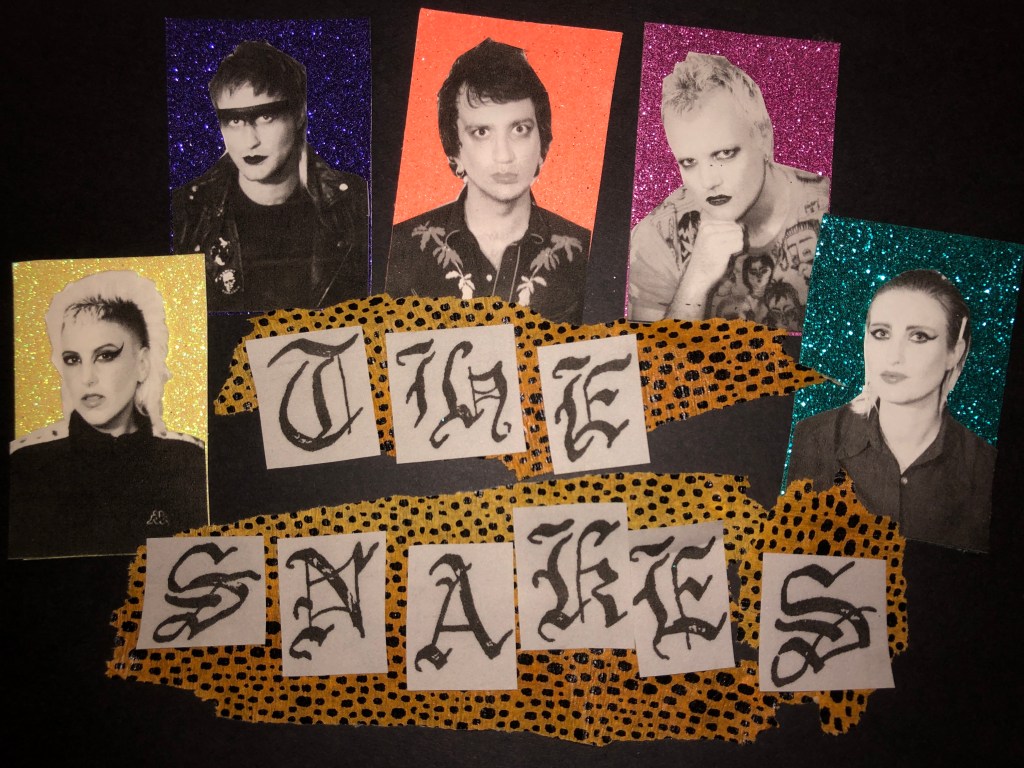
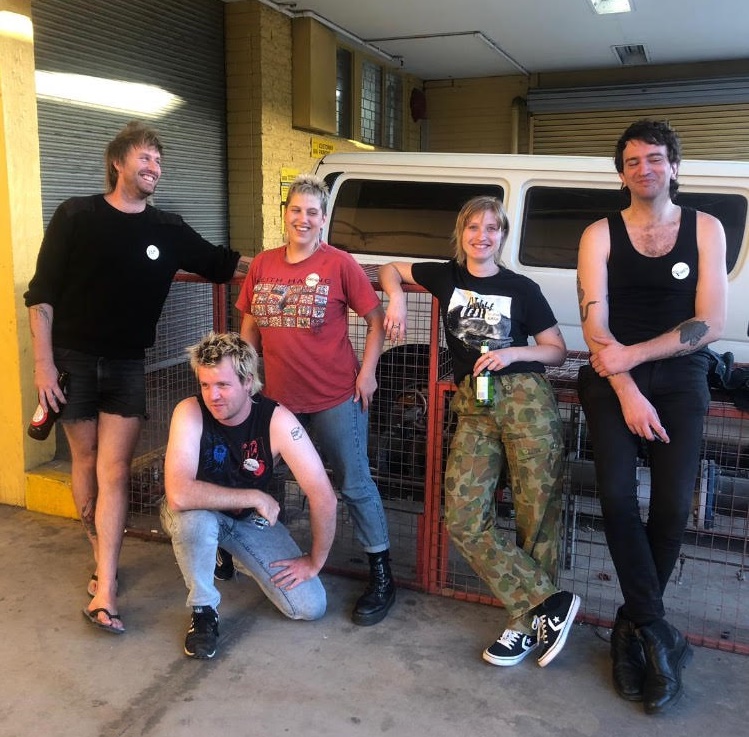
The Snakes are one of our editor’s favourite bands. When we recommended their self-titled debut LP (on Anti Fade) on our Albums We Loved in 2019 list we described their music as early ‘80s underground L.A-style new wave punk. The actual underground though… The black market kind. You know, the “under the counter” kind. We interviewed The Snakes and found out they’re working on new music! Stoked much?!
How did you get into music?
LEWIS (vocals): Who has a choice? At some point some cunt’s gonna play some shit and you’re either gonna love it or hate it, I guess I liked it.
What have you been listening to lately?
CHARLOTTE (bass/vocals/harmonica): Ummm… Butch Willis, GG Allin, Roy Orbison, The Byrds, Rupture, Napalm Death, Traffik Island, Plantasia, Anohni, Ariana, X (Aus).
LEWIS: Death (from Florida), Extortion (aaaagain), The Kinks, Obituary.
JIMMY (drums): Jackhammers and my own inner dialogue.
STEPH (guitar/vocals): In the mornings we listen to ambient sounds such as the distant radio and twings and droplets from whatever James puts on the stereo. When we play cards we listen to hardcore and punk. And I like the start of the Exploding Hearts album so I listen to that in the shower. Same with The Loved Ones but that whole album is good. Could be in a musical rut… I like soul and country music a lot.
CHARLOTTE: You like Suzi Quatro, Steph.
STEPH: I like lots of things not mentioned. Loves Suzi but. Gets wild to Suzi!
When did you first know you wanted to make music yourself?
LEWIS: When I realised it was a piece of piss. It’s the socially acceptable way to be the loudest person in the room.
CHARLOTTE: I was in choirs my whole life but guitars were always for boys, I really just wanted the attention.
JIMMY: I didn’t, I was just jealous of my friend’s guitar when I was six.
STEPH: I got into music by being rejected from my family for not being as good a singer as my sister, and not being allowed guitar lessons like my brother cause I’m a girl. So I taught my damn self and now I rule the world!
Tell us the story of how you all got together. What inspired you to start The Snakes?
LEWIS: Three of us had on and off lived together for a while, two of us had planned to do a psychedelic proto-punk band called Giant Door (side note: Giant Door is one of the top three bands that never existed). We are two couples and at some point, Charlotte our bassist moved into a new house and we went over for a kind of house warming. We ended up jamming and writing about six songs that all pretty much ended up on the album. We had some shitty phone recordings and shared them with each other and realised we needed a drummer. It took us about two seconds to find him and that’s it.
STEPH: Jim completes us.
What do you feel are the key elements that make your sound?
CHARLOTTE: Jim’s drums swing, there’s no one like him.
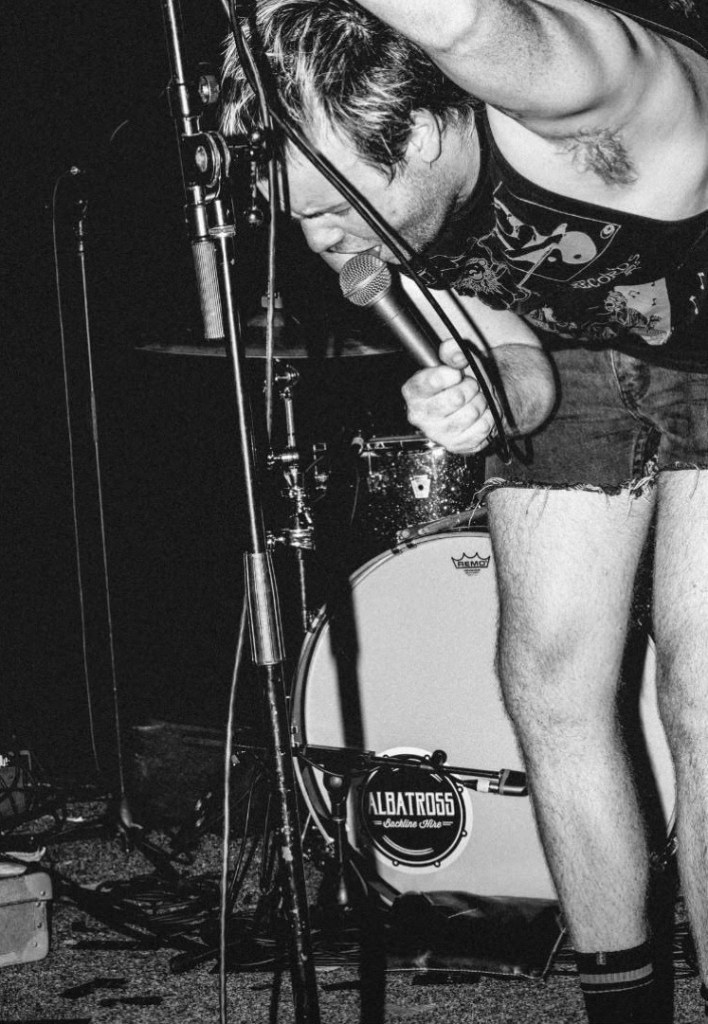
LEWIS: Clearly the keys stands out, having James on them is a refreshing take. Flange plays a massive factor. It’s a mash of shit we listen to and shit we find fun. It’s an angular vortex of pain but you can dance to it.
How do you go about writing a song?
LEWIS: Charlotte generally comes up with the riffs with a few exceptions and we all just put our parts in from there. We’re natural, baby!
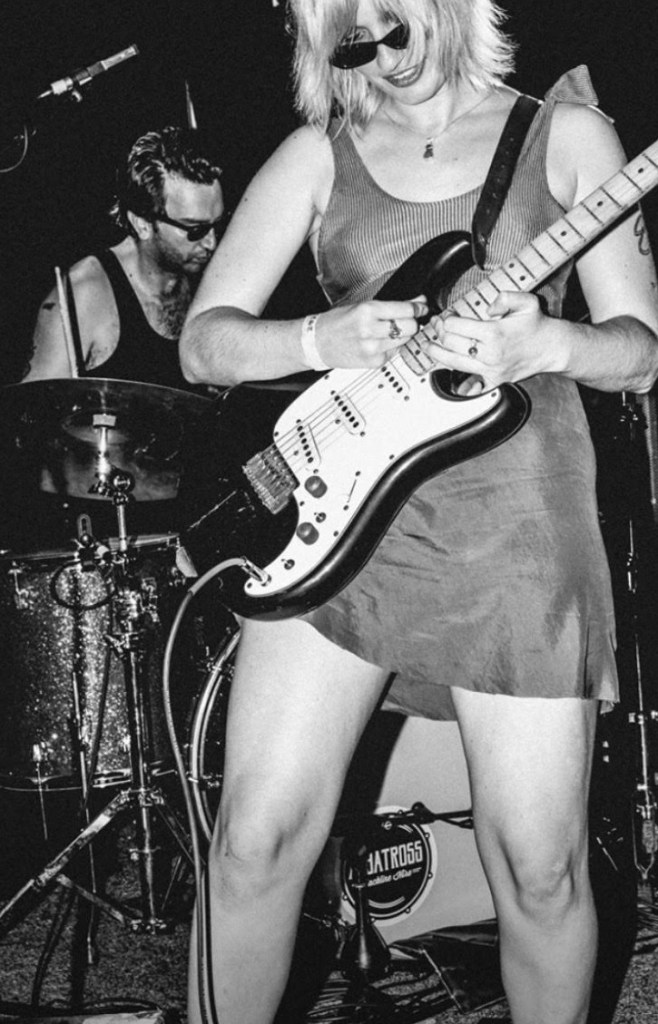
Last year you released your self-titled debut album on Anti Fade Records; can you tell us about recording it? Billy from Anti Fade recorded it, right?
CHARLOTTE: Yes, he did. We’d spent about a year playing together before our first show and he offered to record and put us out at that first show. Recording in Geelong was great but what was really fun was doing vocals and mixing with Billy. We had a lot of ideas, we had a vision, Bill helped us execute it.
JAMES (keys/vocals): Bully Gardner is our mentor and he wax trax layer to the max.
What’s your personal favourite track on the record?
LEWIS: We don’t play this one anymore but I really like singing “Drug Pig”. I came up with the lyrics on the fly and I love screaming “Virgin Mary, Jesus Christ, smoke a gram of pure ice”. “Solid Income” too, it just kind of cruises.
CHARLOTTE: I hate “Drug Pig”, even though it makes me feel tough, there’s a part that makes me feel kind of sick. I love playing “Ugly Faces” it’s simple but it’s rude. I know Steph loves “Pop Song”.
When you finished the record; who was the first person you played the songs to?
CHARLOTTE: I think my friend Kieran, they frothed for it!
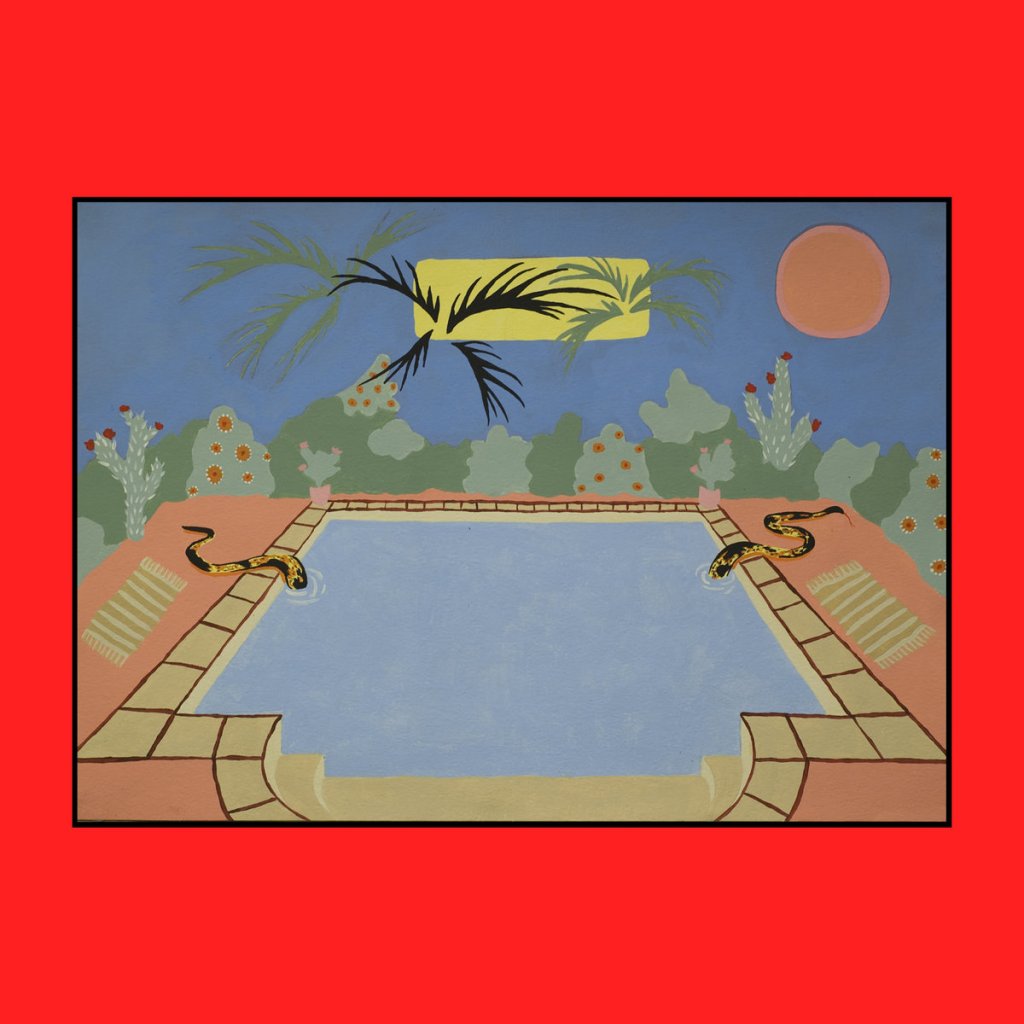
Eve Dadd did your album’s cover art; what’s the story behind it?
STEPH: Eve does art and is related to James. She is talented and a boisterous bitch that lives on the South Coast of NSW. We love and hate her at the same time.
CHARLOTE: She’s a Scorpio.
LEWIS: Me and Charlotte outright bought it, it’s on our wall.
How do you feel when you’re performing?
LEWIS: Extremely confident and self-conscious at the same time. I just go for it, I don’t really give a shit.
CHARLOTTE: When I play, I’m singing my bass parts in my head. I like watching Steph solo and smiling at James.
What’s been the best and worst gig you’ve played? What made it so?
STEPH: Best show was one at One Year (in Collingwood). I had just discovered the beta blockers and dexie combo and I did not give a fuck and people could tell. Smiling is good when playing fun music. Worst show was that one with Bloodletter. Can’t remember why but I know it was bad.
LEWIS: Last Maggot Fest was great, it actually went off. Supporting The Stroppies was pretty dry, not The Stroppies, I love The Stroppies I just don’t think that that crowd was really down for us. I remember putting on a show and crawling on the floor and screaming but still there was a big gap between us and the crowd. Maybe we’re too high brow.
Have you been working on new music?
LEWIS: Yes.
What would we find you doing when not making music?
LEWIS: Working like a dog.
CHARLOTTE: Watching telly. I just bought a keyboard too, been trying to figure out how to play “Everytime” by Britney [Spears]. Also pretty heavily into Tik Tok at the moment.
JIMMY: Drink, complain, bate.
Please check out: THE SNAKES. The Snakes on Instagram. ANTI FADE records.


 Gimmie Gimmie Gimmie Zine