Marcus Rechsteiner (The UV Race, Luxury) and Daniel Twomey (Deaf Wish, Lower Plenty) have gotten together and made an album under the name, Hot Tubs Time Machine. It’s a delightful bare-bones jaunt of minimal bass, 808 beats, layers of synth, bright guitar and percussion, soundtrack-ing Marcus’ engaging, humorous and very relatable stories taken from his daily, that give us an insight into his world. We interviewed Daniel to get a look into the making of Hot Tubs…
Hot Tubs… is yourself and Marcus from The UV Race; how did you both first meet? What were your initial impressions?
DANIEL: I first saw The UV Race at the Tote for Deaf Wish’s 7-inch launch in 2008. I thought Marcus was a loose unit. He won me over when he sang about M*A*S*H. We were always on the periphery of each other’s lives but I didn’t really get to know him very well.
What sparked the idea for you guys to start working together on this project?
DANIEL: A couple of years ago Marcus and his mate Brent were looking for a drummer and asked Mitch Marks to join them the same week that I suggested to Mitch that we might start something with me on guitar. So instead of getting a drummer, they got me tagging along. I suggested I play bass cos there was nothing else left. Mitch didn’t stick around but I did. It was a really fruitful and joyous six months of making music with Brent and Marcus in a group called Luxury with Steph Hughes joining us on drums. When the first lockdown happened last year Brent (who is from the States) was on a visa run to New Zealand so got stuck there. Not the worst place in the world to ride out the pandemic but Marcus and I were gutted. We miss him a lot.
So, late last year, Blonde Revolver asked us to play a show with them and Marcus suggested we do it as a duo. “But we can’t play any Luxury songs” he said. “We’ll write all new stuff”. So that was the brief. “Daniel, write a set of songs in two weeks and I’ll sing on them.” And that is an accurate description of the process. I write a bass line, put together the beats on an 808. Add layers of keyboard or guitar or percussion. Marcus waltzes in and tells a story over the top and I laugh ‘til my face is sore.
What inspired the name?
DANIEL: Marcus called me Tubs. He called me Tubs for about a year. One day I called him and he answers “Hot Tubs Time Machine.” Three weeks later we need a band name. Two months later it’s on an album cover. It’s a funny old world.
What was the first song you wrote for Hot Tubs? What’s the story behind it?
DANIEL: ‘Pants Off O’Clock’ came first. Marcus had been talking to a friend about that moment that the door shuts and you can leave the shackles of pants behind. They had been reflecting on the extended hours Pants Off O’Clock was experiencing due to lockdown. Pants Off O’Clock around the clock.
What kinds of other things inspire this collection of tunes? We love that each song tells a very relatable story, like ‘Southern Hemisphere Christmas’ and ‘No Thanks, Google Maps’.
How were the vocals recorded? They’re so honest and have such a purity and charm in delivery.
DANIEL: Marcus has spoken to me about how anxious he gets about recording vocals so I knew that I had to create the right environment for him. Recording everything as I went meant that the only thing missing fourteen days after I started working on the songs were the vocals so, I was so keen to get some in the can. I recorded the first lot of vocals on the sly. When I was setting everything up at rehearsal, I ran the microphone through the laptop without telling Marcus. A good chunk of the vocals are from that session. Marcus singing away with no idea the red light was on, sometimes it was the first time he had tried singing on a tune. On those takes you can even hear the rest of the music reverberating around the music room we were jamming in because I couldn’t really put headphones on him without him catching in. So then at the end of all the songs I broke the news to him. “Congratulations Marcus, the vocals are recorded!”
Of course, some needed re-recording so when Marcus arrived a couple of hours early for our annual steak night – long story – I casually suggested he have another crack at the vocals. I purposely set myself up facing away from Marcus – so that he didn’t have the pressure of someone watching him, but set him up behind me – so he could see me laughing at all of the words. Apparently, that is how Stanley Kubrick directed Peter Sellers in Dr. Strangelove. He got the camera rolling, made sure Sellers could see the effect he was having on him and proceeded to roll around on the floor laughing. So that’s what I did.
Where or how do you think your best song writing ideas come to you?
DANIEL: Marcus says they are usually from conversation. He’ll be talking to someone or himself and thinks “that would be a good idea for a song”.
What do you personally get from creating stuff?
DANIEL: The second lockdown last year was hard. Everyone you speak to experienced it so differently but myself, I really struggled and I know that for Marcus it was even harder. When he asked me if I thought it was possible to pull a set together, I knew how good it was going to be for his mental health. There was no way I was going to say no. I did it for my brain too. I love a project, one with a deadline is even better. Stretching out of my comfort zone and playing a synth for many of the parts was such a satisfying puzzle to enter into. Knowing I only had seven days left and five songs to go was thrilling. Four days left and three songs to go. Two days left and one song to go. The finish line. For me personally, creating this particular stuff was a very enjoyable, liberating process that resulted in a really great gift for a good friend. Watching Marcus sing on the songs and get a kick out performing them a week later was so rewarding. His enthusiasm is painted in bright colours on his sleeves.
Cover Art by Evelyn Nora Hanley
What was one of the most fun moments you had while making the Hot Tubs… album?
DANIEL: I had a silent partner helping me on all of the music. Over the two weeks that I was writing the material, my twin brother was in quarantine. First in a hospital in Bangkok, then in a little place in Vientiane, Laos. He had some recording equipment and instruments with him so he could work on music while he waited the days away so I started hitting him up regularly for ‘bits’ for songs. We spoke every day, multiple times these calls were some of the highlights of the whole process. His whole world was a hospital room for a patch and So the two of us just fell into these songs together. We locked into the twin zone. He served up some very funny shit that didn’t make the record – and some that did. I am still recovering from his bass solo for Hot Tubs Time Machine Theme. Left on the cutting room floor because the world just wasn’t ready.
What’s next for you guys? Will you be playing live shows?
DANIEL: Yes! Sunday the 28th of February we are playing our album launch. A roving, pop-up, public transport powered, guest spot extravaganza. Over the day we will play three busking sets at different locations. Each with a different guest joining us for our set:
Bourke St Mall 1pm with my daughter Hetty.
Edinburgh Gardens 3pm with Pam, the music teacher at the school I work at.
Under the High St Bridge, Merri Ck 4:30pm with Sleeper & Snake.
At 6:30pm they will all join us on stage at Avalon Bar.
Please check out: HOT TUBS TIME MACHINE on bandcamp. All profits from album sales go to Djirra in Abbotsford. “Djirra is a place where culture is shared and celebrated, and where practical support is available to all Aboriginal women and particularly to Aboriginal people who are currently experiencing family violence or have in the past.”
Photos: courtesy of Super-X; handmade mixed-media by B.
Super-X’s debut self-titled album is full of aliveness, possibilities and risk. The Naarm/Melbourne trio walk the tightrope of balance of control and dissonance that’s beautiful and ugly at the same time. Gimmie interviewed co-vocalist-guitarist, George Ottaway.
Hi George! How are you? What did you get up to today?
GEORGE OTTAWAY: Hey Bianca! I’m pretty good, it’s the weekend, so I’m taking it pretty easy so far. My girlfriend is from Madrid so tonight we are heading to what’s meant to be one of Melbourne’s best Tapas bars. Will report more on this later!
What’s an album in your music collection that’s important for you?
GO: For me, it’s got to be Aphex Twin’s Selected Ambient Works 85-92. It’s a really beautiful album and I find myself coming back to it again and again since first discovering it in my mid-teens. It evokes a lot of memories for me, including a really memorable solo trip I did to Iceland for All Tomorrows Parties Festival back in 2015, when I listened to it a lot. I also think it’s probably the most coherent and consistent Aphex Twin release, and maybe the only one where he isn’t intentionally trying to fuck with his audience!
How did you first get into music? Did you and your brother (Super-X’s co-vocalist-guitarist) Harrison get into music together?
GO: Growing up, music had a very important presence in our house. Our parents are both music fans and liked to fill every possible moment of silence with community radio or a CD from their collection. I remember hearing a lot of the Rolling Stones, Nirvana and Nick Cave. Our dad in particular made it his personal mission to impart his musical taste on us; by the time we hit primary school he was pumping The Stooges’ Raw Power on cassette in the car as he drove us to school! When we were teenagers, we both picked up guitar and formed garage bands with our friends. It was a pretty interesting, exciting time to be making music, websites like Myspace and programs like Garage Band were suddenly making it really easy and accessible for young kids like us to record songs and get them heard by a wider audience. This was also around the time we discovered the Melbourne underground scene! We got into bands like Kiosk, Bird Blobs, Sea Scouts, Circle Pit, Witch Hats, ECSR, Zond, the Nihilistic Orbs label and started going to a lot of shows.
When did you first know that you wanted to play music yourself?
GO: I think around the age of 13. I was pretty obsessed with music and just knew it was something I had to do. In primary school I had a pop-punk band that played to the other students in the school hall, which was pretty cute and my first taste at playing music.
What inspired you to start Super-X?
GO: I’d watched Harrison – he’s a bit older than me – play shows in different bands over the years and I was itching to get into it myself! We were both living together at home at the time and both of us playing guitar just made it easy. We were intrigued by each other’s styles – I’d say Harrison is more technically astute, while my own style is a bit more naive and abrasive. We both wanted to play in a band that was a bit grimier and more ferocious than what we had previously done, so we outlined a bunch of key influences that we both enjoyed and started jamming regularly. After a while Harrison wrote the guitar line for ‘Weapon-X’, which is where we found our sound. A little after that we recorded our first demo, with me playing drums – it’s still up on our Soundcloud!
Can you tell us a little bit about the writing process for your debut self-titled album? Do you write collaboratively?
GO: A lot of the time we just bring in a riff or even a drum idea to practice and see where it takes us. Super-X rehearsals are always really fun: we spend a lot of time just jamming and improvising together. Harrison, Kaelan [Emond ] and I have been playing together now for a while so we all know how to interact with each other, when to rise and when to tone everything down. After we have the instrumentation down then we usually work on our lyrics – often it just begins with a murmur and becomes more fully formed as the song grows.
The album was recorded over six months between August 2019 and February 2020 at Invention Studios in Footscray working with Ryan Fallis and Mathias Dowle. Ryan & Mathias are fantastic to work with – they are incredibly patient, contribute great ideas and have one of the most incredible guitar pedal collections I have ever seen, including a number of pedals from the former U.S.S.R that they let us use! They are also lovely dudes, highly recommended!
Was it intentional to take your time recording or was it a necessity because of other commitments?
GO: In 2019 we had actually hit a bit of a slump with the band. We were all beginning to lose a bit of interest and all had a lack of direction with what we wanted to do and had all considered breaking the band up. We had tried recording a year prior but were pretty disappointed with the results. With work and other musical commitments (Kaelen plays drums in Obscura Hail, and I play rhythm guitar in Future Suck) we were also struggling to find the time to devote to Super-X. It was at this stage we decided to take a gamble and head back into the studio with Ryan Fallis & Mathias Dowle at Invention Studios. We were pretty unprepared in a number of ways, a lot of songs were only 80% complete, but I think taking this risk definitely added a bit of vulnerability and excitement to the sessions. We weren’t really sure what was going to come out of it and we just dived in head first. The album was recorded as live as possible with very minimal overdubs. We’d been thinking about the structure of the album for a while: we wanted a strong narrative and a focus on ambient and sound pieces throughout. Figuring out the exact track listing and order of the album was really exciting – we experimented with it as the tracks started to take shape – and ultimately pretty satisfying.
What influenced your choice to go with a real bare-bones vocal?
GO: Harrison and I aren’t natural singers, and the focus of Super-X has always really been on instrumentation, with lyrics and vocals taking a bit of a backseat a lot of the time. I think a lot of our inspiration vocally came from a the early Iceage LP’s. We wanted a delayed sound on the vocals and to have them gritty and pretty low in the mix. I think lyrically we just wanted them to be direct and to the point as possible so they could pierce through all the distortion and effects.
The album came out right in the middle of lockdown because of the global pandemic; how did you feel about not being able to play shows for its release? Any plans to play shows soon?
GO: I was actually quite thrilled with the album coming out in 2020. It’s such an iconic year for all the wrong reasons, but with no shows on and everyone having a lot of solitude I think it enabled us to carve out our own space and get the interest of Spoilsports records and Polaks, who did a joint release for the album. I think a lot of people took the time to actually give it a spin who might not have given it the time of day in other circumstances. Friends and fans have always described our music and live shows as a bit dystopian so I think having it released in 2020 is sort of fitting funnily enough?
We’ve actually got two shows coming up! Thursday March 4th at the retreat with Crash Material and our official LP launch on Saturday March 27th at Old Bar. We will be revealing the full line-up a little further down the track for that one.
What’s the most fun you’ve ever had playing a show? Where was it? What made it a blast?
GO: I lived in a massive pretty run-down house with an enormous backyard in Caulfield from 2015-2020. A lot of the LP was written in that house and is based on that particular chapter of my life. We had a bunch of parties with my housemates and would get bands to play in the lounge room which would always go off. There’s something about seeing live bands outside of the normal constraints of a venue which gets people really fired up. We had over 100 people at one of the parties and set up smoke machines and strobes, we had a fire lit outside and a TV at the end of a dark corridor looping Clint Eastwood’s The Good, The Bad and The Ugly on high volume. Super-X played with Tony Dork (who just released a brilliant LP on Legless last year!) and it went off! Both bands played well and I’ve got some pretty memorable photos from the night. After bands we had a bunch of techno sets going well and truly into the early hours. Someone put the smoke machine on full blast and the dance floor turned into a thick, smoky nightmare scene for an hour or so with people panicking and spilling out into the backyard. My neighbours wouldn’t look me in the eyes for months after! I went to a music festival a year later and a guy I swear I had never seen before in my life came up to me and was preaching to me about how it was one of the best parties he had ever been to haha. It was loose.
Travel has been off the cards for most people for a while now because of the pandemic but if you could travel anywhere in the world, where would you go?
GO: I had plans to go to Brazil for a 6-8 weeks on my own but COVID of course fucked everything up. I’ve always loved hot weather, good food and to be as far away from anyone who’s first language is English as possible when travelling. In 2018 I travelled through the Balkans and wound up getting a bus from Athens to Gjirokaster in Albania. Its where the dictator Hoxce was born and has a pretty fascinating history. There’s loads of old Nazi war loot that the Albanian army kept after they defeated the axis in the castle, including old tanks and captured flags, weapons and a documentation on how they defeated the retreating axis armies, which is pretty interesting. Albania was definitely a highlight of recent years, beautiful country and off the beaten track.
You did the artwork and design for the album; did you study art? How did you decide on the imagery? What made you go with a stark black & white palette?
GO: Yeah, I did! I did a fine arts course at RMIT specialising in drawing, so I was glad to put it to use for creating the imagery for the album. I’ve always been a firm believer in that the imagery and aesthetics of bands are just as important as the music. It’s got to be strong, bold and to the point. I honestly think if the Germs and Black Flag didn’t have their great aesthetics (the four bars symbol and Germ’s circle one logo) they wouldn’t be anywhere near as popular as they are today. People want to feel cool when they wear your band t-shirt or buy your record so the aesthetics have got to hold up.
Locally HTRK have incredible design for every release they do, I’m a massive fan of them. Nigel Yang is one of my favourite guitarists.
With Super-X I wanted something equally as bold so I decided on an industrial looking electrical plug image. Super-X is pretty mechanical and wild sounding at times so I think it suits what we do. I think for a debut LP classic black and white can never go wrong. I also drew a lot of inspiration from Peter Saville’s design and techno/ambient LP’s from the ‘90s like Underworlds Dubnobasswithmyheadman and Autechre LP’s. A lot of musical groups the less you see of the artists themselves sometimes the better, it creates more mystique and intrigue.
I never want Super-X LP’s to be about my Harrison, Kaelan or myself, or the way we look or whatever or to have us pictured on the front or back cover. I want the experience of listening to a Super-X LP to be like putting on a film with narrative of beginning, middle and end. With a strong emphasis on visual bold aesthetics to suit. The less focus on us as individuals the better. I’m a firm believer in that.
Have you been working on anything new?
GO: We have! We’ve got a bunch of tracks we’ve started to develop and have been working on some ideas in terms of sound and aesthetics for the next piece. It’s going to sound a little bit different.
Who are some bands you love that we should know about?
GO: I think locally Romero – shit hot band that a bunch of our buds play in. I used to play drums in the guitarist Ferg’s post-punk band Eyesores years ago when I was cutting my teeth playing my first ever shows. These guys are working on an LP that I am very much looking forward to, it’s really fun rocking power-pop. I really dug the new TOL album, Justin Fuller has influenced me a lot, he’s an amazing guitarist and always creates a very intense atmosphere. It’s like gothic tinged hardcore? I’m really enjoying Snowy Band, beautiful gentle pop and the production is excellent.
What’s something that’s been interesting you lately that you want to share with others?
GO: I recently discovered Japanese cyberpunk metamorphoses films from the early ‘90s. 964 Pinnochio (check out the trailer on YouTube for an idea) is fucking wild, I guess you could describe them as industrialist-fetish films? and the soundtracks is an absolutely incredible mix of techno and ambient selections I’ve never heard. The director Shozin Fukui also directed Rubber’s Lover which is just as twisted as 964 Pinnochio. There’s also Tetsuo The Iron Man which is more well known by Shinya Tsukamoto. These films are very confronting! Don’t say I didn’t warn you!
Photo: courtesy of Flightless. Handmade collage by B.
In November last year beloved Melbourne rock roll band Civic put out their first release 7” Radiant Eye on new label home Flightless Records; powerful and exciting with a muscular sound and caveman groove, flourishes of psychedelic apocalyptic guitar meltdown, cutting through fire hooks. As we eagerly await their debut full-length, slated for early this year, we caught up with bassist Roland Hlavka.
What did you get up to today?
ROLAND HLAVKA: I went to work for a few hours moving furniture. It was hot!
When Civic first started, around 2016/2017, I know your concept was to simply play good rock n roll; what embodies good rock n roll to you?
RH: I think it was more to just make music we collectively listen to and like. Which happened to be rock n roll at the time. The type of music we play, I personally think just needs to be loud, catchy and have a fairly even mix of not caring and caring too much. A lot of what we do is very thought out. But you need to balance that with some naivety, or you just end up sounding like what’s been done.
Why do you think rock n roll matters?
RH: It’s pretty obviously influenced popular culture for the last 70 years, be it in music, fashion, art etc… countless sub-cultures have come from “rock n roll”. It has changed and morphed over the years. But I think what hasn’t changed is its sentiment. Doing or making something because you think it’s good and it conjures a feeling. And doing it regardless if it’s well received or not.
What’s one of the staple records in your collection that you always keep going back to? What do you appreciate about it?
RH: This is going to be pretty obvious coming from us but The Stooges first three albums. I still listen to them heavily to this day. What always fascinates me is hundreds, if not thousands, of bands and musicians have used them as a point of reference and no-one in my opinion has even come close to making something in their era that has been so widely accepted as “cool”.
What have you been listening to lately?
RH: Over the last few months I have been enjoying a lot of compilations put together by people I like.
One to note has been Sad About The Times a 12″ compilation by Mikey Young. It features a bunch of weird outsider artists and one hit wonders. Lots of great tracks.
Outside the context of this interview… I’ve also been listening to a lot of Westside Gunn and his affiliated acts. Very talented rappers.
There’s often a bunch of sneaky references to both Australian and international bands you love in your music; what’s an Australian band you love that you feel is totally underrated? Why do they rule?
RH: I’m not sure how underrated they are but definitely The Celibate Rifles have been a big influence on us, more so in the early days. As I said early… loud, catchy and a good middle ground of self-consciousness.
In November last year you put out a new 7” and your first release on Flightless Records, Radiant Eye. We’re really digging the brass on the track; what inspired you to add it into the mix?
RH: We had played the song live a handful of times before recording it. And had said to each other it could be cool to have some horns. We are all fans of The Saints and Ed Kuepper in general. Not that this is a nod to them. But the mix between what we were doing and some brass obviously sounds great. So, we called up Stella Rennex [Parsnip/Smarts] while we were recording and got her to come up with a part. We have her playing on a few tracks from the upcoming album too.
On the b-side you covered The Creation’s 1966 hit ‘Making Time’; how’d you come to choosing this song to cover?
RH: That was Lewis’ idea. We liked the idea of having a cover on the b-side. So, we started listing tracks we thought would work. Had a few run throughs at practice and it was sounding good. We recorded it, and it sounds good.
Civic’s full-length debut is coming out early 2021. We’re super excited for it! What can you tell us about it at this point?
RH: It’s twelve tracks. We’ve been working hard on it. There was an idea to make it sound more like an ‘album’ rather than slapped together songs that sound exactly how we sound live. I don’t like this phrase at all, but we wanted it to ‘feel like a journey’. I think there is a pretty diverse group of songs on the album in my opinion. Some of which we may never play live. But as I said, we worked hard. I like it. Hopefully you will like it.
How do you feel your collaborative relationship has grown since first EP New Vietnam?
RH: We’ve always had somewhat of the same format for a lot of our songs. Someone comes up with a few parts that we piece together at rehearsal. Or, someone will bring a fully finished song to the table and not much, if any tweaking needed. This upcoming album is no different. We all work well together and aren’t afraid to tell each other if something is terrible.
All your artwork thus far has had a red, black & white colour palette; was their much intention behind this? There’s also a one-eyed face both on your Radiant Eye and Those Who No releases; what’s the story with that?
RH: The intention behind the colour choice was somewhat sub-conscious. They are about as bold and contrasting as you can get. Endless bands, brands and companies have used them. Coca-Cola, McDonald’s, Ferrari, Supreme… the list goes on and on. I’ve always like labels and bands that keep a similar aesthetic across their releases. Sacred Bones Records have their border and lay-out the same on every release as an example. Your colour choice becomes your brand after a while. This doesn’t work for everyone and every band… and who’s to say our next release will have any of those colours on it. But I think this far it has served us well. And narrows down the decisions on what colours things should be.
In relation to the one eye… people say when one sense is lost the others get stronger. We view this eye as an eye of judgement. Everyone more so now than ever is being watched and documented. If I say deodorant too loudly around my phone, when I open an app all of my targeted ads are for deodorant. If I use my credit card to buy something from a website. That information is stored, sold and marketed back at me. As technology advances, so does the eye watching us. We use this eye to our advantage. We have taken away the second eye and have put all the focus on the one, powerful, beautiful eye. Do you see what I mean?
What do you love most about music?
RH: That you can use something to change your mood just by listening. No pills needed. Sounds someone recorded seventy years ago can make you want to punch a wall or cry yourself to sleep.
What’s something you learnt in 2020 that you’re taking into 2021 with you?
RH: If you think something is good you should just do it. Worry about it later, because as we’re seeing now more than ever… you could become completely irrelevant very quickly.
Original band photo by: Nick MkK. Textile Work by Anne Harkin. Handmade collage by B.
Ausecuma Beats are a Naarm/Melbourne-based ensemble that have come together from all parts of the globe – Gambia, Guinea, Mali, India, Senegal and Cuba – to explore the idea of transplanting cultural heritage into a contemporary city through the universal language of music and community. Ausecuma Beats is a melting pot of their rich experiences, languages, craft, heritage and cultures. Their mission is to learn from one another and uplift people with their art. Gimmie caught up with bandleader and master djembe player, Boubacar Gaye to find out more about debut self-titled album, out now on Music in Exile (home of another Gimmie fav Gordon Koang).
Hi Bouba! I understand that you are from Senegal in West Africa; what was it like growing up there?
BOUBACAR GAYE: Senegal is a rich country in the west of Africa and there is a strong French and Arabic influence. I was born in Senegal and grew up there as well, so I had the chance to learn Arabic music and culture and also a chance to speak French too. It is a rich culture because there are so many different tribes there. Each region has their own instrument and I had the chance to learn different instruments of each tribe.
What is one of your favourite things about Senegalese culture?
BG: Food! My favourite is a fish and rice dish.
I know that both your father and uncle influenced you with the music they listened to; what would you listen to together?
BG: My uncle liked jazz music like Miles Davis and my father liked old music called tango, so I listened to those styles. I get the jazz and afro flavour from what they used to listen to. My uncle used to go to parties and he would wear a suit, he would dress well, and I would watch how he would dress. You have to dress up good to go to the nightclub and listen to good music! His influence on me was in clothes as well as music!
What instrument do you like to play the most? What do you love about it?
BG: I like to play a bass drum called a Dum Dum. I’m a djembe player professionally though, but I like both high and low pitch so I can’t just pick one! They both have energy!
Why is music important to you?
BG: Music is everything. It educates me, it gave me the opportunity to leave Africa and to experience different cultures and different worlds. I think if I was not a musician, I don’t know what I would be. My family says that I was born for music and I believe so. Good music takes me out of the street and makes me not take the wrong way in life. When I was young, not everyone takes the right track. Thanks to music, I have found my path. Music is my life.
Photo by: Nick MkK
How did you first feel when you came to Australia? Why did you decide to come to Australia?
BG: I was in Japan for 8 years living there. I came to Melbourne for 10 days visiting a friend who said that Melbourne was a beautiful city and I should come. Japan was already far from home but Australia is also very far! I came to Australia for music and because of curiosity. My friend introduced me to an African drumming company; the boss was very welcoming to me and he introduced a big community to me. There is a strong drumming community here which made me feel that this is a place I can adopt. I was scared to make the move to come here, I already moved to Japan! My visiting holiday was fun but thinking about living here was not easy. There was stress! Was I making the right choice and decision to do this? There is always something I trust – don’t worry, you have the music! The music will lead you to make your own community! Go for it and don’t look behind. Let it go and move forward. Making a move can be a big decision, but be patient and have your goals. It will not be easy but as long as you keep working on it it will be ok.
I visited and did the tour things, I like the design of Melbourne, you can see the sky. It’s great! In Japan it is very hard to see the blue sky because there are so many buildings. In the winter it feels like there is no day time because there isn’t too much light, so much shadow from the buildings.
Throughout your debut self-titled album there flows messages of love and respect; what inspired this?
BG: I think respect is an important thing for us as Ausecuma Beats members because we are all different – sometimes language is difficult as the tone can be interpreted in the wrong way for members of the group who are not fluent in English. We need to be careful – the respect needs to be there. We always need to respect each other even if we have different ways of speaking English. We don’t always agree on everything, but we all have to share music and music is love.
Your latest single ‘Cherie’ speaks about the importance of equality in relationships, especially in marriage; what inspired you to write about that?
BG: Cherie is a French word – you can use ‘cherie’ to make the relationship very nice, “oh my cherie, oh my love, my darling.” This word, ‘cherie’ is for caring and loving someone who is your daughter, wife, or husband.
The track is based on a traditional song which is a true story from an older storyteller. The storyteller donated his music to the world and many musicians reinterpret his songs. He was singing about his wife; “you carry my children, you make me proud as a man, I don’t know how I can thank you, if i go first i will wait for you, if you go first wait for me, my cherie we are together for everything.” This story is quite old, not from my Mum’s generation but from my Grandma’s generation!
Each track on the album displays the different talents of each musician; what do you feel are your talents?
BG: The groove! I always make sure we are tight. My role is always to control the volume when we are recording or performing. We all have a role and we have to give the same energy, but there needs to be space to solo. There are so many members, we also need to control all of the instruments and make space. I think in Ausecuma Beats, there is no leader in our music because all instruments have space and are equal. My role is to make sure that there is an equal role in the music.
Why is improvisation an important part of Ausecuma Beats’ creativity? Can you tell us a bit about your song-writing process?
BG: We want to do something beautiful and unique and to do that you have to let there be space for that, space for creativity and composing music. When you’re improvising, sometimes it can be good, but sometimes it can be good and then crash! When we’re improvising, we’re cooking and everyone brings their own ingredients!
Auseucma Beats music always starts from the engine – the percussion. After this, we compose the melody, sometimes with the belafon, kora, or sometimes from the percussion. The voice always comes on after we have built the road; when the road is smooth the voice comes in.
What is something important you’ve learnt from your journey as a creative person that you’d like to share with us?
BG: What I have learnt is that it is beautiful to build a community. You feel you’re all on the same page, it’s great! The best things I’ve achieved in my musical career is to build community. Not only with Auseucma Beats but also drumming. We’re sharing the same passion. If you listen and you want to come and dance, you’re part of our community!
Ausecuma Beats’ debut LP out now through Music In Exile.
Original photo shot in France by @tmphotograph. Handmade collage by B.
The Shifters from Melbourne are a prolific lo-fi DIY band that put a post-modernist spin on punk. Gimmie interviewed vocalist-guitarist Miles Jansen and keyboardist-vocalist Louise Russell to chat about their 2020 releases Live In Gaul recorded from shows played in France, 7-inch Left Bereft/Australia and Open Vault a compilation of 26 unreleased studio material, early demos, live 4-track, live iPhone, covers and solo home demos. We also explore their musical discovery, touring Europe and a double LP in the works!
Tell us a bit about yourself.
MILES: I am a Musician from Melbourne, Australia. I lost my job in hospitality at the beginning of COVID and now studying programming and cybersecurity at VU.
LOU: I am a musician and a chef in Melbourne. I’m originally from Cairns. I’ve just finished my second year of primary education at La Trobe University and can’t wait to finish and get a real job!
How did you first get into music?
MILES: My Grandparents, parents and older brother all had a big musical influence on me growing up. My Grandparents always had Bach and Pachelbel blasting from a custom set of speakers in their house. Mum and Dad were kids of the ’60s, so a healthy dose of all the classics, including interesting additions like [Captain] Beefheart and Lou Reed’s ‘Transformer’.
My brother Liege introduced me to stuff like Wu-Tang, Mobb Deep and Dr Octagon. My little ears did not really relate to what was being said, though I really dug how the music sounded. The loops and samples Wu-Tang use on 36 Chambers was what I liked most. They were young geniuses. Liege also had a good guitar-based musical influence on me through stuff like Sebadoh, Nirvana, Sonic Youth and then skateboarding. Skating for me, like so many others, was a major eye-opener for music. We would religiously watch skate videos that would have some really eclectic soundtracks, then dub the music and make mixtapes with skate noises in the background. Gang of Four’s Entertainment! was probably my biggest ‘lightbulb’ moment. Sometime after hearing that I started to meet musicians at local punk shows in Brisbane. There was a great little scene happening back then.
During that time, James Kritzler (White Hex, Slug Guts /author whom I lived and played in a band with at the time) gave me a CDR with The Fall’s ‘How I Wrote Elastic Man’ on it! I’d never heard such an interesting use of language in ‘Punk’. I was mesmerized. As the late, great MES said himself, “real head music”. I was thereby sold and my love for them still trumps all of the fantastic music I’ve been made aware of since. The band with James was called ‘On/Oxx’. It was a strange concoction of sounds but it was through that I got into the Liars album ‘Drums Not Dead’, the drums on that record are really great and we were just kinda rhythmically ripping them off. It featured saxophone, which James called “skronking”, two drummers- ‘Butthole Surfers’ style and sometimes James would bang on bits of metal with contact mics attached. He is the very smart, charming and talented ringmaster of sorts. I pretty much did as I was told. It was a great first band to be in. We toured in Australia two or three times, released a 7” and an LP, then it suddenly all ended after the bass player Lachlan moved to NZ to join ‘Die!Die!Die!’.
LOU: I guess my initial introduction to music was playing the piano. My parents refurbished a 1901 upright piano they found at an antique store and I started learning on that at age 7. We lived in middle-of-nowhere Far North Queensland and I had some pretty weird piano teachers. One was obsessed with porcelain dolls and another used to take her false teeth out and put them on top of the piano before each lesson. I only learned classical pieces but always had an affinity for anything in a minor key. I loved gettin’ a bit spooky.
Mum and Dad listened to a lot of music from the ‘80s and ‘90s. Mum was a fan of Alanis Morissette and Savage Garden whilst Dad loved The Clash and Radiohead. I remember my dad having a copy of Beck’s album Odelay from 1994 and it was my favourite. That was probably my introduction to music that differed from Britney Spears and Spice Girls.
I had atrocious taste in music as an adolescent. I think the first cd I ever bought was the first Panic! At the Disco album. I listened to it on this old Walkman mum found at the tip shop. I knew every word and had a massive poster of them above my bed. Probably alongside Pete Wentz or something.
Like a lot of people from my generation, I went through that whole emo/scene/hardcore phase. In that progression, too. We didn’t get a lot of acts up in FNQ and when we did they were those all-ages hardcore shows. I think the first band I ever saw was either The Amity Affliction of Parkway Drive. If I hear them now I cringe. Things kinda just got darker as I got older and I started getting into black metal and death metal. I remember someone showing me Cradle of Filth’s album Midian in year 8 and I thought it was so sick. I’d never heard music like that before. An older kid at my school let me borrow his Children of Bodom in Stockholm 2006 DVD and I remember being hooked after that. Watching these dudes with long greasy hair and camo pants, one shredding a keyboard faced the wrong way around and another coking sausages over barrels of fire. Loved it.
My parents were always super supportive of all the music I listened to – even if they didn’t understand it – and I think that’s what’s allowed me to be so diverse in what I enjoy musically. Moving to Melbourne in 2011 opened my eyes to the punk scene. I had a lot of older friends from Queensland that were musicians down here and I would tag along to shows. I remember seeing a lot of Drunk Mums, Eddy Current Suppression Ring and Total Control. I don’t even know what kind of music I’d be into if I didn’t move to Melbourne and be immersed in this scene. Being in The Shifters has definitely influenced my taste in music a lot. These guys have introduced me to a lot of crazy and cool stuff.
What are some things that you are really good at?
MILES: The ability to sit for very long periods, playing ‘mini headbutts’ with my cat, ranting about bygone nonsense and pointing out all of the mistakes in war films.
Honestly, I don’t think I’m REALLY good at anything, maybe I’m just ‘good’ at a few things? and bad at most other things. If I had a barometer that measures how useful individual citizens were for the betterment of the current order, I would fare pretty poorly.
LOU: I wouldn’t say I’m ‘really’ good at anything. More than I’m adept at some things. I’m getting good at barbecuing. My partners calls me The Pitmaster. I like making things. I’ve been making little models out of balsa wood and I think I’m alright at that. For my teaching course I have to make a lot of arts and crafts type things so I’ve been getting pretty good at that. I’ve also become quite the gardener. It’s super cute watching plants grow and I find gardening therapeutic.
What influences culminated in creating The Shifters’ sound?
MILES: A mutual love for similar ideas and sounds. For example, Tristan has always loved the sound of live Velvet Underground recordings. I just messaged him to ask what age he got into them and he sent me this:” Dad showed me the Velvets when I was 8, and it ruined my life”. I feel we were on a similar musical path. The Shifters are avid fans of the weirder side of rock n roll and a cocktail of differing lifestyles, habits and dependencies.
LOU: I think a combination of everyone’s varying music tastes and history. I’ve always been attracted to weirder, askew types of music and I The Shifters’ music fits that mould. Tristan, Miles, Ryan and Chris all knew each other from yonks ago and share a lot of common interests. I was a newer recruit so I’m not sure if I have directly influenced our music but it’s definitely a mix of everyone’s eclectic tastes in music.
What contributes to your raw, jangly Shifters’ guitar tone that we love so much?
MILES: Listening to too much John Cale and Swell Maps, not really knowing how to play the thing is a good start, not using any pedals also helps. When I started getting into this kind of music as a teen I would look at photos or watch footage and like a sound and see where their hands were placed. All the guitarists thus far in the group have been self-taught (to my knowledge).
When I lived in London I played in a Cramps cover band and that was really handy in terms of learning classic chord progressions or shapes. They asked me to play with them as they knew I played a little guitar. They laughed so hard at me during first practice as I didn’t know an A from a C and still don’t really. I know I can play all the chords but I don’t know which ones I’m doing. Sorry Shifters.
LOU: Probably just always being a little bit out of tune. Somehow, no matter how much we tune up, someone, or all of us, is slightly out of key. Someone – usually me – forgets what notes to play and sometimes that can work in a dissonant way but a lot of the time it doesn’t. We don’t really use any pedals or effects and always try to strip it back a bit. I guess that’s what gives us that ‘jangly’ sound.
Art by Miles.
You recently released a Live In Gaul recording from shows you played in France early last year. It was recorded on Tristan’s iPhone; can you tell us a bit about your time in France? What was it like? What did you see? Did anything surprise you?
MILES: We went over not knowing what to expect. I knew that we had been selling a few records over there but had no idea the level of support we were to receive. There were people who knew the words to songs and were singing along at shows and asking for autographs every night. I was gobsmacked. I don’t remember signing anything in Australia. Moreover, it wasn’t like they were all Shifters fans, but they were just really psyched to see a somewhat ‘weird’ band from the other side of the world come to their small University town or Industrial city during the end of winter. We played to over 500 people in Paris. For a band like ours, that’s pretty wild. I think it’s the biggest crowd we have ever played to. I was shocked. We were rolling in cash from selling out of all of our merch and being paid pretty well for shows. Especially Paris. As far as tours go, we couldn’t have asked for more. I think I can speak for all of us here and say it was probably one of the best times we have ever had. There were fights and tears but that is to be expected existing as we were. We did not sleep much, we smoked a million cigarettes a day and drank ourselves silly partying with all of our new-found friends. We ate fantastic food. I love France and the French. I wish we could have done some more sightseeing but it doesn’t quite work like that. It’s the ultimate escapism. No work, no worries really, just get back into the van and do it all over again. We all got sick as dogs! Merci to our friends in France and Belgium. We shall be back whenever we are able.
LOU: Oh man, France was sick. We honestly thought we’d be playing to empty rooms but the crowds were amazing. We hadn’t experienced the calibre of hospitality in Australia compared to France. We were fed every night, given as much booze as we wanted, had parties thrown for us and made to feel comfortable in other people’s homes. We are eternally grateful for those that looked out for us. I knew the cheese and wine would be good but holy dooley, I wasn’t prepared for just how good it was. Especially in Bordeaux *chef kiss*. Have to say, the croissants in Melbourne are way better though so I guess that surprised me. Sorry France.
We made some really rad friends and got to see some cool places. I spent my 25th birthday on a boat in Lyon which is an experience I will never forget. The show in Paris was incredible. We played on another boat on the Senne River to 500 people and that was mad.
I don’t know about the other guys but I got really good at sleeping in the van. I felt really bad for Chris though, who ended up driving us around throughout the UK leg of the tour. We’re all a bunch of babies that can’t drive except for Chris. Tristan kept us entertained with a comic series he called Cucumber Man. He even came up with a theme song. He started singing “I’m a cucumber man and I do what I can” during sound checks and it almost brought me to tears every time.
I think we ate our weight’s worth of servo sandwiches and learnt that European McDonald’s don’t do all day breakfast which was a bummer on our rock dog schedule.
The combination of being so sleep deprived, hungover, excited and wired made for some pretty funny and memorable moments. It was a really great experience and something we will look back on in awe for the rest of our lives.
In March this year you released Open Vault a compilation of 26 unreleased songs including studio material, early demos, live 4-track and live iPhone, covers and solo home demos recorded between 2016 and 2019; what inspired you to put these out into the world? Often bands are shy to share their demos. Did you have a process for choosing what was included?
MILES: I just like them. Aside from the studio-recorded stuff, to me, it sounds like Daniel Johnston met up with John Cale, got really hammered, then tried to make their own White Album on GarageBand only using the inbuilt mic on an old MacBook. Whether they were successful or not is another question. I also just wanted to put SOMETHING out as releases were all put on hold due to COVID.
It turns out some other people rather liked it and we have recently been approached by a German label that wants to release it as a double LP late in the year or early next. Danke Kamerad!
Your Left Bereft 7-inch has just come out also; how did the A-side title track come into being? Lyrically it seems to talk to the current frustrations with our society’s systems and the information we’re bombarded with from news etc. in our daily lives.
MILES: Well I feel things are a bit different now as these were all written pre-COVID, but still valid as it seems the new federal budget is a welfare package for the bosses of the country and the Liberal party is back on track making the poor suffer. It came about when we returned from our European tour. I made a point throughout the yomp to talk to as many people as possible about what was going on in their respective countries politically and socially. At the end of it all I was left with the impression that everyone felt in a similar way to myself about their own Governments and fracturing communities. ‘Left Bereft’ is an overly simplified rabble-rouser that people who maybe use English as a second or third language can understand and maybe feel a bit of solidarity. I like to imagine drunk students in France listening to it whilst wrestling on the kitchen table, which we witnessed in Rennes, but the soundtrack was ‘Constant Mongrel’.
Can you explain to us what the 7-inch B-side Australia is about?
MILES: It’s more or less in the same vein as ‘Left Bereft’ but more localised. I think only those familiar with Australian happenings would know what the hell I’m on about. To be honest, I think I was just in a fairly grumpy mood writing both of them. I love Australia and wouldn’t swap my passport for any, BUT saying that I think this country has been an absolute embarrassment in terms of turning into free-market capitalism’s wet dream. I would happily see many Liberal and National party politicians get life sentences in prison for crimes against humanity, the environment and the general erosion of 90% of the population’s best interest. Nepotism and corruption are rampant within the Liberal party but your average Aussie does not give a toss as it’s not reported in the major outlets as the news is dictated by the Liberal party, who is dictated by Mr Murdoch, who owns all of the major outlets, aaaaaaand Bunnings is still open. Instead of watching a horror movie tonight, just watch Sky News Australia on YouTube!
Australia is not the benevolent, all welcoming, sun-bleached, forward-thinking country that the media likes to portray. We may have had some of those attributes in the past, but sadly they have been slowly pulled from under us. Shame, as we have all of the ability and necessary attributes to sustain a far better standard of living for all people today and tomorrow.
Is it important for you to tell a story in your songs? They often have some kind of social commentary thematically.
MILES: No, I don’t think so. I don’t sit there and think “I need a story for this song” It just falls to what interests, amuses or bemuses me at the time. I have noticed something that does seem important to me, and that is to use words that have multiple meanings wherever possible so it can be adjusted by your own interpretation of the content.
LOU: Miles writes most of the lyrics and I don’t think he’s ever purposely trying to tell a story in the songs, but they usually become some sort of history or politics lesson. Which is cool, ‘cause learning is fun!
What’s the hardest thing The Shifters’ have ever had to do as a band?
MILES: Probably the Euro tour?? We are all pretty quiet and reserved people most of the time and that tour kicked the shit out of us. In many ways.
LOU: Definitely the Europe tour. We were all so sick. Except for Ryan. Lucky dude. That man has an iron immune system. When I came back I had bronchitis and felt like absolute death. I also looked about 10 years older. That’s what no sleep, high adrenaline and endless partying will do to you. We all had our grumpy moments and I think just being around each other in those bad times was pretty hard.
What’s coming up for The Shifters?
MILES: We have the double LP compilation to look out for. Hopefully, we can get together again soon as a band to write/record a new LP. We have not been able to get together since March as Melbourne has been under strict lockdown.
LOU: I just wanna see everyone! We haven’t jammed in months and I miss my dudes. Can’t wait to go to the pub, have a bunch of beers and reminisce. We were really keen to go back to France at some point this year but then life got cancelled because of COVID. Hopefully we can tour again at some point. At the moment we’re all just keen to see each other and write some new stuff! We are seeing some light at the end of the tunnel and hopefully, we can meet soon.
What are you most excited about right now?
MILES: I’m unsure about using the word excited, but I’m very intrigued right now by the general collapse of the Nu Roman Empire. Electing Trump was a Rubicon moment, of sorts. Though I think they had their ‘Pax Romana’ a long time ago. The fall of the Western Roman Empire was a gradual decline in the upkeep of state administration and the inability to pay its troops holding the borders of a bloated and fracturing empire in a time of famine and crop failure. Landowners and senators slowly ‘left out the back door’ so to speak, and started hiring out-of-work soldiers to protect their own interests in volatile provinces left in a vacuum of post-Roman centralised authority. Thus, began sowing the seeds of European feudalism. Trump = Commodus. History can be screamingly interesting.
LOU: I’m excited to make money again! I haven’t had a job since June. I never thought I’d say that I miss the stress and pressure of a kitchen environment but I honestly do. I feel like I don’t have a purpose at the moment and I’m becoming too much of a hermit. I’ve become a full-blown gamer during lockdown and I’m getting a new PC soon. I guess that’s pretty exciting too!
Original photo: Jamie Wdziekonski. Handmade collage by B.
Suggs is a hip-hop project from Melbourne musician Zak Olsen (Traffik Island/ORB/ Hierophants/The Frowning Clouds) and Atlanta multi-instrumentalist and rapper Sheldon Suggs. Their first release We Suggs was conceived from collaborating over the internet to create a thrilling alternative, psychedelic hip-hop that’s a real triumph. With lush sounds, a refreshing adventurous musical approach and an exciting original voice gliding the beats, Suggs hasn’t left the Gimmie HQ stereo since it dropped in September.
How are you going?
SHELDON SUGGS: Pretty well. It’s 8 o’clock here so I’m just chilling out [laughs]. Today I took it easy. It’s raining here and the seasons here in Atlanta are changing… just trying to keep sane with my dog and my cat and working on some other stuff here that me and Zak are working on.
What’s it like where you live? Did you grow up in Atlanta?
SS: It’s the South… I grew up between a couple of different places. I was born in California, went to high school in the Chicago area, my mom lives in Atlanta. Though I’ve always moved around a lot, Atlanta has always been a home base. It’s nice, I love Atlanta! It’s a US metropolitan city, probably one of the bigger ones these days. One of the coolest parts about it, for better or for worse, is that you get a good pulse on how people are feeling that are out in the street, dealing with each other and doing things, you kind of get more of a personable, accurate representation of how people are feeling.
How did you first discover music?
SS: Hmmm… I want to think about it and give you my absolute first trigger for music. I can’t necessarily give you the first one but I can get close. The first CD that I ever bought was NSYNC’s No Strings Attached [laughs], I was so happy about it! I knew all the songs, I used to perform for my parents, it was the funniest thing. Besides from that, I was in a band in school, I played a number of different instruments, I still do. As far as rap’s concerned, the first rap CD that I bought was probably either Common’s Be album or Kanye’s College Dropout—both were very, very important for me. They gave me a lot of inspiration! I’ll never forget when Kanye West dropped his single ‘Jesus Walks’ and when I heard it I freaked out!. I think I was in 7th Grade. I heard it on the radio with my mom in the car and I was like; stop the car! What song is this?! I demanded to know what song it was because I thought it was so crazy and so different, someone was on the radio talking about a topic like Jesus! [laughs]. All the knowledge I had of Jesus at that point was my parents taking me to church. To hear this rapper rapping about Jesus in a way that wasn’t corny, it was crazy!
It’s a powerful song. I love that era of Kanye. All the stuff he was dropping was really cool and different. When Kanye came out he was so different to everything else that was happening.
SS: That was totally a different time, for everybody.
So were they the albums that inspired you to start rapping yourself?
SS: Yeah. I heard ‘Jesus Walks’ and then I heard Common. I love that Be album so much because it elaborates on the kind of aesthetic and feeling Kanye had on ‘Jesus Walks’—nice, good, soul food! It’s nothing special or flashy but when you eat a good home-cooked meal, as long as it sits in your stomach well, it tastes familiar and gives you that feeling of satisfaction, that’s what that did for me at that time.
My older cousins were big into Jay-Z, I was pretty into Jay-Z too at the time, ‘cause that’s who was the biggest star. When Kanye started coming around and you started hearing about his solo stuff and how he’s produced this, that, and the other… it’s crazy looking back on it because that was my champion, so to speak. My older cousins are super cool and I was trying to be like them, trying to catch up and then Kanye comes along and now I have something that I can grab onto and call my own.
As an artist, what are the things that you value?
SS: It’s kind of corny but the authenticity is really big for me. It’s not so much just authenticity, it’s something that’s kind of hard to explain because it’s an art in and of itself to express yourself, clearly, it’s an understatement. In creating, if anybody is creating, if you’re working, most of the time you know what you’re supposed to do and usually the problem, if you have one, is how to do it. Most of the time I feel that you know what to do and know how to go about doing it and that’s the skill that I believe you have to develop as an artist. What I hold near and dear is staying in the proverbial moment, not being afraid and pushing the button when it needs to get pushed and maybe letting go of it when it needs to be let go of is super important. What I value most, as far as artistry, is to know when to go and know when to stop.
When you write lyrics is it from a personal place or more observational of what’s going on around you?
SS: Definitely both for sure. I feel like my artistry has changed a lot over the years. I had actually stopped rapping completely when me and Zak linked up.
How did you meet?
SS: It was a lot of space talk on the internet! Some people like to call me humble, I totally respect that, I just think I know when to be aggressive and know when to hang back… I saw Zak posting things about hip-hop, he posted something to do with J Dilla and I was like, OK, J Dilla! I messaged him because I’m a huge fan of pretty much anything to come out of Australia to be honest—ORB, Traffik Island, anything to do with Zak, I love! We started going back and forth. I wasn’t rapping at the time but when I started picking it back up, I noticed how different it was. It’s been quite a trip witnessing it because I came from a place that I was previously into it, it was more from a place of anger, if I’ve got to be honest! It is what it is …comparison to now is that it’s coming from a place of understanding, a place of purpose and duty.
What was it that started you rapping again?
SS: We were chatting, I mentioned that I could rap and he sent a beat, we played around with it. The ‘Silence!’ on the album was the first song we ever did. It was funny, we linked up on [King] Gizzard’s [and the Lizard Wizard] tour when it came to Atlanta. There were a couple of people coming up to me and asking me how I know Zak and I said we met online and did a couple tunes here and there, they had heard one of our songs and they were digging it. Once we made that song we never stopped.
That’s one of my favourites on the album. Sending songs back and forth to each other over the internet, you made it over a three month period, right?
SS: Yeah. When we decided, OK let’s put a project together, I’d say it took course over a three month period.
Do you have any favourites on the record? I’m sure you love all of them or you wouldn’t have put them out, obviously.
SS: I’m not that egotistical… most artists are egotistical [laughs]. If I had to say a favourite it would have to be ‘Thank Christ’. I’m not super religious or nothin’. The reason it’s my favourite is because how I’m not super religious but it’s still there kinda what it means to me… its got a special place for me. I wanted to put that song there, it’s kind of clickbait in a way. I know people would see Christ and be like; yo, what’s he talking about with Christ? The song is maybe a wake up, a flash in a moment where you’d expect to talk about the idea of a saviour, the idea that a saviour came to save you… it’s not about believing in it… I think a lot of times self-improvement, sometimes people catch themselves up on it because they think they have to change… what I have gathered from Christ… I grew up getting dragged to church Sunday morning and I wanted to go out and play basketball or do whatever I wanted to do, church isn’t my cup of tea but, what I gathered from those trips is, you don’t have to change yourself to improve yourself, in fact, when you’re improving yourself you’re probably setting the parts of yourself that you don’t want to have anyway if you could choose to. It’s abstract how I put it but that’s why that song is important to me, to refresh people’s minds and put it to them that, hey, it’s not this condemning thing; at the same time it’s poking fun and pointing a finger so to speak at people that claim to be good and do bad. There’s a line in there: I thought this century’s meme was to uplift women. That right there demonstrates to me the purpose of the song is, if we claim to be on the same page about ‘xyz’; why is it not really so?
What about the song ‘Pearls’?
SS: [Laughs] It’s funny that you said that because if ‘Thank Christ’ is my serious favourite, ‘Pearls’ is my wholesome favourite ‘cause…. Zak sent that beat to me late at night, I heard it and instantly wrote the song. I love when that happens because you know it’s going to be a good one. What’s so sick about it is, that’s the song that most people generally speaking would put as their single, we had an idea of what we wanted this album to be taken as and it shows that we can also… the album is largely heavy and heady but ‘Peals’ is like, FYI, hey, we can make a Wiz Khalifa pop single too! [laughs].
I love pop!I can hear the pope elements for sure.
SS: It’s pretty cool having it on there. More often than not I attack the song when I hear the beat, that’s what will start writing lyrics for me. If I hear the track sometimes I automatically know how I want to approach it, like ‘Pearls’ it had this airy, cool, not so serious but awesome vibe. It was a sight for sore eyes because writing had been so intense. I was going so tough on a lot of stuff and being relentless that ‘Pearls’ is a refresher in a more poppy way. I like pop too. It gets spat upon, especially now days ‘cause anything poplar gets spat upon. The proof is in the pudding though.
Do you have reoccurring themes you write about?
SS: People closest to me, I’d imagine that on that list that numbers one through five would say, kind of a social philosopher type of situation. I’m very hard on myself, unfortunately; it tends to make it that I’m hard on everybody else around me, it’s something I’m constantly keeping in check. Lately when it comes to what we’re doing with Suggs and in the future, it would be this route of just taking a look at myself and the world and seeing what’s going on, that’s where I get a large portion of the topics I talk about. There’s such a huge space right now for artists to express themselves in a time where expression is being manicured. I think we’re on the front period. Artistry in the world is on the brink of coming back to a place of rediscovering what it means to be punk. Punk to me demonstrates… if there’s one genre I had to pick that is the most honest… metal and punk is white people’s rap [laughs]. The reason I say that is that it’s true, it’s visceral, it’s hard and it’s hardcore. Hip-hop and punk have very similar trajectories as far as where they were and where they are now. It’s high time for us to get back to where we were.
Both are about community and DIY.
SS: Definitely. It’s so true. It’s the raw energy and frustration being expressed in real time—that’s awesome! We need more of it.
Did you learn anything about yourself writing the We Suggs record?
SS: I rediscovered the sense of purpose and how it is intrinsically connected to creation and intuition. We all try to force stuff at times and make something happen because we think it should happen and it’s what we want to happen but, what I’ve rediscovered through this process is the things that truly effected my trajectory were things that were beyond my control; what was under my control was my choice and my action and whether or not I acted in the moment or let it pass.
You mentioned before that you’re not religious; are you spiritual?
SS: I don’t want to prescribe to being religious or spiritual. The reason is because both have connotations that are not true. Alluding to it in ‘Thank Christ’ is religion has got a bad rap as has spirituality. I’m a child of God and I’m not afraid to say it, I’m proud in fact but, that also has connotations as well… to explain that would be to explain that in my personal view, the most practical way of explaining God is logic, love logic, I’ll put it like that. That being said I operate in a way that that is void of myself; what would be the best decision? What would be the best way to react by virtue as opposed to how I feel? I’m not a religious or spiritual person—I’m myself and a child of God.
Are there any books you’ve read that have meant a lot to you?
SS: I will say this, because I’m not afraid… It’s so crazy that I even have to feel I have to be careful when it comes to these topics of God and truth, it’s crazy because I know how people are going to react… that’s why I had that whole spiel about connotations of religion and spirituality, you’ll get damned either way. What I’m trying to get forth here is the book A Course in Miracles [by Helen Schucman], once I read that, it put me on the path of a very, very, very preliminary path of understanding that it’s not my fault but, now that I know that it is on me so to speak, how I express myself and deal with internal trauma, all that stuff, A Course in Miracles was invaluable. It can lull you into an idea that thinking everything is a flower [laughs] but everything is not a flower! As a whole though it’s done wonders for me dealing with how to navigate blame and what to do after the pain.
Anything else you’d like to share with us?
SS: Zak and I have a new EP coming out. It’s going to be called Who Hurt You? We’re approaching the end of it. We’re excited about it! We’re seizing the opportunity of seeing what’s out there in the world and responding to it.
Original photo: Sally Packham. Handmade collage by B.
We’re very excited that Eggy are getting set to release new album Bravo! on November 13 on Spoilsport Records! It’s been on high rotation here at Gimmie HQ since they sent us a sneak peek a few weeks back. We loved their 2019 EP Billy. Bravo! delivers more of the garage-surrealist-pop that we’ve come to love from the free form expressionists yet takes it even further with oodles of lyrical wit, charm and musical experimentation with a water cooler, glass bottles & glockenspiel! Eggy’s debut full-length is a delight. We interviewed keyboardist-bassist-vocalist, Zo Monk to get an insight into the new LP.
What inspired Eggy to first get together?
ZO MONK: Friendship and gags.
Did you initially have an idea for how you wanted to sound? What informed the creation of your surrealist-pop sound?
ZM: It was kind of a running gag at the start that we could never figure out what kind of songs we wanted to make. We weren’t sure what we were going for, but we were going for it haha. I think over time though, we’ve all developed more as songwriters and have a better grasp on how to bring things together. I think the surrealist pop sound just comes from having more confidence in what we’re doing.
What’s one of the best things you do to get your creative juices flowing when you set out to make something?
ZM: Make a big cup of coffee.
You have a new album Bravo! coming out in November; where did the album title come from?
ZM: The title is very sarcastic and I hope people don’t think we’re serious. It conjures such an exaggerated image for me of standing ovations and rose throwing. It makes me laugh with its over the topness. One time I went to the ballet and people actually shouted bravo at the end – it was a big culture shock for a girl from Dandenong. We’re just trying to live our high art form fantasy.
What intention did you have for this record going into it? Was there things you wanted to do differently from last year’s EP Billy?
ZM: When we recorded Billy, we were all so new to recording and didn’t have a great grasp on how to actually make a record. I think with Bravo! we were a bit more confident, and had a better understanding of the process itself. So there was a lot more attention to detail with the ideas, but also just a push out of the comfort zone. Taking a few more creative risks and letting that momentum drive itself.
I’ve heard that the process for writing this album was quite varied, to give us an idea of this variance and your process; could you tell us a bit about the first song that was written and the last most recent one?
ZM: ‘Another Day In Paradise’ is the last song we recorded, which we wrote all together on the last day of recording. It started with a 5 minute piano loop, and then 3 or 4 misc percussion tracks – after that everything was pretty much just done in one take. Big improv energy. HAL 9000 is one of the first songs we ever wrote, and definitely the most senior song on the record. Dom [Moore] had his guitar part and lyrics, and then we all just jammed it in rehearsals. Actually when you remove the context, they don’t sound that different haha. I guess one was being written as it was recorded, and the other jammed out over time.
I understand that on this record you were more interested in and focused on capturing the expression of an idea rather than getting it technically perfect; what were the things that helped you in doing this?
ZM: Trusting your gut. If you hear something and it sparks joy, then roll with it.
There’s also a lot of experimentation on Bravo using things like a glockenspiel to a water cooler; how did the water cooler idea come into play? What other things did you experiment with?
ZM: The water cooler was Fabian’s idea I think! Nothing was sacred anymore. Other things we experimented with were a Space Echo, glass bottles, and sometimes too much caffeine.
Fabian Hunter recorded this album and also added additional guitar and drums; what were some of the best things working with Fabian?
ZM: He was keen to roll with whatever idea we had, always had tea and coffee, has a really cute dog, and would tell us when we weren’t quite hitting the notes haha. He’s a really kind and supportive person to work with, who makes an effort to make sure everyone in the room is comfortable. Do recommend!
What was one of the most fun moments you had while making this record?
ZM: I know it’s tragic to say, but the whole thing. Sue me.
What was the idea behind going with the minimalist, exclamation point album cover design by Ashley Goodall?
ZM: Ash is such a master. When she came up with that exclamation point design we just knew it was the one. I love that it’s all wrapped in itself, but with bold simplicity.
How has not being able to play live over the last few months due to the pandemic and lockdown affected you?
ZM: Playing live isn’t really my favourite part about being in a band or making music, so it hasn’t hit me super bad not being able to play shows. But I reallllllly miss seeing shows, and the community aspect of that. I miss cheering for my friends.
Anything else you’d like to tell us or share with us?
Gimmie interviewed Krystal Maynard and Christopher Stephenson from Naarm/Melbourne post-punk, synth-heavies, screensaver. Last year they released demos with a lot of heart and promise and this year as well as featuring on two essential compilations – A Complication for Edgar – a fundraiser for Edgar’s Mission Sanctuary providing, shelter and care for homeless, abused, injured, or abandoned animals and the latest Blow Blood Records ALTA2 compilation – they released a new single ‘Strange Anxiety’.
How did you first meet?
CHRISTOPHER STEPHENSON (guitar/synth): We first met in 2014 in Berlin when our bands Spray Paint and Bad Vision played together. The following year Spray Paint travelled to Australia and played with Krystal’s band Polo.
KRYSTAL MAYNARD (vocals/synth): Yeah, our first official meeting was at some heinous hour of the morning on the very last night of Bad Vision’s tour at the kick on at some bar in a suburb of Berlin that I remember very little detail of.
I understand that you both started collaborating musically over the internet beginning in 2016 with Chris in Austin, Texas and Krystal here in Melbourne, Australia; what kinds of songs were you making back then?
CS: At the time I had a great 4-track in my share house bedroom, I didn’t have any real drum machines or great synths, so I tapped beats out on a thrift store Casio into a loop pedal and ran keyboard sounds through enough guitar pedals to sound somewhat synth-y. The project started as me sending over instrumentals and Krystal doing vocals.
What inspired you to go for a synth-punk, new wavey, gothy sound for screensaver?
CS: After I moved over we decided to expand into a full band format where Krystal played keys and I added guitar. Once we brought in bass and drums with Giles and James the sound naturally settled into where we’re at presently.
KM: It wasn’t really a conscious decision, Chris’s original demos really lent themselves to the sound and vocally it made sense for me to go down that path. We’ve both played in a variety of different sounding bands over the years and I was enthused to do something I hadn’t dived into before but actually was core to my musical origins. When I was a teenager I was super into The Cure, Siouxsie and the Banshees, Joy Division as well as the 77 punk stuff. So for me, it’s been like tapping back into my origins but whilst having had many years of developing a broader palette to take those influences but ( hopefully) not just reproduce their sound but incorporate more wide ranging sounds. I find genre discussions both interesting and tedious. As a band you can’t really escape using genres to describe your music which is frustrating but unavoidable!
What’s the story behind the band name?
CS: I recall coming up with the name as we drove together to Office Works in Coburg in our black Volvo station wagon. I think I had to print a certified copy of my passport that day.
Your debut single ‘Strange Anxiety’ that’s about to come out was recorded remotely in isolation; what sparked the idea for this song?
CS: Krystal had a garage band demo with the initial low keyboard and then sent it to James who programmed the beat. She’s amazingly quick with lyrics and vocals in general, so by the time I started working on it as a session the structure was all there.
KM: I’m pretty sure that this song began as me teaching myself how to program drums in Garageband and having a play with making music that way, it could have easily been a throwaway practice session of mine that nothing happened with. When our drummer James got his hands on it he turned my basic beat into something super dynamic which brought the bass line to life and we built from there.
What’s something that we might be surprised to know about your writing or recording process?
CS: I suppose we’re still getting to know our process ourselves! In an otherwise normal year I doubt we ever would have seen a song through from start to finish without going into a studio to amplify guitar or bass at the very least.
KM: Covid-19 and the restrictions in Melbourne have meant that we’ve had to reinvent our processes completely, it’s enabled us to stretch out into sounds we may not have if we were just jamming as a four piece is a room, the method of making (mostly) in the box music over the last six months has had a lot of positives for us and developing our sound.
The video for the song is a collaboration between screensaver’s bass player Giles Fielke and animator Juliet Miranda Rowe; can you tell us about making it?
KM: We filmed the video using our bass player Giles’ Super 8 camera at his apartment back in June when the restrictions were briefly lifted. Giles riffed off the simplicity of Andy Warhol’s screen tests for the black and white shots of the band members and he edited the foundation of the clip. Juliet came in afterwards and animated over the top of the footage to give it even more movement, working with the songs rhythm’s to give it punch in all the right places.
In 2019 you started playing gigs locally and then did a short run of shows in the US opening for Wiccans and Timmy’s Organism; besides playing, what was one of your favourite moments on the trip?
CS: Personally it was good to be back in my former hometown and reconnect with bandmates and friends in Austin.
KM: My first instinct is to say the breakfast I had in New Orleans! I still find eating food in the USA such a novelty, the diners and greasy spoons and the really regional foods. But yes, the shows were great too, tour is always fun, sometimes the best moments are just being juvenile in the van and flogging the tour joke until it’s got no life left in it.
screensaver are featured on the Blow Blood Records ALTA2 compilation (a comp of Australian bands who have made music whilst in isolation); how did the song you contributed to this get started?
CS: That one started as some Michael Rother worship I put over a terrible sounding beat on a cheap machine. James improved the rhythm track immensely and Krystal belted the vocals out in our apartment.
KM: I’m positive that our neighbours think we are crazy, because I am always laying down vocal tracks in headphones really loud, so all they are getting is vocals sans music which we all know sounds pretty bizarre/not very good. I’m now at peace with it. We hear things we don’t wanna hear in the apartment block all the time, so I guess its payback.
ALTA2 is a really impressive compilation and such a great idea to put out songs of artists who have continued to produce music during this lock down. It’s a big reminder of how much talent we have in own backyard, we highly recommend you pick up a copy and discover a whole bunch of new artists.
You also had a live track “Meds” on A Complication for Edgar – a fundraiser for Edgar’s Mission Sanctuary featuring 20+ punk bands; why was it important for you to be a part of it?
CS: In addition to supporting a great cause it actually happens to document our first live show at the Last Chance. Max Ducker did a great job with the live sound and making it sound great on tape.
KM: Max Ducker is a really old friend of mine so we couldn’t say no! But honestly we are happy to support an organisation that is looking after the welfare of animals.
What’s something that has really engaged your attention lately?
CS: I thoroughly enjoyed Sand Talk by Tyson Yunkaporta.
KM: I am very enamoured with Miles Brown’s album The Gateway released early this year, it’s so danceable, moody and evocative and the theremin works it magic to replace any desire you might have for vocals.
Naarm/Melbourne synth-pop duo Syzygy – Bec Maher and Gus Kenny – are one of the brightest new electronic bands we’ve heard this year. Their debut release The Pendulum is full of spirit, charm and very danceable drum machine driven, hook laden bangers.
How did you first start making music?
BEC MAHER: I was actually kinda late to the game when it comes to making music. I have always been a little obsessed with music and have loved singing in particular. I remember as a kid I would take my mum’s dictaphone and record my favourite songs from movies and listen back, writing out all the lyrics and learning to mimic the singer. Then when I started getting into punk as a teenager I spent most of my weekends going to all the shows I could and have kinda kept that up since.
However playing music myself always seemed out of reach. I’m not sure if it was because there weren’t many women playing live music as I was growing up and therefore I struggled to see myself in it, to understand the path from punter to participant. Or if it was that I revered music so much, it felt overwhelming to imagine myself making it. But in my late 20’s a group of close friends (which included Gus, the other half of Syzygy), some of which were in the same position as me where they have never played before or wanted to try new instruments, were starting a band and I decided to play bass. So I learned a few Ramones songs, an Au Pairs and Nots cover and that was the start of my first band Spotting.
We love your previous band Spotting! Both you and Gus make up Syzygy; how did you first meet? How did Syzygy come about?
BM: Gus and I met through some mutual friends in 2006 going to shows around Melbourne and have stayed close friends ever since. We’ve done a lot together in the past 14 years; lived together, travelled together and one of the most significant was probably Spotting. Gus was pretty integral in helping me learn to play bass, as well as the basics of arrangement and how instruments fit together as he had a bit more experience than me and a lot of patience.
We really loved working on music together, perhaps because we both have the same somewhat obsessive love or approach to it. We have really similar tastes but also, sometimes quite different tastes too. So talking about music and the way we experience it, and how that can differ, has always been a part of our friendship.
I think Gus was looking to make something more on the synth pop side of things, so when Spotting ended he started writing. By the time he approached me to see if I wanted to sing, he already had quite a few songs pretty much fully written. It took a little bit of thought on my behalf as although I loved singing, I actually had never really done it before. I had been doing punk vocals a bit here and there, but I knew this was going to push me and honestly I was pretty terrified. But I just loved the songs Gus had written so much and we had worked so well together in the past that I knew that we’d figure it out along the way. It was also a good way to hang out and spend time doing something fun and fulfilling.
What was it about the name Syzygy that you like so much to call yourselves that?
BM: So first things first, Syzygy is a strange name and we do realise now that it’s going to be difficult for people to try to say and spell. A simple definition we have been using to explain it is a syzygy is the conjunction of any two related things, either alike or opposite. It’s often used in astronomy to describe the alignment of bodies such as an eclipse but has uses in psychology, philosophy and mathematics.
When we realised the looming day was coming where you have to name your band, possibly one of the worst times in a new band’s progress haha. Everything sounds cheesy and weird until you say it enough. So we started trying to think of concepts that represented us or the music.
We kept coming back to this idea of our relationship as friends and as band mates as being mutually beneficial or a mutual exchange. We are very different people in some ways. The way we see, experience and react to the world can be different and we both have quite contrasting strengths when it comes to making music and the wider elements of being in a band.
But these different and at times, opposing personalities are really complimentary. It helps us create balance when we make music as we have a huge amount of respect and trust in what the other one brings to the table. Balance was also something that was also coming through as a common theme in the lyrical content.
At the time Gus was reading a book called The Three-Body Problem and the word syzygy is used in that and it stuck with Gus as an interesting word that was fitting to the themes we’d discussed and reflected some of the genre conventions of electronic music.
In July you released a limited edition cassette The Pendulum; how did it get started? What was the first song you wrote for it?
BM: So Gus wrote the music to the title track ‘The Pendulum’ first out of those 4 songs. However he sent me a few at once to start putting vocals to and I chose (I’ll Just Be) Unfulfilled as I absolutely loved that opening melody and I thought I could take a shot at that repetitive hook at the end.
I’d never really done vocals for pop music before so I listened to melodic pop music I admired like The Go-Go’s, Eurythmics and Tom Petty and thought about which is the part in the song that pulls you in and makes you just want to rewind that 15 seconds over and over. That part that you feel like you are waiting for the whole song. That hook is sometimes the most satisfying part of the song when it comes to the vocals.
So if I prioritise that bit and make sure it’s something I’d want to hear if I was listening to it, the rest can follow. We ended up with 3-4 songs with half written vocals where I had gotten excited about a particular part and then moved on to the next haha. I think ‘Social Fence’ was the first one that was completely finished.
What were the things that were inspiring the writing of The Pendulum?
BM: I’m going to answer this just about the lyrical content as I can’t really speak for Gus’ inspiration when it comes to writing the music. When I write lyrics I have usually spent a few weeks prior researching concepts I find interesting that can work as a wider metaphor for what I am trying to convey.
For example, ‘Social Fence’ is a term used primarily in psychology to describe when an individual’s short sighted or avoidant behaviour leads to society as a whole, suffering. At the time of writing it I was feeling frustrated with lazy individualist choices (including my own, I’m definitely not perfect either) to do the easy thing, not the right thing and the effect I felt that was having on the community around me. It felt to me that the people setting the tone for the community were unaware of the power they hold and what they could do to transform it into a place we all wanted to be. So it’s perhaps a little comment on the music scene but also I think it can extend to interpersonal relationships too.
‘The Pendulum’ as a song is based on a joke that I had with an old friend of mine about the frustrations of having, let’s say, somewhat fluctuating mental health and that the goal is to try and have more of a balanced approach to life instead of being so 0 or 100. For me, structure and staying busy is the key to that so I think this song is a reminder to stay centred instead of being so up and down.
I guess in general the songs are comments, reminders or pep talks to myself to help me understand who I am, accept or criticise the way I see the world and process my relationships and experiences. I’ve tried to write songs without the first person perspective and I am just terrible at it. So I’ve just decided to commit to them being pretty personal with this thinly veiled metaphor over the top haha.
I often like to put a little reference or nod to something that Gus and I have spoken about, as well as its intended meaning. In 14 years you develop quite the repertoire of in-jokes so that’s nice a layer to it as well.
Can you tell us about recording this collection of songs?
BM: The songs start out being written on computer, but the software synths that Gus has access to are not very sophisticated, and they come out sounding a bit like “MIDI versions” of the songs they are supposed to be. So, once the songs are written, he records the MIDI through a couple of different analogue synths to make it sound a bit less clinical. This means that each instrument is effectively recorded twice, and that helps to fill out the sound a bit.
Then we send all the stems to our friend and I guess we’ll call him our producer Julian Cue. He has a studio so I went over there and recorded the vocals with him. I often refer to him as almost the third member of the band as he really helps it go from sounding like a DIY bedroom project to something much more polished with lots of dynamics and depth. He also is great to work with so he helps me get more comfortable when recording vocals and get a better outcome.
What might people be surprised to know about your music making process?
BM: I don’t know if it’s surprising but it’s definitely different for me coming from bands, but that we essentially write and make all the music separately. Gus comes to me with the songs pretty much written and recorded, often he even has an idea of how and where the vocals will sit, as they are almost like another synth line or layer. Then I take it and write my parts and record some demos at home. When we can work around COVID restrictions, we get together and combine everything and maybe play with the arrangement. It’s actually the perfect project for the pandemic because we can keep making music without each other. However we do text A LOT. Sometimes when we are working on something it can be 100s of messages a day haha.
We actually managed to make an entire film clip for the title track ‘The Pendulum’ last lockdown in April without ever seeing each other. I grew up watching Rage every weekend, recording my favourite clips onto VHS and I would watch them over and over. It felt like you got to engage with the band and the song on an extra, almost intimate level which I loved. So I’ve always wanted to make a film clip and Gus had made this video synth a few years earlier. He had been waiting to use it again for something cool.
So we created a little storyboard so we knew what to do and I would film myself lip syncing with an iPhone taped to a mirror or with the help of my housemate and then send them to Gus. He would run them all through an analogue video synth he made himself to get all the effects. Then he edited it all together with some stock footage. It was really awesome to see us being able to work together and adapt to the restrictions and still get to make fun and interesting projects.
The lathe cut release on Wintergarden Records is super cool! Where did the idea for the “moving picture” cover design come from?
BM: That was an idea that Gus has been wanting to try for a long time, and when the Wintergarden Records 7” came up, it was the perfect opportunity, because we could be so involved in its production. It is an example of a Moire pattern, which is a type of interference pattern that happens when two similar patterns with transparent gaps are overlaid on each other. The four frames of the animation are split up into vertical lines and the transparent gaps in the plastic expose each frame as they move across it, making it look like its moving.
Spider from Wintergarden loves things that are unique and collectable and as these are small run 7s, individually pressed, he was fully on board with the idea and let us go for it.
What either excites or frustrates you about the local music scene?
BM: If you had asked me this nine months ago I think I would have had a lot to say in regards to the way it approaches representation or access. Or talked about the bands and labels which are really interesting to me. However post-COVID, I actually have no idea what the music scene will be or how it is going to adapt. I think that I honestly just want to wait and see what emerges from this, particularly as I’m from Melbourne and we are still very much in strict lockdown, and re-evaluate from there.
What was the last gig you saw before lockdown?
BM: The last gig I saw was a punk show I was playing with my other band Vampire supporting Cream Soda from Sydney on the 7th of March. It was actually one of the most fun shows I’ve played with that band and although I didn’t know at the time it would be the last one for what could be a whole year, it was a really great send off.
What’s next for Syzygy?
BM: We are finishing up some songs and getting ready to record them when restrictions ease in Victoria and the plan is to combine them with the cassette to make an LP. The songs were always designed to be an album, but COVID made that plan pretty unviable so we had to go about it all a different way. We will hopefully have them recorded and mixed by the end of the year.

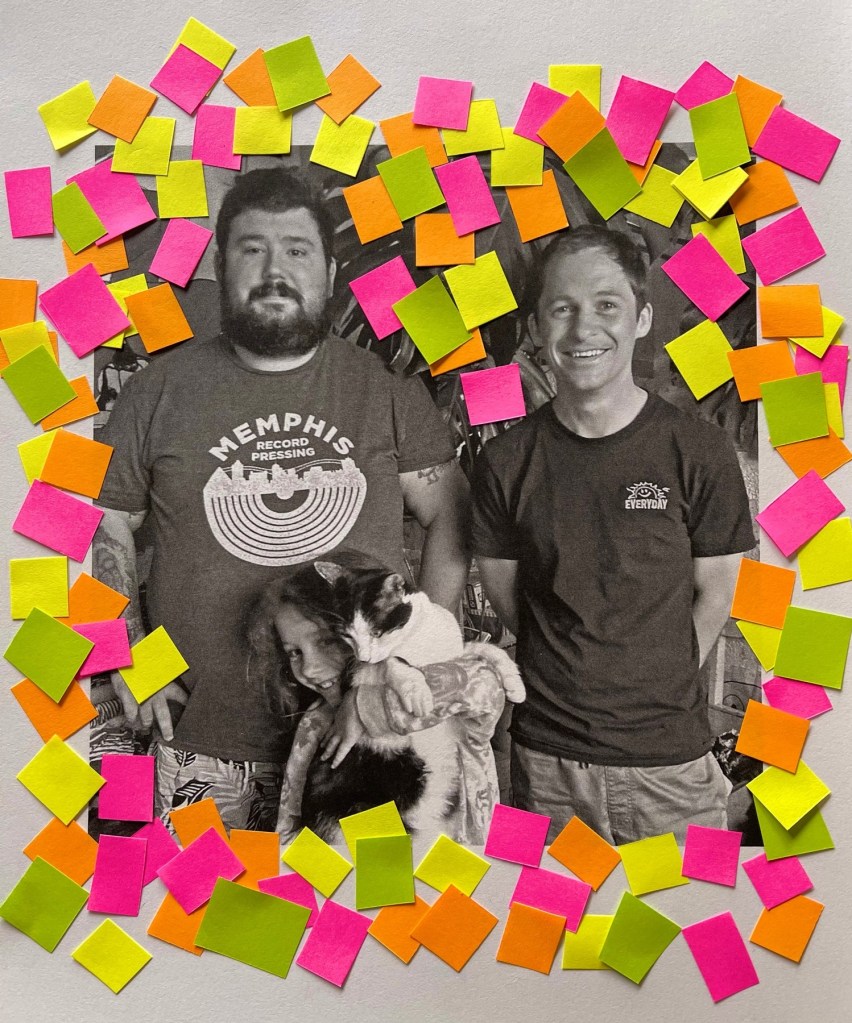
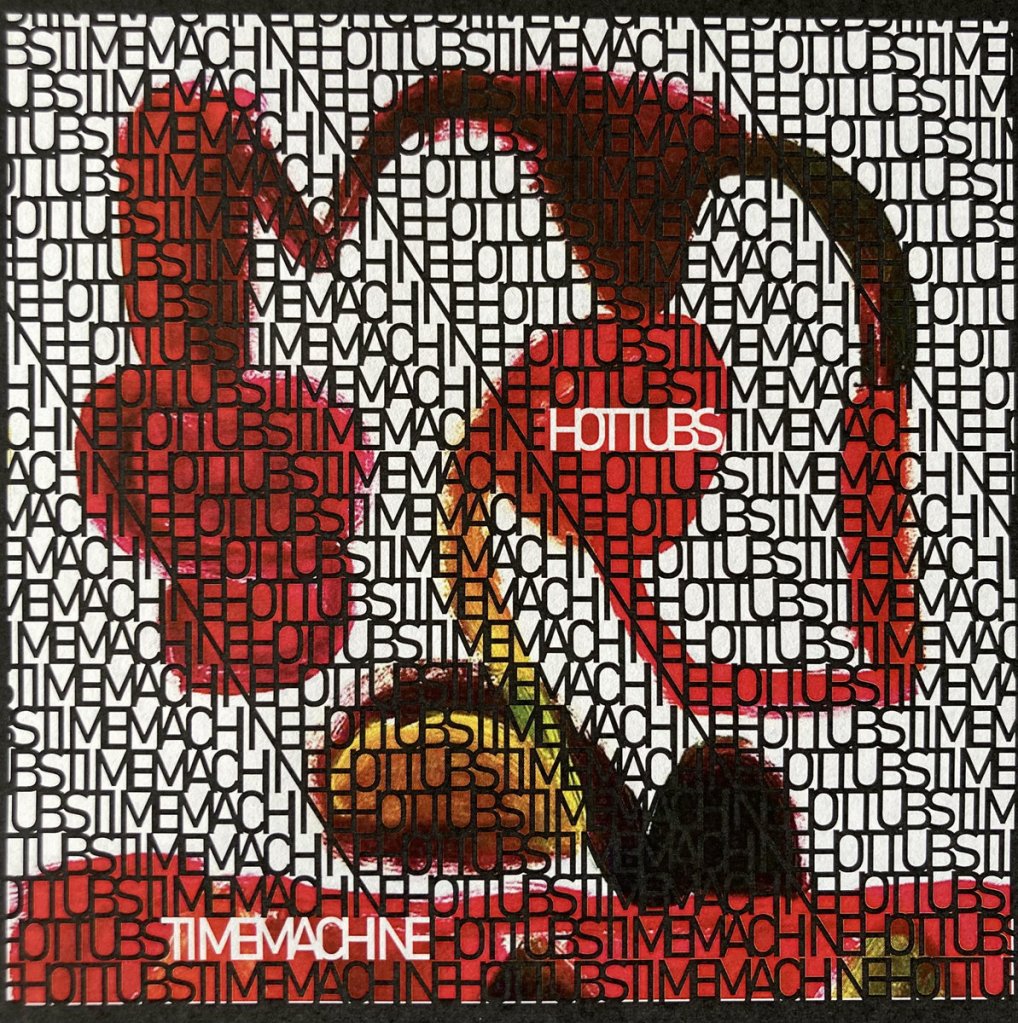

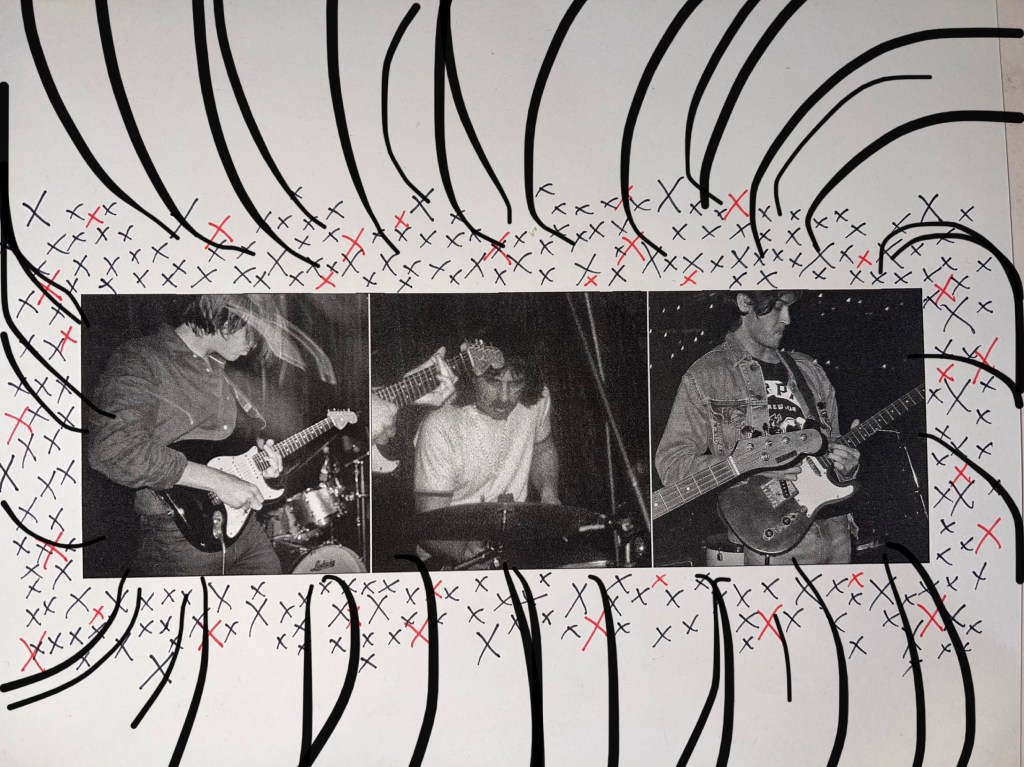
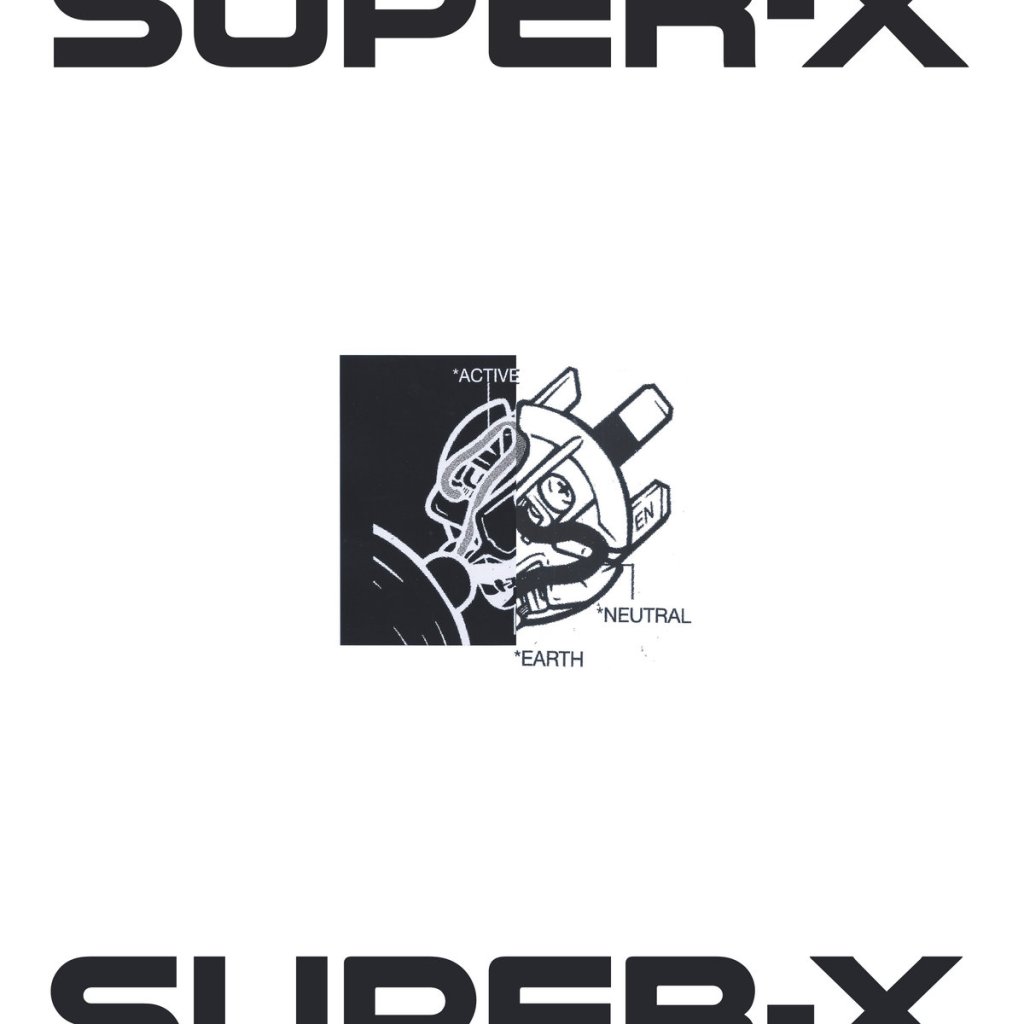
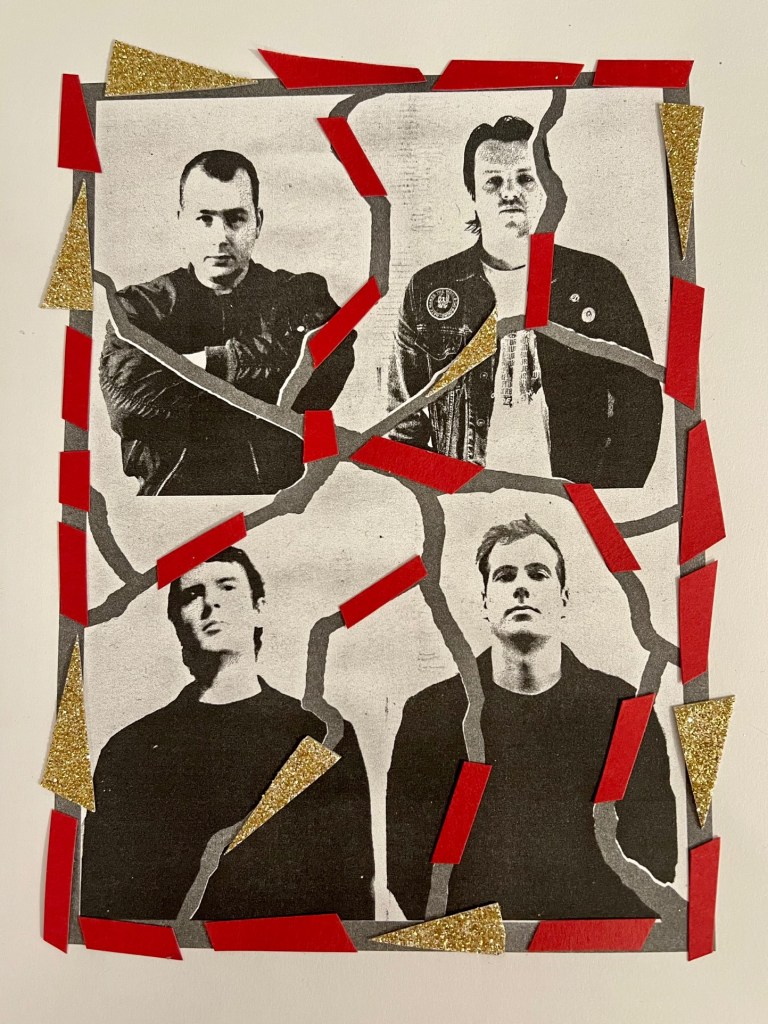
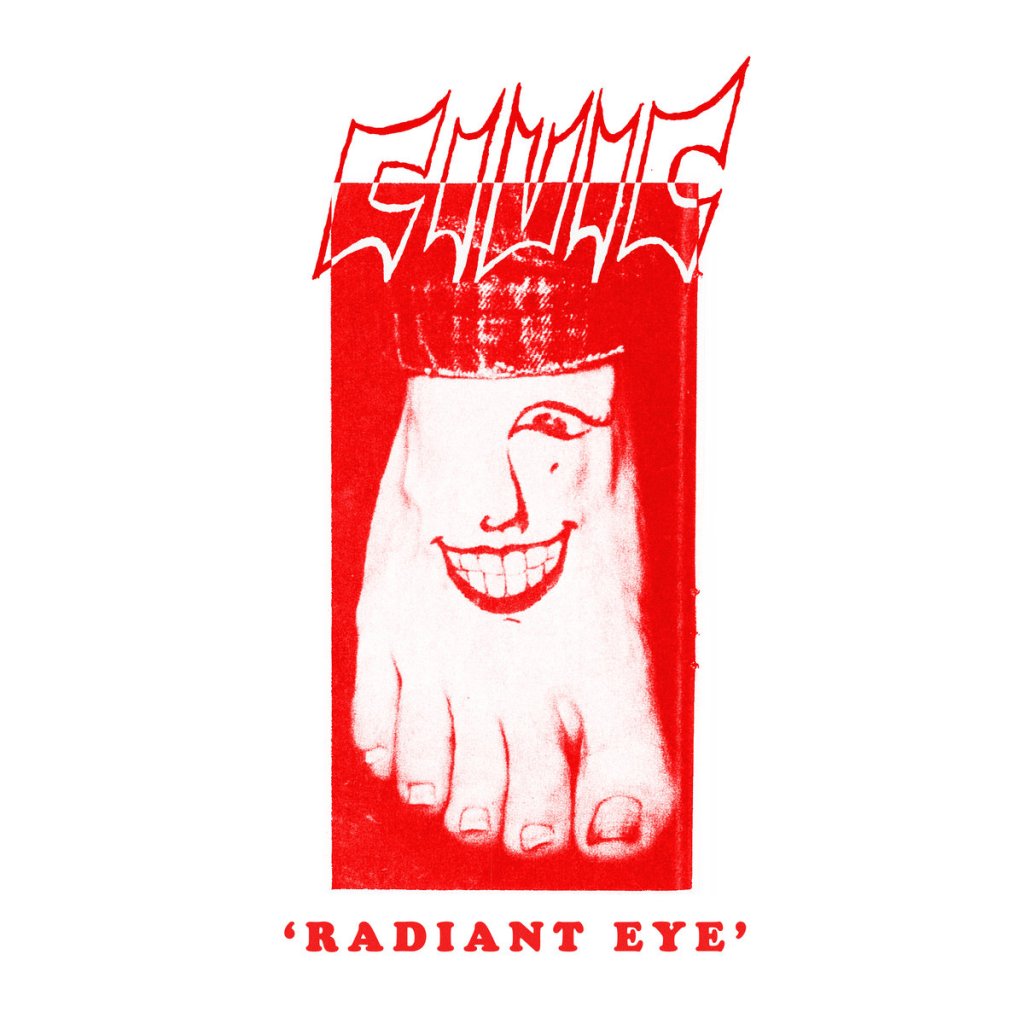
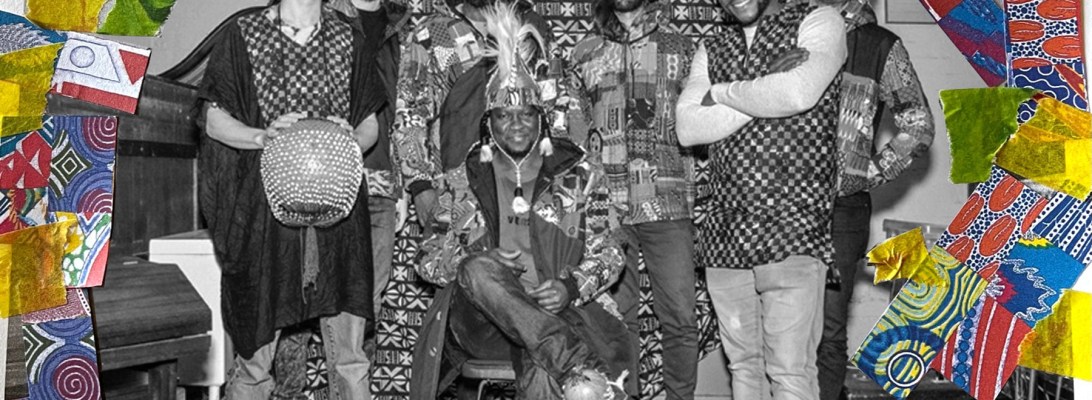
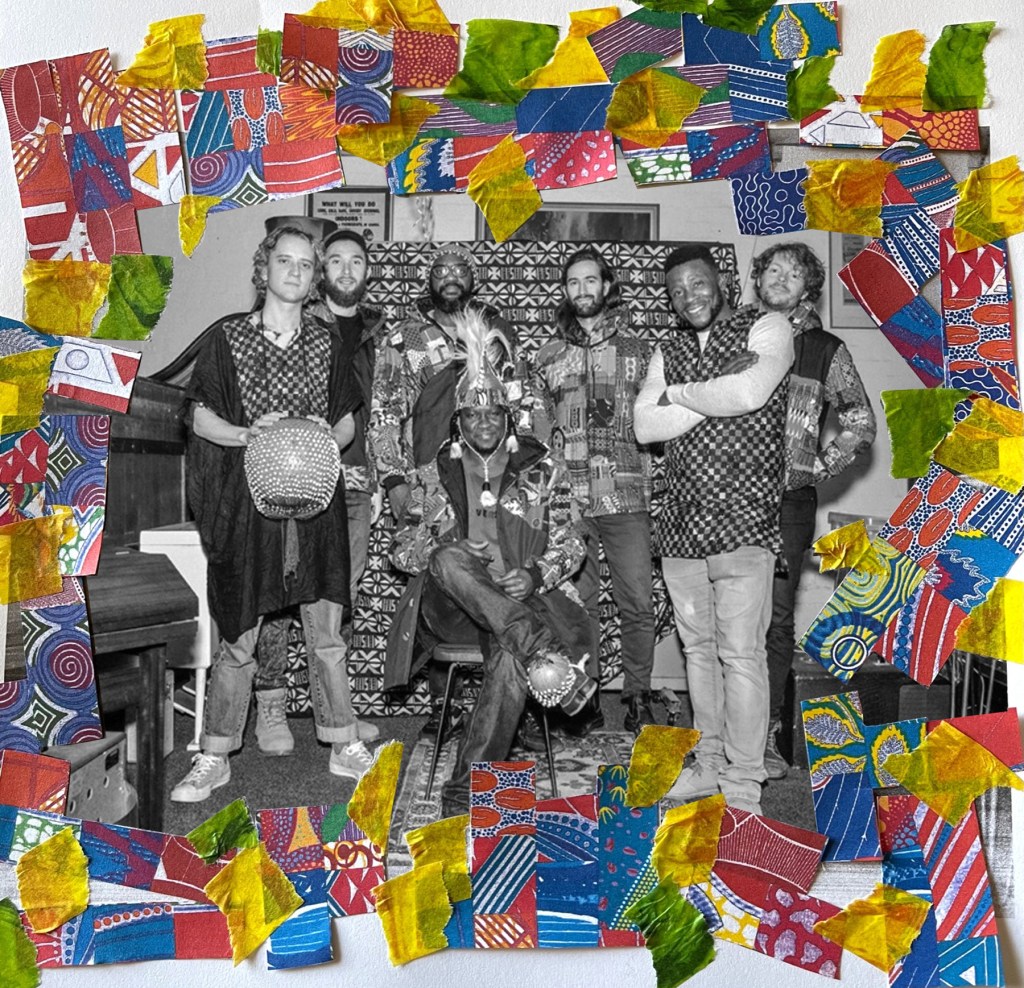
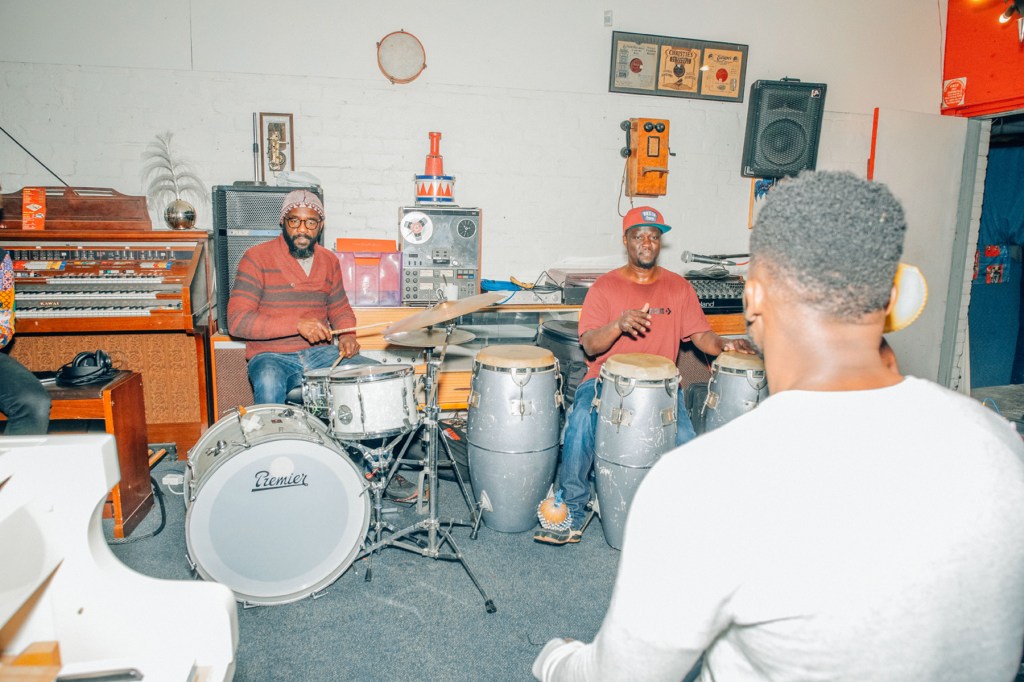

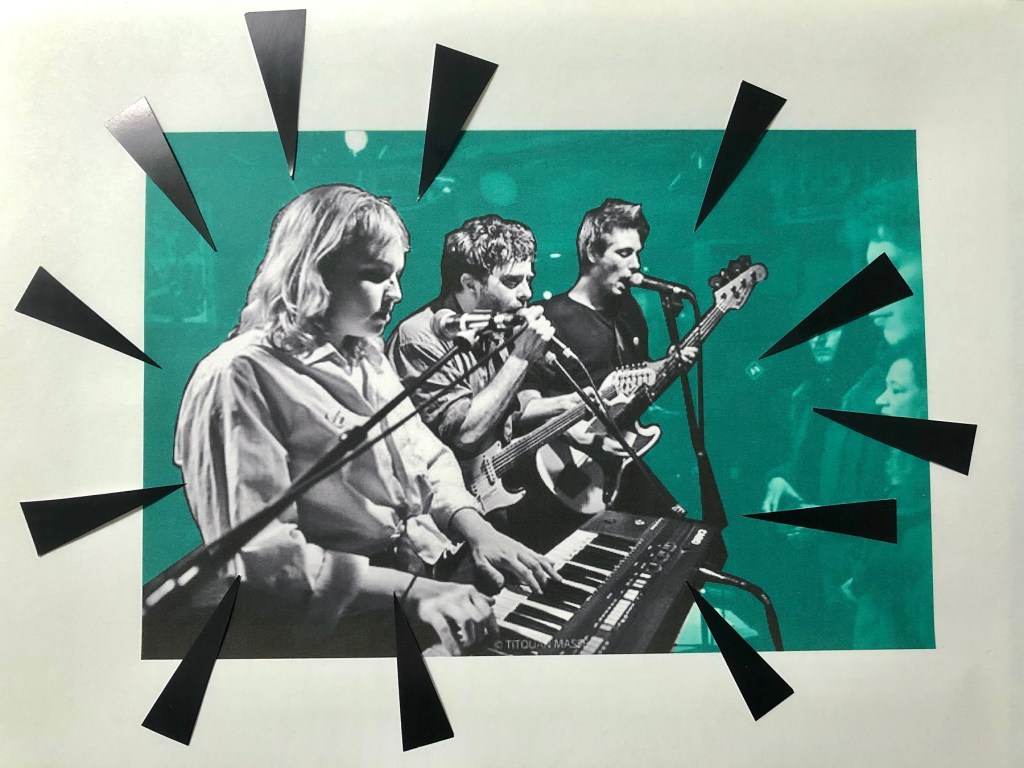
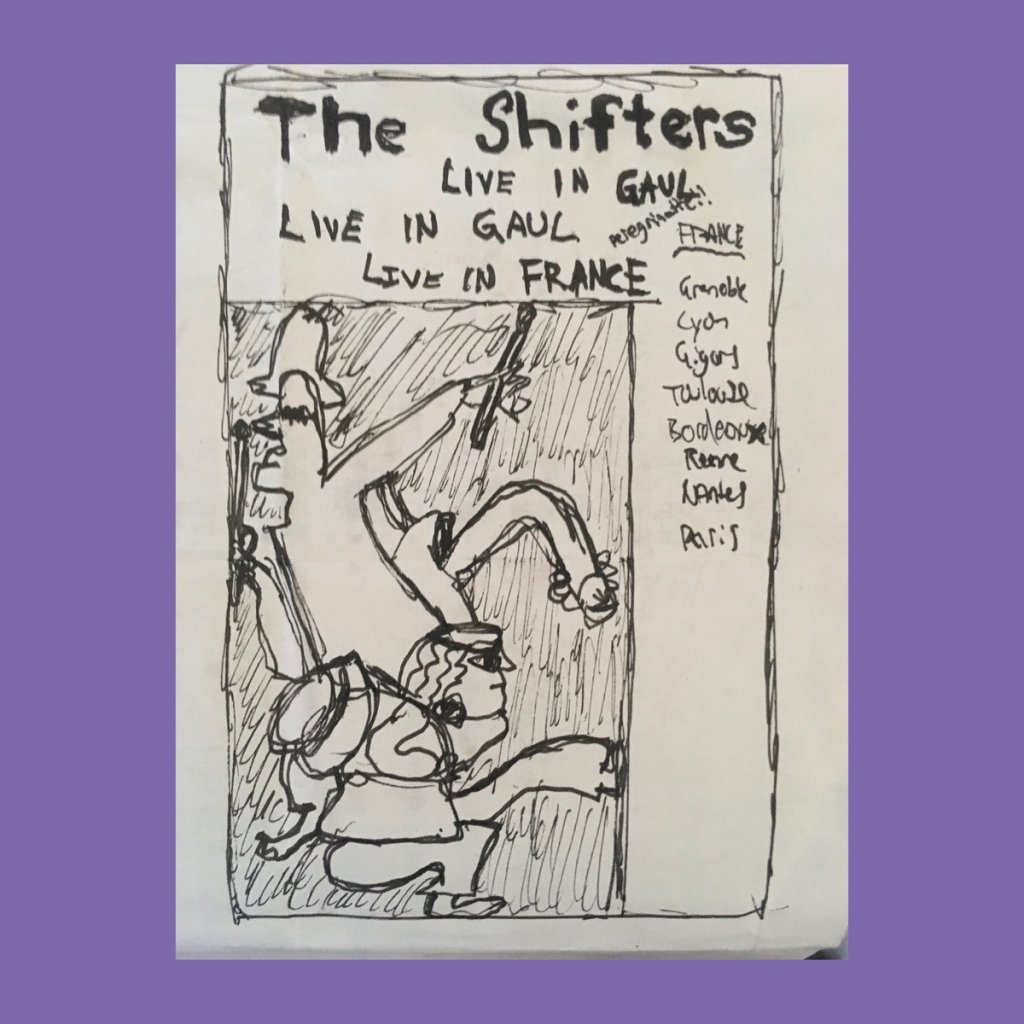

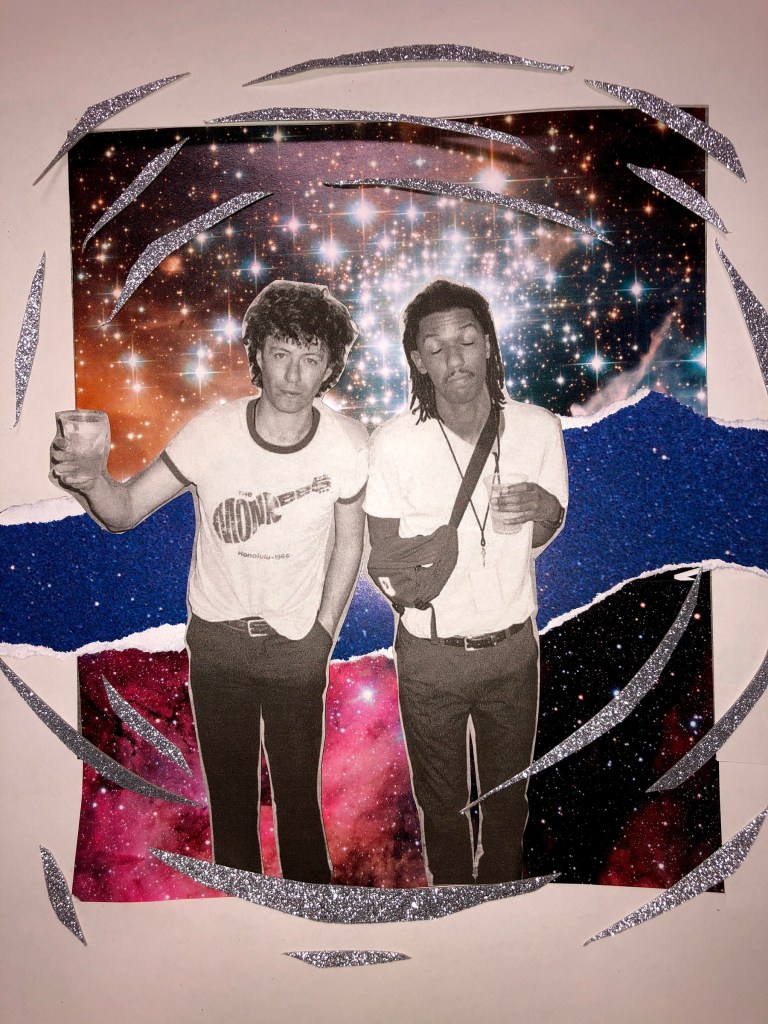


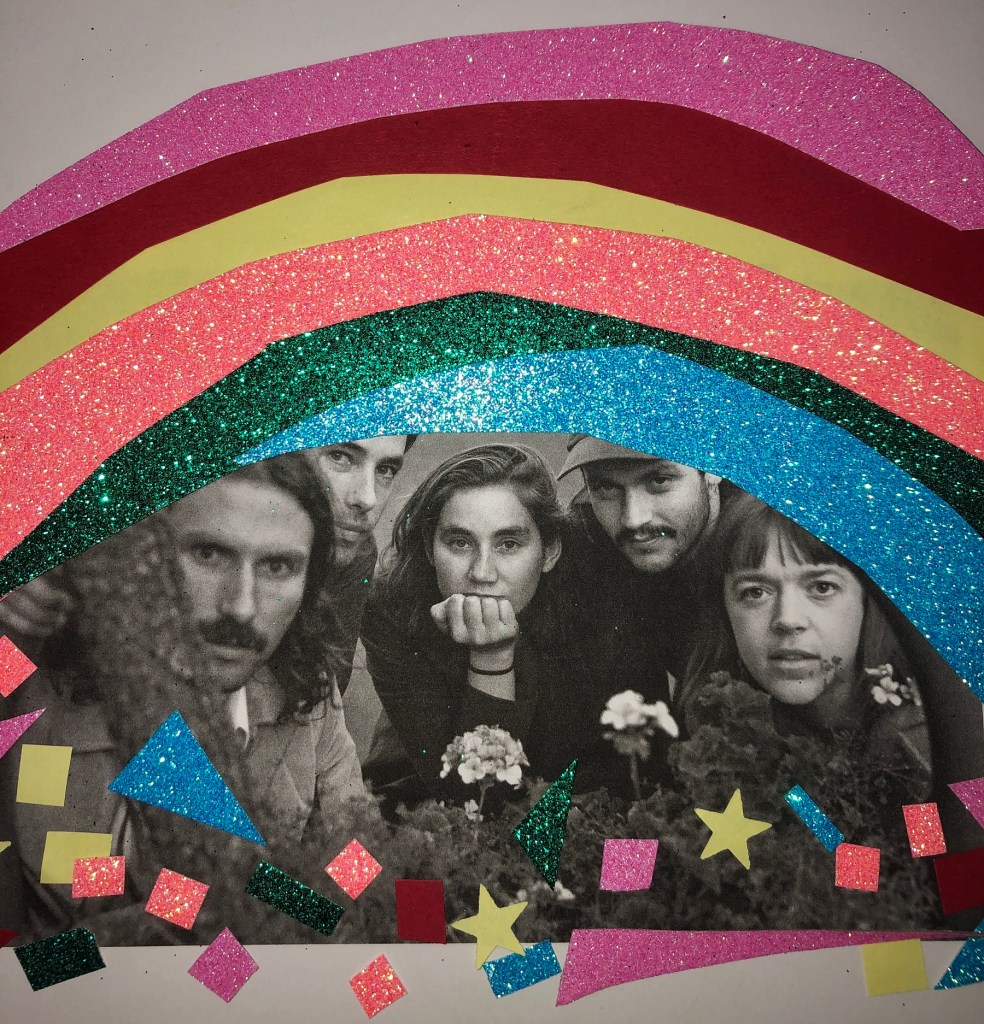
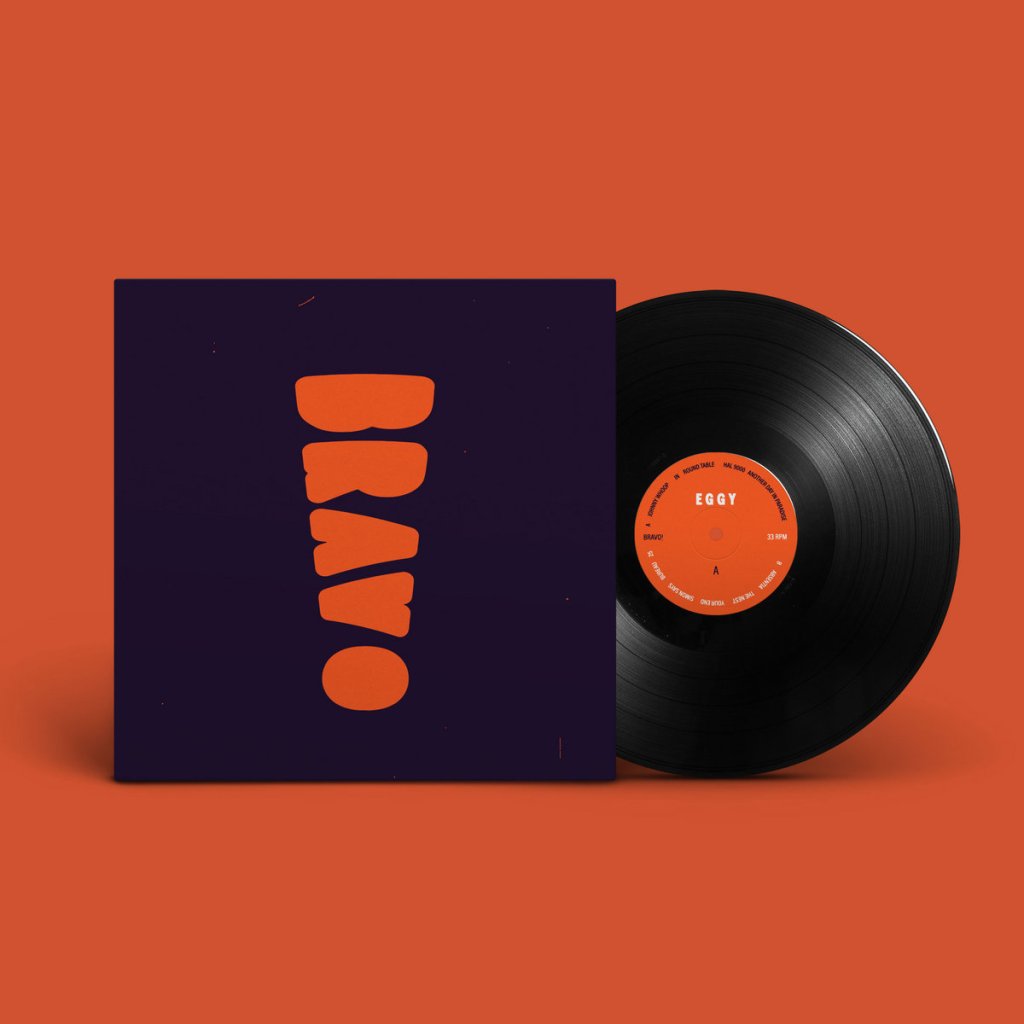

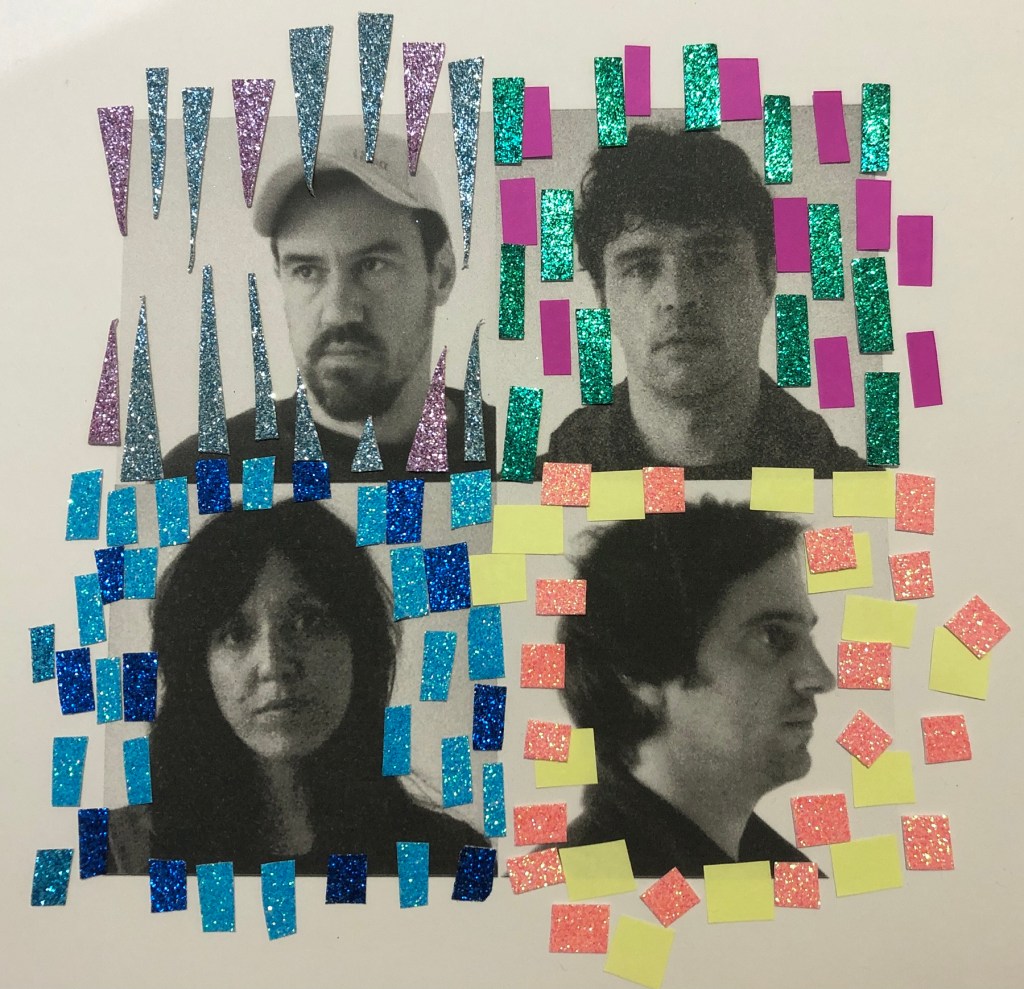
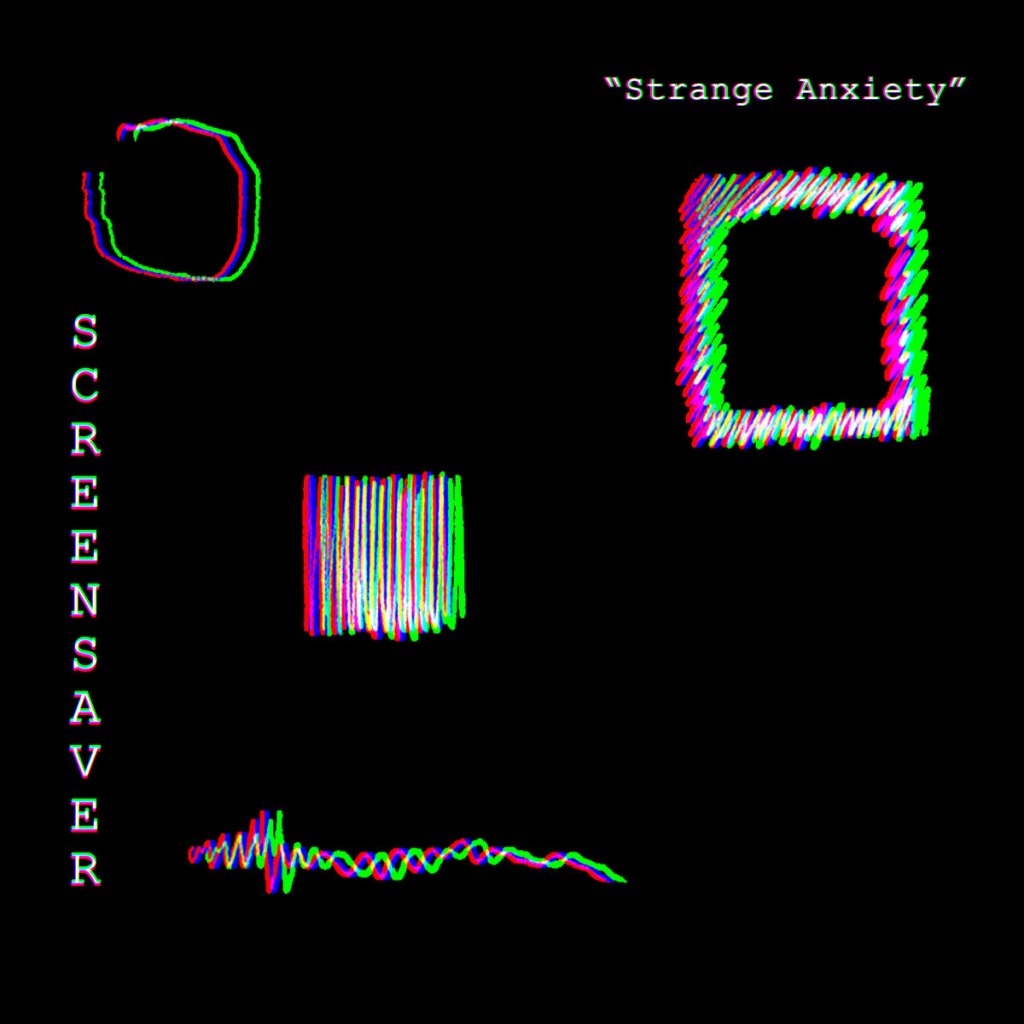
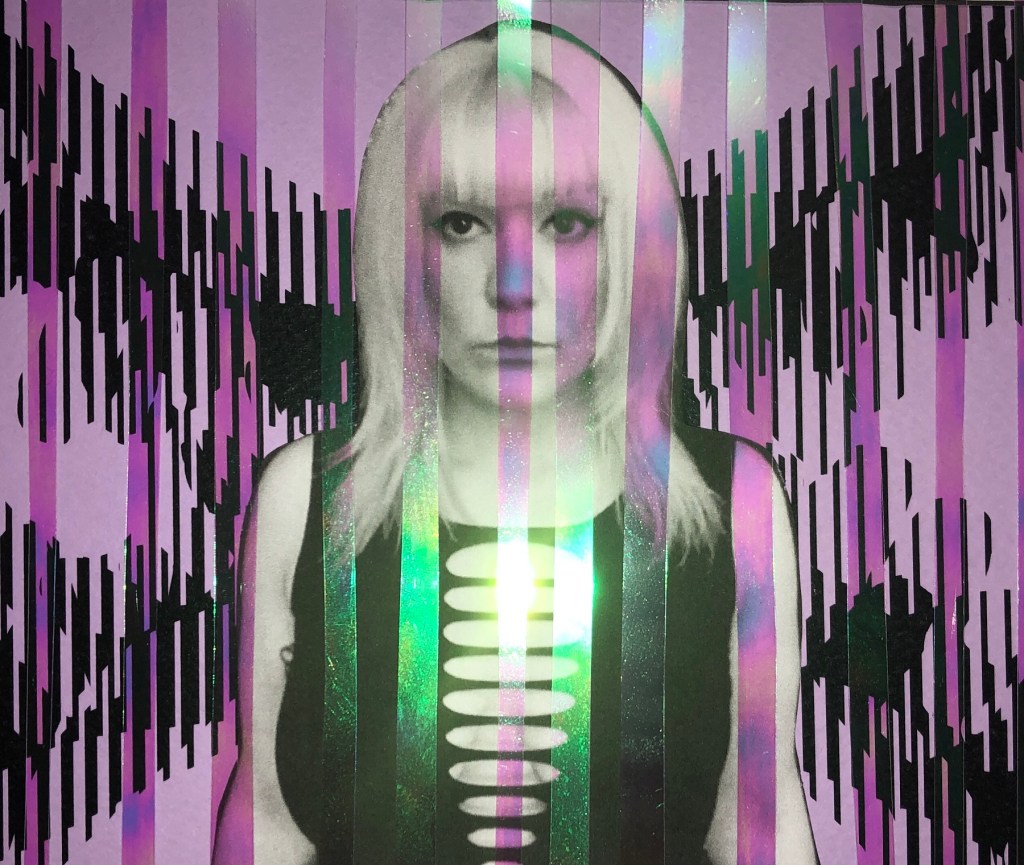
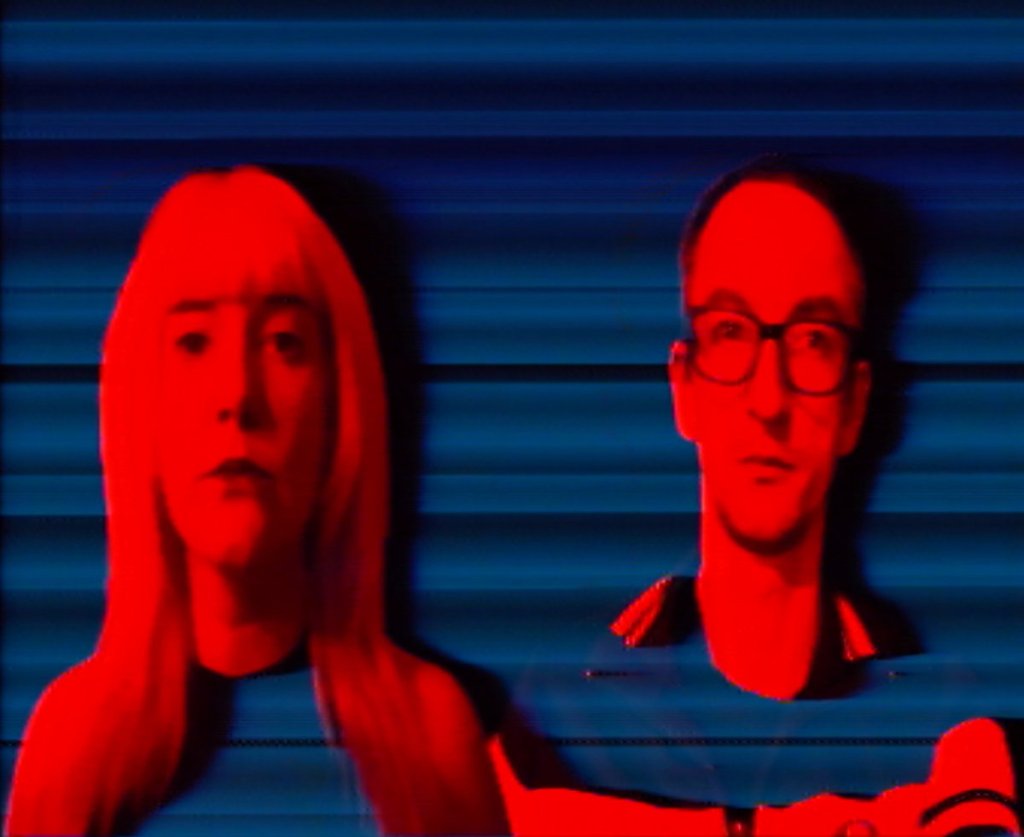
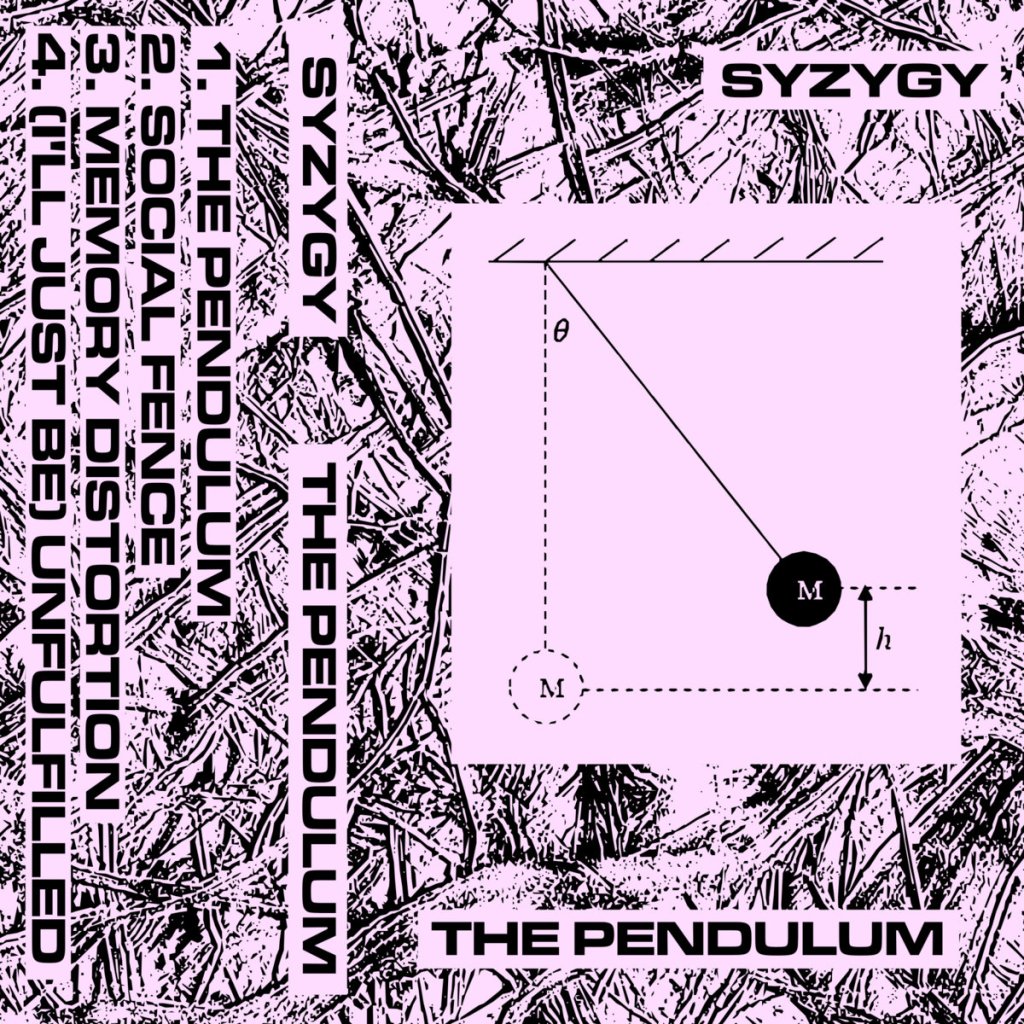
 Gimmie Gimmie Gimmie Zine