Our Carlson: “Punk Is an attitude”

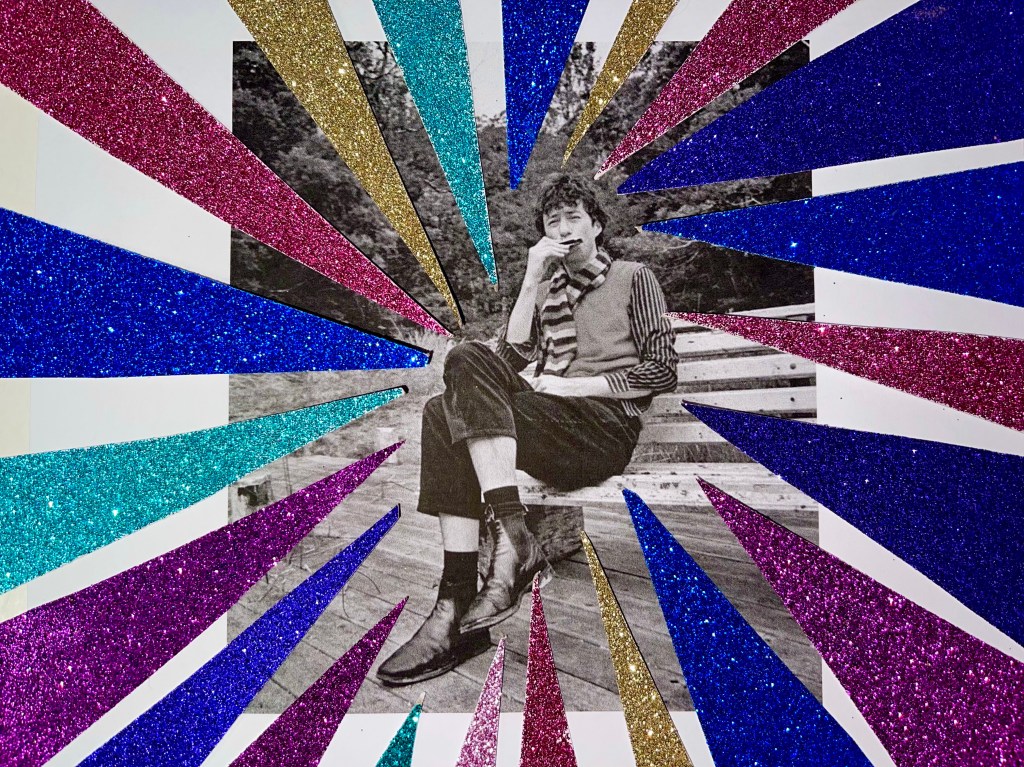
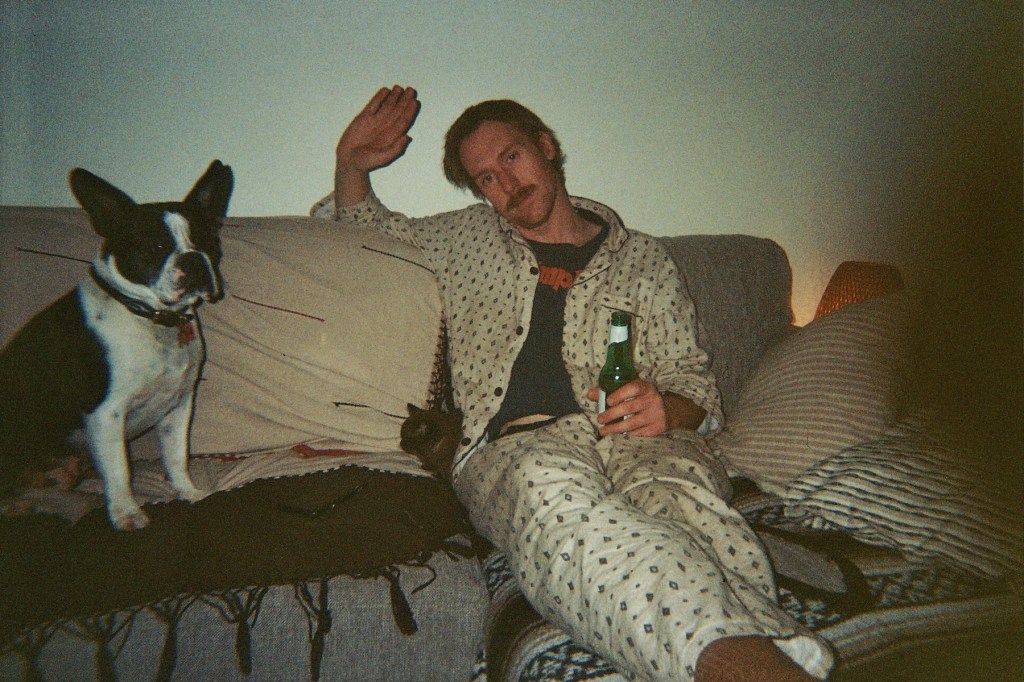
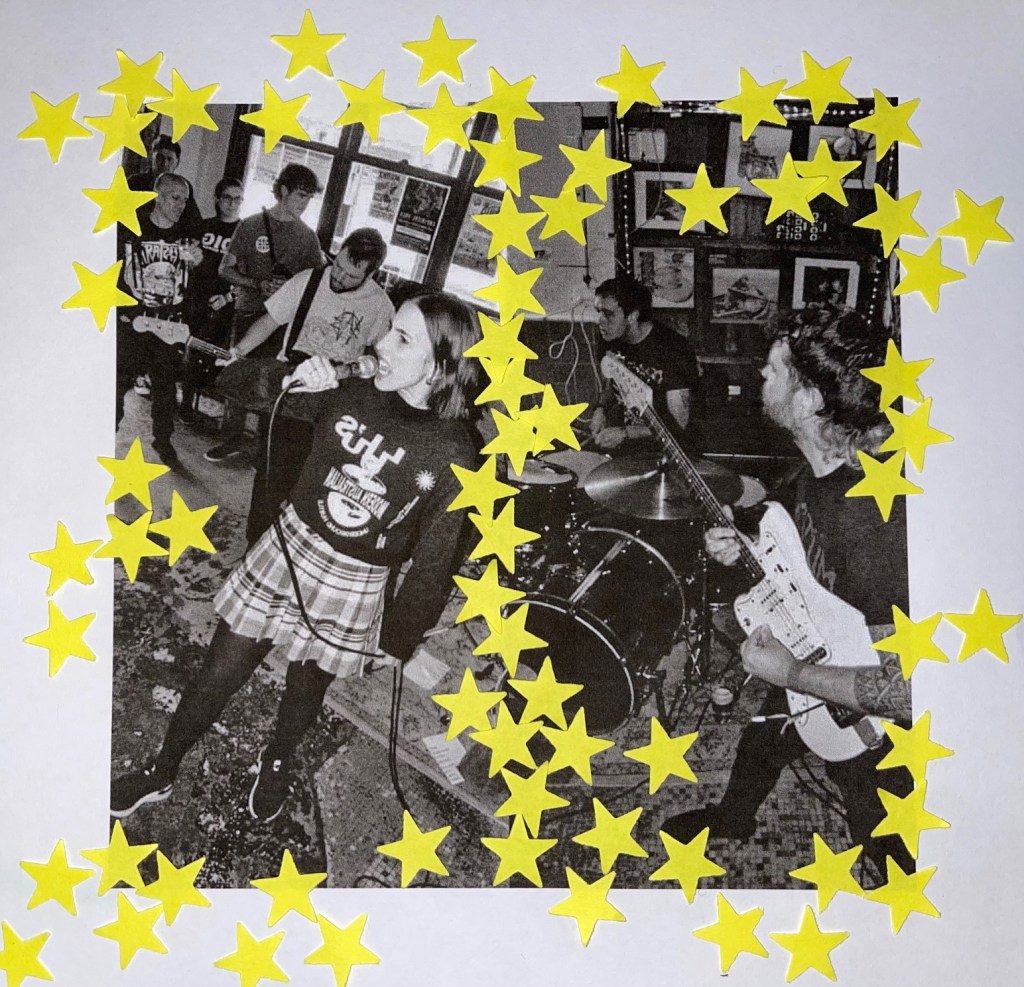
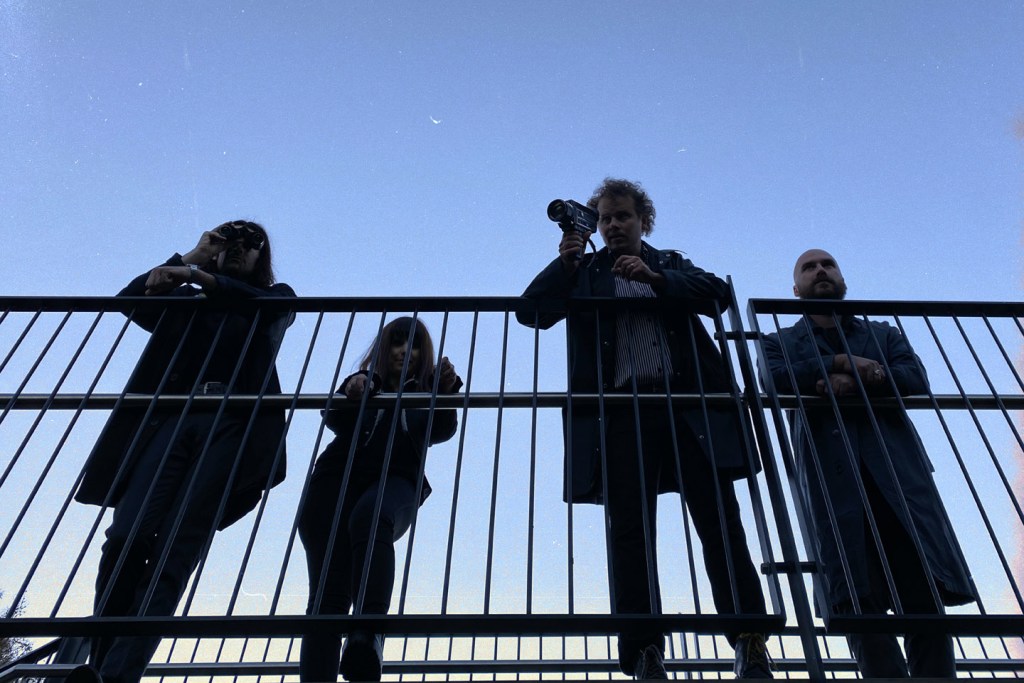
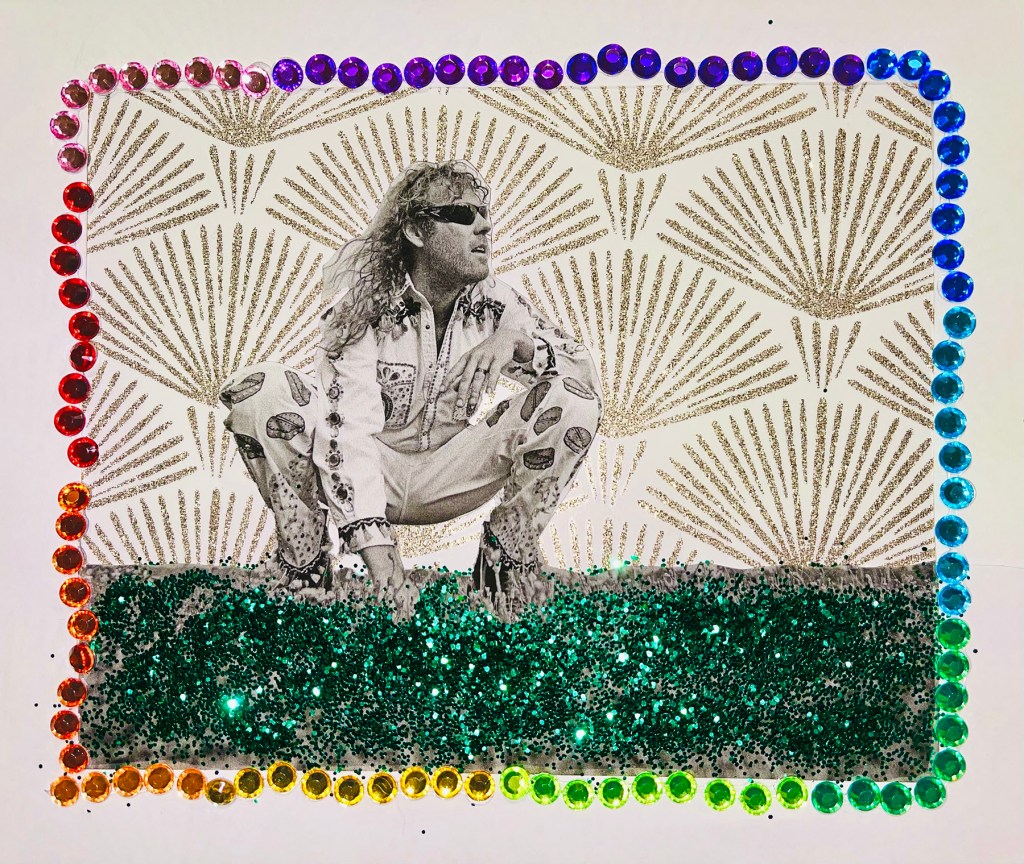
Original photo by Natalie Jurrjens. Handmade mixed media art by B.

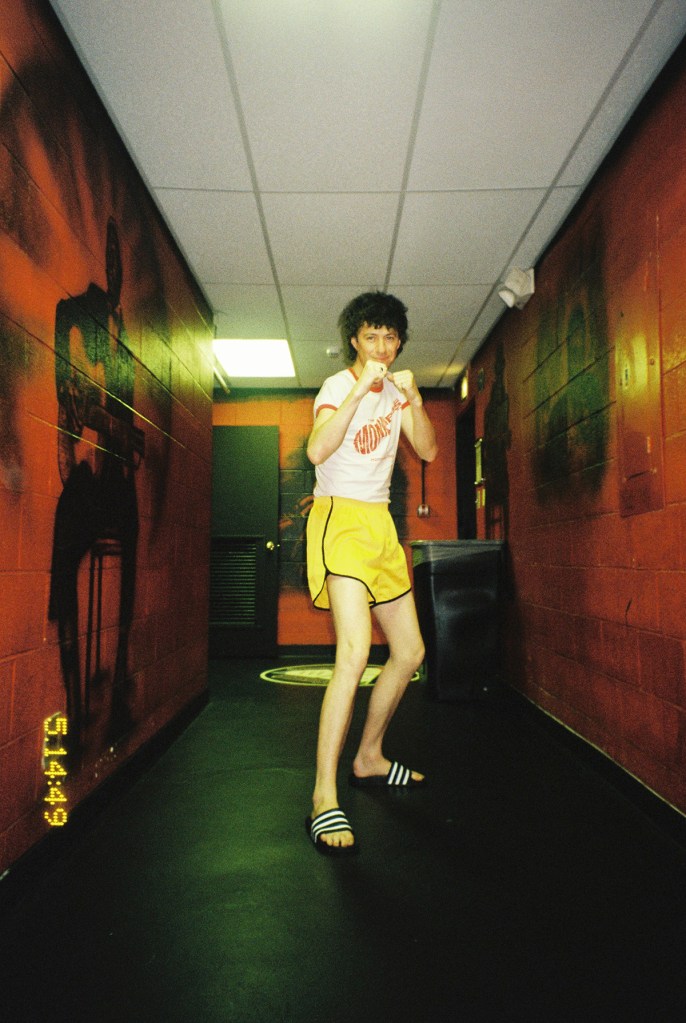
Our Carlson doesn’t hold back on debut EP A Bit Much, his writing is both funny and frustrated as he speaks to the experience of living, and of being diagnosed with epilepsy at thirty-three. Ranting over dance club and break beats, Carlson’s record is honest and from the heart. Today Gimmie is premiering the super fun video for single ‘Cappo Dog’. We spoke with Our Carlson just last week about the release, video, his punk origins (he was in hardcore band King Brown), epilepsy, the UV Race, MDMA, Gary Ablett, Save Our Scene and much more.

Your live show looks like it’s so much fun! I’m stoked to be talking with you today. Your EP A Bit Much came out at the start of the year, right?

OUR CARLSON: Yeah, it came out on the same day that I played a show at The Forum with Cash Savage and the Last Drinks. That was a bit of a buzz. I had DJ Katie Pearson with me on that one. Cash has been deejaying with me heaps lately, which is lots fun; I’m trying to get as many of them in as I can before The Last Drinks go bananas. They’re going to go to Europe a couple of times next year. My partner DJ Ruby Princess deejays with me sometimes as well. 

It’s great that you can get lots of different people to join you on stage and DJ your set.

OC: Yeah. I honestly got sick of bands breaking up; members getting jobs and moving interstate, having kids, or whatever takes them away from music. I think anyone that has been in bands for a while, knows what I’m talking about there. You have to find new members, they have to learn the songs. I just wanted to do something that was nice and easy. It was very easy when we were twenty-one, it was like, “Yeah, let’s do a band and go on tour!” Lives get in the way.

How did you get into music?

OC: There was always music around the house. As far as me getting into music on my own, my next door neighbour, Emma, she was really into Fat Wreck Chords punk, pop-punk, things like that. It would have been in the late 90s. Through her I got into music and started going to shows. 

I started a hardcore band just when I left high school, and really started getting into hardcore then. 

What was the name of your hardcore band?

OC: King Brown. That’s just gone up on Spotify through Oz Digital Hardcore Archive. they have an Instagram The record label that we were on doesn’t exist anymore. That whole section [time period] of music is missing from Spotify; only older stuff that’s bigger is put on there. They started contacting people about putting their music on there and all of the money goes to the Asylum Seeker Resource Centre. Listening to it brings back memories, there’s so many bands that you forgot about. It’s really cool. 

I was around in that period. There were some great bands. Having been involved in punk and hardcore for well over half my life and making zines, I have a big archive of Australian music from that period, lots of demos, especially on CD or cassette. 

OC: So many good demos back then! Lots of amazing stuff. You’re from Brisbane?

I’m originally from Brisbane, but am currently on the Gold Coast.

OC: There were bands up there like The Daylight Curse, we played a bunch with them. It was a pretty big scene up there.

There were a lot of bands, a lot fell under that North Coast Hardcore scene umbrella.

OC: Live you can tell that I was a hardcore kid, I’m stomping around the stage doing the whole hardcore thing. It’s where I learnt to play to a crowd and do my thing. I got my chops at The Arthouse. It hasn’t left me. 

Lately I’ve been going back to it. My car just has a CD player, whenever I’m out of range of community radio it’s onto CDs, listening to all that old stuff. I’ve been listening to heaps of The Nation Blue lately. I got to play with them at OK Motels. It was so great, they hadn’t played in ages. I still go to Mindsnare shows  every time they’re on.

I love Mindsnare! I’d go to all of their shows when they’d come to QLD. I remember the launch for their first LP Credulity in like 1997 or ’98. They’re one of Australia’s all-time best hardcore bands.

OC: Definitely one of the best! They’re my favourite. I’m just looking at my first tattoo, on my foot, a Mindsnare tattoo [laughs] that I got when I was younger. 

What attracted you to the hardcore scene?

OC: I was angry. It was a good outlet for me, and there’s the whole community vibe of it, I really loved that. All Ages shows; me and my friends would pile into cars and drive so far, we’d be in the northwest of Melbourne and drive all the way down to Frankston for shows. You’d know everyone. It was good fun. Touring bands, just hanging out with everyone.

How did you go from doing hardcore to doing what you do know with Our Carlson? It’s pretty different.

OC: It is different [smiles]. I started getting into a lot of different music. My friend Izzy [Stabs] that does a lot of the music, he really got into electronic music; he started buying me records. He’d be like, “You gotta hear this! You gotta hear this!” And I just started listening to it more. It’s really similar with the scene, there’s a really good community within that scene. There’s a lot of females driving that community as well, I’ve really enjoyed that aspect. I really get a kick out of the music, the people, the clubs. I really love a sweaty club or warehouse show, it reminds me of punk and hardcore in many ways. Being able to make music from your bedroom is pretty cool. 

Photo by Natalie Jurrjens.

I know quite a few people from the punk and hardcore community that ended up going on to doing something electronic or beats-based. They still have that punk and hardcore spirit, they’re just channeling into something new and evolving; like what you’re doing.

OC: Yeah, I think so. I used to exclusively listen to punk and hardcore, then life changes and you start getting exposed to different things. I listen to everything. Sarah Mary Chadwick is a huge influence for me, her vocals and lyrics are so honest. For me, doing this, it’s the most honest I’ve ever been with music. Listening to her I was like, ‘I can do this!’ You know when you see someone else and you’re like ‘I can do it! I can put it all on the line.’ People connect with that, you just got to do it. 

The first song I wrote was ‘Ain’t Too Great Mate’. I sent it to a few people, and people were just calling me going, “Are you alright?” I was like, ‘I am alright now, I’ve got this out and I’m feeling better.’ 

It all started from epilepsy. I had this idea in my head and I started rambling into the phone. I spoke to Izzy and said, ‘We have to do something with this. Do you reckon we can make some electronic music with this?’ We got together and made the first track, and it worked.

When you were thirty-three you were diagnosed with epilepsy. I’ve had people close to me diagnosed with various conditions later in life, so I have an understanding of what that’s like. I wanted to ask you about your experience. What was life like for you before the diagnosis and then how did being diagnosed change things?

OC: Well, you have one seizure and you don’t have epilepsy, some people have one seizure and they don’t diagnose that as epilepsy. Once you have a second one, they say you have epilepsy. It was a year between them for me. 

It’s just the fear of not knowing when it’s going to come. Sometimes I have panic attacks, I get a bit of anxiety and go, ‘Oh fuck! I’m going to have a seizure.’ It’s not, but that just builds. Meds are annoying, I love them and I hate them. Some days you forget to take them, you don’t have any on ya, you’ve got to drive back to the house to get them. I live in the country, everything is half and hour or forty-five minutes away. Once I have a seizure I can’t drive for six months. There’s no public transport out here. I live in a tiny little town, it’s a half hour drive to the train to get anywhere, the you have to get to Melbourne to go to all of these appointments. The doctors don’t seem to know much about epilepsy, that’s the most frustrating part. They don’t know too much and they can just theorise and they don’t want to tell you things that may not be true. Rich Stanley from Power Supply has epilepsy, and I learn more from him and other people with epilepsy than I do from the doctors. He’ll give me advice and tips, I’ll tell him what’s happening and we can talk all about it, it helps immensely—a big thank you to Rich! 

With the music, I wanted to put it out there and let people know. I’m pretty comfortable about talking about epilepsy. I wanted people to know, because one in twenty-five Australians have epilepsy. People don’t really talk about it. Since putting it out there, the amount of people that have come up to me and told me they have epilepsy, that I didn’t even know had it, is so many; it’s because people don’t talk about it because there’s a stigma around it. If everyone knows about it and knows what to do, it’s not so scary… I mean it can be.

I know what you mean. When people talk about things it can help normalise these things, and people don’t have to feel that stigma or isolated and alone. Another big thing I think is that just looking at someone isn’t always an indicator of what’s going on with them, so many health challenges are things you can’t outwardly see all the time. Having health challenges can also very much impact on your mental and emotional wellbeing, all these things people just can’t always see.

OC: That’s it, exactly. The mental health side of it is huge! We all struggle with mental health at some stage in our lives, that’s come along way though from people talking about it. My dad committed suicide when I was fourteen, that was all through him being an old school dude. Everyone was like, “No. No way. Not Wayne.” He seemed so happy and was out and about, he had a larger than life personality, but he couldn’t talk about things because that wasn’t the culture. There’s been huge steps in that but there’s a long way to go. 

The hardcore scene has lost a lot of people to suicide over the last couple of years. A lot of the time it seems to be men my age. Hopefully we can keep talking about it and people can get better and realise that you can get through stuff, that there is help and your friends will help you. It is tough, but I hope conversations can help it and we don’t have to go through losing people over and over. 

Absolutely. That’s why I always make an extra effort to check-in with people, even people I might not know super well, or maybe it’s someone I’ve interviewed sometime over the years. I’ve experienced a fair amount of loss in my life and know how important it is for people to know that someone is there for them. I actively reach out to people, because having suffered from severe depression and anxiety in my life, felt like I had no one and I know how hard it can be to reach out when you’re in the midst of feeling that. Sometimes you feel like you don’t want to bother people or be a burden on them, cos everyone has something they’re dealing with. 

OC: Yeah, I found myself doing that a lot of lockdowns too, calling friends and being like, ‘Hey, I’m just calling to check-in. What’s going on?” That helps a lot. When they do feel down at least they know they can reach out to me, that people care. It’s easy to forget that people care, and that your friends love you, when you’re deep in a depression. It’s nice to remind people of that whenever you can. Just a simple call and check-in, that’s all you need to maybe make a difference. 

What helps you when you get depressed? 

OC: My partner runs Ray Holistic Health. A lot of that has helped me lately. Things like acupuncture and meridian lines. I remember the first time she did it to me, she was holding these points on my head and it felt like all of this energy was rushing and coming up out of my head. I feel like talk therapy is good, but this other stuff, Chinese medicine and stuff like that where you don’t have to talk, seems to make a big difference for me, it realigns things. 

Time to myself is good. I like to go off Ito the bush. Take a trumpet out there and blow as hard as I can. That’s really good!

Hanging out with my friends! I have really good friends I chat with. Cash Savage is always really good for me, we always check-in. Having people that you can just be really honest with, people that don’t judge. I find I always feel better after a big chat. Sometimes you don’t want to have that chat, but you’ll feel better after it if you do, it’s a good release.

Totally. How did you come to the name Our Carlson? I know Carlson is your last name.

OC: Our Carlson is just a play on “our Kylie”. I love Kylie Minogue, she’s amazing, has been for a long time. Never have I known her to have a scandal. How has she never had a scandal? [laughs]. I can’t think of one. Surely she has been scandalous! I wanted to have something with my name in it too, so I could really own it. 

You did mention that this project is the most honest you’ve been in music.

OC: Yeah. The stuff I’m writing now is even more honest and pretty wild, really digging into stuff. I found it a little difficult to write in lockdown because a lot of stuff comes from talking with people, sayings and things I overhear. I might say something and then someone laughs and goes, “That’s a lyric.” I kind of just blurt them out. Listening to records helps me write too. I might be listening to a hardcore record and get something in my head. I just jot things down or yell into my phone. When I started seeing people I started writing a lot more again. 
Where did your EP title A Bit Much come from?

OC: [Laughs] It’s just something I say a bit. Something came up and I said, ‘That’s a bit much.’ The whole thing is a bit much, the music is a bit much, epilepsy is a bit much, life’s a bit much—the whole experience I was having was just a bit much. It’s probably more than a bit much, but it’s a nice, cute little way of putting it. 

We’re premiering the clip for song ‘Cappo Dog’. It’s a song about how we’re basically all capitalists living in a capitalist society.

OC: Yeah. I’ve had big troubles with money my whole life, coming from the punk scene, I never want to spend money. Buying a house for me was huge! Until my partner told me we were going to be paying ten bucks more a month than we were for rent in Footscray. The whole capitalist system and money is always something that I’ve struggled with, and making money off of other people. I’m a carpenter and I’m always going to give people the bill and I knock money off it. I’m horrible with making money. 

We are all living in a capitalist society, you may think your not, but when you buy a beer there’s tax on that; when you fill up your car with fuel, there’s tax on that; there’s tax everywhere. 

The film clip, my mate Flagz made it. He’s done a bunch of clips, the latest Blake Scott one, Cash Savage’s ones, Batpiss, a few for Tropical Fuck Storm. We workshopped the idea. He moved to Woodend, which is not too far from Blackwood. We’ve been hanging out a bunch, he’s got a shed, Stanley’s, which is named after his uncle Stanley who passed away. He gave him some cash and his dad was like, “What are you going to do with it?” He’s like, “I’m just going to pay off some of my credit card.” His dad was like, “Uncle Stanley would not like that.” Uncle Stanley was a bit of a party dude, so he bought a pool table and a dartboard, it’s in his shed. We just hang out there and workshop ideas. 

We put up green screen all around the shed and made the clip in there. Tommy from Batpiss was living with him at the time (I think he’s just moved back to the city). Tommy, his partner and Flagz’ partner all came out and collaborated. I hadn’t been able to collaborate in so long, I can’t believe how much I missed it. We were putting costumes together, I’m playing three different characters as well as myself, Our Carlson in it. It was so much fun! They were yelling at me to do this and that [laughs].

One of the characters is Bradley, The Wolf Of Blackwood.

OC: Yeah. Bradley owns Capri Real Estate, he drives around in a Ford Capri, he works the stock market and is a news presenter on Channel 420. He’s a real capitalist grease ball.

Another character is Blaire.

OC: Blaire is a trustfund kid. He moved down from around the Byron Bay Area to the Southside of Melbourne and then moved over to the Northside. He has a  bar and a restaurant named after himself, as well as a men’s skincare range. He started Anti-tax and Anti-tax League. He’s a shocker.

Then there’s Rico’s cousin. He was born in Ballarat. He’s rumoured to be Gina Rinehart’s illegitimate son. He’s been banned from Milney’s bar, which is a bar I frequent a bit when I’m in Melbourne. He’s a bricklayer’s son, he’s going to take over the business, but he started moving bags instead of moving bricks. He’s a bit of a character. He doesn’t pay much tax but he’s a capitalist too. He’s moving those units and making that money. 

The song mentions Ray Cappo, the singer of Youth Of Today and Shelter. He became a Hare Krishna and started his own yoga thing, now I think he’s worth a couple of million of bucks! 

I’ve interviewed Ray. When we spoke he was going to Cher’s house and teaching her how to prepare raw food dishes. He’s also the only person that has ever charged me money to interview them, he charged me the equivalent of a private yoga lessons. I’m friends with people that played in Shelter and they’ve told me how he’d go to India and buy cheap tulsi neckbeads and then come back home and jack up the prices to sell them to hardcore kids at shows.

OC: Wow, he’s gone from the punk world to Cher’s house! I would definitely go to Cher’s house.

Me too! 

OC: She’s amazing. There’s a great thing on YouTube about Cher, it’s Westside Story from back in the day, she plays all of the parts. It’s a 10-minute clip. There’s five of her dressed up as all of the gang members, singing and dancing. It’s really amazing. It’s a good few minutes of your life spent.

Nice! I’ll have to check it out.

OC: I’ve made a bunch of cash, that’s my promotional tool at the moment—$420 notes. It’s with the ‘Cappo Dog’ clip launch, everyone that comes gets a $420 note on arrival.

Cool, I love when people go the extra mile and do fun things.

OC: That’s what it’s all about, doing fun things! My friend Sophie made my suit I wear, it was fun to sit down a collaborate with her. She’s making another suit at the moment; SÜK workwear, it’s overalls. It’s non-binary workwear that more fits femme shapes, it’s really good stuff. They’re doing great things. We had to take mine in bit because my body is pretty straight, snake-hips [laughs]. There’s going to be all tassels and beads. 

Because hardcore is so… oh, what’s the word I’m looking for?

OC: In a box!

Yeah, totally. With this project you can do whatever you want, it’s limitless. 

OC: Yeah, that’s what I like about it. I remember when King Brown started, we were pretty silly. The songs weren’t so much, they were serious. At the shows we talked a lot, talk about 80s cricketers and silly stuff for too long. You’d see hardcore kids looking around at the cool kids to see if it was ok to like it; I loved breaking down those barriers. Hardcore was very straight edge, especially at that time in Melbourne. Everyone wore black. I’ve always liked to shake it up a bit.

I remember when things were like that. In Brisbane we had real militant straight edge kids that would go to shows and knock beers out of people’s hands. I remember people wearing all black too, I used to stick out because I’d wear bright colours or white; I didn’t want to wear the uniform. 

OC: [Laughs]. I remember I went to a show at The Arthouse, everyone was wearing black and I was wearing a bright red Mindsnare t-shirt and people looking at me like, “Whoa! What are you doing? Are you in the wrong place mate?” It was like I was wearing the wrong outfit, so I thought, ‘I’ll keep doing this!’

I’ve had people do that to me to. I was going to a punk show my friend’s band was playing and there were two punk girls, one with a Chelsea haircut and the other had a mohawk, out the front of the venue sitting on the sidewalk smoking. I’d just come from a formal dinner party, so was looking glam, and as I approached one of them spat near my feet. I looked at them and they’re like, “Are you lost love?” And I’m like, ‘No, I’m here to see my friend’s band.’ They rolled their eyes, kind of like, as if! As they were hassling me my friend came out of the venue and was like “Bianca!” And ran over and hugged me and the two girls looked at each other in astonishment. Punk police are so lame.

OC: [Laughs], yeah. I copped it at the last Maggot Fest. Haram were playing and I was in the pit wearing a white button up shirt with all these dolphins embroidered on it, these curst punks were targeting me and laughing at me. I went up to them and I was like, ‘I really like your uniforms boys, they’re so sexy. I love how you put the uniform on to come out!” [laughs]. It’s so silly, punk is an attitude, it’s not an outfit.

Yeah. The punk people that I love the most are the ones that continue to push things forward, to me punk isn’t a static thing. 

OC: With the straight edge thing in the beginning for us, we’d see all ours friends sniffing glue and passing out at the shows just being wasteoids, and we just wanted to be positive. Not being in the punk box is punk, just doing your own thing. I think hardcore ruined punk a bit, in America especially, all the glitter kids and stuff like the Germs; there seemed to be a lot of queer kids and then Black Flag got massive and things got more macho, there were fights and all the freaks and weirdos stopped going to shows, which is a shame. From everything I’ve read and seen, that whole Germs-era looks rad to me. 

The L.A. punk scene has inspired so many people I know. I was talking to Kira from Black Flag the other day and she mentioned how back then the scene was so small, and we talked about the impact that it had still to this day. It was such a diverse little community and things didn’t sound the same. 

OC: It seemed like there was a lot of women involved in punk at the start. I love how the Germs were around for a year or so before they even played a show, they just had a logo and put flyers up around town, how cool is that?

There’s such a common misconception that there wasn’t many women in punk, but there totally was. 

OC: Yeah, punks always seemed to focus on the men more.

Photo by Natalie Jurrjens.

Are there any other songs from your EP you’d like to tell me about?

OC: ‘Ideology’ seems to be one that gets a bit of a run.

We love that song, it’s one of our favourites.

OC: Intellectuals seem to like ‘Ideology’ so that says something about you [laughs]. All the smart art kids seem to be into that one. It’s all about, what is an ideology? What are you thoughts?

The whole Gary Ablett part actually happened. My sister and I was actually at this place with big pools, a diving board, it’s like a really crap Wet n Wild in Geelong. Gary Ablett Snr was sitting there, Jnr was probably running round in the pool somewhere and she went to the tuckshop and got a brown paper bag and got him to sign it. She still has it, she’s going to dig it out for me. 

I like how that whole song works. The beats really cool. It hits you pretty hard. That song came out pretty easy. 

It’s something that I think about and think about, I mean I’m not constantly thinking about having a seizure but it does come into your head all the time. You might stand up too fast, and be be like, ‘Oh, what’s that!’ I might be working on a roof or climbing up a ladder and you’re like, if something happened now I’d be in a bit of trouble. That one really hits me a bit. 

I got a new song that’s all done pretty much.

What’s that about?

OC: It’s about conspiracy theories. It’s a fun take on it. I talk about Paul Kelly and How To Make Gravy and how that’s not how you make gravy! I don’t know what Paul’s going on about there, there’s a bit of a conspiracy around that [laughs]. 

It talks about The UV Race! They made their first film Autonomy and Deliberation, and then they made another film UV Race Disgrace Space; that hasn’t come out, it was made ages ago but it’s not finished editing. The line goes: The UV Race disgrace space before any billionaire but it was buried, conspiracy. 

There’s parts about: no one like my ‘We want 6G’ sign at the no 5G rally. There’s stupid things that are going on in the world at the moment. People flying off to space. 5G. Anti-vax. It just drives me crazy, especially the anti-vax stuff, how could someone be so self-centred; disabled people can’t go out, if people with disabilities get Covid they’re going to be in trouble, they’re looking at death; the elderly as well. People go, “The vaccines new!” It’s not even new, they’ve been using it for different kinds of things for ages, it’s just a new twist on an old vaccine. It drives me nuts that people can be so selfish. I know it can be scary, it’s a scary time, but doing your research on the internet is not the way to go. 

It’s a bit much! 

OC: [Laughs] It’s a bit much! If I get Covid and get quite a high fever, there’s a good chance that I will get a seizure. If people with epilepsy get Covid there’s a good chance we’ll have a seizure. I’m living my life and if that happens it happens…

Is there anything you need to be mindful of in regards to your epilepsy? When you play live does strobe lighting effect you or loud noise?

OC: Not for me. I’m not triggered by strobes. I’ve done a lot of tests and strobbing doesn’t trigger me, which is very good. I don’t have strobes at my shows though because I want them to be accessible, especially to people with epilepsy. I love strobes and going to places like Strawberry Fields festival. I usually work there driving artists to the stage, giving them their riders and making sure they’re happy. It’s a pretty fun job. 

Stress for me is a big one. I’m not meant to stay up too late either, sometimes I get a bit excited though, I come to the city and I’m having fun and I’m really bad at leaving a party, I always have been. I always want the fun to keep on continuing. 

There’s actually been studies into MDMA and it stops sodium valproate for working, which is in my epilepsy medication, so no more MDMA for me. The love drug! There’s a few things you have to be weary of. For me the meds really work and I really need to continue to take them every day. I have to try not and stress out too much either, I don’t work nearly as much as I used to. Hopefully I can just do more music. When doing a trade sometimes it can be stressful and difficult working with people, organising things. I tell people now that I only work three days a week, or sometimes I might need a week off. We’re lucky that we bought in the country and live a pretty cheap life, so I don’t have to work too much. The whole having to work for five or six days a week, what are we doing? You have one or two days off, decompress and got to go back to it and do it all again. Capitalism has really sucked everyone in.

That’s a big thing to do with your mental health, working so much you don’t have time to work on your mental health. I have so many friends that were political but then you buy a house, have kids… my partner and I decided not to have kids, it makes things a lot easier. If we did have kids I wouldn’t be doing this and be able to put so much time into what I’m doing, and all my money into what I’m doing. 

What you’re doing helps your mental health though, right? You can process things going on in your life through your art. You learn about yourself. Then there’s the joy of collaborating. Music, arts, culture and self-expression is so important!

OC: Yeah. I was talking to the Save Our Scene people over the internet. They were talking about how we need an economic feasibility study and health feasibility study into music and the arts, which a lot of different sectors have but we don’t have. If you have that, then the government can work off of that and know how much money the sector brings in and it’s this good for people’s health and maybe we should give it more funds! I contacted the local council, that’s a good place to start. They get a bad rap, but I think they’re trying to do the best they can with not a lot of resources.

I went and worked for the Hepburn Shire when I first got epilepsy. I had been working by myself and felt very uncomfortable, if I fell down and if it was in the morning no one would find me until night; I’m out in the backwater, working on properties with no one else around. I worked for the council in parks and gardens. They were great with my epilepsy. I had a seizure while I was there and couldn’t drive for six months, so they got someone to work with me and drive me around, and let me change my hours, they were very accommodating. 

Going back to the feasibility studies, if you can get your local council and your state MPs to do that, then get the federal government to do that, maybe then we’ve got a chance of getting more money put into local arts and music. 

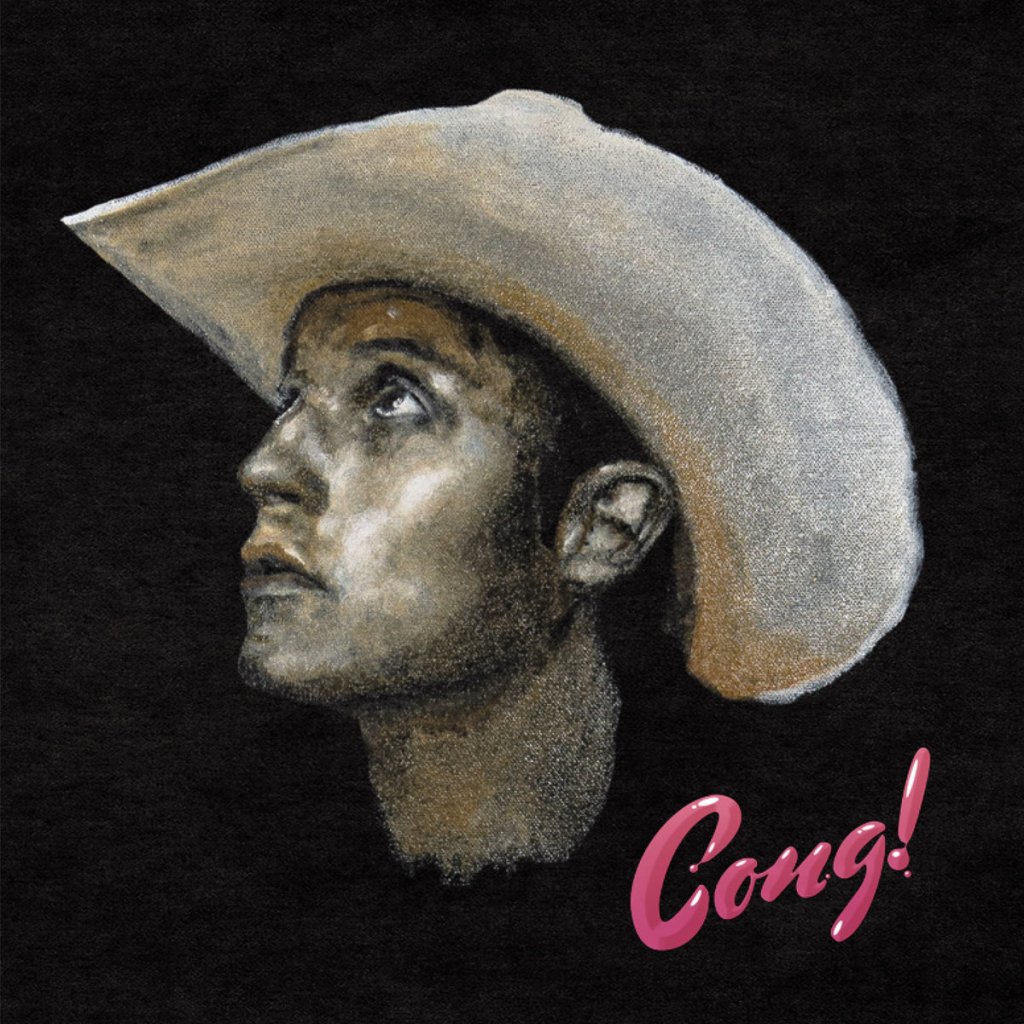
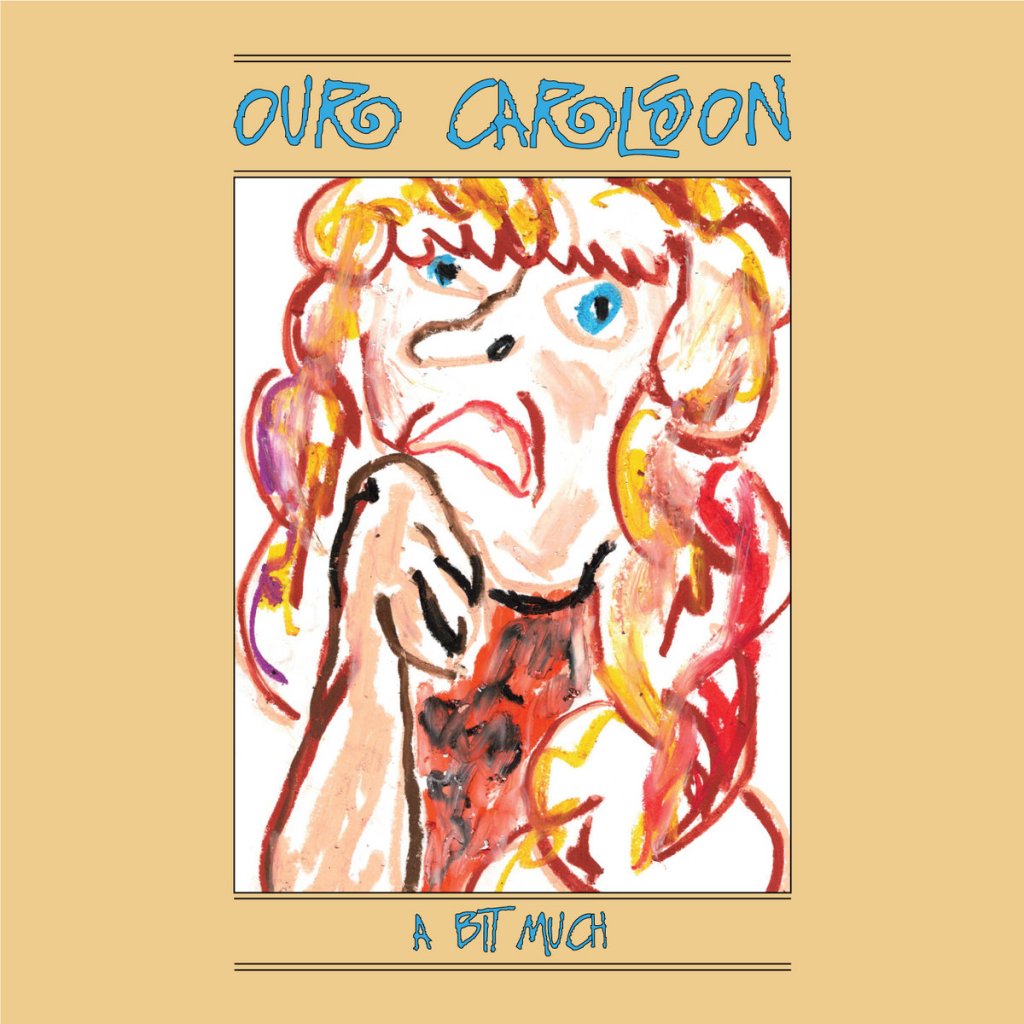
We love the A Bit Much album art that Ben Mackie drew. How do you know Ben?

OC: I know him through music. He played in Cuntz, is now in Chemo Beach and Spiritual Mafia. Ben does a lot of different styles, but that crayon-style is something I really like. I sent him a few photos of me and asked him to do a portrait. He did a couple for the circular labels on the record, they’re pretty gnarly. He’s a legend. It’s nice collaborating with all of your friends. 

Collab-ing with friends is the best. Nice Cong Josie shirt you’re wearing by the way!

OC: Love Cong! He’s coming up this way to play at the church in Blackwood. The Uniting Church sold three churches and put the money into the church in Blackwood. If you’re a local you can rent it out very cheap. I’m actually in the church committee, which is a bit of a laugh for me, I’m not too much into the church. They asked me to be on the committee, because I put on art shows and gigs in town a bit. I rocked up the first day and I’m like, ‘So, queer people?’ and they’re like, “The Uniting Church has queer ministers.” And I was like, ‘Are we going to have a welcome to country at this thing?’ They’re like, “Yep, we’ll do all that and pay for it.” There were a whole lot of things where I was like, ok, as far as church goes this seems not too bad. 

You mentioned earlier that out in Blackwood you’re a town of 300 people. How do people out in your area respond to art shows and gigs you put on?

OC: There’s a lot of artists and musicians in the town. If you do something in the pub they want to hear covers. I did that a few times. Bitch Prefect played in the pub, another one of my bands Wild Blooms played, Eaten By Dogs, Joshua Seymour (who is one of the most underrated musicians in Melbourne). At the pub they really want to hear Midnight Oil; they want to hear covers. 

I put on an art show, Terry and Vertigo played. I was like, ‘Oohhh, a hardcore band, I wonder how this will go?’ People loved it! They own the pub, it’s their space, but if you put an art show on somewhere else it changes their mentality and they’re more open to other things. Vertigo played and people came up to me afterwards and I’m like, ‘What did you think?’ They were like, “They’re great! The singer’s pretty cute.” [Laughs] . It’s so great, you’ve got fifty and sixty-year-old people getting into hardcore at the church.

Our Carlson’s A Bit Much out now ourcarlson.bandcamp.com and @our.carlson
https://www.instagram.com/our.carlson/

Traffik Island’s  Zak Olsen is back with A Shrug Of The Shoulders

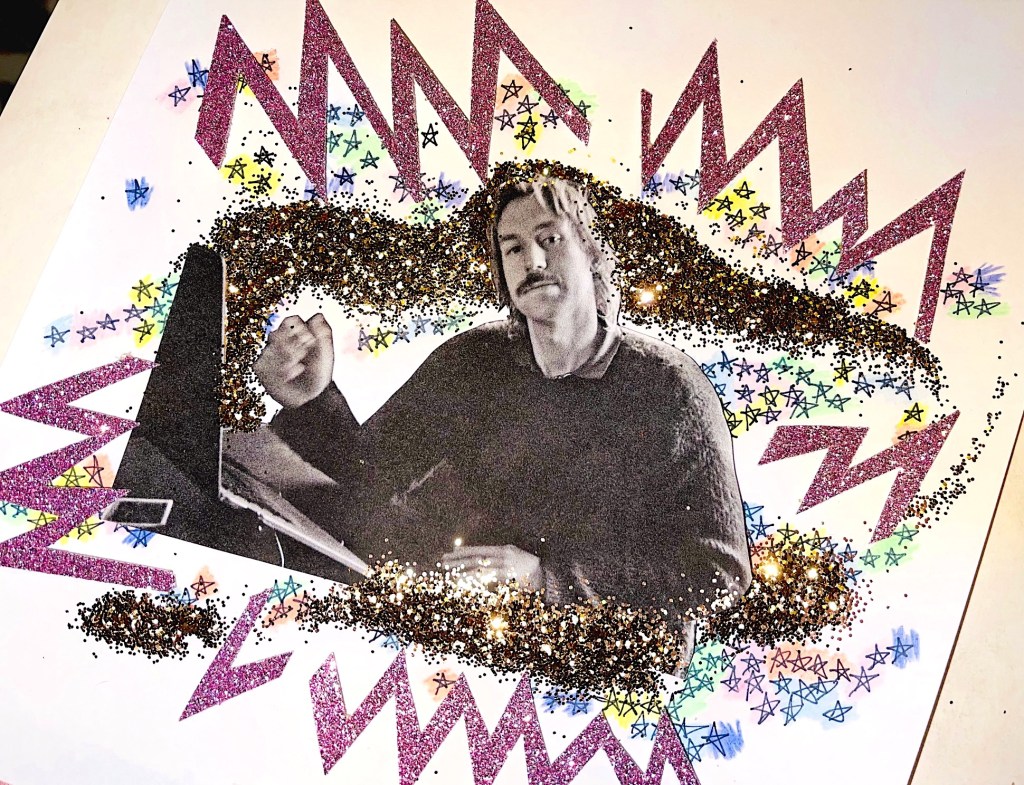
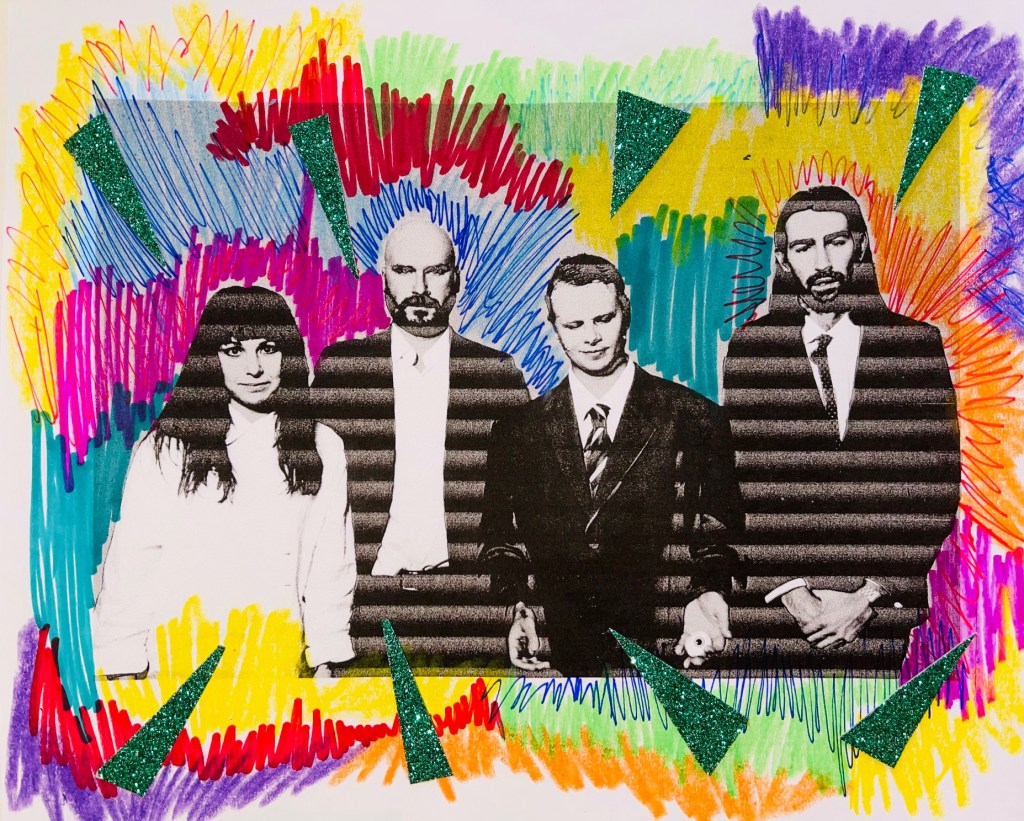
Original photo by Ashley Goodall. Handmade collage art by B.

Since Gimmie last spoke with Zak Olsen he’s been working on Traffik Island album number three (and four), and moved out of Melbourne into the country. 

Album A Shrug Of The Shoulders feels effortless and is a sheer delight, giving the listener a sense of sitting in a lounge room as friends make music together—in a word it’s, joyful. There’s a naturalism and realism along with beauty, nuance and humour revealed as the collection of songs unfold. The songs are stripped down to their essentials, influenced by 60s music but with a modern sheen. Zak’s sincere expression and ability to turn lyrical gut-punches into catchy psychedelic folk-pop riffs is truly charming. Today we’re premiering second single, ’You Do, Don’t You?’

It’s great to be talking with you again today, Zak.

ZAK OLSEN: It’s nice to be back! I’ve just moved out of Melbourne, I live out at South Gippsland now in a small dairy farm area called Wattle Bank.

What made you want to get out of the city?

ZO: It was more, what was making me want to stay in the city? That was more the question I was asking myself. I couldn’t answer it. Obviously I have lots of friends in the city, and I miss seeing them frequently. For me personally, Melbourne wasn’t really the ideal place for me to be at the moment.

What’s moving out into a more rural area given you?

ZO: Lots more time outside and plenty more of the colour green, which feels good. There’s heaps more space, the house is a lot bigger than the one I was living in. There’s lots of room to set up instruments. We have chickens! I’ve been enjoying spending time with the chickens.

I saw them on the Traffik Island promo vid for the new record! In the video you were baking something; what was it?

ZO: Yes, that’s the chickens in the video. I was baking a Lemon cake. It was a basic one. I thought I’d put some eggs to use.

Last time we we spoke you mentioned that you love cooking things and that you were trying to master the art of cooking different kinds of roasts. Is there anything in particular that you’ve been working on in the kitchen lately?

ZO: [Laughs]. Maybe “master” is a bit of a strong word to use. I made my first pumpkin soup last night, which isn’t too hard to master. It’s good out here because there’s a lot of less options for takeaway food, cooking is a necessity, and there’s great farmers’ market, so everything is really cheap. Everyone is really friendly too, it’s really nice.

I know that where you were in Melbourne you had a studio around the corner from your home. Do you still have it?

ZO: At the moment I’m still renting it. It’s nice to have when I go into the city, but for the most part I do everything out here.

Are there many other people around near where you live, or are you on acreage?

ZO: We live in a little cut-de-sac with four different farms on it. The house I live in is owned by the couple next door, they’re an old school Dutch farmer couple. They give us some of the food that they grow. 

That sounds nice. It seems like you have a real little community around you.

ZO: It’s great getting to know the neighbours, everyone has different skills. If shit hits the fan, they can help you out [laughs].

So, you mentioned you have a lot more space to set up your instruments; is it kind of a jam room or do you have a little studio there?

ZO: We have construction happening at the moment, there’s builders there, so our house is in a bit of disarray. Eventually one of the rooms that are being built will have my music stuff in it, but at the moment I just have mobile setups around the house whenever I can. 

My dad is here. The plan was that I was going to move in once he moved out, but because everything is the way it is at the moment he can’t exactly go anywhere. He was going to Western Australia. I’m living with him now. It’s been good, we’ve been jamming together. He hasn’t played music in a long time; he was playing all the time when I was growing up. 

Because of the harsh lockdowns in Victoria, you didn’t get to see your family for quite a while, right?

ZO: No, I didn’t get to really.

There seems to be a sense of new beginnings for you right now.

ZO: It does feel like that. It’s also my thirtieth year! It was my birthday at the end of August.

Happy (belated) Birthday! Did it feel like a milestone for you?

ZO: No. I’ve sort of felt thirty for ages [laughs]. It was more a feeling of, finally!

What were the things that made you feel thirty already?

ZO: [Laughs]. I’ve always just been rounding up since I was around twenty-six. I thought I started looking thirty!

[Laughter].

ZO: Let’s hope it stays at thirty [laughs], even when it gets to forty, I’ll just stay here at this age.

I know that feeling. For me as I’ve gotten older, I kind of stopped counting the birthday number and focus on doing the things that I love and hanging out with the people I love, spending my time on the things that bring me a lot of joy.

ZO: That’s exactly it. I get to do a lot more of that out here, which I’ve been really, really enjoying. It’s nice taking things slow, but at the same time I’m still making and playing more music. The days feel like they go a lot longer. It can get a bit suffocating or claustrophobic in the city. Once you add social media on top of that, it can get a bit much.

Photo courtesy of Zak Olsen.


I definitely feel that. You sound so much lighter, happier and brighter. I feel like your new record A Shrug Of The Shoulders has that feeling too.

ZO: That’s good, I’m glad to hear.

Of course there is still your humour and sardonic-ness in there.

ZO: Yeah. I feel like it’s a strange one. It’s the longest one I’ve ever done. It’s the first album that I’ve made in the last decade that doesn’t have a synthesiser on it. It’s a backlog of guitar songs that I had for ages. I wanted to record them in an instant manner with the band. I’m not unhappy or happy with the way that it turned out, the name really is how I feel about the album. It’s not to say that I am indifferent about it, I still put effort into it. I wanted it to be a bit more rough around the edges. I didn’t want it to be all glossy and Hollywood-feeling, I wanted it to be the opposite.

So, you wanted it to be a bit more understated?

ZO: Yeah, that’s the word I’m looking for, thank you. Understated, and there’s nothing sort of punk about it, but I just that more DIY-feeling. With me, the more you make the more you feel like you have to be of a certain standard or fidelity, I wanted to throw a spanner in the works for myself so I could clear the plate again. If that makes sense?

Yeah, it totally does. After doing a record like Peanut Butter Traffik Jam that was more glossy, it makes sense to want to go the other way and do something opposite. 

ZO: It had started turning out that way, that I do a synth-y one and then a guitar one, then a synth-y one. The one that I’m working on now for Traffik Island is a synth-y one again.

You’re already working on the next one?

ZO: With A Shrug Of The Shoulders some of the songs are quite old. I am working on the next one, but it’s not like I’m a workaholic, I just slowly work away. That’s the good thing about having guitar songs and then synthesiser songs, there’s always stuff there to go. 

What’s the difference between the two for you?

ZO: With the guitar songs, I’ll sit there with a guitar and write lyrics and work lyrics out with the chords. It’s a straight up and down old way of writing songs. The synthesiser stuff, I don’t have anything written before I start making it, I make it as I’m going in the music program.

Do you look for different sounds or start with a loop?

ZO: Yeah, I might have a drum loop that I like or I might just keep fishing around until a sound sounds cool and sparks an idea. The synthesiser stuff is good in that way because I never really feel like I’m running out of ideas with it. 

It’s totally endless. When I sit down at our synths we have set up, I can be there forever. You could sit there for days, weeks, and forget to eat cos you’re down a rabbit hole of sounds. There’s the sounds and then the variations you can make to the sound. 

ZO: Exactly! [laughs]. It really is. It’s probably what I enjoy doing the most out of the two styles. The guitar stuff is much more rewarding though to me because it takes more planning, effort and time.

Do you think part of it is that you’re more comfortable with doing acoustic music, having done it for so long?

ZO: I’m not sure. I go through stages of being comfortable with the guitar stuff. Sometimes I’m not very comfortable doing it.

Wow. Really?

ZO: Yeah. Especially when I play solo acoustic shows—it’s like a bad dream [laughs]. 

I guess being on stage with just your voice and an acoustic guitar might make you feel a little more vulnerable than if you had a band with you.

ZO: Yeah. It is really naked. There’s good things about it, if you make a mistake sometimes you can cover to up easier and it doesn’t matter if you miss a verse. Other times, if your voice breaks or something, it can feel like the most embarrassing thing in the whole world [laughs]. I know when I see bands, I do like to see the human touches.

That’s one of the things that I love about your new album Shrug… there’s little fragments and character touches, things like the background chatter and crack of a beer. What was the thought behind including these things?

ZO: 40% of the songs, I’d written lyrics first without any music. I wanted to work backwards. I was, for lack of a better word, scoring the lyrics. It was great doing it that way, some of those songs are the most enjoyable for me, the more lyrical ones. Along with that came the background effects and noises compliment the lyrics as well. I wanted to have it all in there so it would be like sitting in a room with us at a rehearsal—all the chatter, all the beer cracking or there’s cars driving by in the background of the songs. Leah [Senior] is talking at the end of the album.

I thought it was Leah! At the end of ‘New Leaf’ there’s a female voice saying, “I thought that was good.” 

ZO: Leah sang the harmonies on that one.

Nice! You mentioned before that you wanted to do the songs pretty instantly when you recorded them. I understand that they were learnt on the day by the band and you played them five or so times before recording them. Did you do it like this to capture a spontaneity or have that fresh sounding spirit for the listener?

ZO: Not the whole album was learnt on the day, some songs we had been playing for a little bit. Lots of it was quite fresh when we learnt it. It was mainly because of necessity. All the stuff with Traffik Island is always out of necessity. I’m super blessed to have those guys playing with me, I love how they all play and they bring so much to it. We all came together and started playing out of necessity and living together. I was going to play a solo gig and realised that I didn’t want to beforehand, so I asked Myles [Cody] and Jack [Kong] to play. A year later, I moved in with Jesse and he had a day off work and I asked him if he wanted to sit in on piano at a practice. Every thing I do with Traffik Island isn’t mega planned ahead. Again, I’m not complacent with it, I like things to be spontaneous; it’s the nature of the project.

Can you tell me about the joy of playing with everyone again?

ZO: It’s always a real pleasure. The song ‘Papers’ on the album is improv, but it’s actually four or five different takes of the same same motif we jammed on and I stuck them all together in a collage style. That song, as ridiculous as it is, was the most fun for me on the whole album because there were no plans and everyone played what they liked; we were having fun and laughing while we were doing it. It’s always a real pleasure to play with those guys.

Photo by Jamie Wdziekonski.

What song on the album was a little trickier to do?

ZO: For whatever reason, the second song ‘Do You, Don’t You’. We’ve been playing that one for a while live, but it’s just one of those things, sometimes when you go to record something on the day you can’t do it. It took us a while.

We’re premiering ‘Do You, Don’t You’.

ZO: That one is quite old. I wrote it just after Nature Strip, before even starting any of the Peanut Butter album. I did those two chords at the start, liked it. I wanted to make one with lots of chords, a garage-rock opera [laughs]. 

Because it had this obviously sixties inspired old dusty garage-y sound, lyrically I went down the typical path; all those sixties garage songs are about teenage relationships [laughs]. That was the natural thing that I felt like singing about. The words on that one was more of an afterthought, it was more of an impression of the music that I grew up listening to.

You mentioned before that the album wasn’t really punk, but I think a lot the songs have that spirit, like ‘F.T.U.’ Rather than fuck the world, it’s fuck the universe!

ZO: [Laughs] Yeah. That one was written on a Monday morning, I wasn’t feeling too crash hot that day and I thought about, what is the most angry thing that I could say? That was one of the ones where I wrote down all of the lyrics first and made music around it. 

I feel like that’s a song a lot of people will be able to relate to, we all have those kinds of days! You took it that next level with ‘fuck the universe’! [laughter].

ZO: [Laughs]. I’ve always felt a bit iffy about that song and wasn’t sure if I’d put it on there.

I’m so glad you did. It made me happy hearing someone else gets those thoughts sometimes too.

ZO: Aww thank you. That’s good!

I love the piano on that song.

ZO: That’s Jesse, the piano master. It’s amazing, he’ll play some chords and just do all of these beautiful things and flourish and bring all of this colour out in a song.

It’s so emotive. I guess moments like that also speaks to the joy about collaborating with other people. 

ZO: Yeah, especially Jesse [Williams]. He really, really is a master. I didn’t really know Jesse or Leah before moving in with them. They had a room up for grabs and I was blessed enough to be chosen [laughs]. Those guys are just super talented musicians. It was a nice house to live in, it was always inspiring and encouraging to make things. Jesse has been a big help with Traffik Island. He recorded all of Shrug… and the majority of Nature Strip in his backroom, which was nice. 

Other than piano flourishes, what else does he bring to the recording?

ZO: He plays guitar all over the album too. He was that missing piece, without him we were jamming as a three-piece. It was a lot more raw then. I remember the second that he started playing with us at rehearsal, the rest of us looked at each other and it was like, “Whoa! We sound so much more like a real band now!” [laughs]. He glued it all together. It was really something. He’s a master recorder as well; he really knows what he’s doing and really takes the time. I was wondering how it would come out after the last album, being so different. I’m happy with it and I’m glad that I’m going to have it out and I’m able to move onto another one.

The song you mentioned before ‘New Leaf’ is a really great song. It feels really introspective. I love the lyric: Turning over a new leaf, what does that even mean?

ZO: [Laughs].

Was that another day where you were like, why life? Why?

ZO: There were a couple of “why?” moments with writing these songs. It was written over a long time, some would be from 2019, even end of 2018, and some were written this year—it spans a lot. I’ve obviously gone through a lot of things in that time. 

What kinds of things?

ZO: Nothing crazier than anyone else. A lot happens in three years. It feels like a strange one to me, it doesn’t feel super cohesive, but it also sort of does, I guess because I made them all [laughs]. Usually I’d do overdubs into oblivion, typically there would be synthesisers on it, for this one I didn’t want to do that, so it’s pretty raw to my ears.

Album art by Jamie Wdziekonski

We love the album art that Jamie Wdziekonski did!

ZO: Yeah, he nailed it. 

I was speaking with Jamie the other day and he told me a little about making it. The whole concept of it is really cool—33 photobooth strips taken in consecutive order.

ZO: It took a fair bit of planning because we wanted to be able to take the photos and lay it out on the table and have the album cover there. We were going to do it individually and make it up on the computer, but we though we’ll go the whole nine yards and do it the way we did. 

Jamie mentioned that it was a funny and hectic shoot.

ZO: It was! We went there at night time to avoid as many people as possible. It was a busy night though, so it was hard, we had these giant letters with us and all our stuff. We did one shoot of it and then took the slides upstairs, there was a couple of letters that weren’t ideal, we had to run back downstairs and take some more. We had hundreds of dollars in gold coins. It was crazy. I was very happy how it turned out. It was this old photo booth that had been there a long time. The same guy services it, so we got to show him the album cover, which was cool; he was really happy that we used it.

Besides the next Traffik Island album you mentioned you were working on is there anything else in the works?

ZO: There is that one in the works, which is back to Peanut Butter… there’s going to be singing all over it this time. I want to try and blend the more song-iness of the guitar songs and have the production of the synth-y ones. 

What song have you most recently been working on?

ZO: This morning I was doing a remix for a band from Melbourne called Mug.

We love Mug!

ZO: I’d actually never heard them until I got an email asking me to do the remix. I really enjoyed them so I was more than happy to give it a go.

I know that you’ve done a few remixes now; how do you approach doing them?

ZO: It’s different every time. One thing I do try to do though, is that I won’t listen to the original song more than once or sometimes I won’t even listen to the whole song. In the past I have listened to the song too much and the remix I ended up with, wasn’t as different as I would have liked it to be. A lot of the times people like to use the stems when doing the remixes, but I don’t like doing that; I like getting the final mix of their song, listen to it once or half way through and then go from there. I never want to make it too similar. 

What have you been listening to lately?

ZO: I finally set up my record player again, my records have been away for a little while. I’ve just been going through them. With my dad around, he’s keen to go through my records and listen to stuff. I’ve been showing him lots of things that have been my favourite things and trying to get him used to those sounds. He hated jazz a few weeks ago, and now he is coming around to it [laughs]. I first played him Can on my thirtieth birthday and he was not interested, but the other night it was his birthday and we listened to the again and after twenty minutes he was like, “wow! This is really good!” He’s fallen in love with Hawkwind all over again; he hadn’t listened to them in over twenty-five years. He wants to listen to them all the time now again, while he’s driving trucks, that’s his job.

That would be perfect driving music!

ZO: That’s what he said! He said he wanted to get Space Ritual and put it on USB so he could listen to it in the truck and just drive all day to it [laughs]. 

You mentioned there was always music around growing up; did your dad get you into music?

ZO: Yeah. When I was really young we lived on a farm in New Zealand. He played in a thrash metal band. When you’re a little kid, there’s nothing cooler than pointy guitars and thrash metal riffs; everyone had skull t-shirts. He definitely inspired me to want to be in a band. We grew up with [Black] Sabbath on all the time, passively I had no choice but to like Sabbath [laughs]. Who doesn’t like them? It’s very likeable music.

How did you make the jump from Sabbath to 60s folk music?

ZO: [Laughs]. I grew up around lots of heavy metal. Megadeath do a cover of ‘Anarchy in the U.K.’, I always remember that from my youth, pre-school and primary school. One day in high school I was watching a documentary on SBS and the Sex Pistols came on and did ‘Anarchy in the U.K.’ and I was reminded of the Megadeath version. From that I got into 70s punk and you keep going back and you find The Kinks, once you get into that the 60s opened up, especially 60s garage. I got into a lot of 60s stuff though garage music. My grandma bought me Beatles CDs; people are lying if they say they don’t like Beatles songs [laughs]. Personally I think a lot of garage stuff from the 60s is more punk than what actually got called punk in the next decade. Any genre or sub-genre that exists has it’s roots in the 60s; you can trace everything back to there. As far as I can tell, it’s all there. 

Anything else you like to share with us about your new album?

ZO: It’s coming out in November, around the same time as Jake [Alien Nosejob] is releasing his album. The last two Traffik Island albums came out at the same time as Alien Nosejob albums, which is nice. 

Shrug Of The Shoulders is out November 19 on Flightless Records. 

Please check out traffikislandbandcamp.com.

Gimmie RADIO OCT 2021

New playlist for October is up now for your listening pleasure!
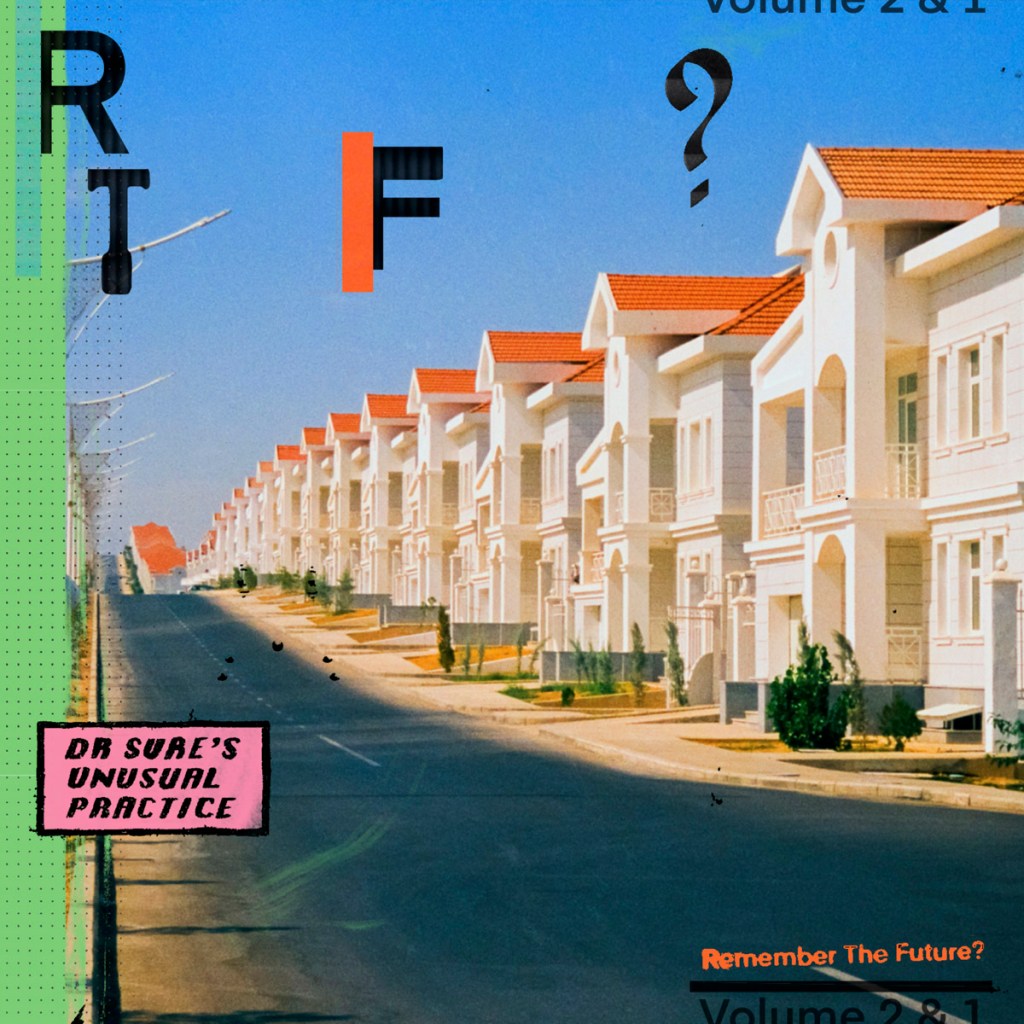
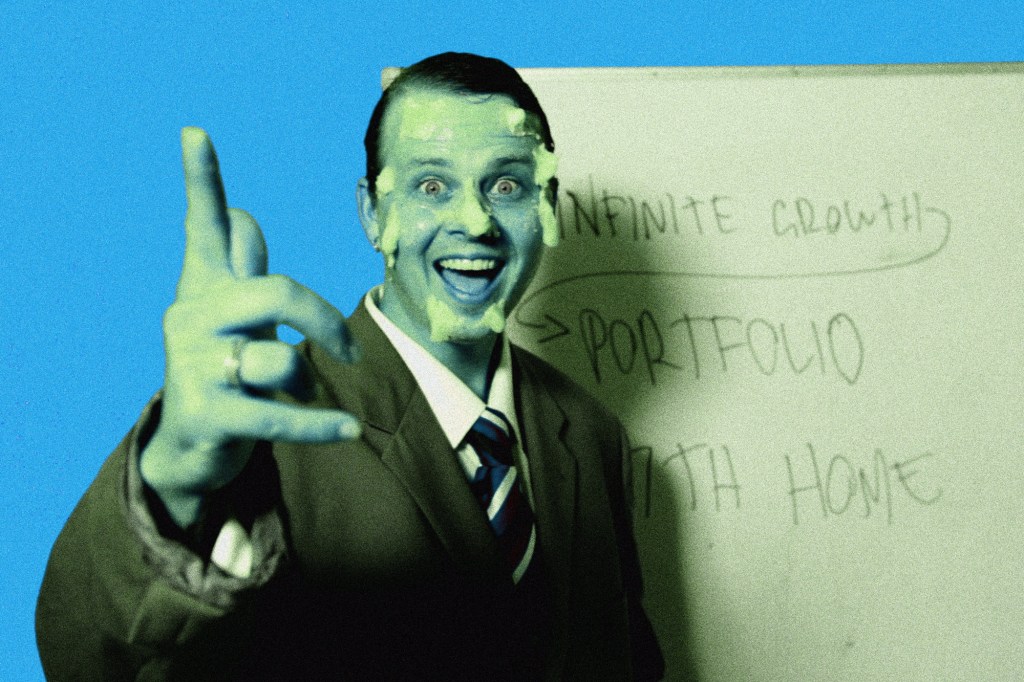
This months features songs from screensaver, Dr. Sure’s Unusual Practice, Laughing Gear, Hearts and Rockets, Ausecuma Beats, Power Supply, Bitumen, Alien Nosejob, Springtime, and more.

Pipe-eye’s Cook Craig on new album Dream Themes plus new song and video premiere

Original pic courtesy of Flightless Records. Handmade mixed-media art by B.

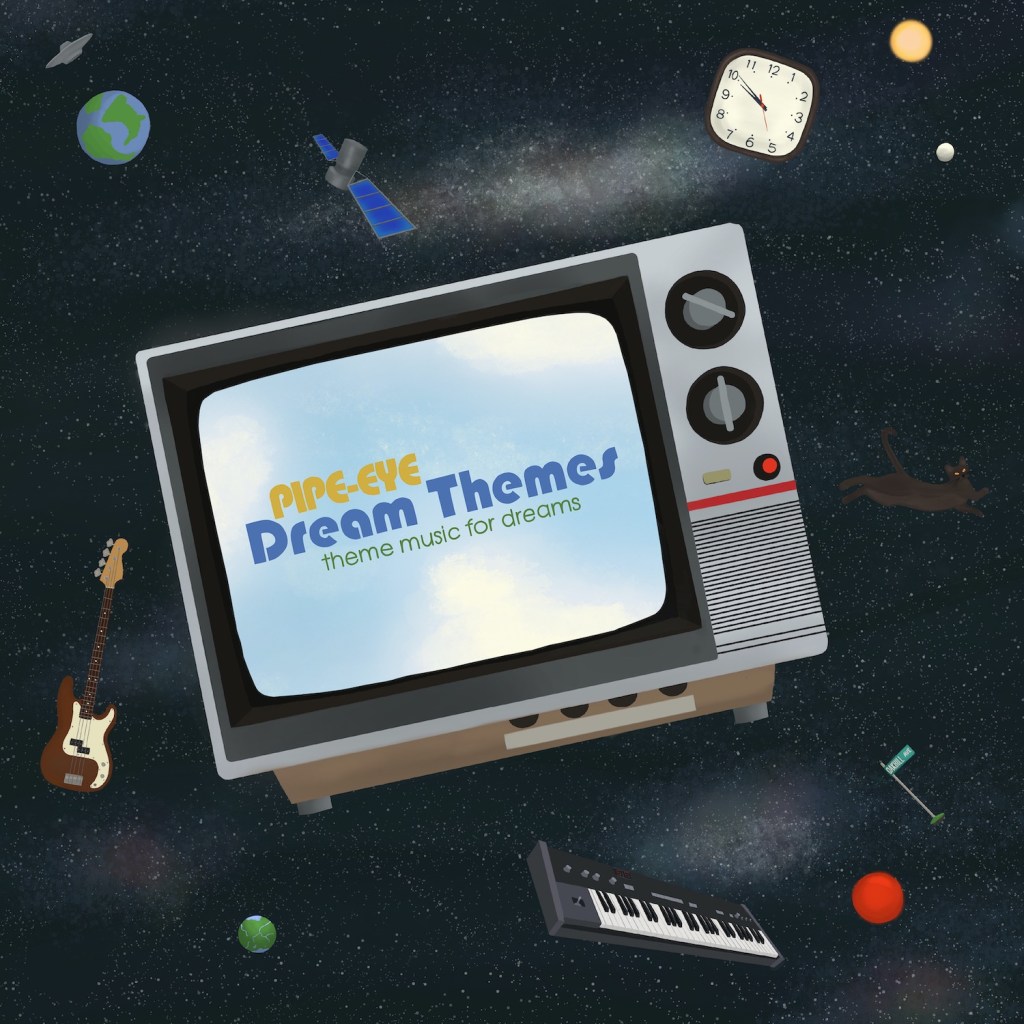
Cook Craig returns with Pipe-eye release number four, Dream Themes. The record is adventurous and playful, crafting stories without needing words, in the tradition of the greatest soundtracks and Library Music, but with his own twist. Gimmie chatted with Cook in-depth for an hour about Pipe-eye’s beginnings, songwriting, his creative process, new passions that emerged in lockdown, finding a love of jazz in his “twilight years”, we get a little peak into his home life, and of King Gizzard and the Lizard Wizard touring. Today we’re premiering the song and clip for first single ‘Ancient 5G Aliens’ along with an extract of the chat; the full interview will appear in our next print zine, Gimmie Issue 5.

Where did the title of your new album Dream Themes come from?

COOK CRAIG: I had the idea that all of the songs on the new album would be theme songs, instrumental. I wanted to match them with the song titles, that they were weird dreams; they weren’t real TV shows. I thought it just sounded cool too. 

It does have a nice ring to it—Dreeeammm Themmmes!

CC: [Laughs] Yeah! And, I googled it and there weren’t many things called dream themes.

Did this collection of songs come from dreams?

CC: Kind of. Just wacky day dreams. Day dreams about my cat and my dog [laughs]. ‘Detective Dogington’ is about my dog, Homer. He’s really snoopy and walks around investigating things. ‘Martina Catarina’ is about my cat, Martina. She’s real crazy, she’s like a kitten. 

Are all of the songs on the album from something in your life?

CC: Yeah, or things like current events, like ‘Ancient 5G Aliens’ is about deadshit conspiracy theorists [laughs]. I usually write the music first and then try to think up titles and themes that I think match the vibe of the music. It’s what naturally comes out when I sit down. I wasn’t going for an overall theme or vibe for the album. In terms of the titles, they’re not particularly linked.

For you are the songs linked musically?

CC: Definitely. I pretty much wrote all of the songs at the one time, within a week. It was actually on my honeymoon.

Is that where ‘Let’s Get Married’ comes from?

CC: Yeah. We got married in our backyard the day before the very first Covid lockdown. We did that because we had an overseas wedding planned, but had to can it. We went to an Airbnb for two weeks and were locked down, and that’s when I wrote all of those songs. The Airbnb was really isolated in a costal country town, we didn’t really have that much to do, so I’d sit down for a couple of hours every day in the morning and wrote a song at a time.

I’m guessing just having got married and being on your honeymoon you would have been in a really great mood and that might have helped your creativity and productivity.

CC: I definitely had some gusto! Normally I’m not like that, I usually take ages to do anything. When I have an idea, it doesn’t take me long to write a song, but it takes me a while to get started and to get motivated. 

Is there anything that helps you get motivated?

CC: I have to just sit down and force myself to do it sometimes, I’m so busy with my other bands, with Pipe-eye I find it hard to get the time to sit down and write a song, or I don’t feel like it because I’ve been at band practice all week and I’m mentally fatigued or musically fatigued. Sometimes I’ll just sit down for a week and write a bunch of songs, and that will last me for the next six months.

How did the song we’re premiering ‘Ancient 5G Aliens’ come together?

CC: I made a lot of the songs on the album to drum machines that I had programmed. Later on, I got Cav (Michael Cavanagh the drummer who plays in King Gizz) to drum on it. I was going for a fast afro-esque groove, looped that a heaps of times, and it turned into a song from there. The title was inspired by the History Channel, it’s really funny now. It’s all about Ancient Aliens [laughs], it’s all about that crummy, really trash kind of TV. 

Ha! I remember watching the first couple of episodes of Ancient Aliens thinking, ok, maybe there’s a little something here, but then as the series continued on, it just really, really started to stretch things and make some wild claims. 

CC: Yeah. I was sold on it! Still am I reckon! [laughs].

Was it a conscious choice to make this album instrumental (of course besides the song ‘Chakra’ that has the part where the word is said over and over)?

CC: I started it without any intention of doing that and as it went on, I thought a lot of the songs were strong without vocals. I thought it would be cool to take a different direction for a change and focus really hard on the music itself, rather than… I normally make songs then I write the lyrics, the vocals as an afterthought. I wanted to change it up. 

Was there a freedom or relief that came from not having to write words for the songs this time around?

CC: A little bit. I like writing lyrics, but making the music is definitely my favourite part. 

What’s the first song you wrote for this album?

CC: ‘Let’s Get Married’. I wrote it when I was engaged.

Awww. How did your partner feel when you showed her?

CC: She liked it. She likes it when I sing though, and I don’t think she quite got the whole instrumental thing [laughs]. She was still appreciative.

‘Oakhill Avenue’ was the last one I wrote. I wrote it to fill a gap in the songs in terms of vibe, another slow kind of chill vibe song. I wanted to do something in a different time signature that wasn’t in 4/4. 

Most of the songs are fairly in my comfort zone. I feel like when I do Pipe-eye stuff it’s never that challenging, because I’m writing everything myself; I don’t’ necessarily write hard parts. In general, it was challenging to find sounds that I hadn’t used on albums before. I’ve done keyboards and synths a lot, I tried to push that a fair bit more on this record.

I noticed that. Do you ever bounce your ideas of someone else when you’re working on Pipe-eye material?

CC: It’s pretty much just me. Sometimes it’s good to get Michael, who drummed on it, I’ll send him a song and not really give him much instruction on what kind of drums to play, which is good because sometimes he sends it back and it’s completely different to what I would have thought of, and I’ll roll with that.

As the album progressed and evolved where there many other changes you noticed in the songs?

CC: The main one was just deciding to make it instrumental. I was halfway through when I decided to do that. I just plod along and slowly do things.

No stress! I assume with other projects you’re a part of it could get real hectic. With Pipe-eye you have control over everything yourself and no urgency to do anything, you can just take your time.

CC: Exactly! I don’t play live with Pipe-eye, it’s just a recording project. There’s less stress to do albums by deadline. It’s not like I have to do an album to do an album tour and promote it. I take my time and do it as it comes… 

When I first listened to Dream Themes, I was wondering is you’d be listening to a lot of soundtracks and Library Music?

CC: Yeah, 100%, I always listen to that kind of stuff…

There’s also a film clip to go with ‘Ancient 5G Aliens’; what can you tell us about it?

CC: It’s made by a guy called Jake Armstrong, he’s from The States. I learnt about him because Ambrose hit him up for a Murlocs clip; he did the ‘Skyrocket’ clip. I hit him up out of the blue and he was keen. It’s animation. His stuff is pretty kooky and playful, but there’s an underlying vibe of darkness, I guess. With this clip, he’s never done anything like it before. He fully went animation, they kind of look like PlayStation 2 graphics! It’s real cool. It’s kind of got a storyline, there are these two aliens fighting and it’s in a cityscape. It looks like the old kind of not-quite-there graphics, that PlayStation 2 kind of graphics.

Yeah, I remember those and Sega and Atari and all the games! 

CC: [Laughs] Yeah. I still game a bit. I got a PlayStation 5 recently! There’s not too many games out on it yet, so I haven’t got to play it too much. I was playing Ghost of Tsushima where you get to play a samurai, it’s a bit like playing open world. Pretty nerdy!

Pipe-eye Dream Themes out November 26th through Flightless Records.

ISSUE 4 (U.S. Edition)

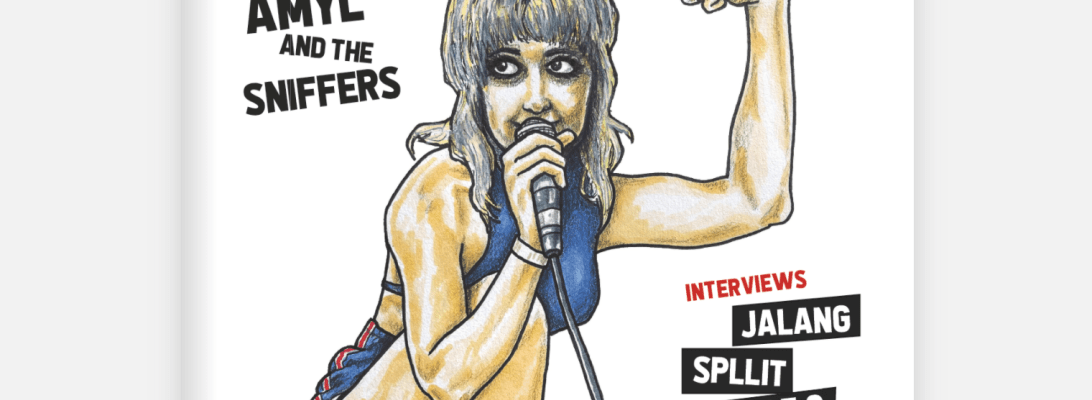
Cover illustration by Jhonny Russell

Gimmie Zine Issue #4 has just been released in the U.S.A. via Total Punk Records. This version has a limited edition Amyl And The Sniffers cover variant!

People outside of Australia please get it from http://www.totalpunkrecords.com

We have a very limited amount of import copies of this one available for people in Australia here.

We are sold out of the Australian edition covers, but keep your eyes peeled on AUS record stores as limited copies will be popping up at places like Rocking Horse, Repressed, Lulu’s, Sonic Sherpa and Rudderless.

We chat in-depth with Tessa & Alda from D-beat band Jalang! They’ve released Australia’s best hardcore record this year. We explore the album themes: politics, religion, feminism and queer rights in South East Asia and beyond. A really important chat.

Gareth Liddiard from Tropical Fuck Storm speaks about new album ‘Deep States’, songwriting, creativity, fanboying and collecting weird shit.

R.M.F.C.’s Buz Clatworthy talks, a new album in the works, lockdown being a creativity dampener, finding inspiration in films and friends.

We yarn with Emma Donovan and The Putbacks. New record ‘Under These Streets’ draws on soul, R&B, funk and the protest music of Indigenous Australia—a dynamic portrait of Blak pain and joy in all its complexities.

Amyl and the Sniffers’ Amy Taylor and Bryce Wilson check-in to tell us about their new album’s journey, experiencing depression, keeping busy and the power of music.

French duo Heimat play off-kilter experimental-pop with folklore influence, cinematic-like soundscapes, and vocals in multiple languages. A chat on experimentation.

Old Home vocalist Dylan Sparks gives us a peek into their visceral performance poetry coupled with spontaneous musical composition.

We speak with Louisiana band Spllit just days after a hurricane hit their area. We adore their lo-fi weirdness. Next level music.

70’s acid-folk legend Howard Eynon has had a storied life: appearing in films including Mad Max, supporting Hunter S Thompson’s tour; performing in theatre. Recently, he’s been working on music with Zak Olsen. A brilliant chat.

Julian Teakle of The Native Cats and Rough Skies Records selects some of his favourite tracks for us.

52 pages. A4 size. Limited Edition. 

Feminist Bratwave Punks Hearts and Rockets’ new video ‘Square Eyes’: “We moved entire rooms in our house to create the sets”

Original photo: Kalindy Williams. Handmade collage art by B.

We love Naarm-based feminist bratwave punk band Hearts and Rockets. We first chatted with the inspiring duo when we started Gimmie. Today we’re premiering their super fun clip ‘Square Eyes’ which is the first single off their forthcoming EP TV is Boring, their love letter to TV—one of their favourite things. We chat about making the clip, EP, 80s horror flicks, The X-Files, TV shows, and other creative projects in the works. We wanna have a TV Party tonight! with Hearts and Rockets.

Hearts and Rockets were one of the first bands that we interviewed for Gimmie. We’re excited to have you check-in with us again; what’s life been like lately for you?

KURT ECKARDT: Life is SO weird! Life is always weird, but lockdown #6 hit us in Melbourne in a strange new way. I’m so grateful to have a creative outlet that can be completely self-contained and can be done at home, and so so grateful for our doggo Bonez. She and I have had some pretty heartfelt moments lately, thankfully she’s a very good listener.

KALINDY WILLIAMS: We are really so thrilled to be chatting with you again! Thank you so much for your support. You always feature our favourite bands and artists, we really love all that you do.

Thank you! The love is mutual. You have a new EP TV Is Boring coming out on cassette in November and it’s a collection of songs about TV; what was the initial spark that gave you the idea to write to this theme?

KW: We were writing songs for our next album, and we had so many ideas! While we were writing melodies for them, we found a couple with kind of ‘working’ lyrics that referenced TV, mostly in the chorus. From this we kind of discovered a running theme. We realised that four main songs that we were close to finishing all went really well together and had a loose theme of television, so we decided to separate them out and create a fun EP!

KE: We also both love TV and movies, and we’ve had a few songs on previous releases about both so it’s kind of a continuation of that. It was tempting just to make the whole album about TV to be honest, but that’s pushing it, plus we have other things to sing about – some of which are a little more important.

How long has the EP been in the making for?

KW: We had a show planned for July this year, which was then rescheduled ‘til October, and now is in limbo, where we were going to play a set of entirely new songs that we were working on for our album. It was set to be at The Tramway Hotel which is a lovely small and super intimate venue, and we were really looking forward to kind of trying some things out live to see how they sounded. When lockdown #5 hit and it was postponed, we decided to make sure we didn’t waste that energy and momentum and got to recording a few of the tracks.

KE: Yeah, we pulled those TV tracks out and knuckled down and finished them off, then took our time recording them at home. So, I guess we started the EP officially in August, and had it recorded by the end of that month. In concept only for the past few months, but I think one or two of these song ideas were kicking around for a while leading up to that decision.

Art by Kalindy Williams.

I know that you both have fond recollections of staying up late and watching Rage and bad movies; what are some of your favourite bad movies?

KW: We both watch lots of horror movies, mostly 80s horror as well as silly comedies. A few great ones that we have watched recently are Dudes (punks on a roadtrip), Times Square (punk girls making punk music against the status quo), Hell Night (frat party murder house), Once Bitten (silly slightly problematic 80s vampire romance/comedy/horror with Jim Carrey), Earth Girls Are Easy (80s does 50s does 80s alien movie), Aerobi-cide & Death Spa (both ridiculous 80s workout-themed horror movies), Sorority Babes in the Slime Ball Bowl-o-Rama (single location – a bowling alley – horror movie) and anything by John Waters. He’s the king of bad taste, and I think everything he does is iconic.

KE: This is so hard, because while they’re bad, they’re so so good! My faves are The Stuff (actually the best movie ever made), Chopping Mall (security robots go bezerk), Body Melt (this country’s greatest schlock), and Happy Birthday To Me (the first horror movie that I ever watched). Plus Stay Tuned, which is a favourite of ours and was an inspiration for the video clip for ‘Square Eyes’.

Is there anything of note you’ve been watching lately? What sucks you into watching it?

KW: Sexy Beasts. I assumed it was a role play of people being aliens and squirrels. And when I watched it and realised the absurdity of it being a reality show, I couldn’t stop watching it.

And I’m always rewatching Doctor Who. Space travel, time travel, queer undertones… what more could you want?! And in this last lockdown, Buffy has been on rotation.

KE: I’m obsessed with The Golden Girls. It was one of my favourites growing up and when I thought back to that throughout my life I thought it was so weird. Like, ALF – I get why I liked that – but a 7-year-old obsessively watching Golden Girls? I’ve rewatched the whole series recently and I still love it. While it’s not 100% PC, I think it was pretty ahead of its time. I can’t help but need to know how each episode is resolved, no matter how obvious it may seem.

You’re both also avid X-Files fans (us too!); what’s your favourite episode?

KW: Mine is Zero Sum! It’s in season four and starts off with a woman being swarmed by bees in a toilet cubicle. I watched it when I was way too young, but it’s the first one I think of when I think of The X-Files. I also really like the one with Jack Black set in an arcade where that guy gets the power to control electricity – it’s got some amazing visuals in it.

KE: My fave would have to be Squeeze. It’s the first monster of the week episode, and I remember watching it when it first aired and thinking it was so cool. I also love that the monster, Tooms, reappears later in the series. He’s the perfect X-Files character. A notable mention has to go to Flukeman though, my second favourite monster from The X-Files.

My friend Tom and I were so obsessed with The X-Files when it first came out, but I wasn’t allowed to watch it. Thankfully, he was, so I conveniently stayed at his house once a week at least.

Tell us about the title of the EP?

KW: TV Is Boring came from just watching too much TV in lockdown, and realising how many TV shows follow the same formula and get boring so quickly. I like TV, but sometimes you’ve just had enough.

What did you love most about the process of making TV Is Boring?

KW: I found writing the songs and practicing them the best part, because when we found out that we couldn’t play live we just set our own reachable goal and our own reachable deadline and came at it with the attitude of not rushing and not pushing ourselves. So, it was so fun to be able to try new things, speed up and slow down songs, and because we had no time limit it made it fun and took the stress out of it.

KE: Yes totally! The beauty of self-releasing music! There’s almost always a deadline, and that’s great to make sure you get what you need to get done done, but the two of us just playing fun songs for fun and for ourselves made this such an enjoyable experience. My highlight of this year was spending time on these songs – adding more and stripping back, spending time just playing around and having fun with them. We’d hoped to be able to do that in a live scenario, but we were so lucky to be able to do that throughout the recording process.

We love how Hearts and Rockets are very D.I.Y. in all aspects of what you do. What was the best part about producing your musicyourself?

KW: Being able to record in our tiny spare room is one of the biggest benefits. If you are trying to record a guitar part and it just isn’t working that day, you can just try again tomorrow. It’s a huge benefit for us, because we don’t have to book in a studio or have those time constraints.

If we had the money to do it that way, we would! But we’re broke, plus the DIY bedroom set up works well for the type of music we make.

KE: While being DIY is a necessity for us at this point, it’s also silly not to think of it as an aesthetic decision. We could borrow stuff or call-in favours or get a grant to do something more ‘pro’, but instead we shove a SM-57 microphone in front of our amps and turn it up really loud.

While we totally respect the craft of studio engineering, we’d also say that if you’re reading this and you can’t afford to pay someone to record your stuff – just do it yourself. The best thing an old band of mine did was record using headphones as microphones. We broke a pair of over-ear headphones, gaffer taped one side to the guitar amp and one to the bass amp and ran them as inputs through a mixer. It was awesome and all it cost us was a pair of shitty headphones, a borrowed mixer, and a free audio app on a laptop.

You do what you can with what you have. If you have a lot, go for it. If you don’t, don’t let that restrict your output. The music is all that matters.

Photo: Kalindy Williams.

Which track from the new EP are you most excited to perform when shows can happen again?

KW: The opener, ‘On/Off’. I’m not sure why, but I’ve always thought of this song as a cowboy song. I think it will be fun to play because it will be hard to play. I have to play this slidey rhythmic guitar part and sing at the same time. But I love failing on stage. Also, yee-haw.

KE: For me it’s ‘TV is Boring’. It’s just so long. In the past, if a song has approached three minutes long, I’ve insisted on cutting entire verses and choruses out. Some I’ve let go, but not easily. But as soon as Kalindy and I wrote the basic bones of ‘TV Is Boring’, we both knew it had to be a long song. Then she went wild with the synth at the end – it ended up being 13 minutes long! I genuinely can’t wait for people who expect two-minute bangers from us to hear this song. It might be my favourite Hearts and Rockets song ever. Kalindy is just so boss in the recording, it’s amazing.

We’re premiering the clip for the lead single ‘Square Eyes’. The video features lots of fun scenes like a TV news reader/“weather girl” combo, a 50s sitcom witch show, a vampire movie, a zombie apocalypse, a cowgirl flick, an adventure film, a workout video (which is a little nod to a previous single ‘Workout’). What’s your favourite scene? Can you tell us a little about creating it?

KW: We spent a total of I think 5 days filming different scenes for it over about 3 weeks. We moved entire rooms in our house to create the sets with just stuff we already owned. I’m a huge vintage collector – clothing, trinkets, homewares – I love all things vintage, so it was fun to plan out and put together props and clothing for the clip.

I think my favourite scene is the witchy / sitcom one. I really love camp special effects from the 50s/ 60s/70s (like Bewitched and I Dream of Jeannie), and it was pretty fun to try and recreate some of them for ‘Square Eyes’. We also spent so long making food props for that scene and you only really see them for about 3 seconds. They were really delicious though.

KE: I liked making cucumber sandwiches and eating them. Why do they actually taste good? They absolutely shouldn’t, and kind of don’t, but I couldn’t stop eating them. We also used a vegan ‘duck’ in the spread, and we toyed with the idea of getting a real roast chook, but somehow the vegan duck from our freezer was completely fitting. It looks so gross.

I don’t think I’ve ever had more fun making anything in my life, every scene was so much fun to shoot.

There’s also clips of “Ramones” and “Siouxsie Sioux” in the clip; how did you first discover those artists and what do you appreciate about them?

KW: Ramones was the first punk band I discovered and Siouxsie Sioux was the first goth femme person in music I was ever aware of and she is an icon. She’s so effortlessly cool and she and the Banshees had such a unique sound that I was craving when I was a teenager. I think I’ve just always wanted to be her.

KE: I think Kalindy and my first common ground when meeting was Ramones. I will never tire of that first album. I had a step-brother, Dean, who I never got to meet. He lived in Toronto, but for much of my formative years he’d send me mix tapes. My favourite was called ‘Smells Like DEAN’S Spirit’. In the late 80s and early 90s he’d send me tapes with bands that I’d never heard of – I was like 7, 8 years old when he started – and it was bands like Ramones, Siouxsie, TSOL, Angry Samoans, Slayer, Pixies, The Stupids… like really cool punk stuff that I don’t think I would have heard otherwise, at least not at the time.

Blitzkrieg Bop started one of these tapes and I swear he put it there like a gateway to the rest of the tape… but it got me hooked, and I’ve loved Ramones ever since. Siouxsie and the Banshees were on that same compilation, it was ‘Love In A Void’, and I was so obsessed with it. One of the first records that I ever bought was their Peel Sessions EP and I treasure it to this day – their live to air version of ‘Love In A Void’ rules

You’ve been together for around four or so years now. What has been your proudest moment during this time?

KW: My teenage self would be so proud of us being on Rage! And every time we play a gig and people yell our lyrics back at us, that makes me so happy that we have made a connection with so many people through our music.

KE: OMG yes Rage, I still can’t believe we’ve had a few of our clips played on Rage. And yeah same. The first time we ever played our song Drama Club live, we had just written it and hadn’t learnt the lyrics yet, and Billiam from Disco Junk was there and held up our notebook for Kalindy so that she could sing it. There’s only one live moment that beats that, and it’s when we played it a few months later and BIlly was there again, in the front row, singing along.

Music-wise what bands, albums or songs have you been enjoying of late?

KW: Our label mates Zig Zag have just released their single ‘I Care About You’, and it’s so catchy, I am constantly singing it around the house, their joy and energy is infectious and they really do care about you! I love it!

KE: Wow, where to start?! I’m loving all of the Dr Sure’s Unusual Practice singles that have been coming out, they’re such a good band. Other newish releases that I can’t get enough of are K5’s album, Eat-Man’s record, Sweeping Promises’ Hunger For A Way Out and I haven’t been able to move past Blake Scott’s album from last year. Oh and Gordon Koang! Such pure and positive music, it’s impossible not to enjoy a Gordon Koang track.

You’re currently working on album number three, which is due out mid-2022; what can you tell us about it at this point?

KW: We still have a lot of work to do on it but at the moment we already have one really good song about a being a clown and at least one song about bugs – so I’m pretty excited about that.

KE: Album number three is so exciting to think about. I have genuinely liked each of our releases more than the last, and I can’t ask for more than that. Our goal is to constantly change what we’re doing, challenge ourselves, and keep making the music that we want to hear. This EP and our next album is all of that for me. Also, geez Kalindy just writes so many good songs… We could make a thousand OK albums, but we want to make a few really good ones.

What else have each of you been working on?

KW: I started a daily art project in lockdown in May 2020, it was going to be a 100-day project where I would make an art postcard everyday with whatever I already owned (lockdowns meant art supplies were scarce). But lockdowns kept going so I just kept making them. There are collages, illustrations, cut paper pieces, paintings, embroidery and anything else you can think of, they have been some of the best and some of the worst pieces of art I have made (hahaha) and I think some of them will be really good record covers or band posters. We actually used two of them for the covers of our last record and one for a poster last year. I’m currently at about 530-ish different postcards, which is wild!!!! And right now, I’m preparing for an online art show in mid-November to showcase the first 500 art postcards on my website http://www.orbitarcade.com.au.

I’m also planning to make a new photo zine in the next couple of months and work on some new music videos!

KE: I spend lots of my time preparing for a radio show that I co-host with Maddy Mac on PBS FM. We play music from so-called Australia and our closest neighbours, and I spend loads of my time in front of a computer screen listening to new music! I’m also tinkering away on some new solo music, but I don’t have any plans to share it just yet. Lots of my work revolves around live music events, too, so once lockdown lifts, I will have so many fun projects to announce!

Hearts and Rockets’ new EP TV Is Boring -is out on cassette November 26, 2021. Pre-order HERE at Psychic Hysteria. Please check out heartsandrockets.com + psychichysteria.com + Kalindy’s art.

Post-Punk Rave-Up Wild Man Cong Josie: “I have always had the belief that anyone is an artist”

Original photo by Nadeemy Betros. Handmade mixed media art by B.

At Gimmie HQ we’ve been bumping the new Cong Josie album Cong! hard since it arrived in our inbox. We loved it so much that we ordered the hot pink limited edition vinyl version. The album is officially out Oct 22 on It Records (home of our favs – New War and Atom). It’s a fabulous high energy clash of minimal synth, EBM (Electronic Body Music), rockabilly-ish vocals, punk attitude with a whole lotta throb and thrust, along with some heart tugging surprises.

Today we’re debuting the electrifying song ‘Cong The Singer’ along with its video, a guerrilla D.I.Y. ode to the Naarm/Melbourne suburbs that spawned Cong! We chatted with the man, the myth, the legend himself, Cong Josie alter-ego of musician Nic Oogjes.

In your heat beat ensemble NO ZU you play instruments; now as Cong Josie you’re just singing?

CONG JOSIE: Yeah. It was a really deliberate choice, a really arrogant choice [laughs], that’s kind of what the song ‘Cong The Singer’ is about. Arrogant in that I’ve never been a singer. I love singing; I love singing in the shower. I’ve always loved singing along to Roy Orbison, trying to sing ‘Crying’. Very ambitious targets! All of the “Bobby Movement” like Bobby Darrin; there was a lot of guys called Bobby in the 50’s that did rock n roll ballads. Elvis. All that kind of stuff. It was a deliberate decision not to carry around instruments anymore.

I keep going through these things with each new project. After my first when-I-was-becoming-an-adult-and-start-taking-things-seriously band, I was like, ‘I don’t ever want to have to carry around a drumkit anymore!’ I would be up front playing some rototoms so that I could stand up, and that led into NO ZU. I was only going to carry standup percussion, but then it expanded. It grew to a point where I didn’t want to carry all this stuff around; trumpets, all sorts of stuff. There was lots of clothes for each band member too, I’d carry around to each gig. Our baggage loads on planes were crazy!

I was like, ‘I just want to be a singer!’ Even though I can’t sing. That’s really arrogant, but I have always had the belief that anyone is an artist and anyone can make something interesting if you have the drive and ideas. In fact, most of my favourite singers, that I just mentioned… even Roy Orbison, sings off key, which makes his voice really interesting and intriguing, where he often has to bend into a note. There are a lot of notes that aren’t quite right.

I love singers that are non-singers, I find their voices really interesting. There’s this Greek singer Márkos Vamvakáris, who was one of the biggest rebetiko stars; they call it the Greek Blues, it’s a lot about hash dens and sordid activities. It was real people’s music, real working-class music. His voice is like a chainsaw! It’s not good, but I love it, it has the most edge to it. Obviously, that throughout punk and post-punk as well, it’s like that. It’s from that background that I thought I could at least make something interesting. I can sing these two notes, kind of, if I’m in this register [laughs].

[Laughter]. What else is the song about?

CJ: It’s about playing with that idea of a singer. It’s a fantasy tale about being a hero of the suburbs. I’ve never really understood why everything has to be so city-centred, and why everything has to play into these references of what’s cool and what’s happening now. In my fantasy dreamworld, there would be pockets all throughout the urban sprawl of Melbourne and beyond, where amazing music is happening. And, there’s this one singer that plays around the Eastern suburbs, around the R.S.L. and chicken-parmigiana-pubs, that are actually really creative and great but for whatever reason in our culture (in the 80’s bands would go out and play those places), it’s just not a thing now. It’s about that, because it’s just an impossibility.

The other layer is that actual baring of childhood and real-life things. As I was saying before, it’s amazing to hear yourself in music. I haven’t heard other people mention the Eastern Freeway in a song before! It’s a pretty good road [laughs]. It also expresses that driving was a form of freedom when I was younger. Going to the city, to places for “culture” and discovering different kinds of music was really important to me. So, that road means a lot.

Even my suburb. I’ve actually moved back to my teenage house, that’s where I am now. I bought it off my mum, which was very strange. I remember living here when I was younger, I remember this Australian rapper called Bias B, he talked about the trainline here. Aussie hip-hop around 2000 was the first time I ever heard specific areas mentioned. He talked about the Burra to Eltham train! Growing up here in a leafy suburb having nothing to say, but it’s not true, hearing things like that, I loved it, and that’s probably how it fed into my work.

The video clip we’re premiering for ‘Cong The Singer’ is really fun! What do you remember about filming?

CS: We only shot it two weeks ago, so I remember all of it [laughs]. And if anyone wants to know, we did do it Covid safe, I’m even wearing a mask in one part. I was actually saying this to Nick [Mahady] who filmed it with me…

He did your ‘Leather Whip’ clip too!

CJ: Yeah. This is kind of like ‘Leather Whip #2’. The first song was set in Greece because we happend to be there before Covid. Nick is a really great friend and talented artist; he did the portrait artwork for my releases so far and the Cong! cover. He’s an example of someone that is so open and creative and sensitive. We have a really great relationship, since I discovered more about myself and valued that aspect in people even more.

I was saying to Nick, that this video and ‘Leather Whip’ mean so much to me and are so close to me, because we literally went out with a camera and a few sketched ideas. We saw a rabbit, so we filmed a rabbit. We saw a bin chicken… or we decided to go to the river, which felt like minus thirty degrees! It was all very spontaneous over two days. It was nerve-racking also.

The first shot we did was Footscray Amphitheatre. We got there and it was so quiet. It was a Saturday morning, beautiful weather.  A couple of people were sitting in their Northface jackets drinking coffee. There were two groups of people looking down at exactly where we were filming. There were people jogging. Being in a cowboy hat, add to this debaucherous music, which we knew was going to be loud for a moment; I had my little Bluetooth speaker to mime to. It was scary! We actually started talking to each other, “Oh maybe we can do this other shot” [laughs]. We started setting up and one of the people there made a joke to me, he said, “Are we going to get an organ performance?” Because he saw my pants underneath my long jacket I was wearing and that broke the ice. I was like, ‘Ok, this is alright’ [breaths a sigh of relief], and then I started performing. I was like, ‘This is the best grassroots campaign ever, I just made three fans!’ It was me and Nick, and Johnny Cayn (Cayn Borthwick) was there.

The clip is very direct and real. It’s very D.I.Y. This is going to sound really bad, but I can’t stop watching it. My band The Crimes that are in it, can’t stop watching it either. There’s so many funny bits. They’re like, “Why are you presenting the Westgate Bridge?” [laughs]. I’m like, ‘I don’t know?!’

Do you have a favourite moment from the video?

CJ: In one of the first musical breakdowns, I’m on the Coburg Lake stage and there’s people having picnics, bemused by what we were doing – I’m either clicking my fingers or combing my hair – and there’s a rollerskater behind me twirling. That was a guy we met while we were packing up. Initially there were two boxers on stage. They said they were happy to be in the video and they had the music cranked, they were big beefy guys; then they told us they didn’t want to be in it. As we were packing up one of the boxers were like, “Hey, get Tony! Tony is amazing. Get him in it.” We introduced ourselves and asked if he wanted to be in it. He said, “Ok.” Then he started doing spins and we pretended music was going on. It’s one of the most beautiful shots, because he’s really great. It’s a great juxtaposition.

That’s one of my favourite shots too! His leg movements are perfect, such finesse. It works so beautifully.

CJ: There’s another one second shot of us with a beautiful white dog.

That’s my other favourite shot!

CJ: There was a mum and daughter walking their dog. I was doing the shot where I comb my hair near the car, obviously people were looking at us a bit strange. I said ‘hi’ as they walked past and thought maybe I should ask them if we can get a shot with that big gorgeous dog. They were really happy to, and they gave me treats to keep the dog in the vicinity. You don’t get shots like that otherwise. I wanna keep doing it. Maybe it’s a great way to build my fan base [laughs], very slow and labour intensive.

[Laughter]. We’re so happy to be premiering the song and video, it’s right up our alley. We really love your whole album Cong! It fuses so many things we love together – it has a kind of rockabilly vocal and then it’s got an EBM feel and a punk spirit.

CJ: Yeah, cool! It has all of those things. I really dug into a world of the Norton Records label, they do some really great outsider rockabilly like Hasil Adkins. Those wild rockabilly/rock’n’roll/country fellas: Jack Starr, Stud Cole, Legendary Stardust Cowboy, Terry Allen are some of the sleezy cats that have been an influence. Also, a lot of the artists that The Cramps were inspired by, they called them wild men, and apparently some of them really were—that’s a big influence on who Cong is. Cong is the wild rockabilly artist but in a suburban Australian setting, so he’s also gonna be a bit different.

In terms of the electronics, I was never able to focus on the throb, as I call it, the throbbing rhythm. In NO ZU everything was still mechanical and awkward funk, a bit more danceable in a different way. It’s a big clash of those things.

I love Johnny Cayn’s guitar on the track. It’s probably the most slide-y, rockabilly thing on the record. It’s just wild and out of control.

Yes! It’s very cool.

CJ: I really love Simone aka Mona Reeves’ voice with the “Saturday night” part on there too, which is inspired by the Elton John ‘Saturday Night’s Alright For Fighting’ track. Just that idea of being really excited by a Saturday or Friday night is a musical trope that was really fun to explore!

Ed’s note: We spoke with Cong Josie for over a hour, this is a small extract from a more in-depth chat exploring the entire album, growing up in Melbourne, toxic masculinity, Nicolaas Oogjes musical evolution, creativity, getting through life’s challenges, and creating your own world to heal and grow. Read it in our next print issue (#5) we’re currently working on.

Pre-order Cong! HERE. Follow @congjoise

Naarm Punks SHOVE: “Record and release things sooner… don’t just sit on material or ideas for years then get depressed that no-one has heard your stuff”

Photo by Dylan Jardine. Handmade collage by B.

With raw expression and attitude Naarm/Melbourne punk band SHOVE are about to drop their debut EP 7” on the world. Maq of The Faculty gave us a heads up on them last year singing their praises: “I’m gagged for that new band Shove I think they are formidable.” Indeed, they are; they’re here to obliterate us. SHOVE’s Ham, James and Bella tell us about the release.

How did you first get into punk?

HAM: I grew up in a small-ish town in regional NSW (the country music capital!), and was a snotty teenager who was pretty pissed off. Having some sort of outsider complex coupled with access to the internet meant I ended up listening to bands like Rudimentary Peni and The Locust. All the dudes I used to hang out with back then were more into metal, which I thought was too slow “where’s the speeeeed man!” (Although now in my older age I have more appreciation for it).

JAMES: I wasn’t really into punk when I was younger.  Then about a decade ago I saw this band called Battle Club. Their shows were so dirty, and intense, I just wanted to be around that all the time. And now finally I have fulfilled my destiny, as Hamish (the bass player from Battle Club) plays drums in SHOVE!

What’s one of your all-time favourite albums and what do you appreciate about it?

HAM: Ooof, hard question – there are too many to count. Although it’s not an album, I’d have to go with The Shitlickers self-titled EP. I mean, it’s 8 songs so it nearly counts as an album. The whole thing is so sonically extreme and ridiculous it’s hard not to chuckle when listening to it. The riffs are absolutely shredded and the drums are simple but absolutely brutal and full of frothy spit and energy. Rumour has it that to get a sound that fried, they resorted to stabbing their amp speaker cones with needles. On top of this churning mess, the lyrical content is full of far-left despair and the sentiment of capitalism being shiiit, which is something I think most people can get behind in 2021.

How did you discover your local music community?

HAM: When I moved to Naarm I ended up living in sharehouses with people who played in the local music scene. It kind of snow-balled from there, where the majority of my friends and everyone I hang out with either plays in bands or I regularly hang out with them at gigs. I was always pretty into music zines when I could find them too so it was a pretty natural progression from reading them to wanting to get more involved.

Bella, I know this is your first band, and that you’ve “spent too much time on the other end of the industry to know how corrupt and generally useless it is”; can you share with us a little bit about your experience with the industry?

BELLA: As far as cliches go, the one about big egos in the music industry isn’t an unfounded one. Local community stuff is great but once you move into a national stage things become more about how much money you can make off some group of young white cis males from Byron who are probably writing some catchy form of indie pop that’ll take them to the top of a meaningless annual countdown, help them sell out a few shows and the next year never be heard of again. Not to mention the high levels of patriarchal sexism, misogyny and multitude of other -isms that are prevalent the whole way throughout.

SHOVE’s been around since 2019, but members of SHOVE are from bands Shit Sex, Eat-Man and Burger Chef, collectively you’ve been involved in music for a while now; what’s something that you’ve learned doing what you do that you wish someone would have told you earlier on that would have made things a little easier for you?

HAM: Most of the learnings I would tell my younger self are still things that I’m still not good at today, and still trying to improve. Things like ‘Get better at relaxing and talking to people you don’t know so well’. Or ‘Record and release things sooner and then move on, don’t just sit on material or ideas for years then get depressed that no-one has seen/heard your stuff’.

What brought SHOVE together?

BELLA: Well, the boys were already jamming and I was working in an ice cream shop when I realised that punk rock was my true calling

You’re first show was Best Fest 3 back in 2019; what are your recollections from the show?

HAM: I was at this show as a punter. I remember seeing Shove playing and thinking “How the fuck is this Bella’s first gig!? She’s so good!”

You’re releasing your debut self-titled EP 7 inch, which you recorded with Alicia Saye. What was the recording process like for you? (I know your earlier single releases were recorded separately in your own homes). What did you love most about the process?

JAMES: I’ve had the good fortune of having Alicia as our sound engineer at a bunch of shows in a few bands over the years. You always know you’re in good hands when she’s behind the desk. So, we were stoked when Alicia said she’d record us, we knew the technical side of things was covered. What I loved the most about the process was probably getting to hang out with that legend for a couple days, she tells ripper stories. Definitely spent more time eating chips and talking shit than we did making music, which keeps everything feeling chill when you do go to record.

HAM: Yeah, Alicia is a complete gun. We recorded It over a weekend. It was really nice having someone pulling the levers who knows what ball-park you’re aiming for and who can also set you back on track when you’re off your game and losing your shit a bit.

What’s your approach to songwriting?

JAMES: We’ve gotta keep it simple. One of us usually has a sound that’s been stuck in their head for a week, the other instruments join in, and Bella tells us if it’s a number-one hit. Bella will do her self-proclaimed muppet singing along with it, but then she takes the phone recording home and does the lyric writing in bed with an ice cream.

HAM: What James said. It has always been pretty collaborative. Generally, someone will have a riff and we build from there. Everything is up for discussion and no idea too stupid to try, but also nothing is too precious for the bin if it doesn’t work. Thankfully we all tend to be on the same or at least very similar pages when songwriting so it’s fun.

The song ‘Power’ from your EP also features on the Blow Blood Record compilation A Long Time Alone 3 (you had a track ‘Non-essential Citizen’ on the ALTA 1 comp too); what sparked it’s writing?

HAM: Someone brought in a riff which sounded really good when paired with a d-beat underneath it. When Bella added some vocals, we got really excited because it brought it all together and added the necessary punch.  

We really love the song ‘Control’; how did it come together?

JAMES: I started this one off. I again forgot that I was playing a bass guitar and just starting frantically trem picking. It doesn’t help that I learned guitar from playing Guitar Hero… But the others were supportive as always, and ran with it. I think a defining feature a good band, of bands that’ve worked well for me, is that when you’re in a room and you play something that sounds a bit rough, a bit stupid, everyone just stands back and goes “hmm, maybe that could work” instead of dismissing it.

What made you decide to close the EP with song ‘Maggot’? How much thought goes into your track sequencing?

HAM: A reasonable amount of thought goes into the track sequencing but the final decision mainly comes down to gut feeling. Adrian suggested several different track sequences based off a few different paths the EP would take the listener on. The ultimate decision always seems to come down to if it does ‘the thing’ for your reptile brain.  

What do you get up to when not making music?

HAM: Mainly trying to make weird little animations, and I’ve recently been trying to learn how to make my own fucked up ‘walking simulator’ video game.

What’s making you happy right now?

JAMES: Without a doubt, it’s that we have the amazing support of our new label Rack Off! We seriously feel like the luckiest band in the world. At this level, I don’t expect to get more than a logo and few records on shelves, but Grace and Iso have done so much for us. It’d be a bloody shambles if we attempted to do a tenth of what they have done for the band. And well, we were already stoked to be playing shows and hanging out with our fave bands Blonde Revolver and Future Suck, so being label mates is a dream. Can’t wait to get out soon and play more shows together, and get this EP into some more ear holes.

HAM: Not too much at the moment haha. Lately I’ve been really enjoying having hot baths while listening to some dub or reggae and smoking a big joint. It’s the simple things. But also, what James said! RACK OFF RULE!

SHOVE’s self-titled EP 7” is out tomorrow (Oct 15) on Rack Off Records, a label that focuses on female-identifying and gender diverse releases.

Please check out: shovemc.bandcamp.com

DR SURE’S UNUSUAL PRACTICE’s dougal shaw: “Being human is a lot to fucking handle”

Original Photo: Cielo Croci. Handmade mixed-media by B.

Dr Sure’s Unusual Practice are Gimmie favs (they were one of the first bands we chatted with when we started Gimmie). We’re thrilled to announce the new wave art-punks’ forthcoming full-length album Remember The Future?, which will be out on Marthouse and Erste Theke Tonträger, as well as premiering the entertaining video for song ‘Infinite Growth’. We love their blend of clever social commentary and politics with catchy well-written compositions and fun visuals. Gimmie spoke with guitarist-vocalist Dougal Shaw to find out more.

How have you been feeling? I know a lot has happened this past week in Naarm/so-called Melbourne with lockdowns still in place, protests and an earthquake!

DOUGAL SHAW: I’m actually surprisingly pretty good at the moment. The pendulum has swung back around to the positive end [laughs]. It’s been swinging back and forth pretty consistently. Today I’m feeling good. Yesterday I had one of those days where I was just, what’s the point? Why? [laughs]. Trying to find some motivation to keep pushing forward. In general, in the last month, I’ve been feeling pretty positive.

Good to hear. On the “why?” days like yesterday, do you just allow yourself that space and know that what you’re feeling will pass?

DS: Yeah. The last couple of years if it’s taught me anything, it’s taught me to listen to your body and mind if you’re having those down times. Maybe in the past I would have tried to push through those times and keep working on projects. I’ve realised now that, if I do try to work through those times it’s pretty shit work; you go back to it and it’s got this weight to it, you’re putting all this stuff onto it. I’ve learnt to give myself days off, which I’ve never really been good at giving myself days off—what’s the next project?

Same! Jhonny and I are like that too. This next print issue of Gimmie has taken longer to get together because we both deal with (as many people do) bouts of depression, anxiety, stress, heath problems and things of that nature. Even though it’s something you absolutely love doing and it’s fun, some days you still find it hard.

DS: Exactly. I feel like it can work both ways. In the past I have used my creative practice as a way of processing a lot of what’s going on in my world and the world around me. Potentially in those down times would be when I was more inclined to get in the studio and write music. Now maybe being removed from all of the good times, and being able to have that separation where you’re out in the world doing things and having a good time, obviously you’re not going to be doing creative things and writing in those moments, so when you have that quiet moment to yourself and you’re feeling introspective, those might be the times that I’ll go and create. Now being removed from the outside world and being stuck in my own little world, it’s made me a bit more conscious of those kinds of things. A bit more conscious of your emotional state and more intuitive when it comes to what I need for myself in each moment. Sometimes it will be that I’m not doing anything today, I’m just going for a really long walk and I’m going to try and clear these cobwebs out. The one positive, I guess, is that I have a lot more tools now to manage those things, in the past I may have found those bouts of anxiety and depression to be really overwhelming and not know how to deal with them; going out and partying used to mask those things. Without those vices to lean on, you’re faced with yourself and your like, ‘Fuck this is a lot!’ Being human is a lot to fucking handle [laughs].

Photo by Alivia Lester

There’s been a period where you haven’t been writing too many songs, especially not as many political songs, but writing more fun songs when you do write.

DS: Yeah. For a long time, I thought of my music as a vessel for change, to use my voice and privilege to start conversations. At the same time, I’ve always just written silly songs as well. I pretty much didn’t write anything for a year. I was working on other projects. I didn’t feel like I had anything to say.

I feel like you did say a lot before that, you had this run where you put out a lot, and everything was such a high quality.

DS: Thank you. Maybe that was part of it, feeling a bit empty. Being isolated from the community and from actually being able to engage with the world, I found it really hard to think about what I had to say, or I found what I had to say wasn’t worth documenting. Deciding to put this album out this year… it was floating around for a while, we finished it a couple of months ago and we didn’t feel like there was any rush, because we aren’t able to play shows for it.

By this album do you mean, Remember the Future Vol. 1 & 2 together?

DS: Yeah, that’s this one. It was a really drawn-out thing because of Covid that really felt like it was hanging over my head for ages. That was this big black cloud in my head as well. We recorded half of it at the start of last year and we were booked in to do another session in April, two weeks after we first went into lockdown. The whole idea with the record was that it was going to be the first full band recording, so I was kind of stuck on that for ages. Rather than moving on, finishing and getting it out, it was like, no, we gotta do this with the band. We finally finished it in May this year. It’s finally come together! It feels like a really weird one, because of the Covid stuff we decided to put out the first half last year. Our European label Erste Theke Tonträger, hit me up to do a record, he really liked Remember the Future Vol. 1, he wanted to do a full-length with that and then another of our EPs on the other side. I was like, well, this is half of a full record. That was the push to finish this record.

You recently had a song ‘Live Laugh Love’ on the Blow Blood Records compilation, A Long Time Alone.

DS: That was the first song I’ve written after this huge gap of not writing. The compilation was the kick I needed. I’d seen that Christina had been advertising for contributions for ages, and I thought, ‘I have to do a song for this.’ The deadline had come and I hadn’t done it, which was a Friday, so the next day, Saturday, I plugged everything in for the first time in ages and made this really dumb song.

Did it feel weird plugging everything in again after so long?

DS: Kind of. The song is funny in itself, I’m glad it has a home on the ALTA compilation, because otherwise it would have been another one on a dusty hard drive. It feels like a song after not having written a song in ages, it’s a silly song.

It has a fun title!

DS: [Laughs] I know! The concept came before the song. It’s about forgetting about how to live, laugh, love. I saw one of those inspirational infographic things that someone had posted. I’m glad it’s getting a home. I wrote that song, then in the week following it, I wrote one or two songs in a day, ten songs in a week. A week later I sent Christina a different song, and was like, ‘I actually made some decent songs now. Do you want to put one of these on?’ She was like, “It’s too late, I’ve already sent it off.”

A couple of days ago you released the song ‘Ghost Ship’ too.

DS: Yeah, that was another compilation [on Critter Records]. I wrote that one at the very start of the lockdown. It was inspired by… they were coming out with all these bail out packages, but they were going to big corporations and multi-million dollar companies [laughs]. It was a funny concept.

It’s crazy how all of these big companies received bail outs and then ended up making a profit and doing better than ever!

DS: Exactly! They didn’t actually lose any revenue; they gained all this government funding that was designed to help struggling people. That’s capitalism!

We’re premiering Dr Sure’s new clip for the song ‘Infinite Growth’. It’s a fun clip. What sparked the idea?

DS: A lot of the time when I’m doing visual stuff, I want it to be fun and playful, because a lot of the time I find the lyrical content to be pretty heavy. I liked to offset it with something a little more accessible. Potentially if you were to follow the narrative of the song then the clip would be pretty heavy—talking about mining, the destruction of the ecosystems. By taking a representation of these things, of people in suits, business men, which is a reoccurring motif in a lot of our visual stuff, and thinking about the result of their actions. For this one, they’re still pedalling their narrative of infinite growth, while the climate has heated up so much that their faces as literally dripping from their body.

Love the special effects!

DS: Yeah, really top of the line. We got the hair and makeup team… professional prosthetics! Nah. I looked up how to make prosthetics and the easiest solution that I came across was to just mix Vaseline and flour, then use coco to create different tones of it. It was pretty gross stuff to put all over your face, but it was worth it.

Pic by Cielo Croci

You wrote the song around the time that our government were talking about destroying sacred Indigenous sites.

DS: Yes, exactly. It was Djab wurrung Country. They decided to build a new highway that was going to take off two-minutes of drive time for people commuting into the city. To do so, they had to destroy these hundred-year-old sacred birthing trees. That was the spark, but at the same time, it felt like a real time of solidarity for people coming together to stand against those things. That’s where the duality in that song is trying to reframe this capitalist terminology talking about infinite growth and kind of reclaim it for the people and the ecology.

Nice. What else have you been up to?

DS: I’ve been collaborating with my partner Liv on some things, which is really nice. She’s an artist and really good photographer. We’ve worked on stuff before, a lot of the time our practices have been off in different directions. Having a lot of time together and being isolated from anyone else, we’ve been working on stuff. I spent this week making a zine to go out with the record. It’s a collaboration with Liv, she took all the photographs. It’s a zine of lyrics, photos, my art and poetry, all mashed up. She took a series of photos based around the concepts of the record and I mashed them up with my brain spew! [laughs]. We’ve been thinking about creative ways to put out this record.

Liv and I have been making some songs too. She’s been learning the guitar for the last couple of years. We’ve been putting down some of her ideas. With Liv’s limited knowledge of playing, it’s been good for me to teach her that a song can be really simple; it’s made me reassess my approach to songs. When you make a song that’s only two chords, you can leave all of this space for layering and making it interesting in other ways. It doesn’t have to have all of these chord changes for it to be engaging.

When Jhonny and I make music, I like to go for how does this feel, and keep trying things until eventually something fits and feels good to me and us. That’s when you come up with something that is unique to you, because you come with all of your experience or lack of, and that all comes out in those moments.

DS: Exactly. I feel like I’ve always approached music in a really similar way. I’ve purposely avoided learning too much. Sometimes I question if that has been the right approach? Most of the time, I stick by that approach, it’s more about feeling and how you react to it. To me, it’s always been about how you react to whatever it is you’re recording. Picking up the next instrument is a reaction to the last instrument. It’s about what feels interesting.

Pre-order Remember The Future? HERE.