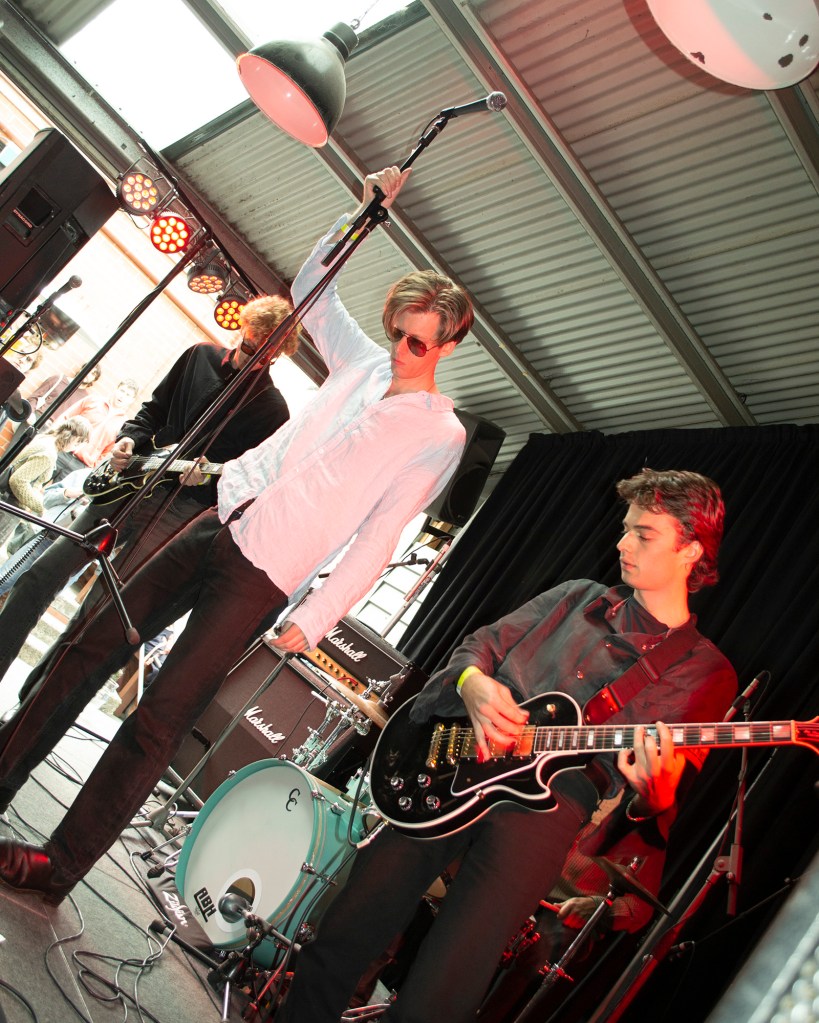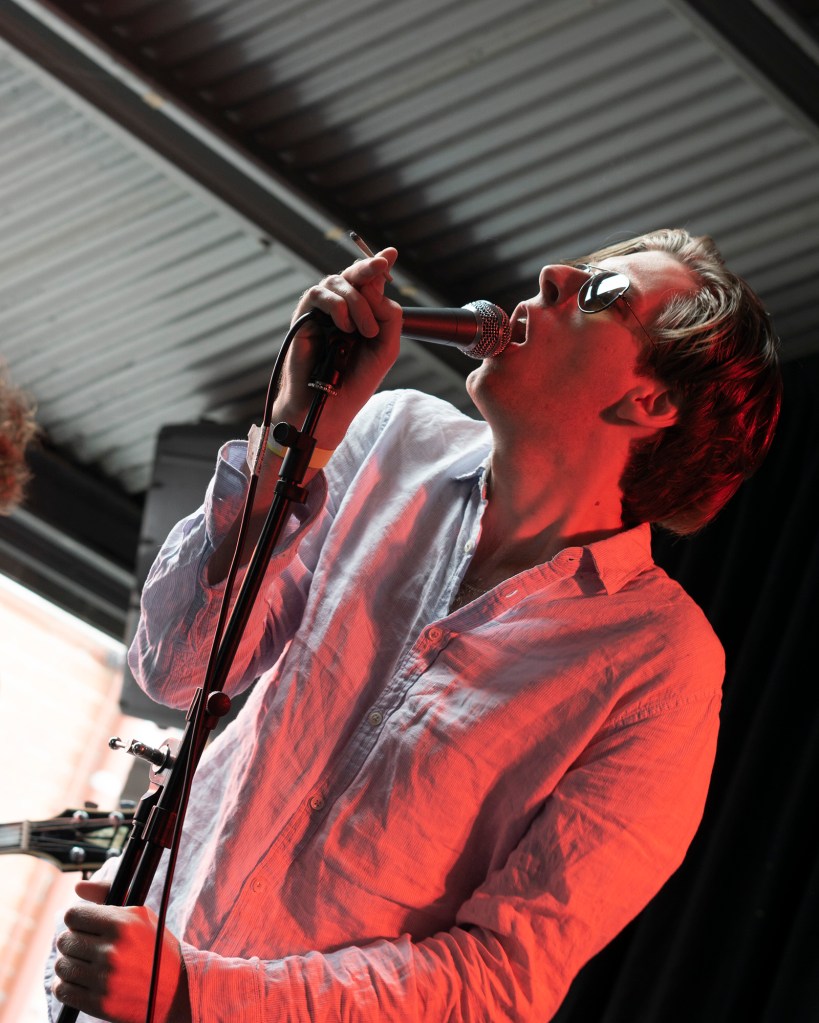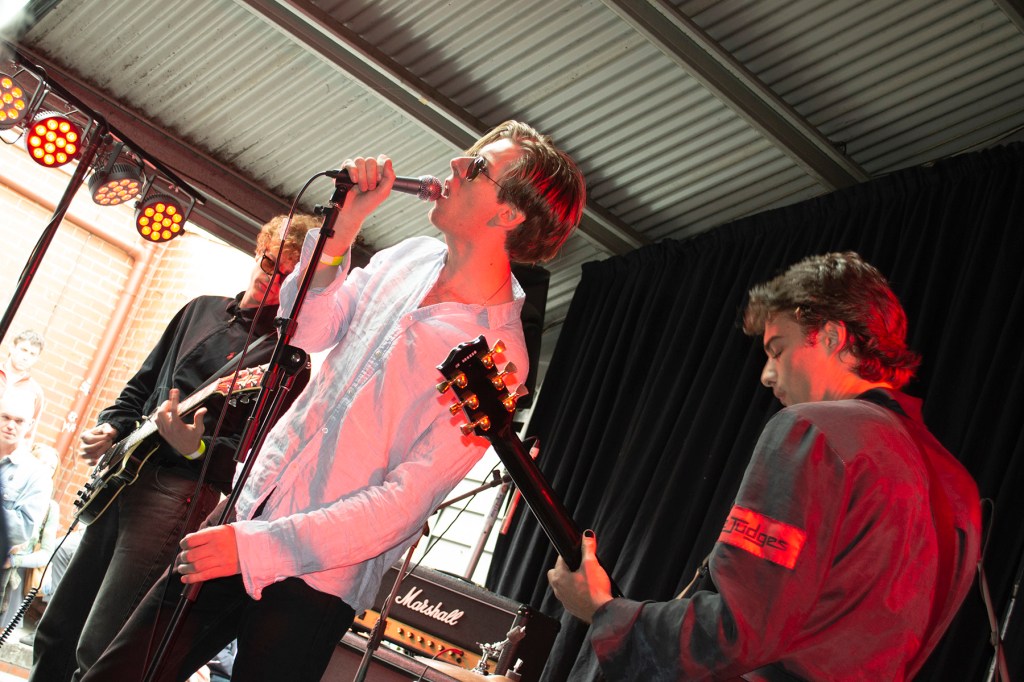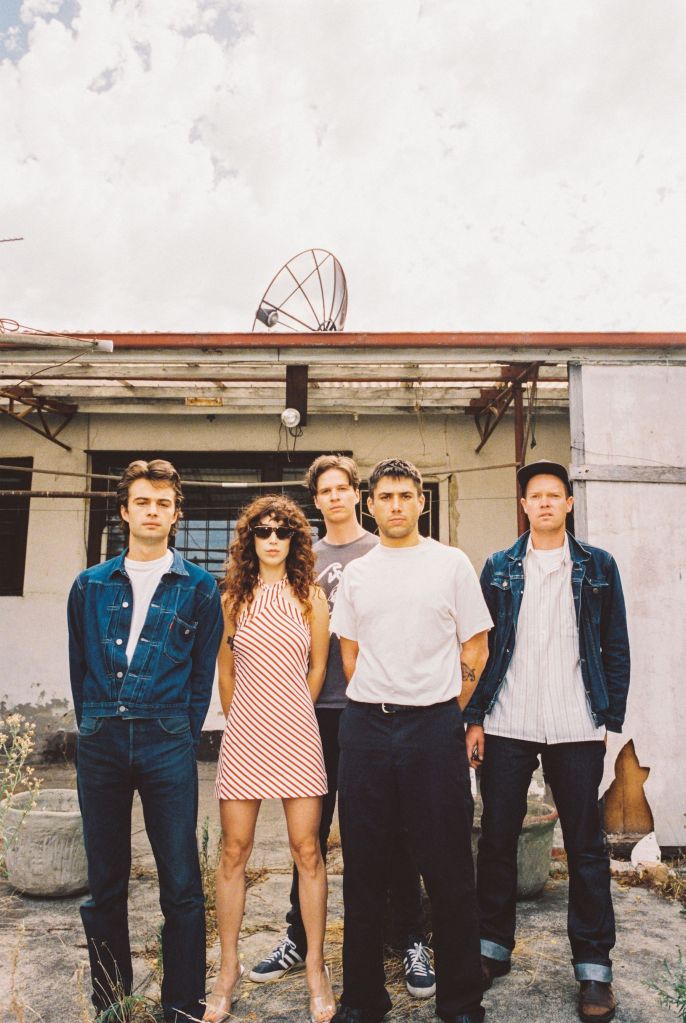
Station Model Violence

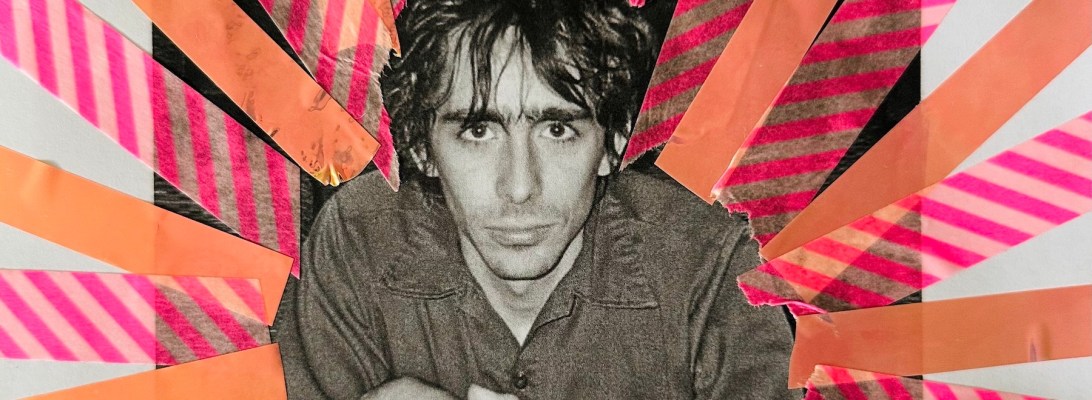
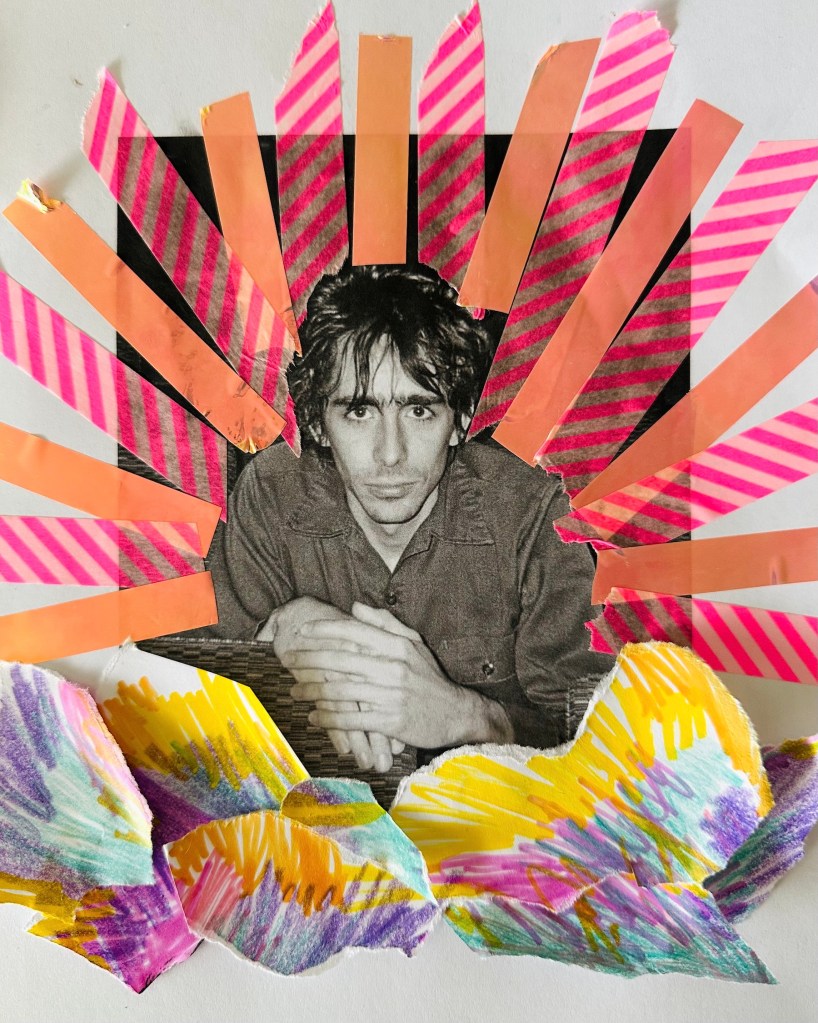
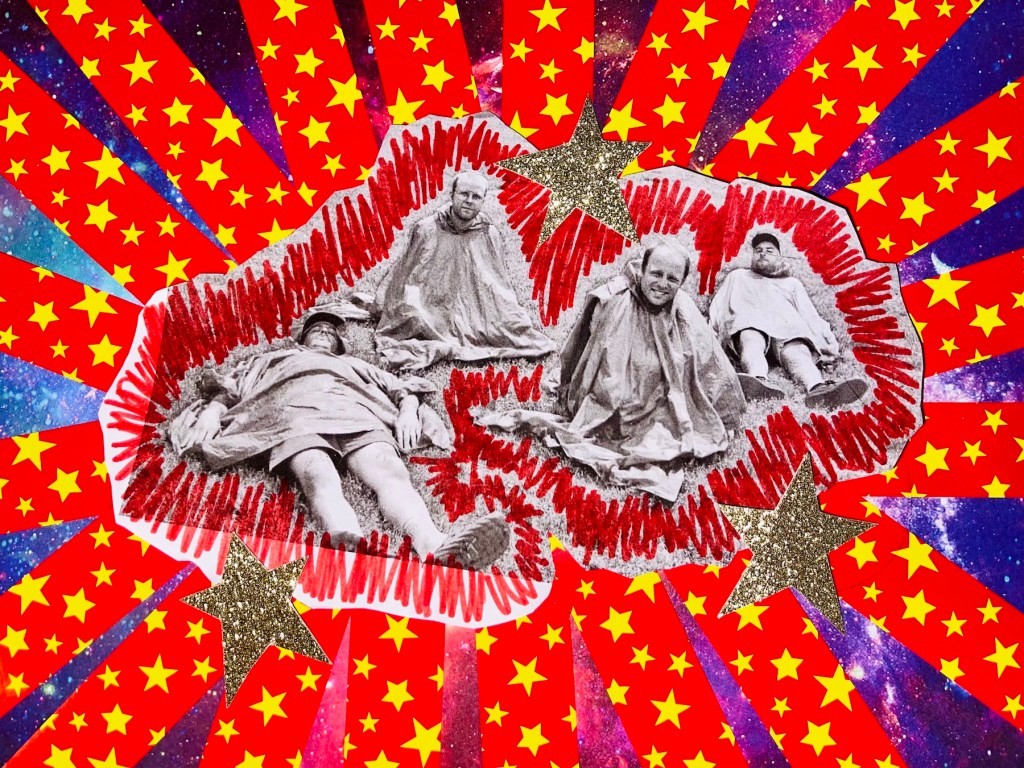
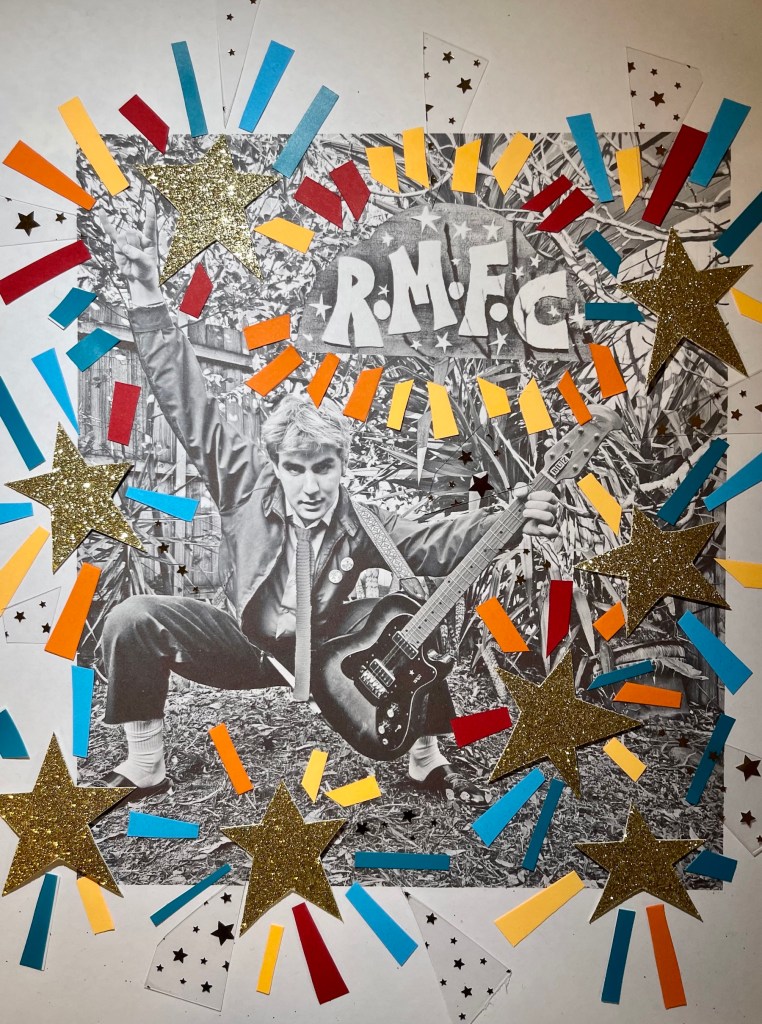
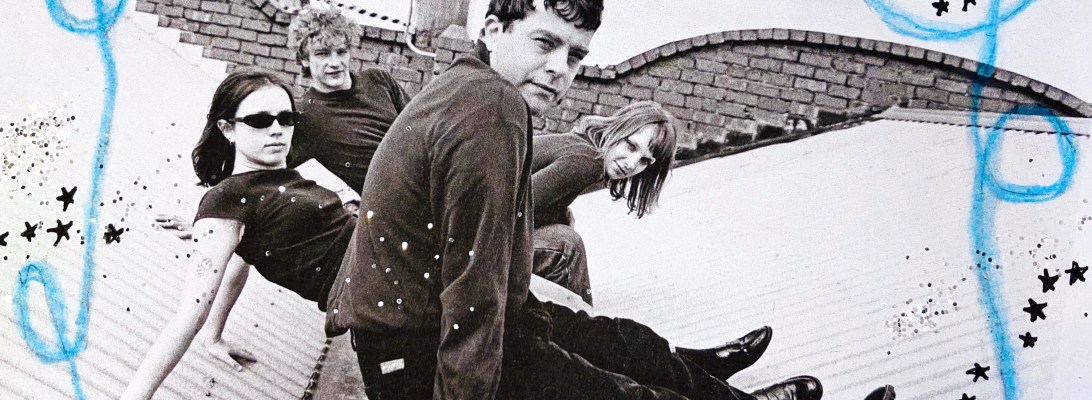
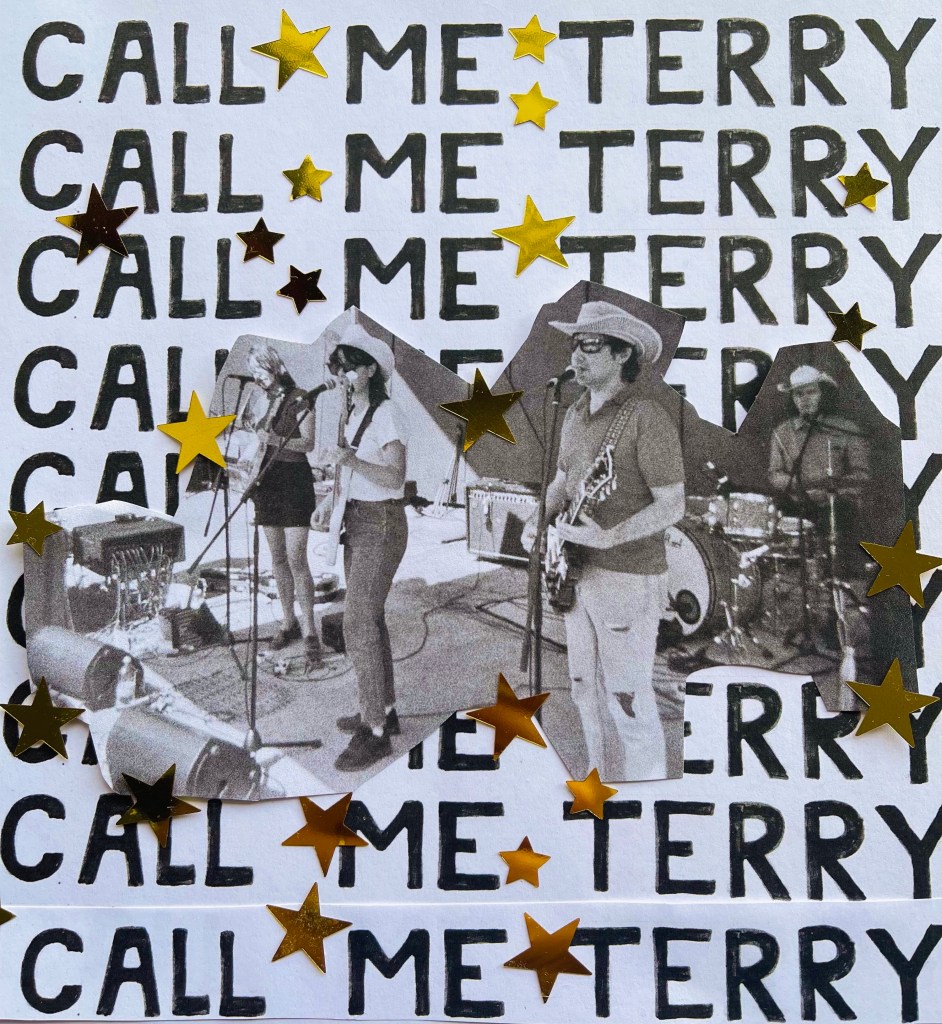
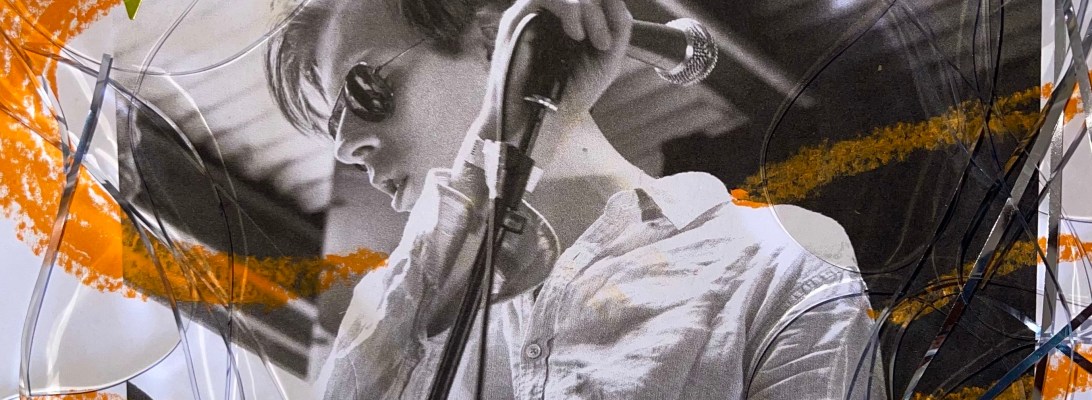
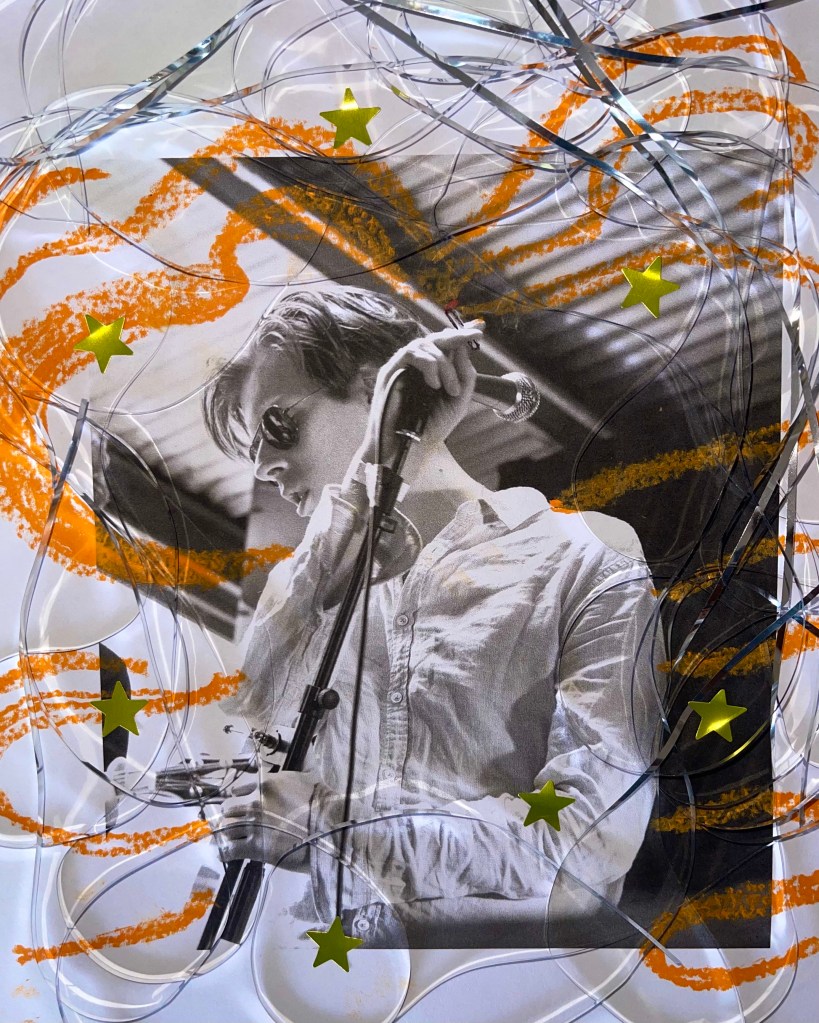
Original photo Dougal Gorman / handmade mixed-media collage by B.

No intro. Read the conversation, listen to the record, then go see the band live. 

DX (vocals): We’re excited about this. Not that we’ve dealt with non-professionals, but having both been interviewed by you before, we knew it was going to be good. Sometimes you have trepidation, or just anxiety, coming into these things and you’re like [sighs], “Okay, I’m gonna have to fill some space.” But you’re a professional. You know what you’re doing. [Laughs].

Yep. No matter how many interviews I’ve done, I still get nervous, though. I usually pee about a million times before I do an interview because of it. I remember talking to Rikk Agnew about it when I interviewed him, and he was like, “That’s just because you care.” If you care, nerves aren’t a bad thing.

You’d think after all this time (thirty years of doing it) those nervous feelings might go away. But for me, they don’t. These days, I only speak to people whose stuff I genuinely enjoy. I’ve done interviews for all kinds of publications; sometimes interviewing people I didn’t really care about just because I was assigned it. And it just sucks. It sucks for everybody.

BUZ (guitar): It’s the same with playing shows. I still feel this crippling anxiety before a show every time we fucking play. It never goes away. Especially if we’re headlining—before we play, I’m not watching anything. I’m just circling around, doing a circuit of the whole venue. Going out the back, smoking, finishing a drink, going back in, getting another drink, running into someone. I just keep moving around until we play. Then we play, and after that I’m chilling.

Do you find that when once you get on stage, those nerves go once you start playing? 

BUZ: Not until maybe the first quarter of the set’s done. Then I kind of go into fight-or-flight mode and I’m just in it. I forget everything else that’s going on and I’m just there, doing what I have to do. Then I feel good.

What about you Dan? 

DX: I get a certain level of nerves and anxiety, but it’s generally curbed by the time I get on stage. The step that’s hardest for me is getting into the venue, putting my gear down, those cursory interactions with people I might not have seen for a while, and trying to stay focused on, okay, I’m here to do something. I’ve got to be socially proficient and not rude to people.

Honestly, the moment we start playing, I normally lock in and it’s fine. There are definitely exceptions, though.

We played a show in Melbourne with Institute the other day, and there were nerves coming into it that didn’t dissipate once we started playing. In fact, they just got worse and worse as we played. There was just something wrong.

We did a post-mortem afterwards and dissected the corpse. It was one of those things where, because we’re still a young band, even though we’ve all played in bands forever, we haven’t played together long enough to immediately know what’s wrong, or who’s responsible, or even just recognise when someone’s feeling bad.

With Straightjacket Nation, having played together forever, there’s a look I can give someone to reassure them. Or if something sounds bad, you can just walk over and fuck with someone’s gear. But if you don’t know the vibe well enough yet and you start messing with someone’s stuff, you can actually contribute more to their anxiety, and then it spirals.

What I learned from that show was that the anxiety I felt was actually being experienced across the whole band, but I didn’t recognise it because, like I said, we haven’t been playing together long enough yet. That’s something that only comes with time—knowing when someone’s in a bad place and being able to go, “Alright, let’s figure this out before we go any further.”

Because barreling through a set, as we learned the other day, isn’t always the best way to do it.

One of the things I’ve noticed, reading what people have said about the debut, Station Model Violence, album and your performances, is that people often describe your vocal style as really vulnerable. Is that’s something you feel?

DX: Yeah, I’ve always felt extremely vulnerable playing music. It was always something that felt like a gamble for me, a step way outside my comfort zone. And while I’ve developed a stronger sense of confidence with being in the public eye, it’s still always terrified me.

Ultimately, I don’t want that vulnerability to go away. So you try different things, you push yourself in different areas. One thing I really wanted to do with this record was try and sing a bit more. Not more expressively exactly… I’m trying to find the right way to put it [pauses and thinks]… It’s not that I’m singing with more feeling but I am trying things that are slightly outside my comfort zone.

And honestly, that’s a good feeling to be in when you’re making anything. Vulnerability is something I kind of chase, I guess. You want to feel invulnerable when you actually get on stage, because that vulnerability is often what lets anxiety or panic take hold. But in the act of crafting something, feeling vulnerable is important.

You mentioned trying to become more comfortable being in the public eye. For both you and Buz, especially from my perspective interviewing people who are inspired by you guys, there’s just so much genuine love out there for what you both do.

Does that ever gets difficult? Do you ever feel the weight of expectations, or feel pressure from your projects becoming more popular and visible? Does any of that ever mess with you?

BUZ: Yeah, especially with this record, I was terrified while we were making it. In the early stages, before we fixed everything, it was like, “Fucking hell, what have we done?” We’d already built up all this hype just by being in bands people already liked and that were somewhat popular within the underground scene. That was really difficult.

Doing this band is one of the hardest things I’ve ever done creatively because of those expectations. Honestly, I don’t think I even enjoyed the record until after it came out. I had a lot of doubts.

But once it was out and it got the response it did, I finally felt comfortable listening back to it and actually enjoying it without too much self-judgment.

Before you started Station Model Violence, I know that you were big fans of each other’s work; what were the things you appreciated about it? 

DX: I really loved what Buz was doing. I started making music and playing in bands when I was about fourteen, and it was always terrible. Any recordings I have of stuff I made when I was younger (really up until around Buz’s age now) I find almost unlistenable. Embarrassing. Mortifying.

What I loved about what Buz was doing from the start was that he was immediately such a proficient songwriter. Working with the material he was working with, it was instantly apparent that he was extremely talented.

There was also this naivety to it that I really liked. Not so much now, he’s a man now, but when he was younger, there was this purity to it. To form a band called Rock Music Fan Club and play that kind of music without holding back… I really admired that.

There’s a certain kind of pathetic cynicism that’s really common, especially in music scenes. And I don’t oppose cynicism at all, I think there are different sides to it. There’s one kind where people are just exhausted by the world. They don’t like anything that’s alive anymore. That attitude is everywhere.

What struck me about Buz was that he didn’t have that. He wasn’t trying to tick boxes or appeal to older people or scene expectations. It felt like he was making music entirely for his generation and his crew. There was no distance or irony protecting it.

I remember seeing this young guy doing something genuinely good and doing it with total conviction. I immediately thought, this is someone who’s going to make an impact, because it had that purity. That’s why I became a fan of Buz.

What about you Buz?

BUZ: [Hesitates] Sorry, I got a little bit lost in that. 

DX to BUZ: I’ve never actually said that to you before.

[Laughter]

BUZ: Yeah. For me, one thing I’ve always struggled with—and I’ve talked to you about this before, Bianca—is writing lyrics. Lyricism has always been something I deeply appreciate across various projects, especially Straightjacket Nation and Total Control. Dan’s lyricism in particular has been a huge source of inspiration to me, along with Al’s work, Mikey’s work, and everyone else involved in those bands.

A big thing for me was just wondering: how do you manage to write such fantastic lyrics? Because I’m not very good at it, and it takes me a long time to figure things out.

Working with Dan was amazing because it was honestly really impressive to watch. I’d show him a demo, go out for a cigarette, come back, and he’d already written a whole page of lyrics for it. Something that might’ve taken me months of slowly returning to and adding a single line here or there. I’ve always appreciated Dan’s lyricism really deeply.

Same! 

DX: Aww… thanks for that guys. 

I live on the Gold Coast and used to work in Brisbane, so I spent a lot of time driving and listening to music. Sometimes that commute would take an hour—sometimes three if traffic was really bad.

I remember this one particular morning when I was driving to work as the sun was coming up. I used to leave at around 5 am for my job, and I was listening to ‘Flesh War’ by Total Control. I literally had that breaking-of-the-day moment, when I was driving across the Riverside Expressway into Brisbane with all the buildings coming into view. It was like the words of the song were what was happening right then. Listening to it, I was watching the city wake up. It was a really beautiful moment. 

I love how music can soundtrack all these little special little (and big) times in your life. Sometimes I’ll be listening to my friends’ music and its like a piece of them can be there with you when they can’t.

DX: Yeah. That’s really special. There’s a night I’ll tell you both about because it ties into what you’re saying—and it had a massive effect on me.

I was in Copenhagen staying with my friend Elias from Iceage. We went to a bar, ate some mushrooms, and honestly weren’t coping very well, so we went back to his house to hang out. We were drinking and talking and it got to maybe six in the morning.

We put on Scott 3 by Scott Walker, which starts with ‘It’s Raining Today’. The song came on and then it literally started raining outside. We were like, “Oh, this is sick.”

After that, every song seemed to somehow reflect what was happening around us. We were sitting by this window, smoking cigarettes and watching the sun come up over the city. There’s a song (I can’t remember the title) that compares a woman to an old house, and across from us there was this old house that suddenly became the centre of our attention because of the song.

Then Copenhagen came on, with the line: “Copenhagen, you’re the end / Gone and made me a child again.” And as that was playing, all these kids started walking outside on their way to school.

Obviously, it was a very drug-fuelled moment, but as an experience of music, it was one of the most beautiful things I’ve ever experienced. We invested a lot into it because we genuinely believed Scott Walker was some kind of prophet who was going to deliver us the day.

Tthat’s the power of a great lyric at the right moment. It really can’t be underestimated.
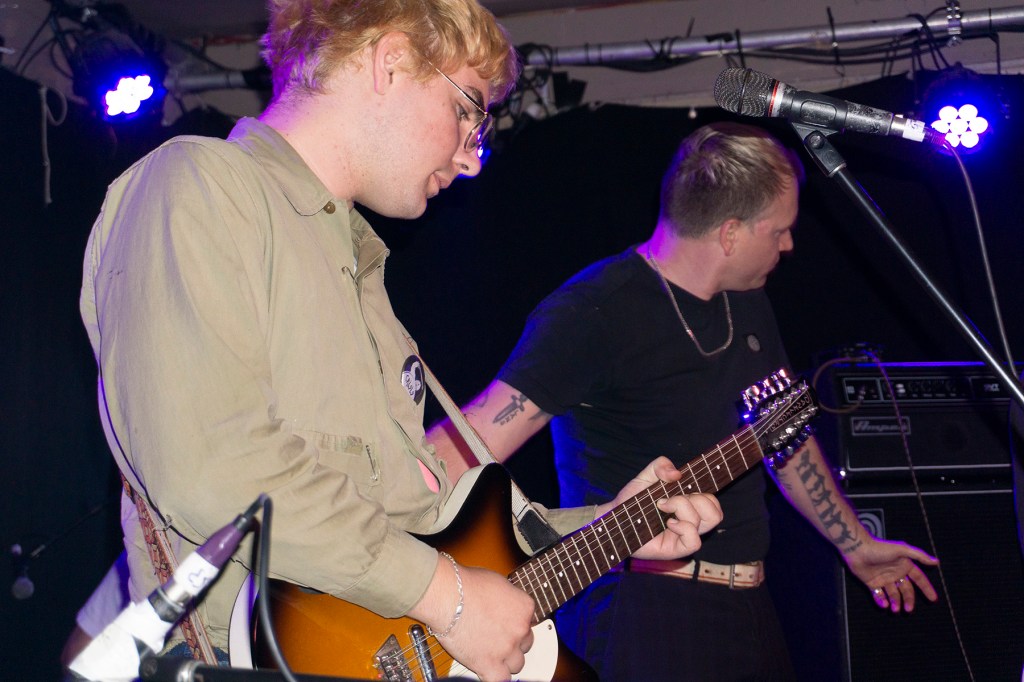
Photo by Jhonny

Totally. Speaking of mushrooms, I read that the first release you put out, the demo of ‘Learn to Hate’, was recorded after eating mushrooms on a “fabulous winter night”. Could you talk a little bit about that experience and how it informed the song?

DX to BUZ: You had a weird concoction. 

BUZ: It was vermouth and lemonade. 

DX: And you made a tea.

BUZ: I made a horrific, horrific tasting tea. I chopped up some mushrooms and added them in and put like…

DX: It was lemon juice. 

BUZ: Yeah, and black tea. Honey. I thought, the honey, would make it more palatable, but it didn’t. It was one of the most disgusting concoctions I’ve ever ingested.

DX: [Laughs].

BUZ: But it worked. 

DX: Yeah, well, it’s definitely one of those things where most of the time when you take mushrooms, you’d like to do something like we did making a track, but you usually don’t. It’s actually miraculous that we made what we made, because a lot of those lyrics were written on the spot that night. The melodies, the backup vocal melodies, everything you hear was figured out right then. 

BUZ: The instrumental was already there.

DX: We had the track underneath it. I came in with a basic idea of what I wanted to sing and maybe a couple of lyrics. I’ve always worked like this (to the frustration of my bandmates) if we’re recording and I don’t have the lyrics yet, I kind of need to sit there listening to the track and write on the spot. The spontaneity of it that fuels my imagination.

I don’t remember very much about that night. But I do remember recording bits, bringing Buz in, and feeling really vulnerable about it. Like, “Come listen to this.” And he’d be like, ‘That’s cool!” And slowly getting it down.

The point the track really started working was when we began doing the backup vocals. I was like, “Oh, this is sick.” Once we started layering those in, it really came together. But aside from that, I don’t have a whole lot else to report from that night, Bianca, sorry [laughs].

BUZ: I’m trying to remember what we were listening to. We listened to something that really hit me in a way I was familiar with before.

We had a break and went out for a smoke, and we were listening to— maybe a Black Sabbath track or something. It was something like that that hit me in a way it never had before.

DX: I don’t know, I think the song was being Byrds-y. But I don’t think we were listening to The Byrds. I don’t even think it was Sabbath, maybe? But whatever we were listening to was cool. I’m always down to listen to Sabbath.

Same! Did you watch the Back to the Beginning final Ozzy concert? Yungblud killed it when he covered ‘Changes’. That’s not something I ever expected to say. I always see things about him around but had no idea what he sounded like.

DX: Me neither. I turned it off. He’s like pop-punk emo, right?

BUZ: Yeah but its also not, it’s some new thing. [Sarcastically] He’s a real trailblazer that guy! He’s a big pop star.

DX: I was definitely overcome by his physique and his physiognomy. He’s a very strange-looking…

BUZ: Very interesting-looking character. 

DX: Very Lord of the Rings

BUZ: A bit of… what’s the guy from The Rolling Stones? Not Keith Richards—the other cunt. Not Brian Jones.

DX: Bill Wyman?

BUZ: No, no, no. The main cunt.

DX: Mick Jagger.

BUZ: Yeah, Mick Jagger. 

[Laughter]

DX: There’s an amazing video of Little Richard doing his Rock and Roll Hall of Fame show, and he spots Keith Richards in the audience and starts yelling [puts of a Little Richard voice], “Mick Jagger! Mick Jagger!” And then he says this incredible line: “I feel so unnecessary.” [Laughs]. It’s one of my favourite quotes of all-time.

[Laughter]

I love Little Richard! I love watching interviews with him. He’s such a character. Have you seen the video where Flavor Flav meets Miley Cyrus and he legit thinks it’s Gwen Stefani? She’s excited to meet him and gives him a big hug. Then he’s like, ‘Wow! Gwwweeeennn Stefaaaani!” It’s hilarious. 

BUZ & DX: [Laughter]

BUZ: Have you seen Flavor  of Love

Sure have. I watched it the first time around back in 2006.

DX: No, I never saw it. 

BUZ: Flavor of Love is the Flavor Flav reality dating show. It’s fantastic! He was real cracked out at the time and you can see it.

DX: I rode in an elevator with Flavor Flav once. Do you have time for the story?

I always have time for stories!

DX: So I was at South by Southwest. I used Distort as leverage to get over there. I managed to get cheap flights and was staying in this hotel. I get into an elevator and it’s Flavor Flav with these two enormous security guards. They were huge!

I recognised him immediately, but I tried to keep it cool. We’re heading down to the lobby and the elevator stops a couple floors lower. These snowboarder, espresso-bro dudes get in. I think they were in a band, but honestly there were bands everywhere, so who knows?

We’re all kind of awkwardly standing there while the elevator keeps going down, and then we get to the lobby. The doors open and one of the snowboarder guys goes, “Ah, Flavor Flav! So lovely to meet you!”

And Flavor Flav just goes, “I just want to say peace to you all.”

Then one of the security guards does this sweeping motion and gently moves the dudes out of the way so Flavor Flav can walk through. It was very cool.

Ha! A few of my friends’ bands have played with Public Enemy and they all say they’re really nice dudes. Whenever I think of Flavor Flav, I always think about this Public Enemy biography I read. There’s a part in it about how Flav and Chuck D, in the early days of the group, used to drive a U-Haul trucks around delivering furniture. They’d have all these interesting conversations and talk about music while driving around town. There’s something about that image that I’ve always thought was really cool.

DX: I didn’t know that, but I always have respect for people who drive furniture vans. One of my old jobs was doing deliveries for a long time. It was my favourite job—and honestly still is. If I had the body for it, I’d still do it. And also if I didn’t need to potentially earn enough money to have a family or whatever. But as a job for a young man, it’s like the greatest job there is.

BUZ: Can we get back into landscaping? 

DX: Landscaping and furniture removals, I feel like they’re the jobs for a young man. Physically brutal, but so satisfactory at the end of the day. 

BUZ: Good hours.

DX: Yeah, good hours.

I imagine you’d be good at packing the van because of all the Tetris-packing of band gear into vans and cars over the year.

DX: [Laughs} Yes! That’s right. The technique is very important. 

How did you guys become friends? 

BUZ: Both of us don’t really remember.

DX: There were a couple of nights I remember that felt significant. One night where we were at a show and Buz was going to another show afterwards, he was like, “Oh, I’m going home first, then I’ll head over there,” and we ended up getting a ride together.

We talked a bunch. It was still pretty early on. There’s actually a photo of us hanging out in the kitchen that night at a party. 

BUZ: We’d met before then, but I think that was the night we actually became friends. That was when it became evident to me that he had some level of respect for me. 

DX: Buz doesn’t hang out with people that doesn’t respect him.

Good!

BUZ: [Laughs].

DX: That’s the night I remember as kind of cementing an intimacy between us. We were hanging out at this party – the party itself wasn’t bad or anything – but Buz and I were just standing in the kitchen talking while everything else happened around us.

BUZ: I was really going through it at the time. I was having a rough time. It was during a breakup. 

DX: That’s right. I was the older statesman with some experience of the world and offered him some experience from the trenches. We had a chat, then went into this other spot, went back to his house and hung out. That was probably the first night we were really alone together, just us hanging.

BUZ: Was it a Den show?

DX: Yeah. Den were playing another show. We saw Fully Feudal, hung out in the kitchen, then went to go see Den. Oh, you were playing with Tee Vee Repairmann?

BUZ: Yeah, Tee Vee Repairmann and something else?

DX: New Age Group. 

BUZ: Dan could tell I was in somewhat of a state, so he was like, “You’re hanging out with us tonight.” 

DX: Yeah, like, I’ll look after my brother. I’m gonna make sure he’s okay. And I’ll say this—it’s always gratifying when the younger person doesn’t remember what happened and I still do [laughs]. Like, alright, I still got it, I’m not completely useless to society.

Aww, dude. I feel ya, it can definitely seem to feel that way sometime as we get older.

BUZ: That was kind of a turning point in our relationship. We’d met before, and I’d always been a fan of what Dan had done. Always a big Total Control fan.

That was a great night for me. If anyone could’ve comforted me in the headspace I was in at that moment, I think Dan was one of the few people who could’ve managed it.

DX: Oh, that’s nice.

BUZ: It all worked out.

DX: He’s never said that before to me.
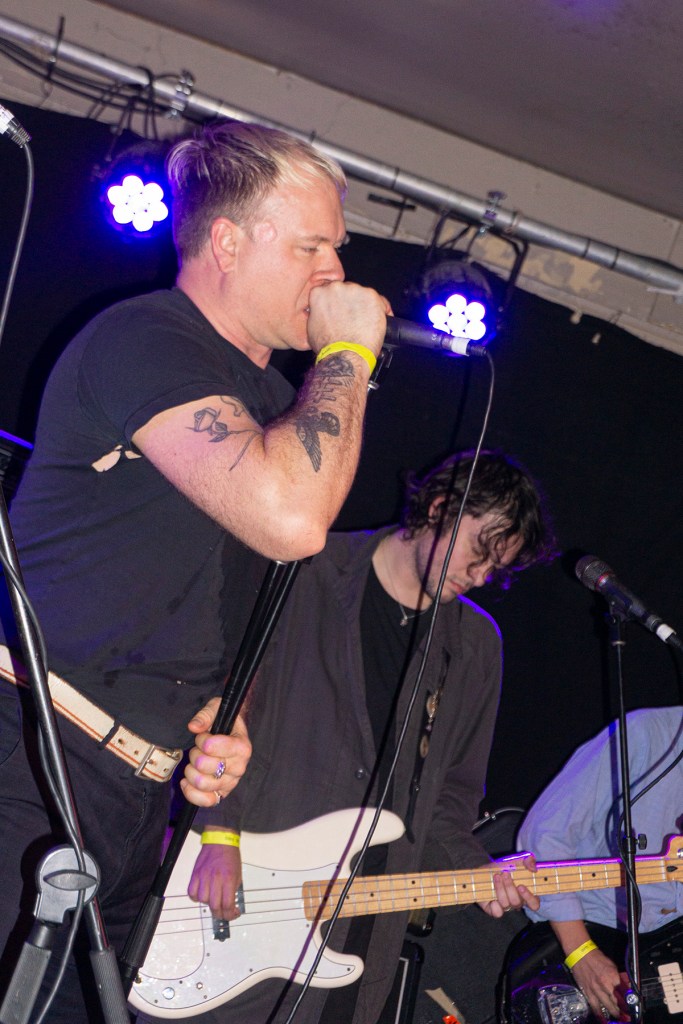
Photo by Jhonny

That often happens when I chat with people, especially when bandmates are doing an interview together. Or I’ve had messages from people that read an interview with their bandmate and say, “I had no idea about any of this.” Like, “I know this person well, I see them all the time, and I didn’t realise they felt that way. I’ve even had estranged bandmates reach out to each other and then repair shit because of what they read in a chat I did.

DX: That’s really cool. I’d like to say two things there. One, I think that you are very good at allowing us to get into that space where we are being frivolous about our memories and stuff.

But also, the second thing is that it’s very rare when you’re friends with someone that you actually track back. There’s not many friendships I have where I’d get with someone and be like, “So, when did we actually become friends? How did this happen?” 

I normally do not interrogate these things. But obviously it’s important, because the whole reason we’re playing music together is that we’re friends. It’s not like Buz selected me to play music with purely because of my adroit lyric skills. We had a companionship and an intimacy.

BUZ: If you sucked and were a massive piece of shit, maybe I wouldn’t have made music with you—but I still would’ve been a fan [laughs].

From each of your experience, is it important to be friends with the people that you create with? 

DX: Yes.

BUZ: Yeah, I would say so, but I also like the idea of making music with someone that you hate [laughs].

DX: [Laughs] I think so too. I idealise and romanticise the idea of making music with one another. It would never work otherwise, at least it hasn’t for me. 

I have been in bands with people I didn’t get along with. Obviously, I’m not naming names, I don’t like talking out of school, but I have tolerated the presence of people I didn’t like in service of making music.

But the general theme is, and this might sound a bit odd, it’s not that all my closest friendships have to be entirely functional, but I am closest with people where we’re working together towards something. I do have friendships outside of that but creating music together requires a kind of mutual trust and support.

It comes down to the fact that you’ve got to be there at this time every fucking week. Then after that, we have to be at this other spot at the right time. To cultivate that in the right way—especially because we’re not a band that’s flush with money, where money is something you can give to make that easier. It really comes down to mutual love for each other that makes it easier. Do you know what I mean? 

Yeah, totally.

DX: If we were extremely wealthy and had heaps of money, we could probably play music with people we didn’t like and just be like, “Be here at this time. We’ll play music. I don’t need to talk to you.” But we need to be able to trust each other. We need that loyalty, and that requires the vulnerability you mentioned before.

We definitely need to be friends. Especially with this band—this is a friendship band. 

BUZ: If two of the six people weren’t friends, it would completely fall apart. Friendship is holding this band together.

DX: I guess, to get a bit distant about it, you can forge loyalty through different things, a common goal or whatever. You can have loyalty without love being part of it. But with us, we genuinely love each other. We support each other and look out for each other.

I love that. In the like early stages of Station Model Violence, didn’t you guys hang out in some park and just sit in the sun and drink vodka and smoke cigarettes?

DX: That’s true. Well, that was just us two…

BUZ: …drinking and smoking. 

DX: The park and the vodka thing maybe only happened a couple of times, but it was enough of a moment, that wasn’t really connected to the band. It was just the intimacy of the two of us hanging out. That was enough to allow the band to happen.

I know Buz sent through some initial demos to you, that you said you found “challenging and intimidating”. How so?

DX:  I’ve generally made music from being in a room with people. It starts there, and then you can kind of go away and provide demos or whatever. And that’s kind of what happened with TC.

Me and Mikey started making that together in a room, and we developed enough intimacy and trust there that eventually tracks would come.

Buz’s demos were so complete and so immediately viable to anyone in that position to seize upon. And what he was sending me was so different from track to track. Each one felt like its own thing. Maybe he can speak to why he didn’t use them for R.M.F.C., but each one felt like a different world and I felt this responsibility to tie them together.

That was the intimidating thing. I’ve thought about this a lot, so give me a second [pauses and thinks]… It’s easy to say we’re a post-punk band, for instance, but in the tracks Buz sent me I could hear psychedelic rock, country—actually very little straightforward post-punk. One track was this really motoric synth-punk thing, another felt completely different again. And what intimidated me was realising I had to figure out how to tie all these demos together into something cohesive.

BUZ: Because each song was from a different world.

DX: If he’d only sent me one song, and I only had to deal with that, it probably wouldn’t have felt so intimidating. 

BUZ: That was something I felt I could rely on you for because, like I said earlier, your lyricism is something I’ve always appreciated, and so is your ability to insert yourself into the music, into something sonically, that ends up working as well as it usually does. 

A lot of those ideas were probably going to become R.M.F.C. songs, or end up in something else. But I just couldn’t personally find a lyrical approach or vocal delivery that felt like it worked, or that could really do justice to what I’d come up with at the time.

So a lot of it was shit that I had saved. Honestly, I’d saved it thinking, “Maybe one day I’ll be friends with Dan, and maybe one day he’ll want to do something together.” And it worked out. It really did. It all felt like fate.

I feel like a lot of things in my life just come together for me and I don’t really have to force them—it just works out. This was one of those things. It was something I’d hoped would happen before we’d even met personally, and it brings me a lot of joy to have met him and had the opportunity to work on something together.

I know that for you Buz, songwriting’s primarily been a real solo kind of thing. How’s it feel to be collab-ing with other people with this band?

BUZ: It’s very exciting. We’ve maybe written one or two ideas as a unit, as a band, and it’s the first time I’ve ever worked with somebody else creatively where I felt like it aligned with what I perceived the finished product to be worthwhile.

This is the first and only time I’ve ever worked with somebody creatively where I’ve had complete trust that the finished product would be something I’d be really proud of, and something I could adjust to working within.

It’s not that I ever thought I could do better than somebody else in my life. I’ve just never met anybody, or been part of a unit, where I felt like we were completely on the same page creatively.

My creative process has always been very slow, and that’s just what I’ve gotten used to. I’ll have an idea and sit with it for years. Most of Club Hits was written two or three years before the record ever came out, or before it was even properly recorded.

It’s always been a really slow process for me, so it was difficult to imagine something that could come together in a more immediate setting.

So it’s very exciting to have a group of people I can trust—where I can throw out an idea that I would usually spend three years refining, and have it refined into something better than I could’ve done by myself.

Because you work more slowly with songs, by the time you fully realise them, do you ever find you’ve kind of changed from the person you were who first had the idea?

BUZ: Yes, and that’s a good thing!

A lot of the first two releases I ever did for R.M.F.C.—those live tapes—were very spontaneous and aligned directly with the influences I was drawing from at the time, when I was sixteen, seventeen, eighteen, around that period of my life.

And honestly, nowadays I kind of wish I’d waited. I mean, maybe I wouldn’t be in the position I’m in now if I had. People still enjoy that stuff I did back then. But I find a lot of it incredibly embarrassing.
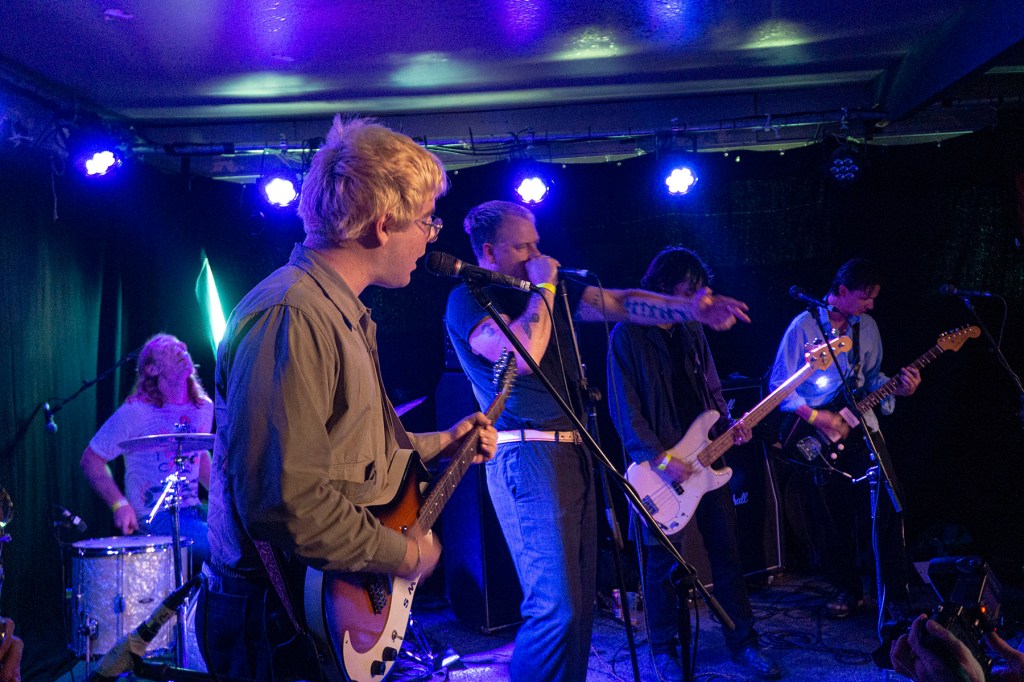
Photo by Jhonny

Dude, I don’t think we have to be embarrassed about our old stuff. We all have to start somewhere, right? But I totally get it, I think we all have moments where we find our early stuff embarrassing. If I look back at my first zines, I hate them so much. I cringe and hope people have thrown them away. But I’m trying to be gentler with myself. When I started I was a teen in high school, like you when you first started doing R.M.F.C., and I had no idea what I was doing. 

BUZ: There are still people out there who really love those songs from when I was a lot younger. People still message me or email me about them, sometimes more than they do about things I’ve made more recently, and show a lot of appreciation for them—which is cool.

I remember when we first started hearing about you as a “child prodigy”!

BUZ: [Laughs]. Yeah. Because it was such a piss-take of a band when I first started—as you can probably tell from the name. It’s called R.M.F.C. It was a complete piss-take at first, and I think that maybe came from this feeling of, okay, maybe this isn’t very good. So if I make it a joke, it won’t be taken so seriously. And then someone got a tattoo of it, another person got a tattoo of it, and from that point on I kind of had to stick with it [laughs].

Dan, you were mentioning that, you felt a responsibility to tie everything together with SMV songs; how do you feel you did that? 

DX: So Buz gave me five demos. I think they were all quite disparate, and a couple of them didn’t make the record. One of them was a krautrock song. One of them, from my interpretation, was like a country song. One was this really motorik synth-punk thing. Another felt like this sixties, The Kinks-style romantic song.

Going through them, each one had its own wealth of sound, but I couldn’t figure out a way to tie them together at first. And I think that might’ve been part of the reason Buz sent them to me, because there was no clear thread.

I took it very seriously. I was like, if I’m going to do this, I want there to be something that can actually connect all of this. I don’t even know if there was a concrete idea at that point that we’d become a band together. There was maybe a hope of it, but really I was just trying to make it work.

What intimidated me was how seriously I took it. I really wanted it to work because I just wanted to make music with Buz. It was genuinely really exciting to me.

So it became as much about giving each song its due as it was about trying to figure out a way for all of them to exist together.

Do you think it became coherent through themes or through your vocal style or something else?

DX: I guess the vocal style, maybe the themes—but honestly, I don’t know. It was mainly just a certain level of intensity that each song needed in order for it to feel like a serious thing and not some throwaway moment. It was really about approaching each song with a level of reverence for the effort and love that Buz had put into crafting these things, and having respect for that.

The idea of mould possession actually stemmed from… [pauses to think]…

BUZ: It stemmed from that same weekend we talked about earlier. Like, black mould.

DX: Black mould, like a sentient being that possesses you and directs you to create conditions for further mould, basically. That was part of the theme of the early stuff, but it wasn’t the dominant thing. But ultimately, I just wanted to take it very seriously and give it its due.

In the song ‘Learn To Hate’; in what context do you mean hate? 

DX: For me, hatred is… well, Straightjacket Nation, for instance, is hardcore. And hardcore is a genre of music that’s almost entirely defined by hatred.

Then I heard Buz’s songs, and they felt like the complete opposite of that. They were bright, buoyant, lovely.

I’ve always been creatively driven by feelings of hatred, and I wanted to give hatred its due as a kind of fuel for the creative process. I wanted to acknowledge that there are extremely petty hatreds, useless soul-sucking hatreds that leave you empty and alone. But there’s also this consistent thread of hatred throughout art and literature that’s been treated as something deeply human.

For instance, Achilles (one of the earliest heroic figures) is motivated by this very petty hatred. Satan in Paradise Lost is entirely defined by his unquenchable hatred.

There’s a side of being a person where hatred is an important part of the experience, and I wanted to express that through a song that didn’t feel hateful at all. The music itself felt really nice and lovely to sit in.

I liked the idea of something like The Byrds talking about hatred, or the The Beach Boys singing about something dark like that.

That’s something I really love about Station Model Violence. Musically, it’s really bright and melodic, and I really like the contrast between that and some of the darker or deeper lyrical themes. It creates a really nice contrast and tension.

DX: I think so. I wouldn’t be able to do the brighter stuff without that. And it’s not because I have some addiction to darkness or obsession with negativity or whatever.

Even with Straightjacket Nation, the experience of doing that band is actually oriented around a lot of humour internally. Lyrically, that doesn’t really shine through, but there is a lightness to the band that allows it to exist.

It’s an extreme example, but I never want to be entirely consumed by that stuff. I could never do the completely misanthropic, self-hating black metal thing where you sit alone in your bedroom crying about being alive. To me, that’s lame.

What’s interesting creatively is the tension between those things. Having this beautiful melody or buoyant riff that Buz has written, while I’m trying to extol the idea that hatred can be productive—that contradiction is worth mining to me.

I can’t really do that with Straightjacket Nation. That band is much more directly about hatred and darker emotions. But honestly, that limitation is also part of what makes it good.

Hardcore is so limited. It can’t really go much further than a certain point. And when hardcore tries to move beyond that, I usually don’t like it. It just doesn’t resonate with me.

Thankfully, I have other things in my life besides that. And Station Model Violence is a space where I can explore the contradictions between a beautiful melody and something much darker.

I was listening to a radio interview you both did, and Buz, you were talking about how the guitars were kind of melody-first rather than chord-first. I thought that was really interesting.

DX: Yeah, I’ve been thinking about that as well [laughs]. 

BUZ: A lot of the songs on this record work like that. Speaking of ‘Learn to Hate’ for example—the chorus melody is built around that idea.

I’m constantly trying to find ways to play chords or melodies in ways they wouldn’t usually be played. Because if I did everything the conventional way, it would sound boring. It would sound like something that’s already been done a million times.

So the chorus of ‘Learn to Hate’—the do-do-do-do part—that actually started as single-note melodies, like something you’d play on a piano or guitar one note at a time. But then I tried to figure out a way to play that melody as chords, or at least get as close to that as possible. There are still a couple of single-note bits in there, but mostly it became this chordal melody.

To me, making a unique-sounding song isn’t really about inventing chords or harmonies that have never existed before, because everything’s already been done. That frontier has already been explored…

DX: Exploited! 

[Laughter]

BUZ: So instead, you try to find ways of playing an A chord that nobody else has played before. Or you try to find ways of playing a series of notes as chords in a way that feels unfamiliar—or at least that you hope feels unfamiliar.

I started figuring out the root notes of each part and worked out how to move around the fretboard in a way that could turn the melody into these strange chord shapes. Maybe the chords don’t even properly exist, but there are at least three strings involved for each note, which gives it this sound that feels more unique or less exploited.

I’ve done that a lot across this record. Lots of open strings, lots of little extra notes that create dissonance or tension; little things that help it stand apart from something that’s already been done before. Little cheat codes. I’m always trying to find little cheat codes

I really love the song ‘Heat’ on the album. It’s eight minutes long and because of that, kind of really stands out on the album. What was it, that made that song demand so much space? 

BUZ: Because there was nothing else to do for that song. There was no B part that could be written. I couldn’t put another riff or progression into that instrumental.

That was maybe the first thing I ever did for this band. But the progression itself is so long, and it works well enough as something that can just repeat, that there was no way I could come up with anything to add to it that would naturally extend the length. So leaning into that repetition is why it ended up being eight minutes long.

Also, you wanted to beat the length of [the Total Control song] ‘Black Spring’.

DX: [Smiles and laughs]. I don’t remember this.

BUZ: It’s true. The original demo only went for like five minutes—five minutes twenty-eight or something. 

DX: I’d say that I’m not going to speak against what he’s saying. It just needed to be that long. 

BUZ: It also didn’t [laughs].

DX: We had a lot to work with, and we edited it to that length by complete accident. I was probably just happy to note it ended up longer than ‘Black Spring,’ but we didn’t time it deliberately when we recorded it.

BUZ: We just kept going…

DX: For as long as it made sense.

BUZ: We went for as long as we could without t being ridiculous [laughs].

DX: Yeah, we cut it off right at the edge of being ridiculous.

BUZ: It’s teetering on the edge.

DX: We released the edited version of it first, like the five-minute teaser version. And I’m glad we did, because when people hear the full version on the album, they understand why it works at that length. I love that song. I think it’s really good. I don’t think the five-minute version is definitive at all. The album version is the song.

BUZ: Perhaps it’s also laziness too. If I come up with something good, I don’t want to ruin it with a bad B part. If I come up with a riff, that’s the A part. Usually you’d write a B part to follow it, but one of the hardest things for me in songwriting, aside from lyrics, is that the B part can’t be worse than the A part. It has to be as good or better. I tried. 

DX: There’s technically one B part in the whole song, and that’s the very end.

BUZ: Yeah, but it’s not even really a B part. It’s just extending the single note from the A part.

DX: It’s an A2 part.
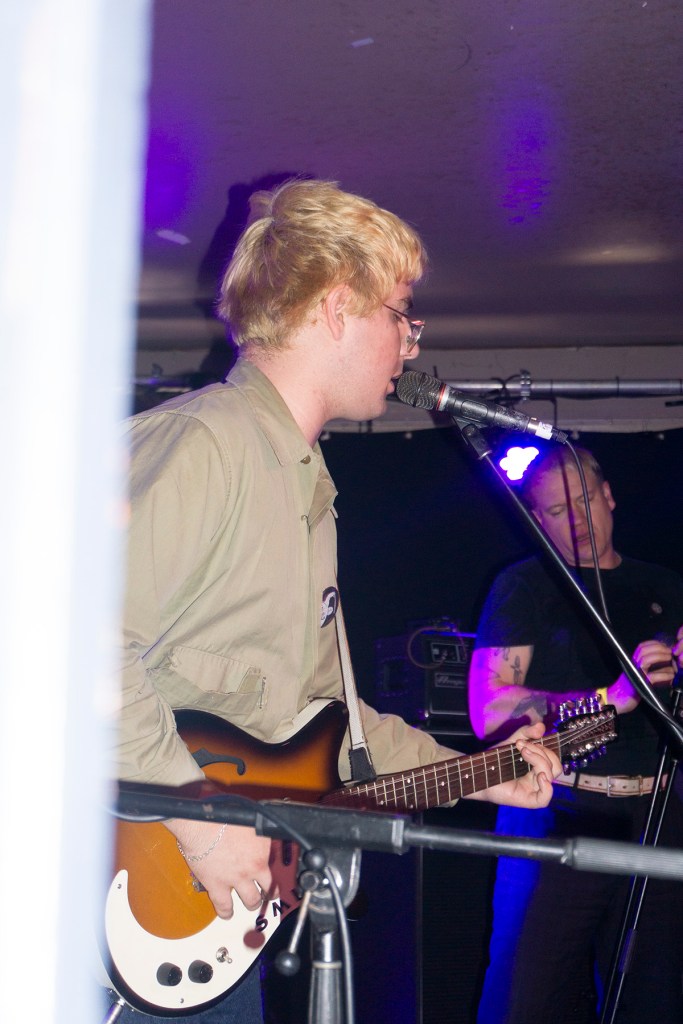
Photo by Jhonny

You guys are hilarious! I love getting an insight into your dynamic, and obviously that love and respect between you two, that has helped shape this project into something special. 

Your album is so solid the whole way through and on each listen a new song becomes my favourite. I’m usually a “skipper” if you ask Jhonny I skip songs A LOT. I can tell within a few moments if I’m feeling something I’m listening to. The final track on your album ‘Falling Down’ is the current fav. That was the first song you wrote together?

BUZ: Yeah, that was the only song we did as an entirely collaborative effort that was written, at least somewhat, in the rehearsal room.

It started with a bass line that Alan came up with. He either sent it to the band chat or directly to me, and then I came up with a riff to go with it. That became the big A part—the moment where we were like, “Okay, something good is going to come from this.”

Then we came up with the other two parts…

DX: It actually came together pretty quickly. It kind of gave me faith in our ability to write songs together because, before that, the only other song we’d kind of written on the spot was adapting ‘Cliffs’ into a song, which was a demo that Mikey had recorded around piano. But ‘Falling Down’ was us actually being a band, being like, “This is a riff—let’s put it together and make it happen.

BUZ: It was probably only two rehearsal sessions that got it to the point it’s at now. We thought we’d finished the song by the time we recorded it. 

DX: We were wrong.

BUZ: But afterwards we realised we actually had to change part of it after the recording.

DX: Mikey fixed it.

BUZ: There’s a little bit of studio magic going on there. I hate to admit it, but we weren’t that awesome.

Mikey worked on mixing the songs, over a little while?

DX: It was probably, like, maybe six months.

Yeah, so we played a bunch of shows, then went down to Melbourne and recorded with Mikey. We left him with it, went back to Sydney, then went into the rehearsal room with Micky again and recorded a whole bunch of additional vocal tracks, guitar parts, whatever. Then we sent everything back to Mikey and were like, “Good luck!”

Mikey ended up doing something like eight or nine mixes. Then Buz and I went down to Melbourne to sort out the rest of it, which turned into two full days in the studio just …

BUZ: Cutting fat! 

DX: Cutting a lot of fat. It eventually came together. When Buz was talking before about being worried about it, that concern was actually real, because I knew it was a good record. But we’d given Mikey these really dense, almost My Bloody Valentine-style layers of guitar and vocal tracks, and when we first got it back it was so muddy. And I was like, we’re not a muddy band. It just didn’t sound right. It didn’t work.

So it required travel, and a couple of really intense studio sessions. We did, like, two eight-hour days in the studio mixing it.

BUZ: Three. Two eight hour days and then a four hour day.

DX: It was brutal. 

BUZ: And then there was still more work to be done after that.

DX: Whenever we talk about the record, we always give Mikey credit for the work he did, because the mix is amazing. It genuinely sounds incredible, and he had to balance a lot. There’s so much going on in those recordings. We really packed it out.

Was there any creative differences you two had when you were working on the songs that actually improved the song? 

DX: I generally defer to Buz’s sort of megalomaniac confidence. But what I love about him is that he knows when he knows something, and I trust that.

BUZ: This is a misconception.

DX: [Laughs].

BUZ: It’s a misconception people have when they first meet me, or first become friends with me. 

DX: Bro, I’ve made music with you long enough now, to know when you know something, when you feel it, do not stand in your way.

BUZ: Yes. Well, yeah—I’m not actually a confident person at all. I’m a very anxious person.

DX: It’s not like Buz is just confident about everything or walking around like, “This is my way.” But when Buz has a hill to die on, you have to let him die on it.

 BUZ: Yeah. That’s true.

DX: Because usually he’s right! [laughs].

BUZ: There were times during the overdubs where I’d take a night off and let the boys go to it. Then I’d come back the next day—or the next week—and think, “What the fuck? What have you done? What is that? Get rid of that.”

DX: [Laughs].

BUZ:  And yeah, usually that instinct was right. I make the right decision.

DX: I really value the strong-willed individual who’s willing to determine something. I’m always willing to fight for it and punch on if at the time, I feel I’m that person. 

There’s this misconception that being in a band is a democracy where everyone votes and then you go with whatever wins. I’m sure some bands operate like that, but we definitely don’t. 

BUZ: I honestly don’t think that approach produces the best result and it can be the best it can be.

DX: What actually happens is that one person becomes completely psychopathic…

BUZ: [Laughs].

DX: …about an idea and says, “No, this has to be this way.” Everyone else might say it sucks, but if that person has enough conviction and strength of will, they either convince everyone else or somebody rises to challenge them properly.

That’s how this band works. If you’re passionate enough, you argue your case and try to sway things in your favour. But we’ve never voted on anything. It’s always been about force of personality.

Micky’s has a strong personality. He’s recorded all his own music, completely in his own way. Absolute genius. Strong personality. Same with Buz. Absolute genius. So you end up having to punch on with these people who really know what they’re doing as far as sound goes.

I’ve been in bands forever, but I’ve never really recorded stuff like that. My idea of songwriting is much more intuitive. I don’t really have the language for it a lot of the time, but I still got my way when I needed to. And then I deferred to genius…

BUZ: You made some important calls.

DX: Thanks, man.

BUZ: Micky made some important calls too. Nobody dictated everything. But there were definitely moments where people said things that needed to be said.

DX: We’ve had conflict. And a band, at its best, is the conflict between a bunch of people, and then something good emerges out of that.

You can admire the strength of a single person’s vision—a composer who knows exactly what they want and refuses to compromise. Everyone tells them, “You can’t do that,” and they say, “No, I’m doing it anyway.”

But this is a band. The ideas and compositions are split between a whole group of people who don’t necessarily agree on anything. So it takes time. It takes kindness. But it also takes moments of brutality where someone says, “I don’t care about your feelings. This is what I want, and I’m not letting go of it.” It’s mostly been more on the feelings-and-kindness side of things, but there have definitely been moments where the brutality had to happen.

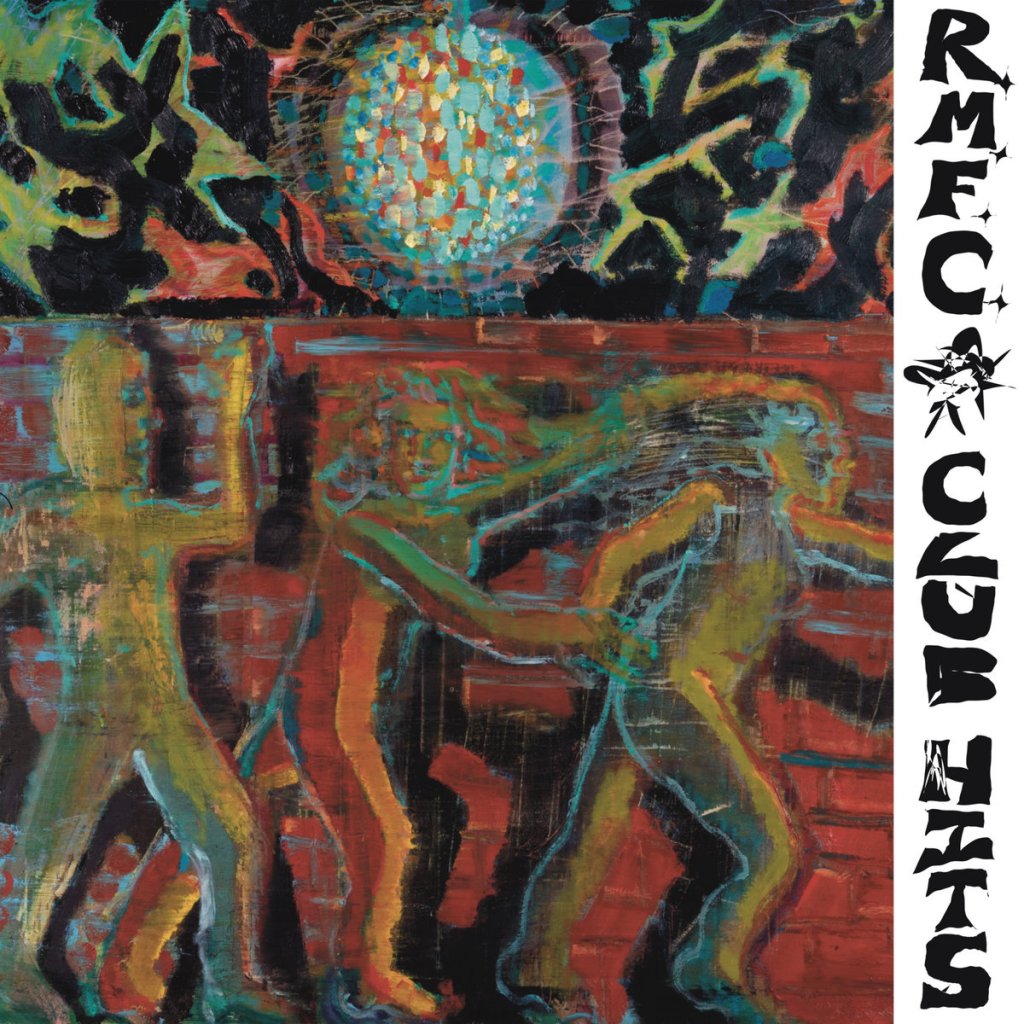
Last question, tell me about the album art; the shattered-look motif gave me a little vibe of Black Flag’s Damaged cover.

DX: Oh yeah, true.

BUZ: Ian Teeple. 

DX: Let’s talk about Ian for a second. 

BUZ: You can always trust Ian Teeple to do something good visually. He’s been really important to what’s going on. There was a lot of back and forth during the process. Ian would send me ideas, then I’d take them back to the band and everyone would be like, “No, I don’t like that, but I like this,” or whatever. Then I’d send that feedback back to him, and he’d come back with something else.

In the end, what we landed on for the album cover—and this is a Gimme exclusive—those two figures on the front cover, on the right-hand side at the top and bottom, are actually shirtless selfies of Ian Teeple. He sent them to us hoping we’d notice and reject them [laughs] because he wanted to use them for something else himself. But instead we ended up putting them on the cover.

DX: [Laughs].

BUZ: So there are literally two shirtless pictures of Ian Teeple on the front cover of the Station Model Violence album. And if you look closely with that in mind, you’ll definitely be able to tell.

DX: What I really like about it—and you’ll notice this more when you get the physical record, because it’s not as apparent digitally—is that it genuinely looks like Ian physically made the collage on the record by hand.

I was actually really doubtful about the album cover at first. I had my own vision for it, but Buz really pushed for this direction, and I’m genuinely grateful for that because I don’t actually think I have a very good aesthetic sense when it comes to artwork.

Honestly, I’m usually pretty wrong about album covers. I thought the Total Control Henchman album cover was dreadful and argued against it. And most things I’ve designed myself are pretty… whatever [laughs].

But Buz was really confident about this cover, and when I finally saw it properly, I was like, “This is really sick.” I just wanted something where you could see the record from a distance and immediately know it was ours. Something really distinctive.

Okay, I’ll let you guys go get to dinner. Thank you for your time. And thank you for making an incredible album! Its’ one of the best things I’ve heard all year so far.

BUZ: Thanks so much for doing this. We really appreciate it. It’s so nice to talk to you. 

It’s nice to be able to get you both together for a chat. We’ve spoken before separately. So, all together has been lovely.

DX: Yeah. And I never even told Buz this, but the chat we had during lockdown for your book [Conversations with Punx]—at probably the most vulnerable point of it all—has really stayed with me. Talking to you then was genuinely really soothing and calming. It felt really special. So yeah, I’m really glad you like the record, and I’m glad we got to talk again under more joyous circumstances!

Station Model Violence’s album is out on ANTI FADE RECORDS. Follow @stationmodelviolence & @antifaderecords.
JERKFEST 2026: The Judges

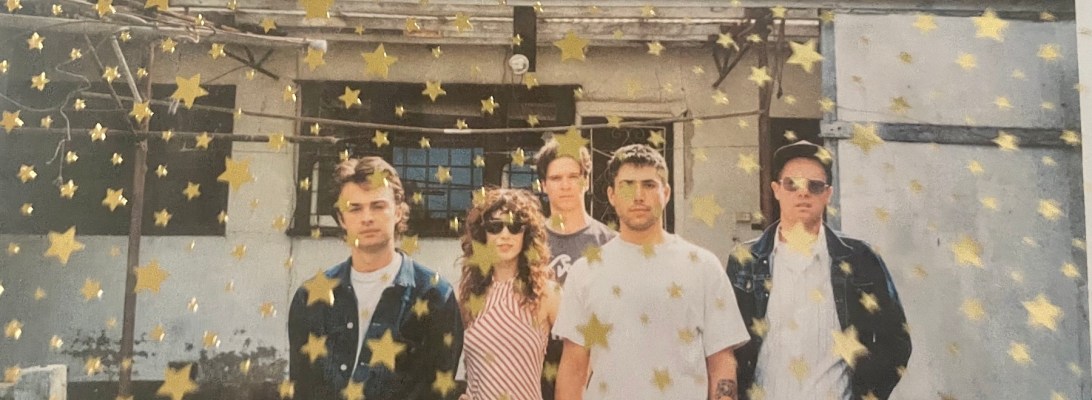
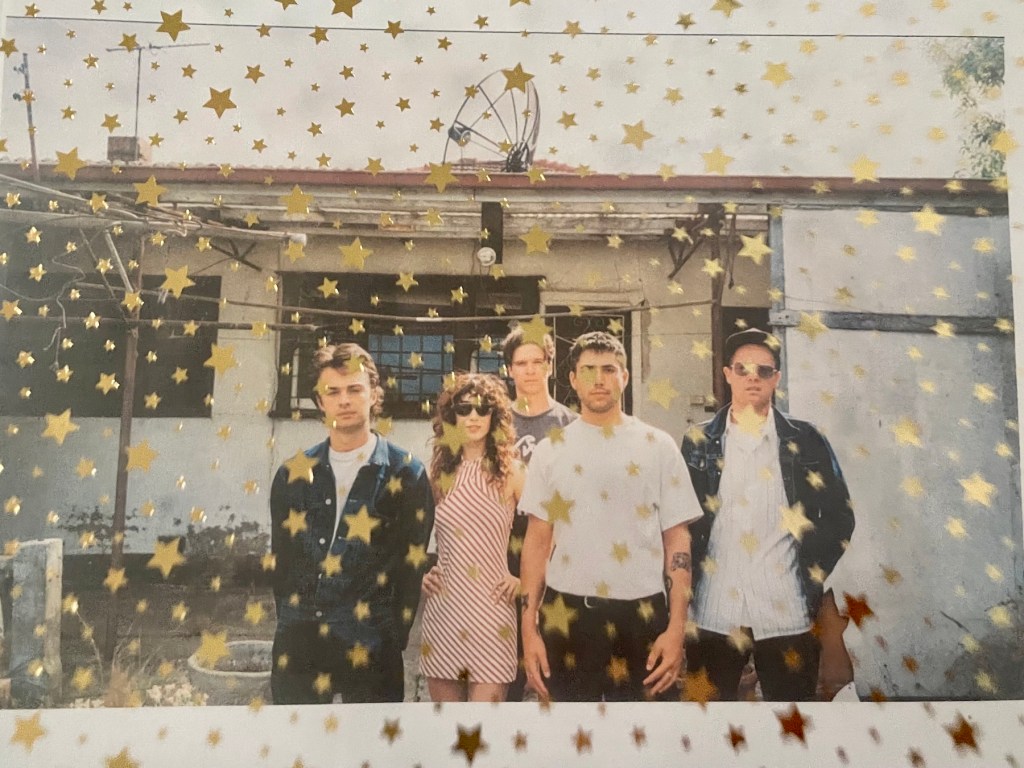
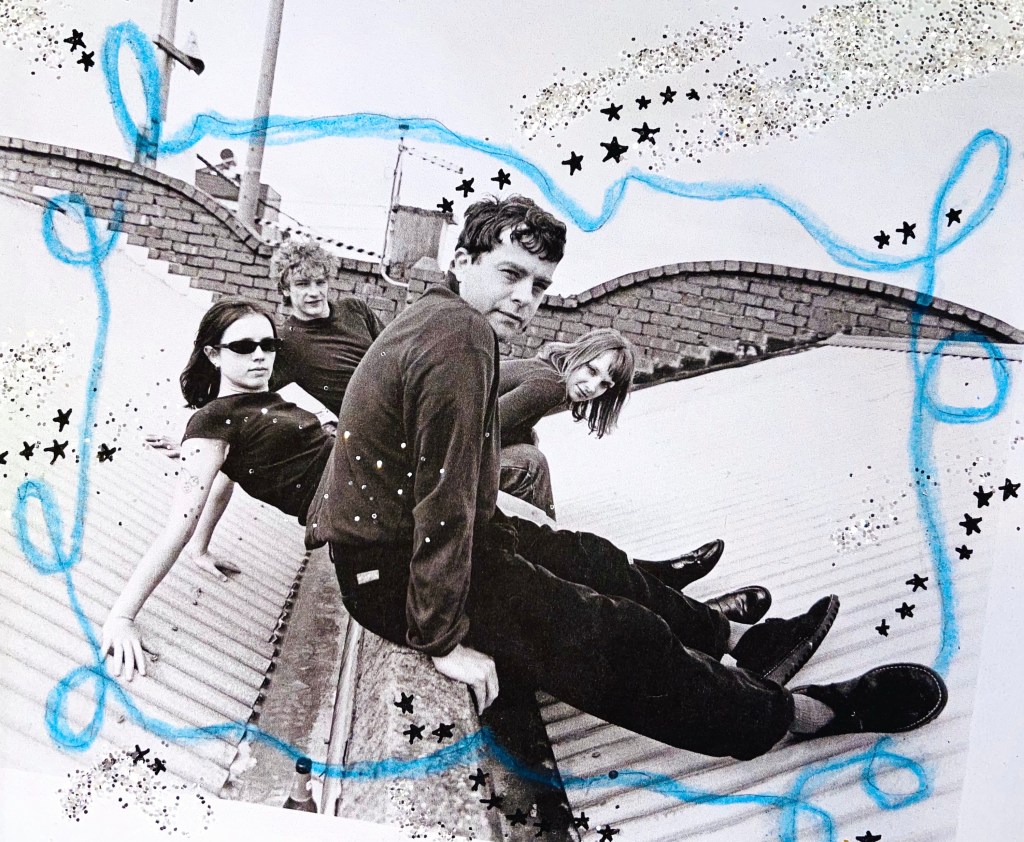
Original photo: Jhonny Russell / handmade collage by B

Following the release of their debut LP Judgement Day in November 2023, Melbourne/Naarm five-piece The Judges have kept the momentum rolling with their Guns 7”—a two-track release that captures the band’s sharp rock‘n’roll. Gimmie caught up with frontman Sam Hill to talk about skate vids, cooking, the crazy world we live in, and of new music on the horizon.

Who or what made you fall in love with music?

SAM: Skate video soundtracks, I guess. That’s where I first heard The Stooges and Bowie and the Velvets and all that. And then “punk rock” – probably largely because of the fashion and the incredibly naive attitude, which is quite appealing when you’re young. But even before that I would tape songs off the radio and stuff, so I guess there was always music around!

Photo: Jhonny Russell

Are you working on new songs or ideas that you’re excited about?

SAM: Yeah! Always working on stuff to some degree. Tinkering. With The Judges, with other groups, solo. The second Judges LP has been recorded for a minute now, we just gotta tweak it and polish it up and everything. 

Photo: Jhonny Russell

What’s something you care about deeply that might not necessarily show up in your songs?

SAM: Food. I don’t think any of the songs are about food? I like cooking and you gotta eat. Good meals are important. Especially eating them with friends. Celebrate all occasions. Oh and we gotta save our oceans.

Photo: Jhonny Russell

Which song do you like playing live the most and why?

SAM: I like playing them all. They usually all sound great, sometimes they don’t. Sometimes I forget the words and mumble. But it’s not really even about the music. It’s just fun to make noise. It’s a spectacle.

What’s your biggest non-musical obsession right now?

SAM: Aw man, I don’t know. I follow a lot of total psychos on Instagram that are pretty entertaining to keep up with. World War Three is pretty interesting so far. That and the convergence of “artificial intelligence” and religion and all the UFO bullshit. Things are getting weirder every day. Buckle up!

Follow @tha_judges + LISTEN to The Judges.

Institute’s Moses Brown: ‘I’m always trying to push the boundaries.’

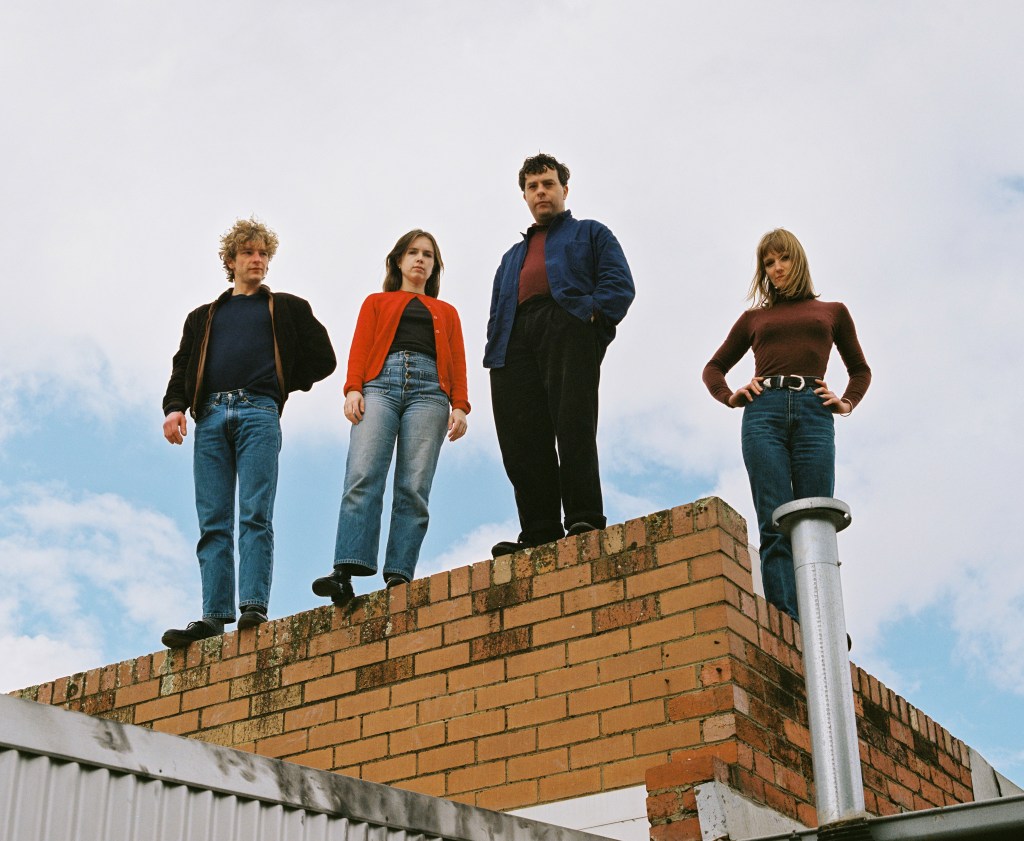
Original photo: Jenna Beasley / handmade collage by B

Whether he’s fronting Institute, drumming in Glue or recording solo as Peace de Résistance, Moses Brown is always chasing the next creative idea. In this conversation the New York-based musician talks to Gimmie about skateboarding, Dada art, the Austin punk scene, writing songs under pressure, the new Institute’s 7-inch release on Anti Fade Records, his solo works, and of another project that’s so new it doesn’t have a name yet.

MOSES BROWN: I just got home from work. It snowed 18 inches two days ago. So it’s been kind of nasty here. I like being outside. Even if you’re in the city, you want to go hang out at the parks and do fun stuff. 

Is that your bicycle behind you?

MB: Yeah. I usually ride to work because it’s so much faster, and it’s nice. 

What do you do for work? 

MB: I work at a gallery, I’m an art handler. 

Cool. You do all the art for your band, Institute. Has art always been a big part of your life? 

MB: Not really. I’ve never really done visual art, except for bands. I used to do scenic painting and set design stuff in college. Then got into working in galleries through that. 

I know your inspired by the Dada movement. 

MB: Totally. You go back and look at some of that stuff and it’s obvious when you see the Sex Pistols and early punk culture pulling from it; their attitude on the world. Dada and Fluxus—it’s a very punk attitude. It looks so good too. 

For Institute stuff, I would pull from this guy, Kurt Schwitters. Go look at old Kurt Schwitters stuff, it looks like a punk tape, it’s crazy. 

We’re big fans of Dada too!

MB: I need to dive back in. Now that I’ve lived here in New York, I’ve been more into Fluxus stuff, which I would argue, is the continuation of Dada.

The anti-authoritarian stance, the challenging of traditional values, the humour and absurdity. And the commentary on what was going on in the world at the time.

MB: Yeah. I’m sure they were kind of going through similar things, right? Fascism.

You’re originally from Texas. What was it like growing up there for you? 

MB: All three of us in Institute grew up in Austin. Especially when we were kids, it was much more of a liberal bubble, like a small college town. It kind of insulated us from a lot of the stereotypical Texas. You definitely still had people who were super into football and competitive sports. It definitely had an air of toxic masculine and  patriarchy. But Austin was pretty sick, so I can’t complain too much. 

What were you into? 

MB: Me and Arak [Avakian], and I think everybody in the band, were big into skateboarding. I was probably eight or nine, playing soccer, and then figured out that I could ride a skateboard. I slowly got more skilled at it and would watch all these skate videos.

The Flip Sorry video, was a big one for me. At that time all those guys were rock stars, they were punk. You’d watch and be like, dude, this is I want to do! But I was not good at skateboarding then. But the skateboarding culture that I was exposed to really had a big effect.

One of my favourite skaters was a Flip skater, Geoff Rowley. He co-owned it too.

MB: Yeah. I would like all the music they would skate to. Through skate videos, you would hear The Stooges and Velvet Underground and Sex Pistols and Devo. It was all like a blueprint. This is great. 

My dad, he’s a huge music nerd, and I would watch a skate video and be like, Dad, what, what is this? Like, what’s, what is this song? Oh, that’s on the first Stooges record. Okay, can we go get it?

Can you remember one of the first songs you really obsessed over? 

MB: As a kid I was obsessed with The Beatles, until I was seven. It was the only thing I listened to. I remember thinking that so many of their songs were about love. I was like, can you write a song that’s not about love? [laughs]. I had a huge poster in my room and would watch the Yellow Submarine movie all the time.

Do you have any brothers or sisters? 

MB: I’m an only child. But my dad and my mom were big music heads. So just absorb things from them. 

Your dad really loved PiL, right?

MB: Oh yeah. I remember being in fourth grade and bringing a CD player out to my backyard where I had some skate ramps and just blasting Second Edition. I still love it.

But to me now, it’s more adult appreciation of it, and seeing the dub and Can influences in there. Something that I now aspire to do. I’m like, wow, these guys were really doing something.

It’s so funny to think about me being nine and being obsessed with them. Like, what was I getting out of this? [laughs].

I’ve always loved the groove they have, it goes on forever and becomes kind of hypnotic.

MB: Yeah. Obviously with Can, it’s a result of jamming for hours and editing after the fact, which is something that I’ve been trying to do with a new project that I’m working on. It’s been pretty fruitful. You play something for at least 20 to 45 minutes, maybe use three minutes of it.

But you find things after that 20-minute mark that you weren’t expecting to find. I feel like I would grow up and people would be like, “Do you want to jam?” It’s like, no, I don’t want to. I don’t want to just play music to play music. I want to write songs, I want to have something coherent to put forward. And now I’m finding, oh yeah, jamming is extremely productive. You figure out a lot of things.

It’s cool that after being more regimented with song writing you’re now more open to jamming and enjoying it. There’s a lot of different ways to make stuff and it’s good to try new ones, it keeps things interesting. 

MB: Yeah, it’s been nice. If I kept trying to write songs the other way, like I have been forever, you start to hit a brick wall and it’s not fun and you’re just going to get angry.

Totally. The new project you’re talking about, is it something other than Peace de Résistance or the Moses Brown stuff?

MB: Yeah, something totally new. My friend has a studio. He’s recording a new Peace… record. But then on top of that, me and a handful of friends have been going in there and jamming. Just pressing record and seeing what happens. Nobody’s in a rush. We know we won’t play a show so it’s like, dude, we can take as much time as we want to. 

Does it have a name yet? 

MB: No, we haven’t figured that out. We’re slowly getting artwork figured out. We don’t know exactly what we’re going to do. It’s too amorphous to really give a solid answer right now. 

Photo: courtesy of Anti Fade

I was reading an interview with Arak and he mentioned that when you guys were young, your dad had a little studio and with sick gear that you could use.

MB: He was a songwriter and made a handful of tapes in the ’90s. The house we lived in originally had a laundry room that he used as his studio. I remember being four or five and him closing the laundry room door while I heard him playing music in there.

Eventually, he wanted to build a kind of shed out the back in our backyard. He set it up as a studio for himself, but then he got too busy and developed carpal tunnel in his hands, so he had to stop playing guitar.

I’m sure that, in the back of his mind, he was thinking, If I leave this here, the kids are going to use it. And we certainly did. So many of those Austin bands wouldn’t have started if it wasn’t for him building that.

Wow. Your dad sounds like he’s pretty cool.

MB: Yeah. If you were in a band with me, you had a place that you could practice and didn’t have to worry about paying or having gear. So it was huge. 

It’s nice that you a Arak have known each other since you were 10. 

MB: We’ve been friends for probably 21 years now, 22 maybe. 

Do you remember your first impression of him? 

MB: Totally. We were at a skateboard camp and he was trying really hard. I thought he was super cool. I felt like he was a skater, but I could also tell he was a rocker, and I remember thinking, this guy seems very cool.

I had other friends who skated, but they didn’t take it that seriously. He was in a similar skill range to me and took it as seriously as I did. I remember thinking, I want to get to know this guy.

We met at skate camp and then, about a year later, found out we were going to the same middle school. That’s when we really became friends.

I don’t know many people who have friends with decades long history together. That’s really lovely.

MB: Yeah. I got a couple of them. It’s awesome. Dude, so many people I went to school with, from elementary through high school, also ended up moving here and getting involved in music and the arts. It feels like our little corner of Austin produced a lot of like-minded people who stayed in touch.

Arak said that he’d like to go out late and break into abandon buildings and things like that. But then you’d be more of a good kid and be like, I’m going home to get up early tomorrow. You guys seem a bit opposite.

MB: Yeah. He’s a boundary pusher and I’m a respect-the-line guy. He’s more whimsical and careless and I have so much crippling fear. Like, no, we can’t do that. I’ve been working on it and trying to cut myself more slack and being open to not having so much control. That’s a lot of what’s happening there with the fear.

Previously, you’ve talked about not letting yourself have much fun when you were younger. But I noticed that when we started the conversation, you were bummed out because of all the snow and not being able to go outside to have fun. I thought, that’s nice that you’re open to fun now.

MB: Yeah, I am. When I was younger, I used to impose these imaginary rules on myself. I’d do things in such a structured way that, looking back now, I’m like, what was I doing?

I was about thirteen and would wake up at eight in the morning on a Saturday, ride my bike to the skate park, and skate by myself for as long as I could until someone else showed up. Then I’d go back home. Why did I feel like I needed to do that? I could have been doing what everyone else was doing — smoking weed, sleeping over at friends’ houses — and honestly, that probably would have been sick.

The first band you had was called Lemonade Sten Syndicate, and your influences were The Hives and Dead Kennedys. That’s a pretty fun combo. 

MB: Yeah, the band was actually pretty good for a middle school band. 

In the old photo you used for the cover of your solo Stone Upon Stone album where you’re working on the house you grew up in, I saw that you’re wearing a Distillers shirt!

MB: That’s what I was all about. Skateboarding and Distillers shirts [laughs]. I was like—this is my shit. 

Stone Upon Stone was an interesting record. The idea was sparked from a novel [Wiesław Myśliwski’s novel of the same name] that you read? You wanted to soundtrack it?

MB: That was the initial idea. I was working on these songs, and they were quite repetitive but carried a lot of emotional weight. I started thinking that this style of music is often presented as a soundtrack to something (not always, but frequently) and it felt like a good way to frame the project.

Before the writing was finished, I decided to try making more songs and turn it into a soundtrack for something like a book or a movie. That idea was mostly inspired by talking to Owen from Straw Man Army, since they’d done their own score.

At first, I tried doing it for the book, but it didn’t really work. It was too hard to reread a book with the mindset of scoring it. You end up reading while constantly making notes like, oh, this could be a song… this could be a song, and I realised that’s not how I want to read. It felt frustrating.

So I decided it needed to be something from my own life, something more personal. That’s when I came up with the idea of making it a soundtrack to the construction of the house I grew up in, and that ended up fitting really well.

Do each of the musical projects you do fit a different function for you?

MB: Yeah, totally it’s all different parts of my musical brain.

What about Glue? 

MB: I don’t know how to write a Glue song. I know how to write a Glue drum part. Glue is just fun. I’m just me, playing. Drumming is a whole other section that definitely is an identity that is doing something for me. It satisfies the drummer thing. 

They often say the drummer is the heartbeat of the band, right?

MB: I think so. Bass and drums hold it down.

The engine that drives things. What about Institute? 

MB: Institute is great because I grew up doing so much punk music. Institute is the band where I get to create, sing and write music that probably has the most relevance to my 18-year-old self. I don’t think my 18-year-old self would really care about Peace de Résistance or the more recent Moses Brown records. So it’s cool to do something for that guy.
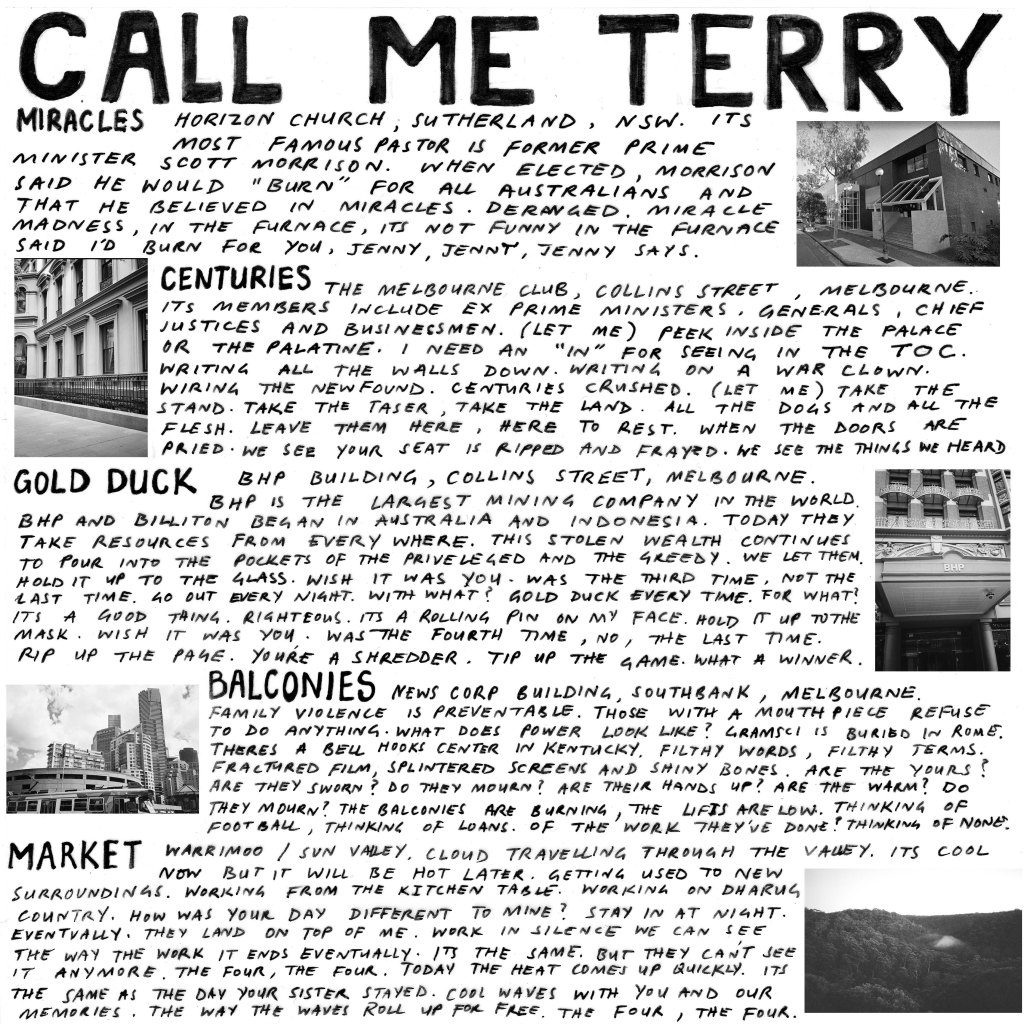
When you started Institute, you were recording on a 4-track. Were you writing all the songs initially? 

MB: Me and Adam [Cahoon] wrote all of the songs on the Demo. I was using a 4-track to demo the songs. But then what’s on the Demo, our friend Hans recorded it on quarter-inch or half-inch tape. I never liked using the 4-track, it was hard to use.

The lyrics that you write move between, social critique and more inward-looking stuff. Is songwriting ever a challenge for you? 

MB: Totally. I have to write lyrics for this new Peace… record. It’s taking a long time. It’s a little like pulling teeth. I’m not somebody who naturally writes a bunch of stuff. I’m writing words down on paper because I have to.

Institute was the first time I started a band and thought, this is it. I’m going to sing and write the lyrics. For years I was like, I don’t want to do that. That’s crazy. It sounds hard and scary.

What helped you overcome the scariness? 

MB: I was not very excited to record and sing, I just did it. 

Your live shows, I’ve seen in online vids, look pretty exciting!

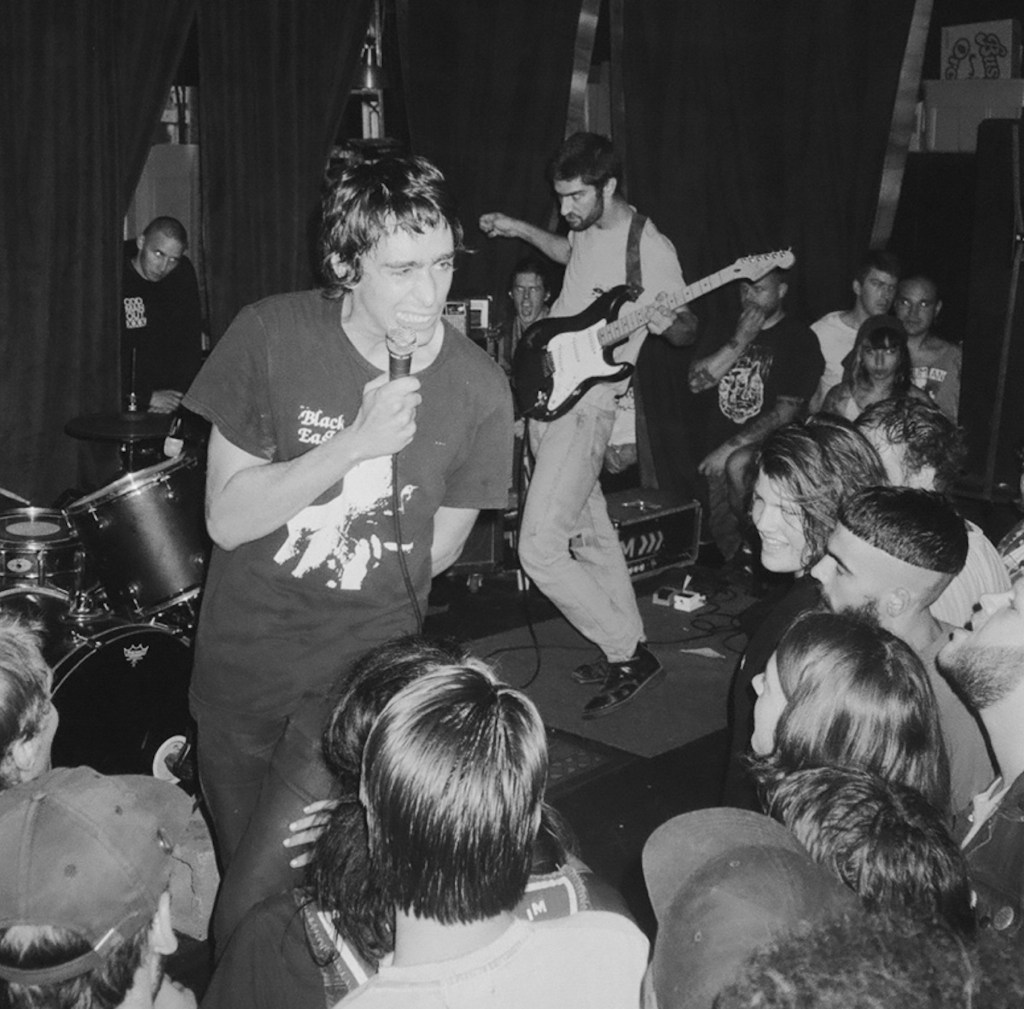
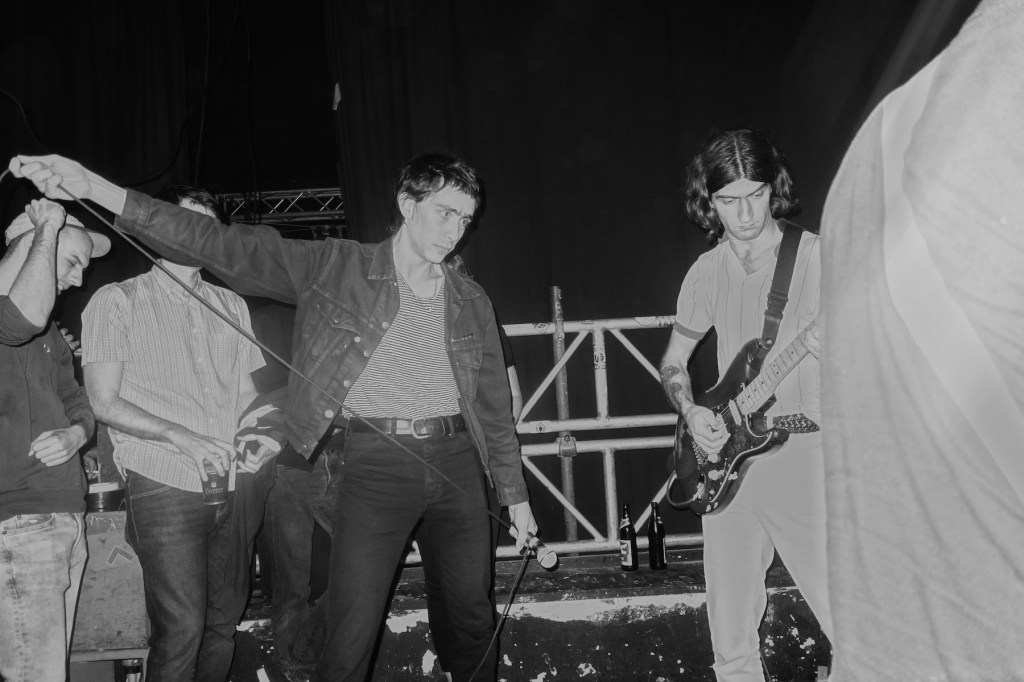
MB: Oh, totally. Institute was a punk, kind of post-punk, anarcho rock band, but we were playing in Austin, which at that time was really dominated by hardcore. There were all these hardcore bands from North Texas coming through, so we ended up playing with a lot of hardcore bands. It was really funny.

All these kids in tall tees and Jordans were coming to the shows, and they were totally into it. When you look back now at some of those line-ups, it’s wild. It’d be Institute with Power Trip, Wiccans, Glue. It’s funny that we were so well accepted by that crowd.

Obviously a lot of us had played in hardcore bands before, so people were like, “Oh, those guys are doing this preachy band now.” But when Giddy Boys started happening, people were kind of like, “Okay… this is interesting.” And honestly, I’m here for it.

Cody and Harris from Glue, are more well-versed in hardcore. I feel like I absorbed some things about it from playing in Glue. But I did not grow up going to hardcore shows. I didn’t know who integrity or SSD or Antidote or anybody was until meeting those guys. I was doing my own thing. 

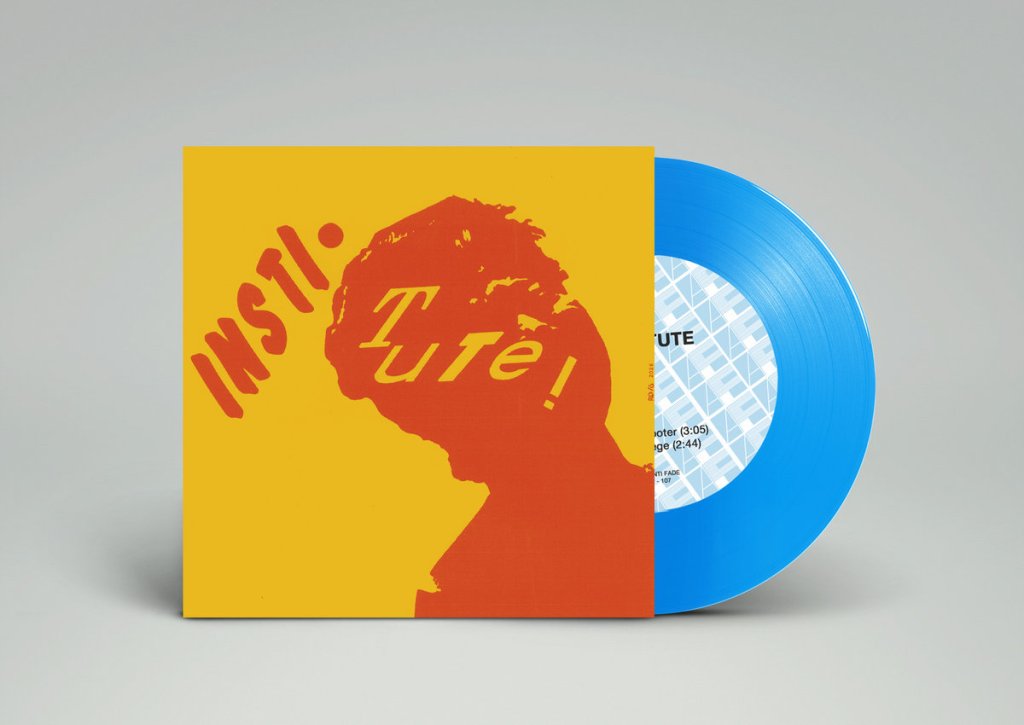
Institute have an Australian only release on Anti Fade for your tour here. What inspired that collection of songs? The songs seems connected in a way. 

MB: We were coming over and planning to just bring copies of the last record with us. Christina, who is helping book the shows, and Billy from Anti Fade were like, “It would be sick if you guys had a physical release to coincide with the tour.”

And I was like, okay… you’re kind of asking me to move mountains here [laughs]. Getting even one song out of this band is hard because everyone’s in different places. We can’t practice together and writing music from a distance is difficult. So I was like, I don’t know.

But that weekend I thought, okay, let me try to write a song. I wrote ‘The Shooter’ and texted it to Adam. Me and him are kind of the two guys who bring in the skeletons of songs, so I asked him, “Do you have any skeletons lying around?”

He sent me what became ‘Privilege’, and I was like, dude, this is great. Suddenly we had two songs and I liked them. Then I remembered this other funky jam I’d done in a practice space with Owen [D4MT Labs], and I thought, I’m pretty sure this could be an Institute song too. So we just smashed that in there.

We basically had these skeletons of songs, and then we showed up to record them. Nobody knew any parts. We had to learn them and record them on the same day, and write a bunch of parts as we went.

It was this burst of madness. The guys flew in, we had one day to write and record a 7-inch, and we also had to practice the set we were playing the next day.

Lyrically it was the same thing. Total pressure cooker. I was like, dude, I need to write some lyrics right now. I needed them yesterday.

And honestly, we’re just so consumed with political madness here that I thought, you know what, I’m sorry if everyone’s already bombarded with this stuff every day, but that’s what I’ve got. That’s what I’m thinking about. That’s what’s on my mind.

When you write lyrics, do you hand write them or do you type them on your phone or computer? 

MB: I’m doing it in a Word document on my computer. I’ve handwritten other ones. 

You mentioned you were working on a new Peace record right now; what themes are you exploring lyrically? 

MB: I’m trying to get more okay with things being a bit vague, with them making sense to me but maybe not to other people. I feel like the past couple of records have been all about very clear, concise message delivery. Right now I’m just like, dude, I don’t have it in me.

Peace de Résistance started during the pandemic.

MB: It started because I had this idea to do a band that was a combo of Templars and Chrissy Zebby Tembo. I felt like there was some crossover there that needed to be explored. That was the first idea.

But then people were like, “This kind of sounds like The Velvet Underground.” And I thought, okay, I want to try that now. That’s basically what led to the first LP.

For Peace you usually play all the instruments on the recording…

MB: On the new one that I’m working on that’s not the case but traditionally, yeah. 

Is there an instrument that you feel particularly at home with? 

MB: Playing bass is pretty comfortable. Guitar is fun, but my hands just… I don’t know. They don’t really know how to do things the right way, and I run into a lot of problems because of that.

With bass, you don’t have to worry about what your hands are doing as much. You’re mostly just using a finger or two.

And then drums were the first instrument I learned how to play, so I feel pretty at home with that. But I need to work on expanding my boundaries with the drums because, at this point, it’s become a pretty mundane instrument for me to play.

I’m like, dude, I don’t even know how long I’ve been doing this for. Maybe I need to make some kind of avant-jazz drum album or something just to get excited about it again.

That’d be cool. I read that Madonna’s ‘Ray Of Light’ was an inspiration. 

MB: Oh god, I love that song, yeah. 

I love it too. It’s one of my fav Madonna records. Have you heard the original song from where ‘Ray Of Light’ comes from? 

MB: No. 

Curtiss Maldoon, an English folk duo released the song ‘Sepheryn’ in, maybe, 1971.

MB: Interesting. I’ll check it out.

Why doesn’t Peace do shows?

MB: Being in Institute and Glue is enough for me. That scratches the itch of playing live. And honestly, half the fun of doing Peace songs is that I don’t have to figure out how to play them live.

The madness of trying to translate them into a live band just doesn’t sound like fun. I feel like I’d be pulling my hair out, and who knows if they’d even sound good with a full band.

I imagine it would just be me in a room with five people who’ve dedicated a lot of time to it, trying things out. We’d spend two hours learning a song, and at the end I’d be like, “You know what? Sorry, we’re not going to play this one. It doesn’t sound good.”

It’s just not a record that was written with live performance in mind. I mean, maybe at some point it could be fun to try, but I don’t really need that to happen right now.

What are the things that matter to you creatively? 

MB: Doing new things. There’s a song on the new Peace thing I’m working on that sounds exactly like what you’d expect a Peace song to sound like. And I’m like, dude, I should probably cut this one. Why do another song that just sounds like the band already sounds? Let me try something new. Otherwise it’s boring. I’m always trying to push the boundaries.

Is there anything that you haven’t done yet that you would just love to try? 

MB: Musically or anything?

Anything, it doesn’t have to be music-related.

MB: Oh my god, so much stuff. I like to play this game where I ask people: if you had to work 40 hours a week, but you could spend those 40 hours doing anything you wanted, what would it be?

People usually say things like gardening, or something quiet like that. But for me, I just want to try new activities. I want to go mountain biking. I want to do oil painting. I want to jump off a skyscraper with a parachute.

Honestly, I think everything is valid.

Photo: courtesy of Anti Fade

Yep. Have you been reading anything interesting lately? 

MB: Right now I’m reading Sergio De La Pava. The book’s called A Naked Singularity. It’s good. It’s this kind of weird postmodern novel.

De La Pava was a public defender in New York City, and the book really throws you into that world. Sometimes it’s conversations between characters, but a lot of it reads almost like raw court transcripts. You’re just dropped straight into the madness of being a public defender in New York City.

That sounds fascinating. What’s a book that’s had a real big impact on you? 

MB: My partner wanted to read a fiction book because she’d mostly been reading nonfiction. She asked me, “What should I read?”

And I was like, you have to read The Melancholy of Resistance by László Krasznahorkai. When I read that book I just thought, this is it. This is what I want a novel to do.

People in the literary world always call him the master of the apocalypse, and honestly I kind of agree. His books always feel like something terrible is about to happen, and everyone is scrambling to take stock of their lives. They’re interacting with each other in the middle of this vague crisis, and nobody really knows what’s going on.

In that book, a travelling circus brings a giant taxidermied whale into town, and somehow that triggers what feels like the end of the world. It sounds crazy, but it’s incredible.

You’ve totally sold me. I’m gonna go find a copy of it. 

MB: You should definitely read it. It’s awesome. 

What pushed you towards living in New York? 

MB: I’d visited here when I was a teenager and thought it was cool. Then I came back again as more of an adult and started meeting people. I realised, oh, I could actually live here.

From a work perspective it made sense too. In Austin I was working at galleries and museums, but there were maybe three places you could really work. Here there are hundreds.

So I thought, I could move here and actually make a living doing the same kind of work. It suddenly felt feasible.

If I’d been like, “I’m going to move to Portland and figure it out,” I probably wouldn’t have done it, because I’d have no idea what I’d do there. But here it felt like, okay, boom, you’re good to go.

Do you like your work that you do?

MB: I do like it, yeah. A lot of music people I know do it too. It’s actually great for creative people who need something semi-interesting to do that isn’t, coding or something. You’re working with your hands, you have to do a bit of math, and you’re constantly figuring things out.

A lot of the job is like, “Okay, how do we build a box for this sculpture that’s a giant snail?” You’re just solving problems like that all day.

That sounds so fun. Last question. What’s something lately that’s made you genuinely really happy? 

MB: We had two snowstorms back-to-back, about three weeks apart. The first one happened while my partner was out of town, so I had to deal with it by myself. I was basically stuck in the house for a day.

But when the second storm came through she was back, and I was like, “Oh my God, you’re going to be my snow buddy.” We were going to play Overcooked!, read books and take baths. I was really excited to have her home to hunker down in the snow with.

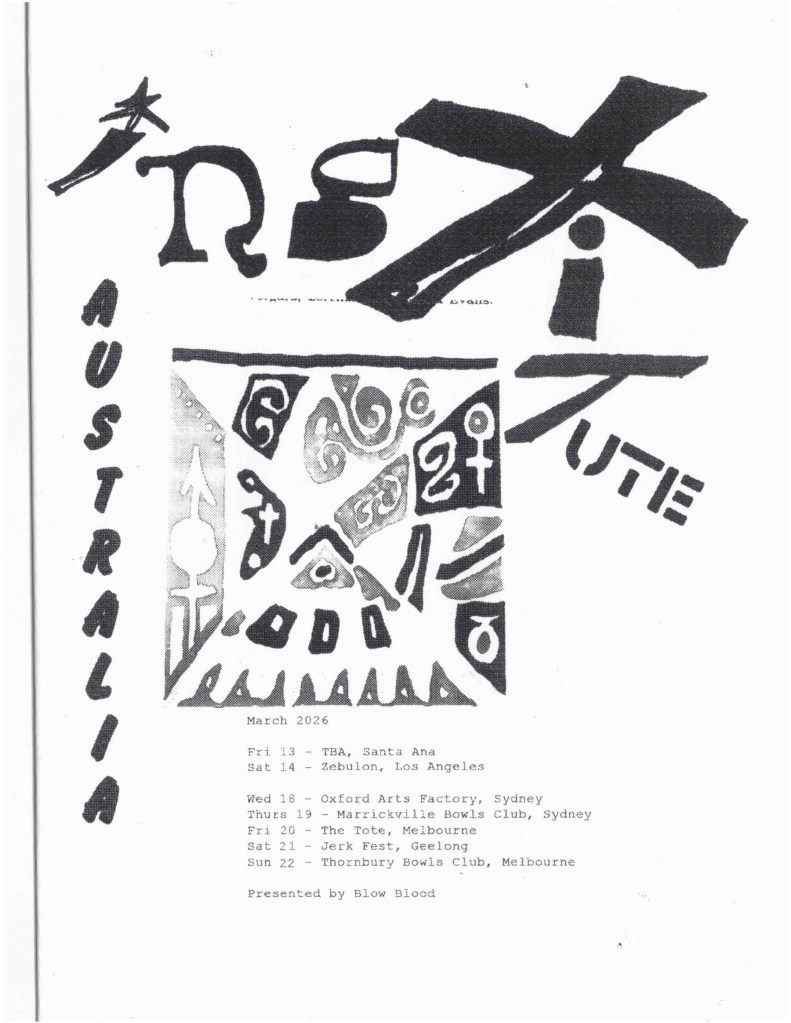
Get ‘The Shooter’ 7-inch via Anti Fade Records. Don’t miss the Australian tour shows presented by Blow Blood! TICKETS HERE.
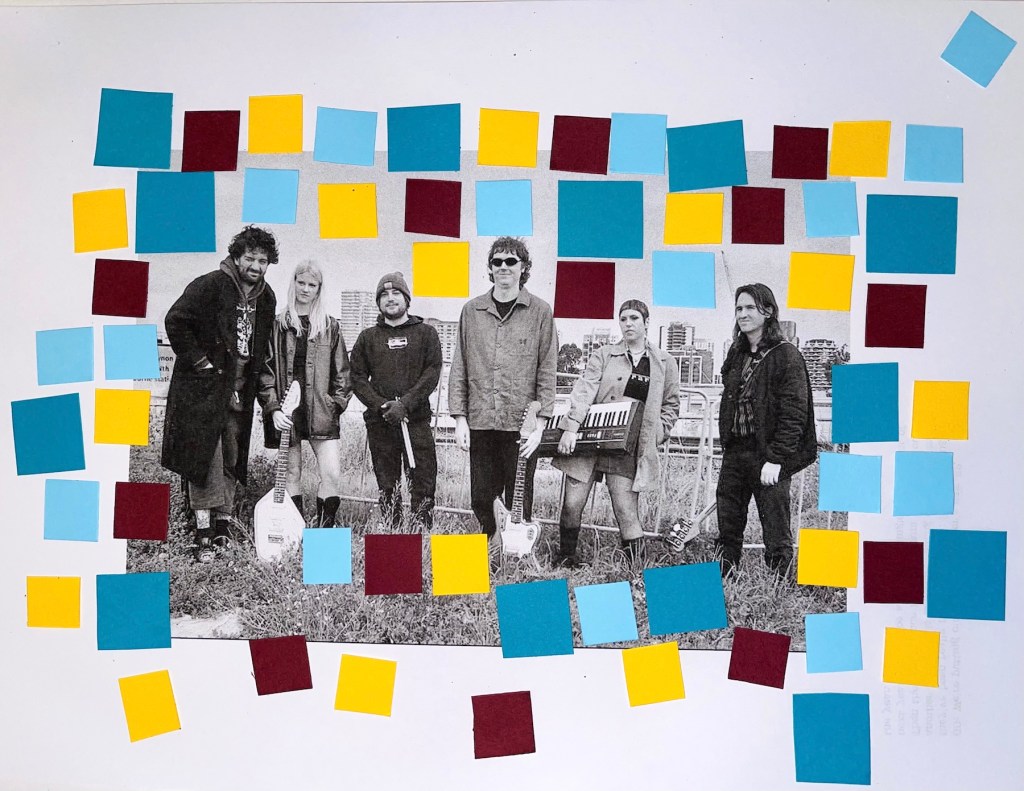
✨ Wed 18 @ Oxford Arts Factory
Institute (USA)
R.M.F.C.
Negative Gears
Station Model Violence
The Horribles

✨ Thu 19 @ Marrickville Bowlo
Institute (USA)
TOY (BNE)
Gift Giver
Vasta Ruína

✨Fri 20 @ The Tote
Institute (USA)
Rapid Dye (SYD)
Station Model Violence (SYD)
Body Maintenance
MK Naomi

✨Sat 21 @ JERK FEST 11

✨Sun 22 @ Thornbury Bowlo *DAY SHOW*
Institute (USA)
Constant Mongrel
Possible Humans
Zipper

Check out more INSTITUTE.

Brendan Wells from The Uranium Club: ‘I’m incredibly grateful, for curiosity.’

Original photo: Jack Cress / handmade collage by B

Brendan Wells, bassist-vocalist for The Uranium Club, is sitting inside his car outside of the library around the corner from his home, using their Wi-Fi to Zoom chat with Gimmie. It’s October 2023, and it’s exciting times! His band is putting out a new record, Infants Under the Bulb, in 2024, and they’re headed Down Under for the first time ever. We’re chatting with Brendan for a punk book we’ve been working on that will be out soon. He kindly spent two and a half hours chatting; we were nerding out so hard on creativity, punk, and all kinds of stuff that we didn’t even realise the time passing. We started when the sky was light and finished when it was dark. They’re the kind of conversations we love. To celebrate the album, tour, and how much we LOVE Uranium Club, we thought we’d share a little of the chat with you guys early.

BRENDAN WELLS: I had a really cool first experience with punk. I grew up in Des Moines, Iowa. Me and my friend were getting into punk and interested in it; we had gone to the Vans Warped tour. But then we found out that they held local punk shows at the city botanical gardens in the conference rooms. You could rent out a room for the evening. 

Looking back, I’m so impressed by that because it was all just high schoolers: the people taking money at the door, running the show, running the PA, being in attendance, and playing in the bands. That felt so close to where I was or who I was. I was in 8th grade at the time, so probably 13 years old. And these people were between 15 and 18. 

The next week at school, I remember seeing somebody who had played in a band and thinking, ‘Oh my God, there are rock stars that go to my school’ [laughs]. I had never had never felt so close to something like that.

I read a thing from Golnar Nikpour, who was a coordinator at Maximum Rocknroll and who has done bands and zines. It was a conversation about punk. She was talking about being from the suburbs of New York City. She had said, ‘It was two hours away from New York City,’ which to us might have well been a million miles. I never even saw New York City until I was 20-something. When it came to music or punk or anything that I was interested in, it felt a million miles away.

I loved skateboarding. In the skateboarding magazines I would read, everything was coming from San Diego and Los Angeles; California doesn’t look like Iowa. The architecture doesn’t look like Iowa. The weather doesn’t look like Iowa. Finding those local shows was just the first time that it felt like anything close to my reality.

At that local show I went to, the guy that put it on made a CD-R compilation of bands from Iowa. That night I listened to it and it completely blew my mind. It definitely changed my life entirely.

Photo: courtesy of Anti Fade

It’s inspiring when you find your local scene and see people your age or slightly older doing all these cool things. I remember when I found my local scene, all ages shows, and local zines covering our scene. It was life-changing. It makes you feel like maybe you can do it too!

BW: In a sense, yeah. Also, in another sense, looking back, I never realised that we were doing those things. Now, listening to stuff where you can hear an interview with somebody from a punk band, they can talk about, ‘Oh, the first bands that I saw were these bands in high school, and we started our band.’ These are bands that we all know about because they have involvement and a legacy or we know of where they’re from. But me and my friends, playing music in our basements, nobody has ever or will ever hear of those bands. 

At the time, I had no thought that we were doing the same thing as other people. It was just what we were doing for fun, like skateboarding, writing graffiti, drawing, or making music. I didn’t feel like there was any connection between that and the rest of the world—that was my mindset at the time.

Now, looking back on it and thinking, ‘Oh, man, of course,’ I grew up to want to be making music and art because that’s what we were doing, even though there was no audience for it, nobody’s watching. We were just like making each other laugh. 

Sometimes when there is no expectations or pressure from outside, I often find with a lot of bands, they have some really great records, and then people start caring about them and something happens and their output isn’t as great. Maybe it’s me, maybe my tastes change? Maybe I want something more or fresh. I don’t know. I always wondered why that’s often the case with bands.

BW: Yeah, I’ve wondered that as well. There definitely is a pressure to perform, and even though it goes against sense to say, ‘Okay, people are interested in what we’re doing, so we should…’, you try to figure out what they want and give it to them instead of understanding that they already like what we’re doing. That’s come up in my mind a lot for sure.

A place that’s brought me to, is to think a lot about limitations. A lot of us have the idea of perfection and we want perfection, but what we end up doing or what we end up having is our version of trying to do that. 

Or like people get into vintage drum machines, so they can look up and find out what drum machines were used on what songs by Suicide and then if they have enough money, they can look on the internet and buy that exact thing. Then you make a song wth it, and great, your song sounds like Suicide. Buy what if you want to sound like Suicide but all your have is a Casio keyboard or something inexpensive, just what you have available and within your mean? Then you’re going to get something that’s going to be a unique thing based on what you’re lacking, basically; it starts to sound different, though. The things that your limited by is where the voice comes from. That kind of thing has been on my mind a lot lately.

I’m always thinking deeply about stuff and why stuff is the way it is. I always have a million questions.

BW: Absolutely. II feel that same way as well. Recently, I’ve tried to pinpoint that as the idea of curiosity and not losing your curiosity. As I get older, I think because I’ve experienced something like this before, that I know everything or that I’ve got it all figured out, but it’s always good to keep learning. Curiosity always surprises me. I hold on to, and I’m incredibly grateful for, curiosity.

I’m endlessly interested in the process of creation.

BW: I’m interested in the creation, inspirations, and motivations, even more so than the physical product that comes at the end, like the process. I think you can learn so much about yourself in the process of making things, and a lot about the world and how you wear your place in the world. And in interacting with other people, especially being in a band, that’s definitely where my connections with other people come from. Relationships that are based on, we both like the same sound of music, that’s a great thing to be able to connect on. Especially when before you didn’t have that.

My favourite kind of creators are ones that are truly original, like DEVO. We’ll be seeing them soon. Last time I had the chance to see them, I was having a little bit too much of a good time and didn’t really appreciate them. 

BW: Oh man. So this time you finally get to see them! I got to see them in 2012. It was in Des Moines, the city where I grew up, which is an hour and a half drive from Iowa City; a college town with a history of hippie academics and that kind of culture. Then in Des Moines, the show was outdoors on a bridge in the middle of downtown. A lot of people showed up with their own lawn chairs and sat to watch! It was one of those situations where you could just walk up to the front guardrail in front of the stage, there was no fighting to get there. It was an experience. They were amazing.

They’re playing at a theatre, near my work. I work in a library. 

BW: Cool! 

I know you used to work in libraries as well!

BW: I did! 

I love working in libraries because it’s a community-based place and people come there to get knowledge about all kinds of things. It means a lot to me to work in a community space rather than for a big soulless corporation.

BW: Oh yeah, absolutely. Working there was like a way to experience and learn about community outside of punk, which was very eye-opening for me. In my early 20s, and to have decided the only place in society that’s worth anything is in the punk community and being in the punk community, but then I met people who I identified with outside of punk. Working at the library and seeing how it serves people and helps people, and they weren’t even punk! [laughs]. Libraries are amazing institutions. I worked at the library between two and three years, shelving books, sitting at the front desk, helping people print.

I was at the main downtown branch of our library last week to pick up some books of record covers, specifically this book about the design group Hipgnosis, who did Pink Floyd and stuff, looking for inspiration for the new Uranium Club album cover. This little section, these books, made me so excited and interested to wanna get back to library work. Being somebody who shelved books, I could check them out and saw so many exciting interesting things. Being in that environment is very inspiring.

I’m excited Uranium Club have a new album coming out!

BW: I feel like it’s incredibly lucky, and I’m so happy that Uranium Club has been a band for almost 10 years now! I feel like bands can break up at any time. I feel incredibly lucky for being a DIY effort the whole time. I’m very, very excited for a new record. Yeah, it’ll be out in February. We’re playing Australia! I’ve been trying to get the band to go to Australia almost the entire time that we’ve been a band. That’s been my goal as a musician for the longest time.

When we had one record out, we played with Ausmuteants here in Minneapolis. That was when I first started trying to make it happen, talking to Jake Robertson about it. It really seemed like it would happen but then the pandemic got in the way. Now, Jack from Vintage Crop reached out to us. We thought it’d be great to have a record out on an Australian label for the tour. It’s great working with Billy from Anti Fade.

We love Billy! All the cool stuff his label has been putting out forever was a big inspiration for starting Gimmie.

That’s cool. I’m very excited for Australia! For the longest time, a lot of my favourite bands have been from Australia—so feels like a magical place. 

We have the some of the best bands in the world! It’s so great that we’re here in the middle of it all, on the ground, and get to really document it—it’s our community. We value being a part of it so much. The world is so inserted in what’s happening here.

I hope the record store’s not closed, I’m going straight over there to get a copy of Gimmie. I can’t wait for Australia! See you soon.

The Uranium Club’s new album Infants Under the Bulb is out through Anti Fade Records – pre-order it HERE. Check out all the other cool stuff Brendan does HERE. Don’t miss the Australian shows!

R.M.F.C.’s Buz Clatworthy: “I procrastinated cause I was scared of it not turning out right”

Original photo by Vas. Handmade collage by B.

R.M.F.C.’s Buz Clatworthy seemingly writes songs with natural born ease—uncomplicated and catchy. But R.M.F.C.’s debut full-length album Club Hits came together over four years through self-doubt, rethinking, pushing through and determination to keep improving. It’s been worth the wait, the record gains energy and charm from both punchy songs and subtly, each song moves R.M.F.C. forward, holding something memorable. Club Hits is a well made rock record. Club Hits is one of the essential albums of the year.

Today we’re premiering track ‘The Trap’! We also caught up with Buz to find out about it and making the album.

What’s life been like lately for you? What have you been spending a lot of your time doing? Is there anything that you’ve been really getting into?

BUZ: I haven’t been up to much exciting business lately. Haven’t played any shows for a while since members of all the bands I’m in have been away on tour in Europe with Gee Tee or Research Reactor Corp. I’ve been recording a little bit for other projects or just for fun. I’ve been really getting into Dragon’s 1983 hit “Rain” which peaked at number 2 and stayed in the Kent Music Report singles chart for 26 weeks and also reached number 88 on the United States Billboard Hot 100 charts in mid-1984.

We’re premiering song ‘The Trap’ off of your up coming album, Club Hits; what do you love most about the song?

BUZ: I like the guitar melody/solo bits. 

Album art: painting by Oscar Sulich

What’s ‘The Trap’ about?

BUZ: I can’t really remember exactly what I was going on about when I wrote it now. I think it was one of the songs where I just collaged words together that sounded right more so than trying to have a considerable level of meaning behind the lyrics, it’s open ended. 

I know that you took your time making the new album; how’s it feel that it’s finally finished? How did you know that it was finally finished? What was the biggest challenge you faced working on it? 

BUZ: It feels really good to have it done. A lot of the time it took to make the record was circumstantial rather than making a conscious choice to take my time on it, but that gave me a chance to rethink and improve on what I otherwise wouldn’t have. In saying that, there were also a lot of times even in the late stages where I had finished writing & demoing everything and just needed to get the final recordings done but I procrastinated cause I was scared of it not turning out right. The biggest challenge was definitely writing the lyrics and recording vocals, some of the songs took me days of redoing vocal takes cause there’d be one little part where I’d make a minor & probably unnoticeable mistake like pronounce a word weirdly or sound too dramatic in my vocal delivery or something. I find doing vocals really hard cause I have to use my own voice rather than hiding behind the voice of an instrument. 

Musically, do you feel any pressure to conform to what people may expect from you? 

BUZ: I initially felt a little bit weird about how people would respond to the new songs cause they’re quite different to what I released when I was 17 & 18 which makes up the bulk of what people listen to of R.M.F.C having not released a whole lot since, but once the new songs started getting positive feedback at shows I felt better about that. I never necessarily felt any pressure anyway, I think the new songs are better and less derivative.

Photo: Jhonny Russell.

Your first release Hive Vol. 1 came out in 2018. Do you feel you’ve made any mistakes or had any regrets along your musical journey within these past five years? Do you try to not give them much energy or use them as fuel for your next creation?

BUZ: I try not to give them much energy anymore but I definitely have regrets with some of the creative decisions I made on the first few releases and avoid revisiting them. I also agreed to play a fair few questionable shows in the early days but I guess that’s all part of learning the ropes and figuring your shit out, especially at that age. I guess it’s also pretty normal to cringe at things you did when you were younger. 27 year old me looking back on 22 year old me and cringing at this album is not outside the realm of possibility. 

What can we expect from Club Hits, thematically? Did you draw from any specific inspirations when making the record?

BUZ: There weren’t really any specific inspirations that I drew from, I wanted to just write my own record and try to just sound like R.M.F.C. 

I asked Daniel Stewart [Total Control, SJN, UV Race, Distort zine etc. etc. etc.] to do a write up on the record in which he made a connection to Wire. I didn’t necessarily draw any direct inspiration from them but my obsession with Wire definitely peaked while I was making this record and I really like how they kinda defied the parameters of genre which is something I made an attempt to do with Club Hits 

How did you land on the album title, Club Hits?

BUZ: It came to me in a dream where Keith Urban was being mean to me so I hit him really hard in the head with a club. 

Last question, which song from the record means the most to you (and why)?

BUZ: Maybe ‘Harmless Activity’ or ‘Rock Tune’ because they feel more reflective of myself and my emotions as opposed to most of the R.M.F.C catalogue which is intentionally disconnected from that, I’ve always found it hard to make songs like that without hating them. Wistful pop songs are my favourite kind of songs and that’s how I’d describe ‘Harmless Activity’. I also really like drones and repetition in music and both of those songs reflect that. 

Pre-order R.M.F.C.’s Club Hits via Anti Fade Records HERE.

More Gimmie chats with Buz:

R.M.F.C.’S BUZ CLATWORTHY: “TRYING TO FIND A BALANCE BETWEEN MY PLACE IN THE DUMB SOCIAL HIERARCHY AND MY INDIVIDUALITY WHICH I’VE ALWAYS STRONGLY VALUED”

And

R.M.F.C.’S BUZ CLATWORTHY: “MOST OF MY FAVOURITE MUSIC WAS MADE BY PEOPLE WHO DIDN’T REALLY KNOW HOW TO PLAY”

Falling in Love with The Prize’s new release: ‘First Sight’ and ‘Say You’re Mine

Original photo: Jamie Wdziekonski – @sub_lation. Handmade collage by B.

Gimmie love power pop rock ‘n’ roll band, The Prize. We premiered their first EP, ‘Wrong Side Of Town,’ this time last year, and it sold out within the first day. Today, we’re thrilled to premiere their latest single, ‘First Sight,’ from their highly-anticipated second release, set to launch on August 18th through Anti Fade Records and Drunken Sailor.

The Prize has been making waves, gaining attention and acclaim not just locally but worldwide. As we approach August/September, The Prize eagerly awaits their first international tour, joining forces with King Gizzard and the Lizard Wizard and The Murlocs, while also headlining their own dates across Europe and the UK. With their magnetic live shows, fueled by a three-guitar onslaught and dynamic rhythm section, The Prize is undoubtedly a band to know.

Gimmie had the privilege of getting an early glimpse into the upcoming release’s songs. The Prize drummer-vocalist Nadine answered a couple of quick questions about the ‘First Sight/Say You’re Mine’.

Photo: Jamie Wdziekonski.

What inspired the new single ‘First Sight’?

NADINE: Aussie came up with the main riff and he, Joe and Carey workshopped the parts together. It had been kicking around for almost a year but we only managed to finish it the day we recorded. 

I’d recently discovered a Blondie song that I’d never heard before called ‘Scenery’ which I think had some influence on my writing. 

It’s a classic theme about being out and meeting someone or even just seeing them from across the room and feeling some sort of connection or attraction but in those moments things don’t always play out the way you hope. 

Tell us about writing the B-side ‘Say You’re Mine’.

N: Our bass player Jack wrote the riff for ‘Say You’re Mine’ and Carey came up with the catchy bridge. I wish I could put a more interesting spin on it but it’s just another stupid love song!

Pre-order ‘First Sight’ at Anti Fade Records (AU) and Drunken Sailor (UK).

FYI, Nadine contributed to our print zine Gimmie issue 7, she made selections for our DJ playlist & gave us insight into why she loves each song! 

Get excited for The Toads!

Original photo: Matt Shaw. Handmade mixed media collage by B.

Naarm/Melbourne band The Toads’ jittery post-punk hums with both a nervous energy and a groundedness with a mordant sharpness lyrically they dissect the mundanities, grind and absurdity of life. The band features members of The Shifters, The Living Eyes and Parsnip. Gimmie is excited to premiere The Toads’ first single ‘Nationalsville’ from their forthcoming debut album, In The Wilderness (which features many indelible moments). We were excited to learn more about the band, their coming album, new single and its accompanying video, from members Stella Rennex, Elsie Retter, Miles Jansen and Billy Gardner.

We saw The Toads play your first show last year at Jerkfest; how did you feel in the lead up to the show and what do you remember about the show?

STELLA [bass]: I remember that I was wearing a t-shirt that said “Chicken Every Sunday” and we couldn’t find Jake’s snare and cymbals before we played. 

BILLY [guitar]: We rocked up super late and were playing first, I was stressed on the drive down but the show went sweet and we all had fun.

ELSIE: [drums] It was my first show ever so I was pretty nervous and had a tequila sunrise to calm my nerves. I remember my friend Bec (Delivery, Blonde Revolver) rocked up in some home made Toads merch, which I think we should replicate and sell.

MILES [vocals]: First shows are always a touch nervy,  I think.

We did ok? I had to play twice so I was trying not to drink too much. 

I remember the show and the evening being a bit stressful as I was going overseas the next day and I was paranoid about getting Covid. Somehow I avoided it and got to Belgium, all good. 

What initially brought The Toads together?

STELLA: Billy and I have played in other bands together and with each other’s bands for a long time. So we jammed a few songs with my dear friend Elsie who wasn’t playing in any other bands and had learned drums earlier in life! We were just having fun with friends really. Then when it sounded good we tried hard to think of the perfect singer. After several options that didn’t quite make sense Billy suggested Miles who is a great friend of ours and was the perfect match! ❤

Photo: Matt Shaw

How did you find your sound?

STELLA: We all have relatively similar taste in music so it’s not difficult to agree on things. 

BILLY: We tried a few different ideas at first and discussed which direction to go in. We all agreed that we should make more songs in minor keys, so we did, but recently realised the album is five minor and five major songs – so it ended up an even mix anyway.  

Does The Toads have a preferred way to write songs?

STELLA: Mostly Billy makes the tunes and Miles makes the words. And I doodle around on bass and Els plays the drums. 
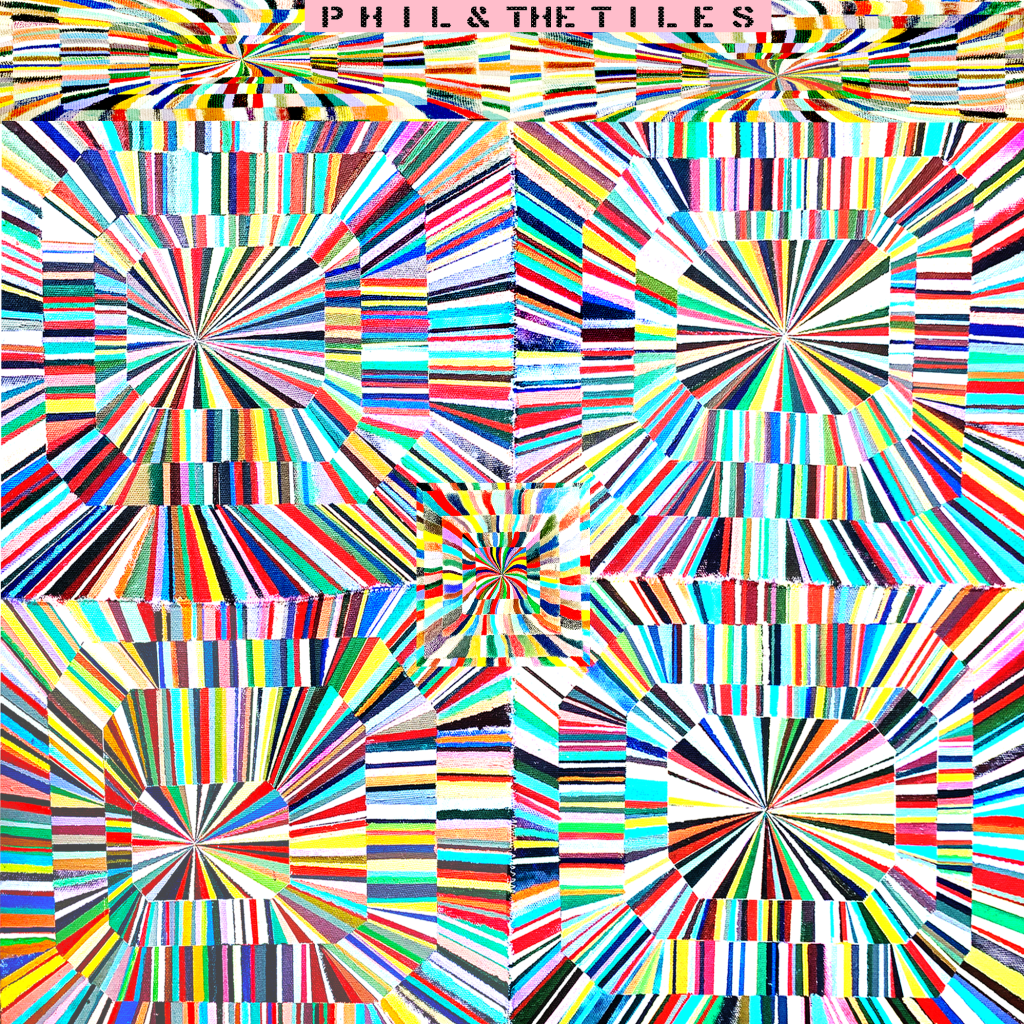
BILLY: The songs are extremely simple even at the finished point but they start off so, so basic. Usually just some chords and a melody that work over each other. Stella plays the melody on bass over my chords for the verse and then I’ll play the melody as a solo or lead over her rhythm as some sort of break. Elsie makes a cool beat and Miles usually has words before the night’s over. It’s a very basic and fun process. 

MILES: Chuck-Billy and Stella write the music and I just add my words. It’s cool to see them working stuff out together. 

We’re premiering your first single ‘Nationalsville’ for The Toads’ debut album; what’s the song about?

MILES: It’s about a cotton farmer/ National party donor, water farming in the northern sector of the Murray Darling. He removes the water gauge and lies about how much water they are stealing, while diverting a huge amount of it into his catchment.  A charming situation. 

BILLY: The working title for this one “Country Song”. When we first jammed it, it felt real ’65 era Stones song or something – with some country I guess. Miles’ vocals’ gave it its own vibe. 

Album cover art: Ian Teeple

The clip for it is fun! It was made by Leland Buckle. What can you tell us about making it? Where was it filmed? How did the audience seated in the chairs watching the band come into being?

BILLY: We referenced “Stranded” and “What Do I Get?” video clips and then passed the baton over to Leland….

LELAND: The old folks in the chair is a homage to the ‘Underwater Moonlight’ album cover, was listening to that one a fair bit when we started talking about the video. 

ELSIE: It was a great day, pretty funny playing in some hall in Preston on a Saturday morning, surrounded by references to catholicism whilst staring down the eyes of Leland’s creepy (but amazing) paper mache people. 

How long did the album take to record? Who recorded it? Where did you record? What was the most fun you had during recording?

STELLA: We recorded the album in two batches because we initially were planning on an EP. But once that was too long for a 7” and we made some more songs we decided to make it an album. Recorded it at Billy’s place in Preston. Took two full days, three months apart, with many overdubs after the fact. We had lots of fun and always do.  

BILLY: Yeah, what Stella said – initially it was just five songs for a 7”. And then we went for eight songs to be a 12” EP. But along the process we fleshed out two tracks (Two Dozen… and Tale of a Town…) into their own new interlude/reprise things with new words and melodies. I like those ones. Miles’ vocals on The Wandering Soul are terrifying. The funnest part of recording was definitely – and pretty much always is – the overdubs.

ELSIE: It was definitely a lot of fun. I think we lost our minds a little at the end of each session but just made the overdubs a lot more fun and out there.  I think it took Stella and I a few extra takes to get some harmonies done without cracking up laughing. We are also really lucky that we have Billy in the band who can record everything himself, so it made the whole process seem a lot more comfortable. 

MILES: We always have fun together. Lots of beers/seltzer’s and dexies. It was really cold on the first day and I slept all rugged up in my coat while the others were busy laying down the tunes. You gotta respect it. 

Which track from the forthcoming album do you like to play live the most? What do you appreciate about it?

STELLA: I like Gimme Little More to play on bass because it feels tough. 

BILLY: Probably just Nationalsville or something. Tale of a Town is fun when we hit the quiet part. 

ELSIE: Agree with Bill, seeing him rip his solo in Nationalsville is always sick to watch. For me, I like playing in the ‘In The Wilderness’ because the song has grown so much from what it was once. I think it has a lot of quirkiness and sort of goes against the structure of a ‘normal song’, like the extended outro. I also love the bass in this and Miles’s vocals do a few twists and turns which just sound so good.

MILES: I think I like playing “In the Wilderness” I like the end part , it’s a bit Eno / Bryan Ferry or something. 

What have you been listening to, watching and/or reading lately?

BILLY: Michael Rother. Fair bit of krautrock in general. 

STELLA: Been listening to lots of Rosalia, watching Atlanta and rewatching Extras. 


ELSIE: I’ve been listening to this album Fantastic Planet by Lealani which is kinda moody synth pop which is a big vibe. I’ve been watching The Last of Us like the rest of society at the moment. And reading Politics of Public Space. 

MILES: I have not been listening or reading much at all lately. I’ve been watching Will Ferrell movies, The Mandalorian and It’s Always Sunny in Philadelphia. 

What do you get up to when not making music?

BILLY: I’ve been cooking heaps. Lots of salsa verde’s. 

STELLA: Going to Tafe and working mostly! 

ELSIE: I work full time at a local Council so mostly that, but outside of work, I’ll either be walking my dog, going for a run down the creek or in a Youtube hole. I also have just picked up Spanish classes!

MILES: Work, watch people play Dayz on Twitch, play Total war games, visit the same pub every weekend and hang out with my partner. 

What’s the rest of the year look like for The Toads? Also, are members working on any other projects?

BILLY: Just hope to work on some more songs. Also hope to do a split record with Modal Melodies at some stage, but where all members play on all the songs like a collab. There’s a Toadal Melodies joke in there somewhere.

MILES: I have been very lazy with The Shifters, so I would like to get back into that, soon. 

Video by Leland Buckle.

In The Wilderness out via Anti Fade Records (AUS) and Upset The Rhythm (UK) June 9 – pre-order HERE.

New Terry track ‘Gronks’

Original photo by Oscar Perry. Handmade collage by B.

One of Gimmie’s favourite bands Terry are releasing a new album Call Me Terry in April, which thematically scrutinies our country’s corrupt, colonial history and shines a spotlight on greed, privilege and entitlement of white, wealthy so-called Australia. We’re excited to be premiering a new single and video for track ‘Gronks’. We caught up with Terry to get a little insight into the song, vid, what they’ve been up to, what they’ve been listening to and what they have in the works with other projects.

What’s life been like lately for everyone in Terry? Congratulations Xanthe and Zephyr on your new little addition to the fam!

TERRY: Thank you! Life has been good lately. Lots of swimming and nappy changing. Amy and Al’s visit when our baby was three weeks old was a highlight of recent months! We cooked, went for a day trip to the upper mountains, and played bananagrams. 

We’re super excited about the new album, Call Me Terry! What’s something that you’d like us to know about it?

T: It was nearly called Terry Gold.

We’re premiering one of our favourite album songs ‘Gronks’; what initially inspired it?

T: ’Gronks’ was written at the start of 2020. Was a bit paranoid about the world flipped upside down and how the powerful would further their own interests (white supremacist, capitalist, patriarchy) and the war machine. “Meet me from the banks you gronks” is spoken from a Robocop-style Twiggy Forrest character sailing up the Parramatta River in another wave of imperialism.

Photo by Oscar Perry.

What do you remember most from making the ‘Gronks’ video?

T: I (Xanthe) made the video just recently late at night after the baby was asleep. It was nice to listen to the song loads of times and play around with images. I wanted to see what I could make using just the text and image of the Redmond Barry statue from our album cover but broadened the scope, after my cousin Solomon sent me some footage of a Terry doll he and my Aunty had made for an upcoming video. And then again after finding loads of footage of Amy, Al, Zeph and I on a ferry that Dan shot on my iPhone in an inspired moment a few years ago. I remember all those things. 

The demos for the album were recorded in 2019; what can you remember from recording them? They were recorded apart, right?

T: We kinda tried to record a whole album before X and Z moved to the blue mountains. But I think we were dreaming, or at least I (Al) was. The songs were undercooked. It was great to record days before they left cos it made us feel we still had something to work on together. 

How did it all feel when you finally got together in 2021 to record the album’s tracks? Did the songs change much from the demo versions?

T: It was great being together to record the songs. I think Terry had been going pretty hard on the creative Bathurst circuit for a few years. We’d write a lot intensively, record then tour. It’s really productive and I think we were stoked about the output. We got to see the world. But you can only do that for so long I think. X and Z moving interstate and the lockdowns forced us to have a breather. Abscess makes the heart grow fonder.

Besides making music what’s something you love to do when you all get together?

T: Eat, prey, laugh.

 Were there any challenges making the album?

T: At first I thought the space apart would be tricky but in the end it gave us time to slow down and consider the compositions/mixes a bit more.

Which is your favourite track from Call Me Terry? What do you love about it?

T: I love ‘Market’ and ‘Golden Head’. Can’t pinpoint what I love about them. Different instrumentation. They feel pretty dynamic. Golden head is such an anthem.

We love the album cover that features song lyrics; how did you come to decide to incorporate them like that? Who took the photos?

T: The artwork was influenced by an old poster that Xan and Zeph saw about the the action to save the demolition of the finger wharf in Woolloomolloo. We all took the photos separately. We drove around the city and found structures that had a relationship to the songs. I think words and actions are pretty important so you might as well put yourself out there.

Where do you find you have your best ideas?

T: In transit. 

We’re always on the lookout for new music; what have you been listening to lately?

T: Mixture of recorded and live:

Vampire from Melbourne have just recorded an album, five years on from their demo. Jacked to hear that. One of the best bands in Melbourne. 

Glass Picture have been playing some new material live. Really excited to hear it when they record.

Eternal Dust new LP on LSD club. Incredible.

Phantasm – a new super group.

Punter – new LP probably out by the time interview is printed.

Reaksi – the 7” on hardcore victim is great but there is a whole set of great punk. 

Maxine Funke live in Melbourne recently was phenomenal. Can’t wait for the new tunes.

The Clash – ‘Long Time Jerk’, great outtake from Combat Rock.

Are there any other projects you’re working on at the moment?

T: There is a Primo album nearly finished. A Truffle Pigs LP is getting close and a Lower Plenty album is ready for a master. Theres an old Russell Street Bombings LP that needs a master. Zeph did some great recordings over the last two years with percussion, harmonium and guitar.

What’s the rest of the year look like for Terry?

T: Nappies, bouncers, swaddles overturn the ruling class.

Call Me Terry is out April 14 via Anti Fade Records (Aus/NZ) and Upset The Rhythm (UK).

Read our previous interview with Terry HERE.

Phil and The Tiles’ ‘nun’s dream’: “Sex” and “Catholic school”

Original photo: Elysia Stasi, Jodie Farrugia & Estella Paltos. Handmade collage by B.

We’ve been excited about Naarm six-piece, Phil and The Tiles, since we saw live footage of their debut show late last year at a DIY punk gig held in drains in Moone Ponds supporting Gimmie favs, Enzyme and Alien Nosejob.

Phil & The Tiles play exhilarating punk that borrows from garage-rock and new wave. Today we’re premiering their first single ‘Nun’s Dream’ from a forthcoming EP S/T 7” release on Anti Fade Records. Guitarists Hattie and Reilly tell us about the band, their music, fun shows they’ve played, and about what they’re listening to.

What first ignited your passion for music?

HATTIE: School of Rock.

REILLY: My mum bought my sister some guitar lessons and she didn’t want to go, so I did them instead!

What’s an album that really had a big impact on you and what do you appreciate about it?

HATTIE: Unknown Pleasures [Joy Division]. It made me realise I didn’t have to be that good at an instrument to make good songs.

REILLY: There’s heaps, but probably listening to Primary Colours after I saw Eddy Current at Big Day Out when I was like 14, put me on the right track music-wise I think!

Which bands, albums or songs have you been listening to most lately?

HATTIE: ‘Boys’ by U.S. Girls, Snow on the Sahara by Anggun, and ‘I’m on Fire’ Electrelane cover. 

REILLY: Been pumping Combat Rock by The Clash. CIRCUS ST from Cloud Ice 9. Rock and Roll by Charlie Feathers. The second Durutti Column album all been on heavy rotation. 

How did you first meet each other?

HATTIE: Met Reilly and Powelly at parties, they introduced me to Andre, we were all playing together for a bit. I met Reef through Reilly at Meredith. Reef, Reilly and I made some darkwave stuff. Met Charlotte through Reef at the Northcote Bowls Club.

REILLY: Me, Powelly and Andre used to play in a fuzz band in high school, that we still have phone recordings of somewhere. Hattie and I met at parties. The first two times I met Reef he was on acid, we started hanging after I saw him try to stage dive at a UV Race show with Powelly and nobody caught him. I met Charlotte at Reef’s house. 

Phil & The Tiles got together in 2019; what brought the band together?

HATTIE: Phil the house cat.

REILLY: We were jamming before then at my old house in Mordialloc doing minimal-synth post-punk stuff, but that sort of fizzed out. We moved it to Hattie’s garage, got our mate Eli to drum and it caught a second wind. We’ve had a few different lineups and reshuffles since then. 

EP art by Reilly Gaynor.

Who’s the funniest person in the band and what’s the last funny thing they said or did?

HATTIE: Reef thought it was his birthday next weekend, but it’s actually two months away.

REILLY: Andre’s just suggested we do socks on cocks for our launch like the Red Hot Chili Peppers. 

What was the first song you wrote together? How do Phil & The Tiles’ songs usually come together?

HATTIE: ‘Health/Body’. Someone usually comes in with one or two parts already written, then we play it a bunch and write each part over the top. 

REILLY: Yeah, ‘Health/Body’. We did a cover of ‘Stuck On You’ by Sardine V as well. Usually, someone comes to the group with a riff and we go from there. 

What’s your favourite song from the EP and what’s it about?

HATTIE: ‘Nun’s Dream’; sex.

REILLY: ‘Nun’s Dream’ is actually about going to a Catholic school.

What did you love about the process making the EP?

HATTIE: Adding the backup vocals and vibraslap.

REILLY: Cheers to King Gizzard for letting us use their egg shaker thingo while they were away! Also, massive cheers to Lewis for bringing the other slab!

Phil & The Tiles have played a few shows this year including gigs with Civic, Research Reactor Corp, Ouzo!, Future Suck, Shove and The Shifters; what’s been the best or worst show you’ve played and what made it so?

HATTIE: Playing with Civic is always fun, they bring a big and rowdy crowd. 

REILLY: Our first show in the drains supporting Enzyme was psycho. We played before Alien Nosejob, four hours later than we were meant to, because they couldn’t start the generator. We’ll probably never have that many studded leather jackets at one of our shows ever again. Cheers to Reis from happytapes for filming it! 

Have you ever stuffed up anything when playing live?

HATTIE: No comment.

REILLY: Every single time. 

When not making music what could we find you doing? What’s your day job?

HATTIE: Studying and teaching kids about dinosaurs, but Centrelink is where I make the real money.

REILLY: I build mini golf courses and laser tag arenas.

What are you looking forward to at the moment?

HATTIE: Seeing Reilly’s art in the flesh on our 7” cover.

REILLY: Extra public holiday for the dead Queen is alright, they should kill a royal every year!

Anything else you’d like to share with us? 

HATTIE: No one in the band is called Phil.

REILLY: Thanks for having us!! 

Phil & The Tiles’ S/T 7” debut release will be available from October 28th on Anti Fade Records.

Follow: @philandthetiles and @antifaderecords.