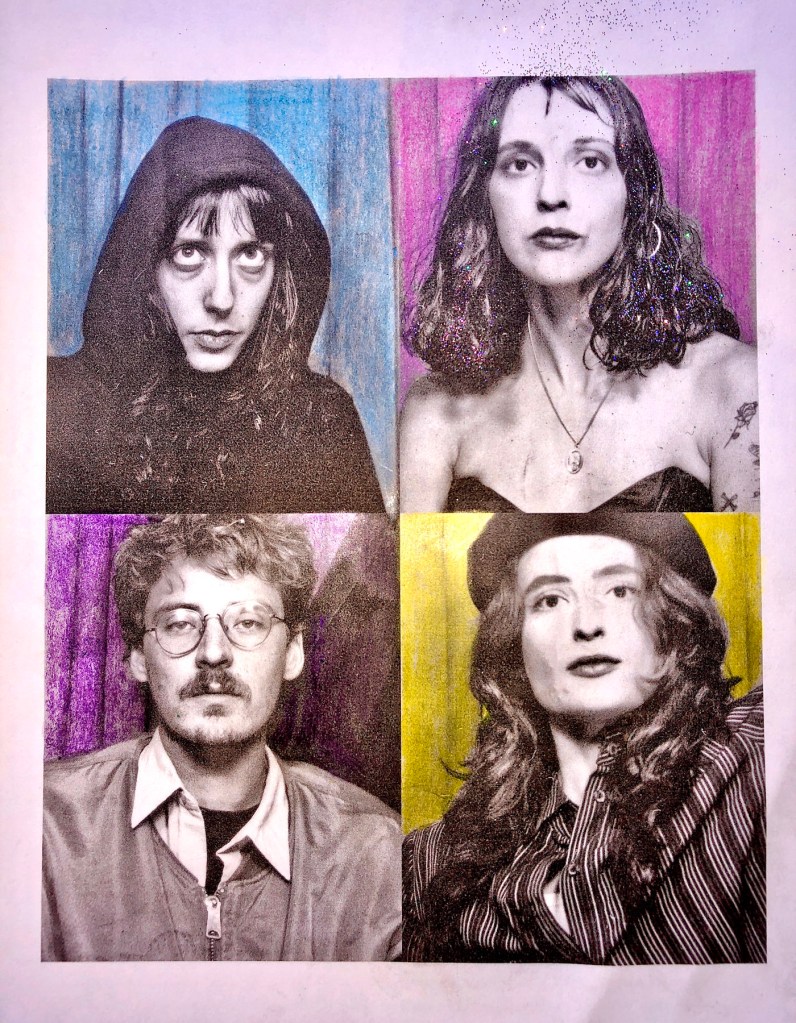
Thao Nguyen is an Oakland-based musician that is about to drop the most honest, beautiful and self-healing record of her life. Temple finds Thao comfortable in her own skin and sees her finding the courage to finally publicly come out as her whole self, confronting the shame, grief, division and silence she has felt in her life, making for a collection of powerful songs. The album is in essence pop but goes beyond that with elements of hip-hop, funk, folk, with punk roots. Temple is a celebration of living life on your own terms!
THAO NGUYEN: I’ve been screen printing in our garage. I took a screen printing class because I had this idea to offer a tea towel as part of our merch bundle – this was pre-pandemic – I would screen print a tea towel for them. It’s reclaiming my name because kids used to call me “Towel” when I was younger and it was really traumatic. I’ve been screen printing all day.
Nice! It’s cool that people will get to have a handmade little piece of you in their kitchen.
TN: Thank you so much for saying that! I hope they turn out OK. I hope it’s just enough that I’m doing it myself. It’s harder than I thought it would be [laughs].
My husband and I do screen printing in our garage, hand-making things is so much more personal and special.
TN: Totally! It’s been so fun. Do you have trouble with the ink drying up sooner than you think it will and then it gets hard to have a clean print?
Yes! Parts of the screen can get clogged a little, we still haven’t worked out how to combat that, we just try to do the prints as quickly as possible.
TN: [Laughs] Yes! I gotta move faster. It’s getting hotter here, that thickens the ink up too.
I noticed that during the song writing period for your new LP Temple you spent a lot of time in the kitchen baking sourdough bread.
TN: [Laughs] I did. Song writing can be so painful and take you to such dark places, also there can be very little return on a lot of effort. It was so nice to do something tactile and to see your work result in something, besides a song that you don’t know whether it’s good.
With bread I think it’s a food that can be really comforting too.
TN: Oh yeah! It’s been remarkable. Luckily I had already stockpiled a lot of flour from the song writing time, rolling into the pandemic we do have enough flour to keep baking.
What does your new album Temple mean to you?
TN: Temple was the creation of a space in where I can exist as my whole self. It’s the culmination of a whole life that I’ve lived in a very divided way. It has a lot to do with claiming my own life and still belonging to my family, and trying to find out how to still belong to my family and culture while being publicly out. I got married in the process! It was a real culmination of life and a celebration of that.
Congratulations on getting married! I can definitely feel that celebratory vibe on the album. There also seems to be a real feeling of freedom on it.
TN: Yeah, there is. It was like a bloodletting! [laughs]. There are moments of heaviness but also lightness and shedding a lot of the past and ghosts.
On your last album A Man Alive you were talking about your father, and on this record the first song, the title track, is celebrating your mother.
TN: Yeah. They have had drastically different influences on my life. My mom has always been so steady and consistent but, she has her own complex life. I wanted the chance to honour that and make her refugee story to be beyond that, to give her a fuller humanity.
Was it scary to put all of these thoughts and feelings out there?
TN: Oh, terrifying! Absolutely! It took years to make this record, it took probably a year and a half just to get the gumption to write the songs that I knew I had to write. Now it feels almost surreal like it was someone else’s turmoil and toil. It took a lot! I said that I didn’t know if I would make another record because it was such a herculean task to me to confront all these things.
I think sometimes listeners don’t quite get how intense it is for some artists to tap into their pain to write a song. Writing things from an honest place you have to confront yourself and what’s happening in your life, it can be scary.
TN: Yeah. It’s the artists own decision to do that, it was mine. There wasn’t another option for me. It’s the type of work I am drawn to. You hope that people will spend some time with it but it connects how it connects and it finds who it needs to find.
Have you always been creative?
TN: I think so. Growing up I didn’t have a lot of resources. When I started playing guitar that’s when I felt I could tap into creativity, I was about twelve. Before then I watched lot of television [laughs].
I know that some of your favourite writers inspire your lyrics, this time around it was James Baldwin, Octavia Butler and Yiyun Li; what was it about each?
TN: James Baldwin, his language and his eloquence and succinct manner is so remarkable. He’s such an incredible, incisive writer, whenever I reference him it’s the present tense, he is such a presence for so many people. The way he wrote about injustice and abuse of power and systemic inequality, the way he wrote about race, about being queer—it was all inspiring. A real source of courage for me.
Octavia Butler, the way she imagines and created these dystopic realties; this near future dystopia that we have actually been living in now. That was before all of this was happening though, there was already so much to work with as far as the corruption in the world and destruction of the environment and society. She’s a luminary, a prophet.
Yiyun Li, the way she has an incredibly powerful, very potent style of writing that isn’t dramatic at all but it’s devastating to me. The way she writes about families and familial relationships. She writes about Chinese families. I found a lot of similarities and commonalities that resonated with me and my Vietnamese family.
I’ve always liked how in Octavia’s stories she always has fascinating, strong female characters.
TN: Yes. ‘Phenom’ the song that draws the most from Octavia, the narrator of that is the voice that I imagine as one of her strong characters that leads the army of the scorched Earth to come back and bring to bear.
Have there been any books that have had a profound impact onyou?
TN: So many, yeah. I love panoramic, cross-generational, sweeping narratives. The first one that I read like that was The Grapes Of Wrath or East Of Eden. More recently, Grace Paley, all of her short stories. I discovered her in college through my roommate; she influenced my song writing a great deal when I was starting to song write more seriously. Her economy with words is something that I have always admired. She’s a general influence.
For the last record, Marilynne Robinson’s Gilead, oh man there’s one passage in it where the son is getting on the bus and leaving… that influenced the creation of A Man Alive. There were a few sentences within that that just broke me. From there I could access the emotions that I needed to write the record.
Sonically when you started out writing this record, did you have a vision for it?
TN: Not so much. I knew that I would produce it, and produce it with my bandmate Adam [Thompson]. Whatever happened sonically it would be represented in a more truthful was, a more accurate way than any other, because we were doing it. I wanted to be creating more beats. I knew that there would be a strong rhythm and prominent groove and beats. I wanted a lusher soundscape.
I really love the song ‘Marrow’ on the LP; can you tell us a little about it?
TN: ‘Marrow’ I wrote leading up to marrying my partner. The songs aren’t necessarily chronological but they do follow things that lined up with what was happening in my life at the time. ‘Marrow’ is about saying: here I am, you know all these things about me and you accept me still [*gets teary*].
There’s a couple of songs on the album that make me cry every time, one is ‘Marrow’ and the other is ‘I’ve Got Something’. I like ‘Marauders’ too because it’s the most sincere, whole-hearted love song I’ve ever written.
Were those songs hard for you to write?
TN: They were! Especially ‘I’ve Got Something’ it deals with basically getting to a place where I had to be willing to no longer be a part of my family in order to have my own. There are a lot of scenarios that can end up in estrangement, fortunately that wasn’t mine. It’s really hard! How do you belong to where you come from? How do you belong to yourself? And, what are you willing to risk? How much can you deny of your own life?
Last question; what are some things that make you really, really happy?
TN: I love that question! I really love cooking. I love baking bread. I’ve been really into growing vegetables, I know that probably sounds really, really cliché at this point. The only solace I’ve been able to find is really getting into growing our own food. I spend most of my day trying to figure out how to keep the seedlings alive [laughs] and trying to figure out how to make compost. Just this morning the mint had this rust kind of fungus thing, I have to figure that out. It’s a whole other world of being in tune with the food we grow and eat. It’s so awesome! It’s something that I always wanted to do but I’ve always been so busy with tour. Even if I tried I wouldn’t be fully focused on it and I’d come back from tour and it would be dead.
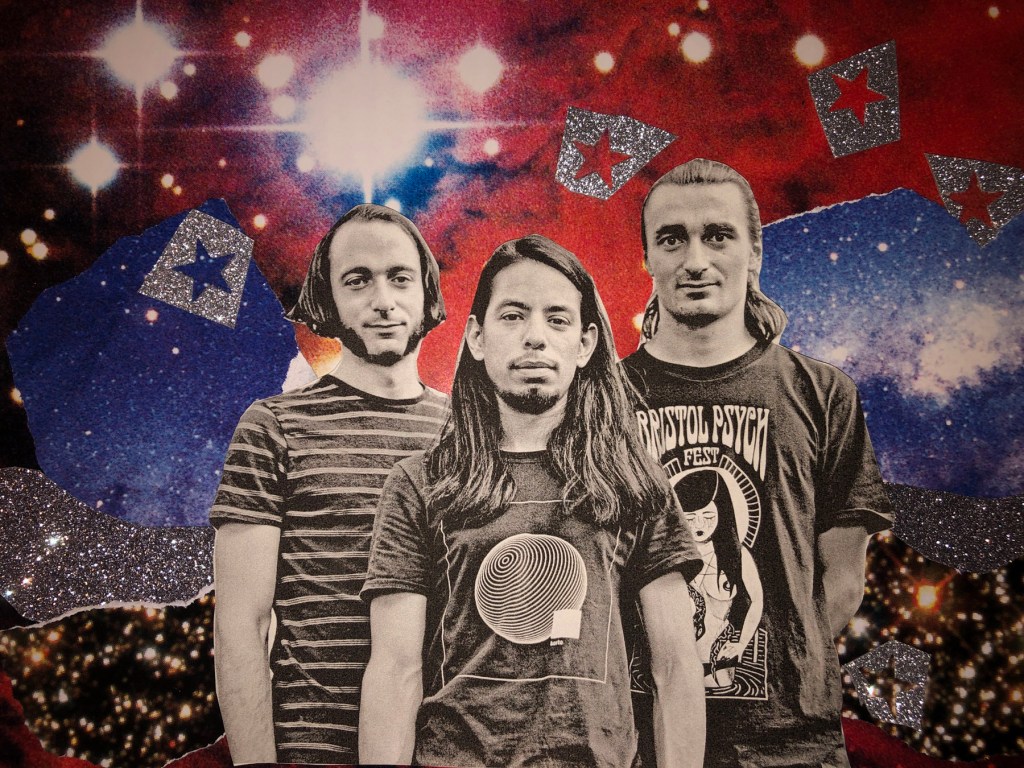
SLIFT’s music takes you on an epic journey to the far reaches of the Universe and back! Their latest slice of heavy sci-fi psych-rock album Ummon is excitingly one part Homer’s Odyssey and one part sci-fi trip. We interviewed guitarist-vocalist, Jean F. to find out more.
SLIFT are from Toulouse, France; what’s it like there? Can you tell us about your neighbourhood?
JEAN: Toulouse is a beautiful city made of red brick, and there are a lot of musicians here. Many very good bands, one of my favorite is Edredon Sensible, they are two percussionist and two saxophonist, They play a groovy and heavy trance, with free jazz elements. I think they will release their first album this year. There’s also BRUIT, evocative post-rock, and Hubris, krautrock warriors. We have a bar (Le Ravelin) where psych and punk bands from all over the world come to play. It’s the last bar in the city to regularly book great bands that play loud and fast. Many venues have closed, the city’s politics sucks and prefers to set up hotels in the centre of town rather than clubs and venues. But I hope things will change in the near future.
What have you been doing today?
JEAN: Today, we are going to pack vinyl to send them as quickly as possible despite the health crisis. Post offices are idling right now and that makes things more difficult. And then, as we are out of town at the moment, we are going to walk in the hills. We play a lot of music as well.
Two of you are brothers (Rémi and Jean), you met Canek in high school; what kind of music and bands were you listening to growing up?
JEAN: When we were kids, our parents listened to the Beatles, and a lot of blues, like John Lee Hooker and BB King. We’ve always loved the blues. Personally, I like the idea that we are still playing the blues with SLIFT. A different blues, but a blues anyway. In high school we listened to a lot of punk stuff, Rancid, Minor Threat, then Fugazi, No Means No and Melvins. In the van on the way to the rehearsal room, Canek’s father introduce us to South American music, psych stuff and jam bands. And of course we are extremely fans of Jimi Hendrix.
When did you first start making music yourself? You played in punk bands?
JEAN: We started playing together in high school. Rémi was still in college, we played punk in Green Day mode at the very beginning. It’s all good memories! We quickly started to add instrumental phases in the compositions. Then we played in different bands before meeting again and forming SLIFT.
Who are your biggest music influences?
JEAN: The Electric Church of Sir Jimi Hendrix.
Photo by RABO.
What made you start SLIFT?
JEAN: We came from punk, and after discovering Hendrix, we started to lengthen our songs, to stretch the structures and especially to jam. It was 4 years ago, we wanted to start a band and play these new songs. We did not know at all the modern psych scene, when we had the chance to attend at the last minute a Moon Duo concert in a museum in Toulouse (we grabbed the last tickets by begging the porter to let us in). This concert was an important event, it was just after leaving the museum that we decided that we were going to record and tour. After that we have of course dug up the modern psych scene, there are so many great bands! People often associate us with this scene, and it’s very cool, but to be honest, today we don’t listen to bands like King Gizzard or Oh Sees anymore. We are more on the groups which, I think, influenced them. Like Amon Dull, Can, Hawkwind, all the 70’s German scene, 70’s Miles Davis, electronic and prog stuff. Among the current groups, we really like the Doom scene, and we particularly love a trio of English bands: Gnod, Hey Colossus and Part Chimp. We listen to a lot of film music. I would love so much that one day we have the opportunity to make one!
What does the band name SLIFT mean?
JEAN: SLIFT is the name of a character from a novel, La Zone du Dehors by Alain Damasio. Read it, you wouldn’t regret it. This author also wrote a masterpiece, La Horde du Contrevent. Probably my best reading experience.
How do you think SLIFT’s sound has changed over time?
JEAN: At first we just wanted to play a lot live, so we recorded quickly, and we composed quickly. Today and for the first time on Ummon, we took our time. The composition method has also changed. On our first two recordings, we all composed together in the rehearsal room. Now I mainly compose on my side, which allows me to go to the end of the ideas and to have a precise vision for the album. Then we test the songs in rehearsal and in concert, we jam the songs, and we talk a lot about where we want to go, what sound, what we are talking about. Personally, it is for me a more accomplished and coherent record, because I have the feeling that we have put a lot of personal and honest things in it, whether in the music or in the concept and the conception of the album. And in terms of sound, we often listen to new things, so it’s always enriching the way we play music I guess. Maybe in two years we will make an album with only percussion (… still with fuzz haha).
You are influenced by cinema and books, especially science fiction stuff; what are some of your favourite books and films?
JEAN: La Nuit des Temps – Barjavel, Rick and Morty, Hyperion cycle – Dan Simmons, Le Dechronologue – Stephane Beauverger, La Horde du Contrevent / La zone du Dehors – Alain Damasio Alien / Prométheus.
Your album Ummon is s real journey for the listener; what inspired the songs themes? It tells a story? It’s a concept album?
JEAN: It is mainly inspired by Homer’s Odyssey and science-fiction trip. The first part tells of the titans’ ascent from the centre to the earth’s surface. The construction of their Citadel on a drifting asteroid, then their departure towards the stars in search of their creators, a journey which will last forever. The second part talks about Hyperion (a Titan born in a Nebula during the endless drift through space) and his exile from the Citadel. After wandering for millions of years, he will return on Earth, alone, then dig the Son Dong’s cave with his bare hand. Hyperion rests at the far end of the cave, and its body will be the breeding ground for life which will soon climb out of the abyss and cover the Earth.
Where does your fascination from space come from?
JEAN: When you are a child, space is synonymous with adventure and wonder. Growing up, what I find cool is that it’s probably endless.
Can you tell us a little bit about recording it? It was recorded at Studio Condorcet by Olivier Cussac, right?
JEAN: You’re right, it was Olivier Cussac who recorded it, and we both mixed and mastered it, we wanted to have as much control as possible over the sound of the record. Olivier is a very talented musician, he play a lot of instruments, and he’s a very good arranger. He mainly composes film music. He has a fascination with vintage stuff, so his studio is a real museum. It is a dream to be in a place like this. He liked the album project a lot, so we took a full month to do it. The atmosphere was super chill, we had the best time!
What is your favourite thing about Ummon?
JEAN: It is a team effort. We feel fortunate to work with very talented people who passionately love doing what they do. Guthio (who designs the clips and makes the video live), Olivier, Philippe Caza (who designed the artwork), Clémence (who came to sing), the fearless Vicious Circle Records and Stolen Body Records. Hélène, who made so that everything goes well and that ensures that we never sleep on the floor after the shows. And the coolest thing is that these people become a friends.
What do you strive for when playing live?
JEAN: We try to never do the same concert twice. Some pieces are lengthened. We don’t want to recreate the record on stage, its two totally different listening experiences. The record, you can listen to it at home with headphones, it’s an intimate and personal experience. Concerts are an experience of the body, it’s about feeling the volume and the vibrations and seeing humans playing live music.
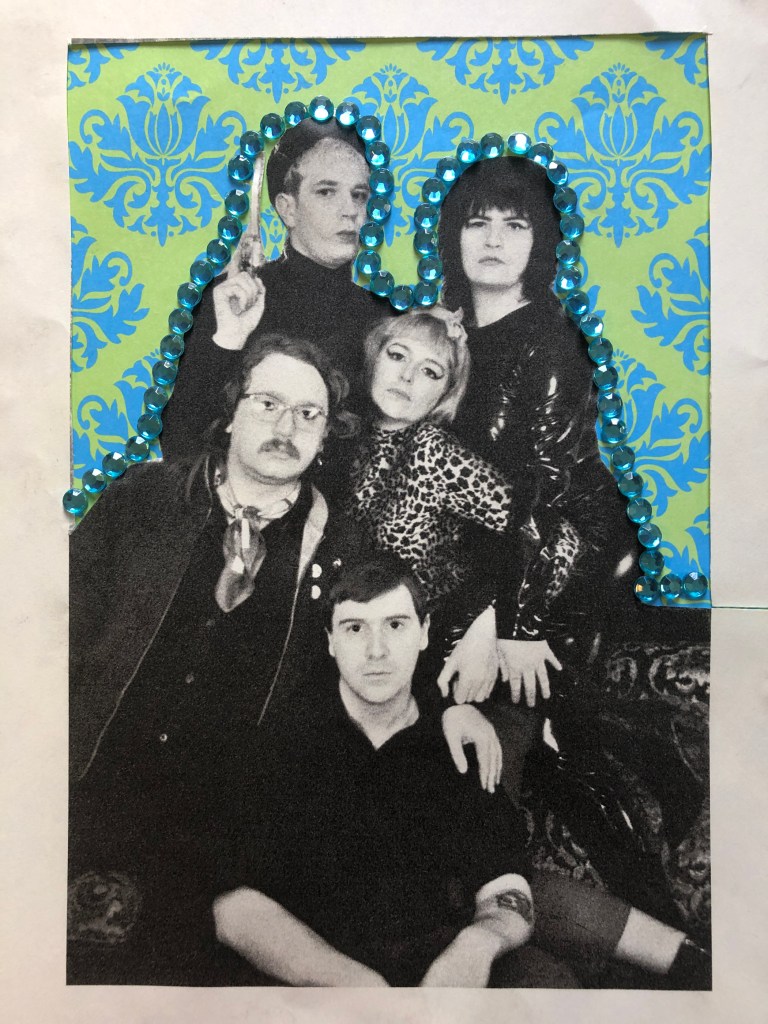
Californian band P22’s latest release Human Snake is an exciting, offbeat, underground post-punk offering, a collection of songs written between 2017 and 2019. The band – Sofia Arreguin, drums; Nicole-Antonia Spagnola, vocals; Justin Tenney, guitar and Taylor Thompson, bass – collectively answered our questions in isolation.
P22 are from Los Angeles; tell us about where you live? Did you grow up there?
P22: We all grew up scattered across Los Angeles County. Now we each live at the foot of different mountains around the city, Glassell Park, Hollywood, and Mt. Washington.
How did you first come to punk rock?
P22: As adolescents. We’re all around the same age but occupied different spaces in different scenes prior to this band, so there’s a real mix of histories that are somewhat unique to LA—the power-violence contingency of the early to late 00’s, the Smell, bands at Calarts, East 7th, etc.
Why is it important for you to create?
P22: Everyone’s always making things in one way or another. This project is probably more invested in thinking about how things are created or how certain methods, like punk, can be worked through differently.
Who or what inspired you to make music?
P22: We are united by an interest in creative practices that operate communally. The band’s namesake is a mountain lion that gained notoriety for his dispersal across the major freeways of LA. He survived a bad bout of mange and is always ending up in inopportune places. Animal liberation remains the main underlying incentive.
How did P22 come together? You started in 2015, right?
P22: We (Justin and Nikki) started the band as a recording project in 2015, during some sweltering months in a garage in Val Verde. At that point, we were still working up the courage to ask Sofia if she wanted to play drums. Sofia introduced us to Taylor, who had just moved back to LA, and we commenced in a practice space in Vernon, next to the infamous Farmer Johns slaughterhouse. The pungent odour helped drive the song-writing sentiments. We played our first show as P22 in 2016.
What inspired you to call your latest release Human Snake?
The title was lifted from a painting titled Human Snake, by the German artist Sigmar Polke.
How would you describe it?
P22: Protest tunes sung in punk’s tomb.
The EP is a compilation of materials written between 2017 and 2019; can you tell us a bit about what was inspiring your writing for this collection of songs?
P22: We often work at a glacial pace because there’s not one person guiding the writing. There are instances where it takes months for a song to come together, even though it’s like 80 seconds long. There are some songs that yield more hastily. We really adore each other’s company which feels integral to the songwriting structure. This collection of songs wasn’t produced with any overarching thematics in mind; it was more of an opportunity to assemble something with sensitivity to each of our different perspectives while playing with the limits of a genre.
What do you feel was one of the most experimental things you tried musically while recording the EP?
P22: Sofia and Taylor’s harmony at the end of the EP.
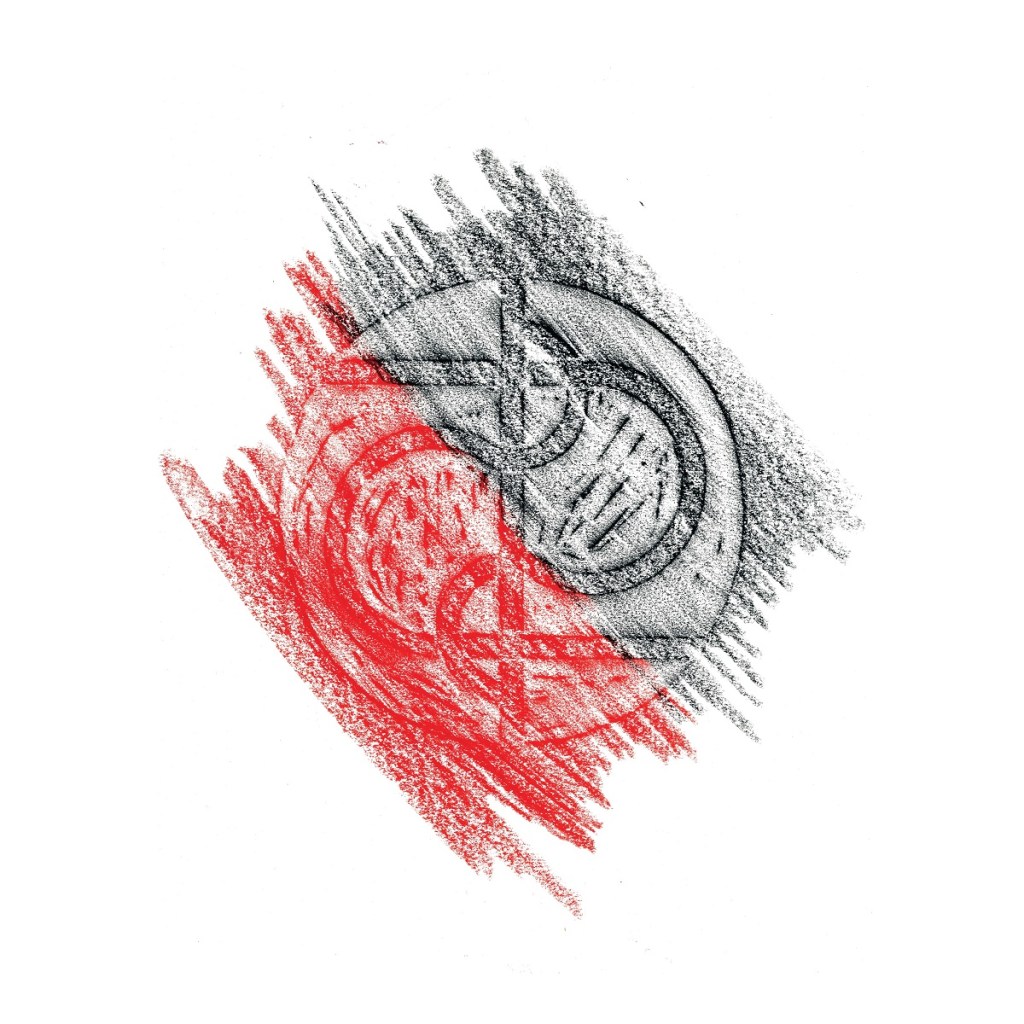
The artwork for Human Snake reminds me of when I was a kid and I’d find interesting coins or embossed things and I’d take a piece of paper and rub a crayon or pencil over it to replicate the pattern/image/object on the paper; what’s the story behind the art?
P22: Exactly, it’s a rubbing of an etched block. Justin made the album art, the rubbing on the front, and the drawings on the back. The design riffs on the sanctity of different punk emblems and their homespun means of distribution.
Who are your creative heroes?
P22: Japanese pufferfish. Unfortunately, they are also a delicacy.
What are you working on now?
TAYLOR: Writing new music with a different project, sitting on an unmixed album, and working on my new bicycle.
NICOLE: A dissertation, making some videos, and spending more time with inter-species companions.
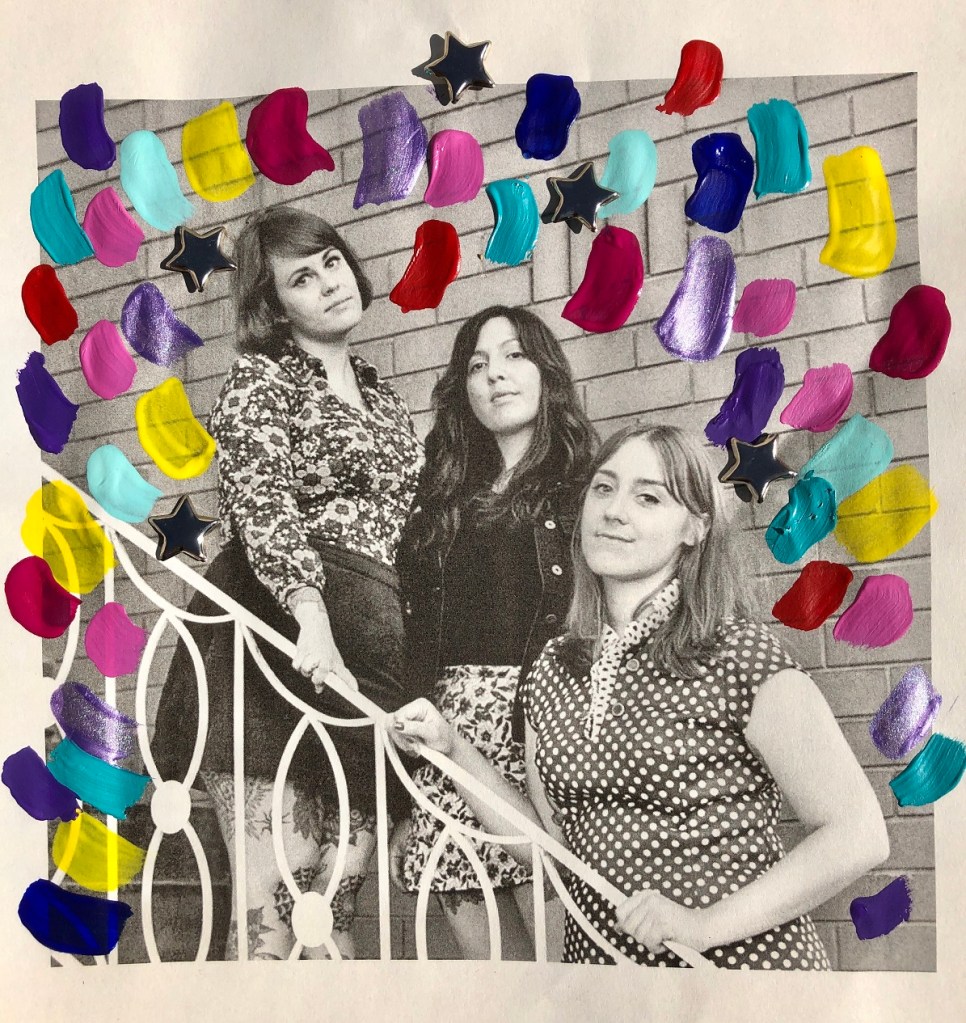
Original photo courtesy of Harpoon; handmade collage by B.
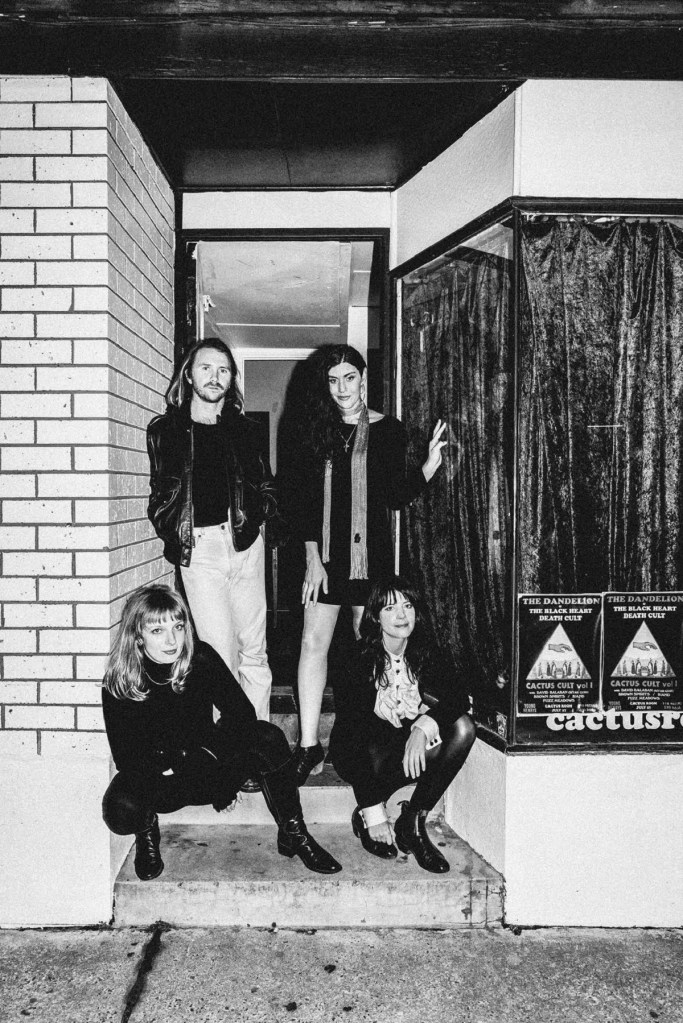
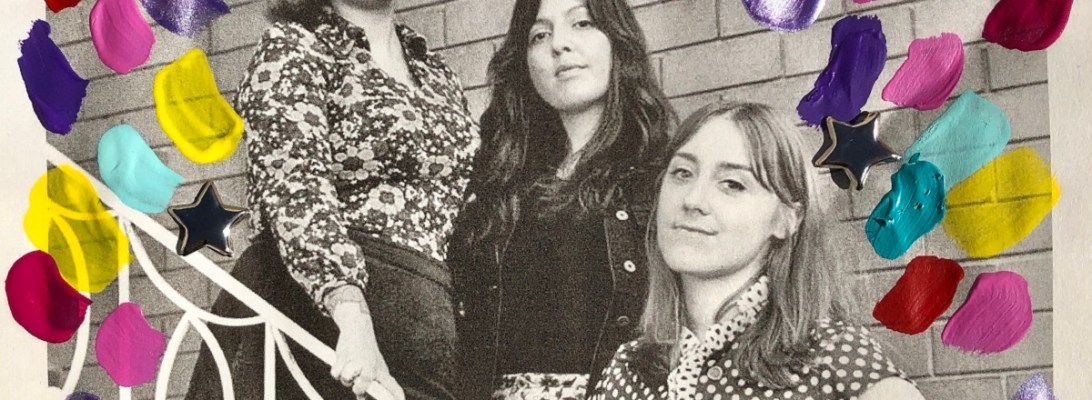
Sydney’s The Dandelion channel the best parts of 1960s music, hints of exotica and psychedelia to create a magical world of their own. We had a deep chat with The Dandelion’s creatrix Natalie de Silver about creation, spirituality, songwriting, growth and their new album in the works.
What feeling do you get from making or playing music?
NATALIE DE SILVER: It brings on a whole range of emotions. A good song is a song that makes you feel something quite powerfully; a bad song is a song that doesn’t make you feel anything or it might just make you feel annoyed [laughs]. I always judge a song by how it makes me feel. The feeling I get from making or playing music is quite inexplicable really. The creative process is quite complex, sometimes it can be frustrating. I start with a sound in my head and I want to bring it to life; it doesn’t always come out the way that you want it to, which can also be a good thing as well because it can be surprising where it goes. There is something about spontaneity in the creative process that is magical.
I understand that you don’t really feel so comfortable writing and recording in the company of other people; why is that? Is there a freedom in making things by yourself?
NDS: I don’t mind recording in front of people. The reason I do lots of recording by myself is mainly financial. I can do it from home and I’m not on a time schedule. I can chip away at what I’m working on when I feel like it and I’m in the mood, rather than have studio time booked and have to get everything together for it and make it in a short timeframe. The next record that we are doing is going to be in a proper studio, it will be a bit more of a collaborative process with the other band members more involved. We’ll have a recording engineer as well which is exciting!
I was going to ask you about recording your next album because I saw back in November last year that you put out a call for a violinist on social media, saying that you might be recording this April.
NDS: That’s right, it’s still scheduled to record in April.
I’ve read you talk about wanting to really get a really lush sound to your albums. I was thinking being in a studio as opposed to home recording like you usually do, you may be able to realise that.
NDS: For sure! It will be nice to have a little bit less responsibility in terms of capturing the sound but, it is inevitable I will be directing a lot of what is happening and the creative process. Not having to be the one that presses play, record and rewind, will give me a different type of freedom. Like you were saying before, I do have a sense of freedom when I record by myself at home but, I think having less responsibility in engineering the recording I will have a different freedom in the studio.
I know that for the last two LPs you used the same recording equipment and instruments to get the sound you have. Using a different studio etc. it will be interesting to see where this recording goes.
NDS: I think it will have a different sound sonically for sure. I don’t want to give away anything yet before it is done though. I always find that generally how I would envision the album before its being made, it doesn’t always turn out the way I plan.
I understand that when you do start writing for an album you often think it’s going to be a folky kind of album and then it turns out completely different.
NDS: That happens pretty much every record, I plan to do a folk record. I think it’s because I write a lot of my songs on a nylon string acoustic guitar. You can probably tell on my albums there is a lot of folk material, that’s generally how I start the record, then there is this moment where I get a burst of energy and want to play real drums and play an electric guitar [laughs].
Photo by Jamie Wdziekonski.
I think it’s so cool that you write, play and record all your songs yourself, not many people do that.
NDS: I don’t know how that came about? I learnt to play instruments, I had a period years ago where I was living in a warehouse space, that’s where the band used to rehearse so instruments were just there set up… maybe I started out of boredom? We had band rehearsals once a week and I had all this time in between that, where I was surrounded by all of these instruments. I was always writing songs and I’d feel anxious because I wanted to just record it. It was a slow process of recording and learning how to play those instruments at the same time. I had a multi-track cassette recorder and I would start with the drums. I’d record myself jamming to myself and then I would write the song based around that drum beat. I would have an idea of the song in my head but then I would create little bits, like a drum roll or a break down, and start playing softly. Once the drum beat was recorded I would listen back with the organ or a guitar playing along with it and work the song out that way.
It’s really great starting with the drums because the drums are such a primal thing.
NDS: Yeah, I always consider the drums as the heartbeat of the song, everything else is on the top of that. This record I’ve been writing is a little bit more challenging because I am writing at home by myself and having the other band members involved. I’ve been writing very much on just guitar and organ, without the drums. We’ll see how I turns out.
I understand that spirituality is a big driving force in your life and your music; when did you start on this path?
NDS: Yes. I’m a cradle Catholic, so my spiritual journey started form birth. I was initiated into the church through the sacrament which is baptism, confession and Holy Communion and Confirmation. Like most kids who were initiated into religion at a young age, I didn’t really understand the true significance of those sacraments until later in my life. I left the church when I was fifteen, I would have been in Year 9 or 10 at that stage, I was going to a Catholic school—I chose a path of self-spiritual self-discovery through what I would call chemically-induced mysticism. I was very influenced by my favourite musicians from the 1960s. Unfortunately that path inevitably got me expelled [laughs] from Catholic school. Music became my religion for years after.
Through those years I identified as a non-practising Catholic, however I formed a strong attraction to New Age spirituality. That led me into the occult and I began to experiment with practises such a Hermeticism, Gnosticism, Witchcraft, Sex Magick and spiritual channelling. The practises were complimented by drug use, mainly amphetamines and psychedelics. I think that created an illusionary sense of connecting with the divine, it took me many years to wake up from that—I describe it as self-centred, chemically-induced, hypnotism. When I woke up from those experiences I thought it was a very self-indulgent way of obtaining spirituality and spiritual enlightenment—spiritual gluttony is probably a better term to use.
Quite recently I found my return back to the Catholic Church and I begun attending the traditional Latin Catholic mass. I started participating in daily prayer and regular confession, slowly I began to realise that there is no self-centred way to God and spiritual enlightenment. The holy mysteries are revealed slowly and incrementally through self-sacrifice and positively and actively participating in society, as opposed to chemically inducing yourself into a state of false divine revelation.
Courtesy of Natalie de Silver.
Was there anything in particular that woke you up?
NDS: I realised I was self-destructing, that was a wakeup call. I got to a point where I realised that if I continue down this path I’m not going to be alive, it was getting to that point. I had a wakeup call that when I looked at myself objectively and asked myself; what are you doing to yourself? I asked myself the very serious question; do you want to live or do you want to die? That’s when I realised how self-centred I had been by being self-destructive. It’s quite easy to get self-destructive, there’s something quite romantic about it, throughout the centuries people have written poems ad painted pictures and created stories and lived out these seemingly romantic lives of self-destruction, living in pain and embracing it. There is a lot of pain and suffering inevitably in life… there’s that romantic notion that you embrace it and take it head on. Once I looked outside of myself and looked at what I was doing and realised it was affecting other people around me, my relationships with them and my life, that pulled me out of that vortex, that cycle. That’s when I come to realise that self-sacrifice is the key to obtaining true enlightenment. I had to give up a lot of things in my life which I was enjoying, but they weren’t healthy for me. Ultimately the outcome of that – it wasn’t an easy process, it was quite painful but ultimately beautiful – was that I was able to find an inner peace. I have less friends now but I think that the people that are close to me, those connections are so much more solid than before when I felt quite lost amongst a sea of madness [laughs].
Isn’t it funny how different people in your circle or groups of people you know, start to fall away and out of your life when your self-growth accelerates in positive ways.
NDS: I know! It’s a painful process because they are people that when you’re amongst that arena, everyone is on the same wave length, we’re all searching for something and you find each other and you do form a closeness; it’s painful to break away from that. Sometimes people don’t like it when you do better because they might feel like you’re leaving them. Ultimately it’s probably best for both of you to move away from each other, especially if you both have the same bad habits.
There’s a lot of references to the natural world in your music: the night sky, willow, fire, sun, moonbeam meadow, cold wind, petals, morning, evening, nocturnal/night, garden, caves, earth, milky way, trees, 8-legged ones, seasons; what’s your relationship to nature?
NDS: To me nature is the best representation of the existence of God. I see God as the essence of creation. I’m fortunate to have a backyard in my apartment, I have a garden so I go out there and you only have to sit and watch for a few minutes and you’ll see creation and the creation process. That to me is a symbol of the existence of God because I recognise it from my own observations that everything does have a purpose… which is contrary to what prominent Atheists like Richard Dawkins say, things like, the universe has no purpose of design and there is no good and evil, that the world carries on with pitiless indifference. To me there is more evidence to suggest that we do have a purpose and an intrinsic purpose which we call survival. If you see everything intertwining and working together in this beautiful harmonious structure… I see it as this metaphysical hierarchy in nature, there’s the hunters and the prey, some species are both, and it’s fascinating to see that unfold.
Courtesy of Natalie de Silver.
It’s interesting that if you look at nature it seems like everything lives in harmony with everything else except for us humans.
NDS: Yeah, I guess so. There’s a certain grace that nature has that us humans try really hard to obtain. For instance, if you watch two humans fighting each other it’s generally what I would consider an ugly performance – maybe with the exception of controlled fighting like martial arts, there’s some sense of beauty in combat there – generally human conflict is ugly. If you watch a wolf hunting down a deer, even though it’s brutal to watch and can be confronting, it has something majestic about it. That’s part of the process of life.
What makes us different is that as humans most of us have our basic survival needs already met, this looking for our purpose and meaning changes to other activities; those other activities sometimes can come into conflict with other people’s purpose and activities and what they want out of life and what they feel is important to them—that’s when us humans can definitely fall from grace and that’s when the world ca become quite ugly. When we become too focused and too ideological about how we think the world should be run as opposed to finding balance and harmony.
In some ways I also believe that conflict does seem necessary in some way because I always think of those moments when you have a conflict with someone and then post that, there’s often a moment of transcendence where you can reflect on it and learn something from it and hopefully reconcile with the person you had the conflict with and then you both transcend—that’s such a valuable experience to have. The connection and transcendence with that person wouldn’t have happened unless you had conflict. I guess that’s the strange puzzle of life that I think is very mysterious. Spirituality and religious philosophy is able to explain that well I think.
There’s such an importance in mythological stories, they convey human experience as opposed to just looking at stuff analytically, like in the Sciences as opposed to direct human experience. In saying that, I have a big respect for the conventional Sciences as well; that’s part of us as well, a gift that human beings have, to look at things analytically and experiment with things as long as it’s done with positive and good intentions. There’s another part of human nature that’s hard to put into words, that’s where I see myths, stories, films, music, art, are the best methods of explaining that inexplicable.
I noticed that the Aboriginal creator goddess Yhi makes an appearance in your songs ‘Garden of Yhi’ and ‘Goddess Yhi’; how did you first come to know of her?
NDS: It’s a fascinating story. The first version of the song, I recorded in the morning, it was actually a very beautiful morning. I was contemplating her, again I was in the backyard. It was one of those angelic mornings where you have that dappled sunlight shining through the trees and I was thinking about the goddess Yhi, I feel her story is very similar to Persephone in Greek mythology, she goes down into the underground Hades but when she comes up its springtime and everything just comes to life. I saw a very strong correlation between Yhi and Persephone. It’s a beautiful story that’s symbolic of the cycle of life; again it’s a symbolism of God and creation. Her archetype was very, very inspiring.
It’s almost even similar to your own story, you went into the darker areas of life and you’ve now come out the other side where you’ve created all this beautiful stuff.
NDS: Yes, that’s the love and hate relationship I have with the creative process [laughs]. You have to destroy yourself for a little bit to see the light. Although now as I’m getting a little older and more responsible, I think I’m definitely finding a way to manage that duality a bit more.
I know what you mean. I think for myself where I’m at is that I really believe in love, creativity, compassion, service, connection and nature.
NDS: Yeah, and what’s beautiful about all of those things are they’re so mysterious and that’s why we are so attracted to them. They’re not things that you can merely just look at. I googled the scientific explanation for ‘love’ the other day. The only way that you could analytically or scientifically look at love is through physical relations; it says there’s a certain chemical reaction in the brain when someone is in love and then it has these bodily sensations. I thought that was simply reducing something to a physical reaction—love is so much more mysterious than that. It’s something that is subjective and objective because it’s part of our experience and we all have a different understanding of love and we express it differently. I think love also can sometimes be confused with infatuation which can be the onset of love, but true love is something that you can’t really explain it. When you think of how you love your family members, sometimes in reality you might be really angry at them, sometimes you even hate them but, it’s inevitable that you do love them. Once you really embody that, you realise how powerful it is. When it’s true love that’s when you learn that love is not impatient, love doesn’t hate—there’s something really supreme about it. When we talk about the concepts of God or Goddesses or any type of archetype, love is one of those things that there is nothing higher than that.
When you talk about nature, there’s something so miraculously mysterious about it when you see how it all works together. At the same time it’s beautiful but it’s also brutal. If you think about us human beings, if we were to be thrown out into nature, out of our little cocoon of our home and shelter, nature could be really cruel and unforgiving—it could destroy you.
If you look at the patterns of Indigenous People throughout the centuries, they seem to have found a way to communicate with nature and to move harmoniously with it. Modern humans have a lot to learn from that. There’s a tendency in the modern day to see that type of thinking as primitive or archaic but I think there’s a lot of things we could learn from them. Where we are in this day and age where we are, going through this very strange pandemic, there seems to be crisis all over the world, environmental, social; we can learn a lot from going back. I don’t like the word ‘primitive’, I think that makes it sound derogatory, I like to think of it as eternal wisdom.
Going back to the concept of spirituality and religion, there’s an eternal wisdom that has always been around. Certain people throughout the centuries have been able to tap into that better than others. Hopefully as a nation we can start to recognise that and cherish that and conserve that as opposed to throwing it away.
We live in quite a post-modern type of world. Look at our technology at the moment, it’s helped us a lot but, things that have been created now are very disposable. I’ve always wondered; how does that affect us psychologically? In ways that we might not even be aware of it, unconsciously we’re owning all these things that we throw away quickly.
Lately I’ve noticed with everyone being in lockdown, when you do go out to the shops there’s so much stuff on the shelves that people don’t really need. I think maybe people are starting to live simply on what they need, the basics, rather than frivolous things they want.
NDS: Yeah. Obviously during these times you spend a lot of time scrolling through the internet, which can be not so healthy, but occasionally you’ll see that people have come up with some beautiful analysis of what’s happening. They’re looking at positives that have come out of this social isolation. Life tragedies are somewhat necessary for us to progress and move forward, as painful as it can be; there’s generally some sort of answer after. That is the mystery that we’re all in one way or another searching for, some of us call it God, some of us call it enlightenment, some of us call it just existing.
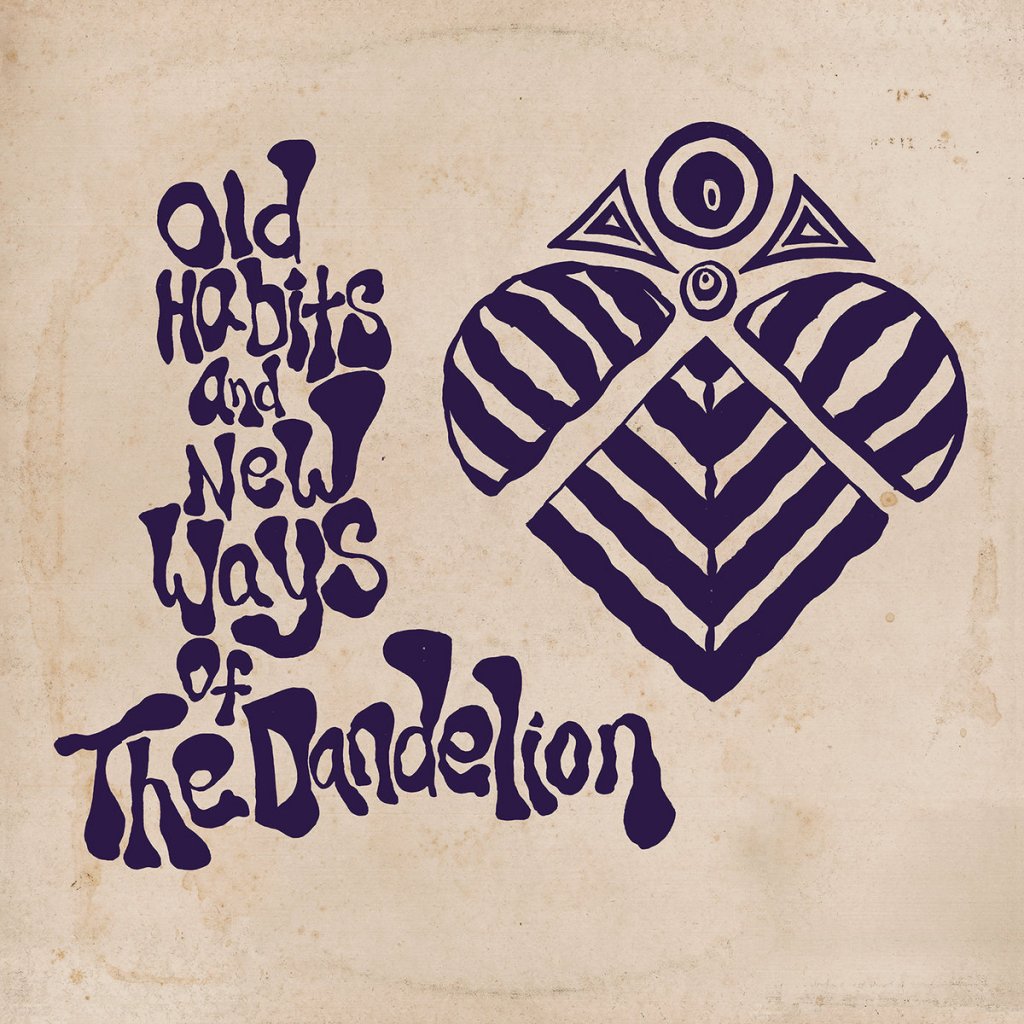
On album Old Habits And New Ways you have an instrumental song called ‘De Silver’s Dream’; do you dream often?
NDS: I do. I have a reoccurring dream, unfortunately it’s not a very nice one. I go into an old style house, similar to the ones in Surry Hills in Sydney, they’re skinny three-level terrace houses, and it has nice Victorian furniture in there and when I enter I’m compelled to walk up the staircase. There’s an impending doom-feeling and something telling me that I shouldn’t go in there but I walk up anyway. There’s a horrible, deathly, sickly smell and I open a door and feel the presence of something, suddenly I wake up. I haven’t had it for a while but I’ve found that the dream comes about in times of uncertainty in my life, I think that’s what it represented. I’d have such a mixed feeling, compelled to do something but something telling me not too. Maybe it represents a big decision that I had to make in my life.
I haven’t dived too much into dream interpretation but I’ve been meaning to. I’m so lazy with writing them down. I started writing a dream journal for a little while, there were some weird ones! Beyond weird [laughs]. I stumbled across it the other day actually, I was writing some songs – I always have ten books that I write in – I picked up one and it was actually my dream journal. I read through it and thought they were so weird!
I was watching Alejandro Jodorowsky’s Holy Mountain the other day and thought that movie is such a great depiction of what dreams are like; just complete weirdness, things have symbolic and sometimes triple meanings. The one thing I experience often, which I think others would too, I experience this phenomenon in dreams where you’ll be talking to someone and then they’ll change into something else, I find that fascinating. I think dreams are where our surreal art and art in general comes from. I’m really into C.S. Lewis at the moment. He’s one of those writers that are a top-level intellectual writer. He said he’d have these dreams and wake up and write a novel. I wish I could do that, it’s so fantastic!
Do you find lyrics come easy to you?
NDS: Lyrics are a tough one. That’s the part of the songwriting process that I like the least to be honest. The music side comes easy, I can pick up a guitar and write a song straight away. I would be mumbling lyrics and saying nonsensical words though. You know what is the most annoying part of songwriting for me?
What?
NDS: It’s when I have those moments and pick up a guitar and start to write a song, I’ll start humming lyrics and I might feel they’re good but then I can’t remember them because it’s such a spontaneous process. I’m just spewing out lyrics but they might actually sound good and then I’ll go get my book to write things down and I’ll be like; what the hell did I just say? It’s so annoying! When I focus on writing the song down it can sometimes lack that magic it had when I was just first creating it and I wasn’t really thinking about it.
What I’ve got into the process of doing now is that, when I start strumming I’ll have my phone next to me with a voice recorder and I’ll just hit that and record what I’m doing and I can play it back and generally be able to pick out some lines. The lyrical process for me is somewhat of a stream of consciousness. I find it hard to write about specific things. I know some writers might have an experience and they’re able to articulate it poetically and brilliantly use abstract words to tell the story. I don’t really write that way, sometimes I wish I could. I’ll generally have a mental spew of words, words will come together. I do like rhymes. What is really interesting is that when I reflect on the song it will have a theme and meaning; it will more often than not portray my state of mind or what has been happening in my life or where I’m at.
If I look back at my past songs, it is kind of like looking at a diary, which can be a bit awkward. Like when I look back at my dream journal, you sometimes cringe [laughs]. I feel that way with certain songs that I have recorded, it’s a bit embarrassing but then on the other hand people may see something different in it. There’s also times I do look and find moments of pure naivety, and I could never replicate that ever again. If you look at any artist that has put out a catalogue of work, it’s often the early stuff that people enjoy the most; during that time the artist isn’t over thinking everything or didn’t know what they were doing and sometimes that naivety creates something really, really special and accessible. I say this somewhat in jest but, my music is becoming somewhat more sophisticated in my artistic approach that I’m a bit unsure if my new music will be as accessible because I’m looking at it with a bit more experience. I don’t know though. When I record something I rarely listen back to it, I say goodbye and it’s then the listeners’.
Original photo by Kalindy Williams. Handmade collage by B.
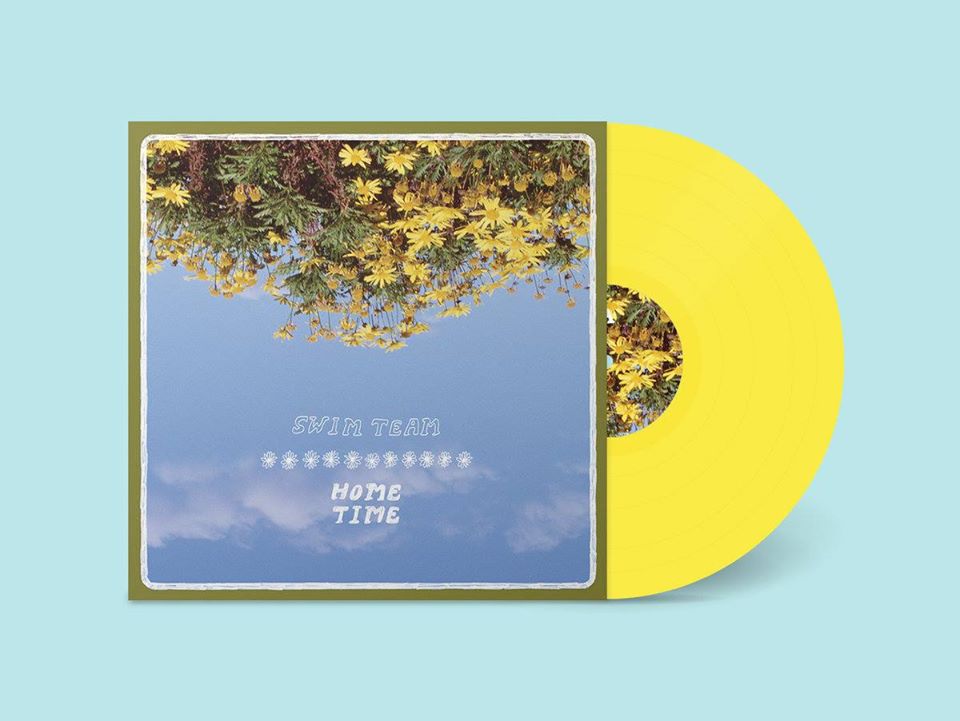
From the first jangly-twang of song ‘Everyday Things’ that we heard while watching Rage one morning last year, the Gimmie team have been addicted to Swim Team. Their infectious sweet melodies, hypnotic harmonies and catchy hooks reel you in. We interviewed Sammy to talk about their debut LP Home Time, their beginnings, self-care and more.
How did Swim Team first come together?
SAMMY: I had been thinking about starting a new band for a while. At the time Krystal was playing in Bad Vision and I was playing tambourine with the Pink Tiles, and we were gigging around a lot and I was really into the scene and the kinds of garage pop bands that were popping up. In 2016, Krystal moved in with me and we had already been friends since we worked together in Perth back in 2005. Back in those days she was playing in punk garage bands and I was playing in twee indie bands. I suggested that we should start a new band together with both of us on guitar and so we both just started jamming at home.
I asked my friend Esther to join – I really wanted her to be in the band even though she had never played the bass, and Krystal recruited TJ even though she had never played drums. We built our band based on how we thought the dynamics would work with the four of us hanging out together, not for how technically good a player or songwriter anyone was. It was kinda like building our own fantasy football team or something, and luckily they were both keen to give it a red hot go haha.
We got together in a rehearsal room and the first song we played together was ‘Green Fuzz’ by the Cramps. Eventually I booked us our first gig which was with Girl Crazy at their Tote residency, and that meant we had a deadline to write a few songs and get our shit together. If there’s one thing that Swim Team are collectively good at, it’s working under pressure!
We love the jangly guitars in Swim Team’s music; what inspired you to choose this sound?
SAMMY: A combined love for bands like The Clean and Go-Betweens, a tendency to lean towards Fender and a penchant for chorus pedals haha.
I think that given mine and Krystal’s backgrounds in music and the kinds of bands we were both used to playing in and listening to, when we brought them together we ended up with this kind of sound naturally. It’s kinda a combination of my pop background, Krystal’s punk background, and both of us meeting in the middle, then evolving together.
Last year you released your LP Home Time which was written over the course of a couple of years, one of the main themes of the record being change; over the time of writing what do you think was one of the biggest changes you went through in your own life that helped colour the songs you were writing?
SAMMY: Oh boy, there was a lot of change during that period for us all, not to mention that in the time it took us to start writing the songs, recording and then releasing it, we had three different bass players.
Krystal and I are the main songwriters in the band and we both had a lot going on over the course of a couple of years. Krystal’s dad sadly passed away while we were writing the album and so there is some really personal grieving there. There are relationship breakdowns for both of us, whether it be family or friendships or just simple observations. For me, at the beginning it was the end of a long-term relationship, and then by the end of the writing process it was meeting someone new. So yes, it’s quite the rollercoaster thematically!
Many of your songs can be self-deprecating; where does this come from?
SAMMY: Haha you might have to ask my therapist that! At the end of the day, I think that sarcasm and self-deprecation is embedded in our personalities and sense of humour – we certainly don’t take ourselves too seriously most of the time.
Your songs are deeply personal but written ambiguously so listeners can imagine themselves in the song story; who are the songwriters that you admire? What is it about their songs you love?
SAMMY: I have a deep appreciation of many different styles of songwriting, whether it’s poetic and metaphorical or literal story telling. One of my favourite songwriters is Mara Williams from the Pink Tiles. If you want deeply personal but ambiguous and completely charming, she is the queen of it!
What’s the significance of the album’s title, Home Time?
SAMMY: Aside from being one of the tracks from the album that we thought tended to sum up the entire vibe pretty well, it’s also a play on the title of our first EP ‘Holiday’. We went from ‘Holiday’ to ‘Home Time’ with these releases which is kinda symbolic of us growing as a band as well as our own personal situations.
Why did you decide to kick your record off with the track ‘Grown Up’?
SAMMY: We wanted something with a bit of an intro to kick things off sonically, but we found ‘Grown Up’ set the tone for the rest of the album in terms of context. It’s kinda a proclamation of this feeling of never really quite achieving those expectations that we set for ourselves as adult humans, and then bam – the rest of the album runs through and it’s a continuation of those general musings. Thematically we write about all aspects of life, whatever takes our fancy at the time: our crushes, our bad habits, our ex’s bad habits, our dysfunctional families, our grievances – both serious and silly.
The song ‘Everyday Things’ is an ode to first world problems; what first sparked this song idea?
SAMMY: Basically one long complaint about all the things that didn’t go right in a single day. They’re all a part of daily existence and not ‘actual’ problems. The song is laughing at the way we tend to complain about everything when in all reality the scenarios mentioned are trite and trivial.
What’s your favourite track on Home Time? What’s it about?
SAMMY: For me it’s probably a tie between ‘Time and Sacrifice’ and ‘New Year’. ‘Time and Sacrifice’ I feel has a different vibe to it than the rest of the album. The subject matter is far more complex and I think it ended up that way musically too. It’s also the one we experimented with the most as far as production goes, which was really fun. ‘New Year’ has been a favourite for a while, I have always loved what everyone has brought to the song in terms of parts and the feel – Anna really brought this to life for us!
Could you tell us a little about recording the record please?
SAMMY: We were lucky enough to have our dream team for our album recording. We had Anna Laverty produce and engineer it at our favourite studio in Melbourne, Audrey Studios. We tracked the majority of it live, all four of us in the room playing our parts, and then afterwards we did a few guitar overdubs and vocals. Working with Anna is always a real pleasure. We were lucky enough to have a bit of extra time to play around, and some of the songs had parts that were written on the spot which was something I’ve never had the privilege to experiment with before.
You’ve mentioned online that there’s been “a bunch of personal and health stuff that’s gone down since late last year” which has made you take a little break from making music. I hope everything’s alright? During the downtime what do you do to take care of yourself? Self-care is so important!
SAMMY: Thank you! Yes, self-care is super important for both our physical and mental health. For us it means eating well, exercising, doing things that make you calm and happy (for me it’s things like listening to music, pottering around the house, cooking and tending to plants), and not being too hard on yourself or having unrealistic expectations of yourself (that part is hard sometimes!) We had a really busy year with the release of the album and then with the personal stuff happening on top of that it felt like we needed to just step back and look after ourselves and put a priority on those things. We are actually really close friends outside of music so we have a really strong support network in each other – we are really lucky to have that level of support and understanding from one another I think.
Other than making music do you do anything else creative?
SAMMY: Krystal has a podcast that she hosts with her friend Ruth called ‘First Time Feelings’ that you can check out here. TJ is a tattoo artist and when there’s no pandemic you can find her at her shop Heart & Soul Tattoo in Melbourne CBD. Our original bass player Esther is a designer and owns the label Togetherness Design. Our newest member and current bass player Jill is involved in a bunch of comedy and fringe festival shows, but is known best for her role in co-founding the iconic Shania Choir. I don’t have many creative talents outside of music, but it keeps me busy enough for now.
What’s something – band, album, song – that’s really cool you’re listening to at the moment?
SAMMY: RVG’s new album Feral, and patiently anticipating the new Dianas record Baby Baby.
Original photo by Timothy Williams. Handmade collage by B.
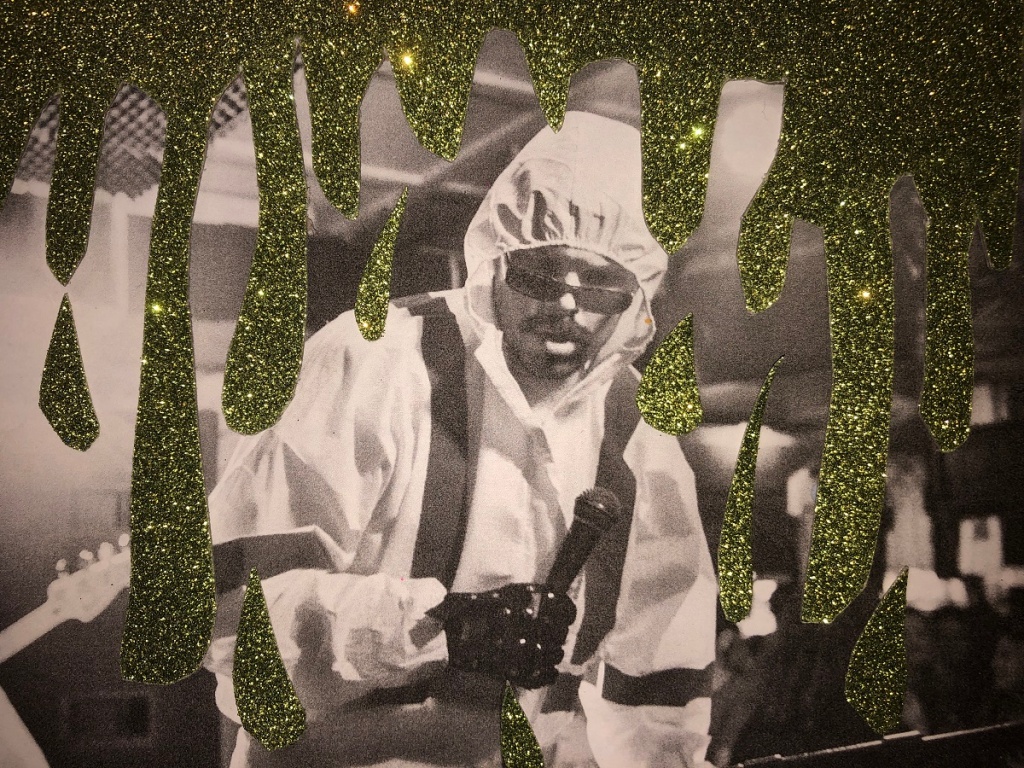
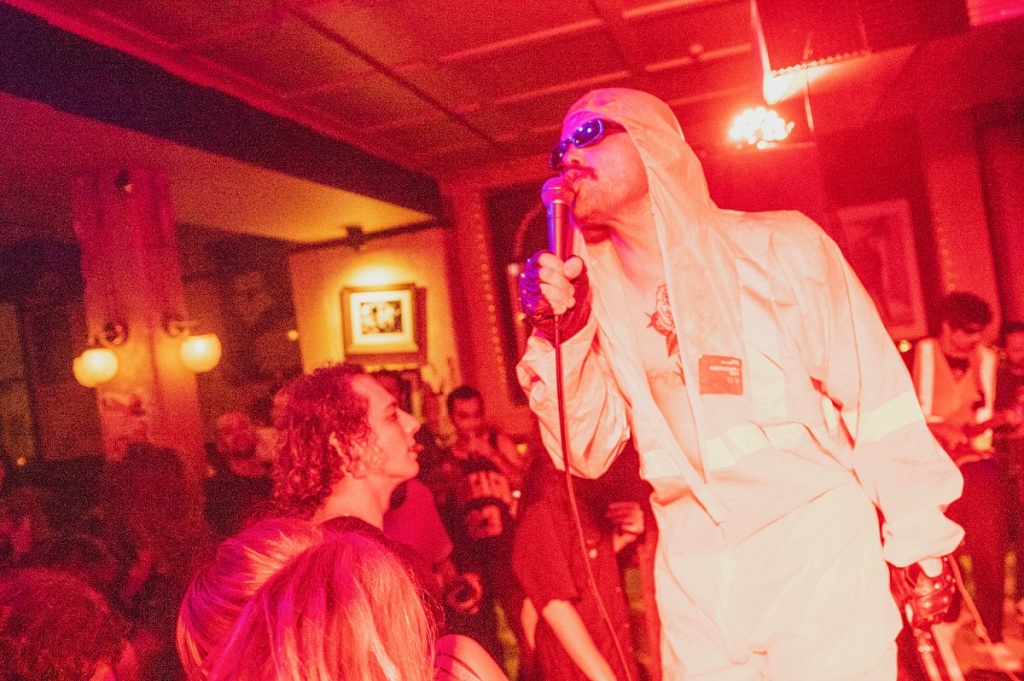
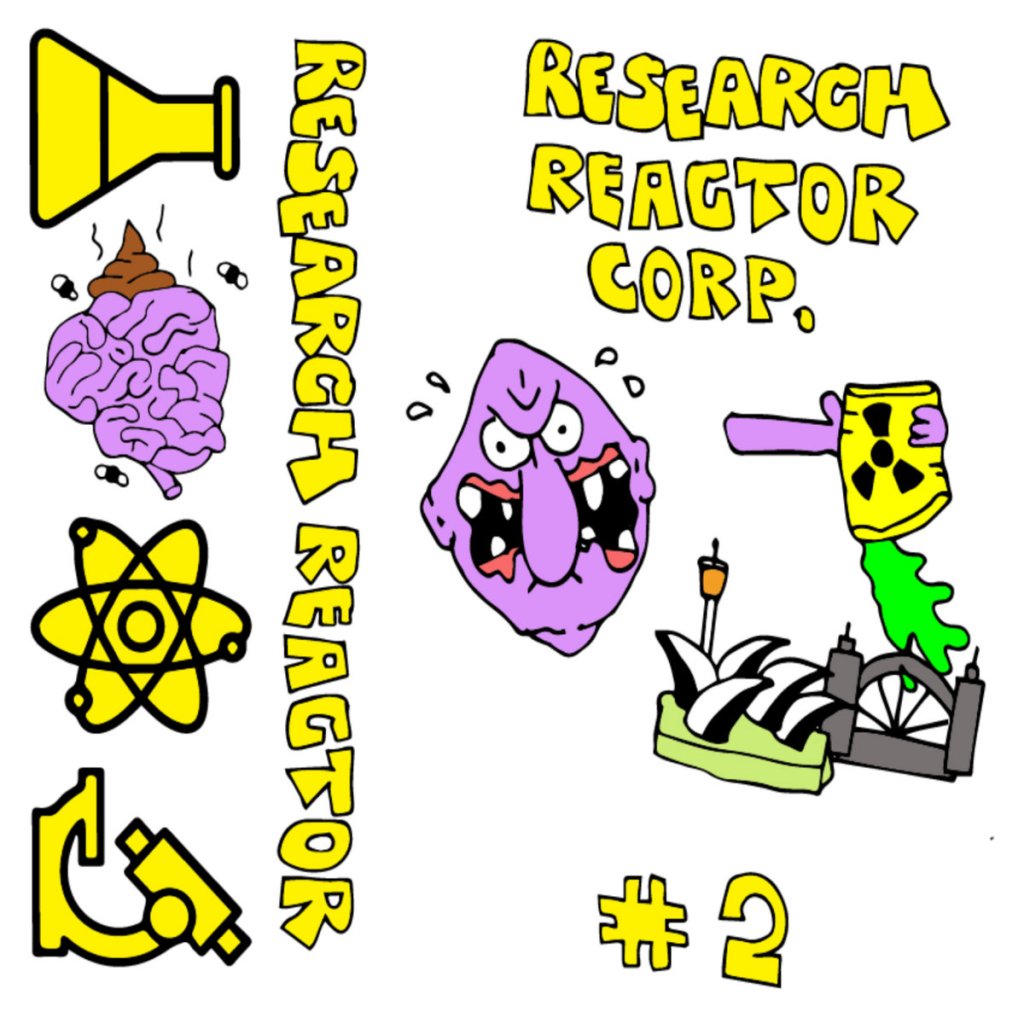
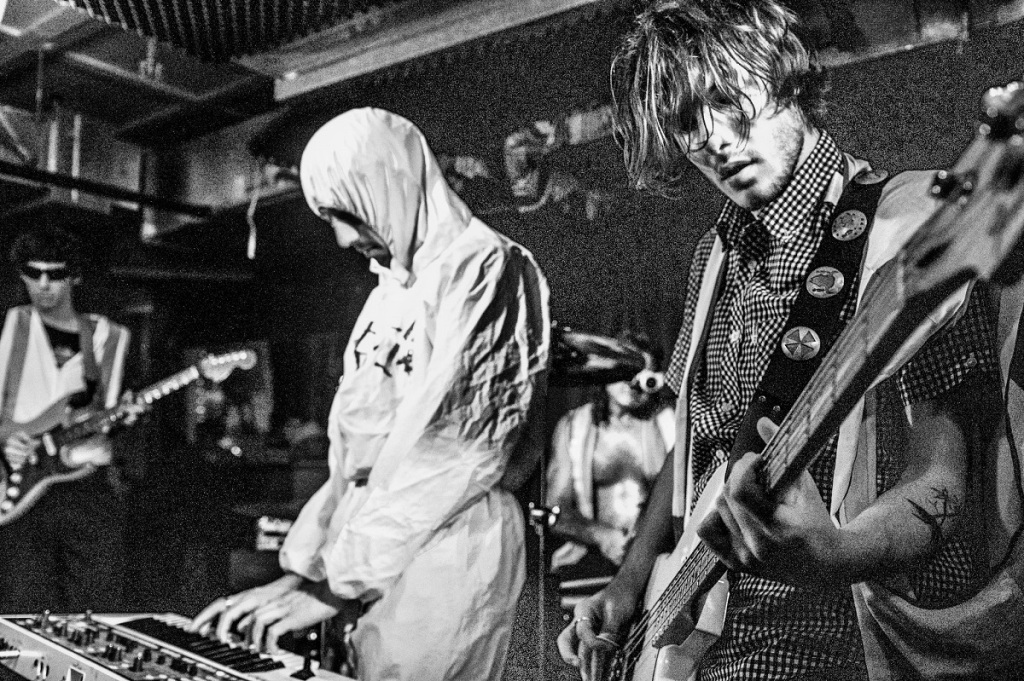
Research Reactor Corp. play super fun, goofy, cartoonish, weirdo-punk. We spoke with the Reactor’s Billy and he gave us the goss on a new RRC record, a new band called Mainframe, his new label, a new G.T.R.R.C release and more.
BILLY: I’m just playing with two naughty kittens in my lounge room right now.
What are their names?
BILLY: We got them two weeks ago, we thought it would be a good time to adopt them. One looks like a sweet potato so we just call him Sweetie or Spudboy. The other one we called Dee Dee, lil’ Dee Dee Ramone.
That’s my favourite Ramone.
BILLY: Mine too, he was bad arse! He’s the only one that had an offshoot hip-hop record. He’s the coolest Ramone, which is a big call. Johnny is a big Conservative and I’m not too into that.
We got that Dee Dee King record as a wedding present. I walked down the aisle at our wedding to the Ramones.
BILLY: That’s awesome! I just love how his vocals are just so rat shit on it [does a Dee Dee impression] I’m Dee Dee Ramone! [laughs]. He sounds like a frog or something.
What have you been up to today?
BILLY: I am lucky enough to still have a fulltime job. I’m a screen printer and in a team of three people. I’ve been printing hi-vis vests for a supermarket all day that say: stand 1.5 meters back. Exciting stuff! [laughs]. Apart from not being able to go to shows, which is driving me insane, because of all this COVID stuff… I’m ADHD, I don’t really like sitting around too much and I’m going a little bit stir-crazy in my house. I have two little cute kittens running around and a girlfriend I live with so things are good. It would be a real lonely time for a lot of people, it’s a weird time to be alive!
We’ve been doing the Zoom thing, which is pretty funny. We’ve been playing this game called Quiplash which is kind of like Cards Against Humanity. Kel who does Gee Tee lives on my block and he has been the guy organising that and streaming it off his computer, it’s pretty funny. I’ve just been checking in with everyone. It was my thirtieth birthday on the 10th of April. R.M.F.C. and Gee Tee were going to play in my lounge room but we had to call it off. I had an ice-cream cake delivered, that was pretty bad arse. Other than that I didn’t do too much.
All live photos by Timothy Williams; courtesy of RRC.
How’s it feel to be thirty?
BILLY: Kind of exactly the same! I feel like a big giant baby! I feel like I’m fifteen. It’s not the end of the world [laughs]. In the two days leading up to it I was like, oh cool, I’m a real adult now! I said that when I turned twenty as well though [laughs]. I still feel like a big kid.
Totally know them feels dude! I’m still sitting on my floor listening to records, doing interviews and making zines, the same thing I was doing when I was fifteen.
BILLY: That’s bad arse! My friend Sam just moved house and he found a skate punk zine we did when we were fifteen called, World Up My Arse. We interviewed some power-violence bands off MySpace [laughs]. We only printed like ten copies and gave a couple away. It was pretty fucking cool, I can’t believe he kept it.
Nice! I have boxes of zines, I’ve been collecting them for around twenty years.
BILLY: I have a lot as well. I’ve just moved into a bigger place than I was in, I live in Petersham in Sydney’s Inner West. My zines are all in boxes too, some are at my parents’ house. I have every one of those Distort zines that DX does periodically. I have a lot of graffiti ones as well, I was into that for a bit.
Same! I was really into graffiti and hip-hop as a kid. You were born in Sydney?
BILLY: I was born in Manly Hospital in Sydney in 1990. I grew up on the north side of Sydney in a place called Narrabeen. When I was eight, I moved to the Gold Coast of all places for my stepdad’s work and was there for a couple of years and then came back to Sydney. No matter where I’ve visited in the world, I always say that Sydney is my home and it’s great to come back to. I have lots of time for Sydney! I don’t know why grumps in Melbourne always go “Yuck! You’re from Sydney?!” It’s weird. I was born and bred in Sydney.
What made you want to play music?
BILLY: It’s a weird one for a kid, but I think the first CD I got was the South Park Chef Aid one. I remember thinking it was so funny because they were singing about balls! [laughs]. My dad has always been into music and goes to gigs, he grew up seeing bands like The Riptides, The Scientists and stuff like that. I was lucky enough to have a dad that had a pretty decent record collection. It’s a bit disappointing that he kind of sold his record collection about fifteen years ago to go on a trip to Europe, so I missed out on that.
I got a Limp Biscuit CD… and the first CD I bought with my own money other than the South Park one was Elvis Costello; my dad drilled stuff like that into me. Then I got into NOFX and things just went from there. Music is the only thing I’ve ever really given a shit about, besides my family, and maybe skateboarding at some points in my life. I just spend all of my money on records and sit in my house listening to them. My friends and I constantly send music to each other too.
Even as a little kid I loved music, my mum always tells this story of when I used to put on ‘Cake’ which is a Crowded House song—I fucking hate Crowded House as an adult!
When did you first start making your own music?
BILLY: I did the whole booking in the music room in high school thing and tried to rip off bad hardcore bands when I was fifteen. My uncle is a professional soloist drummer so I was lucky enough to have the hook up for cheap drum equipment. I started playing drums when I was ten. As soon as I was fifteen I worked out that I don’t want to play drums in a hardcore band or a punk band because it’s too tiring, you have to bring gear!—I know that’s lazy though [laughs]. I played in some really cringe-y garage and hardcore bands in high school that didn’t make it past playing a few shows at youth centres.
I didn’t really play music for a while and then with the Research Reactor stuff… Ishka the other dude that does it, it’s just him and I, we make all the stuff and then do it as a live band. We have an LP coming out E.T.T. [Erste Theke Tontrager] in Europe and Televised Suicide is doing it in Australia soon; we’ve got it all mocked up and the tracks are done… it just depends how long it’s all going to take with all the pressing plants being blocked up because of Coronavirus.
What’s it going to be called?
BILLY: The Collected Findings Of The Research Reactor Corp. It’s basically our first two tapes and then a couple of new songs. Ishka who I make the music with, it’s just us doing it in our bedrooms, all home recording stuff. He’s a wizard at that stuff, I fucking suck at it! He plays in a thousand bands: Set-Top Box, all of the recordings are just him; Satanic Togas, all of the recordings are just him; on the last Gee TeeChromo-zone record he does half of everything on the recording. Ishka is a big ol’ powerhouse! He’s awesome, he’s such an inspiring dude. It’s so cool that he is one of my best mates and that I get to make music with him.
I saw his band the Satanic Togas play, I had heard them online but didn’t know anything about the guys. They blew my mind and straight after the set I walked right up to Ishka and was like “Hey man, that was awesome! I’d be willing to beat money that you’re into The Gories and The Mummies” and he was like “Whoa! Shit! They’re my favourite bands!” We exchanged numbers and found out that we both wrote graffiti and were familiar with each other’s words and stuff. It turned out that he was living in the same suburb that I was working in, so we just started hanging out together. We just get in the lab, smoke some reefer and see what happens [laughs]. It’s super funny!
The first Research Reactor tape, the first song on it, Ishka just recorded everything and I basically just one-shotted the vocals! It’s good ‘cause we’re into a lot of similar music, we see eye-to-eye. It just works. If Ishka has a day off and feels like making a song, he’ll send me the recording, a demo, while I’m at work and I might duck off to the bathroom and think of a cool line or idea for the song and just jot down notes in my phone. When I get home I’ll write the song and Ishka is a five minute walk away so I’ll go around and record it. He’ll then do some mixing on it and we’ll take it to practice or to the band and put it on our Facebook chat and ask them if they like it and we all just learn to do it as a live band from there. It’s a cool way of doing it. The new LP we have coming out, the two new songs on there are written with everyone playing on it; it takes longer to record that way though.
What are the new songs about?
BILLY: [Laughs] Well, one of them, it’s actually a bit of a debate, I wanted to call the new song ‘Frog Willy’ or ‘Frog Penis’ but it has no relevance to the lyrics whatsoever! I think it’s ended up being called ‘Shock Treatment’ and it’s about eating heaps of eels until you explode and sticking a fork into an electrical outlet and basically zapping your brain.
What inspired that?
BILLY: [Laughs] We’re definitely a goofy band! Which I guess it’s why it’s so fun to write and play the stuff. Obviously we take a lot of influence from Devo and The Screamers. Without trying to be too much of a theme band and flog a dead horse with the same idea all the time, initially we thought we’ll create a story for it and pretend it’s a corporation. A theme we talk about is nuclear war, without us being a fucking crust band, we’re more like ‘The googles do nothing!’ off The Simpsons [laughs]. We’re like a goofy the-world-is-ending-but-who-cares thing. It’s like we’re a cartoon or like Toxic Avenger or [Class Of] Nuke ‘Em High! We’ll see a scene of like a guy’s face melting and think it would be funny and use it like, oh your boss’ face is melting because you threw a chemical on them, and we’ll run with that and write a whole song about it [laughs].
We take little shreds, little elements of bands we like and make it our own. Me and Ishka are big fans of a lot of the goofy stuff coming out of the Midwest of America. The Coneheads are obviously a big one or CCTV or Goldman Sex Batalion, Big Zit, a lot of the bands that Mat Williams and Mark Winter from Coneheads are associated with. We just make music we like and it turns out we like goofy, silly music [laughs].
It’s nice that people come and watch us play but I think we’re more outskirt-ish in comparison to your bigger Sydney punk and hardcore bands. I love cranky punk and hardcore but it all just seems a bit serious, a whole bunch of people standing around in a room with their arms crossed looking pissed off is just really weird! It’s nice that people just come to our shows and just dance and be a goofball. We’re lucky that all of our best friends play in bands and they are all such cool people like Gee Tee and R.M.F.C., ‘Togas, Set-top Box. I find it really flattering when people say we’re all “the weirder Sydney punk bands”. I feel like no one from Sydney ever says that though…
That’s so often the case with a lot of bands, they’re unappreciated in their own town or country but people in other places, people all over the world super dig them! Look at a band like King Gizzard And The Lizard Wizard, they play sold out huge shows all over the world and then they’ll play somewhere here in Australia and sometimes don’t fill the room.
BILLY: 100%! I didn’t realise how huge they were until recently, it’s mental. Now days you can just get in contact with pretty much anyone, you just DM their Instagram. I try to get a conversation rolling with bands overseas that I’m listening to. It’s cool that a lot of Midwest American goofy bands and the guys from R.I.P. Records and Lumpy Records know who we are.

We were supposed to be touring America, Gee Tee and R.M.F.C. were too, on a touring festival that was meant to happen – I think it still will down the track – in July with a lot of our favourite bands but the big Corona did a big shit on that! I guess it just gives us time to hang at home and record. I have a full band room set up in my house at the moment. I’m trying to teach myself how to play the drums fast again, I’m sloppy as at that right now.
We’ve been doing an “email band” like if you know someone that has a home recording set-up, even if it’s someone overseas, you just message and send each other bits of songs for the other to do stuff over. We’ve been doing that and so have some of our friends which is pretty of the time. We just did four songs with this guy Sean Albert from the Midwest who plays in bands like Skull Cult, QQQL and Dummy. We want to put it out as a 7”. We did a new band with that guy with me singing. It’s pretty fun!
Cool. Do you have a name?
BILLY: Yeah, Mainframe. Hackin’ the mainframe! [laughs]. We’ll probably put it online soon. We still have to do synths on one track. It’s just me, Ishka and Sean.
What’s it sounding like?
BILLY: I’ve played it to a couple of people and they said it’s kind of fast Gee Tee, which isn’t much of a stretch. Sean is a fucking drum machine wizard! He’s so good at getting drum fills in, kind of like that guy from Urochromes. He’s a drum machine Don! I don’t know how he does all the crazy shit.
We had a 7” come out on Goodbye Boozy from Italy in February at the start of the year.
That was the split with The Freakees?
BILLY: Yeah! In the same drop of 7”s that he did, Belly Jelly had a 7” we really dug, there’s a Nervous Eaters cover on the 7” that was fucking awesome! I followed him on Instagram and because we can’t really play shows now, I thought let’s just hit him up. He sent us two tracks the next day and then two days later he sent another two. Just on the cusp of all this Covid stuff happening Ishka came over with all this recording stuff. It’s sounding really good. We’ve actually been pretty fucking productive lately.
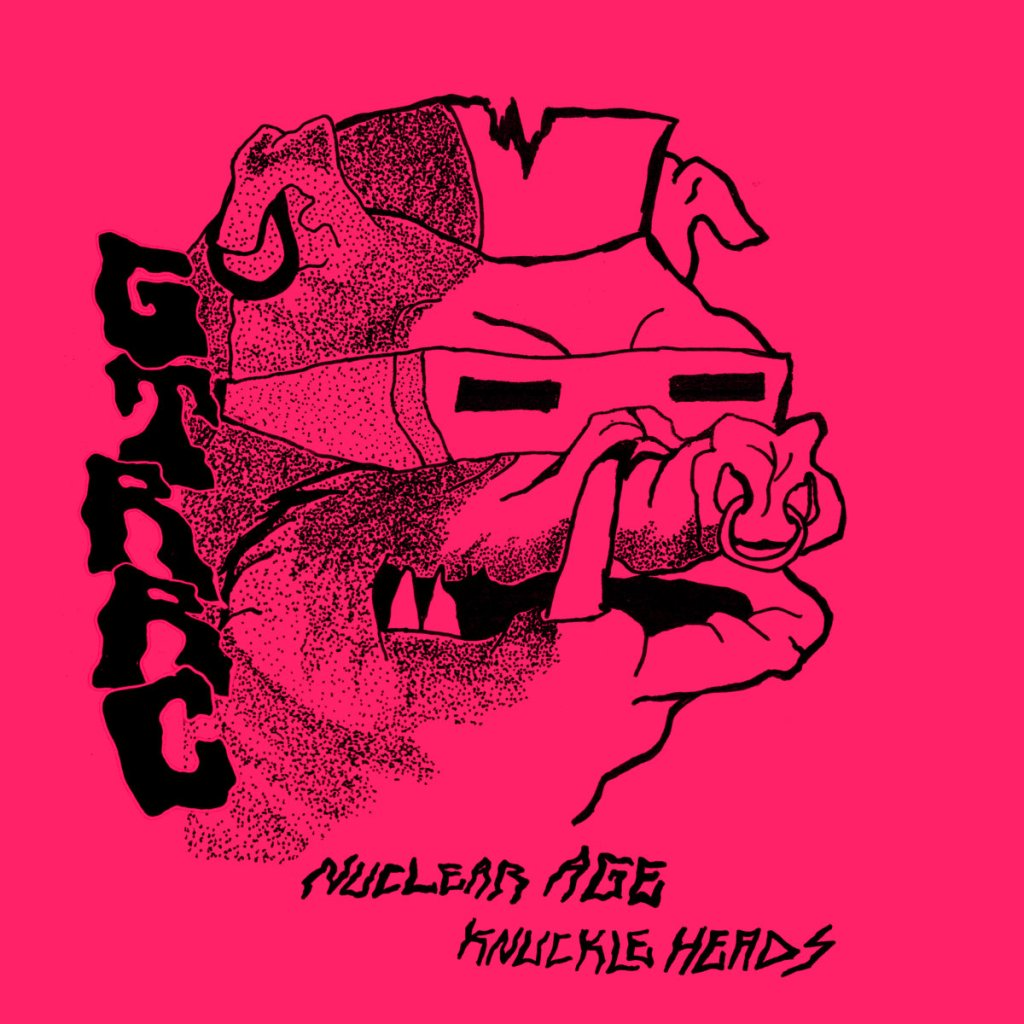
We do this thing called G.T.R.R.C. where we do all of these goofy covers, it’s half of Gee Tee and half of Research Reactor. We put out a tape about a year ago on Warttmann Inc. and now we’ve just recorded the second one. I’ve done vocals for three covers on it but it’s kind of turned into a comp[ilation] now. Adam Ritchie of Drunk Mums, Grotto and Pissfart Records did a couple of covers, so did Drew Owens from Sick Thoughts, Kel Gee Tee did vocals on some and Jake from Drunk Mums did some too.
What were some of the covers?
BILLY: One of them was ‘Job’ by The Nubs and I did ‘Trapped In The City’ by Bad Times, a band Jay Reatard sung in. I thought they were both appropriate covers to do given the times. It sounds a bit farfetched but I kind of want to cover ‘Karma Chameleon’ by Culture Club at some point. In our live set we used to cover ‘Rock & Roll Don’t Come from New York’ by The Gizmos and ‘I Don’t Know What To Do Do’ by Devo; we had those cover in our set because we didn’t have enough of our own songs at the time. I’d love to cover – sorry for biting this off you Drew Owens, he’s doing in on the G.T.R.R.C comp – ‘Killer On the Loose’ by Thin Lizzy. I love Thin Lizzy a lot, they’re the most bad arse rock n roll band going!
Is there anything else that you’re working on?
BILLY: I’m setting up my own little label at the moment it’s called, Computer Human Records. I’m about to pay for my first vinyl release. I’m putting out a 7” by a band called Snooper that are from Nashville, they’re relatively new but if you like Devo, CCTV or Landline or Pscience you might like them.
That sounds totally up my alley!
BILLY: Cool. They only have a couple of songs online. Blair the singer is a school teacher and she’s really great at video editing. She has a real wild style where she makes everything look like a children’s show or like Pee Wee’s Playhouse!
Also, we’re on a 4-way split 7” with Nick Normal, he recently just toured Europe and Lassie was his backing band. The split is months away though!
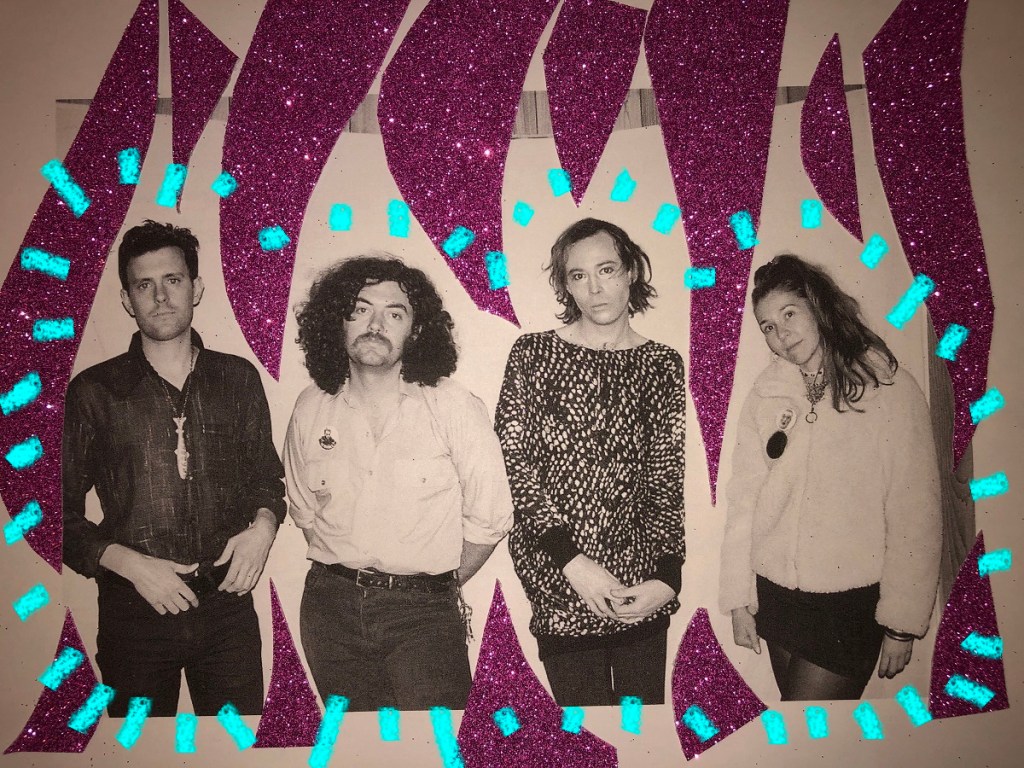
Beyond their weirdo-punk music little is known about Sydney’s Set-Top Box so we got in contact with parent company Warttmann Inc to find out more and received a reply from Intern and Head Janitor, Ishka. He took our request up the chain of command and came back to us to let us know that the company’s attorneys could set up a Q&A with Set-Top Box’s Head of Operations Mr Tee Vee Repairmann, on the condition that we were not to ask about the touchy subject of his Cuban business ventures back in 2004.
Tell us about your role as Head of Operations behind Set-Top Box?
TEE VEE: Set-Top Box is a boardroom recording project. I twiddle the knobs that need to be twiddled
What’s a typical day look like for you?
TV: Nutri-grain. 9 to 5 at Warttmann Inc. Lab. Followed by a 6pm séance with Joe Meek and Buddy Holly.
What’s the toughest part of being in charge?
TV: Finding the remote.
How did you start on your path to what you’re doing now?
TV: Do you believe in destiny? Because I don’t.
Why do you get up in the morning, and how do you keep yourself at peak performance to lead Set-Top Box?
TV: The answer to both is Coffee.
Tell us about an accomplishment that’s shaped your career.
TV: The Biggest Loser 2005.
How do you measure success?
TV: Material possessions, net worth. How many off shore properties do you have?
Behind every successful person there’s usually a story of struggle and rising to the challenge; what’s been one of your biggest challenges you’ve faced?
TV: Finding the remote. I’m still looking!
TV Guide Test LP is a compilation of your earlier products; what do you value when creating products? What’s your process?
TV: Cas-Set 1 was recorded on my lunch break at Warttmann Inc. Cas-Set 2 was recorded at the Futuretech Lab. Both on borrowed equipment. There is no really process, just a lot of mucking around and experimenting. Most of the first “casset” was made up on the spot while recording and was me figuring out how to record stuff on cassette. The second was more or less the same.
Can you recommend a record that has had an influence on your career? How did it influence you?
TV: Back when I was a young repairboyy, I interned at Goliath studios. King O.P.P showed me Back From The Grave and Killed By Death Vol 1 and that set me on the path to the dumpster.
What makes your brand unique?
TV: Nothing. Why strive for uniqueness? Be the same, but a bit different. Like Pepsi to Coke. Communism to Democracy. Consumers want something safe.
How do you go about continuing to develop your professional skills and knowledge?
TV: Cybornetic implants.
How important is the commitment to client satisfaction, and how do you make sure your customers will become raving fans of your company?
TV: We have no commitment to our clients. They’re nothing but numbers in our bank account.
What do you hope to accomplish in this next year?
TV: Second floor bathroom renovation at my Kuta beach house. I want a bidet!
For other entrepreneurs seeking to build a business as successful as yours, what advice can you give them when times get tough?
TV: Give up, it’s not worth it, you are wasting your life!
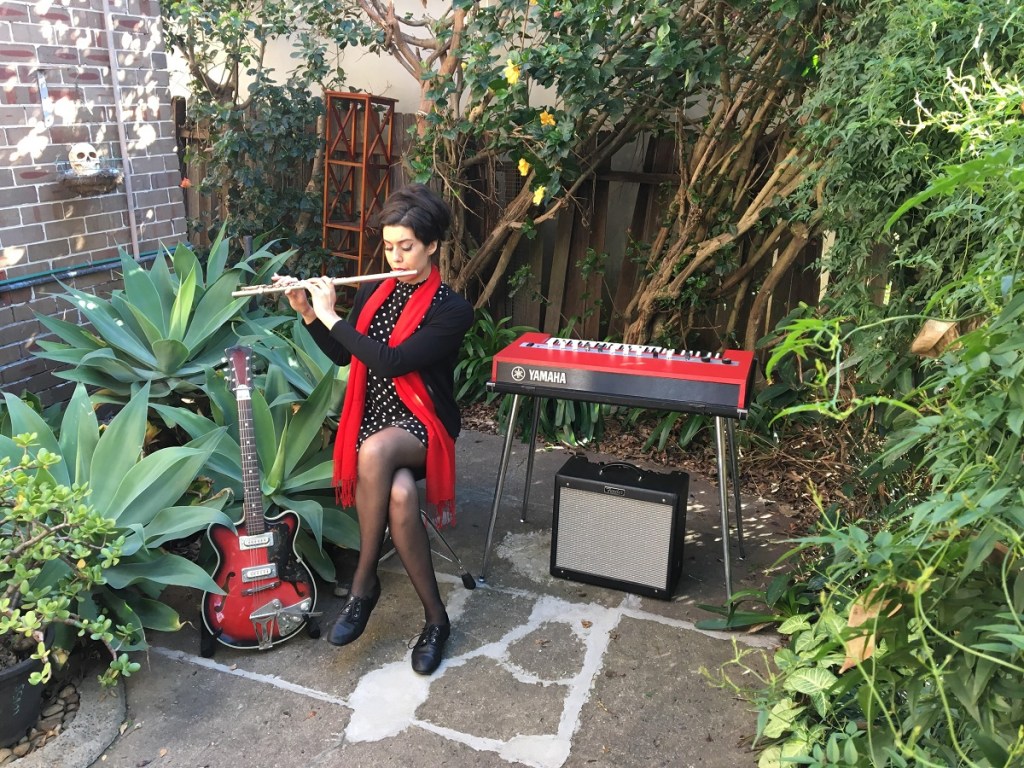
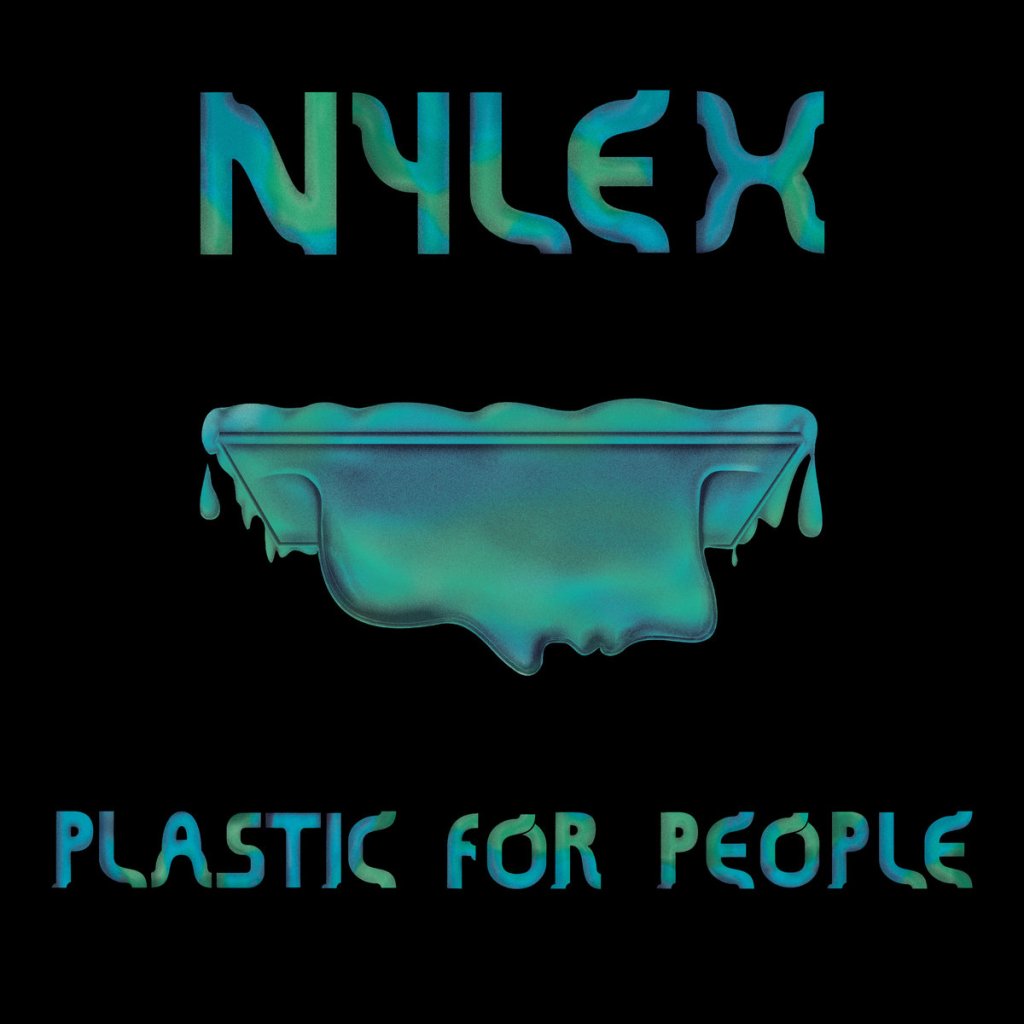
Pop driven Adelaide post-punk band Nylex released a brilliant LP Plastic For People late last year. With its repetitive rhythm patterns, deadpan vocal, melodic bass, shimmery guitars, gloomy yet upbeat and very danceable feels, it won a place in our hearts. The band features members of Hydromedusa, Rule Of Thirds and Wireheads. We recently caught up with singer, guitarist and songwriter Celeste.
How did you start playing music?
CELESTE: Growing up, I was around a lot of music. My dad is a sound engineer, so there’d be a bit of recording onto the four track, plonking on the Casio, or out of tune piano. I learnt and played flute all through primary and high school (it’s made a real come back recently which I’m pleased about) and tried guitar when I was 15, learning songs from the Cruel Intentions soundtrack. I still don’t know chords, but I don’t think that matters. When I was 19, a friend and I had a project with a handful of songs. We never played live, but had a MySpace and made a lot of friends around Aus that way. At that point, I’d never left Adelaide independently, or maybe once. After that, I started getting excited and more involved with a national music community. Locally, I played in a lot of random experimental bands, until Rule of Thirds which started in maybe late 2011. I played guitar.
How did Nylex begin?
C: We are all from Adelaide. Dieter and Tom had played in Rule of Thirds too, and we’d been friends or housemates for a while. By mid -017, Guitarist Liam and I had written a few demos, even played one or two of them live once in a duo called Fantasy Lovers. Dieter and I were living in a great and typical-Adelaide share house, huge and cheap with a great jam room. It went from there. Our first gig was on St Patrick’s Day early 2018, in a friend’s squat with a short lived Adelaide band Bomo and the Hard Punchers.
When you started did you have a clear idea of what you wanted to sound like? What was influencing you musically?
C: We didn’t have a clear idea, but we all knew we wanted to write songs with strong hooks and pop-leanings. My song writing style is quite melodic and Liam, likewise, big John McGeoch fan – shiny guitar ala Siouxsie, Magazine, PiL.
What’s the story behind your band name?
C: Nylex is an Australian plastics brand, with famed Melbourne clock. I like the story about the anarchists breaking in and turning that on. I like that plastic is both peril and pleasure. A few names were being thrown around, but you have to settle on something, and the longer you’re deliberating the longer every name starts to feel like that moment at Christmas, where some family member says two random AF words and then says “that’s a band name!”
Towards the end of last year Nylex released LP Plastic for The People; what’s the album about?
C: The album is a lot about our/my social and personal politics. That song in particular is about heteronormativity in relationships, everybody’s right to feel good and about not yucking somebody’s yum.
Art work by Molly Dyson.
What kind of songwriter are you? Where do you write most of your songs? Where do you get your best ideas?
C: I write pop melodies, so work best with other writers who can dial it down or help thread those hooks into a bedded structure. Guitar and bass melodies, I write them vocally and record into voice memos, then transcribe to instrument. Probably have looked off the wall many times cruising down a busy street just “da da dada da” ing into my phone… Vocals melodies, probably much like other singers, I sing gibberish to find a melody (sometimes this goes on for way too long, and I’ve definitely played shows and had near no words for a song) and then work words into a melody. I get my best ideas driving, walking or biking. Lyrics, sometimes I have a theme and completely write to that without prompts, sometimes I use books to feed language through.
What’s your favourite Nylex song? What’s the story behind it?
C: My favorite Nylex song is ‘Fascinate’. I actually wrote that on guitar and bass maybe late 2016 near the end of Rule of Thirds. It’s changed a lot since then with everyone’s input. I especially love the drums, they’re so fab. It’s about a glow-up and allowing yourself without shame or stigma to be fully present in your body.
Can you tell us about recording Plastic For People? How long did it take?
C: We did it over two days in a studio in Glenelg. A beach side suburb in Adelaide. Liam and I were about to move to Sydney and we wanted to capture this moment together before we left. So, maybe we weren’t quite ready but went for it regardless. It was recorded live, mostly. It was maybe the last weekend Liam and I lived in Adelaide, so it was happy, sad, exhausting, emotional. We had to come back to Adelaide once or twice in the following months for mixing. I wouldn’t recommend recording in the midst of a life-transition. It’s hard to concentrate!
What can we hear of your personality in Nylex’s music?
C: I love pop music, so perhaps that?
Nylex played shows in Europe and the UK recently, you mentioned that it was an “experience we hold very close”; what made it so important to you?
C: All members now live in different states or territories (yes, all four!) so being together for one month was a real treat. These three people have shared some pivotal, raw moments with me. And then there’s the privilege to travel, and the honour to lean and be caught by our international punk communities. To meet and share space with musicians and artists around the world is something I cherish. The late passionate talks, to hear of and support political endeavours, to be in moments of sweat, body to body on the dance floor, coughing through air thick with smoke in squats, all of it. I adore it. I miss it.
What’s one of the biggest culture shocks you experienced in Europe?
C: Generally we’d spend our time in the van practicing language for the next place we’d be, which really helps to ease the culture shock. The weather probably shocked me the most. And English food.
You were on tour when the COVID-19 related restrictions and quarantining started happening; what were you feeling being so far home when all this uncertainty begun?
C: Looking back, it’s more than surreal. It didn’t quite feel real until a week in, our show in Milano was cancelled as the city went into shutdown. Even then, many friends across Italy where still confused, so it was pretty opaque. Two weeks in, by the UK we started feeling a lot more awareness of the severity. Having said that, friends from Italy were still able to fly… so it still wasn’t too hectic… Then suddenly numbers were escalating dramatically across Europe. At about three weeks it started getting quite real and borders began closing. Every show we played was the “last one for a while”… for venues and bookers alike… Once our final two gigs were cancelled in Belgium, we began thinking we can’t wait to get home. We didn’t know what to expect, each morning we just hoped our flight wouldn’t be cancelled. An Australian friend had just arrived from North America to meet us, they made their way to Crete – where they’re now trapped due to immigration restrictions and unavailability /expense of flying – unable to return to the US where they live and unable to make it to Australia. When we landed, people in biohazard suits came onto the plane (crazy the flight attendants had no PPE except gloves!) and asked everyone how they felt… Maybe because of Dieter’s luscious hair, they stopped at our row and asked “Where did you come from, are you Italians?”
I know community is important to Nylex; where do you find yours?
C: I feel most at home among my chosen and queer family. Without them I would be lost. This pandemic has made me miss my chosen fam so much.
Are you working on anything new?
C: Nylex has three new songs we’d like to record, but it will have to wait until after borders open. Liam and I have another band in Sydney called Zipper, which has a demo about to come out. Dieter plays in Hotchkiss in Adelaide and Tom too. He also makes electronic music
What takes up your time other than music?
C: Some of us work and some are fulltime artists – designers, gardeners, arts workers. I work with young people at the moment. It’s reassuring to nurture the next gen of little freaks and know the world is in such capable hands. They give me hope.