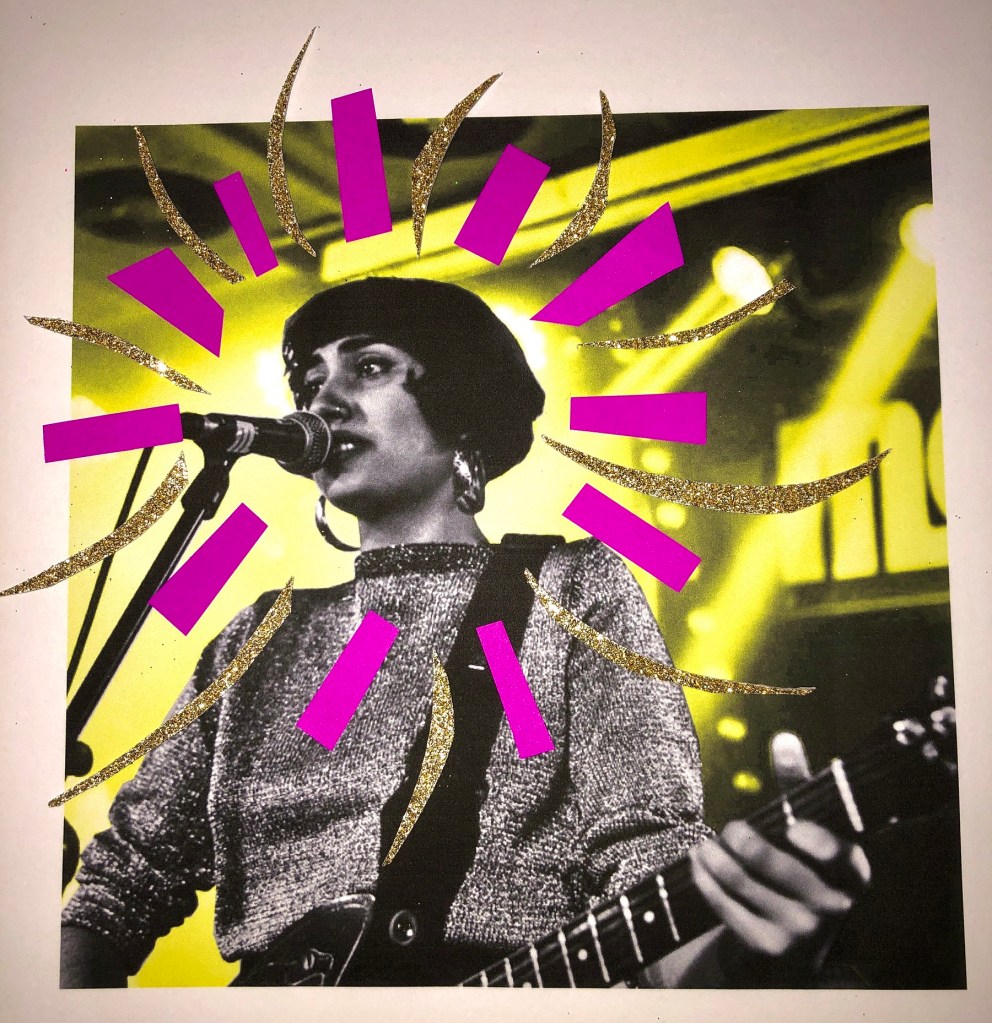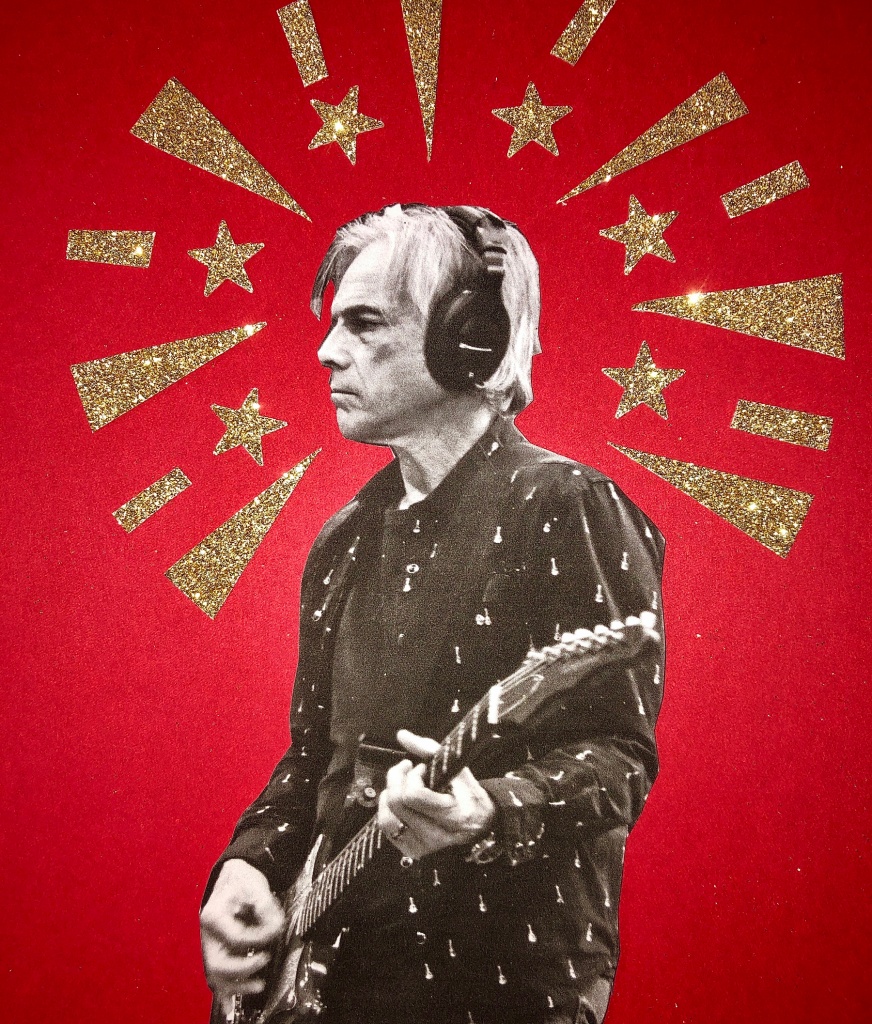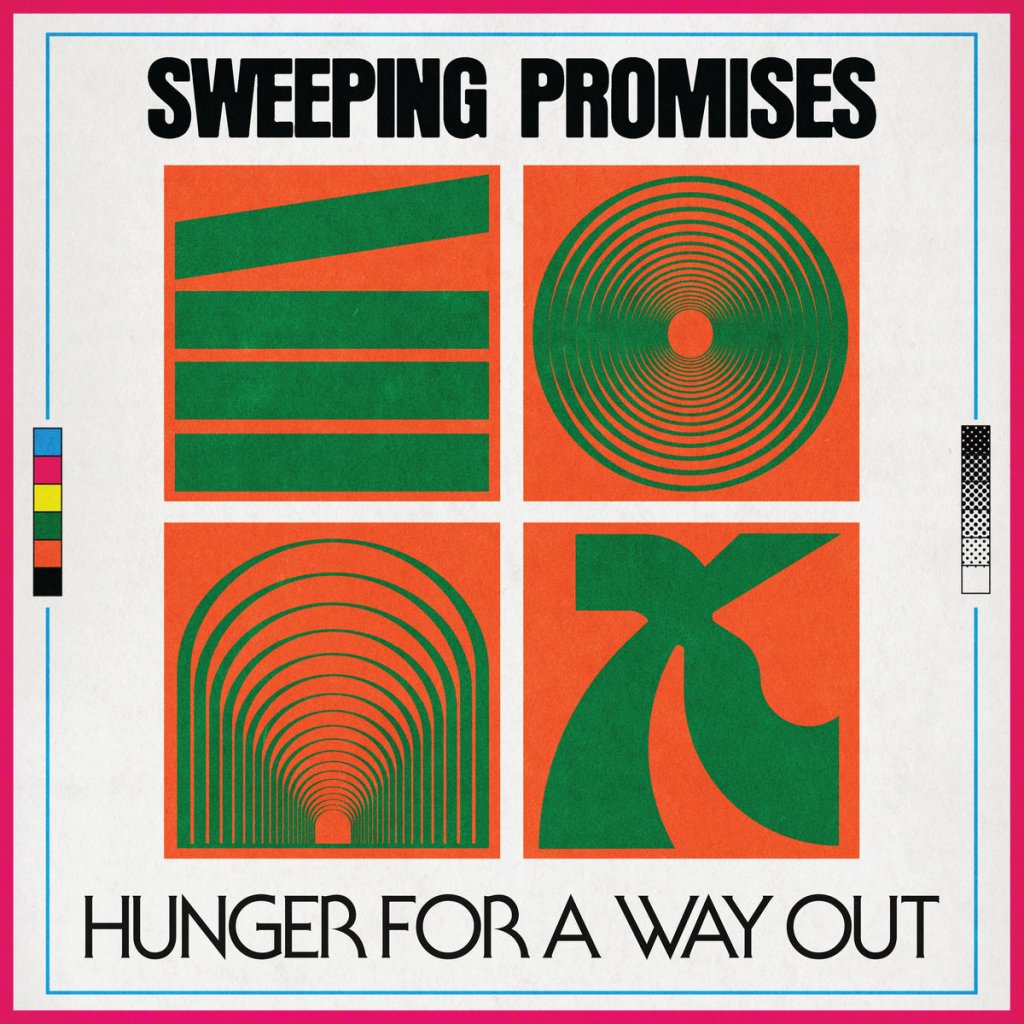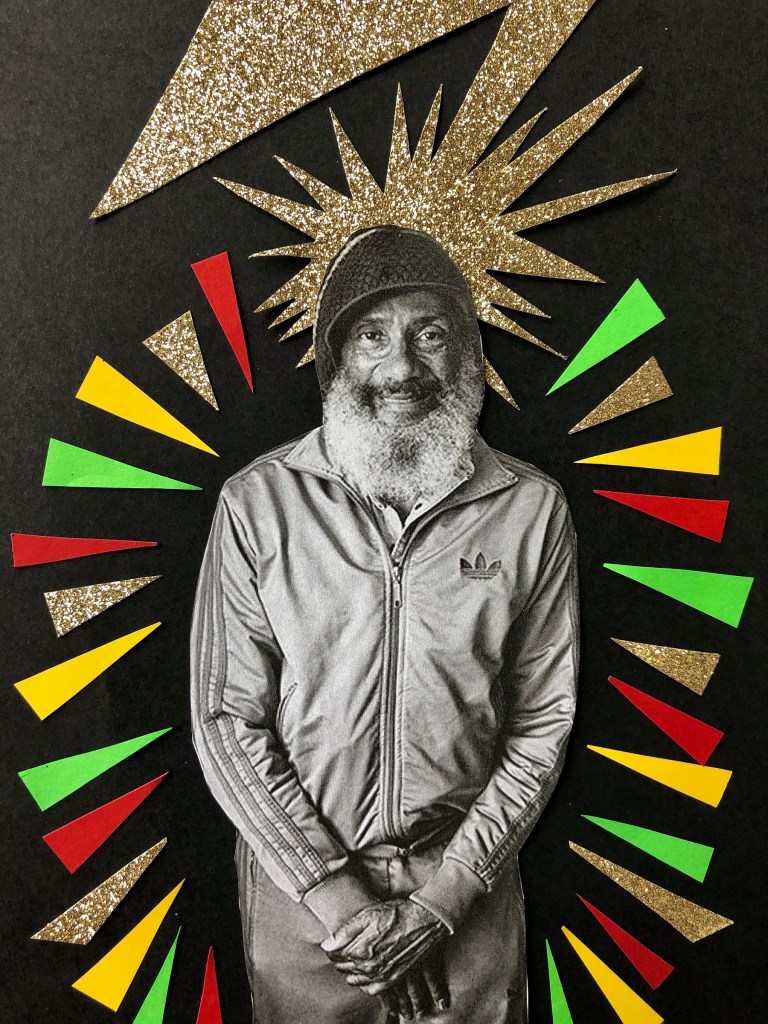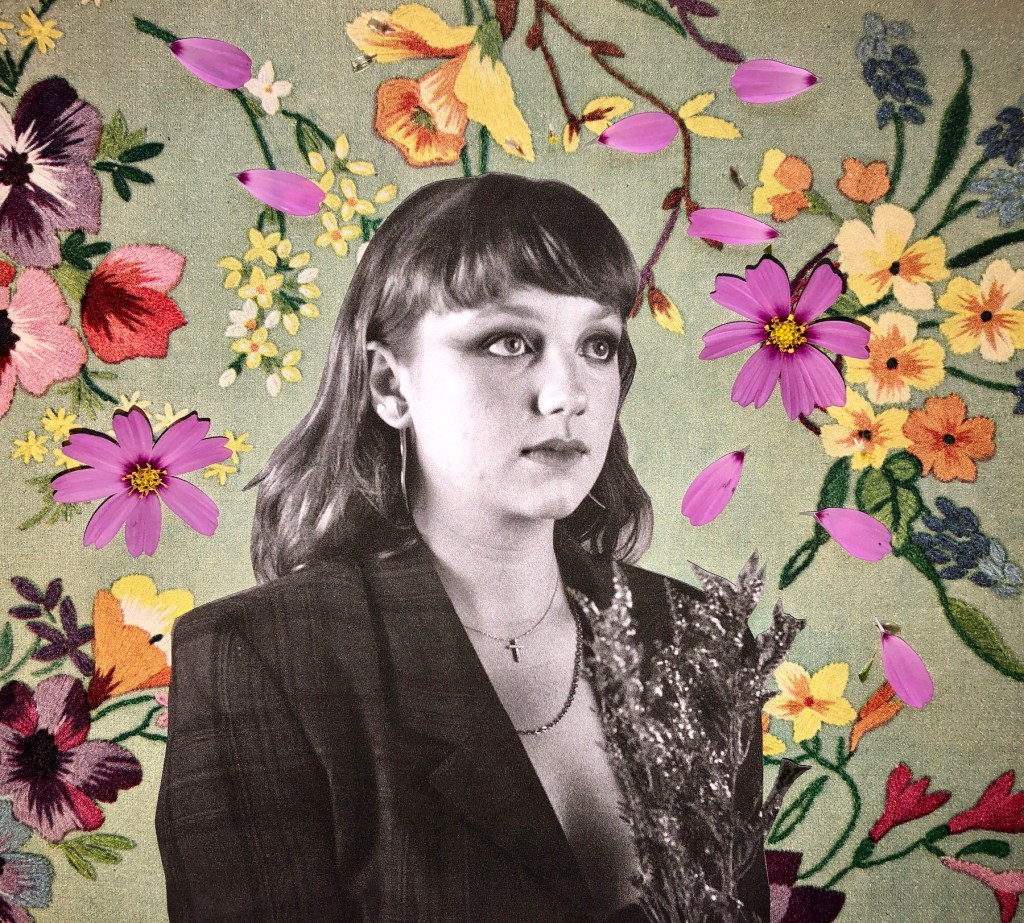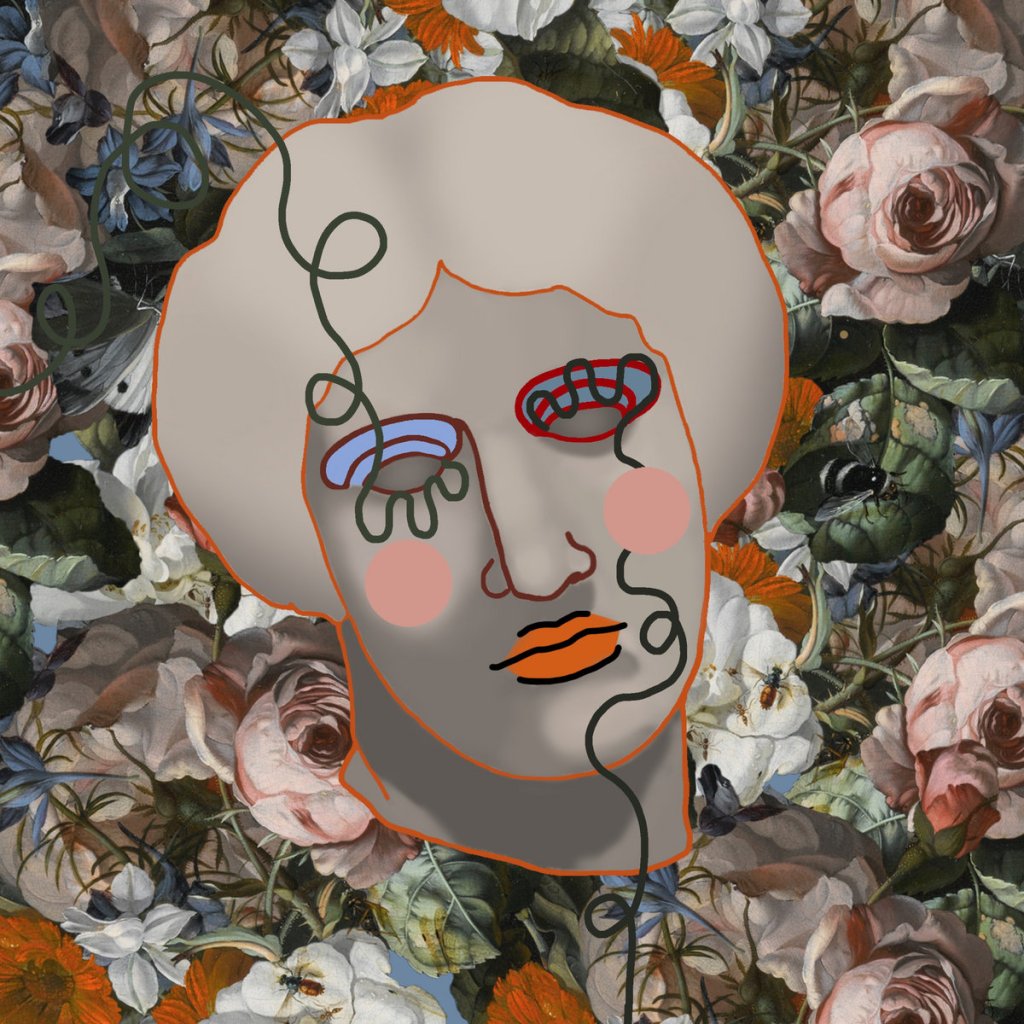
New playlist up for your listening pleasure. Featuring Sweeping Promises (which is certainly a contender for Album of the Year status!), new stuff from favourites like Alien Nosejob, Sunfruits and Gee Tee, and a bunch more! Enjoy.

New playlist up for your listening pleasure. Featuring Sweeping Promises (which is certainly a contender for Album of the Year status!), new stuff from favourites like Alien Nosejob, Sunfruits and Gee Tee, and a bunch more! Enjoy.

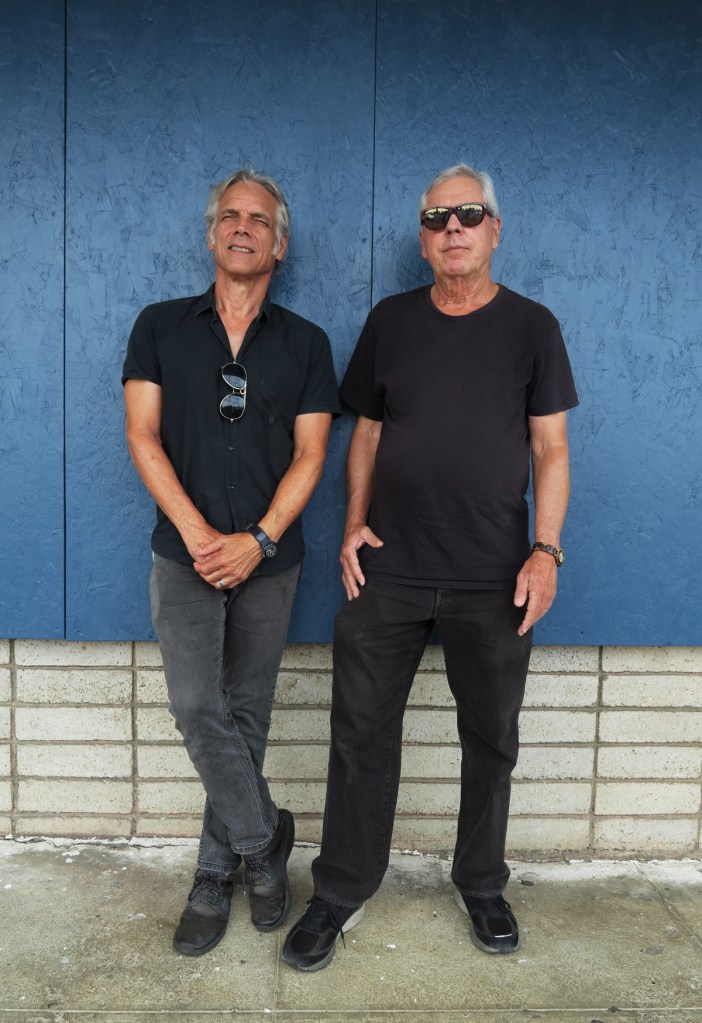
This year Chapter Music released The Job which is a collection of lost recordings from between 1979-83 of Melbourne post-punk-disco-funk band, Use No Hooks. We spoke to UNH bandleader Mick Earls to get an insight into the band and that era of the Melbourne music scene. They were part of the experimental Little Band Scene. UNH were pioneers and rule breakers, it’s no surprise their music has stood the test of time to finally become revered today.
We’re really big fans of your band Use No Hooks! The album – The Job – of previously unreleased recordings that Chapter Music released this year is really ace!
MICK EARLS: Thank you. Can I ask you what it is that you like about it?
Of course! There’s so much. I really love punk rock but then I really love people that take it further, like what Use No Hooks do. It’s almost like your music has no rules and that there is a real freedom on the record. If you think back to the time period that you made it in and what else was going on, you realise that what you were doing was very different back then as well as even now. The lyrical content is still relevant now too.
ME: Well, thanks a lot! You’ve made a couple of really perceptive observations there about the freedom of it. You mentioned punk and you mentioned taking it a bit further, doing the best I can to think back to what we were thinking then, if you play that record to a lot of people who have a certain idea of what punk was they would think there is no connection because it doesn’t sound like the [Sex] Pistols. What we thought punk did was clear the ground for pop music to start again from scratch, it wasn’t just a new musical style, category or genre; it made it possible for literally anyone again to start playing music without any preconceptions of what they ought to be capable of or what was expected of them.
Fairly soon punk started to think of itself as a particular image and style, which is perhaps modelled on the British bands or American bands like the Ramones, or even going back into the Velvets a bit, these were models for new artists to aspire to, once it started to think of itself in that way it started to lose contact with that enabling idea—that music can start again from scratch. What became post-punk took up that idea and recovered that enabling idea, without feeling obligated to sound like punk. It was quite the contrary to go right away from it while still honouring the aesthetic. That aesthetic was put to work in many ways on many fronts during that period of ’78 to roughly ’84 in inner Melbourne and Sydney too.
In Melbourne it was still really quite a small scene and there wouldn’t have been more than a couple of hundred people who were aware of this and attending gigs and playing in the bands. It was very vibrant! There was certainly a freedom about it. Audiences had had their ears blasted off and they were kind of ready for something that might extend their sensibilities beyond what punk had done, and beyond what punk had wiped away to some extent. There was almost a clear horizon, where people were prepared to accept anything. We were one of those bands together with the Primitive Calculators, with that idea of starting from scratch without preconceptions and musical training. It’s not really a new idea though. If you for instance listen to the early Johnny Cash records in the ‘50s, he and his co-musicians could barely play their instruments but they did it in a way that was unprecedented, very distinctive and completely compelling; they did what they could with what they had without any vision of where it might lead them in the end. That’s the kind of things we were doing with the ‘Calculators.
It must have been an exciting time!

ME: Yes, there was a real sense that anything is possible. Myself and Arne Hanna got Use No Hooks going with drummer Steve Bourke. We all had sufficient musical experience and knowledge, we weren’t punks or starting off having played for five minutes. We knew quite a bit more than three chords and a beat. We were able to draw on that idea of starting again and to do it in a way anything was possible. We could pull in a really eclectic mix of elements coming from different music like surf, soul, electronic drone music, American minimalism and jazz, which had been taboo during the punk period. There was also disco and eventually the funk and rap that ended up on this LP.
The three of us got going with very minimal approaches to things. We would do things like bring in tape recorders with pre-recorded sound on them like, the TV and news broadcasts, which we would operate through reel-to-reel tape recorders—we were sampling it effectively. Our first band was called Sample Only, that’s what we were doing before we even knew we were doing it [laughs]. This was the kind of experimental process we took but then we started adding more players and changing players. We pretty much devised new material for every gig; a lot of it worked, a lot of it didn’t. There were long-form compositions with blending different elements usually over some kind of pumping beat in parts, then it would drift away into other things. Every now and again we would craft some songs. We had a singer and that singer might disappear [laughs] and if somebody else came along and offered themselves we would usually bring them in in some way or another; that’s what I meant by anything is possible.
You can hear some of that material on the digital downloads that came with this LP, some of the early material. Not so much the audio-collage drone music stuff though, the audio quality isn’t good enough to be included. We had to patch the stuff up quite a lot.
It wasn’t until the final phase of the band, which is the phase that produced the material on this album, that we had anything like a regular set-list and even probably formed songs. It was still experimental, in the sense that I had never written rap lyrics before; I just came up with a whole heap of almost clichés, familiar expressions you’d hear around worksites and hearing people in the media talk about work or politics and so on, that’s where I drew all that from. I thought of rap as a sort of rhyming machine.
At the time we had been playing these long soul, funk, disco grooves with a four-piece. After our singer Cathy Hopkins left, and our saxophone player at the time Michael Charles left, we just decided to bunker down and try to play long grooves that were danceable. We all loved American funk. We acquired a fabulous bass player called Andre Schuster who could play in that style, like the band Chic for instance. Steve the drummer left and Arne switched to drums because we wanted a more basic drumming style with steady beats and good solid tempos, which he could do without having prior experience as a drummer. Here we were on the punk idea—just do the best you can with what you’ve got!
Hearing that material now for me, after all these years, that’s what I notice the most, the drumming on that record. I notice it more than the vocals or guitar and even the bass playing, it’s just done so right. We ended up playing that material without any idea of where it would go but it started to acquire a bit of a following and we started to play outside of the smaller venues and inner city pubs where we had played previously.
The excitement was there! It was also right outside the music industry. There was no sense that we should build up a following and make ourselves famous and get on Countdown. We had no idea what we were doing but, it seemed to work and here we are! [laughs].
What first inspired you to pick up a guitar?
ME: This was when I was a kid when I was really young, I’m a bit older than most of the others involved in this, I heard guitar music in the 1950s. In those days there was a lot of instrumental music on the radio in the Pop Charts. Duane Eddy was an American guitarist and theme from Peter Gunn was his big hit and then there was an Australian guitarist called Rob E. G. and then there was The Shadows and the surf bands and groups and the rock n roll guitars like the Elvis Presley records. I had an older cousin that looked like a rocker and had an electric guitar… and then along came The Beatles and so on, which almost became obligatory if you were interested in music to start playing guitar. You could get guitars relatively cheaply and bang away without really needing any sort of tuition. There were books, I basically just learnt out of books and just strumming away in my teenage bedroom [laughs].
I read that in the mid-1970s you were exposed to non-narrative experimental films at the Melbourne Filmmakers Co-op in Carlton; did that influence your creativity?
ME: Yeah, oh yeah! I did! It’s a bit of a personal idiosyncrasy in a way, I was exploring anything that was outside the cultural mainstream at the time, there was a lot going on. In Melbourne there was the Carlton Filmmakers Co-operative and they use to screen a lot of that stuff but there was also a place in Flemington called The New Music Centre, which was a government funded facility in an old church. It was mainly run by electronic and experimental composers coming from the classical music tradition and sound poets and people like that there.
Around the same time I also attended something that was a festival of tape music, music that was composed purely for recording. That was in a run-down factory space, behind the Filmmakers Co-op. I was also interested in writing, I was interested in contemporary literature and poetry. I was open to almost anything! These ideas got into how we compose music. You wouldn’t necessarily start off with an idea of beginning, middle and end, and a progression to get from a verse to a chorus to a pre-chorus; we didn’t bother with those ideas so much.
The non-narrative film style that really caught my attention was the minimalist style using repeating images. There was an Australia filmmaker called Paul Winkler whose films I saw quite a lot of. He would have maybe an image of a brick wall with almost a jackhammer kind of sound going, filmed through a handheld camera that would be shaking back and forwards in time with the jackhammer sound—that synchronised sound and music. You couldn’t take a real lot of it but, it had a very powerful affect. This is what I first thought of when I saw The Primitive Calculators play. It was very much small repeating cels of music played with a lot of distortion and a relentless drive coming from the drum machine.
Experiences of seeing those early films gave me a bit of a sensibility that enabled me to appreciate some of the things I was hearing the punk bands do, even though I was never going to be a punk player myself. I was very appreciative of it though and that’s what went in to Use No Hooks a bit. We used noise occasionally but also the aesthetic of minimalist repetition was something that underlaid most things we did from the earliest to the funk period. We realised that the idea of minimalist repetition could be taken and just applied to different music material, soul beats (which we did in the earlier stages), then disco beats (which we used much later). We’d make up rhythmic parts that would interact and repeat in a way that might be sustainable indefinitely. These were the ideas that went into what we were doing.
Improvisation and experimentation are very important parts of Use No Hooks’ way of doing things; why was this important to you?
ME: Part of this was political, politically inspired, because this was a period it almost seems impossible to imagine now but, very large numbers of people, young people especially, thought that there was some prospect of a major revolution in the Western world. Not in the sense of the Soviet Revolution but something where people could take charge of their own lives to some extent and build some kind of new society that couldn’t be programmed, I suppose. These ideas were very prevalent at the time and very influential and very powerful. People in the Arts in general were pretty much seized by them. The experimentation in a way you could see, was sort of an attempt at modelling how a new world could be constructed. A new society could be constructed from first principles which is what people across the Arts were doing. I’d say that perhaps might help give some understanding of why we felt driven to do this rather than to follow the accepted path of working out of a particular style, or format an image you wanted to follow and getting a manager and trying to promote it through the industry; it’s not what we were remotely interested in doing. The Primitive Calculators too! There were a lot of people in the punk scene that were interested in those ideas! An element of despair had kind of come in by that stage though, it’s not going to happen so we’re angry just the same.
Is there a Use No Hooks song that has a real significance to you?
ME: Not really. There are some I like more than others for the groove really. The ones that have significance for me personally are more of the earlier material, some stuff that didn’t make it on to the record or download. Lyrically, see none of it really has personal significance because all of the material, the rap-based stuff, is all impersonal; they’re all bits of language expression that have come from elsewhere, that have come out of common usage. That was the idea at the time, I wasn’t going to try to write about personal experience or values or so on, that comes through to certain extent in the irony that infuse all of those lyrics.
The track I’m most pleased with lyrically is “In The Clear”. There’s an emotional tenor in those lyrics that I like. There’s a humour. The humour that’s in it all seems to work pretty well. In terms of the groove, the music, “The Hook” is the one I like best. That nice bassline of Andre Schuster! The bluesy, slightly dirty harmonic element in it!
I understand that in 1984 Use No Hooks took a bit of a break because you were going to write new material; what kind of stuff were you writing then?
ME: Yep. Arne and I had decided that we wanted to get into Afrobeat, the music of Fela Kuti was something that we both were taken by. I first heard of a Fela Kuti record in 1971 and gathered quite a few recordings over the next ten years or so, and they influenced us a real lot. We didn’t really have the technical capabilities to compose that sort of music. We wanted to get into it partly because the stuff that we were doing on the record wasn’t working so well in live performance for various reasons. We thought if we got into more Afrobeat stuff… music on the record was pretty much put together in layers and sometimes that wouldn’t work live, if the tempo wasn’t right the song wouldn’t work, this was a problem we were having… because we didn’t pay attention to foldback and couldn’t hear ourselves on stage. We thought if we could compose music that had more interlocking parts where all the various rhythmic components leaned against each other or sat in each other’s space a lot more it would work better. Then we discover we didn’t have the technical expertise to do that. Then I had to get a job.
I had a very high-powered job and others went off to do other things. It just sort of died and never got back together. Although Arne Hanna went to Sydney and did a music degree and computer technology degree. He got into Afrobeat music big time and had a couple of bands of his own playing that music. He also then became a mainstay of the Sydney jazz scene as a guitarist doing session work for people, and also as a producer.
Finally after Arne and I got back together in 2016, I hadn’t played music really since 1984, he’d acquired the necessary expertise to compose in that style… we’ve since done a bit of work using those ideas, plus more sophisticated musical ideas that come out of Latin music and funk. That’s what become of that particular band.
Will you be putting out any of the newer stuff?
ME: We’re working in it! We did a few gigs as a duo, using computerised backing tracks, pretty much all new material. Some of the old things we re-worked pretty quickly to get them ready for gigs. They sound quite different, you wouldn’t think it was the same people. I’ve been doing the vocals and I don’t sound like Stuart Grant [also frontman for Primitive Calculators] who’s on the record, I’d never done them before! The experimental approach continues! [laughs].
There are recordings of one of the gigs that could partly be released in time. We are thinking about getting around to posting up some of these tracks plus some of the early material. We have other things in our lives and getting around to doing that stuff takes time. We hope to be able to. Arne and I are working on some tracks we’ve recorded sections for. There’s a fair bit in the works!
What was it like for you to do vocals for the first time?
ME: Look, I found it strangely relaxing if you would believe. I never enjoyed performing, I was always too nervous and too introverted. To come back now, virtually as an old man, and start doing vocals, particularly with writing new material, I found it really helped in light of performance. It was completely unexpected. Vocalising those raps, I’m not a singer and I don’t sing anything in tune [laughs] but to recite rap lyrics I found it relaxing in the sense that you have so many syllables say to fit a bar or two bars, and it’s a bit like rhythmic improvisation, you can put those syllables where you like but you have to get them out. You’re concentrating on the next word like; where am I going to break this or put it? You do it and then it’s gone and you’re on to the next and then the next. You’re fully concentrating on what’s coming in much the way that would a guitar solo or something. You’re less concerned with; how am I feeling? Am I nervous? Can I do this? What are they thinking out there? How is this sounding? All of these things that go through live musicians heads and that can really get in the way of enjoying the experience of playing. That was a most unexpected discovery, quite weird in a way because I thought, there’s a lot of gall involved with me pretending to do this! Somebody my age getting up on stage and out comes these words! It seems preposterous. Someone had to do it though. Arne can actually sing and sing well but he didn’t want to do it in this case. He was too preoccupied with managing the computing side of things. He played guitar on some of these gigs. He would interject with singing when he had to, when I was reciting these lines. It was good to get a response out of him when performing. It was an unexpected, enjoyable discovery.
That’s so wonderful to hear.
ME: The other thing that some people who have heard these recordings of live gigs said was “Your age has helped give you a slight huskiness in your voice and it suits the lyric and material”. The strange paradox of it all is a lot of people work and work at the craft of singing and vocalising and all I did was get old! [laughs].

You mentioned that you stopped playing music in 1984 and you didn’t start up again until 2016; during that time did you miss it?
ME: No. I didn’t. It ended badly for me really. I wasn’t really happy with how things were going and where it might go. There were a lot of personal issues that came up, which just led me to think that I didn’t want to be part of it anymore. I was working full-time. I went and worked on Smash Hits magazine, which had just started up here. It had been going in England for a couple of decades and then I was part of a team that got an Australian edition started in 1984. I was running production on that. It was a huge, very stressful thing and didn’t leave time for much else. Then my guitar got stolen and that finished things off.
I never stopped listening to music. I got right into classical music, which I never done so much before. I found it such a rewarding thing to do, particularly 20th Century composition, then went backwards from there. I’d always listened outside of the box; for me that was out of the box at that stage. Then I expanded my collection of Afrobeat music and got into Washington Funk of the mid-‘80s, the Go Go scene like Chuck Brown & the Soul Searchers and Trouble Funk, those influences stayed with Arne and I and found their way in to the newer material. I didn’t miss music.
Then I had a problem with my hand. Because I’d never been trained to play guitar properly, I never really had the right posture and I almost ended up with my fret board hand pretty much crippled! Dupuytren’s contracture, it’s a condition that involves a calcification of the tendons. The hand curls up. I had to have an operation on it to have it straightened, which meant that I’m left with hand that doesn’t have the strength it did originally. I thought I’d never play guitar again but when Arne and I started up, I had to play again. I can’t finger the fret board with same dexterity that I could before. I’m limited to mainly rhythm playing. There’s certainly nothing wrong with my right arm, I can still play rhythms reasonably well. I can’t do that much with the left-hand, I had to invent a new approach. I hit certain combinations of strings and move the hand around minimally between complex chords and play parts of them. I’ve got around it in that way and it’s still enjoyable but it’s prevented me from ever becoming a proper guitarist again like I was. That was a sad consequence of the early years, we did a lot of playing. Quite often I’d play for hours on end and be in pain but I thought it was part of it but I ended up stuffing my hand up!
I’m sure now playing guitar in your own way because of your hand, you can play stuff in a way that other people can’t. I believe that if you play guitar, you’re guitarist.
ME: [Laughs] Yes, point taken. I suppose I’m comparing myself to myself and how I was. As a guitarist I was the only guitarist and in some ways, not so much on that record but the early stuff, the guitar is quite prominent and I’m playing with a delicacy and speed that I couldn’t replicate now.
It’s a new guitar playing you!
ME: I guess I have made some advances! I’ve always been an experimenter, and I guess I can play in a way that’s appropriate for what we’re playing now.
I’m excited for new stuff!
ME: Thanks so much!
Why is music important to you?
ME: I’ve read a lot and thought a lot about music aesthetics, I’ve read a lot of philosophers’ writings on music which I could dip into but, that doesn’t get to what attracted me to it in the first place and before I had any theoretical perspective on it. What’s kept me listening to music constantly is its capacity to put you in a certain mood and ability to enable you to constantly modify those moods to what your desires might be or your needs might be in some cases. People that listen to a lot of music, particularly different sorts of music, know that if you’re in a really rotten mood there’s music you can put on that will most likely get you out of it. Alternatively if you’re feeling a bit flippant and light-hearted, frivolous, and you want to hear something more substantial, you know where to go to get that. This is something I learnt at a young age, that there’s a whole universe or feeling that can be generated through music. If you hear enough of it often enough you carry it with you internally without need to actually be hearing it through device, that’s been the experience of my life. There’s often some music that will come up in my head that suits the occasion I’m in, or even provides some sort of commentary on it. It can do that in a way that visual and verbal media can’t. It does it at such a basic level even babies seem to have an instinctive understanding of this; music makes me happy, if you take it away I feel unhappy and I want to hear more. Once you realise it’s actually possible for you to play some of this yourself, you’re on a bit of a road that you know other people are going to hear it and then you have a bit of a capacity to put them in certain moods.
Then there’s a technical element of music, because it happens in time you can put sounds together in a certain order and see where it leads to construct patterns and structures and things and combine elements—it’s a very, very intriguing, engaging process. You can never be sure of the outcome because it’s happening in time and there’s a compulsion to keep doing it. If you can do it well enough and you’re aware of your limitations and work within what you’re capable it can be really satisfying.
Anything else you’d like to share with us?
ME: I think I’ve said enough but, I am fascinated and amazed with the interest that’s been shown for our music now. We never paid much attention to recording and putting out records then, these recordings on the record were done at a practice session in a single take. There was also a fellow Alan Bamford, who is not long deceased, he came to all of our gigs and recorded them all. We weren’t so interested and didn’t want to hear them but Alan had the foresight to realise that in years to come someone might be interested in this stuff. It’s intriguing to think why people of your generation is interested in this music.
Maybe part of is that… if you look at a lot of music now, everyone records themselves at home, very lo-fi and maybe in one take, and they make the most of what they have, they aren’t trained musicians, and it’s the rawness that they can relate to.
ME: The idea that it’s being pulled together in a way.
And it comes back to the no rules and doing things how you wanted without caring for commercial success. Lots of musicians Gimmie talks to don’t care about being popular of famous, they just love making music with their friends and making art for art’s sake. AND I’m sure people like it because it’s just a really, really cool record—that infinite groove! It makes me so happy and it makes me want to dance, it simply moves me!
ME: That’s a really pleasing thing to hear. If something makes you happy, that’s the highest praise really.
Your record also gets one thinking about the endless possibilities in music.
ME: That’s even more gratifying to hear. I think the female voices in there has some appeal too, they’re not trained, you’re not listening to The Pointer Sisters or anything [laughs]. Hearing them gets you thinking that, I could do that! That could be me!
Please check out USE NO HOOKS; The Job out now on CHAPTER MUSIC.

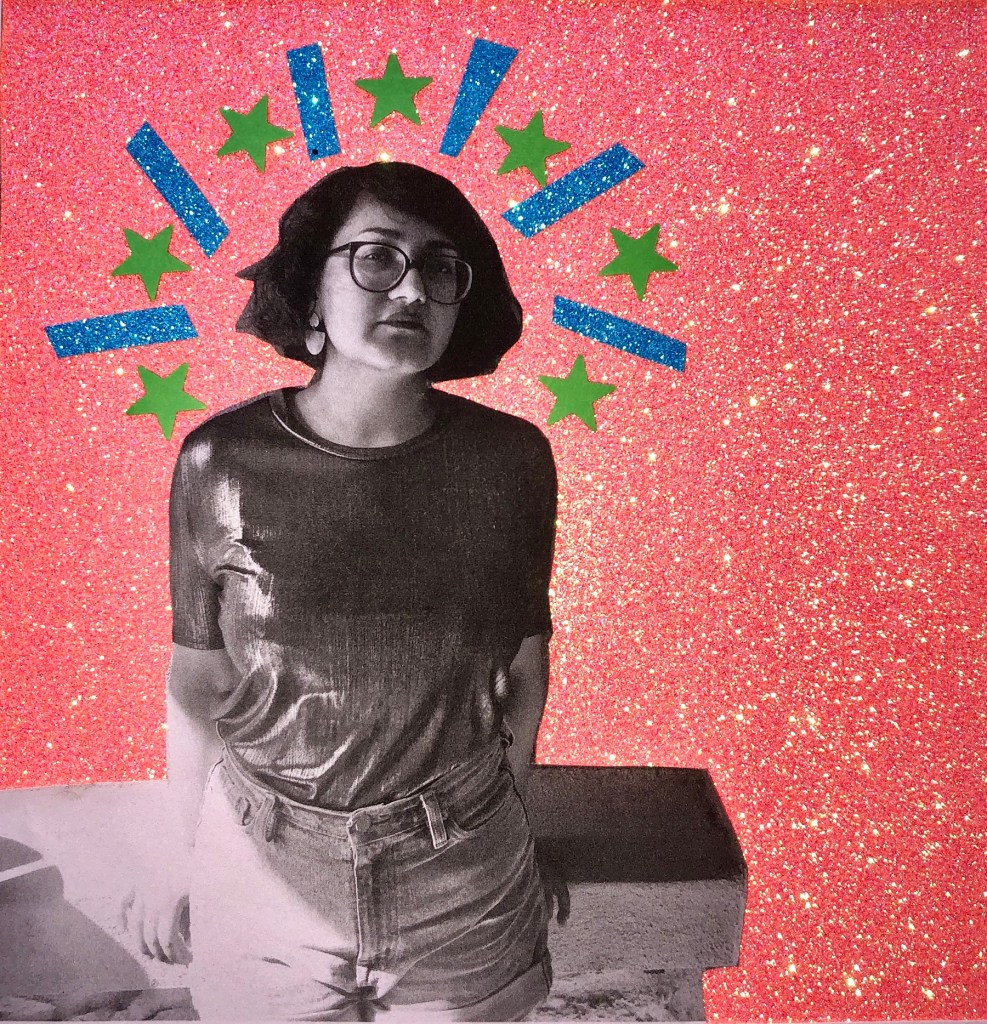
Deaf Wish’s Sarah Hardiman has written and recorded a new record – Thick As Bricks – under the name Brick Head! It’s a high energy, spirited and riotous lo-fi home recorded album making our ears happy and our hearts swell. The release features Carolyn Hawkins (Parsnip/School Damage) on drums. We interviewed Sarah to find out more about the punk project. We’ve also got Brick Head’s first clip for track “Deja Vu” to share with you!
How did you first get into music?
SARAH HARDIMAN: Through my mum and brother really. Mum blasted The Beatles, The Stones, Pink Floyd etc. and my brother plays bass, so he taught me guitar. My bro and his mates raided all the work sites in Melton at night time to find wood, insulation, plasterboard etc. and built a jam room in our shed. I spent hours out there. I was probably better on guitar during high school than I am now.
What was your first introduction to the punk community? What attracted you to it?
SH: It was definitely going to Rock n Roll High School on Easey St, Collingwood. I had heard about it in fanzines and word of mouth. My band at the time called up and played a song live over the phone to Stephanie Bourke. She mustn’t have been able to decipher anything but she said we could come in and kind of ‘audition’ to rehearse at the school. Steph and other people that ran workshops there taught me how to book gigs and communicate with bands. They taught me how to act with integrity. I met a lot of people at the school and in the band scene, people I still know. I was so shy and nervous every time I left the house but I kept going because I knew I found something that made me feel good and understood.
What excites you about your local music community?
SH: You know, this has become much clearer under ‘lockdown’. It’s about the people. I miss the people. When you shake off the gossip and posturing (both things I’m guilty of), the community is strong and positive. We’re seeing how important the local music community is to the character of this city. Live music really is cathartic. And the records that come out of this town are brilliant. Record stores are a lesser talked about part of the fabric that help promote locals. Community radio is huge. They’ve been working their arses off, keeping things cool-headed and positive, keeping people connected. I miss gigs and real people. I miss the friends I’ve made from music.

We love both your new project Brick Head and your band Deaf Wish; what inspired you to do Brick Head? I understand that you made LP Thick As Bricks in three weeks during the first lockdown in Melbourne.
SH: Thanks. I guess being in one room for too long inspired it.
Where did you get the name Brick Head?
SH: I had a list of juvenile sounding band names and Caz liked this one the most which helped me choose.
How did the songs get started? What did you write first? Did you have an initial idea of what you wanted to write about?
SH: I was at a friend’s house and he was playing the electric eels and I felt really in the mood for nasty guitars again. I went home and tried to rip a song off. Then Dave Thomas from Bored! died and I listened back to that band and it all kind of tumbled into this debauched bender at home alone in West Footscray trying to rip off iconic riffs. I didn’t want to write about anything in particular. I wanted it to be dumb and immediate. Scary. Tough. Unfeminine. The first song was ‘D.I.E.D’ which is written as an acronym although it isn’t one. I moved into this new flat and the neighbour said, “I’m really glad you’ve moved in”. I was like, ok, weird. Then he goes, “Let me explain that. The last two old ladies died in a row. And you’re young-ish, so you might break the curse”. It is the only house I’ve broken a lease on.
Who are some of your favourite songs writers? What is it about their writing that you enjoy?
SH: I’m a huge fan of Molly Nilsson. I even wrote her a fan letter this year. I love the feeling of being a fan. It doesn’t happen often. Her songs are honest and deceivingly simple. They’re philosophical. I respect the atmosphere she creates. And the humour. I like it when artists take their art seriously but can see the bigger picture, y’know? Like, no one’s that important. Do your job and then knock off, you don’t have to be a star 24/7.
Your songs on Thick As Bricks have almost a live feel to them; can you tell us a little about recording them? You recorded them yourself, right?
SH: Yeah I did, it was really fun. I set everything up in my small living room and set out to write a song every couple of days, whether I was in the mood or not. I put a simple drum beat down, then would listen to records until I found a riff I wanted to rip off. I had neighbours on both sides so when I mic’d up the amp, I pulled my bedding over the whole thing to try and dampen the sound. I actually had the amp really low on 1-2 gain but I could hear their TV’s so I knew they could hear me. Then I put simple bass lines down. Lyrics were last but I didn’t fuss too much. If anything took too long or if I started thinking too much, I would dump it. Maybe that’s the live feel.
What was your set-up for this recording?
SH: My 50 watt MusicMan valve combo, my 1964 lefty Burns guitar tuned a whole step down, and GarageBand. This is the first thing I’ve recorded myself (for release) and the first time I’ve used GarageBand. I really love using plugins. I’m all about computers now.
After you wrote and recorded all the material, you sent it to Carolyn to do the drum parts which Jake Robertson recorded (Alien Nosejob/School Damage/Ausmuteants etc.); what inspired you to have Caz part of this project? What do you appreciate about her drumming?
SH: Caz is a great drummer. She knows music. And she stylistically knows what suits. She makes it look effortless even though she clearly works hard at everything she does. She’s also really humble which makes her easy to work with. It’s a no-brainer. Caz rocks!
What’s your favourite album you’ve been listening to at the moment?
SH: There’s two I’ve been mad for lately, ‘Sweet Whirl – How Much Works’ and ‘Ryuichi Sakamoto – One Thousand Knives.’
Why is music important to you?
SH: It’s everything to me. It’s where I find inspiration, friends, solace, community, belonging, fun and excitement. It teaches me and is a reflection of how I change and the ways I don’t.
How have you been looking after yourself during this pandemic?
SH: Imagine a game of keepings off that goes for too long and you never get possession of the ball.
What do you get up to when you’re not playing, writing or recording?
SH: Human things. Robot things.
Please check out BRICK HEAD.

Melbourne-based musician Kim Salmon has been creating art and music his whole life, over six decades. He tells engaging stories with both his visual art and musical endeavours. His work is passionate, adventurous, compelling, thought sparking and journey making. Each time he creates something, he starts from scratch and has an aversion to the formulaic. Gimmie had a thoughtful chat with Kim about his work, creativity, the new Surrealists’ double LP Rantings From The Book Of Swamp and of a new Scientists record that’s done!
How was your morning walk?
KIM SALMON: [Laughs] I’m still on my walk! I can walk and talk.
Have you always been a walker?
KS: No, I used to swim because I’ve got a dodgy back and years ago a doctor told me that it was the best thing to do, but you can’t really swim in these days so I try and stay in shape by walking—I’m trying to stay alive basically.
Besides the fitness aspect of it, do you get anything else out of it?
KS: Yeah. They’ve restricted it now, down here [in Melbourne], you can go a radius of five kilometres from your house. There’s plenty of stuff to see, I’m getting to know a lot of it. I did this crazy thing at the start of all this lockdown stuff, somebody gave me these postcards that were blank, the idea was to do little paintings on them. I thought, yeah, I’m never going to do that! Suddenly, I have all the time in the world and I started sending people little paintings in watercolour of these things that are around Northcote; things like little garden cherubs and strange looking topiary and bizarre things that you don’t usually notice when you’re walking around. When you do it every day, you see lurid detail.

Nice! I love being out in nature. I walk around my neighbourhood a lot.
KS: It’s nice to do that. We’re near Merri Creek and Darebin Creek, those are nice walks to go on very close to nature, you wouldn’t think you were anywhere near a city.
What do you love about painting?
KS: I’ve always done it. Music was kind of like a highjack for me [laughs]. I’ve always loved painting. I was studying it but then I dropped out of art school and became a musician, which is the biggest cliché out; isn’t it? [laughs].
It’s all creativity! I’ve seen some of your paintings and really love them. There’s this one that’s a bedroom scene.
KS: I did that one when I was about sixteen.
Do you remember painting it?
KS: Oh, yeah. There’s a piano in it.
What’s the significance of the piano?
KS: It was in my room, that was my bedroom, that was basically it. There’s a pair of clogs in the middle of the floor because it was the ‘70s and people were wearing platform shoes, often clogs, that was a thing!
Did you learn to play piano before you learnt to play guitar?
KS: No, I persuaded my mum to buy the piano because she had learnt piano as a child and I wanted to maybe take it up, I thought I might learn some piano. I could already play the guitar. I figured out a few chords and had a muck around on it but I never really developed any real techniques for playing the piano.

When you dropped out of art school that would have been around ’76? That was around the time you got into music more and you had the punk band the Cheap Nasties, right?
KS: That’s exactly right [laughs].
What attracted you to proto-punk and punk music?
KS: I was looking for my own thing, if you know what I mean? I had just met Dave Faulkner and some of his friends. I was hanging out with them and each of those blokes seemed to have a thing they were into. Dave was into Bob Dylan and Randy Newman, lyrically driven stuff; a lot of America stuff like Cosby, Stills, Nash & Young, that kind of thing. I didn’t really have a thing, my taste was really eclectic, I liked a lot of stuff, like King Crimson and a bit of prog and a bit of folk, there wasn’t really any kind of theme to it. I used to devour those trade weeklies like New Musical Express and Melody Maker. One day I saw an article about CBGB and the scene there attracted me, it was the way that the writer described everything, a netherworld full of people wearing leather jackets. It all sounded so different to everything where I was in Perth.
I read that from that article you went to track down some punk records and you came across The Modern Lovers?
KS: Yeah. I went on a quest to find what punk was! [laughs]. It was a word that was bandied about in the articles but we couldn’t work out what it was. The Stooges were mentioned, the Velvet Underground and the New York Dolls, I went looking for them all. I’d never heard of The Modern Lovers but I found them. It didn’t matter if they were punk or not as far as I was concerned, I loved it, so that was going to be punk to me!
Is there anything from the punk music community that you were involved with early on that was valuable that you learnt from it?
KS: A lot of friends I’m still friends with. That’s probably it you know, the people that I became friends with and still keep in touch with. [Laughs] It’s as simple as that really. We’ve all moved on along our travels, musically or in our career.
Why do you like making things?
KS: Good question! Why do people do that? [laughs]. So they can stay around after they’ve gone. It’s a way of communicating, it’s a way of being present in the world. For me I couldn’t explain it at all, I paint and draw because it gives me pleasure and I want to do it, it’s the same with music. Music is just another form of painting to me; I’m painting when I’m making music, if that makes any sense?
It does. What do you value as an artist?
KS: Some kind of originality if that’s even possible. I think everyone is unique and everyone is universal at the same time; it’s a strange thing that we can express some universal ideas through your own uniqueness.
It seems like throughout your career you haven’t ever really been motivated by money, it’s more about the process and making things.
KS: Oh yes, unfortunately for me and those around me [laughs]. Money doesn’t really drive me, money is a means to an end… it’s numbers, I don’t have anything against maths [laughs], it’s not really what drives me. Even in school, I was good at maths as far as the abstractness of it went but when it came down to arithmetic, I was hopeless [laughs]. I was good at geometry and trigonometry, I was OK with them things but… look, I think I lost ten grand in a bank I worked in one day! I’m not good at numbers.
Previously you’ve said that when you want to create something you need focus; what kinds of things do you do to help focus?
KS: It’s different for every particular endeavour. I’m one of those people that sometimes needs to set something up or I will sit around not doing anything forever [laughs]… out of inertia and fear, I suppose. Once I get going the inertia is there and I guess I keep going… it’s a big one for me. Like this pandemic, I think I’m OK, it’s kind of forced me to do something. I try. I stare at a blank piece of paper. I go down to the art shop and buy myself some nice inks and watercolours and then I come home and stare at the paper for weeks on end and finally I do something. Once it’s started I just go where the paints flows [laughs].
What kinds of things have you been painting lately?
KS: The last thing I painted was… I don’t know what you’d call it? It could be molecular size or nebula size. It’s these organic forms that I made up. I got this stuff that’s like masking tape but it’s like glue, you squirt it on the paper, it’s nice and blue and pretty and you can see where it is. You can do a painting with it and then paint over that and then you rub it all off and it leaves a white area. I did this thing that’s kind of inspired by a book of art forms in nature, done by one of those 19th Century scientist, philosopher-types who believed… it’s a book of drawings and diagrams of one-cell creatures like jellyfish and bats, birds and fungus. His point was that there are all these beautiful, symmetrical forms in nature and there was art at work.
It was my girlfriend Maxine who looked at one of my paintings with the masking thing and she came upon this book and ordered it for me. One day it showed up in the mail from New Zealand, she had to tell me it was for me [laughs]. I looked at this book and it inspired me. I put all this glue stuff over the canvas, it’s pretty big, maybe a metre across. I used a vivid ink. I just let it run and mix and carry on and paint forms around the masking material. I was really happy with what it ended up as, I couldn’t tell you what it was though [laughs]. I could see some strange monstrous forms, but I think they’re kind of beautiful. You can’t tell if it’s in deep space or at a microscopic level. It could be anything really!

I can’t wait to see it. I hope you have another art exhibition.
KS: One day! If we come out of lockdown. I’m sure there’s going to be a lot of Covid art out there! [laughs].
That’s OK though! When you talk about making art, I feel like it brings you so much joy!
KS: Oh absolutely! It really takes you somewhere. You really have a conversation with the paint and the paper and the canvas and the ink. It sounds a bit mad but I definitely finds it leads me somewhere—it’s quite an enchanted place.
You mentioned the book you got recently and that the guy that made it was into philosophy; do you get into much philosophy or anything like that?
KS: I try to, but I haven’t really made a big study of that. There’s so many things that I might do. There’s a lot of people around that time, when religion was being challenged by science. There were some shaman and crazy people and frauds and con-artists out there like Gurdjieff and Madame Blavatsky and Rudolph Steiner… I guess Steiner wasn’t really a con-artist, but what I mean is there were a lot of ideas out there being explored. It was an interesting time.
Are you a spiritual person at all?
KS: Not in any formal religious kind of way, no. I suppose everyone says they’re spiritual. I don’t know that my way of being that would seem particularly spiritual to someone else. I have my music and art and I guess that’s my spirituality really. I’m probably more scientific if anything about those things.
Why did you feel it was time to make a new Surrealists’ album?
KS: It has a funny story. The Surrealists have been playing forever, particularly this line-up, we always enjoyed playing, never rehearse, just play a gig every now and then. I thought the band deserved more than a few hundred bucks from just playing a gig, you can only do some many shows, we got a show before lockdown and I got this bright idea that we would do a show that was completely improvised and we’d record it, that would be the draw card for the show. It was Phil [Collings] the drummer’s idea actually to do a completely live album. I thought if you’re a band recording you need to have songs and stuff; how do you do that like that? Over the years I’d write lyrical things into my books that I’d read the lyrics out of but I hadn’t used them yet so I thought I’d use them, that’s what they were for this album.
We had the gig booked and lockdown occurred. We had to postpone it. A film producer that had done the Scientists… actually Scientists actually have an album in the can would you believe!

That’s great news!
KS: It’s on a US label, so who knows when that will come out. We did a film clip for the new album and he approached me about taking this idea that I had into a recording studio and it being streamed. We wanted it set up with lots of cameras in a proper studio, we eventually got that happening. We called it Rantings From The Book Of Swamp, basically because that’s what it is; it’s me singing things out of my books to have lyrical content to the things we were making up.
How did you feel in the moment when you were making it?
KS: Terrified!
Really?!
KS: Yeah, because when you do something like that… we all had ideas but didn’t consult with each other, we thought we’d just be able to flesh them out. Nothing went the way at the time that I thought it would go. Everything felt like it went wrong! It was about an hour’s worth of “oh no” and trying to fix it up. Stu [Thomas] felt the same. Phil was just eating it up, you could tell he was having the best time of his life [laughs].
It was done over two sessions, I couldn’t be convinced that it was any good. I thought, nah, that’s it, I’ve blown it! They said “no, no, it’s good!” I didn’t believe them. I ended up looking at it and thinking, nah, OK, that’s good. You can see Stu and I really concentrating and trying to make it work, and that’s what made it good, we thought about it every second of the way. It was the most switched on I’ve ever been.
I remember hearing you mention a little ways back that it’s been a long journey and process for you to get comfortable with lots of things, being on stage, stuff like that; was there something that changed that made you feel more comfortable?
KS: I couldn’t tell you the answer to that. At some point now I couldn’t imagine being uncomfortable but I was. I’ve heard recordings of those times and I’m still the same person… that’s probably what was good about this last recording, it probably brought me back out of my comfort zone into somewhere strange, I think that’s what happens… things that aren’t in your comfort zone, as long as you can move out of them and explore them, eventually you’ll become comfortable with them. I think that’s the process. In a way this particular album is good because it’s a reminder of not being comfortable, of being lost [laughs]. I think there’s actually something good about being lost and not knowing what you’re doing.
It’s so cool that with all of your projects and records that the new one is a reaction to the previous one and you always evolve to do something different.
KS: Yeah, I think you have to do it. I remember Tex Perkins used to say the same thing too. He’d say that things do tend to be a reaction to what I’ve done before. I’m not alone in that. It’s probably a little bit more extreme in my case for some reason [laughs]. I’m a bit more of a random nut job! [laughs].
You mentioned that making the new record was terrifying but; what made it fun for you?
KS: That same thing! I look back and think it was terrifying but, in a good way. I can hear myself there and everyone that was watching it online can see me, I was making a joke out of it and trying to spin a yarn out of it [laughs], weaving a narrative.
Do you think you use your humour to deflect from the fact you are terrified?
KS: I think that’s a common trait in comedians and artists, people on a stage. I don’t think that’s unique.
A lot of your lyrics tend to be from a darker more primal place; why do you think that is?
KS: I just think that’s part of the artistic process really, in the creative process you do have to look inside of yourself and express things that are at the heart of you, which by their nature is primal. Things become a lot more elemental when you do that. Having said that, you can still do things that are the opposite of that, I don’t know that all of my stuff is like that. I’m sure I do things that are light-hearted and witty and pharisaical [laughs].
Talking to you, you seem like such an easy going person.
KS: Yeah, I am.
What’s the most personal song that you feel you’ve ever written?
KS: In a way a lot of songs are about things that are outside of myself. I often put myself in other people’s point of view… that can still make songs personal. I like all my songs for different reasons. Maybe there’s not one that’s more personal than another. In a way I probably write for other people in a strange way, even though I am expressing and doing things for myself… what I mean is that other people can look at something and project their own meaning onto it, I’m OK with that. The thing about writing songs or poetry and a lot of art as well, it’s full of ambiguity and symbolism, symbols mean different things to different people… in a way the loudness and ambiguity of words, simple words as in a song as opposed to dense literature, is the strength of it—that’s what makes it powerful and universal.
I know songs must come to you in all kinds of ways but, is there a way that they come more often?
KS: When we did this particular project, there were a couple of songs on the album that were things like walking around the neighbourhood. There’s a song “Did You Pick It Up In The Playground?” it is about; where did you get that language from? It’s about behaviour like; is that you? It also had a meaning to do with picking up Covid. I found that it was just a line that came to me, it came with a tune already. I had to try and sing it. I knew what the chords were that I was playing under the singing. The band could be on the same page as me, or not, and take it somewhere really strange. As it happened the melody and song that I had in my head was indestructible enough it was added to by what Phil and Stu did.
When choosing the words for the songs you were making in real time; did you turn to a random page in your notebooks?
KS: No, I had ones that I thought would be good. I looked at them and pored over them and had a few in mind. For instance I already had a bit of a tune for “Did You Pick It Up In The Playground?” and “Burn Down The Plantation” I had a form in my head of what it would be like; to me it was like The Rolling Stones around the 1970s, Sticky Fingers era. Whether it came out like that is another thing! [laughs]. I had lyrics that I’d written around January and doing something that was kind of Blues-based took me back to days of slavery and the Civil War. I wrote a few lines and thought “Burn Down The Plantation” was a cool line and it went with that kind of music. I was wonder if I should take it into the recording given that there is all of this Black Lives Matter protest going on. I was scared of it really, I thought, oh god, we’re just three white guys; what right do we have to go singing about plantations burning down? I thought, I’m not going to censor myself, we’ll do it.
I had a few other things that were on my mind. For the recording I put little post-it notes on the ones that I thought I’d use. I also knew that if I went scrambling and scurrying for pages I’d be very lost and it would be a waste of time. I picked ones I thought I’d be more at ease with.
With the notebooks you drew from, you mentioned that you’ve been collecting thoughts in them for a while?
KS: Yeah. Those books I have, even then there’s a story. I had set-lists and I put them in there and I have lyrics and I put them in there. I write in them in such a random way. One starts at the back of the notebook and then it starts upside down from the other way. Sometimes there’s drawings. It’s really random things, random expressions of thoughts that I have. Often set-lists though – set-lists to me don’t mean a set out list of a repertoire – I have lists of songs from my bands and I call them out to the other members.
Have you always kept notebooks like this?
KS: Yeah, but it’s kind of become more obsessive as I’ve gotten older. I have one from The Scientists’ days. It was halfway through The Scientists that I thought I should be a proper singer and have notebooks, like a proper artist [laughs]. Now I’m glad I did because then you find out about Jim Morrison or Kurt Cobain and they’ve always got these books full of art and crazy things. I feel accomplished, that’s a good club to be in! [laughs].

You mentioned there’s a new Scientists’ record?
KS: Yeah! We recorded it, because there was a bit of a renaissance with the band, we did a tour of Europe, two tours of the USA and two of Australia a few years back. It was all on the back of that Chicago archival label Numero releasing our back catalogue and a box-set. We did a few singles and me and the guitar player [Tony Thewlis] would send each other things, I would send him drum beats of all things [laughs]. I’d get Leanne and Boris down from Sydney and I’d show them what I had and they’d knock ‘em into shape. Tony came over here to be part of The Scientists’ getting inducted into the WAM Hall of Fame. We spent that time in Perth in a studio and knocked that album together. We’d been working on it for a long time. I got Tony to build me some riffs. I’d think up crazy drum patterns and send them to him and then he’d build riffs on that, I’d do melodies and words on top of that. I’d send that to Boris [Sujdovic] and Leanne [Cowie] and they’d be the final process.
We don’t’ know when it will come out though, it’s all ready, it’s got the cover art and we did a film clip for it. It’s very strange because the thing that The Surrealists have just done is probably a lot closer to where The Scientists were in 1983 and the new Scientists’ album has travelled somewhere different. I don’t know how people are going to take it. I’ve tried really hard to have enough elements that people accept it’s The Scientists but, we’ve taken it somewhere else. I’ve listened back to the lyrics of it and it’s not in the same place as Blood Red River.
That’s really exciting to me! Bands evolving and going somewhere new is super exciting to me. I grew up in the punk world and it was always about individuality and pushing things… your new record sounds like it’s those things to me.
KS: Yeah, we’ve done that! It’s a bit more crafted. I think that’s why The Surrealists thing got more closer, it’s more visceral… this Scientists thing has some visceral elements, it’s heavy, it’s got the brutality in sound but, it’s crafted as well because of the way we made it. It wasn’t a spontaneous process. It was put together because we thought we should do it and wanted to do it, that’s a different process to when a band is young and say “Oh yeah, let’s just do this” which is how we used to do it [laughs]. That’s kind of what The Surrealists just did! [laughs].
You said that your lyrics for Scientists now were in a different place; where are they?
KS: I was listening to it thinking, god it’s taken me to get this long to get where Dave Graney was in The Moodists [laughs]. That’s what it makes me think of. He had these songs that had bizarre stories to them; I was listening to it yesterday thinking it sounds like Graney. There is a song that references him called “The Science Of Swarve” and I talk about him and Lux Interior and Nick Cave and I kind of say that their threads, meaning their lyrical threads, their threads, their clothes being in tatters and no narrative could ever save [laughs]. That was fun putting that in there. It was all about being swarve, it’s a bit of a boast. I think it’s a storytelling yarn that Graney would have done in those days.
I’m looking forward to hearing it! You do a lot of stuff; where does your hard work ethic come from?
KS: That’s what everyone says. I sit around looking at blank paper and canvases. I sit around doing nothing and wasting my time—that’s what creativity is. Until you can’t stand it anymore and you have to do something and once you get started you can’t stop!
I know you teach people to play guitar; have you learnt anything from teaching?
KS: Yeah, absolutely. I had to get across a lot of theory that I didn’t have, things like modes for scales and various harmonic ideas that I knew about… I used to use them without knowing what I was doing. Now I know what I’m doing and it takes a bit of the mystery out of it. I’ve got a lot out of teaching. I know how songs are put together now, which I wouldn’t have had a clue before! [laughs]. I use to break the rules without knowing what rules I was breaking.
That’s funny to hear you’ve learnt how to put together a song after all this time doing it. Have you ever had a really life changing experience?
KS: Gosh! When I read an article about CBGB it was pretty life changing—it sent me on the journey.
The first one I can remember, I must have been about three and my mum always told me that I didn’t speak until I was three and then I spoke in complete sentences, she’d know what I wanted but I didn’t talk. I remember her one day showing me a watercolour set and explaining to me what it was. I didn’t know what it was, I didn’t have a clue. She got the water and a brush and she started using red and she did a little loop thing. I got the brush and started filling up the page with these little strange loops of red. I didn’t know that it was for me, I just thought she was showing this thing. I thought, wow, you can say stuff with this, this is fantastic! That definitely was a thing for me! I can still see it so vividly. That’s probably where art came from for me. That was life changing really early.
It’s so cool that you’re painting now, it’s like things have come full circle for you.
KS: Yeah, I love watercolour, there’s just something about it. You get to leave some of the paper blank, you can leave some bits alone and not disturb it, and some of it you use—it all becomes one big story.

And coming across all the punk rock stuff in publications was life changing too?
KS: Yeah, yeah. I guess I was looking for a place to be in my music, for a starting point, I wanted something to bring in a focus and that became it. I think it was probably the same for a lot of people.
Is painting and making songs similar in any way to you?
KS: Yes and no. I’d go so far as to say that even every song is different to make. I try to look at everything from not having a formula, I don’t like formula as much, which is a bit funny for a guy in a band called The Scientists [laughs]. I like to think I’m starting from scratch every time that I do something and not knowing what you’re doing is part of it. Learning about music sort of takes away from that so; what do I do? What I just did with The Surrealists was a way of getting back to that thing… it’s that aspect, the mystery, that you don’t know where the hell you are and you’re lost, that makes the start of creating something, not knowing where it’s going to go or where it’s going to be. You might have an idea of what you’re going to do, but you don’t know what it’s going to be in the end. That mystery and not knowing is the thing that is the unifying factor.
Being open to all of the possibilities! A freedom in that?
KS: Yeah, I think so. Like when we were talking about philosophy before, being open to ideas and not fixed and to appreciate what life has to offer. To make the best of it and not just think, this is it, this is what I’m going to do!
I’ve heard you say before that looking after yourself and simply enjoying the day are important things to you; what does an enjoyable day look like to you?
KS: [Laughs] It’s a strange combination of routine and getting lost in something, that’s a good day for me. Going for my walk and seeing something new in it and going a different way every time, to just make something different about it. With all the border restrictions and other restrictions and parameters of late, I guess it has to be that.
I guess you need to use your imagination in doing things more and doing things differently, adapting; how can I get the most out of what I have and what’s happening now?
KS: Yes, you’re right.
Last question; what makes you really, really happy?
KS: [Laughs]. I think just my life now, there’s things about it that I’d hate it to be taken away from me. I have my partner Maxine and we have a really good thing going, it’s been a few years now. I have my kids that I have a really good relationship with. I’ll be talking to my son after this and giving him a bass guitar lesson; he’s really starting to find his way, he’s twenty. All those things make me happy. Making stuff, all of it! [laughs].
Please check out KIM SALMON; KS on Facebook; KS on Instagram. Rantings From The Book Of Swamp drops September 4th – LISTEN here.

Recently Gimmie caught up with co-founder and co-owner of Third Man Records, founder of CASS Records and The Dirtbombs’ drummer Ben Blackwell to chat about new TMR release The Stooges’ Live At Goose Lake, August 8th, 1970. The record is a high-quality soundboard recording of the original Stooges line-up’s final performance; the 1/4” stereo two-track tape sat unheard in the basement of a Michigan farmhouse for decades until now. We also chat about The Dirtbombs, of things Ben’s learnt from his uncle Jack White, upcoming TMR releases and more.
What do The Stooges mean to you?
BEN BLACKWELL: The Stooges symbolize – whether they knew it or not at the time – the shift of standard “classic rock” to something more confrontational, a little more challenging and clearing the way for punk rock, which in turn cleared the way for do-it-yourself, self-starter ideas… in that, The Stooges were simplified and the people that were looking to The Stooges were like, “Shit, we can do that, that’s three chords!” I think it’s a shift in influence on a larger portion of the public, knowing full well The Stooges were not hugely popular, but popular just enough they influenced people like Ramones and the Sex Pistols, the Germs, all of that stuff. The through line from The Stooges to Nirvana to The White Stripes in my mind is super clear and super transparent; if not for that, we would not have this.
It’s funny how a lot of bands like The Stooges or even Black Flag or Ramones for example weren’t so popular when they were first around but have gone on to be more so and have a cult-like status now.
BB: Yeah, that’s the only benefit of being ahead of your time [laughs], it somewhat seems to pause it, that you will have a somewhat longer shelf-life.
How did you first come to The Stooges’ music?
BB: It would have been around May of 1996. Jack [White] had played me something off the first album maybe “1969” or “I Wanna Be Your Dog” which are probably the easiest ways of entry to that band, they’re pretty digestible in the grand scheme of things. You don’t play someone “Fun House” the song to start out. “I Wanna Be Your Dog” is pretty undeniably great across the board.
Can you remember what you felt when you first heard it?
BB: I had a general liking of it. I don’t think I had heard Sonic Youth doing it yet. In hindsight, I feel like I remember more listening to Fun House which was: it’s not as good as the first Stooges album. You have to absorb the self-titled album before Fun House really makes sense, at least at age… I’m presupposing lots of deep mental notes and calculations in a sixteen-year-old brain!

When you first listened to The Stooges Live At Goose Lake recording; what was the initial thing you noticed about it?
BB: There’s three to four immediate observations kind of happening in real time on top of each other. The first one is, Dave Alexander is playing bass; which I had been told or read or had heard for the previous two decades at least that, that was not the case at the show.
Secondly is, the recording quality is respectable. Having been a Stooges fan for many years I have paid accumulative of hundreds of dollars on really, really bad sounding Stooges recordings, and not really had too much to gripe about because you’re just happy to get anything with this band. On top of hearing Dave play, just the quality, to my ears, in my opinion is the best sounding Stooges recording from that era and line-up.
There’s some conversation to be have about a live recording called Georgia Peaches that’s the Raw Power era of the band, which is a good recording but I don’t like that version of the band as much—I’m more of a Fun House guy.
The third thing while listening to it is, the bemusement of, holy shit, this exists! It took me months to realise that. Only once the release was imminent did I think back and realise; oh wow! I was the first person to be able to fully refute that theory that Dave didn’t play bass that night. Anyone I’m talking to afterwards, if I share them the recording before it’s come out or doing a press release or sharing with you, it’s shared with the story that Dave did play bass! The question is answered for you. I sat there and was like; wow! That’s kind of all the weight of Stooges fans in the world sitting right there–holy shit, it’s there! Amazing!
What’s one of the most interesting things about the recording for you?
BB: The performance speaks for itself. The most interesting thing for me about the recording, having jumped so deep into all aspects of it, is the only real question we don’t have an answer to; why it was recorded? The engineer James [Jim] Cassily was a local audio engineer in Detroit, he wasn’t hired by the festival, wasn’t doing sound for the bands so… why was he recording this? It’s not too much to imagine that he had connections that could patch him right into the board. He didn’t record everything, he recorded little bits here and there. Of all of the people involved, Iggy Pop is pretty much the only person that’s still alive, in the immediate of it. Richard Songer the promoter is still alive but in terms of the band, Iggy Pop is the only one still alive. I wonder how it came to be! Why did it just sit there? Why was it recorded? What was the purpose for it?
I’ve seen people on message boards say that they heard this show happen in August of 1970 and people saying in September and October that they had recorded the show and that they were going to bootleg it on LP. This guy that talked about it said he lived in St. Louis or something at the time. He was like, he kept hearing it was going to come out in ’71, then a couple of months later they died and blah blah blah blah. It’s like, does that have any connection to this? It doesn’t make sense though because James Cassily didn’t pass away until 2005.
I was talking to a buddy of mine from Detroit that had sent me a congratulatory email saying he couldn’t believe I put it out. He said he remembers talking to Ron Asheton about this show. He said it was in ’78 or ’79 and my friend said to Ron that he thought the show had been recorded. Ron’s response to him was, “Yeah, but where the fuck are the tapes?” That whole chain of possession or the purpose behind it all, that’s what at this point would truly open my eyes wider.
Maybe the guy that recorded it just liked The Stooges and wanted a copy for himself.
BB: It could very well be. He recorded maybe ten other bands at Goose Lake. To me that almost signifies something larger, had he just recorded The Stooges it could be it was a more targeted, direct effort. When you’re recording a larger swath of bands it probably means you’re not recording it just for your own enjoyment. Who knows?
I know you’ve spent a lot of time listening to the studio version on Fun House, I read that the show at Goose Lake was the first time people got to hear that album’s songs in full before the its release, is that right?
BB: Probably not. There’s a rough recording of The Stooges in Chicago from a month prior in July 1970 and they play pretty much the album. The Stooges had a routine of anytime they had new music they basically stopped playing old music. By the time they had recorded Fun House they seemed to have ceased playing the first record. They recorded Fun House in May of 1970 and by June and July, we only have evidence of them playing songs off of Fun House, which didn’t come out until August. They may have not played any local Detroit shows in that intervening time in June or July, so it might have been the first time it was “unveiled” in Detroit. They played the Grand Circus Theatre in April of 1970 I believe, they were maybe playing “Loose” around then, if not more of the Fun House stuff. I’m still waiting for someone to find those tapes and bring them into Third Man.
Does hearing the live record change the way you hear the studio version of Fun House?
BB: Yeah, I think the live record makes the studio record seem polished. Fun House the studio recording is something that I never thought I’d say is polished anywhere. Steven Mackay’s saxophone comes out as really savage, I think it’s the unheralded star of this recording, and he only plays on two songs. Myself being a drummer, I think of all of the times I started playing in a band where I was severely under-qualified to play in. I played in this band when I was seventeen called The Dirtbombs.

I know, I love The Dirtbombs!
BB: We’re an OK band [laughs]. Listening to this live record reminded me of how I used to play drums in the studio, we would play songs we hadn’t rehearsed or toured out live, it was, here’s a new song we’re gonna do it… at that point my mind was like, I just don’t want to fuck this up! I don’t want to be the one to blow a take. You’ve got four other guys there with you.
I’m not saying that’s what Scott Asheton the drummer’s perspective would have been playing drums on Fun House – granted we have every take of every song on Fun House to go against—he really seems to hold his own. But, from the recording to the live performance, what I really hear in the live performance is that Scott has really found his place in the band. He’s way more freewheeling in where he lays out fills and really, really inhabit the entirety of the song. I would say the drumming on Fun House seems a lot more laid back comparatively from the live recordings of Fun House where Scott is just a maniac. I feel like it’s the best drumming ever captured of his.
Who or what inspired you to play drums?
BB: I remember saying in passing that I wanted to play guitar when I was twelve or thirteen and my uncle Jack said, “You don’t want to play guitar, there’s five guitar players on your block already. You should play drums!” I was like, ahhh OK! He walked me through it and showed me the basics. I goofed around on drums maybe seven years earlier when I was six or seven, I never had a kit or anything; there were drums at grandma’s house. Jack styled me with some drums, “Here’s some stuff you can have, here’s some stuff you can borrow. Go figure it out!” Immediately me and my best friend started jamming in the basement, largely inspired by our love of Nirvana at the time.
It seems like Jack has been a really inspiring person in your life; what’s one of the best things you’ve learnt for him?
BB: Oh, shit! [pauses and thinks]. It’s been a fortunate perspective just to witness his career from the perspective that I’ve had, let alone participate in it. What I would say that I’ve learnt form him is, it’s OK to say, no! It might sound funny but as you get further on and do more things, people ask more of you. Saying no is the hardest thing to do in human existence; you want to say yes and you want to please other people, you want to be liked and all that stuff. Sometimes you just say no though for your own sanity. It’s hard for people to say that. It’s nice to be empowered to say, no.
Is there anything happening on The Dirtbombs front?
BB: No, not really. Patrick the other drummer lives in Melbourne actually, he did a move from Brooklyn. I’m here in Nashville. Mick is in New York. Ko and Troy are in Detroit. We only get together on rare occasions. It’s been a little over a year ago, we played a show here in Nashville in April 2019, it was a nice little family reunion; it was the Third Man 10-Year Anniversary. A great reason to bring everyone down here. Now we need another reason to meet up somewhere. Before that we all met up in Belgium and before that Detroit; we get a weird fly-out every once in a while, someone will offer us an obscene amount of money that we can’t in good conscience say no to. That’s all we’re waiting on!
The last Dirtbombs release was a split 7” on your own label, CASS?
BB: [Laughs] Kind of. We played a New Year’s Eve show in Detroit with the Soledad Brothers, the drummer of the Soledad Brother’s is Ben Swank, who’s the co-founder and co-owner here at Third man along with myself and Jack. I had pressed a 7” single by them not too long before this show and I had a different Dirtbombs single I had pressed prior… I paired those two together and pressed 100 copies to have something to sell at the show. I rubber stamped them and put them on a random colour vinyl and numbered them. They weren’t new recordings, I guess a commemorative recording release would be the right term [laughs].
Is there any releases coming up on CASS that you’re really excited about?
BB: There’s stuff coming up that I’m excited about but it’s too early to talk about it [laughs].
Awww. Then is there anything on Third Man coming up you’re excited about?
BB: I’m excited about everything we do on Third Man! [laughs]. We’ve got a live recording by Johnny Cash that should be out in a month or so, that went to our fan club subscribers, The Vault. Then we have a live Hives record. We have some Screamin’ Jay Hawkins re-issues. Always working on finding those overlooked gems in our world or other people’s catalogues. Constantly doing archival White Stripes releases, studio recordings or live shows… we’ve being doing a live show a month essentially through this platform called Nugs, which is streaming and CD’s on demand printed, cool downloads like that for hardcore fans; that’s where we put the live recordings that have piled up over the years.
You sound like you have the best job. I know how I feel when someone sends me through something that’s not released yet and it’s so exciting to hear…
BB: [Laughs] Yeah. It comes with responsibility, there’s about ten things I could tell you that are coming out on Third Man that we haven’t announced yet. I have to sit on these things and put them under my hat and not tell you about them! It’s a bittersweet thing. It’s a singular enjoyment that you can’t share with many people. My wife and Ben Swank are the ones that I talk to about these things [laughs].
Where does your hard work ethic come from?
BB: It’s probably a lot from Jack, on top of learning to say, no. Being around him makes you want to do stuff. You always feel like you’re not doing enough [laughs]. Here in the States they talk about the Midwestern work ethic, which I didn’t really know about prior to leaving the Midwest. People work hard everywhere don’t they? In the Midwest it’s like everyone has a job and does that but, then everyone you know and that are in bands and at the bar, they also do their other thing; they run a label or paint or do acting. It seems like you do the thing to pay the bills and then part of the bills is your creative endeavour. That’s just what I was exposed to.
The minute I saw Dave Buick running a record label [Italy Records]] out of the front room of his house in 1998, that blew my mind open! I realise you didn’t have to have an office, you didn’t have to have employees… the idea of doing-it-yourself on whatever scale you can. I remember someone once saying on a message board, that you can’t make money if you only press 200 copies of a single, the best you can do is break even. I remember thinking that that was such a defeatist attitude! You absolutely can make money from that, you just don’t need to be locked into some predetermined “you can’t charge more than $5 for a single” mindset. Make it cool, make it badass, and charge $7 for it. Doing it yourself and not wanting to entrust… I’m OK if I fuck something up but if someone else fucks it up I get pissed! That’s a great motivator for doing a lot of things myself.
You don’t go into music or writing or making fanzines expecting to make money, if you do you’re in the wrong business, go be a banker or trade stocks.
Why is music important to you?
BB: Music via records is a way to tell stories and hear stories, it’s kind of the same thing. What I get out of it, I like the historical aspect of it; I like finding an old record and putting the needle on and trying to figure out both literally and metaphorically where it came from and what inspired people to make music like this? Whether it’s really bad [laughs] or really good or terribly unique or terribly rehashed… to extrapolate further, the live experience of music it dwindles as I’ve gotten older and priorities change and you’ve got more responsibilities. When you see a live show that you really connect with – for me that was once a month – it blows your mind and changes the way you feel, there’s no substitute for that.
Please check out THE STOOGES Live at Goose Lake: August 8th 1970. THIRD MAN RECORDS. CASS Records. Ben’s writing/thoughts: TREMBLE UNDER THE BOOM LIGHTS.

There’s a little mystery surrounding Melbourne-based pop band Kosmetika and Gimmie love them so much we wanted to learn more so we interviewed co-founder, Veeka Nazarova.
Veeka, you were born in born in Khabarovsk in south-eastern Russia; what was it like growing up there?
VEEKA NAZAROVA: I love my hometown! It’s was definitely a very interesting and quirky place to grow up in. No doubt, it shaped me the way I am now and I have no regrets growing up in Khabarovsk! The ‘Far-East’ of Russia has a much tougher climate than the European side of our country and I reckon it definitely makes the Far-Eastern people stronger in some ways. When I was younger and growing up in Khabarovsk, we didn’t have much exposure to the Western world and the internet, so all the kids mainly listened to Russian or Russian-speaking bands/artists, watched Russian speaking TV-shows/films and sort of made up our own little sub-cultures! I mean… we definitely had pop punk and emo at the time [laughs]. It was a little bit of a blend, I suppose, but still predominantly Russian/Post-Soviet culture. It’s a completely different place right now in terms of the music and arts scene, unfortunately a lot of the ‘new’ generation in Khabarovsk are too absorbed in the social media and don’t want to put much effort into creativity. A lot of cool creatives I knew at the time have left to study in big cities such as Moscow and Saint-Petersburg and now permanently live there, and I think there haven’t been many others who would follow their creative pathways in Khabarovsk. On the other hand, I’m still friends with some musicians and artists who stayed in my hometown, but there is a handful of them and they definitely don’t make living as artists. I know it sounds grim but unfortunately in Russian culture, most of the time, you have to sacrifice your life to have a family and /or a ‘good job’ so a lot of people have given up their art/music dreams to 100% dedicate themselves to a family life or career. I really hope it can change one day.
When did you first discover music? How did you start playing music yourself?
VN: I first discovered music when I was seven. My parents brought a piano home and it was decided that I’ll be going to a special music school to learn piano, music theory and singing. It is very common in Russia for kids to go to music school, it’s a separate institution where you go after your ‘normal’ school hours. I guess I was always a musical kid singing here and there. My parents had a big music collection on CD and cassettes and that’s how I started getting into heaps of Soviet bands and weirdly enough they also had tapes of artists like Nirvana, Red Hot Chilli Peppers , Blur and Madonna and a lot of 80’s and 90’s disco music, so I was absorbing all these completely different influences [laughs].
How did Kosmetika come into being?
VN: Kosmetika is my first ever band and I always knew I will start or join one [laughs]. One day I decided to post on Facebook asking if anyone in Auckland wanted to start a group, half serious half joking, and suddenly Mikey [Ellis] responded asking me what I wanted to play. We started jamming every week and I got really into it and slowly we formed some solid ideas and Mikey recorded everything properly and mixed it all in his bedroom and vu a la the songs were ready! Then we both moved to Melbourne and asked Jake [Suriano], James [Lynch] and Dom [Moore] to join Kosmetika and have been playing together ever since!

Where did the name Kosmetika come from?
VN: The name ‘Kosmetika’ comes from one my favourite Soviet bands ’The Institution of Kosmetika-Nee Kosmetiki’, I am very inspired by this band. Also Kosmetika sounds like a cool word, sort of a mash up between ‘cosmetics’ and ‘cosmos’ …I don’t know, it is just my interpretation.
I understand your LP Pop Soap is lyrically about/themed on your experience of moving to New Zealand from Russia when you were younger; what was the catalyst for your move? Is there anything you vividly remember about your move?
VN: To be honest, I don’t think Pop Soap is about anything specifically or has a strong concept. It’s a collection of ideas. There is just one song that sort of talks about me moving to NZ but overall it highlights mine and Mikey’s experiences living in NZ and Australia and how we dealt with it. And yeah, back to your question about my moving to NZ. It was pretty hard and I couldn’t relate to a lot of things in their culture to start with, but now finally I consider it my home and miss it a lot, it’s a very precious place to me.
Another theme is of nostalgia and memories; is there anything particular that you get really nostalgic for?
VN: I can’t speak for Mikey, but as many people everywhere in the world, I get nostalgic about being a teenager or young adult and not having a lot of responsibilities. I think it’s the best time for creativity. I also get very nostalgic about 70’s and 80’s pop culture and style, it definitely has a special place in my heart, even though I can’t really explain why [laughs]. I guess it’s my ‘fake’ nostalgia.

Was there a song on Pop Soap that was particularly challenging for you to write?
VN: All the songs on our first album were written by Mikey and I, so whenever i would come up with an idea Mikey helped me to develop it further and vice versa. I guess it’s our process of writing music. I mainly have an initial melody or lyrics and Mikey just turns it into something much more solid and cooler. At the same time, heaps of the songs from Pop Soap were Mikey’s demos from ages ago, so it’s a bit of a mix. I can’t really emphasise any particular song that was hard for me to write because it’s a mutual process. I suppose the hardest part was to mix the songs that were recorded in a bedroom and Mikey did it all of it so, it was definitely hard for him in terms of a production.
I know that you had planned to release an EP of unreleased songs from your current live set; will we see it anytime soon? What inspired this idea?
VN: We have thought about releasing a small EP of the other songs but now we have a lot of ideas enough for another album or two, so we are currently deciding on what we are going to do with it [laughs]. We have recorded a bunch of songs with the band and without so just need to figure out how we would put it together, but something is definitely coming out soon so keep your eyes wide open!
Can you tell us about your favourite Kosmetika show you’ve played?
VN: My favourite Kosmetika show was probably when we played in Rebecca Allan’s kitchen at her house party. It was extremely loud and super hot but, I loved how packed the kitchen was and people going crazy trying to dance [laughs] great party!
How is not being able to play live because of the pandemic affecting both the band and yourself personally?
VN: Pandemic is very strange times for everyone for sure… At first I felt very productive and was coming up with many ideas almost every day and now since it has been dragging for so long, I have been feeling very jaded and quite frankly depressed. Every day is a challenge, trying to keep sane and at the same time trying to stay creative. It is very hard, but a lot of people are going through the same thing, so I know I’m not alone. It has definitely been super difficult to get together with the band. We had a few practices but unfortunately had to stop due to stage 4 restrictions. On the good side, Mikey and I live together and have a little studio set up in our room which is great for recording, so we are currently trying to finish off some ideas while we are in isolation.
Have you been working on anything new? Has anything been inspiring your creativity of late?
VN: As I said previously, we have been writing a lot of new music recently. I think a lot of inspo came from our imaginary worlds that we live in at the moment [laughs]. I personally have been getting inspired by a lot of 80’s Soviet music too. Being away from the Motherland makes me re-discover more things about my culture and turn it into the source for my inspiration I guess. But this is just my inspo things.
What bands/albums/songs have you been listening to lately?
VN: I have been listening to a lot of electronic 80’s music, more weird synth-y stuff [laughs]; a lot of European and Soviet music!
Outside of music what do you do?
VN: Outside of music I love to go for nature hikes, ride my bike around the city, take photos, read some old books and paint.

Cleveland musician Lamont Thomas creates an exciting clash of punk, hip-hop and everything in between, with his ultimately genre-defying experimental musical project, Obnox. Lamont’s been prolific in the underground for decades – Bassholes, Puffy Areolas, This Moment In Black History + more – latest release Savage Raygun, shows he’s still got vision, passion and message, all while making jams for listeners to make memories to. There’s a lot of powerful stuff on this double album. Gimmie chatted with Lamont about the new record, the recent BLM protests worldwide, of racism, Black Excellence and more as he picked up some Thai food and his car from the mechanic.
The new album you’ve recently released Savage Raygun is really, really cool.
LAMONT THOMAS: I really appreciate that, thank you.
Why is music important to you?
LT: [Laughs] That’s a really good question! The rhythm, the rhythm is the rhythm of life. I love to play and the energy, art, creativity, you can tell a story; just dancing, moving, and communicating, it’s all a part of it.
How did you first discover music?
LT: Church, my family’s record collection, these types of things. The neighbourhood and hanging out, hanging out with my cousins. It was always around. My folks had good records, my church kinda rocked.
Is there any records that you remember from your parent’s collection that have really stayed with you?
LT: Yeah, lots of them. Prince, Al Green, Bar-kays. Gospel stuff like The Hawkins Family.
What was the first music that you discovered that was your own, independent of your family?
LT: I got into hip-hop right when it was going down. I loved soul music—Black music. It really soaks into your ribcage.
How did you get into punk rock?
LT: Skateboarding and hanging with my buddies in high school. Watching skate videos you would hear a lot of independent punk that was used for the soundtracks. A couple of guys that I went to high school with would make me mix tapes, they kinda got a kick outta the fact that a Black guy was listening to rock n roll.
There’s a lot of parallels between punk rock and hip-hop; basement shows, flyer culture, vinyl releases.
LT: Yeah for sure. When I was young the idea was to not sell out, whereas now selling out is the goal [laughs]. Monetizing your image on the internet, all the crap you gotta do now. I came around at the right time, a different time. I can still be out here doing stuff and not be some internet phenomenon. People just focus on the music when it comes to me. I do have fun with online, keeping up with people and connecting with people feeling the music, we can talk instantly. But, waking up every day feeling like someone has to give a shit about me today, so I’ gonna take selfies and post tracks… ya’know what I mean? That’s most people’s get down and how they do things, whereas I’ trying to write a song, a riff, play some drums, listening to music, I’m just trying not to rip people off with things.
I feel you. It’s so weird to me what’s popular or what a lot of people pay attention to. I’d rather do good work, work on my craft than put selfies out there. I want the attention for my work not for what I look like etc.
LT: The internet is a great way for discovery of new music and art, but people get tired of the other. Even stuff I used to look at or follow on the internet, I don’t even care so much anymore, even though those people are still out there. Maybe it’s just me, but people tend to fall off after a short period of time, two or three years of that kind of popularity, then you better have something really crackin’ or people will forget about you.
People forgot about me before this record [laughs]. I thought I was over! I hadn’t toured in a couple of years, I hadn’t put anything out. Last year I thought; maybe people are just over me? There’s been such an incredible response for the new record! Shout out to Flash Gordon over at ever/never Records for keeping me in the conversation and for still believing in the music.

Who or what has really helped shape your ideas on creativity?
LT: I started out as a teenager skating and catching mix tapes and then you get to reading fanzines and you become aware of the network, the underground… most things that are underground – things that most people would call failure – those are the artists that I tend to gravitate towards. There are certain records where you just can’t believe that it wasn’t a big hit and more people heard it or were into it. I sympathize and empathize with those kinds of stories… or even records that become huge over time that nobody gave a shit about like Funkadelic, nobody gave a shit and now everyone gives a shit. Funkadelic you know are still pretty underground [laughs]. I think they are the greatest American psychedelic rock band to ever set foot out. It wasn’t like that stuff was flying off the shelves.
That was the same with a band like Black Flag. I’ve spoken with Keith Morris and Henry Rollins and they both say that when they were first around people never cared so much, even hated them, now you see so many Black Flag tattoos etc. out there and they’re really loved.
LT: They had to create the network and that influenced that whole scene basically as far as how and where you can tour… someone’s got a basement space or you’re in some weird strip mall and the locals are about to tear your head off.
As a creative person what are the things that matter to you most?
LT: You go from there to college, where I hung out with a lot of radio station guys, that leads to a lot of local shows. I had a little band in high school. I got used to playing then. In college I would see guys that were early influences, they had their little bands and t-shirts and they were good bands and dudes, which I’m still really good friends with a lot of them.
Eventually, I moved to Columbus and that’s when I started playing with Don Holland and The Bassholes when I was twenty-one. Then I meet Jim Sheppard and Ron House, all the guys, and there’s tons of great bands in town at the time like New Bomb Turks. It was a great scene and I really lucked out. There were a handful or indie labels and they were all doing 7-inches. We were real lucky.
The thing that matters creatively to me is not ripping people off. It’s just what I’ve been doing since I was a kid. I’ve worked a little bit of everywhere, I’ve worked for record stores, I’ve worked for the phone company, I’ve worked for General Motors, I used to build pedals for EarthQuaker Devices… I’ve always got a little hustle but music… let’s just put it this way, I could never go do that 9 to 5 thing very long. I’ve always had great jobs and there’s probably times when I should have quit playing music and focused on a career. I enjoy music that’s just it. I don’t have any money but I don’t feel poor.
I feel the same way. I work part-time in a library which pays the bills and then interviews, writing, music is what I do the rest of the time. Not having to pay the bills with my passions allows me to never have to compromise in what I do creatively. Any time I’ve tried to make a career out of those things I’ve always ended up having to compromise. I mean since I was a kid I wanted to write for Rolling Stone and I finally got there and was writing for them and then the editor told me to make my interviews less deep! I’m happy where I am now doing Gimmie, doing something that’s my own.
LT: Yeah, we need that perspective. I appreciate you. I’m trying to keep my music raw, that’s the basis of my art per say. Everyone these days has a laptop and can make beats or makes a video, but they’re just a motherfucker with a laptop and a video, you’ll be done in three years. To me an artist is someone that is in it, it’s just what they do, they don’t think so hard about artistry per say, they just in it and try to be creative and get that release. It makes them feel good, when it comes to music as far as I’m concerned, if it feels good it probably sounds damn good.
One thing that I’ve always loved with your music is that it’s always surprising me, you fuse so many genres into your music and when I’m listening to it I don’t know where it’s going to go and I keep listening to find out and hear it unfold. It’s never predictable.
LT: Thank you, I appreciate that. People listen to everything, Spotify shuffles and playlists, people listen to three or four different styles of music in a day, four different types of records—I do! I don’t want to do my beat-funk stuff here and then my noise stuff there or write some pop tunes over there. I’m like, fuck it, let’s put it all together and make the best sequence that we can. Find the best art and pack it up for someone to enjoy for a lifetime.
When you started making Savage Raygun did you have a vision for it?
LT: Yeah, I did. I had a bunch of ideas and I wanted to make something over four sides, I wanted to do a double album just in case I was over! Eventually, I tried to record some stuff digitally like what the modern dudes are doing but it didn’t work, I lost some files. I had beats from friends. I had to double back on all of the stuff that I had lost and staring pieces together stuff. My buddies would come by the studio a couple of days. I just kept going until I got a flow.

How do you know you’ve got the right sequence? Intuition? A feeling?
LT: You listen to it. Certain things don’t sound good back to back. Certain things should be left off of a record or redone. I don’t think about a lot of stuff that most dudes do, I just open myself up to creativity. Lyrically, I try to turn good phrases to see what makes it interesting. I’m recording in my friend’s living room for the most part. Here and there you might be running with Steve Albini or Jim Diamond, someone like that but, you go into those situations a little more well-rehearsed and thought out so you don’t blow a bunch of money in the studio. Those dudes aren’t cheap.
90% of my stuff was recorded in my buddy’s house. It gives you time to try things. When we first started a band, he and I used to record from three o’clock in the afternoon until one in the morning, just trying stuff. Things were coming out a lot more frequently and faster then, that wasn’t the point though—just doing what felt good was the point, just making stuff. I do what comes natural. I like to get stuff out faster so I can do more. I just want to do more, I love it. I’m not trying to impress people.
Do you ever impress yourself with what you create?
LT: I like it. It’s right up there with what’s out there. I can’t say I wish it was more popular, I don’t know what that’s like. When you start talking about popular acts, they have a lot more money and stuff to deal with… there’s different types of stuff to consider, I don’t have to worry about that.
I’ve interviewed many bands over their lifetime and if I’m being honest I’ve found that often with success and popularity their music becomes really boring.
LT: [Laughs] Maybe!
Artists on the fringes of things always seem to be more interesting and exciting. They’re not worrying about being liked, getting on the radio, fulfilling whatever obligations and expectations comes with being popular. Not having those things, you just have the freedom to create and you’re not believing your own hype.
LT: There’s no record business like there used to be now, like the old Tin Pan Alley model, with record advances and accounting and stuff like that. Depending on who I’m working with, I have to consider publishing and certain stuff, that’s me sitting around on a Saturday keeping track of things, keeping right with everybody. I’m not employed by anybody though, and neither is anyone else; these cats run through the music business like there’s still this industry standard that they have to live up to, this checklist of things they have to do before they become famous, it’s a giant myth. People spend so much time focusing on that shit that they never do realise their full potential, ya dig?
Totally! Why did you decide to kick your record off with the track “Super Dope”?
LT: That was just a jam session. We were jamming in Texas, I had a little 8-track machine running and I brought those songs from there and finished them up here. “Catbird” comes from that session and “She (Was about That Life)” does too. Just hanging out and having a good time.
How about “Supernatural”?
LT: There’s a lot of girls that are into witchcraft and astrology and energy and chakras and all that shit [laughs]. It’s like, everybody can’t be a witch! Everybody’s not intuitive. Everybody is not wired like that… c’mon, some of y’all are just trending out! [laughs]. It’s cool though… some people collect comic books, some people collect albums and some people collect personalities; ya know what I mean? Every now and again I’ll run into a girl that’s super witchy and I’m like, OK, I get it I understand, it’s wild out here ya know… collectively witching! [laughs]; watching the stars and the moon and you get your power… I understand but, I gotta write a song about it [laughs].
Are you a spiritual person?
LT: If you’re talking about Christianity and that kind of thing, no, not really. I think Jesus was my uncle! [laughs]. Spirituality for me, relates to being a Black man, I’m the original man, directly connected to God. Everything we’ve been through and everything we’re capable of, all of the innovations: traffic lights, heart surgery… I haven’t had a cold in twenty years, these types of things, these are divine qualities and I think a lot of brothers have them. I think there’s a lot of people working hard to make sure that these qualities don’t manifest, God-like qualities within every Black man—that’s my religion. I just got a copy of the Quran from my job the other day, I’m gonna start reading that to try to understand other ideas.
I’m having my own spiritual journey. Spending more time alone meditating, listening to jazz, trying to channel what made my people great from the beginning.
What kind of meditation do you do?
LT: It’s not any organized practice or anything, not like yoga or chanting, it’s more like prayer, just being silent and taking the time to not have to worry about what might be outside my door—really using the silence. It’s loud within itself though. That’s when I can think about other things that don’t worry me like; how do I want to carry myself? How do I want to atone for my walk in life and my path? How am I going to move forward in the future? How am I going to make the music better? To just stay up! Especially when someone tries to tear you down. They’re the things I think of in my own meditative state. I’m not some spiritual guru or expert on anything, I think a lot of people that say they are, are hustlers!
Black Excellence is my religion. When I need guidance I talk to my elders. I read someone like James Baldwin. I just curl up and read one of his books—it’s so strong. That feeds my soul as much as anything like God or whatever. Baldwin was a god. We get to enjoy this stuff and they figure out ways to sell it but, if you really look at the people behind it and take all of the production and administrative shit away, you’re dealing with some divine people with extraordinary talent. What happens when it’s untainted and it’s in its rawest form and you ain’t got to answer to nobody? If your life is improving on top of that and you’re helping others… I work at a church, I try to live in a way that my music will reflect the real person that I am, it ain’t always pretty but, shit, you put it all together, and it’s really powerful!
Your music is very honest. Life isn’t always pretty.
LT: Yeah, I’ve been through a lot in the last year or two. I’ve finally reckoned with everything. In your late forties you hope you’ll have your shit together, I feel like I’m starting to get things back together.
That’s great news!
LT: [Laughs].
Have you had a really life changing moment?
LT: Yeah. I was with my ex for twenty-five years! It takes time to really bounce back from something like that.
Is that what you were talking about when you mentioned you’ve been going through a lot the last couple of years?
LT: Yeah. She’s wonderful and we’re still cool, our daughter is great, that’s all I can ask for. Knowing that and still being able to make an indie record every now and again, I’m fine.
I’ve noticed through speaking with you and through your music, it really does seem like you want to touch people and inspire them. In interviews I notice you’re always encouraging young people, especially young Black people to explore and learn about punk rock and DIY; why is that important to you?
LT: That’s what music is—its communication! If you’re just sitting around only concerned with yourself and not with who the music is reaching… it’s to be shared. The record buying public isn’t just there to pat you on the back, its give and take. You want people to be able to smoke they joints and wiggle they feet and have fun—you want it to be the soundtrack for they life! I hope their life is turning out better because of the music, or I hope my music is what they making their memories to.
Is there a track on Savage Raygun that’s really special to you?
LT: “Return Fire” is an idea that you have a lot of gang members, a lot of shooters in America right now, everybody’s got a pistol and the Black community, brothers don’t hesitate to squeeze the trigger on another brother but, when the cops come down and terrorize the neighbourhood they have no fire power for these cops. The Black Panthers have already showed us that you can protect yourself from the police. Maybe it comes down to illegal weapons, or my stuff isn’t registered, I don’t go to the range or nothin’… if I got a pistol and someone’s choking a man for eight minutes, I’m not reaching for my phone, I’m going to pop his ass right in the shoulder! Just to get him off. “Return Fire” is an imaginary angle on that. You keep this shit up, you keep fucking with our people, we’re going to police you when you come around in our community. Nobody is asking how the Black community got this way? Now it’s all coming out.
You talk about looters, I talk about the Boston Tea Party. You talk about civil rights, and I talk about bringing many nations of people over here to build your country for free and then treating them like shit for centuries after that. That shit is not fair. “Return Fire” that’s basically what that is, the whole damn world is protesting right now! The whole world is tired of this shit! This is what Foundational Black Americans have been dealing with. People are socialised to not care about another Black man. Whether they’re an African guy in Paris or Barbados they’re not feeling me just because I’m an American Black man—it’s insane. They really did a number on our people, it’s global. Everybody knows who “they” are.
People rock with the money. I’m rockin’ with global unity! Everybody all over the damn world has some sort of colour and pigment. Everybody around the world has had they ass kicked to a certain extent. You can’t be out here invading small nations and calling them terrorists and enemies; what the hell can they really do to us? Blow they whole shit up with one missile and all of a sudden you want me to live in fear because somebody that you’re trying to take advantage of, like you took advantage of my people… I can’t rock with this shit! “Return Fire” is about that shit and “Avalanche Grave” is another one. Take your lawyer to the gun range and both of y’all get ready for this shit. What’s the shit? Civil war? I don’t know. Protest? Uprising? I don’t know.
I wanted to ask you about the song “Music Saves”.
LT: [Laughs] Yeah, that’s just like, one of those road songs. It’s a little pop that describes showing up at a venue and ultimately having a great show. There’s a store down the street from a club we play all the time called, Music Saves. The song is a little homage to the girl that used to run that spot. She’s wonderful. She was having a little trouble even before Covid and we wanted to put it out there so she knows we think it’s special.
You’ve been involved in the music community for decades and I know that you’ve never really cared for the industry side of things and you once said that, when you stopped giving a shit about any of that stuff, that’s when things got really fun for you.
LT: That’s right! That’s when the fun happens! The people around me really look after me, when you realise that you’re being treated better than some guy signed to some company, that is redemptive, it’s like, man… I’m doing better than someone that has to be on the internet all day. I can do what I like and I’m having fun with my friends but that guy might have to go rehearse with band members he doesn’t even like! [laughs]. The machine is rolling and they’re popular, its happening! I don’t give a fuck about that shit.
I know you have a beautiful little daughter named Mia; what’s fatherhood mean to you?
LT: She changed everything. She’s wonderful. She’s smart and healthy and happy. I’m just trying to live my life in a way that nothing messes that up. She’s on her way to great things. She’s something to live for! You don’t behave as recklessly as a young man, coming of age and understanding more about women, what they need from us. I falter here and there but I’m trying to get it together so she has everything she needs.

You’ve said that she inspires you when she’s around; how so?
LT: She’s smart and she’s into great music, just like every woman I ever loved! I’m proud of her. I try to match wits with her, she’s incredible. I have to stay up there! [laughs]. It’s a good gauge. She plays a little clarinet and she’s’ in the band now! [laughs].
At this point in your life; what are the things that matter the most to you?
LT: With everything that is going on right now, I hope that people aren’t just trending trying to seem socially conscious, I hope they are really trying to make changes. I hope this isn’t just another one of those things that in a few months people are just onto something else and talking about something else. I hope the election doesn’t supersede this movement and everyone gets… do you know what I mean?
I do.
LT: I wanna see equality. I’d love to see a new trend in music that ain’t even rock n roll. I deal with a lot of different people, white and Black—I’m just hoping for some understanding. I can dig where everyone is coming from. Let’s just level the playing field. Not just all this same political yip yap. I hope somebody does something for the Foundational Black community. I hope that people understand that women’s bodies are their own, ease off of the legislation and control and shit. I hope money and the economy and the Black man’s ability to take care of his family becomes easier. We’ve got 2.6% of the nation’s wealth, in the meantime 15% of white families have a million or more—that’s fucked up! Especially considering we built the nation. Real change! Not “oh, I was at the protest the other day! Did you see my photos?” Get your ass out of there! Put a mask on! You trying to look cute at the protest and take a photo! Get your ass out! We don’t need that. People always say they call out racism but we know that’s not true!
I’ve experienced so much racism in my life and there’s been so many times when I’m the only Black person in the room and no one stuck up for me when shit was going down. I really hope that we see real change and that things change in the everyday for us POC.
LT: People can grow. People need to keep things up. Hopefully we change the music game again too and things can get interesting again! We built it! This is my uncle’s shit! This is my family’s shit! Give me my shit back! [laughs].
Please check out OBNOX’s Savage Raygun via ever/never Records; OBNOX on Facebook; on Instagram; on Soundcloud.

Political punks Last Quokka are set to release album four, unconscious drivers (out September 4). Their music is urgent and timely, their lyrics conveying emotional, thought provoking social commentary. Gimmie interviewed them to find out more.
Last Quokka are from Perth “the most isolated city on the planet”; can you tell us a little bit about where you live?
TRENT (vocals): Perth is pretty great… Love the sunshine and lots to do. It’s especially great being able to leave the house without a face-mask and go get a parmy at the pub. Isolation definitely has its perks. Personally I am really happy with the support and love we get from the close friends around us, we are surrounded by great people and I think sometimes that is more important than location.
RAY (bass): Perth is a really strange place. While it can be dominated by conservative yuppie assholes, there is also a really incredible local music and arts community that produces some of the most committed artists and activists in the country. We feel very lucky to be a part of such a rad community of folks doing what they can to make the scene and broader community a better place. It’s also just really beautiful, especially the forests down south.
KIRILL (guitar: Perth is a great place to live, we have forests and beaches, sand dunes, rivers, walking trails. We have an amazing park right in the middle of the city called Kings Park, it overlooks the city and swan river and makes for a great picnic spot. The weather is great too.
JOSE (drums): Perth it’s a strange place.
I know that everyone in the band is from different places – Jose is from El Salvador, Kirill from Russia, Ray from Fremantle and Trent from the northern suburbs of Perth; how did you each discover music? What were things like growing up for you?
JOSE: I use to listen to a lot of Latino music, get those hips to shake. And I Remember always listening to the same Frank Sinatra tape over and over again. As I got much older, I listened to a lot of hip hop, that’s actually where I think my love for drumming and music really started. I couldn’t break dance very well to the hip hop music so the next best thing was drums.
TRENT: My first ever album was John Farnham – Whispering Jack and my excellent music tastes cascaded from there. I used to love Rage Pop of the 90’s and early noughties. I still adore it actually, give me some Killing Heidi or Vanessa Amorosi, cover me in sparkles, put me on a dancefloor and watch me groove. I think my first movement into punk music was when I saw the video clip for Joy Division’s song ‘Atmosphere’ and fell in love with the feel of it. I was a pretty angry kid; the northern suburbs will do that to kids that don’t fit the pre-bogan mould – so I started journeying into punk music from there. For me, punk was a way to validate my anger of growing up surrounded by people that didn’t understand me and always feeling like an outcast. I connected online with a lot of people from all over the world in similar situations and I started to feel accepted.
RAY: I grew up listening to my mum and dad’s records, I don’t think I bought my own album until I was 17 when I also started playing in my first band with a bunch of much older hectic, drug-addled street punks. I grew up down south in Gracetown, what was absolutely incredible. I don’t have any siblings so just spent my childhood hanging with my dogs at the beach. I reckon the best thing about WA is the coastline, it’s why after moving away a few years ago I moved back.
KIRILL: I started playing guitar when I was maybe 13 or 14, I was playing Euphonium in high school band too. Worked a summer job at a metal fabrication shop and used the money to buy my first electric guitar and amplifier. After that it was the usual run of grunge and rock and playing at patries.

What are some of your all-time favourite bands? What do you appreciate about them?
TRENT: A Silver Mt, Zion – I find this band so inspirational on so many levels, especially politically and they have been blowing me away for decades. I can’t see myself ever growing out of love with them; Joy Division – there is an authenticity and darkness to their music that I find really honest and comforting; Death Cab for Cutie – they make cute music and have always kind of been there for me as a comfort, they often unlock a lot of emotion for me; Eddy Current Suppression Ring – because they’re fucking Eddy Current; Salary – a local band from here in Perth that hit me right in the feels all of the time; Propagandhi – they are the package deal.
JOSE: My taste changes so often, but I think what I’m currently drawn to is 60’s Garage Rock, like The Sonics or The Electric Prunes. Raw “Rock’n’Roll” with really nice melodies.
RAY: I am huge fan of the 90’s Washington D.C. Scene, bands such as Fugazi, Minor Threat, Fire Party etc. I’m really interested in what Ian Mackaye and others did with Dischord Records. That unwavering commitment to DIY has really inspired me.
KIRILL: I like oldies like ACDC, Metallica, Slayer, Pantera – there’s mad energy about those bands that seems to be lacking in most popular bands today. A while ago after watching the documentary “DIG” about Brian Jonestown Massacre and Dandy Warhols, I got into those bands too. There’s also a bunch of Soviet and Russian bands that I listen to as well.
What have you been listening to lately?
TRENT: I am actually completely obsessed with pretty much everything Phoebe Bridgers has ever done. She is phenomenal and will be with me for the rest of my life. Outside of listening to her on repeat every day, I just discovered an album by a band called Life Without Buildings which they released it in 2005 and it was their own ever album – but it’s excellent.
RAY: Speaking of Fugazi, I am really enjoying the new Coriky album (featuring members of Fugazi and The Evens). But I’ve also discovered Katiny Slezki from Yakutsk in Siberia and The Hu Band from Mongolia who are both amazing.
KIRILL: Been listening to a band from Greece called Villagers of Ioannina City.
JOSE: Allah-Las, Ty Segall…
What initially made you want to be in a band?
TRENT: It was a bit of a running joke in my friendship group for ages – “fuck Trent, you’re loud, have a lot to say and don’t shut up, you should be a vocalist”. Problem is, I couldn’t sing. But it turns out that doesn’t matter with Last Quokka.
JOSE: I just love make art and music. That’s why I wanted to be in a band.
RAY: I think I’ve always wanted to be in a band, ever since being a kid and flicking through music mags, there was always something so romantic about it, from the leather jackets to the tours and everything in between. But as I got older I thought more about the idea of being in a band as being a part of a community and creating a platform for ideas and action. And once I started playing I just got addicted to the catharsis of performing.
KIRILL: I just wanted to play music, the band thing is cause and effect type of thing.
Last Quokka are an anti-fascist punk band; why is it important for you to let people know this? What does it mean to you?
RAY: This is something we often discuss as we all share similar political values and are all united in our anti-fascist and broadly anarchist politics. But lately we’ve been debating whether it is necessary to describe ourselves as such or just let our lyrics speak for themselves. Personally, I think it is important to be openly anti-fascist as fascism is no longer a relic of the 20th century. We are facing the rise of very real and dangerous fascist movements, the world over. While it may not be significant if some random rock band in Perth is anti-fascist or not, for the sake of history and global solidarity, it’s still important to use any opportunity to declare our opposition to the forces of control, domination and exploitation… Also I guess I hope it inspires some local folks to take action.
TRENT: Look at the world we are living in at the moment. Abuses of power have become so commonplace that nobody even bats an eyelid anymore. We have such a small minority of people with all of the wealth doing whatever they can do grow that wealth and maintain power, and the people, largely, support them in that quest. It’s completely absurd, we have the working class hating their unions, we have disunity, and slowly our freedoms are being eroded away. Rather than uniting to resist, change and overthrow this toxic power, we are fighting with each other. Today Western Australia had the third Aboriginal death in custody in the last two months which brings the country to about 440 since 1991. Surely that’s enough to unite people to create change, but white Australia largely allows this to happen. The struggle against oppression is all of ours. Unfortunately, most of the population has fucking Stockholm Syndrome and have sided with their captors. I mean, it’s becoming an insult to be anti-fascist? The media is perpetuating divisive messages to prop up political parties of their choice and maintain their business interests. The world is a copybook of the 1930s and we saw how that turned out. And we have a huge recession on the way. We have to resist now. Fucking Bazil Zempilas is running for Mayor of Perth, surely now is the time to scream from rooftops.
Can you remember what it was the first got you interested in politics?
RAY: I grew up surrounded by political activism, with both my parents being active in environmentalism and other causes. But I clearly remember the moment I wanted to get involved in activism: I was living with my mum during the September 11th terror attacks and when the towers went down my mum was devastated. I couldn’t understand why she was so upset, but she said she wasn’t just crying for those who had died in the towers but because now America would invade Afghanistan, Iraq and eventually Iran and she was crying for the hundreds of thousands of people who going to suffer as the result of the US-led wars to come. Of course not not long after that the US invaded Afghanistan and Iraq and I got involved in the anti-war movement.
TRENT: Punk music started it… I was 13 years old when the war in Iraq started and that’s about the same time I started listening to punk. I started applying the critical lens that punk music was giving me to messages in my family, school, government, and on a global scale such as the invasion of Iraq. I started wanting to do something about it and started organising small actions at school which pretty much only I would attend.
I saw that you attended the Black Lives Matter protest rally in Perth. BLM is something that has very much been in the forefront of a lot of people’s minds especially of late and it’s stirred up a lot of thoughts, feelings, emotions, discussion and action in the community both locally and worldwide; what’s something important you’ve been learning?
RAY: It’s been incredible to see so many people organising and taking to the streets to demand justice. But I’ve been thinking a lot about how these kind of movements can escape the media cycle and the unfortunate online spectacle that seems to consume most contemporary movements. I’m not sure any of us have learnt the answer to that but it’s great to see people trying to build community that exists beyond one off events and rallies.
TRENT: I have been learning Noongar language on-and-off for the last couple of years – first at Langford Aboriginal Association with Merinda Hansen and now with Sharon Gregory at RePlants in Fremantle. I find it is important to listen and learn about injustice and act in solidarity, and it is also important to understand and learn. It’s great fun as well, you get to understand Noongar culture at a much deeper level and my love and appreciation for it continues to grow. Other than that, I have just been supporting those around me who have to cop racial oppression every day, being there in solidarity is hugely important. I have been trying to use my own privilege as much as possible to challenge the status quo.
JOSE: We need to listen and help those in need. Really Listen!
Your song “Colony” is a commentary on Australia colonialism; what inspired this song? Why was it important to you to write it?
RAY: To be honest despite being politically conscious people we don’t ever set out to write political songs and we’re not really a ‘political band’ or at least don’t try to be. The songs are usually just a reflection of whatever we are talking about or thinking about at the time. But I guess this issue is really important to all of us. Personally, I think that in order to address any social, economic or environmental justice issues in this country we must first deal with the ongoing effects of colonialism.
TRENT: We are on stolen land that was never ceded, it is quite simple really. The British Empire and the Nazi Party have too much in common for me to be comfortable with us not calling that out.
“Privilege” is about online trolling and macho right-wing keyboard warriors; what first sparked the idea for this song?
RAY: Pretty sure it was something to do with an uber annoying local facebook group here in Freo and Trent and I were arguing with a bunch of privileged yuppie dickheads…
TRENT: Haha, yeah Ray and I are part of a Facebook group called ‘Freo Massive’ and it is a breeding ground for neo-liberals to spout their privileged shit. We actually took a bunch of quotes from one of these privileged dudes and turned it into a song.
RAY: Actually I’m currently banned from the group…
Your latest release is a song called “Wake Up Geoff” which is about Western Australian premier Geoff Gallop; why did you chose to write about him?
RAY: We should probably make it clear that none of us are really fans of politicians and I think it started out as a bit of a joke… We don’t really ever think about what songs we’re going to write… But we’d been chatting about how bizarre it was that given how much shit has shifted to the right someone like Gallop seems like a radical lefty.
TRENT: Yeah he was just a long way better than the shit we have to put up with now.
You’ll be releasing your fourth album unconscious drivers in August; what’s the significance of the LP title?
TRENT: It has a couple of meanings and I think its best we let the people make up their minds on what they make of it.
Can you tell us about recording it?
TRENT: We recorded with Stu and Dave at Hopping Mouse Studios and it was mastered by Mikey ‘the dolphin’ Young. It was such a fun recording process; they were great people to work with and bought some great ideas and enthusiasm. It took one weekend and then a number of week nights… plus lots of beer.
RAY: It was such a joy recording this album with the guys at Hopping Mouse. Stu and Dave totally get where we are coming from and are just absolutely lovely people to work with. I think we all really wanted to get it sounding as swish as possible, being our fourth release and also I guess we’re really proud of these songs, so they deserved to be done right.
KIRILL: It was over two sessions about six months apart plus some overdubs. Most tracks are maybe third of fourth take I reckon. Definitely not a perfect record in terms of technical aspect and Stuart had to cut’ n chop a few mistakes I made here and there. In terms of energy and feeling I think it’s bang on. The last track we just made up on the spot, played once, then called Madeline in, she listened once to what we recorded and then just nailed the violin part first go – well I guess that’s what professional ‘mussos’ do!
What’s your favourite track on the new album? What do you love about it?/What’s it about?
RAY: That’s a hard one, I think with any songs you have favourites that change. I definitely enjoy playing “Colony” the most live at the moment. But i’d say my favourite track is “Punks in the Palace”. It’s all about the hope and despair we all find ourselves in and that maybe hope will win out. It’s just a real high energy and kinda emotional song, plus it’s a kinda nod to the 90s indie grunge stuff that we love.
Trent: Yeah “Punks in the Palace” is my favourite track on the album, I really love each element of the song a lot. Kirill’s guitar midway through the song gives me spine tingles.
KIRILL: “Conversations” starts off pretty slow n rocky but when it breaks it’s like “ohh wow ok, this is music now!”
JOSE: The “secret” track at the end.
Is there anything that you’d like people to know about that’s important to you or that you’d like more people to be aware of?
RAY: I think people are pretty aware of a lot of things these days. Our collective problem is one of organising, how we can project power and create alternatives to all of the capitalist bullshit. I’d personally love to see more physical community, DIY events, spaces, gardens, collectives etc and more thinking more about what unites us all, our common interests, passions and struggles rather than what divides us.
JOSE: Empathy.
KIRILL: There’s a bug goin’ around, wash your hands people and cover your mouth when you cough.
TRENT: Follow ‘Trent Steven’ on Spotify and follow my playlist that’s called ‘emotional regulation…’ it’s got some ripper tracks on there and is guaranteed to get any party started.
Please check out: LAST QUOKKA; on Facebook; on Instagram.

A selection of tunes selected for you by your pals Gimmie Zine.