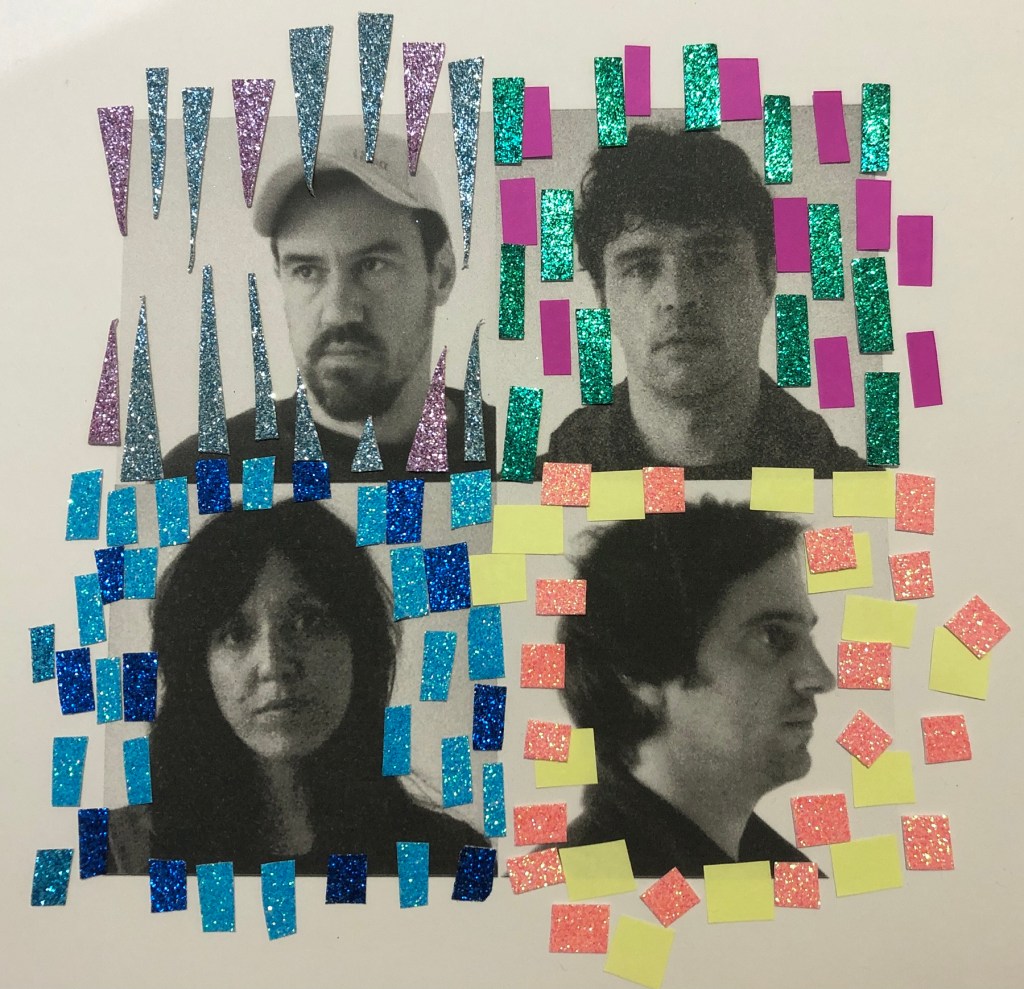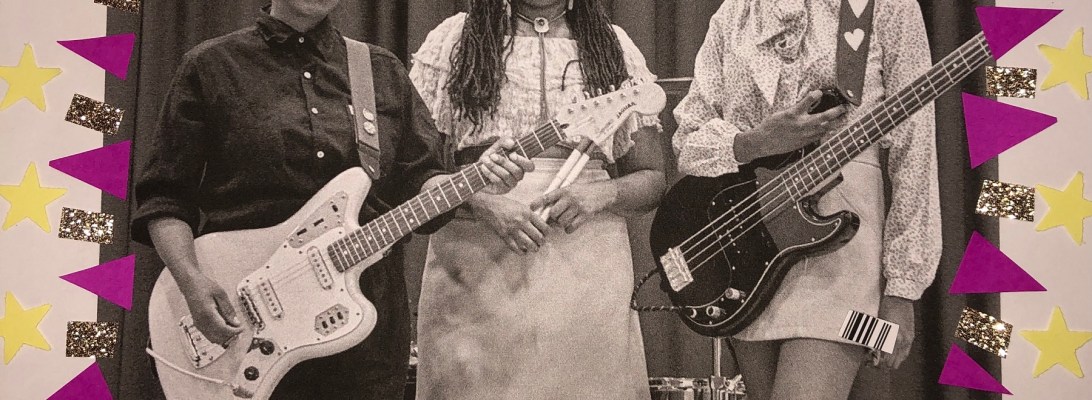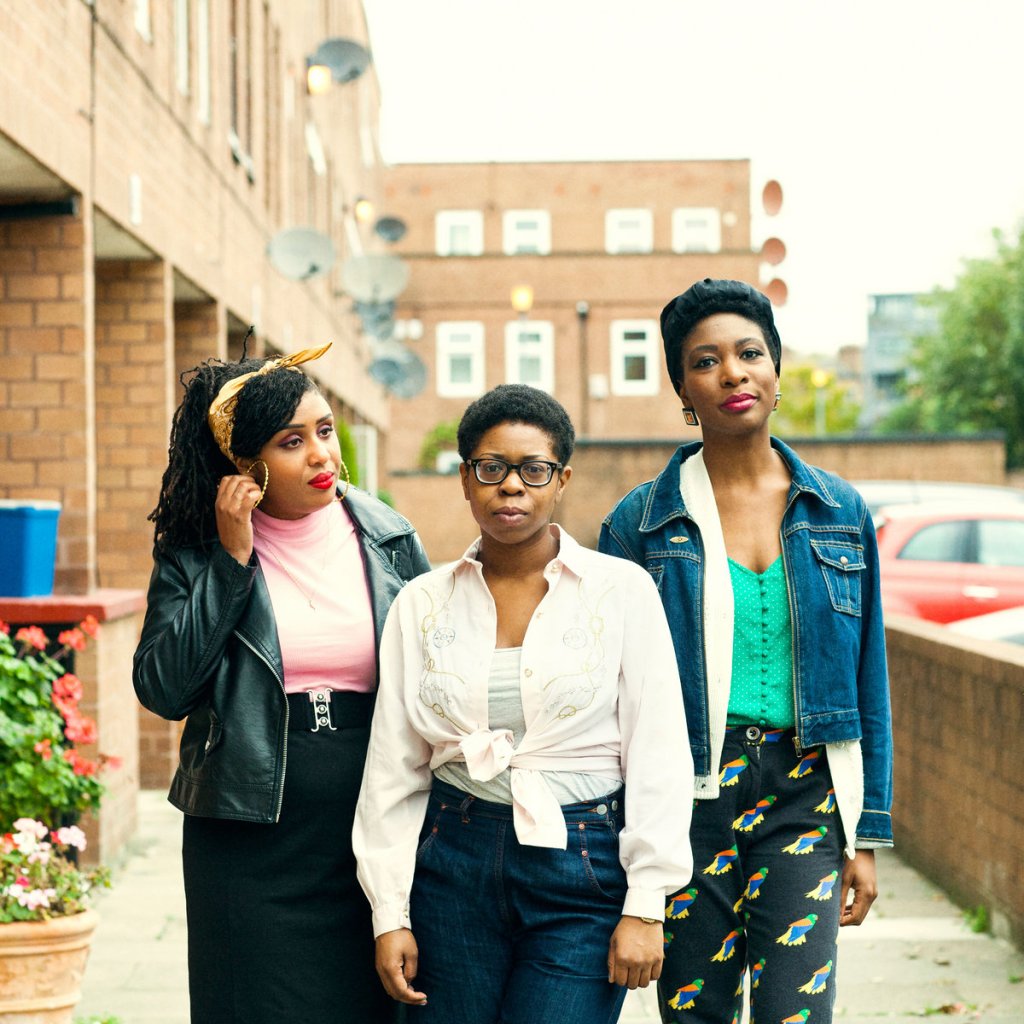
Naarm-based zine Magnetic Visions: “I put it out and I found that it was a really freeing process because it allowed me to be connected…”

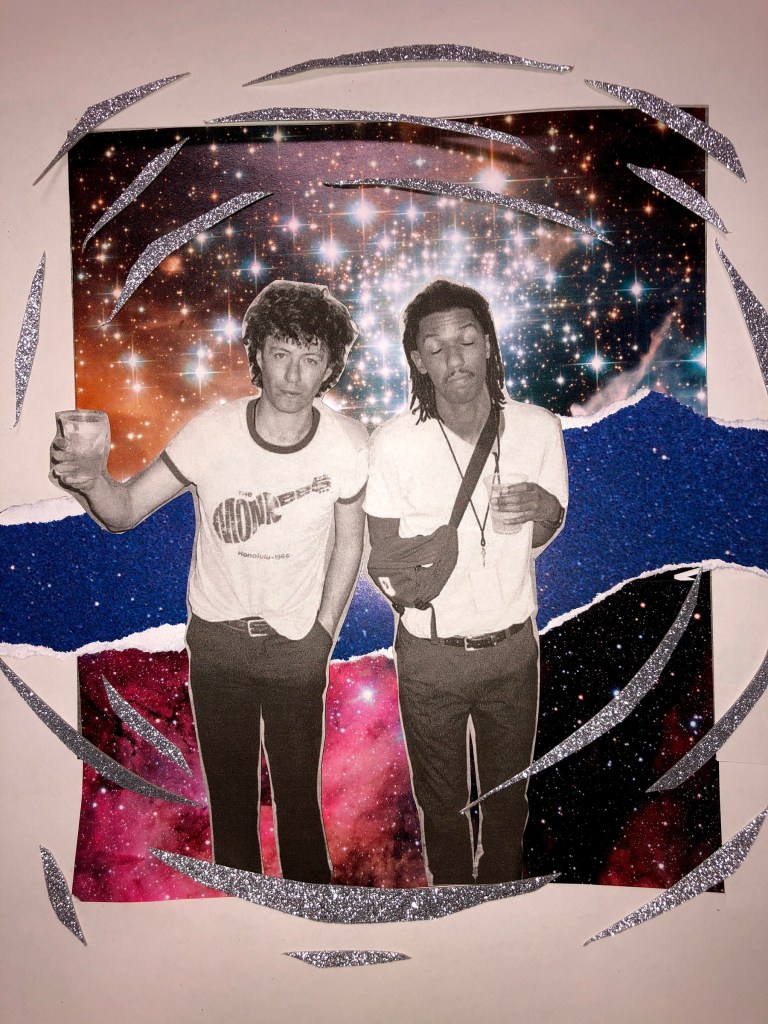
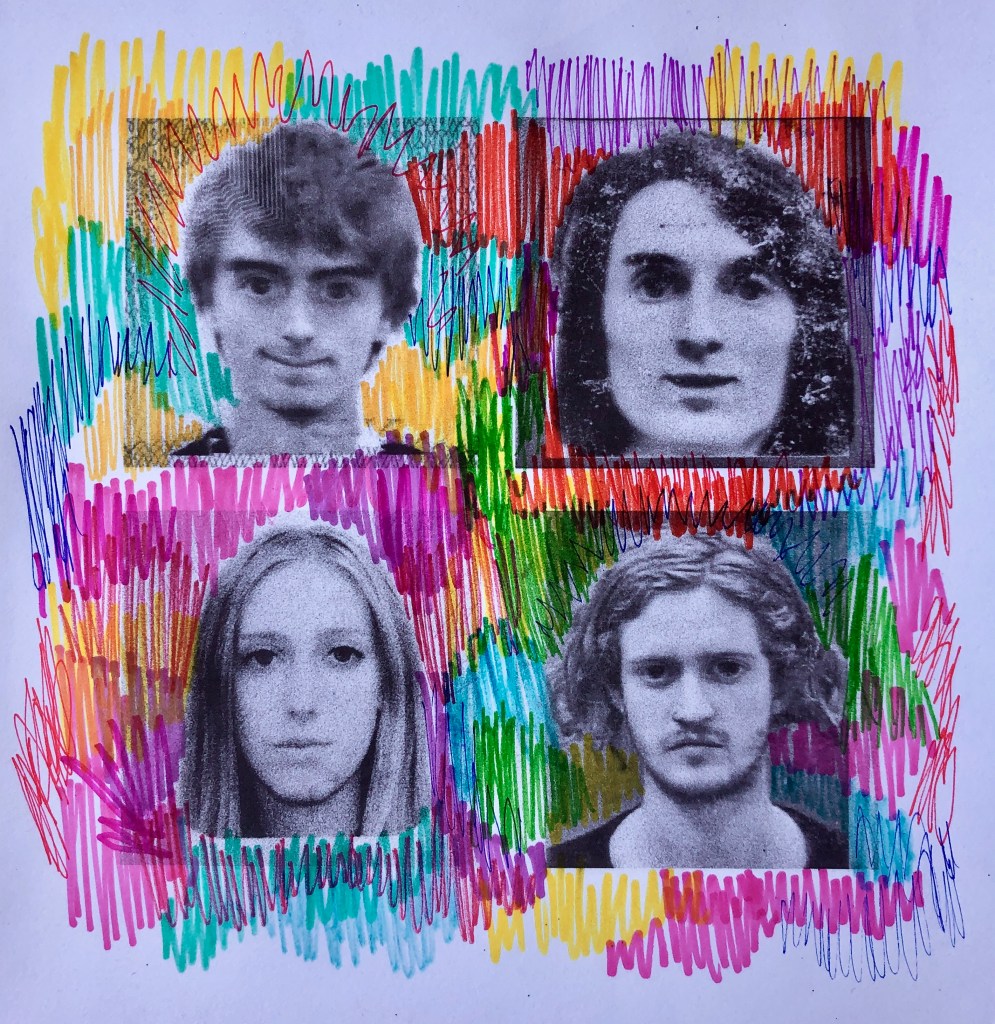
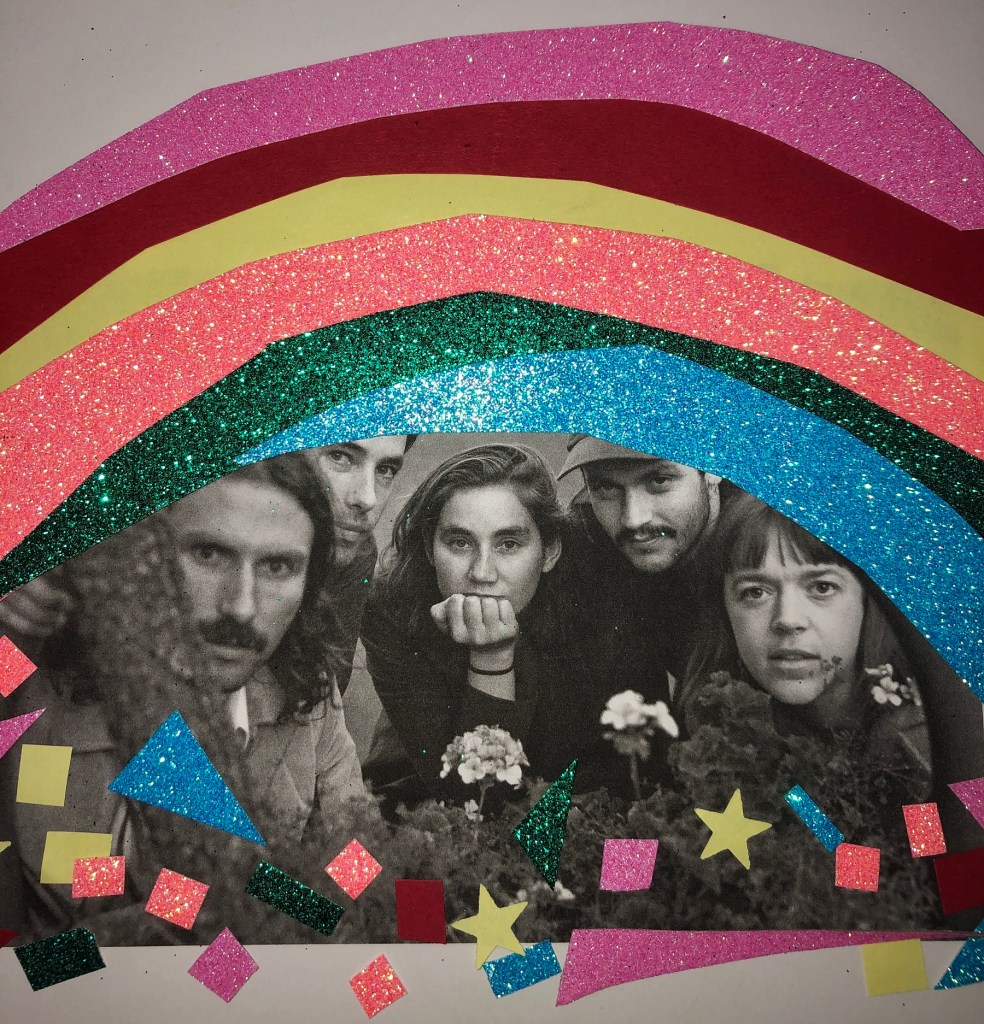
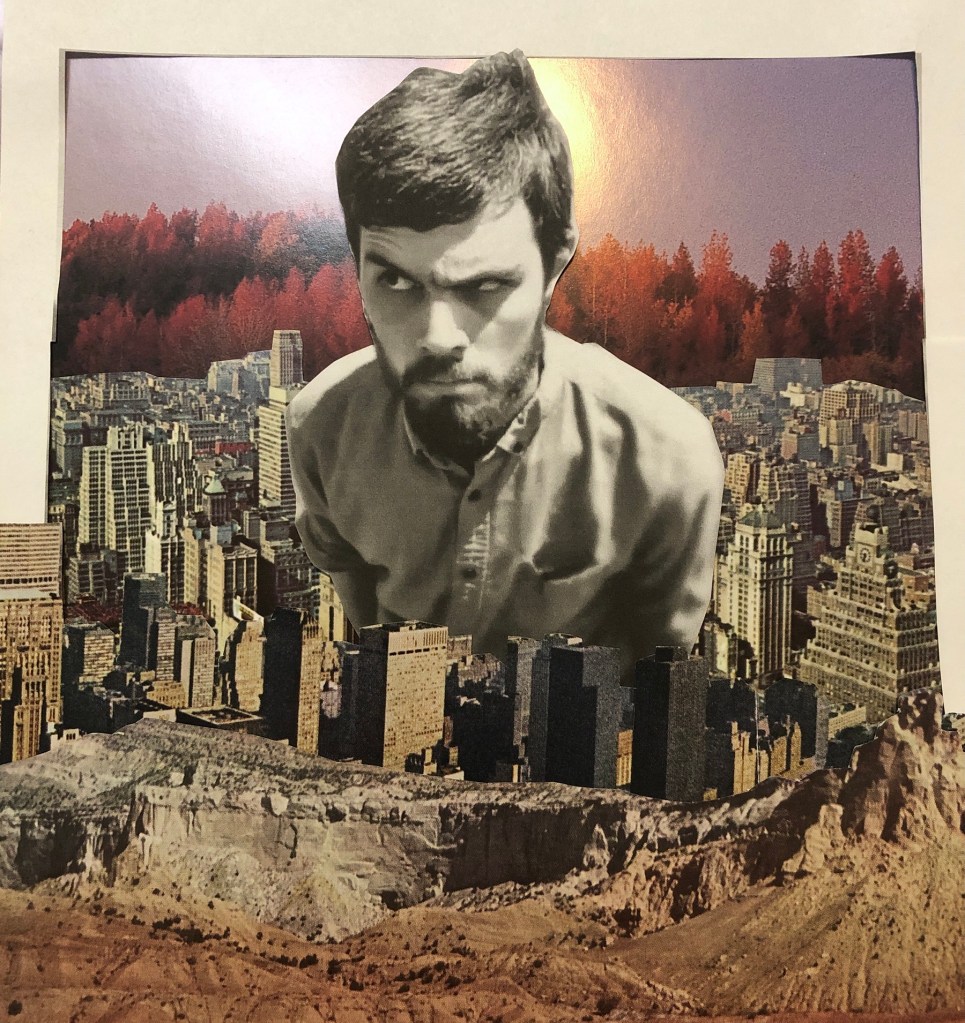
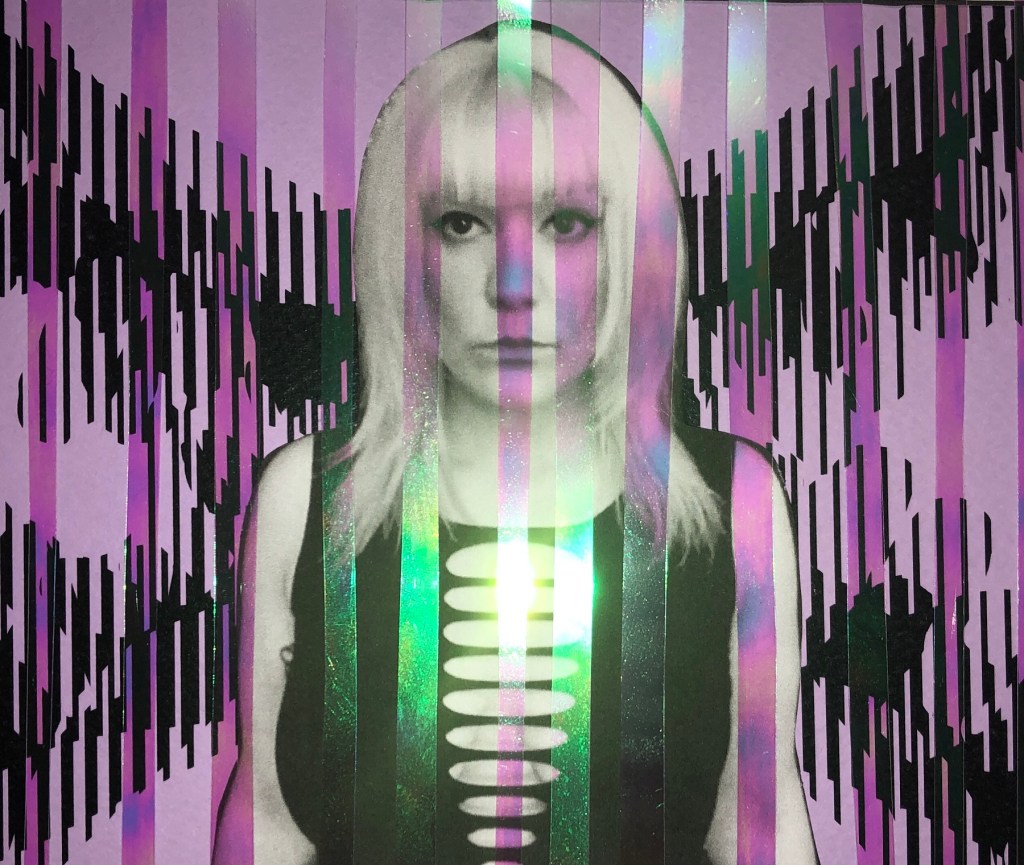
Handmade collage by B.

Zines are really important! Good ones burst with life and can capture a culture, a scene, community, document a time, and share ideas and stories in a way that conventional publications can rarely, if ever; they offer an alternative narrative to the mainstream. There’s a genuineness, imperfection and sometimes awkwardness on their pages we resonate with. They’re written with unfiltered voices and self-expression of someone finding themselves (aren’t we always?), navigating the world and exploring their local creative community, likes and dislikes. They spread music, art, thoughts, feelings, information and perspectives. Anyone can make a zine. Making zines hones your skills or teaches you new ones you might not have known you had! Making one can sometimes save your sanity. A zine gives creative freedom. It can help you use your voice. A zine most importantly connects people.

Through making Gimmie zine this past year, we’ve connected with so many amazing creatives throughout Australia and the world! One of the coolest is Billy who creates Magnetic Visions zine, a predominately music-based print zine from Naarm/Melbourne. He also makes music: Disco Junk, Billiam, Collective Hardcore, TOR, Dot Com, Aggressive Hugger, GDU and Under Heat Records. We love his passion for music and compulsion to share it—a kindred spirit.

A few weeks back Gimmie’s Editor Bianca sat down for a chat with Billy, they did an interview collaboration! Billy interviewing Bianca can be found in the new issue (#7) of Magnetic Visions, which also features interviews with Alien Nosejob, Lassie, Girlatones, Cool Death Records and more! Bianca interviewing Billy is below.

It’s important to support each other! The more people making interesting, unique rad stuff and expressing themselves creatively the better!

How did you first discover zines?

BILLY: A while ago Strangeworld Records had a flood and they needed to get rid of a lot of the water damaged 7-inches so I went in there and bought quite a few. Richie who runs Strangeworld Records threw in a couple for free. One of them was Meat Thump which is the band ran by Brendon Annesley who made Negative Guest List zine. I ended up contacting Matt who put out the Meat Thump 7-inch to ask if he had another cover for it, because it was completely destroyed from water damage. When he sent the cover, he sent a few copies of Negative Guest List. I remember being completely blown away by them, the journalism and the whole formatting of zines. I developed a curiosity about them and I’d find a couple at Lulu’s and eventually I discovered Sticky Institute in Melbourne. From there I learnt about zine culture. I’ve probably learnt the most since doing Magnetic Visions because it’s put me in contact with a lot of people that know a lot more than me.

Nice. I used to have my earlier zines stocked at Sticky back in the early to mid-2000s.

B: It’s a really great place! I don’t think I’ve asked to stock there but maybe post-pandemic I should see if I could get a few put in there.

Totally! Do it. What inspired you to take the plunge and start making your own zine?

B: Initially it was just meant to be a one-off thing. I’ve always wanted to do a comp tape with a zine, so I put together five or so of my friends’ bands; I interviewed them and I put an exclusive track on a cassette. I put it out and I found that it was a really freeing process because it allowed me to be connected to music without actually making music. I sat on it for a bit and I started working on issue two during February, as that turned into COVID time, I plunged completely deeper into zine making, making it properly, properly publishing it and trying to put in as much effort as possible as I can to make it as good as I possibly can.

What are the zines that you really enjoy?

B: Negative Guest List is the main one, which ended in 2012 when Brandon died. I absolutely love Distort from the issues I’ve been able to get, there aren’t that many. There’s a zine in Europe called Rat Cage which is starting up at the moment that I really like, it’s focused on European hardcore and post-punk. Of course I love Gimmie Gimmie Gimmie zine! A friend of mine runs a zine called DST that I really like that’s based in the US, its half writing like short stories and half interviewing bands.

Do these zines have any similar qualities?

B: I like really good interviews, I like interviews that are very conversational and have good graphic design. I’ve always loved the visual appeal of a zine, making it as visually appealing as possible because you are paying for that physical visual aspect.  

Is there a difference for you reading a zine digitally vs. reading print?

B: Digitally I have less of an incentive to read it. If I buy a zine I’m more inclined to read it because I’ve spent money and there’s an investment in there so I might as well get as much out of it as I can. I also find I’m able to get more value or enjoyment out of something on paper because I put more of myself into it.

What are your favourite and least favourite parts of making a zine?

B: I’ll start with least favourite, it can be very intense trying to put something together that you think you’re truly proud of, hoping people will buy it, that’s not particularly fun. I’ve had a lot of trouble dealing with that and at times the zine has been quite taxing on me. I think I’m a lot better at it now. I’ve figured out the main parts.

The best part is being able to be involved with so many music scenes around the world and being able to talk to artists that I absolutely adore, in a somewhat conversational way is absolutely fantastic!

Yeah, it’s pretty cool getting an insight into people who make stuff that you admire and appreciate.

B: Yeah, I did an interview with Jake from Alien Nosejob for the next issue. Even though I’ve talked to him a bunch this was the first time that I think I felt really comfortable really talking to him and it was absolutely incredible!

Amazing! I can’t wait to read it.

B: It’s really good. It’s a good issue, I’ve also done an interview with Lassie and Silicon Heartbeat—awesome bands.

I love all the zines, they’re all really good.

B: Thank you, it’s good that people are actually seeming to enjoy them. I didn’t really know there was much of a zine market until I started doing it, I had no idea that people would actually consume and enjoy them.

For me growing up in the ‘90s zines were such a normal thing, there were lots of them and there was a vibrant zine culture.

B: Yeah, back then I guess it was more essential to have zines. That was the only way to publish things on somewhat of a budget.

Yeah. I used to have friends that would have access to photocopiers and I’d get to photocopy my zines for free a lot of the time.

B: That’s what I’ve been trying to do at the moment. I started off printing them at school but they put the hammer down on that so at the moment I’ve had to go through Office Works.

Here in Brisbane there’s a really great place in Fortitude Valley called Visible Ink, it’s a Youth Arts Hub and you can go in there and photocopy your zines for free. They have lino printing resources and a badge maker you can use too. Do you stand there and photocopy it yourself or do you leave it with them and get them to print it and come back later to pick it up?

B: When I’m printing the final version that’s what I do but when it comes to designing it and all that, I’m usually just there getting specific things or trying to get a specific paper stock that will stick better to the background and all that.

I’ve been there! I love doing zines with a coloured paper cover, I’ve done full colour and A3 folded and A4 folded sizes.

B: I think right now at the moment doing just A4 black & white is the best for me because colour printing is so expensive. For this issue I might do colour covers just for fun, I like the way it looks.

It’s always good to keep trying different things and evolving.

B: Plus colour covers stand out more when everything else is in black & white.

Yes. What’s something that making zines has taught you?

B: I don’t know? I guess it’s taught me how to put together a complete artistic product. I’ve done albums before but I feel like putting together a zine is a lot more than just releasing an album because you’re involved in every aspect, asking every question, cutting out everything, paying or the printing and all that. I hadn’t really had much experience doing that until making a zine. I’d done tapes but some part of them I was able to rely on other people, this one, a zine, was all me. The main thing it’s taught me is to create a completed product.

Do you set deadlines when making zines?

B: No, not at all but they’ve all somehow been finished! Since issue three they’ve all come out, one a month or at least thirty days in between them. I sort of want to slow down but no matter how many brakes I put on like, I’ll only do one interview a week, or don’t work on it during this time period, I always manage to at least finish one by the end of the month. There’s no deadline but one forms naturally, I guess.

That’s how I felt when we started doing Gimmie, it’s been six months now and I’ve done over 100 interviews up on gimmiezine.com, I think there’s 113 maybe at this point.

B: That’s pretty fantastic!

Yeah, I just started and kept going. I love interviewing so much and I like making the art that goes with each interview. I love sharing new bands and music with people.

B: Yeah, it seems to be going pretty well so far.

One of the things I love about your zines is when you write your personal pieces; are you every scared of putting your thoughts out there, committing them to paper? Do you ever censor yourself?

B: Not really, I’m not really self-conscious of putting out my actual thoughts. I often find that I’m just not able to put them in words. There isn’t very much of it in issue six, because mainly when I would write about something I wouldn’t be happy with it, it would feel show-off-y or not correct. I’ve put the brakes on it for issue six but issue seven will have a lot more of it. I’ve been doing some writing on bands I like. I’m doing a big piece right now on probably one of my favourite bands right now, Bis.

I love Bis!

B: I don’t get why more people don’t talk about them. I don’t know if you’ve heard the new TOR single, but TOR is basically my love letter to Bis—I love that band so much!

I’ll have to check TOR out. I’ve seen Bis live!

B: Did they ever tour Australia?

Yeah, they did. I have the ticket stub somewhere here.

B: That’s awesome! I have an old poster I was able to get on eBay that I have in my room, it’s a promo poster for The New Transistor Heroes; it’s probably the coolest piece of art that I own. Mandarin’s art is fantastic!

Agreed! We have a lot of art on our walls here.

B: I’ve got a lot of posters from gigs or prints that I’ve bought from photographers, or flyers.

That sounds like our place. We have a pretty big collection of posters some from the ‘70s through to the ‘80s and ‘90s to now.

B: That’s awesome!

How do you choose what bands you’ll feature in your zines?

B: I pick bands that I’m listening to at the moment or that I think could give an interesting interview. I don’t like to just pick bands that have a record coming out, but that sometimes helps because they have a reason to talk, things to talk about and they’re in that mindset of sharing it. I really just try to pick people that I think are interesting. I don’t try and pick from one particular scene or a particular area of music to follow, I just pick what I find interesting. Issue six has a mish-mash of a bunch of different things: Toeheads, are from Detroit, they’re an amazing garage rock band; there’s an interview with two of the members of Meat Thump and we were able to talk about Brendon Annesley, it was fantastic. I interviewed Jack from Vintage Crop and that went really well. Even Mark Vodka who is this obscure Canadian artists who is probably the closest thing to a second Ramones we’re ever going to get.

Is there anyone you’d like to interview that you haven’t yet?

B: A lot! Usually it’s because I don’t feel comfortable asking them. The dream interview, the one I’ve always been desperate to do is someone from Razar, the Brisbane punk band—that’s the dream! I’ve never been able to find a single interview with them. I consider them to be pretty close to being the most important Australian punk band of all-time. I’m still on the chase for it so if anyone knows any of them send me a message!

ABC put out a punk compilation, I bought it because it had Frenzal Rhomb on but I heard ‘Task Force’ on it and [Psychosurgeons] ‘Horizontal Action’ and it set me on the path towards what I’m doing now.

What’s been one of your favourite interviews you’ve done so far?

B: Issue one I was pretty proud of the one I did with CB Radio and Glue Eater, I think they both turned out really well. Issue two, Mikey Young I was really happy with, same with the one with Spoil Sport Records. Issue three, I think I did a good one with Drunken Sailor and Dr Sure’s Unusual Practice, those were ones I was really proud of. Issue four is where I think I start to get it down and I’m more or less happy with every single one in there, Research Reactor Corp, I was really happy with. Issue five, I was really happy with my interview with The Ghoulies and Hearts & Rockets. The one I did with Australian Idol I was extremely proud of and I still think that tape is the most underrated thing released this year. I’m really happy with everything in issue six, all of those are pretty good.

What makes an interview good for you?

B: It’s having a conversational feel and revealing interesting information. The interviews I really like I feel they show the artist’s personality really well and they’re interesting to read. Not every interview I read is with a band I like but, if the person is interesting to talk to I can get something out of that.

Get MAGNETIC VISIONS issue seven HERE and read Billy’s interview with Gimmie Gimmie Gimmie zine!

Please check out: BILLIAMVILLE.com. Billiam on Instagram. Magnetic Visions on Instagram.

Meanjin Grit Hop band Spirit Bunny: “We feel strongly about diversity and social responsibility, supporting community and grassroots art and initiatives”

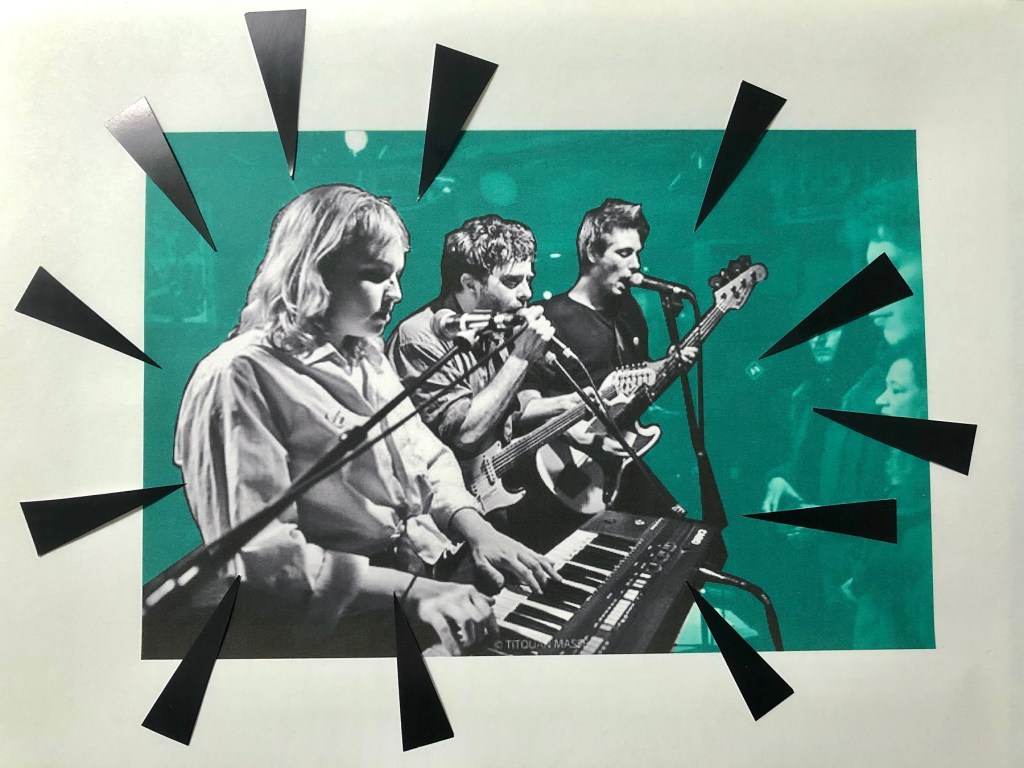
Original photo: courtesy of Zang! Records. Handmade collage by B.

We love Meanjin/Brisbane Grit Hop trio, Spirit Bunny, a joyful explosion of noise from multi-instrumentalists Kate Thomas, Joel Saunders and Cam Smith. We’re super excited to bring you the premiere of first single ‘Paper Handshakes’ from their upcoming sophomore album on new independent label Zang! Records. Spirit Bunny’s sound is a perfect storm of circuit bent Casio noise and C64 synths with phat beats and whimsical melodies.

Firstly, congratulations on signing with Zang! Records. We’re really excited that Spirit Bunny has new music to share with us. We’re really digging your new song ‘Paper Handshakes’! Where did the song name come from? I’ve heard that Spirit Bunny songs often start with a title before music and lyrics are written.

SPIRIT BUNNY: Thanks! We’re super happy and excited to be able to share some new stuff again. ‘Paper Handshakes’ actually had a different, working title until right at the last minute. That’s pretty normal for us – a lot of our songs start off with working titles that are related to how the songs sound or what they remind us of. A good example of that is ‘Gold & Brown’ from our first album, which in its very early stages of being written reminded us in mood of the song ‘Golden Brown’ by The Stranglers. Sometimes those working titles then inform the lyrics and themes, which are almost always the final part added to the song. So it almost always goes music, working song title, lyrics, and then sometimes a proper song title if we decide the working title is no good (or embarrassing). This song had an embarrassingly mundane and meaningless working title.

What inspired it both musically and lyrically?

SB: Musically we wanted something that was upbeat and really punchy. We started the writing of the album with a couple of more downbeat or weirder songs, and thought we should perhaps write a pop song. Which is what we did, or at least it’s what we consider to be a “pop song”. It was one of the first songs for the record where we started experimenting more in-depth with dual and duelling vocals, something we tried a little bit on the last record. Lyrically it’s about the sway that people with money hold over decision makers, and how that doesn’t always benefit the greater good.

How much did the song change from its beginnings to what we hear now?

SB: This is one of the songs that just kind of came out and didn’t need a whole heap of tweaking, it came together pretty easily (which can’t necessarily be said for the some of the other songs from our forthcoming album). The only significant change came right towards the end of recording, when we invited our friend Keeley Young (of Claude and Requin) to play saxophone on it. That’s something we experimented with on the new record, getting our friends in to replace our parts but playing them on an instrument that we don’t normally use, to try to get some new and often more organic sounds into the mix. So on this song, Keeley multi-tracked her saxophone to replace some of the chordal parts that Kate plays on Commodore 64.

What interests each of you in what you create as Spirit Bunny? I know you’ve all had many other bands and projects.

SB: It’s probably the most democratic and collaborative band any of us have been in, which can be challenging but also very much worthwhile. It’s definitely a project where if you were to replace any one of us you’d end up with a completely different thing. When we first got together we had an idea of what we wanted to sound like, but ultimately what came out is Spirit Bunny. It really pushes each of us in different ways, both technically and in what we’re comfortable with in terms of our roles in the band. For example, Kate is kind of the musical core of virtually every Spirit Bunny song and that’s not something she’s done in her other projects.

Photo: courtesy of Zang! Records.

It’s also very different from any of the other projects we’re involved with. Some musicians like to play in a bunch of bands that are all of a kind, but that’s not something we’re overly interested in.

Spirit Bunny shows are pretty special, there’s an amazing synergy between you; do you ever have trouble capturing the spirit you play with live in recording or do you see live and recording sound-wise as two different things?

SB: The first record was definitely a pretty close representation of the live version of the band. The new album is perhaps very slightly less so, although the majority of the record was still built around the way we would play the songs in a live context. We did try a few new methods of writing and recording this time, with a few of the songs being partially constructed in the studio instead of extensively hashed out in the rehearsal room. We also tried to incorporate a few more textures this time, and to give some of the songs a bit more space than on the previous album. We definitely try to capture the energy of our live shows, though. That’s really important, and I think both albums go pretty close to achieving that.

What’s something surprising that people might find interesting about the way you write or record?

SB: We’re all multi-tasking in this band, each playing multiple instruments at the same time. Kate plays two Commodore 64s, Joel has two of his unique circuit-bent Casios plus a bunch of noise boxes, and Cam has his looped beats alongside the acoustic drums. So everything can get pretty layered and dense for a trio, but that’s what we actually sound like. It was a bit of a focus on this record to strip that back a bit sometimes and give the songs some room to breathe.

You use circuit bent keyboards/Commodore 64 synths; where did your interest in using these come from?

SB: We like repurposing obsolete or outdated technology in a creative fashion, giving it a second life that’s perhaps outside its original purpose. It’s cool to make something that’s somewhat futuristic and hopefully forward-looking with elements that could sometimes be considered somewhat ‘retro’. Also, these instruments have inherent limitations and we like that those limitations can force us to come up with novel solutions. An interesting example of that is that the Commodore 64 has virtually no dynamics, and Cam came to Spirit Bunny from bands that were highly dynamic so he had to rethink the way that his drums were going to function in this new context, where if he played quietly he was going to be drowned out but if he played loudly he would drown everyone else out. The answer ended up being adding dynamics to the drums via the density of the playing, rather than playing softer or louder.

What can you tell us at this point about your sophomore album you have coming up?

SB: Firstly that we’re really happy with it. There’s been a lot of work to get to this point. It’s been good to welcome some new people into the fold to help us get the record to the finish line, whether it’s been various friends of ours adding their own flavours to the record sonically, or teaming up with Zang! to get the record out into the world. Listening to it now, it seems like real growth from the first album. The songs are simultaneously more extreme and also more accessible, more dense and also more spacious. It’s been a journey of discovery for us as much as it is for anyone else, perhaps more so. From within the band, everything we come up with seems to be greater than the sum of its constituent parts.

What bands/albums/songs have you been obsessing over lately?

SB: We’ve been listening to Deerhoof’s two new records a lot, always listening to lots of Deerhoof. We love the new Party Dozen album, in a way we feel like they’re kindred spirits in the Australian music community. Similarly with the new Wax Chattels. Angel Olsen’s All Mirrors is a record that weirdly influenced some of the sounds on this album, in terms of some of the mellotron arrangements and a kind of chamber-pop sound we attempted to incorporate in parts (with varying success).

We also listen to lots of local stuff, and there’s been heaps of really good local releases lately. The new Ancient Channels is fantastic, which some of us are involved with in some ways (Cam recorded it, and Joel now plays in the live band). Zang! labelmates Gold Stars have a fantastic debut album. Local Authority, Ultra Material and Relay Tapes all put out some great shoegaze and dream-pop records recently. Nathan John Kearney put out a lovely solo record, It’s Magnetic have a wonderful debut album. There’s new Grieg. We’re looking forward to the new Apparitions record. There’s so much stuff.

What’s something that’s important to Spirit Bunny?

SB: Musically we just want to make something that excites and challenges us. On a more important note, we feel strongly about diversity and social responsibility, supporting community and grassroots art and initiatives. We delved into some of these issues lyrically on the new album, which we also did on the first one but often in a more oblique way – this time we were a bit more overt in the presentation of some of these themes.

Please check out SPIRIT BUNNY. SB on Instagram. SB on Facebook. ZANG! Records.
Dreamy Meanjin based post-punk Ancient Channels: “Time, Space, Ancient Worlds”

Original photo: Jason Cahill. Handmade collage by B.

Meanjin/Brisbane musicians Kelly Hanlon (Deafcult/Terra Pines) and Chris Preindl (Apparitions/Leavings/Vestiges) take us on a sonic sci-fi expedition exploring ancient, ceremonial drumming together with shoegaze dream pop and cosmic themes to create a band that’s outta this world, Ancient Channels.

How did you two first meet? What were your first impressions of each other?

KELLY: I first met Chris through the Brisbane music scene. Our other bands have played multiple shows together over the years so we’ve been in each other’s orbit for a while. I’ve been consistently blown away every time I’ve seen Chris play with any of his bands whether its Apparitions, Leavings or Vestiges. He’s all over the kit with such deft and precision, technically brilliant but also insanely creative, I swear he’s got an extra set of arms hidden away somewhere. I remember thinking that I’d like to work with him sometime soon after seeing him play, and here we are! Dreams do come true!

CHRIS: Our first meeting is hard to pinpoint because Brisbane often feels tiny. I do feel like my first impression of Kelly is one-and-the-same with what would be the most prevailing impression, that she’s an incredibly talented songwriter and musician, and a really cool, calm and compassionate person.

You both play in multiple other bands. Kelly plays in Deafcult/Terra Pines and Chris plays in Apparitions/Leavings/Vestiges; what inspired you to start Ancient Channels?

KELLY: I had wanted to start a project a little more pop-centric and beat orientated. I was also watching a lot of Ancient Aliens  at the time (for pure entertainment, I don’t actually believe Ancient Aliens built the pyramids) which resulted in the idea of combining elements of ancient, ceremonial drumming with more contemporary style song structures and the aesthetics of dream pop, shoegaze and post-punk. I wrote a few demos and sent them to Chris and asked if he’d be keen and lucky he was. We didn’t practice together before recording just winged it on the day and Chris wrote and executed his drum parts with such energy it was beautiful! The drums are really the forefront of this band in my opinion, almost like a lead guitar or something, well and truly up front.

CHRIS: Kelly reached out about starting a new project together in early-mid 2019 and I didn’t deliberate much; sometime after my band Leavings played with Terra Pines (for something like the third or even fourth time around Southeast Queensland) Kelly had written some incredible demos and after hearing them I was very excited at the chance to collaborate. She suggested it’d be more of a studio project from the outset which was super ideal for my other band commitments and life schedule. Dates were then set for roughly six months later to record with Cam Smith at Incremental Records.

You’re into sci-fi soundtracks of early film and television; what’s one of your favourites? What do you appreciate about it?

KELLY: Film soundtracks, particularly sci-fi soundtracks are so evocative and they overtly convey tension in a way that I love. The 1950’s had some really great film soundtracks full of creepy theremin tones that make my skin crawl in the best possible way. It Came From Outer Space 1953 is a favourite, also The Day The Earth Stood Still 1951. I tried to get a theremin-ish like tone in “Orbital Dance” with one of the synth lines, it’s not exact but it’s the best I could do with the tools that I have haha. I also love the original Dr Who theme 1963 by Delia Derbyshire and Ron Grainer. It’s such an iconic piece of music, “Carpe Noctem” was an attempt to do something big and dramatic in that vein. There is a great doco on Delia Derbyshire called The Delian Mode on YouTube that everyone should watch for a bit of backstory on her. I’m also big into Vangelis like everyone else under the sun.

CHRIS: I think this is more Kelly’s realm, at least as far as direct influences on this project go, but for me I can’t go past such iconic scores as: Blade Runner (Vangelis), Akira (Geinoh Yamashirogumi), 2001: A Space Odyssey (Richard Strauss), and more recently the scores of Drive, Ex Machina and Good Time… although some of those absolutely aren’t sci-fis.

You’ve recently released Moments In Ruin; what inspired the writing of this album? It seems pretty cosmic!

KELLY: It all comes back to Ancient Aliens haha I feel like I was thinking about it for a year or so before we even started writing, but mainly the idea was to just have a collection of songs that draw from many influences both concrete: Shoegaze, Dream Pop and Post-Punk and Abstract: Time, Space, Ancient Worlds etc… I think there was also talk about writing a record full of singles. The idea that every song on a record could be a single is a bit of a novelty but thought it would be a fun challenge.

CHRIS: Other than a partial embracing and full appreciation of engineer/producer Cam Smith’s drumming (in specifically Terra Pines), and the desire to serve Kelly’s demos sufficiently I embraced influences stemming back to when I first started playing drums. Essentially bands like Metric, Yeah Yeah Yeahs and pretty much any DFA/New York City band from the mid-2000s.

I’ve heard that drums and percussion are the foundation of your sound; how do your songs form most often? Can you tell us a bit about your writing process?

KELLY: All the songs were written using Garageband to demo initially , and then Chris rewrote the shitty Garageband drum loops and made the songs infinitely cooler and more interesting. All the songs were written with the same approach though, built from the ground up, rhythm section, then guitars and synths (textural)  and vocals last. The vocals took the most amount of time to write because melody was really important, most of the songs on the record have alternate versions of the vocal melodies and harmonies. I think “She-Rise” had about 8 different versions.

CHRIS: Up until now it has been part recreating the beats mapped out by Kelly and part improvisation in the studio environment. The intricate layers that formed the first versions of the songs that became “Moments In Ruin” afforded me a lot of room for inspiration and, to a degree, experimentation so it’s been quite a thrilling and fun process; the approach with Ancient Channels is different to the more jam-based process of other projects I’m involved with.

We really love the song “She-Rise”; what sparked this song?

KELLY: From memory it was one of the last songs written for this project, there was a feeling the record needed something a little more driving and immediate. I’d read an interview with Grimes about her writing process, that she’d often write songs to scenes from films. I kinda liked that idea and thought I’d give it a go. I picked the Bride vs The Crazy 88 scene from Kill Bill Vol1 and tried to write with that scene in my mind and often playing in the background on silent. Thematically I guess I projected myself into the role of the bride and sexist sound guys in the role of the crazy 88 (metaphorically speaking of course). It’s a clusterfuck, I’m not sure it works as a score to the scene but I was happy with how the song turned out.

CHRIS: For my part I really wanted the rhythms to be straightforward and blunt, as the song seemed to me to be one of the most propulsive and pounding. It embodies what is probably the most intense, menacing and bold energy and so I thought a rigorous and sweatily performed dance beat would serve the song best. An undoubted influence for me for “She-Rise” is the music of U.K. post-punk band Savages.

What most excites you about your new album?

KELLY: I’m excited that it’s out and we can move onto the next one.

CHRIS: Recreating the songs live, with additional members: Elise Clark, Imogen Kowalczyk, Kelly Saunders & Joel Saunders. We haven’t yet brought all the songs to life: as is the case for a lot of other bands (local and nationwide/worldwide) it’s been a difficult year to effectively showcase new music. Fingers crossed for the remainder of 2020 and the start of 2021…

I know that you love recording and being in the studio; was there anything you tried or experimented with while recording?

KELLY: Most of the experimentation came with the drums (different beats that Chris wanted to try and varying types of accompanying percussion.  Everything else was locked in by the time we got to the studio as we had Garageband demos with sounds and tones finalised etc…

CHRIS: Percussive layering felt like the most immediate example of studio experimentation. Usually I’m quite hesitant to contribute or sign off on drum parts that aren’t in the realm of possibility to perform live, but we both agreed that we could maximise some of the songs with overdubbed drum hits and cymbal swells. It also helps that Elise is also a drummer!

We love the vocals on the album, very ethereal, haunting and atmospheric; how did you approach doing them?

KELLY: I would say that we wanted vocals to sound that way for sure, ambience and atmosphere were important but also melody. A lot of time was spent trying to make the vocal melodies as infectious as possible, as mentioned before they were rewritten a hundred times over and vastly different from their first incarnation.

CHRIS: I can only dream of having had a hand in the vocal process, though it’s fun to watch agape and in awe from the sidelines for this aspect. I guess there’s always the possibility to harmonise live!

Your music is a collage of genres and I love how your artwork for your releases is also collages; where did the idea for this style of artwork come from? You do the art Kelly, right?

KELLY: My friend Jason Cahill (who did our video for “Footprints In The Dark”) is a great visual artist and filmmaker and he sends me art all the time that he thinks I might enjoy. He had an idea once of doing a collage film clip for one of our songs by animating a collage and in doing research for that idea I came across the collage hashtag on Instagram and fell in love with the otherworldly nature of it. It’s a format that seems like it has no rules and so much possibility.

CHRIS: I think Kelly’s collage art precedes Ancient Channels! I love how effective and evocative it is.

Is there anything else you’ve been working on that you’d like to tell us about, Ancient Channels-related or otherwise?

KELLY: Stay tuned to our socials for show announcements and news, we’ll probably start thinking about the next record soon-ish. Both my other bands Deafcult and Terra Pines have new records coming out next year and I believe Chris has a bunch of exciting stuff up his sleeves too which he can tell you about.

CHRIS: We’re excited by the prospect of working on new music as a six-piece band. In the meantime Kelly’s other bands Deafcult and Terra Pines are working on new material. My other band Apparitions will be launching its album in roughly a month’s time with Deafcult as well, so I’m really excited for that!

Please check out ANCIENT CHANNELS; AC on Facebook; AC on Instagram. Moments In Ruin is out now get it here.

Portland Punks Era Bleak: “Our songs are generally inspired by the sense of urgency we feel… anxiety, frustration and confusion… the fucked up state of the world”

Original Photos taken in isolation by Candy, Justin, Fawn & Samantha. Handmade collage by B.

Era Bleak play wild, raucous punk rock with angular guitars, driving rhythm and raw gut-level vocals, they remind us of our favourite ‘80s hardcore punk bands but are firmly planted in the now making music reflective of our uncertain times. Their music is both bleak yet optimistic. Gimmie interviewed them to find out more.

How did you first discover punk rock?

ZACH: It was 1991 and I was a junior high nerd into some serious nerd shit. My favourite bands were Oingo Boingo, They Might Be Giants, The Dead Milkmen and The Ramones. I had no idea that any of those bands were punk (I’m still on the fence about Oingo Boingo). A couple years later, my older cousin played me the brand-new debut Rancid album, and that was that.

CANDY: I was lucky to have had an older brother and sister that were each teenage rockers in the 70’s and a mom that was always listening to “oldies” radio. SNL and American Bandstand were favourite TV show’s in our house, each of which had numerous punk bands as guests.  I think those things helped steer me in the right direction. My sister was into the Rocky Horror Picture Show movement when it first started and she would bring her friends over dressed up for a show. They looked dangerous and weird and tough and it was something I found myself drawn to as a kid. So naturally when I would see and hear weirdos on TV. I paid attention. My sister encouraged my interest over the years and it really came to a head when she gifted me records for my 11th or 12th birthday. DEVO-Freedom of Choice, Adam and the Ants-Kings of the Wild Frontier and Cheap Trick-One on One (not their greatest I now). Over the next 5 years my interest slowly progressed to bat cave, skate rock and anything I heard on the local college radio station in Boise Idaho. The show was called Mutant Pop KBSU/BSU Radio. It pretty much changed my life. I would record the show onto my boombox and the rest is history!

CHRIS: I grew up in Des Moines, Iowa. No scene. A cultural shithole. No older siblings to turn me on to cool stuff. No internet back then. I was way into metal but would see all these rad weird shirts in Thrasher magazine and would try to find those bands tapes at the mall, after I heard the Ramones and Black Flag it was over, me and my friends were so isolated, whatever we could get our hands on was a big deal. Devo, Butthole Surfers, the Urinals, Misfits (duh)….all the SST stuff

Photo: Darren Plank.

What are the things that you really enjoy or don’t enjoy about the punk community?

ZACH: The answer to both is “punks”.

JUSTIN: Ha! Exactly. I like the creative comradery and DIY dedication in the punk “community” but not some of the single minded attitudes of some punks, particularly to other kinds of music styles.

CANDY: I don’t enjoy the overabundance of blinding phone screens at shows. It drives me bonkers. I like that new ideas and new sounds still occasionally come out of some of the scenes here, some more than others. People support each other and look out for each other it seems.

CHRIS: Damn, couldn’t agree with Zach more.

Who or what motivated you to make music yourself?

ZACH: It’s the logical chain of events when you’re a punk!* One minute, you’re a wide-eyed 15 year old at a show, the next, you’re 38 and sleeping on a filthy mattress in an unheated squat in Leipzig surrounded by a surly Polish post-punk band. *Post script, I want to recognize my male privilege (and teenage male ego) on this response. The scene I grew up in was not as sexist as others I have come across (lookin’ at you, Germany) but was typically under-represented and under-supportive. 

JUSTIN: I got into playing music before I knew punk was a thing, due to my parents being in a rock cover band in the ‘80s. I started playing drums at an early age, and was exposed to punk through being around their band, who were mainly hippies, but played songs by new wave bands like Devo, Talking Heads, Elvis Costello, The Pretenders. I found a cassette of the Repo Man soundtrack at one of their band rehearsals, and that kind of blew my mind into the right direction, punk-wise. I started playing in weirdo loser bands with my other weirdo loser friends right away in high school and never looked back.

CANDY: My motivation was having a basement, affordable equipment and a decent paying job that allowed me to buy what I was interested in trying. Bass, drums and years later “singing”. Friends that wanted to make noise for the first time and musician friends willing to teach me the ropes also helped.

CHRIS: Yeesh, where I grew up it was the only way to escape and keep some level of sanity, the need to connect with something bigger

What was your first introduction to D.I.Y.?

ZACH: Fortunately, my home town of Denver has one of the world’s greatest record stores, Wax Trax. I started going there religiously when I was 16, and was able to make the jump from shitty mainstream pop-punk to shitty local DIY pop-punk.

JUSTIN: I grew up in a small town near Seattle, Washington, and in the early 90’s the whole grunge thing was really everywhere. Me and my friends were already bummed on how mainstream alternative rock was really taking over and were looking for something of our own. Lollapalooza brought to you by Mt Dew and all that. The hardcore punk house show scene was where really the escape from all the bullshit for me. Going to gigs, networking, tape trading, and zine sharing introduced me to a whole way of operating autonomously from the mainstream, and how anyone can create their  own scene anywhere, even in a tiny town. This was pre internet, so you had to actually talk to people in person…but it was a good thing.

CANDY: I was dating the drummer of a band that would make all of their own merch. Stickers at Kinko’s, t-shirts in the garage, buttons at home. I helped in the t-shirt screen printing process a few times and it was fun and definitely made me realize that nothing is out of reach. Most things can be done by your own hand. In that same time period, the guitarist of the band Mikey (r.i.p) had crafted his own guitar with the neck off of an old guitar of his and a skate deck as the body. The thing was bad ass and smart as ever on his part.

Photo: Jeff Shwilk.

Era Bleak are from Portland, Oregon, we’ve been hearing/seeing the protests on the news over here in Australia; can you tell us a little about your experience of what’s happening where you are?

ZACH: It is pretty amazing. Tens of thousands of people have shown up to protest America’s racist policing practices. Not surprisingly, the police are not taking the criticism well, and ironically, seem intent to prove our point through egregious violence. It is worth noting that most of the violent police response has centred around a very small area near the “Justice Center” (aka court house) in a part of downtown that was already essentially shut down by the coronavirus. The media makes things look wild, but 99.9% of Portland still just looks like Portlandia. 

Members of Era Bleak are from bands Dark/Light and Piss Test; how did Era Bleak get together?

JUSTIN: We were all friends and fans of each other’s bands before we started. Candy and I had played in like five punk bands together, and thought of doing a side project to Dark/Light. We asked Chris and Zach to play, figured they’d both be too busy, but turned out you should never underestimate the hunger of punks to wanna punk out. Eventually the side project became more full time.

What inspired you to write your self-titled album? What influences your songs the most?

JUSTIN: I think most of our songs are generally inspired by the sense of urgency we feel all the time every day. That anxiety, frustration and confusion we feel from being on our phones all the time, and the fucked up state of the world. As far as the music goes, 90% of it is written together as a band, usually through spontaneous jamming. Zach likes to joke that we’re really a “jam band”…if only we smoked more weed.

Last month EB donated 100% of proceeds of your self-titled album sales to Black Resilience Fund and BLM Mutual Aid Resources; can you tell us a little bit about these funds/resources? Why was it important to you to support them?

ZACH: Black Resilience Fund is great because they funnel that money directly into the community. We also donated to the PDX Bail Fund to help get protesters out of jail.

JUSTIN: We felt like it’s very important for the BLM movement to continue to gain ground in the face of white supremacy and the rise of fascism in America. Especially living in a region (Oregon) with a shitty history of racism. Since we were not touring or playing live gigs, we were going to have to sell records online anyway, so why not generate some donations for a good cause? It was a no brainer for us.

On album opener Era Bleak the lyrics are: ‘Things get shittier every week / No hope for the future in this era bleak’; where are the places you do find hope when things seem rough?

JUSTIN: Well, I just deleted all my social media accounts, so that makes me feel a little better.

CANDY: I find hope in my backyard. It’s my safe place and I’m obsessive about observing the natural world. I guess I find hope in nature. I recently observed a small swarm of ants work together to move a dead bee about a foot away. They all had their individual jobs to do to make it work. It took an hour or more but it was fascinating to observe.

CHRIS: When I walk my dog with my headphones on drinking coffee.

What’s your favourite lyric on your LP?

ZACH: “Fire on the horizon” (though possibly because Oregon is literally on fire as I write this).

CANDY: My fave is from MRI: “they wanna see into my head, see what’s going on in there”. I think it’s witty, it flows and it’s the truth.

We really love the song “Struggle”; how did that song come together?

JUSTIN: That song makes my hand cramp up.

CANDY: Lyric wise the song is about my sister Sonia whom I mentioned earlier. If I remember correctly I had already written the lyrics before the music came together. Once the dudes started jamming on it I realized they would be a good fit and the feeling was there in the sound. It worked.

What was your favourite part of the recording process? Do you have a favourite moment on the album?

ZACH: The songs were very finalized before we got to the studio, so we were able to record the record in two days. We don’t fuck around! If I had to pick a favourite studio moment, it may be Justin doubling his vocals at the end of Mind Control Tower. It sounds cool and was hilarious to witness.

JUSTIN: What was hilarious was Zach’s keyboard part that we never used. Or when Chris wasn’t ready to start Tinderbox and you could actually hear during playback the sound of him picking up his sticks off the snare right as the song started without missing a beat!

CHRIS: We should’ve left that in! I worked nine hours that day and went straight to the studio and started playing, it was great.

What bands/albums/songs have you been listening to lately that you can’t get enough of?

ZACH: All Hits (new album on Iron Lung Records) and Francoise Hardy.

JUSTIN: Music is life.  Lately my favourite shit been Essential Logic, Norma Tanega, Delta 5, Subway Sect, Funkadelic, Can, (Hardcore) Devo, and new stuff like All Hits, Gimmick, Ben Von Wildenhaus III, Lavender Flu, Slaughterhouse, Sweeping Promises, Mr Wrong. Plus Greg Sage Straight Ahead and Wipers Land of the Lost is always in the stack this year.

CANDY: Tuxedomoon, Prince, Roky Erickson, Dead Moon, Nina Simone, DEVO (always).

CHRIS: Dead Moon , it’s fall, so lots of Dead Moon. I’ve also been rocking a lot of Zounds and Lilliput lately….and of course Husker Du.

What do you do outside of music?

ZACH: I am the Operations Director of a non-profit that provides Behavioural Health services and recovery housing, primarily for people involved in our (broken) criminal justice system.

JUSTIN: I lost my job as a restaurant manager due to the pandemic, and now I’m a full time Dungeon Master, basketball enthusiast and total slob.

CANDY: I grow stuff indoors and outside and do a lot of plant propagation. I observe birds and insects. I also talk to my cat Bessie all day, read and do crosswords. I’ve recently been getting into dot art designs. I got laid off from my job because of the pandemic so I have some time on my hands.

CHRIS: Warhammer 40k!

Is there anything else you’d like to tell us?

JUSTIN: Australia rules and we wanna come tour there.

CANDY: I second what Justin said. Thanks for interviewing us!

Please check out ERA BLEAK; EB on Facebook; EB on Instagram. Era Bleak album out on Dirt Cult Records.

Patrick Flegel: “When I did the first Cindy Lee cassette my life was a wreck… Taking responsibility for myself and caring about myself, that’s leaning in a different way for me, to realise that I am worthy”

Handmade collage by B.

Canadian artist Patrick Flegel creates heart-wrenching, hauntingly devastating music with project Cindy Lee. Sounding akin to classic 60s Girl Groups but recast for now, with atmospherics and dreamy melody, the sheer beauty of these somber and at times wild songs that push and pull in many directions make for compelling listening.

Why is music important to you?

PATRICK FLEGEL: It makes me feel good. I’ve loved music since I was a kid. It’s a really uplifting thing, yeah?

Yeah! Why is recording music one of your favourite things to do?

PF: It’s just so engaging! It’s a certain kind of headspace where you’re not thinking about anything else. I guess it’s kind of an escapist thing… [pauses; a siren is sounding in the background]… sorry there’s just this crazy storm here, a full on downpour, lightening striking the trees!

It sounds pretty full on where you are! When you go to record, do you have a song that’s fully formed or do you create as you’re recording?

PF: Writing and recording are kind of the same thing to me but I’ll be rehashing and thinking of stuff constantly, pretty obsessively. It’s a pretty time demanding thing. I play guitar all the time and that’s usually where things will start or I’ll come up with something. A lot of the stuff I have released, people would say they’re “demo recordings” but I am usually just happier with it and over it by the time that’s done so I’m not going to go into some studio and redo it… sorry, I’m kind of thrown by the storm and everything happening here, I’m squatting in the street [laughs]. I just go until I can’t anymore, it’s definitely a bingeing, obsessive kind of thing.

I read that you’re actually working on a new record already called Diamond Jubilee?

PF: Yeah, I am. That’s the tentative name for the record but I actually moved to North Carolina, temporarily anyways, that put a wrench in things. I’m going to be moving into a house to set up a temporary studio and I’ll start on that. I wanted to have it out this summer but obviously circumstances has put a wrench in a lot of things. I also came down here. I think I’ll finish it by Halloween.

Nice! That’s exciting news. I can’t wait to hear it. What prompted your move to North Carolina?

PF: My partner! We wanted to be together so I came down here.

Aww that’s lovely, I love love! It’s my favourite thing besides creativity and nature. It’s really important.

PF: Yeah, it’s kind of the bottom-line [laughs].

You’ve already put out two albums this year – What’s Tonight to Eternity and Cat o’ Nine Tails – and with the one you’re working on that will make a third; did you expect to put out that many albums this year?

PF: Yeah, that’s just what I want to do. When you’re working with a label, it can take a year before your record comes out, even though it’s done. There’s a way things are normally done and then the way that I would like to do things. I just have so many ideas all of the time and it’s all that I want to do—it’s what I’m driven to do. I want to make more music more often, it’s that simple I guess.

Do you feel that there’s a connection through all three albums? Do they tell a complete story together or are they separate things?

PF: I have no idea of what I’m going to move into but I wanted to move into the more positive, I don’t know if that will be in terms of sounds or the lyrics—it’s just where I’m at. I feel like everything that I have done so far is really doom and gloom and taboo and the dark corners of things. Now that’s not what I want to put out into the world, not even because of what’s happening [the global pandemic], I think things have always been bad [laughs]. It’s just where I’m at personally, where I’m at as a person… you were saying that love is more important, I want more of that kind of feeling, something that makes people feel good. The kind of music I have been listening to more, over the last four or five years, has been basically easy listening, light music [laughs], that’s kind of pacifying, background music. I have no idea what it is going to sound like or whether it’s going to be doom or gloom again, let’s get real [laughs]. What I have in my head is a pleasant-sounding record that’s comforting and isn’t just some kind of hell ride!

I think you’ll surprise yourself!

PF: Yeah! You always set out to do something but you never know. By the time it’s wrapped up, for better or for worse, you’re in awe of what actually happens. It might be a bad thing, or a good thing [laughs].

I know you’re still working on the new record but to me in a way it sounds kind of like a rebirth, like everything you’ve gone through on your last two albums, all the doom and gloom, the heaviness and darkness, it’s almost like you faced all these different things and now it’s like a triumph over those things and a much deserved celebration.

PF: Yeah, I would like that. Of course things will still be a hot mess and complicated but more personally I’m leaning in a different new direction than I have, my head isn’t in the place it was… that’s where the title comes from too… just the mentality of self-victimisation and self-indulgence, this inward, often selfish state of mind you can get in when you’ve got some mental health shit going on. I just don’t want to hear it anymore, over time I’ve just wanted more pleasant sounds. I’m not listening to this hell ride, anguish kind of music, I want music to make me feel good or have it really take me somewhere… just spiritual music in general where I would think of gospel music or choral music. Where it is terrifying and confronting some dark things but ultimately it’s… oh, I don’t know what I’m talking about.

Would you say that you’re a spiritual person?

PF: Oh, yeah, absolutely! It’s hard to talk about in short without sounding kind of woo-woo. For me it’s a more big picture perspective. If I think about universal consciousness, that’s where my head’s at. Part of it would be that I see things in the big picture, what I mean is, 300 years ago the clothes that people were wearing and the things they were saying and the big ideas they had, we look at it now… in the future people will look at us in the same way; I feel like there’s this perpetual oblivion that everyone’s in. In that context it seems like unnecessary human suffering, or it seems redundant. All this domination and exploitation, greed and whatever, it seems redundant to me in the big picture, whatever people are in competition for, in the bigger picture I don’t see the point in this competition that everyone’s got.

Do you set timelines for yourself making your Cindy Lee work?

PF: I just make the time to do, it takes a lot of time to do it. It sounds haphazard to a lot of people I think but it actually takes hundreds sometimes thousands of hours to make a record, from the conception of a part that turns into a song, to the actual mastered final version of twelve songs or whatever.

When you get lost in making music and time goes by and you’re not even noticing, is that in a way a meditation for you?

PF: It absolutely is! You don’t think about anything else and it’s a whole self-expression. It sounds ridiculous but it really is a transcendent state of mind; you’re not even there or something. It’s like any kind of physical activity like maybe chasing a ball or having sex or any visceral thing like that, I feel like music ties into that where you’re just fully engaged and you might just forget your own name [laughs].

I feel that way with interviewing. I just do it because I enjoy it and I like sharing music, art and stories with people. I’ve done it well over half my life. No one is paying me to do it.

PF: If you make that sacrifice for a while – I mean it’s a total crap shoot as well – if you actually do what you want and do it well, whatever that means, maybe the two will cross over at some point where you don’t have to do things you don’t want to. Or maybe you don’t want the money to intersect with what you’re doing ‘cause it takes the fun out of it. Thankfully there’s just enough people that like my stuff that I can keep my head above water and float. These days I feel you can do anything and people are pretty open-minded. You don’t even have to fit in. Someone will show something to me like Kendrick Lamar’s albums and I’ll be like, what the fuck? This is one of the most popular music in the world! This music is wild! It’s unique and jarring and strange.

I’ve often found with some of the artists I’ve interviewed over the years, when they get popular and get some money they change and it makes them more sad. They wanted those things for so long but when they got them they realised it wasn’t what they thought.

PF: Oh yeah, I experienced that in my own life on a very minor level. To play music and tour like I did when I was younger, we’d do an album cycle, I didn’t even really know what that was at the time… I didn’t enjoy it at all – I had some good times – but the lifestyle of playing 150 to 200 live shows in a year and not making anything new, doesn’t appeal to me at all [laughs].

When I found your Cindy Lee stuff I thought it was just so cool, I didn’t know anything about your past bands.

PF: I’m most excited about everything I’ve been doing lately, that’s pretty normal for a creative person I think. I feel alright about it. Speaking of doing things that you don’t’ necessarily want to do, if you want to sell units sometimes you have to do stuff… I got a publicist for the last record, but you watch the press and publicist (who’s a friend of mine) people stumbling around queer… branding you… the whole thing makes me squirm, the way people talk about… just branding myself as queer, which I do align with that in my values and beliefs and the way I see things as far as I understand that stuff, but it’s also a funny thing to be branded by that… does that make sense?

It does. How has Cindy Lee helped you grow?

PF: It was a personal thing with… being from Calgary, I noticed it when I lived in Vancouver, Montreal, these places that grew up with the values in their family were very liberal or more left-leaning and got fast tracked into a way of seeing things and certain values… there was absolutely no representation of where I’m at now in my life when I was growing up, like none! It was stunting. When I was twenty-five I had an epiphany, realisation or meltdown revolving around my identity, my sexuality and these kinds of things. I feel like that’s maybe something some people go through younger. It feels like something that should have happened to me as a teenager but didn’t. It was a kind of revelation about things… I kind of ended up turning on that as well, I could talk about that for a long time. You start wondering what’s really motivating you to counter your masculinity with this superficial aspects of femininity and then the aspects of your personality in your mind that are aligned with femininity and then over the years kind of realising that it’s just using the same framework… for me to counter masculinity with these sign posts of femininity, or particularly the way I dress… I ended up feeling that I don’t know how much that adds up… for example, I talk about the Devil a lot in my music and that’s the opposite of Jesus or God, but it’s a hilarious thing to use this ammunition to fight against something, and have it be from the same book. It’s a long, weird road the way that I look at myself and feel about myself and what that means. So that’s been lumped into this creative process and publicly being put out there, growing up in public.

I’m grateful for people that have paved the way so it’s permissible for me to cross-dress in public and not in my experience get any trouble for it. People are actually congratulatory about it and that makes me feel weird [laughs]. Sometimes people talk to you like you’re a hero for cross-dressing. That’s a funny aspect of it. I think my experiences with gender identity… that’s probably why the music has so many hardcore ups and downs, bi-polar [laughs].  

Talking to you now, you seems so happy.

PF: Oh yeah, I am. I had some pretty tumultuous periods, that are behind me; probably the last two or three years I got my feet on the ground. I had a pretty sloppy existence [laughs].

What helped get your feet on the ground?

PF: My relationship with alcohol definitely has been a huge thing, when I did the first Cindy Lee cassette [Tatlashea] my life was a wreck but when I did Act of Tenderness and Malenkost there was a period where I didn’t drink for three years, nothing. I’ll occasionally drink now, but it’s something I’m always considering; I would attribute it to that. Taking responsibility for myself and caring about myself, that’s leaning in a different way for me, to realise that I am worthy and not inferior, basic self-help things. When I stopped drinking it was amazing, that’s the most creative stretch that I’ve had to that point, when I went sober. That’s been a consistent thing since then. I live like I’m retired or something, I live very slow; I eat, shower, sleep and make music, just really basic things that appear to be easy for other people [laughs].

Do you have routine to your day?

PF: I just go with the flow. I have things set up so I don’t have a ton of obligations and I can do things at my own pace—I’m living very cautiously! [laughs].

I heard a [David] Bowie interview and he was saying like “art’s a car you can crash over and over and walk away from” which I appreciated. He talked about how chaotic his life was when he was younger and how he wanted to pour that insanity into his music… it may be obvious but I think that’s really the kind of person I would like to be, I’m taking care of myself and the people I care about and maintaining things in my life and then in my creative world I can just go straight to hell if I want to! [laughs].

Anything else you’d like to share with us?

PF: I guess I just wanted to mention a couple of things as a buffer to what I was saying about spirituality so it doesn’t sound dumb. When I was a teenager I took a lot of psychedelics and that ties into my overarching… I’ve seen it! I’ve seen what I think reality actually is—infinite and formless and beyond our description.  

Please check out CINDY LEE. Cindy Lee on bandcamp. Get vinyl edition of Cindy Lee via Superior Viaduct.

Melbourne Synthpunk Solo Project EUGH: “I’d always liked bands like Tubeway Army and The Units”

Original photo: Vincent. Handmade collage by B.

Vincent Buchanan-Simpson is the creative behind new solo synthpunk project EUGH, you may also know him from jangle poppers Terrible Signal, psych-punks Hideous Sun Demon and weirdo punks Kitchen People. EUGH is lo-fi, hyper, satirical and wildly fun! Gimmie interviewed Vincent to find out about new release the most brilliant man alive!

Where did you grow up? How did you discover music?

VINCENT: I grew up in Fremantle. My parents are big music lovers and I learned piano at a young age. I was about 11 when I started to really take an interest in it. My dad got me into a lot of good proto-punk and post-punk bands pretty early. I liked my fair share of trash though. Still do really.

Who or what inspired you to first write songs?

V: I don’t know. It’s the only thing that makes me feel productive and it’s been like that forever.

Can you tell us about the first time you ever performed live? How did you feel?

V: Mother’s Day 2006. I played bass in the Christian Brothers College Junior Jazz Band. We played “Tequila”. I felt dumb in the yellow vest they made us wear and we sucked.

You’re in bands Hideous Sun Demon, Terrible Signal and Kitchen People; what inspired you to do this new project EUGH by yourself?

V: I’ve been meaning to start a project like this for ages, it was just been hard finding a space to record since I moved to Melbourne. I write everything in Terrible Signal so I’m used to doing things by myself. Plus lockdown has pretty much made bands impossible here unfortunately.

Why did you decide to go with a synthpunk/egg-punk sound?

V: In 2012 I played in a band that covered “Are We Not Men” by DEVO in full. Learning those parts made me realise how much a like that style of writing. I’d always liked bands like Tubeway Army and The Units since I was young. I guess this project is also a continuation of Kitchen People in a way, same as Ghoulies.

In terms of egg-punk, I dunno. That was just a tag I added on Bandcamp in the hope some European Youtuber would find and upload it. Gotta know your target audience.

I read over at Marthouse Records that writing lyrics was different for you for this project compared to your other bands, usually you’d write about experiences happening around you this time you wrote about made up hilarious scenarios; was there anything you did to spark the process when writing? Was there a scenario you were thinking of using but didn’t?  

V: Not really, but that’s only because I kind of made up the stories as I wrote the lyrics. Like with “Junk Shop” for example, I started with the idea of a guy working in a pawn shop. But as I went along it turned into him being kidnapped by a guy and forced into eating at Hogs Breath Café, which I didn’t plan at the start. I think it was that sort of spontaneous approach that led to the song themes to be as stupid as they are.

“Galactic Terror” is one our favourite tracks on the EP it’s pretty hectic; how did this song materialize?

V: The music was really quick. Like maybe an hour to write and record it. All the songs were written like that. All the riffs in that song are the kind of thing I play when I’m fucking around on guitar or whatever, I just threw a few together in a way that made sense to me.

You recorded everything yourself; how did you keep yourself engaged and motivated throughout the process?

V: Sometimes I am, sometimes I’m not. I just try and make sure when I am motivated that I’m productive as possible. It’s easier with this project coz I can do it all pretty quick.

What might we be surprised to know about your recording process?

V: The EP was recorded all digitally. I’m saving up for a reel-to-reel but I’m actually pretty inexperienced with analogue recording. The EP sounds like it does because after recording the song I would run the whole track back through a Korg MS20, the high and low pass filters round out the sound and the VCA makes it real squashed and nice. I think it worked pretty well.

Do you ever get nervous sharing your songs with people once they’re done?

V: Not so much now. It depends who I’m showing. But my songs are better than they used to be so I’m more confident now.

I peeped stacks of books a while back in one of your Insta vids; what was the last book you read that ruled? What’s it about?

V: The Border Trilogy by Cormac McCarthy. It’s challenging and at times pretty brutal and harrowing. But it’s a modern age epic, especially the second book The Crossing. All three books tell stories of young cowboys from south-west USA being drawn into Mexico for various reasons. All their journeys bring misfortune, but they all encounter characters whose stories bring some of most profoundly deep writing I’ve ever read. It’s about human condition and plight, and the relationships we all have with have with nature, time, society and faith. All set to this harsh yet beautiful backdrop of Northern Mexico in the 1940s.

Last year you were on tour in Europe with Hideous Sun Demon; what’s one of the coolest things you saw or experienced while there?

V:  All the venues and all the people were amazing!

We all liked Toulouse a lot. It isn’t a name you hear that much but it’s an amazing town, and Le Ravelin is a great venue. I walked around the morning after our gig and the place was just brimming with history and creativity. It’s not that small a town but it has very relaxed atmosphere.

Your Insta username is @reallygreatoutfit; what’s the greatest outfit you’ve ever worn?

V: Probably when I dressed as the guy who played Smeagol in Lord of the Rings for Halloween. Like the actual actor in his motion capture suit. It was a blue zoot suit that I stuck duct tape it on to make it look real. Remember when zoot suits were a thing? People suck.

I know you’ll be releasing another EUGH EP by the end of the year; have you started it yet? Are you setting yourself any creative challenge writing it?

V: I’ve written it all already. But then I upgraded my studio and I dunno if I wanna re-record it or put it up as is and then do something else. I have three releases going on with different bands as it is at the moment, so I’m gonna get those out and then focus on it. Plus getting out of bed is a challenge enough with curfew lol.

Please check out EUGH on bandcamp; EUGH on Instagram.

The Stooges’ James Williamson: “Originality is the important part… you gotta be creative and original in everything in life ‘cause every day presents an opportunity to screw things up or do ‘em right!”

Original Photo: Franklin Avery. Handmade collage by B.

James Williamson is an emotional guitar player, he plays how he feels. He’s essentially self-taught and writes from trusting his instinct. James co-wrote The Stooges cult-classic album Raw Power with Iggy Pop back in the early ‘70s after joining the band, crafting a pioneering guitar-style that is aggressive, powerful and influential—laying the foundations of the punk sound to come.

Gimmie spoke to James from his home in California about latest musical offering, album Two To One, released last week on Cleopatra Records. Created with good friend Deniz Tek (Radio Birdman), the 11-track record struts and commands your attention as it plays, reminding us of all the reasons why both of these artists are all-time. Rock n Roll is very much alive in 2020.

Why is music important to you?

JAMES WILLIAMSON: I don’t really know other than I’ve always been doing it, since I was a teenager. I found it to be a really good emotional outlet, it’s ingrained in me at this point as a way to express myself emotionally.

What emotions were you expressing when playing the guitar as a younger person and what emotions do you express now? Has it changed?

JW: I think they are largely the same. I was simply able to emote that way, to get out my teenage angst and aggressive emotions, and maybe more tender emotions too. A lot of the style I developed as more or less a self-taught guitar player, that aggressive style. I think that’s what people hear in my music. When people hear this new album for example, people will be able to pick out the songs I wrote pretty much right away from the way the guitar sounds.

You’re still angst-y?

JW: [Laughs] I can still make some noise that way! There’s things that transcend age, this was the intent of this record, to go back to the straight-forward guitar record. I think we accomplished that. In doing so we brought up those original styles from ourselves as well.

There was a time when you weren’t playing guitar for a few decades; when you weren’t playing music, did you have another emotion outlet to express yourself in?

JW: Well, sure. I had decided that I was finished with music and I was moving into recording studio work, but I wasn’t really very well cut out for it because I didn’t really like the musicians that I was having to record [laughs]. It was not something I could do very well.

I ran across my first personal computer around that time and was captivated by that, they were very primitive compared to what they are today. I couldn’t even believe it! I decided I would dedicate myself to trying to learn how to make these things. It took me quite a while to get to that point but once I did, I got a front row seat for the whole deal: personal computers, the internet, networking and everything! I’ve been here in Silicon Valley since. I’m literally captivated by the technology, it’s been amazing!

On the flipside of that, I had the opportunity to come back and see what never happened for us [The Stooges] back in the day; when we came back we were fabulously popular. We played very, very large places, the first show back was 40,000 people! We went on to play in front of 350,000 people—just huge shows. I was able to see what it was like to be a big-time entertainer, it was an amazing run for me.

It sounds like both things you chose to do – music and tech – were at very exciting times in both fields.

JW: Yes. I was very lucky in that way.

Was it hard to pick up the guitar again? Was there a lot of feelings that came with doing that?

JW: Yes and no. When I first was approached to come back, I first said “no” because I didn’t know if I could do it. I had put the guitar down completely and not played it at all because it’s such a powerful thing for me! When I decided to do it, lucky for me we had many, many months before we were going to do our first show back. I had to work on it quite a bit, but it came. I was fortunate enough to have a local band that were thoughtful enough to let me play a show with them, just to get the hang of what it was to do a live show again. It all worked out but it was a lot of work for sure.

Have you ever had a really transcendent experience playing live?

JW: You could say that, any time we’ve played live it is an experience for sure. The type of music that we play in The Stooges is a type of music where the fur is flying and you don’t really have a chance to sit back and observe yourself onstage, you better be concentrating on what you’re doing because it’s moving so fast. If you lapse in concentration, you screw up! If you want to call that transcendent, it really is a deep concentration.

I saw some videos online where you were deconstructing songs “Search and Destroy” and “Shake Appeal” you mentioned that were in a way, respectively, derived from “The Bunny Hop” and The Lone Ranger theme.

JW: [Laughs] Yes. That was a couple of conferences where I was speaking and maybe it was a little bit stretched but I did feel it was not that big a stretch in some ways. I explained it to myself [laughs].

Were those things part of your childhood?

JW: Of course! I don’t know if I was conscious I was doing that though at the time. When you write music, you can’t explain where it comes from because there are so many ways to play the few chords that we have available to us and same few rhythms that are available, that they seem to be endless; surely there’ll be some overlap on things that are common to everyone.

There’s a lot to be said then for the attitude you play with then.

JW: For sure. I think that’s very much part of it.

On the record – Two To One – that you’ve just made with Deniz; what was one of the most fun moments that you had?

JW: The whole album was fun! First of all, Deniz and I are friends, we get along really well. We come from a very similar perspective, he grew up in Ann Arbor, Michigan, I spent a great deal of time in Detroit and Ann Arbor—we have a very similar perspective on music, on ideas and so forth. I brought in the drummer I always use Michael Urbano and then I brought in a bass player I liked, so the people were compatible and everyone had the same objective. We recorded at a wonderful studio, it had a magical sound, and as we went through the project everyone was delighted. Everyone wanted to do it, there were no attitudes. From the beginning the album was charmed.

We recorded Deniz’s vocals in Hawaii and some of his overdubs. I brought it back and did mine in San Francisco, we mixed here too. Then unfortunately the shutdown came because of Covid-19. The album was finished but wasn’t mastered but fortunately Cleopatra Records had a mastering guy who had an operation out of his house. We just barely squeaked it in! [laughs].

It’s a great album! One of my favourite tracks is “Small Change”. I spoke to Deniz about it. I think that’s a lovely song too. I love the sentiment of the song of making positive changes in your life to have a better one.

JW: There’s a lot of nice subtlety in that song.

Is there a time in your life you made a small change that made a positive difference in your life?

JW: Of course! Even though I didn’t personally write the lyrics for that song, I think it’s true and that’s why people like you and I relate to that song. You have done things like that in your life and they did make the difference. I’m a big fan of that song.

You wrote the music for that one?

Yes, ah-ha.

Could you share with us a really life changing moment from your life?

JW: There’s been so many. Anything that’s important and long lasting in your life is something like that where you’ve had to make a decision and had to change in order to move in a direction that was best for everybody concerned. I’ve been alive to have made many changes [laughs]. Things like getting into technology. I’m married, I have children and a granddaughter, there’s many things you make adjustments for along the line that do make a difference, for better or for worse. It’s a universal theme really… and it’s just whether you make changes for the best or worst [laughs]—it’s your choice always!

What has fatherhood meant to you?

JW: It’s been really a godsend in my life. My children are not children any more of course, but they are wonderful people and I’ve been fortunate enough to know them their whole lives. It’s hard to beat!

Photo: Anne Tek.

Was there anything challenging writing and recording this album?

JW: There wasn’t, that’s one of the nice things about this record, there weren’t any attitude problems within the band, there weren’t any real big differences between Deniz and I. The Cleopatra [Records] people were wonderful to us. Out of all of the records that I made, this has been one of the smoothest ones!

Will you keep making more records?

JW: Well, we’ll just have to see. Right now I’m busy trying to wrap up this one [laughs].

Why did you call it Two To One?

JW: That seemed to describe what it was all about, two guitar players into one album—it sums up the album rather well.

Was there a particular mood you were trying to capture with the album?

JW: Not specifically, it was more that we were trying to make a good ol’ fashion guitar album. What you’re looking at here with the album is that there’s two guitar players and one of them can sing. We didn’t want to do something that wasn’t us, we wanted to do exactly us. If you don’t like guitar, it’s not your record! [laughs].

What did you learn from Deniz while making the album?

JW: He’s a good guitar player, he came up with such good stuff! What was really nice that on a lot of songs, if it was his song he’d play the rhythm and I’d play the lead and on my songs vice versa. It was a nice mix and variety of not only the song writing but also the playing. I think that blended really very nicely and makes it more interesting.

What’s also surprising to me, I’ve made a fair number of albums… I produced it as well. Writing it, mixing it, I’ve heard this album a million times and I still like listening to it!

What did it mean to you to get inducted in to the Engineering Hall Of Fame?

JW: It was really a very big honour for me. I got inducted into the Rock n Roll Hall Of Fame, which was a huge honour as well but, to get into the Engineering Hall Of Fame as well was a total surprised. Sometimes you just get lucky, I guess [laughs].

Or you’re really great at what you do, have a genuine passion for it and have worked hard.

JW: Well, a little bit of that too! [laughs]. The other thing that’s really gratifying about this album is that you’re talking about a couple of really old guys making a rock n roll record, so the fact that people still like it, is a very big honour really. Part of what we set out to do was really do it right and not just phone it in—we did work hard on it. We really enjoyed it too and I think that comes through.

I know that you haven’t ever really been interested in writing music for commercial purposes; was that something you decided early on?

JW: Not really, the thing was that we were attracted to originally and we always thought that that’s what we wanted to do. When I joined The Stooges and we started doing Raw Power we were really stoked about how the record was coming out and we thought it was going to be a big success! Of course we were totally delusional [laughs]. Nobody wanted that album at all. It actually did become a success, it just took about thirty years! We were right, it just took a really long time.

You mentioned that in terms of your creativity you value originality; what are the other things you value?

JW: Originality is the important part, related to music, and in terms of other things, you gotta be creative and original in everything in life ‘cause every day presents an opportunity to screw things up or do ‘em right! I think you have to be creative to get along in this world really. It’s a very challenging thing sometimes.

At this point in your life; what does success mean to you?

JW: I think success is just to be able to spend a lot of time with my family and to be on good terms and to not try to reach too far with other people and just allow them to be who they are. To enjoy my life, that is success to me!

What’s something that makes you really, really happy?

JW: I’m really, really happy when I can get a big smile out of my granddaughter!

Read Gimmie’s Interview with DENIZ TEK here.

Please check straightjameswilliamson.com + JW & Deniz Tek on Instagram; JW & DT on Facebook; Two To One can be found HERE.