Original photo courtesy of Maraudeur. Handmade mixed-media collage by B.
Maraudeur’s sophomore album Puissance 4 is highly spirited, paper-thin post-punk, filled with unexpected moments and dizzying highs, stoking curiosity in the listener. There’s a freshness, joy and sense of freedom on the record, that rightly earned Marauder mentions on many underground music Best Of 2021 lists. 2022 sees Puissance‘s release on one of our favourite US labels, Feel It Records.
In signature Gimmie-style, we interviewed Maraudeur because we love their music, wanted to know more about it and its creators, but couldn’t’ find anything out there about them.
Maraudeur is based in Leipzig, Germany but everyone lives in different areas; can you tell us a little bit about where you live?
CAMILLE: I live in Lyon, which I would say is an interesting city regarding shows. Also, there are plenty of active and creative bands! I moved here 14 years ago because I was interested in music, and many of the bands I wanted to see were touring there. It’s also quite a pretty city, with two rivers crossing, hills… I like walking around and I’m not bored yet, so I stay here!
LISE: I live in Leipzig, it’s green, but also grey. There are a lot of lakes; really nice in the summer!
CHARLOTTE: I live in Geneva. It’s a pretty rich city, and there are rich neighbourhoods that look awful, but there’s also a cool scene of struggling artists and nice cheap places to hang out to. It’s a small city, so everybody knows each other and solidarity is present. So even if you’re poor, you’ll get by.
What’s life been like lately for you?
LISE: Trying to re_create new assertments, which were destabilized throughout the pandemy. Héhé, a real casse-tête.
CAMILLE: Mostly working (I’m a social worker), playing shows (with Maraudeur and Litige, my other band) or hanging out at friend’s shows!
How did you first discover music?
LISE: I remember my mum hearing Janis Joplin a lot in the car . . and I hated it. I think I was scared of her voice. It changed since then.
CHARLOTTE:: I remember my mum and I listening to Crash Test Dummies when driving to l’Ardèche in the summer. Especially the “Mmm Mmm Mmm Mmm” song. That was easy to sing along.
CAMILLE: I remember my mum listening to Roch Voisine (she found him pretty sexy), Joan Baez and Bob Dylan. But, I was more interested in dance music and the boy bands from the 90’s.
Why is music important to you?
CHARLOTTE:: Music ideas come around my head when I’m bored. It’s like if it was my brain’s favourite game to avoid boredom. Although it likes other types of art to play with, melodies are very often the first ones to pop in. So, to answer the question, I’d say music is important to me because it’s like my playground where I can create anything, set my own rules (or no rules at all) and simply have fun! And that makes me feel free. Free to express, whatever and however I want to, and also free to be myself.
CAMILLE: It helps me to deal with the strangeness of this world and to feel a bit more optimistic ! Also listening to music is a perfect way to keep curiosity alive, wanting to know more about this band, these kinds of weird sounds… It never ends! About playing music, it allowed me to challenge my own limits. And to learn dealing with others.
LISE: Music is the best meditation trick, it can keep you focused for hours, a real relief from the outside !
When did you first pick up an instrument? Who or what inspired you to?
CAMILLE: I started playing on my brother’s drum kit, that we had at our parent’s basement.
It was just for fun, nothing serious came out of my solo starter practices.
When I moved to Lyon, I used to hang out a lot with the people at this local DIY space called Grrrnd Zero. Many people had rehearsal spaces, where we ended drunk after shows. At one point, a friend asked me to join him and his girlfriend to play music with them, and it was the first time playing drums was becoming something “real” to me. So I would say my friends, my brother inspired me to dare picking up an instrument, in spite of my lack of technical skills or lessons. I never learned anything academic or by taking lessons, and I will probably never do.
How did you meet?
CAMILLE: I met Lise and Charlotte in Brittany at a festival called Binic in 2016, where they were hanging out. I was totally high, and when I saw Lise, I was remembering her from a few months before: in fact, she played a show with Couteau Latex in Lyon. We didn’t really talked there, but we finally ended up talking that summer. I found these two girls really nice, and they pretty much invited me to join them during the weekend. Lise asked me if I wanted to play in Maraudeur but I couldn’t so far. A few months after, she emailed me for a tour in France. Again, I couldn’t be available. But Lise didn’t take it for granted, and asked me again! Then I said YES and joined
Maraudeur. Morgane and me met in Lyon, where she was living before moving to Saint-Etienne.
CHARLOTTE:: Lise and I met a long time ago, when we were teens. We started our first band together with two other guys. Funny thing is that the four of us barely knew each other before starting playing music together. So we basically met in the practice space.
LISE: Charlotte and I met Myriam, who’s playing synth and also singing on the album at a Maraudeur concert in Paris, next thing we know is that she was going on tour with us! It’s always a mind maze to talk about all the band members, cause there’s been a lot. They come, they go, its fluid. Can be sometimes confusing but it also keeps the waves flowing !
We really love your album Puissance 4, it’s so interesting, there is so much happening; what are the things that are important to you in regards to creativity?
CHARLOTTE:: I think I partly answered that question before, but I’ll add a few things. So if I keep going with my music/playground metaphor, let’s say that creativity is actually the whole playground, and music is an area of it. And in this area, there are many mini-areas, which each contains many mini-mini-areas, etc. etc. And that’s where keeping the metaphor gets tricky because it’s even more fun to try to play in different areas at the same time, haha! My point being that there’s so much to discover and experiment, all it takes is to be curious and to dare to try out stuff. And as this is all about fun, then it’s even more fun when there are friends around! More people means more ideas and more ways to look at things. It also means compromises, but it’s worth it. Compromises can also be a way to mix up things even more and generate more interesting stuff. So, to summarise, I’d say that diversity of ideas, experimentation, collaboration, curiosity and courage are the keys to be creative and inspired for me.
What’s the story behind the title? (I’d never heard of the word before and looked it up because I’m a nerd and love finding new words, and found it means “great power, influence, or prowess”).
LISE: Héhé. Actually it’s the name of a game. Puissance is also a mathematical term, it means “to the fourth”. We used it as a small clin d’oeil to the fact that it’s the first time that we recorded all together, as if it made it then possible to multiply our capacity to create something. But puissance does mean power, yes. Greater scale power.
What kinds of songs do you enjoy writing the most?
CHARLOTTE: I have no preference actually. I like writing any songs. Diversity is nice, otherwise I get bored.
LISE: Short & dirty.
CAMILLE: A song I can’t play, like ‘I’m Here’
Is there anything that you find challenging about songwriting?
CHARLOTTE: Lyrics! Lyrics are hard… And remembering everything. Structures, riffs, lyrics, pfiouuu… I’m sure songwriting is a good memory exercise for the brain! And on a darker note, songwriting can be scary sometimes. Starting a song can make me feel unsafe and stressed. But I rarely feel this way in bands though. The other’s input keeps me inspired, and the group dynamic works like an anchor into the real world and prevents me from drifting on Anxiety Sea.
CAMILLE: To adapt myself to the weird structures of Maraudeur !
Where have you found inspiration for a recent song you have written?
LISE: I’d like to talk about a song that we’ve been working on ‘La Jaguar.’ We were having a residency in Geneva and we would always eat in the parking lot, because that’s where the sun was. We laughed about the fact that we were stealing the spot of expensive cars (there’s a lot in Geneva).
CHARLOTTE:: … A parking spot by the river and where the sun always shines! We imagined that some rich person actually bought this spot for the view and the sun exposure, haha!
CAMILLE: There is a song that we refer to as “the Eddy Current” one, which is totally not similar to the great Eddy Current Suppression Ring, but it’s funny we were understanding each other while calling it like that. And we love this band.
CHARLOTTE: It’s true now the result is very different, but originally it was because of the guitar riff that sounded a bit like them. Personally, I still hear it, and I enjoy that.
How long did it take to write Puissance 4; do you write collaboratively?
LISE: We were one month in Leipzig; to write, practice, go on tour for a week and even mix the album. It was obviously way too much of a plan but it worked. We did re-mixed some vocals a bit later though. There was already four songs that were already written/partly recorded, but the rest we did all together.
CAMILLE: I’ve never spent so much time in such a short duration in a rehearsal space. Sometimes it was intense. But it was a cool experience !
What’s your favourite song on the album? What do you love about it? What’s it about?
LISE: I would talk about the sound of the album. We were really restrained in terms of mixing and that’s what makes it special… to me. I think the fact that we mixed all together gave the album an envelope, even though some songs sound really different; you can hear there are two different snare, for example.
What is one of your fondest memories from recording the album?
CAMILLE: Eating every day in 15 days at least the same croque monsieur!
CHARLOTTE: Recording live on tape, aiming for the perfect one-shot that never happens, but ending up liking the flaws. And then, mixing on a super nice big boy of a mixer, turning knobs live, it was like a multiple hands choreography! And, knowing there won’t be no turning back. We didn’t own a multiple track interface at that time, so we were bouncing the songs stereo, and yep, that was it.
We love the Puissance 4 cover drawings. You screen-printed it yourself, right? I understand many artists contributed; what was the idea behind having many artists draw something? How do you think it reflects the album’s music or themes?
LISE: My theory would be that we like to involve our personal vicinity into our work. I like the idea to somehow pay tribute to it. It would be kind of a disillusion to believe that this album just came out of only our minds; there are people around, smells, buildings, atmospheres, dirty punk caves, there’s places we like go to whether it’s in Leipzig, Lyon, Genève, Saint Etienne, Burgundy. It felt like a good way to bridge this environment to what we do. We’re all in need of connection.
CAMILLE: I totally agree with Lise!
What’s next for Maraudeur?
MARAUDEUR: An Italian tour in November. Rehearse in the summer. Welcome a new member in the crew! And, record a new album at the end of the year if everything works out! Thanks for the interview!!!
Original photo @meandmimicry. Handmade collage by B.
We first came across Propaine when we were in Naarm/Melbourne earlier this year, we had gone to check out Gut Health play at The Retreat, on recommendation from Bryce from Laughing Gear, and Propaine were the opener. We appreciated their rousing post-emo sound that’s coloured by a dreamy combination of post-punk and indie rock.
Today Gimmie are giving you a sneak peek of their debut EP The First Part.
Tell us a little bit about each of you? What might people be surprised to know about you?
PROPAINE: Our four-piece ensemble consists of Jack (TK), Jack (Poggo), Angus and Mia. Mia and Poggo worked together slinging beers at the Gasometer Hotel and TK and Angus met in the dusty warehouse of a local wine store. Sharing music with each other was a big part of all our friendships before we ever thought of making songs together. When we’re not huddled up in the shed making songs, Mia manages a bar and occasionally TikToks, Angus saves the world, and the two Jack’s do Jack things.
How did you first discover music? Why are you drawn to making your own?
P: All of us grew up in the golden age of pop punk in the early 0000’s listening to My Chemical Romance and trying to be cool. It feels like that era of music and pop culture in general is having a bit of a renaissance, which is nice to see because it brings up a lot of memories of how music slapped as a 10-year-old. In a way, we are drawing on that period, but also the period that came before it, especially the 90’s hardcore scene. We really wanted to take bits and pieces of some really great guitar sounds from the 90s punk subcultures.
What’s Propaine’s origin story?
P: The two Jack’s used to live with one another and had been making music together on and off for a few years. Like all good origin stories, a breakup happened and some music therapy was needed. A new direction of making cathartic, romantic, emo music ensued and the two Jack’s wrote a couple of songs. We knew straight away that there was only one person who was romantic and emo enough to send the songs to and it was Angus. Angus loved the tracks and agreed to smack the toms. The three of us played around for a bit but something was missing. The songs needed an injection of life from a powerful storyteller. We already knew Mia could sing, she’d done some backing vocals on another project. So, we invited her to join, and we all immediately felt that we were all going to work really well together.
We’re premiering your debut EP The First Part; how long did it take it write? What’s your process?
P: The EP took a couple of months to write. The process for the songs that made it on to the EP usually start with TK, our guitarist, making little scratch demos and sending it to everyone. Angus, Poggo and TK then refine it and fill out the drums and bass whilst Mia sits on floor scribbling down lines and ideas for lyrics. The songs usually take form fairly quickly.
Photo by Jhonny Russell.
What is your EP all about? Please give us an insight into each song on The First Part:
P: With the instrumentation side of things, when we first needed to describe our music to other people, we came up with the description of the music being romantically emo. Romantic doesn’t necessarily relate to the idea of love. But the heavy burden of the romantic feeling. Romance involves deep stress and confusion, as well as intense euphoria and viscous fluctuations between feeling joyous and feeling hopeless. We wanted to make music that captures the timeless, weightless effect of going through these romantic feelings.
MIA: Lyrically, the EP is a combination of love, addiction, relationships, confusion, maturing and trauma. I like to think of this EP as relating to people who feel as though they are lost or hurting.
‘Rotting’ was something I wrote as more of a poem which is how a lot of my writing begins. I was in I guess my “party phase” at the time doing lots of things I shouldn’t have been. Exploring avenues and dabbling in drugs whilst looking somewhat presentable on the surface- all the while rotting where I stand.
‘idkwiw’ I feel is the anthem for 20-somethings who just have no idea what it is in life that they want! Questions with no answers, feeling lost and unsure. Why universe why?! Kinda like a why was I born lol vibe.
‘Shin Splints’ is similar to ‘idkwiw’. Just a general feeling of hopelessness when you can’t get out of bed or shake a depressive routine.
‘Cut My Hair’ is my silly little love song, for someone who helped me through a really rough patch in my life. Who loved me and embraced me but still acknowledged that I was a little broken and that that’s okay.
‘Devoured’ is a song I wrote about the anxiety I feel as a woman in everyday life. The constant uneasy feeling you have even when doing everyday tasks. The line “undressing me mentally, sure feels like a felony” isn’t the most poetic, but I think it really paints a picture of how horrible even a glance can make someone feel.
What aspect did you like the most about recording the EP?
P: The best part was finally hearing the songs not in a live context. The way that a song sounds when it’s recorded versus playing it live is so stark that it’s always a real treat to hear the ‘hi-fi’ version of what you wrote for the first time. We had an amazing audio engineer working with us- Julian Cue- who has loads of experience, so he was able to really bring out the most of what is essentially one guitar, one vocal, a bass and drums.
What was the trickiest part of recording?
P: The flipside of hearing the ‘hi-fi’ version of your songs is feeling incredibly self-conscious about your parts and trying to resist the urge to change things all the time. The music we all listen to and currently connect with has a big influence on the music we make, so trying to stay true to our initial inspiration and not just change it because we suddenly loved the new Drake album is a tricky one.
Album art by Chloe Shao.
We love the EP artwork; who did it? How do you feel it complements the EP’s songs?
P: The EP artwork was done by Chloe Shao – a digital artist from Naarm/Melbourne. Choosing the artwork for the songs was almost harder than making the songs themselves. But one day, we walked into the home of some good friends of ours and Chloe’s work was up on their wall. When we asked who it was and checked out her stuff online, we knew we had found the one. Chloe had mentioned that she created the final piece we went with when she was struggling with alcohol, feeling rotten inside. Chloe’s inspiration and process mirrored Mia’s lyrical experience, capturing the turmoil of alcohol dependency and the mental havoc of her recently having quit drinking.
How do you hope people feel when they listen to The First Part?
P: There wasn’t a particular feeling or cultural zeitgeist we were tapping into when making The First Part. Our aim really was to make powerfully emotive songs accessible for people who don’t listen to much emo/ punk, but also putting in enough there for the nerds. We hope the collection of songs can be played driving home when you’re feeling fresh or when you’re strolling the murky foggy streets of deep winter Naarm/Melbourne.
What’s the best and worst shows you’ve played so far? What made them so?
P: We’re looking forward to playing our worst show.
Our best one was probably our debut show at the Old Bar with Metdog and Spunk. When you start a band and put your art into the world you’re always full of self-doubt so it was amazing to play a sold out show with a couple of incredible local bands. We also have a played a few house parties and they are always great.
What’s your favourite way to wind down after a show?
P: Pint of diet coke, no ice.
What’s the last song that you heard that was really, really amazing, that you think we should check out?
JACK: Garage Sale – ‘Shoes On’.
ANGUS: Duster ‘Retrograde’.
MIA: Eat Your Makeup ‘Holy Bats’.
JACK: Nuvolascura ‘Death As A Crown’
Anything else you’d like to share with us?
PROPAINE: Yeah! We’re launching the EP this Saturday the 2nd of July at the Old Bar. We also have a track coming out on compilation album for a new Melbourne label called sore horse, which we’re super excited about. And currently busy in the works making the next ep, so if you don’t like this one then we’ll hit you with another one till you do.
Original photo courtesy of Mikey. Handmade collage by B.
We love 1-800-Mikey the lo-fi bedroom garage punk project of Eora/Sydney musician Michael Barker, who also plays in the live line-ups of R.M.F.C. and Gee Tee. Latest album Plushy is “for all the cuties”, sunny, full of infectious hooks and features Kel from Gee Tee and Tee Vee Repairman (Ishka) sharing drumming duties. If you want an album to make you smile and brighten your day—this is it! We spoke to Mikey and got an insight into his super kawaii world.
How did you discover music?
MIKEY: I was initially introduced to music by my dad. As a young boy he would always be buying CDs and would crank rock n roll and blues through the sound system he had. Once I was a bit older the internet was my gateway to music. That’s when it took over my life.
You’re from a musical family, your dad sang in a band in the 60s; tell us about that. A couple of years back you came across photos of him singing in Chile, right?
M: Yea, that’s right! My mother and I were cleaning the garage out and she handed me these photos of my dad when he was about 18. I had no idea that he was in a band and so I was literally speechless seeing these photos for the first time. I really wish I knew more about this, he passed away when I was in high school, but it’s really awesome to know that were more similar than I thought.
When did you first start making music? Who or what initially encouraged you to give it a go yourself?
M: I started making music in 2014 when I was in year 11. I started to get into garage rock and I found this band called Surf Curse on Bandcamp, which then led me to find the lead singers solo project Tele/visions which is now more commonly known as Current Joys. I was absolutely obsessed with Nick Rattigan and he did everything at home with whatever he had lying around. This convinced me if he could do it then I could as well. From there I started to find more artists with the same ethos and thanks to Bandcamp I found further inspiration from Frankie Cosmos, Alex G and Porches who all did it themselves.
You have a prized possession in an original art work drawn and painted by outsider, lo-fi musician Daniel Johnston; is he an inspiration for you? I feel 1-800-Mikey has some of the innocence, charm and playful qualities that DJ has?
M: Yes absolutely! I’m so grateful to own one of his drawings and I have to thank my partner who got it for my birthday. He is a massive inspiration, especially how his family didn’t approve of him being an artist, that really hit home. His story is really special and it makes me so happy knowing he just went for it because he loved it. His work definitely seeps through my creative process, I really love his honesty and simplicity. He’s an absolute legend. RIP Daniel ❤
Have you always lived in Eora/Sydney? How did you find your local music scene? When you were under 18 it was hard for you to find shows to go to, so you and your friends would have house shows or warehouse shows, didn’t you?
M: Yea, I’ve always lived in western Sydney my whole life and it was very hard finding a scene not living close to the city. I found that I never sat comfortably within a scene until just recently. It felt like I was jumping around scenes when I was younger which wasn’t bad at the time but it feels really nice to know I have a family and am part of a community now. The first show I played was a gig at my mother’s house in Blacktown. It was heaps random and we had friends from high school come around. Shortly after I played a show at the MCA for an all ages event where I met more people who would then introduce me to other warehouse/house shows happening in the inner west. To be honest, there weren’t to many DIY shows, but when they did happen it was super exciting, even still to this day.
What are the local bands you super love?
M: Two underrated bands in Sydney that I love to death are Shady Nasty and Cakewalk. Shady Nasty have been around for ages and they sound completely different to everything else that’s happening. They have gone through many different sounds and I love it all, especially their punk stuff. Definitely keep your ears and eyes out for Shady Nasty. Cakewalk is also another band I love who are super low-key and barely play any shows. They are another super interesting band who are doing something different who I encourage everyone to go and check out.
Photo courtesy of Mikey.
You’ve previously been in bands Bleeding Knees Club, Wax Witches, Neighbourhood Void and Dying Adolescence; can you tell us a little about your experience in each?
M: Dying Adolescence was my first project which I started in high school. This was my bedroom pop project and kind of like a diary where I wrote and recorded everything.
Neighbourhood Void was the sister band to Dying Adolescence and that is led by Gio. I did some of the writing and recording here and there for NV but it was mainly Gio’s project.
I played lead guitar in Wax Witches and Bleeding Knees Club and it was thanks to these two bands I got to play heaps of shows and tour Australia straight out of high school. I cant thank Alex enough for giving me the opportunity to do that.
Your album Please Be Kind for previous project Dying Adolescence was about all the things that affected you and that you experienced in adolescence. 1-800-Mikey is your next musical chapter. What’s the new album Plushy about? Tell us about the writing process. It seems as though ‘cute (kawaii)’ is a theme running throughout?
M: I wanted to do something fun and less serious with 1-800-Mikey. The new album Plushy is a collection of everything I love since childhood and its nothing too serious. I really like all things cute and kawaii, so it made sense to me to make an album with these themes.
What inspired the song ‘Plushy’ that the album is titled after?
M: I guess I’ve heard lots of other songs based upon different perspectives from the songwriter and so I wanted to give it a go. During the time of writing, I was obsessed with claw machines which led me to the idea. I thought it would be cool to write a song from the perspective of a plush toy. I was surrounded by plushys from all the winnings I made from claw machines. After writing the song, I thought it would be the album title as it draws a clear line from the EP I did with the song claw machine.
Song ‘Pressure’ is about working 9 to 5; what do you do for a day job? Do you find it a challenge to work a day job and play music?
M: I currently work at Relationships Australia as a Client Services Officer. I’m on the phones all day and I help people book in counselling or mediation when they are seeking support. I have always worked at a call centre which made me name the project 1-800-Mikey. I sometimes find it difficult working full time and playing music but my colleagues and managers find it really cool so they are heaps supportive and flexible about the whole thing.
One of our favourite songs on the record is ‘Snoopy’; what’s your connection to Charles M. Schulz’s loveable cartoon beagle?
M: Oh man Snooooopy <3. My mother loves Snoopy. She would always get me Peanuts pyjamas, t-shirts and toys as a kid. He’s an absolute cutie and I wish Snoopy was mine.
Kel from Gee Tee plays drums on five of the tracks and Tee Vee Repairman (Ishka) plays drums on two; what does each of their styles add to the songs? How do they differ?
M: Both of them are killer drummers. I’d say they are both quite similar but Kel’s got more of that budget home-style sound while Ishka’s got more of a tight garage sound. I reckon Kel adds more of a groove to the songs while Ishka drives the songs forward. Both of them are amazing and I thank them for helping me ❤
What was the recording process for the album? Kel lent you a 4-track, right? What was the setup for recording?
M: Kel lent me a 4-track in 2020 to record the EP. I’ve never recorded to tape before so it was a new way to get obsessed with recording again. After finishing the EP I got myself a 4-track for Christmas. The general setup is to record everything on tape then bounce it to GarageBand and complete the song there. It really makes recording drums a breeze.
Who’s in the 1-800-Mikey live band?
M: At the moment the live band consists of Kel, Buz and Rohan. Kel is Gee Tee, Buz is RMFC and Rohan plays in a Grindcore and Hardcore band called Maggot Cave and Seethin. They are all sweethearts and I’m super lucky to have them in the live band.
On your Insta a few months back you sang your first song in Japanese ‘Iggy Pop Fanclub’ by Number Girl; what inspired it?
M: Ahhh yes, I got obsessed with Number Girl and the lead singer’s second project Zazen Boys. I find that I get obsessed with different pockets of music around the world and so I wanted to little Insta cover. I’ve never sang in another language and I really love the melody to that Number Girl song so I gave it a go. It’s also motivating to see another Asian make rock music. Shutoku Mukai looks like a normal and nerdy guy and that is very relatable, which is heaps nice.
You look like you had a lot of fun making the video for ‘Claw Machine’; what was one of the most fun or funny things that happened making it?
M: Yea, that was a really spontaneous one. Me and my long time friend Gio went into the city on a Thursday night to film a music video at the claw machines in Chinatown. The idea was that I’d leave with heaps of plushys as I would always win a couple. But this time around, I went in and I won nothing which was pretty funny as Gio didn’t believe I was heaps good at the claw. Also, the shop owner wasn’t impressed with us filming there after an hour or two. She asked if we wanted to continue filming that we would have to pay her. By this point we had enough footage so we bounced.
You’ve recently joined the live lineup of R.M.F.C. playing a 12-string guitar; what’s the best thing about being part of R.M.F.C.?
M: I’ve never played 12-string before so that’s been very exciting. I’m very honoured to be able to play in Buz’s band. I think the best thing about being a part of R.M.F.C. is that I can pick Buz’s brain when learning his songs. It’s very inspiring to see how he writes songs and composes melodies.
What’s next in the pipeline for you creatively?
M: I’m definitely gonna have a little break while Gee Tee and R.M.F.C. are getting busy. I’ll be writing songs again soon, so keep an eye out. Also, I might be joining another band, which will be a secret for now.
Anything else you’d like to share with us?
M: I encourage everyone to stay true to who they are and do what they believe is right. Love Mikey.
Original photo courtesy of Heir Traffic. Handmade mixed-media collage by B.
Naarm/Melbourne band Heir Traffic are set to release their debut album No Hearth on one of our favourite Australian labels Marthouse Records. Today Gimmie are premiering the video for the record’s first single ‘Smoke Taint’ which is giving major swamp rock, post-punk vibes. Heir Traffic’s Daniel Devlin and Zac Marshman tell us about the video shoot, their beginnings, and writing & recording the album.
Tell us, how did you end up on the path to making music? What led to Heir Traffic coming into being?
ZAC: Luke [Morton], Daniel, and myself all started playing and writing music together when we were about 16. The three of us became friends through our similar musical interests, so it was pretty natural that we started jamming together. Eventually, after getting past our psych-rock phase, we started putting together some instrumentals which ultimately became early Heir Traffic songs once we started jamming with Hughy [Mitchell] on vocals in summer 2018/19. Later we shuffled around the guitar arrangements and had a bunch of songs with synth, and so Mike [Bradvica] started playing bass with us.
What’s something that we might be surprised that you listen to? What do you appreciate about it?
DAN: Joshua Tree by U2, 1116 SEN AM talkback radio, Slipknot self-titled debut album, the RRR Eat It market report, Soulwax FM GTA V radio.
What’s something that you’ve seen lately that’s blown you away? What do you look for in new music?
DAN: I recently saw Finnish death metal band Krypts while visiting Hobart this month. I’ve always had a big admiration for metal musicians, and watching the proficiency of a band like Krypts was very inspiring. It’s hard to pinpoint what I really look for in new music, and it’s hard to say for the rest of the band as well [laughs], but I think there’s just this intangible feeling you get when you hear a great song. I definitely felt that during the Krypts set!
What’s an album that is a big deal for you? Why is it significant to you?
ZAC: Devotion by Beach House is an album that we love and has its own footnote in the Heir Traffic origin story. Late in 2018, Hughy had written a few bedroom-dream-pop songs that were inspired by early Beach House. He worked on them with Luke, and then later Daniel and I jammed them as well. Once we finished a couple of Hughy’s songs, we pulled out some old post-punk instrumentals, Hughy wrote some lyrics, and we never looked back!
Heir Traffic’s debut album No Hearth is coming out in August; what are the overarching themes of the record?
ZAC: The lyrics are typically abstract and poetic, but many songs address issues associated with ineffectual political leadership in Australia. Others take the form of introspective meditations. Some have characters and narrative. Musically, we tried to maintain a distinct brooding atmosphere which we could use to explore dissonance and tension in order to create some form of catharsis.
Where does a song most often begin for Heir Traffic? How does the songwriting process work between you guys?
DAN: Zac and Luke will generally bring fully formed demos to the group before we start working on the song as a band. It’s only recently that we have started collaborating on demos, or jamming out song ideas like we would have when we first started. There are probably a few exceptions to that, but usually, a decent demo will end up in our google drive, we will discuss the structure as a group, and then work on getting the song into a live set together.
When you’re writing a record, what do you tend to do if you get a bit stuck for inspiration?
ZAC: I would often turn to other Heir Traffic songs, or songs off albums that we admire, and pick one or two simple elements that work really well and try to use those as the basis for something new. Novel things like one particular strange guitar chord, or a crash cymbal on a certain off-beat would often kick start a new part. Through the cycle of feedback, collaboration, and jamming, every part eventually morphs into its own unique thing, and every member imparts their own playing personality, and so a new song appears!
Any notable challenges making the album?
ZAC: Aside from all the re-scheduling and delays that happened because of covid restrictions, the album process was relatively smooth. We recorded and mixed with Paul Maybury at A Secret Location Sound Recorders, and he was awesome to work with and had a great feel for the sound we wanted to capture. The only thing we didn’t do in the studio was the guitar tracks, which we recorded ourselves in rehearsal rooms at Singing Bird Studios. Being our first time recording guitar properly, there was lots of troubleshooting and head-scratching going on, but it all worked out in the end and was a good learning experience for us.
All photos courtesy of Heir Traffic.
What’s one of your fondest memories from recording No Hearth?
DAN: I remember when we began setting up on the first day of recording, we were really spoilt for choice with equipment and had a lot of fun playing around with different drum sounds and bass pedals. From a personal perspective, one of my fondest memories from the recording was getting to use some of Paul’s cymbals he had around the studio. Paul has this pretty amazing set of high hats that you can hear on a few of the tracks throughout the record. I think they were 15-16” and gave off a very distinct 60’s sizzle. It was amazing to see the amount of vintage gear the engineers and musicians working at a Secret Location have managed to collate over the years.
We’re premiering the video for song ‘Smoke Taint’ which was shot on Super 8 at The Briars’ Historic Homestead in Mount Martha, Victoria; what do you remember from shooting the video? See any ghosts?
DAN: The Briars is really close to where we grew up, so it was a lot of fun going back there to shoot a video. It was a really hot day in February, so I definitely remember getting sunburnt [laughs].
We went into the video with a very loose idea of what we wanted to do, so it was great having Jenn Tran with us to shoot and help guide us with a lot of the shots and concepts. We all love Jenn’s visual art and professionalism, so working with her was probably the most memorable part of the experience.
As for ghosts, I definitely got a chill when we went inside the old mill, which you can see towards the end of the video. That shot actually ended up being the album cover!
What sparked the idea for the ‘Smoke Taint’ lyrics?
ZAC: All the lyrics are written by Hugh. He works at a winery, so I guess that’s where the inspiration for an allegory about a winemaker came from. The lyrics were written around the time of the 2020 bushfire crisis, and the satire of the lyrics portrays the diminishing political integrity of that time. The story told by the lyrics is about a wine whose grapes have been tainted by bushfire smoke, and the deceptive misrepresentations of that wine that the sommelier uses to try and turn a profit.
What’s the best thing about the video?
DAN: I really love the shot of Hughy having wine poured into his mouth. To me, it makes that chorus line “I’ll drink it all!” even more absurd. It was also just a funny scene to shoot because we kept having to refill the wine bottle with Ribena. By the end, Hughy was essentially drowning in the stuff, and had it all through his hair and shirt for the rest of the 30+ degree day haha.
You collaborated with artist Jenn Tran on the video, they also did the album art as well as the art for your last release The Roman Road / The Bellows; how did you come to work with Jenn? How do you feel Jenn’s style compliments your songs?
ZAC: Jenn and Hugh both studied animation together. We really admired a lot of her experimental animation and collage work that we had seen, and thought it would suit the sparse and raw sound of the Roman/Bellows double single perfectly. For the ‘Smoke Taint’ video, we were super eager to work with Jenn again. We love what Jenn came up with when editing the video, and think she has captured the dark and anxious sound that we were striving for with the album.
What can you tell us about the No Hearth album cover image?
DAN: This was the final super-8 shot we took while filming the ‘Smoke Taint’ video. We had no intention of getting the album cover that day, but when we saw back the shots Jenn had taken we all really liked it. The actual image is of an abandoned mill sat next to what looks like an old farmhouse / shearing shed. My brother James Devlin did some additional colour grading on the super-8 still after the shots came back, which we ended up using for the artwork.
What are you most excited about for the rest of the year?
ZAC: Aside from putting the album out and playing more shows, we are all really looking forward to getting back to Meredith Music Festival in December. We’ve all been going for years and have sorely missed the sup’ recently—a home away from home for us all.
No Hearth is out on Marthouse Records August 26. Pre-order vinyl HERE. Find Heir Traffic on Insta @heirtraffic and on Facebook.
Original photo: Jamie Wdziekonski. Handmade collage by B.
Naarm/Melbourne band Eggy are back With Gusto! their sophomore full-length, and first release on Flightless. It’s full of charm and richness, brimming with interesting ideas and sounds. The band’s ever-experimental drive is strong with an accordion and school choir harmonies in the mix as the 5-piece deliver confident and self-aware songs, each with their own colour and heft.
Today Gimmie are premiering the album’s second single ‘Fill In The Blanks’ with its accompanying video, and Dom Moore, Zo Monk and Sam Lyons from Eggy tell us a little about making With Gusto.
What’s life been like lately for Eggy?
DOM: Life’s good! We just got back from a tour of the ACT and NSW with our sibling band Delivery. It was really fun. We were in Canberra a few days before the federal election and a few of us voted at old parliament house. It’s still set up how Bob Hawke had it in the ‘80s. It’s fun being able to do a few things around playing shows in other places.
Your new album With Gusto comes out on Flightless in July; what are you most excited about in relation to your sophomore record?
DOM: For people to hear it and wonder what the hell is going on.
What were the conversations like as you started working on new music for this album?
DOM: There was more planning for this album and how we wanted to shape it. We got the whiteboard out at a band dinner and wrote things like go big or go home on it. We spoke a lot about intention and how we wanted to make something more cohesive and grand.
What’s the story behind the album title?
DOM: “With Gusto” was a bit of a mantra for us when we were recording. It was kinda like that was a good take but let’s do it one more time, With Gusto.
How did you feel making this album?
DOM: Real lucky. John was amazing to work with. He got what we were trying to do straight away. It was the funnest 8 days. He had heaps of good snacks which kept the energy high.
What kind of shape were With Gusto’s songs in when you went into the studio with John Lee to record?
DOM: We had a pre recording meeting with John which kind of acted like a pep talk for us. We went in knowing the track order and having demoed most of the songs, but things always change once you start. There was a lot of experimentation with different types of sounds and John really encouraged that.
We reworked the structure of ‘A Toast To Good Health’ in the studio with John’s help. We were joking that we got whiplashed but John is a lot nicer than J.K Simmons is in that movie. I think Sam and Zoe wrote the Lyrics for ‘F.I.T.B. (with Gusto)’ the night before they had to record vocals. Nothing like a deadline!
We’re premiering the second single ‘Fill In The Blanks’. It’s really interesting, with lots of cool sounds, ideas and experimentation; can you tell us about making it?
ZO: Thanks B!! We’d have to give a big credit to John for making it what it is. He brings the edge! I guess before that, the intention of the song was for it to be a bit more open and simple. Nice and chordy. I think it still holds that place on the album.
Why did you decide to release this as the album’s second single?
ZO: To show people our softer side.
What kind of mood were you going for with this song?
ZO: Approachable, melancholic, triumphant! Somewhere in the space of those.
Lyric-wise, what inspired ‘Fill In The Blanks’? What’s your favourite line of the song?
ZO: A bunch of things, but I guess mainly just trying to be a bit more sincere with what I’m saying. It’s nice to challenge yourself like that. No favourite line for me, unless I can count Sam’s percussive breathing in the background?
There’s multiple lyricists in the band, do you talk about lyrics much?
ZO: Sam and I wrote the lyrics for ‘F.I.T.B. (with Gusto)’ together, but I think that’s the first time lyric writing has been a collaboration. We’re always curious to what each other have written about though. I love getting the inside scoop.
How many vocal takes did you do? Did you have an idea from the outset of how you wanted them to sound? Do you ever get self-conscious singing?
ZO: I can’t remember exactly how many, but probably a few haha. It takes me a bit to find the notes. I just wanted the vocals to be simple, and not try to be too clever or tricky. I would say it’s almost impossible not to feel self-conscious when you start singing in front of people, but I’m comfy with it now. It’s pretty enjoyable once you’re over the weirdness of it all.
What’s one of the biggest changes you’ve noticed in Eggy between this record and your debut Bravo!?
SAM: I think we were always good at this, but something I personally noticed is how well we all gel musically. I think we were good at it with Bravo! but with the new one we definitely understand each other so much and what we individually want to make, as well as what we want to make as a group.
Listening back to the full album for the first time; what’s something the surprised you?
SAM: How much I enjoyed it haha! I struggled sometimes listening back to music I’ve made or been involved with, but I had so much fun listening back to this album. It also surprised me how large and professional it sounded. John really did some incredible work to get it sounding as big as we were hoping.
Have you had a chance to play any of the new songs live?
SAM: We’ve actually managed to play almost all of them besides the first and last tracks on the album live. We added in a few more for our recent tour up in NSW with our best pals Delivery, and I think they worked really well so we’re excited to add these final two. I think we’ve been subconsciously putting off figuring out how to play the last track ‘Upon Reflection’ because of how many instruments are running through it, but I’m excited to give it a crack.
What’s the rest of the year look like for Eggy?
SAM: Champagne and oysters hopefully.
We actually just met up the other day to try and write some new songs which was pretty exciting, so we will be doing that for a fair bit of the year. Plus some regional shows and a launch for With Gusto around August/September – can’t wait!
With Gusto is out July 22 on Flightless Records. Follow Eggy @eggyband
Original photo by Jamie Wdziekonski. Handmade mixed-media collage by B.
The Frowning Clouds’ Gospel Sounds & More from the Church of Scientology is a great record. They unabashedly wear their 60s influences on their sleeve. The songs are sunny, folksy, at times wild and nostalgic; it has a homespun quaintness, their charm and the group’s chemistry coming through loud and clear. In 14-tracks the band captures the beating heart of why we love music, why we make music, and why we try to express ourselves and find ourselves, and our need to connect with each other. It’s all here, raw, flawed and honest, exploring love in its various forms, longings and infatuations.
The Clouds are an important Australian band that were under-appreciated while active, but over time ignited a garage-rock scene in Djilang/Geelong and beyond, influencing countless creatives. Clouds’ members went on to evolve their craft, innovate and continue to inspire in bands Bananagun, Orb, Traffik island, Ausmuteants, Alien Nosejob and more. Gimmie chatted with Frowning Clouds’ guitarist-vocalist Nick Van Bakel to get an insight into the band and release what you could view as the Clouds’ sophomore album that never came out… until now. Over a decade after it was recorded it still feels fresh and rousing.
What’s your earliest memory of The Frowning Clouds?
NICK VAN BAKEL: My earliest memory is probably just me and Zak [Olsen] playing a couple of originals, some Velvets & 13th Floor Elevator songs in my bedroom and our friend Danny recording it on his video camera. We took the audio off it for our first recordings [laughs].
I know that the band was very much inspired by the 60s, specifically the period 1964-1967, as well as the Back From The Grave series and Nuggets compilation; when did you first get into that kind of music and what is it about that period that resonated so strongly?
NVB: Probably about 16 or so, we’d heard some more obvious stuff like The Kinks and The Stones etc., but the deep garage comps were like even more outlaw than that. The attitude and spirit of it all. We were real young and those comps are mostly all teen bands, so it was what we wanted to do. Also they’re just amazing songs played with high energy.
How did you learn to write 60s-sounding songs? Previously you’ve told me songwriting for you back then was very much about craft. What kinds of things catch your attention in songs?
NVB: Well, that was our introduction to playing/writing, so we just did what they we’re all doing. Seeing documentary Dig! just showed that you could go DIY. The crafty bit is like all the girl group stuff of the 60s and pop. There’s a billion 60s songs that all have the main chords and motifs, and that’s where you can get creative and bend your idea into this little 3-minute song. Like the professional writing teams going into a room and making five songs a day.
The Clouds have a new release coming out on Anti Fade, Gospel Sounds & More from the Church of Scientology, which is predominately songs from the 2013 Frowning Clouds European tour tape called Gospel Sounds For The Church Of Scientology, with a handful of singles and unreleased tracks; what do you remember most about that tour?
NVB: A Spanish label called Saturno released our first stuff and organised the tour; the best part of that was going to Nacho and Dario from Saturno’s home town Seville. Seville is a medieval city. Star Wars has been filmed there. It’s where Flamenco was invented. We just loved the lifestyle of having siestas, meeting all their friends in the park in the afternoon, having a relaxed beer and tapas. They were adults to us, so it was cool to see that you could be an adult and have a job and family, but not have the weird Aussie thing of all the milestones like getting married, a house, having kids etc.
During the tour you record in Berlin with King Khan; tell us about the experience.
NVB: It was fun because he’s also, another big kid [laughs]. He came to one of our shows. We were hanging out at a bar and he invited us to record the next day. We had this super legend, but super regimented, tour driver who was like “C’mon guys we gotta go!” Then Arish being like “Oh, you know what? We should actually do a whole album!” He’s real lightning in a bottle, just having new ideas every five minutes and changing directions. We recorded four songs or so just in the lounge room live with a toy kit and practice amps.
That’s so cool. I’ve seen videos online. There’s a western instrumental you guys did during those sessions that Khan released on an album Let Me Hang You that features spoken word by William S. Burroughs; what do you think of it?
NVB: It was fun to do and it’s funny to have a song credited to me and William s. Burroughs!
What’s it like for you to revisit these songs on the new release now?
NVB: Over lock down I had some good nights getting drunk like an old man listening to all the stuff we did when we were young. Only good memories. I feel proud overall, that we didn’t half ass it.
We’ve been listening to Gospel Sounds & More from the Church of Scientology heaps, we’re really excited the songs are seeing the light of day. What do you like most about the release?
NVB: Well, it’s mostly stuff at the time, we thought we’d leave out and I still feel the same way, but not so precious now after some time away from it.
I also love the art that Millar Wileman (who plays percussion in Bananagun) did for the cover. He’s got a pretty distinct style, he uses a lot of old world-y stuff and has a Monty Python Flying Circus kind of vibe.
Album art by Millar Wileman.
What was the earliest song you wrote in this collection?
NVB: That’s hard to say exactly, maybe ‘Open Your Eyes’? Or probably ‘Stick Fight’. That was about me challenging this guy that my ex left me for to a stick fight [laughs]. Tender days!
I know that a favourite song of yours from the album is ‘All Night Long’; what do you love about it?
NVB: There’s always something about a recording or performance that bugs me, little mistakes, but I think we really nailed it with that take. It’s the band in a nutshell really—raw teenager energy.
I think it’s probably the best performance we ever did. It was the best vibe. We recorded it with Owen [Penglis].
Do you remember writing it?
NVB: I remember Jake [Robertson] came over to work on some songs together and I had the riff for ‘All Night Long’ and we made headway from there. I don’t remember all the details but I remember sitting in my room and writing it. I remember riding around on my bike with it in my head and doing little monos and banging the front tyre down getting real pumped!
That’s how I think creativity emerges, just when you’re relaxed, like in the shower or washing the dishes. I’ve been running a lot and I get a lot of ideas running.
A lot of the songs (like ‘If You’re Half Then I’ll Make You A Whole’, ‘Thought About Her’ & ‘Not the Fool’…) are love songs, yearning for love, breaking up etc. How do the songs reflect you as a person?
NVB: I guess it says I’m a sucker for love [laughs]. Love songs are pretty universal and eternal.
Most things that most people do deep down are trying to find themselves some love. I like emotional content, I can’t get into things as much on an intellectual level, or clever use of language is impressive but what is the transfer? What’s the communication? Besides being wordy usually. Mostly though, I was just trying to make stuff like my heroes, Ray Davies or John Lennon. Lots of genuine expression.
Yourself and Zak were the primary songwriters in The Clouds; what are the differences and similarities you see in both your writing?
NVB: Hard to answer, we both started writing together and grew up together and influenced each other and wrote together. Zak’s definitely more of a poet than I am and more collaborative, but I’m physically stronger and a faster runner, and could easily take him down with a single fly kick!
What do you feel each member brought to the Clouds?
NVB: There’s been member changes, but for the most part I’ll say:
Jake, brings chords, scales and proficiency, punk vibes.
[Jamie] Harmer, allowed us to write in more open terrain because he had a broader pallet. (Both Jake and Harmer were like phase two, the best bit).
Daff [Gravolin] is like a studio player, he can do anything in any style, but you can still tell it’s him. There’s only one Daff!
Zak is the researcher, finding all the awesome records and writing awesome tunes.
We’d really need all night to cover this properly cos we’re like brothers, we did everything together. Everyone brought their own little things to the party. They are all super funny too.
The Frowning Clouds really inspired a lot of other bands that came after you; what are you feelings about this?
NVB: Can only be a good thing! We really got so lucky with our friend circle. We got a bit territorial sometimes which is kinda funny and fine for teenagers to do.
When we first started, Geelong had just punk and hardcore gigs that we used to go to. The first one that I went to, I remember getting punched in the head in the mosh pit [laughs]. I was just like, ‘Fuck these guys!’ Heaps of them had big brothers and they were just these big punk bully dudes. We all just got bitten by the 60s bug because it was the coolest thing that we had heard. It does seem like we got the ball rolling for people to follow suit.
Is there anything that you didn’t appreciate back then that you do now?
NVB: I have to give huge props to Katie Jones who saw us play when we’re underage and volunteered to drive us around Australia for four years; five rude, stinky kids basically. She was beyond generous to us. Did so much for us and never asked for anything in return. The real Queen of The Barwon Club, always will be.
The Frowning Clouds seem like they were a really tight knit gang; tell us about a funny Clouds moment.
NVB: I remember opening for Little Red at the Toff and we got so drunk in the green room and started throwing crates of wine bottles out the 4th story window [laughs]. We’d honestly get canceled so fast nowadays. It felt like actual family though, thick n thin, and The Living Eyes were our little brothers.
Are you going to play any shows for the album?
NVB: We’re hoping to! Bananagun are moving overseas to Portugal for a bit to do a bunch of touring, but we haven’t bought tickets yet. I’m hoping we can squeeze The Frowning Clouds stuff in before that happens. I’m working on album number two for Bananagun.
Awesome! What have you been listening to lately?
NVB: I’ve been listening to a lot of Beach Boys this morning, it’s been a while. I gave Pet Sounds a spin. I’ve been listening to a lot of Sun Ra and spiritual jazz stuff. I’ve been listening o a lot of Gamelan music and Indonesian folk. I’ve been listening to a lot of 60s garage again over the last few months because putting together this release has reawakened my fire for it!
Gospel Sounds & More from the Church of Scientology is out August 5th, 2022 on Anti Fade Records. PRE-ORDER HERE.
We love duo Naja Naja from Beijing! They have no big ambitions beyond making music for fun; one of the very best reasons that often produces the most interesting and exciting music. Their music is a cool combination of motorik rhythms, post-punk, electronic bleeps and blips, indie and melody culminating in an off-kilter retro-futuristic sound. We caught up with bassist-vocalist-artist Gou Gou and guitarist-vocalist-beats programmer Yuhao on the day of their debut EP being released outside of mainland China. This is their first interview outside of China too!
It’s an exciting day, your debut self-titled EP is out in the world.
YUHAO: Yeah, I’m glad we set up today to talk. We released it in China (Bie Records) at the end of last year but for overseas Wharf Cat Records help us to release it today. We’re glad to see that now.
Currently, one of you are based in Beijing and the other is in San Francisco, right?
GOU GOU: Yeah.
Y: Previously we were both based in Beijing, I moved to San Francisco this year for work.
How did you first meet?
GG: We first met actually in another band called Last Goodbye in Beijing.
Y: There were four people in Last Goodbye but it ends up me and Gou Gou have really similar tastes, so after a few years playing together we decided to start a project with only two of us. We don’t have a big ambition, it’s just for fun for the two of us to make something fun.
That’s one of the best reasons to make music. What does the band name Naja Naja mean?
Y: Naja actually means snake. We chose this name because we think it’s adorable, it’s not about snake that’s adorable, we don’t really care about the literal meaning but how it sounds and how the characters work is also a duplication, and we like many bands with duplication like Yin Yin, Django Django and Ratatat. We think this name is cool.
You mentioned that you have similar taste in bands; what are some of the bands you both love?
GG: In the early years we listen to indie music bands more, but this years I have more appreciation for disco, like italo disco.
Y: A few years ago, we both like post-punk. There’s a band called Snapline, it’s a band in China. Lately we like some artists in the 80s or old stuff like disco and other electric genres.
What’s the music scene like in Beijing?
GG: This year many club and live houses close…
Y: Yeah, because of the pandemic.
GG: Many bands are preparing some tours in China but it can’t go on.
Naja Naja started making songs for the EP by sending tracks back and forth to each other?
Y: Yeah. Because when we started this project the pandemic had just started. We were locked in our own home and we started to do some work on our computers and we send our ideas to each other to see if we can develop something based on the other’s work. That’s how our first songs got developed. Later the pandemic becomes less severe in China and we could go to some places to do rehearsals and to polish our songs, that’s how we write those songs in those years.
What was the first song you wrote together?
GG: ‘Sunset Shopping Centre’.
That’s the instrumental track?
Y: Yeah, that one.
Do you have a favourite song on the EP?
Y: I would say ‘Running Dog, Floating Elephant’.
What’s that song about?
Y: That song is written by Gou Gou, so maybe she can talk about it.
GG: [Laughs]. The name of this one comes from Japanese art festival. The first time I met this exhibition there was a big wall with some Japanese words on the wall and a very small English version behind and I see this…
Y: There were some words put together and some of the words were ‘Running Dog, Floating Elephant’. Gou Gou thought that maybe a scene can be developed from these words because it seems interesting. She thinks they’re like a dream or is maybe a weird scene. The idea is from the words, she just think about it and developed the song.
Cool. I really love the song ‘Dong Dong’. It’s got a really fun video for it too. Where did you film it?
Y: We worked together with Bie Records for the EP. Actually it’s filmed in their office. We planned a party and we invited our friends there. We celebrated the release of the EP on that day with our friends because we did a lot of work with them. We performed a few songs where they can dance with. The music video is just to record this celebration or party.
It looks like it was so much fun!
Y: [Smiles] Yeah, yeah. I think that maybe some of the best memories for me in the last year, because we have been through such a lockdown and everyone is in their home, and we got this opportunity to be together and celebrate something that we worked together with and make it released. It’s a very good memory for me in the last year.
GG: Me too!
Did making music and art during the pandemic help you get through it?
Y: Yeah.
GG: No.
Gou Gou, you did the art for the EP cover?
GG: Yeah. I draw the cover, I paint the cover.
Y: She made a lot of versions, different ones. She made a completely different version each day during a week. There are five to six. Finally we chose this one.
EP art by Gou Gou
What made you chose the one you did?
GG: Instinct.
Do you use instinct a lot when you’re making music?
Y: Yeah, I think so. A very large part of our music is instinct. We like to keep it very raw instead of very polished. We wanted to keep our first feeling, our raw feeling of it.
How long have you been making music for? You mentioned that you were making music before Naja Naja.
Y: Naja Naja started from 2020. Before that we wrote some things by ourselves but I think we never released what we wrote completed stuff, ideas.
GG: For me, when I am in high school I start to like indie music. At that time I would be the Hit magazine and download the music from the internet. I will listen to more to bands from other nations but not the Chinese bands, but when…
Y: [Translates from Chinese to English for Gou Gou] She has started to listen to more local indie bands since college.
For me, I think there’s a trend in China when I was in high school, there are a few years where pop-punk was very popular in China, especially American pop-punk like Sum 41 and the Offspring; that’s the first time I started to listen to different genres other than pop music. After that I started to listen to more genres and find music by myself on the internet. There was a time when I like post-punk very much and post-rock. It was a time I started a band in college.
Any challenges making your EP?
Y: What we thought would be a challenge was the recording and mixing. At that time we don’t have much money to record and find someone to mix, but later we thought ‘Let’s just try recording at home.’ We tried learning how to mix ourselves, we just did it. We found it turns out that it meets our expectations. It’s not a challenge anymore.
There is a fun fact that we buy some microphones, some of them are little expensive, we thought it should be good, but it turns out that we used those microphones to record our vocals but the sound was too clean. When we hear our demos, we think that our demos are better because they have some, a little overdrive with the sound. Later on we decide to just use the low-end device to record some of our vocals.
What is the song ‘Tunnel’ about?
Y: I think there is a person which enters this tunnel, but they could not get out from it. They go through a very long way and think they will come out the end, but actually it’s just another start of this tunnel, so you just have to loop in this tunnel and you never come out. It feels like something we think, ’Is this the end of something?’ But it actually turns out that it’s just another start.
Is that why you put the song last on the album? Because it’s the end of something but the beginning of something else.
Y: Yeah, yeah, that’s it exactly. We thought we must put this song at the end, we feel it was right to do.
GG: It is my favourite song in this EP. The first time when it come out as a demo, I think it is very special because when he ask the lyrics in this song… I just like it.
Me too! We ordered the vinyl record version.
Y & GG: Thank you!
Can you tell us a little bit about yourselves?
Y: Gou Gou is a designer. I am a software engineer.
[Translates for Gou Gou] She has many interests, she likes drawing and has a lot of friends and she likes to talk to her friends a lot during her day. She mentioned that I am the exact opposite to her; that’s an introduction for myself [laughs].
GG: [Laughs].
What’s next for Naja Naja?
Y: We are planning for a full album. There are a couple of songs we are writing. We have already recorded some. We’re also working on a project, it’s like a connection of our music and our work, because I’m a software engineer and she’s a designer, we are working on our web art stuff so people can interact with it. We will put some of our music into it. It’s like a game with our music.
That’s so exciting! We can’t wait.
GG: Yeah.
Anything else you’d like to share with us?
Y: Gou Gou says she loves the puppy on Gimmie’s instagram!
Thank you. We love puppies. Whenever we’re asked for a photo of ourselves for a press thing we always send people a photo of us with the Gimmie dog head over our heads, because we don’t want things to be about us, it’s about all of the bands and artists that we feature on the site and in our print zine. Often when people do magazines, someone is the face of it, sometimes people use it as a vehicle for themselves to be known as a somebody, for their ego, but we’re not interested in that. It’s all about the music and art.
GG: Yes. And, the puppy is adorable.
It is! Everything we do, we do on instinct, like you do too.
GG: I think it is very meaningful.
Absolutely. We do it because we love it.
GG: It’s very cool!
Y: Thank you for doing this interview. It’s the first time we do it overseas. We are very excited to have this talk with you.
Original photo courtesy of Display Homes. Handmade collage by B.
Eora/Sydney 3-piece Display Homes are back with new music! The asymmetric guitars, bass grooves and dynamic drums we’ve come to love on their previous two EPs are all there brighter than ever on forthcoming debut album What If You’re Right & They’re Wrong?. It’s raw but sharp, minimalist and danceable. Their pop sensibilities make it accessible while their post-punk leanings make it exciting. We’re calling it now as one of our favourite albums of the year!
Today Gimmie are premiering first single ‘CCTV’ with accompanying video shot via CCTV at a pub vocalist Steph King once worked at. We caught up with the band for a yarn.
We’re excited that you have new music coming out. The sneak peek copy of your debut full-length album, What if you’re right & they’re wrong? has been on high rotation at Gimmie HQ! It’s one of our favourite releases we’ve heard so far this year. How long have you been working on it and how does it feel to be releasing it into the world?
GREG CLENNAR: Thanks, glad to hear you are enjoying it! We recorded the album at the end of 2020 and the songs were written over the two years prior to that, so it has been a long time coming. To finally announce the album is very exciting to say the least. The delay caused by COVID and the subsequent delay with pressing plants has drawn it out as I am sure many other bands have experienced. It’ll definitely be a relief once it’s out.
What influences have shaped Display Homes’ sound?
GC: I’m not sure if there’s been any one collective influence for our sound, even though it may come across that way. At our first ever practice, none of us had any idea of what we wanted to do, except that Darrell had already declared our name was Display Homes, which Steph and I both wholeheartedly endorsed. We didn’t even know who was going to sing, which entailed a few failed attempts on mine and Darrell’s behalf before realising that Steph was clearly the best singer in the band. As we evolved and the sound started to make more sense, I think we started to draw more on influences from bands of the 80s like Delta 5, AU Pairs, Pylon, B-52s etc, who we all love.
How has the band grown from 2019’s EP E.T.A.?
DARRELL BEVERIDGE: In 2019 we all lived together in one of the most beautiful sharehouse in Marrickville. Seriously, this place was incredible, a true Display Home inhabited by us FRAUDS. It looked like one of those places that instagram bedsheet companies use to shoot their ads and people look at them and go, “If I get these pistachio coloured sheets, maybe I can live somewhere like that!” Unfortunately the owner dogged us and kicked us out because they wanted to move back in.
In terms of progression as a band, I think we’ve just tightened a few loose screws. When we were recording the album and I was doing guitar for one of the songs, Owen the producer stormed into the room on about the 38th take of a very simple guitar part and said to me, “You keep hitting that top string, do you even use it?” I replied, “I do not.” Owen: “Then take it out!” So now I only play with 5 strings (seriously). So technically, I’ve regressed musically.
Where did the album title come from?
STEPH KING: I always find it hard to give anything a title. I couldn’t think of a title for one of the songs on the album and I asked Darrell and he named it ‘Neenish’– which was the name of his cat at the time, probably because he remembered he needed to feed her. It worked out surprisingly well as the lyrics very much matched the behaviour of a little kitty cat.
I was struggling to think of an album name and was rewatching season 1 of Fargo during lockdown. What if you’re right & they’re wrong? is the quote on the poster in the basement that Lester reads moments before he loses the plot. It just stuck with me. I asked Greg and Darrell what they thought, and they liked it, so we went with it. I think if I asked Darrell for an album name he probably would have suggested ‘Beans’ – which is the name of his current cat. But cat names can only go so far.
Photo courtesy of Display Homes.
We’re premiering first single ‘CCTV’ as well as the video for it, which is your first music video. Tell us about the writing of ‘CCTV’.
SK: The lyrics were inspired by a game that I’d play when I was bored on long car trips using letters from number plates. Using the three letters I would add one more letter to make a word. I came up with a drum beat and brought it to practice and then Greg and Darrell added their parts. I think it was one of the quickest songs we have ever written. Over time I have found that if I bring an idea to practice that has the drums and vocals already aligned it makes it a lot easier. Playing both at the same time means they really need to work together, and if it isn’t written with that in mind, it can be a struggle to play live.
The album was recorded and mixed by Owen Penglis; what brought you to working together? What was recording like? What was one of the most fun moments for you? What was one of the most challenging?
DB: I met Owen close to 10 years ago and was actually going to record one of my old bands EP with him (we were called Sucks) but we ended up going with someone cheaper for the same reason one would drink cask wine over bottled wine. Sucks were cask-punk, Display Homes is more bottle-punk. It’s still cheap but it’s in a bottle at least.
It was all fun except for this satanic devil dog in the studio that had it in for me and wanted to fucking bite me all the time. I find recording really difficult and uncomfortable and while I enjoyed the process as a whole, actually doing my parts made me pretty self-conscious on many levels. Why am I self conscious? Why do I keep fucking these parts up? But Owen was great, he could really pull you out of your head. Just as you’d finish a song and convince yourself you had nailed it, you would look up and see Owen with a big smile and he would say, “Tune your guitar and do it again!” He really encouraged us to get the best out of the recordings.
The video was made using the CCTV cameras at the Cricketers Arm Hotel, a pub, that Steph used to work at. Steph, what were some of the best and worst bits about working there?
SK: The Crix is a very special place. It’s the best pub in Sydney! It’s like the clock stopped in 1995 and everything is the same. It was my first job when I moved to Sydney and the overwhelming sense of community with staff and locals was very welcoming. Worst bits – hmm, it’s near the SCG so maybe on game nights when rude men would buy three Jack and Cokes at a time. It always felt weird, kinda like the outside world was entering the pub for a few hours and then leaving again.
What do you remember most about the day of filming ‘CCTV’?
SK: It was an interesting music video to ‘shoot’ because there wasn’t a great deal of shooting involved. As it was all done on the CCTV cameras, we would set up in front of one of the cameras with the help of our very good friend Luke Smith who brought along some lights and his handy cam to get some additional footage. I would yell out to our friends who we coaxed into coming along with a couple of free beers “Ok everyone we are doing it now”, often without anyone hearing me, and then one of the bartenders would start the song on the speakers so that we could try and play along to keep the footage in time. We couldn’t hear a thing and every take we would finish a couple of seconds before the recording ended. The whole day was very much an experiment and even by the end of it we didn’t know what was caught on the cameras. It wasn’t until we got home that we could really try and figure out how we would put it all together.
What was it like putting together the downloaded footage for the clip?
SK: The first hurdle was downloading the footage. After we finished up for the day I was told by the pub manager that “the security camera guy is coming in the morning and last time he came he wiped all the footage from the system”. Panic mode kicked in at the thought of losing it all and involved me arriving at the pub at 7.30am the next morning and contacting several different people to get a hold of the key that opened the cupboard of the security system. I kid you not, there was about 10 seconds remaining on the last piece of footage as the camera guy was walking up the stairs at 10.30am. Then came sorting through the thousands of files of footage, which was very tedious, but also very fun at times. It was my first time editing and I obsessed over it for months – but we got there in the end and we are all really happy with it.
Which is a favourite from the album?
DB: I liked recording ‘Proof Read’. When Steph was doing the vocals, me and greg were standing in the other room looking through the window psyching her up to make her get as tough and intense as she could. Jumping up and down yelling “GO STEPH!!! FUCKING BELT IT OUT!!!!!! YESSS !!!! IT’S A HIT!!!!” Steph nails it in that song I reckon.
Album closer ‘Aufrutschen’ was on the E.T.A. cassette; how do you feel the album version has changed?
DB: Part of me didn’t want to do it, but then I remembered growing up hearing multiple versions of the same song from bands I liked – I really liked that. Like a live recording, EP version, and then an album version or whatever. I always thought there was no bad that could come from that. If people like it they’ll listen to both, if they don’t they’ll listen to neither. It’s like if you put $5 in the pokies and got $10 credit, or put nothing in there and got nothing. Everybody wins! Or no-one wins! Take your pick!
We love the album art; who did it?
SK: We actually had a completely different cover that I did on lino. We were sitting on it for a while and I just wasn’t sold on it. I am studying architecture and almost every semester I always partnered up with my friend Allyson because we worked so well together. We always managed to produce our best work at the last minute. Five minutes before a presentation we both grabbed pastels and started scribbling our building on the page. I asked her if she would mind if I used it for the album cover and she said go for it (thanks Allyson!). It reminds me of a time when my studies and hobbies were at peak productivity. Sometimes it’s crazy how much you can get done in a day.
Can you tell us a fun fact about Display Homes?
GC: When we supported Real Estate at the metro the official run sheet said ‘Display House’. As Darryl Kerrigan of The Castle says, “It’s a home not a house”.
What do you do when not making music?
SK: I think I can answer this one for all of us. We all work 9-5, enjoy swimming laps, and eating delicious charcoal chicken.
What’s next for Display Homes?
GC: The record will be out on Erste Theke Tontrager this European Summer and then we will look to play some album launch shows. We have played Melbourne and Brisbane before but we are excited to play some other cities/towns this time round. We have started writing some new music too, so maybe another album!
Original photo by Jack Thomas. Handmade mixed-media collage by B.
We’re excited that Billiam has a new 7 inch release out today 8 Hours In Billiamville. It’s a lo-fi, punky dream. The release was written and recorded in 8 hours and has all of the spontaneity, energy and pure unbridled passion that you could hope for. We chatted with Billiam to explore it’s recording and all of the other projects he has in the works—a new Disco Junk record, TOR album, new project Verminator, releases from his label (he does with friend Lachy) Under Heat, some international releases and more Billiam. You’re going to hear and see a whole lot more of Billiam this year. We’re in awe of his creativity and productivity. Go Billiam!
How are you? What’s been happening in your world?
BILLIAM: I’m doing pretty good, there’s been some ups and downs but overall I’m good. I’ve just been finishing off another album for Billiam, just trying to get a few more songs down. I’m finishing off recording the Disco Junk album too. I’ve been playing shows and just working, nothing insanely exciting, but I have a few things coming up.
How long have been making music for now?
B: The most barebones example of me making music, was when I first got my guitar and I was recording videos on my iPad of songs and saving them to a folder on my desktop. That was when I was around 2014. That eventually graduated into doing stuff with GarageBand, which is how all of the early Disco Junk stuff was done. I’d just point my iPad at an amp or the electronic drum kit and record like that. I started releasing that stuff in late-2018. I’ve been making music ever since. Next year it will be 5 years of doing it.
Awesome. Was there anything that influenced you to make your own music?
B: I’ve always liked the idea of making my own music, but I never viewed it as me having the resources to make it. I liked a lot of the bigger acts when I first started to get into music, like Green Day and Blink-182. I would make music trying to sound like them, I had no idea how to do that; I always thought it was about having a lot of money to buy resources.
In 2018, I met my best friend Lachy, who I do record label Under Heat Records with. He showed me a lot of bands. I was also discovering a lot of bands through the internet that were recording stuff and writing songs that sounded like my songs. The Living Eyes was a big one for me, and hearing artists like Daniel Johnston. Also, a lot of early lo-fi progenitors like Weird Paul. It made me think, ‘I can make that. It’s something doable.’ I studied the techniques that they used and did my own screwy version of it and made something that I was proud enough to release.
It’s not that hard to make music yourself. You can do it for very cheap. I eventually got a digital 8-track and stopped using my iPad, but I felt like I had a pretty good sound just recording off of an iPhone.
Ruben, the drummer from Disco Junk, his solo stuff for a long time was record off his phone and that sounds incredible. I would highly recommend listening to Nystagmus. Even though Ruben now hates it, I think it’s a fucking amazing album.
You could spend all day wishing you had something better or you could spend your time making the best thing you can with what you’ve got. Even if it ends up being something that you don’t want to release, at least you have it down in a medium that you could use later or rework.
I know you have a lot of different musical projects, a label and zine; what do you have on the go at the moment?
B: I’ll narrow it down to the main ones. There’s Disco Junk. I’ve been doing that the longest. We’re recording our album that will hopefully be released late this year or early next year.
I have band TOR that’s really starting to ramp up now. We’re starting to gig now and we’re going to record, which is something that I am extremely excited about. Where basically just trying to be Bis 2! Bis is the band that we worship. Bis is our everything. We’re trying to be a more new wave version of Bis. All praise be to Bis! [laughs].
I have a new band called Verminator (it’s named after a character from Over The Hedge). Two of the members are classically trained musicians and are really vocally talented, there’s an extremely talented bassist, and then there’s me and my friend Jack that try to play hardcore beats on our guitars and it forms into a somewhat cohesive mess of noise. Hopefully we’ll get some recordings out soon.
Then of course there is the Billiam project. It’s the project I’ve been able to get the furtherest with. I’ve recorded a lot of stuff for it and am doing lots of little releases that will hopefully be put out soon.
Is it easiest to get stuff happening with Billiam because it’s just you?
B: In some ways. To make something that I’m happy with though, I think it’s the hardest project to do, because I am the only person working on it and I’m way more critical of it. When I’m in a project with other people it’s way easier to seperate yourself from the music and just enjoy it. In terms of recording, producing and getting stuff out, it is the easiest because I can just do it in my front room here and I do get final say; I don’t have to deal with the rest of the crowd, crowding around me.
Photo by Jack Thomas.
What type of songs do you like writing the most at the moment?
B: It’s been changing, recently I’ve been getting into writing extremely poppy stuff. I’ve been listening to a lot of power-pop or that has a poppy style like Bed Wettin’ Bad Boys and Woollen Kits. I love the strong, catchy melodies and tiptoeing between major and minor keys.
Although, I feel like I’m going to start recording stuff in a different style. I want to start writing more angler, punky stuff. Have you heard of the artist Print Head? I’ve been really inspired by his work, it’s very direct, short, fast songs with a good sense of melody to them.
It’s exciting that you have so much on the go and that you’re always trying something new.
B: If I don’t do something new or interesting I’m going to lose interest in any given musical project extremely quickly and will have to put it on pause and do something new. I like to keep a basket case of different things that I can pick up at any time, so I’m always active in music.
The new release for Billiam that’s coming out and EP called 8 Hours In Billiamville because it was written and recorded in 8 hours!
B: It wasn’t originally the concept when I made it. It’s the concept that formed when I was putting it together. Before I recorded it I hadn’t really recorded a proper song in 6 months, I’d recorded and released a few little things, but in 2021 I barely released anything. I released two new pieces of music, total. That’s standard for a most artists but not for me. I didn’t consider it to be a very productive year.
Right before I started recording, got a job doing online shopping for Coles. Having that retail boredom kicked me into this weird creative spiral. Over the course of a 3-day weekend and a total of 8 hours work I had the EP done and five other songs.
I’ve had retail, office and hospitality jobs in the past that were pretty mundane and I’d always find myself day dreaming on the job about what creative things I was going to do when I get home. Working for someone else all day not doing the things I really wanted to be doing made me value my free time and gave me a drive to use every moment not at work to do the things I love.
B: Absolutely. At my job I can spend the whole day thinking about a song or idea and then go home and immediately execute that and finish it off. Something that also helps (I hate that this helps but it does) the Coles Radio is completely unbearable at times! There’s a few songs they play on Coles Radio that when I hear them I have to walk outside when they come on because they shit me so much [laughs].
What’s one of those songs?
B: I have a playlist I can said you! [laughs]. The biggest one for me that shits me the most is ‘Jessie’s Girl’ by Rick Springfield. That song has always driven me up the fucking wall! Just, ugh. I walk out and no-one questions, I think everyone in the store has that one song that they do just walk out on; it’s an online store so you can leave whenever you want.
That’s funny. When we shop at our local Coles I noticed that they play a lot of Gwen Stefani, which I’m more than fine with. I love Gwen.
B: They play some good stuff. Gwen Stefani, hell yeah! It’s when they go into the modern country and sometimes weird Christian stuff—I just check the fuck out! [laughs].
When you recorded you mentioned it was just at your home?
B: Yeah. Over the course of last year I worked the front room into a studio space. It’s not perfect but I am able to get a sound that at the very least is good for demos, even releasable. I’m very lucky that my next-door neighbour is a drummer, he doesn’t care about the drum noise. I see him out on the street and he goes, “Oh, I see you’re getting a little bit better at the tom fills.” Which is something that I get really embarrassed about [laughs]. I’m very lucky I have a space to record in at a reasonable hour. I’m very lucky to have a very supportive family and most importantly supportive next-door neighbour.
When you record guitars do you standing up like if you were playing live or sit down?
B: It depends. 90% of the time I sit down because I’m doing it direct input and there’s no amp involved. Sometimes I have found that standing up can help, it adds pressure to what your’e doing. I do find that I’m a lot less precise when I stand up. When I’m recording I do try and showoff a little but and do guitar-filly bits that I would struggle to do standing up, so I sit down. Vocals I have to stand up to get the best out of my voice, whatever limited voice that I have.
Any challenges doing this project over 8 hours?
B: It was almost like an out-of-body experience. I didn’t even intend to make it, I just sat there on the drums and recorded some stuff and wanted to try and come up with things. The first thing I did was song ‘Prune’. It was instant. It felt like nothing was holding me back. I just went into this frenzied state.
On the final song ‘131’ I got extremely into it and completely blew out my voice. You hear that towards the end, my voice is really shrill. I felt like someone was possessing me to make this record, to finish it and just get it done. There was no time to wait. There was no time to spend mixing or trying to get a perfect tone or some idealised thing that doesn’t exist, I just needed to do it. There was no stopping. I think that ultimately was a big benefit to the record. It helped me learn a lot about how I work creatively and how I can get the best out of myself creatively.
What’s something that you learnt?
B: To not question myself in the moment and to just be ok if something doesn’t work. If I’m making something and it turns out to be crap I shouldn’t take that as an insult to myself I should take it as lesson. Why don’t I like this? What can work about this? Is there anything that I can salvage?
There was a song I did recently called ‘Barbie Doll Brains’ that I recorded but wasn’t happy with. I listened back to it and figured what parts worked and what parts didn’t. I really liked the guitar but I didn’t like the bass at all. I think the drums can sound better. It would be way better if the vocal line had a better melody to follow. I redid it and did one of the best songs I think I’ve written so far this year. It’s a song that I’m really proud of.
Is it for Billiam or a different project?
B: I reckon Billiam. I’m not sure though, songs tend to flip in and out of projects. A bunch of Billiam songs I’ve written recently I’ve found will work really well for TOR with Mary-Lou and Floyd’s vocals. You never know though, it could end up as a Disco Junk song or a new band song. It will come out eventually.
What track are you loving the most off of the new EP?
B: It changes. I go through phases of absolutely loving the EP then hating everything off it. Right now my favourites are ‘Leisure’ and ‘Lunchbreak’. They’re nice, fun, fast, direct punk songs. If you ask me tomorrow it’ll be a different song [laughs]. ‘Lunchbreak’ is a good taster for what’s on the record
Your songs are predominately written from your own experiences…
B: Yeah. I’m not good at writing about things I haven’t experienced or that aren’t right in front of me. I could never write a song about getting drunk and partying or heartbreak, because I don’t drink and I don’t’ date people. I write about what I can, that ends up usually being quite personally about mental health, stupid things things that happen in my every day life or sometimes I might write about a movie. I often write about a thing that I saw that was funny.
Are there any songs on this EP that are about mental health?
B: Definitely ‘Metal Bed’. I was very hesitant about putting that song on the 7 inch. Initially I’d written a two minute closer that was meant to be a replacement for the song that was more refined, I wasn’t happy with it though. I realised that ‘Metal Bed’ said it more succinctly and better. It’s about feeling like you can’t leave your bed and that the sheets that are on your bed are made of steel and you can’t lift them.
‘Clive’ is about mental health, but it’s more about being driven to the point of insanity by political advertising, which is pretty fucking relevant right now. I am not having a good time with the election so far. I’m super worried about this election.
They day after the last election when I probably felt at my worst, Disco Junk ended up opening for Amyl and the Sniffers at Record Paradise, which ended up being one of the best shows I’ve ever played. Hopefully this election can inspire another performance similar to that. I’m just taking it one day at a time. You can focus on trying to future proof everything but you can never predict the future.
There is so much in the world that we can’t control. We make art and put that out in the world to balance all the crap things, express what we’re feeling, to come together…
B: That’s a great way of putting it and at the very least, we’ve finally got a copy of Scomo Goes To Hawaii/While Aus Burns on vinyl, which I’ve been begging Dougal [from Dr Sure’s Unusual Practice] to make since it was first released. I fucking love that EP, it’s so good!
We’ve excited for it too! The song ‘10 Million Acres’ on it, is one of my favourite songs that Dougal has ever written. It’s a really powerful song.
B: Yeah. It’s an EP I struggle to listen to though because it was so emotionally impactful and I was doing that charity tape when the bushfires happened. I had to listen to a lot of those songs a lot when I was putting together the tape and a lot of other songs that were about the bushfires. It was a strange time mentally. It’s strange to me that it wasn’t so far away, it feels like it happened 10 years ago, but it really happened 2 years ago. I’ll just keep on making rock n roll and keep on rockin’!
What can yo tell us about ‘Lunchbreak’?
B: I’m kind of mad because of that one Hot Tubs Time Machine song about being your co-workers hedging what your lunch is, because that’s literally what my song is about! I was in the break room at work and people were literally looking at me while I was eating cereal and I was just like, ‘Fuck off!’ I was really annoyed and angry. I think I had just written down the line that I’m on my lunch break and I need some space, and the song just went from there. The song is about being judged at work for your eating habits. Hot Tubs Time Machine this is a call-out, we need to fight to see who can have the rights to this song. I’ll see you in the streets!
Great minds think alike!
B: Ok, listen, you can call me a great mind, but Marcus [Hot Tubs Time Machine] is on another planet. He’s a genius. I don’t know how he does it, but he is a philosopher that we will not appreciate the brilliance of until 10,000 years in the future. He’s like Plato or Aristotle. He’s on another playing field.
Let’s talk about some of the other songs on the EP. Tell us about ‘B Beat’.
B: [Laughs] I don’t know if that barely counts as a song. Lulu’s [Records] were posting a bit about D-Beat and I was like, ‘I’m going to try and understand D-Beat.’ I posted on my story: send me all of your D-Beat recommendations. I was going to go through the whole catalogue of best songs and figure out what this genre is. I just didn’t get it. Either it was literally the same song or it was hardcore punk. D-Beat is a good warm up for me on drums, because it gets me to work the foot pedal. I was warming up to record something and I Just recorded a 10 second drum beat, not even intending to use it for anything, but then I was like, ‘Wouldn’t this be funny if this was the song and I made a song about, I don’t get D-Beat.’ That was the only lyrics [laughs].
I feel like someone at some point will probably get mad at me for that song, just know that I don’t hate D-Beat, I just don’t get it. I’ve listened to too much Green Day to ever get D-Beat. If I ever get a Billiam band started I want to write a D-Beat song at some point and then transition that into B Beat. Open with a song that says, “I don’t get D-Beat” then immediately after into a D-Beat song.
You mentioned that ‘Leisure’ was a favourite song.
B: I was trying to write something kind of like the Screamers. I feel like it makes sense for the Screamers to write a song being angry at people for having leisure time; that sounds like a Screamers-y concept. I don’t think it sounds like the Screamers but it’s a bit synth-y and sounds weird. I do a Tomata du Plenty-style vocal.
Was there a point during the process where you had to take a break and walk away for a bit?
B: I don’t really think so. I started recording at 12 noon and stopped around six or so. I didn’t even stop for lunch. Throughout the period I was recording for it, I put my phone in the other room and submerged myself in trying to make music. I felt a compulsion to do it. Generally, I like to seperate myself from my phone and the outside world and just make something. I don’t know if I could do it again as intensely as I did with this one. I really went bang into it. I had the drive to make anything.
Album art: Theo Johannesson.
How cool is the artwork for it!
B: I’m really happy with the art. It’s funny how I found the artist, one night I was with Ada from The Vovos on a Zoom call talking during one of the lockdowns and we were looking at a Spotify playlist that The Vovos were on (artists can see what playlists they’ve been added to). I decided to have a look at the ones that Disco Junk have been added to and I saw this playlist with insane artwork. I was like, ‘Holy shit! This is awesome.’ I went to the dudes account and all these playlists had this insane art. I thought he was so talented. I couldn’t find any information about him, he didn’t have an instagram or Facebook; I was complexly stumped. It drove me a little insane trying to find the artist. I thought, ‘Fuck! They would be so great to get to do an EP cover.’ I ended up finding a super old instagram post that mentioned his Tumblr. I eventually found his page where he’s uploaded his comics. From there I found his twitter and then sent him a message. He was thrilled to do it!
His name is Theo Johannesson, right?
B: Yeah. He’s a fucking insanely talented artist that is really good at doing a cartoon-y style.
Do you feel the cover is reflective of how you felt during the process?
B: Oh absolutely! [laughs]. It was a perfect representation; being grabbed, smashed and attacked by a bunch of clocks and I’m flinging around an instrument like I don’t know what I’m doing.
How did you feel at the end of the process?
B: I was like, ok, next thing! I immediately recorded the next thing, which is an EP coming out on Goodbye Boozy. It was all just, let’s go, go, go, go, go! Evert from Under the Gun Records said he’d do a Billiam 7 inch. I’m so grateful.
I get so much done, I guess, because I always prefer the stuff I’m making and once something is done I get quite critical and want to make something better. I do take breaks. I haven’t done that much this week, I only recorded two songs. I do try to take breaks because I don’t ever want to burn myself out or force myself to make art. If I’m not feeling creative in a certain medium, I view that as something natural. No one is going to be making great music 100% of the time. You need to find something that inspires you or you need to take a breather and step back and look at things to be able to see where to go next. I’m just a creative little guy.
I love how in the album insert that you wrote about how you got the different sounds and what instruments you used.
B: It’s something more bands should do. I’ve seen a few do it, I was just listen to Ausmuteants’ Order Of Operation and they list the exact gear. I hope someone that gets my record and wanted to make music can see the list and realise not only is it not that hard but it’s not that expensive. The average person can afford to make really good music and you don’t have to go hunting for fancy analogue gear, you can get what you have and learn methods that can create the same sound.
I like how you mentioned the Korg sound and you are honest and like, “I don’t even know how I got this.”
B: [Laughs]. I got that Korg secondhand and it hd a bunch of things programmed into already and I thought it sounded so cool, and just used that. I have no idea who made ‘em. If someone really wants to know about the sound they’re welcomed to come to my house and look at the synth, I’m sure they could work it out. I know nothing about synths. I know the one that I have makes sound when I press it, that is it. Floyd from TOR has a proper synth that’s adjustable and you can create different sounds every time. I have no fucking clue how to do it. He’s the smart one, maybe ask Floyd, he’s the fucking genius.
In the album, insert there is also a photo of you and a dog called Moose. Who’s Moose?
B: Mid last year the dog we had, Russell, passed away. He was extremely sad. He lived a very long and good life. He was a rescue. One day I came home and my mum called to me and said, “We got a new dog! He’s a Jug. A Jack Russell x Pug. His name is Moose.” He was starring at me for a solid minute and then came up to me and started barking. That’s been our relationship ever since. I think he does love me in some aspect, but he really is ok with letting me know he doesn’t really want to interact with me. I try to pet him but he’ll just start growling. Sometimes he does come in my room and he demands that I give him my full attention for an hour. He’s a very strange and needy dog, but I love him. I wanted to give him a shoutout in the record. You got to shout out the Moose.
What music and bands have you been listening to lately?
B: I’ve been trying to expanded out my musical tastes into different areas. I’ve been listening to a lot of Harry Belafonte, a calypso artist. On the complete opposite end of the Spectrum that new Erupt 7 inch that came out on Cool Death Records, I’ve just been smashing constantly. I’ve been getting into that grimy dark sound. I absolutely adore the new Romero EP. I’ve been listening to a lot of the Woollen Kits. I’ve been listening to a lot of the Buzzcocks recently. I listened to them a lot when /I first got into punk but then put them down for a bit and now I’m able to come back and realise how much of an incredible band they are. Their albums are hit after hit after hit. They did so much innovative stuff that no other punk band at the time were doing, like incorporating krautrock and hardcore influences into a very poppy sound. It’s very relatable.
What’s been some live shows lately that you’ve been to that have be great?
B: Obviously Jerkfest was fantastic. Dragnet at Jerkfest completely blew me away. I saw Party Dozen recently and they’re one of the most insane things I’ve seen, a saxophone and a drummer, who is also controlling all the backing tracks. I saw Pinch Points a couple of days ago, I played with them, that was great. Their new album is really fantastic, they sound incredible live. Tabloid TV Darlings was another band I’ve seen recently that really impressed me; a cool 90s-style band with catchy song writing. I’m really excited to see Ada from Vovos do her solo stuff soon. I’ve helped her record some of it. It’s sort of Moody Peaches/Kimya Dawson kind of stuff. Very silly and personal. I adore it. I love Kimya Dawson so much.
Me too. I interviewed her many years ago, she’s super lovely and funny. What’s next for you?
B: There’s six Billiam releases coming out in the second half of this year. The 7 inch on Goodbye Boozy. A cassette on a few different labels Painters Tapes in the US, Dial Club in Japan and Cow Tool Records in Australia, which is a new label started by friends of mine, they have some exciting things coming. I have a Halloween release that I’m doing; it’s completely ridiculous and I’m so excited for everyone to hear it. I have a split record 7 inch with the Vovos coming up too (it may not come out until next year though because Ada is going to Europe and Vovos are taking a break). It’s already recorded though.
How many songs do you think you’ve written?
B: I’m going to say 1,500 that I’ve properly documented in some way. Recently I did a clear out of my 8-track and I’d gotten up to 500 songs in it and since then I’ve recorded another 200. I also wrote and recorded a lot of stuff before that; it was embarrassing but cute. I’ve written a lot. How much of it that I’m proud of or will ever be released is yet to be determined [laughs].


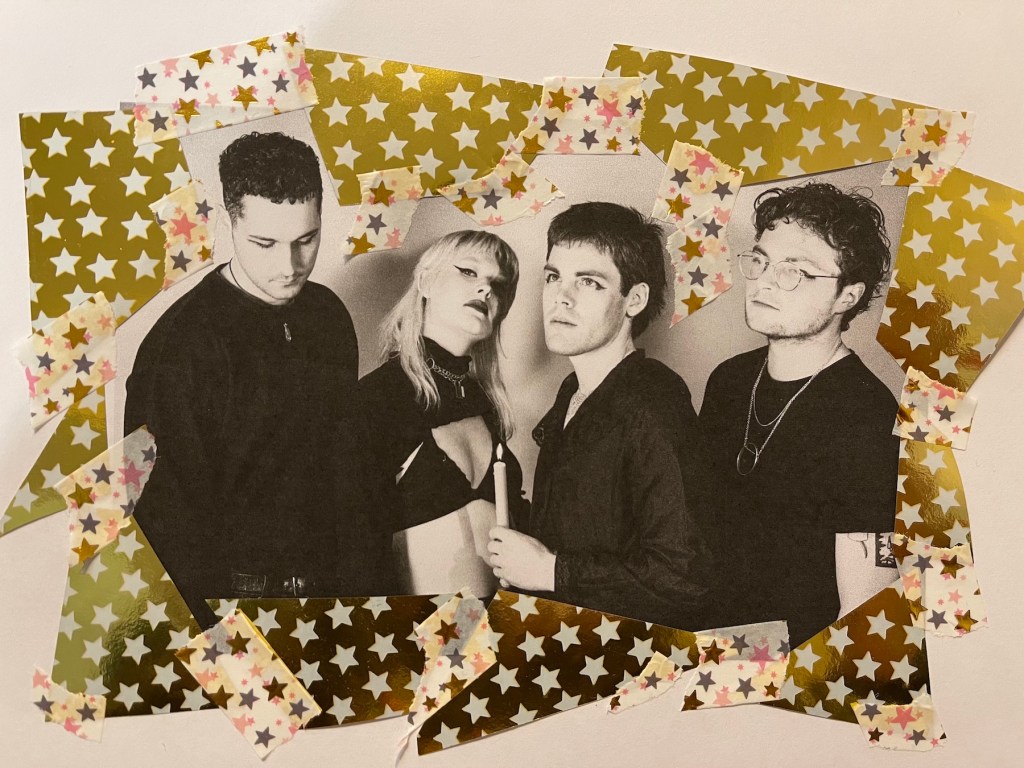
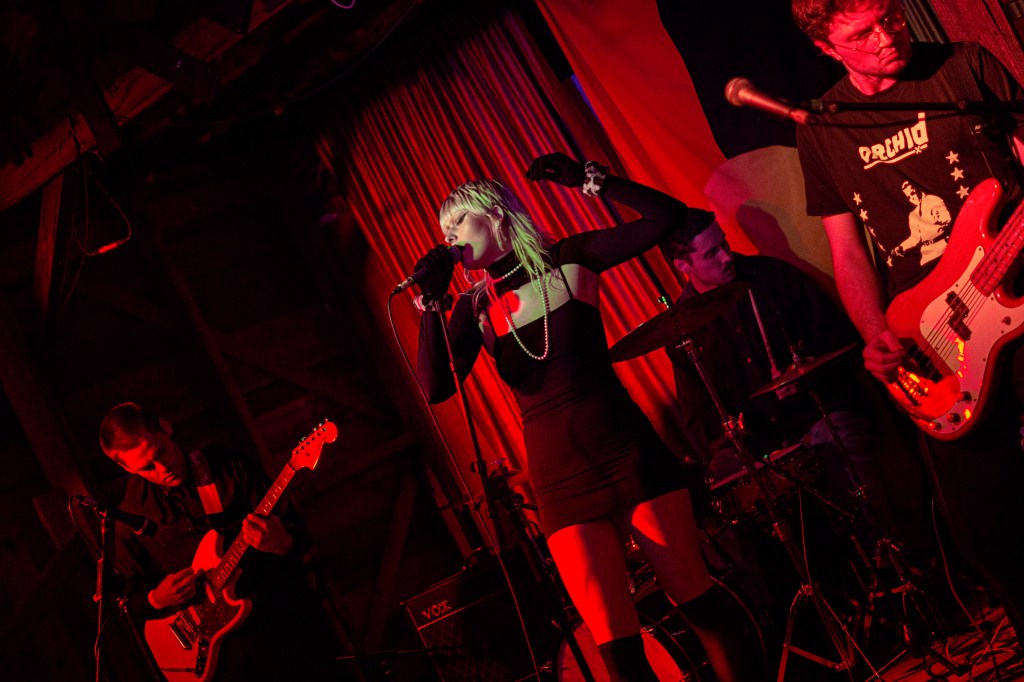
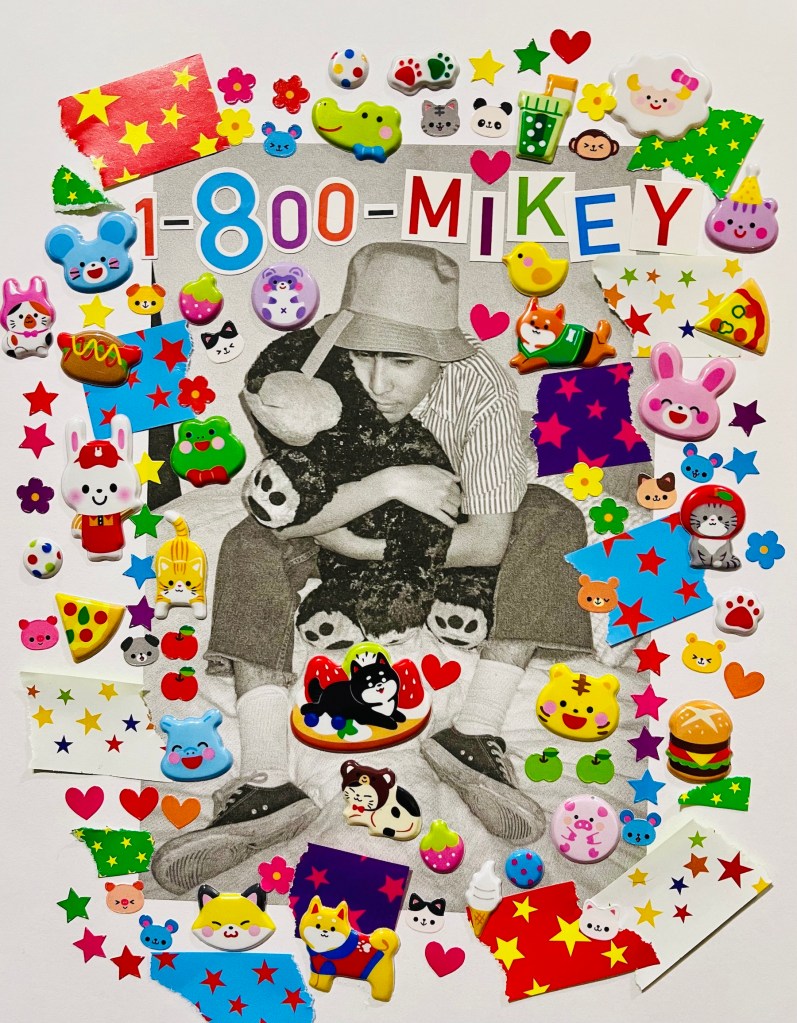



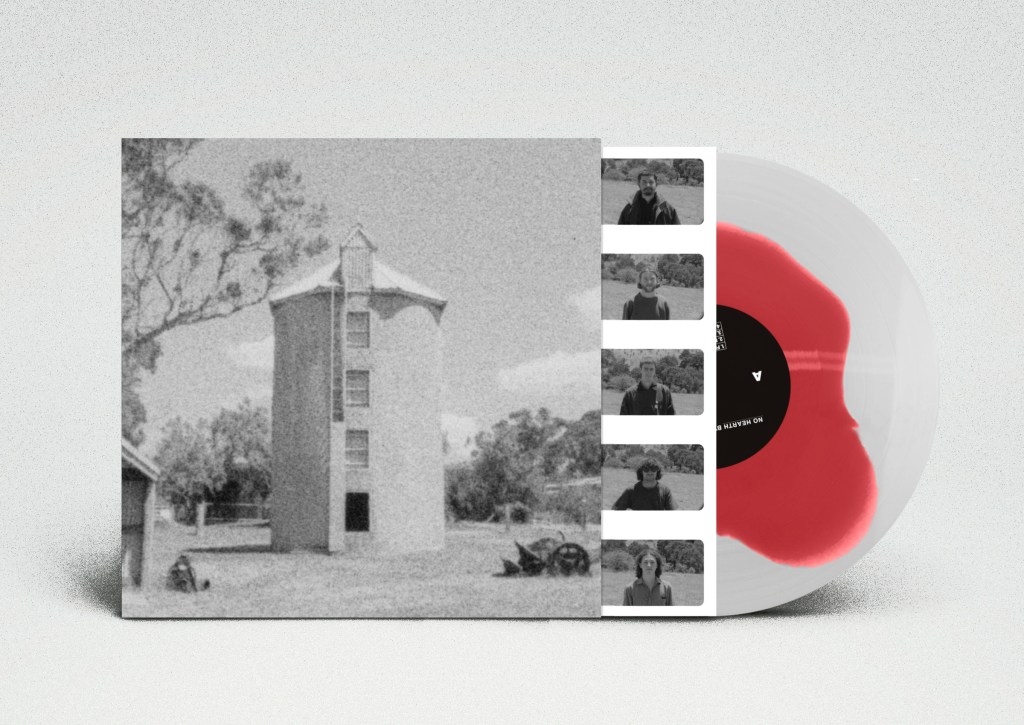
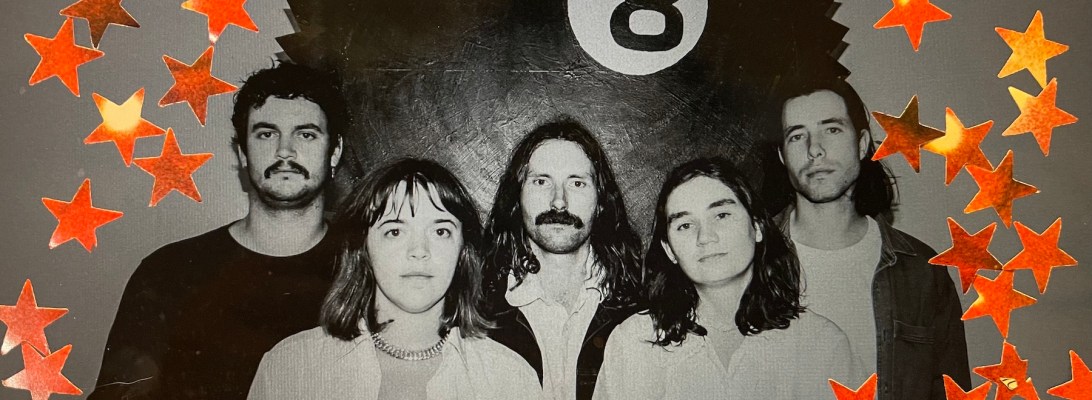

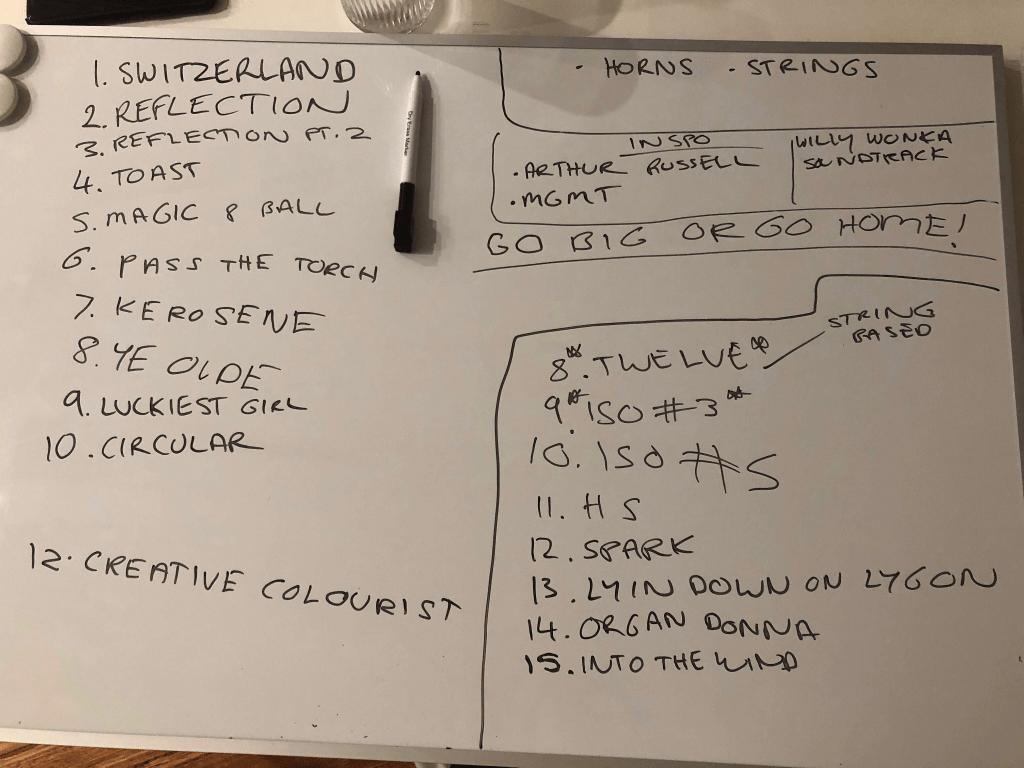


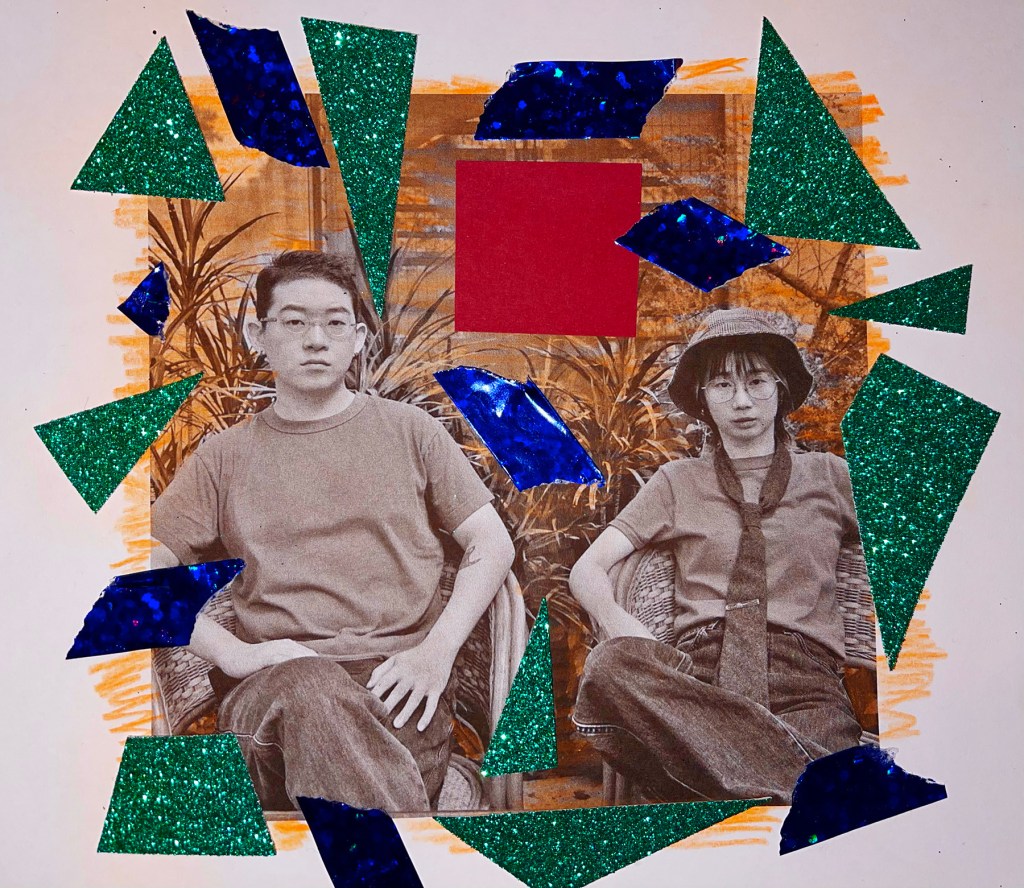
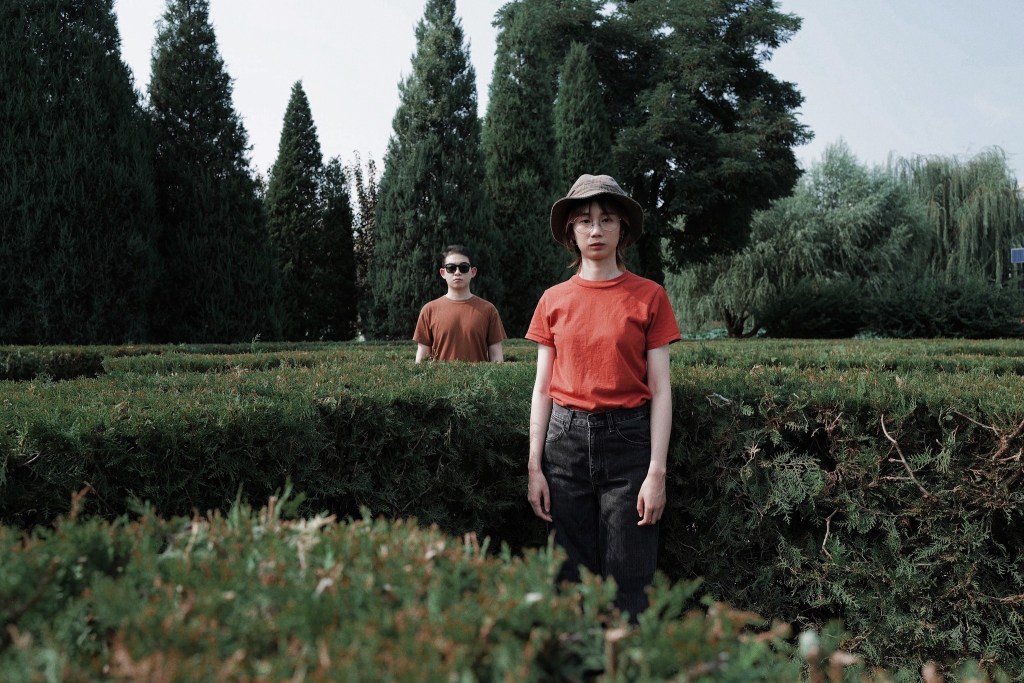
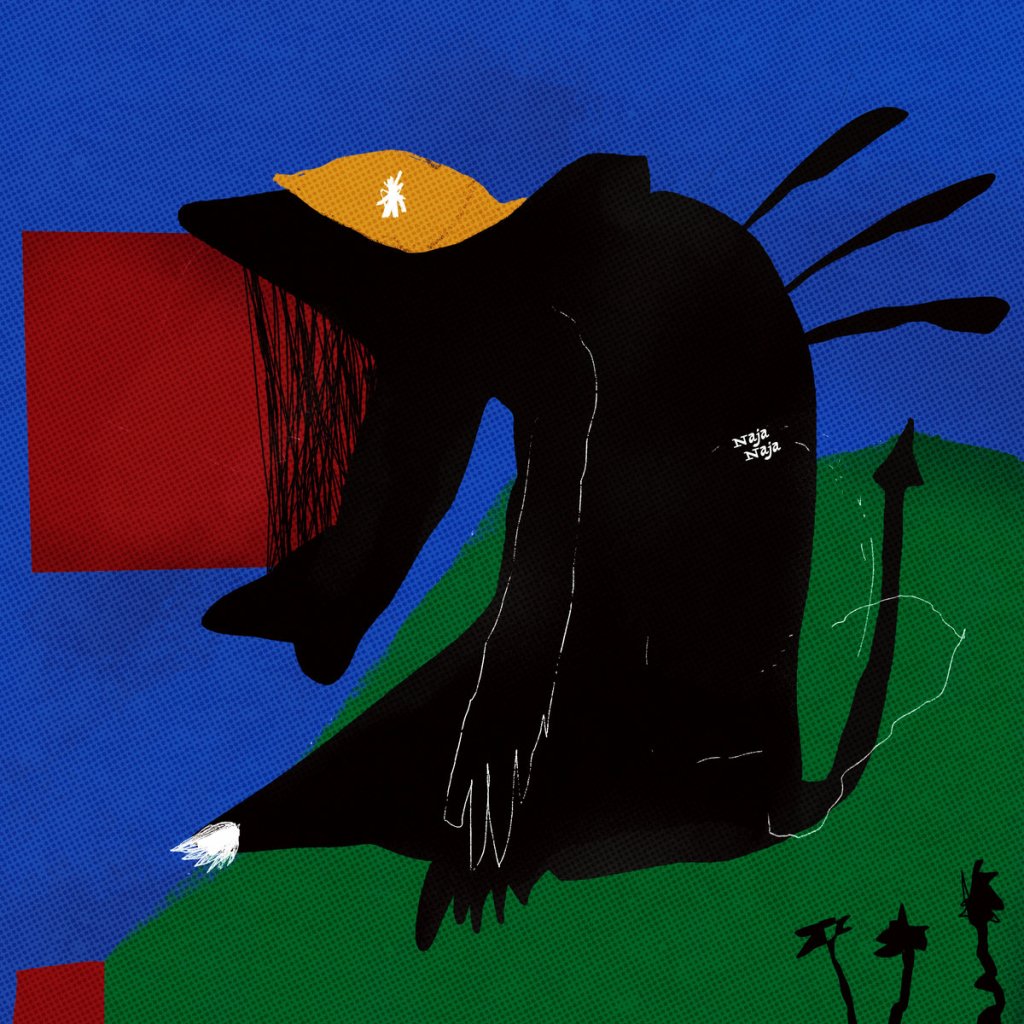
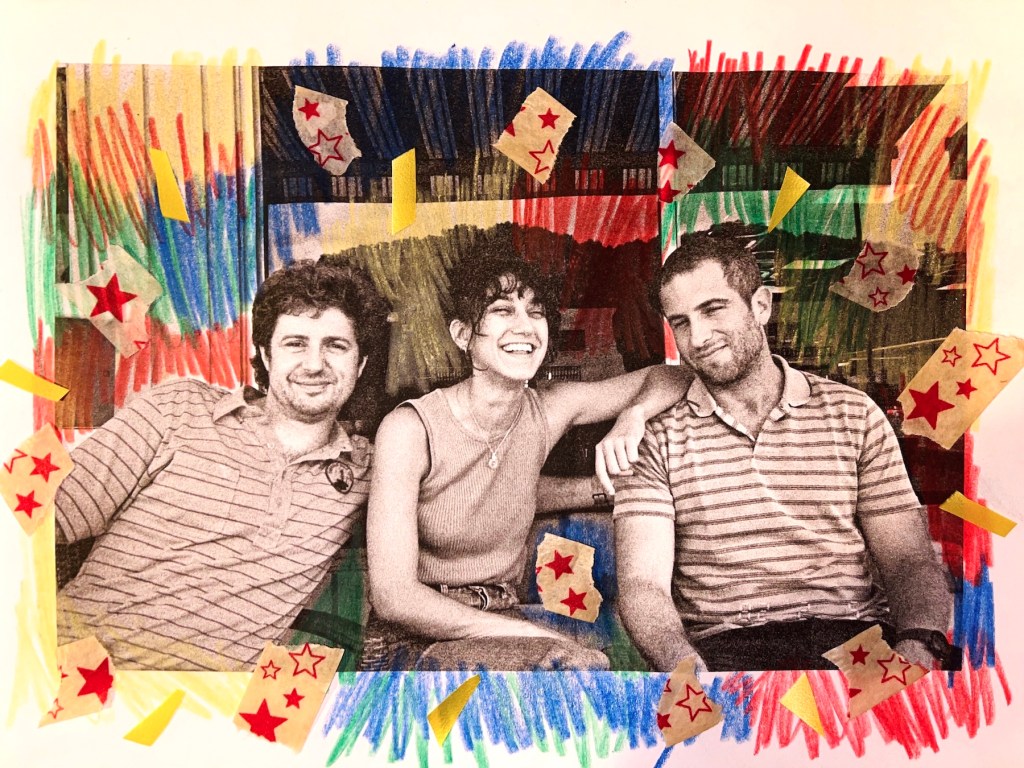
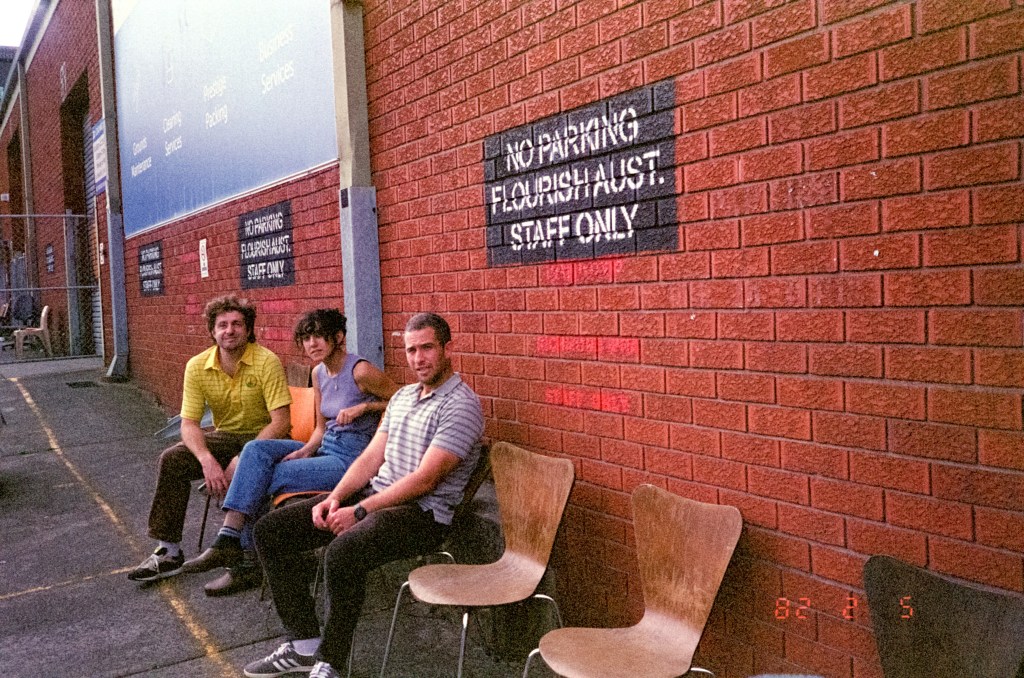
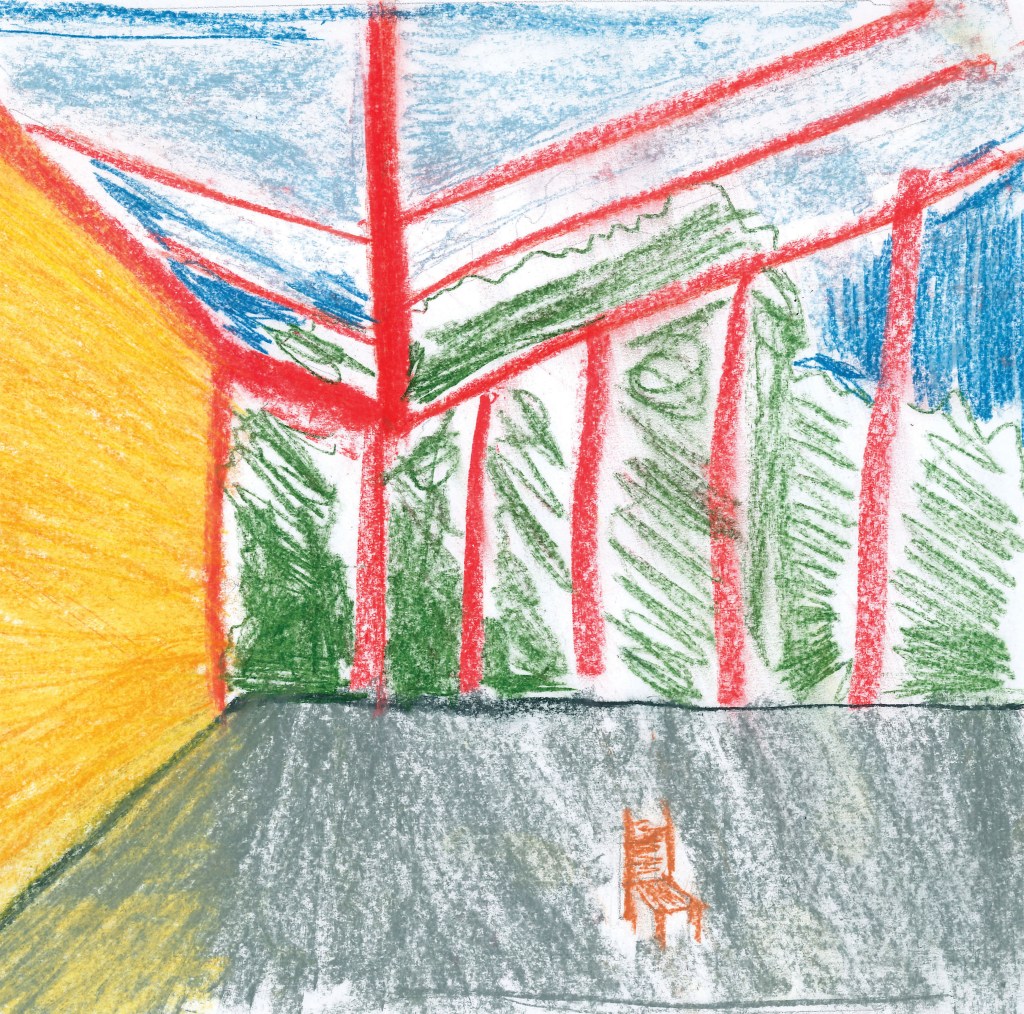
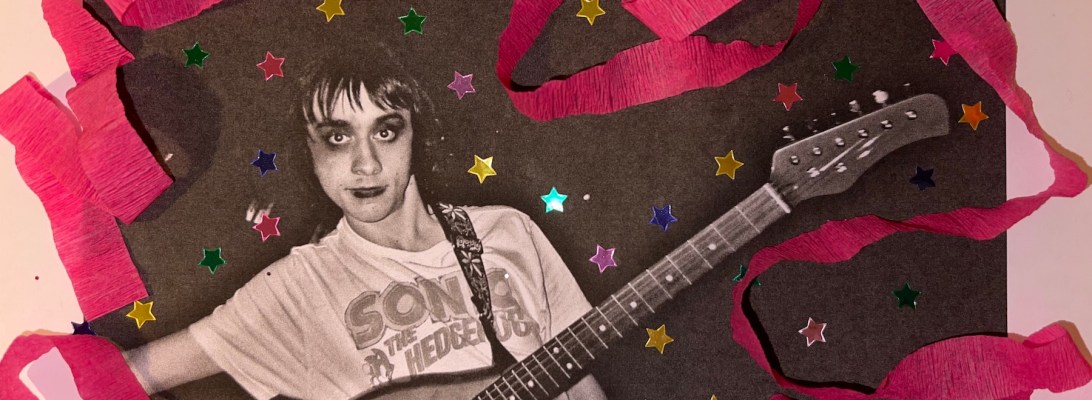

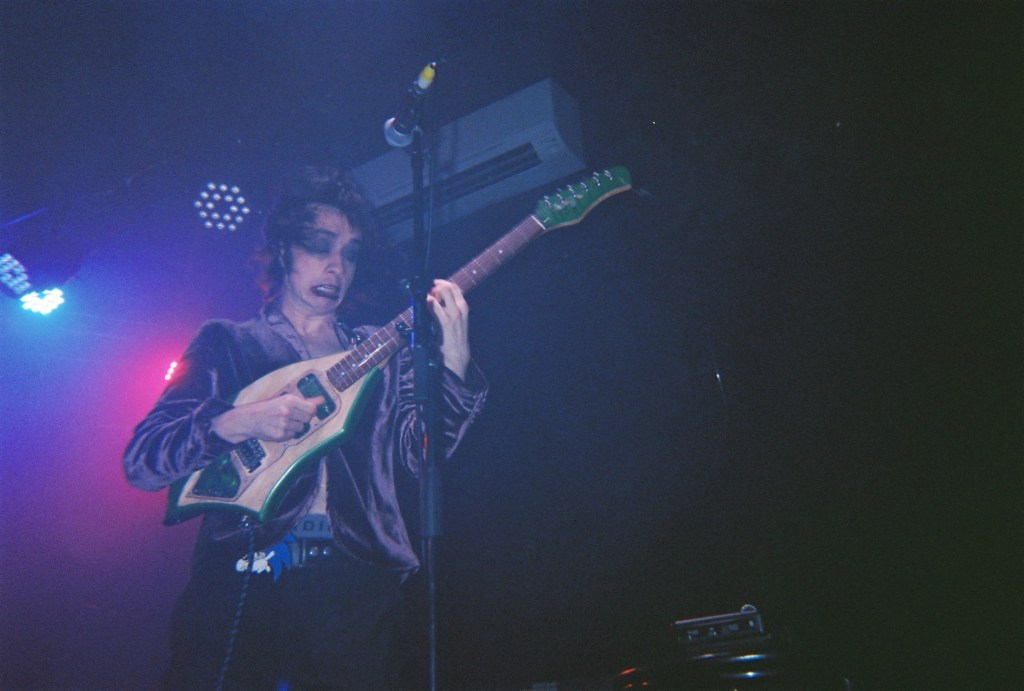

 Gimmie Gimmie Gimmie Zine