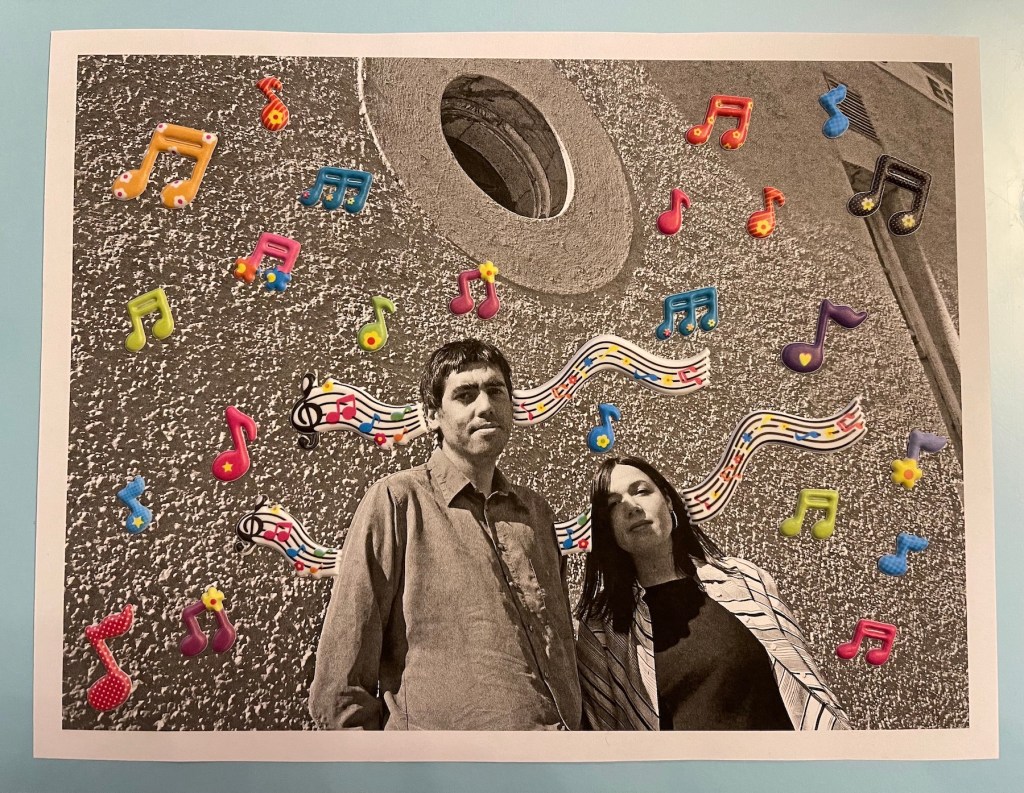
The Green Child: ‘There’s something special about the intention behind the music created in the spaces we’re in’

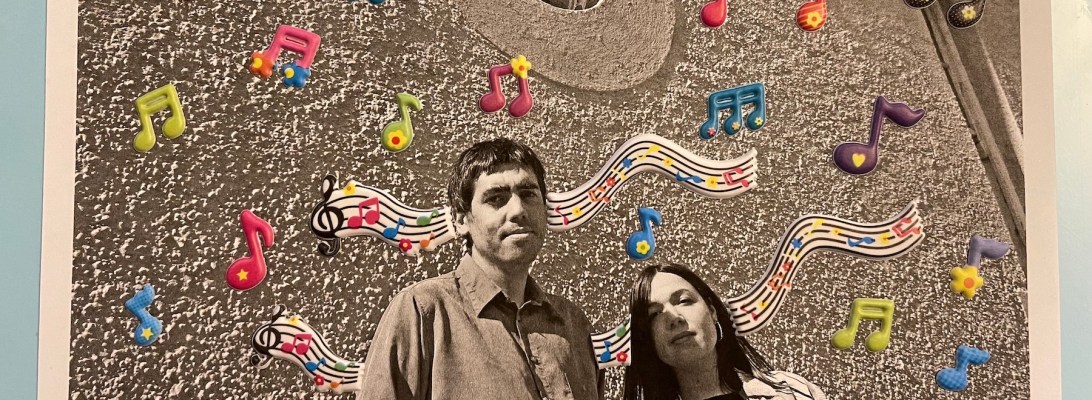
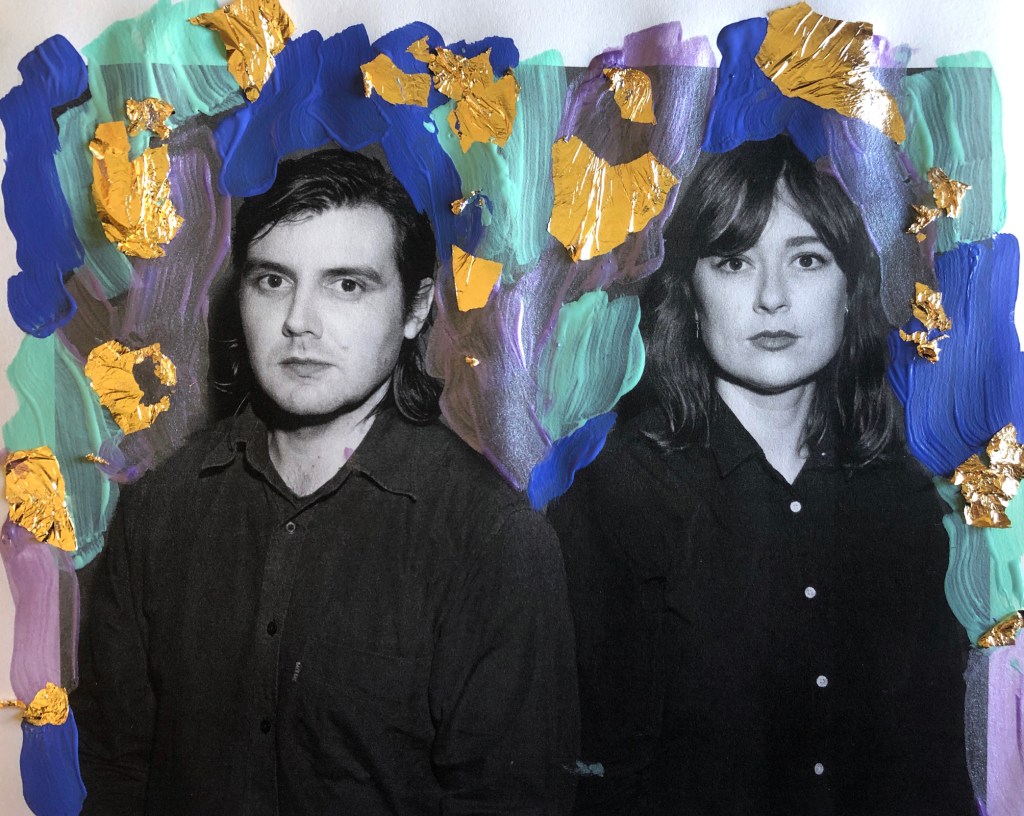
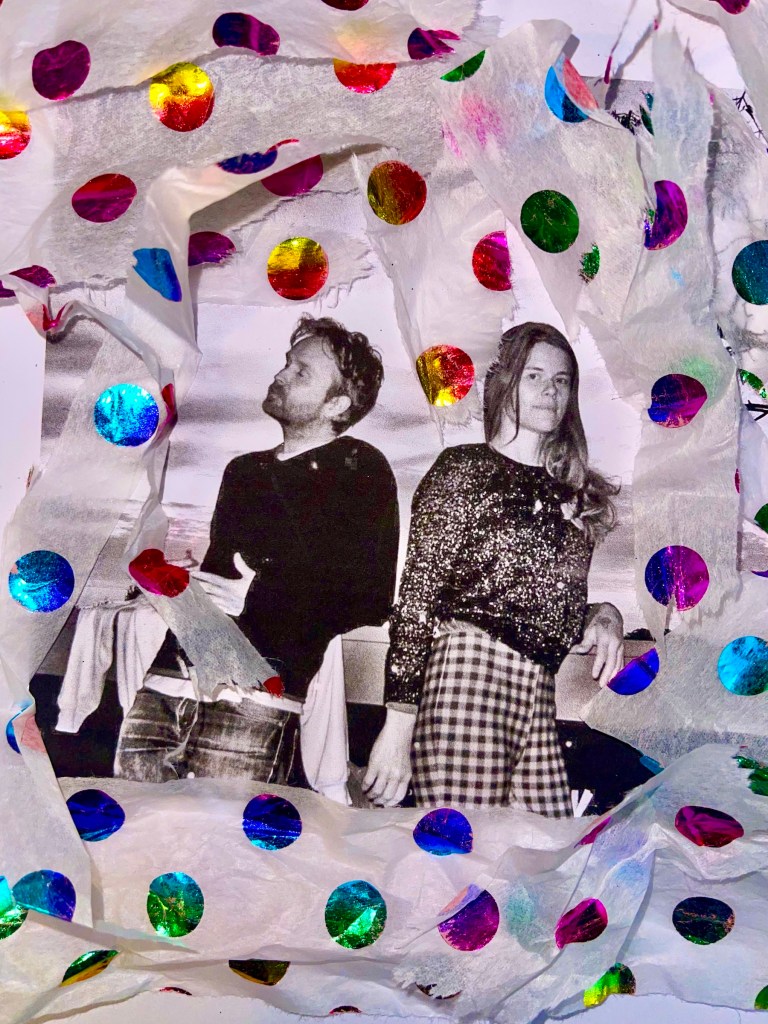
Handmade collage by B

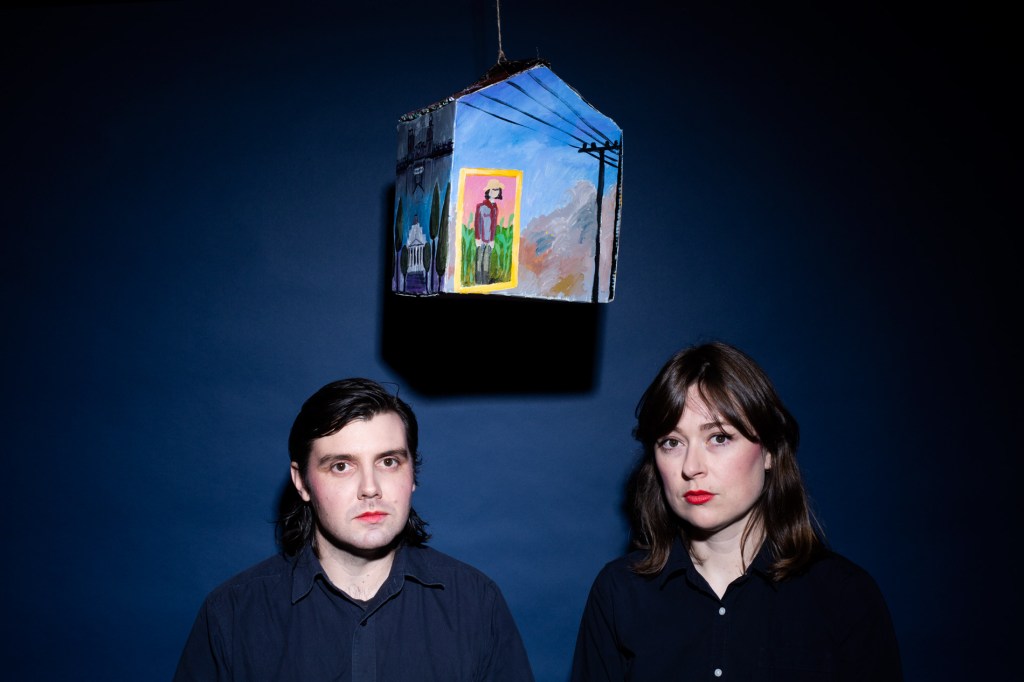
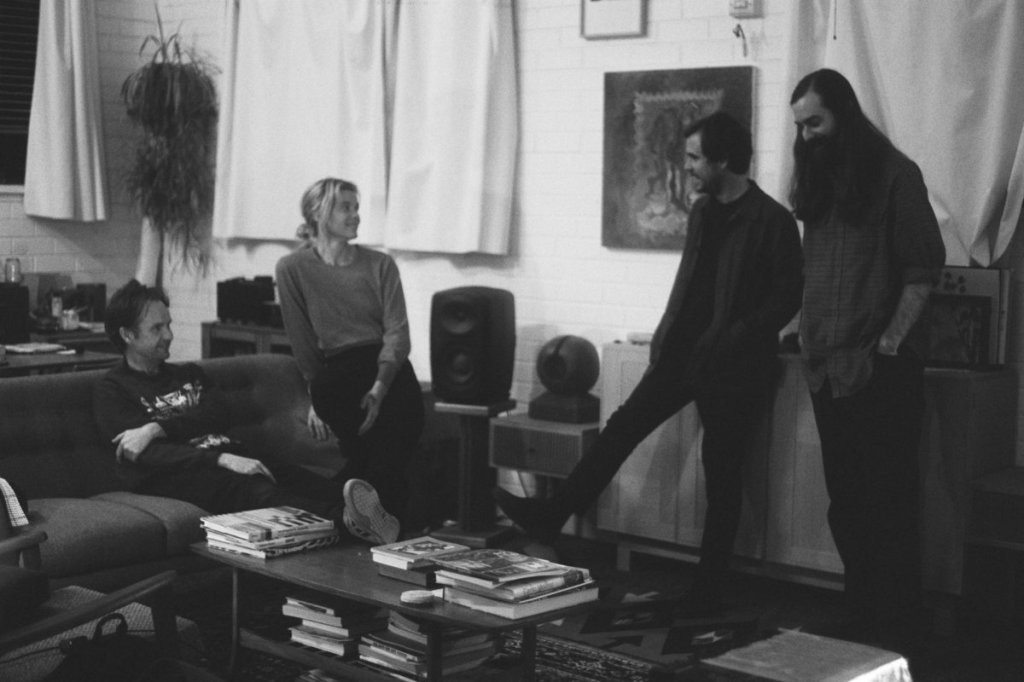
With their third album Look Familiar, The Green Child has grown into a fully realised band. Originally the recording project of Raven Mahon (Grass Widow, Rocky) and Mikey Young (Eddy Current Suppression Ring, Total Control), the group now includes Shaun Gionis (Boomgates) on drums and Alex Macfarlane (Hobbies Galore, Faceless Burial) on guitar and synths. Writing and demoing the album together in Naarm/Melbourne, the quartet found new energy in playing as a unit, shaping a more dynamic, expansive sound while staying true to their refined psychedelic pop.

Look Familiar is an album alive with shifting textures and unexpected turns, its lustrous sound blending propulsive rhythms with hazy, cinematic layers to create a sense of movement through both time and memory. With shimmering synths, reverberant guitars, and Raven Mahon’s ethereal vocals threading through each track, The Green Child has crafted a work that feels both intimate and transcendent. Lyrically, it is rich with shifting realities and personal histories, with Raven incorporating vignettes of family memories alongside reflections on world events. The album’s artwork, painted by her mother in the early ’90s, further ties into this theme of past and present converging.

Gimmie recently spoke with Raven and Mikey about the stories behind Look Familiar.

We’re really excited about your album—it was one of our favourite albums of last year (2024). We love music that is unique, does its own thing, and incorporates lots of different elements, or when an artist takes influences and puts a new twist on them.

RAVEN: Yeah, I feel the same. You always have your influences—whether you’re conscious of them or not—they make their way into the songwriting. It’s always kind of there. But then, being able to add something… or maybe just the process of writing in the moment, responding to whatever you’re feeling at the time, that shapes the song. It might have some references or a particular style, but it just becomes its own thing anyway.

It’s cool to see bands that have something particular to say. And then that just becomes a vehicle for it—like a familiar genre or something. Because you can tell they’re in it, that they’ve put themselves into it. That’s always going to be unique.

A word thought that came to mind when listening to your album was ‘dreamlike” and there’s a warmth too. There’s such like a brightness to it. Listening to it is almost like getting a hug from a friend you haven’t seen in ages. Your album generates beautiful feelings for the listener. It has a familiarity to it. 

RAVEN: Thank you.

MIKEY: Yeah. I wonder if making music with more people, rather than just ourselves, makes it sound more inviting or warm. I feel like the first record doesn’t sound very warm at all—I could be wrong. It just sounds kind of cold to me. But having more people around probably lifts it up a little.

When you made the first Green Child album, you were both living in two different places, right? Do you think the distance might have made it feel that way?

MIKEY: Possibly. Although, weirdly, it hasn’t really changed how we write music. The first thing we ever did, we were in the same room, which ended up being a track on the first album. But I do find that, initially, it was a bit cold. I feel like the first record doesn’t sound very warm at all. I could be wrong— it just sounds cold to me. I found that I worked better if I was alone, trying to figure out ideas. I get kind of claustrophobic if people are around when I’m trying to figure out stuff, so that distance was helpful.

With the second one, when we lived together— weirdly, it was kind of the same. I’d be like, ‘You go in the other room. I’m just going to do this.’ And there wasn’t much interaction about ideas. It wasn’t really until this one, Raven wrote a lot more of the music as well. We left things really open for Shauny and Alex to be involved in. That kind of collaboration—that lack of distance has helped make it more uplifting, maybe.

RAVEN: I feel like the sentiment has always been there, even early on, without explicitly talking about constructing the songs together or what the parts would be like. There’s still something in the melodies or the instrumental ideas you would send—they’d be kind of open, maybe not structured yet, but just melodies and beats, the makings of a song. It’s funny that we work this way, but I feel like I do better by listening first and coming up with vocal melodies and then letting the lyrics follow. I like doing that on my own, but I’m sure they were still informed by the feeling of the songs and the ideas you were sending. There’s still some kind of subconscious communication about it in It’s like evolution.

MIKEY: Yeah.

RAVEN:I feel like there’s not really a conscious decision to make a particular kind of song or a particular kind of sound. It just ends up being what it is.

What we end up making together sounds softer, has a warmth to it, but the subject matter isn’t always warm. There’s a contradiction in there somewhere. 

I noticed that. For example, ‘Wow Factor’ is talking about double standards of the international justice system, but then also caring for and protecting those that are close to you. 

RAVEN: Yeah, it was specifically about Gaza and Palestine, and feeling horrified by it. And also thinking about what we’re able to do to prevent it—or to react to it, or to hold the government that is supposed to represent us, accountable for their participation in it—it’s really frustrating. It’s hard to be on the outside, just watching it happen.

Watching the systems at play—the way the veil falls away, revealing how governments handle international relations—has been striking. It’s been a stark reminder of how power is held and exercised, and how little power it can feel like the public has to do something about it.

That was part of it, as you mentioned, the other side—caring for the community in whatever ways we can, looking out for each other, and the exercise of self-protection. There’s a lot of feelings and reactions that end up coming out in the lyrics. They’re not always literal or narrative, but they contain those feelings—the impulse to react, to say something, to do something, to feel something and express it. Because, It’s been a pretty horrible thing to witness.

I’ve been writing to register to vote—I’m still an American citizen. I was writing to representatives in California and writing to Biden, this kind of regular correspondence, and feeling like the messages are increasingly desperate. You feel like you’re just saying that into the ether, that it’s not landing anywhere, but it feels like one possibility for a way you can kind of exercise your power as a constituent. In the end, you do feel pretty helpless when it feels like there’s a lot that’s out of your hands.

When the world feels overwhelming and life gets really hard, is there anything that helps you get through those moments?

MIKEY: It’s probably not the right attitude, but I personally probably just get smaller and concentrate on work, making music, and the people I know. Otherwise, some things seem too crushing, and I can’t read the news anymore. I’ve been in a bit of that state lately. 

RAVEN: It’s been a strange year and a half. I’ve just joined Instagram, which is something I was feeling pretty conflicted about—or more just uninterested in. And then, at a certain point, I felt like, for my work, maybe I should try it. I had a vague curiosity about what it would actually feel like to join, to have an account and to participate.

And so I did set up an account, and I posted a few work-related things. Then October 7 happened, and it wasn’t long after I’d set it up, I realised how incredibly useful it is for sharing things you wouldn’t see in other places.

Since that point, I’ve continued to feel really conflicted about using it, especially now that Mark Zuckerberg has taken away fact-checking—which things can only get worse.

Yeah, it’s pretty wild.

RAVEN: It is really wild—and really dangerous. But I still find that it’s really useful for learning about what other people are doing or just hearing from others around all the issues that I care about or want to stay informed about.

Even though there’s a danger in being confronted with so much in such a concentrated format, I also recognise how a community can exist there. You can feel not as alone in the frustrations, the sadness, or whatever it is that these world events and the state of the world make you feel. There’s something comforting about seeing the activity of people who are also reacting to it.

So, I don’t really want my answer to be that I go on Instagram when I feel down—but it does create some kind of balance, or ballast, to it. Music really helps too—just playing music. I was feeling down today, and we ran through some songs because we have a show coming up. And it was making me feel nice to play.

Listening to music changes your channel a bit. Playing, because it’s such a physical act, you have to focus on it. That physical engagement is part of what can be comforting.

Your album is called Look Familiar. That’s the name of one of the songs on the album, too. Why did you choose that for an album title? Does it tie to a theme?

RAVEN: There was no theme to the album that we set out to follow, but when we were coming up with song titles—because we’re not very good at that—we’d just be naming them at the last minute, and sometimes they’re not really connected to the songs at all. But I was looking at some subject lines from emails that my mom had sent me.

We’re really close. I communicate with her a lot. She lives by herself out in the desert in New Mexico. She’s maybe from a generation that uses technology in her own way, so often she’ll put the entire body of a message in the subject, and there just won’t be anything in the email itself. Some of her subjects were really funny or just funny imagery.

Even though “look familiar” is not necessarily an interesting couple of words together, that was on the list of things, so we went from there. Then we ended up using one of her paintings for the album art. Everything converged and made sense—not because we had intended to make that happen, but it just sort of did in the end.

One of the people in the painting is my dad. She went back to school and studied art when they divorced when I was young. This was a painting that she did post-divorce. It was kind of loaded. It’s a way, I think, for me to bring the past and other people—family members in other places—into something that I’m doing now because I live so far away from them.
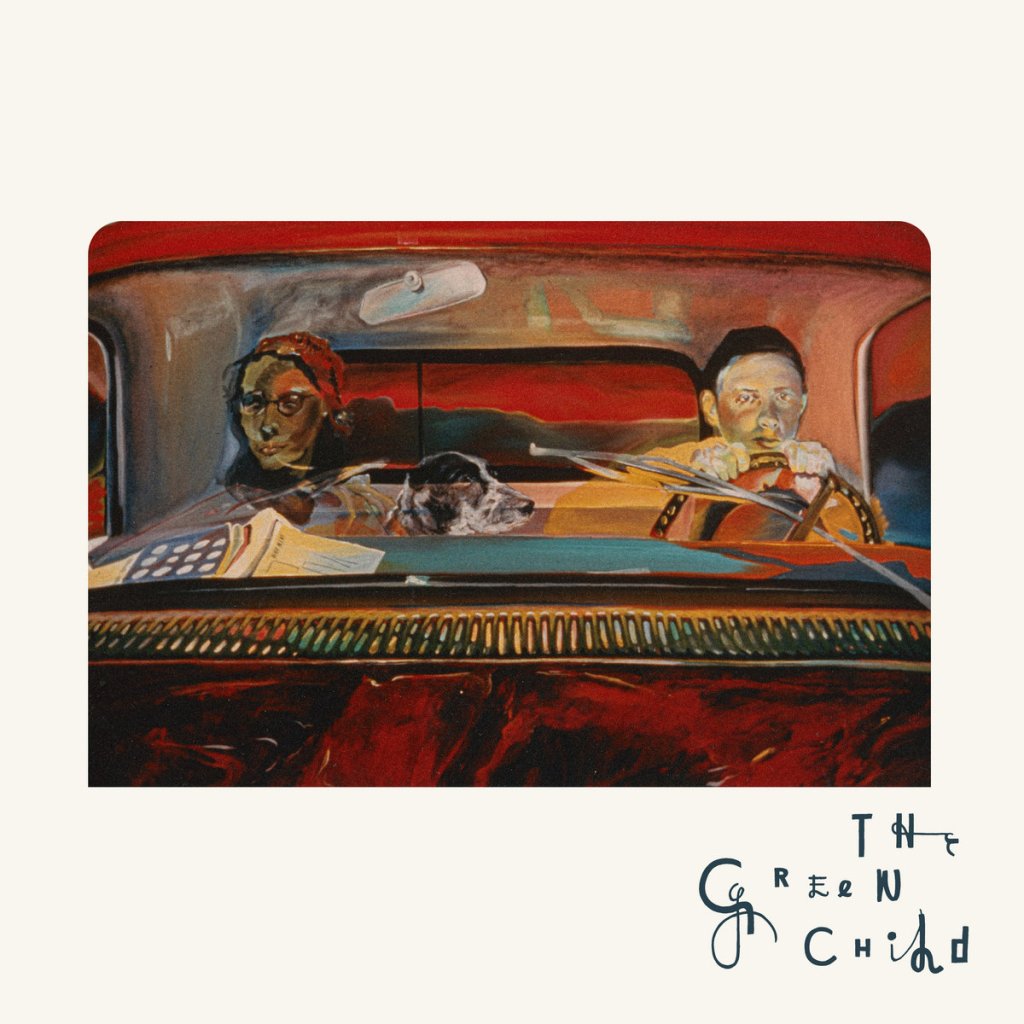
‘RTNW’ PAINTING BY JANE MAHON, 1991 

That’s really beautiful. Another song, ‘The Lawn’ has a connection to one of your family members as well.

RAVEN: Yeah, that’s my paternal grandmother. 

She lived in a commune?

RAVEN: A desert community out on the east side of the San Gabriel Mountains in LA, in Southern California. In the ’50s, they started selling parcels of land, thinking—imagining—it was going to be like Palm Springs or something, but it never really came to fruition.

She lived in this small community that’s half-built and right on the edge of things. That land, 40 years before she moved there, was a socialist commune, and there are still remnants of it. There’s a kiln—this stone structure on the dirt road that her house was on—and a couple of other things dotted around.

The commune didn’t survive. The other parts of the community didn’t want the socialists taking hold there, so they did some pretty nasty things, like turning off their water—kind of sabotaging their water rights—so that their orchards wouldn’t flourish and that sort of thing.

I spent a lot of time there when I was a kid and would go down to visit her in my 20s. So, a lot of that environment is lodged pretty deep in my subconscious.

Obviously, you moved to Australia because you found love. You met at a gig you played together, right? 

RAVEN: Yeah!

MIKEY: It was the last Grass Widow show, and Total Control played the show in Oakland in 2013. We had a mutual friend who was playing in Total Control at the time, David West, who does Rat Columns. He was living in San Francisco at the time, and he kind of set that up in a weird way.

That’s so lovely. Mikey, you’ve talked about the record, and said it felt like a step forward for you and it felt real fresh and new. What kind of things did you guys try on the record that made it fresh for you? 

MIKEY: It maintained a freshness for me because I backed away and let other people in a little more. 

Did that feel hard for you? 

MIKEY: No, not at all. Any record I’m involved in, by the time I get to the end of it, I’m pretty conflicted about the damn thing anyway, and it’s hard for me to enjoy. It takes time for me to come out the other side feeling joyous about it.

Usually, it takes some nice words from people like yourself to realise it’s okay. I think leaving even more space helps. If you’ve got people like Alex to make music with—he’s so talented and thinks so hard about what he’s going to do in a given space—you want to allow him as much room as he needs. That definitely influenced how I went about making the tunes. Getting to the end and hearing what he and Shauny decided to do on the songs makes it much easier for me to enjoy. If it were just me and Raven, my lulls would be even worse.

When you’ve got other people bringing their own ideas, you can listen back and go, ‘Ah, that’s so sick.’ So no, I don’t think it was hard. There were probably moments where it was hard to step back because I’ve been a bit of a control freak in a lot of my bands, maybe out of necessity. But once I got over it, I think it’s better, and it’ll be better in the long run.

For a good while, we even thought about not calling it a Green Child record because it didn’t feel like a continuation of the other two records, but I’m glad we didn’t change the name in the end. It seems to fit.

RAVEN: Yeah, maybe they’re not as different as we think they are. But it’s just getting used to hearing other people, other people’s ideas too, like in the evolution of it.

I like the idea of a name also being able to contain different versions and different things, different records with different configurations. 

MIKEY: Yeah, like, even Total Control records, for instance. A lot of those records didn’t have the same lineup of people, or, the songwriters changed over time. I like a band being able to be a bit malleable.

There’s been a Total Control record in the works for a little while now, hasn’t there?

MIKEY: There’s a kind-of-finished Total Control record sitting in limbo. I’m not sure—it got put on hold. By the time we finished it, people had moved interstate, and we weren’t really an active band anymore. So the personal motivation to get it over the line has dropped off. Maybe it’ll just disappear. Who knows?

Was it fun making it?

MIKEY: Yeah, that’s the weird thing. I realised when I finished it that I cared more about that than releasing it. It was interesting. I realised that with a lot of music—it made me think about a lot of the music I make—and how it’s often not about releasing it or turning it into a product. Sometimes, it’s just about taking all these three-quarter-finished things on my computer and turning them into something I’m done with. And, it allows my mind to start other things. It was fun making it. It was fun to finish it, and maybe that’s all I needed from it. Not everything has to come out.
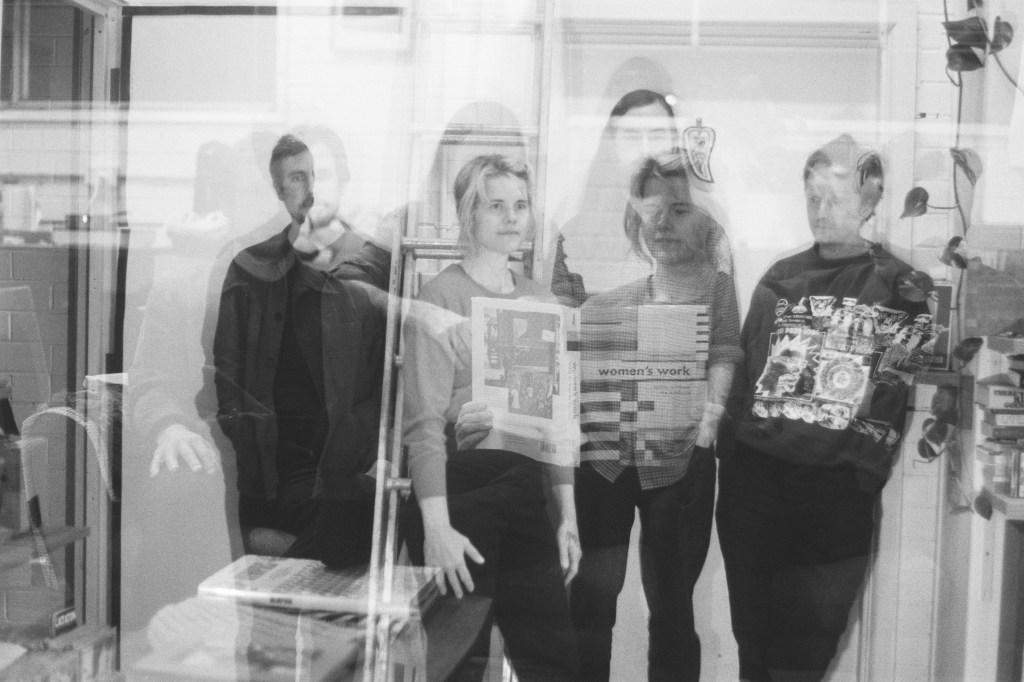
Totally. I do a lot of writing that never ends up coming out but doing it helped me with whatever was happening in my life or it documents how I was thinking or feeling. Also, though, with the interviews/conversations that I do for Gimmie, I find it’s about the connection with others.

MIKEY: Yeah, totally. Nearly all my friends seem to be the people I’m in bands with. Most of my social engagements throughout the week are with them. The joy of just coming up with something—even if that record never came out—was worth it, I think. Just doing it for so long made it worthwhile.

One of the highlights for me on the album is the song ‘Feet Are Rebels’. I love the guitar line of that song. It just soars and keeps climbing and climbing. 

MIKEY: That would be Alex. He did write to us afterward and was like, ‘That was the first thing I came up with, and I’m kind of embarrassed by it.’ He thought it was just a bit over the top—just ridiculous—for that song. I was like, ‘Man, that’s staying.’ But I guess that one almost didn’t make the album because it’s not one of Raven’s favs.

Really?

RAVEN: It went through a few evolutions. Like Mikey was saying, when you’re so involved in the mixing and recording, you kind of lose perspective. I was like, ‘What is this song? I don’t know.’ Then Alex came in and was like, ‘Sounds like The Cars,’ or at least he heard The Cars in it. So I’m glad he ran with that—I feel like that made sense to me.

But, I could never quite shake the feeling of questioning whether it was any good, you know? Like, was it worth being on the record or worth playing? I mean, I could be convinced, but it’s just one that I lost perspective on.

I understand that half the ideas were from you, Raven, and the other half from Mikey. What were some of your personal influences while making it? It was made over four years, right?

MIKEY: God, I don’t know how… Yeah, I guess some of the initial ideas are probably four years old—who knows? We probably only put a conscious effort into making a record over the last year or so. 

RAVEN: The ideas are probably drifting around for a while.

MIKEY: I have no idea about influences anymore. There are certain songs that feel like obvious rip-offs to me—like, there’s a very specific idea where I wanted to rip-off. I don’t know if you picked up on any of that.

There’s a demo version that doesn’t sound like this, but as soon as we started jamming ‘Easy Window’ it basically turned into Tusk by Fleetwood Mac straight away. I was like, ‘Let’s just roll with that—lean hard in that direction and be shameless about it.’ Because, you know, sometimes you do try to rip something off. But because we’re our idiot selves, it’s not gonna come out sounding like the intended object.

RAVEN: Someone called it though. Was it Rory? 

MIKEY: Yeah. A few people have called that one out.

RAVEN: It’s the drums. As far as direct influences, I feel like it’s all kind of swirling around—whatever comes out, and then having other people with their own ‘soup’ of inspiration ends up being something completely different anyway. Everyone’s got their own reference points.

I do feel like this record sounds particularly different because of everything Alex brings to it. He has these certain notes or combinations of notes that he uses, that give it this kind of medieval frog bent [laughs]. I love that he just goes for it too.It feels really free.

He doesn’t make it sound indulgent. It’s just like, this is what needs to happen in this particular place. When you open up a songwriting process to other people, they come back with ideas you wouldn’t have thought of. Everything Alex has done is not something I would have thought of, but that’s the nice thing about collaborating.

MIKEY: Yeah.What I was trying to say before is that the influences are more secondary. Like, you start a song without an influence, and then you realise there’s something in it—like The Cars or something. Then, I start to go down that path.

Like, the ballad—which I can’t remember the name of—did not start out sounding like a Serge Gainsbourg song. But as soon as it started, I was like, ‘Ah, I said to Shawny, just play drums like that Serge Gainsbourg track.’

It’s not like I wake up and think, ‘I’m going to write a song that sounds like Serge Gainsbourg,’ but it’s more like, ‘Oh, I accidentally started something that sounds like it could or should go in that direction.’

Although that’s not true. There’s one, ‘The Lawn.’You know, New Musik? ‘The Lawn’ was made totally trying to write a New Musik-type song.

Do each of you have a particular song on the album that you’re really happy with?

RAVEN: I really like that ‘The Lawn’ New Musik-type song. I feel like it’s challenging to play, but when we get it right, I really think I like that one a lot. But then the other one, called ‘Private Laugh,’ is sort of like that idea initially came to us a few years ago, it had just been drifting around and then came together right at the end of the process of getting all of the album songs together.

It came up pretty quickly, and I didn’t really think too much of it. It just felt like a good addition to the album, and maybe it sounded different from the other songs. But now that we’ve been playing it and practicing to play it live on a show, that’s becoming my favourite song to play. It feels like like the recorded version. Although, I don’t know, I don’t go back and listen to any of them. There are the songs that you’re writing, and then there are the songs that you’re recording and mixing, and then they’re out. This is the first time we’ve ever played any of these songs live, and I’m pretty nervous about it, actually. 

We’re excited to see it live! We’ll be at Jerkfest this year. 

MIKEY: Cool. 

Jerkfest is always a highlight of our year! We get to see so many cool bands and people that we love. We also feel so inspired by it and everyone. I chatted with Alex a few weeks back and he was telling me that you guys have been practicing. How’s it all going? 

MIKEY: It’s going good. Alex is good to have in it because he’s not a ‘half-baked, it should be right on the night’ kind of person. He’s more like, ‘We must practice this until there’s no chance of anything falling apart.’ We probably need a bit of that kind of whipping into gear. We’re getting there.

We’ve got two practices a week for the next three weeks, so I think we’re looking good. It’s been funny, I look forward to playing, but I also look forward to getting these over with so we can write new tunes again [laughs].

What’s something that’s made you a better songwriter over the years?

MIKEY: I would never call myself a songwriter because I can’t write lyrics. I can write riffs and stuff. Sometimes I can get my ideas from A to B a little better on a production level. Like, I used to have an idea, and then what I wanted to sound like at the end—I couldn’t get to because I didn’t have the skill to get to that point. Maybe that’s just gotten a little easier.

RAVEN: I feel like if I am any better at it now than I was like 10 years ago, it’s just because of watching you [Mikey] mix things and write things for other projects, and even just the way that you’ve approached these songs. There’s maybe something structural… I don’t know what it is exactly, but I do feel like I’ve learned a lot. Some of it is probably technical—understanding the program and what the possibilities are, which I still feel like I only understand a tiny smidgen of what’s possible.

But being able to navigate it a little bit easier helps fully form a song, or at least I have more elements than like, ‘I’ve got this idea in my head.’ Because I feel like, as soon as I have an idea, it’s just gone. So if I can’t get it down in some form, then that’s it.

MIKEY: My problem is I’ve ran out of good riffs.

RAVEN: The riffs run dry. 

MIKEY: It gets harder and harder. 

Because you do mix and master other people’s music so extensively, Mikey, and there’s a lot of technical side to how you work, and then obviously making music yourself would be more emotional and intuitive—do you have to switch that technical side off when you’re playing?

MIKEY: Yeah, that’s easy. The feeling of working on people’s music during the day most of the time does not feel creative at all. It’s a totally different mindset, and it doesn’t interfere with my feelings about making music or my desire to make music.

Usually, the first part of when I’m making music is not very technological at all. It’s scrapping together an idea as quickly as I can. I still think I’m a pretty scrappy musician. I don’t think much has changed over time. Usually, it’s just finding new instruments or programs to kind of feel inspired about.

For me, there’s usually a point where I’m finding something new—be it a new instrument that I can’t play very well or a new program. There’s a point where I get good enough to make something, but I’m still ridiculously naive at that thing. And there’s a window there where most of my favourite ideas come from because you can do these simple things. Now, there are certain riffs I wouldn’t write on a guitar that I would have when I was 15, because I’m like, ‘You can’t write that.’ But if you’ve got something new that you don’t quite know what you’re doing, you can go back to that mindset and be a teenager again. For me, it’s usually finding that window where something’s still raw and fun and stupid.
I love that! 

MIKEY: It’s a fun mindset to be in. On the other hand, I really respect people when they craft and can write a perfect pop song. Alex is a good example of someone that to my eyes, he really tries to do something properly all the time. 

I love both ways.

MIKEY: Yeah, that’s a good thing to be open. 

What’s something that you’ve been really invested in lately?

MIKEY: Because I’m working on modern music a lot, a lot of my spare time is looking up music for the compilations that I’ve done on the side. Often the thrill of the chase and finding things with that whole process is pretty inspiring to me.

There’s not really much in my life that’s outside of music. We watch a lot of films.

Anything you’ve found lately that you’ve really loved? 

MIKEY: There’s been a bunch of stuff, and that’s going to be on another comp that should be out next year. I find stuff I like all the time. When it’s late at night and you stumble across something that is just mind-altering, it’s like, ‘Oh my god, this is like my favourite song ever for now.’ I don’t find that as easily as I get older, so when it does happen and it’s that strong, it’s cool! It feels the same as it did when I was 10 years old.

Can you remember the first song you were obsessed with when you were young? 

MIKEY: From two, I was mega into Rod Stewart and KISS. In 1979, it was ‘I Was Made For Loving You’ and a few songs off the Dynasty album. There was also a Rod Stewart album that I had the poster for on the wall. At two or three years old, they’re the only two cassettes I had. I was probably just obsessed about every detail, as much as you can be when you’re three years old and just trying to understand what music is.

What about you Raven?

RAVEN: I was thinking about my dad’s record collection and INXS, and about the albums that first made it over into America and were big. It would be something that I would have heard in there, probably the Beatles’ White Album or something. But something that got me personally…

I feel like there’s a moment when you— not when you feel like you could make that music, but that you realise that it makes you feel something really strong. Whether you make music or you’re just listening to music and a fan of it, there’s a particular moment where it affects your whole world or transforms your whole perspective.

I don’t know what that first moment was of feeling like I could make music. It probably came way later, actually. Well, I was in band, I played saxophone when I was seven, and I feel like that was my first experience. But it wasn’t really like what I listened to and then what I played. It was like what we played in the school band versus, you know, the things that I listened to—my Mariah Carey tape that just made me feel really good.

Slowly those things start to come together and, you know, you realise you can play and it gives you a similar feeling to listening to things that you love.

MIKEY: I definitely didn’t hear KISS or Rod Stewart and think I can do this. The idea of being inspired directly to make music, I’m sure that can’t wait later on. I have no idea how.

RAVEN: I do remember being in a school band at around 11, playing some kind of John Williams soundtrack, like Jurassic Park or something, which I think we did play, and feeling genuinely moved by it, and feeling part of something. I feel like some people talk about their early days, like singing in church or playing an instrument in a church band, and how it was their first experience of playing something and feeling like part of a whole. Playing Jurassic Park in sixth grade was probably that moment for me [laughs].

That’s cool. It’s funny that you mentioned the Jurassic Park theme, when Jhonny would play solo shows he’d start of his set with that and I’d be standing out in the crowd and I’d watch everyone around me hear it and get so stoked on it. It’s a pretty magical piece of music.

RAVEN: That’s so great.
I love seeing music move people and being in a space where you can share that. During the pandemic, it was the first time I hadn’t been to gigs for a prolonged period since I started going to them as a teen. When I started going back to shows, I realised how much I missed it, and that there’s nothing that gives me the same feeling.

MIKEY: Totally. 

RAVEN: Yeah, I feel really lucky to have experienced what I have. Whatever happens in the future, just to have had the experience of playing and touring— that really particular thing. Whether you’re in the audience or playing music on stage, there’s nothing else like it, really. 

MIKEY: Especially small shows. It’s the visceral thrill of being face to face with someone, whether you’re playing or watching. It’s something I don’t think I’ve experienced in any other fashion.

I’m forever fascinated by the mysteries of creating and music and connecting and sharing. 

RAVEN: I think about how much work it takes. We’ve done a tiny bit of work with our music for film and a little for TV, and it’s given me some insight into how people make a film—how organised you have to be, how many layers there are, how many people need to be involved, and how long the whole process is. There’s this will, this intention to create something, and an idea of what that is, what someone wants to communicate, or what a group of people want to communicate.

And I feel like, on a smaller scale with music, all of that is channeled into this media.All this work has gone into it— the ideas, the intentions, the imagery, the lyricism… everything. As derivative as some music is, or fits into defined genres, there’s still a lot that goes into it, especially in bands we listen to. I’m not saying that pop music doesn’t have something behind it, but I also feel there’s something special about the intention behind the music created in the spaces we’re in. Small shows, small runs of records—it’s ambition is to be made, to create, and to express something. And that’s what you end up hearing, or seeing, or feeling when you listen to it.

Last question: In the past year (2024), what’s something that’s brought you a lot of joy?

MIKEY: Hmmm, joy?

RAVEN: It’s been a hard year, honestly. But I feel really fortunate to be able to make music. In my other life, my job is making furniture. I share a workshop with a handful of people, and we’ve got this collective thing that’s grown. It feels like I’m really fortunate to have both the band space and this work space. I mean, it’s work; people hire me and make furniture. But there’s a lot of creativity, ideas, and information and experience shared amongst the people I work around. I wouldn’t have called it “joy” but it is something that really makes me happy, and I’m really grateful for it. I’ve spent so much energy on that and into the music and I feel like both of those things feel affirming and are positive places to be channeling energy at the moment. So, I think that would be it for me—just feeling happy about those opportunities.

MIKEY: It always comes back to music, and making music with people. There’s lots of ups and downs with, so the word “joy” is probably, maybe it’s not as straightforward as that. But I was thinking learning a new instrument over the last year has brought me a lot of frustration, but a lot of joy.

That’s the instrument I can see there beside you?

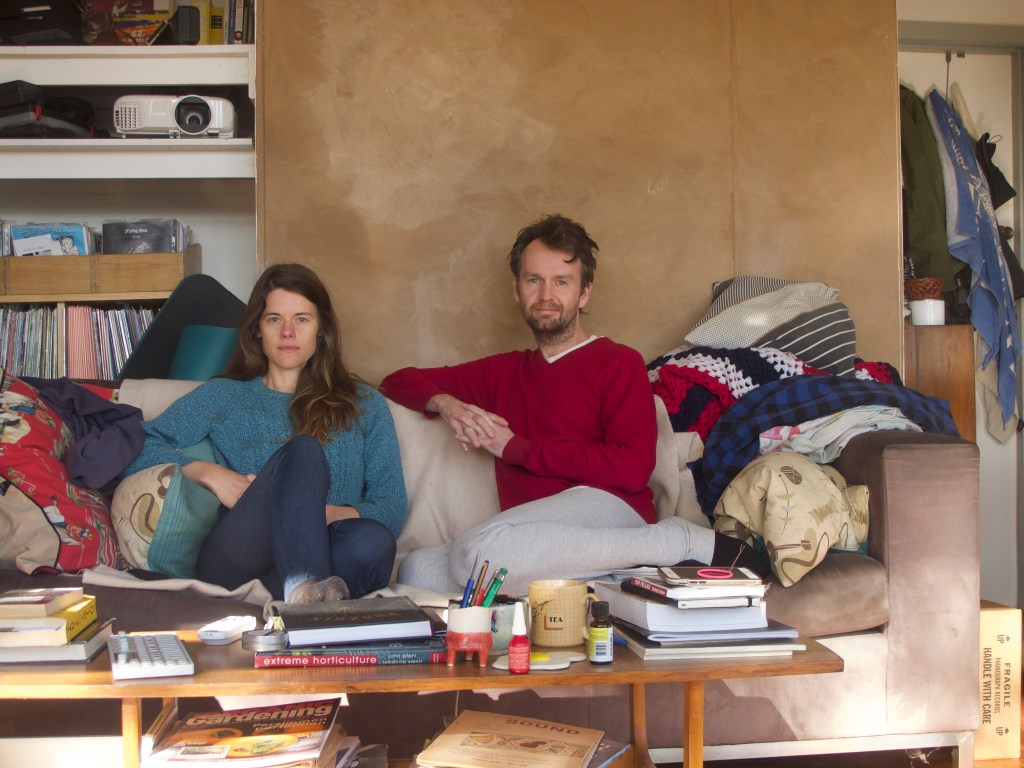
MIKEY: Yeah, the double bass. It’s going to take me about 10 frickin’ years to get  anywhere with it [laughs]. Also, I’ve been jamming a lot. Since we moved back to the city from the coast, over the last year, Eddy Current started jamming every week again—just because. Once we started working on the album and the idea of playing live, Green Child started jamming every week too.

We also started jamming with Shaun, our drummer, who’s one of our best friends. We used to live with him down the coast, but once we moved away, there was a period where we didn’t see each other as much. But making these regular times for jamming was key. It’s not just like, ‘This is when we’re gonna practice,’ it’s also the time I get to hang out with my friends and family.

I’ve got another band, Kissland, with my buddy Max, and just having these moments—because if I don’t have bands, sometimes months can go by without seeing some of my best friends—but being in a band forces that opportunity to hang out and make stuff every week. It definitely has its frustrating times, but overall, it’s bringing a lot of joy.

Is there a new Eddy Current record in the works?

MIKEY: Not really. We decided to start jamming about a year ago, or maybe even a year and because we jam in here, we record every week, and we’ve written a heap of songs. But it’s almost just this insular thing that we do for ourselves, and we don’t really talk about putting out an album or anything. It’s just sitting on all these stupid recordings.

I think that’s what has made it so much fun: because we don’t really talk about the outside world so much. For now, we’re just happy being that. 

I love that you said that ‘we just jam because’!

MIKEY: it’s just a good time for everyone. People’s jobs have changed, or their kids have gotten old enough where they’ve got spare time. So, it’s just a good time for everyone.

I don’t have Total Control playing anymore. We’ve got this space that we can jam and leave stuff set up. It’s just a good feeling for all of us to do it every week.

What both of you and Raven are doing, you’re creating things and you’re connecting with people that you love. And that’s the base human things that you need to. For me, I know that’s what I need to have a happy life. Lots of shit could be happening in my life, but if I have the ability to have those two things on a pretty regular basis, I feel like I’m like the richest person in the whole world. 

RAVEN: Yeah!

MIKEY: Yeah, totally. 

RAVEN: Well put.

MIKEY: I do find music baking also really frustrating sometimes. Not just with other people, but by myself. I can have extreme lows when I feel like I’m just making crap. I don’t really think about how music makes me happy. It’s more like, it just doesn’t even seem like a choice. It’s what I do and have always done without even thinking about why I’m doing it. 

You’re compelled. It’s like breathing, basically, and if you don’t do it, you’ll die. 

MIKEY: Totally. It’s not like you wake up one morning and go, ‘Damn, I love breathing!’ [laughs]. That’s it—you just do it.

LISTEN/BUY Look Familiar via Hobbies Galore (AUS) and Upset The Rhythm (UK).

New Terry track ‘Gronks’

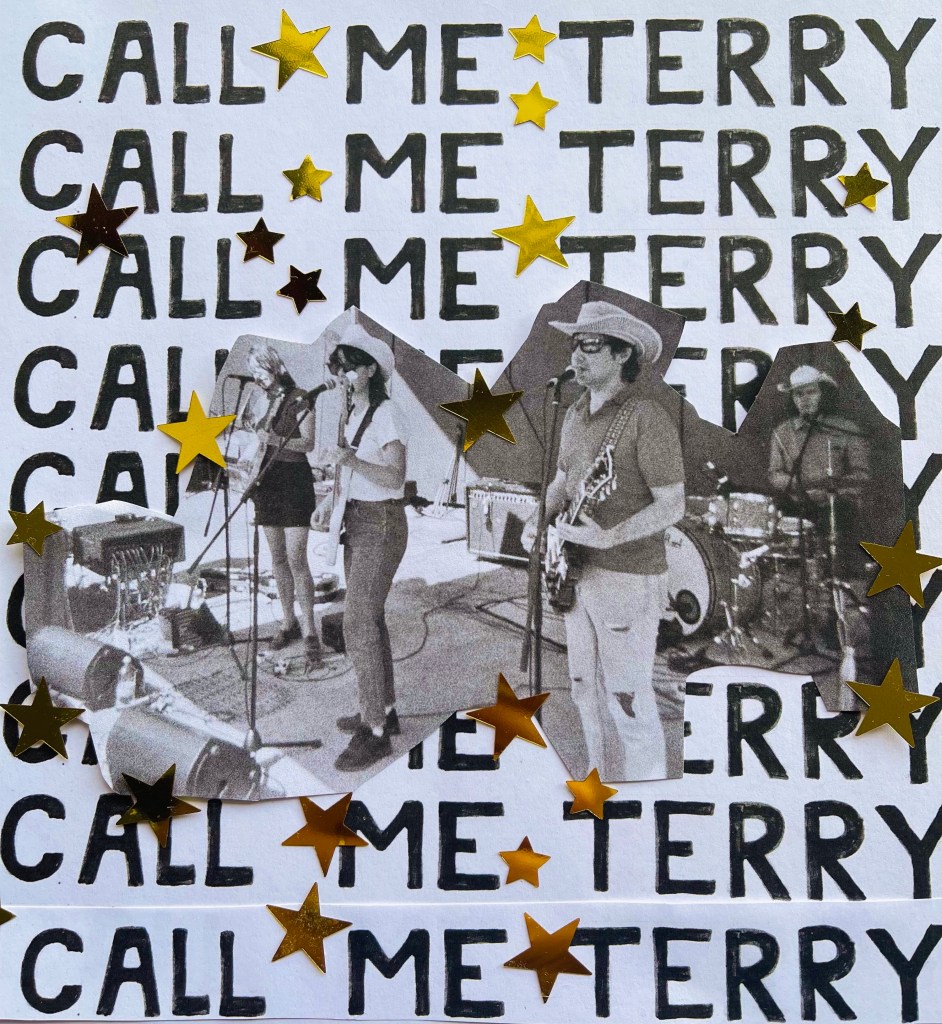
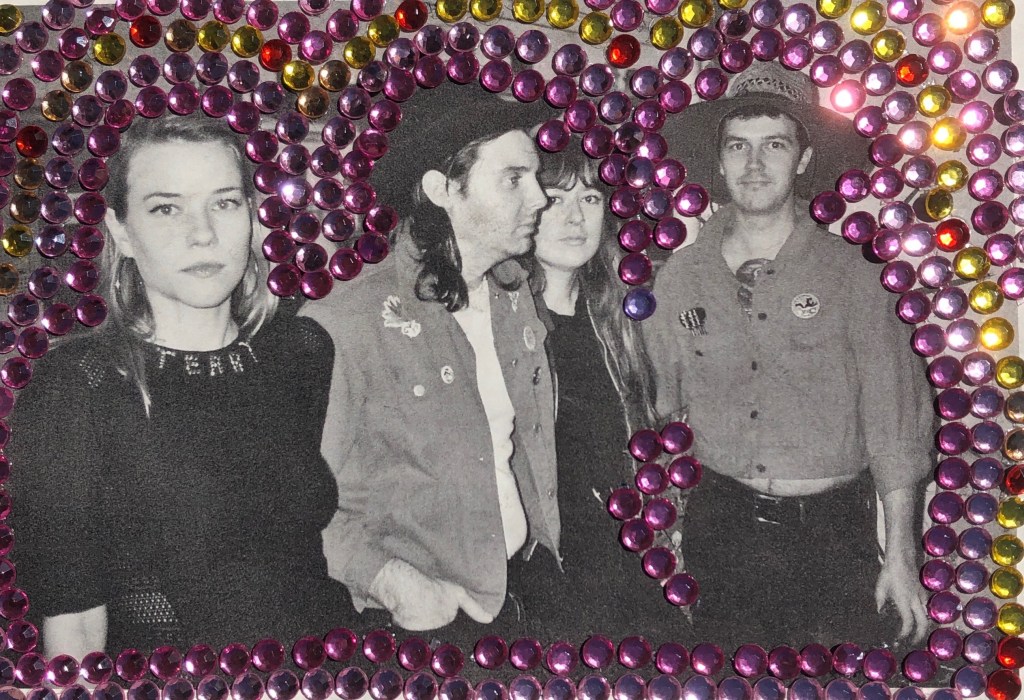
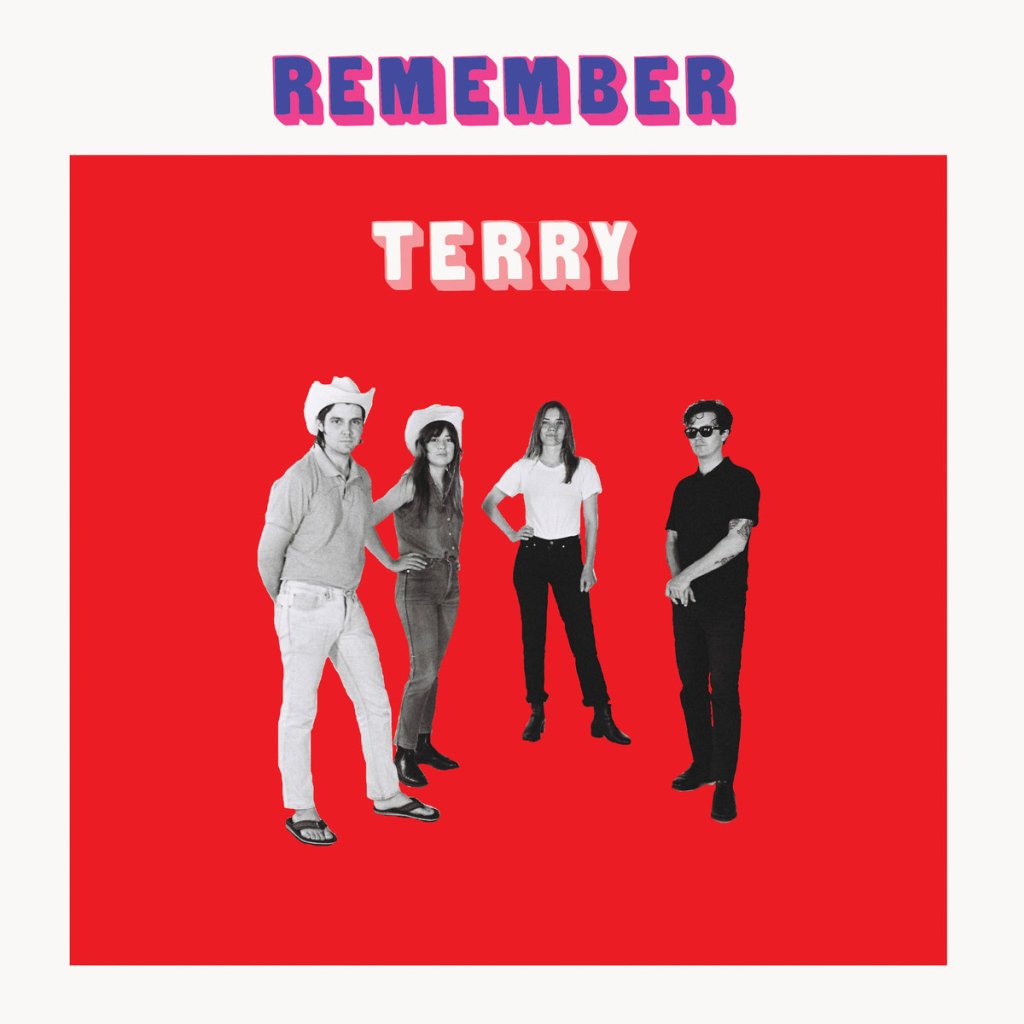
Original photo by Oscar Perry. Handmade collage by B.

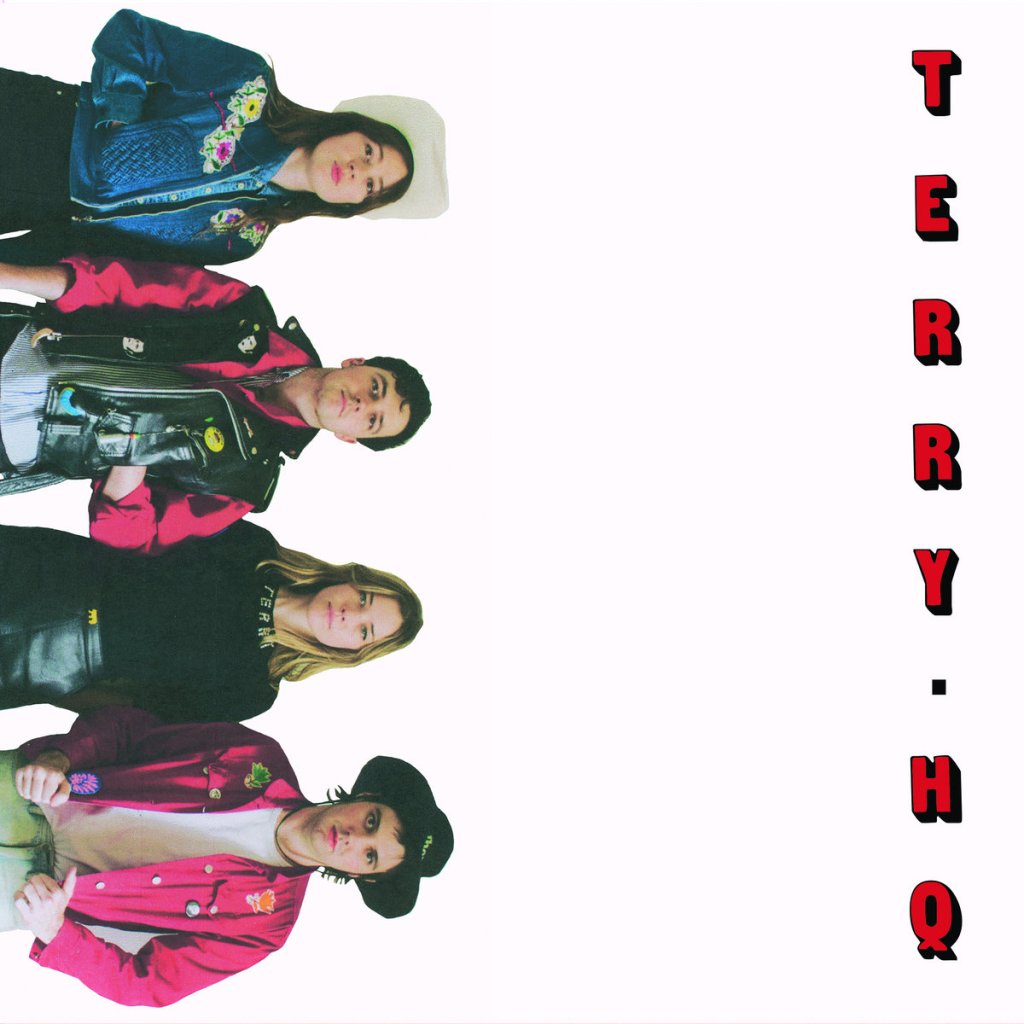
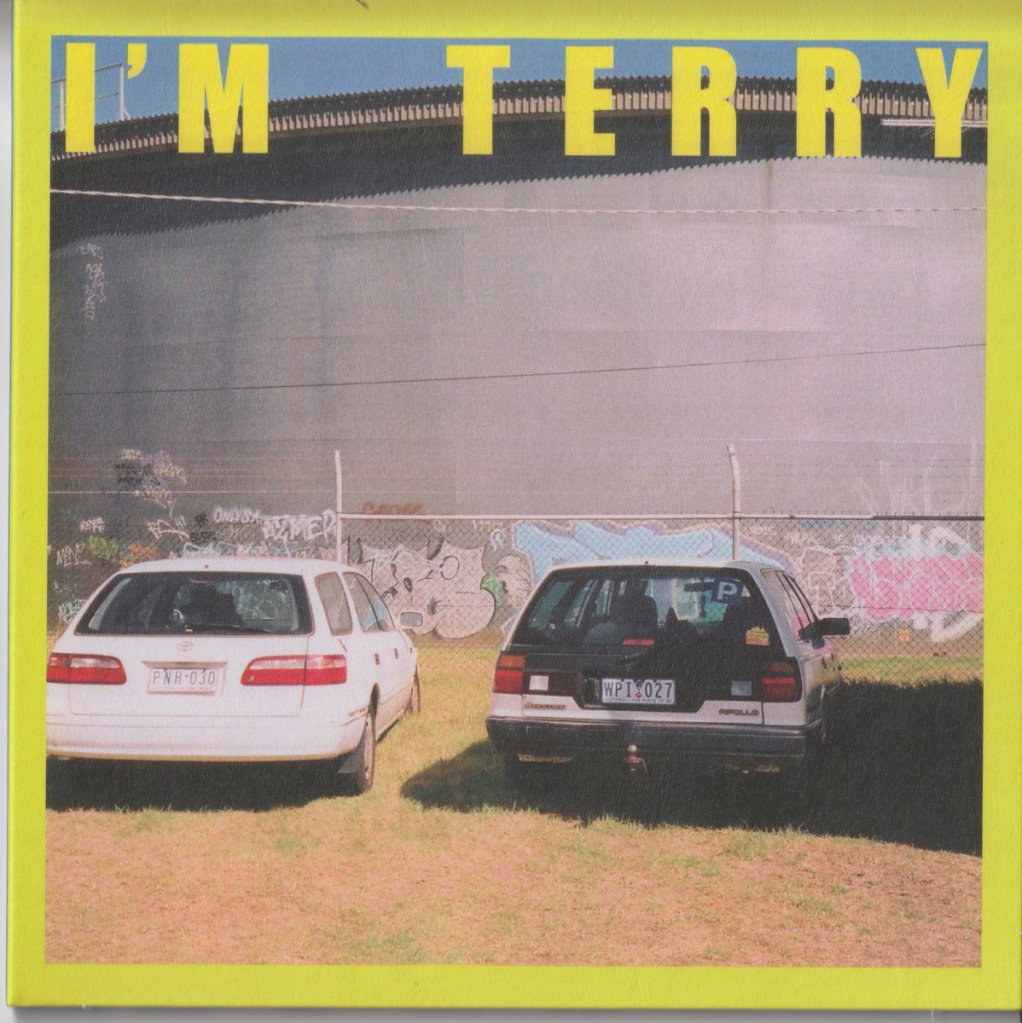
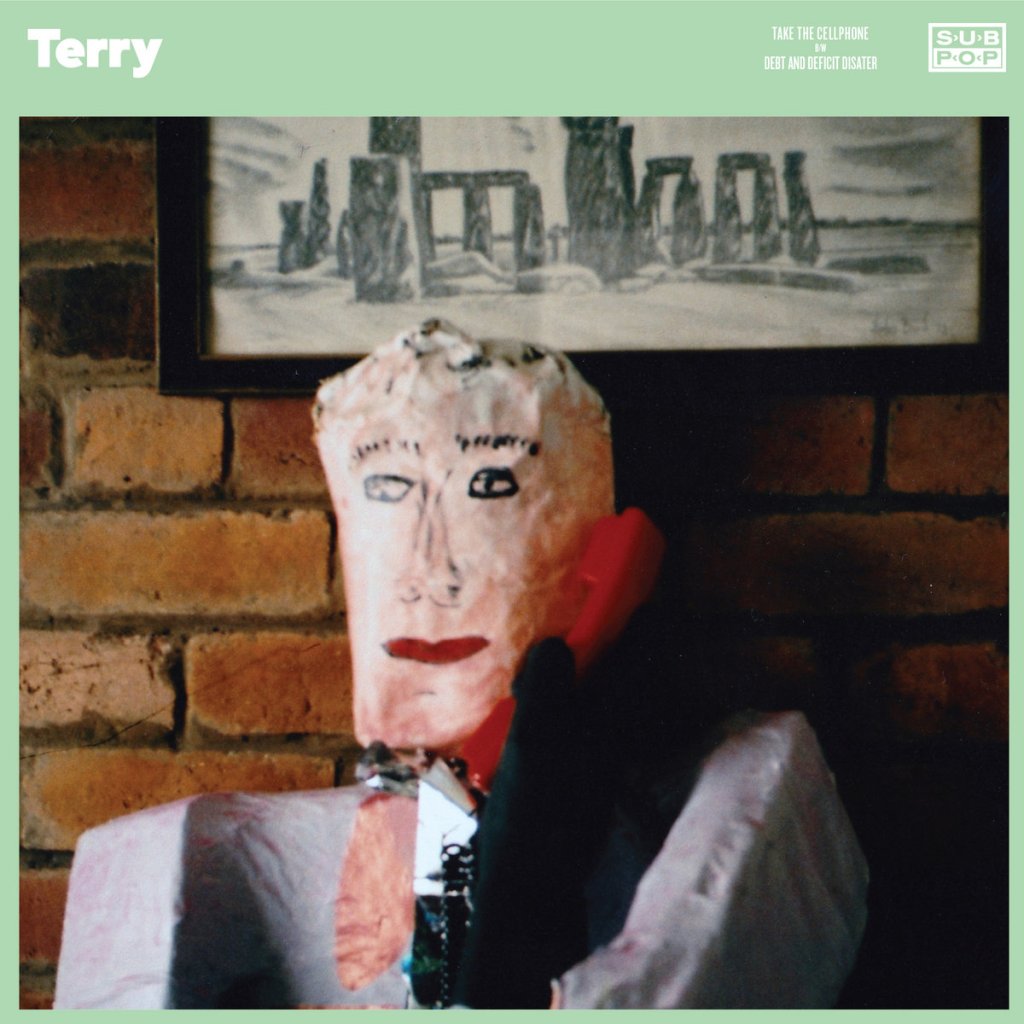
One of Gimmie’s favourite bands Terry are releasing a new album Call Me Terry in April, which thematically scrutinies our country’s corrupt, colonial history and shines a spotlight on greed, privilege and entitlement of white, wealthy so-called Australia. We’re excited to be premiering a new single and video for track ‘Gronks’. We caught up with Terry to get a little insight into the song, vid, what they’ve been up to, what they’ve been listening to and what they have in the works with other projects.

What’s life been like lately for everyone in Terry? Congratulations Xanthe and Zephyr on your new little addition to the fam!

TERRY: Thank you! Life has been good lately. Lots of swimming and nappy changing. Amy and Al’s visit when our baby was three weeks old was a highlight of recent months! We cooked, went for a day trip to the upper mountains, and played bananagrams. 

We’re super excited about the new album, Call Me Terry! What’s something that you’d like us to know about it?

T: It was nearly called Terry Gold.

We’re premiering one of our favourite album songs ‘Gronks’; what initially inspired it?

T: ’Gronks’ was written at the start of 2020. Was a bit paranoid about the world flipped upside down and how the powerful would further their own interests (white supremacist, capitalist, patriarchy) and the war machine. “Meet me from the banks you gronks” is spoken from a Robocop-style Twiggy Forrest character sailing up the Parramatta River in another wave of imperialism.

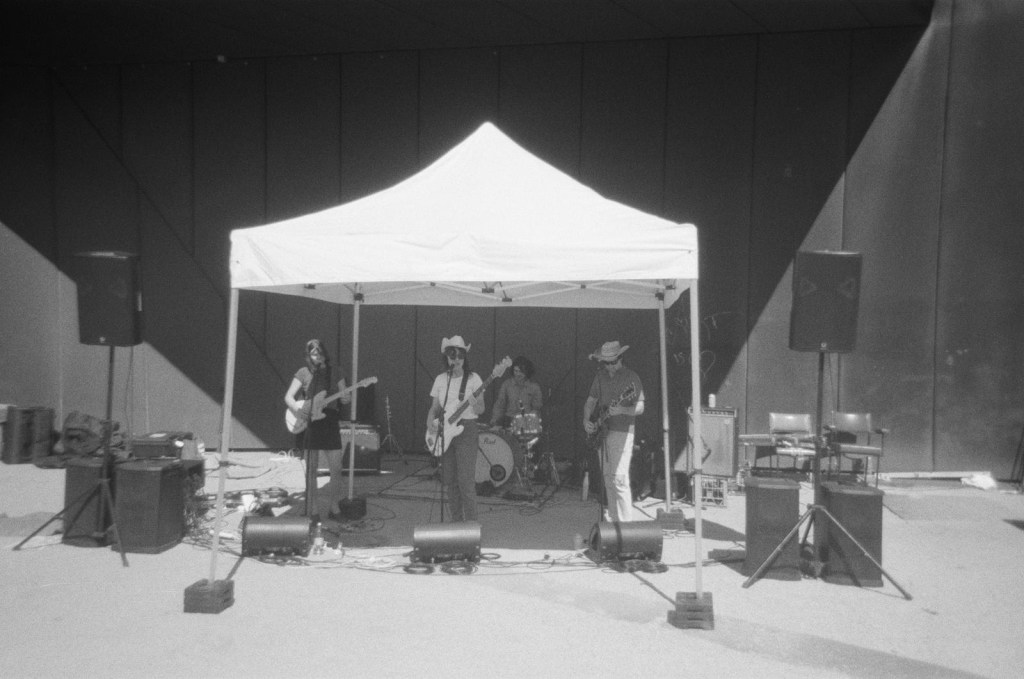
Photo by Oscar Perry.

What do you remember most from making the ‘Gronks’ video?

T: I (Xanthe) made the video just recently late at night after the baby was asleep. It was nice to listen to the song loads of times and play around with images. I wanted to see what I could make using just the text and image of the Redmond Barry statue from our album cover but broadened the scope, after my cousin Solomon sent me some footage of a Terry doll he and my Aunty had made for an upcoming video. And then again after finding loads of footage of Amy, Al, Zeph and I on a ferry that Dan shot on my iPhone in an inspired moment a few years ago. I remember all those things. 

The demos for the album were recorded in 2019; what can you remember from recording them? They were recorded apart, right?

T: We kinda tried to record a whole album before X and Z moved to the blue mountains. But I think we were dreaming, or at least I (Al) was. The songs were undercooked. It was great to record days before they left cos it made us feel we still had something to work on together. 

How did it all feel when you finally got together in 2021 to record the album’s tracks? Did the songs change much from the demo versions?

T: It was great being together to record the songs. I think Terry had been going pretty hard on the creative Bathurst circuit for a few years. We’d write a lot intensively, record then tour. It’s really productive and I think we were stoked about the output. We got to see the world. But you can only do that for so long I think. X and Z moving interstate and the lockdowns forced us to have a breather. Abscess makes the heart grow fonder.

Besides making music what’s something you love to do when you all get together?

T: Eat, prey, laugh.

 Were there any challenges making the album?

T: At first I thought the space apart would be tricky but in the end it gave us time to slow down and consider the compositions/mixes a bit more.

Which is your favourite track from Call Me Terry? What do you love about it?

T: I love ‘Market’ and ‘Golden Head’. Can’t pinpoint what I love about them. Different instrumentation. They feel pretty dynamic. Golden head is such an anthem.

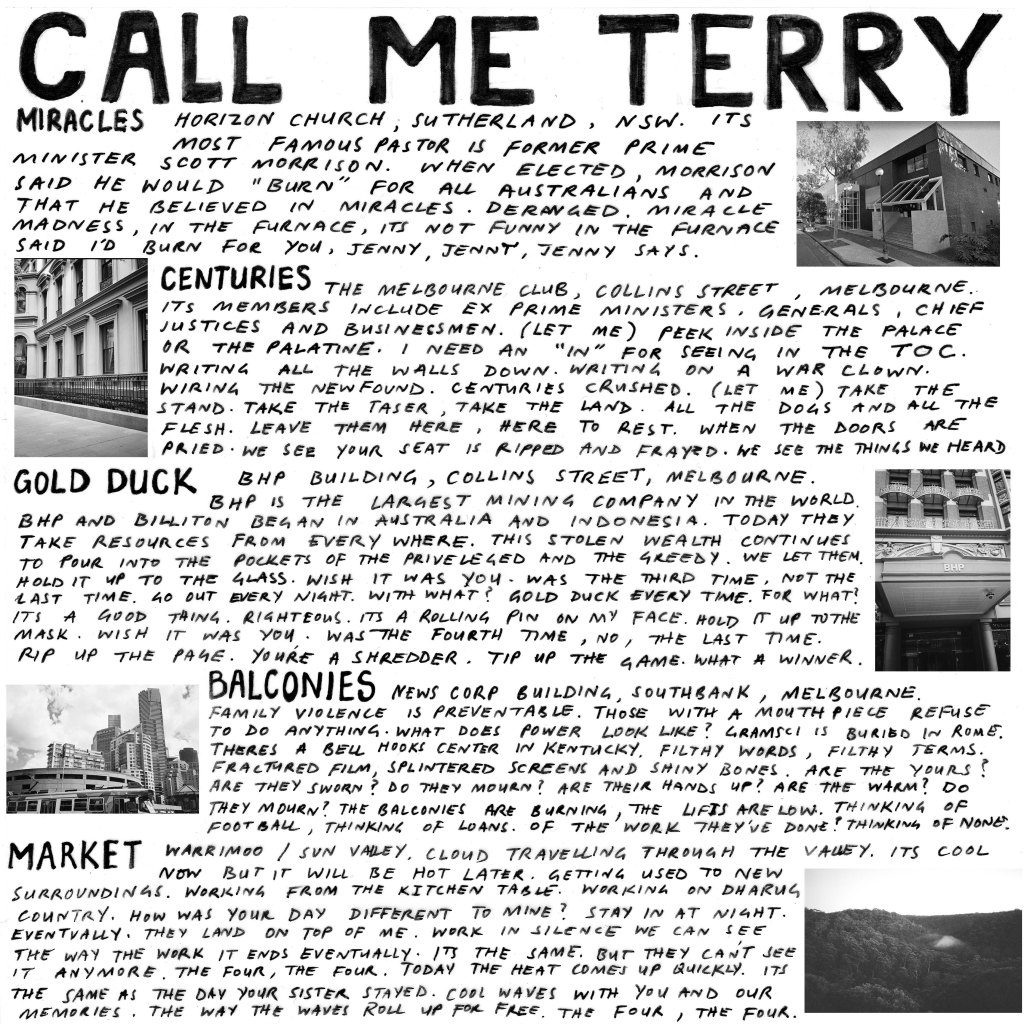
We love the album cover that features song lyrics; how did you come to decide to incorporate them like that? Who took the photos?

T: The artwork was influenced by an old poster that Xan and Zeph saw about the the action to save the demolition of the finger wharf in Woolloomolloo. We all took the photos separately. We drove around the city and found structures that had a relationship to the songs. I think words and actions are pretty important so you might as well put yourself out there.

Where do you find you have your best ideas?

T: In transit. 

We’re always on the lookout for new music; what have you been listening to lately?

T: Mixture of recorded and live:

Vampire from Melbourne have just recorded an album, five years on from their demo. Jacked to hear that. One of the best bands in Melbourne. 

Glass Picture have been playing some new material live. Really excited to hear it when they record.

Eternal Dust new LP on LSD club. Incredible.

Phantasm – a new super group.

Punter – new LP probably out by the time interview is printed.

Reaksi – the 7” on hardcore victim is great but there is a whole set of great punk. 

Maxine Funke live in Melbourne recently was phenomenal. Can’t wait for the new tunes.

The Clash – ‘Long Time Jerk’, great outtake from Combat Rock.

Are there any other projects you’re working on at the moment?

T: There is a Primo album nearly finished. A Truffle Pigs LP is getting close and a Lower Plenty album is ready for a master. Theres an old Russell Street Bombings LP that needs a master. Zeph did some great recordings over the last two years with percussion, harmonium and guitar.

What’s the rest of the year look like for Terry?

T: Nappies, bouncers, swaddles overturn the ruling class.

Call Me Terry is out April 14 via Anti Fade Records (Aus/NZ) and Upset The Rhythm (UK).

Read our previous interview with Terry HERE.

Duo Modal Melodies’ debut single ‘Occupants’ – “I was hoping for a positive outcome or something good to happen after a difficult time.”

Photo: Danielle Hakim. Handmade mixed-media collage by B.

Modal Melodies is a collaboration between Violetta Del Conte-Race (Primo!/The Glass Picture) & Jake Robertson (Alien Nosejob, etc.) made in the spirit of fun and experimentation without rules, they found in each other their biggest inspiration. 

Gimmie are premiering album opener ‘Occupants’, a joyful electronic synth-pop romp, with Vio’s vocals welcoming, intimate and daydreamy. We chatted with Jake and Vio.

How did the project get started?

JAKE: I approached Vio at Jerkfest 2021. I’ve always been a pretty strong admirer of her songwriting and ability to play and sing said songs. I had a bunch of songs that I was struggling with, this was around the last time I was speaking to you, I felt like all of my songs were sounding the same. So, I thought I’d hit up Vio and see if she could give us a hand with some stuff and if I could return the favour. I don’t know if it was ever intended to be a full album, it just panned out like that because the workflow was so languid. It was so smooth, I felt like it was no effort whatsoever to do this, probably because Vio and I work in a similar method.

VIO: Yeah, it was really easy to work together. It got even easier as it went along. We started out with a couple of ideas then started adding more ideas and realised that any ideas we could use; everything we shared with each other we were like, ‘We can do something with that!’ 

JAKE: We had very limited restrictions. There was no wrong answers.

You told me that the only rule for Modal Melodies is that it was only going to be a recorded project and that you’ll never play live.

JAKE: [Laughs] You know, rules can be broken. I always do this, where I go to record with someone and it turns into a live thing.

So Modal Melodies might play live?

JAKE: [Laughs] I’m going to say, no.

VIO: We haven’t talked about it. The cool thing with having the idea of not playing live meant that we could just play as many instruments as we wanted, add as many layers and not have to worry how we would actually do it if we wanted to play it live. It freed us up in that way. That meant that we could push ourselves. There was a song that we did two key changes in; I don’t think I’ve ever done a key change in a song ever. That was really fun! Just trying new things out.

JAKE: The way that we put the songs together was how I put demos together when I’m by myself. I’d never really shown anyone that process before. It felt a little bit weird recording it like that, it felt like demos the entire time, which made me more a little bit loosey-goosey with stuff [laughs]. Did you feel like that Vio? 

VIO: Do you mean adding stuff?

JAKE: Adding stuff. Or even just the writing. I guess because it was so free-flowing there literally wasn’t a single ‘No, let’s not put that in there.’ There was a couple of ‘Hey, we should take out that guitar or put in this guitar’ – the editing that goes with every recording. Because there were no rules or restrictions, I felt like I was in a demo process the entire time. It wasn’t until listening to the song back that I was like, ‘Whoa, this is the whole finished song!’

You mentioned you have a process; what is that process?

JAKE: We recorded the Modal Melodies stuff in the same way that I would write a song, where I would do it in loops of bits and pieces and layer different parts over the top of each other as opposed to when I would rerecord those demos into a album for a different project and do everything live or as live as possible, if it’s Alien Nosejob. So, I play drums along to the entire song. Or if it’s a three-minute guitar song record the entire three-minute guitar, whereas a lot of the songs Vio and I did were looped-based. Some songs we’d play the entire song on guitar or both of us have guitars plugged in, play an entire three-minute song then cut up little bits and pieces, like use the the 20 second or 30 second mark of Vio’s guitar and then the 40 second mark of my guitar. I’ve never done that with another person before, it was very easygoing and a free-flowing was of doing things. 

What’s your usual process Vio?

VIO: With Primo! a lot of the songs start with Xanthe or I bringing in an idea and we’ll learn it together or expand on it, maybe if there’s a verse and no chorus. Or maybe do a demo. Before this I was just using GarageBand demos and would send them to everyone. 

With Modal Melodies, like Jake was saying… I think that’s why it came together so fast because there wasn’t that extra step of taking it in to a group of other people and trying to make that live. It’s done already and you’re sort of shocked it’s already finished [laughs]. 

JAKE: A lot of this was done during lockdown when we couldn’t see each other, so we would email each other being like, ‘Let’s try and have a part that sounds like this or this song.’ It’d be, ‘I really like how this song from the 80s has a whistle in it.’ That’s a bad example though because there is no whistling, but something like that. 

Vio, how do you inspire each other musically? Last time I spoke with Jake he told me that one thing he really admired about what you do musically, is that you give things space, you know where things can breathe as opposed to when he makes stuff and it’s really jam packed. You’re the opposite in that way?

VIO: Yeah, I would agree with that. It was cool for me because I always feel that I work quite simply. I often repeat things a lot. If there was an idea that I initially brought in, I was always amazed by how much we could expand on it. I really loved what he added to all of the songs; I never would have thought of those things myself. All of the songs became better through our collaboration. 

I really love your singing on this album.

VIO: Thank you!

There’s so many really beautiful moments. I love how sound-wise it has an 80s feel but then I can totally hear elements of what each of you do in your other projects shine through. It definitely has it’s own sound though.

JAKE: Each of us had three or four half written songs we brought in. Before we got in the room together (it was a lockdown before we could actually meet up) there was so many emails back-and-forth, with each email having a YouTube playlist; we were sending each other different songs, different influences, so many songs I’d never heard of before. When Vio sent them to me I was like, ‘I’ll try and make something in the style of this.’ 

There was one song that we did instrumentally here that we recorded, we had no vocals and we went for a walk and then Vio went home, three hours later she sent me the recorded words and it was about the tawny frogmouths that we saw a couple hours before on our walk. I feel like you should talk about this Vio, because your lyrics are so much more of a large percentage than mine. It was really cool, I felt like the next day I was reliving the previous day from the words that Vio had written, which was real nice. 

What’s that song called?

JAKE: ‘Clearer Path To Hutton Street’, which is the street I live on.

VIO:  I think it’s ‘Fourth Stage’ Jake!

JAKE: It is? Oh, it is! It’s ‘Fourth Stage’. 

VIO: ‘Clearer Path…’ is another reference to your house, although the lyrics weren’t about your house but somehow the title ended up being about your house [laughs]. 

JAKE: I think it might have been one of the things where you record something on an iPhone and it says the location. I think it said ‘Clearer Path’ then the location was Hutton Street and I sent it to Billy [Gardener – Anti Fade Records] as a demo. He was like ‘Damn – A Clearer Path To Hutton Street – what a title!’ So, I kept it. 

We’re excited to be premiering Modal Melodies debut single ‘Occupants’!

JAKE: That’s one of Vio’s.

VIO: That was the first song that we ever worked on. It was an idea that I had on keyboard and I had some singing for it already; very minimal keys and vocals. I wrote it with my friend in mind, who is also my housemate. That’s where the title came from, we live in the same house…

JAKE: And, is your bandmate [in The Glass Picture]!

VIO: Yes, she’s also my bandmate Lucy [Emanuel]. I wrote it when we were coming out of lockdown at the start of last year. It’s really just me trying to write something to look forward to, my idea was to write something where I was hoping for a positive outcome or something good to happen after a difficult time.

It definitely has that feel and it’s a really cool way to kick off the Modal Melodies album.

VIO: I feel that was really musically interesting, to see what Jake came up with on the software synth; we worked on that a lot. 

When you were sending songs back-and-forth to each other over email was there anything that surprised you?

VIO: I found the song ‘Driving’ quite surprising because it was supposed to be a surprise, we did a bit of an experiment where Jake wrote all the music for that, he had a whole track with no singing and we were like, ok, let’s email each other vocals but not listen to the other person’s vocals until we’d done our own. It was interesting to see how different they would be or how different the melodies would be that we’d come up with. The only lyrical guideline is that it would be about driving, because it’s reminding me of it.

It sounds like you had a lot of fun making the album and there was a lot of experimentation. 

JAKE: It was super fun! Not to continually talk about lockdown, but we’d basically spent a year not seeing anybody and being locked in our rooms. Then it was our choice to lock ourselves in the room to do this, it was almost like a liberating thing [laughs]. It was experimental. It’s a hard one because I feel like it’s each of our ideas completely unfiltered and neither of us said no to the other person. What’s the style of writing called that probably [Jack] Kerouac did where it’s just continuous typing? Stream of consciousness kind of thing. Did you feel that Vio?

VIO: Yeah, I reckon, just because it flowed really easily that lends itself to that stream of consciousness approach. It already feels like you’re in it and it’s just a continuation. 

You mentioned that you were sending songs by other artists to each other inspiring your songwriting; what were some of them that you really enjoyed?

JAKE: The first email that Vio sent me was a Saâda Bonaire track. Our song ‘Starting Point’ was written after Vio sending me that. And what was that later era Wire song? I’m one of those people that only listen to the first three Wire records. 

VIO: It’s on the album with the purple cover… A Bell Is A Cup.

JAKE: Yeah, yeah. ‘Follow the Locust’! Vio sent me so many things I’d never heard of.

VIO: The songs Jake sent have become some of my favourite songs, like ‘Double Heart’ by Robert Rental. 

JAKE: Oh yeah, that’s amazing!

VIO: And that Vivien Vee song ‘Higher’ is so good. 

JAKE: That was kind of in my mind for the slow disco song… with the Italo disco Eurodisco-thing in mind. We wrote a few uplifters on there as well as a rocker, which surprised me. 

Because several of the songs were done from each of our houses, songs like ‘Clearer Path…” and ‘The Sun’ has that arpeggio in it… I was surprised at that when first hearing it, even though it was 50/50 my album. It was just exciting. For me to hear what Vio was coming up with. 

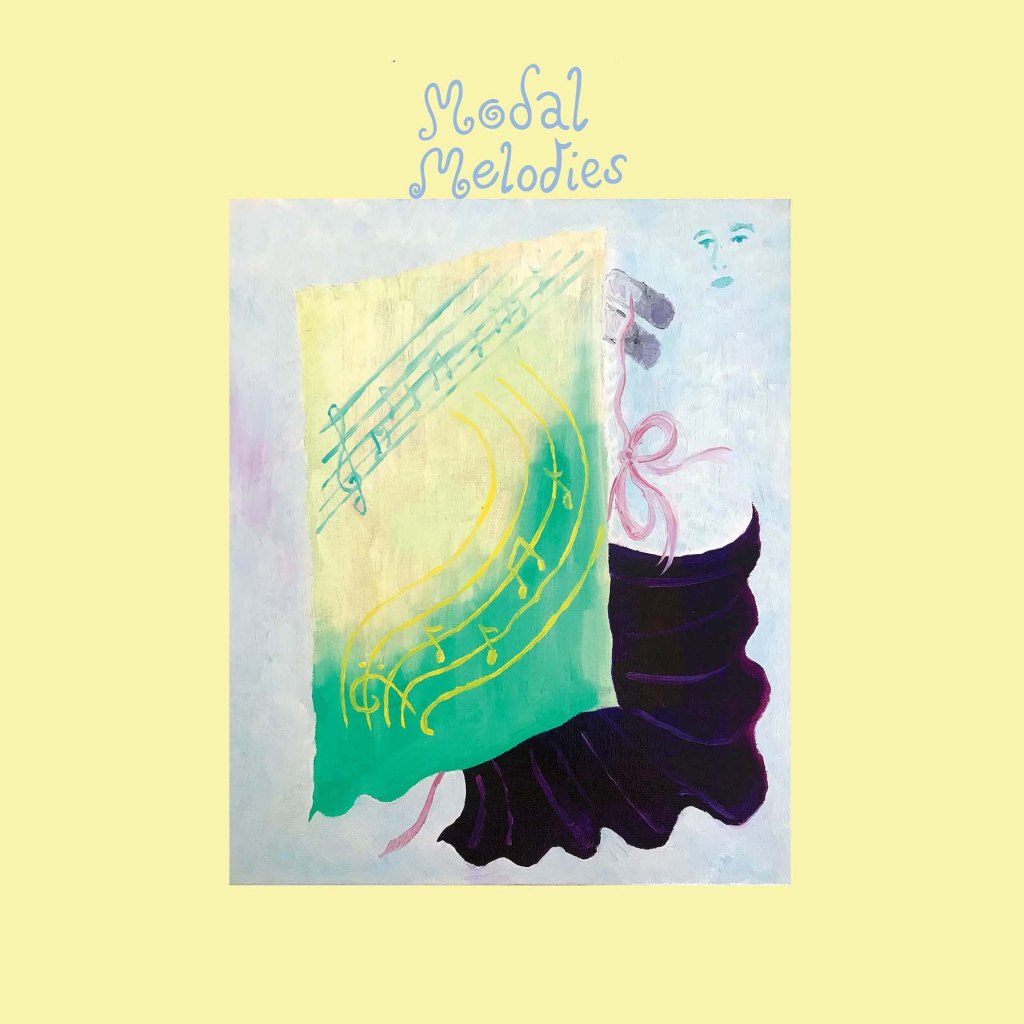
Vio, you did the artwork for the album?

VIO: The painting has sheet music on it, and I can barely read sheet music. I was inspired by the Modal Melodies text which Jake came up with. He wanted to put a lot of clefs and notes in it, we didn’t end up doing that but the painting was inspired by that. Jake sent me a drawing on my phone and I redrew it and put it into illustrator. I guess that was collaborative as well. 

Where did the name come from?

JAKE: The first demo that I did had the name Modal Melodies, then Vio suggested it as the band name instead. We changed the song name to ‘Changing Lights’ which is the closer on the album. I called it Modal Melodies because it was the first song that I wrote on paper first, I tried to write it using my bodgey music writing skills, which is very minimal. I came up with the name before I came up with the song. 

Jake mentioned earlier that you write a lot of the lyrics, Vio?

VIO: Yeah. I wrote all through the process. Usually I’m really slow with lyrics but for some reason this time it didn’t happen. Often if Jake sent me a demo I would instantly get an idea, or even with just what it sounded like, with ‘Driving’, I think ‘Modal Melodies’ as well… I’ve never really experienced that before, writing to something that is already made, the music being made like that. I think it changes how you write. It’s challenging as well. You might not do what you naturally do when you’re just sitting down with an instrument and singing along with it. 

That’s something we both talked about as well, where we were both maybe stuck in a rut with our songwriting, just doing the same things that were quite instinctive, not knowing how it get out of that. 

JAKE: Before I approached you I felt the same as when I used to teach guitar. When I tried to write a song I would often find myself putting in little bits of ‘Layla’ [Eric Clapton] or whatever the student wanted to learn. I found myself doing that with my own songs because it’s all I ever tried to write. When I approached you, I was in desperate want of collaboration with you! 

VIO: I’m glad it worked out! [laughs].

JAKE: Me too! [laughs].

What’s your current favourite song from your record?

JAKE: I tend to like the ones that I had the least to do with, like ‘In The Rain’ and ‘The Sun’. I would say ‘Driving’ was the most 50/50 song I’ve ever been a part of, especially the process of recording it as well—it felt real special. That’s a favourite.

Why did it feel special?

JAKE: As Vio mentioned before, we wrote several parts of the songs without the other person hearing it and then put it all together when we were in the same room, hearing it for the first time together when we played it back. I’m not sure if other people will have the same feelings when they hear it but it makes me think of how we wrote it and what we were doing that day. 

VIO: Yeah, that’s one of mine too. It was cool because it could have been the first time that we both played guitars at the same time. We both just improvised some stuff. It was a really fun experience. I also like the songs that Jake sings on, because I do sing a lot.

JAKE: My voice is all like UUUGH! [laughs] and Vio is like [makes an angelic sound] Aaaaaah!

VIO: [Laughs].

I like the parts where you sing together. 

JAKE: Yeah, Vio kept trying to get me to do that… Vio, I apologise for how difficult I made that for you [laughs]. We’ll have to do it on album two!

Anything else you want to tell me about this project?

JAKE: We did a clip! I was watching a lot of Secret Life Of Us and me and Vio shot a clip in St. Kilda where they shot SLOU. Looking forward to that one coming out!

VIO: It features dancing by us [laughs].

JAKE: Yes, we made up a dance routine! [laughs].

MODAL MELODIES debut full length, self-titled album from May 13th, 2022 on Anti Fade Records (AUS).

Geelong Punk band Vintage Crop’s Jack Cherry: “The first big thing for me was listening to Eddy Current Suppression Ring…”

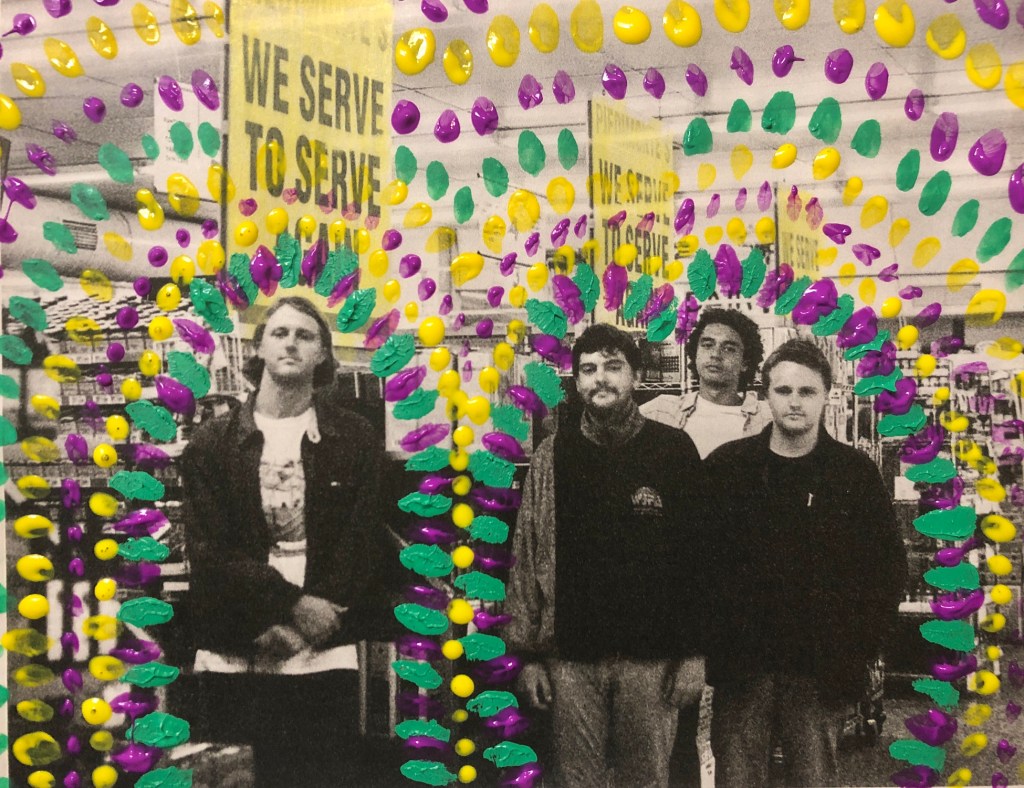
Original photo by Chelsea King. Mixed-media art by B.

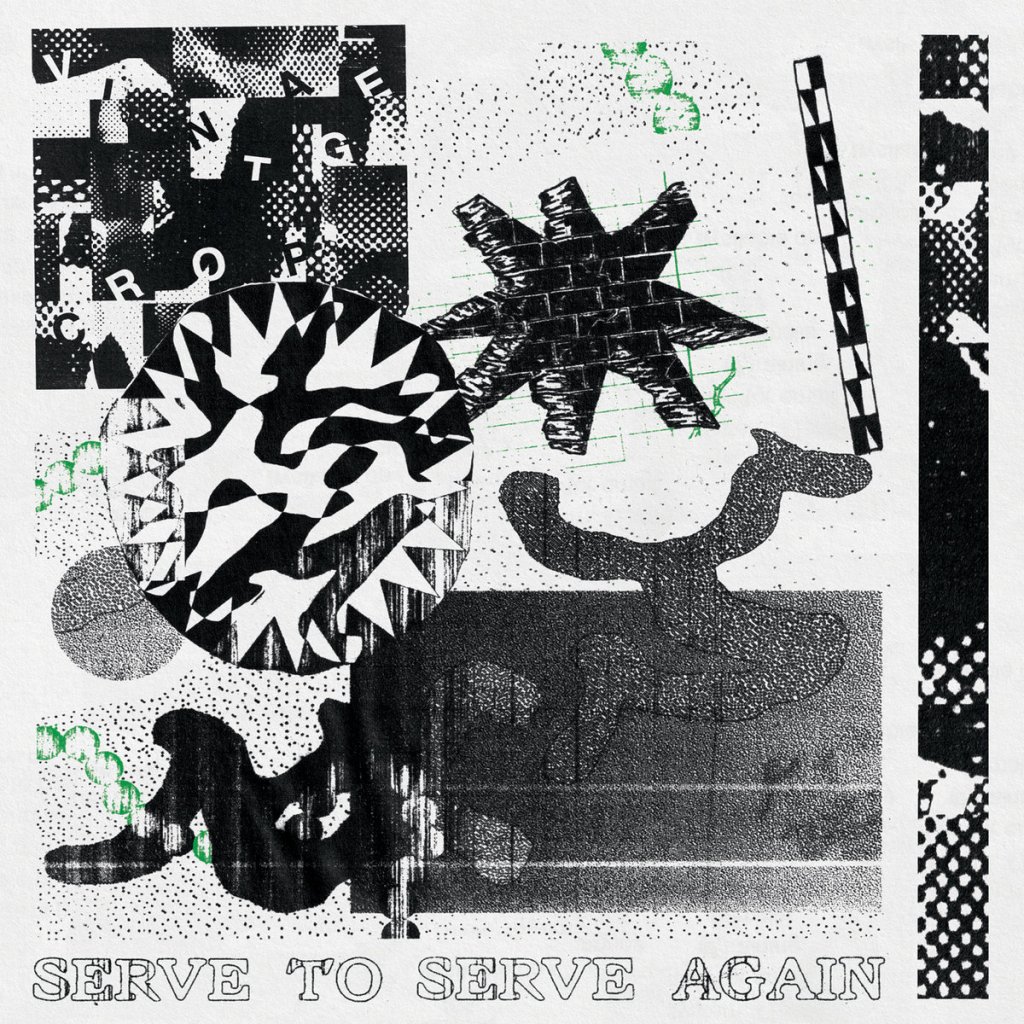
Vintage Crop are set to release a cracker of an album! Serve To Serve Again captures sardonic, disenchanted, unromantic story telling from the grind of the day and observations of the world in a bold 12-song package. Gimmie spoke to vocalist-guitarist Jack Cherry.

JACK CHERRY: I’ve had a nice day so far, I’m on holidays from work and I’m just taking it easy.

What do you do for work?

JC: I clean swimming pools, clean and maintain I should clarify, little bit and bobs. It’s a funny kind of job.

It would be nice to be outside a lot for work.

JC: All day, which is great in summer and not so much in the winter [laughs].

When did you first become interested in music?

JC: I’ve always had an interest, I think most people probably do, it’s a part of everyone’s life when they’re kids. I don’t think it was until I was twelve or thirteen, my brother asked me what I wanted for Christmas one year, and he steered me in the direction of a drum kit. I was like, yeah, I’d love to play drums! I wasn’t very good at it for a while. I wasn’t into anything outrageous, maybe just The White Stripes or the Foo Fighters, that was probably the first kind of inkling.

What did your parents think about you playing drums?

JC: We lived on a farm and the drums were set up in a different shed from the house so it wasn’t really an issue for them, which was nice.

What was it like growing up on farm?

JC: It was cool. We were there since I was a baby and I didn’t leave there until I was twenty. For the first twenty years I could make as much noise as I wanted! We’d always practice at my place, it was easy.

Photo: Chelsea King.

What made you move to the city?

JC: I’m still in Geelong, just not on a farm anymore. I’m ten minutes down the road on the other side of town now. I’m in a block of units at the moment so I can’t make much noise here. Geelong is pretty laid back, as long as you’re in a house, I don’t think people make too much of a fuss. We practice at our drummer’s house now and do a couple of hours a night and no one seems to have a problem with it.

How do you go about approaching your song writing?

JC: I wonder if it’s normal or not? I just play around with the guitar for half an hour or something until something half descent comes from it. I’ll play that riff or chords for two or three days until some idea for words come along and then I take it to the band. I don’t write much down. I just play around until something cool happens and take it to the band and they do the structuring and adding their own parts. I find it hard to write for everyone, it’s hard to not only come up with the parts but it feels like a dick move to come to the band and be like; you’re playing this on bass; you’re playing that on guitar; you play this drum bit on the drums. I feel like everyone is happy if they write their own parts.

When did you start playing guitar?

JC: When I was about sixteen. I had three to four years solid of playing drums and then it got to the point where I can’t really play a full song on the drums. I can’t invite people to come listen to a song and just whack the drums for two and a half minutes. It’s more interesting learning how to play the song on the guitar.

You mentioned that you don’t really write stuff down when you’re making songs; do you ever forget something really cool?

JC: Surprisingly I remember most things. I might forget the phrasing of something or the song itself; like I’ll know what I’m meant to play but can’t remember how to play it. It’s so infuriating to have the base of it but to not remember the intricacies of how I used to play it, that sometimes weighs on me. If it’s really important I will record it but I try not to, I try to keep it free like that because maybe someone in the band might have an idea for it and they’ll change it again and make it even better. I try not to lock it in too strictly otherwise you could stop it from turning into something even better!

Do you feel the new album Serve To Serve Again has an overarching theme?

JC: I tend to look back on things and retrospectively apply things and go, oh, that’s what I was looking at with this. I’d have to have a real think about it to give you something. I know that there’s something there but I don’t consciously write to a theme. There’s probably a theme there but I haven’t really nailed it yet.

I find that a lot of Vintage Crop songs have a social commentary, observations of life in general, themes of entitlement, privilege.

JC: Yeah, that’s something that subconsciously finds its way in. I try not to be too loaded in my lyrics but sometimes things just come out that way and stay that way, and it just works. A lot of the time I’m not consciously attacking anything or poking fun at things, it just comes through. I figure that’s obviously what I must feel about things or what I must have intended to say or feel because, again I feel if it’s too edited it loses the flow. I keep it as it is and that’s probably a better depiction of how I’m feeling and thinking.

How long have you been working on the record for?

JC: We did the Company Man 7” in January of last year, that was recorded six months prior but we’d been working on that for six months. It was originally going to be a full album, we originally had a few ideas that we took off of it and we moulded those into new songs that we sat with for a year. We had three songs a year ago and we went on tour to Europe in April and came back and said, let’s take a break and we’ll come back with some ideas. We probably didn’t get flying until September when we really knuckled down and said, we’ve got half an album let’s finish it. We took our time with it. We got it through ‘til February and that’s when we recorded. Give or take it was about a year from start to finish.

Where did you record it?

JC: We recorded it Frankston in Singing Bird Studios with Mikey Young. We were just happy for him to record it so we thought we would accommodate him and go down to Frankston, it’s about two and a half hours from where we are. We thought if he’s agreed to do it, we’ll do it on his terms [laughs]. We thought he’s the best man to ask for, he’s done everything that is in our scene, he’s the man for the job.

We really love the song “Jack’s Casino” on the LP.

JC: That one is the last one we wrote for the album. I came in with the idea three weeks before we recorded the album. Because it’s pretty fast and it doesn’t take much, you learn the things and play them really fast. I think it’s one of everybody’s favourites because it feels so fresh. It’s maybe indicative of where we’re going after this album. It seems like there’s always a couple of songs an album that will sound like maybe what the next one will be.

What‘s the second one?

JC: “Serve To Serve Again” the title track. It incorporates synths into our sound, it’s a lot better than the other stuff we’ve done, I think it takes a lead. We’re all happy with it. It’s exciting to change and get a new instrument in there to sound new and fresh.

The whole record is so solid. The three songs I love the most – “Jack’s Casino”, “Streetview” and “Serve To Serve Again” all appear in the middle of the record.

JC: Track listing was something we did think a lot about. It’s interesting that the three in the middle were the ones that are your favourite, because we thought the middle songs would be a really strong core for the album. The first three or four songs are the more single worthy songs and then the second half of the album has “Gridlock” which is the lead single, we thought we’d put the lead single on the B-side just to even things out. It’s interesting that you’d pick out the strong core as your favourites, it means we did a good job I guess.

So often we love the songs that aren’t the singles. What can you tell me about “Serve To Serve Again”?

JC: We wanted something more… my vocal patterns tend to be say three or four words then break. Say three or four words then break, we wanted it to have a bit more flow in the words. I took a bit more care to ditch the style I usually work with and be a bit more consistent with the vocals, to fire the vocals off a bit faster and really think about the words themselves and fit them all to a theme and keep it strong. The song itself may be a bit repetitive but if the lyrics are firing over the top… it gives us a bit more to work with.

Do you have any vocal inspirations?

JC: I’m very conscious of trying to do too much with my voice. When we first started I had kind of an American accent thing going on. It just sounded weird to me to use my normal voice. I think the first big thing for me was listening to Eddy Current Suppression Ring where it’s his voice amplified, that’s pretty much what I’m doing with mine, not trying to sound like anyone else, just trying to make sure I’m capturing my own voice properly. My favourite vocalist are the ones that amplify their own voice like Sleaford Mods, The Fall. I think that’s where we’re at with the vocal stylings.

When did you start feeling more comfortable with your own voice?

JC: Just after TV Organs came out. With the band, I was doing it on my own for the first couple of years, 2013-2015 was just me doing bedroom recordings and putting it on Soundcloud. They’re definitely not available anywhere, they’re definitely all gone! [laughs]. That was me, and I was struggling with the vocal thing, the songs weren’t great. After we did TV Organs and people were interested and came to shows it was like, oh… the voice isn’t too much different from what I was doing but I figured if people like the music I’d be more comfortable with my voice. Someone told me once that people will forgive a slightly out of tune voice if the music is good. If people are interested in the songs than making my voice sound more like myself would only be a good thing.

I’m always drawn to unique voices rather than perfect ones that all sound the same, I like character.

JC: The more you try to make it perfect it loses quality, it loses feeling.

Is there a song you’re proud of writing?

JC: I like them all, I think they’re all good. Maybe “The Ladder” on the new album, I think it came out well because there’s lots of different parts, it sounds tough but it’s interesting. The chord we use in the song, I don’t even know what its’ called, it’s like a minor diminished chord, it’s a really unusual chord but we use it and it almost sounds normal. That might be the song I’m most proud of.

I really love all the Dragnet stuff you do too! What inspired you to start that?

JC: It was last year at some point. Because of the ways we write things in Vintage Crop, it’s collaborative. With the ‘Crop stuff everything is recorded and mixed and mastered and sent off, maybe over a six month period. With Dragnet I wanted something that was just done on the spot. I was recording demos on my own, I play all the instruments and I’d finish it and that was the end of the song. Once I had a bunch of songs I’d just release it. We did. I put out a cassette and it was six songs and I got friends to play the show and gave the tapes away for free. It was fun and we thought, maybe we should do it properly.

Polaks Records in Europe wanted to do a vinyl release of it. I don’t like to do things slowly so I had a couple of other songs that I didn’t put on cassette that I thought I’d include on the vinyl release. He’s got it pressed already. I think Dragnet for me is immediacy. Getting it done straight away as opposed to the process we go through with Vintage Crop.

There’s a song called “Networking” on the record; what’s it about?

JC: That one is… a comment about people in music scenes in general. Everyone is very self-aware, there’s a lot of judging of other people but also judging of yourself. A lot of times you can feel like people are saying things about you or feeling certain things about you but they’re really not at all. I think maybe it’s a depiction of insecurities around people who are essentially just copies of yourself. Someone in a music scene, a lot of the bands that sound the same is because they have the same influences and they do the same thing; everyone’s kind of the same and it can get really competitive. You feel like you have to outshine these people or you feel like these people don’t like you or you don’t like them… it can be pretty… phwoar… ugly! The lyrics work for that. I don’t know if it comes across but that was the feeling behind it. I don’t think that deeply about the lyrics but there is definitely feeling behind it. It’s a good way of summing up how I’m feeling.

That song then rolls into next track “Music Business”.

JC: Yes. That one is a bit of fun. I did a music business course a few years ago as a one year thing. I didn’t want to go to uni and didn’t have much of a job so I thought I should do that because it was better than doing nothing. The music business course was very pretentious. It wasn’t aimed at me. It really made me see what my ambitions were and it was not to be someone in the music industry. When I say “music industry” I mean more the mainstream in Australia. That song is silly and makes me laugh when I think about it all.

Very with you there. I went to do a music industry course and I started off going to a shorter-course of it to see if I liked it and the lady that was doing it was the absolute worst! I ended up getting an internship at a major label on my own merits and I later found out it was usually her full-time students that got those places… anyway, it came up in class that I’d gotten the placement and she started treating me horribly and said in front of the whole class “You’re just getting people’s coffee!” and some other things that were trying to demean me. I never went back to that class again and thought, if this is the industry I don’t want to be a part of it.

JC: Aww that’s terrible. When I was doing the course it was around 2016 and I started getting into the local scene. Anti Fade Records was from Geelong where I was from as well and all of the things I was learning at the course, I looked at what Billy from Anti Fade was doing and was like, he’s not doing any of that stuff I’m learning?! I learnt the class was more geared to people that care about stuff like Triple J or artist management. I don’t need that stuff. I’m just better off talking to Billy about stuff and doing things like he does.

By the end of the course I had properly got Vintage Crop going, we were playing a couple of shows and starting the recording process. I started my own little record label. I thought, all of this stuff is in spite of the course! I wanted to do it my own way and not how I was taught.

What does success mean to you then?

JC: Having fun! To be completely basic about it, it’s just enjoying it. Sometimes I have trouble when people want to make a career out of it, it’s traditionally not a career, it’s a hobby. I have a full-time job and music is the fun thing I get to do every weekend and sometimes after work, that for me is a success. Doing it for fun and not hurting anyone, I think the rest of the band feel the same way. You have to keep yourself in check with it sometimes, especially now with an album coming out and you have to practice, do press, to make sure everything looks good and sounds good… it’s like, yeah, but don’t get carried away. At the end of the day we’re happy with the songs, artwork and that Upset the Rhythm and Anti Fade are putting it out—that’s the success! We’ve already kicked the goal. Now we’re just enjoying it all.

What was your European tour like?

JC: It was amazing! We were there for four and a half weeks, we did 29 shows in 32 days, it was ridiculous. To meet people and hear new bands and see new things was incredible. We made so many connections with people. The only downside was that I got really sick, in the second last week I came down with glandular fever. We soldiered trough, we wouldn’t change anything. It was my first time overseas and I was really put out by it all, at least I was with friends. If I was on my own it probably would have been a different story.

Outside of music of music, what’s important to you?

JC: Family and friends. I’m really invested in the Black Lives Matter movement. I’ve been doing my part where I can. I don’t like to promote things by social media but, I do like to do things like donate money where I can and help people if I can. I go to rallies.

As a POC I find it’s more helpful for people to do things offline and just in their everyday life, like if you see/hear racism happening, call it out! If you see someone that looks uncomfortable, go stand beside them and say “hi” and make them feel comfortable. Having conversations with people and helping educating people and your self helps too.

JC: The more you post, the more you can perpetuate arguments. I think the actions you mentioned are more valuable than sharing something on Facebook.

Please check out: VINTAGE CROP; on Facebook; on Instagram. Serve To Serve Again is out on Anti Fade Records and Upset The Rhythm (UK) August 8.

Sleeper and Snake on new LP Fresco Shed + first single ‘Flats’: “There’s all these people with power next to disempowered people… AND it’s all on Stolen Land. Everywhere you look is a little snapshot of this…”

Original photo Mia McDonald. Handmade mixed-media art by B.

Melbourne duo Sleeper and Snake, Amy Hill and Al Montfort, are set to release new album Fresco Shed via brand new independent Australian label Lulu’s Sonic Disc Club (from the folks behind Lulu’s record store) and the UK’s Upset the Rhythm.

Sleeper and Snake craft beautiful and delicate songs about tough matters, their songs are political without being overtly so, you have to dig deeper, they make you think. Al and Amy skillfully and uniquely tell stories observed from their local surroundings of trains, farmers, corrupt handshakes, of Pentridge prison and the Melbourne war memorial. Through laid back alto and tenor saxophone peppered lo-fi soundscapes and poetic words, Fresco Shed sparks imagination and charms the listener.

Gimmie chatted to Al and Amy about the forthcoming LP and song “Flats” which we’re doing the Australian video premiere for today. We also talk about their other projects in the works.

What initially inspired you to write a new Sleeper and Snake album Fresco Shed?

AMY: Good question! [laughs].

AL: Yeah.

AMY to AL: You’re just always writing music, endlessly… it’s gotta go somewhere.

AL: We were writing a lot of Terry songs together…

AMY: We just enjoy playing music together.

AL: I guess…

AMY: Some of it didn’t suit that.

AL: Yeah. We had saxophones so we were making a lot of music with them.

I wanted to ask you about using saxophone, because that’s kind of a less traditional instrument to write songs with; have you been playing for very long?

AMY: No, not really. Al got one…

[Laughter]

AL: Yeah, I got one. I got a tenor sax from EBay from a fancy rich suburb in Sydney for 200 bucks! [laughs] …maybe six years ago when Total Control were up there for a gig. I didn’t bother getting any lessons, in case you can’t tell.

AMY: I tried to play it once and I managed to get sound out of it and he pestered me into playing [laughs]. Georgia from The UV Race plays saxophone and she had babies recently so she wasn’t using her saxophone, I managed to borrow hers and that’s what I’ve been playing. We thought it would sound quite cool to have the tenor and alto saxophones together. It seemed like a fun thing to do.

AL: Yeah. Amy just picked it up and was way better. She was a total natural at it straight away.

What do you enjoy about making music?

AL: It keeps me sane-ish. I think any kind of creative outlet is really important for people. The process of writing lyrics is a really great outlet for me to get through the day, to make things compute and it helps this horrible place make sense.

AMY: I think it’s just fun!

[Laughter]

Making something from nothing is the most fun!

AL: Totally!

AMY: Yeah. It’s also been a real social thing for me, I get to hang out with my friends and we do music together. It’s always been what you do, go see bands and play music together.

How have you guys been dealing with not being able to be as social and do those things, especially play live?

AMY: It’s pretty weird. At first it was almost like a little bit of a holiday from it. By playing in numerous bands we’d find ourselves playing something like four gigs a week, which is quite insane when you’re also working fulltime [laughs]. The first lockdown it was kind of a bit of a novelty but it starts to just become quite odd, I feel a bit odd. There’s a lot of people that you don’t see anymore because you’re not going out to see live bands. Your life feels a bit like it’s on hold, I guess most people would be feeling that.

I think so. I’ve been going to gigs my whole life and this has been the longest I’ve gone without going to see live music. Right now in Brisbane a handful of venues have brought back a live shows but with a small capacity and it’s sit down at tables, socially distanced; you pay the ticket price and then you have to pay a minimum of $40 each extra on top of that which is redeemable in bar tab or venue merch. That means for my husband and I to go see a local live band it can cost around $120; we don’t drink and we’re not going to spend $80 on soft drink and we don’t need venue merch, so these new rules excludes us from going to do something we’ve done and supported our whole lives.

AL & AMY: Whoa!

I can understand venues are in a weird spot with having limited capacity and not having been opened for a bit but to basically enforce a alcohol minimum to see bands is really weird.

AL: That is really weird.

AMY: Someone was telling me that Cherry Bar here in Melbourne was trying to gauge interest, they want to do a gig where there’s some hotel and it must have a courtyard in the middle and the rooms have balconies that look down on it; they want to have the bands in the courtyard and then you book a room, so it’s a festival where you have to have your own room. It’s insane.

Wow! Totally.

AMY: You have to have money to be able to do that!

Same with the bands doing gigs at drive-ins up here. It’s something like $200-$250+ per car to go.

AL: Whoa!

Yeah, it puts going to a show out of the reach of a lot of people, especially with many people losing their jobs.

AMY: Do you think people do it because they think they’re supporting live music? But then it’s so inaccessible for so many, it’s so weird.

Yeah, the kind of crowd that end up being able to afford it are the ones that go to a festival like Splendour In The Grass just for the experience… its crazy to me that festivals like Splendour have a stall/tent you can go to and get your hair done and a nail bar! I mean, what the actual fuck?

[Laughter]

Is there anything that frustrates you about making music?

AL: Hmmmm [thinks for a moment]… dealing with promoters. I think there are a lot of good promoters that have their heart in the right place, but I think the money making, money obsessed side of it…

AMY: It’s a bit grim!

AL: It is pretty grim. Even what’s happening now with the shutdown, I know a lot of the venues are keen to open up because there’s people that work for them and the landlords need money from the venues, the business owners need money and they’re pushing this stuff more than the artists I feel. I feel like the artists and the fans are like, let’s respect this, it’s OK…

AMY: We’ll just have a break. There’s a real push from the business side because they’ll go under if they don’t have the chance.

AL: I feel like maybe there’s not that much interest in the cultural, artistic side of musicians/artists… it’s more about the bottomline. That can be frustrating.

AMY: Some people probably love it, if they’re in it to make money [laughs].

AL: Yeah, totally.

Photo: Mia McDonald

I grew up in the punk rock community so I’ve always been very wary of the music industry.

AL: Yeah. I went to a lot of punk gig growing up, there weren’t many at pubs, there were many at cafes during the day or DIY venues, house parties, and they went along just fine without these huge bars making a lot of money off of people drinking themselves to death… I’m not quite straight edge but…

AMY: I guess there’s that thing that musicians often get paid in their bar tab to a certain degree which… it’s a bit of a weird normality that that’s what you get.

I’ve been listening to the new Sleeper & Snake album Fresco Shed all afternoon since I got a sneak peek of it, it’s so cool. The opener “Miracles” is an instrumental and has a feel about it sonically that is kind miraculous and magical sounding.

AMY: Thank you.

AL: “Miracles” is inspired by Scott Morrison when he won the election and was like “it’s a miracle… I’ll burn for you” and he kept on saying all this stuff about miracles [laughs]. It was really upsetting.

AMY: [Laughs].

That’s like how in the US Donald Trump said that the pandemic will “disappear… like a miracle”.

AL: A miracle! Ugggh… Love that! [laughs].

I love how Fresco Shed has a real gentleness to it but then the themes are very political and serious.

AL: Yeah. It’s funny just making the music at home because we don’t play through amps very much with this project. Because we’re doing it like that and playing at home using saxophone and that, it does become gentle in a way.

AMY: You don’t have to be loud.

AL: Maybe it’s just sad and defeated?

AMY: Sad?! [laughs].

AL: It’s that side of politics… it’s the sound of defeat [laughs].

I saw press photos and there was an abstract hand-painted “fresco shed” in the pics; did you make it yourself?

AMY: We were getting quite crafty in lockdown.

AL: [Laughs].

AMY: Al’s always trying to make papier-mâché things. In Terry he made the papier-mâché Terry. He likes to get crafty.

AL: Yeah, I like to get crafty! I was really proud of the corrugated iron type roof.

AMY: We envisioned a real shed covered in fresco paintings but then all we could physically achieve was a cardboard box [laughs]. We like making the art and being hands on in that way. We had a lot of time on our hands.

We were nerds and zoomed in on the photos to check out the paintings better and we noticed that each picture correlates to song themes on the record, you have the V-Line country train, Pentridge prison, crooked handshakes…

AL: It’s conceptual but literal [laughs].

AMY: Al told me what to paint and I just painted it, that was the rule! [laughs]; I said I’d paint it if he told me what to paint. They all relate to the songs.

I really love the image of the “farmer full of feelings”.

AMY: [Laughs].

AL: That’s one of my favourites, I think. That person definitely looks defeated!

That image is related to the song “Lady Painter”?

AMY: Yep. The farmer full of feelings has just watched a Scott Morrison press conference [laughs].

That song even mentions the “fresco shed” right?

AL: Oh yeah.

AMY: That’s where the title comes from.

We’re premiering the video for your song “Flats”; what’s that one about?

AL: We moved to a different suburb a year and a bit ago, Richmond is an inner east suburb of Melbourne…

AMY: No one we know really lives here, everyone lives north side. We moved to a suburb that’s kind of wealthy…

AL: It’s diverse, it has a lot of public housing but it’s really rich as well, heaps of wealthy people. You really see gentrification at that umpteenth level, how extreme it can get…

AMY: All the apartments going up and stuff. It was during summer and we were going for walks and we were talking about ideas and things and that kind of came up and that turned into a song.

AMY to AL: Did you write it?

AL: I think we both wrote it while we were walking around taking Tramadols [laughs]. We were walking by the Yarra River, it runs through the whole thing and you really see the worst of Settler society here…

AMY: All the wealthy people have their houses on the river and all the wealthy schools row on the river.

AL: There’s all these people with power next to disempowered people… AND it’s all on Stolen Land. Everywhere you look is a little snapshot of this.

It’s always boggled my mind since I was a kid, the world always seemed to me to have enough for everyone but, then there’s some people that have so much that they don’t even need and then there’s people with nothing, no place to live. I remember observing that as a kid and thinking it was so weird and wrong.

AL: Yeah, totally. Moving to the suburbs that are much older, the juxtaposition between these two things are in your face. Another aspect of the song is about the privilege we have as white Australians, we don’t have experiences the same way… we might not even be from wealthy families or whatever but we benefit from it every single day. The “flats falling into the floor” lyrics is a reference to the Opal Towers in Sydney, all these apartment building falling down and such wealth being made from that stuff, it’s disgusting!

Totally! Do you have a favourite track on the new record?

AMY: I like playing the ones that we just play saxophone on together, they’re really good to play.

AL: They’re all good ‘ey! [laughs].

What do you love about playing saxophone together?

AMY: I think it’s just so new for me. To be playing a very different instrument than what I’m used to and having to work out how they sound good together… literally I don’t know some of the notes on it and have to figure it out [laughs]. Because it’s new it’s exciting to play. Challenging!

Musical experimentation must keep things creatively interesting for you; was there anything new you tried writing or recording this release?

AMY to AL: I don’t’ know if it made it on to the record but you were clanging on something, weren’t you?

AL: Oh, yeah. I was banging on a pot.

AMY: I don’t know if it sounded any good [laughs]. We just like to try weird things. We do that though with all of the bands to a different degree. Nothing ground-breaking.

AL: We recorded on the 4-track, which is what we usually do with Terry and Primo! too.

Photo: Mia McDonald

Toward the end of the song “Lady Painter” there’s some cool weird sounds that I couldn’t work out what was making it?

AL: That could be the organ, Nan’s old organ!

AMY: The Funmaker.

AL: Yeah, it’s called the Funmaker!

AMY: It has this one level of keys…

AMY to AL: Do you think it’s broken? Or is that just what it sounds like?

AL: That’s just what it does.

AMY: We didn’t even effect it, that’s just what it sounds like.

AL: I’ll plug it in… here we go! It’s pretty crazy.

[Al plugs in the organ and plays]

[Laughter]

I feel like fun is a really important part of what you both do?

AL: Yeah.

AMY: It’s sort of like a hobby, what we do to relax and blow off steam and hang out with our mates.

Did you start creating from when you first got together?

AL: It took a while. Maybe Terry was the first band that we wrote together for, that’s four or five years ago.

AMY: We’ve been together for ten years. It took us five years because we just had our own separate bands.

AMY to AL: You were pretty busy because you had ten bands or something like that.

AL Too much going on ‘ey! [Laughs].

What’s something you both do differently when writing songs?

AMY to AL: You remember them, that’s one thing.

AL: I remember more of the riffs than some other people in the band [laughs]. I rush, I’m always keen to get things done…

AMY: Whereas I work more slowly.

AL: Not slowly though, I think more thoroughly.

AMY: I like to think over things.

AL: Amy does things properly and I rush it [laughs]. That’s what the report card says! Maybe that’s from just being in bands that tour a lot for a while… UV Race and Total Control would write a record, finish a record… we’d jam a lot and write a lot to have a record for touring; maybe that has affected my song writing style?

AMY to AL: You want to churn it out…

AL: Yeah, I want to fucking churn it out!

AMY: I’ll think about something for three months. 

AL: Which I think is better! I listen back to stuff and I’m like errrrrr, I wish you told me to chill out on that.

AMY to AL: Yeah, like… you need to do those vocals again!

[Laughter]

Did you do the Sleeper & Snake stuff in a few takes?

AL: I’ll always be like, that first take was good!

AMY: He’ll tell me to put something on it and I’ll be like; this is a demo, right?

AL: I’ll be like, yeah it’s a demo. Then I’ll be like, OK, let’s send it away for mastering now!

[Laughter]

I love when you sing together on your songs; what kind of feeling do you get doing that together?

AL: It’s pretty fun!

AMY: I’m like, oh god! [laughs].

AL: Singing is so fun. I think we both love singing and we try to egg each other on.

AMY: I sing high on some songs on the record. I think I sing better when I sing high but I really don’t like singing high. I’m always trying to go low but it always ends up that, nah, I’m gonna have to go up. It’s all figuring out harmonies.

Is there anything else that you’re working on?

AL: We have a few demos in the can. We’re got most of the new Terry record done.

AMY to AL: You’re still working on that Dick Diver record?

AL: Yeah, there’s a Dick Diver record that’s been 75% recorded about two years ago…

AMY: Sleepless Nights have been working on another record but that kind of stopped with Covid. Our drummer just went to Perth, we were like; why did you go to Perth?! There’s a few things in the works but everything is a bit on hold.

AMY to AL: Truffle Pigs?

AL: Yeah, Truffle Pigs! That’s Steph Hughes from Dick Diver, Amy and myself. It’s more like Soakie, country Soakie…

AMY: It’s a concept album. We’re always doing bits and bobs. Al writes songs and we figure out which band it sounds like [laughs].

AL: You write so many songs too; what are you talking about? [laughs].

AMY to AL: Noooooo. I write a riff and play it for a little while and then I forget it and then you remember it and turn it into a song [laughs]. You’ll be playing and I’ll be like; oh what’s that song?

[Laughter]

What are the things you value in terms of your creativity?

AL: I value collaboration and maybe a level of improvisation, especially in a live setting.

AMY: I enjoy that. Performing is good as well. But, we don’t’ get to do that at the moment. I do get really nervous though, but I enjoy it a lot [laughs]. Sometimes my hands will be shaking so much that I can hardly play the organ.

You could never tell you’re so nervous. We watched the live Button Pusher performance recently, which was great!

AMY: It’s just a physical thing I guess, it’s so weird. I’ve been playing for so long and it just never goes away. I still get so nervous! I think it’s a good things though to have some nervous energy.

Please check out: SLEEPER & SNAKE. Fresco Shed out in September via Lulu’s Sonic Disc Club (AU, NZ and Asia) and Upset The Rhythm (UK) pre-order HERE now. S&S on Instagram. S&S on Facebook.

Xanthe & Zephyr of Terry: “Music is good for exercising feelings that are a bit awkward to deal with in other ways”

Original photo: courtesy of Upset The Rhythm Records. Collage by B.

Terry are one of our favourite Melbourne bands. They’re always on high rotation at Gimmie HQ! Being the nerds that we are, we have all their releases. Terry is a 4-piece: Zephyr Pavey (Eastlink, Total Control, Russell St Bombings), Xanthe Waite (Mick Harvey Band, Primo), Amy Hill (Constant Mongrel, School Of Radiant Living) & Al Montfort (UV Race, Dick Diver, Total Control). Jangly guitar, nonchalant male-female vocals, relaxed-sounding rhythm section and playful, intelligent songwriting make Terry a real treat. We interviewed Zephyr and Xanthe!

Why is music important to you?

ZEPHYR: Music is good for exercising feelings that are a bit awkward to deal with in other ways and it is generally a fun way to spend time with other people.

What inspired you to first start playing music?

Z: I can’t remember. My family love it so it’s just been around… just became aware white male privilege probably relevant to how I’ve strolled on up and grabbed the mic without a second thought. My grandma just sang me the school song she wrote for Nabiac Primary School in 1989.

Everyone in Terry plays in other bands; why did you decide to start Terry? I know the seeds of it were sown while on holiday in Mexico.

XANTHE: Yeah, I can’t remember the exact conversation. We were hanging out a lot at the time and we went to Mexico City for a holiday together, that’s where the discussions began, like “wouldn’t it be fun”! I hadn’t played guitar in a band before, Zeph hadn’t played drums so it was definitely conceptual before we actually started jamming. I think we just liked a lot of similar music and wanted to hang out more!

When did you realise you had something special/interesting/cool musically?

Z: Not sure it’s any of those things, don’t really think about it beyond making tunes.

What is the role of humour in Terry’s music?

Z: We aren’t very analytical about ourselves, it’s sort of just our normal way of communicating.

Two couples make up Terry; what’s the best part about creating – making music and playing shows – with your partner?

Z: Romantically speaking it means we avoid separation anxiety, also great logistically because there is no driving around to some other bandmates house after a show and when you share a room and on tour it makes all the bed sharing a bit more comfortable. I guess we have also really honed our communication to the point of blurred identity too which makes all the creative and administrative discussion a bit easier.

All four of you sing; how do you decided who will sings which parts?

X: That’s a fun part of songwriting with Terry. It’s organic how we figure that out. Someone will write a demo but then we play around with who sings what at practice. Often we’ll all be singing to start with but find parts tricky to play and sing at the same time, so some of us drop away… other times it’s more intentional or gendered, depending on what the song is about.

Are your songs solid before you record them or do they change much when you’re recording?

X: Generally we record pretty quickly; in that we won’t have played the song a lot before it’s recorded but the core of the idea will be there. We usually work from demos written individually or in households rather than writing a song from start to finish together. So sometimes recording is a process of figuring out how the song should be structured as a band. And we really get into overdubs, and then have to figure out how to play them live! The core idea is there but the songs do evolve/ change as we record them.

On your LP, I’m Terry, there seems to be a lot of car-related references; where does this come from?

Z: We all got cars at the time and it was awesome. Also probably because suburban Australia is inconsistent public transport wise and very sparse geography wise so the three Australians in the band have grown up around some kind of deep automotive experience. Also scared shitless of cars full of men driving around.

Terry recently released a single “Take The Cellphone/Debt and Deficit Disaster” for Sub Pop Singles Club subscribers; can you please tell us a little about each song?

X: These two songs were in the Terry archive that we loved but hadn’t released.

‘Take the Cellphone’ was written thinking about youth/recklessness/innocence. I’ve recently started studying law and was amazed to learn the age of criminal responsibility is 10 years old in Australia. I guess that song was crudely thinking about how easily kids can fall into trouble with the law and how problematic that is. Raise the age!

‘Debt, Deficit and Disaster’ was a song we wrote initially as part of a soundtrack for a French TV film about a surf gang in Biarritz we were working on. The production company dropped us half way through which was lucky in the end because we repurposed a lot of the songs for our own use.

What is one of the most fun moments Terry has had playing live? What made it so?

X: We’ve had so many fun/ funny moments playing shows with Terry, it’s hard to pick one. A few that come to mind… Our last London show was really fun, we played with the Homosexuals who are one of our fave bands so that was thrilling. Playing in Cuneo, a tiny town in the mountains in Italy in the basement of a guy’s house where the locals all came and seriously made us play every song we have written, I think we played a few songs twice. We were paid in risotto and focaccia for that show, it was a good one. The last show we played was a fun one too, it was at the Thornbury Bowls Club with Ripple Effect Band who were visiting from Maningrida NT. They are so good.

Do you do anything else creative beyond music?

X: I went to art school and still take photos, occasionally I do something with them but mostly just take them. Amy paints, Zeph also takes photos and has been spending quite a lot of time on our balcony fixing up old furniture/making things out of wood. Al made a life size papier mache Terry that we cart along to shows and sometimes paints too. So we are all pretty creative and into making things.

What’s next for Terry?

X: Zeph and I are living in Sydney at the moment and Amy and Al in Melbourne so we are a bit slower than usual because of the geographical distance but we have some songs we’re working on so…more records, and more shows that will probably be cancelled because of Covid-19.

Please check out: Terry’s bandcamp. @talkaboutterry Instagram. Upset The Rhythm Records.