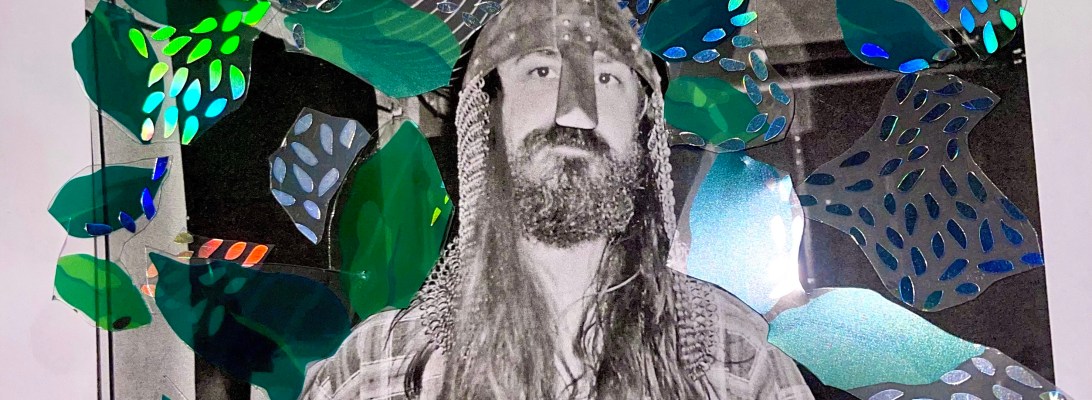
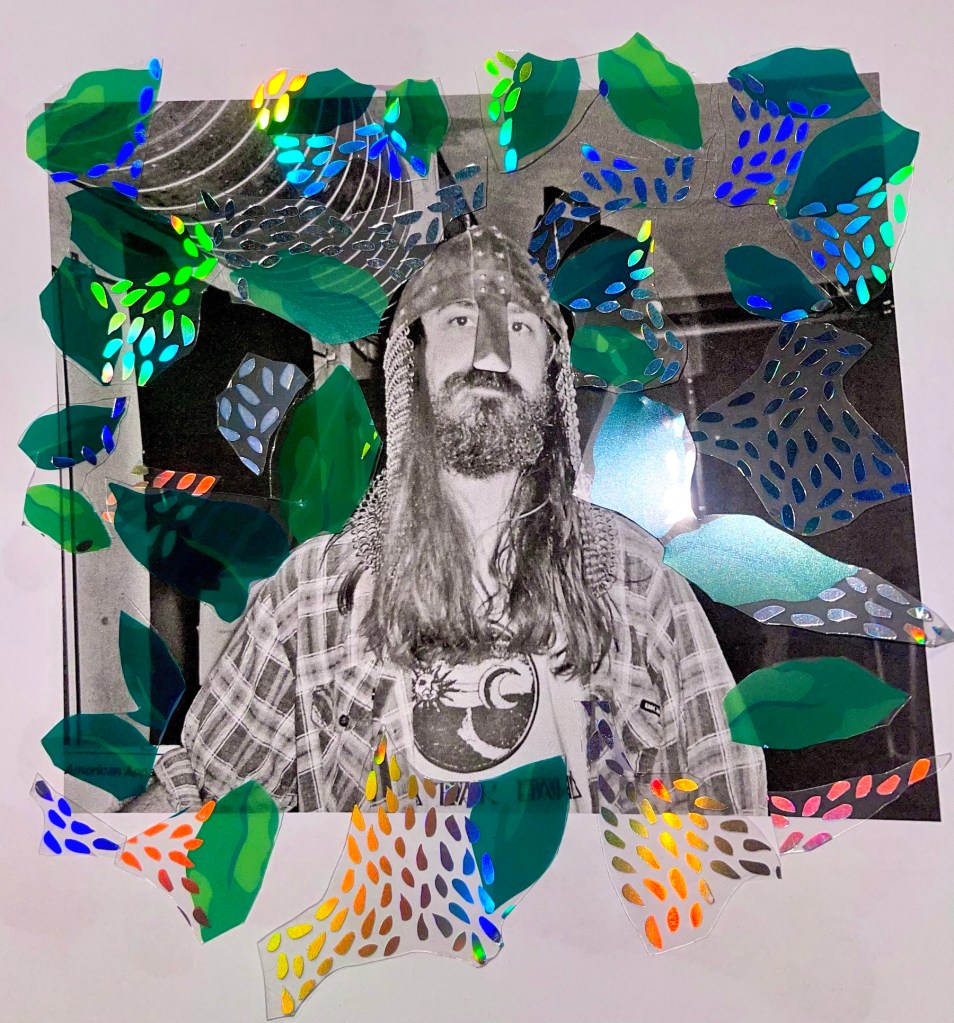
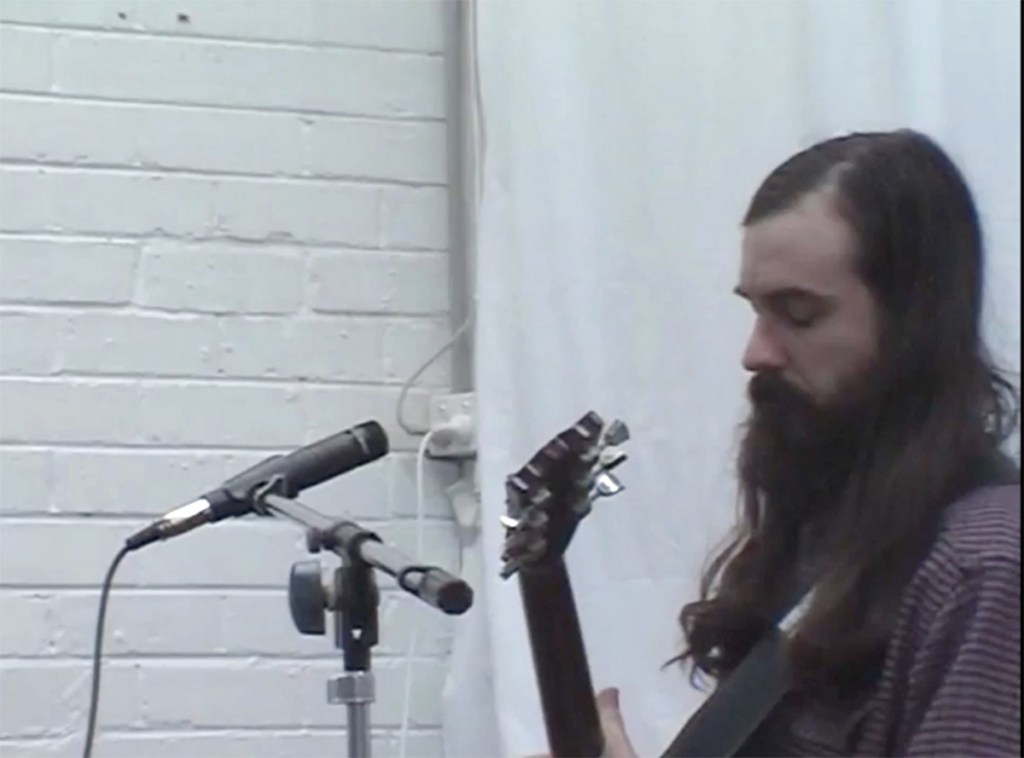
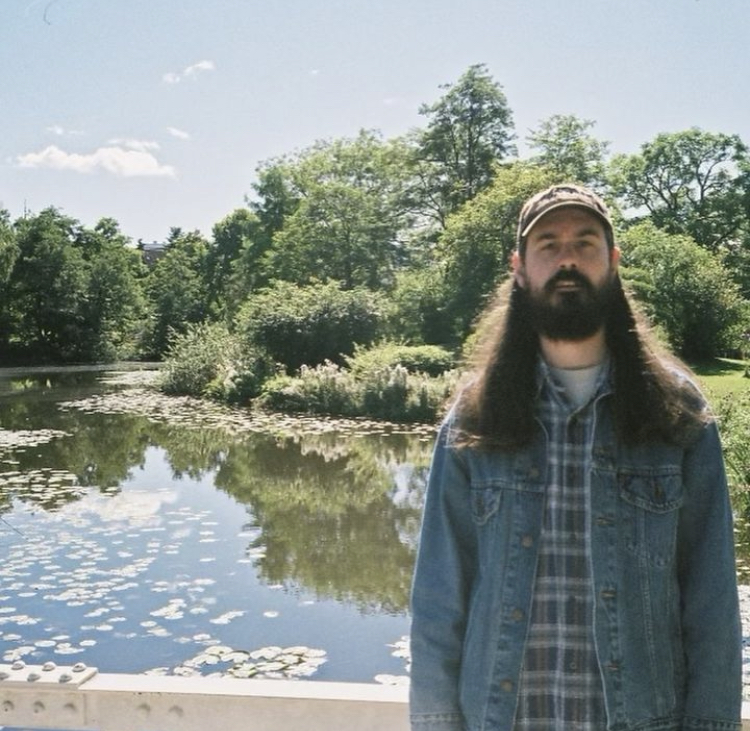
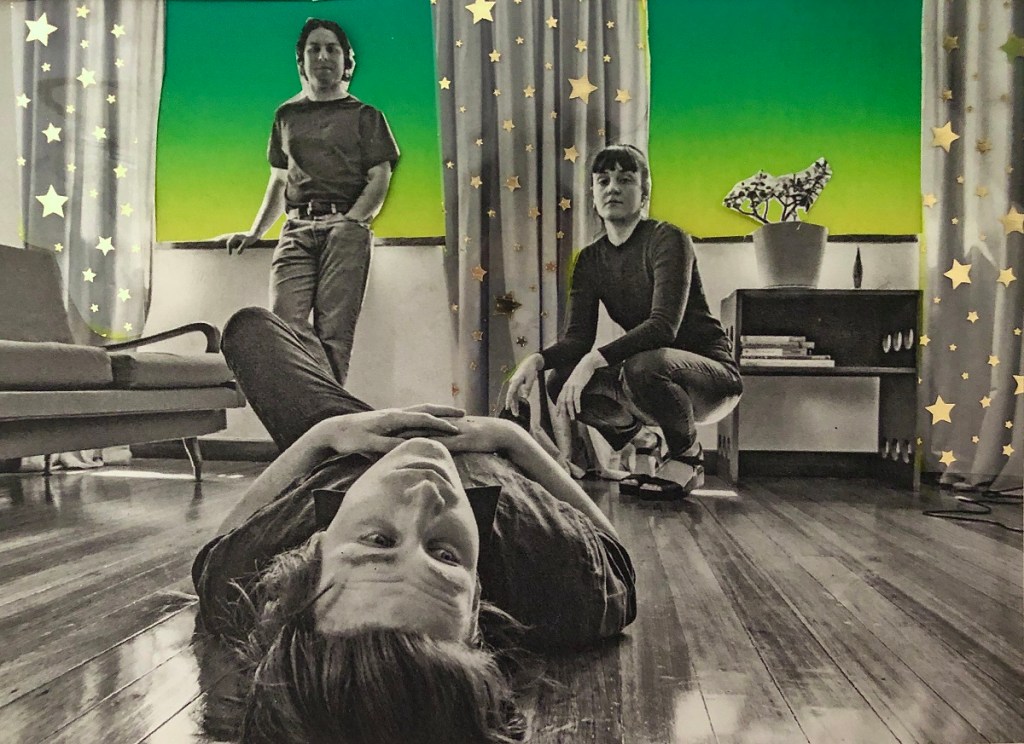
Alex Macfarlane is a passionate music enthusiast with a deep appreciation for creativity and individuality. He values authenticity and the unpolished nature of music, often prioritising natural expression over technical perfection. Alex is deeply connected to the music community, he plays in Faceless Burial, The Green Child, Francis Plange, and played in The Stevens, The Twerps, Tyrannmen, Pious Faults and more. His commitment to fostering creativity is evident in his role in starting a label, Hobbies Galore, to support artists he loves, like Mikey Young, The Stroppies, Blank Realm, and J McFarlane’s Reality Guest, as well as his own solo releases. Above all, Alex embraces the unexpected, finding beauty in unconventional music and performance.
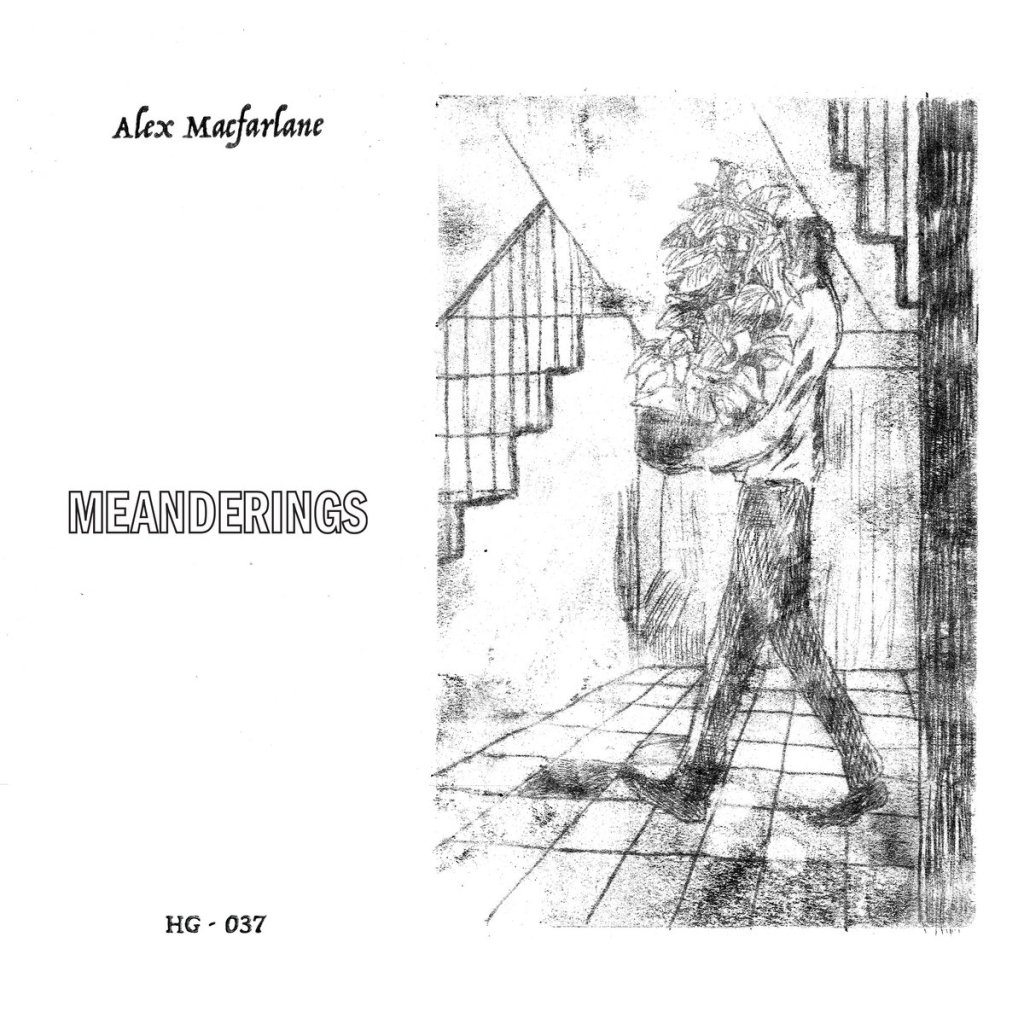
Gimmie caught up with Alex for an in-depth conversation that spanned a couple of hours. In this epic chat, we dive into his musical life—from playing with his dad in a prog band as a teenager, to his one-man grind band in high school to now. We also touch on his lifelong friendships with local musicians who inspire him, his new album Meanderings, the Faceless album they’re working on, international bands he’s helping bring out, and his experience running the label. Plus, we discuss his writing process, the music and bands he’s been getting into recently, burnout, books that have had a big impact, and so much more!
ALEX MACFARLANE: Having been involved in various other labels—being on them—and being like, ‘Why does it all have to fit into the calendar? And why does this need to go here? Or why do we need to do that? Why do we need to have video clips and photos and that kind of stuff?’ It’s like, can’t we just do what we like?
Exactly. I think it’s weird that everyone often conforms to certain ways of releasing an album that’s set by particular systems that I don’t really care for. I was really happy that you released your latest album, your solo release Meanderings on a Monday. Because the standard is to release things on Fridays.
AM: Well, I don’t work Mondays. I usually get most orders on the first day, so I thought, anyone who ordered on that day would be in the post that afternoon.
I love when a label is prompt with mailing out orders. I’ve experienced many labels (unfortunately many indie ones) that take ages and have little care for getting your order out to you in a reasonable time once they have your money, which sucks. I find too, that when everything comes out on the Friday, there’s so much new stuff that sometimes things get lost and I don’t always see everything, and miss out on seeing/hearing some cool stuff.
AM: I feel like I’m pretty tapped out on Fridays as well. By the time I get to the end of the week, I don’t feel very like absorbent for new things.
I get that. What do you do for a job?
AM: I work for a bunch of barristers in the city, where I was the mailman for seven years, delivering parcels to the courts and stuff like that. Eventually, they found out that I recorded music. So now they’ve got me, basically, going around fixing people’s fax machines, and they’ve got me recording a podcast for them. I do the sound for live webinars too. Anything that has an electronic element, I’m now doing. But it led to me getting calls from random barristers at all hours, being like, ‘I can’t get my Zoom to work,’ and that kind of stuff. But then, suddenly, it leaked into day-to-day life.
Do you like that work or did you prefer being in the mail room?
AM: I got to walk around, and no one really knew what you were doing, which was good [laughs].
I noticed that you put out your first Hobbies Galore release on October the 4th, 2016. Today is October 1st, so in the next week it’s coming up to your labels eight year anniversary!
AM: There you go. I wouldn’t have known that. That was a while ago. I’m trying to remember where I was at that point. I was living in Footscray, and memories are a little hazy from that time. It definitely happened, there’s obviously a definitive date.
What have you been up to lately?
AM: Pretty busy. It’s always busy with music stuff. The last couple of weeks were really busy because I’ve been playing in the band, The Green Child. We’ve been trying to figure out how to turn it from a recording project into a live project. That’s been a lot of programming sounds and relearning songs that I maybe didn’t think I was ever gonna play live.
Then a similar thing coincided with Pious Faults, who I was playing with the other night. I recorded a bunch of keyboards for their new album. Then they were like, ‘Do you want to play this show with us?’ So I said sure, but that, again, was a bunch of stuff I wasn’t considering actually playing live. So I was relearning all of that.
I also had to relearn the Frances Plange set. All his songs are 20 minutes long with no repeating parts. On top of all that, the metal band, Faceless Burial, I’m playing in is recording this coming weekend. It’s this 18-minute song with a million notes in it.
And we’re also booking this festival in November, where we’re bringing out two international acts—friends of ours from Copenhagen and New York. We’re organising nine visas, internal flights, accommodation, venues, and all that kind of stuff.
Then I’ve got the sort of four-ish releases on the label at the moment, and they’re all getting posted out all the time, so there’s that to finish. That all happened in the last month.
Before that, I was doing a lot of solo shows, which I’ve now cut off so I can have some time to think about these other things. Prior to that, it was just a string of international tours with the metal band. We had two Euro tours, the second one just Scandinavia. Then we got back for a week, went to Southeast Asia, came back from that, did a national tour, and then went straight into all the solo shows, which led me up to this time.
Phew! You do more in a few months than a lot of people do all year. I admire that work ethic. Do you like being that busy?
AM: I think so. I mean, yeah, I have always been playing in a lot of bands at once. As long as all of the bands are completely different, it’s fine. I’d have a harder time if I was playing the same instrument in every band, or if the projects sounded similar. I’d feel like it’s less necessary to be doing them all at once. The individual ones, keep me on track a bit, so that I don’t try and put some horrendous metal riff in a folk song or something like that [laughs]. I’ve got compartmentalised sections in which I can more effectively channel things.
I know there was one point where you were doing six bands at once. Have you ever got burnt out from doing so much?
AM: Yeah, I’m pretty, pretty constantly burnt out. I don’t really sleep very much. There’s a genetic insomnia thing that’s hard to beat. I feel like I don’t really relax very often, or if I do, it’s reading or listening to records. There’s always some sort of activity; I’m always up and doing things. I’ve found ways to be able to do a lot of projects at home, I find it relaxing to be at home working on projects. I definitely find being out of the house to be the taxing aspect of it. Even though I really like seeing people, seeing other bands, and collaborating with people, I would sort of—if I was working on a solo release—I wouldn’t really find that to be a tiring experience. That would be what I do in the downtime from shows.
Like I mentioned earlier, you just released Meanderings, and I was looking back at your catalog, and noticed that you’ve released over 100 solo songs. Why do you like writing songs?
AM: I really like it, but it’s always just been a compulsion. I’ve been playing in bands since I was like five. From early high school, I was regularly gigging in pub bands.
The writing was my reprieve from that. At that point, I was drumming in everything—I wasn’t playing any other instruments. I was teaching myself how to play guitar and record stuff as the break from that. I was doing pretty shitty at school, so I guess it was an escape from that as well.
It’s kind of been a way of diary keeping. The songs became less and less autobiographical because I realised that if I wrote stuff about what was entirely happening to me personally, I’d never want to hear or sing those songs again. So they became more a way of cataloging everything I was seeing, reading, watching, or listening to.
It would be very rare that I would ever listen to anything again that I’ve written or recorded. But if I look back at the song titles, I can occasionally remember what I was reading or thinking about, or trying to combine at the time.
I got into home recording pretty early. It’s just a fun and funny thing to do.
Having a foundation playing drums, does that influence the way that you think about songwriting at all?
AM: It definitely makes me wish that I could afford to rent a house where I could play drums—like something that’s larger and doesn’t have neighbours all around it. I miss playing drums, it definitely gives me more natural timing.
I was playing bongos in my dad’s band when I was a child. That was a decent foundation—well, purely only in skills that stem directly from playing bongos, not really a decent foundation in the accumulation of wealth or anything like that, something someone else might find to be important. But, the bongos is a good place to start. It definitely, definitely set me up.
Your album’s called Meanderings, and meandering is kind of wandering and not really having a direction, just taking it slow; was that the approach you took to writing this collection of songs?
AM: Yeah, I would say so. Generally, I don’t realise that I’ve got a release until I’ve got too much for a release, and so I’ll cut it down from a bunch of songs. It always seems like a random amalgamation of all kinds of different things that I was working on all at once. I see them all together and I think, ‘Oh, that could make a release.’ And then I seal that off as one point and then move on from there.
It’s certainly the approach to any solo thing that I’ve ever done. It has been relatively aimless. The binding factor becomes clear only once all of the elements are on the table.
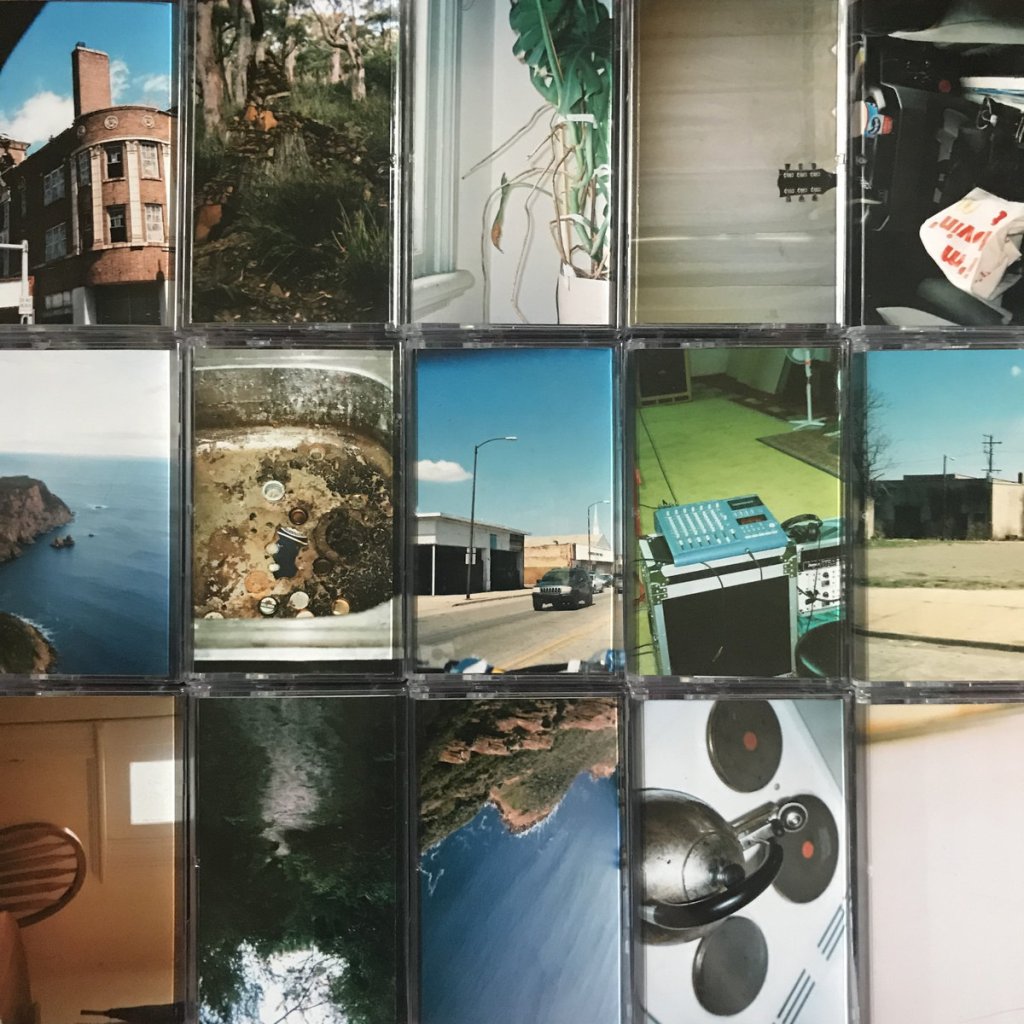
I really loved the Lucky Dip release in 2021, where you made 15 tapes taking portions from over a hundred unreleased songs, making a unique tape for each person. Even the art was one of a kind for each.
AM: That was during lockdown, so I had some spare time. I had a lot of spare music, folders and folders of things that weren’t necessarily good enough on their own, but I didn’t want to throw them in the bin.
I had a bunch of cassettes from a defective pressing of the first Hot Topic release, who became J McFarlane’s Reality Guest. The first bunch of tapes had someone else’s music pressed on them, so I had spare 20-minute tapes. I made a playlist that lasted the amount of time that all of those tapes would take to run through.
I played that playlist for a whole day, and into the night, and put tapes in as it was coming up to a random point that people would get on the release. All of the covers were folded photographs taken from either around the house or the last trip I’d taken before lockdown.
I don’t really like wasting stuff. I figured I may as well do something with the tapes, and didn’t want to waste the tracks, so it seemed like a good way to free both of them from my house and mind.
Do you have any idea how many songs you’ve written? There seems to be hundreds and hundreds, like, too many to count.
AM: I’m not sure. Some of the bands that I was playing in had really short songs. So we’d have a lot on an album. Prior to any of that, I did maybe 15 albums in high school under the name Major Macfarlane, which were burnt CDRs with hand-drawn covers. They were extremely disposable. Songs would be, my friend Gus playing slap bass and me destroying a mandolin over the top of it or something. And then I’d be like, that’s a release! [laughs]. Let’s put that out.
Luckily, that was more before most people had internet and things really got digitised. That stuff doesn’t really exist on the internet, which I’m happy about. Because most of it would be pretty embarrassing, but it does exist. Some people have sent me photos, that they’ve still got it, and it always kind of seems like a threat.
That’s so cool you were doing that so early. I remember when I was in school I’d make zines, and people didn’t seem to understand that you could actually make your own things, you didn’t have to wait to finish school or didn’t have to be a professional or make it perfect.
AM: That’s it. When I was starting to record music and had a CD burner, I felt like it was a really good way to show other people that you can make stuff as well. You could have them feature in your project, or record someone and seal off where they’re at, and then put it out. Even if it’s in really meagre quantities, you still have that record.
A lot of that maybe you wish wasn’t documented, but at the same time, it’s better than wondering, ‘I wonder what that was like.’ Yeah. It was—oh, it was horrible [laughs].
I look back on all my old zines and totally cringe, but you’ve got to start somewhere. I didn’t know what I was doing. I just wanted to share all this cool stuff, bands and music, that was happening around me.
AM: Totally. Yeah. Yeah. Yeah. That’s a similar motivation that was getting me to do things as well—being able to not be precious about things. When you have the pressure of a real label or a larger publisher or something, I can imagine it would be that pressure of thinking whatever you put out has to be a really concise, a boiling down of where you’re at, at the time— I feel that stunts your ability to move forward. If there’s a lot of pressure on something, and then maybe it gets let down with the way it’s received. If you do it in smaller quantities and a lot quicker, you don’t have as much time to think, ‘I should have changed that.’ Then you’re already thinking about how you can amend those errors on your next release, rather than thinking about how you should have done it on the one that’s already out.
There’s a lot to be said for like that spontaneity. I really like a lot of music when people record stuff and they’re recording the song as they’re making it. Sometimes if you record something over and over and over, it can lose the magic that first take had.
AM: The majority of bands that I’ve been in, I’ve done at least some of the recording. Many bands that I’ve played in, that would be very demo quality to someone else, but if that does the trick, then there’s no point in trying to do like a slick version of it.
One band that I was playing in, The Stevens, we had really low standards for what was releasable. There was a larger international label that we looked up to a lot when we were getting into music. They called up because they were interested in putting out the record, and they were like, ‘We really love the demos. When’s the album going to be ready?’ And we’re like, ‘That’s the album. Sorry. It’s not gonna get any better than that.’
So, you might miss some opportunities, but I feel like it’s a fairly true way of doing things. I feel like you can’t really ever regret working within your means and not grasping at every opportunity for the big time. You can always be happy that you’ve done things yourself.
Totally! I don’t think you could pay me to be a part of the big time or industry. The music industry has never been kind to me.
AM: Those two words need to be separated as quickly as possible.
Yep! [Laughter]. I’ve seen many bands I love get caught up in bad deals and situations chasing the wrong things, and I think what they ended up creating suffered for that.
AM: Yeah, without a doubt. I feel like if it gets a hold of you at the wrong time, when you’re young for example, it creates a bunch of, in my opinion, incorrect reasons for making things. I guess there’s no incorrect reason, but there are less pure intentions.
I remember I was talking to Shogun from Royal Headache/Antenna, a little while ago, and he was talking about when their band blew up, and he told me that at the time, he was hating every second of it.
AM: Yeah, that is often the case.
I’ve been around a while now, I’ve seen it happen over and over again, and sometimes it destroys the want to make music, and that’s really sad.
AM: I guess, it becomes more of a job and usually people don’t like their job.
Do you feel like there’s a conceptual continuity with your solo music?
AM: Maybe. It’s all pretty disparate. All the different things that I’ve been doing comes from the same pool of like influences, which is always expanding and changing. But it always has the same foundations. Like we were talking bout, the solo stuff, it’s really unplanned. I don’t really know the purpose of the song, even sometimes after it’s already been released. There’s that kind of continuity. I can always tell what I’ve been into on the day of making a song. It’s usually all made at home by me in a state that I can’t really remember that well. Then I have a song at the end.
Most things usually start on the couch. I’ll sit on the couch with a guitar, and then I’ll go into the music room. It’s not really a studio, just a small room. I’ll come out of that, and it’ll sound really different from what I was anticipating. The continuity is unexpected experimentation and unclear aims. But that doesn’t really make for much audible continuity, aside from the fact that I try to have fun with language and try to put some note groupings together that don’t sound quite right to me at the time. The general rule is if I think it sounds like a song I’ve heard, then I won’t release it. I try to combine a lot of elements that maybe shouldn’t be combined, just so I can trick myself into thinking it’s worth releasing in some small portion.
What kind of things were you into while you were writing this collection of songs?
AM: Looking over at my box of recently played records—I’m trying to think of any things that directly influenced it. I was liking this guy called Daniel Schell a lot, who played in a band called Cos and some other bands. I was listening to traditional folk stuff, but that’s been kind of a constant because my dad was into a lot of that. I was also listening to Véronique Chalot, and I started getting classical guitar lessons at one point, but quit them really quickly.
I was listening to a lot of Brazilian guitar music, so I was playing a lot more—very poorly—on a nylon string guitar. But then I was also listening to a lot of electronic music and metal, too. All of that swells in.
As for direct influences, I’m not entirely sure on this group of songs. The second-to-last song was a progression from—I ripped up a lot of chords from a Donald Fagen solo song. Sometimes, when I get really stuck on a track, I’ll try to learn a song by someone who’s completely out of my realm of abilities. They’ll go back and forth between chords so much, whether it’s Donald Fagan or Egberto Gismonti or, Grant Green—someone who’s so unattainably talented. I’ll learn a few seconds of one of their songs and, within the first half-minute, there’ll be enough chord changes to sustain me for two songs.
I end up doing a similar thing with lyrics. I’ll have a bunch of things around me; I’m always taking a lot of notes. So I’ll have notes and then a reference book of poetry or the local paper, the Banyule Banner, or something like that. Whenever I have a gap in my notes, I’ll flip to one of those pages and get something out of it. It all blends together.
That was a long and confusing answer, but that’s the long, confusing process when I’m making tracks.

No, that’s not confusing. I followed.
AM: Okay, that’s good. I got confused by the answer [laughs]. The pulling together of really disparate things—musically, it can start with one or two notes, and then I play around with those until they’re harmonised. There was one track on this album called ‘Golden Braid’. I was enjoying a movie by an Australian filmmaker, Paul Cox. He made some nice, and some less nice, movies in the 80s and 90s.
There was a section in one of his movies without music that I took and stripped out the video. I soundtracked along with the audio. The scene involves a guy who works on old clocks, and he’s moving through his house, flicking the clocks and walking up and down the stairs. I added sounds to react to his footsteps and to the notes made by the clocks.
I often use methods like this when I don’t feel inspired to make music. I’ll watch a movie or read a book with the intention of borrowing from it. Even if I don’t have any specific ideas, I might take note of a particular scene—from, say, 33 to 38 minutes in a film—and come back to it later. Then I pick it apart or bookmark a page in a book, and those elements might end up combined into a song.
It’s not always about having original ideas but about reprocessing what you take in. What you ingest, media-wise, is important if you want to create. It’s similar to a diet—if you have a bad one, you won’t make anything good out of yourself. If you don’t read, watch, and listen to good things, you won’t be able to turn that into anything worthwhile either.
I remember talking to the band Adult from Detroit once, and they told me that when they made a particular album, they like set up an area in their basement and painted everything black so it was this big black space with nothing else there to stimulate them. They wanted to see what they could make with no distractions, which I found interesting.
AM: That sounds terrifying!
I’m always fascinated by the different things people will do to experiment with music, sound, and art. I enjoy when things are pushed further into some other place to what I’ve seen/heard/experienced before. I loved to be awed by things.
Something I’ve always loved about your work is the songs is the titles. They’re all very prog rock kinds of titles.
AM: It’s what I was raised on. I spent a lot of time as a kid reading and listening to music. My dad was really enthusiastic about getting me into the music he liked—maybe “forceful” isn’t the right word, but he was definitely very passionate. So, I’d spend hours reading King Crimson liner notes, Jethro Tull inserts, and Genesis albums. It was all very fantastical.
My folks were hippies in a good way. They’d say things like, ‘If you don’t want to go to school, you can stay home and read this Ursula Le Guin book instead,’ and I’d think, ‘Great, I’ll just do that.’ They were ahead of their time when it came to the idea of a “mental health day.” I heard them use that phrase long before it became more mainstream. It was useful, and I think you can certainly get a child more enthusiastic about learning if they’re not forced into the rigid structure of the education system. People tend to forget that.
Words have always been really important to me. I’ve always found them funny, especially when they’re misused or when people take poetic license to invent words. Whether it’s Donovan, Flann O’Brien, or Monty Python, there’s a playful way to use language that keeps it entertaining for me.
I noticed that you tagged your new release on Bandcamp as “silly”.
AM: Oh, yeah. That was a suggested tag. I probably would have said something a lot more mean about it if if it didn’t suggest that. I was glad they gave me something as silly as the word silly.
Are there any books you’ve read over the years that had a big impact on you?
AM: A lot. It’s a relatively typical answer, but [Italo] Calvino was important when I first read him, as was Flann O’Brien, who I mentioned before. I’ve read a lot of sci-fi, like Stanislaw Lem, and authors who wrote short stories. There’s also Leonora Carrington, who created these fantastical micro-worlds.
For me, there wasn’t much distinction between a song and a book. I didn’t get into movies until much later because, when I was younger, I couldn’t grasp how many people it took to make a movie. I’d get to the credits and think, ‘It takes so many people to make that—that’s ridiculous.’ If I saw an actor in another movie, it was confusing. I’d think, ‘Wait, he’s not that person?’
In contrast, if someone wrote and recorded their own music, it felt like there were so few steps between the creator and the listener. The same goes for a book—the separation between the writer and the reader seemed much smaller. There were fewer hands the work needed to pass through, at least as far as I understood those industries.
I feel like I have a very high threshold for whimsy. Growing up, I listened to a lot of folk rock. Whether it was Fairport Convention, Shirley Collins, Pentangle, or similar bands, there was always a mix. You’d have a few serious ballads that everyone gravitates towards, but then there’d be a really ridiculous track—something with everyone dancing around the maypole and full of whimsy.
Now, it seems like most modern folk, or even the dreaded term “neo-folk,” leans heavily into the mournful, dark elements. I suppose that’s more palatable, but it feels like whimsy has really gone out the window.
Maybe that’s what sells better? I’m a big fan of whimsy too.
AM: I feel like consistency has become increasingly important. For people trying to sell records, everything needs to maintain the same vibe from start to finish. There’s a sense that listeners don’t want to disrupt the flow of their experience. This trend has only worsened with playlist culture, where people choose a single vibe and then listen to an endless list that matches it, without really exploring the artist’s broader work.
I’m not a fan of complacent listening. I don’t like algorithms, playlists, or anything that curates music based solely on a single mood. But people are free to enjoy what they like—I suppose I shouldn’t be harsh about it.
Is there a reason why you don’t listen back to your own stuff much?
AM: There’s a lot of great music out there. I tend to spend any spare money I have on records. I really enjoy talking about them, visiting record stores, and chatting with whoever’s working there. I love learning about what they’re listening to and getting their recommendations.
When I find a record I like, I research everyone who worked on it—the people in the studio, the musicians—and I try to connect all the dots. I’ve spent so much time doing that, so it’s rare that I listen to my own stuff. When I’m making music, I listen to it a lot because I’m focused on working out the sounds. But after the gruelling process of production, I don’t always want to hear it again. I remember what it sounds like, and when I’m playing shows, I’m performing those songs. Some are okay, some are bad, and I try to focus on making more that are just okay, avoiding any of the bad ones.
What records have you got lately or be recommended?
AM: I’ve got a pile of records over there. Some of my favourites include a reissue by Enno Velthuys, which I really like. There’s also one of Alvin Curran’s reissues, the new Oren Ambarchi record, and a beautiful album called Small Boats by Steve Atkinson. I also picked up a record by Pari Zangeneh, a blind Persian singer who’s amazing. And there’s the reissue of Dorothy Carter’s Waillee Waillee, which is gorgeous, slow folk music.
I try not to get too deep into the reissue culture, but when something I haven’t heard before pops up and I can grab a copy at a reasonable price, I do. I really appreciate the people working to make these albums available again. Of course, there are mixed views about the environmental impact of vinyl production, but compared to other manufacturing processes, I guess it’s relatively more acceptable. Records have always been important to me, along with books. I know they’re made of paper and plastic, but I forgive myself for that.
Yeah, I’m the same. Our house is filled with records and books, more than anything else. I read this interesting article not too long ago about the environmental impacts of vinyl versus streaming. It said that vinyl is actually less harmful in some respects, and is considered more sustainable when compared to streaming in terms of long-term usage—one record can be played countless times, spreading out the initial environmental cost over time. Whereas streaming carries a high carbon footprint primarily due to the energy required to power data centres and network infrastructure and the components used to make your phone or computer to stream stuff. It was interesting to hear a different take, usually people automatically think vinyl is worse and don’t take into consideration what it actually takes to stream things.
AM: Yeah, I think you also become complacent with waste because you rely on devices like your phone. You need it to work all the time, so when it stops, you throw it out and get a new one. Meanwhile, with my turntable, I’ve repaired it several times. Most people wouldn’t bother repairing their phones; they just get a new one instead.
Additionally, for the new Green Child record we’re working on, we found a pressing plant that uses recycled cooking oil, making the process more environmentally friendly. The records are injection moulded, which avoids traditional pressing methods. We’re doing it as a split with Upset The Rhythm from the UK. I’m always trying to find better ways of doing things.
That’s great! That’s like with Gimmie, we print on environmentally certified and recycled papers, which are from sustainable sources, and use vegetables based inks, and the printer recycles all waste products. But we definitely live in a society that’s all about convenience.
AM: Yeah, it’s less important to have all the knowledge in your head because you can just look it up on your phone. That’s good and bad—mainly bad, maybe. I’m undecided about the merits of technology and its impact on creativity, as well as the general retention of knowledge. There are certainly some benefits, but I’d have to think harder about them because my apprehension tends to outweigh my appreciation.
We haven’t done a print issue in a little while, though. We know people can’t really afford stuff right now with the out of control cost of living. I see on Bandcamp, even other musicians I follow, that used to buy other artists records all the time have stopped doing that so much.
AM: Yeah, everyone’s feeling that. The cost of making things in general has risen, along with the cost of postage. It’s really tough—if I want to send a ten-dollar tape to America, it costs about 26 dollars. So, I charge slightly less, but anything I’m sending overseas, I’m losing money on. I like the idea of someone having it far away. There’s something really exciting about that. I guess I had a good deal with postage in the early days, so I feel like I’m still making up for that, and I can pass on the savings, a bit
Yeah. I put out a book this year and in I wrestled internally with having to charge people so much for postage, especially overseas.
AM: People who appreciate physical media will always find ways to access it. Books, in particular, are often still quite affordable, especially when you consider the value they provide. For example, a single book can offer so much in terms of knowledge or entertainment. When I discovered online book stores, I realised I could get almost any book delivered to my house for about $8. That’s remarkable when you think about it—you’re getting someone’s life’s work brought straight to your doorstep for such a reasonable price.
Of course, newer books can be more expensive. When I’m in a bookstore, though, I don’t mind paying a bit more. It feels like it balances out, considering how inexpensive secondhand books or online deals can be. The same applies to records. You can often find a great album for around $10 at the right places. That’s essentially an encapsulation of someone’s creative vision, available for less than the price of a pint.
And what does a pint really give you? At best, a moment of enjoyment; at worst, a ruined next day—and it might even keep you from reading that book you just bought.
Yeah. I try and buy stuff from the actual artists at shows.
AM: Yeah, absolutely. Bandcamp is still one of the better options online, but there aren’t many alternatives. I’m always brainstorming creative ways to avoid relying on platforms like that. Sometimes I think, Maybe I could find a different approach.
But anything that delivers directly to someone’s house feels a bit intrusive. There’s a need for some level of anonymity—you wouldn’t want me showing up at your house in the dead of night with a tape. That would be horrifying!
Maybe something like a community drop-off could work. For example, if I had 10 deliveries in Thornbury, I could say, Hey folks, they’re all in the neighbourhood library at the end of the street. Go for it! But then again, you can’t always trust people. They’d probably all get stolen anyway.
Unfortunately, that can be true.
AM: I’ve been thinking about ways to navigate these challenges. There’s definitely a shift happening with physical media. It’s becoming less of a middle ground—dominated either by massive producers or by extremely niche creators. For someone relatively obscure, like myself, using the same facilities as mass producers can be frustrating. If you’re pressing a record at the same place handling huge albums, your project is likely to get pushed to the back of the line.
That’s why I’m considering how to make my process less dependent on those channels. It might mean going back to hand-painting and stamping all the tapes, doing the covers myself, and dubbing the tapes manually. It’s more work, but it seems like the only way to keep costs down. In my mind, a cassette should never cost more than $10. The last batch I made was $11, just because that was close to the production cost. To balance things out, I tried to offset the Bandcamp cut and offer slightly discounted postage. As a posted package, that price seemed fair.
Still, I think I’ll need to get more creative to keep things affordable. People who buy tapes from completely independent artists deserve something extra. Whether it’s throwing in free items or adding a personal touch, it’s important to show appreciation. After all, buying a tape from an unknown artist isn’t a typical thing most people do. It’s not often someone wonders, I wonder what this person has been working on at home all year? Maybe I’ll buy their tape. It’s rare, and when it happens, it means a lot.
Totally. The’s why I hand-gift wrapped each book and included a handwritten note. I notice that all your tapes sell out.
AM: That’s because I don’t make very many, which is good because I also don’t like going to the post office much [laughs]. So I condense it into three or four trips where I’ll take everything down.
I’m lucky to have friends here and overseas who run record stores and are willing to take the risk of stocking my tapes. That helps a lot. I feel like word of mouth plays a big role in these things. I find out about so much if a record store posts about something. If I like what they like and they post something I don’t know, I’ll check it out right away.
Whenever I take anything I’ve put out to a shop, even a simple picture of it can be a great way for people to find out about it. For like-minded people who enjoy discovering niche things, record stores are still a good place to explore. You can chat with whoever’s working, look at posters, or browse the recent releases rack. It’s like stepping into a different world—a world you wouldn’t encounter unless you visited that specific place.
I see this more often in Melbourne, especially when friends from overseas visit. Part of their trip usually involves visiting lots of record stores. I’ll introduce them to the shop owners, and soon they’re talking about what they’re buying, exchanging recommendations they wouldn’t have found anywhere else.
That kind of localised, face-to-face interaction is becoming rarer, but it still exists, and I appreciate that.
Same! You mentioned earlier that your dad was very insistent on you listening to his kind of music. What was the first kind of music that you listened to that was not his stuff? Did you ever rebel?
AM: Yeah, a lot. I don’t think he fully gets any of the stuff I make. His music is very from the heart, whereas mine feels more from the head. He reminds me of that all the time. He’ll say things like, What is this? What could this song possibly mean? And I’m like, I don’t really want people to know what it means.
The other day, I recorded some demos for him. His songs are very direct, like, I know exactly what that song is about—that song is about being furious about the referendum result forever. And I agree with him, which was nice. But I like keeping things a little more obscured so that I feel safer, I suppose. He’s a pretty heart-on-the-sleeve kind of guy.
That said, a lot of what he’s into has influenced me, whether I like it or not. He’s always been into folk and prog, which is still a big part of what I listen to. But everything just got more extreme from there. My two older sisters introduced me to metal and industrial music, which definitely broadened my tastes.
My mum, on the other hand, got me into a ton of amazing stuff, especially early electronic music. So, growing up, I didn’t stray too far outside of that realm. Getting into really extreme metal was a bit outside my family’s wheelhouse, though. That happened thanks to one of my sister’s friends, who taped me some truly out-there albums when I was way too young for them. That was mind-blowing.
As for the more heady ends of electronic music, that came from a friend’s dad. He gave me a bunch of stuff that absolutely blew my mind—Kraftwerk, Laibach, and Autechre, for example—when I was still in early high school. That music was confusing in a good way. Even though it was retro by then, it felt completely fresh to me.
I think my family stopped exploring new music at a certain point. They were lucky enough to grow up in times when incredible stuff was happening. My mum, for instance, is American, and she lived in California in the seventies. She saw bands like The Who, Led Zeppelin, and Crosby, Stills, Nash & Young playing in her town. If you’ve experienced that, maybe it’s not going to be super impressive when your kid comes along and says, Hey Mum, here’s Primus.
I love Primus. I met Les Claypool when I was 16 and showed him where the local record shop in Brisbane was. Watching him flip through records and picking out things he was interested in was so interesting to me.
AM: That’s incredible. I suppose it was just the more extreme stuff that was slightly outside the family’s usual listening habits. But at the same time, my sisters were really into a certain level of extreme music—maybe not as much the rest of the family, though. Between all of us, we covered a pretty broad range of styles.
It’s like that in my family too. I have four older siblings and my mom and dad, and we all love music. Being the youngest, I absorbed everything.
AM: Yeah, my sisters are both more than ten years older than me, so there was this big gap where it felt like I got an early introduction to everything everyone liked. By that time, they already had their own personalities and tastes—it wasn’t like a bunch of kids growing up together. It was more like a kid surrounded by adults. We didn’t live together much, but we still hung out a lot.
You had a one-man death metal band in high school, right?
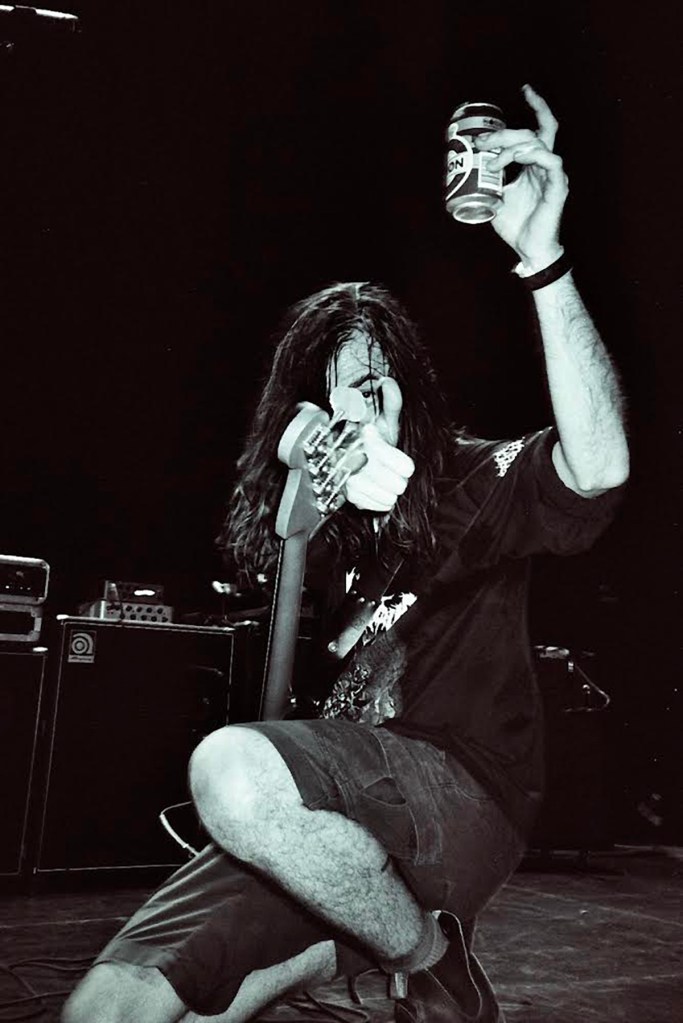
AM: Yeah, yeah, yeah. I made a lot of different kinds of music in high school, and kind of still do. There’s always been a lot of wanting to do everything at once. So, there was a really bad one-man grind band, and then a more electronic grind band. Then, really silly solo stuff that was super slapstick, skit songs, where I would get any friend who was at my house to play a part. We’d record all of that.
I was lucky and unlucky in some ways that the place I spent most of my time, from late primary school to whenever I moved out, was with my dad. It was a one-bedroom apartment, and he wasn’t working at the time. So, I was working several jobs while trying to do school and play in these bands. My room was the living room of the house. There was band gear around all the time, and my sister’s friends would jam there, my bands would jam there, and there were a bunch of other musicians from the area who’d come around and play.
That meant there were constantly parties happening, which wasn’t always great. But it definitely solidified a lot of friendships, and you were allowed to experiment a lot with music—and other stuff. I was lucky in a way, though. The apartment was on top of a clock shop and between two banks, so the walls were really thick on either side. As long as we were done by 10 o’clock, we could make as much noise as we wanted. So, if I got home from school, and thought, I’m going to make a solo grind EP tonight, I could just do that. I could drum and shout really loudly without really disturbing anyone, though I’m sure I was disturbing a lot of people walking past on the street.
I’ve been told in recent years—when I mention the circumstances—that people would walk past and hear crazy music coming out of that house. We’d have parties where people would pull up in cars, get out of the car, and climb onto the roof. They’d crawl up onto the awning of the shop and climb through the front window just to see what band was playing. It was a bit of a mess, but we always had a “whoever wants to join” vibe. It was tough to find the entrance since it was off a little alleyway, but we met a lot of strange friends that way.
A lot of them were really good musicians in the area, and I still play music with some of them now. It solidified a lot of friendships, especially with the older crowd. I was still in the safety of the family home, but it was when everyone else was in their teenage prowling phase; they’d hear rock music and just think, Let’s go into that house.
Did you did you teach yourself to record?
AM: Yeah, I can’t really remember how that started. I just had a microphone and a cassette deck and slowly built off that. The school I was at had a digital 8-track, so I borrowed that. I didn’t have a computer until quite a lot later when I bought one for myself. Then I started using that along with a tape recorder and things like that. It all built from there.
Also, any of my sister’s or my dad’s friends who had equipment they didn’t need would dump it at the house, knowing it would get used. I’d end up with guitar amps, pieces of a drum kit, recording gear, or a keyboard. There was a constant rotation of people and music gear coming through. It meant I was talking with a lot of different people all the time and using a lot of different gear. People brought in different influences, which made it interesting.
But, as I’ve said about a few things, it wasn’t very good for schooling. I had a lot of friends, though. It was a cool house.
You mentioned having a band with your dad and your solo stuff; what was your first band with your peers?
AM: That was, oddly enough, probably still the core group of people I’m friends with now and have made a lot of music with. I’ve known my friend Gus since he was born, basically, since our parents were friends. He did The Stroppies, and we were in Tyrannamen, Twerps, and Stevens together. Before that, we were in a few other bands, including one called Teen Archer, which wasn’t very good, and another called Showcard. I was in Showcard from when I was about 13.
That was probably the first proper band I was in. For 13-year-olds, we weren’t the worst band in the world. We played a lot of cool supports, like Spiderbait, Frenzal Rhomb, Bodyjar, and The Datsuns, all while still in high school.
What did Showcard sound like?
AM: This could be the first time I’ve publicly talked about this band. It was very rock. The shows were fast and crazy. We loved The Datsuns, that New Zealand band. All of us moved from one school to another together at one point, and at assembly, they had heard that there was a new band at the school. So they asked us to play. We did a Radio Birdman song and a Stooges song.
We started off as a Metallica cover band. Our first show was at my sister’s birthday, and we played stuff from Metallica’s first three albums. After us, her friends played songs from And Justice for All and The Black Album. They were really good players. The guy in that band gave us our first proper drum kit and taught me how to play drums.
It was a bad stadium glam band, I guess. As a live band, it was okay, but there’s a recording that exists. I think my dad still has about 50 unsold copies of it, gathering dust under his bed next to his own album, which is doing the same thing. But, they’re probably both fun. I don’t think it’s on the internet, so that’s good [laughs].
You mentioned in our correspondence that Hobbies Galore have a couple of releases coming out. Tell us about them.
AM: Most of them are out or announced now. We had the J. McFarlane’s Reality Guest CD, which was sort of my idea—I thought, ‘CDs are going to come back.’ I think I’ve been proven wrong, as they’re not quite there yet. But in my mind, they’re back. I still really love CDs. They’re an important format for me. That’s how I got into most stuff, on CD. The CD is still in the car, and in the house too.
Then, there’s my new Matt Harkin tape, and The Green Child LP, which is getting out there. I’ve never really done a proper release where there were singles, a lead-up, and video clips. But, Upset The Rhythm in the UK is driving this one. They’re really good, and they’re doing a lot of the hard work, which is nice. I’m along for the ride a little bit, which is cool. I’ll be handling the physical distro in Australia once the copies arrive. In the meantime, he’s planned everything out really well. I’m like, ‘Oh, that’s how you do it.’ That’s how you run a label.
After that, I’ll probably take a break for a while, because I’ll be doing a lot of shows with Faceless Burial at the start of next year. I’m also working on some new stuff with Francis, and that always takes a bit of mental energy because the songs are complicated. I’ll also start doing Green Child shows next year, which takes a lot of learning as well. So I feel like I won’t have much time to focus on making more releases.
I’ve never really put out anything by someone I haven’t met. I get a lot of emails from people, and a lot of it is really good. But if they’re not a friend of mine, I’m like, ‘Oh… you should start your own label.’ That’s usually my first piece of advice. Then I lie and say it’s fun [laughs]. There’s no huge queue of releases waiting to come out, but if anyone I’ve known for a long time wanted to release something tomorrow, I’d be like, ‘Sure.’ It doesn’t need to fit into any kind of schedule.
That’s kind of how poor I am at planning and running a real label. All of my releases for this year are coming out in the same month. But that’s fine—there are no rules. I feel like it saves people on shipping. A lot of people now can order two things at once and avoid paying shipping on two separate orders. I had a bunch of people who ordered the Matt Harkin tape, and I emailed them saying, ‘Hey, I’m releasing something next week. I know you usually buy everything from me, so I’ve just put it in with your order. Don’t order it when it comes out.’ That’s probably the kind of behaviour that will make sure you never break even on releases, but people appreciate it.
There’s a group of regulars who seem to buy everything before even listening to it. I can pretty much guarantee there’s a group of people who will get whatever I release, some of whom live overseas. It’s expensive to ship things overseas, so if you release everything at once, you can bundle them together and save on shipping costs. It’s hard to buy physical media from Australia. So it’s nice that people want to do it at all.
You mentioned that Faceless Burial is going to record some new stuff. Is there anything you do to prepare for that?
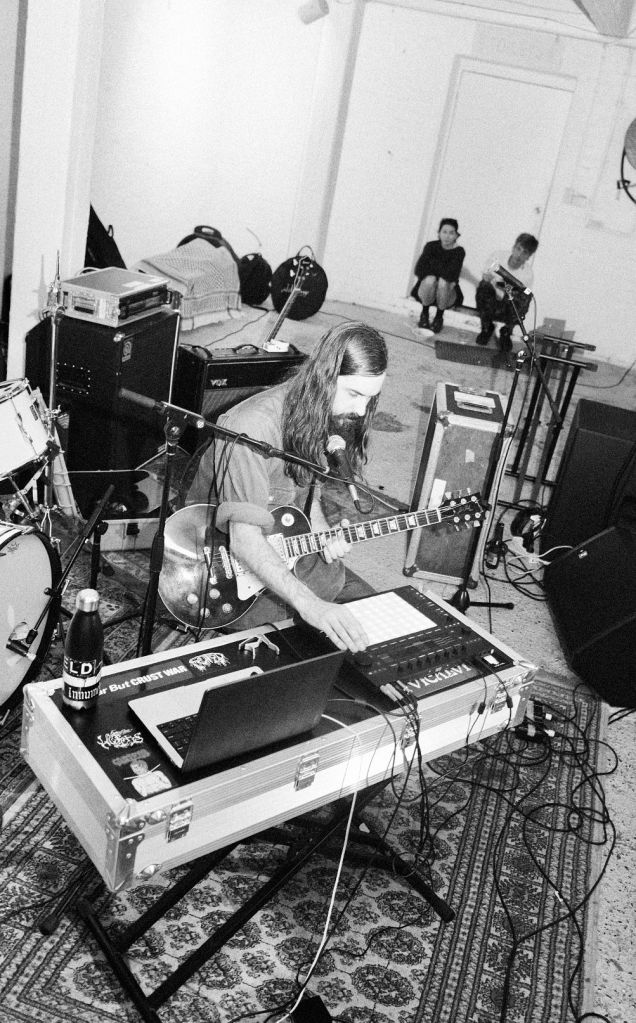
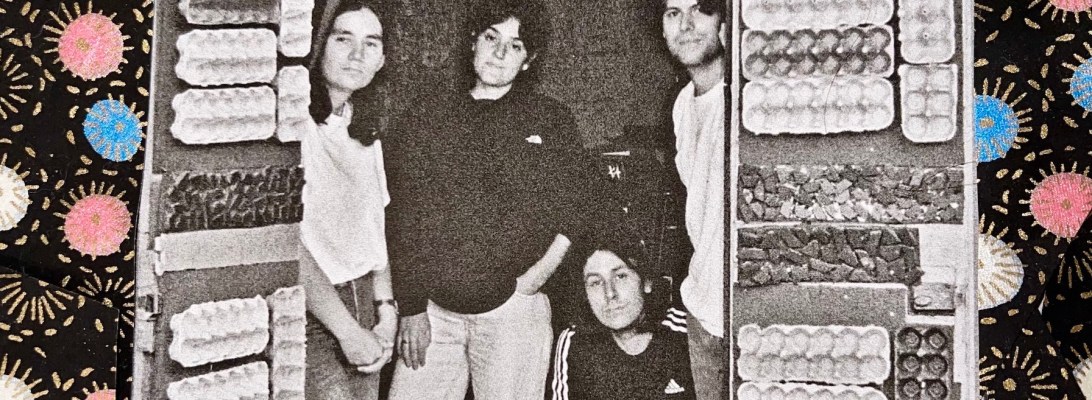
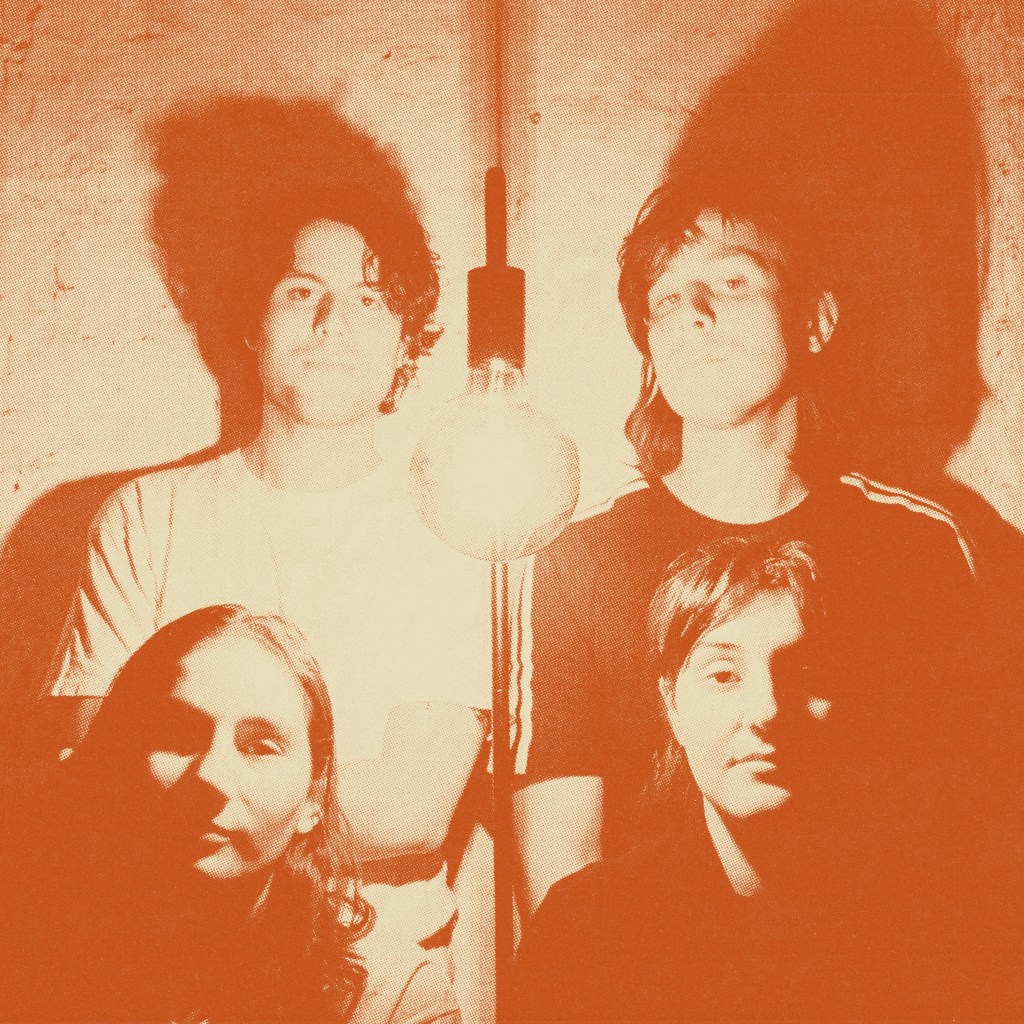
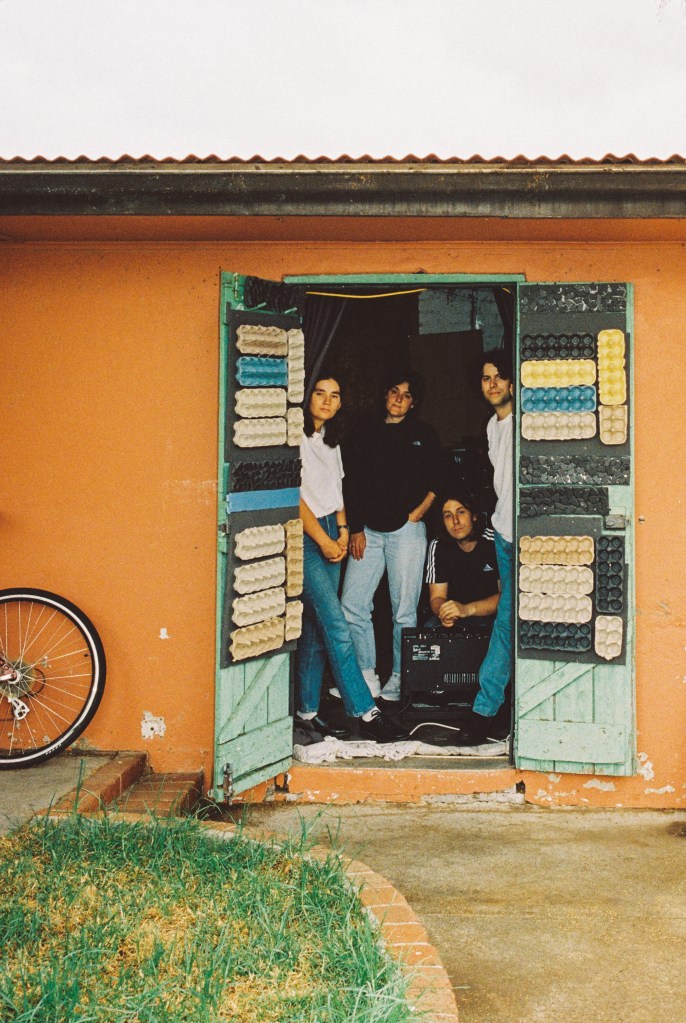
AM: Lots of practice. I practice before work, most days, leading up to a tour or a recording. At the moment, I’m practicing pretty much every night of the week with Faceless or Green Child, or I was doing practice for the Francis and Pious Faults stuff as well, just in my own time. When I was doing solo shows, I practiced a lot for those because I get really nervous.
For Faceless, it’s really on the edge of all of our abilities. None of us are technical players with any real theory knowledge. We don’t demo a lot of stuff—we still operate kind of like a pop or rock band in that sense, but it’s very much not like one. Pop bands will demo everything and send you exactly what to play. But with the metal band, we write in a room together, which seems counterintuitive because we’re just relying on our memory to remember all of these crazy time signature changes from the week before. The only thing we have to refer to is someone’s phone notes or a quick recording, and we’re always chasing our tails, trying to piece it together.
The first song on this album is 17 minutes long, with very few repeating parts. And if a part does repeat, there are a number of intricate changes that make it impossible to remember. Everything about the progressions is reversed when it happens again, that kind of stuff. It’s really fast the whole time, which is another thing. Max, the drummer, is like the best fast drummer in town, to the point where he really hates playing slow. So if we’re writing a long song, it can’t be a slow one—it has to be fast. He might perish at the end of this recording; it’s really pushing him.
It’s pushing all of us, which is good because I like to be challenged. But I also get really nervous about recording or playing, so it means I have to practice a lot at home.
Why do you get nervous?
AM: Letting other people down is the main thing, especially if I’m working on someone else’s project. I’m not very good at remembering other people’s songs, and I’m not very good at improvising on other people’s stuff. I can do it on my own songs, but I just don’t feel confident doing it on someone else’s music. So, I have to try my hardest to commit everything to memory.
But there are a lot of conflicting things. For one, I’ve only recently figured out what the notes are on the guitar neck and the keyboard. Before that, it was all based on shapes and remembering those, but the shapes were getting really mixed up because I was storing different band stuff at the same time. So, I tried to get some basic theory knowledge. It’s quite hard when you’ve never worked with it before, but I’m realising that’s probably how people remember multiple things at once, because there’s a connection.
For example, if I’m playing an A in one band’s song, it feels like a completely different note in someone else’s project. In my head, it’s within a totally different context, and the shape it links to in the song is completely different. I guess I don’t have those safe tricks or routes worked out yet. But it’s something I’m working on. In the meantime, it just means I have to practice the individual songs a lot to remember them because I haven’t figured out a better way of remembering all of the stuff yet.
Do you have to be in a different headspace for each of the things that you do?
AM: To some extent, with Faceless, there’s a huge performative aspect to it. You’re moving around constantly, that kind of thing. But I feel like it’s just really about what the music makes you do. It sounds cheesy, but it’s true. In a band like that, you’re sort of permitted to let the music take over, to let it do anything to you.
Whereas, if I’m playing in something like a sit-down folk duo with Francis, even if the music is telling me to jump around, I usually feel out of respect for the project that I should probably stay in my seat. I wouldn’t do a big circle motion or anything like that because it would detract from the person’s vision.
I did get kicked out of one band for behaving incorrectly, but it was pretty subtle. I think I just held my sticks in the wrong way or something, and they said, ‘You’re out.’ But yeah, you have to be in a fairly different headspace for each project. Still, I take a pretty similar approach to all of them.
What’s something that you’ve seen lately that’s felt really refreshing to you?
AM: People like Francis, and Mikey and Raven from Green Child are people I’m regularly impressed by. They’re always sending me stuff that I think is incredible. I was a huge fan of their work even before collaborating with them.
I feel like there’s a degree of effort that goes into metal bands’ shows, setting a bar that isn’t always matched in terms of effort in other genres I see more often. Local metal bands like Vile Apparition, who are my favourite local band of any genre, impress me every time. Every show is impeccable. They’re great writers, great players, and just good people.
There’s a base level of effort in metal shows that I really respect. I find it impressive that there’s no commercial desire, just an unusual compulsion within that world to keep pushing for no reason. Being technically impressive isn’t everything, but I do find that drive inspiring.
Sometimes, though, I can get a little disillusioned with seeing shows all the time. That said, I’m regularly impressed by certain metal bands, or really anything with that live-show energy. You can get totally taken away by it. Bands like local punk and hardcore groups—Syntax and others—always put on a show where you can tell they’re fully there for the duration.
Kissland, a new band I like, has Max from Faceless in it. But I don’t want to just name friends’ bands. I’m trying to think of what else I’ve seen recently that isn’t metal or hardcore. I finally saw Kraftwerk, and that was incredible. They’re a band you know will always put on a good show.
Otherwise, I’m blanking on other recent shows. I should make some notes to refer to, because there are a lot of great things I’ve seen recently that I’m forgetting. I feel like when you’re seeing so much all the time, it’s harder to remember what has really stood out, at least for me. A lot of the people I see are my friends, and the more I know about the individual, the more impressed I am with what they do.
I think that all the time. I’ll see people I know and, you know, we’ll just be chatting and then they’ll get up and do their thing. And it will just be like, who are you? This is amazing. I’m always impressed, and always inspired by all the people that I know. We’re lucky to know so many creative people.
AM: Yeah. If you’ve been doing something for a long time, you tend to gravitate towards the people you admire in many ways. It’s strange for me, even with someone like Max from Faceless. I looked up to him when I was growing up, seeing him play in hardcore and grind bands at underage shows. Then, years later, I end up working with him. Or Mikey—before we started playing together, I was really into all of his stuff. It’s funny to think, ‘Oh yeah, you’re that same guy whose t-shirts and releases I used to buy.’ Now, we’re making t-shirts and releases together, which is surreal. But I do feel lucky to be regularly impressed by a lot of my friends’ output and to be able to support that.
In terms of like creativity, what are the things that are important to you?
AM: As cliché as it may sound, I’m always impressed by people who do a lot themselves in the DIY scene. There’s a split in my head, though, where I really appreciate people who have no technical training or regard for it. People who might just say, ‘I know these three people, let’s make a band together,’ even if one of them has never played guitar—that I love. Sometimes, it’s as exciting for me as seeing one of the best technical death metal bands in the world. For me, there’s no real separation between these things. If someone is following their natural instincts—what they enjoy making and hearing—that’s what matters. You can tell when people are genuinely following their desire to create. It sounds cheesy, but when people are truly passionate, it comes through in the music.
I also enjoy massive pop bands, though, and it all comes down to the sound for me. Whether the audio is technically good or bad doesn’t matter as much. I can strip away everything else and just say, ‘That song is great.’ In the end, it’s about the sound, and beyond that, the intention behind it.
Do you get a lot of enjoyment listening to music or do you find that you do kind of pull it apart?
AM: It’s really equal, like, I feel I can just tell what’s happening a lot of the time. I don’t really sit there and analyse it; I never think, What is happening in this track, and how can I make something like it? It’s more about hearing everything at once. For me, a lot of it is about connecting the dots—understanding where something fits in the greater landscape of music. Like, how that band came from where they did, when they did, and who else they were involved with.
I definitely don’t technically analyse songs while I’m listening to them, but I can absorb those elements without fully deconstructing everything. I do listen to each instrument individually and how what it’s playing relates to every other instrument. Then, I think about how those parts fit into the album as a whole, how the album fits into that artist’s catalog, how that catalog connects to other artists on the label, how the label connects to other labels at the time, and so on. You can connect all the dots about where things were coming from and who was making them. But then, you still get those complete anomalies—and those are the most intriguing.
Absolutely. That’s when we found Guppy and ended up putting out their record. We started a label just to release it because we loved them so much. My husband Jhonny and I saw them play, and we both had that moment where we looked at each other and said, Are you seeing this? Are you hearing this? Then we ended up becoming friends with them.
AM: It’s hard to find, especially if you’re not actively seeking it out, but occasionally something pops up, and you’re like, That’s pretty wild.
I felt the same way when we finally got to see Pious Faults.
AM: Yeah. They’ve had a really unusual trajectory, where most people know them for that release, which had more of a cooked hardcore vibe. But over time, they’ve evolved into a completely different band. They’re about to release a really strange album, and they had me do a bunch of stuff on it.
We’ve heard it’s been in the works for a while. Is it the stuff you played at the Brisbane Institute of Art show the other night?
AM: Yeah, we pretty much played the most of the album.
The sound in the room was incredible.
AM: It was fun, and I got to catch up with a bunch of old Brisbane friends, Blank Realm, and Leighton, who put on the show, and some other folks. I always have a great time in Brisbane. I was seeing someone from there for a while, so I spent a lot of time up there.
I’ve always felt like there’s a unique microcosm in Brisbane, where what’s internationally recognised as refreshing in Australia is the entire lack of ambition. And I mean that in a really positive way. Ambition within yourself is great, but ambition in terms of fitting into the world or proving something to others can sometimes be detrimental. Brisbane seems like an even more distilled version of that, with so many bands doing their own thing. They’re really happy to just play for their talented, interesting friends without any need to push for broader recognition, continually putting out impressive and bizarre stuff.
I know a bunch of people who went to this big festival in Japan earlier this year, which featured a lot of huge noise artists. Masonna played, and I think his set lasted just a couple of seconds—like, the main act people went there to see was just this burst of light and noise, and then that was it. People were talking about it. I was like, you’re never going to forget that.
Wow.
AM: Yeah. But it’s kind of rude as well, but it made for a great story. That might not have been a story otherwise.
Follow: @hobbies.galore + facebook.com/hobbiesgaloremelbourne/. Check out: hobbiesgalore.bandcamp.com


 Gimmie Gimmie Gimmie Zine