The Stress of Leisure Turn Up the Heat on Hyper-Politics with Their New Album!

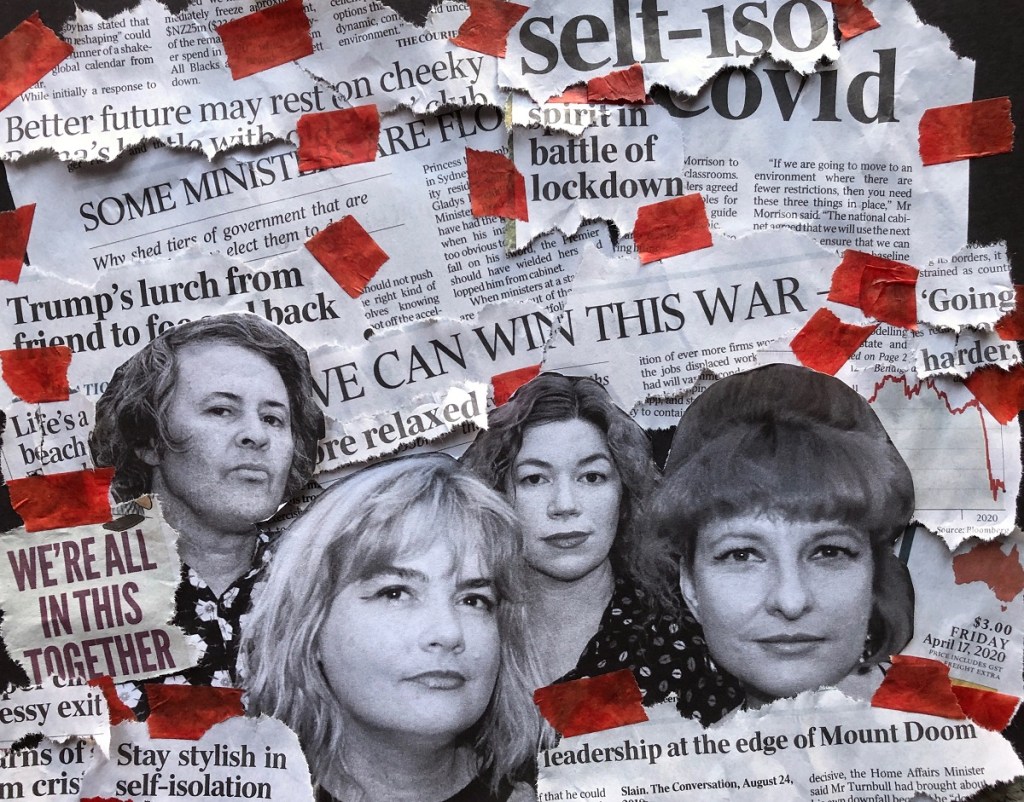
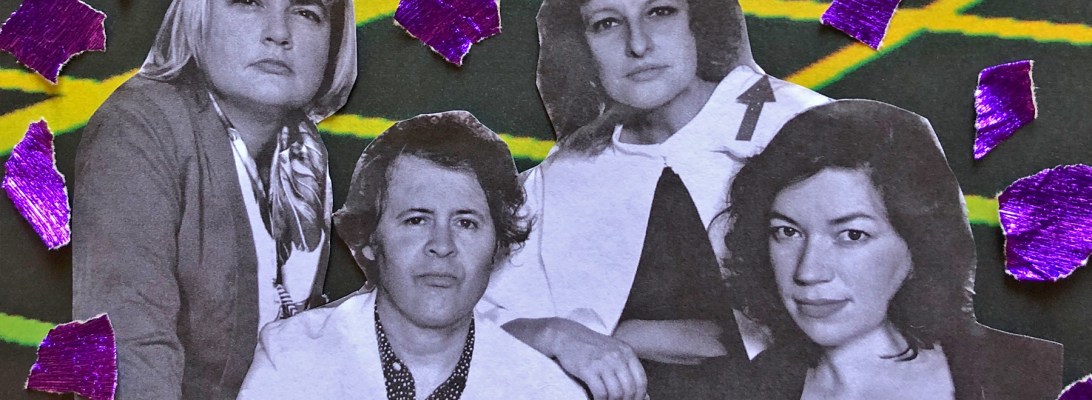
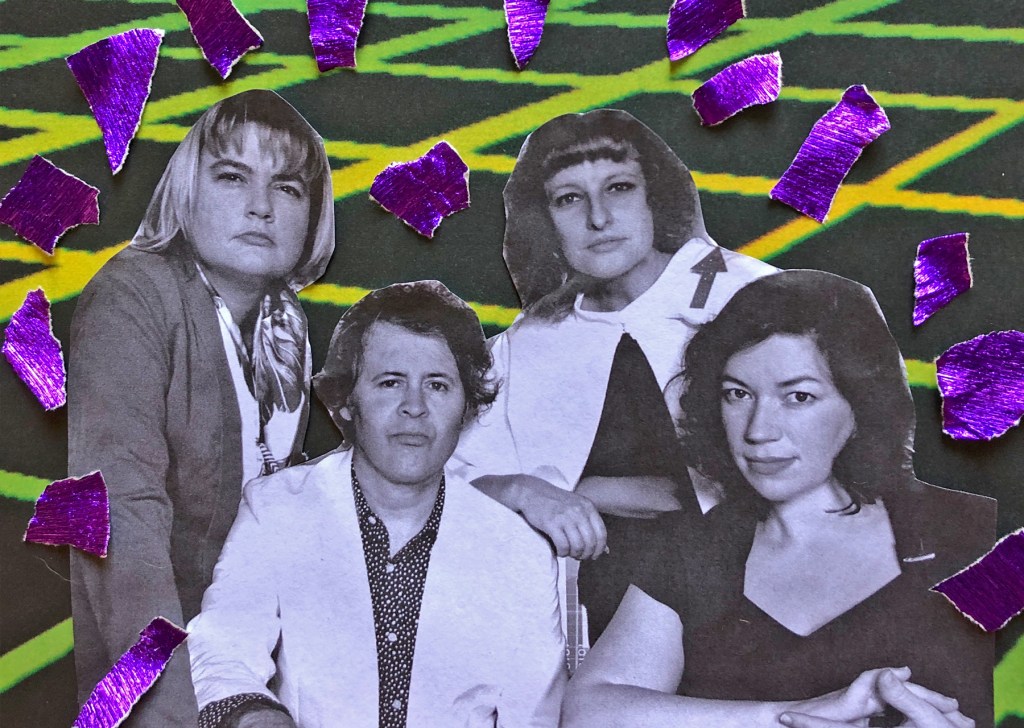
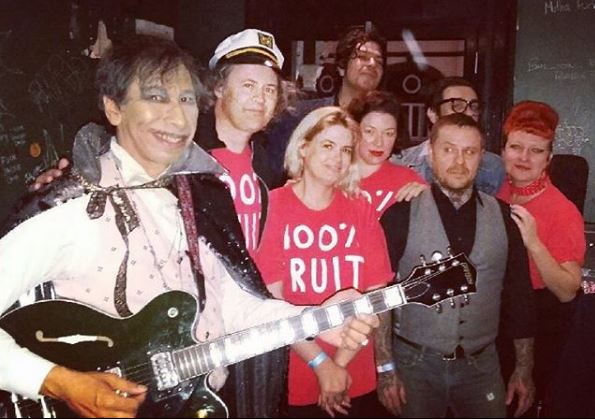
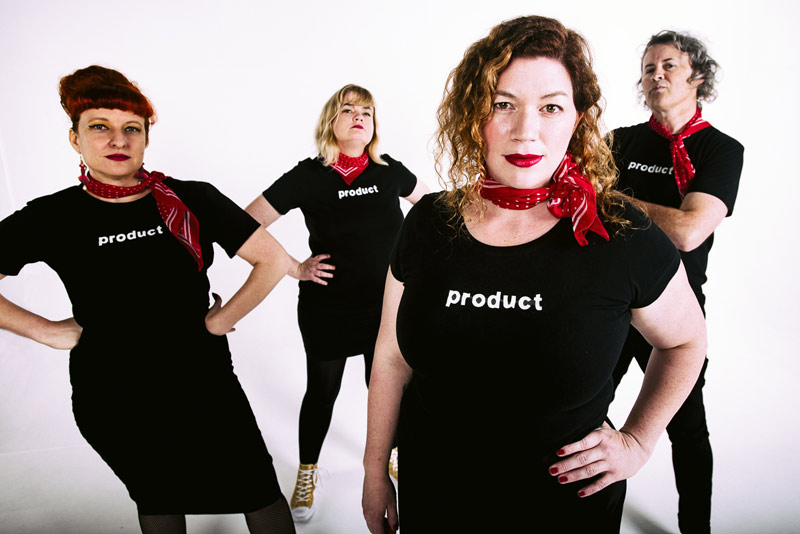
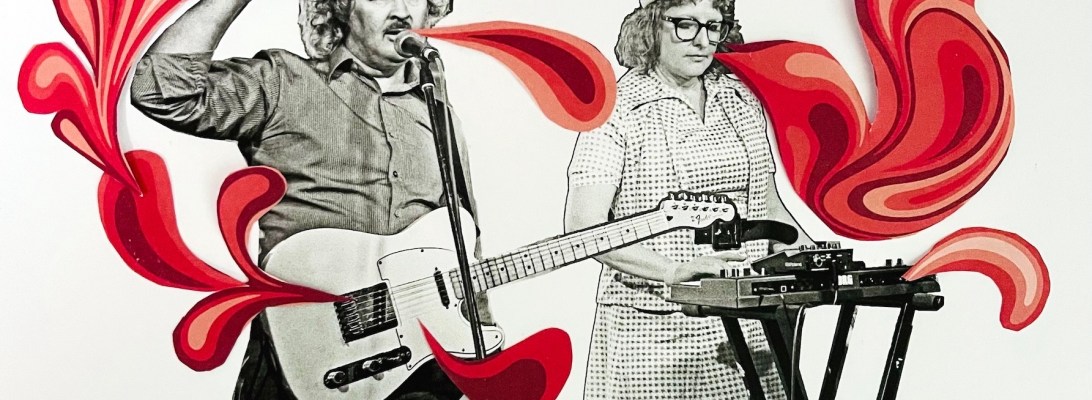
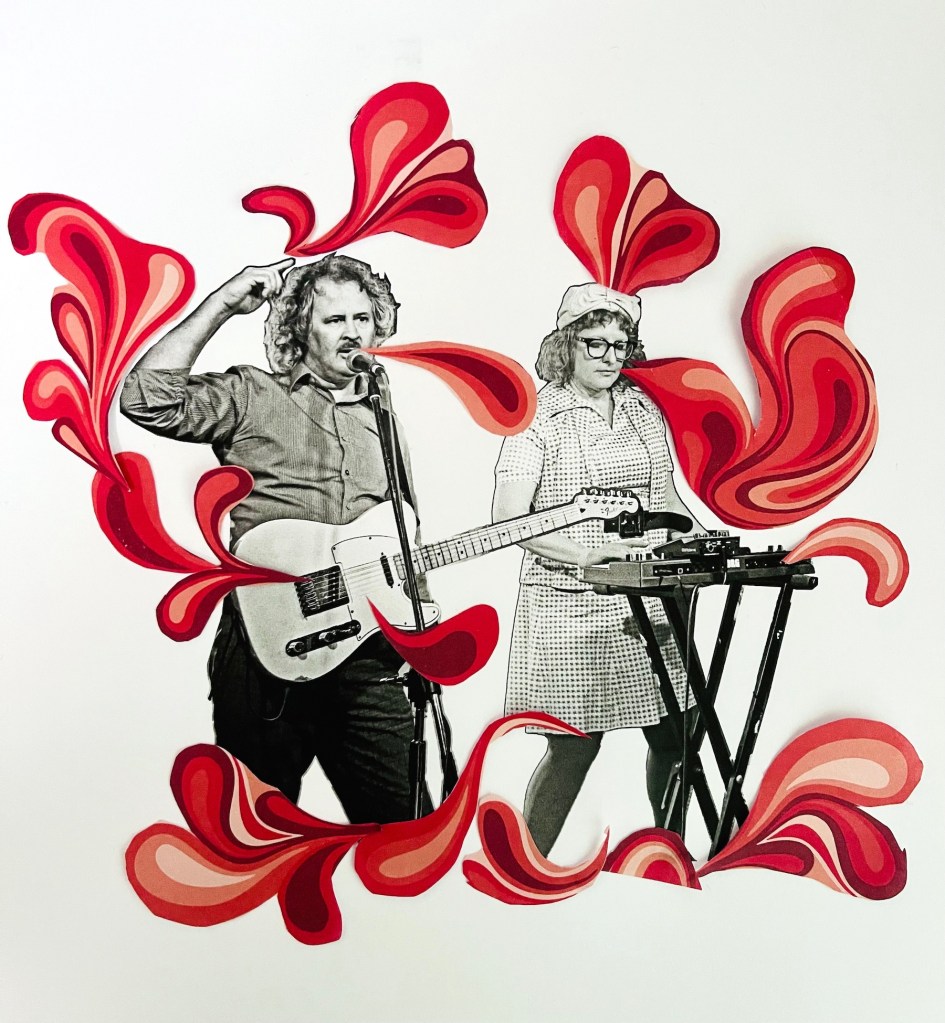
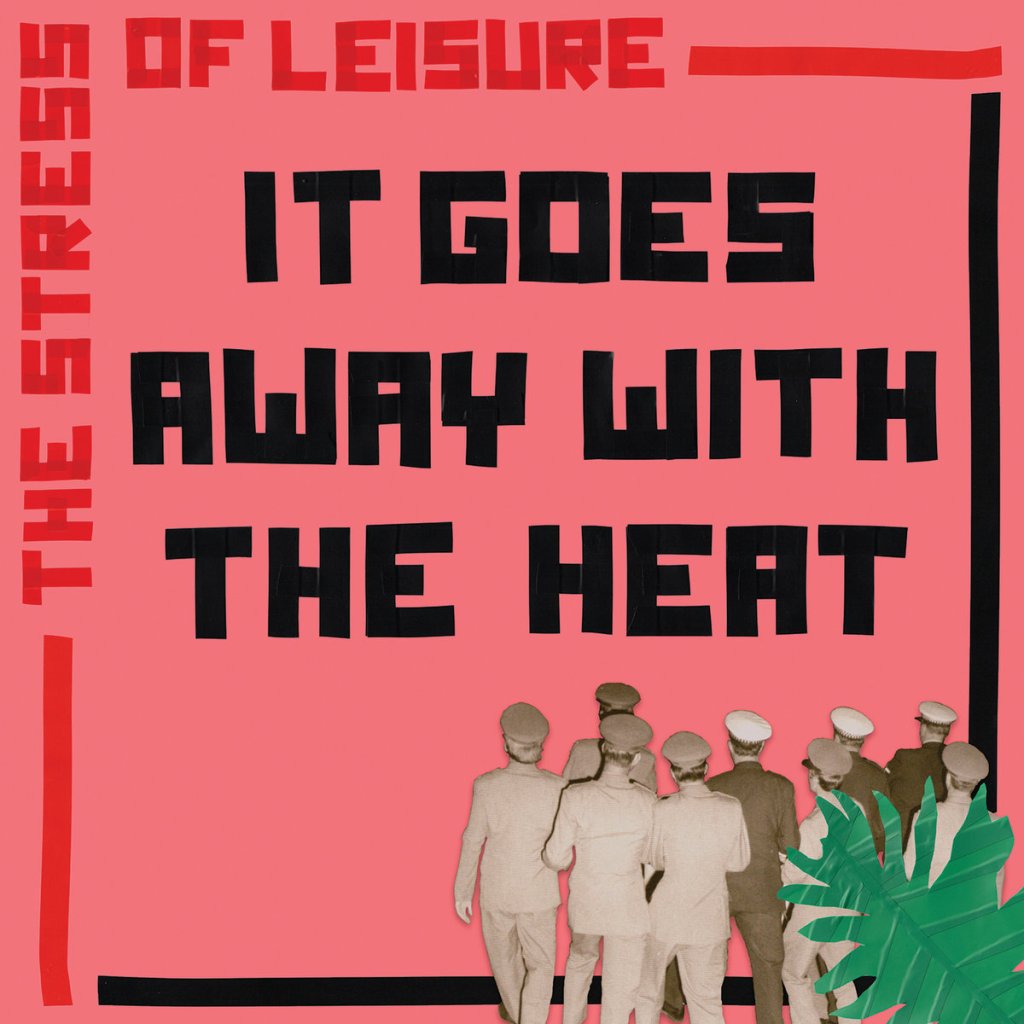
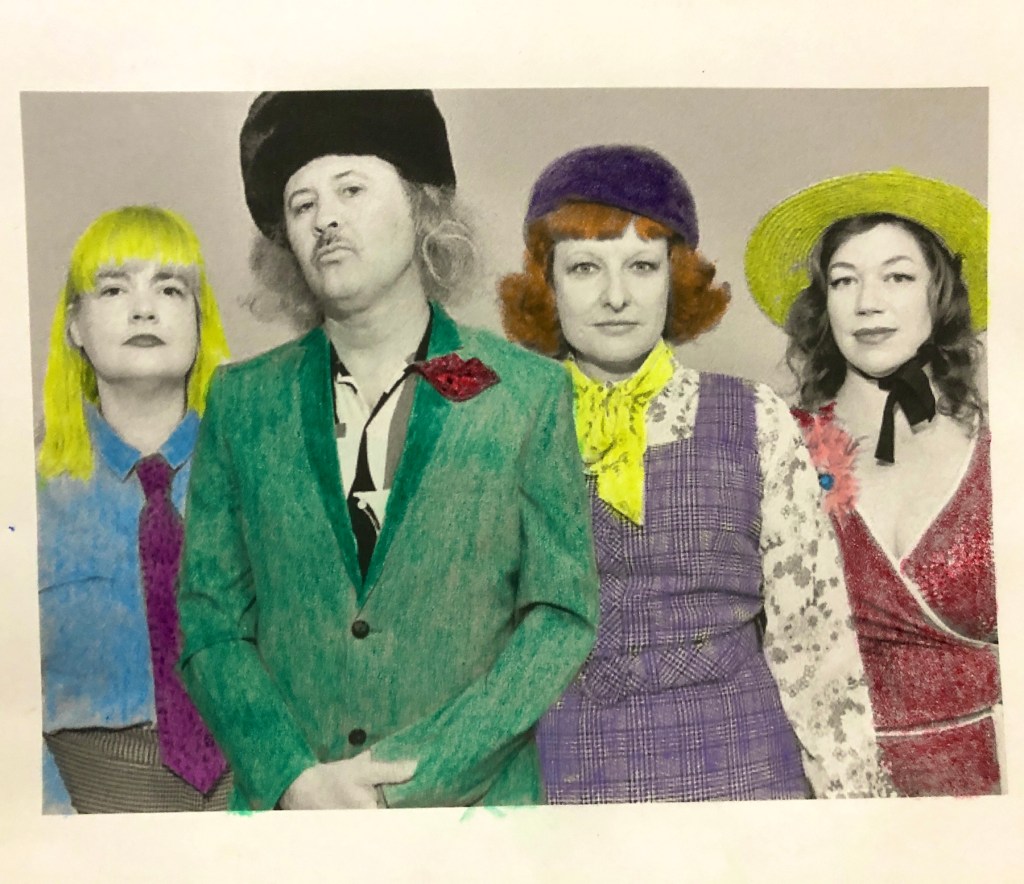
Original photos: Jhonny Russell. Handmade collage by B.

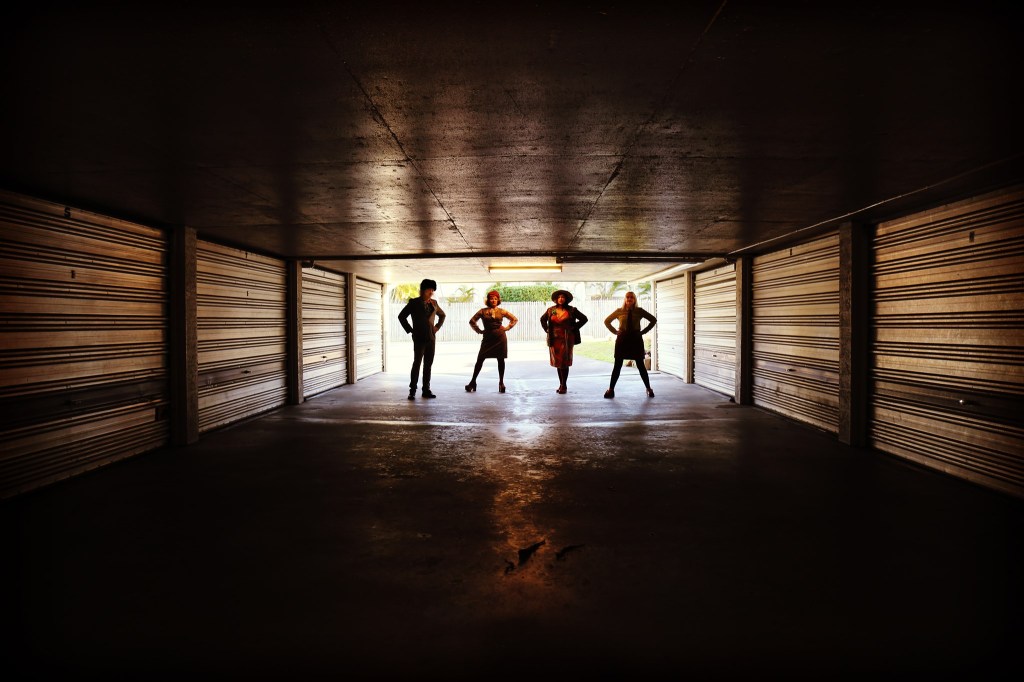
Following the success of their 2020 album Faux Wave, Meanjin/Brisbane’s own The Stress of Leisure return with their eighth studio album, It Goes Away With The Heat. This album sees the quartet dive back into their signature mix of post-punk, faux-wave, and a touch of weirdo.

It Goes Away With The Heat was recorded at Phaedra Studios in Melbourne by John Lee (known for his work with Mod Con, The Murlocs, The Stroppies, Laura Jean, Lost Animal, and Beaches). The band embraced a rawer, more live feel, channeling the energy of early Modern Lovers recordings with minimal takes and a spontaneous edge. The album’s themes resonate with today’s era of hyper-politics, and the world feeling like it’s moving both too rapidly and too slowly at once. The album is full of tension, with brooding heat and simmering between quiet and thunderous outbursts, much like a sub-tropics summer storm. The album also speaks of the impacts we can have on one another.

A few weeks ago, TSOL’s Ian Powne and Pascalle Burton dropped by Gimmie HQ to chat about their latest album—a reminder that in rock ‘n’ roll, having fun and being a songwriting wiz aren’t mutually exclusive. They’re sly subversives, crafting playful tracks packed with sharp social commentary that are guaranteed to light up the dance floor. It Goes Away With The Heat is one of the best albums to come out of Brisbane this year.

PASCALLE: We just launched the album It Goes Away With The Heat,which was really exciting. We recorded it July last year so it’s a relief to have it out now. 

IAN: The new songs are fun to play and I’m feeling optimistic about it. 

You said that the songs are really fun to play because you wrote them so they’re easier? 

IAN: Yeah, because a lot of the guitar lines I’ve been doing more recently—probably the last five or six years—are guitar lines where you’re playing, and you have to think about the physicality of playing the guitar. Not all, but a lot of them, are guitar riffs or lead lines mixed in with rhythm. Whereas this is more straight-up rhythm, and so I’m more of a rhythm guitarist than a lead guitarist. Lou Reed said that as well. They’re fun to play in the sense that I can just sit in and enjoy the performance more. Usually I don’t know anything that’s going on, in terms of a vibe of a crowd or anything. I’m not nervous, I’m just consumed with the physicality of concentration. Generally I’m getting it 90% right. With these songs I can look around a bit more, which is fun. 

When did each of you start playing the instrument you do?

IAN: The 1990s. I was intrigued by music. I had a curious mind when I’d hear songs, and I really loved music. I didn’t have a broad experience of cultures or genres; I just heard the music that I could access. I was always looking for something, that sense of defining ourselves through music—how we identify and what our identity is through it. I was on that road of exploration. My mum played the piano, and she was always urging me to play a musical instrument. I don’t think she had the patience to teach me the piano, but I think she must have planted a seed of musicality. So, it was a combination of curiosity, music, and a desire to identify and have fun. I always had a creative mind, so I was interested in where that curiosity would lead me, in terms of both a musical instrument and the influence of music—especially my mother’s.

What about you Pas?

PASCALLE: I started playing keys in The Stress of Leisure. I had always been singing, and that was a constant thing, whether it was just as a hobby or in a project. I remember Ian asked me to sing backing vocals on the album, and I had always really loved The Stress of Leisure’s music. This would have been album two, Hour to Hour. As I watched the process a little bit more and was listening more deeply to the music, I said to Ian, ‘You should have synths in your band.’

[Laughter]

He said, ‘Well, who’s going to do it?’ I said, ‘I’ll give it a shot.’ And that was the first time I really started playing. So, I started learning while I was in the band. I feel like I always had a feel for music but just not music theory. That can be an advantage because you don’t know the rules you just know the feel.

But you’ve done a lot of performance art and poetry before, so you were kind of used to performing? 

PASCALLE: Yes, used to the idea of a creative space, and very interested in creativity, poetry, sound. I really loved playing with sound, with poetry as well. As I kept playing in The Stress of Leisure I increased that in my poetry as well. 

I’ve always wanted to ask both of you what kind of music were you listening to growing up? We’ve talked about music a lot but never that.

IAN: I grew up in Western Queensland, and I remember the influence of Countdown in the ’70s. I was always really into watching it, even as a four-year-old. Through that show came artists like Sherbet, ABBA, Bob Seger—I’m not even sure how they came through Countdown—but there were all these artists of the ’70s: Dolly Parton, of course, Kenny Rogers, and Slim Dusty, who was everywhere. There was a strong country music influence; Slim Dusty and Johnny Cash would play on the rodeo speakers. At community events, you’d hear a lot of Slim Dusty, Johnny Cash, and others of that ilk. So, you’ve got that kind of music embedded in you.

It was exciting watching shows like Countdown and seeing glam artists, people in glam suits like ABBA, which contrasted with what you were surrounded by. Then there were the country rockers, like John Denver, Kenny Rogers, and Dolly Parton. So, there was this multitude of different influences. When you looked at AC/DC, for example, they might seem cartoonish now, but as a kid, they felt dangerous and masculine—songs like ‘Jailbreak’ and ‘Dirty Deeds Done Dirt Cheap’ really stood out.

I remember listening to a lot of compilations, like the Bullseye! record. It started with John English’s ‘Hot Town,’ which was, in a way, like a country ballad mixed with glam disco. It was weird but unforgettable. And then there was the Bat Out of Hell album by Meat Loaf, which was a big discovery for me as an eight-year-old. All that ’70s music just seeped in. It was a long way from London or New York and the kind of universe we inhabit now, but that was my ceiling back then.
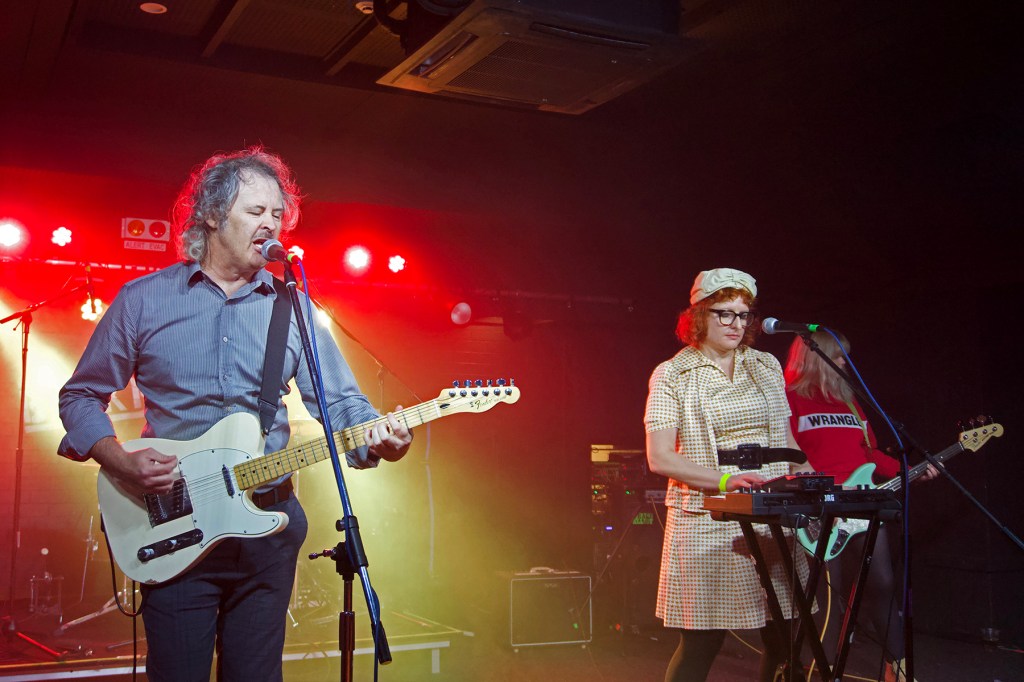
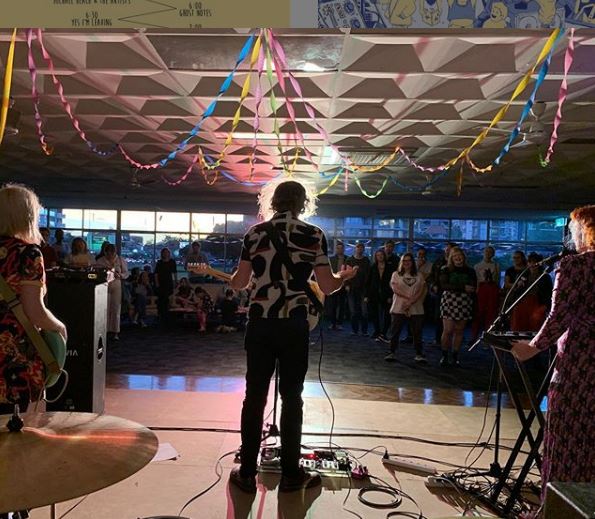
Photo: Jhonny Russell.

How then does that childhood music go to where you ended up? 

IAN: It’s a respect for the fun of music, because a lot of people get really serious about what music is. But when you think of it as a kid, you’re looking at the fun angle—like ABBA. A lot of those songs are just outright fun, like ‘Money, Money, Money.’ I used to walk around singing that song. Maybe I was a young capitalist! [laughs]. But I guess the idea is that there’s fun to be had in music, and it’s a shared experience when everybody likes a song.

What I find really interesting is that even people who are deeply involved in underground or indie scenes will unite when a popular song comes on. That’s what I think is the fun element—it’s recognising that music can be, at its core, a lot of fun.

Totally!

PASCALLE: My mom was really into music, and she was a singer who put a lot of value on singing quality. So, the artists we listened to were people like Kenny and Dolly, Linda Ronstadt, Air Supply, and Anne Murray. I remember thinking that if you’re a good singer, that’s really important.

The radio station we would play in our house was 4KQ. We weren’t really wealthy, but we had a few tapes—maybe the Grease soundtrack and Annie the musical. With cassettes, it was that whole thing of playing them over and over again: stop, turn it over, and play again. I knew these songs by rote or by nature because we listened to them so much.

I remember our neighbour, Nava, introducing us to The White Album by The Beatles, and it just blew my mind. I thought, ‘Wow, this is amazing!’ Throughout my life, it’s been a gift when someone says, ‘Have you heard this?’ or ‘Have you heard that?’ I remember hearing the techniques and just going, ‘Oh my god, they’re amazing!’

It’s that whole experience of people in your life randomly giving you the gift of opening your mind. That’s pretty exciting. 

Yeah. I grew up listening to a lot of that too. I had four older siblings, and my parents, who all listened to music. When The Highwaymen came out, my parents went to see them. My mum took photos of Elvis on the TV when he performed. A sister started a Bay City Rollers fan club. I’d watch Annie, The Wizard of Oz, and The Rocky Horror Picture Show after school everyday.

PASCALLE: And theret’s something about repetition that is important maybe to a childhood journey. 

IAN: It’s interesting because our family used to come down to the Gold Coast for holidays around the summer, and I always remember a record shop in Pacific Fair that I was really excited about going to because I had a record in mind: Racey’s Smash and Grab. There was also KISS’ Dynasty. I remember really wanting those records. They’re some of my earliest memories of my passion for music—buying, actually being a consumer of music.

PASCALLE: I was more of a mainstream consumer, loving Gloria Estefan, Mariah Carey, and Salt-N-Pepa. There was no real exploration beyond what I was being fed. Then, there was Mojo magazine and things like that; you would go there, and that was kind of setting you up to be a music lover. The first thing I bought myself might have been Michael Jackson’s Thriller. 

IAN: I bought that as well. 

PASCALLE: Knowing that completely off by heart, and Whitney Houston.

IAN: My buying habits in 1982-83, when I was in upper primary school, included Michael Jackson’s Thriller, Prince’s 1999, and Hot Chocolate’s Greatest Hits. It really blows my mind to think about my taste because those are the things I really wanted to buy.

We own them all!

PASCALLE: There’s that story about you, Ian, and Billy Ocean’s ‘When the going gets tough’ song.

From Romancing The Stone.

IAN: You’d listen to the Top 40 late at night on your pillow. I remember the song ‘When the Going Gets Tough’ was like number 38. I turned to my mate Steve and said, ‘Mark my words, this is going straight to number one.’ [Laughs]. And next week, it got to number one! He turned to me and said, ‘You were right, Powney. It went straight to number one.’ It’s the only time I’ve ever predicted a hit. Yeah, and it was from Romancing the Stone.

I love how we all listen to all kinds of music.

PASCALLE: I’ve never had that thing of anything is out of bounds from listening to I might not love it but I’m open to and have a initial you know fundamental respect that people make music whether you know whether it’s my cup of tea or not .

That’s why I hate reviewing stuff. It’s just one person’s opinion, and often—at least with the reviews I read—the writer is uninformed, has limited reference points, tries to get too fancy or intellectual, or attempts to be gonzo, or doesn’t really try, like parroting the press release. I always think that anyone who makes something deserves credit. It’s hard to put a lot of yourself into something, put it out there, and be vulnerable. The attitude that someone else’s preference shouldn’t exist is rubbish. I’ve seen a lot of reviewing that is more about someone trying to have power themselves than actually anything of value.

PASCALLE: I have a pretty strong attitude when I read someone rubbishing a piece of art. I go, ‘Why’d you do that? What’s the point in doing that?’ There’s more value in someone telling me, ‘I love this for this reason,’ than in saying, ‘This is bad. I agree with you that “good” or “bad” shouldn’t exist; it should just be art.

IAN: I guess the theme is open-mindedness. You can go into creating stuff and be very closed, holding on to your ideas really tightly. I kind of did that initially with songwriting and, as it’s gone on, I’ve found that the fun side of making music is giving up all those preconceptions of what you bring and being open to other people’s perspectives within the group you’re working with. That’s fun, even though there’s still an imprint of yourself in the lyrics and guitar lines and stuff. It’s kind of coming to terms with one’s own ego. 

PASCALLE: And what happens when you let go to see what happens when people take on different ideas? 

IAN: Pharrell Williams talks about trusting a producer. I think he had a chat with Rick Rubin or something, and they talked about trust. He goes, ‘When you’ve got your partner, you trust that. When your partner says that you snore, you snore.’ So, if you’re working with a producer and they say that your voice would sound better in this context, there’s a level of trust: do you trust what they say to do it like that? That’s what I mean when I say being open-minded is about listening to other people and saying, ‘Yeah, I will try that.’ Just be open to it; that sense of openness is quite scary, I think. There are some artists who are really courageous in going there, but there are also artists for whom that would never work. But, yeah, I just think that the older you get—especially for me (though that could be a generalisation)—it’s just about being open to, ‘Hey, you’d sound good doing this; why don’t you try it?’

PASCALLE: Often, when you try something, it can lead to something else, and that something else wouldn’t have happened had you not tried the idea in the first place. So that whole ‘let’s explore what happens when we do collaborate.’ 

When we saw you out at a show, you talked about how you’ve been jamming and writing these songs, and mentioned that this album is more of a collaborative process…

PASCALLE: That was the last album.

IAN: Yeah, definitely the case with Faux Wave. It’s still collaborative with this one, but I was talking more about how there are more guitar shapes, and they’re easier to play. I brought in more of those sorts of guitar lines instead of what I was doing previously, where I was playing off everybody. This one’s a bit more about the idea than expanding.

PASCALLE: Faux Wave was purely collaborative and Ian would say bring in a line, bring in a line, we see where it goes and we jammed our way to those songs on that album. We didn’t do that this album. This album almost, if you go back to the Stress of Leisure discography, it kind of has ties to Ian’s songwriting in those earlier albums because this one seemed to me that Ian brought more ideas. 

IAN: I was fighting against that because I like the collaborative model of what happens when you do this. 

PASCALLE: We still collaborated in bringing the songs to life, but this album, in particular, is more Ian’s songwriting-driven. 
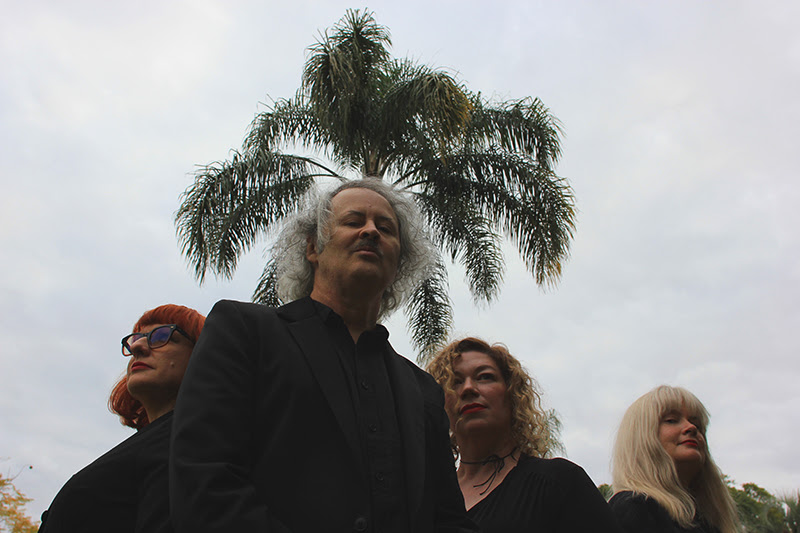
Photo: Bea Maglai.

I’ve noticed that there are different themes and imagery that carry over through your albums Obviously, politics is a big thing.

IAN: Yeah, I’m heavily invested in noticing what’s going on. 

Your songs seems to be more observation than super personal. But there is personal too, you mentioned a song your wrote that was inspired by you walking in New Farm Park. 

IAN: ‘Unhappy Wedding Photographer’. People smile or laugh when they hear that title because they can relate. They’re painting the picture already for themselves with that title. It came out of, I was living in the UK and came back to Australia. I was already aware of the politics of Australia and where it was, but with how it is, and that Liberal Government had been in power for, six years by that stage. You could see there was a change to the country; it got a bit meaner.

It was really interesting because it came from that era of [Paul] Keating around ’96, where there was sort of, progressive hope. Then when I came back, I was coming from a really cosmopolitan place full of so many different people, such as London, and coming back to Australia and just looking at it. You get this knee-jerk reaction because you’ve just been in a big city in the world, and you’re coming back, and you’ve still got those thoughts. But just looking at the entitlement and the small-mindedness of what this country can be, I’m saying it could be so much bigger.

I was thinking, and it was kind of judgmental. I don’t like to be judgmental, but I couldn’t help but feel it. It was definitely a feel of the country. So when I’m writing that song, I’m going right back to that point, and it feels like it’s at the start of what the Stress Of Leisure is. It feels like that’s where I started. A daily walk through New Farm Park, seeing people do whatever they’re doing, and just total ease with what the country was like.

You’ve had the children overboard thing, and all that stuff was in full swing, so all those politics were really rife and vicious. So just with that, I’m looking at a different life, feeling like an outsider, and I guess that’s where it comes from.

PASCALLE: For me, ‘Unhappy Wedding Photographer’ is very cinematic. I feel like it’s the narrative of the subject of the song, it unfolds and I feel like that’s a real style of your songs. 

IAN: It’s intentionally grotesque. But it’s cloaked in the humour of it. 
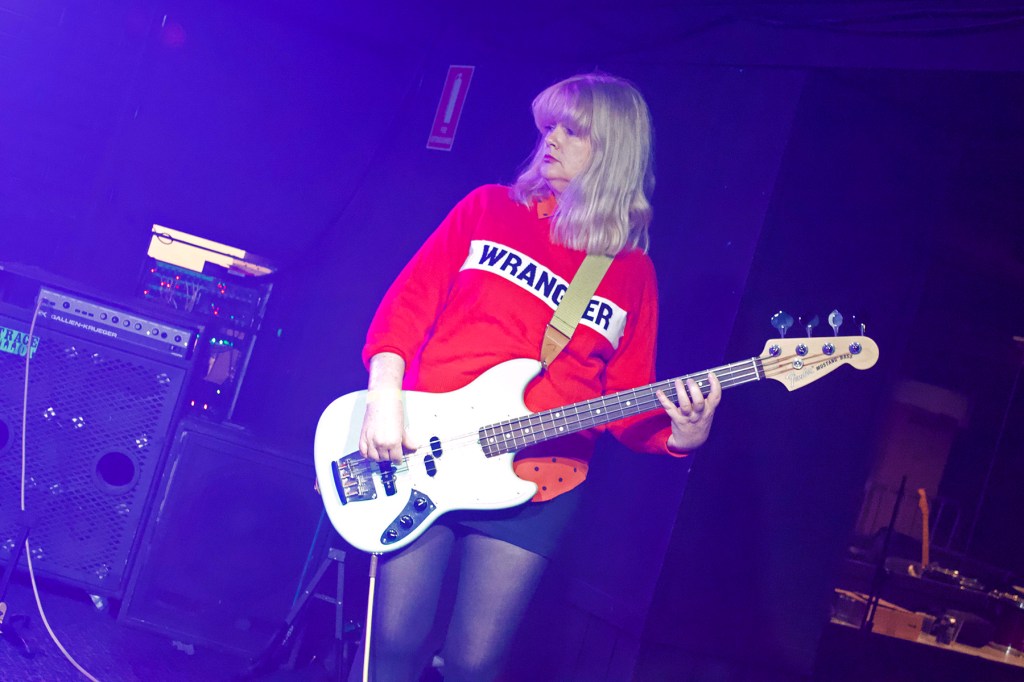
Photo: Jhonny Russell.

I like that your songs are about heavy or important issues but there is a humour, which makes them more palatable and relatable so people will kind listen more.

IAN: Mm-hmm. Yeah. The country’s changing again from what it was then but I definitely feel like it’s an inception song For The Stress Of Leisure. 

PASCALLE: And then, It Goes Away With The Heat has many songs on it that are responding to the world right now.

For example, the title track. It was inspired by something Donald Trump said?

IAN: Yeah [laughs].

PASCALLE: He was saying that COVID goes away with the heat.

IAN: It was such a good title because it’s got a local reference: we’re living in the subtropics, it’s hot, and then it’s got the global references, such as global warming. You look at all the temperature graphs, and they seem to be going up from all the different readings. You’ve got a good way of putting it, Pascalle.

PASCALLE: I feel like It Goes Away With The Heat, capturing a local experience as well as that global experience—the tensions of the world at the moment, which are just almost unbearable; the climate is unbearable.

IAN: I had a friend remark to me—he’s not at all political or interested in politics—and we were just driving somewhere. He said, ‘Yeah, it feels like everything in the world, like something that’s happening on the other side of the world, matters to us now, and everybody gets really upset about it at one time.’ I went, ‘Wow, that’s really interesting; that’s actually true.’

There are a lot of things happening in the world that we feel way more connected with than we may have three decades ago, and maybe that’s the insularity I was talking about. We’re at a weird moment in the world where there’s been this globalisation, but I think there’s a knee-jerk reaction against globalisation in terms of the way economies are going—tariffs and being closed-off economies—while at the same time being influenced by everything that’s happening. So it’s kind of this paradox we’re in at the moment.

PASCALLE: I also feel that you’ve got the media and politicians really wanting us to have blinkers on certain things. But we can’t have blinkers on certain issues because they’re visible to us. We can see what’s happening in Palestine and Lebanon; we can see what’s happening in the climate crisis all over the world because it’s being covered.

IAN: We can see what’s happening in the Northern Territory. 

PASCALLE: The other reference is the heat, which is police. 

IAN: Queensland has the Fitzgerald inquiry and the whole white-shoes gang of the Gold Coast, and everything has always been what I’ve grown up with in Queensland. The whole Joe Bjelke-Petersen government, the influence of which still permeates Brisbane to this day, I believe, and a lot of people who were involved within that government—observers, participants, critics—are still alive and active. It’s still a real history, and it feels like it still has a way to play out in terms of where we are in the world. So it’s forever interesting.

Before, you were talking about how, when you came back from the UK, you were observing everyone going about their business and doing what they do, while all these other terrible things were happening, and people kind of just accepted it. That’s something you still see now with everything happening on a global scale. But then it’s also hard because sometimes you feel helpless in the face of such massive events, like the genocide and wars that are happening.

PASCALLE: I wonder if things like, you know, people taking photos of their food and having this social media presence is a coping mechanism for the trauma of the world today. It certainly could be a response to that, a coping mechanism. 

IAN: It’s the stress of leisure. 
It’s so interesting that we live in an age where we can see what’s really going on in places by everyday people posting about the situations. I find it very hard to trust mainstream media.

PASCALLE: Yeah, I feel the same way. I feel that it is really hard to ignore the fact that the media is biased in its representation. 

Yes, you have to just look at the language they use.

PASCALLE: We’re critical thinkers. You have to look through the language and see, if you’re positioning this person as not human or dehumanising someone in the way you’re reporting, then it’s very important for us to hold them to account.

IAN: I’ve got a heavy blanket of cynicism but I’m also a wide-eyed optimist. I think that communities can work together really well, and I’ve seen what happens in disaster situations, like the floods that occur in Brisbane. People come together, and those who don’t normally talk with each other want to connect; they want to help. There’s inherent good in a lot of people. We’re just continually distracted by stuff which we don’t need [laughs].

PASCALLE: And we’re controlled by the systems in place as well.

IAN: There are countless tensions and distractions that often keep us from living.

Musically a lot of songs on the album do have tension and tell a story, you’ve captured that feeling in sound.

IAN: I always felt we’re always adjacent to some sort of discomfort or hostility, and that’s been an ongoing thing. There’s something happening, and it’s kind of very uncomfortable. I think that’s part of life: dealing with discomfort and how much we attenuate that.

PASCALLE: Maybe musically, too, the bands, as a style, tend to fit into each other, not over each other. We don’t tend to layer over each other; we fit in the spaces in between each other. So, there is a tension in that as well, in between the instruments.
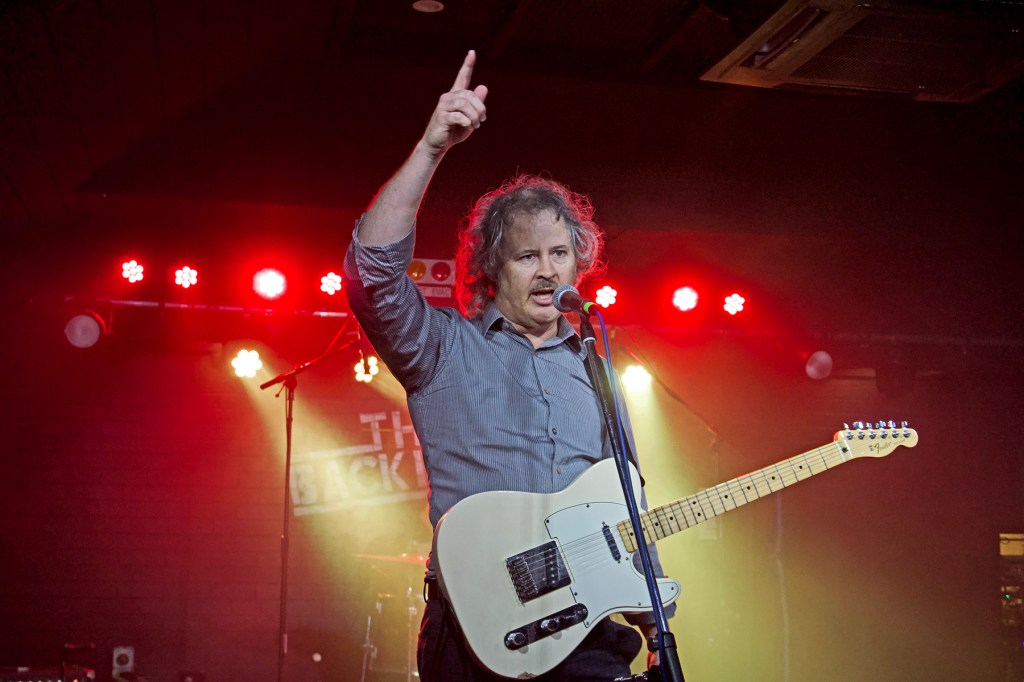
Photo: Jhonny Russell

The second track on the album is ‘Expectation Confrontation.’

IAN: That actually came from, I guess, being around a lot of anxiety, and it’s really a song about— it stems from hyper-vigilance and reacting to potential future situations. It’s also like references to bullying and everything in that song, but I feel I come across more people who sort of struggle with the day-to-day.

PASCALLE: The stress of what is potential. 

IAN: Being around people who were blanketing and putting a filter on stuff, which, you know, this is a potential thing, and negotiating the world through that. At once, it’s humorous, but also it’s real for a lot of people in the world [laughs]. Especially when you go online now, and it’s full of outrage and tension, and people are brought to your attention who you normally wouldn’t have any contact with. All of a sudden, we’re exposed to the person in the dark corner of the web, whereas we’d usually have to go to a bar and sit near them to hear their theories, but now they’re telling us off on the online thread. Sometimes, you put something out there and you go, ‘Well, I’m expecting some form of pushback with this.’ This constant experience of hyper-anxiety, when you actually do say something, especially in the media space, comes back against you.

PASCALLE: I was seeing that Moo Deng, the hippo, and the absolute joy Moo Deng is bringing everybody. Then I saw a post from another zoo, kind of competing, saying, ‘Our hippo is better,’ and I was like, that is typical internet—to go from something nice to challenging them.

IAN: A hippo confrontation.

[Laughter].

The internet is and technology is another theme often in your work.

IAN: If you drive around this city, any city, and you look at the passengers in cars, nine times out of ten, they’re on their phones. It’s just uncanny. It’s just what people are doing now; it’s like everybody is living these online lives. Next time you’re out and about and you happen to be a passenger, look at the other passengers.

PASCALLE: But we write about the internet, not only from the users perspective, but also from the tech bros. Looking at those who are controlling that space. 

IAN: References to Bezos, Musk, and Branson—though he isn’t really a tech broker; he’s rich. There’s this thing that’s increasingly being referred to as techno-feudalism, especially in something like Amazon, which is basically just charging rent for doing nothing. It’s like the old form of feudalism. It can be described a lot better than I can by other intellectuals, but that word is kind of part of my thinking in that song. But also, it’s the fact that it’s coupled with the simple joy of enjoying a coffee. For me, I love a coffee, and it’s that meditation of 15 minutes before the tech world ruins it. You’re kind of like you’re online, and then your high is slowly disintegrating into some online fight that you’re looking at, and it keeps you engaged for another 10 minutes or something.

It’s an unusual chord-y song for us. Another fun song to play cuz it’s got all this space in it. Pardon the pun. 

[Laughter].

But there are stops and elongated spaces within it, and it works in that sense. It’s an odd song structurally. John Lee, who runs Phaedra Studios and has probably recorded a lot of bands that are on Gimme, is a really good listener. If he’s not vibing on something—like if he doesn’t feel it—because we knew him after working with him once, we came in quite prepared. If we did a song and we got all the way through and John didn’t make any notes on that song, it was a clear signal to us. That’s great. We got we got another one through! It was the only song where he said, ‘Let’s try stuff.’

PASCALLE: He picked out that we wrote it really close to going down to record it. He picked that it wasn’t fully formed yet.

IAN: He basically stretched it out. It was this enclosed, dense song, which he then basically helped us craft the space in it. So all those elements were there.It’s fun to play now because of that.

It was recorded over five days?

IAN: Yeah. We recorded 11 songs in five days and so 10 songs made the album. Most of the vocal takes are all on the last day, so it was kind of pretty heavy going. 

Your vocal is different on this record. You’ve still got all the character but it sounds like you’re almost at peace with it. Maybe you’re more confident?

IAN: It’s the first album I’ve listened to where I can hear my vocal and go, ‘Oh yeah, got that right.’ Maybe it’s all about doing it in one day, and that one day I was in the right headspace. We inhabited these songs for a long time, and they were the songs we built over the pandemic. We were kind of arriving at them over a long period of time, so spending a lot of time with them helps. But yeah, I see where you’re coming from because I look at it, and it doesn’t feel pushed or out of place or like it’s trying to vibe on something that isn’t already there in the attack of the vocal.

PASCALLE: Because there wasn’t time to waste as well, you were a powerhouse that day. 

IAN: It was just bang, bang, bang, bang.

PASCALLE: That might also suggest that you felt really comfortable with the lyrics as well?

IAN: Yeah. 

Comfortable in what way? 

IAN: Like, ‘Unhappy Wedding Photographer’. I have inhabited that song for a long time. The other songs just felt right, syncopation-wise, because a lot of my vocalising is, like everything, I guess, syncopation. It’s hitting the mark at the right time, and I think it just happened that that mark wasn’t—it’s kind of felt in line in every song. It wasn’t complex.

PASCALLE: My experience is that when Ian and I write lyrics together, it has to feel right in his mouth. If I’m writing something and in the past that’s been difficult to write for his mouth. 

IAN: Pascalle really developed the melody line for ‘It Goes Away With the Heat’. She wrote out a whole lot of phrases, and that kick-started it, working out the syncopation of the melody in that song. Pas is an experimental poet; she can deliver lines and uses a lot of cut-up techniques, where she combines different phrases and rearranges them. I think ‘Expectation Confrontation’ was largely Pascalle’s work and I’ve added little things like ‘Maybe take the long way home.’

PASCALLE: When we’re rehearsing, Ian improvises like…

IAN: Like, I’m speaking tongues. 

PASCALLE: He’s speaking gibberish, and then we record the demos. I listen to how he’s phrasing, and I feel like that’s something I’ve done better this time. When we do that, I’ll go, ‘We’re keeping that line!’—like, I’ll hear something and think, ‘That’s in!’ So I make sure it stays. I think it’s pretty fun to listen to the gibberish and try to work out what might fit in there.

IAN: We’re heading for an Elton John/Bernie Taupin writing relationship.

[Laughter]

Just kidding!!

PASCALLE: Yeah, no, no. 
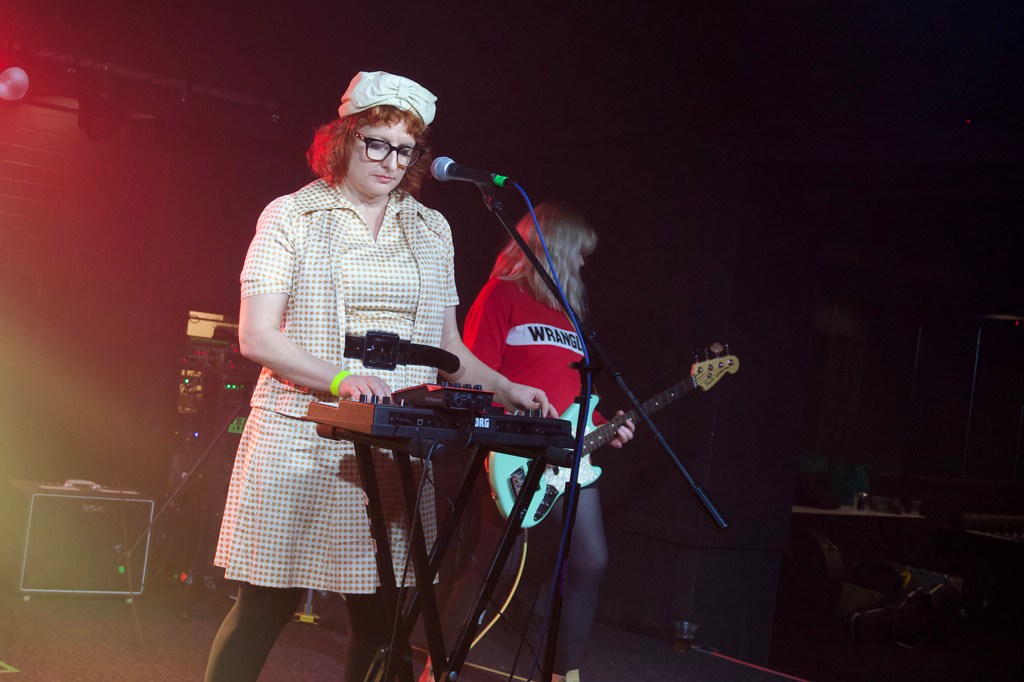
Photo: Jhonny Russell.

Where did the title for song ‘Man Who Make A Racist Comment’?

IAN: I’ve had for a long time and that would predate even probably around Achievement time that would have come out.

PASCALLE: It sounds like a Betoota Advocate headline. 

IAN: You read it as a headline. It could be a Courier Mail headline, really [laughs]. But that’s where the starting point for that song is, and the words kind of flowed out when we were playing it. A lot of the building blocks for that song just came out spontaneously. We worked on it a little bit at home, but yeah.

We face the situation where, if you go outside the inner city and actually venture into some regional areas of Queensland, you might find yourself in a situation where someone will come and say something…

PASCALLE: However, having said that, the inner city does racism in a very different way. So, the song is not about any particular context; it’s about the micro-aggressions, the different oppressions that are found in day-to-day life.

IAN: But what I’m trying to say is that it could be the outer suburbs. The inner city is very cosy, and it can be very comfortable with the sentiment that it’s great and all that sort of stuff. I’m generalising—it’s a big generalised thing. What I’m saying is, you go out into a situation where you’re confronted with racism, and a lot of people are in shock. In that situation, you do nothing, or whatever.

PASCALLE: Or if you do say something, then that person has that white fragility response of objecting… 

I find that a lot of racist people often don’t even realise they’re being racist. 

PASCALLE: Yeah, that’s right. 

IAN: Once again, the song is observational. I’m trying to take judgement out of it, even though it’s a big judgement in the sense of what it is. People can take extreme exception to it straight away, as soon as you say the title. I realise the tension in that, but the tension is within the song—these micro-situations you encounter, but then there’s the macro. So the first verse is the micro, and the second verse is the macro. You know, corporation charity balls—throwing them under the bus, why not?

[Laughter]

It’s being adjacent to hostility that we face. It’s something that is continually in the culture, unfortunately, and there’s a lot of world-weariness to it as well, because it’s something that’s been there—it’s just existed for eternity.

PASCALLE: It’s such an easy take to to cry about being called on your behaviour you know. I like the song because it does point that out, it points out that sometimes people resort to calling themselves a victim when they been out of line. 

IAN: It feels like a long bow, but I think of the title as something like the Jam’s titles, such as ‘Down in the Tube Station at Midnight’ or ‘A Bomb on Wardour Street.’ In the same vein, it’s a really strong, descriptive phrase that you can repeat, and it becomes something. So there’s that as well, in terms of the songwriting. They’re not a group of words you would expect to be drawn into singing as a refrain.

PASCALLE: Because it’s quite a catchy song, I think. People have come up to me and said, ‘Oh, I can’t get that song out of my head.’ And it’s kind of like… that’s a funny phrase to be the thing that’s going around and around.

IAN: I love that thing of starting a song with the chorus. I know a lot of Chic songs, and Nile Rodgers would always start songs with that. Starting with the chorus sets up what the song is, and I’ve always loved when you try to flip the script—starting with what is the hook, or if there ever is a hook, and then going from there. 

There are all these references, I think, when you’ve been writing songs. That’s the element of fun we’re talking about before—there are so many fun elements when you’re a curious music listener. You listen to something and think, ‘Oh, that’s fun. I like the way they did that.” At the end of the day, they’re all playful. I know we’re talking about a serious subject here, but the songwriting, in the sense of where you place particular things, is playful.

You made a video for the song!

PASCALLE: We filmed in our community space with Ben Snaith (Orlando Furious) and Asia Beck. Phil Usher and Beáta Maglai were a big part of tit too. Bea played the guitar, and Phil also helped with camera work and creative input. It was pretty low-fi. We got the silver backdrop and taped that up, and the masks we had in mind already. I found them online, and you had to buy a bunch of them to see if they were going to work—and they did the trick. Ian had the wig on, and it reminded me of those 70s variety shows, where very inappropriate things were said.

IAN: It was like Tim Heidecker. 

[Laughter]

PASCALLE: Throughout, we weren’t trying to point the finger at ‘this is what racism looks like.’ We wanted to keep it wide open and try to say that racism can look like anything. We were looking for this extra thread to kind of go through it, and Ian thought of the pillow, which really symbolises that fragility.We’ll be right back. 

IAN: Poor guy. Hugging his silver pillow. The red writing is meant to be distraction, that’s the heart of racism as well. We don’t want to go too much into it otherwise you  sound too much like art wankers.

[Laughter]

I didn’t get to ask you about the imagery of ‘Unhappy Wedding Photographer’ before; where did it come from?

IAN: I love the rose beds in New Farm Park. People are getting photographed over there, so you immediately get the sense, and I’d observe people in the park. There’d be all these guys just standing around together, and they had all their sunglasses on their heads. I went, well, there you go. That’s where the title comes in—it’s just observation. You see these scenes playing out, and they happen too many times to count. So, you’re in these elaborate suits, and they’ve got sunglasses on their heads. That’s just the detail… nothing’s quite right when you look at the scene.

PASCALLE: It makes it like a movie because then he introduces the unhappy wedding photographer after setting that up. So it’s kind of almost like stage directions—enter this character, enter these characters.

It leads back to the idea of the wedding, what the wedding represents as well. You know, it’s supposed to be the most perfect day of your life; you spend a shit ton on it, and the photographer is accountable for capturing everything of the best day of their life.

IAN: It’s a lot of pressure on the photographer, and it’s not a stretch for them to be unhappy, yeah, because of all the demands made on the day and the tension and stress around it.

PASCALLE: Whenever there’s a big family event, like a big family event, it has its own drama. So, Ian talks about it being in the eyes—it’s in the eyes of the photographer, it’s in the eyes of the subjects of the photos. You know, there’s a lot of drama going on.

IAN: You get a lot from people trusting their intuition about micro-expressions in people’s eyes and faces, and the camera can capture that. The camera can capture that micro-expression when you’re looking pretty upset with somebody. That’s what I think the fun is—focusing in on the eyes.
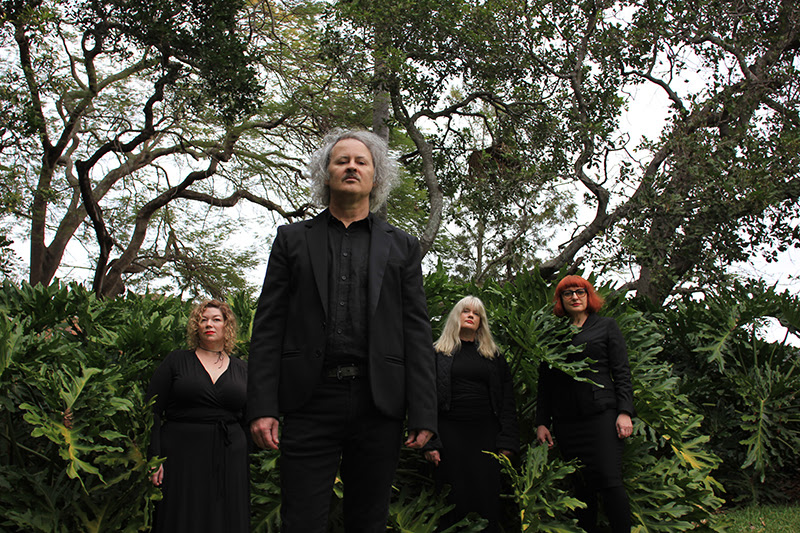
Photo: Bea Maglai.

What can you tell us about song ‘Dead Man Golfing’?

IAN: It’s another Trump reference. It still goes on, he’s still golfing. It was a phrase from a newspaper article that Paul Curtis texted to me. I thought, ‘what a title!’ We went to rehearsal and it just came out and that was it, like, wow, the system works. It was a real collaborative effort where everybody’s got a different line and they had these ideas and they just kind of meshed together, bang, done. At the end of Trump’s presidency, and there’s that shot of him walking back from the chopper or on the golf course where he’s really quite forlorn. That’s where it comes from. There’s the whole thing about golf and the prestige of golf.

The song ‘Hot Lawyer = Hot Song’ carries through a theme you’ve explored on other albums, that of a lawyer.

IAN: We’ve got something for lawyers, and hot lawyers [laughs]. It’s fun to play with these concepts because it’s all about the idea of contracts. Whenever you’re entering into a contract, it’s immediate and unnatural. You used to have your word, but now you can’t rely on that anymore—you have to write it down and sign it. This need for written agreements is what stems the legal profession. The legal profession is making so much money.

PASCALLE:  And, in absurd ways, like the defamation cases where it just actually makes that person look really bad. 

IAN: It’s related to the continuum of the music industry. Whenever lawyers are involved, things aren’t great. I think of Ian MacKaye and Dischord Records—he doesn’t do contracts with people; it’s just an open agreement. I reflect on that in terms of the music industry.

PASCALLE: What would it be like if we operated that way? 

IAN: Yeah, and like getting a lawyer to look over an agreement that you’re making with somebody and I guess whatever you have digital aggregation like with Spotify or iTunes, we are signing agreements ostensibly but it’s just the relationship of you and your music within the legal… 

PASCALLE: Talk to my people.

IAN: Yeah. In order to be really big, you need a hot lawyer because if you’re going to be in that business model, that’s where you get the big songs. I guarantee all the big songs of the world, there’s all legal representation behind it. That’s the way I’m looking at it. It’s my next Big Sound keynote.

[Laughter] 

You gotta get a hot lawyer, everybody! [laughs].

On this album you’ve done an R.E.M. cover.

IAN: It just made sense. We’ve played that live multiple times before, but we thought, because Jane has this really moving bass line, it would be good to capture it since it feels a bit different. It’s taken it from a minor to a major kind of key, and the attack of the song, along with the bass, moves around. It was interesting, and I think if you’re ever going to do a cover version, you should deconstruct the original and do your own thing. This is a great example of deconstructing the original, and we enjoyed the result. It has these Television-esque guitar lines mixed with a funk guitar line.

PASCALLE: I guess it’s disco kind of. 

IAN: The skeleton of the hook in the R.E.M. song is great—just throwing that little line in the chorus. Those little things in the open space felt very New York disco, kind of— not no wave, but it has that underground vibe to it, which attracts us.

PASCALLE: Ian and I love covers. 

IAN: The lyric is about a sociopath, and the times are right for sociopaths. This is the time!

[Laughter]

That lyric is a really simple, direct lyric, and it’s not about love. So that’s what I like, because we don’t really do love songs, and this is kind of like not a love song either. 

PASCALLE: But also known for being played in contexts where people play a lot of love songs. 

What about your song ‘Silent Partner Jam’? I took that to be a love song.

[Laughter]

IAN: A silent partner could be a business relationship too. 

PASCALLE: Well, there is love in every one of the songs.

IAN: I think of ‘Silent Partner Jam’ as being about the guy who has a silent partner and runs a law firm in the suburbs. They eat at restaurants by themselves, disconnected from society, and there’s a lot going on as they try to connect with the world.

My interpretation was so much more lovelier and romantic than that.

IAN: Stay with that.

PASCALLE: But also like it’s a slinky little song and I think that’s enough if it brings the slink, then that’s a love song  [laughs].

IAN: That song, I feel, has a lot of the humidity of Brisbane in it. I feel the darkness and the humidity in that song in the subtropical locale. I feel very embedded in it. Meanwhile, ‘Unhappy Wedding Photographer’ is in New Farm Park, while ‘Silent Partner Jam’ could be in The Gap—somewhere lush, green, and sticky.

I love that, as we were talking about before, the heat can be so many things throughout your work.

IAN: I love bands from Athens, Georgia. There’s R.E.M., Pylon, the B-52’s, and Of Montreal too. Neutral Milk Hotel also has an association with Athens, along with the Elephant 6 gang. There’s so much creativity within that scene, and it’s kind of weird, freaky, and full of misfits. They’re people expressing themselves artistically, and they don’t fit in with the mainstream. They’re not doing the same thing as everyone else—they’re just doing their thing.

There’s an idiosyncratic quality to it, but it’s also embedded in the Georgian heat. You think of that place, and I mean, R.E.M. had the kudzu on all their album covers—the Murmur album covers, with that plant or shrubbery, that vegetation. That feeling of the southern heat. I relate to that. Like New Orleans has the humidity and stickiness, and the musicality, and Brisbane has those elements too. It feels like we all share this experience in different ways around the world. What is that? How does that humidity and heat and location embed itself in our music? 

PASCALLE: I’m going to go in a completely different direction in response to your statement about the different meanings of heat. The other day, I was boiling the kettle, and our kettle is one of those see-through ones. I was just standing there watching it, observing the water move from still and room temperature to a rolling boil, and then the steam coming out. I had this little epiphany—wow, that’s like an emotional range of what we go through from moment to moment. We move from stable to heightened, to elevated, or even ecstatic. We go through all of those different levels of heat.

Follow: @thestressofleisure. Check out thestressofleisure.com and listen to their music HERE. Watch our TSOL live videos HERE.
The Stress Of Leisure: ‘I’m excited for the genre of faux wave. I think this could be a thing!’

Original photo by Jackie Ryan. Hand-coloured mixed-media by B.

Last week Brisbane band The Stress Of Leisure released their exciting new album Faux Wave. Recorded in Melbourne by John Lee (who has recorded many Gimmie favs: Bananagun, Gordon Koang and Lost Animal) it captures the band’s live wild energy that lights up the dancefloor—they might just be the world’s greatest party band. Gimmie caught up with them to chat about the LP; a hot contender for our Album of the Year!

What is one of the most exciting things for you about your new album Faux Wave?

JANE (bass): I really feel we knew the songs well before we went and recorded them, so all of the performances felt strong and confident. I can listen to it now and say ‘Yeah!’ It’s all solid and great. I am excited by the impressive efforts of my bandmates, and I’m excited for interested members of the public to check it out.

IAN (vocals/guitar): I’m excited for the genre of faux wave. I think this could be a thing!

PASCALLE (synths): I feel excited that the album even exists! I’m aware of how close to the line we were in getting it recorded — in the way we wanted to — and the pandemic’s impact on everything we do now.

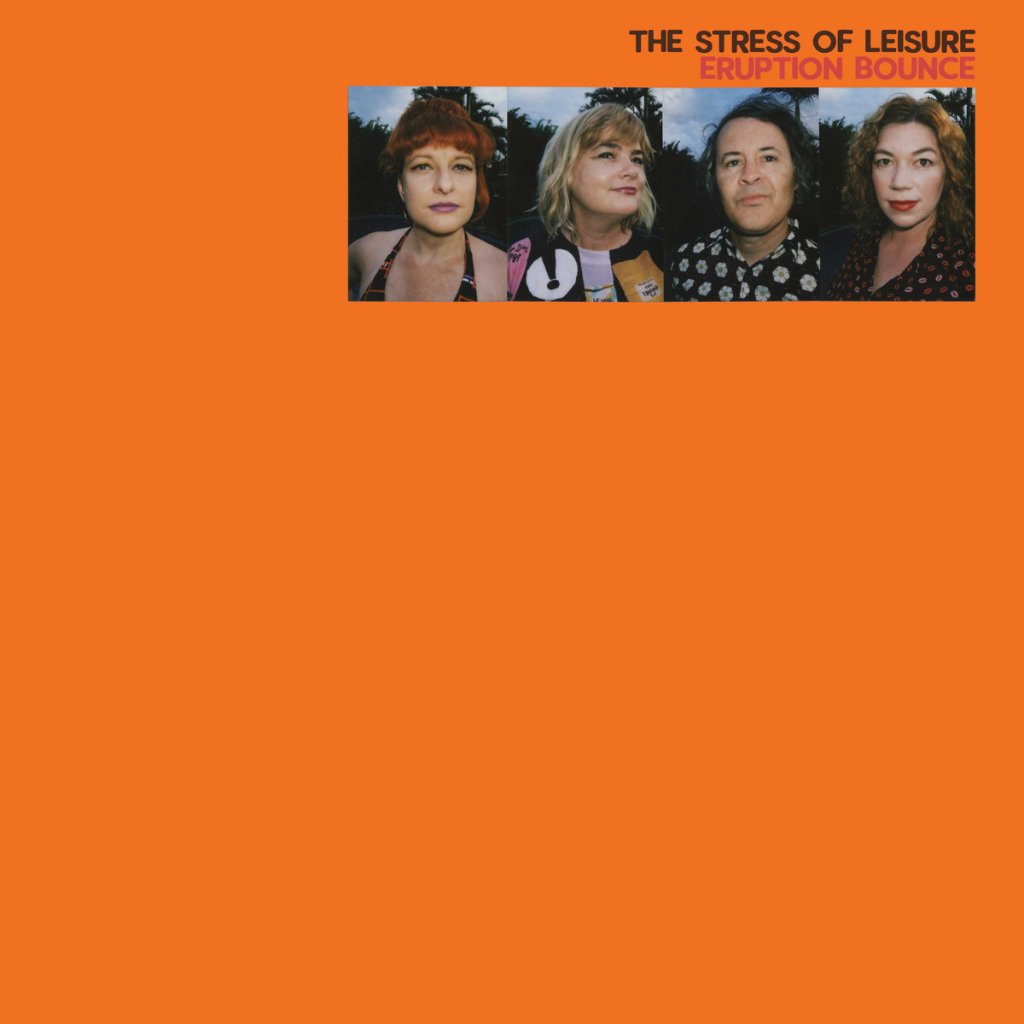
JESS (drums): This album makes a great companion piece to our previous album Eruption Bounce. It’s exciting hearing us grow as a four-piece.

I understand that this album was written as your most collaboratively one yet; can you tell us a bit about writing the record and collaborating?

IAN: We record all our ideas, and we had up to 60 sketches of songs in the bank for this album. Recording the ideas we produce at rehearsals also means we can capture golden moments that can be hard to remember. What I’ve found more and more doing The Stress of Leisure is that the songs where Jane, Pascalle and Jess bring something in (an idea) is way more exciting than what I come up with. I feel when I have an idea it tends to dictate too much how things turn out. A song like Banker On TV literally came out fully formed in one jam — Jess had a beat she wanted to try out, Jane had a bassline written down she married to it and then Pas and myself did our stuff on top. Individually, none of us could’ve come up with this song.

PASCALLE: I really love how Ian challenges us to come up with lines but we also had to constantly remind him that his lines are very fun for us to play along with. One way he was convinced to drive the song was in Spiralling, which has Ian’s power pop synth line, Jane’s enormous bassline and Jess’ unconventional drums.

What’s one of the most challenging things for you in regards to your creativity?

JANE: Speaking for myself, I sometimes find it hard to carve out time to make creative things happen.  But that is pretty much on me, I think I need to try harder.

JESS: Coming up with rhythms that sound fresh, and like Jane, finding the time to get creative in modern life. I generally don’t practise so I’m composing beats in my head and then trying them out at rehearsal. Nothing is out of bounds or too weird to bring to rehearsal and I think that vulnerability is where magic happens.

PASCALLE: Yes, I think it mostly comes down to time… we’re all just waiting to win the lotto so we can make music as often as we want!

IAN: I find my bandmates sell themselves too short. They’re always bringing in great ideas, regardless of outside pressures. It comes back again to the fact that we record the jams. Creative inspiration strikes when you least expect it, so it’s important to always document. Like panning for gold, you can’t expect a high success rate. We’re only challenged by timelines, not creativity.

Photo: Jackie Ryan.

We’ve always loved the wit, social commentary and humour in your lyrics; what’s your personal favourite song and lyric in this new collection of songs?.

JANE: I particularly like Ian’s lyric in the song No Win No Fee, where he intones ‘Mission accomplished, for the rich and the foppish’.  The song has a sort of sleazy, lazy groove to it, but it goes along at a slightly quicker tempo than you would normally expect for such a groove, which makes it compelling to me.

JESS: My favourite lyric is ‘Everybody wants to tell you how you’re doing it; Everybody loves to tell you how you’re doing it wrong; Everybody seems to know just where you’re coming from’ in Connect to Connected. It’s an astute observation of the countless daily interactions between humans courtesy of the internet.

PASCALLE: I feel a sense of achievement that we incorporated the line ‘no quid pro quo’ in a song.

IAN: If you read the lyrics of Your Type of Music and Beat The Tension with a John Cooper Clarke accent in mind they really work! I’m delighted by that. I played a solo gig earlier in the year with Seja, and during the set I recited them, so I can attest to it.

Faux Wave was recorded in Melbourne with John Lee at Phaedra Studios over five days at the beginning of the year; what drew you to working with John? What was it like?

IAN: John Lee’s name came up in a lot of Australian independent music I was listening to and liking — starting with Lost Animal, Laura Jean through to Brisbane/Melbourne act No Sister. Everyone I inquired of really rated John and said he was great to work with. We wanted to record an album outside Brisbane too, to get out of our comfort zone. It’s one of the best decisions we’ve made as a group I think. The reports rang true, John is a total gentleman, but he also challenged us with this recording, in a totally positive way. Recording the ten songs over five days was a real buzz and my feeling is that as a group, we’ve all connected with this experience. It was like recording a debut album all over again.

PASCALLE: Yes, John’s the absolute best!

What’s one of your fondest memories from the sessions?

PASCALLE: This was the first time we recorded an entire album in one go — usually we’d go into the studio on sporadic weekends and record two or three songs until the album was done. Going down to Melbourne for a solid week felt like we were at camp and, from my perspective, we had a whole new level of togetherness. From the get-go, John was a kindred spirit and made the whole week memorable, too. Favourite things about recording were not using click tracks, listening to Ian record his vocals and getting to play with John’s vintage synths.

JESS: Like Pas, getting to spend a whole week together recording was a luxury! No click tracks and a live recording setup really captured the energy. For me, anymore than three or four takes starts to sound forced and contrived. Having that week also meant we could sample the gastronomic delights that Melbourne had to offer and catch up with friends.

PASCALLE: Yes, we really explored Melbourne’s food and beverages, and we even managed to see Dave Graney and the mistLY play Memo Music Hall, too. Great times.

What inspired the album art?

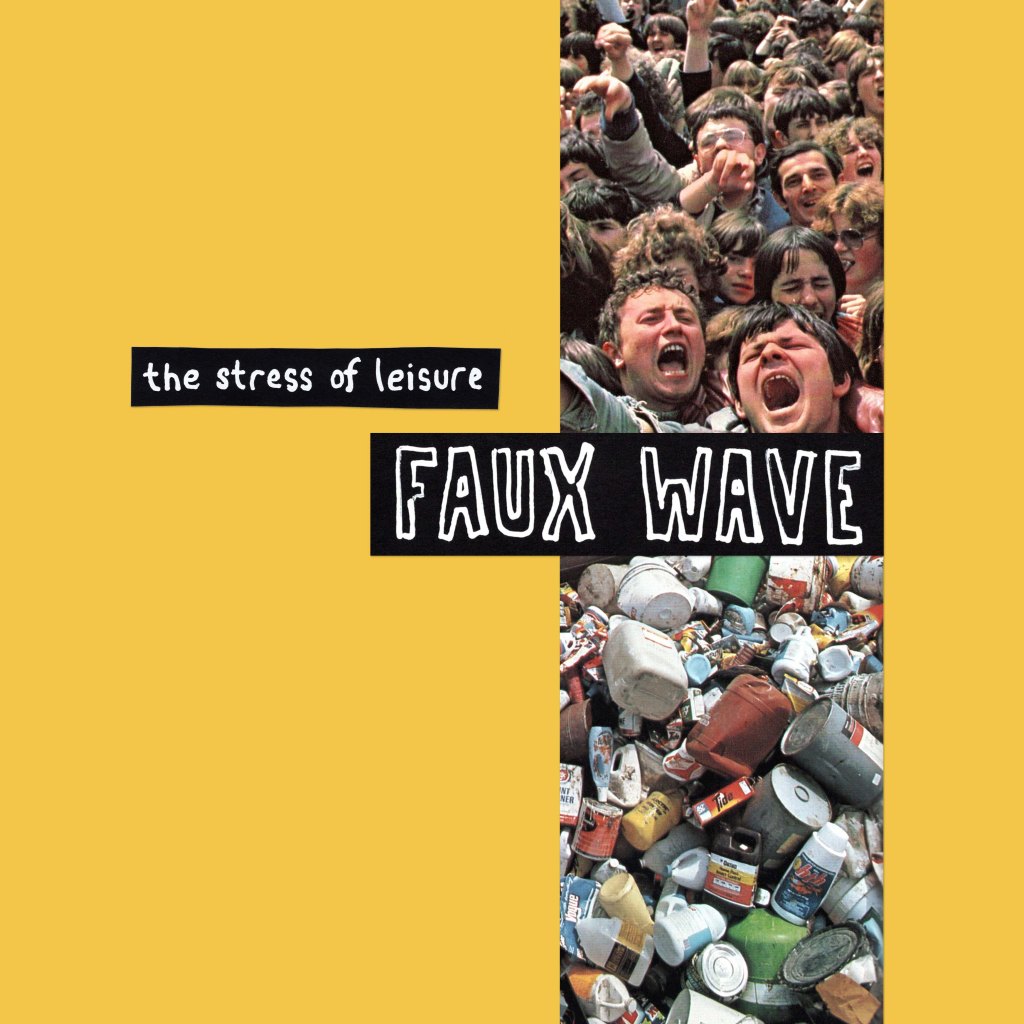
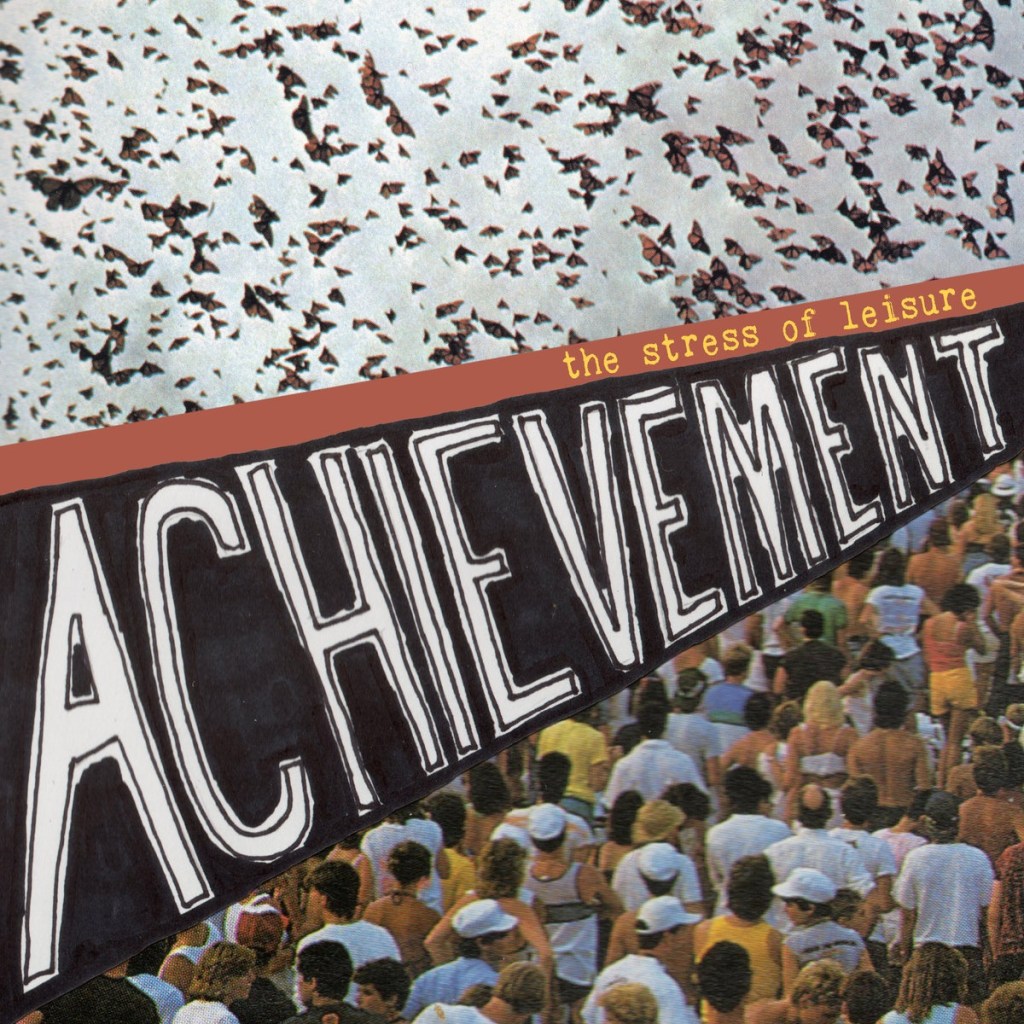
IAN: We thought it was important to go back to the collage style we’d previously utilised on the Sex Time and Achievement artworks. It rang more true to who we are as a band. The imagery we’ve chosen feels like Faux Wave for some reason — the crowd in a fervour and the rubbish pile. The disposable aspects of modern day hyperconsumerism comes to mind — the shiny new thing that gets people excited, quickly replaced by something even shinier and newer. It’s disconcerting.

PASCALLE: This is also the first time we’ve included the song lyrics on the back of the vinyl, too, so you can follow along if you like.

What have you been listening to lately?

JESS: Billy Nomates’ debut album, Fontaines D.C’s A Hero’s Death and Blake Scott’s Niscitam. Despite all that has happened in 2020, fantastic and exciting music is still being made.

PASCALLE: Have you seen Sampa the Great’s Planet Afropunk performance Black Atlantis? Incredible! I’m also listening to Blake Scott like Jess, as well as Chloe Alison Escott’s Stars Under Contract.

JANE: I have been listening to the Scratch and the Upsetters album Super Ape, though it is not a recent release by any means.  I really enjoy the space in it, from top to bottom, and front to back.

IAN: The Music in Exile label is releasing some great stuff. I particularly love the Gordon Koang album Unity.

2020 has been a challenging year for pretty much everyone; how has it affected you and how have you stayed positive?

IAN: Making my own coffee is a nice ritual I’ve developed during 2020. Also smelling the roses in New Farm Park has been a highlight. When we were allowed to rehearse again as a band — I felt that was a big moment of positivity. We’ve been writing more songs, languid and slow types of songs.

PASCALLE: It’s been a year where each of us has had to learn who we are in this situation. There’s been an unavoidable wave of planetary depression — whether we explicitly feel it or not — and coming up for air amongst it all has been an effort, I think, for many of us. Art and a kind community helps.

JANE: When I was able to return to fitness classes and band rehearsals that helped me heaps. I’ve joined the video streaming revolution. Drinking heaps of Malbec has also been very good.

Anything else you’d like to tell us or share with us?

IAN: Community radio in Australia has been a big support to us. Support community radio wherever it finds you by subscribing. 4ZZZ, our local station in Brisbane, has been an absolute champion over 40 years plus in pushing local and Australian music and we’d be severely diminished in Brisbane as a music community without it. There’s never been a more important time to support local independent media and arts.

PASCALLE: It’s also heartwarming to see all our fellow bands emerge from the Covid hibernation. I hadn’t realised how much I missed seeing live music!

IAN: Long may it continue. Fingers crossed.

Please check out THE STRESS OF LEISURE; on bandcamp; on Facebook; on Instagram. Faux Wave out now HERE.

The Stress Of Leisure’s Interesting Times: “A response to modern ‘tough guys’ like Trump and Bolsonaro”

Handmade mixed-media collage by B.

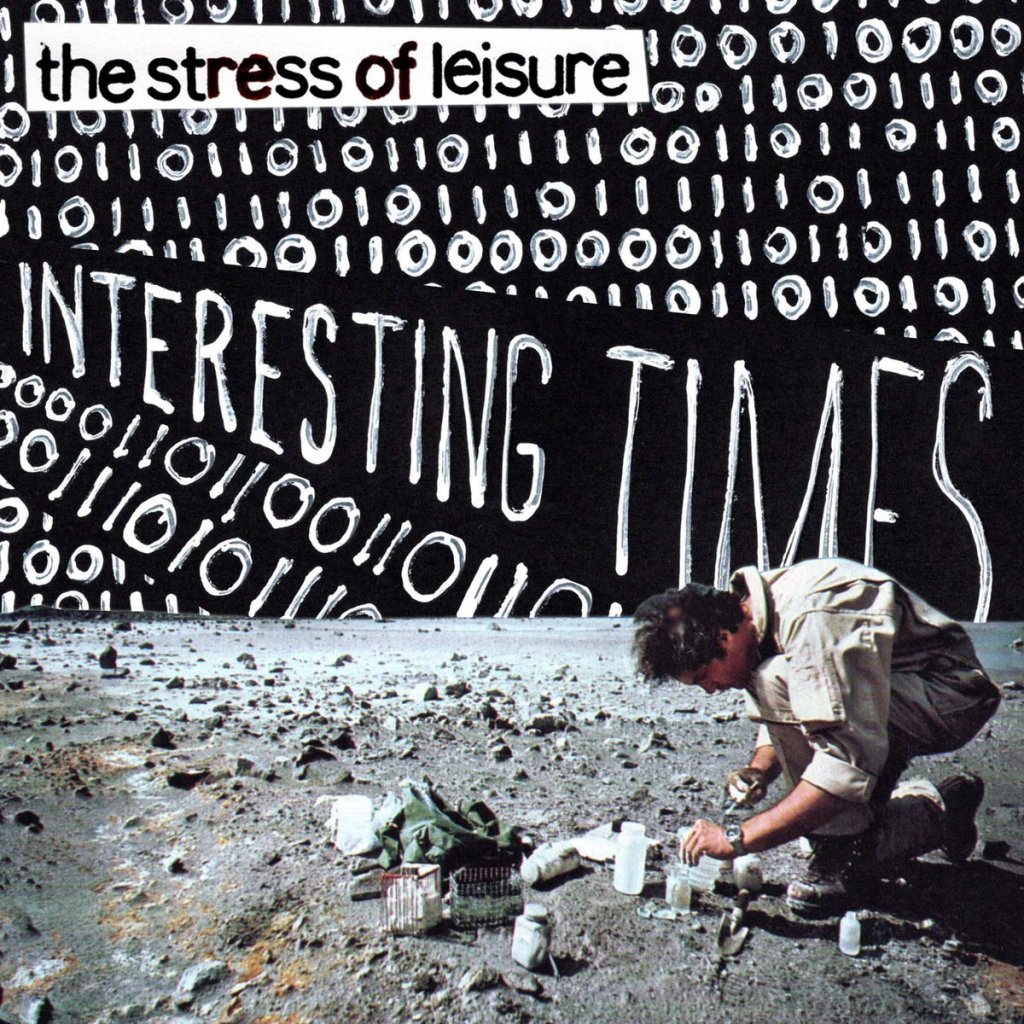
One of our Brisbane-based favourites The Stress Of Leisure are premiering the song ‘Interesting Times’ along with its DIY made in isolation video here on Gimmie today. The track is a mix of post-punk and new wave goodness with hypnotic keys, a stomping drum beat and Tina Weymouth-ish bass line. We spoke to guitarist-vocalist Ian Powne about the track.

The Stress of Leisure are premiering a song today “Interesting Times” which was recorded during the sessions for your album Eruption Bounce; why was the time right to release this track now?

IAN POWNE: Jessica Moore (drums) had been lobbying hard for this song ever since it didn’t fit Eruption Bounce. Subtle representations were made again at the start of March. I’d kind of forgotten about it. Jessica is smarter than me, so here we are.

Can you tell us a little bit about writing the song?

IP: We wrote the music for this song at the end of a rehearsal from memory, very quickly, most probably in 2016. My memory of this song is quite blurry but I remember spending a lot of time on the lyric and really hollowing it out to it being very non-specific subject matter. It feels like kind of a response to modern ‘tough guys’ like [Donald] Trump and [Jair] Bolsonaro, but then again strangely, it also feels aligned with the present pandemic.

You’ve made a real DIY clip for it while in isolation; how did you go about making it?

IP: DIY is the word. Pascalle Burton was the creative force behind this. She had assembled a whole lot of Prelinger footage. Coupled with that, was her idea to have a social media feed. We set up a green screen in our living room and I was the difficult talent in the end performing to the song.  Pretty much like training a cat. I find it hard to watch, but I’m trusting my bandmates’ judgement on this one.

How have you been faring during these interesting times currently happening in the world? Other than making videos, what else have you been doing while in isolation?

IP:Observing all the health systems and people struggling around the world, it’s not hard to feel vulnerable. Both Pascalle and I are working from home so we’re very lucky. I’ve become an infectious disease armchair expert in the meantime.

Recently you went to Melbourne to record for a new record; what can you tell us about it at this point? What is it sounding like?

IP:We recorded it just in time it seems, and have mixed it now. It feels like a great capture of who we are, all the idiosyncrasies of what makes us tick. John Lee who has recorded and mixed it for us, ‘got us’ pretty much straight away and has really drawn out our punkier side. There’s something a little No Wave-ish about the spirit of it. It’s our most political album too, a lot of discontent in the lyric. We’ll release it later this year, Scomo will be trembling.

Can you recommend something we should check out?

IP: Have really enjoyed the release of Use No Hooks The Job that Chapter Music just put out. Basically it’s a collection of songs this funky Melbourne art band recorded in 1983, but had never put out. Lots of fun, and smart. We’ve played with Cable Ties before and am excited for their new album Far Enough which I’ve just started listening to.

Please checkout: THE STRESS OF LEISURE. TSOL on bandcamp. ‘Interesting Times’ on Spotify. TSOL on Facebook. TSOL on Instagram. Our previous interview with TSOL.

Brisbane’s The Stress Of Leisure: “Seeing music that moves you is an incredible experience… there’s something that happens inside your head, it really shifts your way of seeing or experiencing the world.”

The Stress Of Leisure are one of Brisbane’s hidden gems of post-punk, indie, new wave excellence. Their shows are one big party, fun and engaging – frontman Ian Powne’s stage banter always witty – as are the group’s lyrics. They’ve shared the stage with Kid Congo, Dave Graney, Regurgitator, Shonen Knife, Custard and more. TSOL’s Ian and Pascalle (Burton) dropped by the Gimmie office to chat about their love of music, where the band’s been and where it’s headed next, the importance of community and artistic longevity! TSOL may very well be your new favourite band as they are ours.

Why is music important to you?

IAN: Music is important to me because I value culture in general, I’m interested in the expression of community or society. I think music is the one form I can grasp of that expression, of a place, of a time. For me, that’s from a punter’s perspective of a love of music, I get into the time and place of it and how it interacts with the environment that I’m in. On a musician level I really love the immersive experience that it gives, the physicality of the performance, of listening to the drumming or the guitars or the keyboards or whatever the thrust of the music is, I imagine myself in it—I don’t get that feeling from a lot of other art forms that’s probably why music feels, I’m moving when I say this because, it feels… I’m interacting with it on a physical level. Apart from all of that community, I get a physical response.

PASCALLE: I think I have to agree with that in terms of, when the band is playing together, something is coming together from all of us and you feel it, here [motions to heart] and here [motions to head]. It is amazing. Seeing music that moves you is an incredible experience as well because it’s not only as a live… or in a time and space that you are in and you’re being moved by it, but there’s something that happens inside your head, it really shifts your way of seeing or experiencing the world. It’s a very broad approach to why I like music, I also do the poetry stuff and often in that poetry journey when I’m making a piece, sometimes that lends itself to making soundtracks and stuff like that as well. I often think it’s a very isolating experience for me, but when we play it, it’s really a bringing together of all of us, and the audience, and all the other layers of it.

IAN: There’s great value of music in society, depending on how people value themselves, it’s always an important element that’s there. I’m involved in radio as well as being in a band, I just love… for me, because of the radio perspective but also being part of a band community it just comes back to that word of community, it’s communal, that’s what I love about it. It’s not just us it’s a whole community of people experiencing the same thing, getting a thrill from the same thing. That’s why it’s important to me because I find likeminded people that have that same communal experience as I do, that’s why I keep going back to music because it means so much more than all the other art forms.

I know that when you first started doing Stress Of Leisure stuff, around 2003, you would do it by yourself in the afternoons after work…

IAN: Yeah, I did it by myself. I actually performed at poetry gigs, it wasn’t really conventional. All the gigs I did were part of a book launch, or poetry gigs, to a lot of writers essentially [laughs]. It was just me on an acoustic guitar. There was no congruence to what the project was, how it was recorded to how it was being delivered. It was just me going, this is The Stress Of Leisure, I want to be a band but I don’t know. I didn’t have a lot of confidence in the whole thing. I was just fumbling in the dark. What I know now is, I was probably aiming for that community.

PASCALLE: The collaboration.

IAN: Yes, the collaboration and being part of a gang. I had no gang it was just me.

PASCALLE: Your song writing was prolific before you even started doing gigs.

IAN: Lots of people in music produce music over a long period of time trying to discover who they are through music. They have this vision that they can never quite capture, that’s what keeps them going. They’re like, this next album is going to be great, and you do that album and it’s not quite right and they keep going…

PASCALLE: They’ve got more to do.

IAN: Yes. At that beginning stage, I’m at the beginning spot and not really having the full realisation. Starting from there I think songs had to start to live on a solo performance aspect rather than a band. A lot of them are me, me, me, Ian, Ian, Ian! That’s really what broke me in terms of wanting to get to the band level, I wanted to escape that reality [laughs]. Dave Graney maintains that if you play with an acoustic guitar you have to tell the truth, maybe that was the issue I had… if you play electric guitar you don’t have to tell the truth [laughs]. Maybe I just wanted to get from the acoustic guitar to the electric.

You mentioned that in the beginning you weren’t confident, seeing your shows now, you seem so confident, times have changed.

IAN: Yes, well that’s part of the great journey.

PASCALLE: I remember seeing you in those early days and you were terrified.

IAN: Yes. The first time I ever played in a band Pascalle was part of it, that was 2009, when we finally became a full band. That first gig was one of those Sunday afternoon Powerhouse gigs. Jo Bell who was Brispop set it up, it was in conjunction with this movie that got made, Crooked Business. One of the songs off the first album was called “Rooster” and “The Rooster” was on the Crooked Business soundtrack, Chris Nyst wrote this character that was called The Rooster. That show was our first gig and it was terrifying.

PASCALLE: There was a statement in the contract for the show that said something about delivering quality, rehearsed music, or something like that. It was really funny. I remember Ian saying something about that and thinking, oh, well we’ve gotta be pretty good then [laughs].

IAN: That really added to the terror I think. That was my first ever band performance and it was more of a relief when I finished it rather than enjoying it. The more you play, obviously the more confidence you get. The confidence thing has taken a while, also doing a radio show has helped, being jokey and thinking of stuff to say, banter.

PASCALLE: I love watching Ian perform. I have seen him from being a terrified performer to just owning what he does. It didn’t take forever but having the band to back you gives you a lot more confidence and you can have a lot more fun now.

IAN: The present makeup of the band – Jessica Moore on drums, Jane Elliot on bass, Pascalle Burton on keyboards and myself – that’s been since 2015, the longest version of The Stress Of Leisure; that in itself gives a lot of comfort. You know that we’ve played the songs and we know what we’re doing, the more you play with people the more confidence you have in stretching it out a bit and having fun. It’s not a worry to play the wrong notes, everybody is on the same page.

One of the things I love the most about when I see you play is that you look like you’re having so much fun!

IAN: Thank you, we do. There was something before that made me think of this anecdote, we play a couple of shows for Deaf QLD, we played to people that were deaf. They designed it so it had to be a place with floorboards so you could feel the vibration and interact with it, but also they had balloons for the vibration. They had a signer, we had a signer that does it for the Premier, she signed for us in those couple of gigs we did. We got asked back the second time because Karen Lantry was the CEO, she’s deaf herself and she said she liked us because we felt good! That was one of the best compliments we’ve ever had—we feel good!

PASCALLE: You don’t have to be able to hear our music to get some sense of what it’s about. As you get further into the relationship to the band you know each other better, what direction you want to go in. When we come up with new songs, if Ian’s not happy with it, he’ll put it to the side. Every song we play is fun for us, that’s an important part of it.

I read somewhere that you feel with this line-up of the band it feels more collaborative; you’re used to writing the songs yourself Ian, right?

IAN: It feels like the start of the band was 2012, in 2011 we released a song called “Sex Time” that was the first song where each element of the band is doing something to contribute to the whole. What I mean is, the guitar is doing this, the bass is doing this, the drums are doing this pattern and the keyboard is doing something… it’s not all the same note. It’s not all coming in and the drums are fitting in with it, I’s not C, G, C, F, G… everything is playing something different. If you took one of the elements out, it doesn’t work, you have to have all of those four elements; that was the genesis to where we are now. It’s like early DEVO where their sound sounds a lot bigger because all the elements fit together, once you take one of those elements out there’s something missing…

PASCALLE: There’s a gap.

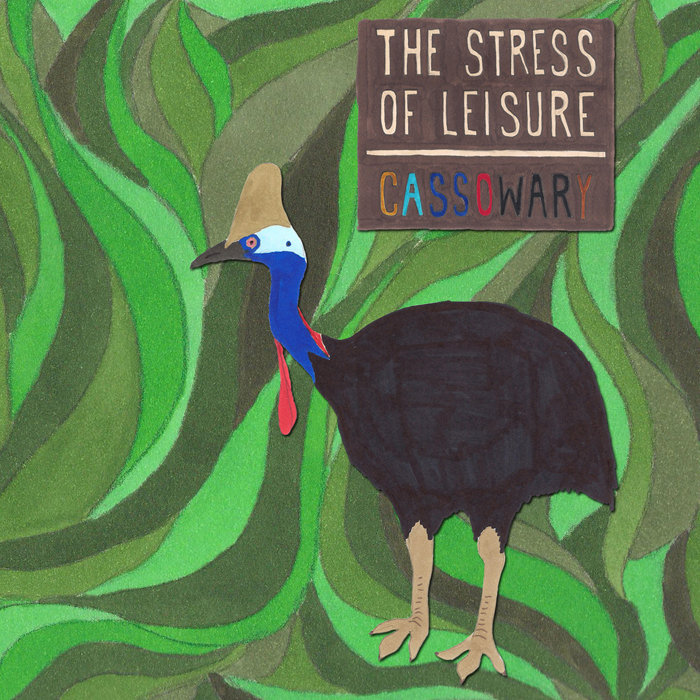
IAN: Yes, from there, that was what started the spirit of collaboration. The Cassowary album had a few collaborative songs, from then on I wanted the band to be more collaborative. The last album, half the songs are written by the band and the other half by me. I think the best music is created when people work together and contribute different ideas, it’s not about one person, it’s about interaction. It makes for a more interesting dynamic.

I love working with other people, because often someone will have a totally different idea that you might not have ever thought of.

IAN: Yes. I think you tend to devalue your own stuff. Some of your own stuff might go, oh it’s like this, then someone else will go, “That’s great, we should do something with that.” You can come up with an accidental pop song or something accidental that you never would of thought because you had that collaborative model.

How important are lyrics to you? Often your songs seem really fun and humorous but when you look deeper there’s a lot more going on.

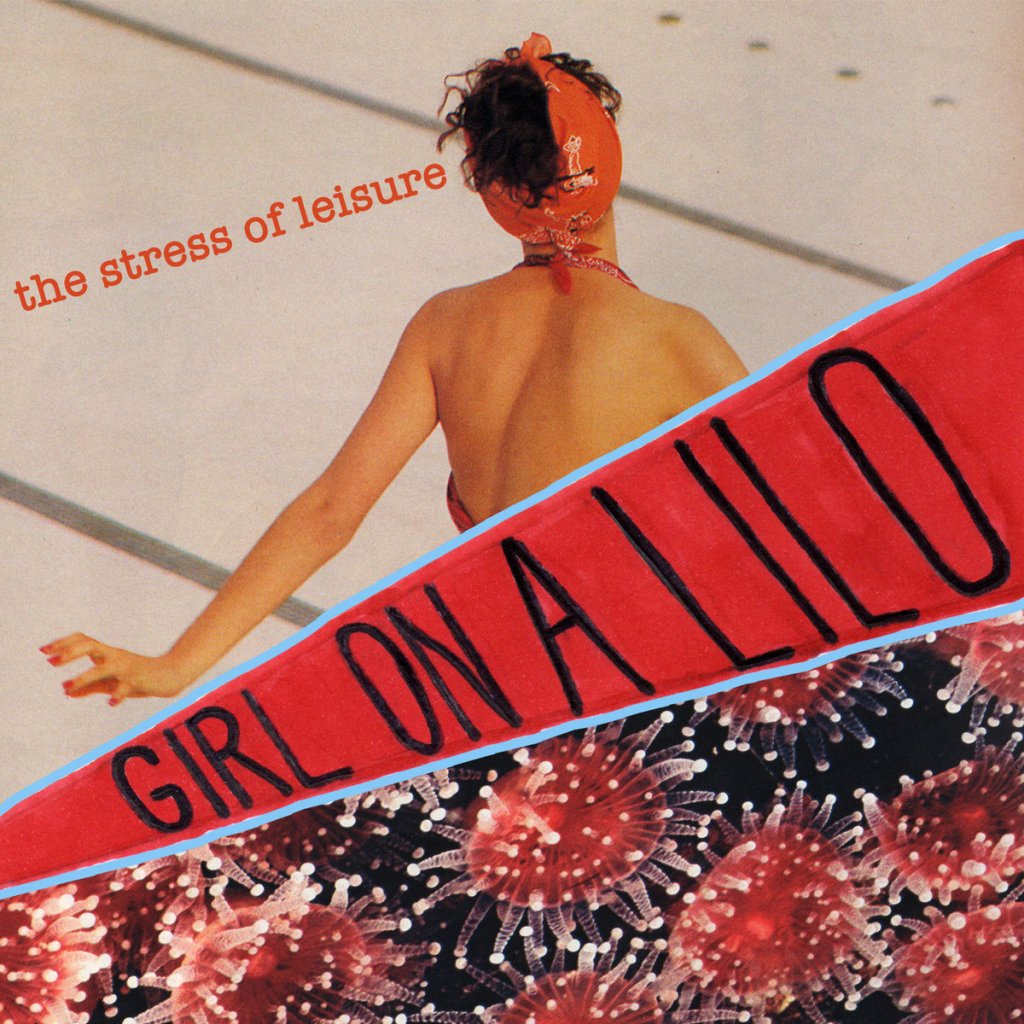
IAN: Getting back to the philosophy of lyrics, the intent behind it is the important thing I think. People enter music for a whole lot of reasons, whether they want to be famous, whether they want to make a lot of money, whether they want to have sex with a lot of people, or they just want to sound like their favourite band, there’s another element which comes into it which is a certain ideology, you have a certain ideology you’re pushing… I think that’s where I think I’m focused with a lyric. I have a little bit of history in that my first degree was in Marketing, I’m fascinated by advertising. My fascination is that I see it as a monster, I see it as what’s behind the whole ills of our society at the moment. You see this constant sort of hyper-consumerist cycle which we’re all part of and enjoy to a certain extent. I think that’s the kind of conflict that I find in the world, being made to feel that we’re not quite enough. That’s what advertising does—you could be a whole lot better than you are. That’s the driving ideology of our music and a lot of what capitalist society is pushing. The whole album Achievement was so tongue-in-cheek about that. Aim high, get high. No Idea is the new idea. “Girl On A Lilo” is an acronym for GOAL [laughs].

PASCALLE: The reason I was very happy to be a part of the band was the lyrics, I think they’re fantastic. One of the things I appreciate about Ian is that he will get all those ideologies but put them in a certain kind of a snapshot of a narrative, he’s a storyteller. He doesn’t just spell it out for people, we have to get the ideologies from the story. I think it’s always fun.

IAN: Yeah, it’s not straight forward it’s metaphoric. A whole lot of stuff is going on. That’s why I got away from that stuff of me on guitar, me, me, me, I, I, I! A little bit of earnest and feelings and stuff. No more feelings in terms of me, it’s feelings about the community. There’s a little bit of me but it’s going more towards an ideological approach, we’re writing from the perspective that we’re told we’re not good enough. That’s’ where “the stress of leisure” is! [laughs].

PASCALLE: When we rehearse – there’s not too many people that can probably improvise over music but Ian does – he generates words easily off the top of his head. A lot of times we’ll be working on a song, and I’m glad we record a lot of the rehearsals because there will be a line that comes out that will be really good.

IAN: Some lyrics are easy but a lot are hard. I put them off for a long time and just revel in the thought of what it is. I’ll be like, ‘This is a great song but it doesn’t have any words yet’ [laughs], one day it will have words. That’ll be the boring part because I’ll have to sit down and really work at it. I really love the thought of the song before it gets to the lyrics, the lyrics are usually the last part of the song. A lot of the time we have unfinished songs, often they won’t be finished and we’ll play them live and I’ll just be improvising words. I’m just saying stuff but not saying anything. I’m just finishing off words. You think I’m saying a sentence but I’m not. [Laughs].

PASCALLE: There was one song that we were playing on the Regurgitator tour that was unwritten at that point and Greg Jard who does the sound – he was really great in giving us life experience of being on the road – in a soundcheck we decided we wanted to do this unwritten song and Ian who going “blah, blah blah” whatever over the music and Greg was like, “I can’t hear what you’re saying, you’ve gotta pronounce your words.” Ian was like, “It hasn’t been written yet!” [laughs].

You mentioned before that you studied marketing, I know at the start of The Stress Of Leisure you didn’t do much promotion; was that intentional?

IAN: It was just confidence really, and not having a band and not being confident, as a solo thing it didn’t really fit. I had friends that helped me out, who were really great in encouraging me but it wasn’t an easy fit because they didn’t live close to me. I didn’t have any idea of how it would happen until I started getting gigs.

PASCALLE: I sometimes say to Ian, you have a Marketing degree surely you would know what would make us better known!

IAN: When it comes to the business side of things…

PASCALLE: He hates it!

IAN: Yeah, I really hate it but it’s so important as an independent musician that you have to be across it. I find that when I’m working with other people and helping them…

PASCALLE: He’s a champion!

IAN: I know what to do and can hook them up with the right people; the networking brain comes on. Whereas the networking brain for myself is, ‘we’re just chumps don’t worry about us!’ I’d probably talk us down or not even talk about us. I’m just happy to meet people on whatever terms that may be.

PASCALLE: I think Ian has an idea that he would like everything to happen organically. This has happened. Our experience so far has been organic. You meet people, like we met Ben Ely (Regurgitator) and you just become friends with each other. It’s a nice feeling because it feels authentic. Whereas the rest of the machine of promotion doesn’t seem like it’s authentic, you have to work it and schmooze and all of that. I don’t think anyone in our band wants to do that! [laughs].

IAN: When people start talking industry stuff with us… when people suggest, “oh, you should tour with that band” and we’re like, we don’t have anything in common with that band, that would be horrible! We’ve only toured with bands we like, Custard, Regurgitator, Dave Graney and we’ve played with The Gin Club. That keeps it positive! It’s kept it on a level. If you start getting into the industry side of things… there’s always been a mercenary aspect to it, but when it becomes too focused on what someone in the industry thinks, it’s horrible—nobody really knows! [Laughs].

PASCALLE: It’s a challenge because there’s that part of putting yourself forward and saying we have a good band and want to play… and if we don’t, it’s almost apologising for what we do—I don’t like that either. I like the idea of standing by what we do. There’s a fine line of selling out and kissing arse…

IAN: The facts are you have to sell what you do, there’s no way around it. You have to get out there, say you’re great and that you can play.

I was really stoked for you guys when you got to play with Kid Congo!

PASCALLE: Oh my god! That was the best! It was so fun!

IAN: That was a nice feeling because they had been told about us. Before we played with them in Brisbane they told us that they were told to check us out! That was the best thrill. Meeting Kid was amazing! He told us that someone in the band, The Scientists, told him to check us out. I was like, really?! Dave Graney and Clare Moore are big supporters of us too, I’m sure they probably mention us too. They played with the Pink Tiles girls, we know them too… there’s always lovely connections. In the real world you have people talking about you, that’s what good managers do, they set it up for the band to succeed; we don’t have anybody like that though. We don’t have the hype machine.

PASCALLE: It was such an amazing show! They were such lovely people, great people. I love that when it comes along, that people you admire are also really nice.

I know that feeling, Kid was really lovely to me too. We met him after his show and he remembered the interview he did with me. People do a lot of interviews so the fact that he remembered it was nice. That was such a heavy week, my father passed away, seeing Kid Congo play on the beach in my town really helped. I guess rock n roll really does have power.

PASCALLE: Yes!

It was a really special show for me, it reminded me that there still are good things in the world. At the time I was really struggling, but seeing Kid up there in his sequinned cape play music really helped and brought me back to life.

IAN: That’s one of the great things about playing in bands, you get to meet other people and you get to see their world. You can touch it, it’s as easy as that. People have worked hard to get where they are.

I love such a variety of music. I love moving between the different worlds and maybe seeing something I love in one world and taking it to a new world and giving it a new interpretation and life.

PASCALLE: With my keyboard lines, not that you would say they sound like it, but I will see a band and go, I love what they did with that sound and I’ll see what would happen if I brought it to a synthesizer. We have a new song called “Beat The Tension” it doesn’t sound like it but it’s completely inspired by Xylouris White, Jim White and George Xylouris new band. We saw them play Woodford [Folk Festival] and they were just so inspirational. There was a song they were playing and I remember thinking that I really want to bring that into the synthesizer. I often do that, the last line I came up with that Ian liked was…

IAN: Was that from a Crete Lute? [laughs].

PASCALLE: “Beat The Tension” was basically something that George was playing.

IAN: I’ll have to listen to that line again and think of Crete [laughs]. This is what’s good about collaboration.

PASCALLE: Jane Elliot is a classically trained musician. I often play really discordant lines and you just see her face go, argh, do you have too? [laughs]. She’ll come around to it eventually. She’s like, “You can’t play a B flat with that!”

I love when people make things that sound different and that breaks rules. I find often people are like, I love this band and I love this other band because they sound just like the other band I like; people are often limited in the things they like.

IAN: It’s like the sound de jour is everywhere and you want to escape the sound de jour ‘cause you now things are already turning.

Things always work in cycles and often if something’s been popular for a while, the next thing that’s popular is the opposite. How do you guys inspire each other?

IAN: I’m restless creativity, so scientifically I tell everyone we’re coming up with new songs, bring ideas. Once you get everyone together you can try your idea and your idea together and see if they work, or go with one idea. The first couple of ideas we come up with after having a bit of a break, are really electric! There’s something about it, they really work. There’s a science. Everyone gets energized by it, that’s what keeps us bubbling along. If you’re playing the same set all the time it can get a little tough. Coming up with new stuff is important, it’s like regrowth.

PASCALLE: There was a time when you’d make mixtapes for us. You’d be like, “I think the album is going to take these kinds of sounds in.” We’d listen to that and come up with ideas. That was really good.

IAN: We’ve all got different ideas. We work with titles. “Achievement” was the overall title and we worked towards that. If I can just coast on the top of all the other ideas [laughs] that’s a perfect scenario, I can come in and my guitar can just fit amongst everything that’s already laid out.

PASCALLE: That’s what I’m thinking too! [laughs]. I’m just like, ‘You just all do your thing, I’ll work myself into the space’. We’re all probably thinking the same thing! We live together, Ian is always playing constantly, he has guitars in several rooms. He’ll just pick one up and start riffing on something.

IAN: I’m mainly just playing scales and stuff

PASCALLE: That’s not true [laughs]. You play all the time and I find that inspiring. I think, ‘wow! He’s so dedicated’ [laughs].

IAN: I like to work out corny songs like “Under The Bridge” (Red Hot Chilli Peppers) or “Money For Nothing” (Dire Straits) [laughs]. I look up guitar tablature online. You get ideas form everywhere. You go into somebody’s song book and you cop a few of their moves and you see if some of those moves work in another context. It’s important to keep ideas coming, that’s what gives the band sense of purpose. That’s what can be troublesome for some people in the industry, they get in this cycle of, they’ve got this album and they’re still on the same album… you need the regrowth, you need to burn that and grow something new! You might get a lot of satisfaction out of the live moment, but you keep needing to move forward creatively. We’re in a position where we can, and we do.

I know that TSOL is working on new stuff; how far are you into that?

IAN: We’ve tried four songs out live, we’re happy with how they worked and how they felt. We’re kind of road testing things a bit more than we have. We’ve probably got another four on top of that…

PASCALLE: That made the cut, we have more songs on top of that.

IAN: We’re pretty harsh judges…

PASCALLE: He’s the harshest! [laughs].

IAN: Out of twenty ideas, maybe six work. If you’re going to be playing them a lot you want to make sure they tick all the boxes going forward. Will they fit the album? How fun will they be to play? If you play it live and someone goes, “I really like that new song of yours,” you remember that and go tick.

TSOL used to wear matching outfits but you’ve moved away from that and want no rules; what was the thought behind wearing matching outfits? Is it ‘case you’re a gang?

IAN: Yeah! [laughs].

PASCALLE: I think when we didn’t have a unified uniform our clothes were really shooting off in different tangents, we wanted to be a gang. We had a winter and an autumn palette. We played at Girls Rock Camp and we were wearing our autumn look and after our set they threw it to the audience to ask questions… one of the questions was; would you ever think of wearing a uniform?

IAN: This ten-year-old girl smashed us [laughs]. It takes a 10-year-old girl to go, “Hang on, your idea is not defined enough” [laughs]. That’s the focus group we needed to have.

PASCALLE: Jane actually answered the question and said, “We’re actually wearing it right now.” Then from that point we thought, if we really want to get across the message that we’re a gang we probably have to start wearing the exact same thing, so that’s where that came from.

IAN: A lot of bands that stick in your psyche have a look. We choose a very simple look.

You guys had the shirt that said “Product”.

PASCALLE: We liked the idea of that one, we just used t-shirt transfers. We also wore shirts from Seth Bogart’s label Wacky Wacko.

“100% Fruit”?

PASCALLE: Yeah. We also wore a condom shirt, it’s just a shirt that has a whole heap of condoms on it. A lot of people didn’t realise they were condoms, they’d come up to us and go, “Oh, you look so great!” [laughs].

IAN: We played with Regurgitator throughout August last year and that gave us time to reflect…

PASCALLE: Are we ready to go beyond that uniform?

IAN: Yes. We’d been doing this for a while. Pascalle and I were having a chat whether we liked the uniforms or not and what the idea might be going forward. I don’t know where the tipping point was. We just wear what we want just as long as we’ve got a style that meshes.

PASCALLE: The point of agreement was, the idea of wearing lots of clashing patterns instead of block colours; it sets up a challenge for everyone to find something that’s bold.

IAN: We just didn’t want to be, wear whatever you want… come out in a Freddo t-shirt…

PASCALLE: And jeans…

IAN: Yeah, black jeans or something.

PASCALLE: We want to elevate it a little bit. Not too comfortable.

IAN: The band uniform was to distinguish us in the crowd. I’m noticing a lot more bands, a lot more younger bands, doing the uniform. I like it. Now we’re moving beyond though.

Do you have any themes you’ve been writing to for the new material you’re working on?

IAN: We had a title, but I can’t really giving it out and jinx us. There’s no overriding theme other than we’re continuing on from Eruption Bounce. Eruption Bounce was the first album where we were all together, recorded, toured it, I want the same thing to happen with this one. It’s like Part two of this line-up. This album and the last should sit beside each other as companion pieces. The songs are different obviously, the song structures with the last album were kind of tight whereas this one is a bit more elastic. The influences are a little bit more, Eruption Bounce was more American post-punk, this new one is a bit more English post-punk.

PASCALLE: A little more like The Fall.

IAN: Yeah, there’s more ranting in there. It’s more collaborative than ever, so it’s probably going a lot more weirder and some of it’s going more poppy.

PASCALLE: It’s fun, I like what we’re doing. Now is a really fun time in the making of it.

IAN: We sit down to write songs together…

PASCALLE: Then there’s fighting [laughs]…

IAN: Couples must fight, that’s how it works [laughs]. When I write with Pascalle it usually hardens my reserve as to where the song will go, it’s very helpful, even though it must be very frustrating for Pascalle a times.

PASCALLE: Again, it’s another way to work out of you knowing the songs more, what works, what’s easier.

IAN: Yes, Pascalle is a springboard into being productive, essentially. There won’t be anything out this year [2019] but hopefully next year.

PASCALLE: We have some unreleased songs we might put out in the meantime.

IAN: There’s about seven songs we might do a digital release for. We have to get them mixed.

What are you both listening to at the moment? What’s exciting to you?

IAN: Because I do a radio show I’m always listening to stuff [Brighten The Corners on 4ZZZ FM]. I’m not talking whole bands or anything, I’m hearing ideas; I’ll be listening to bands and hearing ideas that I like. There’s a whole lot of stuff.

PASCALLE: We’ve been to a lot of the same gigs; Nun is amazing. We saw a band supporting Angel Olsen in Seattle called, Hand Habits, that were great. I’m stuck on that Destroyer album, Ken, it’s a beautiful album. There’s a few song that if I’m feeling down I’ll go to straight away like a Bonnie Prince Billy song.

IAN: I’m really impressed with Tropical Fuck Storm. It’s a great capture of their band’s name what they do. The lyrical depth and breadth of what Gareth Liddiard does is probably…. I have a different style but I can see a similarity with how he approaches… I’m not as dystopian as that. There’s a lot of inspiration in the way that he attacks it. Nun for the energy, Jenny [Branagan]’s performance, and just the clever way that music interacts. I’m always inspired by seeing older musicians play! Seeing someone like Neneh Cherry play, they don’t get worse, they get better! People that keep playing, I get inspired by that… they describe it as heritage acts…

What?!

IAN: Yeah, they call someone like Ed Kuepper a heritage act.

PASCALLE: That’s what Australia is like, it dismisses older acts.

IAN: I’m inspired by the facet of how people just stick with it, work with it and get better. You see Kim Salmon, Dave Graney and Ed Kuepper, any of the older artists…

PASCALLE: Even though they’re not that old, bands like Regurgitator and Custard, still producing really great music.

IAN: I think that’s the big thing that Australia misses, it’s so catered to the youth market, which fits in with that hyper-consumerist model, churn out the new act… but there’s really a depth to our scene. Because there’s not a big demographic of support, due to the bean counters, there’s that lost scene. That’s what I see as a big opportunity for Australia to embrace more of their older musicians rather than just the young ones, which is what a lot of industry effort goes into. I get inspired by longevity essentially, in whatever form. Bands that stick together and keep playing is inspiring.

You can find THE STRESS OF LEISURE here. IG: @thestressofleisure. FB: The Stress of Leisure.