Imagine having the opportunity to engage in profound conversations with the creators of punk and hardcore, spanning from its inception to the present day, diving into the most timeless and perplexing questions about life. These inquiries explore forging a path on your own terms, the art of creating something out of nothing, standing up for what you believe in, changing what you don’t like, the ethos of DIY, the power of community and purpose, and the highs and lows of life’s struggles and wins. Plus, the journey of transforming your life and the lives of those around you, while navigating this often tough world. There are moments of clarity, connection, insight, and profound beauty waiting to be discovered in the pages of Conversations with Punx, a book that formed in its own time over two decades.
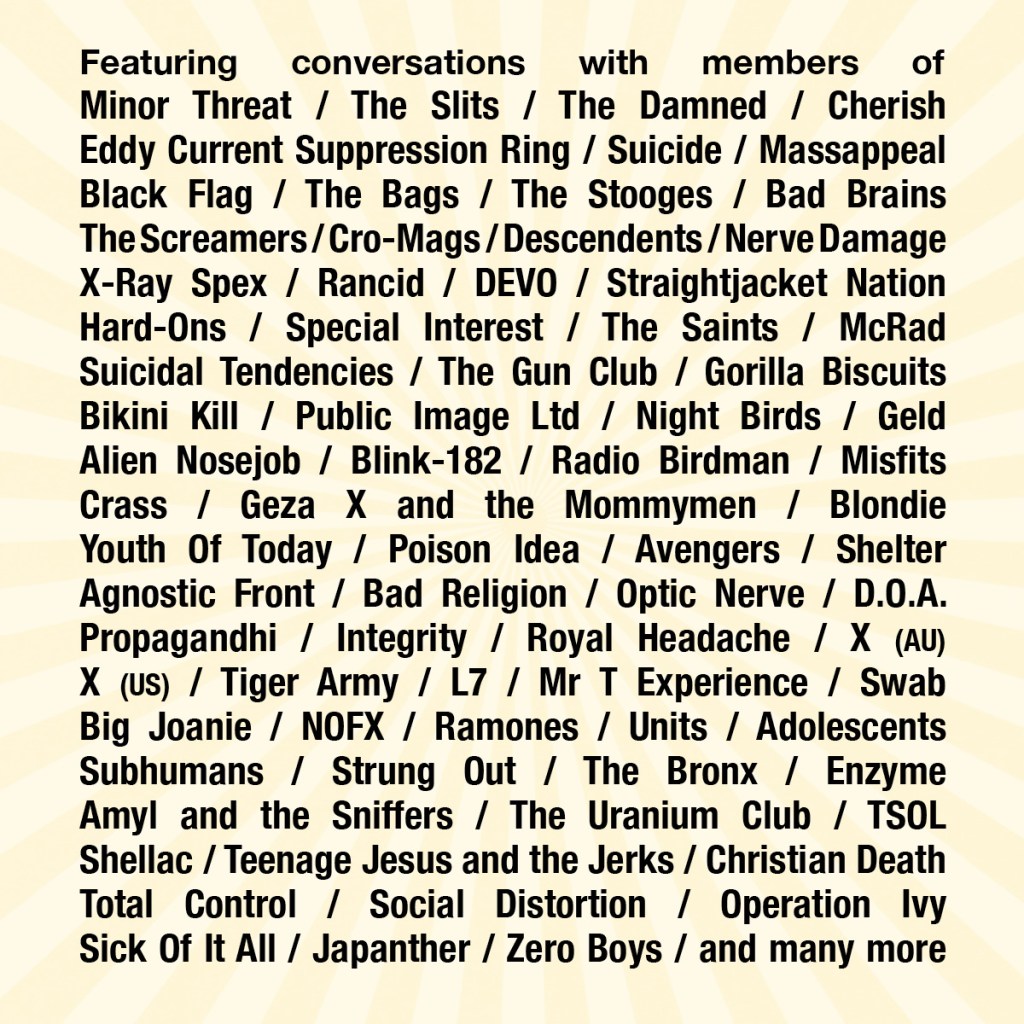
When I (Bianca, Gimmie’s co-creator) was 24 years old in 2004, I faced a confusing, difficult, and heartbreaking situation. Seeking answers and tools to process and cope with what was happening, I turned to interviewing, something I had been doing since I was 15 through making punk zines. I found answers through deeper conversations with individuals from bands that provided the soundtrack to my life: Black Flag, DEVO, Agnostic Front, Suicide, Bad Brains, Radio Birdman, Crass, Straitjacket Nation, X-Ray Spex, Gorilla Biscuits, Ramones, The Stooges, Zero Boys, The Bronx, Misfits, The Slits, The Bouncing Souls, Minor Threat, Suicidal Tendencies, At The Drive-In, Special Interest, Bad Religion, Sick Of It All, Adolescents, Operation Ivy, Eddy Current Suppression Ring, Poison Idea, Bikini Kill, Youth of Today, Hard-Ons, Avengers, Descendents, Big Joanie, Amyl and the Sniffers, and many more. From these 150+ conversations emerged surprising insights. Maybe the wisdom, resilience, and humanity at the heart of punk can spark something in your own life too and change how you see the world.
This isn’t just another book on punk and hardcore; it’s a book on life. It’s not a documentation of a certain place at a certain time, because punk is dynamic and ever-evolving. It’s not a thing of the past; it’s happening right now in cities and towns all over the world. What you know of punk is not its only story; what you know of life is not the only possibility. Punk is a big wide world with a lot to offer.
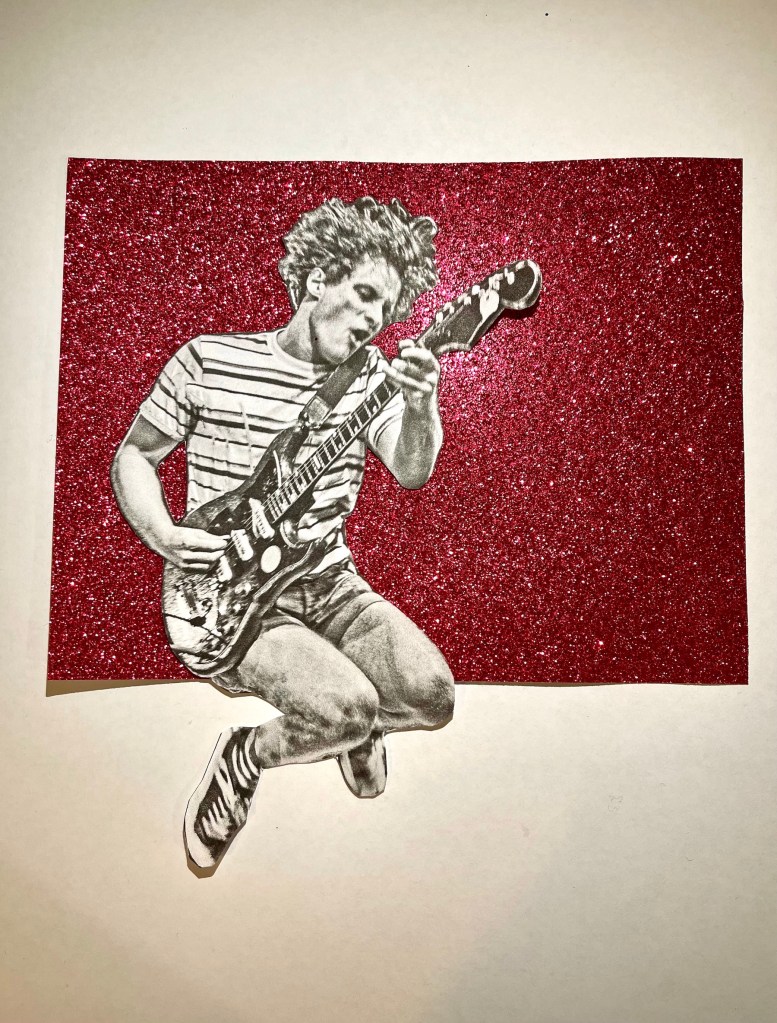
Original photo: Jhonny Russell / handmade collage by B
Tim ‘Shogun’ Wall is back with new band, Antenna. The Sydney/Gadigal Country native, that somewhat reluctantly rose from the Australian punk underground to worldwide visibility and acclaim with band, Royal Headache, is producing arguably the best music of his roller coaster life.
We’ve listened to the sneak peek of Antenna’s debut EP (which will be released in a month or so on Urge) over and over, and over. We also saw them live at the start of January when they played a random one-off show on the Gold Coast/Yugambeh Country with Strange Motel, and Boiling Hot Politician. The EP is ripe with energy and soul, of a man who’s experienced a lot of shit, and is still here, still working on things, still processing it all through art—it’s an emotional tour de force sparkling with highlights. It contains some of Shogun’s most exciting and heartfelt performances yet. There’s transcendence amidst chaos. All his influences and past projects are swirling around in this collection of songs. Across the album, guitarist Hideki Amasaki’s work soars as its backbone and defiantly provokes us to react. Indifference is not an option when it comes to this release. It’s already one of our top releases of the year, and it’s only February!
Gimmie sat down with Shogun a night last week, to talk about everything. He shared insights into his journey, discussing where he’s been, where he’s headed, and the significance of this year in his life—in some ways a feeling of make or break looms. It’s also a great reminder that us creatives and fans need to remember to look out for each other and support one-another. Life can be hard, but we’re firmly planted on the side of lifting people up, rather than tearing them down.
SHOGUN: I work a 9 to 5. It’s pretty gnarly, I do court transcription. I don’t really like it. When I fell off the Royal Headache bus, I needed to go and get myself a fucking job. My friend goes, ‘Oh, I do this, maybe you can do this?’ I was like, ‘There’s no way someone like me is gonna get that job!’ But a lot of people say that about a lot of jobs, don’t they? They assume there’s an inadequacy. Anyway, somehow I got through. After being there for a few years, they’re like, ‘You can come and do this permanently if you want’ and be a white collar stiff. I’m there in spite of all reason and logic, I’ll probably be there for the foreseeable future.
It’s not a bad thing to work a day job and do creative stuff. I’ve pretty much always had a job and then done creative stuff too. The job pays the bills and then the creative work is fun and I don’t have to ever compromise and do stuff that I don’t want to do.
SHOGUN: Oh, absolutely. I completely agree. I’ll be at a day job forever. Back in the Royal Headache days, I made a good living off music for a couple years, but it didn’t bring out the best in me, really. Looking back, you’re sitting around the universe for one or two whole weeks, just waiting for a gig and a couple of band practices and, you know, what they say about idle hands. I wasn’t the happiest or best version of myself then by any means.
I am very hyper and I do, even to this day, sadly, still get into mischief. I need routine, it’s good for me. It’s calmed me down a lot.
That’s so great to hear.
SHOGUN: I was really missing playing loud music and punk.
The last year has been a real transition. From being someone who felt definitely a little bit apart from the scene, somewhat bitter, sure, to then progressing to feeling included and optimistic. That’s been nice.
Despite contributing to the punk community for the past 30 years, since I was 15, there’s been so many times when I haven’t felt part of the scene too, so I get you.
SHOGUN: There’s different levels and gradient to it. I was a total hardcore zealot as a kid, I was straight edge, and right in there, in the mosh pits, mic grabs and stuff [laughs].
But then I rejected all that. Maybe it’s the sort of personal I am? I was so zealous and involved that I abruptly became really sick of it, or I found something weirder or more aggressive or more crazy. I went more into powerviolence and grindcore. Then was going to see techno parties and things like Passenger Of Shit and all the fucking Bloody Fist [Records] stuff. It was pretty amazing. I’ve always been part of scenes but then the Royal Headache thing, the whole irony was that, the band got so big.
There’s a few ways to get excluded from a punk community. Obviously you can do something really fucking dodgy so you can’t come back and everyone knows that. But what surprised me and what I didn’t know is, if your band gets really popular, it’s almost the same thing. It’s not as horrific, you haven’t hurt anyone, but the treatment is always almost the same.
I tried to form the ultimate punk band with Royal Headache—some Buzzcocks in there, some soul, a tiny bit of hardcore. It’s going to be great! You know, you’re going to love it! But then, something about the magnitude of the Royal Headache sort of fanfare actually alienated me from that community. Even though, that band was supposed to be my final gift to them. It’s nice to come back in and do it on a small and humble scale, not too thirsty to make any big waves. It’s just nice to be around loud guitars and fast drums again.
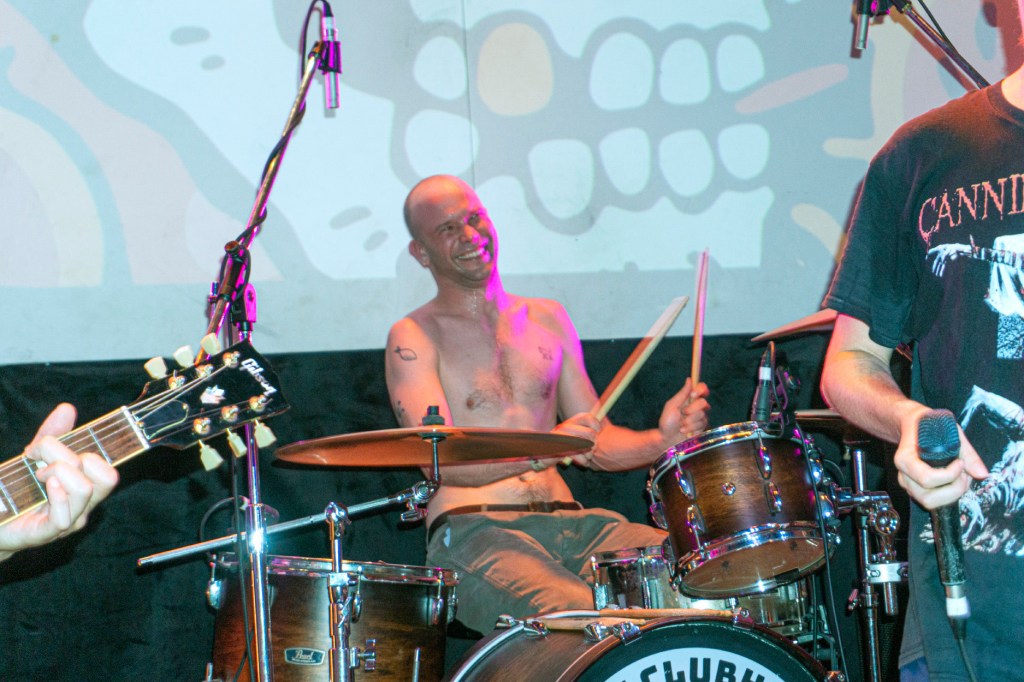
Photo: Jhonny Russell
It was great to see you live on the Gold Coast last month with Strange Motel.
SHOGUN: I hadn’t been up there since I was about 9 years old and I actually really loved it. It’s a beautiful community. I actually didn’t know that part of Australia really existed and it’s not like Sydney, Melbourne, or Brisbane—it’s really its own energy.
Yeah. I wish more bands came and played here.
SHOGUN: I was having the most beautiful holiday… until what happened [Benaiah Fiu founder of Strange Motel and guitarist for Sex Drive suddenly passed away after the show].
We still can’t believe it. We were talking to him and hugging him at the show only hours before it happened and then he wasn’t here anymore. You and I are a similar age, with the kind of scenes we’re involved in, unfortunately losing people too early, there’s a greater chance of that.
SHOGUN: Every time it happens it’s almost like you shed so much of yourself, you become a completely different person. It’s almost as if I’m taking like 17 fucking hits of acid or something. You feel spun by it.
Loss and death is a theme that has appeared in some of your songs. Like your project Finnogun’s Wake song, ‘Blue Skies’ was written after a friend’s passing.
SHOGUN: It was. Even though it’s not really mentioned in the song. Sometimes the unmentionable central fact informs the energy of the song, but you never explicitly talk about it because there’s no real way to express it.
Benaiah’s passing really reopened that wound. It had almost closed. I almost forgot the feeling of total grief. It was really good to get so close to him. I’ve known him for about 10 years, we got closer in the last few years. We were messaging all the time. We’d send each other lots of music, stuff that’s just coming out now. I was like sending him the Finnogun’s Wake and I asked, ’Is this shit?’ And he’s like, ‘Uh, yeah.’ And then I sent a new mix, and he’s like, ‘Oh, this is way better.’ He had my back and would get me psyched on it. Like myself, he’s a totally music obsessed, it’s always fucking number one. It’s like a quasi-religious thing.
Totally! Benaiah lived over in the next suburb from us. We’d have these really deep chats. He was trying so hard to do better and get away from the things that were brining him down. It makes it even sadder that ultimately, those things took him. He was looking forward to so much, like shows down south.
SHOGUN: Yeah. He was also one of the only people from the punk scene to give Antenna a show. We’ve been around for over a year now. He was one of the first guys to go, ‘Do you want to play with me?’ All the other shows we’ve done are just with randoms. He took a chance on us. I was really looking forward to doing a bunch of shit with him this year. I was hoping that would give him something to look forward to and work towards. He’s got all this amazing Strange Motel stuff getting rolled out.
When I see my younger mates in trouble, without taking on a patronising bigger brother role, you need to give them something to look forward to. It’s all still very raw.
Yeah. It’s the same with us. It can get really heartbreaking when you see people in the scene you love going down a dark path—we get it, because we’ve been there too—and you want to help. Benaiah’s death really hurt.
SHOGUN: I loved the guy. But I’m down here. He’d come down to Sydney and we’d party. That’s what the Sex Drive guys always do. They get fucking loaded. It’s a fun tradition. I wasn’t perceptive enough to the fact that there’d been problems. I wish I’d known more. Only in the last few days I’d heard it was getting kind of serious. It’s heavy stuff.
You’ve dealt with your own heavy stuff, like addiction.
SHOGUN: Nothing too hard. There was always lots of shit around me, but for me, just booze and some other stuff, nothing hardcore. No smack, and no Ice… [pauses] really, not a lot.
We’ve been totally thrashing the new Antenna EP on the home stereo, on the car stereo, on my phone going for a run, and it’s our favourite thing you’ve done.
SHOGUN: Thanks, man. Fuck yeah!
Photo: Jhonny Russell
It’s like all the things that you’ve done finally culminating and you’re making the music you always wanted to.
SHOGUN: Totally. I really appreciate that. I’m getting really gassed about it because I’ve had the nicest feedback. I sent to to Trae [Brown, vocalist] from Electric Chair. He’s an interesting, cool guy. He didn’t say anything for a couple of weeks and I’m like, ‘He hates it! That’ll be right. Fuck.’ Then he writes, and tells me, ‘This is fucking sick! I love this! You guys have to get over here’. He’s been thrashing it.
A couple of days ago we confirmed that it’s coming out on Urge Records in a month. It’ll be ready for our trip down to Melbourne mid-March. I’m psyched.
A song that really stood out on the EP is ‘Antenna State’. When did you write that song?
SHOGUN: Last year. I’ve been a little happier, maybe the last six months, but when I was writing those songs. I was completely miserable and really nothing was going right. But then I met these great guys; this amazing guitarist, Hideki Amasaki, he’s an incredible dude, a really killer guitarist. I thought, sometimes it’s a little cringy to go and start a punk band at my age. But I’m actually adequately angry and miserable enough to do this. Shit is actually going wrong enough that I can really throw it at a wall. Those songs were written at that time.
‘Antenna State’, without confessing too much, it’s all true. I don’t make these things up. All the lyrics, that was going on for sure. It’s a list, or like a sandwich or a salad of how many things in your life can go wrong at once.
I was quite mentally sick at the very start of Royal Headache and instead of getting help—serious help is what I needed— I joined a band that started really going, and touring everywhere. It was like putting a bandaid over a fucking shotgun wound.
This is all years ago now. I haven’t experienced anything like that in 9 nine years.
Photo: Jhonny Russell
I’m so happy for you!
SHOGUN: Sometimes I wonder it’s gonna raise its head and it’s gonna hit again.
I think it’s important to be more understanding of others, you never know what’s going on with someone.
SHOGUN: Yeah. At the show at the Gold Coast you were at, me and a friend were having a chat. He has an Indigenous background, he’s a graffiti writer. He’s saying, ‘Well, fuck, back in the day, we’d have to hide that shit,’ you know, like that you’re mentally ill or if your family’s from a different background. You couldn’t talk about that. Know what I mean?
I do. I’m also Indigenous and have struggled with mental illness, I’ve lived it.
SHOGUN: It’s cool nowadays that people do talk about that stuff more. Sometimes it feels like for us it’s come too late. Imagine if it would have been like that when we were younger. How it’s all out in the open. Maybe I wouldn’t have been in so much trouble. We got into shit having to hide our stuff and not having understanding in our community.
Yep. I would have cried a lot less, especially at school. I used to get picked on all the time. School was a nightmare.
SHOGUN: Yeah, same. Fuck, man, the early-90s, in middle class, suburban Sydney might as well have been the fucking 1940s. If you liked anything but rugby, like you liked music and you were poor, which meant you deserve to be bashed. Like what is this chain of logic here? Especially in my neighbourhood, it’s a real kind of straw man masculinity. It’s all about showing strength on the footy field, but when it comes to standing against something that you can see is obviously wrong, there’s a terror of sticking out. A terror of being being thrown out with the person that you’re defending; being thrown into the same wasteland.
I read somewhere that you said you’ve been singing since you were 5. For fun, obviously. It’s not like you were singing down at the local Italian restaurant or something.
SHOGUN:[Laughs] Yeah. I wasn’t in a little sailor suit doing musicals and stuff—but that would have been great! Like if I was doing Oklahoma or even just being an extra, like a cactus. I always liked singing. My parents used to be like, ‘Just shut the fuck up!’ But also encouraging. Some people have things that they’ve always liked doing. Some people do sport; I sing. I have always been a motormouth and someone who likes to use his voice. It’s got me in shit at times. It’s got me punched in the head a couple of times [laughs]. I like to make up songs.
What kinds of things did you like to sing?
SHOGUN: Definitely pop. I had two sisters and my dad used to work a lot, so it was definitely all about my mum had like Girls Greatest Hits. I’d sing to that, having a pre-pubescent voice with all the octaves and singing to shit like Belinda Carlisle, Whitney Houston, getting deeper into obscurities with stuff like the Eurogliders and Yazoo. I’d dance with my mum and sisters in the lounge room to all this shit and we were singing. Maybe that’s where my singing style came from; singing as a young boy in a female vocal range. Something to think about.
I could see that. Your vocals are really powerful and unique.
SHOGUN: I’m glad that you were able to to grab that out of it. I’ve recorded a few things since Royal Headache like Shogun and the Sheets. But Antenna has caught me at a particular moment, similar to the Headache stuff, I was that little bit more vulnerable and giving a little bit more, because I was hurting more.
It always amazes me when you when you somehow enshrine a piece of yourself or hide a piece of yourself within a recording. You encode it into the sound waves and people, like you, can actually pick that up. it’s always accidental. If you’re really going through something when you do that vocal track, people can hear it. You really mean it.
Photo: Jhonny Russell
I believe what you’re singing.
SHOGUN: I believed it that day. I remember doing the vocal for ‘Antenna State’ and I’d been struggling a lot with alcoholism that year, in spite of every promise I made to myself, it was just broken again and again. When I sung that, I was actually really fucking angry. I hadn’t warmed my voice up, I’d been smoking the entire night before. I thought, ‘There’s no way I can sing today,’ but it turned out to be the best one and we just kept it all, one take.
You were angry at yourself?
SHOGUN: Yeah, myself. I don’t like projecting anger onto other people, not anymore, not at my age. I know some young guys and they get so angry at the scene and everyone else and everything is always everyone else’s fault. It’s bullshit man, like you can only ever really be angry at yourself I feel because you put yourself in a situation where you’re vulnerable to get used. I don’t know, maybe it’s not as simple as that but it’s more positive to take responsibility. Because you can change yourself. You can’t change other people.
Sometimes you can’t immediately change the situations or what’s happening, but you can change how you react to things. I’ve learned, if you fight fire with fire, that doesn’t work.
SHOGUN: That’s the whole fundamental philosophical flaw in a lot of hardcore. As much as I’m probably a hardcore kid to the grave, that’s the thing about that kind of anger, especially when it gets really aggressive and beat down hardcore stuff. I’ve been around it as a kid, I was part of it, though, always the gangly weird nerdy kid in that scene.
Now I’ve sort of aged out of it. Hardcore is really changing so fast at the moment. There’s a positive macho scene. Where it’s tough, hard, and crazy and fucked up, but not as toxic. It’s inclusive and it wants to better itself. But it’s still a place for those guys who want to fucking trash shit and do graffiti and go completely wild—that’s really who they are in their blood, and they really need that release. I’ve calmed down. There needs to be a place for those guys, as long as they know that other people should feel welcome there as well.
Your music when younger was a lot darker. Even the new Antenna stuff you’re taking about darker things but it’s like you’ve hit a point where you’re maybe trying to embrace being more joyous. It in your vocal, like the mood of your delivery.
SHOGUN: Yeah, also at my age, learning to have a sense of humour. Antenna’s songs have got a real dark sense of humour. It was present in some of the Royal Headache stuff too. It wasn’t really like, oh, I feel sorry for me. More like, things are going to shit. Kind of in a Punch and Judy way, sort of funny; this burnt out punk singer and his life has gone to shit. In my head, Antenna is like a Netflix series about an ageing local musician. Incredibly entertaining [laughs]. Like you used to listen to that guy’s record and now he doesn’t have his shit together. I find this stuff deeply amusing. I don’t know if that comes through?
Photo: Jhonny Russell
I can see/hear that.
SHOGUN: This project has hit a nice balance of—life is hard/life is funny.
I think you nailed that. That’s why it resonates, because it’s fucking real.
SHOGUN: Thank you! Fuck yeah. That gets me psyched. There’s five more songs from that session that we’ve recorded. I think they are good, really good. There’s a funny kind of Judas Priest-style song, about a fictitious serial killer who lives in Marrickville. There’s also some hardcore songs. There’s a song called ‘Hellfest’ about my job; it’s named after that cheesy American hardcore festival. There’s a song called ‘Seed’, which sounds like early Lemonheads, kind of indie punk.
The best thing about Antenna is it’s not really totally my brainchild in any way. All of the lovely melodic music comes from Hideki Amasaki, the guitarist, who had all these amazing riffs written and that’s why I got involved. He’s incredibly gifted. He writes pretty much all of the music.
There’s some really beautiful guitar work on the EP! Between that and your vocals it really makes it something special.
SHOGUN: I love a collaborative creative process, rather than writing from scratch. I did a band called Shogun and the Sheets and had the best fucking musicians to do that with. But I realised the problem was it was inorganic. I was writing the music as well; I was writing the chords and I was arranging everything. It felt like there was something missing. It really lacked the excitement because it’s all just coming from one guy.
Like, it’s… [pauses and thinks]… not asexual, but what’s the word for those plants that reproduce on their own? Doesn’t matter, we can Google it later [laughs]. But it was inorganic and there’s was no sense of fun and surprise.
I used to write all the time, I’ve slowed down a lot. I feel like your brain certainly changes at my age and you lose pain, and you also lose vision, the brightness comes with that and that’s where song comes from. You feel things less intensely, you’re able to control yourself a little more, but you’ve lost that part of yourself, which is where the music comes from. I wanna do everything I can before that door finally closes, ‘cause I can definitely feel it closing.
I know some people make music forever, but let’s be honest, those artists that keep making music after they’re 50, some its’s okay. But most of them, I think we can all agree that after they’re about 40, it goes downhill pretty fucking fast.
Everyone can say, ‘Oh, this guy from the fucking Buzzcocks just put out a record!’ but I’m not gonna run out and listen to that in a hurry.
I like the new OFF! record, Keith is 68!
SHOGUN: OFF! would be a prime example for me. They’re not terrible, but as a big Circle Jerks guy, OFF!’s like… [smirks].
I LOVE Circle Jerks’ Group Sex! Itwas one of my gateway records into punk. So I get it. But I disagree and think it’s possible to make the best thing they’ve done now.
SHOGUN: Group Sex is perfect! Antenna is influenced by Circle Jerks in some ways.
I noticed the ‘Wild In the Streets’reference on the new EP.
SHOGUN: That’s great! I absolutely cannot get enough. I’m such a nerd for Bad Brains, Circle Jerks, Black Flag.
Where’d the song ‘Don’t Cry’ – with the Circle jerks reference – come from?
SHOGUN: It came from the gut. Having been around different communities of guys, all chaotic, let’s not pull any punches here—lots of hard drug use. Lots of crazy graffiti writing. Lots of total, total disaster. I was surprised when Benaiah’s death hit me so hard because, fuck, it must be death number 10 of a friend related to drugs. There’s been so many drug deaths.
The last thing that really got me was a couple of years beforehand, my friend Alex [Wood], who used to play in my old grind band Dot Do Dot had a brain aneurysm that was drug related. There’s been a really grievous energy with a lot of guys I’ve known. I don’t know, if I’ve had the most positive community around me. It’s always the craziest fucking guys and the most like fucked up dudes; a lot have died, some of them have been like canceled. I don’t know why I’ve been drawn to, and attracted this. Maybe I’m a little extra for like the cool kids. I wind up around these guys, and they’re doing speed, fighting, and doing graffiti. The irony is, I’m not so much like that myself. But I have always felt like that’s where I belong. Around the craziest, most brutal people, I feel comfortable and they’re good to me. They’re my brothers. It’s fucked up, but that’s me.
We really love the song ‘Lost’ on the EP.
SHOGUN: That was an interesting one. That’s not anything too recent. It’s reflecting on a break up that destroyed me so deeply. Much more than it should have. People need to move on and get their shit together. There was a symbolic value I’d inscribed into that relationship. It’s almost like I wasn’t really there for about two and a half years, and all I could do was drink and couldn’t fucking sleep. It wasn’t really about her; we’re still great friends.It’s more what happens when you’re too dependent on a relationship because there’s really something missing profoundly in yourself.
It was pretty bad. I parted ways with this person, this was during the Royal Headache days. That was actually the beginning of the end of Royal Headache. My best friend died of an overdose and then this person left me and it’s like a detonation process happened. It’s like I wasn’t really roadworthy anymore. The next three years is a blur—I don’t think anything good happened.
Photo: Jhonny Russell
We also love the hook in ‘English Three’.
SHOGUN: The lyric is actually: Don’t hold me or touch me. I didn’t say it properly cause I was drunk. So it sounds like I’m saying: Don’t hold me, touch me. And it’s kind of really creepy [laughs].
The song reflects on some low points, but the music’s kind of jaunty. I can look back and laugh at a lot of the shit that happened. A lot of it was so fucking gnarly and sketchy, it was pretty fucking off.
You posted in your Instagram stories the other day: 43 and still in it.
SHOGUN: Yeah, I’m still going. The Benzy-thing really shook me like, and there’s been some other dramas. It was realising that life can be an endless downpour of shit.
Some things are better, like I’m financially stable now, which goes a long way. Financial instability, and just not having routine and all that shit is what makes people get into trouble. I’m definitely still going through it in a few in a few ways. But if I keep my head down and stay in and make sure I’m not associating with too many younger cats who are just like completely fucking wild, I’ll get better. From here on in, I need to stay healthy enough to do music, it’s all about damage control and nights in. It’s not really in my character, but since I’m doing music again, rather than responding to it, like I would 10 years ago, by going out and fucking partying because I’m back in music, I think I’ll probably go the opposite way and become a bit of a hermit. That’s the only way I’m gonna stay healthy enough to really get it done and keep on providing quality stuff for people to enjoy. It won’t be trashed. I can’t stand mediocrity in music.
Note: more of this chat will appear in the up coming punk book we’ve been working on – details coming soon!
Original photo: Jhonny Russell. Handmade collage by B.
Seasoned musician and skilled producer Owen Penglis is a massive music fan and has carved a remarkable path for himself in the world of sound. Hailing from a musical family (his father played in legendary 60s Australian surf band, The Atlantics) Penglis immersed himself in digging for records at a quaint secondhand shop nestled in the Sydney suburbs, seeking the weird and wonderful.
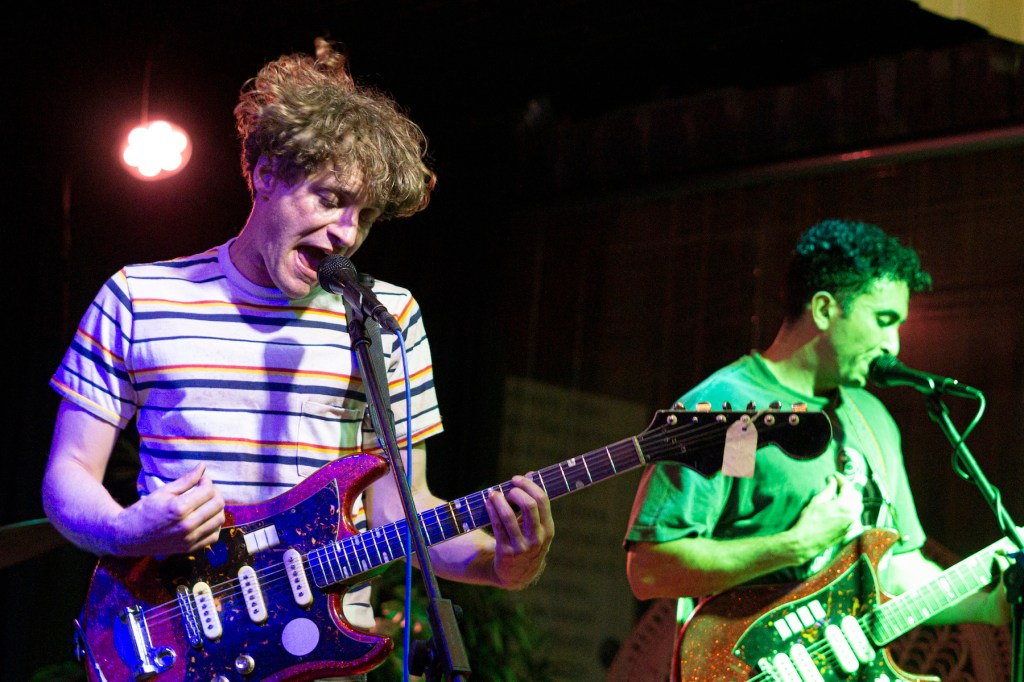
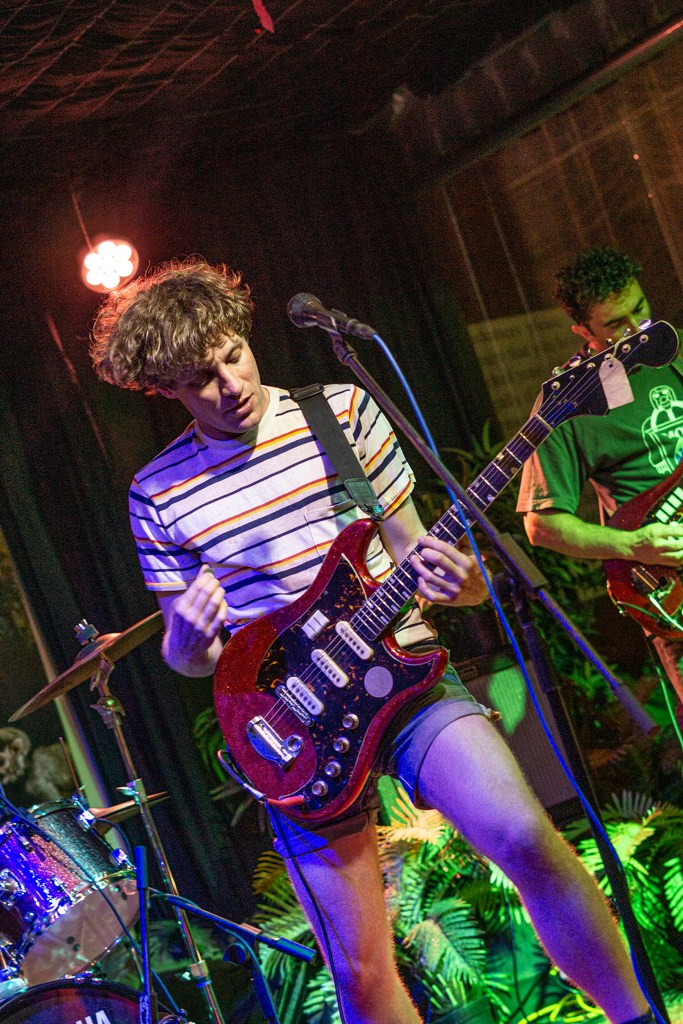
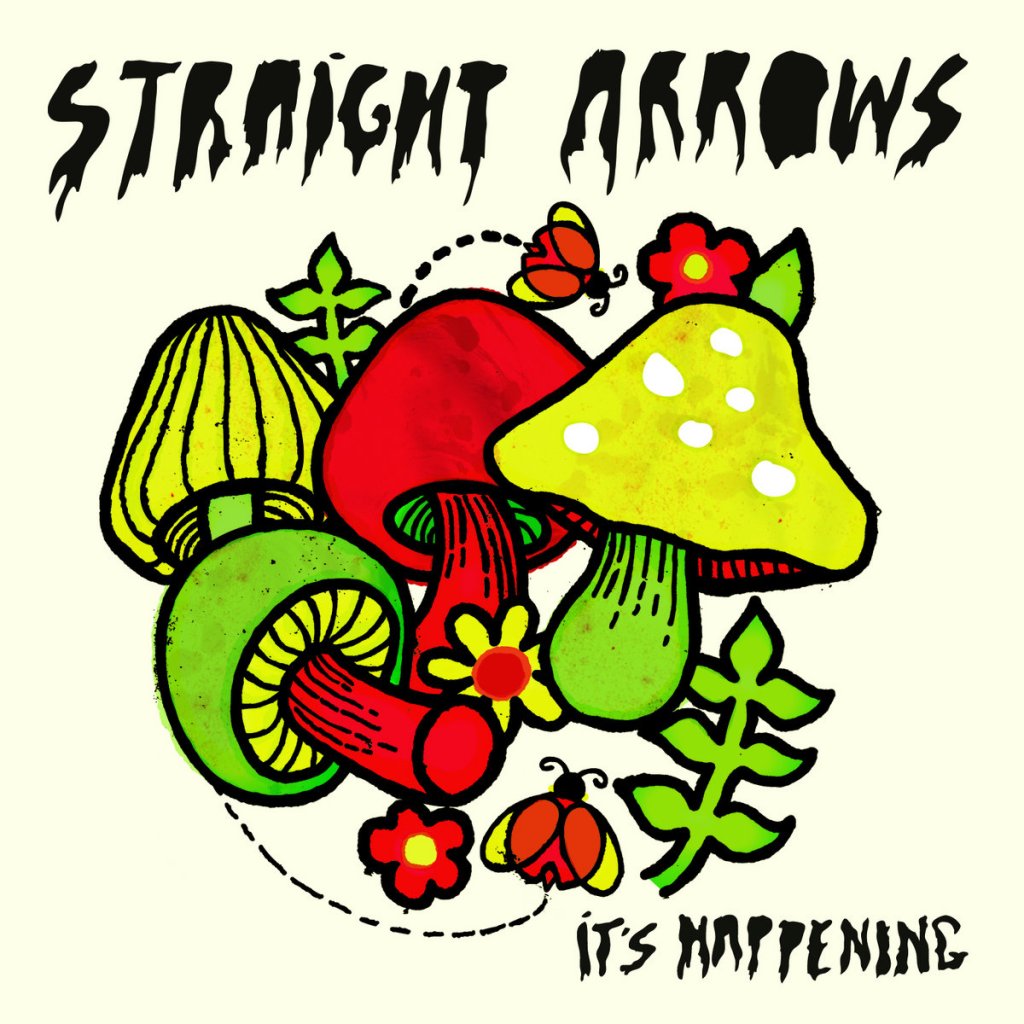
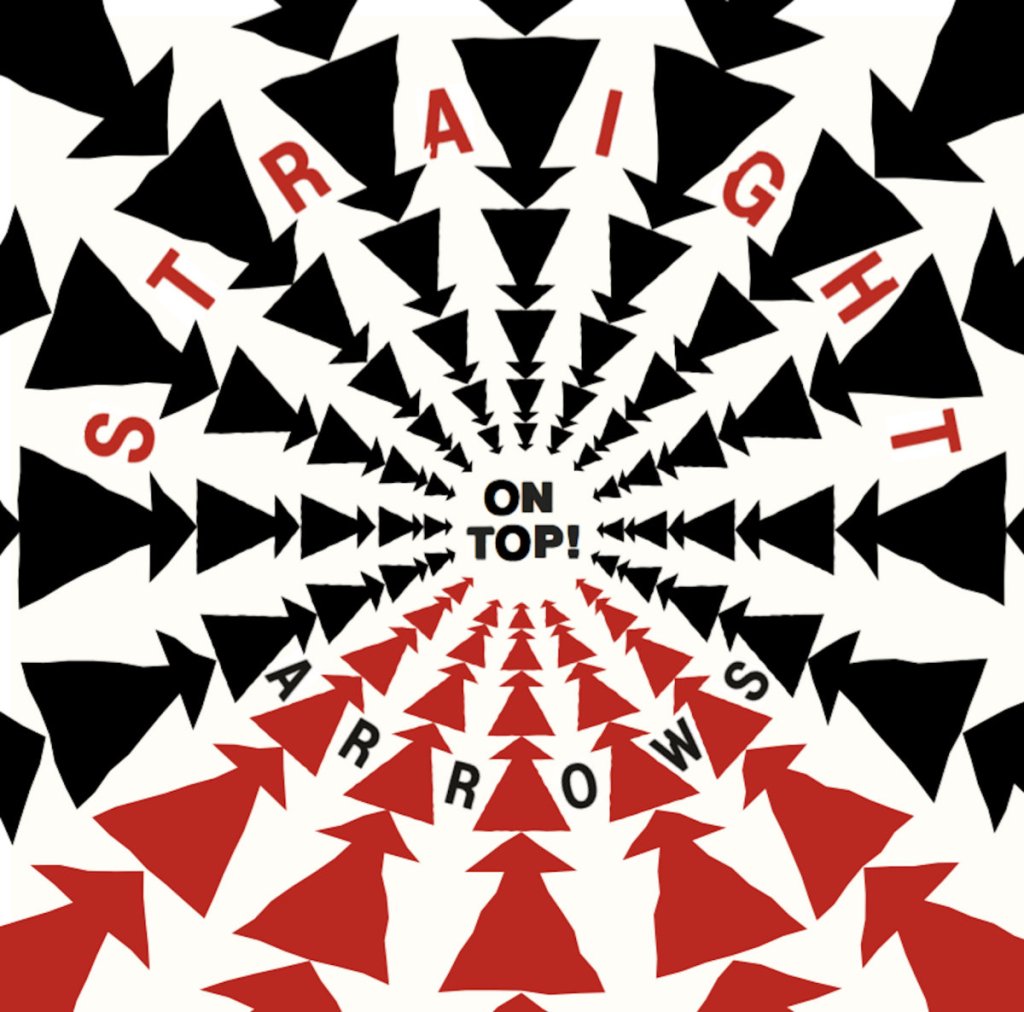
Penglis went on to be in many bands, starting out as a drummer before moving to guitar. He spent time exploring music at university but wasn’t vibing on it, and in a bold move, bid farewell to the classroom and became a Vespa mechanic. He eventually started one of the coolest Australian garage rock bands, Straight Arrows, in 2007.
Music’s magnetic allure beckoned him to pursue his sonic dreams. Armed with a borrowed 4-track recorder, Penglis took on the role of a musical alchemist, teaching himself the art of recording through his own and friends’ musical endeavours. He started his own studio recording bands Circle Pit, The Frowning Clouds, Bloods, The Living Eyes, Mini Skirt, Display Homes and many more.
In our insightful conversation, Penglis unveils details about a new Straight Arrows album, and recording a new Mini Skirt record. Delving into his memories, he tells us stories of mentoring a teenage Ishka from Tee Vee Repairmann, and collaborating on intriguing ventures like a sitar project with Lawrence from Royal Headache. We talk touring with The Oh Sees and Eddy Current Suppression Ring. And we discover the depths of Penglis’ creativity, including the fun project where he donned a gorilla suit and sang a dance anthem that went out for an ARIA Award.
OWNEN PENGLIS: Yeah. The highlight so far was probably when we went to Sunshine Coast yesterday, but the show was cancelled because of the venue shutdown. So we went anyway, we had a hotel up there. We went bowling. We got up today and went for a swim. And then we played mini golf.
Nice! Who won?
OP: Al won mini golf. Will won bowling.
The first time you toured with The Oh Sees was with Eddy Current Suppression Ring in 2009.
OP: That was really cool, and funny because the shows weren’t very well attended. Eddy Current didn’t really click with people until maybe, Rush to Relax. I mean people who were into that stuff knew about it, but it gained a wider audience, maybe up to that record, as they were kind of starting to wind down a bit. Us and The Oh Sees played in Wollongong, we played to 30 people. Then we did Newcastle with Eddy Current, too, and there were 80 people in a big room at the Cambridge. But Sydney was really good.
What a lineup! We love all the bands.
OP: It was really cool. We’re very lucky just to randomly get on it because this band called Witch Hats, they pulled out, and I said, we’ll do it. They said, “Ok. Cool!” And then we made friends.
The Oh Sees, at the time were doing all the vocals through a Space Echo, a proper tape machine box one and that shit itself. And so I was like, take mine on the road and bring it back at the end. We became friendly and chatted a lot. And then the next time they came, we played with them again, and then next time after that.
I understand that there was a conversation that you and John Dwyer had about potentially doing an Oh Sees/Straight Arrows split release?
OP: Yeah, we were doing the merch together in Newcastle and they’d just written this cool song called ‘I Was Denied’ that ended up being on album, Warm Slime. I think they had just started playing it. They played that song every night. I thought, this is mad. I was like, you’ve got a record label, do you want to do a 7 inch? And he’s like, “Let’s do a split 7 inch!” I was like, okay, cool. And then I just never really pulled my finger out and followed it up. Stupid mistake.
You should remind John of the convo while on tour now, and finally do it! I’d buy that.
OP: I was like, hey, do you remember we were going to do a Split like, four years ago. He was like, “I don’t really do it anymore.” And I was like, I guess I learned my lesson.
Has there ever been other opportunities that you’ve had that didn’t eventuate?
OP: I got one, but I can’t tell ya. I got asked to tour with a band. It’s not a big regret.
How did you get into music?
OP: I grew up in a musical house. My my old man played in a 60s band called, The Atlantics. An instrumental surf band with a hit song called ‘Bombora’. The Beatles hit, like, six months later and you had to have a vocalist, now certain music is not cool anymore. They got a vocalist who was an older dude who’s a bit of a rockabilly guy from the 50s who tried to do 60s rock and roll, it didn’t go well. They put out singles for years. They didn’t sell. But now some of them are really cool, and they’re really valuable. So I grew up with that. Although he hated that and wouldn’t talk about the band or anything. He just thought it was crap and old.
Photo: Jhonny Russell.
You initially started playing drums?
OP: Yeah, I started as a drummer, played in a few bands when I was a teenager.
What kind of bands?
OP: I played in a band that’s still going called The Holy Soul, when I was 17. I met them when I went to university in Penrith, West Sydney.
What were you studying at uni?
OP: I was doing music. I hated it so much, I quit and became a mechanic.
Why a mechanic?
OP: I got offered a job as an apprentice at a shop that fixed old Vespas and Libras. The guy there said, “Come work for me and stop delivering pizzas.”
During that time you were still making music, though?
OP: Yeah, I was still making music, but when I was doing uni stuff… rather than a strict this-is-how-you-plug-in-a-microphone-thing, and this is how you get a drum sound, it was on the creative side, which is cool. But it was early digital equipment. I thought it all sounded crappy. I hated it. I hated the academic side of it and the people that it attracted.
For you, is music more of a feeling kind of thing then?
OP: I’d say so. Yeah. I’d much rather pick up a guitar then write it down. I couldn’t write it down [laughs]. Not very well.
So I became a mechanic and then I borrowed a 4-track cassette deck off someone, and started again from scratch.
Teaching yourself?
OP: Yes, teaching myself. I was a drummer and I thought no-one wants to see a drummer write songs [laughs], or sit behind a kit and sing.
I do. I love watching drummers sing. Ben from C.O.F.F.I.N, Nadine from The Prize, Buz from R.M.F.C.
OP: [Laughs] Maybe I should have stuck with that.
Does being a drummer help you write songs?
OP: Yeah, probably. I’m sure it does. Just thinking about a song rhythmically is something I do first and then it goes from there.
Do your lyrics come after the music?
OP: It depends. Me and Al in the band always talk about it and are like, if you’re writing a song and your lyrics kind of come with the melody it’s really nice, but if you write cool sounding music and then write the lyrics after, it can be really difficult. It’s like trying to fill out a crossword with no questions on it.
You have a new album that you’re going to put out?
OP:Yeah.
We’ve heard six songs. They’re really awesome. Is there going to be more?
OP: Thanks. There’s heaps more. They’re the only ones I wasn’t embarrassed about [laughs].
Photo: Jhonny Russell.
How long of a period were you writing over for the new record?
OP: During COVID so it all melts together. In Sydney it was all locked down. There was a while where we couldn’t go more than 5kms from your house. When they finally let you do that, I could go to my studio and I’d go in two or three days, sit down and write some music. If today is good, it’s good, and if it’s shit I had to do better. At the moment, there’s no work for me. I can’t mix anyone’s record because no one’s recording because no-one knew what was happening.
Your studio is called Goliath?
OP: Yeah. So I actually had to move studios, at the start of January. I got a new one which is close to my house but haven’t got a name for it yet. It’s a five minute walk or I just get on my pushy and ride over.
Do you know what the new album will be called?
OP: I have no idea.
When do you think it’ll come out?
OP: I was supposed to finish it off in December but I moved studios, which pushed everything back. I’m hoping towards end of the year, maybe September/October. It kind of depends on the record plants because everything takes so long now. Major labels have discovered that they’ve got a physical piece that they can sell again. And it’s like maybe 60 bucks retail for them now, for a single record. People seem to think that’s normal. You get big artists, like Adele clogging up the plants.
Yep. And Taylor Swift. All the Record Store Day things too. Reissues of everything.
OP: It’s all bullshit, likeTop Gun 2 soundtrack. Whatever. [Laughs] I need that on vinyl! It’s funny because they’re almost, like, keepsakes rather than playable things to a lot of people buying.
I remember reading that when you were younger you used to find bands, new music and you used to love getting records, looking at record covers and then choosing them that way.
OP: Totally. I was really lucky when I was a teenager, there was a secondary record store. I grew up in an outer suburb of Sydney called Asquith, which is like 45-50 minutes on the train from the city. The next suburb was Hornsby and there was one secondhand record shop and it was great and really cheap. They had a listening station. I’d go in all the time. They didn’t care if I just took a pile of records and sat there and listened to them all and maybe didn’t buy anything. It was that it was a great education. And then I had to figure out what I liked. All the dudes running it was, “There’s a $2 copy of this Pretty Things record. Think you might like it, listen to it, it’s cool.” I just dig through and find weird records with strange covers and be like, who is this? Sam The Sham. Cool. Chuck that on. Digging through boxes and seeing cool names.
I do that. I also look for fun song titles. I especially like songs that mention dogs or space.
OP: [Laughs]. Space is always good.
[Shows the screen of his phone] This could maybe be the new album cover. A friend took this amazing photo of a building in Bundaberg. He still lives up there. His name is Brad and he used to play the band Chinese Burns. Think he works for for the ABC taking photos.
Is recording other artists your full time job or do you do that on the side of something else?
OP: It’s my full time job, weirdly. I can finally feel confident saying that’s my full time job.
OP: Yes, I was just up in Byron recording Mini Skirt, which was cool. They got a really nice studio up in the hills, in Coorabell. It used to be a studio in the 70s and maybe like Cold Chisel and that school of bands would use it. It went to disrepair and a very rich lady bought the land it’s on and restored the studio to how it was back then, including finding all the old equipment. Mini Skirt flew me up to work on the record.
Have you been working on anything else as well?
OP: I’ve been doing a lot of mastering, which is nice to do. I mastered the Wiggles covers album, which is pretty funny [laughs]. That made my mum understand and respect what I do. I’ve been mastering all sorts of weird stuff, cool local bands and also country artists .All sorts of stuff comes through.
Do you find that when you’re working on something and you might not totally be into it or what the artist is doing, do you find something in there that makes it okay and you can get through it?
OP: Oh, yeah. Mastering I try to be kind of totally objective. It’s a technical thing. There’s joy in any of it. I’m fairly uncontactable, I don’t advertise or try and actively get something, I’m lucky enough tI don’t have to actively try and push to get work from bands. People come to me, and I’m able to leave it like that. If people have made the effort to find me, then they probably know what I’m doing. And we’re probably going to understand each other. I’ve had a couple of weird ones [laughs].
I get that. I was speaking with Ishka from Tee Vee Repairmann recently, and he was saying he likes likes recording, but he doesn’t want to advertise either.
OP: Ishka was my intern.
I know. He told me you were the one who got him into Back to the Grave and all these cool compilations.
OP: That’s cool. When he was in high school, year 11 or 12 he came and worked with me for his work experience, I was recording that band The Grates. They came in for a couple of weeks, so come in and hang out. He’d come in and everybody loved him. He was a quiet, tall kid that wanted to learn lots. Ishka is such a lovely guy. We played New Year’s eve the one before last and Al was away and I caught up with Ishka and asked if he’d like to play guitar for a show. He said, “Yeah, cool, ok.” He came to one practise and learnt everything really fast. He was so good at it I had to ask him, can you play it a bit bit shittier [laughs]. I told him he had to make it bad.
We love Ishka, he’s the best, one of the nicest people we know. With, like, the new album did you have an idea of what you wanted it to sound like?
OP: I’m so caught up in listening to shit all the time that I’ll hear record be like, yeah, I love that I should record something like that, and then the week it’s something else. Each song is probably like a weird snapshot of what I was loving that day or week.
Is there a song on the album that’s significant for you?
OP: There’s some darker stuff in there, but I don’t want to talk about it.
Not a problem. I guess that’s why we write songs sometimes. We can communicate things that are sometimes hard to talk about and it can also help us process what we’re going through.
OP: Oh, totally. I mean, that’s what it’s all about, right? Getting up and yelling on stage.
Yeah, it’s a release. It can also just be total fun and bring immense joy.
OP: It’s so great to do this stuff. I’m so thankful that I get to travel with some ofmy best friends and see some great friends from overseas.
Are you working on anything else musically besides Straight Arrows?
OP: Not really at the moment. I went through a weird patch in, maybe, 2015 or something. I did a bunch of weird records. I did a sitar record. I lived with a guy Lawrence who played that band Royal Headache. We hanging out and I found a sitar on the side of the road that had a hole in it. I fixed it. We were just hanging out and with it, Royal Headache’s High had just come out, and I was listening to these great double 60s records. There was like a band playing a track but with sitar as the vocals. I was like, let’s do that with Royal Headache. We started this dumb band called The Royal Sitars. We put out a 7 inch and played few shows. Then Royal Headache got quite busy. He was off doing festival, running around, and that was the end of that. But there’s a Sitar record out with me and him [laughs].
There’s another one I did around the same time which is called. The Green Bananas, which was like me dressed as a gorilla singing a song about a dance song called ‘Do Ape’.
Amazing!
OP: [Laughs] And that ended up getting picked up by the ABC and it was a 7 inch. The guy from the ABC called up, he said, “Don’t be offended, but would you consider making a kids release?”
You did it, right?
OP: Yeah. I ended up doing an EP. The main reason we did the EP was, “Okay, so the ARIA Awards are coming up and we get to submit like three albums or mini-albums to the nominations in the children’s section. And we have some space. So if you can write and record this in two weeks, we can try and nominate it for an ARIA Award.” I sat down and did it, and then I think the Wiggles put out two albums and I got left behind [laughs].
And now you’re working with The Wiggles! A full circle moment.
OP: [Laughs].
What kind of things are you enjoying music-wise lately?
OP:I spend so much time digging through the past. My other job is DJing, I do that heaps. Touring doing that is much easy than touring a band. I really like The West Coast Pop Art Experimental Band, their records are amazing. Their story is really strange. A rich older guy was an orphan who was adopted by an oil baron, he decided that he wanted to start a popular rock group and recruited these 18 year olds to start a band with him. He paid for everything. The recordings, the light show. He got them on Reprise, Frank Sinatra’s label. He had them touring around America and kind of slowly started to appear more on stage, playing tambourine and singing. I love the records.
Is there anything musically you haven’t done yet that you’d like to?
OP: I just sit down and play and see what comes out. I guess Straight Arrows is within some sort of confines but I can kind of put out almost anything that’s guitar-related in that band. The new single ‘Fast Product’ we just did, I feel like it’s a weirder one for us. It’s almost like egg punk.
Was there anything you were listening to then when you made it to influence that sound?
OP: The newer wave of egg stuff, I suppose. Like Coneheads. Uranium Club. Even R.M.F.C., those guys are awesome!









 Gimmie Gimmie Gimmie Zine