Naarm/Melbourne-based femme 4-piece Gutter Girls began in a sharehouse. They had no musical background but saw many of their friends playing in local bands and decided to start a band and join the fun! Gimmie interviewed guitarist-vocalist Iso about their most recent single ‘Skin 2 Sin’ which was mixed and mastered by Iso’s housemate Michael Ellis from Kosmetika.
What’s an average day look like for you right now?
ISO: The Gutter Girls are all still working from home, listening to our friends and idols host or play on community radio and daydreaming about what’s for dinner.
Tell us a bit about yourself. Do you have any hobbies?
I: We collectively love to watch trash TV, spend more time at band practise eating than rocking and finding fun places to swim!
How did you first get into punk rock?
I: Thanks to my oldies for playing the gold hits like Skyhooks, Susie Q, AC/DC and Divinyls. Then sprinkle a little teenage angst into the mix with some Green Day, No Doubt and Nirvana and a big thanks to The O.C. soundtracks from 2003-2007-ish—best punk rock era ever.
What was the first local show you went to?
I: I can’t remember the first one ever, but an early iconic show was when Crepes played at the Tote and covered Mental As Anything’s ‘Nips are Getting Bigger’. Afterwards my now-great-friend-but-then-acquaintance and I played pool with strangers, who were annihilating us until we made the return of the century and came out on top. It was all very worth getting locked out of my house in my pyjamas at 3PM the next day for leaving my hangover nest to get Maccas.
Who or what first inspired you to make your own music?
I: Lots of our friends were playing and we wanted to join the fun! We’d go to local shows regularly and always wanted to be in a band but didn’t think we could without any knowledge of how to play instruments. Seeing more and more female identifying people front bands really inspired us and gave us the confidence to give it a go ourselves. Turns out YouTube and practising helps a lot!!
What inspired Gutter Girls to get together?
I: We were all on the same page of being excited and motivated to start a band and learn how to play from scratch all together. We didn’t know each other well in the beginning, but we were attending all the same shows and shared the same love for music which made it pretty easy to get things moving. Our first few practices were spent learning Joan Jett covers and it wasn’t much longer before we had our first gig locked in.
Last year Gutter Girls released songs ‘The Bullet’ and ‘Skin 2 Sin’ and the previous year before an EP and back in 2018 your demo; will we be seeing a full-length this year? What’s been influencing your songwriting lately?
I: We are easing back into Gutter Girls post-lockdown quite slowly, with all members in other local Melbourne bands now as well (such as Carpet Burn, Dragnet, Blonde Revolver). We definitely plan to write and release throughout the year but haven’t decided what the final product will look like at this stage. After being apart for so much of 2020 we’re mostly excited for the writing and developing process which we always have a lot of fun with.
What’s one of your all-time favourite songs written by someone else?
I: ‘Live it Up’ by Mental as Anything—cos life is a dancefloor and we should live it up.
A lot of time was spent in lockdown last year; what’s something you’ve discover about the neighbourhood where you live since you’ve been back out and about in the world?
I: I’m very lucky to be living in walking distance to lots of Melbourne’s beautiful parks, a few favourites being Murchison Square in Carlton and Methven Park in Brunswick East. I hadn’t spent much time in either parks prior to lockdown so it was nice having the opportunity to discover those local gems.
You played your first show of the year in January with Eggy; do you have any pre or after show rituals?
I: Nervously drink vodka sodas before we play and then happily drink vodka sodas after we play. The rush after playing is always worth it though, and it’s a nice reminder you’re alive when you’re a bit nervy before something.
How do you feel when performing?
I: I don’t think I could tell you honestly because all that is going through my head is ONE, TWO, THREE, FOUR or trying to remember silly lyrics from a few years ago. It’s a lot of fun though, especially glancing around to a familiar face in the crowd or one of the Gutter Girls’ giving off a big grin.
What are you most looking forward to this year both band-related and personally?
I: Making up for a lot of lost-to-2020 time with the Gutter Girls and friends whether that’s making new music, dancing to other people’s or watching Coyote Ugly on repeat.
Original photo: Luz Gallardo. Handmade collage by B.
Kid Congo Powers is a creative force and true original. Kid’s played in The Cramps, The Gun Club, Nick Cave & the Bad Seeds, Wolfmanhattan Project, as well as gifted the world a band of his own creation, Kid Congo & The Pink Monkey Birds. Gimmie spoke to him to get an insight into their new EP Swing From The Sean DeLear, his experience of being a person of colour and openly gay in the punk scene, the upcoming biography he’s written, we also talk lucid dreaming and much more.
It’s so lovely to speak with you again. How have you been?
KID CONGO: Just at home [laughs]. Good, good. The lockdown has been good for a few things, I finished the draft of my memoir I’ve been writing for over twelve years; it afforded me the time to not have any more excuses [laughs], to jump up and go on tour and not finish it. Luckily, right before lockdown I had finished a lot of recording, a new Pink Monkey Birds record, and I did one with a group I’m part of called the Wolfmanhattan Project, with Mick Collins who was in The Dirtbombs and The Gories and Bob Bert that was in Sonic Youth and Pussy Galore. I’ve been working on other music projects with different friends, we’ve been recording at home and sending each other music and sending it back and forth between each other; a few of these are almost albums, I think. There’s been a lot of work. I keep sitting here for a year thinking I haven’t been doing anything but actually I’ve been busy the entire time.
It’s a strange thing because I moved, we’re living in Tucson, Arizona, and as soon as we were starting to know people, getting to know the town more and able to navigate it, the lockdown happened. There was no big social life, no getting to know anything else because everything is closed. Arizona had high Covid numbers so I was like, I’m not going anywhere! Just enjoying homelife, reading, playing music and writing, being a local stray cat mother; we found a little baby cat on our patio out front so we took him in and we’ve been raising a cat through the quarantine time. He’s gone from a sweet little kitten with eyes closed, he still had the umbilical cord and everything, just a day old, but now he’s six months old and a complete terror! [laughs]. We love him! That’s keeping me busy.
Your new EP Swing From The Sean DeLear is so cool, I’ve been listening to it over and over since it came out. Each track is different, there’s only four songs – one a 14-minute-long song ‘He Walked In’ – and it seems to me to tap into all of the things you’re about as a music maker and all the different things you like shines through in these songs.
KC: Yeah. It’s become the unconscious goal. It’s a really nice compliment because the goal is to use everything that you have learned and to try and make something else out of it. I feel like that is why sticking things out in the long term is really good. I was always in bands for two or three years and that was it or I’d start a project and end it but with The Pink Monkey Birds, it’s been over ten years with the same band. Everyone is very in tune and knows what we’re capable of and everyone contributes, it becomes its own beast with its own life. We never discuss when things are going to happen, a lot of music just comes out of “here’s some chords” and I’ll start playing or someone will start playing. It’s like automatic writing. Different people steer the ship at different times. That’s what happened on this EP, different people came up with different things. Mark [Cisneros] showed up to the session with a flute, I didn’t know he played the flute! He’s like, “We’re recording in the desert so I thought you might like some desert sounds.” I replied, “Great! Fantastic! Bring it on!” It really made that 14-minute-long song. Larry Hardy from In The Red Records said, “We’ll put out a 12-inch EP but one song has to be long, like 6-7 minutes.” We said we can do that. We recorded the song and I was like that should be 6 or 7 minutes and asked how long it was and he said “Fourteen minutes!” [laughs]. We weren’t conscious of time; we were just feeling it out. The only thing we worked out was the tempo change. There was no editing, it’s all live.
I thought, is anyone going to even like this? It’s a slow 14-minute song! We’re a crazy rock n roll, garage rock band. But it’s the music we want to make and that came out of us at this moment. Luckily, and like anything that has that positive energy behind it, it was very well received. I like that our audience seems willing and happy for us to change things up, they want you to expanded; like I do when I’m a fan, I always have been. I followed Patti Smith’s work since I was 15-16-years-old to now and I’m always happy whatever it is she does, it’s always big to me, it’s just loving her as an artist. I’m like that with a lot of people that stay in it for the long haul and stay true to the muse. All the people I have been involved with, I still feel its amazing work that’s coming out of them, it’s because they stick to their original idea but then are not afraid to experiment and go outside the formula, there’s no pandering going on, that is exciting to me!
Yeah. I’m the same as you. I love seeing artists go against expectation. If they’re doing it with honesty and stay true to their spirit, no matter what they do, I’m in.
KC: Exactly. We have plenty of rock songs on the record too.
The song ‘He Walked In’ was inspired by a dream you had about Jeffrey Lee Pierce?
KC: Yes. I had this dream that shook me when I woke up. I knew it hadn’t really happened but the things in the dream, I could smell him, I could feel him; I could feel him in my presence. I was very much like, wow! That really happened, that dream was a visitation. I have no doubts. I have lots of dreams and they’re just dreams, but once in a while you get these ones that are so sensory, you can feel it and when you wake up you can still feel it, and you know what that feeling is. I jotted down this dream when I woke up, it was very clear in my mind, the song is a version of it. It was important to me. When we started making the music for it, I had an idea that I’d use the text for this and it was perfect for it. It was all very serendipitous all fitting together.
In the song lyrics you mention the kitchen and a telephone on the wall; is that the kitchen where you live now?
KC: No, it’s actually my childhood house where I lived with my parents, that’s where the dream took place. It was even stranger and had very personal images. Jeffery had come to that house.
I really love the film clip for the song. I enjoyed how the first part of the clip is shot in one continuous long shot. I noticed too that when you were walking and you get to the part where you start the dialogue and you’re talking about Jeffery coming to visit that in the shot there’s a little golden orb of light.
KC: Yeah [laughs]. There’s no CGI going on. It’s the sun deciding to come at the moment, we did that take several times because we had to nail it. It was the hottest part of the summer; the Arizona summer is very hot and we’d had all these wildfires in California and the smoke was making its way all the way to Arizona.
I wanted to work with the film maker David Fenster, he’s magical too. He deals in a lot of art films. The films he makes deal with a lot of spirits, a lot of ancient spirits usually, either living in nature or inhabiting different inanimate objects, it’s beautiful. He’s a beautiful cinematographer. He had moved to here shortly after we moved here. I knew I wanted him to do a video. We’re in quarantine but we have some wide-open spaces, so he rented a really nice camera. He said, “I think you need to be here. Wear a white suit walking through the desert and we’ll figure the rest out. You’ll be able to feel what’s happening.” I had actually just done an online workshop with this intuitive teacher named Asher Hartman from Los Angeles; it was a workshop on finding spirit guides. I did that not too long before we did the clip. David had done some film work with Asher, that’s how I found out about Asher. That came into play in the film. It’s pretty much improvised, we just had to nail the text [laughs]. We had to do it a few times, walking for 9-minutes in the heat without stopping or having a car come by with someone honking or whatever. So, it worked out in a magical kind of way. It’s hard to go wrong in that magical scenery, you’re on Native land [of the Tohono O’odham, Sobaipuri, Pascua Yaqui, and Hohokam people] and that is magical, when you get out into the desert and you realise it really does bring a lot of magic to be engaged the whole time.
Speaking of magical things, your outfit in that clip is really magical!
KC: [Laughs] I wore that suit when my husband Ryan and I got married.
Awwwwww.
KC: That’s my marriage outfit! It’s a good suit and I was shocked, really shocked I could still fit into it! That’s several years old.
It is so beautiful, especially with the turquoise Bolo necktie.
KC: Yeah, awww. That’s the thing, every piece has to have meaning. Film is two dimensional and that kind of stuff helps make it visceral and more three dimensional, because all of that stuff is happening and, in the background, and in the weight of what’s going on in the moment. Full disclosure, I have studied acting as well, for four or five years I went to an acting teacher, a private group acting with Cathy Haase. She was a great, great teacher. She was from the Actors Studio and as a teacher at the School Of Visual Arts. I never thought I was going to be an actor but I thought, I’d rather do this than therapy [laughs]. It was a lot of Actors Studio kind of sense memory stuff and using your past to evoke emotions and actions. I think I’m very equipped for that, I don’t always know how to use it but for that I did. I don’t think I looked uncomfortable or anything.
It looked very natural. Another song on the new EP is ‘Sean DeLear’ that’s about a non-binary African-American punker and culture fanatic, and Glue front-person, Sean D; what’s one of your favourite Sean stories or memories?
KC: [Laughs]. I would just be constantly amazed at where they would pop up! Anywhere I went, at any event, it was like; how is Sean DeLear backstage at Siouxsie and the Banshees concert? They were very much a character and reminds me a lot of myself, that Sean just put themselves there. They were going to be in the middle of it and that’s just it! People start to treat you like, “Oh, Sean DeLear! They must be someone, so let them in.” The last time I saw Sean, they showed up at my show in London. I really liked Sean; I always call them demi-drag because they were not always a woman but not always drag, non-binary, whatever Sean felt like on the day. They were part Diana Ross, part Johnny Rotten; a real Zelig. He was a very engaged, lovely person and fully original. Just to be an African-American punker but to me, a gay, out, Black man was always incredible to me and always inspirational. I was always amazed where they showed up at, all around the world—New York, L.A., London, Vienna. An ambiguous character that was well-known and famous for being around. That’s a real, real talent! And, very beloved by the underground rock n roll community and the underground in general, the gay underground, LGBTQ+ underground. A bright spot. Very, very kooky and original person.
When they passed away it was like, how can it be that Sean Delear is no longer on the earth?! Someone that is so alive and bright. I was very inspired to write something about the essence of Sean DeLear. It’s like, where is Sean DeLear now? I thought if there is a heaven… I looked in the sky and I thought, oh, they’re probably just swinging from some chandelier, that’s probably what heaven is [laughs]. I say in the song: how many people can you fit up there? He passed away in 2018 and I had so many friends that passed away that year; I thought maybe they’re all up there on the chandelier swinging around together. I don’t know if I believe in that, I’d like to believe in an afterlife of some sort but I don’t know what it is but maybe that’s it, a party on a chandelier rocketing through outer space [laughs].
As a gay Latinx, person of colour, in the punk and rock n roll scenes; did you ever experience racism or homophobia? Or in your experience has it been an accepting place?
KC: Things came and went; prejudices and fears I would have about being out. Luckily, the earliest punk rock of Los Angeles definitely had a lot of gay people at the forefront, it was made up of art students, gay people, film people, all kinds of people made up scene—it was more misfit than misanthropic in the beginning. It was a gathering of likeminded outcasts who were sick of the status quo, the music and the whole scenario. That was always very open but it was also a time where people weren’t talking about… in the punk rock scene in Los Angeles at that time, any labels were absolutely off the books and totally taboo, you don’t want to be anything, except for a punk rocker, you’re outside of everything, you’re the blank generation! What ever you can call it, you’re not that. If you’re bucking against the system, that was good enough, that was the only requirement. Being gay was definitely bucking against the system. That’s how openminded and accepted things were in the beginning. I guess later it got more co-opted to become homophobic, more when hardcore music came in.
Totally!
KC: That kind of dispersed the original scene. People turned twenty-one and twenty-two and were old and out of it already by them—cos they were washed up old hags! [laughs]. People moved on to something else. In The Gun Club, we played with androgyny; Jeffery with his Marilyn Monroe from Hell moniker. We were totally unafraid to play with stereotypes and gender then. We were just freaks. Then in The Cramps, how much freer could you be to be a sexual deviant! [laughs]. It was encouraged in the highest! That too, with The Cramps there was no limit to gender roles. You just looked sharp and whatever it was, that’s the way you were going to look and be. It was such a pro-sexuality-of-all-kinds-scene, it wasn’t homophobic. The Bad Seeds, open-minded people, although very macho sort of; that was the first time I was in a band with all men [laughs]. There was always a woman in the band, with The Cramps and The Gun Club. I didn’t have any trepidation about being myself and sexuality and putting it out there. I think I adapted to every band. I just thought I’ll be me; I don’t need to be Ronnie Spector in this band [laughs]. If there was any trepidation of about what people thought of me, that’s on me really. I was never treated different for being gay and that’s because I’ve always stood my ground and been who I am. People can accept it or not accept it.
I think homophobia came from outside the rock n roll world, if it was in the rock n roll world, I’d just tell them to fuck off! I’ve experienced tons of homophobia. I also felt really ostracized by the mainstream gay scene, more when I was younger, the pre-punk time because I didn’t look like them and I was not going to be accepted by them. I decided that I’d just become a monster [laughs], that was a better route to take. If you see a monster, I’ll be a monster!
I saw much more sexism towards woman, directed at the women I was in groups with. I saw sound people in clubs be condescending to [Poison] Ivy or Romi [Mori] or Patricia Morrison. We would call them out of course, but it existed. For me, I didn’t feel it as much as what I saw happen with women, which upset me. They were all strong, cool, women that weren’t going to let it go! [laughs].
Did you experience any racism?
KC: I don’t think so, no. That was the glorious thing about coming up in punk rock, it was open to everyone. Being in Los Angeles, which has a huge Hispanic population, a huge Latino population, Chicano population, there was never a way of avoiding it. Jeffrey Lee Pierce was Chicano, his mother was Mexican-American. I think people were more outraged by my hair than the colour of my skin [laughs]. You come equipped when you are a person of colour. I was equipped with an immediate idea that I was a second-class citizen, that there was a prejudice and always a potential for danger and there was always a way to carry yourself to protect yourself. My parents very much grew up in the depression era… they had a very hard time, I think that’s why they brought me and my sisters up speaking English as a first language, not very much Spanish was taught to us. They wanted us to assimilate. They wanted it to be easier for us because they and their parents had a much harder time assimilating. Their parents’ generation were actually immigrants and they saw how hard it was. There’s a lot of people that didn’t grow up learning Spanish and it contributed to a feeling of otherness. You know you are Mexican and you’ve been raised to be proud of your heritage and you’re exposed to your heritage and customs, family and things, but you also don’t speak the language and that makes you feel ostracized from people.
How did your song ‘(I Can’t Afford) Your Shitty Dreamhouse’ come to you?
KC: I wrote that before the George Floyd death, Brianna Taylor shooting and the Black Lives Matter uprising and protests; I could see something coming, just look at our Administration at the time. It’s a protest song. The shitty dreamhouse is all of the conversative right-wing let’s-make-America-great-again-dream they had, which is to return to a time when people of colour had no civil rights. That’s basically what they were saying. I’ve always been fucking fighting against this, it’s particularly terrible at this time. Blatant fascism. People were empowered to be racist. I was like, they have some shitty dream house they want to build! I can’t afford to buy into this or think that it’s going to be a part of my life. People are out there protesting saying you’re fucked and this is fucked and you’re not helping, you need to listen to us. There’s a line in the song that says: I can fight like we did all along, years before you were in my song. It’s a fuck you, you’re not going to get us. It’s protest music that you can dance to. It has a deeper meaning.
I love the art work for your new EP too; your husband Ryan does it?
KC: He’s done all of the records, he’s the ideas man! I really like the idea of having one artist, it really makes an identity and theme. I like to have a theme going with music or whatever philosophies there are with the culture we’re creating. He’s a visual artist and he said it was good to have on-going identity, that people come with you. I’m happy with whatever he comes up with, it’s always great. He does the lettering by hand. He’s an incredible draftsperson. And, he’s fun! He’s just the right kind of crazy, too [laughs].
That’s something that I’ve always loved about all off the bands you’ve been a part of, you’ve created your own world.
KC: That is intentional. I didn’t know any other way to do it. That’s how I learnt from all the bands I’ve been in; you create your own world. Jeffrey was the focus of The Gun Club, Lux and Ivy were the focus of The Cramps, they came up with bullet proof concepts, ideas and worlds—they bring people together and people into a community and our world! It’s more multi-dimensional than just listening to music, it’s visual and conceptual and also loose enough to change and ever-morphing, it becomes its own beast. It relies on a fair amount of consistency, that was always my shortfall [laughs]. I’ve done a lot of different things but only for a little while. With The Pink Monkey Birds I wanted to start something like that. I’m in it for the long haul, as a result we have created our own world and we’re lucky people want to come along, jump on our planet!
A band like, Sparks, who I’ve liked since I was a teenager, still going and I’m still in their world and I never want to leave. It’s consistently amazing. You’re like, oh my god, they’re getting better! The Ramones, you knew exactly what their world was about when you first saw their show, at least I did. I couldn’t tell you what it was about but I could tell you that it was something that I understood. I do hope that it’s something that happens with us.
I spoke with Martin Rev from Suicide the other day and he was telling me that he wakes up and pretty much every day makes music. I asked him what he was working on and he told me that he wasn’t working on anything in particular that he was just making music. That’s his life.
KC: Yeah, that’s it. That is just it. There is no big plan, maybe some people have a big plan, but for us old timers and people in it for the long haul, you just make the stuff. That’s what Patti Smith told me an artist was: make the stuff, keep your name clean, don’t do stuff you don’t want to do and it should all work out somehow. You might not be famous but you’ll have this amazing work and people will respond to it, it might be ten people or it might be ten million, it doesn’t matter really. It’s our chosen path in life. That’s what we do, we make stuff.
Sydney punk trio ARSE’s straight-forward, minimalist, and most importantly honest music, captures the daily grind of the modern world in all of its anxieties, pressures, stresses, and frustration. Gimmie spoke at length with guitarist-vocalist, Dan Cunningham.
How did you get into music?
DAN CUNNINGHAM: From a very young age my parents got me playing music as soon as I was old enough to do so. It’s been a lifelong thing for me really, it’s in my family as well, I have cousins, aunts and uncles that all play. There’s always been music in my life and it just made sense to go for it myself. When I got to high school, I started playing guitar and that’s where I met Jono [Boulet], who also plays in ARSE. He and I have been on the road musically, and literally, together for years; we’ve always played in bands together. I’ve always been in bands, ARSE is the most recent one.
I know you did bands Parades and Snake Face too! You’ve gone from doing Parades that sounds pretty indie pop to doing a punk band with ARSE. Often when people are younger and in their teens, they’re really angsty and the music is aggressive and as you get older you mellow out more, I feel like you guys have gone the opposite!
DC: Jono and I have always had a punk band of some kind or another going at all times, even during Parades we had Snake Face as the side thing. We’ve always bonded over that kind of music. As we’ve gotten older, we’ve even said it out loud, at this point we’re in our 30s now… it’s insane when you’re doing music and you get to that point, it feels a bit ridiculous to be doing a kind of indie thing, unless you do it really well and you really think about it and it’s coming from a really visceral, honest kind of place and you do it convincingly, then it works. For us, we’re just at the point where we want to keep playing music together. At the time we started this band, it just felt like the absolutely right thing to do, especially for where I was at in my life, to do the band I always wanted to be in. Jono has always been on the level. We just did it and it felt like a really natural thing to do. We had zero plans for this band, to be quite honest. We started it three years ago.
I understand at the time you started the band you were going through a real depressive period in your life?
DC: Yeah, somewhat. I was a bit wayward really… just, life never turns out the way that you want it to, which is a sad reality. At that point I was really frustrated with everything in my life… which is totally normal I think, anyone can relate to that. At that time there was a real lack of music in my life, at the bottom of it all I think that was the root of a lot of my problems. I just needed to fill that space, that void in my life, it was absolutely the thing that I needed to do—that’s how the band started really. That’s something I only realised much later though, maybe after a year of doing it.
Was there a reason why there was a lack of music in your life at that time?
DC: Circumstances. I was at university studying and I didn’t have the time to do it, there were other personal things going on, it was a tumultuous time. Doing what I was doing at university I was pretty conflicted about it taking up so much of my creative time. There were a lot of questions about whether I was doing the right thing? As you get older I think you’re more aware of time, how you’re spending it and if you’re being honest with yourself in that. That’s where I was. I’m still kind of there [laughs] in a lot of ways. There’s a lot of those questions still hanging around. At least music is more of a thing though, it’s a clear and present thing in my life. I feel a lot better about everything.
What is ARSE for you?
DC: It’s an outlet for a lot of stuff. I do it with two of my best and longest standing friends which is a huge thing, just getting to create something with them! We get to spend a shitload of time together. When we play shows we love to hang out, often playing a gig is an excuse to go grab dinner somewhere, for me it’s something to do—that’s’ the most important thing to me. I love playing out of Sydney. Before lockdown we’d spend a lot of time in Melbourne, last year [2019] we went down five or six times; every time we play down there it gets better and better. Melbourne is such a great place to hang out. They’re really going through it right now with the Coronavirus. Knowing the people I know down there through playing in the band, the cultural aspect of Melbourne is its greatest strength and right now they’ve completely lost it, it’s pretty devastating. ARSE for me is to make connections, that’s a really valuable thing in my life. The music is the most fun I think I could have, doing that, getting up there and turning everything up to 11! Really feeling it! When you play it’s really a bit of a heighted state that I can’t get any other way.
I saw the podcast you were on recently and you mentioned that playing live was almost like a meditative experience for you.
DC: Yeah, absolutely. I’m definitely not thinking about whatever is going on in my life when we play, that’s a hugely underrated thing. We also mentioned that in the world of music there is this innate relationship with music and substance abuse and all that sort of thing, we see that when we play ‘cause obviously we’re playing shows all the time and spending a lot of times out in the evening, playing pubs, venues, where there is alcohol everywhere – which is totally fine, do whatever you do. For me, after a few years of getting on stage with a few beers under my skin and feeling maybe not as present as I could have been, now it’s really valuable to me to really be present and to just take it all in—to really be there for the moment. If I want to have ten beers after, well, that’s a different story, but when I play it’s really important to me to take stock of the moment, because moments are fleeting, moments are all we have at the end of the day, experiences and things like that. It sounds new age or something but that’s just where it’s at for us. I don’t know if that’s a bummer for some people, because I think people want punk bands to be bit lawless and fucked up basically, there’s an image there that people really connect with. It’s not our thing, it’s not what we set out to do.
One of the reasons I really love ARSE is because music-wise you are very traditionally punk rock and what people may expect from a punk band but then your lyrics are intelligent, at times philosophical and there’s a lot more going on there then what it might seem at first though. I feel like you have a lot of deep thought happening there.
DC: Thank you! I think about what I’m writing, if for no other reason than… for me, a lot of the band is writing the things that I would want to hear or that I would be stoked on if I was hearing the band for the first time, that’s always in the back of my mind. I’m a huge fan of music, music is my life! Even when I’m not playing it. I’ve been in bands where you’re not into the music that you’re making, which is a really weird thing to do. I reckon there’s so many bands playing right now that don’t love their own music, that they just do it for some other reason. For me the only reason to be in a band is to make the music that you want to hear—that’s all we’re doing. It’s definitely what I try to do with the lyrics. I really nerd out on the lyrics of all of my favourite artists and bands. The lyrics are half of the picture for me, music is one part and then if you’ve got the lyrical side happening as well, those are the things that make my favourite bands.
Same! One of the first songs of yours that I heard and that really resonated with me was ‘NRVSNRG’.
DC: Cool!
You have no idea how many times I’ve listened to that song, especially in the car on my way to work every day, I could so relate to what you were saying. The lyrics are so honest. I’m listening to it and I’m like, “yeah buddy, me too!“
DC: Awww that’s amazing. Thank you for saying so.
What’s the story behind that song?
DC: That was a really easy one for me. Some of our songs you don’t want to know how long I’ve spent on the lyrics, it freaks me out. I definitely get stuck in a kind of feedback loop when I’m writing stuff, I’m in it big time right now because we’re using the downtime to try and put out new stuff. I’m working on lyrics to a whole bunch of things at the moment, it’s kind of a bit of a pain in the arse. That song was not one of those instances, I remember being surprised at how easy that one was to do. The music was really straightforward and I didn’t need to fit things in anywhere, I could just go for it. A lot of the time when I am playing guitar as well, a lot of the lyrical side of things has to fit in with how I’m playing because it’s too hard to do live, it’s got to be feasible for me to be able to sing and play at the same time. That one was really easy for me because I don’t really play anything in the verses in that song, I had a chance to do whatever I wanted.
What you’re singing, the lyrics, is that how you were feeling at the time?
DC: Absolutely! It was a really natural thing to put all of that down, I was surprised at how well it worked, that’s what you want. I always want to get a result where I feel like it wasn’t written by me, that it was written by someone else; that’s the mark of a great result, that is the pinnacle of that feeling for me. I don’t know who wrote that song [laughs], it hit all the beats for me.
How good is the bass line in that song!? It has such a groove.
DC: Yeah, that’s Jono. He brought that to the table. That whole song is a great example of every piece falling into place. I would say in a way that is our most well-known song. When we play it in Sydney, that’s the one that everyone knows, I think it’s because it’s probably the most relatable.
I’ve noticed that at your shows. You look around at everyone in the crowd when you’re singing it and it really feels like everyone is like: I get you! I feel it too.
DC: Yeah, that’s it.
I like how you guys have a real minimalist kind of drumming.
DC: [Laughs] Yeah, we do. There’s a few things going on there with the drums, the big one is that it’s a bit of a, I don’t want to say experiment… Tim [Watkins] our drummer is a really incredible drummer, very talented, we just wanted to see if we could focus his energy completely, we didn’t want him to have all these extra bits of the drum kit to play with; we wanted him to have three things to hit. It’s so tempting to be all over the drum kit, he is that guy, he’d be all over it if he could! There’s only three of us in the band and we wanted to have every element going at 100%. The best way to do that with the drums is just to give him a couple of things to do. It helps us write the most effective song if we only use a couple of things.
You mentioned the song ‘NRVSNRG’ was easy to write; what’s something that’s been hard to write?
DC: Probably the EP, Safe Word. That was definitely harder, because we were trying some stuff, we were seeing what we could do differently. There was a lot of trial and error in that. There were also some time issues. It was a bad time to try to write a record, in our lives there were a lot of things going on; there was a lot of juggling of things. Lyrically as well I was trying new things. We’re still happy with the end result, but it didn’t come together easily. The odds were against us.
It’s been really cool now to have the time to think about what we’re doing; that’s one upside to the lockdown pandemic situation we’re all in.
What kinds of things have you found yourself writing about now?
DC: I think I’m definitely trying to get to that place where things lyrically need to come from the heart, which sounds a bit wishy-washy but I’m really trying to connect with that and things I’m feeling and try to put that into songs where we can play with new ideas. Musically, we’re in the early stages. Jono and I are just trying to figure out how we can be the best version of what we do. We’re not trying to reinvent the wheel, we’re just trying to hone in on the things that we love about the band and try and do better. We’re chipping away. We hang out once or twice a week and throw ideas around. At the moment we have a lot of stuff to go through, we have a big pile of trash we’re working our way through [laughs]. We’ll pull one or two things out and finish them.
What do you love about writing lyrics?
DC: I’m a writer for my work. I write for websites, that’s my bread and butter. For as long as I can remember, even as a kid, I’ve always had music going and I’ve always had writing. I studied journalism at uni. Like I said before, I really nerd out on great lyricists and lyrics. Writing is something I can’t not do—it feels good to be doing this. I feel like it’s what I should be doing.
Do you have any favourite lyricists?
DC: Definitely. I hate to be obvious, but someone like Gareth Liddiard [Tropical Fuck Storm / The Drones] for me is one of the most underrated lyricists; he is rated but he could be rated better!
Totally! He is one of the best Australia’s ever had.
DC: Yeah, he’s one of the best Australian songwriters of the last thirty years. That’s not gushing either, that’s the truth. He’s kind of like the gold standard. I feel like what he does is uniquely Australian, I think only an Australian could do the thing he does really well.
The way he delivers the vocal as well, it can give you chills and make you feel. It’s really emotive and he’s really great at creating an atmosphere.
DC: Yeah. I’ve read a lot of interviews with him as well and he kind of brushes off his talents in a way like, “Oh yeah, I just wrote this thing.” You can tell there’s so much work went into what he does. It can’t be mistaken; you just know when someone has worked really hard at what they do. He may be blasé about what he does but he is way better than people realise.
I also really like Nick Cave, for all the reasons I just said before, an Australian songwriter that’s undeniably Australian in what they do. These are big figures to have looming over me as I’m trying to write [laughs]. I’m not saying I’m anywhere near the talent of those guys.
You’re very talented at songwriting. I can tell there’s a lot of thought behind your lyrics.
DC: Thank you. I’m really glad when we play that the thing people often approach us with after we play is that the lyrics really resonate with them. For me, that is the ultimate compliment. I really appreciate that.
You meditate, don’t you?
DC: A little bit. It’s something that I’ve dabbled with for a long time and Jono’s done a little bit here and there. I’m always trying things. I’m always trying to be healthier. I think it’s an age thing. I’m always trying to create habits that I can carry into my later years because there’s people in my family and people that I know that are close to me in my life that never cared about that stuff and now in their 40’s, 50’s and 60’s they’re just fucked! I don’t know how else to say it. Just surviving and not living. It goes for mental health as well. We’re of the generation now where there is a huge focus on mental health, it’s being taken more seriously. There’s not a person out there that doesn’t struggle with some form of mental health. I’ve certainly had my share of issues. There’s no one I know that hasn’t. For me meditation – it’s not something I do as much as I could or should – is something that I’m mindful of and work on.
So, when you’re doing it it’s mindful meditation that you’re doing?
DC: Yeah, a real basic one. I got really into it for six months, to the point I was doing it almost every day. I look back on that time as a time of better mental health. I’m currently trying to steer the ship back to that period.
I’ve been doing it on and off for around twenty years now and I know for a fact that my life is always better when I do it.
DC: You can’t deny it’s impacts. What type do you do?
I’ve tried a lot, like you I like to try as much as possible. I’ve struggled a lot with mental health and my whole family has had most major health problems you can think of, so I can really relate to what you were saying before about loved ones being fucked. At different points in my life different styles of meditation have helped but I always come back to the mindful breathing in, breathing out, simple meditation.
DC: Yeah, that’s the one.
I’ve been doing the mindful breathing one lately but when I breathe in, in my mind I say, “I’m breathing in, I’m alive” and you acknowledge that you are alive and that you’re here now. When I breathe out, I say in my mind, “I’m breathing out, I smile” and that’s appreciating that I am alive and that I should make the most of that. It’s as simple as that.
DC: Amazing! That’s a great lesson for anything really. You just have to find the thing that works for you.
Exactly! And, everyone is different…
DC: Yeah, so it might not work for someone else but if it works for you, fuck, you’ve just got to do it, right?
Right!
DC: I never thought that something like music and my practice of music, that mindfulness, by extension meditation, could play into the musical part of my life. There’s a relationship forming there, which to me is something worth pursuing. It’s great! Anything that’s going to improve your existence and whatever time you have left—you just have to do it.
*More of this interview can be found in our editor’s up coming book, Conversations With Punx, alongside in-depth chats with Ian MacKaye, Martin Rev, Brendan Suppression, Keith Morris, spiderxdeath, Rikk Agnew, Geza X, Steve Ignorant and many more.
English duo Sleaford Mods discovered their signature “shouting over beats” style by accident; known for its punk spirit and radical heart of working-class, social commentary and observational themed lyrical content giving a snapshot of the challenges of daily life. Latest album Spare Ribs takes us beyond what we know and gives a deeper personal insight, Williamson getting introspective and reflecting on his early days, partly inspired by time spent in lockdown due to the global pandemic. Gimmie caught up with Jason to chat about the new record.
How did you first discover music?
JASON WILLIAMSON: As a child, through films really, and children’s television and the records my dad would play.
Why is music important to you?
JW: I just connected with it as a person more so than I have with anything else. I find it… not an easy thing to communicate and express myself in, but it’s more of a suitable thing; I just naturally connect to it.
I was listening to the song ‘Fishcakes’ from the new Sleaford record Spare Ribs and reading about it, you mentioned that when you were a younger you had spina bifida and that you went through spine surgery; during that time were you listening to a lot of music? How were you passing the downtime?
JW: No, I wasn’t, I don’t think. I was in hospital for about a month. There was a lot of sleeping. A lot of trying to figure out what I was going through and why. I was too young; I was only thirteen. A lot of it was I just didn’t connect with much really. I was just a young kid doing whatever I was doing.
Can you remember when you first wanted to start making your own music?
JW: When I was about twenty-one. I really got into indie stuff, Stone Roses and The Wonder Stuff I was listening to a lot of, and I joined a few bands in college. I tried singing and I realised that it was something that I could do.
When making things, what are the things that matter to you?
JW: That it satisfies my own needs and whatever those needs are. Generally, it’s got to be good, I’ve got to think that it’s good, I’ve got to feel that it’s good. That is obviously something that is tailored to my own tastes. It’s quite a personal thing. I have to feel that I’m satisfied with it, ya know what I mean?
Totally. When writing Spare Ribs what were you feeling? What were you working through that writing and getting this stuff out was helping with?
JW: I just kept going back to the idea and refining it with each of the songs and studying it, like I do with any album. Just to make sure what has been recorded and submitted is up to scratch. It’s just a fine tooth combing process. It’s quite tormenting and quite intimidating going into the studio, even if you think you have ideas, it can be quite frightening, it’s quite terrifying, ya know what I mean? [laughs] …’cause especially with Sleaford Mods, it could fall on it’s arse at any minute because it is so minimal, there’s not that many components to it. It’s really just that… going back to the personal process again.
I find a lot of Sleaford Mods songs to be observational and more about outward kinds of stuff but I feel lately you’ve been writing more personal songs.
JW: Yeah, that was down to the kind of history with the operation and my back, which I got a back injury over the summer doing too much exercise in the house, I couldn’t go to the gym during lockdown. I went to see a specialist and they brought all the operation up again and I only found out then that I was suffering from spina bifida; that’s what I was born with, a really rare form of it. Things got quite emotional and that turned into inspirationand content to put into songs. A couple of them especially ‘Mork n Mindy’ and ‘Fishcakes’, the last song on the album—they deal with my experiences and memories as a kid.
When I’m listening to those two songs in particular, you can really feel that emotion in your voice. There’s almost like a real sadness in there, it’s really emotive, it was making me teary. I could feel your pain, you guys captured that so well.
JW: That’s really nice to know actually, that it evokes those emotions, I think it certainly did for me… especially ‘Fishcakes’. I tried to give over that experience of what it was like growing up in the early ‘80s. But I didn’t want to make it a self-pity type song; I was quite concerned about that. I think I did eventually pull it off though. It’s really nice to know it evokes those emotions in people.
It gives another layer to Sleaford Mods; it gives us more understanding about you. Everyone goes through stuff in their lives and when you hear someone else being so honest, you can really connect with that.
JW: Thank you.
Were those two songs hard to record?
JW: No, not at all. I just got on with them. I knew what they needed. Once Andrew [Fearn] got the gist of what I was after, it was just a case of pressing record. We did ‘Fishcakes’ in a couple of takes. It was pretty sort of “bom bom bom”.
Was it called ‘Fishcakes’ because that’s what you used to eat a lot growing up?
JW: Yes, well, where I grew up, the housing estate where I grew up on, it always constantly smelt of fish cakes… or occasionally smelt of fish cakes! This really massive scent of it, it would drift down the street and that did remind me of being a child growing up in that period.
Another song on the record ‘All Day Ticket’ is another track I feel is personal with a lot going on there.
JW: ‘All Day Ticket’ talks about karma, about how somebody can find themselves in a great position but all of a sudden that position will just vanish and they will hurtle back towards the old way they used to live, which wasn’t great. It’s about them connecting to the reasons why they’re back in that crappy position, whether they admit that to themselves or they blame other people for it. So, this is what that songs about; its kind of about karma, about taking stock of your responsibilities and being honest with yourself.
Did you find yourself doing that when writing and having a lot of downtime because of the pandemic to reflect?
JW: Yeah, a little bit. Some of it, the pandemic, made me quite angry, in how the government handle it and are still handling it and how we are as a nation in England still ruled by an aristocracy, all of these things were exposed even more I thought during the pandemic. It made me really angry, that went into it. Also, a lot of recollection. A little bit of soul-searching perhaps… ‘cause you’re just stuck in the house all the time. It’s also laced with the usual trademark humour that we do that I still find quite interesting.
When reflecting and soul-searching, have you ever tried mediation?
JW: Oh yeah, I do a lot of meditating, especially at night. On tour I do it a lot as well. It’s definitely something that I have looked into.
What kind of meditation do you do?
JW: Phone apps, where it’s someone talking, you eventually fall asleep, stuff like that. I find it quite useful really.
Before you mentioned karma, that and things like meditation are from Buddhist philosophy; have you looked into that?
JW: It definitely can be… a bit of Yoga Nidra, Pilates, but I generally haven’t dived into any of that. As you get older you kind of pick some of that up anyway, don’t you, naturally if you’re in the position where you’re thinking about yourself as a human being and how you’re moving forwards and how you cope with life. You eventually connect to stuff like that.
Is there a philosophy that you like to live your life by?
JW: I don’t know really. Just to carry on and keep doing and being as alert as I can be and to make the right decisions in a controlled and calm manner. I think learning to incorporate patience into everyday things is the real, real goal. Being calm can attribute much more to a positive experience on a daily basis than not being calm, ya know what I mean… taking stock and stepping back and not panicking is something I am increasingly finding myself wanting to move towards.
It can be a hard thing to cultivate in the climate we find ourselves in with everything that is happening in the world. I walk out my front door and there’s something that can make me angry.
JW: Oh god yeah, don’t get me wrong! There’s a barrage of stuff out there that on daily basis I suffer with really badly, in the sense of frustration, in the sense of being aggressive, but when it comes down to it, when you’re on your own and you’re at the point when you’re going to boil over, that’s where I try and step back now. I find that’s becoming increasingly more possible to do.
When you first started Sleaford Mods, what initially inspired you to do it?
JW: I really like the punk aspect… I accidentally found this formula of shouting over beats and realised very quickly that it could be something bigger than that initial discovery. Also, that it could carry so many approaches because before I was only doing a traditional approach which was guitar and vocals, a traditional band setup, which I found quite restricting. When I stumbled over this formula, this really early form of it, that’s when I started to get other ideas.
I was so excited when I first found Sleaford Mods, it made total sense to me being someone that grew up on both punk and hip-hop, you combine two things that I love and doing so it made you unique. You have so much spirit and I believe what you’re saying.
JW: Thank you very much, that means a lot!
Is there anything that you haven’t talked about in regards to the new album that you’d like to?
JW: The two guest collaborators Amy Taylor from Amyl and the Sniffers and Billy Nomates who is an up-and-coming singer in England, those two for me really did transform the advancement we made in production on this album. We really took our time to make the production on this album better than the last one. The inclusion of those two have definitely completely changed it. We’re really happy about that.
Original photo: Matt Condon. Handmade mixed-media collage by B.
Captain Sensible is a co-founding member of UK punk band, The Damned. They were the first British punks to release a single, full-length, tour America and play CBGB. In the ‘80s they evolved beyond their punk roots to become one of the initiators of a new sound that would become known as goth rock.
Along with Damned bandmate bassist Paul Gray, and drummer Martin Parrott, Sensible formed outfit, The Sensible Gray Cells, born of their love of garage psych. The end of 2020 saw the release of new record Get Back Into The World, aptly titled and a positive, pro-active sentiment for getting back into life after most of ours has been somewhat side-lined by the global pandemic, lockdowns and disruption from our normal daily schedules and socialising.
Here’s to a greater year in 2021 for us all! What better way to kick it off than a Gimmie chat with The Captain!
CS: No, I’m not! I’m very much an evening person. In fact, that’s probably why I do this bizarre job of twanging a guitar for a living—I come alive in the evening. I’m terrible in the morning, I was always late to work when I had jobs and was always getting in late and getting fined or my wages docked. In the evening I’d go right through to the next day if there’s enough booze [laughs].
Is there anything you do in the morning that helps get your day started?
CS: Oh crikey! I just drink plenty of tea and hope my brain cranks into to gear, I don’t think it’s quite there yet [laughs]. You can probably tell; I’m bumbling a bit and I’ve allegedly been awake for three or four hours already.
From what I know of you, you seem like a pretty positive person.
CS: Yeah, that’s my outlook on life—every day is a holiday. I always look for positives in everything; even what’s going on at the moment, you take each day as it comes. I’m finding it funny the stupidity of it all, laugh rather than cry, that’s my thing.
Have you always had this outlook?
CS: Yeah, pretty much. I remember when I was a kid – my name is Ray, it’s not really Captain [laughs] – my aunty used to say I was their little ray of sunshine. The funny thing is that in The Damned I am the jolly Captain spreading fun and frivolity wherever he goes and Mr Vanian is the Dark Lord, we’re so completely different in every respect. He loves film, I never watch TV and I love audio and sound and playing around with that. I like football, he hates sport. We are absolute opposites, but somehow we don’t tread on each other’s toes and it comes together in the studio and on stage, that’s the dynamic.
That’s really cool to hear that even though you are so different you can get along to make such great art. Often these days people disagree on things with someone else and they can’t be civil to each other so it’s nice to hear that people that are opposites in so many ways can still be in harmony.
CS: Having said that he probably does find me a little bit annoying occasionally [laughs]. Especially going back a few years, I was a bit of a one-man party. I won’t go into it, you can find the stories online of chaos, nakedness and debauchery, blah, blah, blah. Sadly, now I’m too old for that behaviour and I’m more known for making a nice cup of tea.
I look at these new young-fangled bands and I think; where are the stories of mania and chaos and trashing stuff? Where is it? Being in band is a license to behave as bad as possible; they’re not doing it, it’s disgraceful! [laughs].
Who or what inspired you to play guitar in the first place?
CS: I did a few jobs when I left school. I was a typewriter mechanic, which was quite fun because you used to clean the typewriters with methylated spirits and of course you can get quite inebriated just breathing the damp cloth, that was fun.
I did landscape gardening. I’m responsible for a lot of housing estates in London… I can go round if I’m travelling on the train to London and I see all these trees that I planted forty-five years ago; they’re massive now, taller than the high rises on the estate they’re next to, five stories high.
Then I worked for an art centre called the Fairfield Halls. I was only the toilet cleaner, somebody’s got to do it. On Sunday’s they used to let me do the rock shows, they’d give me a little uniform and I had to show people to their seats with a little torch. One day T-Rex and Marc Bolan was on the stage and he had 2,000 screaming girls after him. At the time I couldn’t get a girlfriend and I thought, ‘I want his bloody job!’ Nobody is interested in a toilet cleaner but put a guitar around your neck and suddenly everyone wants to know. I went out the next day and bought a Fender Telecaster.
I sat in my room and practiced for two or three hours a day. I actually took it into work as well. After cleaning the fourteen toilets I had to do each day, I didn’t’ really have much to do for the rest of the day until the audience was let in and they got used. So, I used to take my guitar and sit in the toilets and practice.
Did you enjoy it when you were staring to learn? Was it a challenge?
CS: I would say yeah to anyone wanting to play. There’s a point where the difficulty of contorting your fingers into chord shapes, when it starts to not be an issue, it’s about three or four weeks in; if you can get past that initial period where it’s hurting your fingers, it gets much easier after that. You just have to persevere for a few weeks.
I’m excited to be talking to you about the new Sensible Gray Cells record, Get Back Into The World. I know that both yourself and Paul [Gray], who’s in both The Damned and SGC with you, are both very into garage psych. When you first heard garage psych was there a moment it really clicked for you and you were like, I really love this, this is for me?
CS: Yes, absolutely. When I was a school boy, The Beatles were so big they dominated the whole music scene. I thought they were a bit sugary, until the end when I think they found an edge. I thought all this ‘…Hold My Hand’ stuff and the syrupy melodies were a bit much and then The Troggs came on the scene and The Kinks with ‘You Really Got Me’—it started getting a bit gnarled and grunge-y and riff-y. That pricked my ears up and I really started to listen at that point. Of course, it went into a golden period of garage psych around ’67 – ’68 with the scene from America and bands like The Chocolate Watchband and The Seeds. The Electric Prunes I particularly liked; I was so happy I got to meet them and play with them a couple of times. They’re fantastic people and still on the go. There was a point where I became obsessed with that sound.
In the ‘70s we had glam and heavy rock and punk rock but as much as I dig parts of these scenes, certain bands, the garage psych thing sounds fresher to my ears, it never sounds stale. You have a band in Australia called King Gizzard [and the Lizard Wizard], they do it really well!
Photo: Alison Wonderland.
Totally! We love them. I know for you the origins of punk came from that garage psych scene and bands like The Chocolate Watchband and The Seeds.
CS: Exactly! That’s the thing that unites Mr Vanian and myself, and Paul. We’re all lovers of that scene—that’s where punk came from. It’s very basic, you could call it caveman rock, it’s not sophisticated, highfalutin or pompous like all that prog rock stuff, which was ludicrous with all its ten-minute drum solos.
I used to go to gigs, I used to devour concerts when I was a teenager. Every week I’d go to two or three shows. It was an education. I was learning what to not do as well as what to do. The ten-minute drum solos were definitely on the “no” list [laughs].
You once said that punk is an ongoing discussion about the world we live in and of society and our corrupt political system. I feel like the discussion is still going and I feel like you’re continuing to carry on that conversation in the punk spirit even on your new album.
CS: Yeah, that’s probably why we don’t get played a lot of the radio! Punk is a protest movement; it’s very much needed. What can you say about politicians? To say they’re all corrupt is an obvious statement, they’re all beholden to whoever pays the money that’s donated to their campaign funds; who pays the piper calls the tune really. That’s corruption if you ask me.
I know that you’re a Socialist; how did you get into that?
CS: Yes, I am a lifelong Socialist. I would say that the left-leaning movements don’t bear any relation to socialism that I know, anti-war and ‘ban the bomb’ and supporting unions and terms and conditions for workers against the corporations and all that stuff. Socialism at the moment doesn’t seem to be pushing any of those issues, it’s more concerned with… what? I don’t know. I’m not for any of these… like the Labour Party in Britain, there was this brief moment where I thought [Jeremy] Corbyn was the future but they destroyed him the media, they did a comprehensive job on that poor old git.
Are there any aspects from the early days of punk that have stayed with you?
CS: I’d go back tomorrow, as rough and ready as it was. I was sleeping on people’s floors for two years. I’d go back given the chance now, it was such good fun. I didn’t have any money. Even when we were on Stiff Records, I was on something like nine pounds a week, that wasn’t even enough to pay my train fair; I was always getting chased by ticket collectors. I was quite good at running. You go to the pub and when someone turned their back, you’d steal their beer! [laughs]. It was such good fun! You just had a feeling it was you against the world. I never thought it would become popular to be quite honest. All the big bands at the time were Genesis and Yes and Electric Light Orchestra, they were huge, playing stadiums and we’d get ten or fifteen people in the pub watching us. All of sudden punk rock became popular. I suppose there were other people, not just us, that were getting bored with the stadium rock. So, it was a real surprise when it took off.
What’s the significance of the title of your new record Get Back Into The World to you?
CS: People, especially youngsters, spend a vast amount of time online, much as I like a bit of retro gaming, the idea of sitting in front of a screen for more than thirty or forty minutes drives me nuts! People do that all day, it’s not just going to kill their eyes, they’ll need high strength glasses by the time they’re twenty-five or thirty. It can’t be doing much for our brains. We’re doing everything online, the shopping… It’s just “get back into the world”! Get on your bicycle. Despite the government’s rules right now, go out and socialise.
What do you like to do to get back into the world? I heard you bought a kayak.
CS: I did. I do like to go kayaking and out on my bicycle. I have a bit of an if-y back but if I’m careful I can slosh around for an hour or so. It’s really good fun. I kayak if we’re on the road. I kayaked in Perth near a cricket ground; is it called the WACA?
Yeah, it is.
CS: There’s a place next to that and you can get a kayak there. I did one in San Diego too, this bloomin’ great big sea lion suddenly appeared next to me as I was sloshing around. It was absolutely massive. It was quite a shocker how massive these things are. It swam next to me for a minute and then disappeared beneath the surface. Good fun kayaking [laughs].
There’s a song called ‘Don’t Say I Didn’t Warn Ya’ on the new album and it talks a bit to the theme of health; what else helps keep you healthy?
CS: Well, ‘Don’t say I didn’t warm you” was the words of one’s parents coming back to haunt us now. My and Paul’s ears are just so damaged. If I go to a pub, just the sound of people jibber jabbering and clinking glasses and cutlery it drives my ears nuts and I can’t concentrate on the conversation so I have to shove napkins in my ears. It’s really sad actually, what forty years of loud music can do to your ears. Would I change anything? Yeah, if I could go back, I might turn the amp down a little bit. It’s just such fun standing there with the amp cranked to the max with your guitar! What can you do? You can deafen yourself with headphones.
You’re a vegetarian, aren’t you?
CS: Yeah, I’ve been a veggie for a fair old while. The idea of eating meat doesn’t appeal.
Didn’t you spend a weekend living, and recording with Crass and that helped inspire that change in diet?
CS: It was a very interesting week that. They put me up in their squat, it was very nice of them and they’d have discussions around the dinner table every day. I was a bit of a football hooligan in a punk group and after a week with them I was a vegetarian and anarcho-socialist—they reprogrammed my mind! [laughs]. I have to thank them for that. I found some sort of sense of the world in that week.
It sounds like it had a big impact on you.
CS: It did! There was a lot of laughing as well. We made a record together, me and the Crass guys called This Is Your Captain Speaking. We were shrieking with laughter when writing the lyrics. I think you can get a message over quite well with sarcasm… this is what I said to them because their music is very angsty and rough. I said, you can do the same message with humour and melody, and that’s what we tried to do. So, it’s basically Crass with melody. I think it worked.
Totally! I know the criteria for what songs you wanted to include on the new album, partly it has to have a strong memorable melody; where’s your love of melody come from?
CS: It’s from the record I bought as a kid. We had Pet Sounds by The Beach Boys and songs like ‘Good Vibrations’ and ‘God Only Knows’ which were incredible tunes. I used to like the songs that were really epic like ‘Eloise’ which The Damned funnily enough did a cover of when I wasn’t in the band, I thought that was a terrific idea. I like the idea of three-minute song that’s absolutely epic and goes through a bunch of moods. There’s another one by The Hollies called ‘King Midas In Reverse’ that’s absolutely epic. I’m not saying our material is anything close to that but I just love melody. Secretly I’ve been trying to get as close as possible to writing the perfect pop song as I can with my limited talent. The song I feel that gets closest to that on the new Sensible Gray Cells album is ‘Black Spider Memo Man’, it’s a real tuneful piece. It’s actually about… funnily enough, there’s two songs on the album about the British Royal Family. ‘Black Spider Memo Man’ is about Prince Charles because he writes these Black Spider memos to members of parliament, which he shouldn’t do; the Royal Family should keep out of politics.
The other song is Paul Gray’s tune about Prince Andrew… how can I say this? Hmmm… let’s just call him the nonce! [laughs]. The song is called ‘What’s The Point Of Andrew?’
What are the things that are important to you when you record?
CS: Just making the best record you can even with limited resources. Both Sensible Gray Cells records were recorded in people’s garages in back gardens. The first [A Postcard From Britain] was in a doctor’s garage in Wales and this one was down in a back yard in Reigate in Surrey. You make the best album you can on limited resources and try to push the boundaries a bit, try to do things that you have not done before. I find it really boring to make the same album over and over again. Some bands manage to do that really well but it would drive me to distraction.
There’s a lot of instrumental passages on the new Sensible Gray Cells record that are really quite melancholy and do stuff I’ve never done before. I was listening to a lot of Peter Green’s [Fleetwood Mac] guitar playing, he had such a beautiful tone and economy in his playing. Instead of a flurry of notes and twiddle-y diddley I was trying to pedal back and play something more thoughtful.
I feel like the guitar on this record has a really bright feel to it.
CS: Yeah. I was doing some tunings as well and using some kind of an Arabic Middle Eastern scales rather than your standard rock stuff, just trying to do something interesting.
Do you research that stuff when you’re wanting to incorporate something new?
CS: I do, yeah. It’s difficult to say what bit is the defining aspect of one’s record collection but, for me it’s anything that’s interesting and melodic, there has to be melody in it. I listen to a bit of Bollywood, I like that. I like Eastern music, a bit of Japanese. It’s a good fun. The only music I don’t really dig is country and western because it tends to never do anything that will surprise you, it’s pretty one-dimensional.
How great is the cover of the new record?
CS: When the photographer showed us that picture it just tied everything together, from the lyrics, the album and the crazy time we’re living through in 2020. He took that photograph last year; he was on a holiday in the Mediterranean. He came across this scene with all these tables laid out and it looks like the image of the virus. It was a really great coincidence that it was so perfect. His name is Antony and he lives across the road from the house with the garage we recorded in. We used to go down the pub with him and he showed us the picture and we were so shocked at how brilliant it was. He actually went down with the Coronavirus and they shoved him on a ventilator. He’s been telling us about that ghastly experience. Being on a ventilator wasn’t good for Antony, he only just survived.
Is there creativity in any other parts of your life beyond music?
CS: [Laughs] No, I’m pretty stupid actually. I didn’t do much at school. I’m obsessed with going out on my bicycle and I really like old retro computer games, Pac Man and Donkey Kong stuff and the old Mario games, Ridge Racer… I don’t know why but I just play them over and over. It’s really fun! Now I’m actually finishing some of them, but when I was younger, I’d get bored of them and go from one game to the next. Now I actually try to finish them. I’m on one at the moment on the Gameboy Advance, it’s called Advance GT 3, I got 4/5th’s of the way through it but now it’s starting to get hard [laughs].
Original photo: courtesy of Huraña. Handmade collage by B.
When Gimmie’s editor came across Huraña from Mexico this year she was super excited, falling in love with their lo-fi scrappy, punchy punk with hints of ‘80s hardcore, layered guitar and reverbed drench delay-laden vocals sung in Spanish. Gimmie interviewed bassist Daniela to learn more about where they live, their community and release Brujas, Cholas E Inventadas.
Can you tell us a little bit about yourself?
DANIELA: I play the bass in Huraña. I love cats, big black clothes, tattoos and hair dye. I’ve been playing with Huraña since the beginning, which was like two years ago. I love music, I love playing music with friends, going to concerts and everything that has to do with music. I’ve played the bass for like seven years now and I would say that what I enjoy the most is making a lot, a lot of noise.
Huraña are from Chiapas, Mexico; what’s it like where you live?
D: We live in a small city called Tuxtla Gutiérrez, which is the capital of Chiapas. You can find all kinds of people. The weather is mostly hot, we actually have a song called “Odio el calor” which means “I hate hot weather” because we do hate it a lot. I personally like the city, but sadly there is a lot of insecurity everywhere, police brutality, murders and assaults all the time, that has turned Tuxtla into a dangerous city, but still, not as dangerous as other cities in Chiapas.
How did you first discover punk?
D: I always liked rock and metal music, so that lead me to punk. I got into it when I was invited to a punk band, I was insecure at first because I thought I wouldn’t be as good as they expected, but it came out naturally and it was a lot of fun playing, because before that I only had been in metal bands, cover bands and experimental rock.
How did Huraña get together?
D: We all come from different bands that no longer exist, and we all have played together at some point. We used to have two vocalists but one of them just wasn’t into it, so she left, also we recently got a new drummer, so we are in the process of getting all together again, but it has been very fun and exciting to create new stuff, and also we all enjoy extreme and noisy music so that definitely helps when it comes to understanding each other when we play.
Where did your band name came from?
D: Huraña comes from “huraño” which is a term used mostly when a cat is shy or grumpy or doesn’t like being with people, being petted or any contact at all, it’s also used in people or dogs, but cats are like that almost all the time. We are all cat lovers so we kept the name as a way to express our lyrics, our type of music and our love for cats.
What is the punk scene like where you are? What are some bands we should know about?
D: There aren’t many punk bands here, maybe like three including us, so there is not much to say about that. My favourite local punk band is Cabronas, their songs, lyrics and the attitude of the lead singer are great and contagious, they have just released their material on Bandcamp so you should definitely check them out. I also really like Zoque Caníbal which is more a ska punk band, but the drummer is awesome and a lot of the guitar riffs are very punk-ish.
This year you released 7-inch EP Brujas, Cholas E Inventadas on Iron Lung Records; what was inspiring you when writing songs for it?
D: Our lyrics talk about what we do, what we think, what we stand for. We talk about feminism, women empowerment, harassment in the streets, fake friends and allies, our generation and similar stuff. Sometimes we do funny themes like “Odio el calor” saying how much we hate hot weather and sweat. The lyrics are written by Chax, the guitarist, and Tania, the lead singer. In “Brujas, Cholas E Inventadas” we talk mostly about being a girl, a punk girl, a tough girl, a sad girl sometimes but always fighting against the people who want to hurt us, the fake friends and the danger that’s out there in the streets for us.
Can you tell us about recording it?
D: The recording was very fast, we did it all in a few hours, except for the collaboration with the saxophone which had to be done the next day, but we got it all together pretty quickly. A friend of ours came from CDMX to record us, so it was all chill, fun and natural. I enjoyed a lot.
We really love the reverb on your vocals and the delay on the guitar; what influenced your sound?
D: We have different influences and we take inspiration from what we listen to and what we like. I guess we have always looked for a deep, dark sound, something that is not like the other punk bands in our city. We wanted to sound like a hardcore band but also like a goth, post punk band. I personally take my inspiration from goth bands, post punk, death rock, and similars.
Why did you choose to cover a Vulpes song “Me Gusta Ser Una Zorra”?
D: Tania, the lead singer, and I studied together in college, and back in those days we used to love that song and sing it all the time because we felt so related to it. We wanted to form a punk band and play that song, so when we finally got the chance of playing together, we suggested the cover to the band and they agreed. Also is an awesome classic punk tune that we all enjoy, and the only cover we have done.
What’s something that’s important to Huraña ?
D: I think that the most important thing for us as a band is staying true to ourselves. We can’t sing about one thing and do the opposite in our daily lives. Also having each other’s back, and always enjoy what we do. We think that punk should be supportive to us and our community, that it should be honest and straightforward, so that’s what we try to stick to at all times.
Is there anything else that you’d like to tell us or share with us?
D: I could just say that I’m very happy that our music is being played in places that are so far from us, and that we received so many different comments and critiques from different sources. We are very grateful to Iron Lung Records for helping us reach a great audience that are enjoying what we do. We will keep working on new songs and doing what we like to do. Thanks a lot for this interview and for taking the time to listen to our music.
Northern New South Wales band Mini Skirt play Aussie pub punk that captures the climate of current-day Australia, things aren’t always picturesque and idyllic; the vocals are urgent and frustrated while the music has a rawness and melody sonically painting a picture of the hope through the struggle. Gimmie interviewed vocalist Jacob Boylan about this year’s debut LP, Casino.
Mini Skirt are from Byron Bay; how would you describe where you live?
JACOB BOYLAN: The area is absolutely beautiful. It’s also more and more like Hollywood but can’t complain about too much.
Where does the band name Mini Skirt come from?
JB: Pulled it out of our asses. Pretty much the best we could come up with the time [laughs]. We don’t really think about it too much. I don’t think any of us even really associate the actual article of clothing with the name anymore.
What do you enjoy most about music?
JB: That you can listen to it in the car.
What first got you into it?
JB: I think probably my dad’s tape/CD collection. And then Eminem.
How did Mini Skirt get together?
JB: Over a beer and a yarn at the Railway Hotel.
You’ve released debut LP Casino this year. Previously you’ve mentioned that often your songs come from your observation of things; what kinds of things were inspiring this album while writing it?
JB: The lyrics were kind of compiled over a year or so, so there are a few different things and different moods that kind of get tapped into. A lot about being frustrated by the echo chamber of the elite lefty PC police and at the same time being super frustrated by purposefully hateful and bigoted right-wing pigs. It’s all about the tightrope baby.
I especially love the first track ‘Pressure’; what kind of place was this song being written from? Were you feeling pressures in your own life?
JB: A little bit. I just felt like I was working heaps at the time and felt like having a sook about it. The song didn’t help much though, I still sook to my girlfriend every night.
Was there any song on the album that was a challenge to write?
JB: I personally struggled a bit with writing a chorus for ‘Face Of The Future’. Sometimes they take a bit of panel beating, but generally they come together fairly naturally over time.
Can you tell us the story behind the album cover image with the band’s name and the album title written on the shop window?
JB: I kind of had the rough idea of having our name and album written on a corner store window where it would normally say “Fish’n’Chips” or whatever. Then one day I drove past “Skimmo’s” in the Lismore Industrial Estate on my way to work and was like “That’s the shop!” Long story short we called up old mate and he was sweet with it so we got our friend Nathan Pickering to come out and do the signwriting and our other mate Parko to come and get the pic. Pretty iconic. I think we were all pretty stoked. The shop owner wanted us to leave it up, he was a legend.
The album was recorded at The Music Farm in Byron which is a historic recording studio first born in the 1970s; how did you come to record there? What was the space like?
JB: Our dear friend and the Mayor of Byron Paul McNeil was managing The Music Farm and it’s one of the most crazy and beautiful properties I’ve ever seen so we figured that was the spot to record. It’s so good in there. Paul did a great job setting it all up.
You recorded with Owen Penglis from Straight Arrows; how’d you get together? Did you learn anything from working with him?
JB: Indeed! Through Nick from Nick Nuisance and The Delinquents, we hit up Owen and he was psyched. I think he was mainly just psyched for a holiday. But he didn’t get much time for recreation. We learnt that he’s real good at pinball and that he’s a total badass.
When you think back to recording; what’s the first memory of the process that pops out at you?
JB: Going for a swim out the front with Owen each morning before we went out to record was pretty classic. Just watching Owen in general was pretty great. Also seeing all the stuff we’d been putting together for over a year finally come together into something tangible.
What have you been listening to lately?
JB: Right now, I’m listening to ‘Russell Coight’ by Shadow feat Huskii and Vinsins. I know a couple of us have been listening to a fair bit of country. Cam and I always listen to a fair bit of hip-hop. Jesse was listening to Underoath the other day. Also, The Floodlights album is excellent. Other Jacob said he listened to the new Flatbush Zombies album the other day when he was cleaning his house.
What do you do outside of music?
JB: We all work full time. Surf a bit. Watch the footy. Enjoy our fair share of neck oil. I’ve got a print studio I spend heaps of time at. Jacob has a motorbike, so that’s pretty cool.
The world’s a pretty weird and uncertain place at the moment; what helps keep you positive and get through?
JB: I just got a pet Lorikeet, his name is Raffy, he keeps me pretty happy. I can send a photo if you want!
Hailing from the Netherlands, four-piece rock band Lewsberg came to our attention while listening to an episode of 3RRR’s Teenage Hate radio show. Their latest release LP In This House is elegant, stripped down rock n roll with simple, eloquent storytelling. Gimmie spoke with vocalist-guitarist Arie Van Vliet and guitarist Michiel Klein.
Why is music important to you?
ARIE: Music makes things easier.
MICHIEL: Easier in the way that it can help you deal with the absurdity of life.
A: Yes, exactly.
What interests you about making your own music?
M: Why only listen to music? Or carefully try to reproduce old music? Why not make your own music?
A: Sometimes I am so bored of making music, of tuning my guitar, of singing our songs again and again, of the music industry, that I almost decide to quit playing and start doing something completely different. But in these occasions, I’ve always realised right in time that nothing else would give me satisfaction either. So I guess that’s the reason why I keep on making music.
M: And you still wonder why people call you a nihilist? I think it’s important to realise that you can make music without having to follow the ‘rules’ in the music industry or in society in general.
Lewsberg are from Rotterdam; what’s it like where you live? Can you describe your neighbourhood for us?
A: Rotterdam used to be a pretty rough city, unpolished, with a lot of concrete and with a lot of space for outsiders of all sorts. Until very recently. A couple of years ago Rotterdam started changing, and all the imperfect buildings and people had to pay the price. Rotterdam these days is a city where the streets are tidy, the flowers blossom and the people smile. But I miss the Rotterdam that welcomed anyone, the city where you could park on the sidewalk and pee against a bus shelter.
M: Rotterdam was not a city that welcomed you with open arms when I moved here around twelve years ago. You had to make an effort and have quite some stamina before it started to feel like home. But I think this is a good thing. Things shouldn’t come too easy.
I understand that the band’s name was inspired by writer Robert Loesberg and that reading his first novel Enige Defecten changed the way you looked at language and how it can be used completely; can you please elaborate on this a little and tell us how it changed the way you look at language?
A: I always thought pleasing people was the main goal of writing a book. Or maybe even the main goal of creating things in general. Until I read ‘Enige Defecten’, and I realised that you can use language in a completely different way. That you don’t have to take the reader into account. That you can decide to annoy a reader. With the way you use language, or with the stories you tell.
Another thing I found out while reading ‘Enige Defecten’, is that I have a preference for rather boring stories. Stories that don’t have a start or an end, everyday scenes, thoughts without morals.
Photo by Cheonghyeon Park.
We really love the Lewsberg sound: bare-boned and not hiding the mistakes; why was it important for you to not hide mistakes?
M: I’ve never understood people who say they want to write the perfect song. Perfection is boring. It suggests that there is nothing left to add or to change. It’s static. It leaves no space for alternatives. And I think alternatives are very important. There is not just one way, the right way. There are a lot of ways, all with mistakes. Why do people think it’s important to hide mistakes?
A: Now we’re talking about hiding mistakes… That’s the thing that really frustrates me about how Rotterdam, or the world, is changing. That most people think the world is a better place when all bumps have been eliminated, when all mistakes are erased. But they’ve never asked themselves why this would necessarily be a good thing.
I know that you don’t make your songs lyrically personal and that you write more from the perspective of an observer about everyday ordinary things; what inspired you to write this way?
A: To be honest, I think I am an observer. I have never really been a part of anything, I’ve always been the witness. I feel comfortable in this role, it makes me feel at ease in almost every situation. So actually, it just feels natural to write this way. This is just the way I experience things.
What was one of the most interesting things for you about writing or recording your latest album In This House?
A: We recorded our album during a heat wave. We never had such warm days before in the Netherlands. Most people stayed inside, because it was too warm outside. Henk’s studio, where we recorded, is a dark and cool place in a narrow alley in The Hague’s city centre. We forgot about the heat outside while we were working on our music. I’ll never forget the feeling I experienced each time I opened the front door of the studio, right before walking into a hot, bright, silent world.
What was the idea behind the minimalist cover art of the album?
A: I don’t think it’s really minimalist. There’s actually an entire world behind the black surface.
M: I see it as an invitation for people to fill in some of the blanks for themselves.
Being a native Dutch-speaker; how does your limited knowledge of the English language shape or contribute to your song writing process?
A: The boundaries of a language that I don’t fully have a grip on, make it easier for me to write. When I write things in Dutch, the words leave my pen too quickly. I like language when it’s compact, when it doesn’t say more than needed. When you write things in a language that isn’t your first language, that’s one of the things you get for free. Besides, writing in English makes it possible to write with the necessary distance from the subjects I want to depict.
I enjoy how you have different versions of the same song – single versions are different from the album versions and live versions are different from the recorded versions; what was the thought behind having the different versions?
M: I once read this great quote by Matt Valentine (MV & EE / Tower) in an interview: “It just seems ridiculous to play things the same way each time, I mean, you ever brush your teeth the same way?” And although Lewsberg is not a psychedelic improvisation outfit like Tower Recordings, this remark is just so relatable. He also talks about “making sure the emotion of the environment is captured”. I wouldn’t use these words exactly but obviously the environment is very important in relation to how songs are performed. The environment can be different things. Is a song placed on a single or an album? Where is it placed on the album? Where is it placed in a live set? Because a previous song will affect how the next song is being played. Where is the performance taking place? Is it a crowded place or almost empty? There are just so many factors that can and will influence a performance, both during recordings and live shows, and I think it’s good to be conscious about this and embrace it.
A: That’s one thing we really enjoyed about the recent shows. That we played in circumstances we had never played before. We never played shows for a seated audience before, we never played shows for only fifty people in a hall with a capacity of four thousand people before, we never played five shows in three hours before. Completely new circumstances, that allowed us to play our songs in a different way, both intentionally and unintentionally.
You played your first live shows in nine months; how did it feel?
A: At first I wasn’t really looking forward to it. I didn’t touch my guitar for almost six months and I hadn’t missed making music at all. Plus I didn’t feel the urge to be on a stage after six months of isolation. But looking back on these first live shows, I have to admit it was nice to be on the road again. Though it was exhausting to talk to people after the shows. After spending so much time without seeing too many people, I wasn’t used to talking to strangers anymore. Sometimes people were really emotional about the gig, because for many people it was the first gig they attended in 2020.
I’ve heard that you love to read! What was the last thing you read that you found really fascinating? What was it that piqued your interest?
M: Lately I’ve been reading some of the poetry by Hendrik de Vries, a Dutch poet and painter from Groningen, a town in the North of the Netherlands, also the town where I was born and grew up. He started his literary career around 100 years ago. He was something of an outsider, literal in a geographic way, but also because he was really traditionalist in the way he structured his poetry in an age where experimenting with free verse was the trend in avant-garde circles. The language itself is also kind of old-fashioned and archaic but very personal, wild, melancholic, scary and dreamlike. Surrealist in a way. It’s not poetry that I can understand or fathom, but the images and atmospheres it conjures are just so strong. Fascinating is the right word.
A: I didn’t read a proper book for ages, but thanks to the lockdown I discovered reading again. I read a lot of Dutch books, from dead writers like Gerard Reve to young writers like Marieke Lucas Rijneveld. And I loved reading the first two books of Danish writer Tove Ditlevsen’s Copenhagen Trilogy. Now I’m waiting for the third book to come out in Dutch. All these books have in common that nothing is really happening. If a writer can put that nothing into words, I’ll read the book. But if I had to pick one book that really left an impression this year, it’s Bell Hooks’ The Will To Change:Men, Masculinity, and Love, an explanation and denunciation of patriarchy. I read it in August, and I still think about it almost every day.
Is there anything else you’d like to share with us?
A: We’ve started a label recently, called Soft Office. The first release came out today (on Friday, November 13th), it’s Austin-based band Chronophage’s second album The Pig Kissed Album. If you like Lewsberg, it could be interesting to keep an eye on these releases, since this is the music we like. You can find more info on Soft Office’s Bandcamp-page.
Original photo by Jamie Wdziekonski. Handmade collage by B.
Smarts’ new album Who Needs Smarts, Anyway? is one Gimmie HQ’s favourite releases of 2020. Frenetic, fun, clever, tight songs to lift your spirits and make you smile as we close out a year that’s been challenging for most of us. Gimmie spoke to bassist (and person behind Anti Fade Records) Billy Gardner.
Yeah, and at the time you’d just put out your 61st release on Anti-Fade.
BG: I think that was Living Eyes, maybe.
Yeah. And now you’re at release 73 with the new Smarts record, I think!
BG: Yeah, I’m putting at tape out [TB Ridge as the Director – Rock n Roll Heart – next week, that’s 74.
Nice!
BG: Yeah, getting there.
What kind of stuff have you been listening to lately?
BG: Um, honestly, not heaps of stuff. Like, nothing new, really. I haven’t listened to too much new stuff this year. I’ve been listening to lots of stuff that my Mum played me when I was growing up. Classics like Toots and the Maytals and Ike & Tina Turner and stuff, and at the same time I’ve been going through a bit of a Metallica wave over the last two weeks—that kinda happens every few months.
Rad! So, has Smarts had a chance to practice since the lockdown has ended?
BG: Nah. Not as a full band since maybe like May. So we’re pretty keen. I think we’ll be able to do it in the next fortnight or so. There’s a few new songs that we’ve all sort of like made up in our own time, if you know what I mean, to work with.
Oh, nice. Is there anything in particular you’ve found yourself kind of writing about?
BG: No, I actually haven’t written any lyrics yet. I’ve just been making lots of riffs. I feel like it’s been a really dry year for lyrics. I just have no new inspiration this whole year, you know what I mean?
Do you think everything that’s happened in the world has sort of affected that?
BG: Yeah, well I feel like I usually get heaps of ideas from travelling and doing stuff and just getting out of the house, which I kind of haven’t really done at all this year. It’s been a pretty wild year.
And you keep a lot of memos in your phone for song ideas and that kind of stuff?
BG: Yeah, totally. There’s a lot of like little, loose, 30 second to 60 second riffs in there.
Do you just sing them into your phone or do you just like actually play them?
BG: Ahh, depends. Usually play ‘em, but sometimes sing them; that’s just like maybe if I have a riff in my head and I’m not near a guitar or anything. I feel like they’re usually the better ones, and I have to learn them on guitar later.
I know creative ideas kind of come from everywhere, is there times more often than not that you get them?
BG: Yeah, I feel like it usually goes in waves. And I haven’t really been on a wave like that for the last month, or even two. But maybe like six to eight weeks ago I had a bit of a wave and a whole bunch of things came at once, and I was playing guitar every night. But I’ve been busy with like the label and other stuff lately, so I haven’t been doing as much of that.
You play bass in Smarts, and I know your Dad used to play bass in Bored!, I was wondering if he kind of inspired you to play bass? Because I know you started playing drums, I think?
BG: He definitely inspired me to play music. But the whole bass thing sort of came later. I do get to play his bass. I love playing his bass! It’s an old Fender Precision from the ‘70s, he’s got a Rickenbacker too, which is very special, but I think I prefer the Precision. I don’t know where the bass thing came from, maybe it was just like something different. I feel like with this band a lot of riffs are made on bass and then we’ll bring in the guitar later. Where in other bands I’d make riffs on guitar and bring the bass in later. So it’s kind of just a natural way of doing things a bit differently to what we’re used to. I saw this band called Vodovo in Japan about three years ago and they didn’t have any guitar, they just had two bass players, and that was definitely a big influence on Smarts.
Cool. I heard that when you came back from Japan you had the idea of the band name Smarts, because you were in Japan one of your friends you were with kept saying everything was “smart”.
BG: Yeah, yeah. So Ausmuteants toured Japan in mid-2017, and saw Vodovo for the first time, and was getting a bit restless to do something a bit different, and our friend Shaun was just saying everything was smart, like you’d say something and he’d say, “That’s smart!” It was like his term of the tour, and I kind of thought Smarts was a cool name.
When you started you were just a 2-piece, you and Mitch?
BG: Yeah, I felt like we’ll just start it like that and just make a couple song and then try and flesh it out in to a live sense, and then it grew a lot there once we brought four people into the mix.
And you and Mitch play in Cereal Killer and Living Eyes together as well?
BG: Yeah, and Wet Blankets. I’ve been playing in bands with him for years.
How did you guys meet?
BG: In high school, actually. He’s a year younger than me and I met him on his orientation day and he was about to go in to Year 7 and I was going in to Year 8. We had heaps of mutual friends. We sort of had heard heaps about each other already and both skated and stuff, and we just kind of kicked it off from there.
I figured you guys had known each other for ages, because as far back I could see you had worked together heaps.
BG: Yeah, we had this funny band before Living Eyes called Hideaways when we were 14. Pretty cute.
Did you play drums in that one?
BG: We all switched around. So I played drums on a couple songs, sang a couple songs. I did really play guitar or anything back then.
What did that used to sound like?
BG: Kind of like a way more garage version of Living Eyes. Living Eyes sort of came out of that, as the bass player for Living Eyes was in that band too.
Wow. It’s nice to find out about all the connection and everything.
BG: It was extremely like garage days of like jamming in garage, quite little.
Then with Smarts, you added Jake and Sally and Stella. How do you think, when those guys joined, your sound started to evolve.
BG: Um, yeah, well that’s when it became much more interesting, I think. Especially bringing Sally and Stella into it. Although they were never in the band at the same time. Sally was originally in it, and she had never been in a band before, so that was cool, seeing her get all excited about playing music and stuff, and she brought heaps of cool bits to it like the keyboard line in ‘Smart Phone’ is like huge and that’s her. And then Stella came later, Stella actually came in after we’d recorded the album and played saxophone over the top of everything and really made it shine.
I was going to ask you what you love about having saxophone in the mix.
BG: It’s the best, I love everything about it! I think it’d be cool to work on new stuff with Stella, because we haven’t written songs together yet but we will now.
And with Smarts it’s a real collaborative process?
BG: Yeah, Smarts is so collaborative! Although Jake’s written a couple songs where he’s brought it in pre-written, and we’ll learn them and maybe add a tiny bit or like do a bit twice as long as in his version but not really change it. But all the other songs, me and Mitch’s songs, they’re all just brought to the band and we’ll extend it from there.
With the new album, Who Needs Smarts, Anyway?, four of the tracks were on your first release, Smart World, I wanted to ask what do you like about the re-recorded versions?
BG: Mostly the fact that they feature everyone. Because the first release is just me and Mitch, so like a few people asked us why we did that, and that was just like because this is the full band version, and it’s got sax and keyboard and we’re all on our designated instruments now instead of it just being me and Mitch messing around, so I feel like it’s a whole different thing!
When you recorded, you kind of recorded the bones of it over a weekend and then people came by your place and did overdubs and stuff?
BG: Yeah, we just recorded it real basic. Just me, Mitch and Jake over a day and a half. We got a space in Geelong from like 3pm one day and set up and started recording that night, and then just did a whole day the next day, and then just took it back to Melbourne and over the next couple weekends people took turns at coming over and doing overdubs and really didn’t rush that, we sort of did the overdubs very slowly and it was a lot of fun days. So it was very layered. We kind of double tracked everything on the album except the drums and bass.
What made the days so fun?
BG: Just like hanging out and taking our time with it and having a few beers and stuff. It was always very fun.
And you enjoy recording?
BG: Yeah, we’ll I’m actually doing less of it these days. I used to record way more bands than I do and just felt like it was taking a little bit out of music for me. So I’ve sort of just been doing much less of that and keeping to my own stuff and you know, I’ll still record a few things here and there, but I don’t really wanna do it as a job or anything.
I often find people do get that after a while, like a lot of people I’ve talked to get that feeling.
BG: Yeah, I think I’d rather spend time on my own music a bit more than recording other people’s bands. I like doing it but I don’t wanna do it all the time.
Do you have things outside of music that you like doing?
BG: Yeah, just general stuff like me and Mitch blew up this little blow-up dinghy and took it down the river the other day. That was funny. Nothing out of the ordinary, just hanging out with people, cooking food and stuff like that.
What’s one of your favourite things to cook?
BG: Probably Mexican.
Tacos? Burritos?
BG: Um, yeah, are both good. I guess they both have their pros and cons. Maybe I’ll say burritos, just because they’re a tiny bit less messy. But when it’s a good night for it, I love a good taco sesh!
I always find though, tacos tend to go soggy quicker.
BG: Are you a hard shell or soft shell taco kind of person?
I’m soft.
BG: Yeah, me too.
That’s what a real taco is!
BG: Yeah, I grew up with the hard shell ones, and now I’m all about the soft.
Yeah, totally, I always tend to cut my mouth on the hard shell ones, believe it or not.
BG: Yeah! [laughs] Have you ever put a soft one around a hard one?
I haven’t actually! I’ve heard of this, but never done it.
BG: I’ve heard of it too, it seems insane but it makes sense because then the hard shell doesn’t all break up in your hands.
Photo: Jamie Wdziekonski.
I wanted to ask you about the cover photo for the album. I noticed there’s lots of references to the songs.
BG: Yes! You did? Well, I’m glad someone noticed that because I wasn’t sure if we really got it, because a few people have asked about things and I felt like I had to explain that but you noticed it, so thank you!
Yeah, totally, like as soon as I saw the obvious thing, which is the Cling Wrap. You just see it and your just like; wait a second, that’s that song! and then it’s kind of like ‘Where’s Wally?’ or something and you’re moving around the picture and you’re like going this is this, and like the globe is ‘Smarts World’..
BG: Yeah, yeah.. Did you spot the Maccas wrapper in the bin?
I did! I had it up on the computer first and I was looking at it, and I was like, “that looks like a MacDonald’s wrapper” but then I couldn’t see if it was or not, so then I had to go get out the 12” LP copy that we’ve got and I’m like trying to look at it.. Because I’m thinking it has to be a MacDonald’s wrapper because of ‘Golden Arches’, but then I know you guys wouldn’t want that overtly out there on it, so it’s more subtle…
BG: Nah, yep, well, thanks for picking up on that! I’m glad you noticed.
What else can you tell me about it?
BG: Well, it’s like a rip off of a Fall record cover. Did you notice that?
No.
BG: It’s not like an album, or one of their covers you’d see quite often, but it’s a 12” single for ‘Couldn’t Get Ahead’. It’s got Mark E. Smith sitting at a desk, and on the desk there’s like a pack of Marquis biscuits and a few references there. But we thought we’d do it with no one at the desk, because it’s like ‘Who Needs Smarts, Anyway?’ and the chair’s kind of looking as if someone’s just got up and walked away from it.
Yeah, totally, and I noticed the PP Rebel sticker.
BG: Yeah, well, that’s my laptop!
We’ve got the sticker. We put it on a magnet. You know how in the mail you get magnets from Real Estate places and local businesses?
BG: Yeah, and plumbers and things..
Yeah, we just got one of them that was the right size and stuck it over one, and it became a PP Rebel magnet for our fridge!
BG: Ahh, that’s genius! I might have to do that. I’ll keep my eyes out for some magnets.
So is there anything else you’re looking forward to doing creatively in the future?
BG: Just making more music really. I kind of haven’t done much of that this year, so I’ve got some catching up to do. Maybe some more artwork stuff, but that’s not really my field, but I wouldn’t mind doing some cut and paste things here and there.
When you’re writing stuff, is it just you start writing stuff and then you decide what band they go to?
BG: Yeah, I ‘spose, yeah, and even sometimes switch it up later, like I might have a song in mind for a certain band, but that band won’t be doing anything for a long time, and I’ll use it for a different band.
Are any of your other bands looking to do anything soon?
BG: Umm, probably more Smarts. We’ve got a few songs on the go, none of them are finished but have like maybe 7 or so half done, like riffs and stuff that we’re gonna start piecing stuff together. I don’t know what else, maybe there’s a couple Living Eyes demos that have been sitting around for a long time, maybe we’ll get there one day and record them.
As far Anti Fade Records goes, we’re not going to see anything til next year now because Smarts was the last release of the year? Oh, and the tape…
BG: Yeah, TB Ridge As The Director, which is Tom Ridgewell’s solo project, that’s coming out on Friday, and then yeah, that’s the end of the year. Will have to start planning 2021!
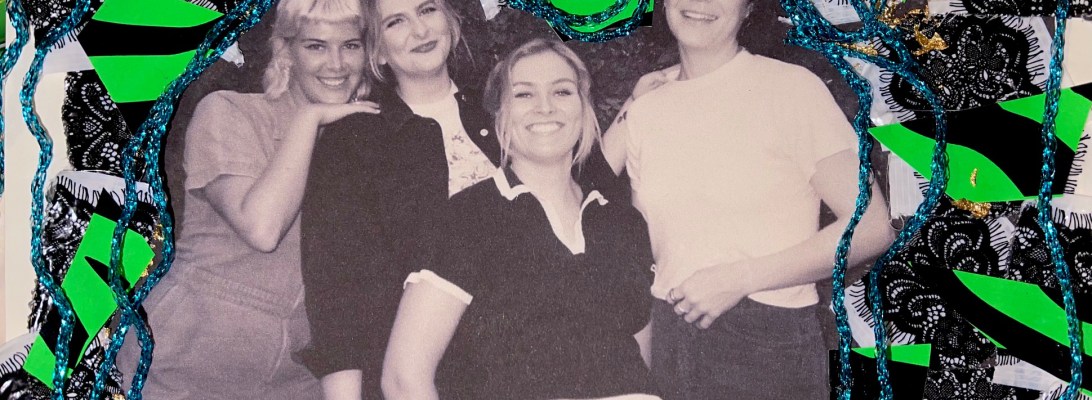
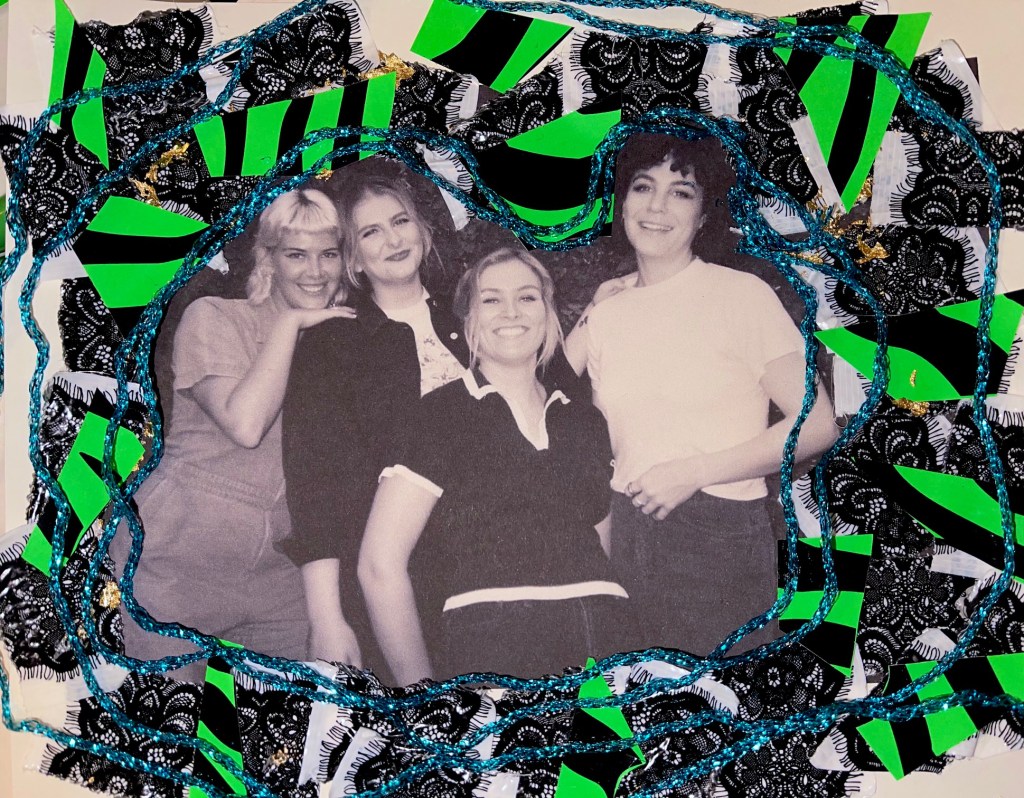





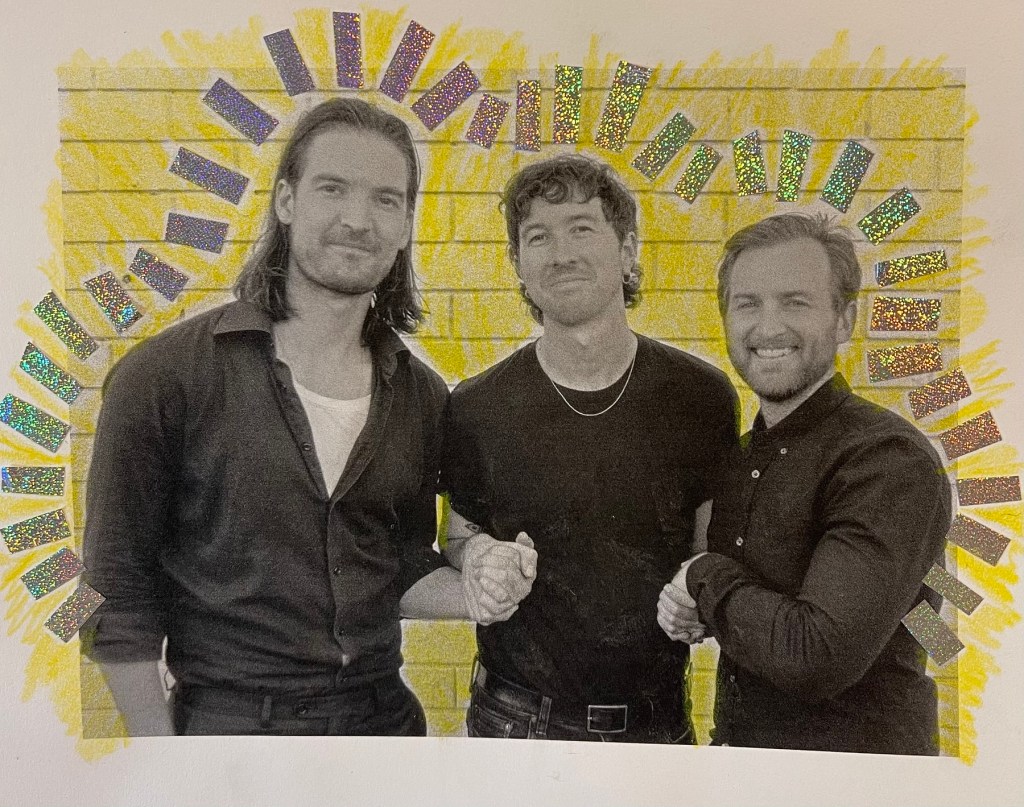
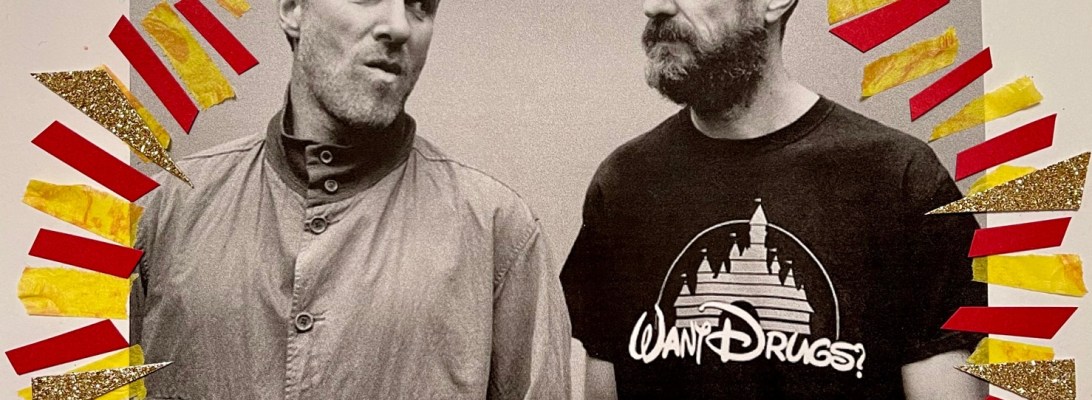

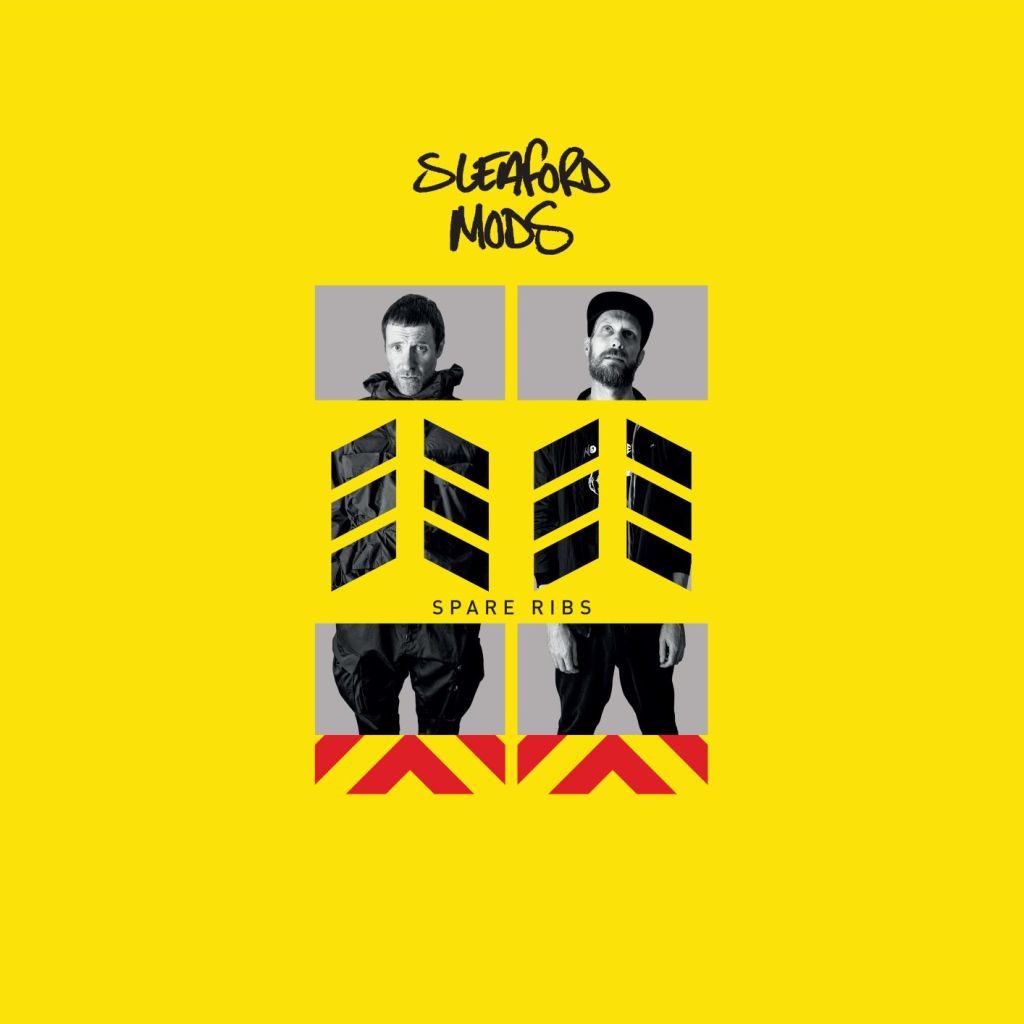

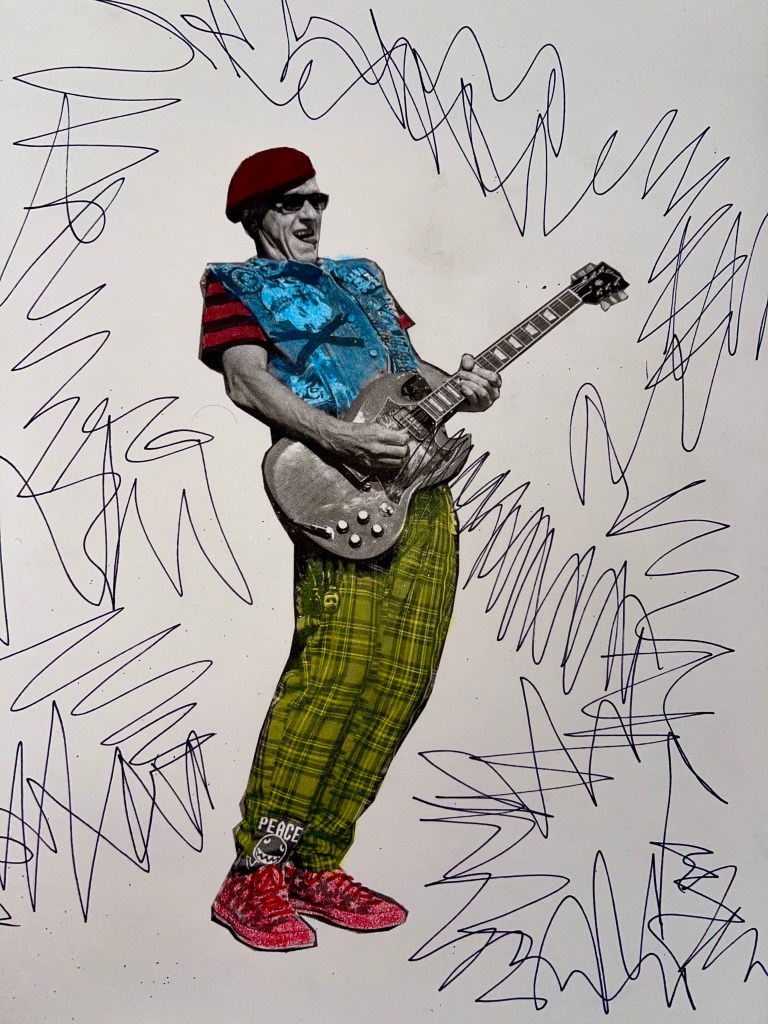
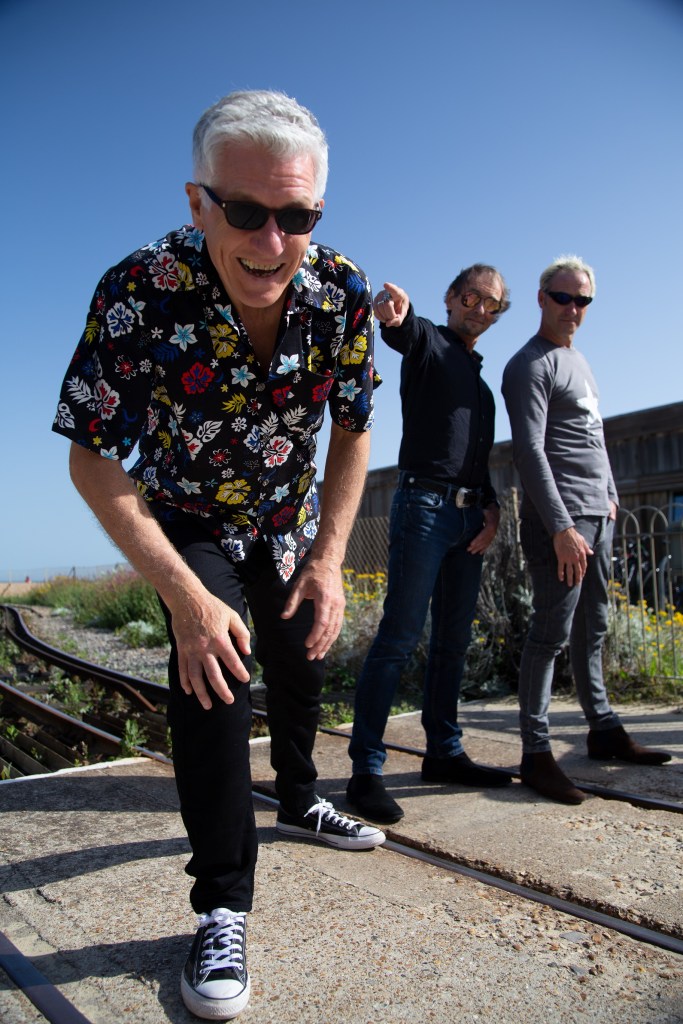
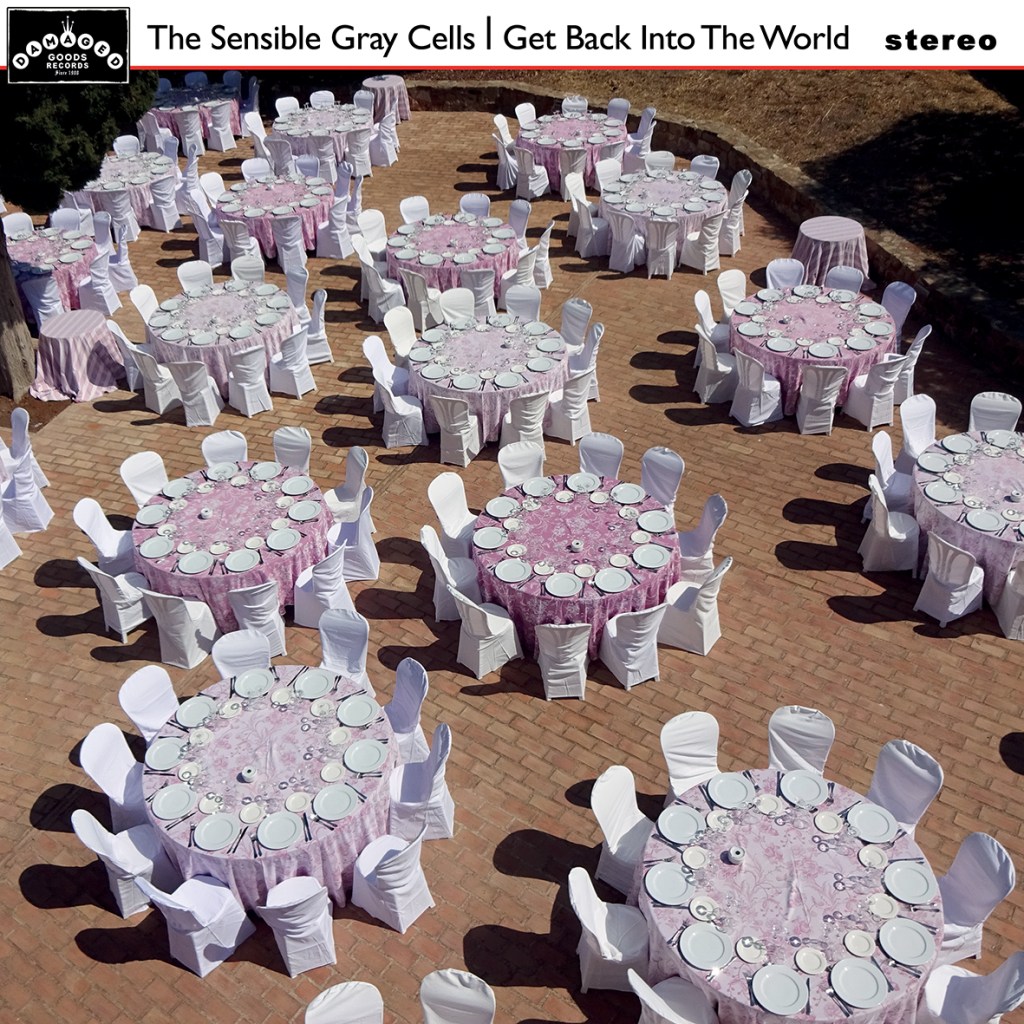
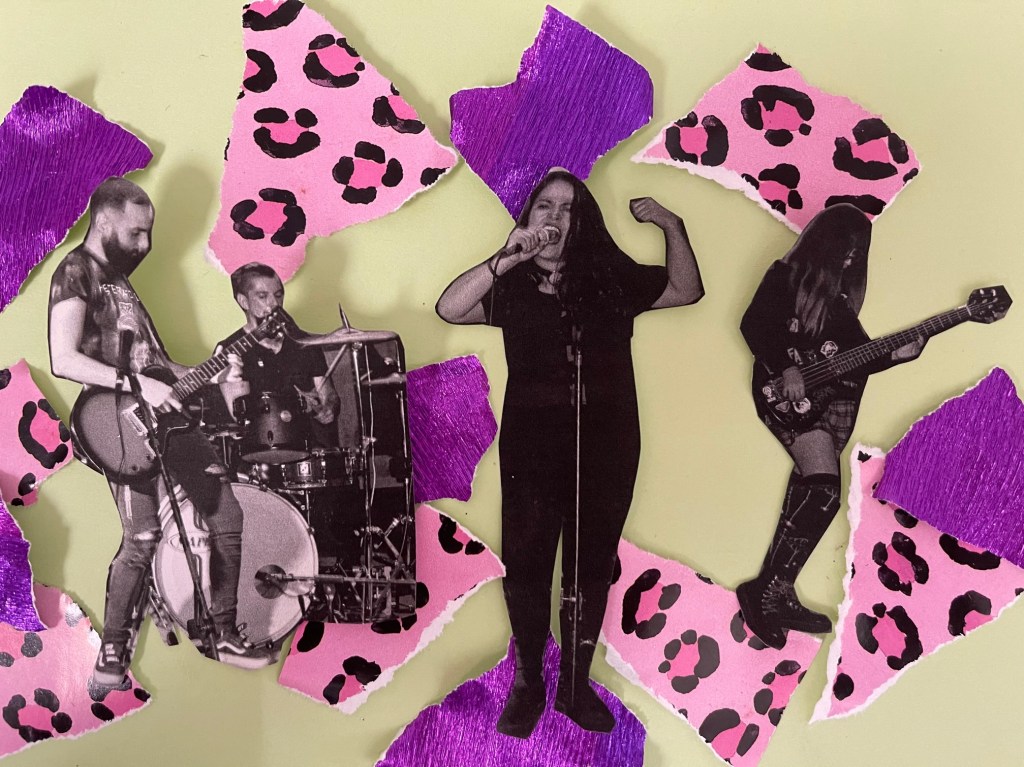


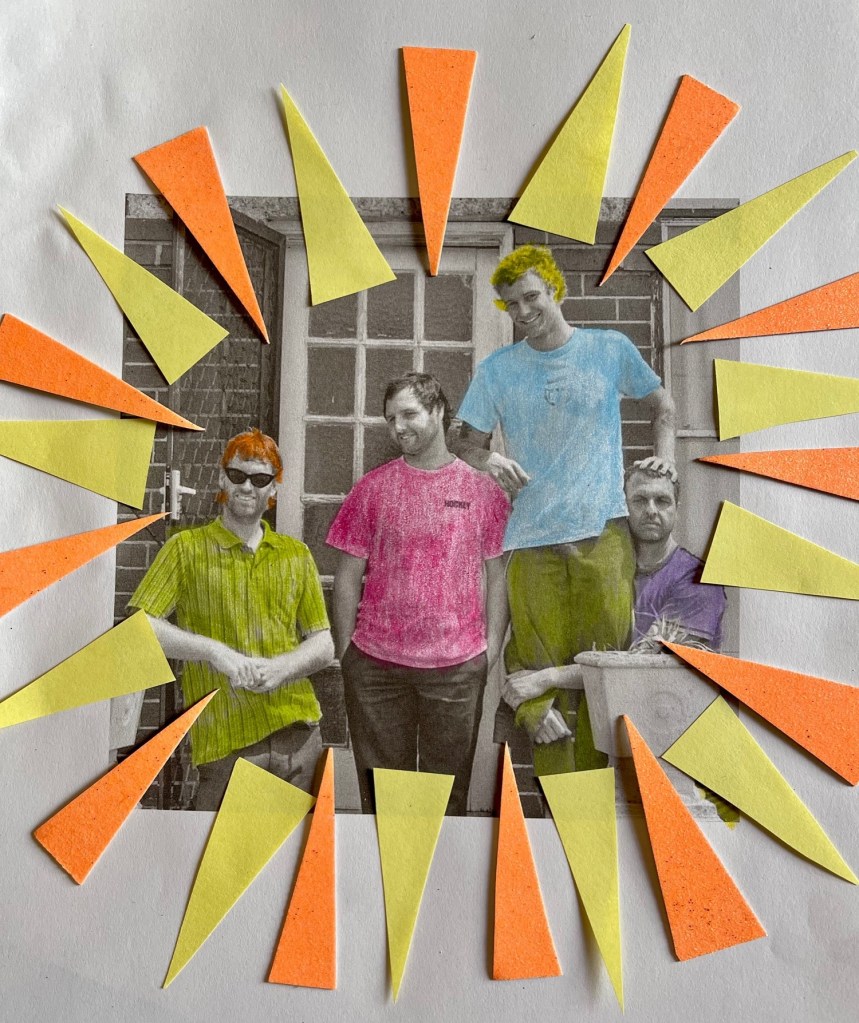
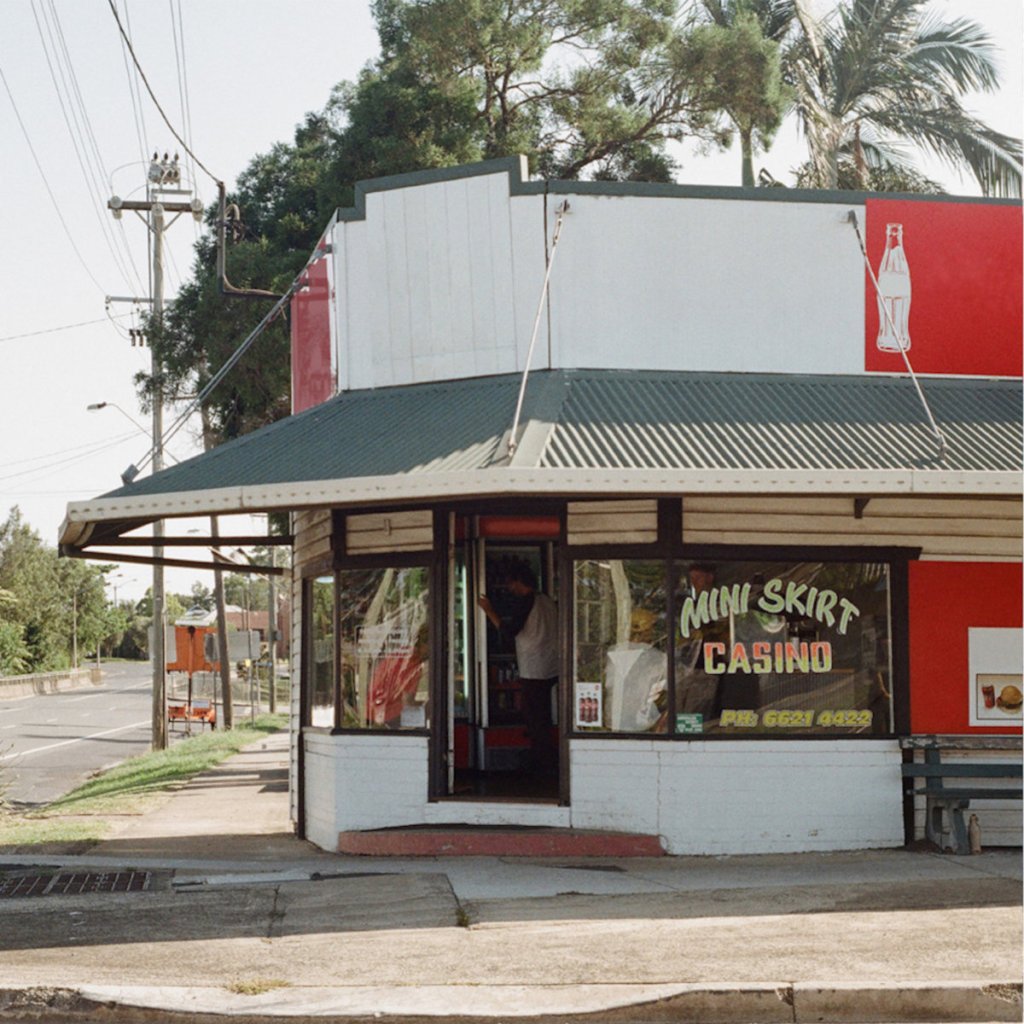
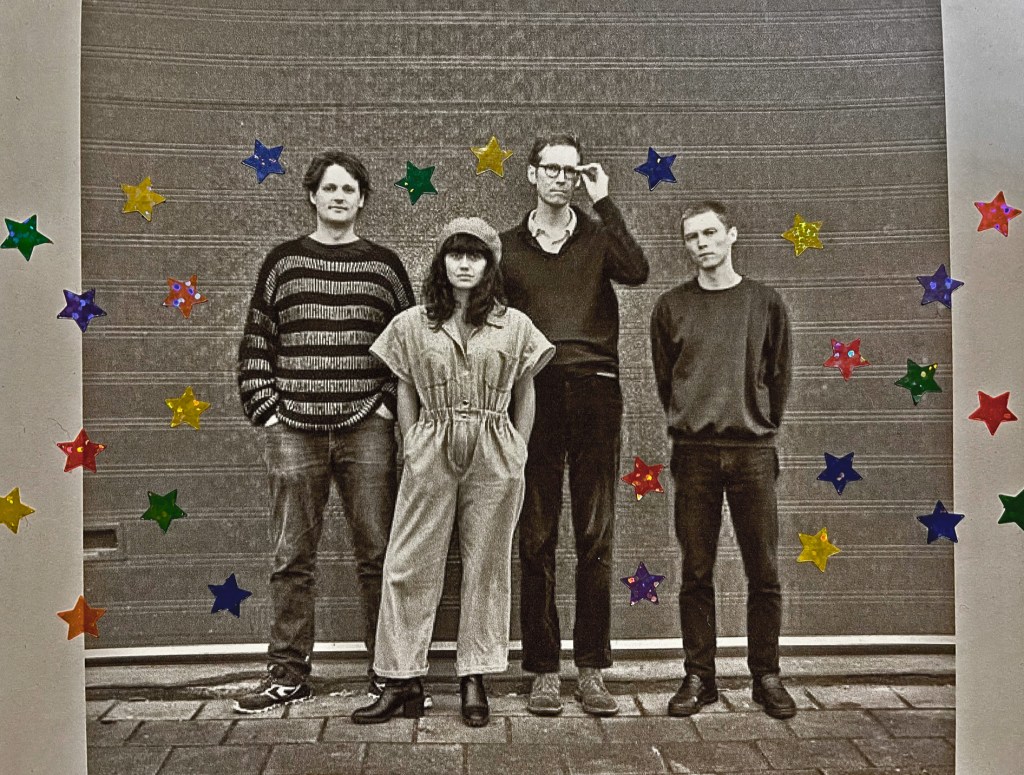


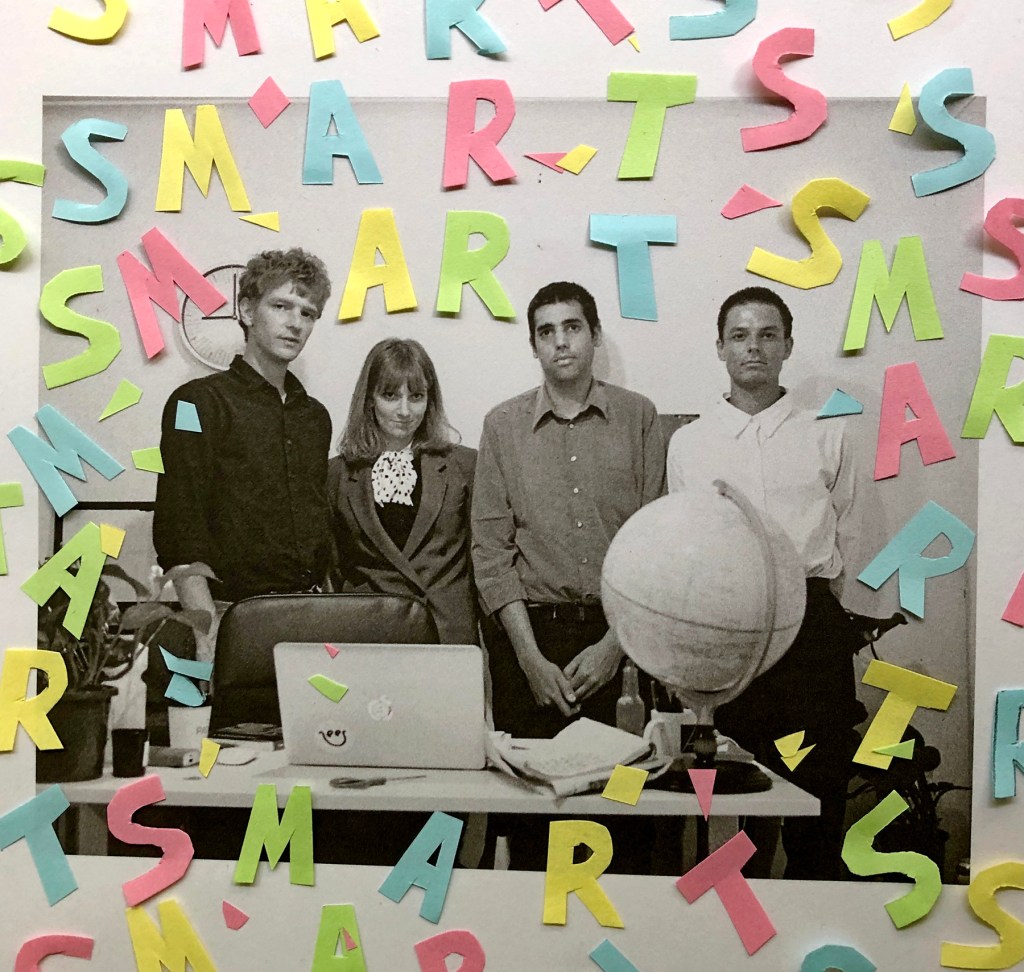


 Gimmie Gimmie Gimmie Zine