Lost Animal: ‘I don’t want to sound like anything else.’

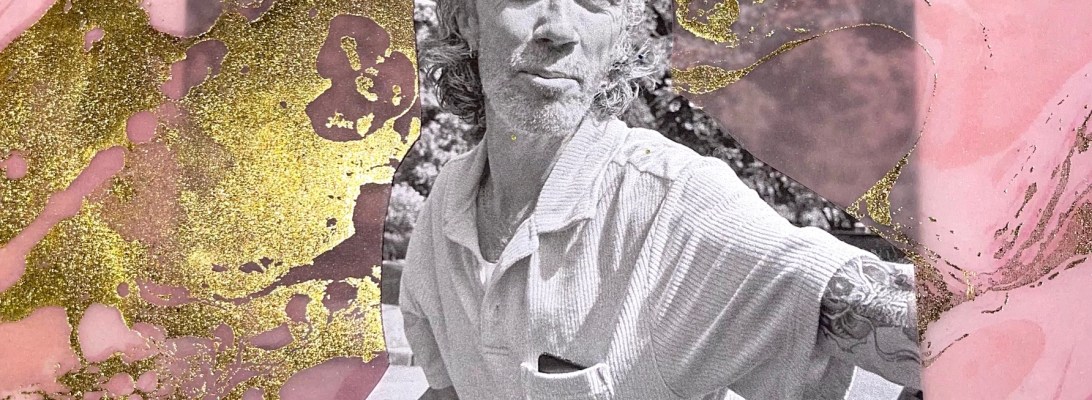
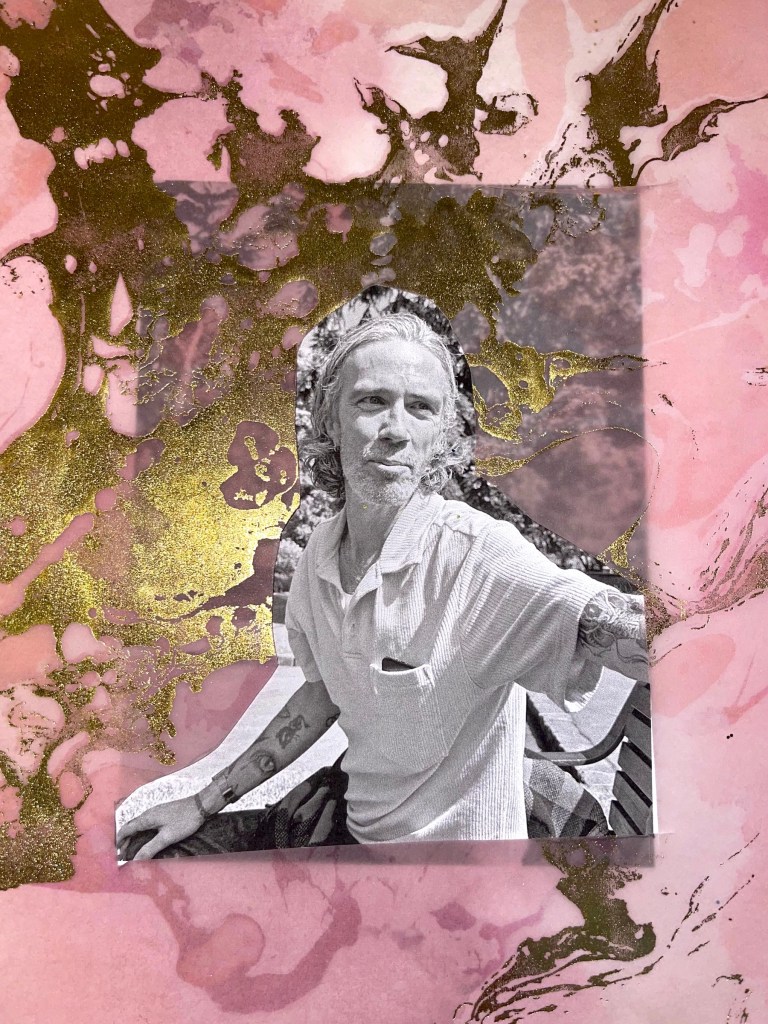
Photo: Jhonny Russell / handmade collage by B

To us here at Gimmie HQ, Jarrod Quarrell, creator of Lost Animal, is one of the most underrated songwriters in Australia and one of our all-time favourites. He creates poetic expressions. His work is very interesting in a highly original way and richly emotional. The songs reveal themselves more over many listens and always feel fresh. His powerful, beautiful, transformative, and unforgettable songs possess the vast depth of the human spirit. Last time we were in Naarm/Melbourne, we met Jarrod in Fitzroy Gardens, a historic park lined with elms and autumn leaves, to chat about life, feeling good, and the music he’s working on in his own time.

It meant a lot to have this chat—enjoy!

Thanks so much for meeting us today! We’ve been having such a nice time in Naarm/Melbourne. It’s always such a pleasure to come down here for Jerksfest out in Djilang/Geelong, Billy does such a wonderful job. It’s nice to explore the city too. We went to a shop that sold all these old movie day bills. We got this awesome Breakin’ one!

LOST ANIMAL: Breakin’ was one of my favourite movies as a kid. I was in a breakdance gang in Papua New Guinea called, The Rap City Connection. 

That’s awesome. Do you reckon you could still do it. 

LA: I’m sure I could do a dolphin dive or something. Might hurt myself, though [laughs]. 

I’ve always loved breakdancing too, but I was so bad at it!

LA: Well, yeah, I was the worst in the game. They were all legit dudes in Papua New Guinea. They had afros, were good dancers, and did helicopters and headspins. I couldn’t do all that. 

How’s life been lately? It seems like you’re in a really good place.

LA: Life’s really good. I’m making a new record, so that’s probably got a lot to do with it. Always happy when I’m making tunes. I’m very well. Thanks for asking. 

I remember you saying once that, ‘Music on records I make, are a fuck you to the bad things in my life.’

LA: Yeah, I guess. The new music feels like I’ve transcended all that shit and I’ve finally got to a good place, where I can just be good and make tunes.

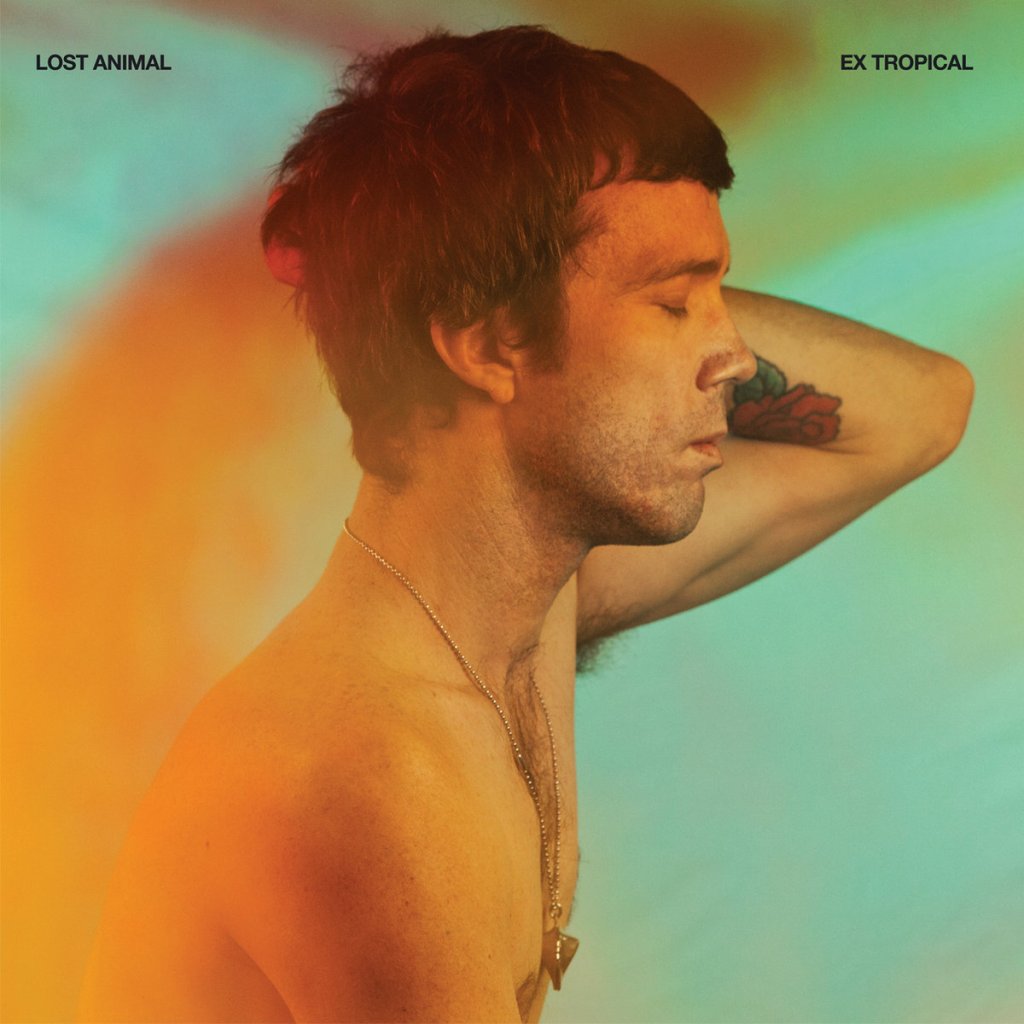
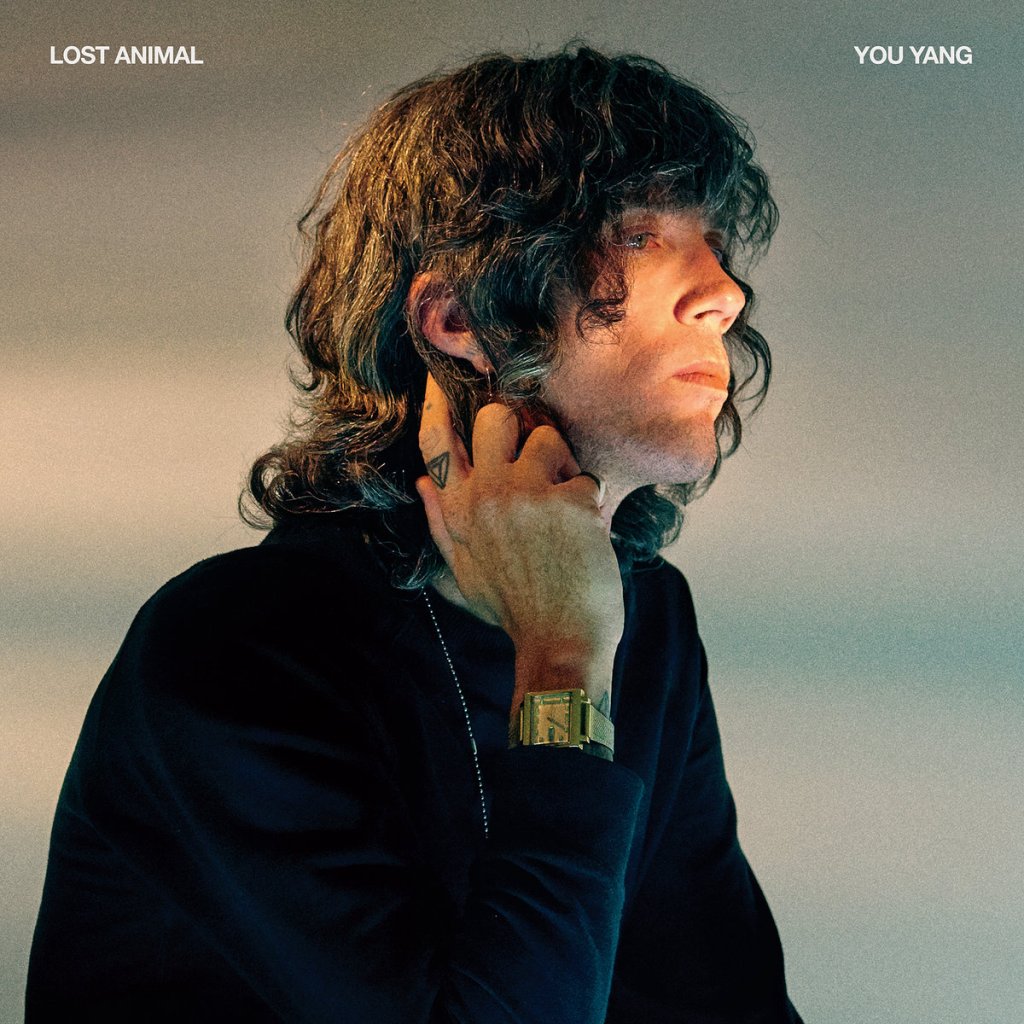
I was talking about it to a friend recently. Those were dark times for me—those two records, Ex Tropical (2011) and You Yang (2016), were hard to make. It was my spirit trying to get out, trying to shine through when I wasn’t well, trying to overcome all the shit that gets you down.

The music you created before Lost Animal was darker as well?

LA: The lyrics are a bit dark. I always wanted Lost Animal music to not be dark; I wanted that to be up. 

When I listen to a lot of your songs, even though they are dark lyrically, the music is uplifting.

LA: Yeah. You can dance to it. Lyrically, it’s hard to write songs about feeling well, I’ve found, without sounding like an idiot [laughs]. I’m rewriting lyrics a lot on this record. Like, I write them and think, yeah, that’s it. Then I’ll go to record and think, is it because it’s cheesy? Or not because it’s cheesy—just because I want to nail it. I really want to get it right. I’m more engaged. I am happy making the effort, happy just doing it.

What are the things that have helped you be more engaged? 

LA: Therapy. Psychedelics. Music.

Jerk Fest last year was probably the impetus for it all. When Billy asked me to play, my instinct was to say ‘yes,’ but I kind of didn’t want to do it. Even up until the day, I didn’t want to go. But then I had a great time and really enjoyed playing. It dawned on me how lucky I was to be able to do it, and how fortunate I was to be asked to play good shows like that, six years after putting out my last record. It hit me. Then, around that time, I started feeling better. I found a good therapist after searching for one and going through a few bad ones. That gradually led to writing the right tunes.

I started a side project with a friend, Stuart from Primitive Calculators. That really helped with the playing. I was always just a songwriter—I wrote, and I was a front guy. So it was really good to just play. All those things combined put me in a better place.
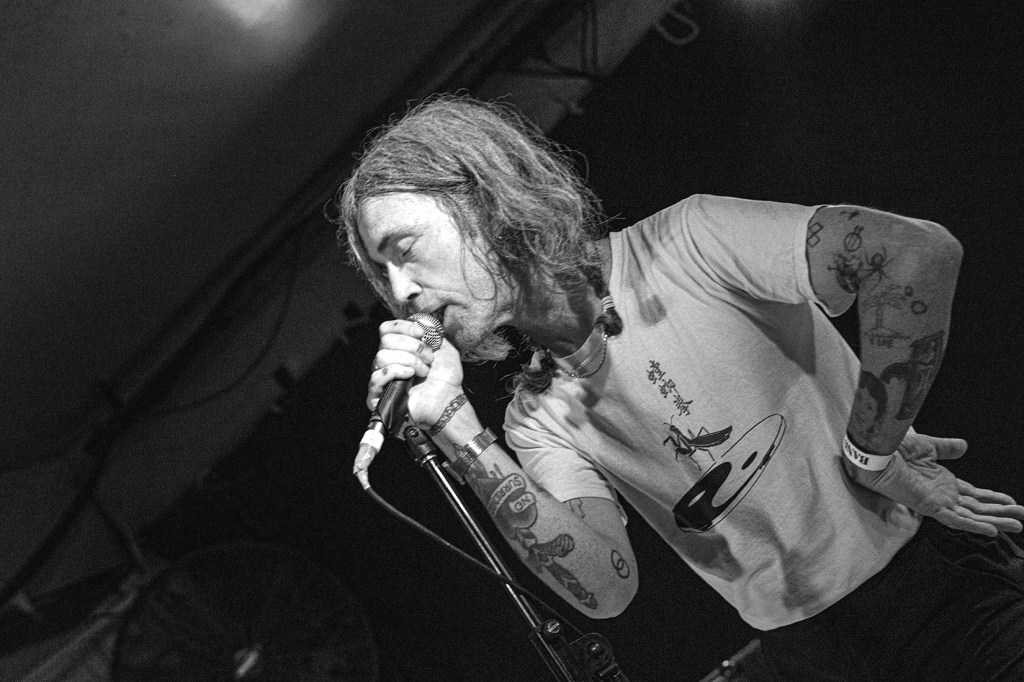
Photo: Jhonny Russell

Jerk Fest is a pretty special event. It’s such a great opportunity to see so many bands play, and catch-up with people.

LA: Yeah, that was part of it—nice people saying nice things.

We were so stoked to see you play! You mentioned being asked to play shows six years after you put out your last record, those albums are timeless. You could listen to them today, and they still sound so fresh. I don’t know anything else that sounds like that. 

LA: That’s cool. I’ll take that [laughs].

We love that there’s so many different elements from all over the place. I know you’ve got a punk rock background and like you were saying there’s a love of hip-hop, and then there’s rock and electronic elements.

LA: That’s where the new record is. It’s kind of along those lines but maybe a little less electronic. Lost Animal, to me, has been beats and piano chords, songs built like that. Now it’s just become a bit more jamming in one key and building songs around grooves and little riffs rather than me writing songs. Then they turn into songs. It could go any number of ways. I was trying to make it go that keyboard chord way, and it really wasn’t working.

We had two songs we were working on that I thought were shit. Then I wrote one that was good, and four months later we had the whole record. You Yang was mostly written in the studio. I had a handful of songs I’d written. So for this record, I was like, I’m never going to do that again. Because it’s expensive, taxing, and stressful, but I really like doing it—almost writing songs to tape.

Before, I’d always done demos to write. With this new record, I got to a point where I’d written a song and recorded it, and then we had nothing else to do, so we wrote two songs in a day, Dan Luscombe and I, who I’m making the record with. It’s been written in the room together. I’m usually the impetus, and he’s the finesse guy, making me redo things or asking, ‘How about you try it this way?’

Are you ever surprised at how he finesses things? 

LA: I’m surprised at everything. I try to say ‘yes’ to everything he suggests and just try it. If I don’t like it, I’ll tell him later. But I don’t think it’s come to that. I’m less controlling now. There’s co-writes with him; I’ve never done that before. Maybe once with Shags [Chamberlain]. 

So you’ve been more controlling? 

LA: Yeah, way more. Now, I feel like the less I try to control things, the better things are. And if you’ve got a talented person in the room that wants to do something cool, you should probably shut your mouth and let them do it.

He’s the man. He finessed the fuck out of Amyl and the Sniffers for their latest album. 

LA: Was it a big change? 

Yeah. He really brought their sound together. Comfort To Me is miles ahead of their other releases. Sonically it sounds really big. It’s so cool seeing them progress as songwriters too.

LA: Dan’s got really good taste. He can play anything. He’s got that classic songwriting sensibility, but is open to stuff. He’s played with everybody. 

I remember a post you made on Instagram a while back and at the time you mentioned you were exploring Middle Eastern scales. 

LA: Yeah, because I never learnt how to play. 

You’re self-taught?

LA: Yeah. When I started this thing with Stuart, because it’s a guitar duo, I thought, ‘I better brush up on my guitar playing.’ I loosely learned different scales from around the world, but mostly I stuck to the blues minor pentatonic. Most of the new record is in the blues minor pentatonic, which is the first thing everybody learns.

I’ve kind of grown up on some basics, and that was enough because I’ve been playing for so long. My playing feels pretty good. Even if you’re not trying to learn, if you play music for 30 years, you’re going to learn.

How many songs do you have? 

LA: Right now, we have 10. So we’ve got an album on tape. They’re not all finished, but they’re all pretty much structured up and I’m writing the lyrics.

Do you usually write lyrics afterwards? 

LA: Yeah. If I demo something, often there’ll be a phonetic vocal line, so sounds or sometimes, whole lines will jump out. But I often don’t finish writing the lyrics until all the songs are done and it’s time to put the vocal on. Sometimes a whole vocal will just fall out with the song. But generally I’ll wait till the end because it can change. And there’s always a better fucking line.

Is there any lines that you’ve written at the moment that you really love? 

LA: Yeah. Some say that life’s a game, it’s just a setting. Some but life’s a bowl of berries, so come get some. I wrote a really trad soul ballad, ‘The Sun Cleared the Rain’ which I’m really proud of.


Was there anything in particular that inspired that one? 

LA: I was just writing a song. I was sitting playing keyboard. It was one of those things where I’ll mumble it a line, and it just all fell out of my mouth. I was listening back to it. Sometimes that happens, but it’s really rare. It kind of feels like channelling. You’re not really thinking about it too much. Trying not to think about it. I try to not direct it and not control it. I try to let it come and to recognise what it is and let it become that. 
You’re really great at writing narratives.

Narratives? Really? I don’t feel like I write that, really. I feel like I’m a surrealist. It’s just feelings. But sometimes they do turn into stories. ‘Lose The Baby’ is a little bit like that, I guess. But ‘The Sun Cleared the Rain’—that’s kind of just telling. That’s a narrative. There you go. It’s about when you need something and something comes along into your life, but it’s not necessarily great for you. It’s quite relatable for everyone, I think. Very universal.

What else are you writing? 

LA: There’s a song called ‘On A Bird Now,’ which is about transcendence—about turning into a bird. I wrote it when I got back from Indonesia. I was trying to write proper haikus: five, seven, five syllables, which is fun. And that led to that song. We just pressed record. It was a weird way to record a song. That’s fine. It’s just about being in the now, transcendent. Maybe a bit psychedelic. Maybe a bit witchy. 

I noticed in a story on Instagram you posted a photo of a book on the occult.

LA: I am reading those books, yeah. I’m just a curious guy. I like to read. It’s too early for me to talk about that stuff. I’m learning. But it’s definitely not what people think it is. It’s an occult universe, for sure. There’s more out there that people don’t get. 

Totally. So many unseen things!

LA: Yeah. I guess that’s what the record is about. 

You mentioned Indonesia, I know travelling there recently inspired you. You said you cured your insomnia while there.

LA: I don’t know what it was. Maybe the weather; it was the wet season, balmy, raining. Maybe it was because we were busy doing a lot, and I wasn’t concerned about shit. I was with my godson and my best friend, so I was chill. I was fucking glad though, man, because when we left, I was literally sleeping two hours a night. It’s fucking horrible. At home you’ve got your routine, your comforts when you wake up in the middle of the night, you don’t have that shit when you’re away. So that was a challenge. Gradually, like a week into the trip, I started sleeping better. By the end of it, I was sleeping 8 hours a night. 

How did that feel? 

LA: It felt amazing. I cried with happiness, a few times, on that trip because I was just so relieved to be out of the country and to be sleeping. I used to live in New Guinea, and the smells are the same, the weather felt the same, it brought a lot of things back. It was very emotional. Also lots of fun.

Was there anything in Indonesia that you saw that was really cool? 

LA: I saw the fucking devotion. Because there’s Hinduism, there’s Buddhism, there’s Christianity, there’s Islam. Hinduism especially seems really just present. They put out offerings every day. Light a candle. They’re more present. It’s so chaotic. But the chaos kind of works. I thrive in chaotic places.

I felt I got mega-stressed when I got off the plane back here. It was a culture shock. It was just like, oh, fuck, this again. Back to all that shit. I was cool, though. Went back in the studio, wrote two songs, wrote two songs a week after that.

You asked me what I liked about Indonesia? Probably the sense of connection. It just seems so fucking ancient, too.
Is there any other places you feel really connected to?

LA: I feel kind of connected to Castlemaine, because I was born there, and conceived there. But no, not really. 

You mentioned that a lot of your album and just in general, your life lately, has been about being present. When did you first start noticing that?

LA: Therapy. She helps sort me out. 

A good therapist makes all the difference. I’ve been through some terrible ones. 

LA: Yeah, well, the first ones I went to were. She spoke to me for half an hour and then prescribed me something which made me feel awful.

This lady I’m seeing now is a psychologist, so it’s just talk therapy. A little bit reiki as well. So feels me out. Sometimes if we get stuck, she does tarot. In a nutshell she was like, ‘You’re awesome. Just be awesome.’ And I was like, ,What? I’m so fucked up. What are you talking about?’ It took me months to get on that. 

I guess the therapist could see beyond all the stuff you’re hung up on to see that real you, which IS awesome! 

LA: As soon as I walked in the door, she could see what I was, and what I’d forgotten, or it was a flickering flame, and she put that in me back there.

That’s so great! Do you have any thoughts on what your album you’re working on might be called?

LA: Yeah. A Dragon Ascending Toward Heaven

Where inspired that? 

LA: A friend did my my birth chart when I was 21, and he was like, ‘That’s what you are. You’re a dragon ascending toward heaven.’ I was like, ‘Okay!’ [laughs]. 

I was going to call it I’m a Bird Now. But we were recording the song and Dan’s like, ‘There’s an album called, I’m a Bird Now.’ Luckily, I’d already thought of the other title, and decided to call it that.

I think that one’s seems really fitting. That’s exciting! I’ve got goosebumps as soon as I heard it. 

LA: [Laughs]. It suits it. 

Have you thought about cover art yet? I know you paint, have you thought of painting it yourself? 

LA: I won’t paint it. I haven’t been painting much. I tend to do other things like that if I’m not writing to try and have an outlet. I’m not sure what it will be yet. The last albums have been a side profile shot, maybe it could be a side profile shot of an animal or a bird. I did some photos with a friend, and one was double exposed, that looks really good. 

Have you tried anything different on this album? 

LA: I’m playing a lot more guitar. I’ve be singing a bit more rather than just sort of the talk singing I do.

Is singing something you’ve always done since you were little? 

LA: Yeah, I always wanted to be a singer. Always wanted to be a front man. 

Who was the first performer to inspire you?


LA: Michael Jackson. No one’s done it like Michael Jackson has done it. Maybe Prince too. 

The first people that made me think I want to do that more, was maybe Bob Dylan, and songwriters like that. Dylan is a big fav. If I could write songs like he’s writing when he’s fucking 85 or whatever he is, that’d be cool. I just don’t want to sound like that, though. I don’t want to sound like anything else. 

That’s the best thing anyone can do—not be a replica of something that already exists. That’s the highest achievement you can get. 

LA: I think so. People ask me, ‘What kind of music do you make?’ I just say—good. I refuse to describe it. I can’t describe it. That’s all a little bit stupid. 

Most reviews these days should just be called ‘comparisons’ because that’s all they do. But they’re really bad with the comparisons. I find that a lot of people who write about music don’t have many reference points; they have a real limited knowledge and just compare it to something popular, even though it doesn’t sound anything like it.

LA: Oh, man. You shouldn’t seen some of the comparisons we got in America. One said we were a cross between Pearl Jam and Gorillaz. I mean, yeah, there’s a little bit of dubby stuff and melodicas and stuff. It’s like, ‘Okay, your record collection is big Billboard Top 20 stuff, right.’ I used to get really annoyed at all that. I’ve just let it all go. 

I used to go see a psychic, and I’ll always remember a piece of advice she gave me: what other people say about you is none of your business. 

LA: Very true. Yeah. My therapist really helped me with that.

You don’t want to take on that energy they’re putting out there. It really has no effect on you unless you let it. 

LA: Yeah, totally. 

Or people will say something to you and they haven’t even really thought about it much, but then you take it to heart and it’s a big deal for you and upsets you, but it doesn’t do a thing bad from them.

LA: Yeah. And perception is a funny thing too. A lot of times someone has been a bit standoffish and I thought, they haven’t liked me. But it’s come to pass that they’re just a bit shy and actually admire me. Sometimes your perception is off of what people think.

Some people definitely mean it, though [laughter]. I always take people on a case by case basis because sometimes you can hear things about people, but then whatever your interaction is with them could be different.

LA: Yeah, it’s a good way to be. 

In front of us is, over there, is a fairy tree apparently and it was created as a place that is sacred and safe and it’s a place for kids to imagine and dream. I was wondering, do you have a place like that? 

LA: Yeah. 

Where’s your fairy tree? 

LA: In my mind, my consciousness is my fairy tree. 

Do you meditate?

LA: Yeah, I meditate. I’m reading a book on Astral travel, which is basically a form of meditation. 

I’ve meditated on and off for about 20 years. I find it really useful, especially for my mental health.

LA: I did a short course on Transcendental Meditation. They gave me a mantra.

I’ve always wanted to try that. 

LA: Just make up your own. 

Really? 

LA: It’s like, we know what to do. Just make up your own mantra, really. That’s all it is. I changed mine because I didn’t like it. It didn’t feel right. I was like, well, fuck that, I’m just going to change it.

And then it felt right?

LA: Perfect. Yeah. 

That’s very punk rock! [laughter]

LA: [Laughs] Well, meditation is pretty punk rock, I guess. 
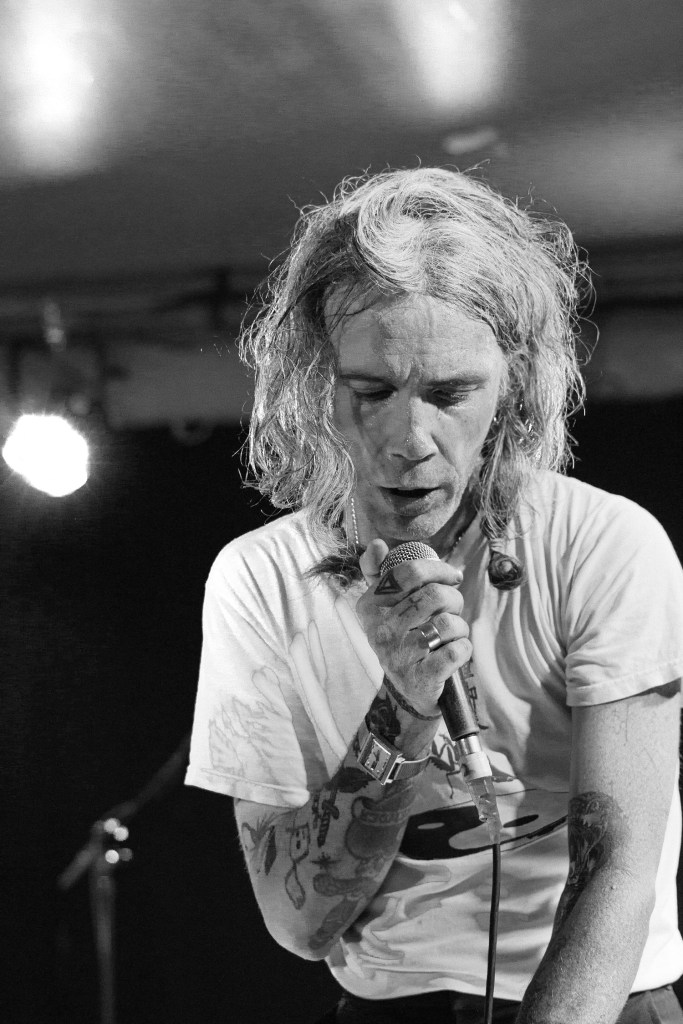
Photo: Jhonny Russell

Has it helped with being present?

LA: Yeah. Or maybe not. No, it definitely does. I’ve been thinking about meditation. People think you’ve got to quiet the mind. That’s not it. It’s like getting away from your mind—like, consciousness is here, it’s not in there. It has to be nothing. I feel like that’s what I’ve seen. Consciousness feels like that. And I feel like I’ve got consciousness on multiple levels. My instinct feels like it’s here. My intuition is in my solar plexus. Sometimes I can feel things going on behind me, in my back. I’m just starting to become aware of things that maybe I had little inclinations towards and maybe ignored. I’ve looked at these things in the past but never stuck to them, never really put them into practice in any kind of way. I’m becoming a bit more disciplined about it, being more disciplined about my mental health and doing what it takes to protect it. If I’m tired, I rest. If I’m stressed, I don’t go to those places that stress me out. Hard-earned lessons. Same mistakes made over and over again.

A lot of stuff in Buddhism and different spiritual texts, say that you’re just going to keep learning a lesson over and over and over until you get it.

LA: Yeah, that makes a lot of sense to me. 

And then if you get it—you level up. 

LA: Yeah, I think so. 

It’s so good to see you healthy and it’s such a good place and making music. Like, you mentioned to us before that you were thinking, you have this opportunity, you’re still here to make music, you can do this! 

LA: Yeah. I realise that’s a great thing about music. It’s not like we’re the people that are going to come up with the thing that’s going to save the planet, but it might be the people that write the song that inspires the person that saves the planet, and that’s enough. Just play your part and do it the best you can. 

I love that when we make a song it can inspire and go places that we may never go, and affect people in ways we’ll never know.

LA: Yeah. I get people write to me all the time, from Europe and America. Or they’ve heard, Tropical Fuck Storm do my song [‘Lose the Baby’] and they reach out to me. So, yeah, it’s beautiful. 

How did you feel when they did your song? How did it come about? 

LA:They told me they were playing it. Dan was still in The Drones; they’d done a side project thing and played the song a few times, so I knew that. Then Gareth wrote to me and said, ‘Look, we’ve been playing the song, and we want to put it on a 7”.’ I played it with him a couple of times. It was cool.

I was in a band called St. Helens. Towards the end of St. Helens, I’d started Lost Animal and had written ‘Say No To Thugs,’ ‘Lose The Baby,’ and a bunch of the songs on Ex Tropical. I thought, oh, maybe I should give them to St. Helens. So I tried them in St. Helens. The St. Helens version of ‘Lose The Baby’ isn’t too far off from the TFS version. It’s a long version. To me, the TFS version just sounded like the St. Helens version, but they wouldn’t have heard that. Gareth is a great songwriter, and he wanted to do my song—that’s cool.

Both you and Gareth are my all-time favourite Australian songwriters.

LA: Oh, really? 

Yeah, for real!

LA: I’m playing on a song of Gareth’s next week. He’s reissuing his solo album, he’s re-recording a song. 

Awesome! I know you grew up in the bush, like country Victoria, and Papua New Guinea, and you lived in Geelong.

LA: Yeah. Castlemaine too. Some other places, and then I moved to Melbourne when I was 21. 

Why Naarm/Melbourne?

LA: When I was a teenager, Geelong was awesome. Heaps of fucking great bands three to four nights a week. 

What bands did you see? 

LA: Bored!, Magic Dirt. There was Warped and She Freak, they were Geelong bands. There’d be bands that tour, like, Meanies, and Hard-ons. And then international bands. Especially back in the 90s, like Shellac and Fugazi. They’re probably the best live band I’ve ever seen, as far as energy goes. 

We love those bands. I saw Fugazi when I was younger and they were incredible. When you play, is there a kind of, like, energy that you try to bring? When we saw you play at Jerk Fest, you brought a really cool vibe to the room.

LA: I just try to be open. I try to give as much of myself as I can and not hold back. 

When you first started doing Lost Animal, that was the first time you were playing with a backing track, and I understand that was challenging in the beginning?

 LA: Yeah. I used to shake.

Really? Wow. 

LA: Yeah. But that’s what I wanted to do, so I just made myself do it.

It’s good to put yourself in situations that scare you sometimes, I feel like we really grow in moments like that. What are the things that are making you happy right now? 

LA: I’m happy knowing I don’t feel like it’s a struggle anymore. I feel like I could sit down and write a song anytime I want to. I just hope I keep feeling like that. It feels like after this record, the next one will be ready in a year and a half. I’d be very surprised if there weren’t four records in the next five years. That’s how I feel. We’ll see.

I hope your creativity keeps flowing. We’re so here for as many Lost Animal records as you’ve got! 

LA: Let’s hope! I feel good, which is nice. 

Follow @lostanimal_. Listen to/Buy Ex Tropical HERE. Listen to/Buy You Yang HERE.
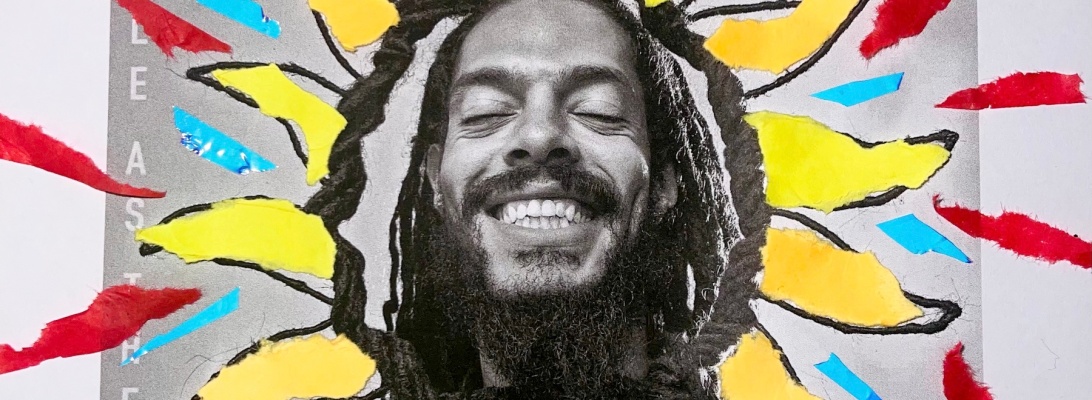
CONVERSATIONS WITH PUNX – Bob Vylan: ‘Recognising the power that you hold as an individual, and what we can do with that power as a collective.’

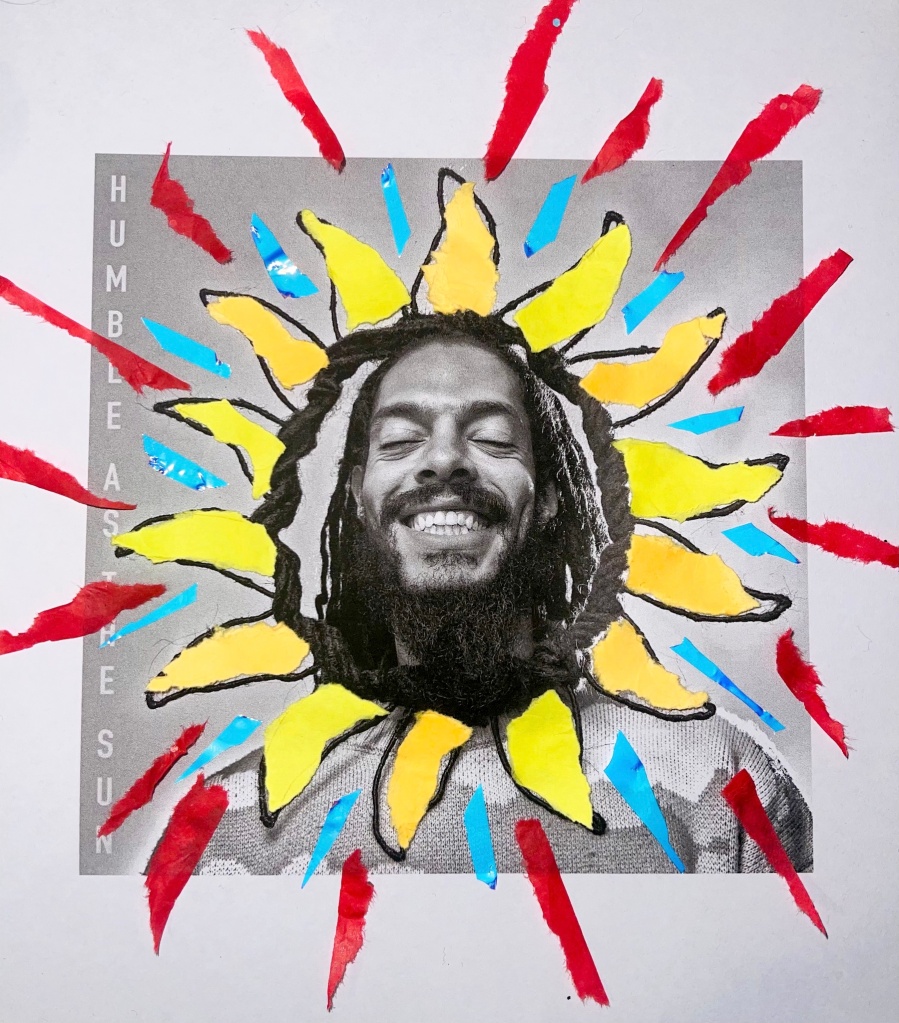
Handmade collage by B.

UK grime-punks Bob Vylan stand tall, casting a bold and unyielding light upon the world with their new album, Humble As The Sun. They’re one of punk’s most vital voices right now— with their rallying cry for empowerment, championing a sense of revolutionary self-love, and their ever-present foundation of nurturing and growing community. They inspire us to dream big, persevere through hardship, and channel our anger for positive change. The sentiment that we have to heal, be strong in ourselves first and then we can be strong together permeates the album. It also dissects toxic masculinity, discusses colonisation, police brutality, racism, wealth inequality, and exploitation in the music industry—as always, they say what needs to be said.

Gimmie caught up with Bobby Vylan, the band’s vocalist, guitarist, and producer, for a fascinating insight into the album and their creative process. The conversation delves deep into topics like spirituality and life-changing moments. Additionally, we learn about Bobby’s early beat-making experiences on Playstation’s Music 2000, his love for Shakespeare, their commitment to the DIY ethos, and his experience walking in this year’s London’s Fashion Week.

BOBBY VYLAN: Music is a creative outlet. I really don’t know what I would do without it, to be honest. It’s been a constant throughout my life as a way to express myself. A way for me to communicate how I feel about certain things. It’s important to me because it keeps me sane, to a certain degree; it keeps me here.

You’ve been making music for a long time, even before Bob Vylan, you were making music through Music 2000 on PlayStation. 

BV: Yeah. Exactly. I’ve been making music for a long time, in various different forms, various different degrees of seriousness, by which I took it. I was introduced to software, games, and stuff that allowed me to make music, get into creating beats and backing tracks, and then I got into writing lyrics. I started recording and getting into mixing, exploring the more technical aspects of creating music. It’s been an ongoing journey; it’s still ongoing in terms of learning the guitar, being able to play that more proficiently; and even my mixing ability, to be able to mix tracks and get them to a point where they’re ready for the public to hear.

I know that you completely love to explore things and lose yourself in them. What have you been losing yourself in lately? 

BV: To be honest, I’ve been losing myself in life a lot lately because there’s been so much going on. Things have presented themselves; they’ve come up, and I’ve thrown myself into it, which is good, but also tricky because I have to find time for myself. With this album coming out there’s so much to do on the business side of things. We have tours, festivals, TV appearances, and all kinds of things that have come up as the band gets bigger. On top of that, there’s been normal personal life change as well, which is quite beautiful, especially as it happens as the seasons change. 

Because I’ve been throwing myself into life, I haven’t been making a ton of music; I’ve been experiencing life. It’s important because it gives me something to write about later on. You can fall into a dangerous trap of not living life as an artist. You need to live life in order to have something to write about; I write about personal experience so much.

Yeah, it’s helpful for artists to realise that it’s all part of the process. 

BV: Exactly. 

Your new album, Humble as the Sun, still feels political like your previous work, but to me, it also feels like a spiritual album in a way.

BV: For sure. It’s political purely because my existence as a Black man is somewhat politicised in the country that I reside in and in so many countries that we travel to. Naturally, it’s because of that. Again, I’m writing about personal experience, so it’s bound to have a political aspect to it.

With this album, we definitely wanted it to feel more uplifting and empowering. A spirituality aspect is needed for that: to believe in yourself, to feel as though you hold some sense of power; recognising the power that you hold as an individual, and what we can do with that power as a collective. It’s definitely a lot more spiritual than the other albums, for sure.

This is because of the space that I was in when creating the album, both physically in terms of the studio space that I was afforded to use and mentally. I had worked so long and hard to get to a position where I could make music, and this could be my life. So it would have felt disingenuous to to only talk about hardship and not talk about overcoming that hardship. There is a lot of hardship that I overcame in order to be able to do what I’m doing and I want to address that. 

I get that, especially as a Blak Indigenous woman myself. When we make art, people often expect us to create from our trauma. Sometimes, obviously, that’s important for us to do for ourselves and our community. But I think it’s revolutionary and healing in another way to write about our joy as well.

BV: Absolutely! I completely agree. 

I understand that Humble As The Sun got started and inspired by meditation. What drew you to it? 

BV: The studio space—it was in the back of a residence. You had the main house that some people lived in, completely unconnected to the studio space, and then there’s a garden in the back. I’d find myself in that garden, meditating, watching nature, and enjoying the sun, seeing how the seasons would change in that space. The cat prowling around, looking for a mouse to eat, or the bird that would come and take some of my lunch and fly off back to its nest—it was quite eye-opening for me because I was very much lost in the city, in all of the hustle and bustle of it. Also, the hustle and bustle of being a touring musician, going to festivals every weekend and doing tours for two, three, four weeks at a time. That studio space really offered me a place to slow down.

Sometimes, I would go there and not even necessarily work on music or anything. I would just go there and sit and listen to music on the speakers that they had there, or I would watch videos on YouTube or a TV show. Other times, I would sit in the garden and peacefully take in everything that was happening around me in a very meditative state—no phone, no computer, just sitting and being and watching and trying to clear my mind as much as possible, not think about work, not think about personal life, not think about the traveling that I’ve got to go and do, the business side of things. I’d just try to clear my mind and be present in the moment. That heavily influenced the message in the album for sure.

I love how at the end of song ‘Hunger Games’ you talk about being present. The lyrics really resonated: Here, now / You are stronger than you think you are / You are love / You are not alone / You are going through hell, but keep going / Be proud, be open / Be loud, be hopeful / Be healthy, be happy / Be kind to yourself / Be decisive / Here, now / Do not live every day as if it is your last / Live every day as if it is your first / Full of wonder and excitement / As you wonder along, excited / Marvelling at the possibilities of all that stands before you / Here, now. That feels like the essence of being present; what does being in the present mean to you? 

BV: It’s a tricky thing because I find myself wandering with my thoughts, and I found that to be very helpful. I am not Eckhart Tolle, where it’s like, I’m here constantly, I’m present constantly, always in the now. That type of attitude would serve me if I wanted to be like a Yogi or some sort of guru, but it doesn’t serve me for the life that I live.

It’s finding a balance of being here in the now but also allowing my thoughts to wander because they allow me to play out different scenarios and see which is the better decision to make and which choice I should be making. If I do this, I’m not constantly present in the moment, but I find myself realising when I’m wandering into toxic thoughts, and I can be like, just take a minute, take a beat and be present right now and try not to worry about what may or may not come. Accept what is, and that doesn’t necessarily mean don’t look to change anything.

It’s not accepting it in a very passive way, but it’s accepting it in a way of doing what is within your power to do, in terms of the change that you can have in your own life and other people’s lives in the world in general.

Yeah, that’s a really important point. I did an interview with Dick Lucas from the Subhumans for my book and he was saying that, ‘If everything is taken away from you and you’re beaten black and blue, even if you’re at the point of death, you can still think for yourself. That is the bottom line, you have to keep your thoughts intact no matter what happens, from thoughts come everything else, words, expressions, ideas, creation—life itself.’ 

BV: Yeah, yeah, absolutely. It’s something I try to remember as well as much as possible. It can be hard though. Life’s really difficult. 

It is. I’m so glad your new album is uplifting, in a way, countering and balancing all the crappy stuff out in the world.

BV: Yeah. You know, the record is made for myself. I need this music. I didn’t make it because I’m like, ‘Oh, the world needs this music.’ No. I need this music! I need this album. I’ve been enjoying the album for ages. I’ve been listening to it over and over again. Actually, now that it’s out, I’ve probably listened to it far less because I listened to it on repeat every day for months and months. I picked it apart and asked myself, ‘Do I want to say this? No, I want to say that.’ Then when I got to a point where I’m like, ‘Oh, this is done, it’s perfect,’ so it’s finished. And I listened to it and I enjoyed it; I was no longer critiquing it. Like, is it mixed right? Now it’s out there. I’m listening to it far less because I’m like, everybody else has it now so it’s not mine anymore.

I really love the song ‘Dream Big’! It’s very inspiring and puts a smile on my face every listen. By the time the song’s finished, you feel like you can go out and do anything. Where do you think your self-belief comes from? 

BV: It comes from a lot of different things in and around my environment. Some of it is definitely down to where I was growing up. But some of it, is nature. It’s just something that I have. My father tells me stories of when I was a child and I was very headstrong. I wasn’t necessarily rebellious without a cause. I just knew what I wanted to do and I knew what I didn’t want to do. That all plays into my self-belief.

I grew up in council housing. It wasn’t a terrible area by a long mile; there were areas in this country that are far worse. We didn’t have tons of money, but we didn’t go without. I definitely knew that if there are things that I wanted, I had to figure out a way to get them myself. My mum always did an amazing job at making sure that me and my siblings knew that.

Though we didn’t have everything that we wanted or needed necessarily, we always were exposed to other ways of living, certain things that other people in our environment weren’t necessarily exposed to. My mum really wanted to make sure that we didn’t fall into the trap of just accepting our place in society is here. I thank her a lot for that. That definitely helped in terms of my self-belief.

It’s funny, because when I would express certain things to her, she would be like, ‘I don’t think you can do that. I don’t know about that.’ But that’s her fear for her son, if he’s gonna commit himself to a life of artistry, he’s gonna be poor forever. That’s not fun because she was working so hard to get by and keep us afloat. She probably thought, ‘I don’t want that for him’.

My self-belief comes from a feeling that I don’t want what is given to me. I know what I want. I know what I want to do in this world. Jim Carey said: you can fail at what you don’t want, so you might as well take a chance on doing what you love. If you can fail doing the thing that you don’t want to do, that you have no interest in doing, but you’re doing it because you’re fearful of doing the thing that you do want to do or people have pushed you into this direction, I would rather fail at the thing that I want to do. I’ll give it a go because otherwise, god forbid, I’m one of these people that are like, I could have done this.

Yeah. I think as human beings, the things that are most important, obviously after having the basics to live, is love and connection. That’s the foundation of everything. 

BV: Yeah, absolutely. And, it can be hard to focus on that. Sometimes when you’re focusing on so many other things in the world, like trying to survive, trying to keep a roof over your head and everything else, it can be hard to maintain connections with friends or family. It’s important to try and make that time for people. 

It’s something that I’m getting slowly better at.Taking a little time away, focusing on myself and my loved ones around me. The things that you value the most as a creative is the time that i have to create. I also value the time that I have to experience things like what we were talking about earlier, living. I value having conversations with friends, family and people in my community. Learning things. I value being able to have the time to think and feel. I value being able to put into words, all of the things that I’ve been experiencing. 

Do you remember the first time you realised that your words had power? 

BV: I don’t think it was a conscious realisation, but it definitely would have been when I was a child and I said something and I saw how it got me in trouble. Like, I saw what I said upset somebody. The realisation of, I know how to get under this person’s skin. I’ve got siblings, so that offers a perfect training ground, right? [laughs]. To figure that out, how powerful your words can be, that clicked probably when me and my siblings were arguing about something.

So you’ve always kind of been a bit cheeky?

BV: [Laughs] That’s usually the word that people would use to describe me. I always acted in good faith. I was very, very rarely acting out of malice and trying to actually hurt somebody who didn’t deserve it or upset somebody who hadn’t upset me, you know. I wasn’t a bully or anything like that.

Again, I knew what I wanted to do in this world. When people would present obstacles, whether that was a teacher in the school or a friend telling me that you can’t do this thing or do that thing, I would be sure to let people know that ‘No, I’m capable! You might not be able to do it because you don’t have that belief, but I could do it.’

I’ve always been this way too. I had an English teacher that told me I would never, ever, ever be a writer. Yet that’s been my career for the last 30 years since I was a 15 years old!

BV: Yeah, exactly. That’s it. People tell you those sorts of things for various reasons. Sometimes so they can upset you. That’s all their aim is, to upset you and discourage you. Other times, it’s to protect you, or they think they’re protecting you from a life of hardship or pain or upset. Then other times it’s just because they don’t believe in themselves, or it didn’t work out for them; they feel it won’t work out for you too. 

I always had this opinion of, I’m watching people on TV doing the thing that I want to do. So it worked out for them. That is somebody flesh and bone and blood doing it. If they can do it, then I can do it. Why would I concentrate on the people it didn’t work out for? I’m not watching them on TV. There’s absolutely no reason why I could’t.

That’s what you’re talking about on the album closer, ‘I’m Still Here’? 

BV: For sure. That song is the biggest testament to resilience on that album. It’s talking about how I grew up, where I grew up, what I was doing, and all of those things that I’ve gone through, and of my friend that is currently locked up. All of these things I’ve seen that I narrowly escaped, and those that I didn’t escape.

Of course, there is an element of being calculated, streetwise, and smart, avoiding certain things. But it’s also by luck, by chance, by the grace of God. Even when I was going through all of those things, I always had that in my mind of like, what I’m doing right now, how I’m living right now is not necessarily my forever. It doesn’t have to be my forever. This is not as good as it gets for me.

For a lot of people that I grew up with, they had it in their mind that, this is as good as it gets. This is as good as it gets for us. If we could be career criminals and not get caught or only do a handful of years in prison, life will be good. That wasn’t my thinking. That wasn’t my lot in life—I always thought there’s more for me. I don’t know where it is or what form it takes, but there’s more out there and I need to find it.

Have a moment with Bob Vylan where you felt like things really have changed and that they won’t be the same in your life anymore? 

BV: Absolutely. There’s certain things that they happen and it’s like, this is a turning point. For example, when We Live Here, the first album and single from that album started taking off, it was during lockdown. I didn’t realise at the time, I suppose, to what degree it would change things, but I knew something was changing. We’d put music out before and no one had really listened to it. And then I saw the audience find us. I was watching the YouTube views go up in real time. I was like, wow, we’d never gotten 10,000 people watch a video before. Then it’s like 15,000, then 20,000, then 30,000, and on. I saw at the top of a Reddit thread: listen to this! Then seeing it getting shared on like Facebook, and people with blue ticks following me and saying, Hey man, I heard this song it’s so cool!’ They were from other bands that I’m a fan of or they were actors or whatever. I thought, ‘This is cool.’ It was that moment where I could feel something’s changing, you know, but then there’s other moments that are not so, I suppose, they’re not so.

Sometimes those moments are not so joyous, though. You might go on tour, and you’re away for home long time, long periods of time and you come back and things have changed at home, maybe with friends or with family. I’ve got a daughter and I come home and she’s grown. I’m away for three to four weeks, in that time, she’s learned something new. She’s doing something new. She’s got this new thing that she’s saying. And I’m having to play catch up to her. Like, ‘Oh, what’s that? Where did you hear that? Where did you learn that?’ Even just seeing her, it’s like, ‘Did you grow?’ You realise things won’t be the same as they were when I was sat here and I was watching her do this stuff in real time. So some of those moments of change are joyous, and others are harder to come to terms with. You have got to be accepting of both.

Totally. I saw you walked in a show at London Fashion Week at the start of the year. That must have been pretty surreal, especially growing up in the world where you’ve come from.

BV: Yeah! It was for a brand I was familiar with, Saul Nash, I’d seen their clothes in the store and I really like them. Saul’s clothes are great, he’s got a great eye and he’s very innovative in terms of how he approaches sportswear. To get asked to do that was great, it was a lot of fun and an experience that I hadn’t had before. So, again, getting those opportunities is really cool. I met a friend there, we’ve worked in the future together. The person that was overseeing all of the hair on the Saul Nash show, then worked on my hair in the ‘Reign’ video. I love meeting people and forming connections and friendships. It’s really beautiful when you get those opportunities.

But it’s important not to get lost in those sorts of things, though, because they’re fun, but it’s not real life. I feel lucky, I feel very fortunate, that I’ve got people, the majority of my friends and my family are not in the industry at all in any sense, they work 9 to 5s. I get enjoy the opportunities when I’m in it, then I come out of it, and I get to just be how I am at home.

You mentioned the ‘Reign’ video, which I love. What was the inspiration for the visual elements in it? 

BV: There was a lot of things that me and Taz [Tron Delix ], the director, went back and forth about, we had a couple of meetings and talked about what we wanted to get across with it. 

For me, the African Moors that conquered Spain (and they were present in Malta – I’m part Maltese), so I wanted to present this visual representation of regalness and royalty that wasn’t stiff and stuffy like the English monarchy, but is more like the African monarchies. The Moors are extremely extreme. The most popular representation of a Moor in popular culture is Othello. Othello is a Moor—I love Othello. It’s probably my favourite Shakespeare play, though it is the saddest one. I took my dad to watch it not too long ago. Othello in that play is presented as someone extremely strong. He’s a leader, but then he has the potential to be corrupted, to be swindled. He’s a human after all. And so for that video, we wanted to create this idea of royalty but have it rooted in today. We also wanted it to feel relevant to what Bob Vylan is doing. 

You also have Jamaican heritage too? Does the culture influence your creative choices? 

BV: For sure. It influences the music a lot. ‘Ring the Alarm’ for example, on the album, is very, very much inspired by Jamaican culture and reggae and dancehall music. Even some of the drums are played on the album. They’re jungle drum breaks, the way that they’re played coming from this mix of Jamaican people bringing reggae music over to the UK and then mixing it with electronic music that was happening here in the UK; those fast drum breaks with reggae samples thrown in there. It definitely influences a lot of the music in terms of the sonics and the production.

Visually, I suppose, maybe I’m even less conscious of how that culture is pulled on. Except for ‘Wicked & Bad’ for example, where we shot the video in Jamaica. I really wanted to do that. The way that I wear things, the things that I decide to wear, my personal style that’s obviously influenced.

I grew up around a fairly big mixed Jamaican and white community. We pulled a lot of things from our parents, and then mixed them with things that were happening now in the UK and in England. Meshed the two things together to find our own or create our own identity.

How did it feel for you to go back to Jamaica, back to where your family are from? 

BV: It was great. It’s a beautiful place. It’s troubled, though, because of a lot of corruption that happens over there. It’s a shame that such a beautiful island has got such a violent past because of its colonial history—the British occupation of the land. There is a lot of sadness in seeing that because you realise what that place could be. It’s unfortunate that at the moment, at least, it’s not able to be that, but hopefully at some point, it’s able to be; it’s able to live up to its full potential. That it’s able to remove its connection to the British and become its own country.

We speak about independence and it is independent to a certain degree, but there’s still a heavy, heavy hand from the British in that country. I would like to see that removed completely and to see the country be everything that it can be. We see culturally what it exports; that is absolutely incredible. One of the biggest musical stars ever has come from this tiny island—Bob Marley is arguably one of the biggest musicians ever in history. Reggae music and the popularisation of weed, and Rasta culture, and the Rasta religion, it’s all from this tiny island. So what it’s done artistically and culturally for the world is absolutely incredible. But what it receives in return pales in comparison.

Yeah. There’s even that connection to punk rock with Bob’s ‘Punky Reggae Party’ and how Don Letts would play the reggae at The Roxy (the UK’s first live punk rock venue), and then you’d get bands like The Clash who were heavily influenced by reggae. 

BV: It’s influenced the world over.  Look at the origins of rap music. It all comes from DJing and MC culture, like the toasting culture of Jamaica. As I said earlier, you get jungle music, it comes from reggae culture. It’s been extremely influential culturally and artistically from really the beginning of time. 

Absolutely. One of the reasons I love Bob Vylan so much is that you mesh together so many different things to created this whole new thing. You’ve built on what’s come before and you’ve taken it in a new direction.

BV: That’s important to us, to not, not tread old ground. To constantly look for ways by which we can push things, and push them in new directions. We don’t want anything to sound like the punk of the 80s, that’s not what we’re trying to do. We want something new, something fresh. 

Last question, what’s something that’s made you really, really happy lately? 

BV: The sun and the sea. A couple of days ago, it was really nice weather here, and I sat by the sea, listened to the waves, and just relaxed after a busy week of playing shows and promo for the new album.

I got home and went and sat by the sea. I saw that people were enjoying themselves in the sun, and kids are running about and splashing in the water. There was something where I was like, yeah, it just feels complete in terms of, I’ve had such a busy week promoting this album, and I’ve gone through a roller coaster of emotions because I’d been sick just before we put the album out.

The day before the album came out, I’d been violently ill, I was throwing up. Then Friday we played shows and I was still ill, then I slowly got better. We’d put this album out and we’d been running around the country trying to play shows and do signings. Sitting at the beach, I kind of just took a moment and acknowledged everything that I’d done that week, and looked to start the new week fresh and at peace.

Follow @bobbyvylan & check out their music: https://bobvylan.bandcamp.com 

Bananagun’s Nick Van Bakel: “Nature is a good teacher. Just being around plants… you can get little life philosophies”

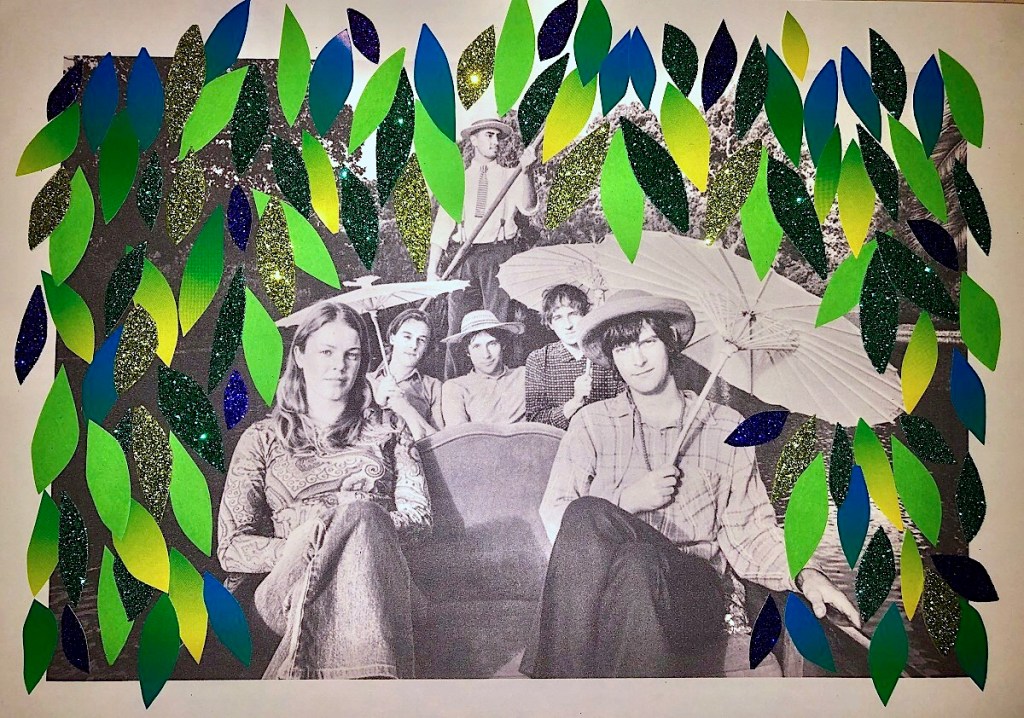
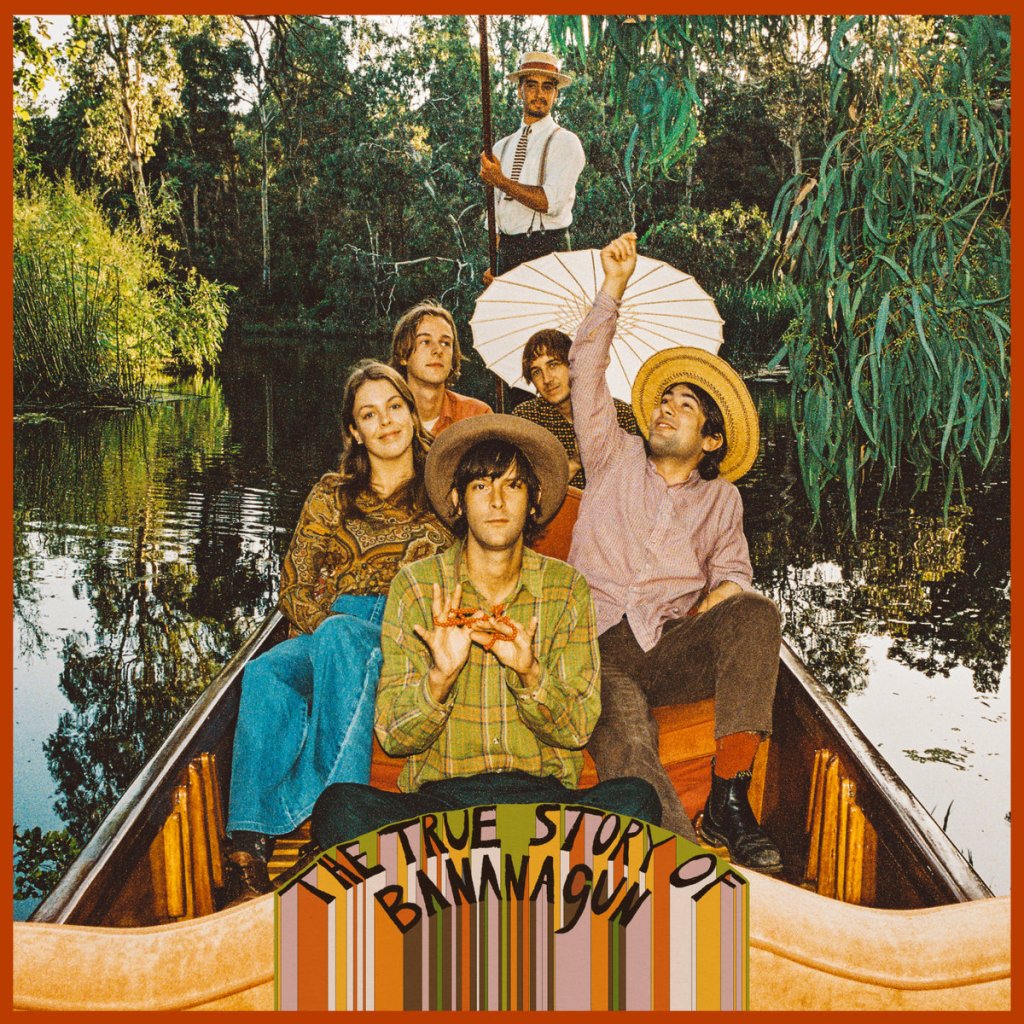
Original photo by Jamie Wdziekonski. Handmade collage by B.

Melbourne band Bananagun’s sound straddles the sounds of the 60s and 70s with a psychedelic garage feel and an obvious love of exotica, afrobeat and world music, yet with a freshness. They’re getting set to release their colourful, vibrant and punchy debut LP The True Story Of Bananagun in June.  Gimmie chatted to multi-instrumentalist and vocalist, Nick Van Bakel.

NICK VAN BAKEL: I live in Daylesford which is near Ballarat and Castlemaine, it’s in a valley.

Is it a nice place to live? Is it in the country?

NVB: Yeah, it’s real country. It’s beautiful. I’m on the edge of the Wombat State Forest.

Nice! Do you go bushwalking much?

NVB: Yeah, I try and go for a little walk every day.

I’m guessing you love nature?

NVB: I do! It’s bliss out here.

I‘ve noticed with your debut album The True Story of Bananagun there’s a nature and jungle-ish kind of theme, even in the visuals of the cover; have you always had a fascination with that kind of stuff?

NVB: Definitely, I’ve always liked that sort of stuff. In a musical way, I’ve always liked everything jungle-y and exotic-y, nature-y [laughs]. As a kid I always loved being in the bush. I really like the peacefulness of not talking and just walking around in the bush, it’s real nice.

I love bushwalking. The natural world can have such a beautiful energy, from the plants and trees, there is something very peaceful about being out in the bush.

NVB: There is for sure. More recently I found out all that stuff about how trees talk to each other and of them having support networks; if there’s one tree struggling, another tree in the area will put some of its energy down, underground into the network to help out the one that is lagging. They’re a good team! [laughs].

Yes, it’s pretty fascinating. I’ve read you’re a meditator?

NVB: Yeah, I try to as much as possible. I’ve forgotten to today though [laughs].

How did you first get into that?

NVB: I’ve always been interested in it from when I first heard about it in my early 20s, George Harrison and the whole India thing. I thought it seemed really inaccessible though like; what the hell do you do? How do you do it? For ages I was trying to do it, I’d just sit there and be like; am I doing it right? Over time I’ve done research and tried different techniques and found stuff that works for me and feels right for me to do. In the last two years I’ve made way more of an effort. After doing it for a while, there was a good stint over a few months where I did it constantly, I couldn’t believe how different everything was!

Absolutely! I’ve been meditating for the last 20 years and I always say, nothing bad has ever come from meditating. It’s helped me in ways I don’t even realise at the time but, then how I deal with a situation that might come up in my day with calm and clarity and ease, as opposed to me getting fiery or angry or in a bad mood about something like I used to, has really proven to me the benefits of meditation… and that’s only one example. Sometimes my mind totally resists meditation though, usually when I need it most, it’s funny how the brain works sometimes.

NVB: Yeah, sometimes I’ve found it can just be laziness. Sometimes it can be just an effort to sit there, there’s a fear. I think people sometimes don’t like to do things they fail at or think they might fail at; there’s so much room for failure in meditation because you wonder if you’re doing it right. People I’ve suggested it to, sometimes seem to be turned off by it because you can’t just do it straight away and get somewhere with.

I think it’s maybe because people find it hard to sit with themselves, all your thoughts, experiences, problems etc. The mind can be so busy. It’s not always pleasant and blissful to sit, that’s when I think you can make the best breakthroughs though.

NVB: For sure! It’s so important to connect with yourself and face those things, it’s how you progress. You need to find that middle ground between the extremes of high and low.

The middle path. Meditation has always made a positive impact in my life.

NVB: I’m usually a pretty mellow person, sometimes I can get so excited, way too over excited, with music or anything – like when kids get a bit silly [laughs] – it’s good to get a stability to not lose your head, that’s what meditation gives me. Whether you’re excited or feel a bit sad it’s important to realise it’s a passing thing, meditation helps that. One of the coolest things I noticed I got out of it after doing it for some time, you’re more open to signs. When I meditate heaps I feel like I get more messages, more signs, if I have a decision to make, I’ll see something that will talk to me and I’ll find answers in that. You’re more tuned it.

You have more awareness, you’re more mindful of things.

NVB: Yes!

Synchronicity.

NVB: Yes! For sure.

Things flow better because you’re in the flow of life.

NVB: Daily hiccups just roll off your back. If something shit happens, like you get a fine you have to pay or something, you have perspective and you know you’re not going to die or anything from it so it doesn’t really matter as much in the scheme of things. You endure stuff better. I’m all about that sort stuff. If I wasn’t going to do music full-time I thought it’d be a peaceful existence and beneficial to other people being a meditation or yoga teacher.

Totally! Where did your love of the 60s come from?

NVB: I’ve pretty much never had any beef with it [laughs]. Anytime I heard something, even from when I was a kid, even if I didn’t realise it at the time – my mum was really into Donovan and Simon & Garfunkel, stuff like that, The Byrds. I remember liking ‘Mr Tambourine Man’ as a kid, when I heard it when I was fourteen again, it felt so good and familiar. It’s just what I go for.

It was a pretty interesting time in the world too, with all the changes and politics and revolutionary things, so really cool art was made. I do think though every period has cool art that can be a reflection of the times.

NVB: Yeah, for sure.

I’ve heard you have a bit of an obsession with Indian music?

NVB: Yeah. I have an obsession with world music and music in general. I remember getting into The [Rolling] Stones, I remember when that Brian Jonestown documentary came out and seeing all the sitars. There’s an enticing esoteric and mystical quality to it, it kind of feels like the mystery of the Universe. It’s a magnetic thing that I just like. I like classical Indian music too, it’s peaceful and meditative. Sitar music is really nice, I got a sitar for my eighteenth birthday, I play that heaps. I did sitar and tabla lessons in India, which was rad.

Why did you chose to go to India?

NVB: I was with my friend Stella and my ex-girlfriend. We went over for two months. I love everything about India. I wanted to go somewhere that wasn’t Western. I’ve been to Europe a couple of times. I love the food, music, culture and mysticism.

Was there anything that was a culture shock to you?

NVB: Yeah! I keep on thinking that every single sense of your body gets pushed to the absolute extreme. India is everything all at once. You can walk down the street and find a spice market with all these nice aromas and then you turn a corner and there’s an open sewer with human shit everywhere, so salty and stinky and septic, burning your nostrils. You can walk past a window and hear Hindi singing. Then there’s all the chaos of the relentless traffic and Tuk Tuk horns. People pester you so relentlessly, it was such an endurance test. I did bus rides for 48 hours where you couldn’t sleep on the bus because you were in a little upright chair, I’d have all my bags with me and everyone would stare at you because you’re Westerners.

What inspired you to start Bananagun? When you started you were doing it all by yourself?

NVB: Yeah, kind of. I had another band Frowning Clouds and we stopped playing. I had a couple of years without any bands and I was keen to start another band ASAP. Everyone was so busy because they were all in other bands and I found it hard to find members. I always wanted to start a new band. I always thought Jimmy could play drums, he’s my younger cousin. We always talked about doing a band someday.

You don’t want to do the same band twice, I’d done the Frowning Clouds thing, so I couldn’t have another 60s band. I was still really into that music at the time though. I started to be able to see a way to do it that’s different from other stuff I’ve made. I was just looking for a new angle.

Bananagun is like an amalgamation of all of the things you like: the ‘60s, world music, exotica and things like spirituality and mysticism.

NVB: It just feels super natural and organic, not contrived or anything. It all started to inform itself the further it went on, Jimmy came along and then other people came along, time went on and it materialized. It’s such a pain in the arse to have proper songs sometimes, like verse, chorus, verse—I’d probably just prefer music itself, that’s the easy fun part, then lyrics are the drag you have to do to finish it [laughs]. I’ve always dug world music. I thought this band was a clean slate and I could make it what I wanted it to be, a blank canvas. There’s a really great overlap in taste with everyone in the band. It was really essential to have a band where we could all hang out together and not get sick of each other, to have good chemistry. Once we found everyone it was all systems go!

On the new record there’s a 90-second track called ‘Bird Up’; it’s made up of sounds from birds like kookaburras and parrot from around where you love?

NVB: Yeah. The birds inspired me. The album was just track, track, track, track, I thought it needed something to make it more of a left turn so it doesn’t just sound like a Spotify playlist of songs. I wanted to make it kind of like opening credits, it’s a little interlude. There’s so many birds out here and crickets! I want to sample crickets and make a cool nature thing, I could do a Bossa pattern with them and there’s these cool Banjo frogs that make little plunky noises. I just need to get a good hand recorder.

There’s really loud crickets in our area too. When I wake up in morning and it’s still dark, the moment I hear birds calling I know the suns coming up and it’s time to get up.

NVB: It’s beautiful. It’s the soundtrack for the day, you should be up when the birds are chirping [laughs].

I like being in touch with that natural cycle, sometimes when you’re in the city it can feel so removed from nature—just buildings and cars and people and more people.

NVB: Yeah, totally! Sometimes I don’t know if it’s best to abide by the laws of nature or if you should progress and move with the times. I can just imagine myself being an 80-year-old naturalist and trying to pay bills but not being registered with the corps. [laughs]. I feel I’ll be real obsolete and outdated!

Nature never fails to amaze me. Whenever I’m having a hard day or something is getting me down, I just go outside and look at my garden or the trees in the park across the road from me or pat our dog and I’m reminded that the world isn’t such a bad place. Those things snap me out of what I’m feeling and brings me back to what really matters.

NVB: For sure. I think nature is a good teacher. I do gardening for a job, just being around plants heaps you can get little life philosophies from that kind of stuff. You can be like; why is there someone that’s so twisted and evil like Hitler? Then you’ll see a gnarled up rose and you’ll remember that sometimes things come out wonky.

My mum has been sick the last couple of years, they said she had six month to live but it’s been three or four years now; she gets a lot solace from nature. She’ll send me photos and will be like: look my daffodils are blossoming again! She says things to me like: it’s ok sweetheart, it’s just the cycles of life, and things bloom and then die and return.

It’s so great your mother is still here.

NVB: Yeah, she’s totally bad arse!

I wanted to ask you about the song ‘Taking the Present for Granted’; what’s it about?

NVB: I had a good friend at the time that was having a bit of an existential crisis and they were like “nobody knows why we’re here, we’re not here for any reason. What’s the point? We’re all gonna die!” They were afraid of that idea. You could be like, nothing matters, I can do what I want. I don’t have to get a stupid job that I hate, because nothing matters. That’s what that song is sort of about—is it really that bad?

It’s funny trying to talk about songs because it’s usually this vague concept and you’re not really sure. You end up working on it so much so it’s the most precise and articulate way you could say that and when you have to talk to someone about it and expand on it that you just feel like a clumsy fool trying to.

And people find their own meanings in songs.

NDS: Yes, that song could be about kids getting presents for Christmas that they don’t like and taking them for granted [laughs].

With the ‘Bird Up’ track we were talking about before; did you get the title from that from the Eric Andre Bird Up! skit?

NVB: [Laughs] Yes! I made it, bounced it out into iTunes and it asked me; what is the song called? I just said, ‘Bird Up’! I was supposed to change it to something better but I was busy and didn’t get to and got the Masters back and it was still called that so I thought, whatever!

It’s easy for people to think that you’re a serious person and you have to try and show all of your sides with music, try to be a full picture. People don’t just want to hear the serious stuff you’ve got to say. You can express a lot of serious stuff through comedy, it takes the edge off. Comedians talk about serious shit but make it funny and digestible.

It can open up conversation about subjects people may usually feel uncomfortable with. I was listening to your song ‘The Master’ and I got the vibe from it that it’s about not comparing yourself to others and to be your own master; is comparing yourself to others something you’ve done yourself?

NVB: Yeah for sure. Just all my peers and people around you. I remember too, listening to The Beatles and thinking, fuck, what’s the point?! That’s the bench mark. I have to get my shit together [laughs]. It’s toxic to get into that comparing kind of thinking.

What helps you with that stuff?

NVB: Just realising it’s stupid and stopping it. It was worse when I was younger. As you get older and come into yourself, you realise it’s stupid and that everyone else is probably thinking the same thing!

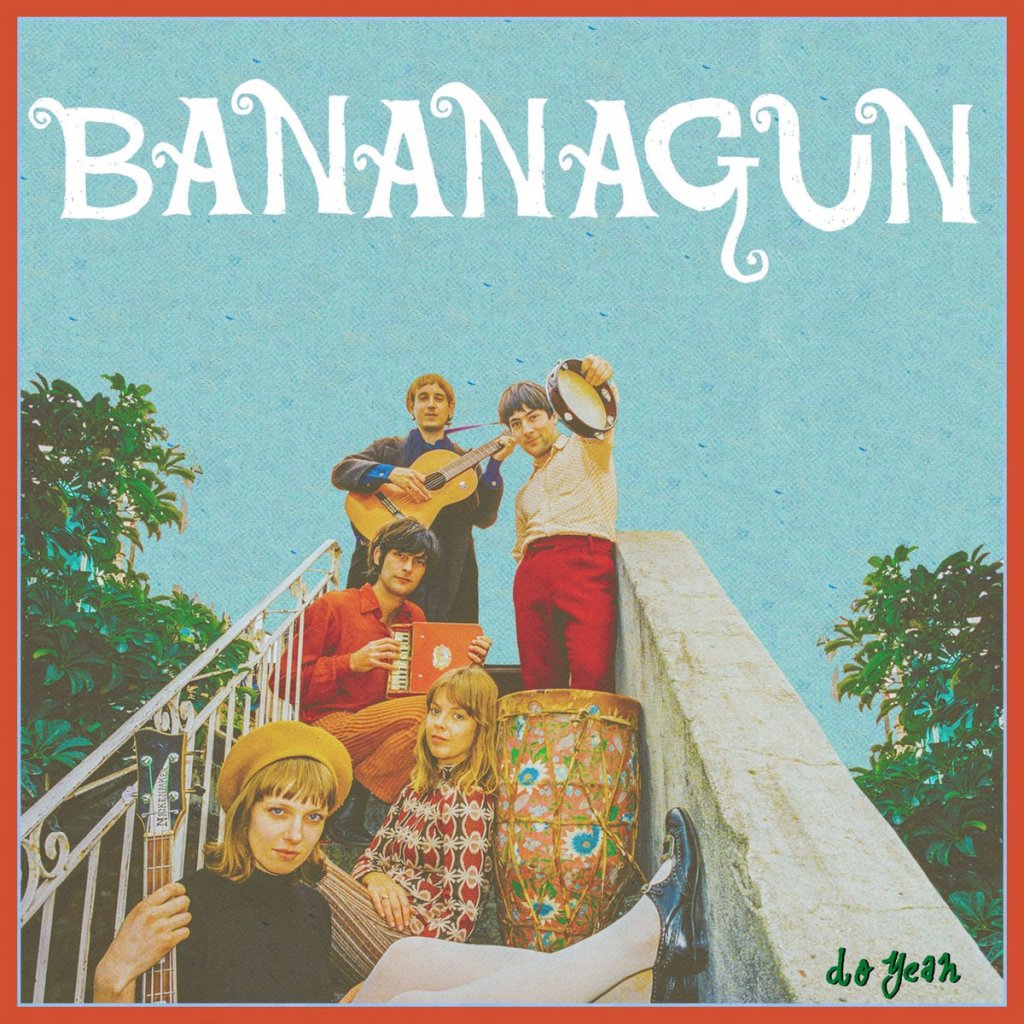
I love the album cover for The True Story of Bananagun!

NVB: Thank you! I’m happy with that, the colours are amazing! Everything that Jamie [Wdziekonski] shoots is amazing.

There is always so much depth and feeling and life in Jamie’s photos, he really captures beautiful moments. He’s one of my favourite modern day photographers.

NVB: Cool. The idea was that we needed to make album art and it’s really time consuming so we thought, let’s just get Jamie to take a real sweet photo and let that do most of the talking… then we just need to put a border around it or something [laughs].

One of the overarching themes that I’ve found on your album is beauty and finding it; where do you find beauty?

NVB: Yep, cool. Probably mostly in nature and people. This is going to be such a wanky conversation from here on but… I like thinking about beauty not as a conventionally beautiful person or something like that but like Lou Reed talking about seeing something like a real hideous guitar and being like, “oh, that’s beautiful!” Beauty is good because it has a different meaning for everybody. Then there’s stuff that just knocks you on your arse because it’s so undeniably beautiful. Maybe that’s Indian music for me or when you hear stuff that’s so pure and beautiful it’s ridiculous! It almost has an authority kind of presence, it sits you down and it’s a mystical experience. I see a lot of beauty in people’s expressions too or when people just unintentionally just do beautiful stuff in a selfless way.

Please check out: BANANAGUN. Bananagun on Facebook. Bananagun on Instagram. The True Story Of Bananagun out on ANTI-FADE and Full Time Hobby (UK).