Imagine having the opportunity to engage in profound conversations with the creators of punk and hardcore, spanning from its inception to the present day, diving into the most timeless and perplexing questions about life. These inquiries explore forging a path on your own terms, the art of creating something out of nothing, standing up for what you believe in, changing what you don’t like, the ethos of DIY, the power of community and purpose, and the highs and lows of life’s struggles and wins. Plus, the journey of transforming your life and the lives of those around you, while navigating this often tough world. There are moments of clarity, connection, insight, and profound beauty waiting to be discovered in the pages of Conversations with Punx, a book that formed in its own time over two decades.
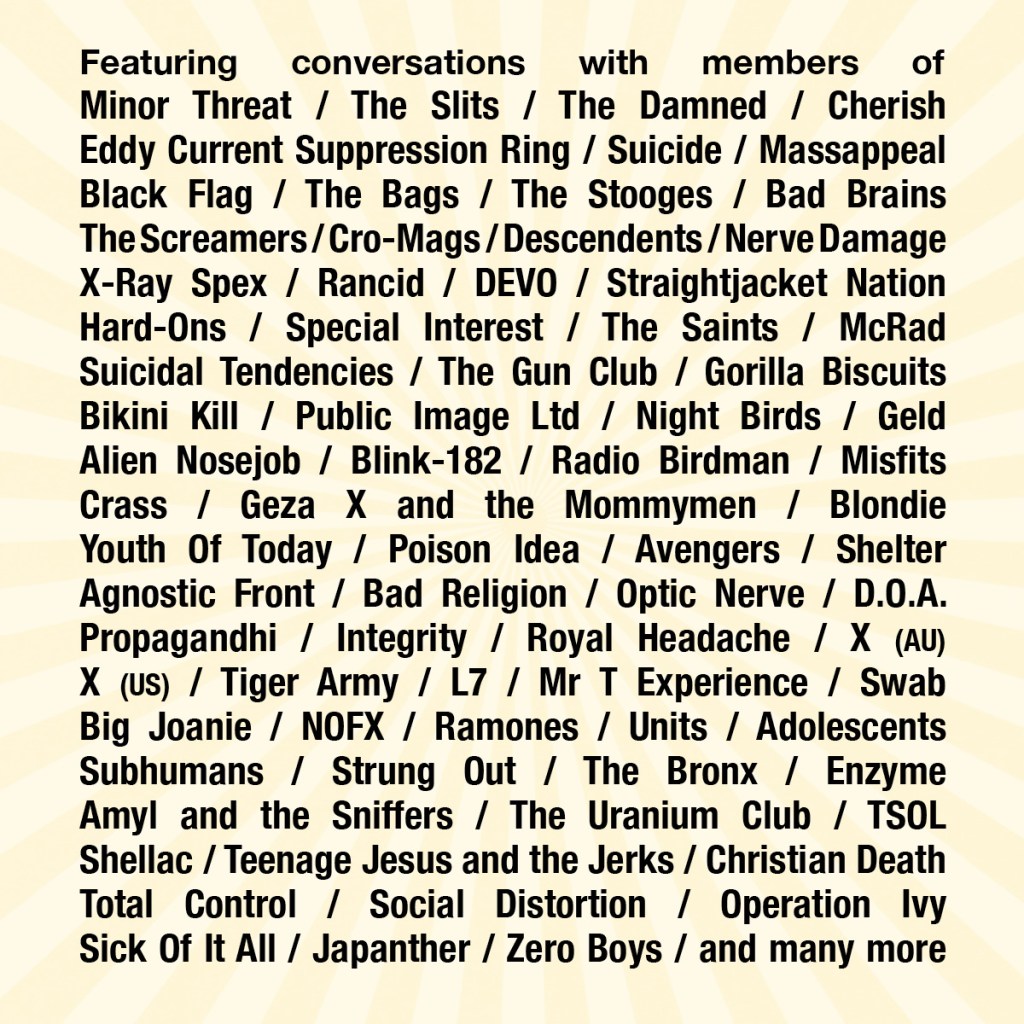
When I (Bianca, Gimmie’s co-creator) was 24 years old in 2004, I faced a confusing, difficult, and heartbreaking situation. Seeking answers and tools to process and cope with what was happening, I turned to interviewing, something I had been doing since I was 15 through making punk zines. I found answers through deeper conversations with individuals from bands that provided the soundtrack to my life: Black Flag, DEVO, Agnostic Front, Suicide, Bad Brains, Radio Birdman, Crass, Straitjacket Nation, X-Ray Spex, Gorilla Biscuits, Ramones, The Stooges, Zero Boys, The Bronx, Misfits, The Slits, The Bouncing Souls, Minor Threat, Suicidal Tendencies, At The Drive-In, Special Interest, Bad Religion, Sick Of It All, Adolescents, Operation Ivy, Eddy Current Suppression Ring, Poison Idea, Bikini Kill, Youth of Today, Hard-Ons, Avengers, Descendents, Big Joanie, Amyl and the Sniffers, and many more. From these 150+ conversations emerged surprising insights. Maybe the wisdom, resilience, and humanity at the heart of punk can spark something in your own life too and change how you see the world.
This isn’t just another book on punk and hardcore; it’s a book on life. It’s not a documentation of a certain place at a certain time, because punk is dynamic and ever-evolving. It’s not a thing of the past; it’s happening right now in cities and towns all over the world. What you know of punk is not its only story; what you know of life is not the only possibility. Punk is a big wide world with a lot to offer.
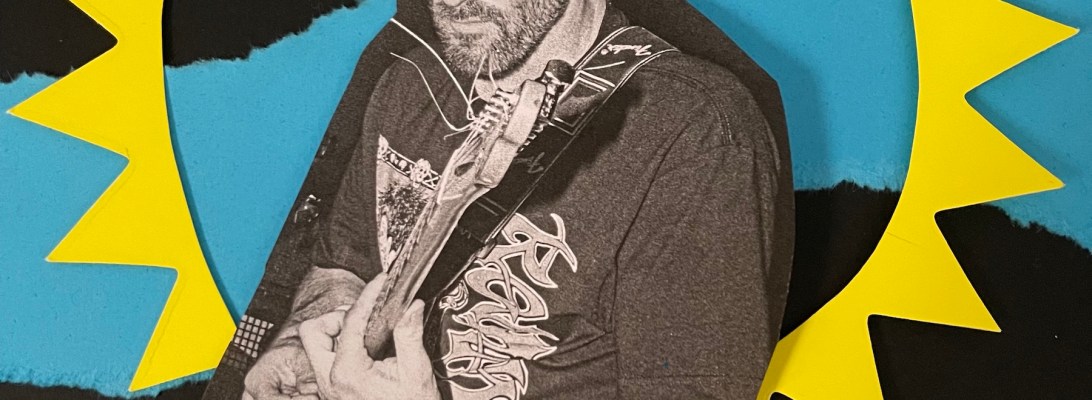
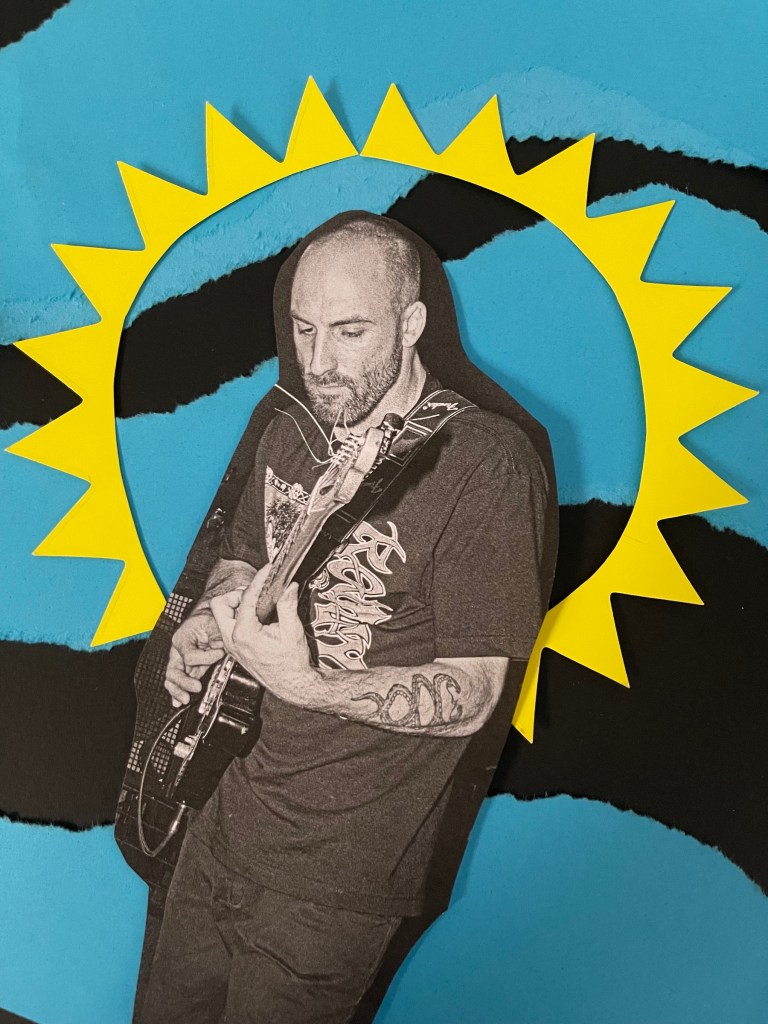
Original photo: Jhonny Russell. Handmade collage by B.
Seasoned musician and skilled producer Owen Penglis is a massive music fan and has carved a remarkable path for himself in the world of sound. Hailing from a musical family (his father played in legendary 60s Australian surf band, The Atlantics) Penglis immersed himself in digging for records at a quaint secondhand shop nestled in the Sydney suburbs, seeking the weird and wonderful.
Penglis went on to be in many bands, starting out as a drummer before moving to guitar. He spent time exploring music at university but wasn’t vibing on it, and in a bold move, bid farewell to the classroom and became a Vespa mechanic. He eventually started one of the coolest Australian garage rock bands, Straight Arrows, in 2007.
Music’s magnetic allure beckoned him to pursue his sonic dreams. Armed with a borrowed 4-track recorder, Penglis took on the role of a musical alchemist, teaching himself the art of recording through his own and friends’ musical endeavours. He started his own studio recording bands Circle Pit, The Frowning Clouds, Bloods, The Living Eyes, Mini Skirt, Display Homes and many more.
In our insightful conversation, Penglis unveils details about a new Straight Arrows album, and recording a new Mini Skirt record. Delving into his memories, he tells us stories of mentoring a teenage Ishka from Tee Vee Repairmann, and collaborating on intriguing ventures like a sitar project with Lawrence from Royal Headache. We talk touring with The Oh Sees and Eddy Current Suppression Ring. And we discover the depths of Penglis’ creativity, including the fun project where he donned a gorilla suit and sang a dance anthem that went out for an ARIA Award.
OWNEN PENGLIS: Yeah. The highlight so far was probably when we went to Sunshine Coast yesterday, but the show was cancelled because of the venue shutdown. So we went anyway, we had a hotel up there. We went bowling. We got up today and went for a swim. And then we played mini golf.
Nice! Who won?
OP: Al won mini golf. Will won bowling.
The first time you toured with The Oh Sees was with Eddy Current Suppression Ring in 2009.
OP: That was really cool, and funny because the shows weren’t very well attended. Eddy Current didn’t really click with people until maybe, Rush to Relax. I mean people who were into that stuff knew about it, but it gained a wider audience, maybe up to that record, as they were kind of starting to wind down a bit. Us and The Oh Sees played in Wollongong, we played to 30 people. Then we did Newcastle with Eddy Current, too, and there were 80 people in a big room at the Cambridge. But Sydney was really good.
What a lineup! We love all the bands.
OP: It was really cool. We’re very lucky just to randomly get on it because this band called Witch Hats, they pulled out, and I said, we’ll do it. They said, “Ok. Cool!” And then we made friends.
The Oh Sees, at the time were doing all the vocals through a Space Echo, a proper tape machine box one and that shit itself. And so I was like, take mine on the road and bring it back at the end. We became friendly and chatted a lot. And then the next time they came, we played with them again, and then next time after that.
I understand that there was a conversation that you and John Dwyer had about potentially doing an Oh Sees/Straight Arrows split release?
OP: Yeah, we were doing the merch together in Newcastle and they’d just written this cool song called ‘I Was Denied’ that ended up being on album, Warm Slime. I think they had just started playing it. They played that song every night. I thought, this is mad. I was like, you’ve got a record label, do you want to do a 7 inch? And he’s like, “Let’s do a split 7 inch!” I was like, okay, cool. And then I just never really pulled my finger out and followed it up. Stupid mistake.
You should remind John of the convo while on tour now, and finally do it! I’d buy that.
OP: I was like, hey, do you remember we were going to do a Split like, four years ago. He was like, “I don’t really do it anymore.” And I was like, I guess I learned my lesson.
Has there ever been other opportunities that you’ve had that didn’t eventuate?
OP: I got one, but I can’t tell ya. I got asked to tour with a band. It’s not a big regret.
How did you get into music?
OP: I grew up in a musical house. My my old man played in a 60s band called, The Atlantics. An instrumental surf band with a hit song called ‘Bombora’. The Beatles hit, like, six months later and you had to have a vocalist, now certain music is not cool anymore. They got a vocalist who was an older dude who’s a bit of a rockabilly guy from the 50s who tried to do 60s rock and roll, it didn’t go well. They put out singles for years. They didn’t sell. But now some of them are really cool, and they’re really valuable. So I grew up with that. Although he hated that and wouldn’t talk about the band or anything. He just thought it was crap and old.
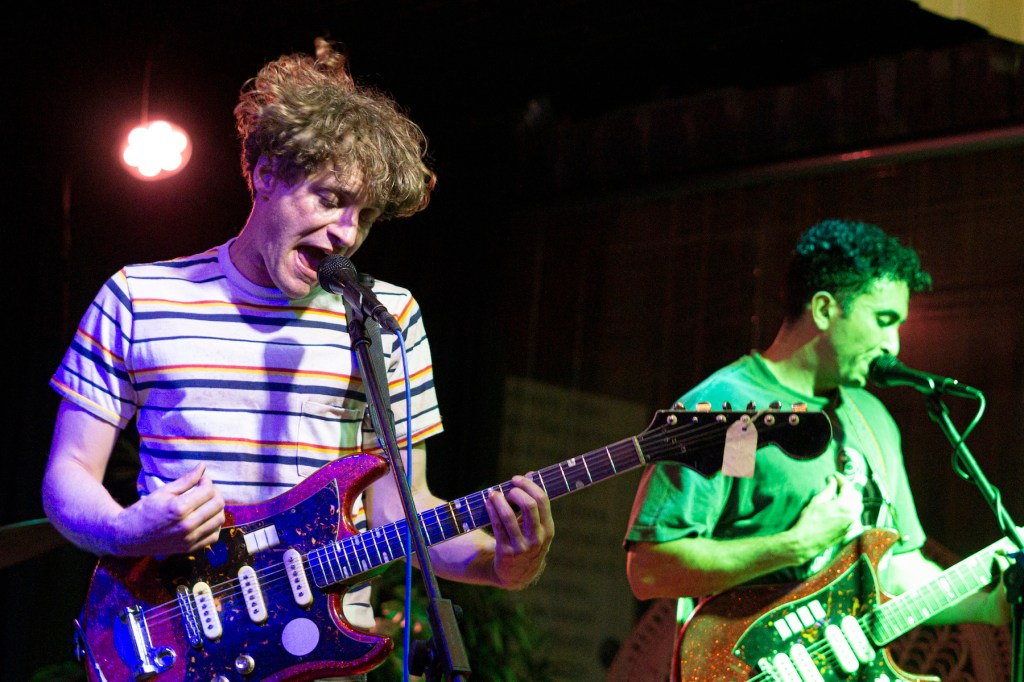
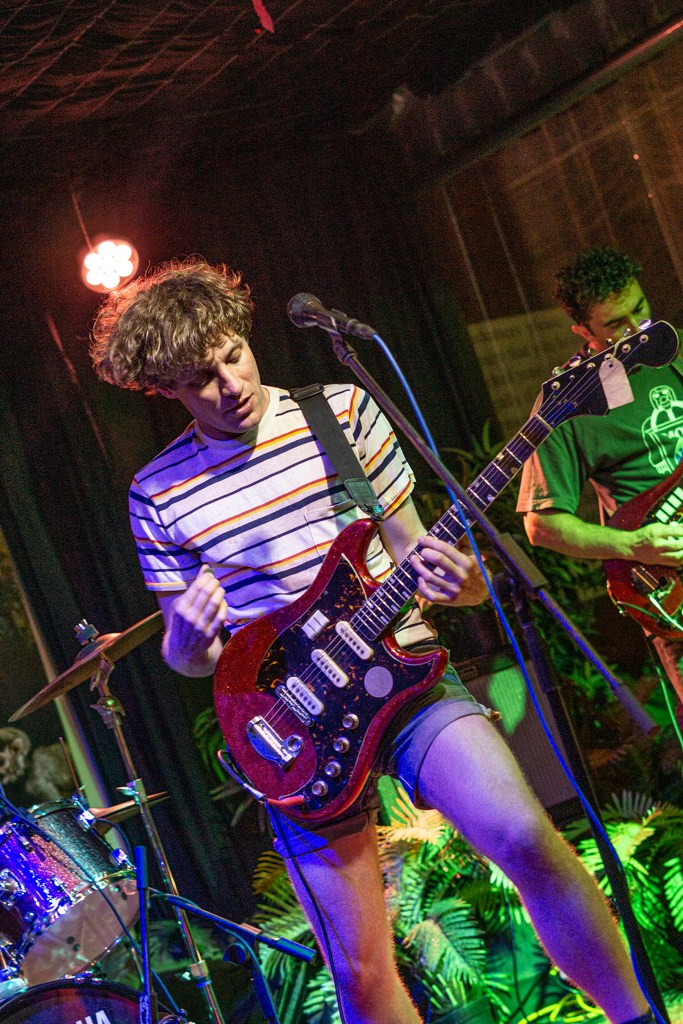
Photo: Jhonny Russell.
You initially started playing drums?
OP: Yeah, I started as a drummer, played in a few bands when I was a teenager.
What kind of bands?
OP: I played in a band that’s still going called The Holy Soul, when I was 17. I met them when I went to university in Penrith, West Sydney.
What were you studying at uni?
OP: I was doing music. I hated it so much, I quit and became a mechanic.
Why a mechanic?
OP: I got offered a job as an apprentice at a shop that fixed old Vespas and Libras. The guy there said, “Come work for me and stop delivering pizzas.”
During that time you were still making music, though?
OP: Yeah, I was still making music, but when I was doing uni stuff… rather than a strict this-is-how-you-plug-in-a-microphone-thing, and this is how you get a drum sound, it was on the creative side, which is cool. But it was early digital equipment. I thought it all sounded crappy. I hated it. I hated the academic side of it and the people that it attracted.
For you, is music more of a feeling kind of thing then?
OP: I’d say so. Yeah. I’d much rather pick up a guitar then write it down. I couldn’t write it down [laughs]. Not very well.
So I became a mechanic and then I borrowed a 4-track cassette deck off someone, and started again from scratch.
Teaching yourself?
OP: Yes, teaching myself. I was a drummer and I thought no-one wants to see a drummer write songs [laughs], or sit behind a kit and sing.
I do. I love watching drummers sing. Ben from C.O.F.F.I.N, Nadine from The Prize, Buz from R.M.F.C.
OP: [Laughs] Maybe I should have stuck with that.
Does being a drummer help you write songs?
OP: Yeah, probably. I’m sure it does. Just thinking about a song rhythmically is something I do first and then it goes from there.
Do your lyrics come after the music?
OP: It depends. Me and Al in the band always talk about it and are like, if you’re writing a song and your lyrics kind of come with the melody it’s really nice, but if you write cool sounding music and then write the lyrics after, it can be really difficult. It’s like trying to fill out a crossword with no questions on it.
You have a new album that you’re going to put out?
OP:Yeah.
We’ve heard six songs. They’re really awesome. Is there going to be more?
OP: Thanks. There’s heaps more. They’re the only ones I wasn’t embarrassed about [laughs].
Photo: Jhonny Russell.
How long of a period were you writing over for the new record?
OP: During COVID so it all melts together. In Sydney it was all locked down. There was a while where we couldn’t go more than 5kms from your house. When they finally let you do that, I could go to my studio and I’d go in two or three days, sit down and write some music. If today is good, it’s good, and if it’s shit I had to do better. At the moment, there’s no work for me. I can’t mix anyone’s record because no one’s recording because no-one knew what was happening.
Your studio is called Goliath?
OP: Yeah. So I actually had to move studios, at the start of January. I got a new one which is close to my house but haven’t got a name for it yet. It’s a five minute walk or I just get on my pushy and ride over.
Do you know what the new album will be called?
OP: I have no idea.
When do you think it’ll come out?
OP: I was supposed to finish it off in December but I moved studios, which pushed everything back. I’m hoping towards end of the year, maybe September/October. It kind of depends on the record plants because everything takes so long now. Major labels have discovered that they’ve got a physical piece that they can sell again. And it’s like maybe 60 bucks retail for them now, for a single record. People seem to think that’s normal. You get big artists, like Adele clogging up the plants.
Yep. And Taylor Swift. All the Record Store Day things too. Reissues of everything.
OP: It’s all bullshit, likeTop Gun 2 soundtrack. Whatever. [Laughs] I need that on vinyl! It’s funny because they’re almost, like, keepsakes rather than playable things to a lot of people buying.
I remember reading that when you were younger you used to find bands, new music and you used to love getting records, looking at record covers and then choosing them that way.
OP: Totally. I was really lucky when I was a teenager, there was a secondary record store. I grew up in an outer suburb of Sydney called Asquith, which is like 45-50 minutes on the train from the city. The next suburb was Hornsby and there was one secondhand record shop and it was great and really cheap. They had a listening station. I’d go in all the time. They didn’t care if I just took a pile of records and sat there and listened to them all and maybe didn’t buy anything. It was that it was a great education. And then I had to figure out what I liked. All the dudes running it was, “There’s a $2 copy of this Pretty Things record. Think you might like it, listen to it, it’s cool.” I just dig through and find weird records with strange covers and be like, who is this? Sam The Sham. Cool. Chuck that on. Digging through boxes and seeing cool names.
I do that. I also look for fun song titles. I especially like songs that mention dogs or space.
OP: [Laughs]. Space is always good.
[Shows the screen of his phone] This could maybe be the new album cover. A friend took this amazing photo of a building in Bundaberg. He still lives up there. His name is Brad and he used to play the band Chinese Burns. Think he works for for the ABC taking photos.
Is recording other artists your full time job or do you do that on the side of something else?
OP: It’s my full time job, weirdly. I can finally feel confident saying that’s my full time job.
OP: Yes, I was just up in Byron recording Mini Skirt, which was cool. They got a really nice studio up in the hills, in Coorabell. It used to be a studio in the 70s and maybe like Cold Chisel and that school of bands would use it. It went to disrepair and a very rich lady bought the land it’s on and restored the studio to how it was back then, including finding all the old equipment. Mini Skirt flew me up to work on the record.
Have you been working on anything else as well?
OP: I’ve been doing a lot of mastering, which is nice to do. I mastered the Wiggles covers album, which is pretty funny [laughs]. That made my mum understand and respect what I do. I’ve been mastering all sorts of weird stuff, cool local bands and also country artists .All sorts of stuff comes through.
Do you find that when you’re working on something and you might not totally be into it or what the artist is doing, do you find something in there that makes it okay and you can get through it?
OP: Oh, yeah. Mastering I try to be kind of totally objective. It’s a technical thing. There’s joy in any of it. I’m fairly uncontactable, I don’t advertise or try and actively get something, I’m lucky enough tI don’t have to actively try and push to get work from bands. People come to me, and I’m able to leave it like that. If people have made the effort to find me, then they probably know what I’m doing. And we’re probably going to understand each other. I’ve had a couple of weird ones [laughs].
I get that. I was speaking with Ishka from Tee Vee Repairmann recently, and he was saying he likes likes recording, but he doesn’t want to advertise either.
OP: Ishka was my intern.
I know. He told me you were the one who got him into Back to the Grave and all these cool compilations.
OP: That’s cool. When he was in high school, year 11 or 12 he came and worked with me for his work experience, I was recording that band The Grates. They came in for a couple of weeks, so come in and hang out. He’d come in and everybody loved him. He was a quiet, tall kid that wanted to learn lots. Ishka is such a lovely guy. We played New Year’s eve the one before last and Al was away and I caught up with Ishka and asked if he’d like to play guitar for a show. He said, “Yeah, cool, ok.” He came to one practise and learnt everything really fast. He was so good at it I had to ask him, can you play it a bit bit shittier [laughs]. I told him he had to make it bad.
We love Ishka, he’s the best, one of the nicest people we know. With, like, the new album did you have an idea of what you wanted it to sound like?
OP: I’m so caught up in listening to shit all the time that I’ll hear record be like, yeah, I love that I should record something like that, and then the week it’s something else. Each song is probably like a weird snapshot of what I was loving that day or week.
Is there a song on the album that’s significant for you?
OP: There’s some darker stuff in there, but I don’t want to talk about it.
Not a problem. I guess that’s why we write songs sometimes. We can communicate things that are sometimes hard to talk about and it can also help us process what we’re going through.
OP: Oh, totally. I mean, that’s what it’s all about, right? Getting up and yelling on stage.
Yeah, it’s a release. It can also just be total fun and bring immense joy.
OP: It’s so great to do this stuff. I’m so thankful that I get to travel with some ofmy best friends and see some great friends from overseas.
Are you working on anything else musically besides Straight Arrows?
OP: Not really at the moment. I went through a weird patch in, maybe, 2015 or something. I did a bunch of weird records. I did a sitar record. I lived with a guy Lawrence who played that band Royal Headache. We hanging out and I found a sitar on the side of the road that had a hole in it. I fixed it. We were just hanging out and with it, Royal Headache’s High had just come out, and I was listening to these great double 60s records. There was like a band playing a track but with sitar as the vocals. I was like, let’s do that with Royal Headache. We started this dumb band called The Royal Sitars. We put out a 7 inch and played few shows. Then Royal Headache got quite busy. He was off doing festival, running around, and that was the end of that. But there’s a Sitar record out with me and him [laughs].
There’s another one I did around the same time which is called. The Green Bananas, which was like me dressed as a gorilla singing a song about a dance song called ‘Do Ape’.
Amazing!
OP: [Laughs] And that ended up getting picked up by the ABC and it was a 7 inch. The guy from the ABC called up, he said, “Don’t be offended, but would you consider making a kids release?”
You did it, right?
OP: Yeah. I ended up doing an EP. The main reason we did the EP was, “Okay, so the ARIA Awards are coming up and we get to submit like three albums or mini-albums to the nominations in the children’s section. And we have some space. So if you can write and record this in two weeks, we can try and nominate it for an ARIA Award.” I sat down and did it, and then I think the Wiggles put out two albums and I got left behind [laughs].
And now you’re working with The Wiggles! A full circle moment.
OP: [Laughs].
What kind of things are you enjoying music-wise lately?
OP:I spend so much time digging through the past. My other job is DJing, I do that heaps. Touring doing that is much easy than touring a band. I really like The West Coast Pop Art Experimental Band, their records are amazing. Their story is really strange. A rich older guy was an orphan who was adopted by an oil baron, he decided that he wanted to start a popular rock group and recruited these 18 year olds to start a band with him. He paid for everything. The recordings, the light show. He got them on Reprise, Frank Sinatra’s label. He had them touring around America and kind of slowly started to appear more on stage, playing tambourine and singing. I love the records.
Is there anything musically you haven’t done yet that you’d like to?
OP: I just sit down and play and see what comes out. I guess Straight Arrows is within some sort of confines but I can kind of put out almost anything that’s guitar-related in that band. The new single ‘Fast Product’ we just did, I feel like it’s a weirder one for us. It’s almost like egg punk.
Was there anything you were listening to then when you made it to influence that sound?
OP: The newer wave of egg stuff, I suppose. Like Coneheads. Uranium Club. Even R.M.F.C., those guys are awesome!
Meet Arron Mawson, a powerhouse behind some of Australia’s most dynamic bands – Stiff Richards, Doe St, Split System, and Polute. But his journey transcends the realm of music; it’s a story of authenticity, passion, and a pursuit of doing things for the right reasons.
For Mawson, making music is a visceral calling he shares with his friends. It’s about connecting through art, driven by an unwavering compulsion that pushes him to create from the heart.
Disenchanted with the traditional music industry, Arron took matters into his own hands, birthing Legless Records – a testament to DIY spirit.
In the whirlwind of the modern underground music community, where countless people, music, events, and distractions clamour for attention, Arron Mawson stands out as a beacon of authenticity and passion. It’s not just the fast-paced punk rock ‘n’ roll anthems or the inspiring DIY achievements that set him apart; it’s the very essence of his character.
Gimmie recently had the privilege of sitting down with Mawson before Split System embarked on their first European tour. In this candid conversation, we explore his bands, creative process, the art of songwriting, his inspirations, and the upcoming label releases. But beyond the music, we venture into the depths of his experiences – trekking in Nepal, confronting mortality, challenging the “too cool” attitudes, and embracing the art of “getting on with it.” Prepare to be inspired and enlightened by someone who embodies dedication, goodness, and the true spirit of the underground.
How’s life been lately?
ARRON MAWSON: Good. Moving house before we go to Europe, me and my partner moved into her mum’s place. That’s been nice. It’s been a really busy year, to be honest. It was sort of like a treadmill, I guess. It felt like it was nonstop, and then it’s finally settled down now right before going away.
I feel like after COVID, there was that massive rush. Everybody was saying “yes” to everything. And it kind of got to mid this year, like maybe a month ago, and I was like, ‘Oh, jeez, I really need to slow down.’ It’s been the craziest twelve months.
There’s so many good things that have been happening for you.
AM: Yeah, I’m kind of ready to go camping or something, though.
I feel like that as well. I work two jobs, freelance, and do all the Gimme stuff on top of that. It’s all fun stuff, but I just don’t have enough hours in the day to do all the things I want to do or that people want me to do. I always feel like I’m letting someone down.
AM: Yeah, exactly. You feel bad because you want to help your friends and you want to help everyone, but just you don’t have that capacity because it takes a lot. It’s been so nice seeing everybody back out after the couple of years that we had. There’s been so many good releases, so much positive energy. I feel like people are a lot more patient now and appreciative. It’s been a really fun year, but I think I can sort of feel it petering out, where it’s like everyone’s sort of chilling out now a little bit.
Definitely. I’ve noticed that as well. Everyone was so excited to get back into it and then we threw ourselves in so much that, like you were saying, you burn out and just want to go camping. I noticed on your Instagram there’s lots of music stuff, but then there’s also lots of nature stuff.
AM: Yeah, well, I guess that’s sort of my other hobby. I love hiking and I love being in nature. I live in Rye, which is about an hour and a half southeast of Melbourne on the coast. So I’ve always been drawn to the country and the coast. When I’m not doing music stuff or working, I’m usually doing something in nature.
I noticed that you trekked in Nepal!
AM:Yeah, I did that a couple of times.
What drew you to going to Nepal?
AM: Don’t really know. I’ve always had a fascination with mountains. When I was younger, I really loved snowboarding. It was less of the sport that actually drew me in. It was more the being in the mountains thing.
Why the mountains?
AM:I don’t know. A form of solitude. It’s cool. Doing a trek in Nepal, I wanted to be on my feet for over a month, and just be me and backpack. That was a place that I could do it.
I don’t know anyone who’s gone off trekking in Nepal for a month; what was the experience like?
AM: It was cool. When I started, I came straight off, I can’t remember what gig it was, but I think we had played a festival in Melbourne on the Saturday night and I left on the Monday, and I was trekking on the Tuesday. You basically basically start at sea level. The first few days it’s really hot and quite dusty and dirty. I was like, ‘Oh, jeez, what have I got myself into?’ But after five or six days I really got into it; I trekked for about five weeks. After a week, it was incredible realising your body’s made for that stuff. You get over the tired part of it and this primal thing kicks in and by the second week, you’re just like a walking beast [laughs]. It’s like, I can walk forever. It’s a pretty cool experience getting in touch with that side of your body a little bit more and switching off, not being on your phone and just being you and your feet.
I assume you’d have a lot of time to think while you trek?
AM: Yeah, it was really funny. I actually wrote more songs. I was humming songs, with the rhythm of my breath. I had walking poles and I ended up getting into a rhythm and writing songs in my head to the beat of my breath.
Wow. I love that.
AM: I’d hum these weird songs into my phone in my voice recorder on my phone. I got back and I had a ton of songs to go through. You get into that different creative headspace, but I didn’t really have an instrument or anything with me, so it was bizarre for me.
I find I get my best ideas when I go for a walk or I’m driving in the car or I’m just doing something else not creative. It’s like you kind of go on automatic pilot. It frees up your brain space to be able to let those good ideas come in.
AM: We’ve got so much noise around us. Walking undistracted with our own thoughts, a lot of people aren’t used to doing that, they don’t get the chance to do it. I think it’s a really important thing for us to do. You can go on hikes and just be alone with your thoughts, which can be quite intimidating sometimes, and then quite liberating as well. Because you’re just out there. You’ve got nothing to hide behind.
Totally. I found that you can never just run away from problems in your life, you can never outrun yourself. Wherever you go, you’ve still got you to deal with. Your problems go with you, until you sort them out.
AM: Totally.
Previously, someone asked you about your philosophy behind all the stuff you do and you said that you just get on with it.
AM: Yeah. I’ve got a pretty full on personality. I’ve met some challenges in my life. Doing this music stuff, especially at the start of COVID, that it really kicked into gear with my label, Legless Records. I used to have a lot of anger and frustration with the world. Sometimes approaching challenges and things with that, you don’t get anywhere. Sometimes you just got to pick yourself up and move forward. I guess the get-on-with-it-thing is, I don’t know how to put that to words, but you’re finding something positive to do. Sometimes getting bunkered down with negativity and anger can stop you from actually achieving things, results.
Yeah, totally. I think that you kind of realise that more as you get older. When I was younger, I was that punk rock kid with the spiky hair and the mohawk, and I was so angry at the world. But a friend told me that you can’t really fight fire with fire. Getting angry at someone when they’re angry is not going to achieve much.
AM: I guess that’s the thing. We have a right to have anger, but it’s your choice how you channel that. I used to get frustrated with the music industry, people around me, there’s so many things. I made that decision to make the positive change that I’m looking for rather than complaining about other people not doing it.
Absolutely. I’ve been doing my own thing for a long time, so I very much get that. That’s kind of why we started Gimmie, There were so many bands that we love all over Australia and no one was covering them.
AM: It’s nice when people do things for the right reasons. It’s out of passion. It’s not for profit or self-glorification or anything like that. It’s just because you’re genuinely interested in it. And I think it shows. Things immediately get grabbed by people because they actually respond well to that—the honesty, the passion.
People hit us up, wanting to give us hundreds of dollars to be on/in Gimmie and we’re just like, no, that’s not us. What were the particular aspects of the music industry that were annoying you?
AM: Well, I guess it can be an element of your own perception of what people are like and the reality. But it felt like a lot of the music scene was really too cool, hard to break, it was hard to get through to radio or record stores would be kind of dismissive. After that experience, I wanted to create an umbrella, sort of make this bubble, that me and my friends can sit under and use each other’s momentum to help each other skip that exclusivity. It does feel like that when you’re at the bottom and it feels like no one cares. And then if we work together, with the momentum of each band, we can give a bit of a spotlight to the next band that comes up. With a lot of people being too cool, I guess, I just wanted to drop that and just let people be a bit daggy and just play music for the sake of playing music. I don’t really know how to put words to it, to be honest. It just felt like unless you knew the right person… if you want to try to get on a festival and you want to try to get on a gig, it’s like, who are you? I was like, well, I’ll just do it myself. Does that make sense?
Yeah, totally. I’ve had that feeling before, that’s why you make your own things!
AM: Yeah. I feel better for it. I don’t really want to throw anyone under the bus, of course. It was actually good that happened, because it stimulated me to do something that I’m now really proud of. With that kind of pushback, it inspired me to do something. Now I’ve got all these incredible people around me. I wouldn’t take it back.
Totally! You’ve been releasing so much amazing stuff on Legless.
AM: Thank you.
I’m really excited that I finally get to talk to you about it all at length. Our favourite people are people that work hard and they just make stuff because they love making it. You’ve told me previously that your dad played in bands and you’ve been surrounded by music your whole life. What kind of bands did he play in?
AM: Dad grew up in Cornwall, in England. He was playing rockabilly, rock and roll bands for most of my life. He was a frontman-guitarist and he sort of switched between a few different bands. And then I lost him, when I was about 21. I had music around me most of my life but I think after losing him, I definitely got more drive having a loss like that at that age. It kicked me into gear. I’d always played music, but where I grew up in Frankston, there was not really many people that I aligned with. It’s a lot of fights, a lot of shit music, shitty clubs and as soon as I got my license, I moved to the beach. Half my mates either moved to the city or to the beach.
That’s where I started jamming with people more, sort of between that 18 to 21-year-old time in my life. Music has always been there, but it wasn’t until then, I sort of started surrounding myself with a few mates, who introduced me to Eddy Current Suppression Ring and stuff like that. For most of my life it was just rockabilly and rock and roll. I listen to Brian Setzer, stuff like that.
A lot of my buddies went to all ages hardcore gigs, but back then, I looked at it as very blokey and people punching each other in the head. I didn’t really find anywhere that I enjoyed until older age, and liking Eddy Current. That put me on to other things like Thee Oh Sees. I was like, what is this world? I haven’t ever experienced it.
I’m so sorry that you lost your dad so young. I’ve lost both my parents as well, so I very much understand what it’s like. Especially when you lose your parent/s when you’re younger. Friends don’t necessarily get it because they still have their parents. It’s just such a massive thing.
AM: Yeah. It’s a bizarre thing, death. I feel like our modern society is really not prepared for it. The loss wasn’t actually the hardest thing. It’s like that’s the only guaranteed thing in this life, is that we’re all going to die. It’s just the inability to process it. We don’t have the sort of community… the word that I’m looking for, like, rituals and stuff to process death properly; I feel like it’s something that we’re missing these days. That was probably the hardest thing, but it’s something that I’m really okay with because I started realising how much people are unprepared for death. It’s really weird. Yeah. Sorry, I’m thinking and talking at the same time.
No, that’s fine. I totally get you. Thank you for sharing that with me. Changing the subject then, I know you play guitar and bass. Which one was first?
AM: Probably guitar. I never really ever played bass. Bass just came with guitar. Guitars were always in the house. I think dad taught me, ‘Johnny B. Goode’ and ‘Smoke on the Water’ when I was real young, and then it was just like through listening to songs. I never really had lessons. Me and my sister would usually just be sitting around, and occasionally jam with dad.
Your sister plays in a band?
AM: She plays in The Miffs. They’re killing it at the moment. They’ve been playing around Melbourne and Australia. I’m really stoked for them!
That must be cool to see your sister ruling it. Is it your little sister or big sister?
AM: Little sister, three years younger. It’s great. The fact that we grew up with dad playing music and now we’re both playing in bands and stuff, it’s really nice. After dad passed away, it was probably about six, seven years there where we were kind of pretty separated, and it’s really heartwarming to be close again.
Lovely. You mentioned, Eddy Current Suppression Ring was such a big band for you..
AM: Where I was getting a bit stuck before, is rock and roll and that environment, it’s very blokey and it just felt really “too cool”. Eddy Current had this daggy, raw energy where everybody felt honest. I wasn’t this big, masculine guy. Eddy Current was such an unorthodox approach to music that I hadn’t heard before. I know there’s so much of that in history, but it was the first thing that I put on and it just blew me away. It was just like, what is going on here? The awesomeness of what Mikey does! This is the first thing that really grabbed me and started an introducing me to bands like UV Race and the Thee Oh Sees, and the plethora of other bands that came from there.
How great are all those bands you just mentioned? I love them all too, especially UV Race. I super love Mikey’s band Total Control too.
AM: Yeah. Eddy Current especially for me. I grew up in Frankston and they’re all Frankston boys as well. So it was like, ‘Oh, there’s someone from here that is actually doing something interesting!’ Growing up it was a lot of fighting and just people that weren’t aligned with anything. I wanted to build bike jumps and cubbies, just hang out, go skateboarding and stuff. But everyone else just wanted to fight. It was just odd.
Yeah. I’ve talked to Jim from Civic about growing up in Frankston a bit.
AM: It’s like this love/hate thing. Split System are playing at Singing Bird tomorrow night. Got our going away fundraiser thing. What Stu’s done there, all ages gigs, he’s got the studios and jam rooms, kind of made this institution for Frankston. It’s nice seeing the next generation of kids, actually having something to do. I don’t hear much of all ages gigs at all anymore. It’s all licensed venues that are based around selling booze. That’s how they profit. What’s for the kids?
Totally. Growing up in the 90s in Brisbane, I used to go to all ages shows most weekends. In my Senior year of high school I went to over 100 shows. It made such a difference in my life. I do all the things I do today because I went to those shows early on, and there was a lot of younger bands, even my age (15-16) at the time, that played, and I was like, wow, I could do that!
AM: Yeah. I was talking to the C.O.F.F.I.N fellas because they played in Frankston just before tour before they went off to the UK. That’s where they started, they all met when they were like 14. One of my favourite live bands now, wouldn’t have existed without that environment for them.
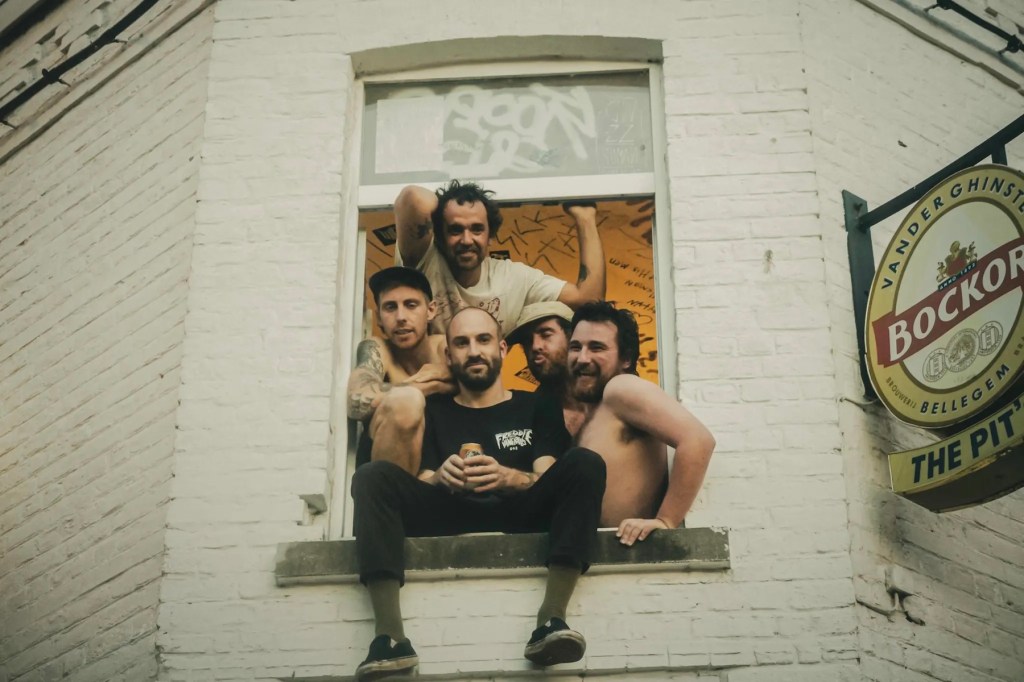
Stiff Richards. Photo: Jack Golding.
What was your first band that you had?
AM: Stiff Richards was the first band that actually did anything. I had like a couple of jam bands with mates. I had a band called Green Waste, which was my buddy, he had a property maintenance company and we all worked mowing lawns for him. Then we’d rock up at his joint, he had a jam room at the bottom of his house. There was a big pile of green waste out the front, every night when we finished. We did a couple of gigs, and that actually kind of led into us making Stiff Richards. Me and Tim, the other guitarist, were in Green Waste. That was pretty funny. That was probably ten random mates that switched in and out on different instruments. Probably seven guitarists trying to bash the drums [laughs].
The next band for you was Split System?
AM: Probably Doe St. Doe St and Split System were roughly a similar time. Polute, a little fun recording project with me, Benny and Stringer, came after that.
Is there much difference for you between the different bands? Do you get different things from being in each of them?
AM: Well, Stiffs, they’ll always be my brothers. We’ve had this journey from playing in sheds to being able to go over to Europe, and just everything that we’ve experienced musically together, is like such a family. I’ll hold that close to my heart forever. It’s a really special friendship. Wolfie, our singer, his sister has kids with Gazzo, the guitarist.
Split System, definitely feels like there’s a member from a bunch of different bands, and that seems to be really productive. They’ve become best friends as well. It feels really good writing-wise. That’s one of my main focuses at the moment, just because it feels really creatively stimulating and everyone’s getting along really well and having a great time.
Doe St, are all friends from the Peninsula that just sort of organically came together. My old house was on Doe St. Everyone was living on the same street or in the same neighbourhood. We wrote all the songs and recorded it there, just friends hanging out.
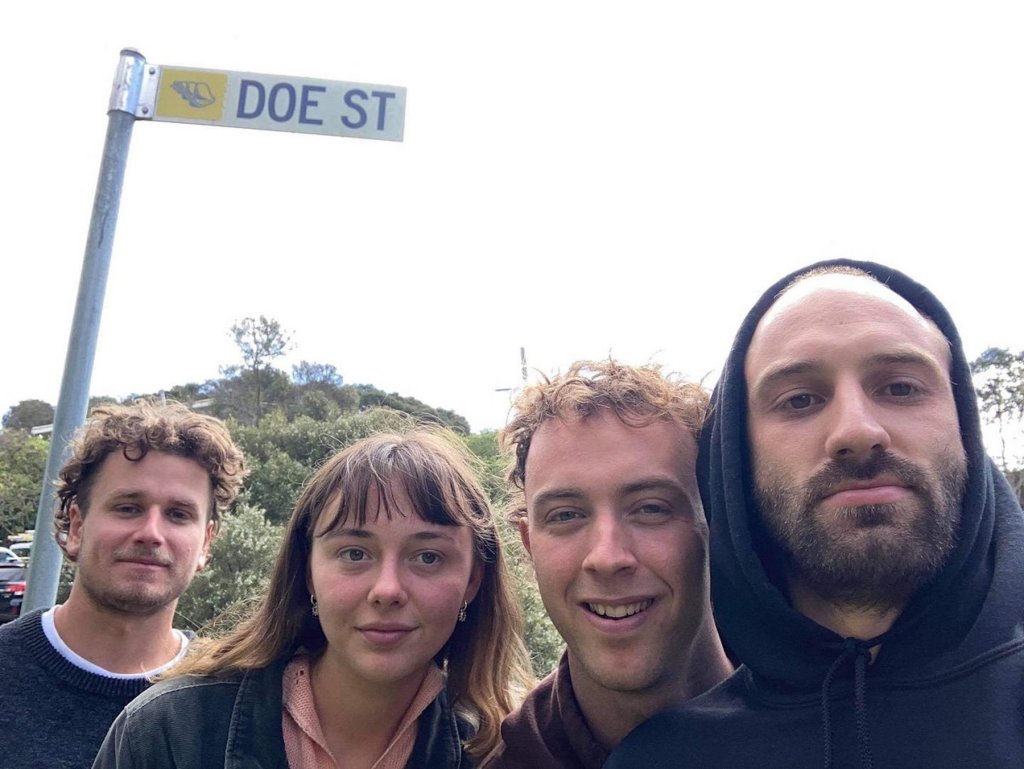
Doe St, pic courtesy of Legless.
It’s funny, I’m literally thinking out loud right now. There’s not much thought been put into any of them. It’s just things have aligned at the right time and feels good.
Sometimes it’s that simple.Sometimes when you’ve got too much intention with something, you set yourself up to be disappointed.
AM: Totally.
So, Split System is going to Europe?
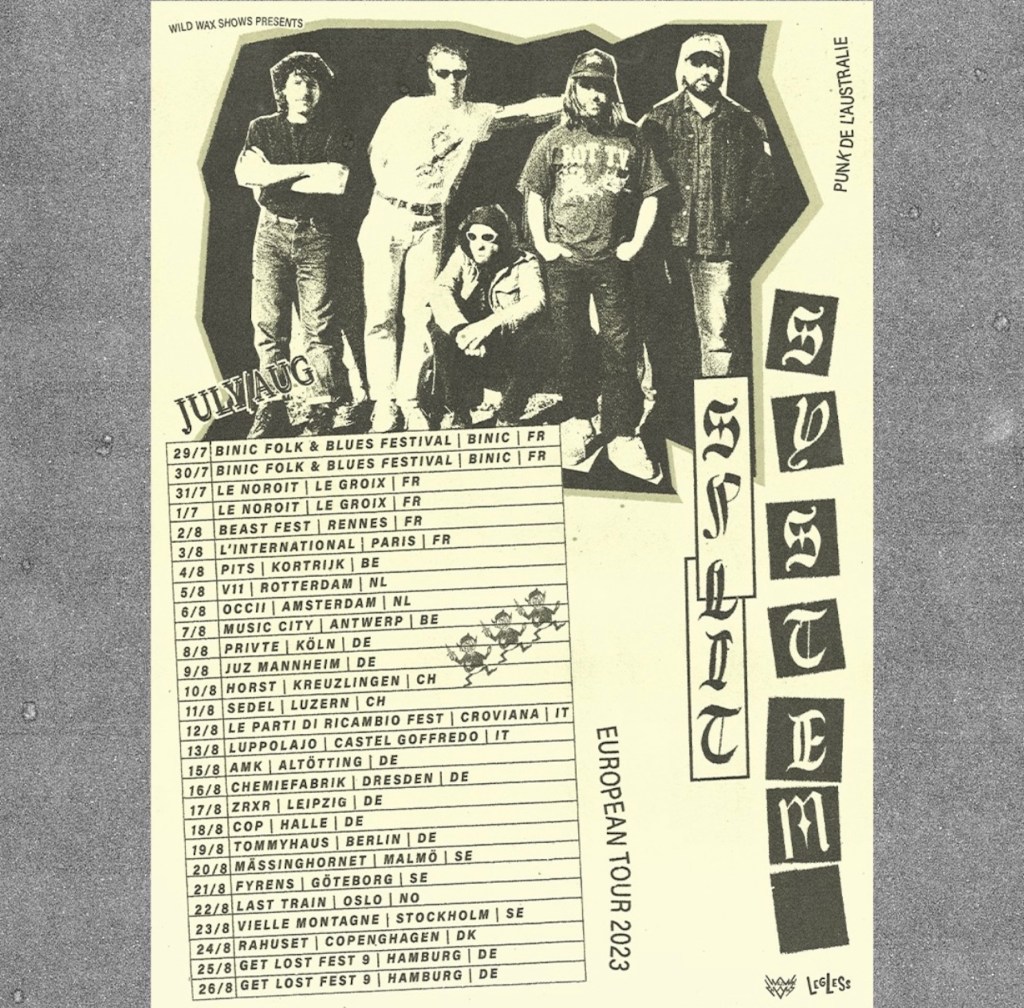
AM: Yes. Going over for Shock Fest. We’ve got one show at the start of July and then I got a holiday with my partner for a few weeks, and then Split System start with Binick Folk And Blues Festival, which is the 29th of July, I think. Then we’ve got a bit over four weeks. I don’t think we have a day off either. I think we’ve got one night off in a month!
Wow. Do you like touring?
AM: Well, I’ve only done it once with Stiff Richards. And that was last year. It was one of the best experiences I’ve ever had. I’m definitely keen to go back.
What were some of the best things from that tour that you enjoyed?
AM: Honestly, the people, the hospitality in Europe. We had no expectations. We thought we’d be playing for ten people some nights and we ended up selling out almost every show; I don’t mean that in a bragging way. It was just mind blowing that people actually came out, in another country. We haven’t even toured in Australia. We’ve been out of Melbourne once, we went to Sydney, played with Celibate Rifles once and Meanies once. To go over there and have such a good response and such friendly people, it was unreal.
Yeah. Many bands I know that have toured Europe say the same thing and talk about how they have cool squats and places to stay in.
AM: Yeah. You rock up, they’ll have bread and cheese and stuff for you. There’ll always be someone to meet you. A lot of people touring are cramming as much in as possible because it’s quite expensive to be there. You’ll get in, then you set up, and they’ll cook you dinner and sit you down with the other bands and the staff. Sharing a meal with a bunch of people is the best way to break the ice. By the time the gig starts, you’re friends with 30 people. It’s really beautiful.
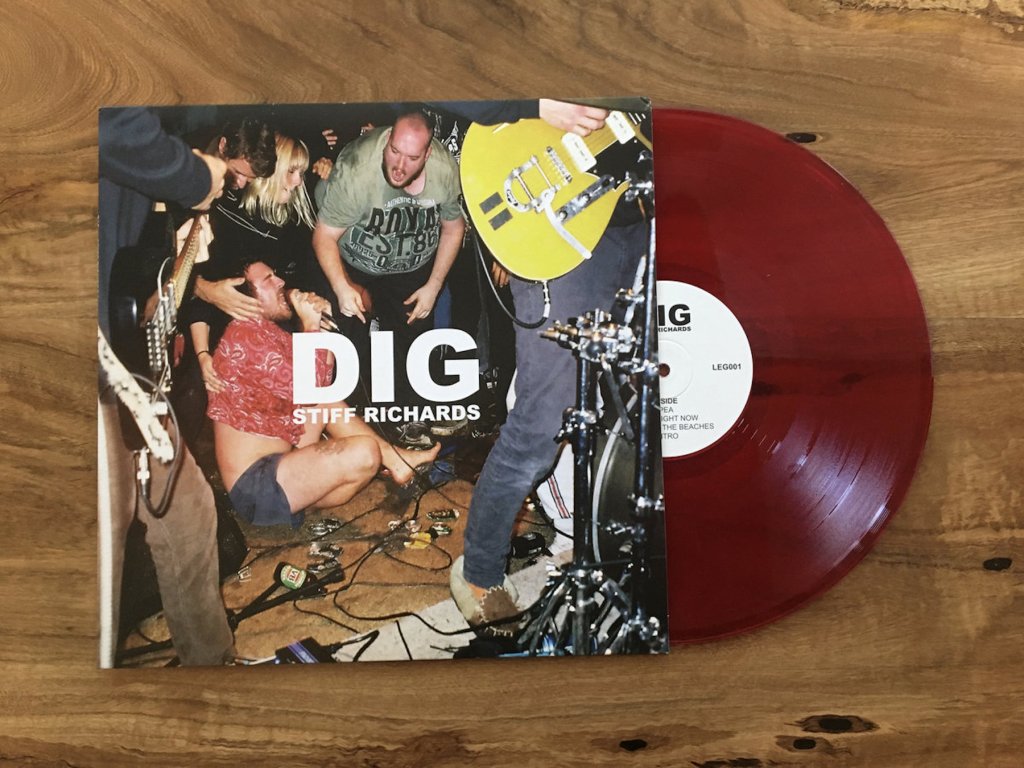
Stiff Richards Dig LP, pic courtesy of Legless.
Nice! So, you started Legless to put out Stiff Richards’ Records?
AM: Yeah, basically. I guess that comes back to some of those frustrations. It was hard figuring out how to navigate the music industry. I was like, I reckon I could just do this myself. Well, with the help of my friends as well, I feel like we can do this together. Then as mates were asking me how we approached it, I was like, ‘Do you want me to just help you out with it?’
Is there anything that you wish someone would have told you when you started the label?
AM: Well, kind of as I said, those challenges, even though they can be frustrations in the start, they end up being the things that make you stronger. Keep pushing through. Do things for the right reasons. Don’t expect to make money. Do things that make you feel happy and then you’re never going to get bummed out. Do things how you want to. There can be a lot of pressure to get bookers and management and stuff like that. That can work for some people, but if you’re willing to work hard, you can make it work really well for yourself. Positive encouragement for bands and people that want to do stuff. It’s like back yourself and have a crack.
Definitely felt defeated sometimes, it’s hard navigating that world sometimes when you’re outside. If you don’t have any super cool friends or people in the know, you’re just in this big open world. People need to stick on their path and stay true to their art.
Totally! You’re speaking our language. Putting out records with your bands, do you feel like there’s any mistakes that you’ve made along the way that you’ve learned a lot from?
AM: Not really. All mistakes can become lessons if you are aware of them and you utilise them. I can definitely be quite opinionated and get grumpy about things. And that’s where as I get further into things, I know that I shouldn’t have given those things as much fuel as I did, but I wouldn’t have learnt that without going through it. I don’t really regret it. You know what I mean?
Yeah. This is like anything in life, you get frustrated and then you learn to deal with something and you channel it into something else.
You seem it! Did any of the songs that you mentioned that you’d wrote when trekking in Nepal end up on any albums that you’ve put out?
AM: They definitely would have. I can’t remember. I’ve got the most obscene voice memos folder saved on my computer and it’s like pretty funny. Sometimes when I’m drunk with mates, you go back through all your voice recordings and find early takes of songs that you’ve done. That’s like, basically how most of our bands do stuff, record things on the iPhone and then you get a better take of it and it just disappears into the ether. I reckon there’d be some funny recordings of me in Nepal somewhere, like humming a couple of Stiff Richard songs.
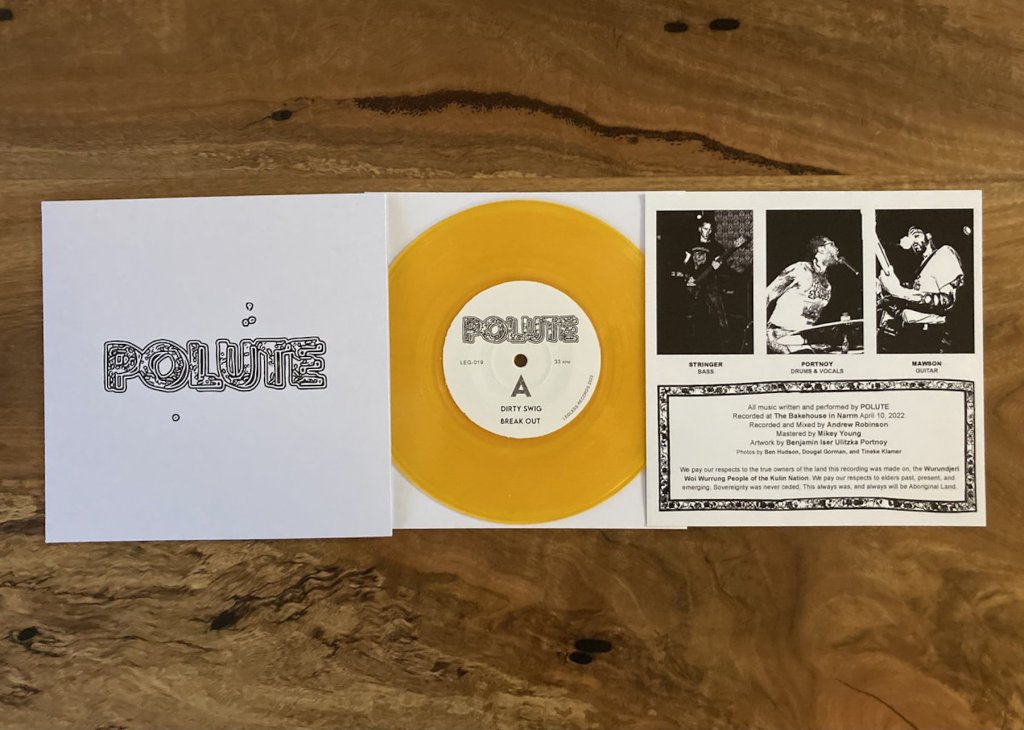
Polute self-titled debut release, pic courtesy of Legless.
Do you have a song that you’ve been a part of that you’re really proud of?
AM: It’s weird, I don’t really approach music with heaps of intention. A lot of the time it’s me, grabbing a guitar and mashing chords until stuff starts feeling good. Sometimes it’ll be utter crap for three minutes and then something will feel right. I feel the beauty of a song is when everybody else contributes to it and then it becomes what it does. So I’m equally as proud of everything. Fluff it out with the rest of the team!
What else is in the works for Legless at the moment?
AM: We just finished recording the second Split System album. Can’t wait. I’m pretty stoked on that. That was a really fun process. The first seven inch and album were written, I think we’d only really played with each other properly like five times up until that first Vol. 1.
Wow. It’s a great record.
AM: To have like a year under the belt and a lot of it was done over the phone, sending snippets. We had a couple of jams and recorded Vol. 1 and then with this one, playing with each other for a year and actually having a few jams leading up to it, it was fun.
We’ve got the Stepmother album coming out later in the year as well. There’s a few other things in the pipe works, but I’m still not sure, I don’t want to jump the gun on a few things. Stepmother and Split System you can expect later in the year, most likely.
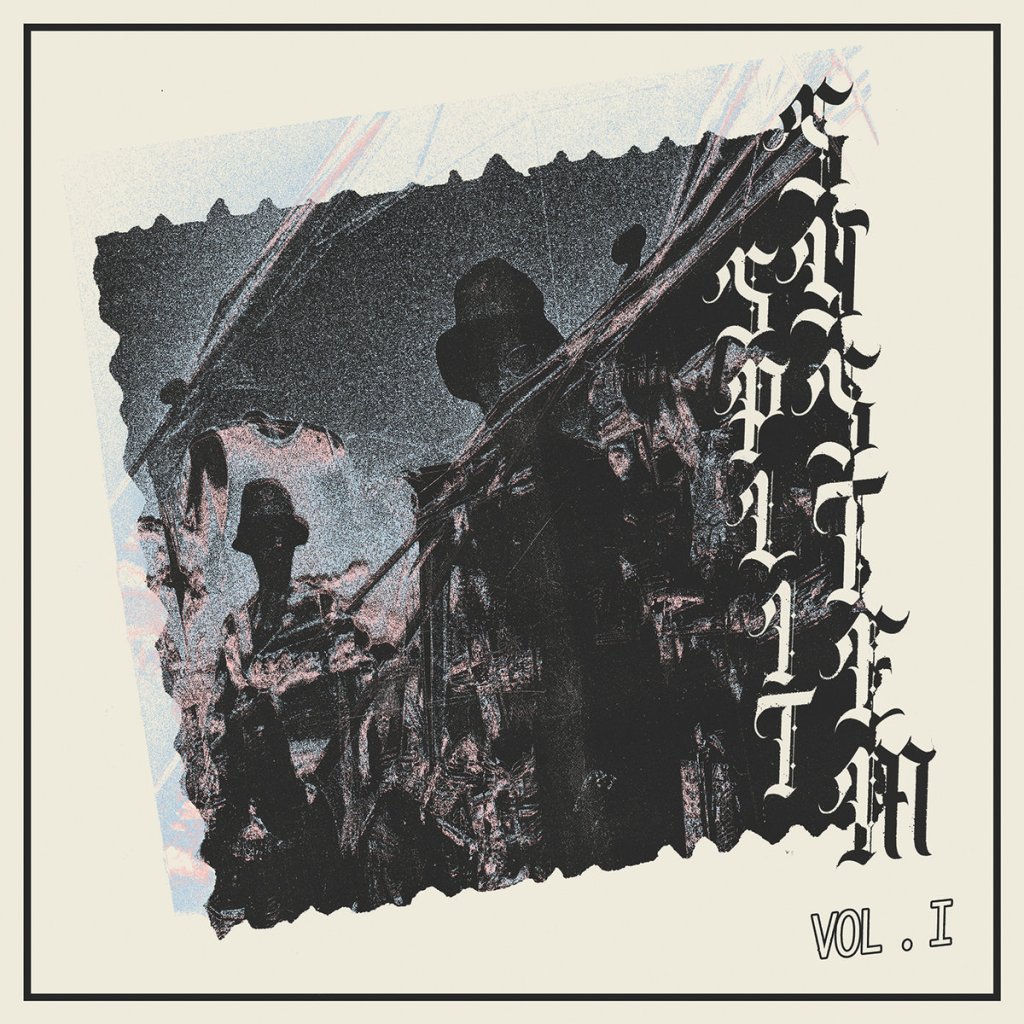
Split System Vol. 1, pic courtesy of Legless.
Cool! Looking forward to them. What can you tell me about Stepmother?
AM: It’s like a completely bonkers horror movie rock and roll album. It’s pretty crazy. Graham’s done an exceptional job. It’s going to be a split release with Tee Pee Records in the US. That’ll be out later in the year.
Who’s one of the most raddest people that you’ve met through what you do?
AM: Honestly, it’s really funny. I feel like the thing I feel most privileged about is that my favourite bands are the people that I’m actually putting out at the moment. So, between C.O.F.F.I.N, Smooch, you can go through the catalog; they’ve all become really good friends. So equally, everybody. The Rack Off Records girls from Blonde Revolver and all that crew. It’s a really good little community at the moment and everyone’s having a good time.
Before doing any of this, Mikey Young was definitely one of those people I looked up to and he definitely influenced me. When we were in the early days of Stiff Richards, he was a really good mentor without intentionally doing it, just being a good person and making me realise that all the people you’re going to meet in the music industry aren’t just wankers. I’d go around and mix at his house. He’d just be in his boxer shorts and have coffee with you, super casual. I was thinking, ‘Oh, this dude is my hero. And he’s just the most normal guy ever!’ He’d load me up with five records and send me off on my way.
With Gimmie, when we started, we knew no-one. We’ve met so many lovely people in the Australian underground music community. There’s moments when it feels like everyone is really supportive of each other.
AM: Yeah, I think that age of bolstering yourself up, and those “glory” years of, like, oh, look at me, it’s gone. There’s actually strength in supporting each other, and the competitiveness is starting to die out a little bit, and everyone’s kind of bringing each other along with them. So it’s nice.
Yeah. That’s why I really love Nag Nag Nag fest that Greg and Steph from Display Homes put on every year. It just has such a great environment and vibe. Everyone’s just really nice. It was such a nice day this year. Every single band was great. We were there from the very beginning till the end and watched every band, everyone totally ruled!
AM: Oh, totally. And everyone had a happy day. You get a lot of drunk people in a room, and it’s like there’s always one idiot that ruins it for it. But it didn’t seem to be any negative energy there for the whole day, so it was good. It just seemed like a happy family.
Before, you mentioned sometimes you feel defeated by things. How do you flip that for yourself?
AM: I don’t know. I’ve had a lot of things happen in my life that I won’t bore you with, but I just found with a lot of those challenges, even with losing my dad and stuff like that, through processing my own anger, I realised that you don’t get results from letting that negativity have a flame. Move on to something positive and time will heal everything. Life will throw you punches, but it’s a complicated world and it’s never going to be perfect. And if you feel like a victim all the time or let things get you down, you’re never going to get back up. You’ve really got to just keep trucking and do the things that you know is right and elevate yourself instead of complaining about what else is going on. You know what I mean?
Yeah, absolutely.Surrounding yourself with positive things and positive people, really makes a difference too.
AM: Yeah. Everyone has a right to be down and stuff, but unfortunately I feel like unless you can get back into some kind of momentum, it’s easy to get stuck. So I keep busy and do the things that make me feel good. And it’s worked. Like doing the Legless-thing. I run a property maintenance business as well. I do window cleaning. I’ve been really busy, but when I slow down, I realise that I like being occupied. And if I’m not doing stuff, then I’d rather be in nature. I like exerting energy by walking or doing something else. When I get stagnant, I want to go do something.
We go to the beach if we’re having a rough day. Going for a swim or a walk can change your day.
AM: Yeah. The ocean heals a lot of stuff hiking. I do diving, and I go free diving with my partner a bit. I’ve always been drawn to the mountains too.
As we mentioned you’re about to go on tour, what’s the rest of the year hold for you?
AM: That’s going to absorb a bit of time [laughs]. As I said at the beginning of our chat, I’ve just moved house. I’m not back until mid-September, so by the time I get back, and get back into work, I’ve got the Legless releases teed up and then Christmas gets really busy for work for me. Usually once Christmas is over, we get back in a creative mode again once all the craziness of the holidays is over. Then probably start recording stuff again. I’m hoping that Stiff Richards might have some new music sometime next year, we have the intention of trying to record over January, we’ll see.
Will the Split System record come out before the end of the year?
AM: That’s the aim at the moment we’re talking with discussing label options. I’ll definitely be putting it out, but we’re just contemplating a few things at the moment. Before Christmas, otherwise early next year. Probably do a big run of shows for that. See a bit more of Australia.
It was so cool to see Split System at Nag Nag Nag this year! We loved your set!
AM: It was a pretty loose set. We got a bit excited early and were super drunk by the time we played, but it was such a good energy there. We were a little bit worried after, like, oh, jeez, that was pretty rough. Everyone was having such a good time, it didn’t matter.
Check out all the awesome things Mawson does and is a part of:
Eddy Current Suppression make stripped-down, barebones, raw, punk, rock n roll. In 2003 they started as friends hanging out making music, all these years later they’re still friends hanging out making music. At the end of last year the Melbourne band released album, All In Good Time, we caught up with guitarist Mikey Young aka Eddy Current to get a little insight into how he came to doing what he does and ECSR.
Why is music important to you?
MIKEY YOUNG: I don’t really know. I can’t remember ever not loving it. I just do and I have no choice. Certain chords and melodies and sounds make me feel so fricken happy and excited and and bummed out and full of regrets.
What inspired you to first pick up a guitar? The first song you learnt was Devo’s “Mongoloid” right?
MY: Yeah that and Peter Gunn Theme in Grade 4 guitar at primary school. Both easy to learn one stringers…once again really not sure why though. Seemed fun to learn I guess. Maybe my bro had started playing drums by then so it seemed logical. I stopped after primary school for a year and a bit then got psyched again in Year 8 and bought an electric.
When you started Eddy Current Suppression Ring I understand that you didn’t really have ambitions or expectations; what’s one of the biggest surprises you’ve experienced over ECSR’s existence?
MY: The whole thing has been a surprise, still is. Even that people cared about a new album and the upcoming shows so much. It may seem naive but we really don’t realise most of the time that people care so much. It’s really nice. Maybe the biggest surprise was the AMP award. I tried to give a speech but I was a mumbling fool. Rob Solid saved the day.
Personally what do you get out of playing live?
MY: I can be overly analytical when playing live, worrying about sound, pockets of the audience, all kinds of things, but when it’s right and I forgot everything and I stop thinking about where I am and what’s happening, that can be pretty glorious. The response from the audience can be pretty overwhelming and heart-warming too. Also, in all my bands, I get to play and travel with my best friends and family. Getting paid to do that is a pretty sweet deal.
After creating music for all these years, what still makes it exciting for you?
MY: Trying to make music I can’t do very well. New toys, new collaborations, probably that the most. Making music with new people is the best thing to kick me out of a slump
What does it mean to you to still be doing ECSR in 2020?
MY: Same as ever. I really longed for that simple approach to music again and I missed hanging out with those dudes. Being in a band is the best way to force me to hang out with my friends, or else I get lazy and reclusive and a year goes by and I haven’t seen people I care about. Jamming over the last year and having no expectation from the outside world was really nice. It’ll be a different kettle of fish playing live again but I feel like it’ll all be ok.
In December last year you released album, All In Good Time; what got you writing? How did it start?
MY: Golden Plains jams in 2016 started some ideas. Then they got shelved for a while and we got busy with other things. Family, work, other bands…Brendan, Brad and I started jamming for a while with a drum machine in a real quiet fashion while Danny was busy and we wrote a bunch of songs. Maybe half the songs from the LP are from that time. Hence the slightly mellower vibe. Over the last year, time opened up for Danny again and we got back into it for real.
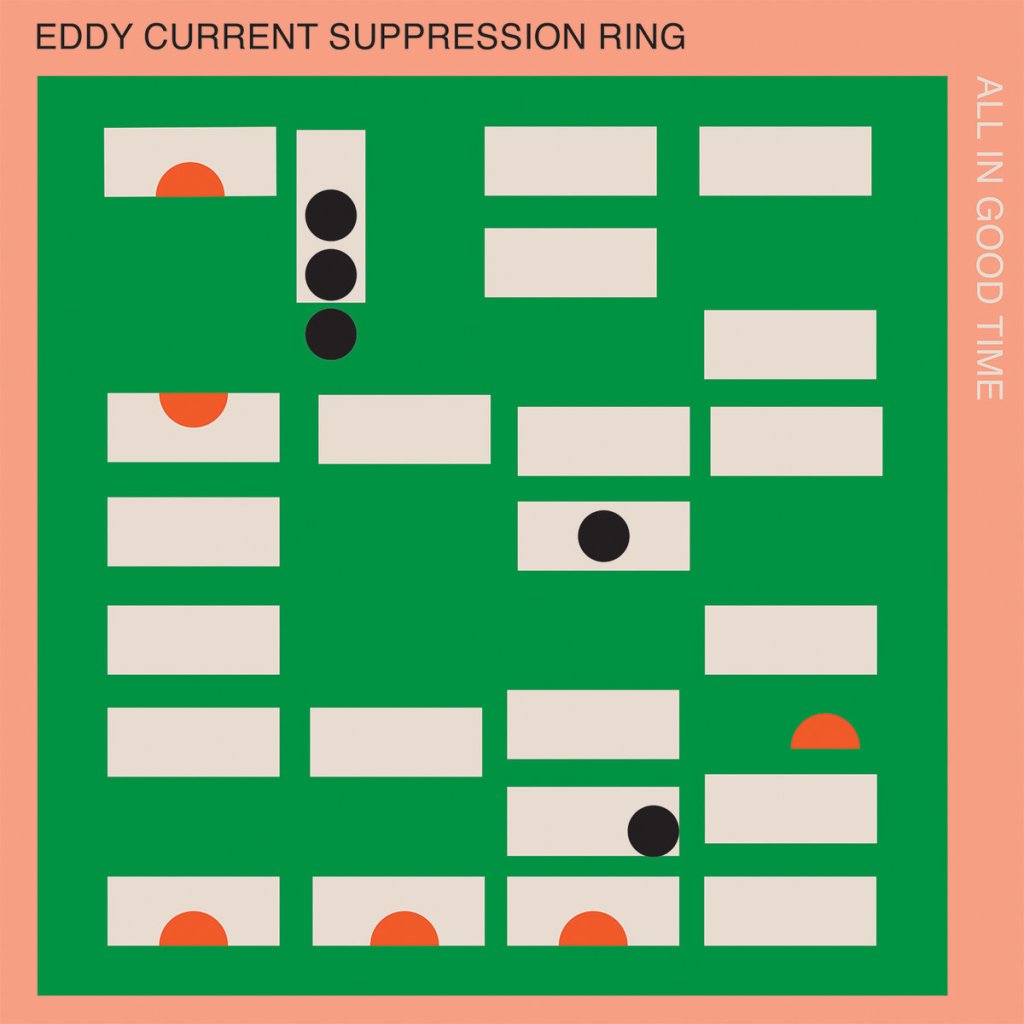
What was the concept or significance of All In Good Time’s cover art?
MY: No concept really. My partner Raven painted some shapes as an idea for it when we were struggling to nail something. It was great but a little too painty so we computerised it and made it all blocky and rigid and changed the colours and that’s what came out. It happened really quickly. I like it.
As far as publicity for your work goes; why do you prefer to take a low key approach?
MY: To try my best to not make external things matter. Just make music and the world will take care of the rest. I’m not chasing a career in any band I’m in so I have no need or desire to force what I/we do on the public. I think it’s nice to let people get to something in their own time.
Previously you’ve said that when things with the band get to a certain size you “just want to run away and start something else”; where does this feeling come from?
MY: I’m a wimp and a homebody that doesn’t really want to be a full time rocker. Chasing the joy of starting something new. Small shows are often more fun than big shows. Money talk and contracts make me feel weird sometimes. Not dealing with being in a band and attention as well as I could. All those things and a few more.
As well as being a musician, you’re also a producer; what do you enjoy most about collaborating with other people?
MY: Aaah I don’t know if I’m a producer. I wouldn’t call myself that. Most bands I’ve recorded and mixed, I’ve been pretty hands off and just try to be the engineer and let the band sound like the band. I don’t really inflict my personality and tastes too much on a band unless forced to. I’m not great at being assertive.





 Gimmie Gimmie Gimmie Zine