Orstralia: A Comprehensive Guide To Australian Punk History

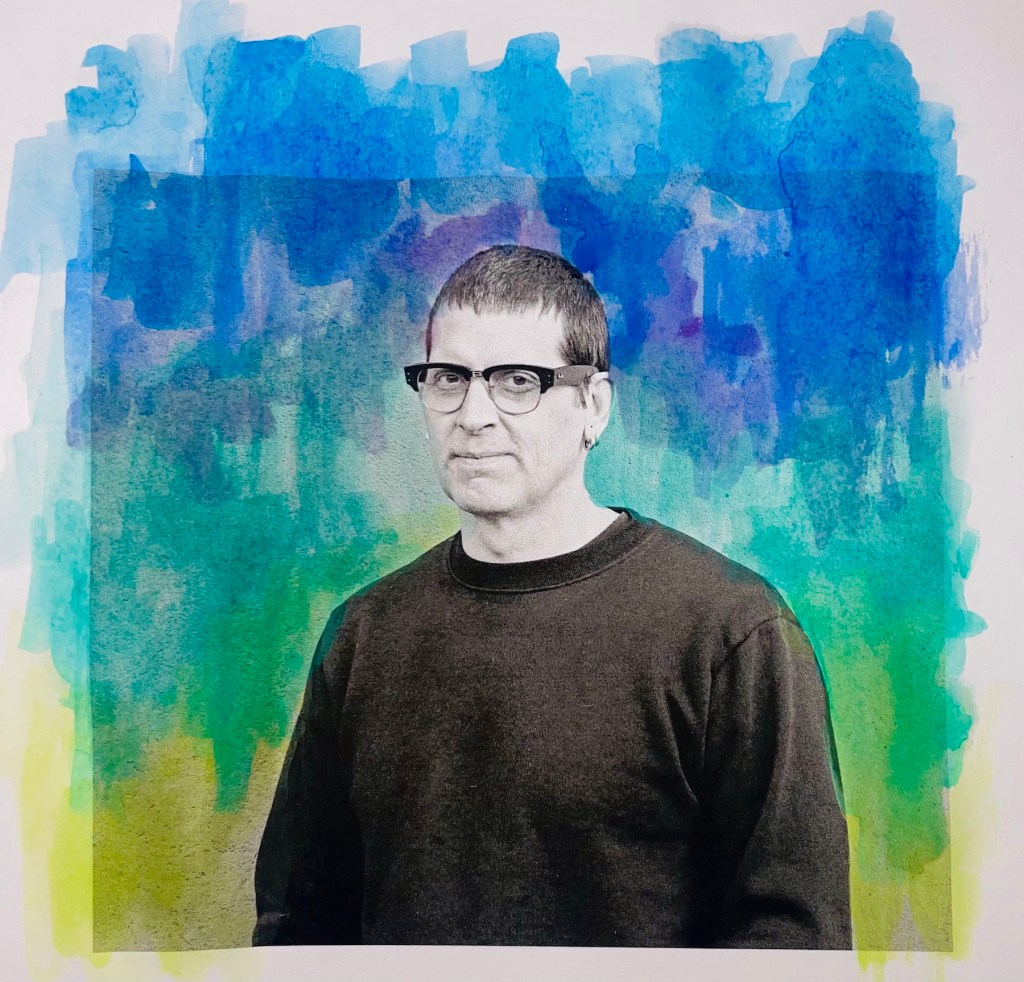
Handmade collage by B.

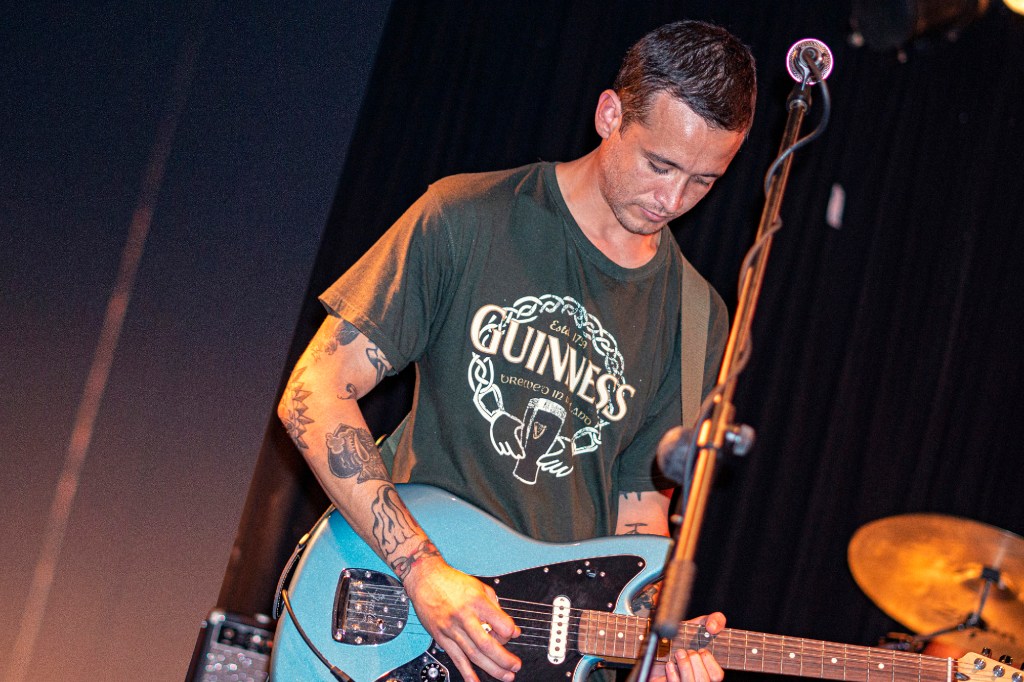
Titled after a track on The Saints’ classic second album Eternally Yours, Naarm/ Melbourne author and musician, Tristan Clark’s books: Orstralia: A Punk History 1974–1989 and Orstralia: A Punk History 1990–1999 narrate the evolution of Australian punk from its underground inception in the ’70s and the emergence of hardcore in the ’80s to its commercial ascent in the ’90s. Clark’s comprehensive volumes delve beyond the music, exploring cultural and sociological contexts. Enriched with interviews from an extensive list of artists including The Saints, Radio Birdman, Boys Next Door/Birthday Party, Babeez/News, Victims, Leftovers, Fun Things, Zero, Psycho Surgeons, X, Depression, Hard-Ons, pioneering all-female artists Gash and the Mothers, Cosmic Psychos, Grong Grong, The Living End, Bodyjar, Frenzal Rhomb, and many more. The story is covered city-by-city, as well as significant regional centres, providing an unprecedented account of Australian punk history.

Gimmie spoke to Tristan about his 8-year-in-the-making project, how he used his discontent from a customer service job to start the project, his punk rock origins, and of the tragedy and triumphs he documented of the people that create Australian punk.

You’ve been involved in the Australian punk community for about 30 years. Your books, Orstralia: A Punk History 1974 – 1989 and Orstralia: A Punk History 1990-1999 are about to be released; how are you feeling?

TRISTAN CLARK: I’d like to say relief; it’s been such a lengthy process. It’s still hard to fathom that it will be out there. There are still all manner of things to do around it: I have to post a lot of stuff. I guess the perception is, ‘All done, it’s out,’ but there’s still a lot to do. It was probably approaching eight years from when I first started the book till its release. Admittedly, I finished writing it quite a while ago, but I was just waiting for it to get published. It was a glacial pace, almost probably worse than releasing punk records.

How did you first discover punk? 

TC: I saw a skate film called Gleaming The Cube (1989). There’s a scene where he [Christian Slater as Brian Kelly, a 16-year-old skateboarder] puts on headphones and it’s D.R.I. playing. You know what D.R.I. are, such an intense experience. I had no frame of reference for it at the time. It was kind of terrifying, yet simultaneously alluring. Back then, obviously, you didn’t have the means of identifying and procuring that kind of music. So it passed me by. 

A few years later, a friend acquired a tape, someone had passed on to him on the bus at school and then in turn he passed it on to me. Immediately, I could connect it back to that music that I’d heard previously. On that tape I recall first hearing Poison Idea ‘Feel The Darkness’. Needless to say that led me down a, an unforeseen dark path, pardon the pun. 

Have you always sort of lived in Naam/Melbourne? 

TC: I was born in Tasmania, but we moved here when I was six. My recollections are all pretty much Melbourne.

What were you like growing up? 

TC: I was a pretty introverted, quiet kid. As to how I developed an interest in punk music, that’s a pretty uninteresting one. My upbringing was largely suburban middle-class normalcy, so there’s nothing notable to speak of. It was all good family, sports, and a good school. A lot of underage drinking, which later lent itself to punk. But I was kind of wary of the traditional life patterns that I was seeing around me. There was some sort of internal urge to break from that. I didn’t have a clear vision of why, but I was always aware that I was a bit different, internally, from most of the people I knew. I was also lucky in that, I didn’t struggle socially at school. That difference over the years has probably seen me perceived as a little snobbish at times. Really it was an awkwardness and introversion, which I came to realise later that’s quite pervasive amongst punks. 

How did you find your local scene? 

TC: I was pretty fortunate in that a kid at school, he was either playing in a band or he was really attuned to what was going on and he would put up fliers around the school. There was a noted all-ages venue that was close to where we lived that was part of the circuit touring bands or even international bands would play. I saw Fugazi, NOFX, and Propagandhi there. There was a big all-ages scene at that time really thriving, it went deep into the suburbs. There’d be 100s of kids attending shows in suburban halls. It was also very unregulated back then, which made it even more enjoyable. This was from ’92 onwards.

There’s some younger bands at the moment that are making a real conscious effort to put on all-ages shows. In Melbourne, given that we have a huge scene here, there’s always been a conscious desire to put on shows away from licensed venues, there’s a consistent history of shows in unconventional spaces, like under bridges and in disused buildings. There was one put on a couple of years ago in a tall office block right on Southbank overlooking the city. We’re sitting in this plush boardroom with our feet up on the desks. It was quite incredible till the cops came shut it down.

I’ve seen video online of some cool shows in Naarm, like the shows Christina Pap from Swab puts on in drains.

There’s been some really incredible ones of those, more often not involving the police as well. They’re just great, that kind of thing, especially as a young person would be so enthralling.

How has punk influenced your life? I know you’ve played in a lot of different bands: Bloody Hammer, Infinite Void, Deconsume, and more. I have some of your records.

TC: These kinds of aspects are just not things that I ponder. It’s interesting. You spend three decades of your life immersed in something without really giving much consideration to what the reason for your motivations are—at least, I don’t.

My background was more in the political scene, really quite explicitly, explicitly political, and that was very much entwined with activism. Therefore, a lot of stuff, even, I have to admit like a lot of zines and writing about punk just seemed of secondary importance to me, like frivolous navel gazing. I was more into dense political reading. As you get older, you get a bit less dogmatic and allow space to investigate these things.  

When I was young, following high school, I was studying graphic design. I was promptly kicked out and banned from that. At that stage, I developed this budding political awareness through punk. I saw my future in an advertising agency, which was something that I couldn’t really reconcile with my very undeveloped anti-capitalism views back then. So then I went off to study politics, but that was very quickly subsumed by bands and touring and I dropped out.

Punk has come to permeate every facet of my life. At times I feel like I’m a relic in that still rigidly set in those ideals. I’m not inflexible, but maybe I am [laughs]. I’m still very much interested in politics. I still love the music and frequent shows regularly. My social circle is still primarily punks and my socialising does tend to be shows. There’s not even the thought of going away or pursuing something else.  It’s been such a constant and all-encompassing to my life. Especially the last eight years spending every spare moment writing about it. 

In the ‘About the Author’ section of your book it says you’re an educator; are you a teacher?

TC: A classroom aid. I work at a non-mainstream high school, a small community high school that’s traditionally attracted a lot of students who would be considered freaks and weirdos. Of course, there’s been numerous punks amongst them. There are kids that have played in bands. It’s interesting that we have a large proportion of students who are neurodivergent. There’s a number of punks amongst them, and it became quite evident to me from this and through my research and interviewing, just how sizeable that segment of people who have been attracted to punk are neurodivergent. But that probably hasn’t really been recognised or acknowledged. 

I noticed that reading your books. I remember quotes from Link Meanie talking about mental illness. I had no idea he struggled with that. I learned  a lot of new stuff from your book. I think his talking about that will make a lot of people feel seen and maybe not so alone. I think your books are going to start lots of conversations, which is really great. 

TC: It was interesting how intimate that interview was. I’ve never met the guy, but we totally revered him as teenagers. It was surprising that a lot of people I’d never met face-to-face, once you get into conversation, how much they were willing to reveal. Really personal, even traumatic stuff at times. 

Tragedy is a big theme throughout the book. At times it’s so brutal. Like, when Ed Wreckage from The Leftovers was talking about his band and said a couple of people in the band committed suicide and others died of cancer. Ultimately, Ed passed away  before the book came out.

TC: That is definitely one of the overarching themes, sadly. But, you know, as someone like yourself, who’s been around for that long, you’ve seen all that firsthand. I was having a conversation with one of the first punks I ever knew this morning, and we were talking about how many people we know who are dead. 

I gave the book to my dad  to read before I signed off on the final edits. I was like, ‘Oh, what’d you think?’ His first response was, ‘A lot of dead people.’  That was quite jarring. The other day, I catalogued how many people I interviewed that are now past, I made a post about it to acknowledge those people. It’s a dozen. 12 out of  200, is kind of staggering. I don’t think it’s necessarily exclusive to punk, but they’re not lifestyles that are given to temperance or longevity. 

I understand that you got started with your books because you said you were unhappy working a job in customer service and you were kind of looking for some purpose or some meaning. 

TC: I was disgruntled with where that side of my life was going. In terms of my creativity or my social life, I couldn’t fault it, but my professional life didn’t really exist. I was working this crushing customer service job. And then I just happened to reread, Inner City Sound by Clinton Walker. It’s a cool book, but it’s very limited in what it documents. Seeing other books from places that were being published, it became evident that there was nothing that could be considered comprehensive that had come out of Australia. There’s a lot of other projects and books from here, but a lot of them tended to consign themselves to a specific place or time or a limited number of bands. I felt there was a glaring gap that someone needed to fill. I saw myself as that idiot that was going to undertake that project [laughs]. 

People pointed out to me along the way, ‘Oh yeah, you know, so -and -so tried’ or  ‘Many people have begun but never saw it through to fruition.’

Insane Hombres by Bazzil.

Congratulations on finishing it! It’s a big achievement. Before you started doing interviews for this book, had you done interviews before? 

TC: No. When I started, I really had no formula. It was really spontaneous. It very quickly fell into more of a conversational form, which lent itself to drawing out a lot more of those deeper and intimate responses from people. That was the positive side of it. The negative is, you have to go back and transcribe bloody two hours of tape that you’ve just done, waffling on to each other.

Who was the first interview? 

TC: A friend of mine. He played in Thought Criminals in the late-70s. They’re one of the more noted bands of that time. Their record’s quite revered. So then I felt that I could use that as leverage with other people, like, ‘Oh, well I’ve interviewed this band, I’d like to interview you.’ Amazingly people were so forthcoming and placed trust in me. I was a random guy with this big claim that I was going to write this great book! People didn’t really question that, they were willing to offer me their time. I’m forever thankful for that. 

What were the things that you were most interested in finding out about from the people you spoke with? 

TC: Initially, it was more to do with the band details and minutia but it quickly became evident that wasn’t the interesting aspect. It was more people’s stories. Obviously, you want the humorous anecdotes that will get people to pick it up but I found people’s personal lives were more compelling than often the music itself. People had these really rich lives either adjacent to punk or after punk. I began to really try and capture that aspect.

I remember one interview I did with one of the guys from Last Words, it had gone on for an hour and a half. We got to the end of it and he happened to mention in passing that he was now a pastor. I’m like, ‘Oh, sorry, we’re gonna have to go back and unpack how you get from playing in a punk band in the Western suburbs of Sydney in the late-70s, living in a migrant hostel, to now being a man of the cloth. There’s a lot in-between here that I need to know about. 

Any other really memorable stories or even ones that didn’t make it into the book you could share? 

TC: You had really polished performers like Jay from Frenzel Rhomb or Russ from Cosmic Psychos, who have  honed their interview skills over many years. They have a wealth of anecdotes to humour you with. But often it was the really unassuming ones that you went into with very little detail about their band or their lives and you’d come out of it and just be like, oh wow! That was so rich and fulfilling, or maybe traumatic as well. 

I made a conscious effort… bands like The Saints and Birdman, obviously everyone’s heard Ed [Kuepper]’s story, ad nauseam, same with Deniz Tek and Rob Younger, but I made an explicit point of tracking down other members of the bands that could offer a different perspective. I spoke to drummer Ivor Hay. I said to him, ‘Oh, has anyone ever interviewed you?’ He’s like, ‘Outside of the documentary? No. No one’s ever talked to him about the band.’ It’s quite different to that standardised narrative that you get from Ed.

I think that the thing that makes The Saints’ story extraordinary is, when you look at the Ramones and The Damned, you’re talking these great cultural centres of London and New York. Then you talk of the Saints you’re talking about Oxley, that was the most conservative and stifling environment. Their message more spoke to suburban alienation and monotony, and that oppressiveness that was ever-present to people in Brisbane, transgressive or, buck the norm at that time. 

Suicide Squad by Kay Glass

Was there anyone that you wanted to find for the book that you couldn’t? 

TC: A few people. Especially women it seemed were reluctant to share their stories. I could only speculate whether there’s trauma or an unwillingness to revisit that aspect of their lives. I’m not sure.

I was hoping there would be more women featured in your book, but I do understand the reluctance of women to participate. I wanted to include a lot more women in my own book because there have always been women involved in punk, and I know that there is a feeling that we often get written out of the story. As a woman in punk myself, it’s very, very important, but many I asked didn’t want to speak for it or ignored my request. I wanted to ask you about it because some people may see your book and complain there aren’t enough women, but what they don’t see is how many people you may have asked. It wasn’t through lack of trying on your behalf.

TC: That’s how I feel. Given the extensiveness of my research, I couldn’t uncover too much—it still is uniformly white and male. But then the proportion of women that I did get is reflective of the numbers of performers. Ideally, I would have liked more. I’m scared of that critique. But I did try. My book would probably be close to like 10% women. 

I really appreciated all their contributions and the perspective they gave.

TC: For the most part, they were positive. There’s probably periods through the 80s where that real masculinist sort of thing was dominant, especially during the hardcore era.

It’s still that way to a degree. The hardcore scene, more so than the punk scene.

TC: That’s probably not something that I’m too exposed to. But within that more politicised scene that I tend to still be involved with, it’s changed so much and it’s fantastic. There’s always going to be problems, issues, but there’s been a definite attempt to rectify things and people are quite vocal about confronting issues and certain attitudes. 

Your books are named after The Saints’ song ‘Orstralia’. When in the process did you realise that was going to be the title? 

I originally had the title of Gobbin’ on Life. If you look through the content it seems quite suited, but then I had, especially some older men, questioning it. Even people that weren’t involved in the project were like, ‘Oh, that’s a dumb name.’ 

It can be scary putting stuff like this out into the world. People love to critique and judge.  

TC: I am anticipating some backlash. I had an article in the City Hub the other day and they titled it: The Rise and Fall of Punk. I never made mention of a fall at all.  He was an old school journo, he wrote shorthand. When I read the feature I felt sick. That’s not what I said. No, no. And then I stopped reading it. I thought that hopefully no one will see it, and then some people started sharing it on the internet. I guess I’m just going to have to live with it. 

Are there any punk books that have made an impact on you? 

TC: A lot of books are strictly oral histories. They’re still fascinating and have great anecdotes, but they then tend to lack context. I really wanted to sort of be able to place punk within its political and social and economic context within Australia. 

I’ve read a few books, John Savage’s England’s Dreaming, that’s the classic. But beyond that, not a lot of them. I probably read, Please Kill Me years ago. I was always more into political writing. 

I really liked that your book went beyond the major cities scenes and bands.

TC: That was a very conscious effort to do so. It is hard to excavate that history from outside the city centres. It took quite a bit of effort, but if I was trying to tout something as a comprehensive history, I had to do that. It was fascinating to hear about bands that never amounted to much in a conventional sense. A lot of them only ever played a small number of faltering shows, but they had some great stories that accompanied them. 

I tracked down The Rejects who were the first punk band in Rockhampton in the late-70s. They were staggered that someone knew about them, let alone wanted to ask them some questions. They played one show ever at their high school graduation. 

I noticed at the beginning of your book, in the preface, you said that some of the views expressed in the book don’t necessarily align with your own values. Reading through the book I was alarmed to come across the views of a particular  band from Western Australia.

TC: Yeah. 

Was it hard to sit there and hear these things during an interview? 

TC: I didn’t actually give him any allowance to express any sort of repugnant views. I really stuck to the music, but he’s still, as far as I’m aware, a neo-Nazi. 

People probably, they’ll find that contentious that I included people like that. You know, there are a couple of neo-Nazis that I interviewed or former neo-Nazis, and people will find that problematic. But I’m like, well, I don’t want to hide all these distasteful aspects of punk, I think I have to include it. Perhaps that requires me to speak to people that I never would otherwise – I find their views horrifying – to give the full picture. But yeah, that was a pretty interesting one. We did the interview and nothing distasteful was said and it was polite enough, but then he said, ‘Oh, the guitarist in my current band is now living in Melbourne. You should like meet up with him.’ And I was just really evasive, ‘Yeah, yeah, sure.’ Then he keeps calling me. I do’t want him to think somehow that we’re friends or maybe that I have some sort of sympathy to his views. I’m really polite. I’m not going to be like, ‘Fuck off.’ Eventually I stopped answering and that was the end of the correspondence, thankfully. 

There’s people in the book that I included that I’m aware of things that they’ve perpetrated that makes me feel really uncomfortable, and especially uncomfortable meeting them in-person or speaking to them. I had to put that part aside, just say, ‘Look, this is your purpose, to try and glean information from them, to give a fuller sort of history.’ There’s a difficulty in that when I know what you’ve done in your past. Like, with the singer from Bastard Squad. I’m kind of scared that what I’ve written, not that I wrote anything that isn’t true in there, you know, most of that, aside from killing his girlfriend; he didn’t want to talk about that. But there’s a lot of sort of unsavoury elements in his life.

One thing about making the book… it’s interesting how people can oscillate between extremities, like especially people that, you know, found themselves as neo-Nazis and then could have sort of this ‘Road to Damascus’ moment and atone for that by then turning into ardent pacifist anarchists. And that they’re able to somehow make that switch. It’s like the same energy, but the opposite way. Like I said, my thinking is still fairly rigid and very much sort of in line with what it was 20 odd years ago. 

Kamikaze Kids by Bruce Tindale.

Is there anything you learnt about yourself throughout the whole process?

TC: Probably more so the aspect about the neurodivergence, but that also coincided with my job as well that I started working. I was like, oh, you know, these certain things resonate with my own behaviours as well.  But, beyond that, no, I’m not sure. Maybe I guess a patience and resilience that I wasn’t aware that I had. I felt at times that I was doing what was almost effectively informal counselling for some of people. 

I’ve gone into a role at work where you take on this wellbeing role. So whether you know that ability to sort of sit and listen to people and really empathise with them. Maybe that in part really honed by interviewing so many damn people and listening to the often troubling stories and thoughts. 

Anything else you want people to know about your book? 

TC: I guess, weirdly, it feels like maybe some sort of semblance of reflection on it, and this might sound contrived, but it almost feels like an offering to the people and scene that’s given me so much. 

I’ve speculated so many times about, what my trajectory might have been if I stayed that suburban stoner kid. I can’t imagine it to have been a tenth of the experiences I’ve got to enjoy because of punk. 

Punk, it’s permeated, fashion, art, more mainstream music, that’s undeniable. It’s imprint on Australian culture is surprisingly much larger than what you would think for something that has mostly being fairly marginal, aside from brief periods of sort of prominence. It’s something that’s probably not been duly acknowledged.

Buy the books at PM Press (worldwide) or from Orstralia (Australia).
Sex Drive’s Shopping Blitz: “Pure, raw energy.”

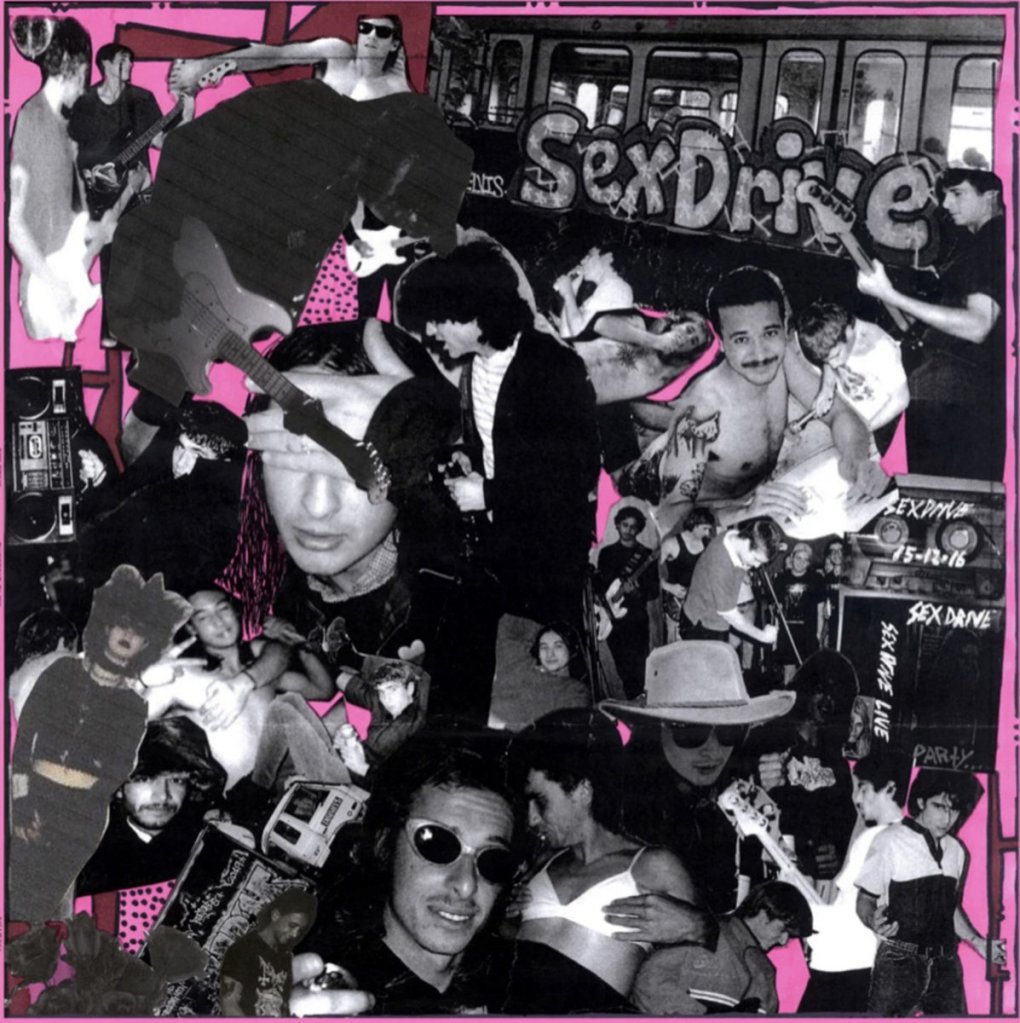
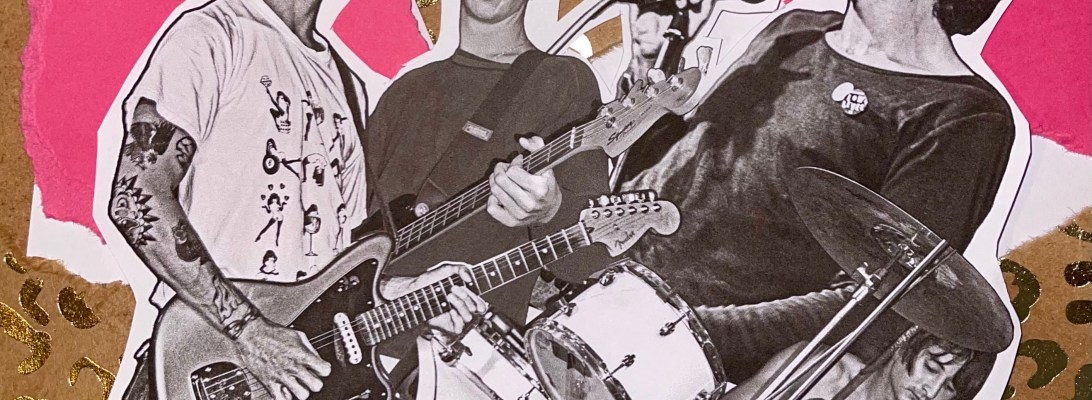
Original photos by Jhonny Russell. Handmade collage by B.

Yugambeh Country/Gold Coast punks Sex Drive have released one of THE best Australian punk albums of the year, Shopping Blitz. The songs are bursts of intensity filled with anger, empathy, humour and power. In our latest print issue you’ll find an in-depth chat with vocalist Beau Kearsley (get it here), and below we spoke to guitarist Benaiah Fiu about the album.

Sex Drive’s Shopping Blitz album is finally out! It’s been a long time coming; how do you feel now that it’s out in the world?

BENAIAH: It’s surreal actually, because I’d just forgotten about it. We recorded it five years ago. All the hard work was done so long ago. It being out feels so amazing. I was a bit heartbroken when it didn’t come out back then. I guess I could have done something about it, but my head wasn’t in the right place.

When we spoke to Beau, he said that when the initial album release plans fell through he was really depressed too.

B: Yeah, it was a hard time.

What do you remember about Sex Drive’s beginnings?

B: Pure, raw energy. The demo was written without Jake on drums. The structure was all there but not working with our old drummer. I met Jake the first time we all had a jam and that jam we knew straight away, this is the guy. He’s amazing and he’s an amazing human. He was a perfect fit. It felt really exciting. At that point in our lives we had a lot of angst, we were young and it felt so good to let it out through the music.

Have you always lived on the Gold Coast?

B: Yeah, pretty much. Since I was fourteen. I used to live on Fiji’s most remote island – it’s where my dad is from. I lived there for three years. 

What was it like living out there?

B: The first year was a complete culture shock. I was twelve. Some of the guys in my village happened to be amazing musicians and I thought they were the coolest dudes. They taught me to play guitar, and smoke and drink [laughs]. They played reggae and a bit of blues.

Is that the first music that you started to really get into?

B: No. While I was living there it was definitely all reggae for sure. When I was younger I was obsessed with The Offspring as well as System Of A Down and Eminem. My older sister still lived here in Australia and she’d send me CDs while I was there. There wasn’t anything like a local music shop to get anything, it was just all the boys playing guitar.

Photo by Jhonny Russell.

Beau told us that when he first started hanging out with you and heard you playing Slayer songs on the guitar he was like, ‘Whoa! He likes stuff I do. We’re going to get along.’

B: [Laughs]. I got into Slayer as soon as I got back to Australia. My sister had a cool older boyfriend, he got me into bodyboarding and gave me all these VHS tapes. All the music on them were amazing, it was all 90s punk. 

Was Sex Drive your first band?

B: No. I had a band called Jim’s Radio with a couple of friends. We’d jam in one of their bedrooms and there was this 90-year-old neighbour guy called, Jim, that would put his radio up at the window and blast it back at us for revenge [laughs]. We made songs about KFC and stuff. It was a little fun project. I never imagined that I’d end up being in band playing shows at that point early on. 

The drummer for that project got invited to be in a psychedelic rock band and I was like, ‘Damn it! I thought we were going to make it to the top!’ [laughs]. They kicked out their guitarist and asked me to join. I was like, ‘No way! Whoa. These guys are so cool.’ We played some shows around the Goldie. 

You met Beau out in the water? You both bodyboard.

B: Yeah. It was so long ago. He had no idea who I was and I really looked up to him, he was an amazing waterman. I was getting into it a bit late. He was the coolest kid. He came to a party at mine and he was being so drunk and funny. He shaved his head and eyebrows in my backyard [laughs]. We were still in high school. I played him some Doors songs I had been listening to like ‘Five To One’. He loved it. We started talking on MySpace and we organised to go surfing together. It was pure fun. 

Beau said early Sex Drive rehearsals was at Jake’s mum’s place.

B: Yeah, we played songs that would become the Demo. When we played with Jake everything made sense. It was like, YES! We’re on! We had a sense that it might actually turn into something. 

Photo by Jhonny Russell.

Beau also said that a lot of Sex Drive is because of you, that you help him with so much, including how to sing things.

B: I’ll come in with a guitar riff or I’ll have a whole structure for a song or we do it together. It’s cool we’re a collaborative band. Beau’s approach to singing, I love how it works with my guitar playing and Jake’s drumming. 

We jammed heaps in a factory that we lived in. Our friend Floyd would play drums, it was his “house”. Beau and I moved in. 

Beau showed me the Cosmic Psychos documentary and it was incredibly inspiring. It was like, we live in a shed too [laughs]. It was really fun.

The band also used to work together in a fedora factory?

B: Yeah! [laughs]. It was down the road and around the corner from where we lived. We had a real dipshit rock n roll little lifestyle. We were young. 

How old?

B: We’re pretty immature for our ages [laughs]. I was 23 and Beau is a year younger. 

Tell us about recording your Demo.

B: Dangerz, who was the drummer in that first project I was telling you about, ended up studying sound engineering at Byron SAE. He recorded us for his assignment. He’s naturally talented at it all and did a good job.

Next came the self-titled Sex Drive 7”.

B: That was recorded in a blokes house in Ocean Shores, in his home studio. 

What about the new one, your first full-length, Shopping Blitz? Micky Grossman did it?

B: Yeah, he had a cool little set up. 

You recorded a couple of times, right? The first time didn’t work out quite how you wanted so you recorded again.

B: We went down there [Gadigal Country/Sydney] a few times. The first time we had a bunch of people in there watching Beau do his vocal takes and partying—we were kind of ruining it.  I wish I could go back and record again because I was so drunk and anxious at the time of recording. I’ve grown to love the recording now; it always takes me a while to come around.

What were you nervous about?

B: My personal life was spiralling. My idea of my musical trajectory wasn’t going as planned. I felt like I was getting old and that my dreams were slipping through my fingers. 

Has your dream of what you want to do with music changed?

B: Definitely. 

What’s important to you now?

B: It’s just going back to basics and having fun with it and not caring about anything other than trying to write cool songs, not caring about the outcomes. And, playing shows to people that enjoy coming to watch. 

We’re so stoked on the album. It’s a classic Australian punk record. 

B: Awesome! All of the songs for the album and the EP were written around the same time in a storage shed in Burleigh. 

One of our favourite songs on the album is ‘Strange Motel’. Beau said you had a solo project called Strange Motel?

B: I started project Strange Motel before we recorded the album. When we were writing that song, before we started jamming it, Beau would say in the funniest voice, ‘A man walked into a strange motel.’ He’s so funny. That would be the song intro at the time. It didn’t have a name but we decided to call it that for that reason. 

For Strange Motel, I just felt like I had to write more songs. I’d figured out how to use GarageBand and do drums and bass, so I stole the name for the project [laughs]. 

Do you have a favourite song on Shopping Blitz?

B: ‘American Muscle’. I love Beau’s vocals and delivery – in the verse it feels really powerful for me. 

He was telling me what that song about…

B: He hasn’t even told me!

He said it was about when he was in America and he got beat up at a show for dancing. 

B: Shit.

‘Shopping Blitz’ is a funny one. My friend Kale, our first bass player – he was a massive part of the song ‘Hate Home’. I loved playing with him on bass, we’d sit in my bedroom and figure out new riffs for tracks. He really hated ‘Shopping Blitz’ because that riff – I wrote it lifetimes ago in 2013 – we’d always jam it. Jake and Beau would force us to play it and he hated it [laughs]. It’s gone through different phases of how it’s played. It’s amazing that it made it on to the album. It’s my favourite. 

‘Shopping Blitz’ is about shopping centre Pacific Fair?

B: Yeah, I guess. The lines. It can be the lines at the shops or the white lines on the road going by on a road trip. 

‘Military Boy’ was really exciting. I brought in a riff and asked the boys to help craft it into a song and there was so much energy in the room when we first jammed it. It was getting away from the Australian sound (that we love playing). Now we’re trying to blend hardcore and that Aussie pub rock sound.

What hardcore bands do you love?

B: There’s a band called White Pigs, they’re an endless source of inspiration, with their self-titled EP on YouTube. I really love hardcore and metal crossover bands. I feel like a bit of an outsider in the hardcore scene. I admire and respect hardcore, especially guys like Primitive Blast and Nerve Damage. I love going to their shows and standing at the back and watching because I love the music but I don’t know the moves [laughs]. 

Anything else to tell us?

B: We have a bunch of exciting ideas for new songs for Sex Drive. I’m just getting back into things. I lost my license, so it’s just me at home in the garage with my guitar. I’m thankful for the time, I can’t go for a drive somewhere and distract myself. 

It’s so great that you’re sober and have clarity and time to create again. You might come up with things you’ve never even imagined before because you have a clear head. We’re so excited for you.

B: Yeah. Thank you. I thought drinking was enhancing it. Now I can see that it was definitely just numbing me and I was wasting my time. I’m so excited for everything too. Can’t wait to get out there and play shows with my best friends. 

Sex Drive Shopping Blitz is out now get via Scarlet Records or on SD’s bandcamp + via Lulu’s in Naarm and Repressed Records on Gadigal Country. Follow: Sex Drive Facebook and @sexdrive.aus.

A chat with Warttmann Inc, R.R.C., Set-top Box, Satanic Togas’ Ishka: “I have hope in the world!”

Handmade collage by B.

Sydney-based creative Ishka Edmeades is constantly in flux whether it’s working on one of his many musical projects: Research Reactor Corporation, Set-Top Box, Satanic Togas, G.T.R.R.C, Gee Tee, Australia Idol and more; independent punk label Warttmann Inc; zine, TV Guide; making art or writing graffiti. No matter the medium, the message is always one of humour, fun and honesty. Gimmie was super stoked to chat with Ishka!

An abridged version of this conversation first appeared in Issue 4 of the free mail-order music mag Streetview (@streetview.mag), which we love! It’s worth your while to get on their mailing list.

Hi, Ishka! What have you been up to today?

ISHKA: Hey, Bianca. I’ve just been hanging out.

Is it your day off?

I: Every day is pretty much a day off at the moment. When Corona [virus] hit, I was working in cafes, and since then it’s been hard to find a job. I’m enjoying the time off though.

Yeah, I found myself in the same boat. Like I said in our correspondence, I’ve been working in libraries for so long and when COVID-19 hit, there was no work for months. How’s lockdown been for you?

I: I feel bad to say it but, it’s been pretty good for me in a lot of ways. I’ve been recording music and just being creative. It’s been good having time to ponder different things. I feel bad because in one sense, Corona is a totally shit thing to happen!

I know what you mean. Creatively for me it’s been great too! During this time my husband and I made Gimmie zine and worked on my book. To be honest, most creatives I know, say it’s been great for them. Of course, there’s the downsides of no shows, losing jobs etc. but at least from a creative perspective many who I’ve talked to, worked on projects, learnt new skills and took the opportunity to make the best of the downtime.

I: Yeah, that’s the thing. For sure, you have to make the best of things. For me, I’ve been recording every day or making art—it’s been great!

Anyone I’ve interviewed or spoken to that knows you, they always have the loveliest things to say about you. One of the most common things people tell me is that they’re really inspired by you, you have a pretty prolific output and are in so many bands. I know for you that’s just what you do.

I: [Laughs] Oh, I don’t know… thank you. That’s really cool to hear; I’ve never really heard people say that before. Thanks. I guess because we’re all just good mates and hangout all the time, stuff like that never gets brought up.

Kel [from Gee Tee] is definitely a big influence on how I go about recording stuff. He moved down to Sydney from the Gold Coast into a house with me last year in June. I had my drums set up in my room and we just had a fun time recording. We did the Chromo-Zone stuff, I play drums on it. It was good to watch him record. I’ve always liked Gee Tee and Draggs. Watching him do stuff heled me heaps. I first met Kel when Draggs came down to play here.

Are you originally from Sydney?

I: Yeah, I’ve lived here all my life.

What scenes or communities did you grow up in?

I: My dad’s Māori. He moved to Bondi from New Zealand in the 70s, there was a big Māori community around there. I grew up in that area in the 90s then I moved out to the Inner West when I was nineteen. There’s still a Māori community but it’s fleeting, a lot of them have left. All the older guys in that community were into dub and reggae, I got heaps of influences from them. I still really love Prince Buster and the Blue Beat [Records] stuff.

I figured you were into that, on your Instagram a while back, I saw that you had a live video you took of Lee Scratch Perry.

I: My friend Harry, who plays in [Satanic] Togas as well, my friend Dion (we’re all old high school friends) and I got to see him live, it was great! He was pretty out there. It was pretty funny. Half of his set was him rambling.

So, dub and reggae were the first kind of music that you got into?

I: Yeah, it was the first music that I was exposed to. Where I was born, my dad’s house was the jam house, he had every kind of instrument and people would come over and jam all the time. From when I was born, I was always around people jamming. I’m sure they were just playing the “skank” one note [laughs] and that got lodged in my brain.

Is that how you started playing guitar?

I: I started playing drums first, because of Metallica. My friend and I really got into Metallica, he played bass, so we started jamming Metallica songs when we were ten. I got my dad’s old drum kit. After school every day, I lived close to the school, we’d just go home and jam Metallica songs with drums and bass, it probably sounded pretty horrible to all the neighbours! [laughs].

How old are you?

I: I’m twenty-two right now.

How did you get into punk rock?

I: After Metallica, I got into Nirvana. The first real punk memory I have is watching Decline Of The Western Civilization [a 1981 documentary on the Los Angeles punk scene]. It’s the usual story, Kurt Cobain would mention a lot of bands and you’d go check out some of the bands; that movie came up. The Germs was the one thing in it that was like, “Oh yeah! That’s awesome.” Darby Crash in the movie was a train wreck, at the time I thought it was pretty cool [laughs]. He was maybe putting on a persona in a way, I guess.

You did graffiti back then too?

I: Yeah, I still do. I actually went to court for graffiti a few days ago. It was terrible, I had to wait there for a while. It was good though, I got no conviction, I got a good behaviour bond. Happy days! I celebrated after. I was just drunk and not looking and being an idiot. Graffiti is great though.

How did you get into graffiti?

I: A mate used to do the loops every day. Two of my mates started doing it secretly. I found out and was like, “Let’s go stupid!” They took me to do loops after school one day, and I got hooked; “loops” like train rounds. I got pretty into it for a while. I stopped for a bit and then got back into it, I’ve been in and out all the time. Recently, I got super into watching Style Wars [a 1983 documentary on hip-hop culture with an emphasis on graffiti] again and it sparked my interest in it again.

That one’s a classic! I grew up loving hip-hop and that whole culture. When I was in primary school my mum brought me the book Spraycan Art, which was released just after…

I:  Subway Art?

Yeah! I thought graffiti was the coolest and tried to replicate it in my notebooks and learn about the writing styles I’d see in that book. I’ve always loved both the hip-hop and punk subcultures, and art; my husband Jhonny is the same too.

I: Yeah, they’re such cool subcultures. I was into punk rock at the time but all the writer’s I knew were into Aussie hip-hop, which wasn’t that bad but I was like, “Is there any punk writers?” I found out that there are a lot of good writers that are punk!

What were the early local shows you’d go to?

I: In Year 7, I’d go to metal-core shows. The first proper one was Parkway Drive; my mate and his brother were really into them. From there, I’d go to local shows at the Annandale Hotel.

I’ve heard some of the earlier music you’ve made and it’s quite different to the stuff you’re doing now; what was it that changed your music making direction?

I: I was into punk but I didn’t really know anyone that wanted to play that stuff. I started to get into garage rock and I started leaning more towards psychedelic rock more and wanted to do that. I used to jam with a friend called Jake, he went to some after school guitar school; I met Owen Penglis there of Straight Arrows, that’s where his studio was.

I ended up doing work experience at Owen’s studio, I went to a TAFE high school and you had to do work experience every Friday. It was pretty cool doing work experience there. Owen put me onto the Back From Grave and Killed By Death stuff!

What was it like working with Owen?

I: It was cool. I was a pretty quiet kid at the time. I was really interested in what we were doing at the time because I had already started to record stuff at home, real badly though [laughs]. I got to watch a few albums being made like the first Los Tones album [Psychotropic]. I was there the whole time plugging in stuff and setting mics up and all that stuff. It was cool, I used to have conversations with them but I felt so weird because I was so young and had no experiences yet, I was definitely an observer at some points just taking it all in. It was great!

You do a lot of different music projects – Research Reactor Corporation, Set-Top Box, Satanic Togas, G.T.R.R.C, Gee Tee, Australia Idol and more – they all have such strong identities; do you think that might be able to be tracked backed to early on seeing someone like Darby Crash, like we were talking about earlier, and how you thought his having a persona was a fun idea?

I: For sure. I feel like making a persona, making a character in a sense or characters, is fun. It’s cool to play something else, it’s kind of like acting in a sense. It can help song writing. I consider myself bad at lyrics, or at least it takes a while for me. Sometimes it’s random but mostly it takes a while. If I have a character to think about, I can write for it. For example, with the Set-Top Box stuff, I could always write about a movie or something like that.

I noticed in your zine TV Guide, you had movie reviews of 80s comedy/horror flicks.

I: Yeah, I love all of that stuff. Me and my housemates always watch those kinds of movies all the time. My housemate works at JB Hi-Fi so he always gets heaps of movies cheap.

Nice! What are some of your favourites?

I: I recently watched Wild Zero that Guitar Wolf movie, it was great, I hadn’t seen that for a while. I like TerrorVision, that’s one of my all-time favourite movies. I love humour in movies, I try to put humour into music.

That definitely shines through. I especially like the humour in Research Reactor Corporation’s songs.

I: Yeah. We like to paint a scene. Billy’s lyrics are actually pretty funny and great. You can’t understand them sometimes [laughs], but they’re really great. The movie [Class of] Nuke ‘Em High is pretty much the genesis concept for Research Reactor, there’s heaps of samples from it throughout the album.

We really love the new Satanic Togas record X-Ray Vision!

I: Awww, thank you.

I really love the song ‘Skinhead’!

I: [Laughs] That’s a pretty funny song. I wasn’t even going to put that on there but Billy [Research Reactor] made me! Well… convinced me.

It really does captures them well!

I: [Laughs] Yeah, not diss to anyone! It’s just a funny song. I was thinking about skinheads, like tough skinheads, and I thought it would be funny to write a song where there was a really small skinhead singing the song, a baby skinhead in a way. It was a stoned idea! [laughs].

When I heard the lyrics, I cracked up! “I’ve been listening to Blitz / I put my hand in a fist”. It’s so good!

I: [Laughs] Thanks! It makes me crack up too.

Hearing you say you wrote it from the perspective of a baby skinhead makes it even funnier! Total gold.

I: Kel loves that one too, it’s a lot of people’s favourite.

How many songs do you think you’ve written?

I: I don’t really know, maybe 100? There’s more to come! I’ve got lots more to record.

Awesome! Can’t wait to hear them. Do you have a process for writing your songs?

I: It’s pretty different all the time. I usually play guitar a lot and a riff will just come up. Sometimes the whole song comes out straight away. If I just have a riff, sometimes I might not finish it until ages after, or I’ll slowly build the idea. Sometimes it’s a synth line.

What interests you about writing songs?

I: I never liked learning other people’s songs, when I first started playing guitar, I wasn’t really into that. It’s just very satisfying at the end to have a song. Doing it always feels cool. It’s all fun.

I know that you have a lot of fun going down internet rabbit holes too; what’s an interesting one you’ve been down lately?

I: Oh yeah! I do. I’ve been watching heaps of monkeys on YouTube [laughs].

[Laughter].  You’re also a big music nerd and always looking for new music; is there any kinds of things in particular that piques your interest?

I: At the moment, stuff from the late 70s and early 80s, if stuff is around that time that’s been interesting me recently. I like releases that will have a weird saying on them or stuff like that.

Sometimes when I’m flicking through 45s at a record fair, I’ll come across titles of songs that sound really interesting or weird or cool that make me buy it.

I: For sure! There’s a few buzz words that I have in the back of my head and if I see them I think, “Oh, this has gotta be good!” [laughs].

I’m always drawn to things about space or dogs.

I: Space is a big one for me too.

So, what kind of set up do you record with?

I: A cassette 4-track, I just got a new one. I had two or three break on me recently, which sucked, all breaking around the same time. Most of the Togas record was recorded on my friend’s 4-track, he’s got a snazzy Tascam one with heaps of knobs! [laughs].

I love all the extra fun sounds you add into the mix and synth-y sounds.

I: A lot of that stuff can be a tape being slowed down or sped up, I love that stuff.

Before you mentioned that you record stuff after a smoke; is that how you record a lot?

I: Yeah, pretty much! [laughs].

Does it help your process?

I: It definitely does. It makes more ideas flow… maybe?

Maybe it’s because you’re more relaxed and more open to trying whatever?

I: Yeah, for sure. Recording at home helps too. I’ve done studios a few times and I don’t know… there’s a sense that you have to do it, right then and there! At home there’s no pressure.

Australian Idol released something not too long ago, right?

I: Yeah. We put out a tape. I can’t remember when we recorded it. We got together, we were seeing Dual Citizen at 96 Tears, which is a DIY venue that used to run for a bit. Everyone was there that night but I went home. I woke up in the morning to all these messages on my phone and a Facebook Group chat called ‘Australian Idol’. They had created a band and made me join without me being there, it was pretty funny. The tape came together pretty fast.

I noticed in your zine TV Guide that you like to ask people what their thoughts are on punk in the digital age; I’m interested to know what yours are?

I: It’s pretty cool. I grew up in the digital age. It can be good and bad in ways. It’s cool being able to access anything all the time wherever you are and discover things on your arse sitting at home [laughs]. On the other side, it can get overwhelming with too much stuff all the time. You have to learn when to step away from it. Not so much just punk too, being in the digital age in general. I think recording in my house is a great way to escape when I get really overwhelmed.

You often post videos of animals. There was one post that said something like “Animals are way better than most humans.”

I: [Laughs] Yeah. I do love myself a good animal! Right now, we have a pet rat, he’s been taking up most of my love at the moment! Animals seem to be a lot more caring than humans most of the time.

Totally. We have a little dog and all she wants to do is love and be loved, fuck around playing, eat and sleep. Humans could learn a lot from animals.

I: Yeah, totally! Having said that though, I have met some amazing humans—I have hope in the world!

Please check out: Warttmann Inc Records. Satanic Togas. Insta: @warttmanninc + @researchreactorcorp.

Melbourne Early Punks X’s Steve Lucas: “Once you start to make better choices, you start to have a better life”

Handmade collage by B.

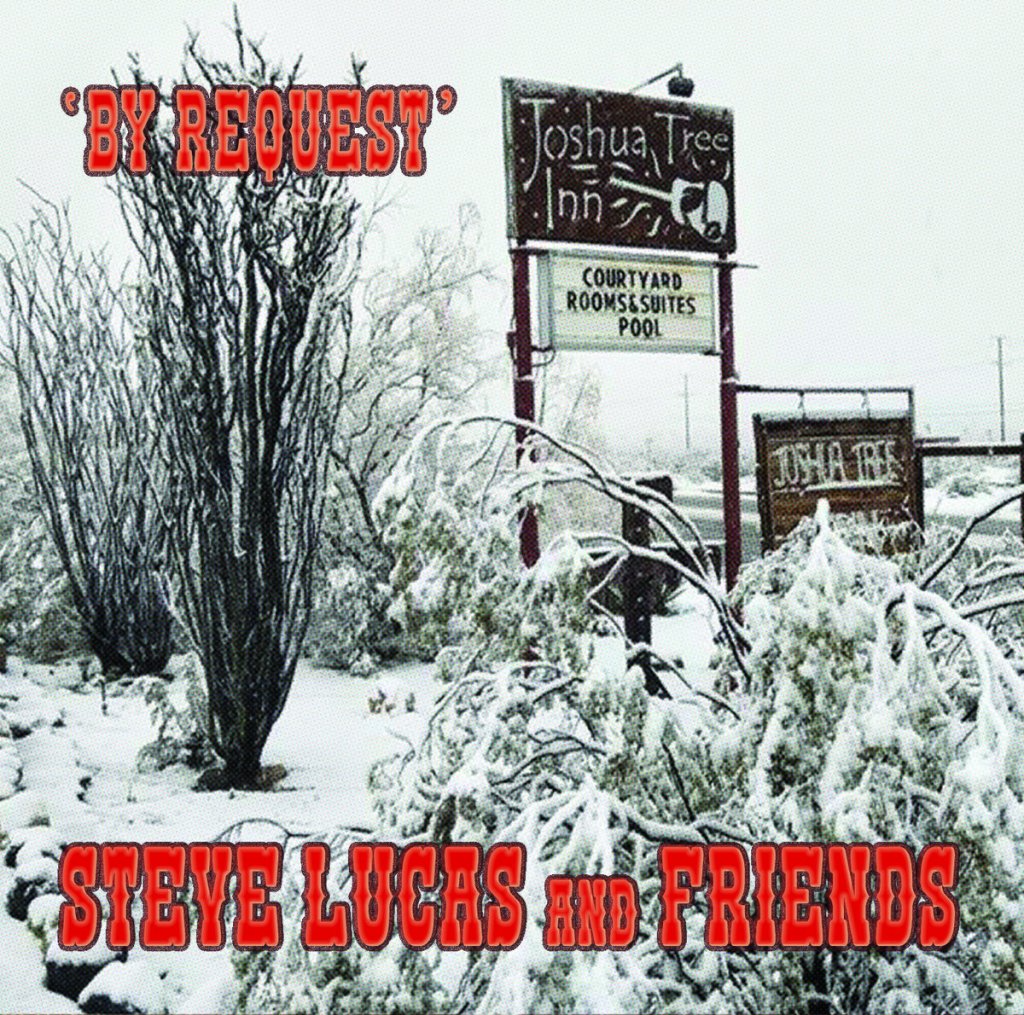
Melbourne musician Steve Lucas has been making music for over four decades. In 1977 he co-founded early Australian punk band X, who gifted us one of Australia’s greatest punk records, their debut X-Aspirations. He’s also lived many musical lives since X genre hopping from post-punk to indie rock to acoustic folk to country to gospel and all kinds of things in between with bands and projects: Bigger Than Jesus, Double Cross and The Groody Frenzy, Empty Horses, The Acland St Booze Hounds, The Strawberry Teardrop, The Pubert Brown Fridge Occurrence, Armageddon Resource Management and more. Gimmie spoke to Steve in-depth, to get a real insight into his music and the man behind it. We talk about songwriting, mental health, depression, his early life, overcoming spine surgery, creativity, of making good choices and of life in general.

STEVE LUCAS: I have to learn a couple of songs for a recording session on the weekend.

What are you recording?

SL: Two originals that my wife wants to do and a cover of Deuce by Redd Kross.

How are you going with it all?

SL: The original ones are fine because I’ve been there hearing it since the concept but going back to Redd Kross is how I used to play forty years ago. I’ve got unlearn everything I’ve learnt so I can do the real grunge sort of underplaying. It’s underplaying but really in your face. I’ve got a little bit too good for my own good [laughs].

Do you think that the style you were playing back in the beginning was so raw and powerful because there was a naivety in your playing?

SL: Absolutely! You didn’t know what to do so you had to do anything that worked. Looking back it worked, limited knowledge meant maximum feel. It was all about the feel. I actually used to play a really clean sound which made it more awkward. But, now going back and looking at Redd Kross I can see, they’re a bit New York Dolls-y kind of thing, thirty or forty years ago I would have just done it but now it’s like, fuck, that’s not really that chord… it’s that chord now because I’m correcting it but it’s not a chord at all, it’s whatever it is.

When did you start playing guitar?

SL: I got my first guitar when I was fourteen, that didn’t last long, accidently setting it on fire and smashing it to pieces, very dramatic, almost burnt the house down.

Was there anything that inspired you to set it on fire?

SL: I was trying to… I had this grand idea that I was going to strip it back and have this cosmic kind of paint job on it. I was in the laundry at home and there was a gas heater, the pilot light is always on; I had the door closed because I didn’t want anyone to know what I was doing and I was using tons of thinners and turpentine and the fumes kept building up and building up until the pilot light just ignited them! It went booooosh and blew the door off and blew me out of the laundry [laughs]. There was turps and thinners everywhere, all the shellac and stuff that was on the guitar was all molten like and running river. The more I tried to hose it out, the more it spread. In the middle of it all I saw my guitar and grabbed it and flung it out to save it but all the goo on the guitar sent molten globs of stuff onto the back wooden fence [laughs]. It was really, really traumatic. By the time I got all the fires out, I was looking at the smouldering guitar, I was so angry. I took to it and smashed it to pieces and thought—never again!

Wow! When did you start playing again and change your mind?

SL: It wasn’t that long after. I was always a much better singer than I was guitar player. I learnt how to play Bob Dylan kind of guitar, nice strumming and chords you could put under a melody, very folky, bluesy kind of stuff, that was totally relevant in 1977. I was just singing when X started, it was only after Ian Krahe died and a few other people didn’t fit that I was told I actually had to have an electric guitar, I had to have an amp, I had to learn how to play riffs… it was traumatic. Three months later we recorded X-Aspirations.

Have you always enjoyed singing?

SL: Yes, as long as I can remember. On my father’s side of the family, my grandmother was a chorus girl and my grandfather was vaudevillian, and he’d sing honky tonk piano, soft-shoe, magic tricks, all that kind of stuff. He would always be singing and if we stayed over with those grandparents he would sing us to sleep every night. I don’t remember when I started singing because I was too young to remember but being sent to Sunday School… my family wasn’t religious but they thought I should have some sort of religious experience, so I had to go to church on Sunday and I’d sing in the choir there. I did that up until I was twelve and when they said “Now if you want to go you can go, we’re not going to make you” so, I didn’t want to go and that was fine. By then I was into primary school and singing in the school choirs, doing choral concerts in Sydney Town Hall. I was always singing; singing along with the radio, with records—I’ve always loved singing.

Who was one of the first songwriters that first moved you?

SL: [Laughs] That’s funny… the answer I’d like to say is, when I was around thirteen or fourteen there were songs like, some very basic things like Don McLean or Dylan, really basic Creedence stuff… I loved to listen to Big Band music, I used to think that one day I might rather play the trumpet but it didn’t happen. Once I did actually have a guitar I really liked to “chunk” along to basic stuff. One of the first songs I learnt to play on guitar was something like “[Vincent] Starry, Starry Night” [laughs]. Cat Stevens was very big then, and again, very chord-y, easy songs. If you went to a party and there was a guitar sitting around you could pick it up and play Cat Stevens songs and girls would tend to like you more than if you sat there doing a Deep Purple song [sings opening riff to “Smoke On the Water”]; guys would love that but girls would be like, oh no. I made up my mind very quickly which direction I was going to go.

How did you discover rock n roll music?

SL: Mainly through Top 40 stuff but, when I was seven or eight my mother or my aunt took me to the cinema to see A Hard Day’s Night. Everyone was screaming so loud in the actual picture theatre that you couldn’t really hear very much at all. I got Beatle-mania like every other kid back then. They were accessible and covered songs by Little Richard. Then there were The [Rolling] Stones and between the two of them they opened the doors to my musical education, I suppose. Just really good RnB, soul-y kinds of ballads.

Was X your first band?

SL: It was my first real band. When I was fifteen I was in a school band and we did a gig for the sixth form’s farewell and we were never allowed to play again because we…. It was a big banquet and all the teaching staff was there and we were supposed to play stuff like Cat Stevens, we did play a couple of those to start but, then we broke into “Aqualung” and “Smoke On the Water”—that was the end of that! [laughs]. I changed schools again – I changed school a lot when I was younger – and met a bunch of other people and we used to play music together, I had my cousins and school friends playing bass and guitars and stuff and I was singing; we never had a name but one night a band was meant to play at a Police Boys Club but they didn’t and my cousin was in the Police Boys Club and told them he had a band, so we went and did that. It was fun! We did that one show and then maybe played at a party once. It was just something to do. X was the first band that we geared towards going out and playing to crowds in pubs, making money, the whole thing. We were gonna write great songs and get a record deal. Ian [Rilen] had left Rose Tattoo or had been discharged depending on who you talk to [laughs], so he had all that experience and the original drummer Steve Cafiero had plenty of experience, so we had a good chance of doing something if we played ball but we were a little bit… [pauses]. There’s ten years difference between Rilen, Cafiero and me and Krahe, Ian and and Steve were just hitting thirty and Ian and I were just about to turn twenty, our naivety and their experience was a great combination but it found us shooting ourselves in the foot quite often. We blew more chances than we actually embraced, by choice.

Are there any songs on X-Aspirations that really stick out to you or that has a special significance to you?

SL: No, because if I think of one I just think of another. The ones I would say I like least is easier to answer, “It Must Be Me” and “Turn My Head”. We weren’t sure of them when we recorded them, they were very much just off the cuff. When I used to take the records into record stores to sell, the first track I would always put on for the is “Delinquent Cars” because it had a nice steady pace, it had nice poetic lyrics, they always thought that was kind of good and they’d ask; what other song would you recommend? Then you’d play them “I Don’t Want To Go Out”. “I Don’t Want To Go Out” is the obvious one to say but I love them all. “Suck Suck” was great, and “Revolution”. “Dipstick” is so funny. “Waiting” is so tortured. They’re all very, very potent songs, which is why Lobby [Loyde] called it a concept album because it wasn’t an album that had two songs for a 7” single Top 40 hit… it was a collection of songs that stood well together but maybe not so well independently.

Do you remember writing “I Don’t Want To Go Out”?

SL: Yeah, I remember Ian would have brought that into the rehearsal room, it was predominately his song. I sing the riff ect. [hums the riff] and the first and second verse and it was like; where do we go now? I was sliding up and went to a C# or something and thought, that’s wrong! Then started moving down trying to find where he [Ian Rilen] was and he was following me, that ended up becoming the middle eight… we wrote the middle eight accidentally and then put in the last verse. He wrote the first two verses about me. I added the words to the middle 8 and I added the last verse about me and my friends preferring a beer to disco.

A lot of the time that’s how Ian and I would work, he’d have a blueprint for a song, he’d say it goes like this, do half and verse and then say that I can do the rest [laughs]. Sometimes I’d come in and do the same thing, like I’ve got this idea for a song but it needs a hook or something; he’d say, “How about this?” We were good like that from the beginning. I used to write with Ian Krahe as well. It was very organic in its original 4-piece format. Ian [Rilen] and I were obviously forced closer together when Ian Krahe died. We wrote a lot of songs together, maybe 120-130 songs!

Is there anything from that time with X that you learnt that’s stayed with you?

SL: Two things, OK… both the Ian’s were chronically late, that drove me mad! If anything I’m over punctual as a consequence. The big lesson that I’ve learnt that I’ve carried forever is one day Lobby explained to me how gigs worked. It sounds pretty dumb because you turn up, play, get paid and go home… that’s how you’d think about it but there’s more to it than that. Back then we had to hire our own P.A., you had to know the size of the room, whether it needed a single or double 4-way system, you’d have to hire the right rigging. You had to hire someone to operate it and then you had to hire people to lug it in. It was like running a small business, but it was called, being in a band!

As we got more and more popular and we could ask for more and more money, it got the stage where we were kind of pricing ourselves out of the market. Lobby said, “It all costs money. Pubs aren’t given alcohol to sell for free, they have to buy it and pay their staff, there’s overheads. You’re taking a percentage of the bar and door and there’s nothing left for anyone else.” He said “you have to understand that it’s very easy that you’re worth that but the most important thing to do is not believe the hype. People are paid to make that bullshit up! Don’t believe the hype!” He told me that and was about to walk away and turned around and said, “Especially your own!” That was it. I’ve lived by those rules ever since.

Do you like to create every day?

SL: No, no, no, ‘cause then it would be like a job. There are two kinds of camps, there are people that work at it and people that are sitting around waiting for a transmitted beam to be sent into your head and you go, ah! Thank you! Sometimes you dream of a song and if you’re really lucky you wake up and remember it and can figure it out before it fades away. Most of the time it falls into your hands. You’ll be playing it and as you’re playing it, sometimes the riff or progression will suggest words to you and then you latch onto them and you build. For me it’s always been a spate of songs, maybe ten or three or four that will come all at once and then they’ll be nothing for months. You don’t force it. I used to try and force it and I used to write shit, at least I thought it was and no one else would get to hear it; I’m not gonna say, hey, listen to this it’s shit! [laughs]. I’m not precious about it but, I just think if you want it to be a natural thing and really represent who you are, you can’t force it because, then you’re just tinkering with nature, I’m not a fan of that. Tin Pan Alley and the Big Think Tank, big songs of the ‘50s and ‘60s… I love some of those songs but they were obviously made under duress because they had to write hit singles.

Can you think of any songs that have been particularly challenging for you to write?

SL: Definitely. It’s weird because the song that made the most money in my whole musical life was a song that I wrote in about five minutes. It was a non-song almost. I wrote it because my daughter had a sleepover, a bunch of ten or eleven year old girl students, they’d all been picked up the next morning except for one that was left… I don’t know what my daughter was doing but, I was sitting in the lounge room waiting for this other girl’s parents to come and I was mucking around on the piano and she said “What’s that?” I said, I don’t know, I’m just mucking around. She said “Can you make that into a song?” I said, I don’t know, and I was looking around and saw a memo pad and it had written: thought of the day, make it happen! I looked at that and was like, yeah, I can make it happen! I just made up the song “Make It Happen”. I didn’t think much more of it until I was recording an album and needed an extra track. I thought it was pretty jaunty and threw it on. Thirteen years later it got picked up by Yoplait in America for a commercial. It was just like, wow! That’s one extreme of how lucky you can be.

On the other hand, my daughters favourite song that I’ve ever written, I had the music and arrangement in my head for twelve of thirteen years. I could never find the words that I thought belonged to the song. One day I was sitting the bus thinking about it and a line came to me and I thought it was perfect for that song. Once I had that it was like getting a key and unlocking a door and everything went booof and came tumbling out. I imagine that somewhere in my subconscious I had been thinking about it for all of that time, the lyrics wrote themselves in a matter of minutes, I was scribbling on bus tickets and whatever paper I could find it write it all down, this was obviously before mobile phones [laughs]. It can take forever.

What was the line in the song that came to you?

SL: I can’t sleep for loving you. It’s a nice tender little ballad, my daughter loves it. She loves it and says she’s going to cover it one day.

Aww that’s so lovely.

SL: Yeah, it’s for her. I think it’s a very beautiful song. I’ve demo’d it but never put it out. I think because I like the demo so much, I don’t want anybody to mess it up… I mean alter it by bringing their own feelings into it. Then again, the demo isn’t quite good enough to release, maybe one day on an anthology or something. I’m just leaving it there so if my daughter covers it, it can be hers.

I wanted to ask you about the song “Don’t Cry No Tears” it’s such a beautiful song and it’s become a bit of a signature song for you; can you tell me about writing that one?

SL: I remember it vividly. It was sometime, but not too long, after Ian Krahe had died. I was reading The World According to Garp [laughs], and I always associate that song with that book for some reason. I’d borrowed a 12-string guitar from someone and this C Major Seventh chord sounded beautiful on this guitar, I was mucking around with that. Of course in the end of the book Garp dies, I was thinking about that and then I was thinking about my friend that had died, I was thinking of how I never got to say goodbye and well, he never got to say goodbye either. I was having a conversation with him, representing him and myself talking to each other saying; this may have happened but it doesn’t change this. Wherever I go people want me to play it. I did a live stream for a mental health issue last night, it was the last song I played. I love the song, I’ll play it endlessly forever. It spoke the truth that just needed to be spoken.

Do you get emotional playing it?

SL: Sometimes I get very emotional. If a friend has passed away and someone asks if you can come to the funeral and sing it, it’s like, fuck! [laughs]. Yeah, I can. A couple of times I’ve really had to choke back the tears on it definitely, that’s what makes people like it—it’s real. I can’t do it without emotion. You can have the best or worst voice in the world but, it’s the emotion and the honesty of the delivery that moves people more than anything else.

I’ve found that throughout your catalogue of music that loss seems to be a prevalent theme; does music help you with healing?

SL: Yeah, it is. Music helps me sort out my feelings, absolutely. From my earliest memories there’s been issues around love, my parents split up when I was very young, then they got back together again and my sister came along, then they split up again. I went to live with my maternal grandparents. My mum was in and out of sanatoriums, she was manic depressive. Then she remarried, had my brothers and then that guy disappeared… love or the lack of love or the abuse of love, or the longing for love has been part of me for as long as I can remember, everyone wants to be loved. It’s so tricky because there’s so many kinds of love [laughs] and not all of them are healthy, not all of them are joyful. It is a powerful emotion. If you can sing about things like that people can relate to them, anger is another one. People loved X because of the satirical but very real anger in a lot of the songs, the critique, the social stuff. While I’m interested in social interactions and politics, I tend to address them through interpersonal relationships instead now. Love is love, you can apply it to anyone in any situation, having the same kind of joy and happiness or loss and sorrow; the politics of love is just as important as social politics. If you don’t have love within yourself, you’re not going to put it into anything else that you’re going to take out into the world; are you?

Absolutely. Did it take you a while to come to a place of self-love?

SL: Yeah, it took a while. I can’t remember when it happened [laughs]. One day I realised that I wasn’t so angry anymore; I wondered if that was a good thing or a bad thing? I decided it was definitely a good thing. When people say “Why don’t you write more songs like the classic X songs?” I say, it’s because I’m not that person anymore. I can’t go back and feel the way I felt then… people say “Times are so bad now, we need more songs like you and Ian wrote!” I’m like, they’re there. You can take songs like “Revolution” or “Suck Suck” or “Police” any of those songs, and they will apply to today, emotionally and politically. Nothing has changed, it’s just different labels and factions, people are still arguing about stuff that often doesn’t need arguing. People talk more about doing things than actually doing things because it’s much easier just to talk than take action. Nothing’s changed; why should I write another song? It’s there! [laughs].

I read on your blog a little while back about the power of naming things, songs, albums, etc. and how things can have a prophetic quality about them; have there been times you’ve felt you’ve done this?

SL: Wow! That’s going back a bit [laughs]. I’ve definitely had that, “Cry No Tears” is one. Now that you’ve mentioned it, it’s got me thinking… sometimes it can be a curse and you’ve got to be careful. Ian was always labelled with the [Rose Tattoo song] “Bad Boy For Love” thing and he hated it! It made him lots of money but it made him sick of people calling for him to play “Bad Boy For Love” especially at an X gig. The last thing he ever wanted to do was play that song again. It’s almost like a pre-destined, big clue to who you’re gonna be and what you’re gonna be for the rest of your life. For me, my two are “Moving On” which is the first song I ever wrote by myself; the other was “Don’t Cry No Tears”. The “Moving On” thing, I finally realised I didn’t think that I would remain rootless or without a real family for the rest of my life. I realised it was possible to build a home and a family and to be happy. With “Don’t Cry No Tears” it’s a nice resolution, it’s a song about closure but also about any parting, it reinforces that it can’t change your life, it can never be taken away, and sometimes you just have to be strong. When I think about it, I’m actually quite surprised that I wrote it.

Where do you get your strength from?

SL: That’s a complicated one. Partly sheer stubbornness [laughs]. The difference between my sister and I is about three and a half years, in the first few years of my mother and father being together when I was born they were happy for a while. I was too young to remember specifically but, I had a sense of that love. Later on when I was in my forties and my mother was permanently ill, she didn’t want to die in hospital, so I told her I would be her carer, you can die at home. During that time we got to talk about a lot of stuff. She said “Yeah, you know, I know it didn’t work out so well but when you were born, I really, really did like you”… I really needed to hear that. We weren’t the most communicating kind of family. My mother would say stuff like “You’re not much but I like you anyway, I suppose”. That was just her way. Anyway, her being able to tell me that made a huge difference, it reassured me about something that I had suspected on a subconscious level, that there was a golden time for me. It took a long time to get back to it.

I was also the eldest of the family so I did have to take care of my sister and my younger brothers. I had to be strong no matter what, it was expected of me. The quickest answer for your question is, it was firstly expected of me and secondly, because I’m incredibly stubborn. A third answer is that having suspected something had happened and having it confirmed, that was a very powerful moment.

I know what it is like to care for a parent, I spent sixteen years caring for my mum with Alzheimer’s and then my dad had mobility issues all for the later part of his life.

SL: That’s tremendous.

I had a similar moment with my father. He told me as a teen I wouldn’t be anything or do anything, that I was a no-hoper like the rest of my siblings… after my mum got sick and we were looking after her, our relationship changed and he told me that he’s always been proud of me and that he loved me. It’s the one and only time he said it to me. It really changed things for me.

SL: Yeah, if you hear it once and it’s honest and heartfelt, you only need to hear it once. I feel so sorry for people that don’t get that, because I do know people who have never felt loved by their parents and consequently never felt loved in their whole life—it’s terrible.

Are you a spiritual person at all? I know you went to Sunday School.

SL: Yeah, at the local Anglican Church, that was because my grandparents thought I should be introduced to some religion. Church of England is probably the most passive, it was back then. They thought it would be up to me to make up my mind. They weren’t particularly religious, no praying over meals or anything like that. For me, I’m pretty spiritual. When I was doing the stream last night I was talking about mental health issues and we were having a conversation and it came up; what do I believe in? I believe in something, it doesn’t have a name or a face but it is a faith. It comes from the necessity of me to carry on my daily existence, to think along the lines of basic science that energy cannot be destroyed it can only be transformed, we are made of energy. When you die, whatever you want to call it, a life spark or a soul or a neuron or whatever, I believe it goes somewhere else. I’ve heard some pretty funny ideas, Billy Connolly said, we all made up of atoms, molecules and can’t be destroyed, the body might die but you might become part of a teacup or a chair [laughs]. That’s one way of looking at it, you don’t have to necessarily be reincarnated or go to Heaven or whatever but, because we can’t figure out what happen afterwards doesn’t mean that nothing happens… it doesn’t mean anything happens either for that matter.

A long time ago, I was into Buddhism for a while, two Jehovah’s Witness knocked on my door, normally I’d say I’m not interested but back then they were using a different tactic [laughs]… there was the typical guy but an absolutely stunning woman; I was like, if you’re a Jehovah’s Witness I could be converted on the spot! [laughs]. I thought I’d talk to them because I was interested in what she had to say really, I’ll be honest. We were talking for a while and they said “You don’t believe in God?” I said, I don’t believe in god but I don’t necessarily not believe. I was into Buddhism and possibly being reincarnated, I said, maybe that’s what happens to you when you go to Heaven. They were like “What do you mean?” You’re reincarnated into another person or a better version of yourself then you get together but then you find that now you’re in Heaven and if you behave and do really good you might die and go to another Heaven that’s even better! That might go on for an eternity of eternities. They were like “Wow! We never thought of it like that!” I’m not saying it’s true but anything is possible. They said “Can you come to our chapter meeting next week and explain this?” [laughs]. I said, no, you can talk about it amongst yourselves. I’m not a spiritual leader, I’m just saying there are infinite possibilities, you believe in what you want to believe in and it’s fine with me as long as you don’t hurt me through your beliefs.

Outside of music what else are you passionate about?

SL: I love cooking! I was taught very young, as I mentioned I was brought up by my maternal grandparents and my grandmother had it in her mind that she didn’t want to be responsible for another stupid man walking this planet [laughs]. For her that meant, unable to look after themselves. She taught me to cook, sew, to do all the things she thought was important for a nice, comfortable day-to-day life. Cooking has always been a great comfort for me. I tried to get into art for a while but I’m no good at painting. I liked drawing for a while. There was a period where I felt very unmusical so I got into drawing a lot. It was fun for a while but it’s not the same… at the end of a drawing, people don’t clap and cheer. You don’t go to the pub and set up an easel and paint and at the end of it people go “That was fucking awesome! Can you do another one?!” [laughs]. There is an ego involved in creativity, it’s pretty hard to be creative I think if you don’t have an ego, I mean you might be very self-depreciating but it still makes you do whatever you need to do to… [pauses] process whatever it is that makes you feel that way. I’m not a psychologist though but I talk to all different kinds of people and when you do that you hear lots of different things that maybe you never considered yourself.

If I was lucky with anything… I remember someone interviewing Sean Connery once and they asked him; what’s the best gift ever given to you? He said “The ability to read”. I’m very passionate about literature, I love reading… to be able to listen, to be able to talk and write things; I like writing. I was actually really enjoying it until someone asked me to write a book. I started and then I thought, oh, now I’m doing this for the wrong reason. I was having fun before that and if I wrote something and someone liked it, it was great, if they don’t, so what. It’s not like my career depended on it. That was a bit odd.

Anything can hold my interest or catch my eye but how long it maintains my interest is a different thing. It depends if I can actually use it, like cooking, I can make a dozen bread rolls and people can come over and eat them and go “Oh my god, this is fantastic!” …back to the ego, if you do something and it gives you a positive return, you want to go back and do it again. Passion can manifest in many ways. I made leadlight windows for ten years. It was after my first wife and I split and I needed a job because I wanted custody of my daughter, I thought it was important to have a job. I needed a job that would be through school hours so I could pick her up after school and all that kind of stuff. A friend of mine said “Come and work for us”. I actually got really good at it and I enjoyed it but, I’m not in a hurry to make another one [laughs]. It was good while it lasted.

The things that are the most rewarding are the things that at the end of the day you can look back at and see it’s complete and finished, that you have a sense of accomplishment. That’s what’s good about writing a song… unless it takes thirteen years [laughs], then it’s not so good. I’ve been doing a few talks about depression and one of the big things with depression it seems is that people get that way because they’ve lost or never felt they had purpose, beyond the philosophical; why am I here? It’s like, literally; why am I here? I’m not doing anything for anyone, myself included. To have no sense of purpose, I can’t imagine anything more hellish.

When I was a kid I used to like making models because at the end there was something to look at. Even if that meant I’d blow ‘em all up with bungers! It was still fun.

Have there been times in your own life where you ever felt like you didn’t have purpose?

SL: Not really, because as I said, I was the eldest whether I had a purpose or not I had a responsibility, a responsibility is kind of similar. I’ve never felt like; why am I here? I’m lucky in that regard, I don’t know what I would have done if I had felt that way. You’d know having been through that carer’s situation, it’s a huge responsibility but, it’s infinitely rewarding when you get those breakthrough moments, they can make years of pain, if not necessarily evaporate, give it a sense of proportion where they’re no longer a millstone or albatross around your neck.

Before you were talking about playing a song for people and they clap and that being ego and then your friends coming around to eat the bread rolls you’ve made; maybe it’s more just coming from a place of connection?

SL: Yeah, absolutely. There’s the social aspect of it, which is important. I’m not going to pretend I don’t like it when people cheer or clap at the end of a song [laughs]. It’s very gratifying. I can play a song and have no one clap at all and still feel like I’ve done a good thing.

What’s next for you? You mentioned you were working on some songs for your wife.

SL: Yeah, she’s got a few projects going. Last year I lost a very close friend and one of the things he asked me to do before he dies was go to America and find some genuine Mexican musicians and record some songs with them, because he always thought I was wasting my time doing rock n roll. He always thought, in his words that “I had a beautiful voice for country music”. He said the Mexican people are so passionate, and he played me some stuff. I was going to do to Tijuana but the guy that was organising it for me just disappeared. My wife used some guys in San Diego, they fitted the criteria. When I recorded with them it was beautiful, it was fantastic.

That was the album By Request?

SL: Yes. Things come from all different corners and it comes back to; what do I believe in? I do believe in a certain amount of destiny. I had massive spinal trauma, my left leg was paralysed and they said I might lose the use of my right leg too. I had to wait a year for an operation. I asked myself; what am I going to do in that year? The doctor said “You’re a musician, if there was something you’ve always wanted to do, now’s the time to do it”. I said, I always wanted to tour America. He told me to go do that! [laughs]. I said, it’s not that easy! I can’t walk. He said, “Don’t let that stop you! It’s a thought!” I went home thinking, shove this thought up your bum! [laughs]. But, within weeks a guy sent me an email from America saying he loved X-Aspirations and that he wanted to do a run for his own little label on vinyl. I said, sure go for it! He told me he really wanted me to come to America and tour it. I said, I’d love to but I’m in a wheelchair at the moment, I’m having an operation on my spine. He said, “Don’t worry about it then”. I said, no, no, wait! My doctor said I should do something like this, there will be limitations. So I went and played.

I was in so much agony and had to take so many prescription drugs to manage the pain. I don’t really remember much. I’d get to a gig and they’d prop me up and as long as I didn’t move I wouldn’t fall over. I did twenty-eight gigs up and down the west coast of America. It was insane. I came back here and then after a bit had the procedures done. Gradually I got my left leg back. They recommended I do physio, which I wasn’t too keen on but, my wife bought me a drum kit. I set it up left-handed so I had to use my left foot to drive the kick pedal. They said you can train your muscles and nerves to work differently, the ones that aren’t working doesn’t mean you can’t stimulate the muscle, it’s like a detour, you’re rerouting things. I tried it and then the stubbornness kicked in and I worked at it and worked at it; even now if I’m walking down the street I take a cane because I get tired, but if I walk the way I used to I’m all over the place ‘cause the things don’t work anymore. It’s amazing what your brain can do if you let it. This could apply to anything pretty much. Being told you might not have feeling in your leg to doing what I am now, I thought that was an insurmountable thing and I’d never get over it, but I did!

A friend of mine who was a Buddhist said “You were given that pain for a reason, you have to love it for what it is” ….again my first reaction was, pffft! [laughs], you try feeling like this and tell yourself you’re gonna love it! Then I realised what they meant, it was an opportunity of sorts to deal with things. It was great! I remember waking up one day and being, that’s it, today it changes! I’m not going to be this person anymore, I’m not going to be dominated by my pain, I am going to dominate my pain! It didn’t just go biiiiing! It took a long time, that’s where stubbornness really comes in handy! [laughs].

I say to people, you always have a choice, no matter how shitty the choices are, you still have one and if you’ve got nothing but bad choices laid out in front of you, then you pick the less harmful or more palatable of those choices, take it. Once you get there you’ll see more choices, maybe equally as bad but maybe one that’s not quite as bad as that, so you go there. The further you go along taking the most positive steps you can take, even though they might seem like there’s no difference at all, you start to learn how to make better choices. Once you start to make better choices, you start to have a better life—to me it’s that simple. I’ve been through it. I still have to do it and make hard choices but I have learnt what is a good choice and what isn’t. It helped enormously. It is rewarding. As you know, it’s not always an immediate plus but you can look back and go, oh, I’m actually glad I did this because now I don’t have to worry about those ones, or you can look back and go, well now I’ve done this, I can face that and get over that hurdle too. I hate the words “empowering yourself” but it’s good to empower yourself to make good decisions for yourself that will benefit you mentally and spiritually, in health, in your relationships… but you don’t need to have a world dominating vision at the end of it [laughs]. You don’t need to be a CEO of a mega company to feel like you’ve accomplished something. I feel like I’ve accomplished way more than I could ever imagine I could. At the same time, that doesn’t mean that I have to stop doing things!

Please check out: STEVE LUCAS; on bandcamp; on Facebook.

Link Meanie of Legendary Melbourne Punk Band The Meanies: “There’s many things that you can get out of being creative but for me, if I didn’t have that I’d probably go insane”

Original photo: Peter Wheeler. Handmade collage by B.

The Meanies are one of Australia’s all-time bands. Forming decades ago, their music is melody-driven, explosive power-pop with lyrical tongue planted firmly in cheek. Their live shows are the stuff of legend, wild and action-packed. 2020 sees them releasing a new studio album Desperate Measures, one of their greatest yet. Gimmie’s editor started going to Meanies all-ages shows as a teen in the ‘90s and was very, very stoked to catch up with guitarist-vocalist, Link, to find out more about the LP and his song-craft.

What do you love most about writing songs?

LINK MEANIE: It’s therapy [laughs], it really is! Honestly there’s many things that you can get out of being creative but for me, if I didn’t have that I’d probably go insane. The actual process of writing in some ways is the most enjoyable part for me, getting into the studio to varying degrees it can be fun but I find it a bit stressful.

Before you started writing songs was there any other ways that you expressed yourself creatively?

LM: Gang fights! [laughs]. No, I didn’t. I’ve always done it since as long as I can remember, from twelve years old I was always being creative with a guitar. It’s always played that therapeutic role in my life.

What got you interested in writing your own songs?

LM: I came from a kind of musical family I guess. My mum went to a pretty high level in piano and my brother played in a school band, he was a bass player and also a better guitarist than me, just being surrounded by that and a family of music lovers. It was inevitable.

I’ve read that you’re the kind of song writer that writes best when you have a deadline to work towards; was this the case for this record?

LM: No, that proves that statement to be an actual lie [laughs]. When I started writing this record there wasn’t any plan to record another album, I just did it because I was bored out of my skull over here in Spain… obviously though, I love being here with my wife and her kids… just not having that creative outlet though, to me it was medicine. I didn’t know if it was going to get recorded or not, it just evolved from there.

How much song writing did you do for it?

LM: The exact amount of songs that we recorded [laughs]. Actually, we recorded one extra which I think is coming out as a single. There wasn’t many throwaways, but I took that much time with it that I was pretty sure of those songs before we went into the studio. Sometimes if you do have a deadline and you write a whole bunch of songs and you get into the studio and for one reason or another a song just doesn’t work; even on paper if it looks good something just doesn’t click. Didn’t have that with this, which is fortunate but it helps spending a lot of time with the structure and demo-ing.

Do you write most of your songs on guitar?

LM: Yeah, or flugelhorn, one or the other. Mostly guitar. I use an online recording service called Soundtrap, I’m not getting money for that, it’s just a basic kind of setup and just demo on there and send them to the guys fairly complete. The songs end up getting a different feel just because of people’s different styles once you get in the studio, which is nice. On this one we have Wally singing the verse to one of the songs [“Cruel To Be Caned”] which has never happened before, which I’m pretty excited about, I can go up and grab a drink while he starts that one. I also co-wrote a song with Jaws which is something I’ve never done. There’s been a couple of firsts on this one.

One thing I have always loved about Meanies songs is the melody; where does your love of melody come from? Where does that knack for doing it come from?

LM: I really don’t know. Having a family that introduced me to good quality song writing, the obvious ones like The Beatles, The Who, my mum listening to Carol King or Burt Bacharach or whatever—growing up with a lot of very melodic stuff. It seeps into the consciousness and it’s just a part of me, man! [laughs].

When you first started The Meanies did you have a vision for it? Out of the gate you had a sound that was your own and even all the art you drew for your releases, it’s very fully formed.

LM: I’m glad you think so [laughs]. To me, I guess it has a certain continuity to it. I don’t know if it was very conscious. To start with, I think the imagery on the early posters was inspired by the Hard-Ons, pseudo-metal satanic imagery that they would do [laughs], then it developed a bit more into our own thing. Things didn’t always pan out the way I’d like it to, I didn’t always have the last say in things like artwork or choice of singles, I kind of like that though because I’m a lazy person—just tell me what to do! [laughs].

How did you first get into punk rock?

LM: Probably the Sex Pistols hearing them, or the Ramones, stuff like that is probably the earliest experiences… apart from Plastic Bertrand “Ca Plane Pour Moi” [laughs], that’s probably one of the earliest “punk rock” songs I ever heard. Also though, define punk; there’s so many different descriptions of what punk is, you could call something like The Romantics “What I Like About You” punk. All the things you hear growing up are part of the formative appreciation for the style.

Yeah. When punk started all the bands sounded different.

LM: Yeah, that’s the thing it wasn’t very homogeneous, there’s such a variety of sound. A bit later on people started narrowing the parameters of what punk was… that’s OK, but I just find it a little bit boring when it’s sort of cookie cutter.

Totally! With the new album Desperate Measures; what kind of emotion or place where you writing from?

LM: The same—a miserable bastard basically [laughs].

Photo: Peter Wheeler.

You seem pretty happy to me.

LM: This is all a façade! [laughs]. Inside I’m an emo. Most of the songs are pretty negative or analytical, a lot of them are about myself and then there’s more external songs like “Monsters” and “All the Bought Men” which are a bit more political.

When you write songs do you find it helps you learn stuff about yourself?

LM: Oh yeah, for sure. It’s always therapeutic to me because you are confronting parts of yourself that you might not otherwise do unless you were writing it down on paper, even if it is a little bit abstract—that’s probably a part of me not wanting to face it! [laughs].

When you write your lyrics do you do much revising?

LM: My lyrics? Not a great deal. Occasionally you’ll go back and find a line that’s a bit naff! You’re being lazy and you just wanted to move on and you go back and you’ve got a line like: I was walking down the street just the other day [laughs]. It’s like, c’mon! That’s what you wrote when you were fourteen. There’s a lot more consistency and quality with the lyrics now, a little less clumsy metaphor than I used to use when I was younger.

Is there a song you’ve written hat you’re really proud of?

LM: On this record?

Yeah.

LM: I’m really proud of the whole thing. It has a cohesion which isn’t always there in terms of how I view the record; maybe it always seems cohesive to people but, to me… I think because it was written when I’m older and also written in a similar time period. I think “Sousa” is one for me, it’s probably the least punk one on the record. I really love the melody, I think it’s a really sweet melody.

That’s one of my favourites on the album too and I also really love “Drowning Tower” as well.

LM: Ah, good! That’s the one I co-wrote with Jaws, he’ll be happy to hear that.

What’s that one about?

LM: That’s another sooky song about me [laughs]. You know man, like, I’m the tower! [laughs].

You make Meanies film clips too. You’ve made a couple so far for new songs “Cruel To Be Caned” and “Jekyll & Hide”.

LM: Yeah, really lo-fi clips that you probably couldn’t show on television because they’re too dodgy. We just figured we can get them done cheaper if I make them; how many times are they going to get played on television anyway? It’s mainly for YouTube and social media.

I still think they’re really fun! I love the clip with the dog!

LM: [Laughs] Aww thank you! Roveo! It’s so fucking daft! [laughs]. I’m really happy with them. It’d be nice if I had more technical know-hows and I could make them of a higher quality. I’m using a really old version of Movie Maker, it crashes every couple of frames. The clip I’m doing now, I’m up to about 500 frames and I’m halfway through, it takes a long time.

What are you making the clip for now?

LM: I’m doing one for the next single which is “Monsters”.

Nice! That’ll be a fun one.

LM: There’s a lot of scope for animation with a title of “Monsters”.

In the song, what kind of monsters are you speaking about?

LM: I’m speaking about the demonization of cultures, religions, anything you know… not that I really agree with religion, I think it’s had a lot of negative affect in the world; not so much religion but organised religion. By nature it becomes corrupted, when they become to big obviously you’re going to get someone at the top controlling things and they’re going to have their own vested interests, which corrupts any sort of message, positive message that a religion has. I’m not religious myself at all. I think it’s everyone’s right to believe what they want to believe, no matter how stupid [coughs]. We’re just seeing it more and more with the rise of the right-wing around the world and it’s really worrying. There’s this fucking insane clown running America, not to mention Australia! It’s scary and weirdly exciting because these sort of moments, no matter how fucked up they are, there’s great scope for change, possibly for the better. We’ll see.

What are the things that you believe in?

LM: Not a lot. I’m a bit of a cynic and a nihilist. I believe in friends actually. I believe in trying not to be an arsehole, which I manage to do sometimes. Just trying to treat people with respect, which I don’t do sometimes. Not judging, trying not to judge people with generalisations and not listening to people in power, they’ve all got their own interests—I don’t trust them at all!

Same! I’ve been like that since I was a kid. My parents always taught me not to trust authority figures and those in power.

LM: Yeah, same! [laughs].

Life can be so tough; what helps you get through?

LM: Love and music!

What’s life like for you in Spain?

LM: I love the vibe here, it’s a really nice culture, really relaxed attitude. Lots of just sitting in cafes drinking and soaking up the sun, I love it! I do miss Australia… well I miss my family and friends in Australia a lot. I should be coming back soon. Hopefully we can start doing gigs!

What do you get from playing live?

LM: Money! [laughs]. No, I don’t. Just enjoyment, it’s just fun! It’s a different kind of therapy than the actual creative side of it. I just loved catching up with old friends, it’s really great when you’re playing with a band you’ve known for 30 years, like Tumbleweed or Spiderbait, any of those sort of bands like that. It’s really some of my happiest times, just catching up with some of those people.

Please check out: THE MEANIES; on Facebook; on Instagram; Desperate Measures out now on Cheersquad Records and Tapes.