A chat with Warttmann Inc, R.R.C., Set-top Box, Satanic Togas’ Ishka: “I have hope in the world!”

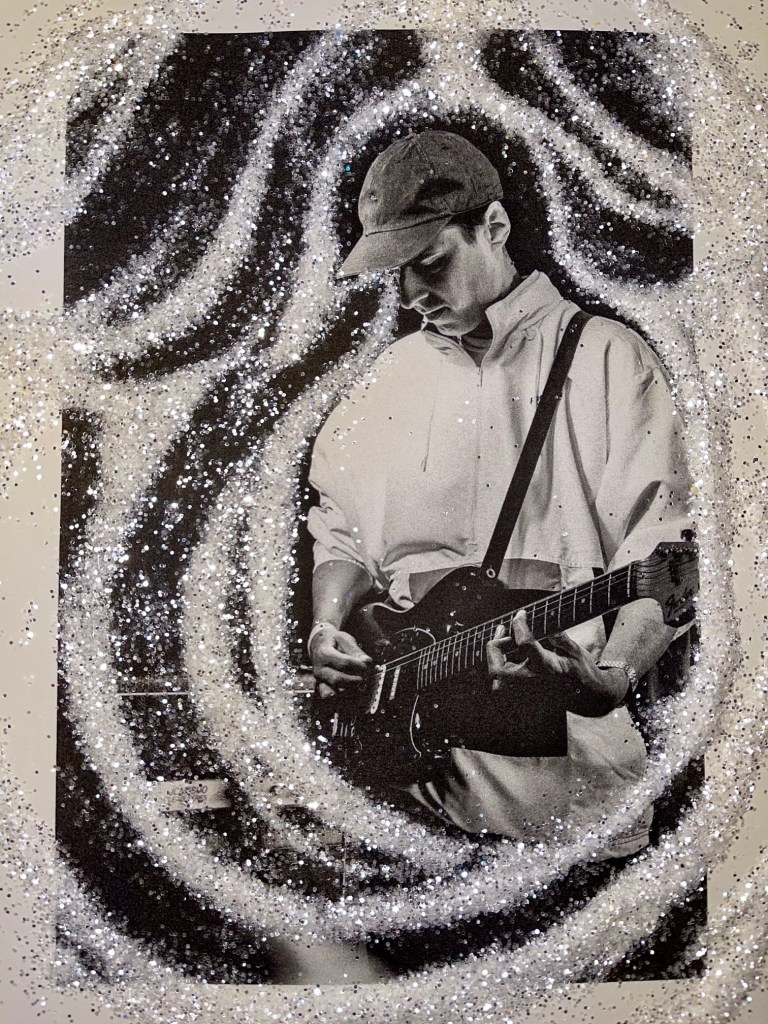
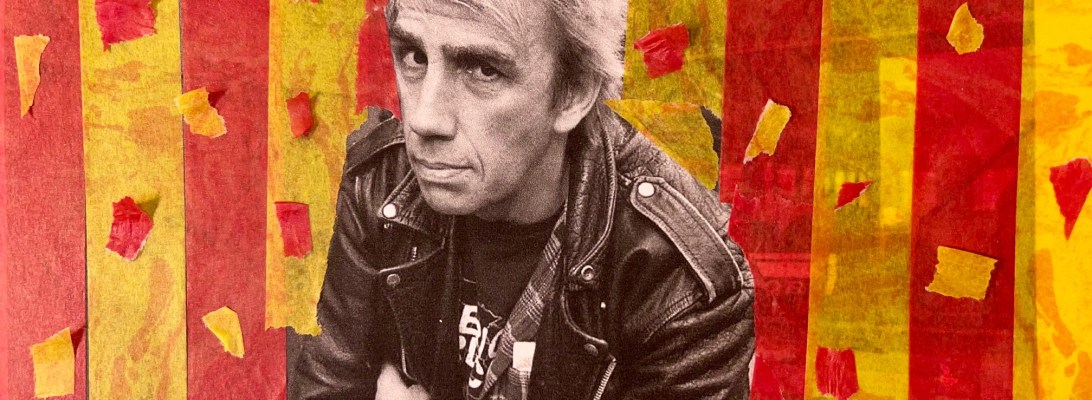
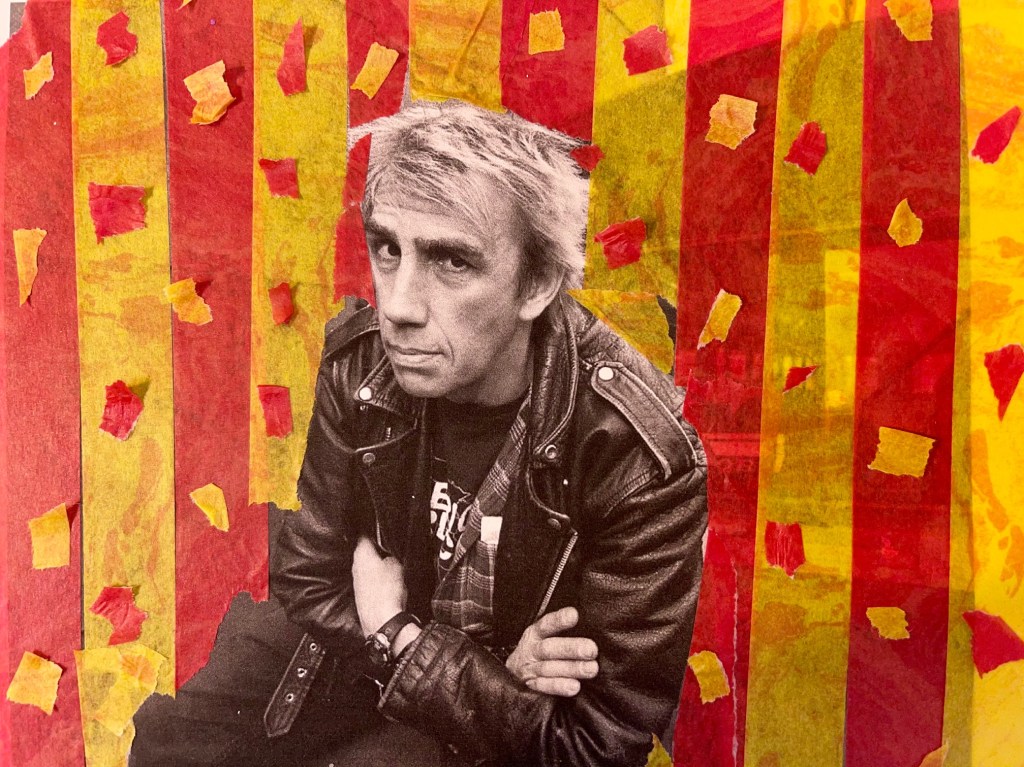
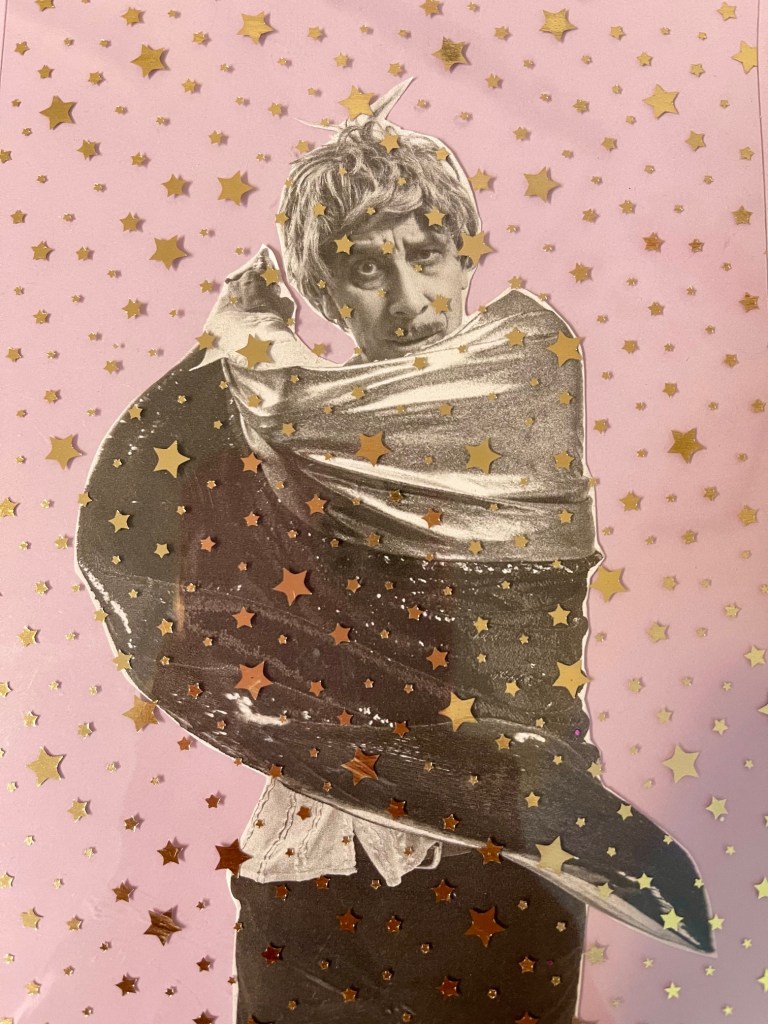
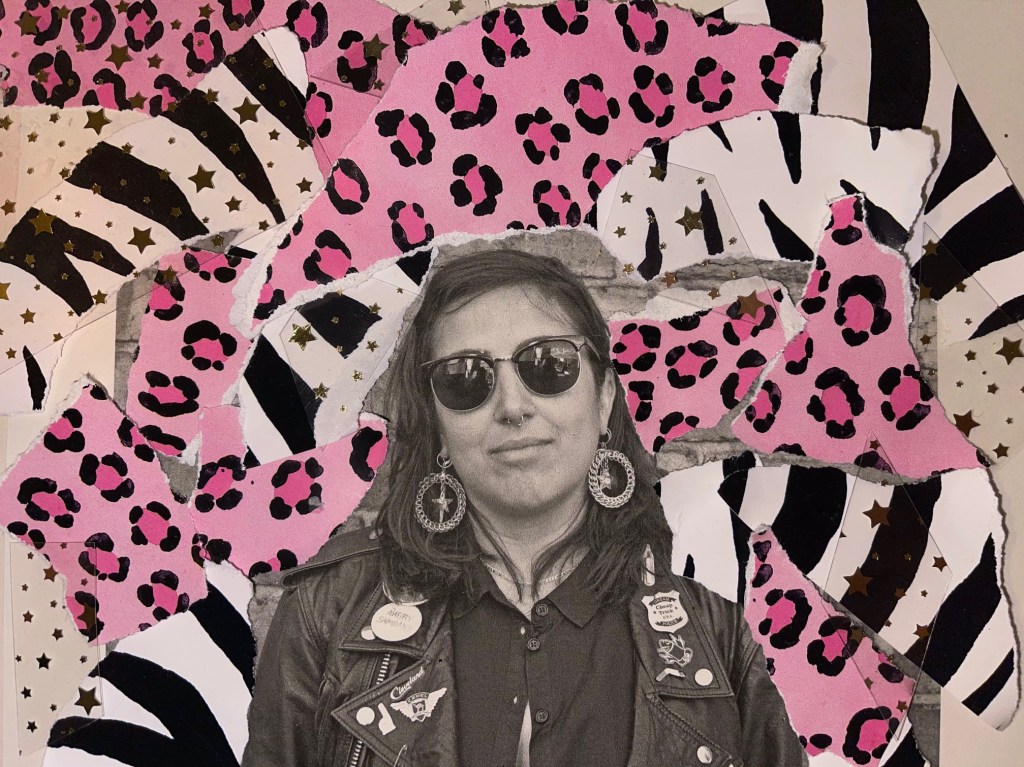
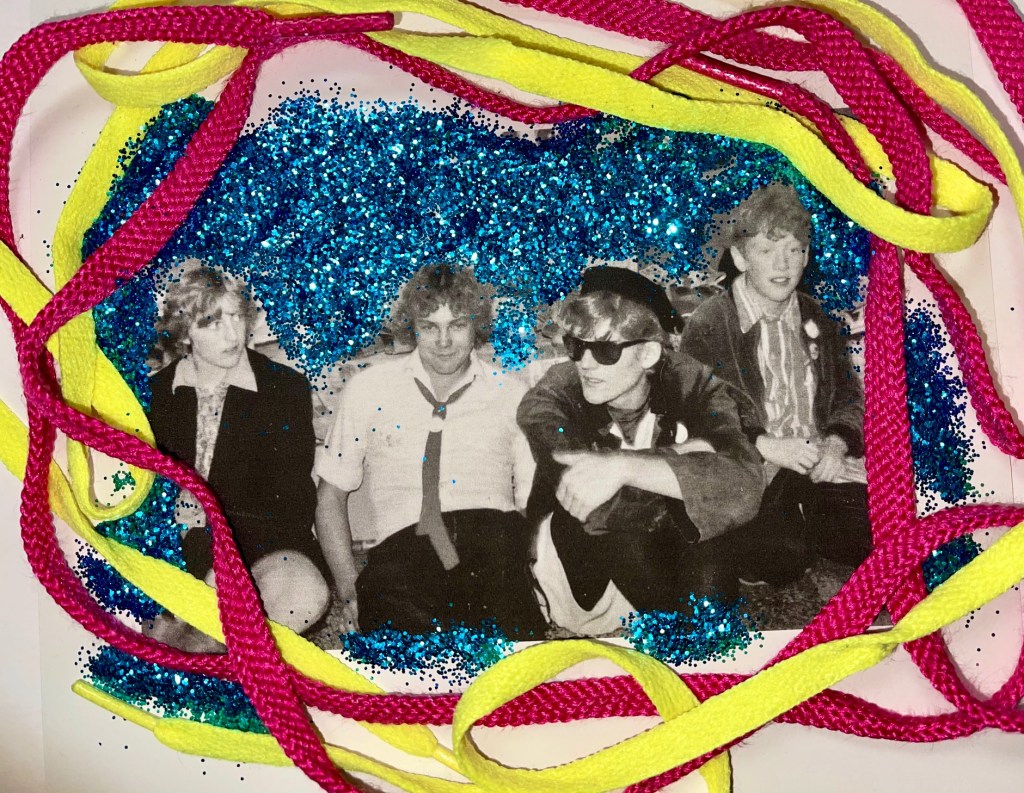
Handmade collage by B.

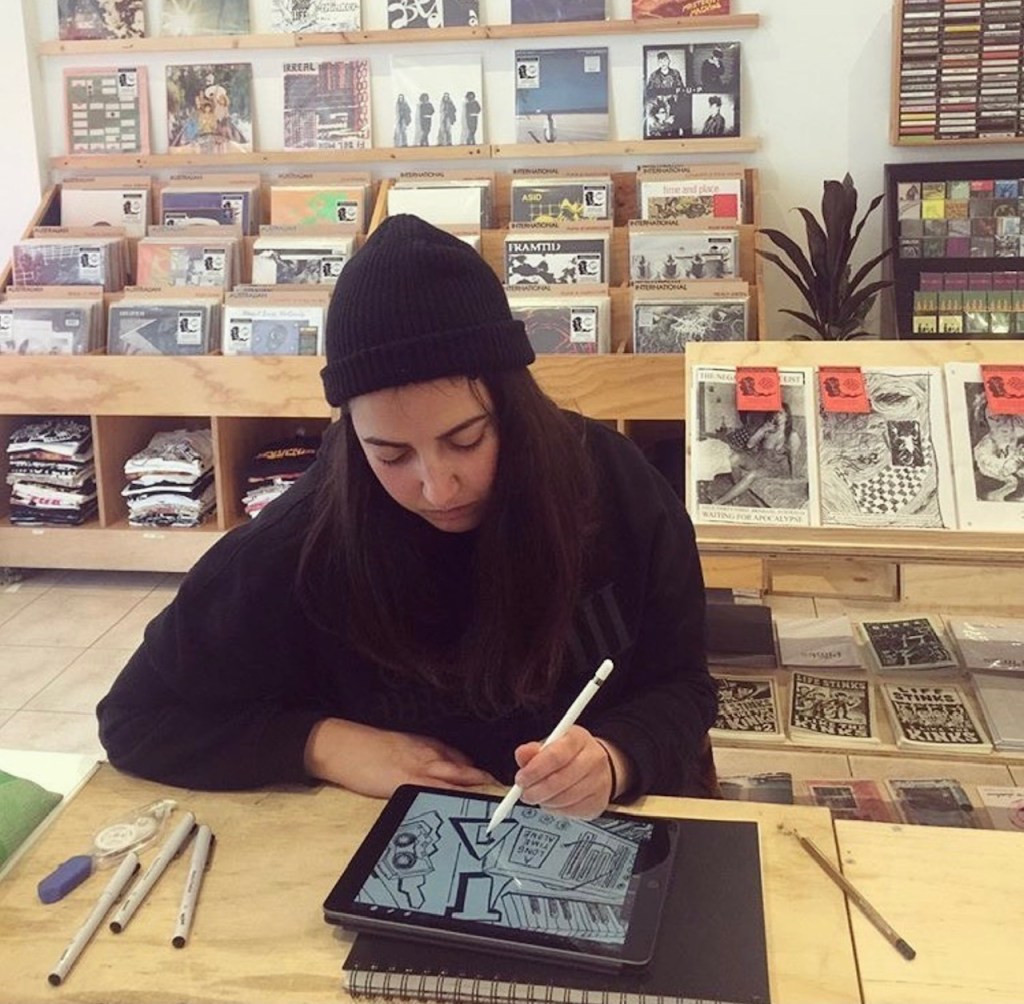
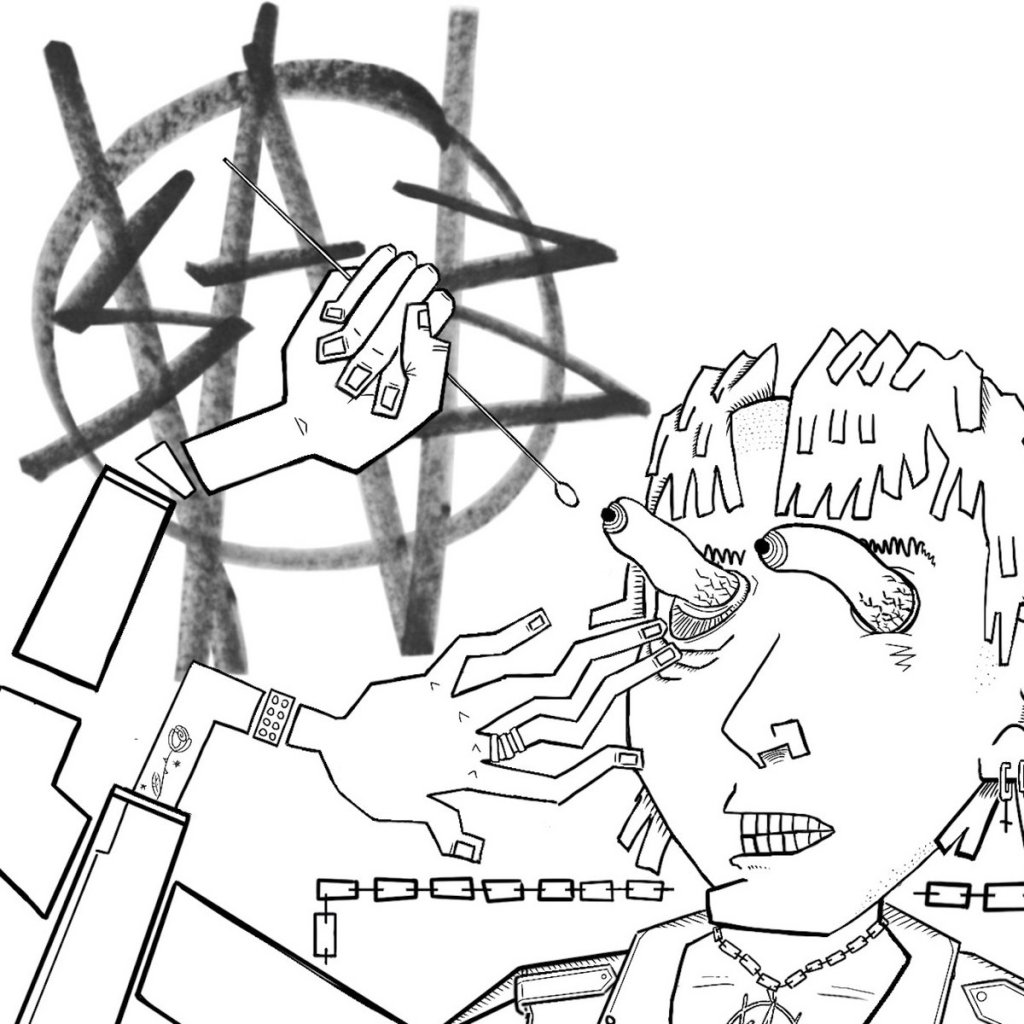
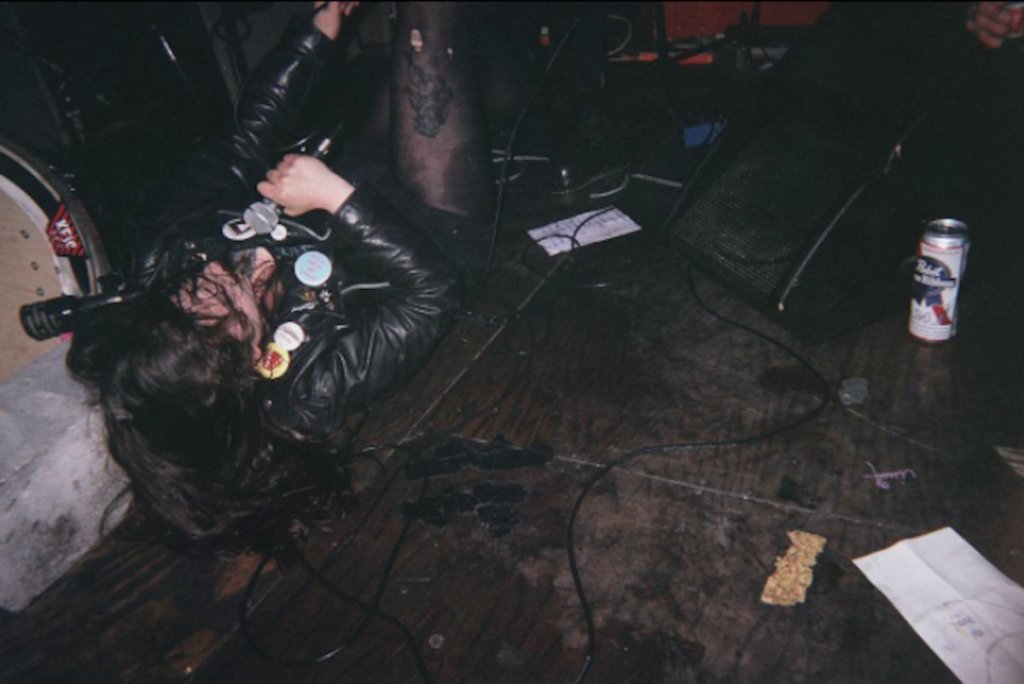
Sydney-based creative Ishka Edmeades is constantly in flux whether it’s working on one of his many musical projects: Research Reactor Corporation, Set-Top Box, Satanic Togas, G.T.R.R.C, Gee Tee, Australia Idol and more; independent punk label Warttmann Inc; zine, TV Guide; making art or writing graffiti. No matter the medium, the message is always one of humour, fun and honesty. Gimmie was super stoked to chat with Ishka!

An abridged version of this conversation first appeared in Issue 4 of the free mail-order music mag Streetview (@streetview.mag), which we love! It’s worth your while to get on their mailing list.

Hi, Ishka! What have you been up to today?

ISHKA: Hey, Bianca. I’ve just been hanging out.

Is it your day off?

I: Every day is pretty much a day off at the moment. When Corona [virus] hit, I was working in cafes, and since then it’s been hard to find a job. I’m enjoying the time off though.

Yeah, I found myself in the same boat. Like I said in our correspondence, I’ve been working in libraries for so long and when COVID-19 hit, there was no work for months. How’s lockdown been for you?

I: I feel bad to say it but, it’s been pretty good for me in a lot of ways. I’ve been recording music and just being creative. It’s been good having time to ponder different things. I feel bad because in one sense, Corona is a totally shit thing to happen!

I know what you mean. Creatively for me it’s been great too! During this time my husband and I made Gimmie zine and worked on my book. To be honest, most creatives I know, say it’s been great for them. Of course, there’s the downsides of no shows, losing jobs etc. but at least from a creative perspective many who I’ve talked to, worked on projects, learnt new skills and took the opportunity to make the best of the downtime.

I: Yeah, that’s the thing. For sure, you have to make the best of things. For me, I’ve been recording every day or making art—it’s been great!

Anyone I’ve interviewed or spoken to that knows you, they always have the loveliest things to say about you. One of the most common things people tell me is that they’re really inspired by you, you have a pretty prolific output and are in so many bands. I know for you that’s just what you do.

I: [Laughs] Oh, I don’t know… thank you. That’s really cool to hear; I’ve never really heard people say that before. Thanks. I guess because we’re all just good mates and hangout all the time, stuff like that never gets brought up.

Kel [from Gee Tee] is definitely a big influence on how I go about recording stuff. He moved down to Sydney from the Gold Coast into a house with me last year in June. I had my drums set up in my room and we just had a fun time recording. We did the Chromo-Zone stuff, I play drums on it. It was good to watch him record. I’ve always liked Gee Tee and Draggs. Watching him do stuff heled me heaps. I first met Kel when Draggs came down to play here.

Are you originally from Sydney?

I: Yeah, I’ve lived here all my life.

What scenes or communities did you grow up in?

I: My dad’s Māori. He moved to Bondi from New Zealand in the 70s, there was a big Māori community around there. I grew up in that area in the 90s then I moved out to the Inner West when I was nineteen. There’s still a Māori community but it’s fleeting, a lot of them have left. All the older guys in that community were into dub and reggae, I got heaps of influences from them. I still really love Prince Buster and the Blue Beat [Records] stuff.

I figured you were into that, on your Instagram a while back, I saw that you had a live video you took of Lee Scratch Perry.

I: My friend Harry, who plays in [Satanic] Togas as well, my friend Dion (we’re all old high school friends) and I got to see him live, it was great! He was pretty out there. It was pretty funny. Half of his set was him rambling.

So, dub and reggae were the first kind of music that you got into?

I: Yeah, it was the first music that I was exposed to. Where I was born, my dad’s house was the jam house, he had every kind of instrument and people would come over and jam all the time. From when I was born, I was always around people jamming. I’m sure they were just playing the “skank” one note [laughs] and that got lodged in my brain.

Is that how you started playing guitar?

I: I started playing drums first, because of Metallica. My friend and I really got into Metallica, he played bass, so we started jamming Metallica songs when we were ten. I got my dad’s old drum kit. After school every day, I lived close to the school, we’d just go home and jam Metallica songs with drums and bass, it probably sounded pretty horrible to all the neighbours! [laughs].

How old are you?

I: I’m twenty-two right now.

How did you get into punk rock?

I: After Metallica, I got into Nirvana. The first real punk memory I have is watching Decline Of The Western Civilization [a 1981 documentary on the Los Angeles punk scene]. It’s the usual story, Kurt Cobain would mention a lot of bands and you’d go check out some of the bands; that movie came up. The Germs was the one thing in it that was like, “Oh yeah! That’s awesome.” Darby Crash in the movie was a train wreck, at the time I thought it was pretty cool [laughs]. He was maybe putting on a persona in a way, I guess.

You did graffiti back then too?

I: Yeah, I still do. I actually went to court for graffiti a few days ago. It was terrible, I had to wait there for a while. It was good though, I got no conviction, I got a good behaviour bond. Happy days! I celebrated after. I was just drunk and not looking and being an idiot. Graffiti is great though.

How did you get into graffiti?

I: A mate used to do the loops every day. Two of my mates started doing it secretly. I found out and was like, “Let’s go stupid!” They took me to do loops after school one day, and I got hooked; “loops” like train rounds. I got pretty into it for a while. I stopped for a bit and then got back into it, I’ve been in and out all the time. Recently, I got super into watching Style Wars [a 1983 documentary on hip-hop culture with an emphasis on graffiti] again and it sparked my interest in it again.

That one’s a classic! I grew up loving hip-hop and that whole culture. When I was in primary school my mum brought me the book Spraycan Art, which was released just after…

I:  Subway Art?

Yeah! I thought graffiti was the coolest and tried to replicate it in my notebooks and learn about the writing styles I’d see in that book. I’ve always loved both the hip-hop and punk subcultures, and art; my husband Jhonny is the same too.

I: Yeah, they’re such cool subcultures. I was into punk rock at the time but all the writer’s I knew were into Aussie hip-hop, which wasn’t that bad but I was like, “Is there any punk writers?” I found out that there are a lot of good writers that are punk!

What were the early local shows you’d go to?

I: In Year 7, I’d go to metal-core shows. The first proper one was Parkway Drive; my mate and his brother were really into them. From there, I’d go to local shows at the Annandale Hotel.

I’ve heard some of the earlier music you’ve made and it’s quite different to the stuff you’re doing now; what was it that changed your music making direction?

I: I was into punk but I didn’t really know anyone that wanted to play that stuff. I started to get into garage rock and I started leaning more towards psychedelic rock more and wanted to do that. I used to jam with a friend called Jake, he went to some after school guitar school; I met Owen Penglis there of Straight Arrows, that’s where his studio was.

I ended up doing work experience at Owen’s studio, I went to a TAFE high school and you had to do work experience every Friday. It was pretty cool doing work experience there. Owen put me onto the Back From Grave and Killed By Death stuff!

What was it like working with Owen?

I: It was cool. I was a pretty quiet kid at the time. I was really interested in what we were doing at the time because I had already started to record stuff at home, real badly though [laughs]. I got to watch a few albums being made like the first Los Tones album [Psychotropic]. I was there the whole time plugging in stuff and setting mics up and all that stuff. It was cool, I used to have conversations with them but I felt so weird because I was so young and had no experiences yet, I was definitely an observer at some points just taking it all in. It was great!

You do a lot of different music projects – Research Reactor Corporation, Set-Top Box, Satanic Togas, G.T.R.R.C, Gee Tee, Australia Idol and more – they all have such strong identities; do you think that might be able to be tracked backed to early on seeing someone like Darby Crash, like we were talking about earlier, and how you thought his having a persona was a fun idea?

I: For sure. I feel like making a persona, making a character in a sense or characters, is fun. It’s cool to play something else, it’s kind of like acting in a sense. It can help song writing. I consider myself bad at lyrics, or at least it takes a while for me. Sometimes it’s random but mostly it takes a while. If I have a character to think about, I can write for it. For example, with the Set-Top Box stuff, I could always write about a movie or something like that.

I noticed in your zine TV Guide, you had movie reviews of 80s comedy/horror flicks.

I: Yeah, I love all of that stuff. Me and my housemates always watch those kinds of movies all the time. My housemate works at JB Hi-Fi so he always gets heaps of movies cheap.

Nice! What are some of your favourites?

I: I recently watched Wild Zero that Guitar Wolf movie, it was great, I hadn’t seen that for a while. I like TerrorVision, that’s one of my all-time favourite movies. I love humour in movies, I try to put humour into music.

That definitely shines through. I especially like the humour in Research Reactor Corporation’s songs.

I: Yeah. We like to paint a scene. Billy’s lyrics are actually pretty funny and great. You can’t understand them sometimes [laughs], but they’re really great. The movie [Class of] Nuke ‘Em High is pretty much the genesis concept for Research Reactor, there’s heaps of samples from it throughout the album.

We really love the new Satanic Togas record X-Ray Vision!

I: Awww, thank you.

I really love the song ‘Skinhead’!

I: [Laughs] That’s a pretty funny song. I wasn’t even going to put that on there but Billy [Research Reactor] made me! Well… convinced me.

It really does captures them well!

I: [Laughs] Yeah, not diss to anyone! It’s just a funny song. I was thinking about skinheads, like tough skinheads, and I thought it would be funny to write a song where there was a really small skinhead singing the song, a baby skinhead in a way. It was a stoned idea! [laughs].

When I heard the lyrics, I cracked up! “I’ve been listening to Blitz / I put my hand in a fist”. It’s so good!

I: [Laughs] Thanks! It makes me crack up too.

Hearing you say you wrote it from the perspective of a baby skinhead makes it even funnier! Total gold.

I: Kel loves that one too, it’s a lot of people’s favourite.

How many songs do you think you’ve written?

I: I don’t really know, maybe 100? There’s more to come! I’ve got lots more to record.

Awesome! Can’t wait to hear them. Do you have a process for writing your songs?

I: It’s pretty different all the time. I usually play guitar a lot and a riff will just come up. Sometimes the whole song comes out straight away. If I just have a riff, sometimes I might not finish it until ages after, or I’ll slowly build the idea. Sometimes it’s a synth line.

What interests you about writing songs?

I: I never liked learning other people’s songs, when I first started playing guitar, I wasn’t really into that. It’s just very satisfying at the end to have a song. Doing it always feels cool. It’s all fun.

I know that you have a lot of fun going down internet rabbit holes too; what’s an interesting one you’ve been down lately?

I: Oh yeah! I do. I’ve been watching heaps of monkeys on YouTube [laughs].

[Laughter].  You’re also a big music nerd and always looking for new music; is there any kinds of things in particular that piques your interest?

I: At the moment, stuff from the late 70s and early 80s, if stuff is around that time that’s been interesting me recently. I like releases that will have a weird saying on them or stuff like that.

Sometimes when I’m flicking through 45s at a record fair, I’ll come across titles of songs that sound really interesting or weird or cool that make me buy it.

I: For sure! There’s a few buzz words that I have in the back of my head and if I see them I think, “Oh, this has gotta be good!” [laughs].

I’m always drawn to things about space or dogs.

I: Space is a big one for me too.

So, what kind of set up do you record with?

I: A cassette 4-track, I just got a new one. I had two or three break on me recently, which sucked, all breaking around the same time. Most of the Togas record was recorded on my friend’s 4-track, he’s got a snazzy Tascam one with heaps of knobs! [laughs].

I love all the extra fun sounds you add into the mix and synth-y sounds.

I: A lot of that stuff can be a tape being slowed down or sped up, I love that stuff.

Before you mentioned that you record stuff after a smoke; is that how you record a lot?

I: Yeah, pretty much! [laughs].

Does it help your process?

I: It definitely does. It makes more ideas flow… maybe?

Maybe it’s because you’re more relaxed and more open to trying whatever?

I: Yeah, for sure. Recording at home helps too. I’ve done studios a few times and I don’t know… there’s a sense that you have to do it, right then and there! At home there’s no pressure.

Australian Idol released something not too long ago, right?

I: Yeah. We put out a tape. I can’t remember when we recorded it. We got together, we were seeing Dual Citizen at 96 Tears, which is a DIY venue that used to run for a bit. Everyone was there that night but I went home. I woke up in the morning to all these messages on my phone and a Facebook Group chat called ‘Australian Idol’. They had created a band and made me join without me being there, it was pretty funny. The tape came together pretty fast.

I noticed in your zine TV Guide that you like to ask people what their thoughts are on punk in the digital age; I’m interested to know what yours are?

I: It’s pretty cool. I grew up in the digital age. It can be good and bad in ways. It’s cool being able to access anything all the time wherever you are and discover things on your arse sitting at home [laughs]. On the other side, it can get overwhelming with too much stuff all the time. You have to learn when to step away from it. Not so much just punk too, being in the digital age in general. I think recording in my house is a great way to escape when I get really overwhelmed.

You often post videos of animals. There was one post that said something like “Animals are way better than most humans.”

I: [Laughs] Yeah. I do love myself a good animal! Right now, we have a pet rat, he’s been taking up most of my love at the moment! Animals seem to be a lot more caring than humans most of the time.

Totally. We have a little dog and all she wants to do is love and be loved, fuck around playing, eat and sleep. Humans could learn a lot from animals.

I: Yeah, totally! Having said that though, I have met some amazing humans—I have hope in the world!

Please check out: Warttmann Inc Records. Satanic Togas. Insta: @warttmanninc + @researchreactorcorp.

Tangled Shoelaces’ Martin Mackerras: “You really have to make things happen. You have to do the work…”

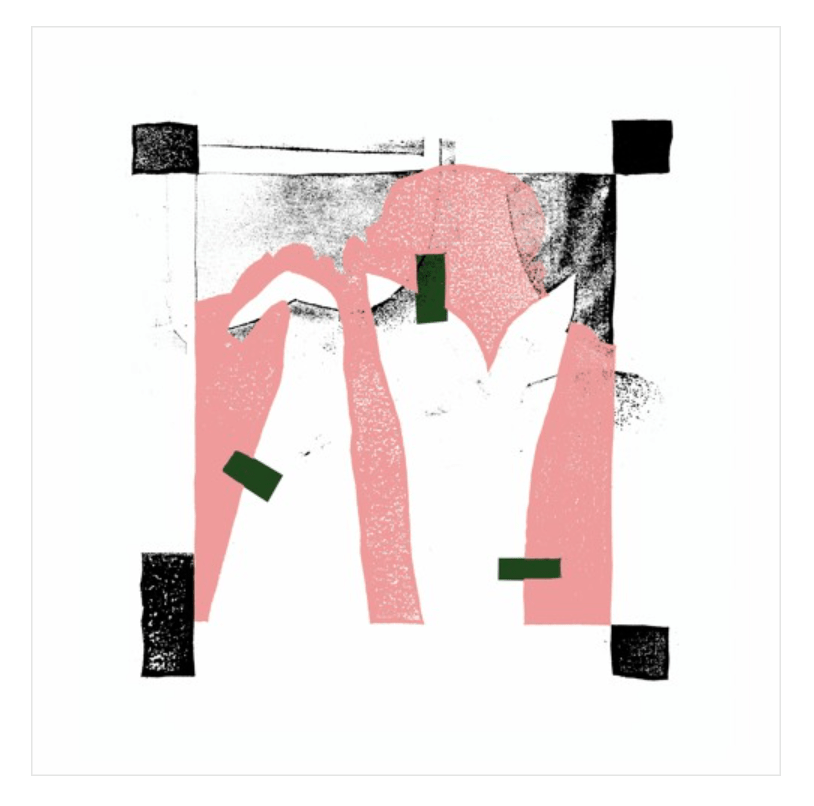
Photo courtesy of Chapter Music. Mixed media art by B.

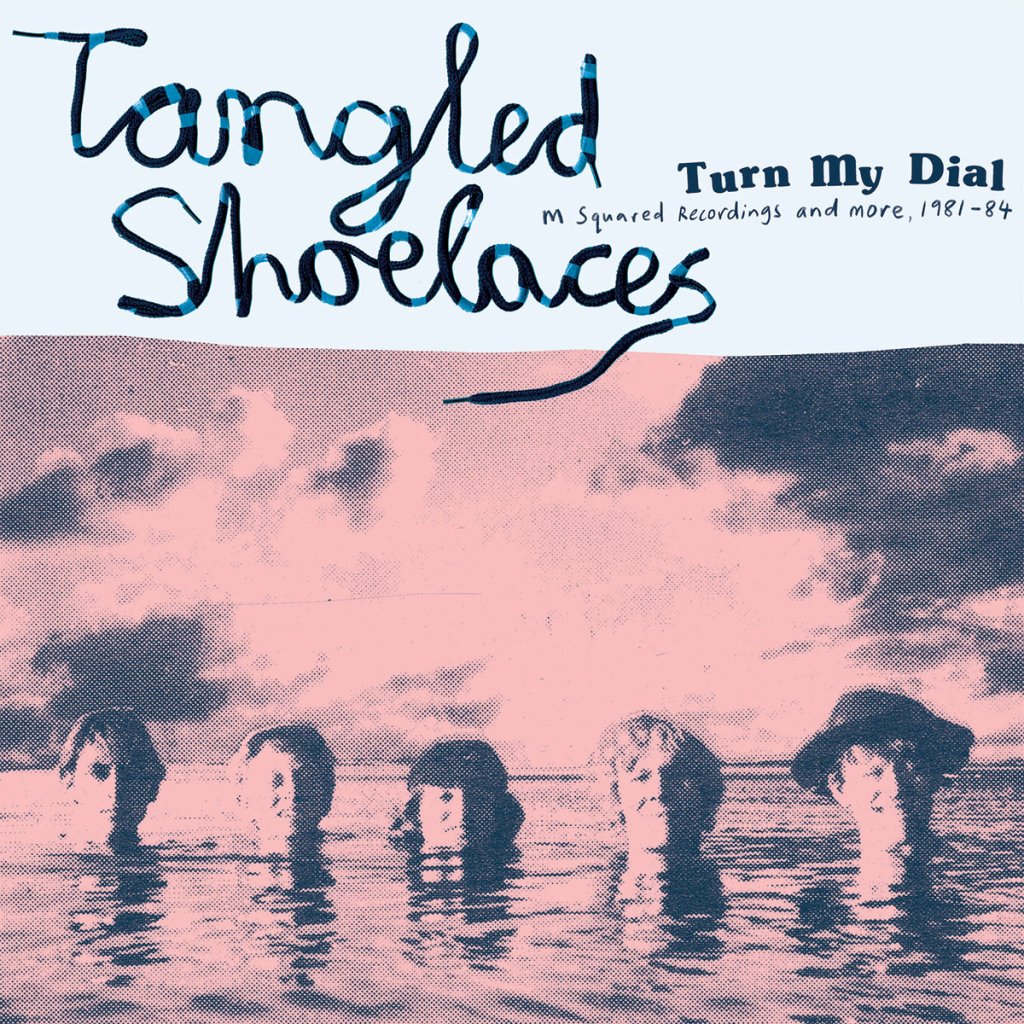
Tangled Shoelaces were an alternative-pop band, formed in 1980 in Capalaba (a suburb 20-minutes from Brisbane City’s centre). The band centred around three siblings Stephen, Lucy and Martin Mackerras, with neighbour Leigh Nelson on drums; ranging in ages from 10 to 14. Their music captures the innocence and magic of youth while their experimentalism is testament of imagination and fearless self-expression. Before the age of 18, they recorded at the legendary studios of Sydney label M Squared, supported the Dead Kennedys and John Cooper Clarke. Recently, Chapter Music has released a collection of their recordings: Turn My Dial – The M Squared Recordings and more, 1981-84. To celebrate, Gimmie spoke with bassist Martin Mackerra.

I’m very excited to be speaking with you. We love Tangled Shoelaces. We collect a lot of zines and came across Bruce Milne’s cassette zine Fast Forward, there was a Tangled Shoelaces song on their that we absolutely love. That’s how we first heard your band.

MARTIN MACKERRA: That would have been the song ‘World’ on Fast Forward. Those cassettes are great. I remember them.

We’ve always wanted to find more of your songs, and now Chapter Music is releasing a TS album of collected works, Turn My Dial – The M Squared Recordings and more, 1981-84. The album comes out tomorrow (23 April); how do you feel about it?

MM: Oh, great! It’s that thing of, you never know what’s around the corner [laughs]. We were happy with what we did all those years ago, we were always proud of it, but never in our wildest dreams did we think someone would want to put it out and make a proper release of it. Especially, someone like Guy [Blackman], Chapter [Music] is such a renowned label. I’ve played with [Chapter artist] Laura Jean a few years ago. Being involved with the label is just amazing! I’d always admired Chapter, not just for all the local artists they put out, but also that they do release old recordings, especially things like Essendon Airport; they’ve always had that interesting aspect to the label. It’s exciting.

When Tangles Shoelaces started you were around ten-years-old; did you have any hesitation joining your older siblings in a band at such a young age?

MM: No, never. You don’t think about those things. You don’t ask questions; you just do it. It’s, this is the normal thing, you play music in a band. That’s the interesting thing about being young.

Did you find your peers, other kids your age, being supportive? Or did they not believe that someone their age could be in a band?

MM: It’s interesting we were talking about Capalaba school before, on the record there is a picture of us playing at Capalaba Primary. To be really honest with you, I don’t remember anyone saying anything, they just starred like, oh, you’re the weird guy that plays music. That was basically it, it was strange. But, when I went to Villanova [College] in Coorparoo (that’s where I started high school, catching the bus all the way there) and there were kids there that had heard about us and knew about us. We had an article about us in The Courier Mail [newspaper]. There was more interest, because there were kids there that were actually interested in music; that might be the age too though, we were twelve and thirteen. I remember having kids come up to me, who later became my friends, and they’d be like, “Oh, I read about you. You’re that guy in Tangled Shoelaces!” There were kids that listened to 4ZZZfm. So, there was a little bit more support then. We played a few things for school. It was something I didn’t talk about that much; it was another world that we kept to ourselves. I was always involved with music in school though.

What bands did you first find growing up that were your own bands you loved listening to?

MM: Oh god! There were so many. They weren’t necessarily like Tangled Shoelaces. I was just obsessed with music from a young age. I’d listen to early Split Enz, the B-52’s. We went and saw the B-52’s, a long time ago [laughs], I was in Grade 5. It was at Festival Hall. We were so blown away by that concert, we went crazy dancing! Our mum took us and a friend of our mum who was in her 60’s, she was a photographer and took photos of all the amazing people there, the punks with their coloured hair; all the people that went got so dressed up. It was around ’80-’81 just after ‘Rock Lobster’ came out. It completely blew me away! We also listened to 4ZZZfm. We were completely obsessed with music. Always listening.

Why has it always been such an important part of your life?

MM: There’s musical blood in the family. We have an uncle who was a conductor, my dad is obsessed with classical music; I went on to do classical music too. They say you don’t choose music; music chooses you. I’ve always had a life in music.

What inspired you to play bass?

MM: Purely, I did what Stephen asked me to [laughs]. He said, “Right, I’m the guitarist and you’re the bass player!” That was it. I was just a little brother that did what my big brother told me.

Where did the name Tangled Shoelaces come from?

MM: I really don’t know; it was probably Stephen who thought of it. It was almost like anything, it just happened naturally and you didn’t question it. It could have been Stephen just said, “The band is called Tangled Shoelaces” and we just went, “Ok, yep!” That’s it. It all just flowed.

It’s such a great name. It has a nice flow to it, sounds great and is really fun to say.

MM: Yeah, I agree. I’m very objective about all of this now though too, it’s almost 40 years later. It is a fun name. It’s one of those great names that tells you what the music is in away, it’s kids making music.

You’ve mentioned that 4ZZZfm was big for you; do you remember hearing your band on the radio?

MM: Yeah, yeah. They were supportive of us. There were a few DJs that really liked us that we sent tapes to and they played them. We put out an EP too, there’s a bit of an evolution of the band. There are photos of us at the Primary School, that’s very early stages, I was ten. At about thirteen, fourteen and fifteen we were still playing, by then we had put out an EP on vinyl, 4ZZZ were supportive of that. 4ZZZ has always been integral, they put on gigs and you’d hear all these different bands, they’d interview us. They’ve always been so supportive of bands and are a great network for Brisbane music. I listened to them constantly, I had a radio beside my bed—4ZZZ all of the time!

It was the same for me growing up. I was a teenager in the ‘90s and I’d have the radio beside my bed and listen to 4ZZZ, that’s how I found out about all the local bands and shows and that we had a scene and music community here. You start going to local shows and you realise there’s people just like you that have bands, then you really get excited.

MM: [Laughs] Exactly! Its’ true. You would have heard of XERO?

Yes!

MM: John-e Willsteed, he went on to play with the Go-Betweens, he took us under his wing a little bit. Then there was Peter Pit [from The Pits]. We’d meet them, maybe through 4ZZZ, and they’d say, “Come play a gig!” It’s the connections that you make. Things are still the same today with community radio, down here there’s 3RRRfm.

4ZZZ had some really great people, there was a guy called Andy Neal, he told us, “This is great. This is wild. You kids, this is far out.” He told us to send it to M Squared. He said, “They’ll love it!” And, they did. They wrote back and told us to come and record. We’re very lucky.

I understand that when you were recording at M Squared Studios you would catch the bus down to Sydney on the weekends to record; what things stick out to you from that experience?

MM: It was just the normal, just what you do. It was like, ok, we’re going down to Sydney to record at M Squared, great, let’s book the tickets. Stephen organised it. We were lucky because we had relatives in Sydney who we could stay with. Being in Brisbane and having family in Sydney, it wasn’t that unusual to go to Sydney. Having grandparents in New South Wales and cousins living in Sydney, we’d go visit them. It was no big deal, Mum dropped us off and we just caught an overnight bus. By the time we were going to Sydney we were a little bit older, we were thirteen and sixteen (being younger than Stephen, I saw him as an adult).

So much cool stuff has come out on M Squared! Australian post-punk artists like Systematics, Scattered Order and Ya Ya Choral.

MM: Oh yes, I love M Squared.

You mentioned the local Brisbane band XERO; what other local bands were you into at the time?

MM: The Pits; Peter Pit. Pork, they’d put on gigs in halls in Coorparoo (Peter lived around there)… Wooloongabba and those inner city suburbs, there were lots of bands like, This Five Minutes.

I was just up in Brisbane and there’s this exhibition of all of these old music posters from all of these bands. Have you seen it?

Yes! The Cut Copy: Brisbane music posters 1977-87 exhibition. That’s at my work, I work at the State Library of Queensland.

MM: Great! Half of those bands on the posters, I saw so many recognisable names. There were so many bands I loved, but the ones that stand out is John-e Willsteed from XERO (who we played a lot of shows with) and Peter from the Pits; we ended up becoming good friends. He came down to Sydney with us and sings on the record.

Looking back at the record now, which are the most interesting songs for you?

MM: The very early ones. ‘I Need A Stamp’ is just a bizarre and amazing song, Stephen’s voice is really high. ‘Little Bear’ that’s Lucy singing on it, I love that one. And, ‘What Do You Want From Me Now?’ They’re the ones from the very beginnings of Tangled Shoelaces. I don’t know where they came from, they just happened. I love all of them though. As Stephen matured, he started to write some really, really great songs. ‘Just For You’ I always find that really touching. There’s some extra ones that aren’t on the vinyl, like ‘Beware Of Falling Objects’. It gets a bit experimental. I like ‘Bordumb’ because that’s my song, it’s a bit of a snapshot of being in Brisbane at the time and being ten-years-old. I’d be playing Space Invaders, riding my bike down to Capalaba Park shopping centre [laughs]. I love all the songs but I especially think ‘Little Bear’ and ‘I Need A Stamp’ are amazing because we are very young there. Stephen’s voice hadn’t even broken, he was around eleven or twelve and I was nine or ten.

‘Little Bear’ and ‘I Need A Stamp’ along with ‘What Do You Want From Me Now’ were all recorded at Capalaba Primary School, right?

MM: Yes. Huge thanks to our teacher Steve Colbourn. Guy wrote up a great thing about it all in the album’s liner notes. Steve was also a professional musician as well as our teacher, he played gigs and did lots of things. Without him we wouldn’t have made those recordings and without those recordings we wouldn’t have had something to send to M Squared. It was a 4-track, he set it up in the school library for the holidays. I’m incredibly grateful. He’s passed away now, sadly. He organised the show for us at Capalaba school too. He helped us do everything. We didn’t know how to plug in a microphone, we didn’t know what a P.A. was even [laughs].

You might not have known how to put it all together but you sure did know how to play!

MM: [Laughs] Yes! It’s not that hard to play a bass, for me I just picked it up, I never had a lesson. I did have clarinet lessons though. We practiced and worked at it though. Mr Colbourn showed us what foldback is and how to plug in a P.A.

It must have been such an exciting time for you!

MM: It was! People ask about my recollections and I don’t know how school fitted in! We had the weekends to work on music. I never took school too seriously; I was much more interested in music. I knew from an early age and through Tangled Shoelaces that I just wanted to do music. I played clarinet in the Queensland Youth Orchestra.

I was the same with school. My mum would drop me off at the front gate and I’d walk out the back gate, change my clothes, catch a bus to the city, find whatever bands were in town or local ones and hang around, eventually interviewing them for my fanzine.

MM: Fantastic! Isn’t that brilliant.

All these year’s later, I’m still making zines.

MM: It’s so great! It’s lucky if you can find what you want to do while you’re at school when you’re young. If you find what your passion is and what you love doing, you’re a lucky person.

Totally! I know that Tangled Shoelaces supported the Dead Kennedys when they came to Australia in the early ‘80s!

MM: Yes. We did some crazy things! That was a funny one because, somewhere in there is a joke, someone was thinking wouldn’t it be funny if we got Tangled Shoelaces to play with Dead Kennedys, let’s do it! We did it. It was scary, there were some pretty scary characters there—they didn’t like us. We were not a punk band [laughs]. We wanted to get out of there pretty quickly after we played, we thought we’d get picked on. It was a funny little episode.

We also supported John Cooper Clarke! It was one of the first ever gigs. People there loved us. You know how with popularity it comes and goes?

Yes.

MM: That point seemed to be the time, at least for a few months, we were the flavour of the month. Whenever we played people would cheer, but then that dissipated and we got on with things. A big thing that happened, one gig, we were offered to support Public Image Ltd at Festival Hall. It would have been incredible. It was last minute, they rang us on the afternoon of the gig that as on a Friday night because someone pulled out, but our drummer had gone away and we couldn’t get in touch with him, long before mobile phones. To say I played at Festival Hall, that would have been amazing. We did do other stuff that was great.

Do you remember meeting Jello Biafra or John Cooper Clarke?

MM: No, none at all. I was aware of the Dead Kennedys but I wouldn’t have known who Jello Biafra was. Often support bands don’t meet the main act because they’re tucked away in their room or they’re not even there yet when the support act play. It’s a hazy memory.

Album art and design by Carolyn Hawkins.

Can you tell us the story behind the album cover image please?

MM: Yes. Being from Capalaba, you would know about Leslie Harrison Dam.

Yes! It’s supplies the water for the area.

MM: We lived there (my parents are still there), literally two minutes’ walk from the Leslie Harrison Dam. We weren’t supposed to, but we spent a lot of time there and went swimming there all of the time. We grew up there, it was our back yard, you can see it from our house. You can see the spillway, it’s all fenced off now but it wasn’t then, that was our playground. Stephen put it all together. He did photography at school and had a camera. It was all his ideas.

Is there something really important that you learnt from Stephen that has stuck with you all these years?

MM: Heaps of things! He was a mover and a shaker, so I’ve taken that on myself. You really have to make things happen. You have to do the work first; you have to write the songs and then people might cotton on to it. You have to practice. He was always very motivated, that taught me a lot. I’ve carried on with music.

Tangled Shoelaces went on to become Wondrous Fair?

MM: Yes, that’s right. I don’t know all of the details of why Tangled Shoelaces didn’t continue. When you’re kids, I guess it’s natural to move on. Leigh became a born-again Christian, he went on to play in Christian bands, he’s an excellent drummer. Lucy went to uni, she moved out, she had her own interests. We didn’t think, oh we have something interesting here, we should keep it going. You just went along with whatever. Oh, this girl Deborah [Cavallaro] wants to have a jam with us at her house, it was all fun and great, let’s form a band from this! [laughs]. You didn’t think about things, you just went along with things, what felt good. Wondrous Fair evolved from another friend of mine who did play in Tangled Shoelaces from maybe one rehearsal.

Stephen eventually went away because he was more into film. After he left school, he went down to Melbourne. He was very motivated, he wrote to [director] Paul Cox and said, “I’m really interested in film, can I just come and help on the set of your next film?” He got invited down to Melbourne and helped with Paul Cox.

Wow!

MM: Stephen’s that kind of person. He’d just write to people and ring people and ask to help them.

You mentioned that you’re still making music now.

MM: Yeah, I am. I’m a composer and songwriter. I absolutely continue to make music.

Has there ever been a time in your life when you didn’t make music?

MM: No! I live and breath music. There would never ever be that. I hope that doesn’t sound arrogant.

No, not at all. I get it.

MM: It is my life. Music is the life force; it’s how I live. I teach music, that pays my bills but I always make music. After Tangled Shoelaces. it was Wondrous Fair. I moved to Melbourne and formed about three different bands. I have a band currently called Maya-dreamer & The Future Happiness Orchestra. They have not been popular; I haven’t had that sort of success but that’s not necessarily what I want in a way—I just want to make the music that I love. I’m working on a third album now. I compose avant-garde music, more obscure music. It’s weird, very experimental music [laughs]. (You can find it at martinmackerras.com). For me, it’s about the experience of making music, getting in a room with five other people and singing together. We have a lot of fun! Music is always there. I can’t live without it.

Please check out Tangled Shoelaces and get their record HERE.

EXEK’s Albert Wolski on up coming new album ‘Good Thing They Ripped Up The Carpet’: “I definitely like to make a little universe”

Original photo by Jamie Wdziekonski. Handmade mixed media by B.

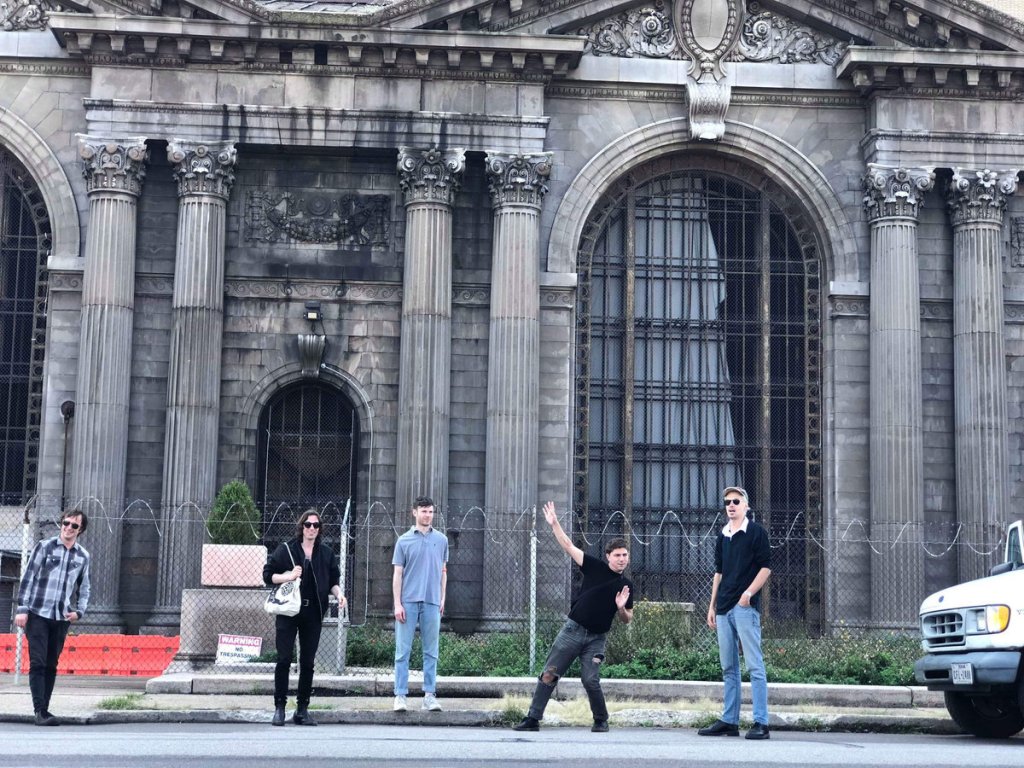
One of Gimmie’s favourite bands Naarm/Melbourne-based EXEK have a new single and clip out today—‘Several Souvenirs’ from upcoming LP Good Thing They Ripped Up The Carpet out soon on Lulu’s Sonic Disc Club. Gimmie had a quick chat with vocalist-guitarist, Albert Wolski.

What’s life been like lately for you, Albert?

ALBERT WOLSKI: Pretty normal. I work full-time with Billy [Gardner] and Jake [Robertson] from Ausmuteants. We worked all throughout Covid, it was business as usual; actually, work was as turbo as it could possibly get, a bit too turbo. It was fine though. We had to work when a lot of people were able to have time off and could do their creative stuff, and just read, chill and hang.

We’re really excited EXEK has a new album coming out! I’ve been listening to it a lot since Lulu’s Sonic Disc Club sent it through to us. It’s so awesome!

AW: Thank you! Rad!

Last we interviewed you (March 2020), EXEK had just released Some Beautiful Species Left. You mentioned “We’re currently working on the next album. I wrote all these lyrics for it ages ago, most of them were written whilst I was on holiday in Europe in 2017.” Is Good Thing They Ripped Up The Carpet that album you were talking about then?

AW: That is actually the next album, that was done before this new one. It’s all kind of confusing and everything overlaps, there’s a bit of a tapestry now. Things aren’t too linear half the time. Good Thing They Ripped Up The Carpet comes out the 4th of June. We’re working on stuff for next year as well, just trying to stay busy.

Lots of EXEK in our future, lucky us! I noticed a few songs on Good Thing… have been on other releases, split 7-inches and compilations overseas; the first six tracks are newer ones?

AW: Yeah. It’s split between the A-side and the B-side. The A-side is new and the B-side is older stuff. One of the songs feels like it’s new because it hasn’t come out yet, there’s been a delay in a compilation it’s on, that a French label SDZ is putting out, they put out Some Beautiful Species Left. They were celebrating their 20th year anniversary last year, but it all got delayed. It’s the song ‘Four Stomachs’.

The title of the album Good Thing They Ripped Up The Carpet is a lyric from the first song ‘Palazzo Di Propaganda Fide’. Being the nerd I am, I was looking up what the song title was in reference to and found a palace located in Rome has that name.

AW: Yeah. It’s known for its architecture [designed by Gian Lorenzo Bernini, then Francesco Borromini]. I wanted to loosely connect that building and almost pretend that the cover of Biased Advice, which just got reissued [on Castle Face] … I wanted to refer back to that record. There’s a lyric that goes: someone turned the lights on, and it looks like the sweatshop from the first album. Now it’s full colour, so it’s almost like someone did turn the lights on and its loosely painting a narrative that the sweatshop is in that building, but obviously it isn’t. It’s all very nonsensical really.

I love how in EXEK albums there’s always so many layers, from the music to lyrics and to art and videos. It’s cool how things connect over releases.

AW: Yeah, I definitely like to make a little universe and for that universe to exist and try and make sense out of it; it is its own universe so it doesn’t have to make sense in comparison to this universe. [Laughs].

The song we’re premiering along with its video is ‘Several Souvenirs’.

AW: I guess that one is related to Covid, just after the lockdown in Melbourne, everyone was really stinging to go out and be social again; maybe not everyone, but at least I did and my friends. We really felt like connecting with people and having some fun. I was writing that song when I was going out and partying a lot, a lot! Definitely during Covid there was none of that, I gave up alcohol for three or four months during the first lockdown. After the second one I just felt like partying again. ‘Several Souvenirs’ is kind of the EXEK party song, it’s definitely not a party song but it does have the romanticism of creating the perfect evening and the perfect memory of the perfect evening. It’s a little bit new wave-y, a little bit romantic, and probably the most poppy that we get.

I got that romanticising feeling from the film clip. It creates that mood, with the shots, lighting and even the ballerina character. Where was it shot?

AW: Yeah. It was shot at a pub [Stingrays Upstairs at the Bodriggy Brewery], not our next show but the one after we’ll be playing there with Body Maintenance. The place is named after a friend of mine. The narrative is that Carol is about to start her shift at the bar, a song comes on and she just goes into her fantasy world and it gets more and more extravagant. The dresses get crazier, the lighting gets crazier, there’s wind and smoke. Then she snaps out of it. We managed to get the place for free to do the clip, on the one condition that we play there. I was like, “Of course, it’ll be fun.”

It seems like a really amazing venue.

AW: I don’t think anyone has played there yet. It should be interesting because there is a mezzanine level, which is six or seven steps high – we’re going to playing at that height – which is really, really high. My ideal stage is one to two steps. It’s a brand-new place that opened right after Covid, not many people know about it.

Where did you find the ballerina for your clip?

AW: She’s a friend of a friend; a friend of my wife and I – Kasey – she runs this fashion label and store. Carol (the ballerina) loves Kasey’s fashion. She’s a professional dancer and model, we thought she’d be great for the clip so we asked her if she’d be keen. She was. Then it was all happening.

Were you there on set when it was being filmed?

AW: Yeah, yeah, yeah. There was a big crew of us all behind the scenes, letting her hog the spotlight really [laughs].

Who shot the clip?

AW: Robyn my wife and her close friend Hannah. They’re both photographers. Hannah is also a videographer. Also, Alex McLaren who you just interview was there too; he was helping us out behind the scenes with some tech stuff and we were fortunate enough to borrow his equipment. It turned out good.

One of the tracks on the LP’s B-side is the theme from Judge Judy (that originally appeared on your split 7-inch with Spray Paint); how did you come to choosing to cover that?

AW: I really love that bassline. You know when you were back in the day and you’d stay home from school and Judge Judy would come on? I thought, damn, I love that bassline. I thought it would be good to cover because EXEK basslines are kind of like that, it would kind of lend itself to what we do. We just fleshed it out and it was really easy to do, really fun to record.

Anything else to tell us about the album?

AW: The songs on the B-side of the album have been retweaked. I just can’t help myself. The mixing process never ends with us. I always thought that when I got a chance, I’d retweak a few things. Even the last track [‘Too Step A Hill To Climb’] I redid the whole vocals for that. I wasn’t too keen on the originals. All the songs on that side have been modified to freshen them up.

On a side note, I know you love watching films, and I’m always up for great film recommendations; what have you been watching lately?

AW: I’ve been watching all these silly blockbusters lately. I feel like watching the world blow up, I think I see it as cathartic when things aren’t really going too well outside, that visual chaos. It’s really chaos right now in the world. One film that I saw a couple of years ago that I’m keen to rewatch is Under The Silverlake, which I think slipped by a lot of people.

I love that movie.

AW: Yeah, I think I might watch it again tonight. It’s so good.

Did you find that the lockdown affected your creativity?

AW: To an extent, I didn’t want to write about what was going on, so that made it a little bit harder. I didn’t want to write about Covid, even though I like to write about hard science stuff and which I do anyway. My writing process is really hard to shift gears away from hard science, pathogens and diseases and science-fiction dystopias [laughs].

Please check out: EXEK on bandcamp; on Facebook; on Instagram. Tickets to the EXEK/Body Maintenance show here. Good Thing They Ripped Up The Carpet out on Lulu’s Sonic Disc Club June 4.

Joe Keithley of D.O.A.: “Being in a band is a really good chance to say what you think about the world…”

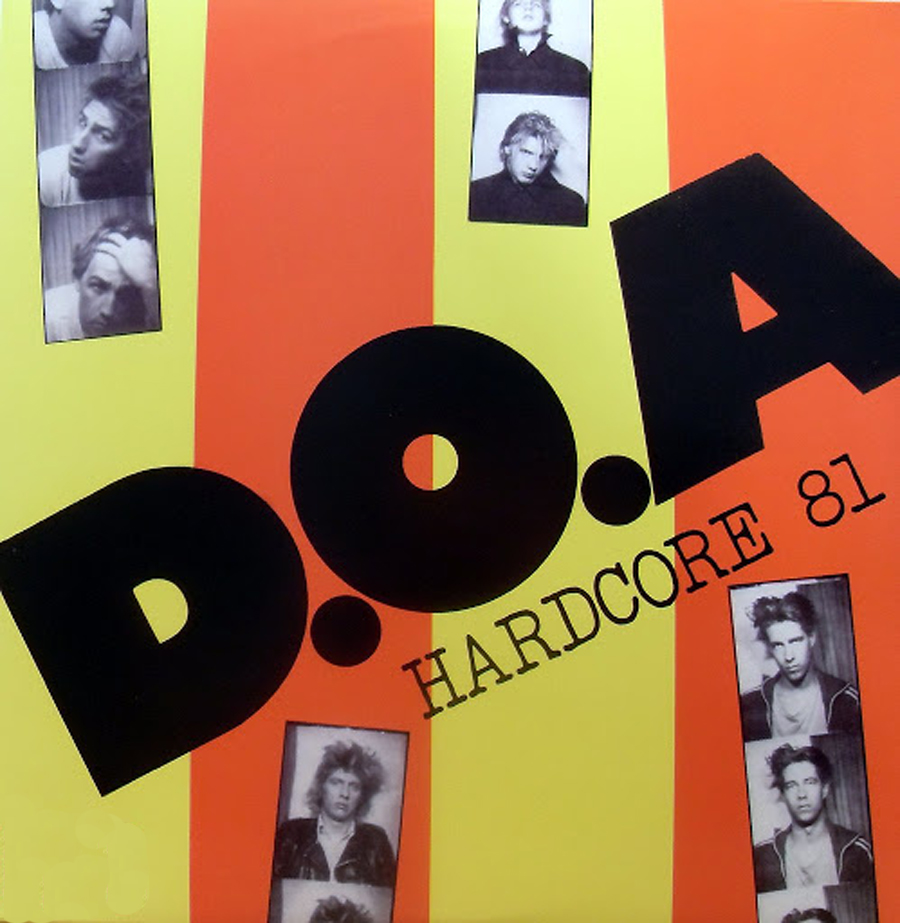
Handmade mixed-media art by B.

On this day in 1981, Canadian punk band D.O.A. released their Hardcore ’81 album. Punk heavyweights Ian MacKaye, Henry Rollins, Jello Biafra and Kevin Seconds have all spoken of the impact and importance of this record. It’s been said that the title is the first time the term “hardcore” was used to describe this style of punk outside of a music publication. A couple of years ago their sophomore full-length won The Polaris Music Prize, awarded annually to one of the all-time best Canadian albums based on artistic merit. Hardcore ’81 still holds up today, as a record that is still wild (or as Joe puts it, “rips your face off”), full of conviction and energy. D.O.A. were also one of the first punk bands to tour (North America) independently, setting the blueprint for all the bands that have come after them. Yesterday, Gimmie spoke to vocalist-guitarist Joe Keithley.

On the 22nd of April D.O.A.’s album Hardcore ’81 celebrates its 40th Anniversary; what comes to mind when you think of that record?

JOE KEITHLEY: Lots of things. It’s a unique thing that we came up with, that title, and threw it on an album. It was a collective thing; we had heard the term “hardcore” a few times. There is some argument with who came up with the term but that doesn’t really matter, I think it’s a worldwide movement that came out of a few bands, including D.O.A.

We’re reissuing it on my label Sudden Death Records in August. It will be a special 40th Anniversary edition—it’s a fucking classic record! [laughs]. I don’t look at old D.O.A. records very often, but I put that one on when we were doing the remastering. We added three bonus tracks. I was like, wow! It just rips your face off, so that’s a good thing, right?

Totally! It is definitely a classic. An important punk record. Around the time you initially released the album you would have been around 25-years-old, I think? What was happening in your life or around you at that time that inspired the writing of the songs on Hardcore ’81?

JK: Yeah, that’s about right. Before that we’d spent a lot of time as a band touring. Since I was a teenager, I’ve always been an activist for different causes, we took that on as much as we could doing benefits shows and doing records for good causes all around the world. We’d been around North America [on tour] a bunch and we’d been going to Southern California probably five or six times a year; that became our home away from home. What happened was, I was probably in the van driving up and down the Interstate 5 highway back and forth between Los Angeles and Vancouver playing shows.

The only thing that I did at home was that I was a cab driver. They didn’t really care about me and I didn’t really care about the cab company. When I showed up, I would drive the car and when I didn’t, some other guy would, probably another musician or a waiter [laughs].

Did you find driving cabs interesting with all the different kinds of people that you meet?

JK: [Laughs]. That’s one way of putting it! I drove for a long time, for three or four different companies, on and off, for about six years. I’d go to the job every time I’d arrive back from tour and be broke. I’d just call them up and start driving again. You’d meet some interesting people; you’d meet some you didn’t like and be glad you never got to see them again. I thought it was pretty interesting, the one thing I really noticed was that, people with not a lot of money, they were the most generous tippers and people with a lot of money, were really cheap. Go figure, right?

Right. That’s usually been the case in my experience too. On the cover of Hardcore ’81 there’s photobooth picture strips of each member; where did you get those done?

JK: Yeah, it’s one of those machines that you go into a booth and they’d take passport sized photos, you get a strip of three or four. Our manager had the idea. The booth was probably in Vancouver, maybe at the Greyhound [bus] Station. We went down there and thought it would be pretty funny. They look great on the cover.

Why did you decided to cover the Led Zeppelin song ‘Communication Breakdown’ on that record?

JK: I can’t remember what the impetus for that was. I remember that there was this guy in my neighbourhood when I was growing up, and if a new song came on the radio… (we lived on a mountainside-type-thing, it was quite steep) he would take his old records, of the songs that weren’t in fashion anymore, and he’d roll them down the hill! When I got into my first punk rock band, which was called The Skulls, we were from Vancouver, I found a hill (this was about ‘78’) and I took all my Led Zeppelin records I had loved in high school and I rolled them down the hill. They got run over by cars and got smashed to bits! [laughs].

For some reason someone in the band suggested we do that song. Nobody could sing it though. Chuck [Biscuits] tried to sing it, Randy [Rampage] tried to sing it, but they were both too high. I said, “I’ll do it!” We put this underwater effect on it, it makes you sound like you’re underwater singing. We were like, “Huh! That kind of works.” The original take actually went on for about another minute, it was longer; at the very end you could hear the sound of a 2-inch tape going off. The ending was kind of perfect.

Why is music important to you?

JK: Music has always been a big thing for me. For one thing, it’s a lot of fun! That’s why you get up on stage, you want to thrill people and excite them and get ‘em worked up. I think that’s the goal of a band. With a punk band, or metal band, or rock band, heavier stuff, you want to see people going crazy, so you have to do something to make ‘em go crazy.

Being in a band is a really good chance to say what you think about the world. I was heavily politicized when I was a kid, with the Vietnam War going on and environmental degradation and the Arms Race between America and the Soviet Union. I joined Greenpeace when I was seventeen. I got into a band, D.O.A. started to take off and I thought I had a perfect soapbox to get up on and say what I thought about the world. That’s why I did my songs.

Before you started D.O.A. you wanted to be a civil rights lawyer; obviously you’ve always cared about people and what’s going on in the world?

JK: Yeah! My goal through Junior High was to be a professional hockey player for the Boston Bruin, to play ice hockey [laughs]. That didn’t work out, I was ok, but not that kind of quality. Then I got into the legal thing. I was involved in protest stuff.

This guy, William Kunstler, the lawyer for the Chicago Seven – there were big riots at the 1968 Democratic National Convention – he defended them, which I found quite interesting. I thought, I want to be like William Kunstler! He defended Abbie Hoffman [a political and social activist who co-founded the Youth International Party (“Yippies”) and a leading proponent of the Flower Power movement] and all the rest of the people that were on trial. I guess it was strange for a kid in high school to have the resolve to be a lawyer [laughs]; a civil rights lawyer, not a lawyer, lawyer!

Yes! There’s definitely a difference [laughter]. Was there a moment you can remember that you realised that music could have a big impact on people?

JK: Oh yeah, absolutely! When I was a kid in high school and even much earlier. You could see people like Jimi Hendrix and Country Joe McDonald, influenced what was going on in the world. Think about the Vietnam War for example, it was a big, big thing when I was a kid, and musicians would stand up against it. It was an interesting transition, at first, they were called “Commie pinko fags” and all that stuff for not supporting the American war machine. Eventually, people in the mid-west, farmers, saw it was an immoral war as well—not that any war is moral. This one was particularly horrible. All of a sudden, people that played music that was saying stuff against it, weren’t so far out there and wrong, and you had the regular work people saying “yes” too. They might not have been buying Jimi Hendrix records, but he was influencing people that were involved. Rather than saying that Richard Nixon stopped the Vietnam War—it was the people that did.

What do you feel is one of your most powerful songs?

JK: There’s a few. ‘World War 3’ and ‘The Prisoner’ [from Something Better Change] is a really strong song. I think the song that a lot of people identify D.O.A. with is ‘The Enemy’ which is on the first record and on the Positively D.O.A. 7-inch EP [with the lyric]: “Ya gotta know who your enemy is”. It’s synonymous with D.O.A. and D.O.A. fans. The line in the chorus, pretty much says it all.

Your band is known for being trailblazers of independent touring, especially in North America, laying the blueprint for bands that came after you. Previously you’ve mentioned that part of why you started touring is because the band were adventurous; have you always had the sense of adventure?

JK: I was a pretty introverted child, I wasn’t really outgoing or anything like that, which may be hard to believe [laughs], it’s very true though. It was one of those things that just started happening, I went to university to be a lawyer. I was there for about four months and then I was in a punk rock band, we got a little bit popular, not long after that we started D.O.A. and that took off right away, within a few months things were moving pretty quick—right guys at the right time in the right place.

Because Vancouver was a real backwater (not these days though, Vancouver is a big town with over three million people). The music industry was in London, New York, Los Angeles and Toronto, for us anyway. Obviously, you’d link Melbourne and Sydney to that too from where you are. Those were the centres of attention and where all the bands were getting signed and that they would gravitate towards. We didn’t, we thought we’ll just strike out on our own. D.O.A. was a lot more unique because we weren’t trying to play to get signed to a label, therefore our style wasn’t co-opted from someone from a record label going, “Oh, you should really put more of this in there!” The pressures that bands start to get when they begin to get popular. We blazed our own way!

We bought a van and toured up and down everywhere. In 1979, we went all the way down to California, to Texas, up to Chicago, New York and eastern Canada and all the way back; it was a North American tour. We had a lot of days off because we didn’t know what the fuck we were doing! We’d sit around at people’s houses and eat them out of house and home [laughs], ‘til they got sick of us and then we’d try and find another show. That’s all we could do. We were getting a lot of attention.

A big break [in 1981] was that we saw an ad in one of the big English music papers like Melody Maker or New Music Express (they were pretty influential, people in North America would read them too), it said that D.O.A. were opening up for the Dead Kennedys at the Lyceum in London! It was a big, big hall, 3,000 people-type-thing. We looked at the ad and were like, “We are? Nobody told us about that!” We phoned up the promoter and they said, “Sure, you guys can play, but I won’t pay you anything. You have to get over here.” We all saved up about $700 to pay for the air flights and we found some friends to crash with, on their floor. We went to London and played this big show. It worked out because the record company [Jello Biafra’s Alternative Tentacles Records] released Positively D.O.A. and it became Single Of The Week [in British press]. It sold a lot! We were like, wow! Ok! That whetted our appetite to do more. Eventually in ’84 we came back and did a two-month tour of Europe and the UK.

Before you mentioned that when you were younger you were introverted and now obviously, you’re not; did being in a punk band give you confidence?

JK: It certainly makes you stand out from the crowd. When I got into it, people were afraid of punk rock, they thought it was the strangest type of music that had come out and people were shocked by what they saw; some people were interested in it though, and loved it like me. We were way in the minority.

Being in a band, the first few times you go up there, you might want to get off stage and puke because you were so nervous. Because you have your fellow bandmates there with you, your confidence grows off of each other. You get the courage to get up there and do what you do. If you’re good at it, it will grow.

Another thing that I’ve always loved about D.O.A. is that you always keep moving forward and create new things. You once said, “We still sound like a punk rock band, but we’ve tried to progress with the times.  We try to expand what we can do lyrically.  We sing about what’s going on now.  We don’t hearken back to the glory days of punk.” A lot of people talk about punk like it was a special time that existed in a particular time period. It’s still happening today and still thriving. Punk is an energy, that keeps moving and evolving.

JK: Yeah, I would agree. There’s lots of younger bands around with great ideas and lots of energy. They’re being rebellious, and that’s what it was about it the first place. An older band has to find new ways to keep progressing, to find new ways to express themselves, that’s really important. If you don’t come up with anything new, that’s fine, if you just put out two albums and you go on tour 30 years later and play those songs to fans it’s because it’s kind of a trip down nostalgia lane. With D.O.A. there is a sense of nostalgia because we were one of the early pioneers of the whole thing but you have to keep moving forward, otherwise you become a nostalgia act, which is deadly if you ask me; that’s not where you want to be as an artist, you want to keep writing new songs.

Is there a particular way that songs come to you more often when you’re writing?

JK: If I sat down for a couple of days with my guitar I could come up with hundreds of riffs, they could be good or bad or I could be repeating myself (which happens when you’ve written so many songs for as long as I have). The big thing for me is the lyrics; if you get the lyric, that’s the key. When I have the lyric, I can try to write the music to back its sentiment. If it’s a dark lyric, you want something dark sounding. If it’s a happy lyric, then maybe you play D, G and C. If it’s something evil, dark, maybe you play a B-flat and E-flat [laughs]. Some cues are happy and some cues are mean and tough. To come up with a good lyric is a hard thing to do.

Please check out: suddendeath.com & D.O.A. on Facebook. There’s also a documentary about Joe and D.O.A. in the works called Something Better Change more info here.

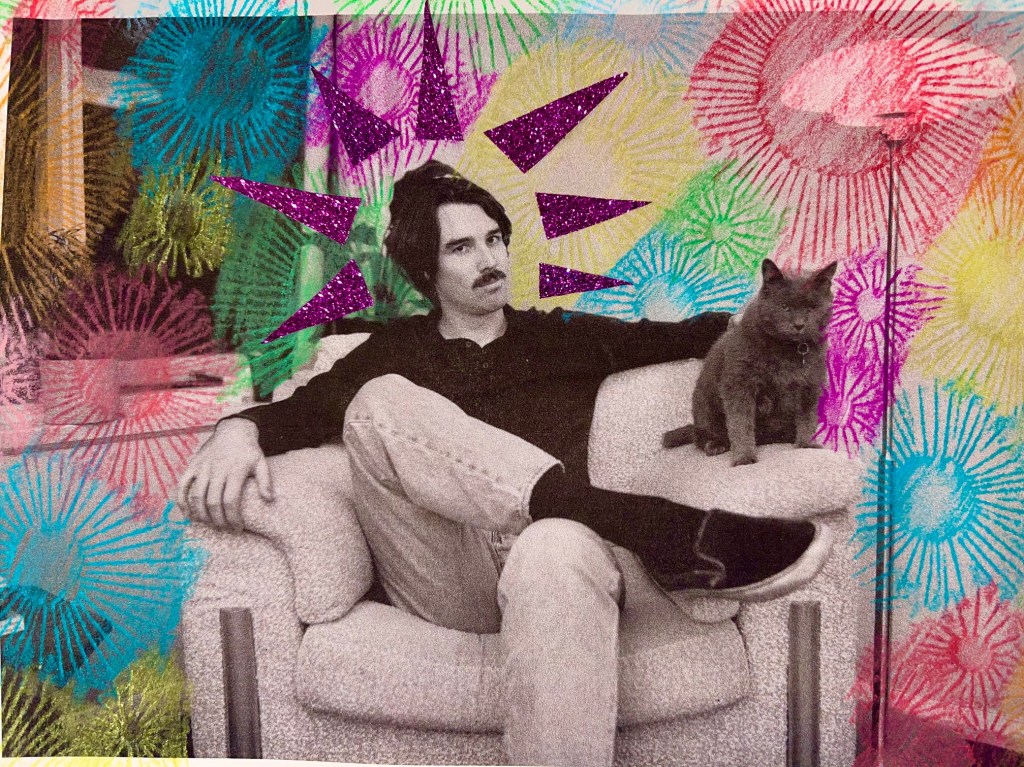
Videographer-Animator-Photographer Alex McLaren: “I love the outsider weirdo people that are just doing their own thing”

Original photo: Hannah Nikkelson. Handmade mixed-media by B.

Naarm/Melbourne-based videographer-animator-photographer Alex McLaren is the man behind some of the coolest music videos that have come out of Australia in the past few years. He’s made videos for King Gizzard & The Lizard Wizard, ORB, Parsnip, School Damage, Bananagun, Sunfruits, Pipe-Eye, The Murlocs and more. His clips are vibrant, dynamic and psychedelic. We chatted with Alex about his creations, of making skate vids with his friends growing up in a country town and it’s influence on his work, the music video medium, claymation, collage, making a living as a creative, new projects in the works and more.

How’s your day been?

ALEX MCLAREN: I had to go to my mate’s house and feed their cat, that’s pretty much all I’ve been up to this morning.

Nice! Sounds like it’s been a cruisy one then.

AM: Yeah. How about you?

I’ve been easing into the morning. Yesterday my husband Jhonny and I went and picked up a box of 45’s (records) for $10, so that’s always a little exciting. We’ve been going through them this morning. We’re big record nerds.

AM: Cool. Sweet. Any good stuff in there?

There was a Hawkwind ‘Silver Machine’ picture disc and some AC/DC in there, and some funk and soul. The guy we got it off was interesting; he had all of this Elvis memorabilia, including Elvis’ dad’s electricity bill. We love all kinds of music and have music to suit every mood in our collection. We’ve both collected records since we were teens.

AM: Nice. It’s good to have a good mix!

I’m stoked to be talking with you. We love your work so much!

AM: That’s so sweet.

The film clips you make are really cool. We find that whenever an awesome clip comes up from a local band, you’re usually behind it.

AM: [Laughs] That’s cool. Thank you!

Have you always been a creative person?

AM: I suppose. The main way that I got into it was from being into skateboarding growing up. Watching skate videos; they have little animations and stuff, they’re almost arthouse in a sense. That stuff really triggered where I’m at now. Dad would have the family camcorder; I’d end up stealing it to film my friends skateboarding. Through that I got into editing the footage and tinkering around with it.

Do you have any favourite skate videos?

AM: Yeah, for sure. There are so many! Alien Workshop videos, they were kind of wild in the sense that they had a ton of animation, strange little stop motion things. That all influenced me to some degree, even subconsciously at the beginning. I definitely look back at that stuff occasionally and can see how it affected where I am now. Also, with skate videos how quickly they’re edited, all chopped up and short, flashing by really quickly; I think that informed some of how I edit videos. With the King Gizzard [& The Lizard Wizard] one, I’ll have a bunch of visual styles and things changing rapidly, that’s all part of it. Videos from Girl Skateboards company, had little skits and animations. I think Spike Jonze did a bunch of that stuff.

I made a bunch of skate videos with friends and a couple of people who make music, like Nick Van Bakel from The Frowning Clouds and Bananagun, we grew up together in Warrnambool; it’s funny how a lot of people that skated then make music, art and video stuff now. It’s cool to work with Nick occasionally making videos, it’s fun to think that it all stemmed from skating together back in the day. Music interests were pretty eclectic… it’s almost like having a big brother in a sense, opening up a world in terms of music and visual stuff, arthouse 16mm and 8mm animation. I feel like all of that stuff was the initial seed of inspiration and opening the doors to new sounds and visuals.

My brother and I had a skate shop in the mid to late-90s, he’s had skate shops since the 80s, we used to watch all the skate vids, so I can relate. My love of punk and hip-hop in part comes from those vids. What was it like growing up in Warrnambool? You mentioned listening to eclectic stuff; what kind of bands were you listening to?

AM: I guess eclectic, in hindsight it probably wasn’t. But at the time in a country town, skate vids were good exposure to punk, hip-hop and more obscure stuff than what you may get otherwise, playing footy or cricket. Living in a country town anything outside the norm is eye-opening and exciting.

Did you grow up watching the music video show Rage?

AM: For sure. That was a big part of it as well, having Rage, Video Hits, Channel V and all that stuff on Austar (if you can remember that? [laughs]). That stuff was always on in the mornings. There’d be clips where I wouldn’t necessarily grasp into the song and think, yeah, I might not like this artist, but I would be engaged in the video. Spike Jonze doing that Daft Punk clip ‘Da Funk’ with the dog walking around, things like that, that visually stick out.

I really liked Michael Jackson when I was really little. I remember hiring Michael Jackson VHS from the video store.

Same! I still have a bunch of MJ VHS tapes. I joined his fan club too.

AM: That’s so good [laughs]. I used to do drawings of him too, it’d be so funny.

Me too!

AM: Oh wow! I remember this real crap one that I had that I even framed, it’d be so funny to see what it looks like now looking back.

Back then he was one of the greatest artists in the mainstream that the world had ever seen. His artistry will always hold out, despite everything else that’s happened. He was always pushing things forward art-wise. His film clip premieres would be a big deal, remember here in Australia Molly Meldrum would premiere them in a primetime slot.  His 13-minute film clip ‘Thriller’ really changed the film clip game.

AM: Yeah, definitely. ‘Thriller’ is pretty wild. Back then and still to some degree now, people had huge budgets for film clips. It was such a new thing as well, there was such a burst of creativity in the medium. So much money was getting pumped into it and people were coming up with some really cool stuff. It’s pretty easy to go back to that stuff and reference it and think about it.

I read an interview with music video director Hype Williams (who did Tupac’s ‘California Love’ and videos with Nas, A Tribe Called Quest, Jay-Z, Outkast, Missy Elliott and more), he was talking about his career and said that in one year of his career he made forty-four videos and how it was such a golden time with big budgets in the hip-hop world.

AM: Yeah, that stuff was definitely playing a lot around the time I had Channel V and that stuff. In my early teens that stuff would be on all the time!

The other night I saw Outkast’s ‘B.O.B. (Bombs Over Baghdad)’ it’s so wild, visually; everything about it is nuts. It’s crazy cool looking back at it.

Yeah. The director had the edit shipped to India for individual painting of each frame, which gave it that psychedelic look.

AM: It’s just amazing!

How do you see music videos? What is their function in your eyes?

AM: The obvious thing is that they’re a promotional tool. It’s a weird time for music videos because there seems to be that bands have less and less budget but it’s still a promotional tool. If you can make it interesting enough, it’s another way into the artist you can grasp on to. Initially the music video may draw you in more than the song but you keep watching it and you might end up liking the artist more. It’s definitely happened for me. It’s a good accompaniment for the song.

It’s a similar thing with artwork, vinyl, albums—I really like having a visual. If you like the music, it’s nice to be a part of it and create a visual for how you interpret that music itself.

How do you first approach a song when you’re going to make a video for it?

AM: Usually artists will send me the song or a few songs and ask, what do you think? Which do you like? Most of the time they let me do whatever, which is a nice freedom to have. I don’t mind a little bit of direction as well. Usually they’ll send me the song, I’ll listen to it a bunch and whatever it evokes emotionally or visually, I’ll pretty much run with that initial thought. Certain sounds and instruments will remind me of other music or clips from the past and I’ll loosely get a vibe or style from that and go from there. I like when songs have different musical elements and changes, the verse and the chorus are really different or at the end of the song the song will just change completely. It gives you a nice chance to have a completely different visual go along with it. Half the time I end up doing practical stop motion things. Every time I finish a video, I’m like, I really have to not do that again because it’s so time consuming, it is fun though! I always think the next time I should do something I can finish real quick, like live action. I can do that in two weeks and not have to go through the roller coaster ride of being really excited and then thinking, what have I got myself into? Getting excited again. Then getting worried. It’s up and down until it’s done, then I can’t believe I actually finished that!

I noticed in a lot of your work you have the stop motion animation-style and then you also have a collage-style in there too. Where does the collage aspect come from?

AM: I reckon it must be something of growing up and the children’s television that had that style back in the day, and early music videos. I don’t’ feel like I’m technically that savvy when it comes to computers; doing the stop motion seems like a really obvious choice to me, you have something sitting there, you take a photo and then move it and keep doing that until it’s animated and alive. I thought, I can do that. It may seem like a long painful process but it’s doable. It’s an easy process that makes sense in my head. It’s probably a reaction to not feeling technically savvy with software. I use it a lot and I’m probably more adept at using it and animation techniques and computers now then when I started doing stop motion. I think there’s a lot of charm in it though and that’s why I keep going back to it. I like when things aren’t quite perfect, that’s where all the charm lies; things being off, things being handmade, things being human-made, errors, jumps and flickers—that’s where all the magic lies. I always make it feel like I’m doing something new and different, even if it might seem minor in the end product; little steps forward so I feel like I’m evolving. I need to keep things interesting for myself.

Did you have any formal training or education in visual arts or film?

AM: I went to RMIT and did a two-year course of film and television, that was in 2009 when I first moved to Melbourne. Before that, in high school I did stop motion for my Year 12 project, it was all claymation stuff. I would have learnt stuff at RMIT, perhaps more how to use [Adobe] After Effects and programs like that. At the same time, I think what I initially learnt was through trial and error and skate videos. I would have made four or five skate videos with my friends, filming and editing it. And using my dad’s 8mm camera and learning to use that as well. A lot of learning has been through just trying to make stuff. It’s hard to say though, because when I went to RMIT I had just moved to Melbourne, and I was like, oh I live in Melbourne now and I’m out of my parents’ house so I can do whatever I want! I don’t have to go to school if I don’t want to. I definitely learnt stuff at RMIT but most stuff I’ve learnt on my own.

A few years ago, I went back to study. I did a three-year Bachelor of Photography at Photography Studies College in Melbourne. I work in video production (corporate videos and market reports) that pays the bills and video clips I just do in my own time. Working in corporate video production got a bit dry and boring, my partner at the time went and studied photography; I saw what she was doing and heard about the teachers. It made me really want to go back and study photography. Even more so just for myself, not as a move to start a business in photography or anything like that. I thought it would be great to go back and learn as a mature student; I was twenty-seven at the time. It got me thinking of the history of photography, images and what they mean and represent, the eras they’re from, what they’re saying politically, as a response to what was happening in that time. That stuff made me think differently about visuals. Beforehand it was more about what looks cool and interesting and compliments the sound. It gave me more of an appreciation of the thought process behind what images I’m using and how they might communicate ideas.

I’ve always been a more learning through doing person as well. I think doing things that way helps you to develop your own style. Often when people go study, they lose that creative spark or that uniqueness in their work, it gets learned out of them and people start making stuff that’s all the same. Coming from punk and skateboarding, that world is very DIY. With all the art for Gimmie, that’s all handmade inspired by my background in making zines and love of punk art. If you look closely at some of the art you can see the corner of my art desk in the image or some imperfection. I like that you can see it’s physical as opposed to digital, it’s handmade.

AM: It’s great how you can see the edge of the frame in your art. There’s an energy to it, an immediacy you can see in the work, which is something that I respond to. That immediacy is something that I try to create in my own work.

I think that’s partly why I resonate with your work; I can totally feel that in your work. I think if you spend too long on something it can feel tortured and it becomes overworked. Not always, but often. The life gets sucked out of it.

AM: Yeah, for sure. That initial energy and spark is what attracts me to things. In doing something like stop motion, it’s such a long process, initially I’ll be excited about it but after a few days and you have a couple of seconds worth of video, that energy is so hard to sustain for months or weeks to finish the video. That’s the only struggle when applying that to something as tedious as stop motion, keeping that initial spark and energy.

I can definitely see that. Have you seen the stop motion work of Bruce Bickford who did a lot of the Frank Zappa videos?

AM: Yeah, yeah. He’s the best! His stuff is amazing.

Your clips reminded me of his work.

AM: I’ve done some work with Sean McAnulty, my friend who is also from Warrnambool, we discovered Bickford eight or nine years ago. That first ORB video that we did that was all Claymation, it’s very Bickford inspired. I love the outsider weirdo people that are just doing their own thing. Bickford seemed to be working constantly doing his own stuff, if it wasn’t for Frank Zappa exposing him to heaps more people, he probably would have still just been doing his own weirdo stuff in his garage. People like him are so amazing and influential.

That’s my favourite kind of people, the true originals that create art for art’s sake, because they have to, it’s like breathing for them.

AM: It’s important that if you get an idea that you should just go with it and not think too much about it.

Is there anything that you do to stretch the resources that you have to make something look better than what’s available to you?

AM: Everything I do is on a budget, a pretty shoe stringy budget. I think that’s why I like the collage style, it’s so easy to get magazines or go to op shops and get old books and use images from those—it’s cheap, visually effective and interesting. It can be fun to do more animation with my hand drawn cartoons, but I feel like it’s not necessarily my strong point. Using found images is a way around that to create something visually strong and easy. There was a weird magazine that I found in an op shop, a World’s Fair magazine from the early-90s, it had what they thought at the time futuristic-looking things; a lot of that stuff made it into the Gizzard clip. That mag cost me 80 cents and I turned it into this whole other thing.

There’s a real art in doing that. College art has become quite popular, I find a lot of collage artists cut things out and slap them together. The artists I enjoy make something new, make a statement, have a lot of thought behind what they’re doing, there’s layers of meaning.

AM: Yeah. It’s fun to take that stuff and mix it with footage of the bands. You can completely create a new world or fantasy worlds, which I think is really interesting just the juxtaposition between images, maybe something from the 50s against future technologies or really banal stuff. I like working like that. You move the images around and as you see things beside other things, you’ll see new things or a connection between things that you wouldn’t have ever thought of otherwise; that can form other ideas in the video. It’s a fun, open way of working; it keeps it loose and interesting.

Are you inspired by the Dada artists?

AM: I haven’t really delved into the Dada movement much; I have been meaning to. I went and saw an exhibition at NVG [National Gallery of Victoria] a few years ago and there was a small section of the Dada movement and I was really interested in the stuff they were creating, it resonated with me. I feel like I’ll definitely get a lot of inspiration from it.

What’s a video you really enjoyed working on or that was challenging for you?

AM: I feel like they’re all challenging in different ways. Every time I finish filming a video, I feel like I don’t have anything else to give, in terms of that being everything I was interested in at the time and I can’t even imagine what I would do for another video. Getting excited about something will be all the spark I need to get started on the next thing though.

I really loved the Parsnip ‘Rip It Off’ clip you made.

AM: Oh yeah? Cool.

It’s pretty magical!

AM: That was fun! It was the quickest video I’ve made in terms of turn around. We shot in a day pretty much. I went to Geelong and they had some spots, we went first thing in the morning. It was so nice to shoot live action with natural light. When I finished doing it I thought, I need to do more videos like that. It’s almost like making skate videos back in the day where you can film some tricks and it’s ready to go as soon as you edit it.

The U-Bahn ‘Beta Boyz’ film clip is really fun too.

AM: Yeah. I kind of forget all the clips I do [laughs], especially with the last year being so weird with lockdown. I really like the last ORB video; ‘I Want What I Want’ was fun to make.

How amazing is that song?!

AM: Yeah. They wanted me to do a different song before that one, then they released the song and I feel like it’s not as fun to do a clip for a song that’s already released. It’s more exciting for me if people see the song with the video; it gives it more punch. Everything is usually fun and stressful at the same time.

The new Gizzard clip [O.N.E.], being locked down at the time, it felt stressful but I’m pretty happy with how it turned out. It’s got a big audience, so it’s nice that people get to see stuff.

What did you stress over?

AM: If it’s going to look good! [Laughs]. Is it going to work? Will the band think it’s good? There’s always that concern that they might think it just sucks! Because the process is working in slow motion, your brain has so much time to think, oh, this is good or this is so shit; how am I going to make this work? It’s a blessing working at such a slow process in terms of stop motion that if something doesn’t feel like it’s going right it might be a 24th of a second and then by the end of that second, you’ve corrected something that you didn’t really like and no one will ever notice; that’s a nice thing about stop motion, you can change something that isn’t going the way you like it.

How long did the new Gizzard clip take you?

AM: [Laughs]. A few months during lockdown, I definitely spent full days working on it.

Do you move on from things quickly that aren’t working out in the creative process?

AM: I usually get hung up on it. Most of the time because I spent so much time on it, I find a way to rescue it or still use it but recycle it and use it in a different way; I’ll cover it up a bit or use it with something else, layering it. Nothing kind of ever gets disregarded. Pretty much every mistake has made it in. I mask or change it, make it sit a different way or in a different part of the clip. If it was terrible though, I’d just face it and bin it.

What are you working on at the moment?

AM: I’m finishing up a Murlocs video in the next couple of days. It’s live action-based with a tiny bit of animation. Maybe a Pipe-Eye video. I’ve just started talking to him [Cook Craig] about it. I really like his stuff, it’s strange and interesting and lends itself to interesting visuals. He sent me the album the other week. He was like, “Any ideas?” There’s one song I really love and I sent him back a few ideas and he said he was thinking along the same lines too. Working with people like that and being on the same page makes it super exciting! I have to see what happens schedule-wise. After last year I wanted to hang out with people more and be more social again now that we can… but then you get ideas and you’re like, I really want to do this! Then you start doing stuff and you can’t go see anyone, you get obsessed with making it as good as you can. You want to get it to a standard where you can put it out into the world and not be embarrassed by it.

Last year was definitely a time to revaluate and think about how you can use that time. If anything, it gave me more time just to do what I was doing anyway, but not having to go to the office and do my more commercial stuff. Working in that commercial side of things, I think my video clip work is a reaction to that side of things; I want to get as far away from that world as I can. It’s nice after doing something boring and corporate at work to come home and do something that’s totally opposite; to take the banality of that work and add humour into my own work, to process and channel it and make it interesting. Does that make sense?

Yeah, for sure. My whole life I’ve pretty much had a day job and then done all the creative stuff for love in my own time. There are times when I have done creative stuff, like writing, as a job and I ended up hating it, it wasn’t fun anymore.

AM: It’s a funny thing trying to find the balance between worlds. It can keep you on your toes. Having that job that’s a drag can push you to pursue what you want in your own time and be more creative.

I always find myself at my day job thinking about what I’m going to make when I get home. At work my brain goes on autopilot sometimes and my creative mind is constantly going. When I get home, I’ll work late into the night or get up super early before work and do stuff because I’m so excited.

AM: Oh yeah! Totally. The only thing is hoping that your body doesn’t get too weary in the day that it can keep up with your brain’s excitement.

I get that!

AM: Yeah, it’s hard. Sometimes when I get home it’s like, I’m just going to chill out for five minutes and when I do that my body is like, this is good and you just take it easy. You have to keep chugging along and making it work.

Is there anyone you’d like to make a clip with?

AM: Yeah! It’d be cool to work with Cate Le Bon, Total Control, or Weyes Blood. I was excited to work with my friend Sean on a White Fence clip a couple of years ago, because White Fence, and Tim Presley as an artist, is a favourite. I’d love to keep branching out into different scenes and different genres. As long as it keeps feeling new and gives me a chance to try out different styles. It’s cool to work with new people.

Please check out @alex__mclaren

Iso Guitarist-Vocalist for Melbourne Punks Gutter Girls: “Seeing more and more female-identifying people front bands really inspired us”

Handmade collage by B.

Naarm/Melbourne-based femme 4-piece Gutter Girls began in a sharehouse. They had no musical background but saw many of their friends playing in local bands and decided to start a band and join the fun! Gimmie interviewed guitarist-vocalist Iso about their most recent single ‘Skin 2 Sin’ which was mixed and mastered by Iso’s housemate Michael Ellis from Kosmetika.

What’s an average day look like for you right now?

ISO: The Gutter Girls are all still working from home, listening to our friends and idols host or play on community radio and daydreaming about what’s for dinner.

Tell us a bit about yourself. Do you have any hobbies?

I: We collectively love to watch trash TV, spend more time at band practise eating than rocking and finding fun places to swim!

How did you first get into punk rock?

I: Thanks to my oldies for playing the gold hits like Skyhooks, Susie Q, AC/DC and Divinyls. Then sprinkle a little teenage angst into the mix with some Green Day, No Doubt and Nirvana and a big thanks to The O.C. soundtracks from 2003-2007-ish—best punk rock era ever.

What was the first local show you went to?

I: I can’t remember the first one ever, but an early iconic show was when Crepes played at the Tote and covered Mental As Anything’s ‘Nips are Getting Bigger’. Afterwards my now-great-friend-but-then-acquaintance and I played pool with strangers, who were annihilating us until we made the return of the century and came out on top. It was all very worth getting locked out of my house in my pyjamas at 3PM the next day for leaving my hangover nest to get Maccas.

Who or what first inspired you to make your own music?

I: Lots of our friends were playing and we wanted to join the fun! We’d go to local shows regularly and always wanted to be in a band but didn’t think we could without any knowledge of how to play instruments. Seeing more and more female identifying people front bands really inspired us and gave us the confidence to give it a go ourselves. Turns out YouTube and practising helps a lot!!

What inspired Gutter Girls to get together?

I: We were all on the same page of being excited and motivated to start a band and learn how to play from scratch all together. We didn’t know each other well in the beginning, but we were attending all the same shows and shared the same love for music which made it pretty easy to get things moving. Our first few practices were spent learning Joan Jett covers and it wasn’t much longer before we had our first gig locked in.

Last year Gutter Girls released songs ‘The Bullet’ and ‘Skin 2 Sin’ and the previous year before an EP and back in 2018 your demo; will we be seeing a full-length this year? What’s been influencing your songwriting lately?

I: We are easing back into Gutter Girls post-lockdown quite slowly, with all members in other local Melbourne bands now as well (such as Carpet Burn, Dragnet, Blonde Revolver). We definitely plan to write and release throughout the year but haven’t decided what the final product will look like at this stage. After being apart for so much of 2020 we’re mostly excited for the writing and developing process which we always have a lot of fun with.

What’s one of your all-time favourite songs written by someone else?

I: ‘Live it Up’ by Mental as Anything—cos life is a dancefloor and we should live it up.

A lot of time was spent in lockdown last year; what’s something you’ve discover about the neighbourhood where you live since you’ve been back out and about in the world?

I: I’m very lucky to be living in walking distance to lots of Melbourne’s beautiful parks, a few favourites being Murchison Square in Carlton and Methven Park in Brunswick East. I hadn’t spent much time in either parks prior to lockdown so it was nice having the opportunity to discover those local gems.

You played your first show of the year in January with Eggy; do you have any pre or after show rituals?

I: Nervously drink vodka sodas before we play and then happily drink vodka sodas after we play. The rush after playing is always worth it though, and it’s a nice reminder you’re alive when you’re a bit nervy before something.

How do you feel when performing?

I: I don’t think I could tell you honestly because all that is going through my head is ONE, TWO, THREE, FOUR or trying to remember silly lyrics from a few years ago. It’s a lot of fun though, especially glancing around to a familiar face in the crowd or one of the Gutter Girls’ giving off a big grin.

What are you most looking forward to this year both band-related and personally?

I: Making up for a lot of lost-to-2020 time with the Gutter Girls and friends whether that’s making new music, dancing to other people’s or watching Coyote Ugly on repeat.

Please check out: Gutter Girls on bandcamp; on Instagram; on Facebook.

Kid Congo and The Pink Monkey Birds: “Stay in it for the long haul and stay true to the muse”

Original photo: Luz Gallardo. Handmade collage by B.

Kid Congo Powers is a creative force and true original. Kid’s played in The Cramps, The Gun Club, Nick Cave & the Bad Seeds, Wolfmanhattan Project, as well as gifted the world a band of his own creation, Kid Congo & The Pink Monkey Birds. Gimmie spoke to him to get an insight into their new EP Swing From The Sean DeLear, his experience of being a person of colour and openly gay in the punk scene, the upcoming biography he’s written, we also talk lucid dreaming and much more.

It’s so lovely to speak with you again. How have you been?

KID CONGO: Just at home [laughs]. Good, good. The lockdown has been good for a few things, I finished the draft of my memoir I’ve been writing for over twelve years; it afforded me the time to not have any more excuses [laughs], to jump up and go on tour and not finish it. Luckily, right before lockdown I had finished a lot of recording, a new Pink Monkey Birds record, and I did one with a group I’m part of called the Wolfmanhattan Project, with Mick Collins who was in The Dirtbombs and The Gories and Bob Bert that was in Sonic Youth and Pussy Galore. I’ve been working on other music projects with different friends, we’ve been recording at home and sending each other music and sending it back and forth between each other; a few of these are almost albums, I think. There’s been a lot of work. I keep sitting here for a year thinking I haven’t been doing anything but actually I’ve been busy the entire time.

It’s a strange thing because I moved, we’re living in Tucson, Arizona, and as soon as we were starting to know people, getting to know the town more and able to navigate it, the lockdown happened. There was no big social life, no getting to know anything else because everything is closed. Arizona had high Covid numbers so I was like, I’m not going anywhere! Just enjoying homelife, reading, playing music and writing, being a local stray cat mother; we found a little baby cat on our patio out front so we took him in and we’ve been raising a cat through the quarantine time. He’s gone from a sweet little kitten with eyes closed, he still had the umbilical cord and everything, just a day old, but now he’s six months old and a complete terror! [laughs]. We love him! That’s keeping me busy.

Your new EP Swing From The Sean DeLear is so cool, I’ve been listening to it over and over since it came out. Each track is different, there’s only four songs – one a 14-minute-long song ‘He Walked In’ – and it seems to me to tap into all of the things you’re about as a music maker and all the different things you like shines through in these songs.

KC: Yeah. It’s become the unconscious goal. It’s a really nice compliment because the goal is to use everything that you have learned and to try and make something else out of it. I feel like that is why sticking things out in the long term is really good. I was always in bands for two or three years and that was it or I’d start a project and end it but with The Pink Monkey Birds, it’s been over ten years with the same band. Everyone is very in tune and knows what we’re capable of and everyone contributes, it becomes its own beast with its own life. We never discuss when things are going to happen, a lot of music just comes out of “here’s some chords” and I’ll start playing or someone will start playing. It’s like automatic writing. Different people steer the ship at different times. That’s what happened on this EP, different people came up with different things. Mark [Cisneros] showed up to the session with a flute, I didn’t know he played the flute! He’s like, “We’re recording in the desert so I thought you might like some desert sounds.” I replied, “Great! Fantastic! Bring it on!” It really made that 14-minute-long song. Larry Hardy from In The Red Records said, “We’ll put out a 12-inch EP but one song has to be long, like 6-7 minutes.” We said we can do that. We recorded the song and I was like that should be 6 or 7 minutes and asked how long it was and he said “Fourteen minutes!” [laughs]. We weren’t conscious of time; we were just feeling it out. The only thing we worked out was the tempo change. There was no editing, it’s all live.

I thought, is anyone going to even like this? It’s a slow 14-minute song! We’re a crazy rock n roll, garage rock band. But it’s the music we want to make and that came out of us at this moment. Luckily, and like anything that has that positive energy behind it, it was very well received. I like that our audience seems willing and happy for us to change things up, they want you to expanded; like I do when I’m a fan, I always have been. I followed Patti Smith’s work since I was 15-16-years-old to now and I’m always happy whatever it is she does, it’s always big to me, it’s just loving her as an artist. I’m like that with a lot of people that stay in it for the long haul and stay true to the muse. All the people I have been involved with, I still feel its amazing work that’s coming out of them, it’s because they stick to their original idea but then are not afraid to experiment and go outside the formula, there’s no pandering going on, that is exciting to me!

Yeah. I’m the same as you. I love seeing artists go against expectation. If they’re doing it with honesty and stay true to their spirit, no matter what they do, I’m in.

KC: Exactly. We have plenty of rock songs on the record too.

The song ‘He Walked In’ was inspired by a dream you had about Jeffrey Lee Pierce?

KC: Yes. I had this dream that shook me when I woke up. I knew it hadn’t really happened but the things in the dream, I could smell him, I could feel him; I could feel him in my presence. I was very much like, wow! That really happened, that dream was a visitation. I have no doubts. I have lots of dreams and they’re just dreams, but once in a while you get these ones that are so sensory, you can feel it and when you wake up you can still feel it, and you know what that feeling is. I jotted down this dream when I woke up, it was very clear in my mind, the song is a version of it. It was important to me. When we started making the music for it, I had an idea that I’d use the text for this and it was perfect for it. It was all very serendipitous all fitting together.

In the song lyrics you mention the kitchen and a telephone on the wall; is that the kitchen where you live now?

KC: No, it’s actually my childhood house where I lived with my parents, that’s where the dream took place. It was even stranger and had very personal images. Jeffery had come to that house.

I really love the film clip for the song. I enjoyed how the first part of the clip is shot in one continuous long shot. I noticed too that when you were walking and you get to the part where you start the dialogue and you’re talking about Jeffery coming to visit that in the shot there’s a little golden orb of light.

KC: Yeah [laughs]. There’s no CGI going on. It’s the sun deciding to come at the moment, we did that take several times because we had to nail it. It was the hottest part of the summer; the Arizona summer is very hot and we’d had all these wildfires in California and the smoke was making its way all the way to Arizona.

I wanted to work with the film maker David Fenster, he’s magical too. He deals in a lot of art films. The films he makes deal with a lot of spirits, a lot of ancient spirits usually, either living in nature or inhabiting different inanimate objects, it’s beautiful. He’s a beautiful cinematographer. He had moved to here shortly after we moved here. I knew I wanted him to do a video. We’re in quarantine but we have some wide-open spaces, so he rented a really nice camera. He said, “I think you need to be here. Wear a white suit walking through the desert and we’ll figure the rest out. You’ll be able to feel what’s happening.” I had actually just done an online workshop with this intuitive teacher named Asher Hartman from Los Angeles; it was a workshop on finding spirit guides. I did that not too long before we did the clip. David had done some film work with Asher, that’s how I found out about Asher. That came into play in the film. It’s pretty much improvised, we just had to nail the text [laughs]. We had to do it a few times, walking for 9-minutes in the heat without stopping or having a car come by with someone honking or whatever. So, it worked out in a magical kind of way. It’s hard to go wrong in that magical scenery, you’re on Native land [of the Tohono O’odham, Sobaipuri, Pascua Yaqui, and Hohokam people] and that is magical, when you get out into the desert and you realise it really does bring a lot of magic to be engaged the whole time.

Speaking of magical things, your outfit in that clip is really magical!

KC: [Laughs] I wore that suit when my husband Ryan and I got married.

Awwwwww.

KC: That’s my marriage outfit! It’s a good suit and I was shocked, really shocked I could still fit into it! That’s several years old.

It is so beautiful, especially with the turquoise Bolo necktie.

KC: Yeah, awww. That’s the thing, every piece has to have meaning. Film is two dimensional and that kind of stuff helps make it visceral and more three dimensional, because all of that stuff is happening and, in the background, and in the weight of what’s going on in the moment. Full disclosure, I have studied acting as well, for four or five years I went to an acting teacher, a private group acting with Cathy Haase. She was a great, great teacher. She was from the Actors Studio and as a teacher at the School Of Visual Arts. I never thought I was going to be an actor but I thought, I’d rather do this than therapy [laughs]. It was a lot of Actors Studio kind of sense memory stuff and using your past to evoke emotions and actions. I think I’m very equipped for that, I don’t always know how to use it but for that I did. I don’t think I looked uncomfortable or anything.

It looked very natural. Another song on the new EP is ‘Sean DeLear’ that’s about a non-binary African-American punker and culture fanatic, and Glue front-person, Sean D; what’s one of your favourite Sean stories or memories?

KC: [Laughs]. I would just be constantly amazed at where they would pop up! Anywhere I went, at any event, it was like; how is Sean DeLear backstage at Siouxsie and the Banshees concert? They were very much a character and reminds me a lot of myself, that Sean just put themselves there. They were going to be in the middle of it and that’s just it! People start to treat you like, “Oh, Sean DeLear! They must be someone, so let them in.” The last time I saw Sean, they showed up at my show in London. I really liked Sean; I always call them demi-drag because they were not always a woman but not always drag, non-binary, whatever Sean felt like on the day. They were part Diana Ross, part Johnny Rotten; a real Zelig. He was a very engaged, lovely person and fully original. Just to be an African-American punker but to me, a gay, out, Black man was always incredible to me and always inspirational. I was always amazed where they showed up at, all around the world—New York, L.A., London, Vienna. An ambiguous character that was well-known and famous for being around. That’s a real, real talent! And, very beloved by the underground rock n roll community and the underground in general, the gay underground, LGBTQ+ underground. A bright spot. Very, very kooky and original person.

When they passed away it was like, how can it be that Sean Delear is no longer on the earth?! Someone that is so alive and bright. I was very inspired to write something about the essence of Sean DeLear. It’s like, where is Sean DeLear now? I thought if there is a heaven… I looked in the sky and I thought, oh, they’re probably just swinging from some chandelier, that’s probably what heaven is [laughs]. I say in the song: how many people can you fit up there? He passed away in 2018 and I had so many friends that passed away that year; I thought maybe they’re all up there on the chandelier swinging around together. I don’t know if I believe in that, I’d like to believe in an afterlife of some sort but I don’t know what it is but maybe that’s it, a party on a chandelier rocketing through outer space [laughs].

As a gay Latinx, person of colour, in the punk and rock n roll scenes; did you ever experience racism or homophobia? Or in your experience has it been an accepting place?

KC: Things came and went; prejudices and fears I would have about being out. Luckily, the earliest punk rock of Los Angeles definitely had a lot of gay people at the forefront, it was made up of art students, gay people, film people, all kinds of people made up scene—it was more misfit than misanthropic in the beginning. It was a gathering of likeminded outcasts who were sick of the status quo, the music and the whole scenario. That was always very open but it was also a time where people weren’t talking about… in the punk rock scene in Los Angeles at that time, any labels were absolutely off the books and totally taboo, you don’t want to be anything, except for a punk rocker, you’re outside of everything, you’re the blank generation! What ever you can call it, you’re not that. If you’re bucking against the system, that was good enough, that was the only requirement. Being gay was definitely bucking against the system. That’s how openminded and accepted things were in the beginning. I guess later it got more co-opted to become homophobic, more when hardcore music came in.

Totally!

KC: That kind of dispersed the original scene. People turned twenty-one and twenty-two and were old and out of it already by them—cos they were washed up old hags! [laughs]. People moved on to something else. In The Gun Club, we played with androgyny; Jeffery with his Marilyn Monroe from Hell moniker. We were totally unafraid to play with stereotypes and gender then. We were just freaks. Then in The Cramps, how much freer could you be to be a sexual deviant! [laughs]. It was encouraged in the highest! That too, with The Cramps there was no limit to gender roles. You just looked sharp and whatever it was, that’s the way you were going to look and be. It was such a pro-sexuality-of-all-kinds-scene, it wasn’t homophobic. The Bad Seeds, open-minded people, although very macho sort of; that was the first time I was in a band with all men [laughs]. There was always a woman in the band, with The Cramps and The Gun Club. I didn’t have any trepidation about being myself and sexuality and putting it out there. I think I adapted to every band. I just thought I’ll be me; I don’t need to be Ronnie Spector in this band [laughs]. If there was any trepidation of about what people thought of me, that’s on me really. I was never treated different for being gay and that’s because I’ve always stood my ground and been who I am. People can accept it or not accept it.

I think homophobia came from outside the rock n roll world, if it was in the rock n roll world, I’d just tell them to fuck off! I’ve experienced tons of homophobia. I also felt really ostracized by the mainstream gay scene, more when I was younger, the pre-punk time because I didn’t look like them and I was not going to be accepted by them. I decided that I’d just become a monster [laughs], that was a better route to take. If you see a monster, I’ll be a monster!

I saw much more sexism towards woman, directed at the women I was in groups with. I saw sound people in clubs be condescending to [Poison] Ivy or Romi [Mori] or Patricia Morrison. We would call them out of course, but it existed. For me, I didn’t feel it as much as what I saw happen with women, which upset me. They were all strong, cool, women that weren’t going to let it go! [laughs].

Did you experience any racism?

KC: I don’t think so, no. That was the glorious thing about coming up in punk rock, it was open to everyone. Being in Los Angeles, which has a huge Hispanic population, a huge Latino population, Chicano population, there was never a way of avoiding it. Jeffrey Lee Pierce was Chicano, his mother was Mexican-American. I think people were more outraged by my hair than the colour of my skin [laughs]. You come equipped when you are a person of colour. I was equipped with an immediate idea that I was a second-class citizen, that there was a prejudice and always a potential for danger and there was always a way to carry yourself to protect yourself. My parents very much grew up in the depression era… they had a very hard time, I think that’s why they brought me and my sisters up speaking English as a first language, not very much Spanish was taught to us. They wanted us to assimilate. They wanted it to be easier for us because they and their parents had a much harder time assimilating. Their parents’ generation were actually immigrants and they saw how hard it was. There’s a lot of people that didn’t grow up learning Spanish and it contributed to a feeling of otherness. You know you are Mexican and you’ve been raised to be proud of your heritage and you’re exposed to your heritage and customs, family and things, but you also don’t speak the language and that makes you feel ostracized from people.

How did your song ‘(I Can’t Afford) Your Shitty Dreamhouse’ come to you?

KC: I wrote that before the George Floyd death, Brianna Taylor shooting and the Black Lives Matter uprising and protests; I could see something coming, just look at our Administration at the time. It’s a protest song. The shitty dreamhouse is all of the conversative right-wing let’s-make-America-great-again-dream they had, which is to return to a time when people of colour had no civil rights. That’s basically what they were saying. I’ve always been fucking fighting against this, it’s particularly terrible at this time. Blatant fascism. People were empowered to be racist. I was like, they have some shitty dream house they want to build! I can’t afford to buy into this or think that it’s going to be a part of my life. People are out there protesting saying you’re fucked and this is fucked and you’re not helping, you need to listen to us. There’s a line in the song that says: I can fight like we did all along, years before you were in my song. It’s a fuck you, you’re not going to get us. It’s protest music that you can dance to. It has a deeper meaning.

I love the art work for your new EP too; your husband Ryan does it?

KC: He’s done all of the records, he’s the ideas man! I really like the idea of having one artist, it really makes an identity and theme. I like to have a theme going with music or whatever philosophies there are with the culture we’re creating. He’s a visual artist and he said it was good to have on-going identity, that people come with you. I’m happy with whatever he comes up with, it’s always great. He does the lettering by hand. He’s an incredible draftsperson. And, he’s fun! He’s just the right kind of crazy, too [laughs].

That’s something that I’ve always loved about all off the bands you’ve been a part of, you’ve created your own world.

KC: That is intentional. I didn’t know any other way to do it.  That’s how I learnt from all the bands I’ve been in; you create your own world. Jeffrey was the focus of The Gun Club, Lux and Ivy were the focus of The Cramps, they came up with bullet proof concepts, ideas and worlds—they bring people together and people into a community and our world! It’s more multi-dimensional than just listening to music, it’s visual and conceptual and also loose enough to change and ever-morphing, it becomes its own beast. It relies on a fair amount of consistency, that was always my shortfall [laughs]. I’ve done a lot of different things but only for a little while. With The Pink Monkey Birds I wanted to start something like that. I’m in it for the long haul, as a result we have created our own world and we’re lucky people want to come along, jump on our planet!

A band like, Sparks, who I’ve liked since I was a teenager, still going and I’m still in their world and I never want to leave. It’s consistently amazing. You’re like, oh my god, they’re getting better! The Ramones, you knew exactly what their world was about when you first saw their show, at least I did. I couldn’t tell you what it was about but I could tell you that it was something that I understood. I do hope that it’s something that happens with us.

I spoke with Martin Rev from Suicide the other day and he was telling me that he wakes up and pretty much every day makes music. I asked him what he was working on and he told me that he wasn’t working on anything in particular that he was just making music. That’s his life.

KC: Yeah, that’s it. That is just it. There is no big plan, maybe some people have a big plan, but for us old timers and people in it for the long haul, you just make the stuff. That’s what Patti Smith told me an artist was: make the stuff, keep your name clean, don’t do stuff you don’t want to do and it should all work out somehow. You might not be famous but you’ll have this amazing work and people will respond to it, it might be ten people or it might be ten million, it doesn’t matter really. It’s our chosen path in life. That’s what we do, we make stuff.

Please check out: Kid Congo and The Pink Monkey Birds on bandcamp; Get Swing From The Sean Delear out on In The Red Records. Kid on Instagram: @kidcongopowers

Modern Australian Underground’s Christina Pap: “It’s nice to remember and appreciate nice little things because so much of our lives is spent clinging on to these bad things that have shaped us”

Photo courtesy of Christina Pap. Handmade collage art by B.

Christina Pap does A LOT! She’s currently the vocalist for Melbourne/Naarm punk band Swab (previously having fronted Vanilla Poppers), hosts the Modern Australian Underground podcast and co-hosts 3RRR’s Teenage Hate radio show, is an artist, creates punk zine Stitches In My Head, runs label Blow Blood Records (recently compiling and releasing 2 great volumes of quarantine recordings by a vast array of the AUS punk scene), and works at our favourite Melbourne record shop Lulu’s. Christina is an underground Australian music community treasure that works, and continues to work, hard to do all she does, it definitely hasn’t come without challenges and some very hard moments along the way. Gimmie sat down to chat with her frankly and candidly about her journey. 

 Hi Christina! How are you?

CHRISTINA PAP: I’m doing alright.

That doesn’t sound very convincing!

CP: [Laughs] Yeah. It’s been a bit of a stressful week but I’m trying to be ok, you know how it is.

I do. Aww, I hope your week gets better. You grew up in Melbourne, right?

CP: Yeah, I did. I was born in Brunswick and I grew up in Coburg. I feel like I’m one of the few people out of all of my friends who actually grew up in Melbourne, a lot of my friends moved here from other places.

And, you come from a big Greek family?

CP: [Laughs] Yeah, yeah, I do. Greek-Italian.

How were things growing up for you? Often Greek and Italian families can be pretty conservative and you’re into more alternative things and ways of living.

CP: Yeah, totally. I feel like it’s something recently that I’ve only started to be ok with, because most of my life I’ve been really fighting the fact that coming out of a Greek-Italian family I was a woman and didn’t really matter. Going into the punk scene I thought I had a little reprieve from that but then it was just the same situation, ya know. I broke away from my family, all my cousins were getting married and had kids and that wasn’t something that I really wanted. I didn’t really know any other way though because I grew up in a big Greek-Italian family and that’s the expectation.

How did you discover music?

CP: I’d always listen to the radio shit but I didn’t really know about punk, this was when I was ten. When I was fourteen, I decided that I wanted to do something that raised money for charity but I didn’t really know how to do that. Someone pointed me in the direction of council in Victoria, they have these FReeZA events; groups for young people between fifteen and twenty-five and they organise shows. I went and talked to the council and they let me join their young person committee and I put on a show and raised money for charity. I stuck around afterwards and kids there were into emo and ska and shit, street punk. It snowballed. I’d find out about street punk shows that were all ages. In my teens it was mostly emo and street punk [laughs], when I turned eighteen, I found punk music that wasn’t that.

So, you started going to local shows; would you go by yourself or with friends?

CP: I kind of met people there. I was the only punk in my high school though. I would go to school with a mohawk and people would think I was so weird. I slowly made friends; I know it sounds stupid but I felt like I didn’t fit in because I was culturally different from everyone. A lot of that, from what I’ve started to understand about myself, is that it was probably just in my head [laughs]. It took me a long, long time to make friends and feel like I fit in, and I’ve only really felt that in the last couple of years, I guess.

I can relate, especially being a person of colour and going to punk shows and being the only POC in the room at shows. Like you, at school I was the only punk girl as well. I’d always get, “Oh, you’re that weird, dark, punk girl.”

CP: Yeah, totally!

And you’d start going to shows and no one else looks like you. When I started going to punk shows there wasn’t that many girls at shows either, being a woman of colour here in Australia at shows you’re a minority within the minority of the punk world.  

CP: That’s true. The thing I’ve also had to learn over the years – and it’s been a good thing for me to learn – is that being Italian-Greek isn’t necessarily being a person of colour. Because I was brought up so different there were these things that made it different for me, but just for me to be brought up culturally different, I can’t claim I’m a person of colour. I don’t want you to feel like I claim that in any way.

I didn’t think that at all. Can you remember when you first came across zines?

CP: I used to read Maximum Rock N Roll when I was young, that was the first big punk zine. There were other ones like Distort around. I never really thought about doing one until my first boyfriend, who ended up being the singer for The Zingers – we started dating when I was nineteen – decided that he wanted to do a punk zine. I remember thinking if he was going to do one, he’s in the same boat as me – he didn’t play an instrument and wasn’t involved in the scene at all – but he was a guy and all of our friends were guys and I felt like he had an extra leg up because he was a guy. He did one or two issues and then I ended up doing it for six or seven years after I started it. When I started it, it was called When We’re Young We’re Invincible. It was pretty terrible [laughs], but I think I got better as time went on.

My first zines were terrible too! You have to start somewhere though. No one really shows you how to make a zine and it’s all learning, experimenting, trial and error. You just get that overwhelming feeling of wanting to contribute beyond just going to shows. When you know better you do better. I’ve read a lot of your interviews on your blog and in your zines and you can really see the progression of them, leading up to the great chats you do on your new podcast, Modern Australian Underground.

CP: Thank you.

I rarely find interviews that I think are exceptional but the one you did with Yeap & Heikal on immigrant punx and racism in Australia was really amazing.

CP: I really appreciate that because I definitely am trying and I want to make them interesting, there’s always this part of me though, with whatever I do, is this nerve-wracking thing to put something into the public eye because I always just think it’s shit and not good enough. I put something out and I can’t appreciate the effort that I put into it because I’m too busy worrying about someone telling me how terrible it is! The one with Yeap and Heikal was a really nice conversation, I’m really happy it happened.

I thought it was important to tell you I found it rad because I think often people don’t tell people enough when they make or do something that rules! People are quick to point out when you fuck up or they like to tear others down or be apathetic and I think sometimes in the punk community it’s seen as cool not to give a shit or to try—I think that’s bullshit. Trying and doing your best is the coolest to me, like the Minor Threat song: Well at least I’m fucking trying / What the fuck have you done?

CP: Yeah, for sure. I really appreciate the positive feedback I’ve gotten for the podcast but I’ve also lived in a time when… like punk six years ago in Australia was a lot different, people were a lot more critical and ready to cut you down over absolutely nothing. It’s nice to have a lot of people in the community to be down and support each other, they’ll be really positive and give each other advice. Whereas not that long ago I felt like it was really different.

What do you think has changed?

CP: I don’t know because I gave up on Melbourne and left the country for two and a half years. I grew up in Melbourne so it’s not like I grew up in Adelaide and moved to Melbourne and it wasn’t my home city, I’ve always been in punk in Melbourne. I left for a lot of reasons, part of it was I went through some really shitty emotional and physical abuse shit with a guy that I was dating that was in the scene. I remember being at a show and he was coming after me, yelling at me and saying he wanted to punch me and shit. I remember going up to one of his friends and just begging for help at a show and everyone turned their back on me. I was literally at a show, I never ask for anything, I never ask for help and I always contribute and here I was asking for help and I feel like everyone turned their back on me. Talking to Yeap, I could see that around the same time he had his own similar experience of the scene. I had been overseas and I had friends that were really supportive and I thought; why would I contribute to a scene here when I’m literally at my worst point and really need help and they don’t want to help me and deal with it? Why do I want to contribute to a scene when a white guy is being racist to someone of colour? Or there’s a guy threatening to punch his girlfriend at a show? I was like, bye everyone, have a good time! It’s funny because everyone thinks Cleveland [Ohio] is a fucked-up place, but Cleveland was the place I went because I felt like I had more family there then what I was feeling in Melbourne at the time.

I’m sorry that happened to you. I’ve had similar things happen to me in the scene. I’ve dated guys and when the relationship ended – because I experienced emotional, mental and in some cases physical abuse – I felt everyone turned their back on me too. Rumours start and you get made out to be the bad one even though it was the other person abusing you and all your “friends” desert you in favour of scene dude and you’re left feeling isolated, alone, confused, disillusioned and really let down.

CP: Totally!

You think these people are your friends and family and that you’re a community.

CP: Yeah, and especially it always happens to the chick when they’re breaking up with a guy and looking after themselves cos this guy is dragging you down and being really shit to you. When you do something for yourself everyone’s like, “Oh, she is shit, she gave up!” I was literally fighting so hard and I felt like I finally decided to look out for myself for one second and everybody hates me for it.

It’s a really lonely place to be in, especially after you give so much to the community with all that you do and you find there’s no support and you feel ostracized. You feel like your community failed you. I stopped going to shows for a while and making zines, two things I love doing so much. I fell into a deep depression and had crippling anxiety. Eventually I found a way that I felt comfortable coming back, but mostly it’s just doing the work I love – zines, interviewing and going to shows – but being more guarded in my social world. I found a way to contribute and not have to deal with the rest of the shit.

CP: Yeah. It sucks that you went through that as well. It’s hard when you hit the point of; why am I still here doing this stuff? It’s supposed to be a place where everyone supports each other but you just have the worst experiences. It’s cool you found a way to come back, I really love your art and interviews, they’re really cool. You’re doing great!

Thank you! I’m thankful we’re both still here, both still contributing and doing even cooler things than we ever have before. I was talking to one of my friends recently and he was saying how you come to the punk scene because you want a refuge within the world at large and you think you’ve found a place to belong that’s different, that it’s a little utopia in a way, but the reality I experienced was that it’s not really, it’s just a microcosm of the macrocosm. I’ve met a lot of great, great people in punk but there’s also a lot of shit terrible people.

CP: Yeah, definitely. That’s why nothing is black and white. There’s a lot of good things in PC culture, but there’s also a lot of dangerous things in PC culture, things are complicated. You have this definition of punk being family, being everything is ok but, if you look at the normal family, there’s always crazy shit going on anyway [laughs]. The best thing is growing up and you get better perspective on life and break out of these ideals that we’re conditioned with and you realise the world doesn’t work that way and you wonder what went wrong.

I notice that your zine is really music-centric and you don’t write personal stuff in there much; was it a conscious decision? Why did you decide to do that?

CP: I feel selfish talking about myself really. For me, I feel like it’s selfish putting myself on a platform and thinking people want to hear about me and what I have going on. If I talk about music, I can talk about a thing that doesn’t have to involve me but I can write about it and create something from me.

I can understand and respect that, it’s funny though, because my two favourite things that you’ve written are very personal pieces that I found on your blog.

CP: Which ones?

One was where you writing about the end of your band Vanilla Poppers’ tour in 2016. I really liked the piece because I felt it gave a real insight into you. I mean, I see and listen to your bands, enjoy the label and zines that you do and know you in a way as much as you can from that, but to see behind that I thought was really cool. There was a passage you wrote about being between cities in the middle of nowhere and you pulled the van over and all piled out of it and were standing on the side of the road and looked up at the stars, and how it reminded you of being in your grandparents’ backyard as a kid. I got teary reading that, it was really beautiful.

CP: Awww. Yeah.

I haven’t gotten to see you play live yet but I’ve seen videos of you perform and your sets seem so intense and then to read about that moment on tour, you see a totally different side.

CP: Yeah, for sure. That tour was really special to me, I wrote about it because I never wanted to forget it. I feel like I’ll never do something like that again, even if I did, it wouldn’t be that same experience. It really meant a lot to me, all the little things. It’s nice to remember and appreciate nice little things because so much of our lives is spent clinging on to these bad things that have shaped us, these bad experiences and trauma. When I was looking at those stars, I remembered being home when I hadn’t been home in two years, that moment meant so much. I’m glad you liked it.

You could feel it and it was genuine and honest, I think that’s why I connected with it so strongly. The other thing I read that really struck me was you taking about getting the nickname “Stress Head”.

CP: [Laughs].

And there was a moment you were sitting in the back of the tour van while it was driving along the highway and you cracked and were rocking back and forth crying. When I read that I just wanted to give you a hug.

CP: Awww, thanks. That shit is real, it’s not something that I often talk about, my whole life dealing with mental shit. That’s like when you first called and asked how my day was and I said “alright” when I’ve really been having a shit day. It’s hard to write about that stuff because it is really emotional, emotions are hard to deal with and you spend so much time trying to push them aside to try and get by in every day life. It felt good to write that piece and be able to just get it out. There’s a lot of times, even writing vocals for Swab, I have such a hard time because I don’t know how to open up and it hurts too much to open up.

I think that’s why we make music and songs and art sometimes because we want to communicate and say things but sometimes it’s hard to talk about it and it’s easier to just put it into a song or what we’re making.

CP: Definitely. The thing about joining Vanilla Poppers, I went to North America for two and a half years, I had a great time, but the whole time I was going through really bad mental health. Vanilla Poppers was a way for me to have an alter ego where I could write and sing about these things… usually when I lose my mind, I feel powerless and I don’t know what to do and I feel weak, but doing Vanilla Poppers I could lose my mind and be strong about it and yell about it and tell people “fuck you!” It was nice to have an outlet where I felt I had some kind of power.

Doing a band is the most nerve-racking fucking thing in the whole world. Whenever I have a show coming up, I’m always like; why am I doing this again? It’s so stressful to stand in front of people and perform and know people are looking at you. All I can think about is that I don’t feel good enough to be on stage because I’m not a hot chick.

Firstly, you are hot! Secondly, hot is subjective and the way you look shouldn’t influence people to love what you create. I’ve known guys I’ve mentioned different women performers to and the first thing say they is, “She’s hot.” It’s like, why does what a female performer look like matter?

CP: I know. It’s all conditioning. I think for me it also comes from me being a wog chick and not a hot white chick or some shit! I’m white but not an Australian white chick. That’s all my own conditioning and it’s something that I try to work through.

There’s been times when I’ve felt the same way though too.

CP: Really? Are you in a band?

I’m working on a band with my husband now, Know Future. I’ve been in a few bands in the past but nothing too serious. I used to find it hard to find people to play with, I’ve had similar experiences to you where because I’m female people are reluctant to start a band with you, you’re not taken seriously.

CP: Totally!

Part of why I made a zine was it forced me to talk to people and be more social, I’ve always been more of a quiet, loner type person.

CP: Yeah, it’s an excuse to talk to people. If I’m at a show when I was younger, I felt like I didn’t really have a reason to go up and talk to anybody, no one is going to want to talk to me, but if I have the excuse of doing a zine and interviewing them, then I have an excuse to talk to people. How long have you been married for?

We’ve been together for twelve years this year, married since 2013.

CP: That’s cool. I’m married as well. He’s great but I haven’t actually seen him in over a year because he lives in Cleveland. It was going to be a situation where I worked on a visa and went over there and he would come here and visit, but because of Covid I don’t know when I’m going to be able to see him again! We speak everyday though.

That sounds so brutal! Having to be apart.

CP: Yeah, I was really upset about it for months at the start of Covid, it was hard to deal with. We have a good relationship. I’ve just come to accept that we’re both living our lives separately and, in the future, we’ll be able to come together. I’m glad that you’re married and happy.

It’s the best when you find the coolest person that you just want to be around all the time. When we met, I was ready to move to America, I was ready to go, I’d had enough of the scene here; I can relate to you in so many ways. I went to a show my bandmate was playing with his other band and my husband-to-be’s band was supporting. I had a really challenging day looking after my mother with advanced Alzheimer’s and seeing Jhonny’s band play brought me so much joy and a respite from some hard stuff that was happening in my life. After the show he talked to me and I told him all about my shitty day and he sat and listened. I had to go home early and a few days later he contacted me to see how I was going and we started trading mixtapes and art through the mail. I realised I simply couldn’t go to America anymore because I had found this amazing person to love and that loved me equally.

CP: Oh my god! Amazing. That’s a love story!

Moving back to music; is there any particular performers that inspire you?

CP: I’ll listen to a record and feel like it’s awesome, then if I see a band live and I feel like they’re going through the motions and there’s nothing actually behind it… when I do my band, I just try to do the best that I can. I hate watching a band where the singer will just stand there or lean on the side of the stage and sing, like; what is this?! I’m here to watch a shredding band and you’re being so blasé. Really play a show or don’t do it! A show that I really like is when you can tell that they’re really fighting for themselves or what they’re talking about. It doesn’t even have to be a punk show, you just have to feel that it’s genuine, I find that inspiring. I remember seeing this hardcore band in Toronto and they were crazy, so great and at the end of the set they hugged each other!

Amazing!

CP: It’s the little things: being genuine and fighting for something. It’s not like they’re out at a protest fighting for rights but it’s their own personal struggle and you sense that, that’s what inspires me at a show. I love watching a band and you feel like they have something to lose and they’re fighting for it.

You moved back to Australia in 2017?

CP: In October, 2017.

How have things changed for you? You mentioned that when you left you didn’t feel accepted or supported here.

CP: While I was gone, I could see that things had started to change. More chicks in bands. Different styles of music had come into punk. When I left, I felt like there was just this guy hardcore scene. From overseas I could see different bands popping up and different people have a voice. The fact that I went away and did a band and came back, people were more interested in what I was doing. At first, I felt it sucked because I’d been around all this time already doing stuff and people didn’t care and now because I left the country and started a band – which I couldn’t do here, I literally had to move to Cleveland – worked hard and did all these tours, now I’ve been acknowledged. There are chicks in the scene and even though they’re not in bands they still go to shows, buy merch and support bands, without them you don’t have a crowd; why are they less important?

I grew up a bit as well. It’s hard because I feel like a lot of my memory from my past is very… I don’t know what happened because it’s been scarred by depression. People will tell me stories about myself and I don’t remember. A lot of my past has been coloured by my own depression and anxiety and traumatic experiences that I didn’t know how to work through as a younger person. When I think back sometimes, I don’t know if I was feeling that bad or if I was feeling and that was the world that I was projecting. Everyone makes mistakes. I think with the punk community most people have addiction or mental problems or they’re battling something and people there can have a little more patience because there is understanding. There are a lot of good people in the scene now. There’re still problems but you deal with them as it comes and hopefully you grow and know better and can deal with them better than you could in the past.

As I’ve mentioned before I’ve had severe depression and had mental health challenges too; what are some things that you do that helps you with your mental health?

CP: I avoided going on meds for a long time but I hit a point about two years ago where I could not cope anymore. I went on anti-depressants and started seeing a therapist, I’ve been doing that for two years. It has changed my life and I do feel a lot better. My level of anxiety is nothing where it used to be. I can talk to people; even just taking a phone call is something I hate; I hate talking on the phone. Your number came up and I was like, just answer it, it’s fine! Before the meds it was definitely a terrible time and I thought I could get through it myself but there was a point where if I don’t deal with this now, I’m going to ruin my relationship and fucking kill myself in some way. My therapist is awesome though. I drink every day, which is a terrible thing. I try to eat as well as I can and go for walks. Through therapy, I try to see my triggers and if I see myself having a panic attack, I work through it. I still have my moments even now.

I have PMDD [Premenstrual dysphoric disorder], it’s basically a worse version of PMS [premenstrual syndrome]. I feel like I’m losing my mind for ten days and then I have my period and I’m ok. I take multi-vitamins. It feels like a full-time job dealing with my mental health on top of working and my hobbies, that can be stressful when I need time to work out my mental health. Even though things have gotten better in society around having space to deal with your mental health, I still find it hard to get that time. That’s my old school mentality creeping in though, my conditioning. I’m glad I’ve taken the steps I have, but I still feel I have a way to go.

Thank you for talking to me about this. I have a health condition – hyperthyroidism – that effects my moods and mental health especially before my period too. I just become so unreasonable and irrational, my brain gets foggy and it’s hard to cope.

CP: Yeah, you feel like you’re going crazy. Afterwards you’re like, “Oh shit!” because you didn’t mean to be a bitch but at the time what you’re experiencing feels so real and you feel people are fucking with you, all these different feelings. When you come out the other side you feel like, “Oh fuck! Now I have to go back and apologise to everybody” [laughs]. It’s so hectic.

Totally! I know you said this week has been stressful but what’s been some good things that have happened?

CP: I’ve been doing the podcast. It was actually Dan [Stewart; Total Control/Straightjacket Nation], that asked me if I wanted to do it. I said, yes, I may as well give it a shot; I don’t know fucking shit about podcasts though. I have been doing the radio show at 3RRR [Teenage Hate] for a few years so I know how to talk in front of a mic and write up a script. He asked me a few months before we did it if I’d been writing for it but I kept putting it off because I was fucking depressed. Finally, I went in and pulled it together! I like talking to people. It’s nice getting to know people’s stories because everyone has some shit in their life and has done something interesting. It’s nice to share my friends’ stories or some weird music that I like. There’s so many people out there doing cool stuff that I think other people should know about!

Please check out Christina’s podcast: Modern Australian Underground. Teenage Hate on 3RRR. Christina’s bands: Swab (on Blow Blood Records) and Vanilla Poppers. On Instagram @blow_blood. Stiches In My Head zine.