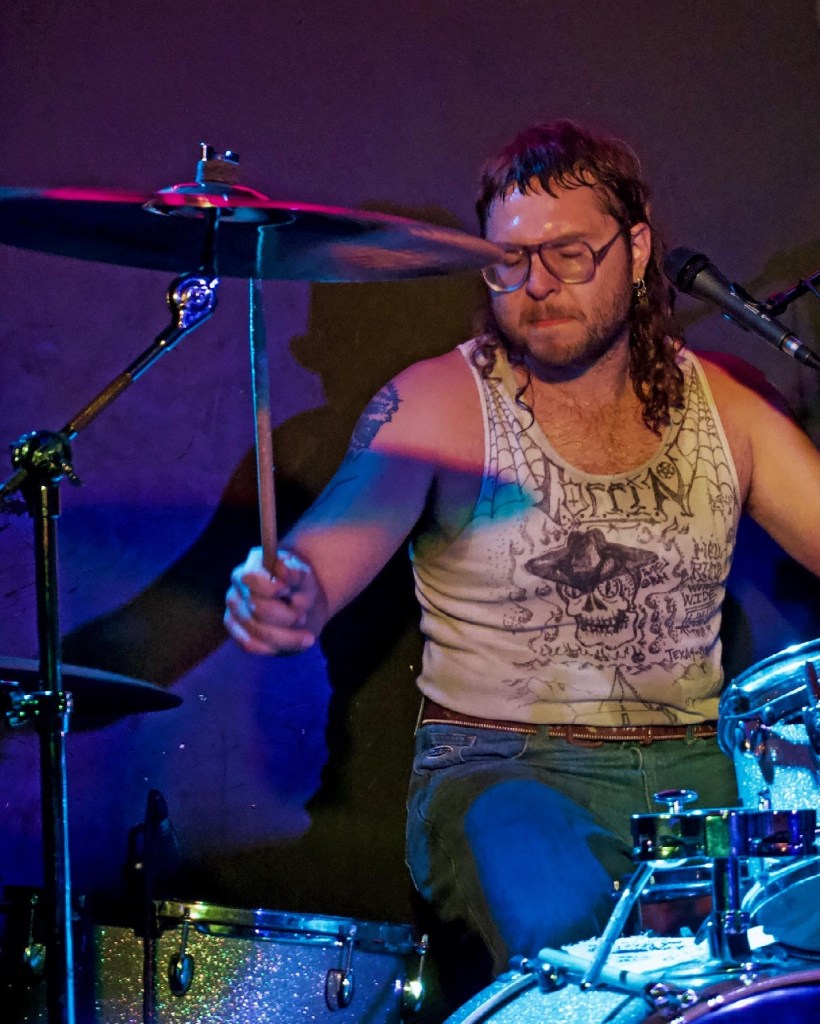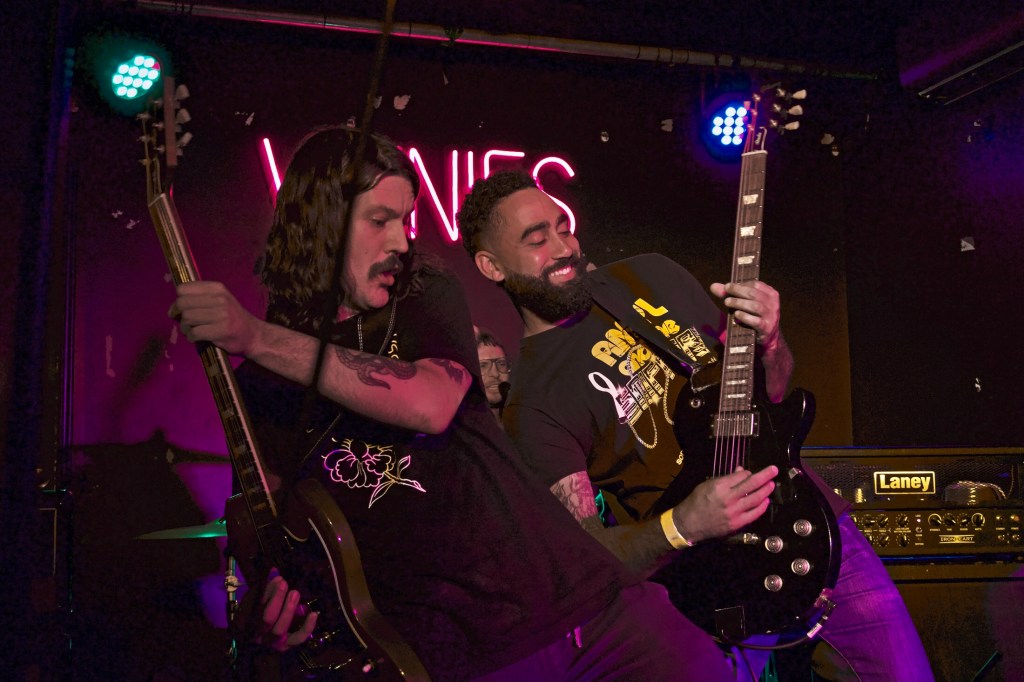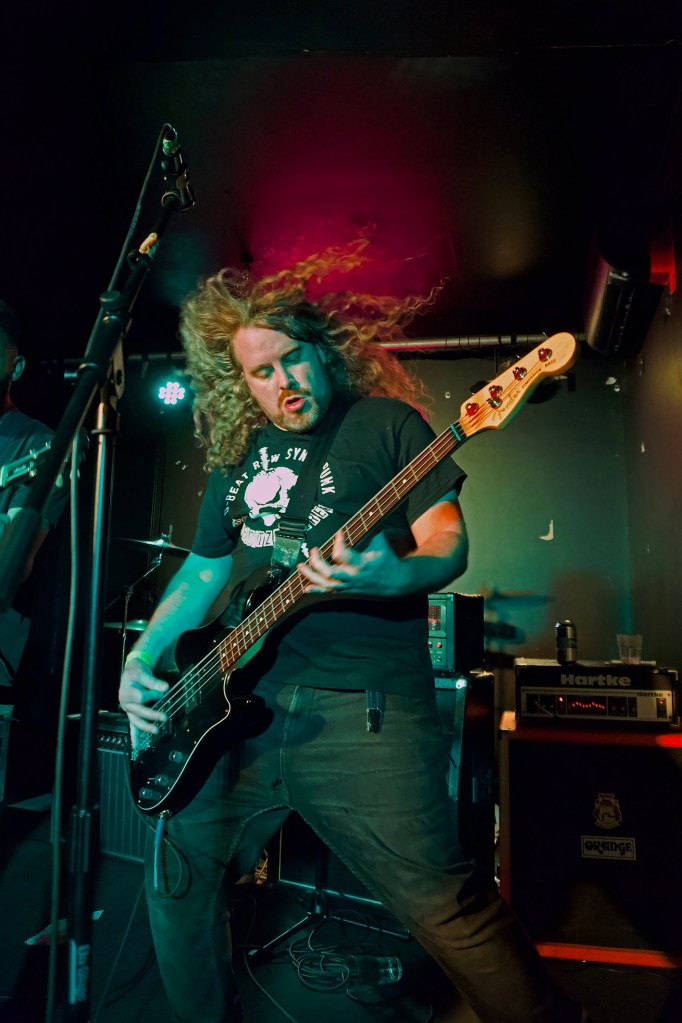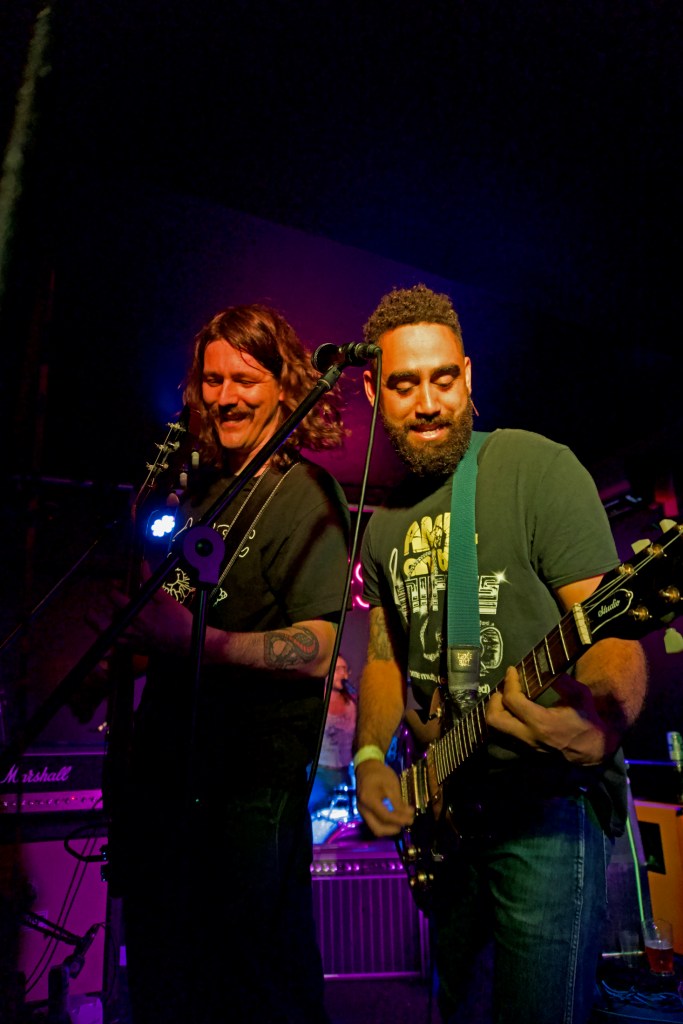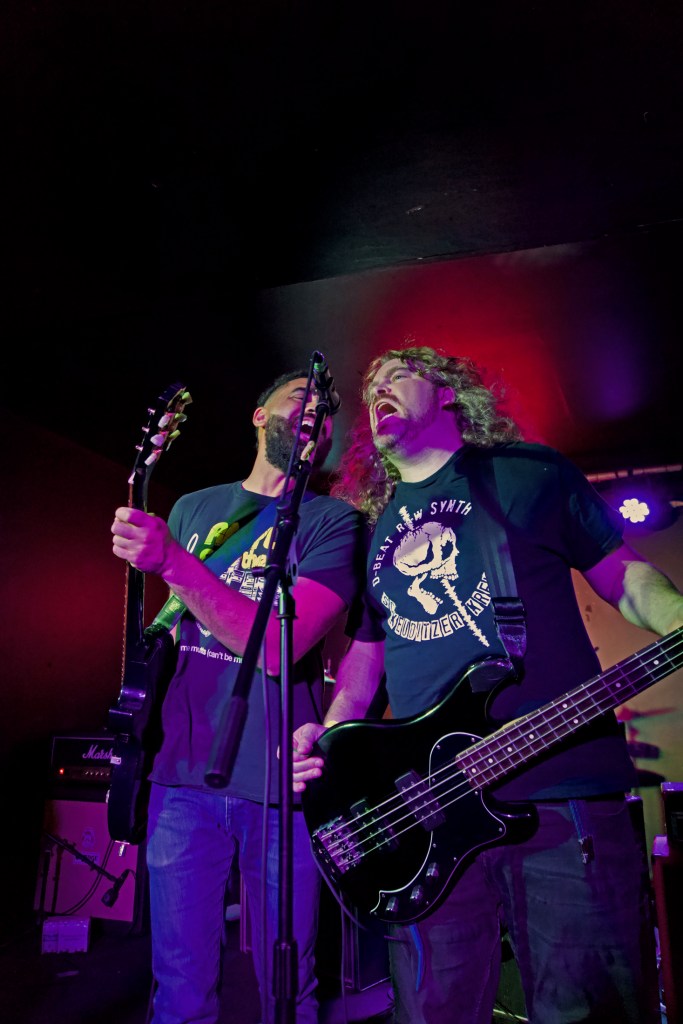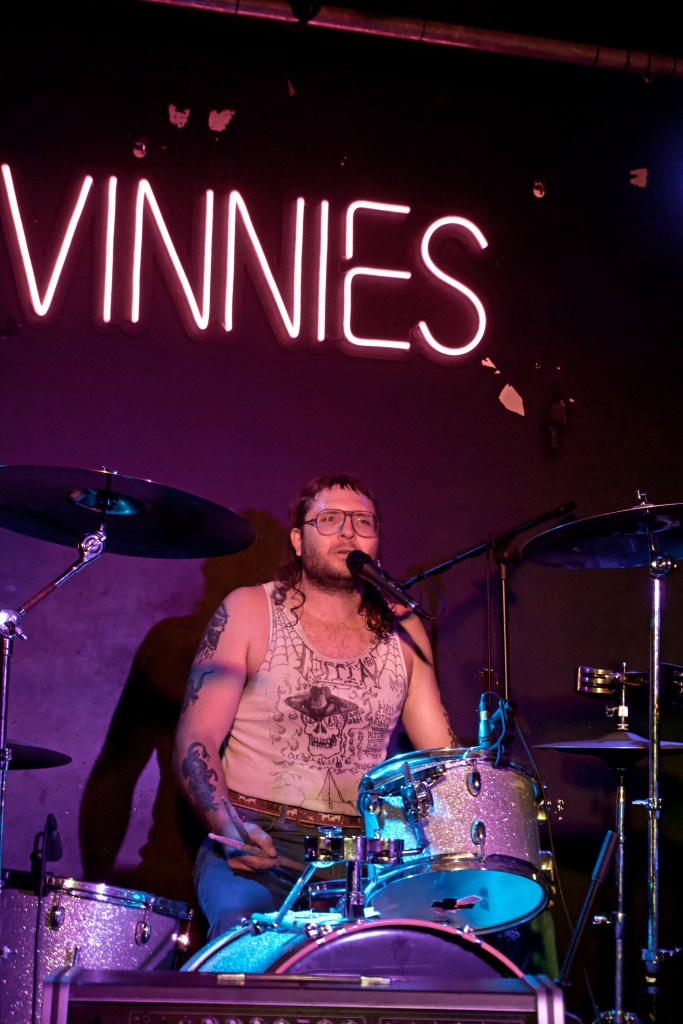
Bec Allan and James Lynch of Naarm Garage-Rock Post-Punk Band Delivery: “We are both kind of each other’s hype person… it makes it a really fun positive experience”

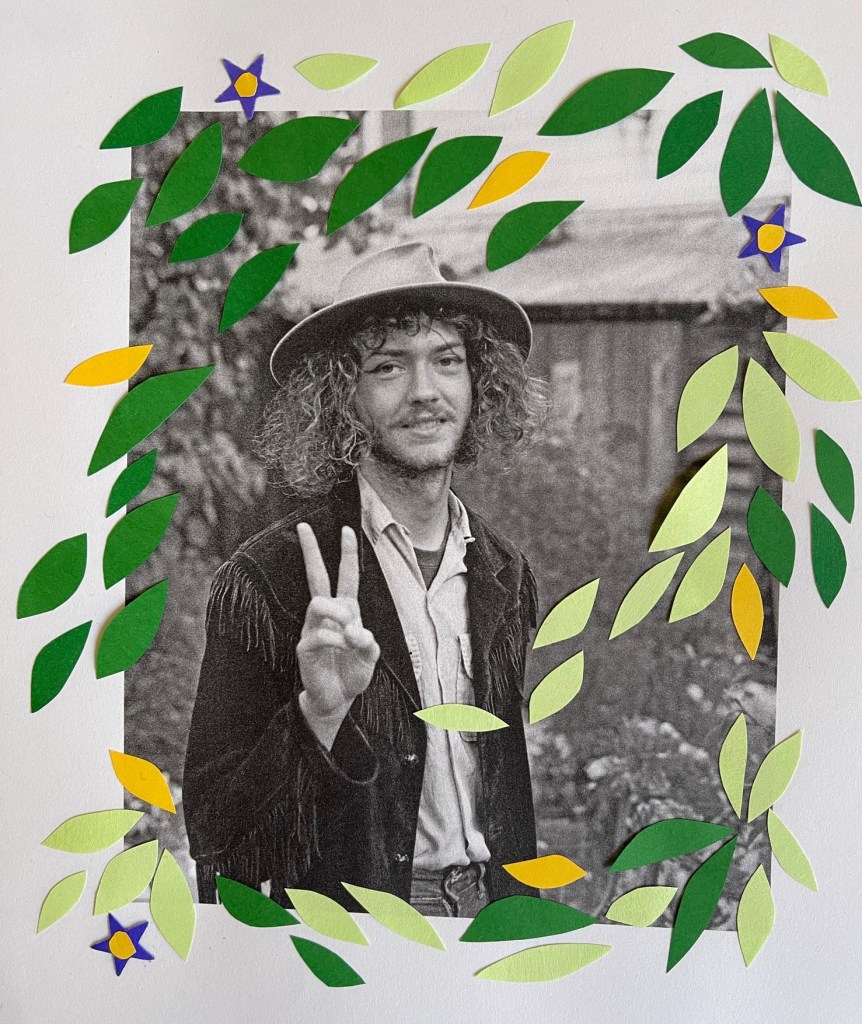
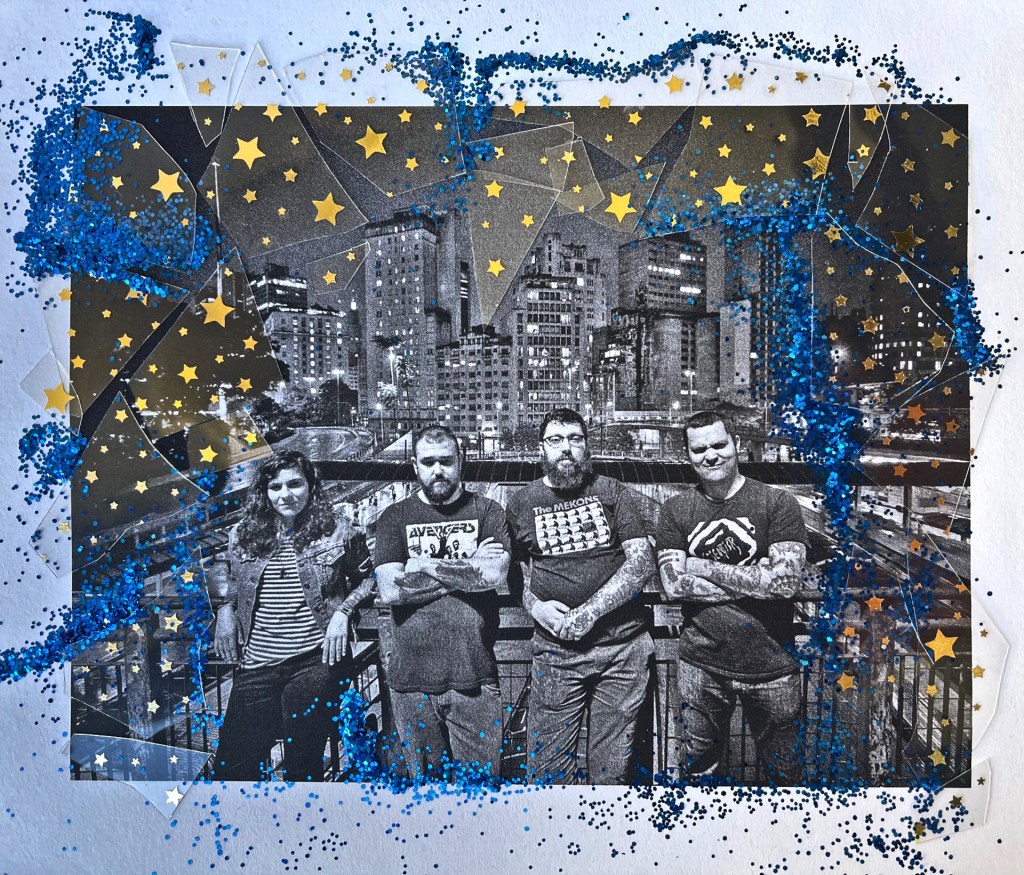
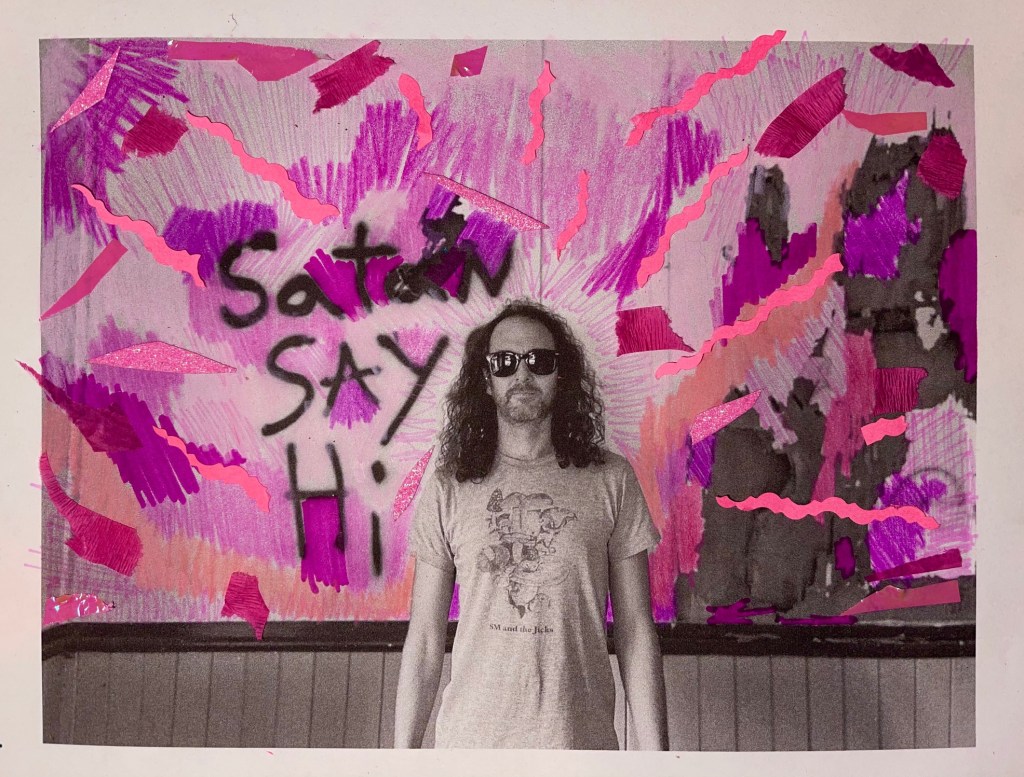
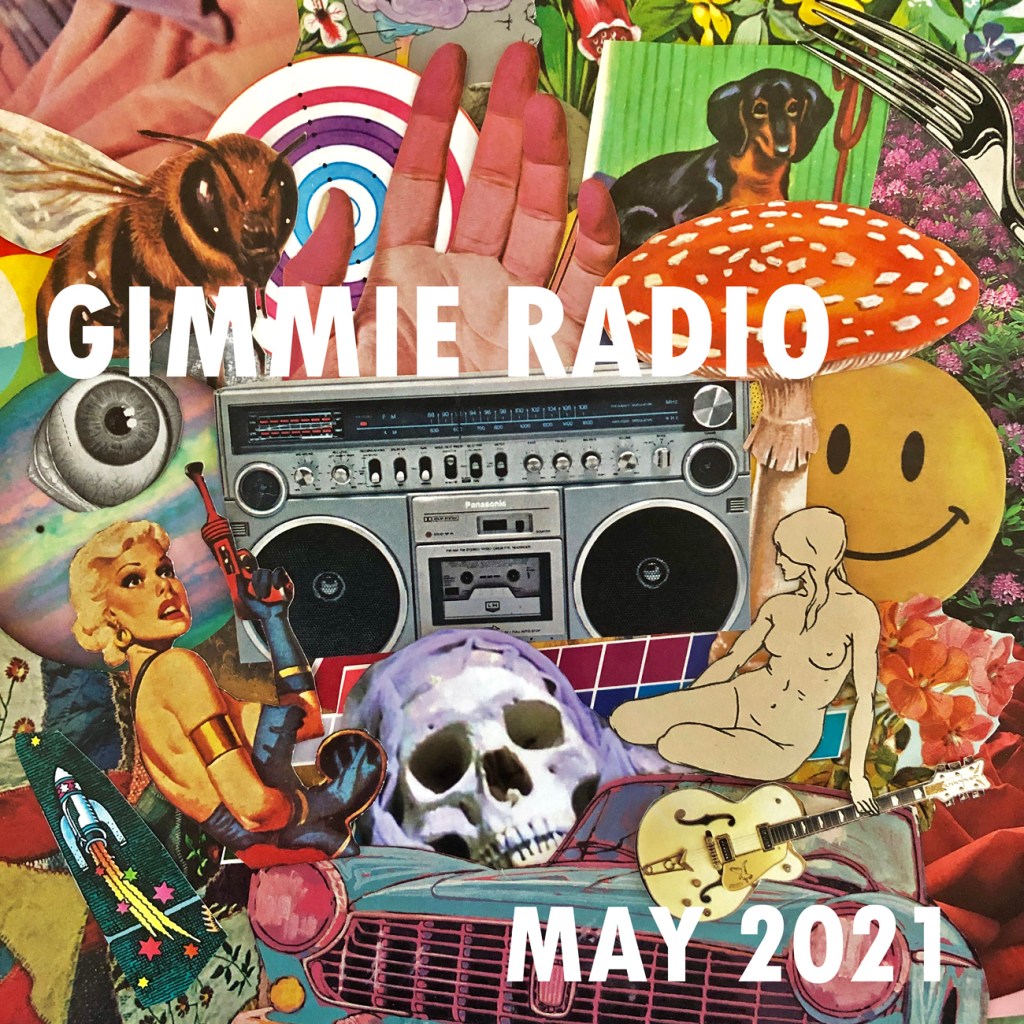
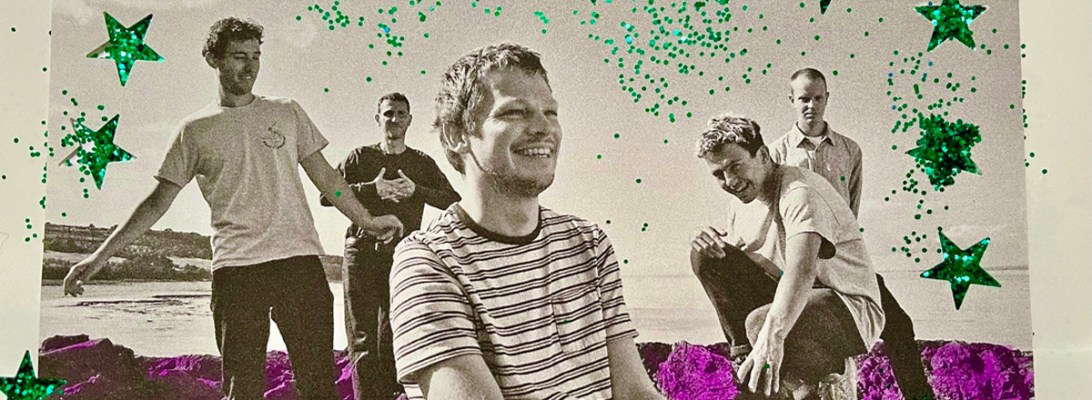
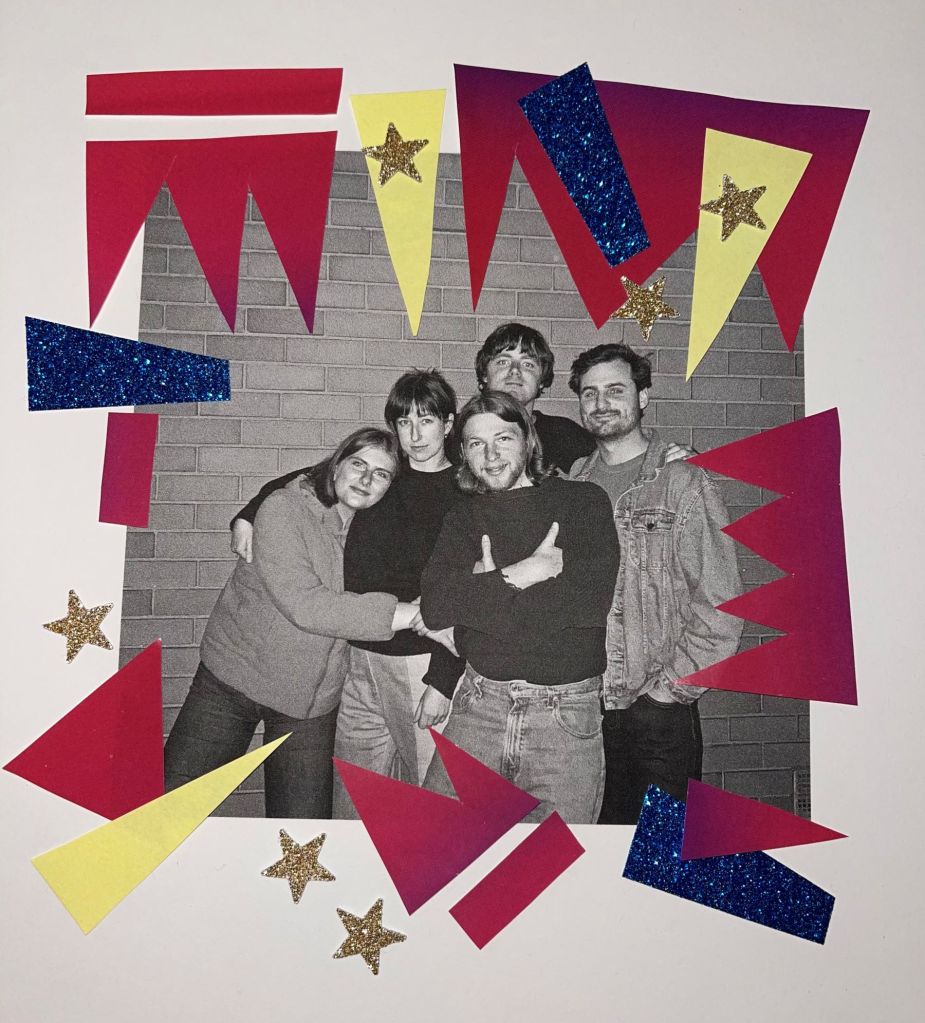
Original photo: Sam Harding. Handmade collage by B.

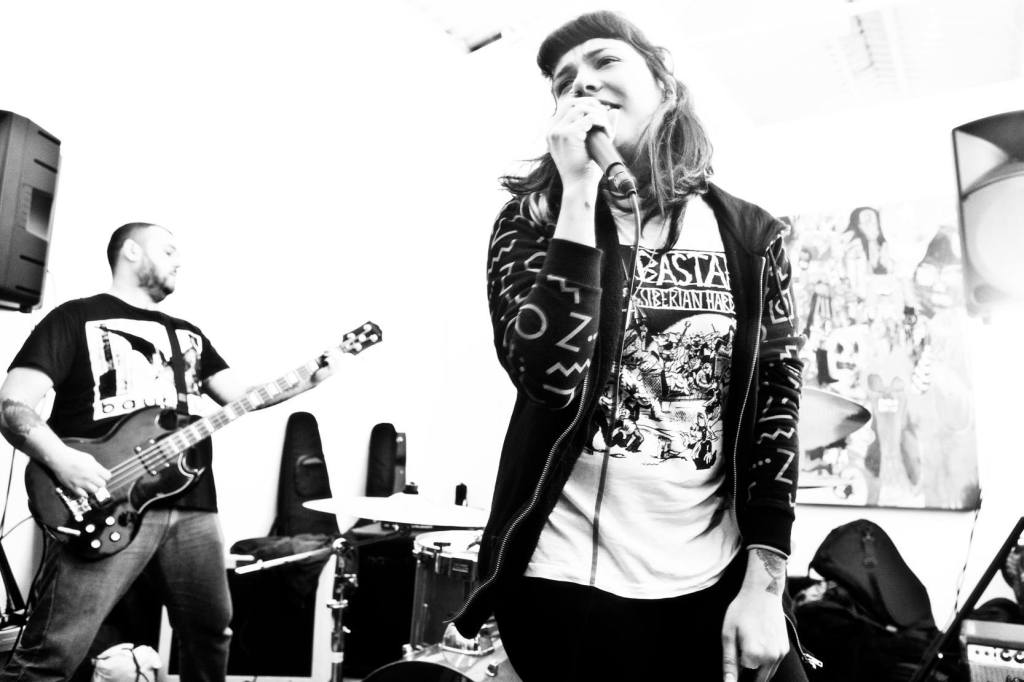
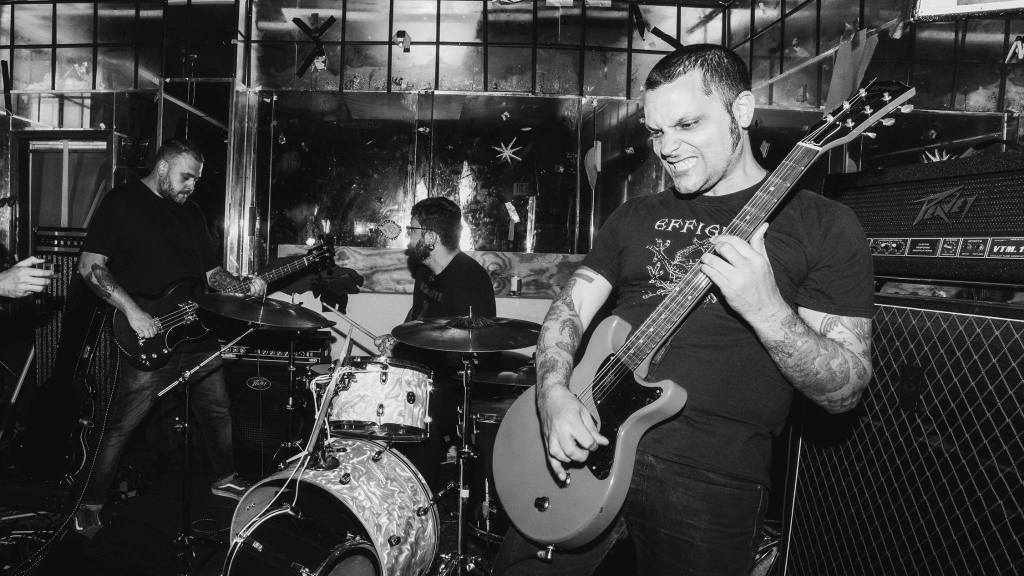
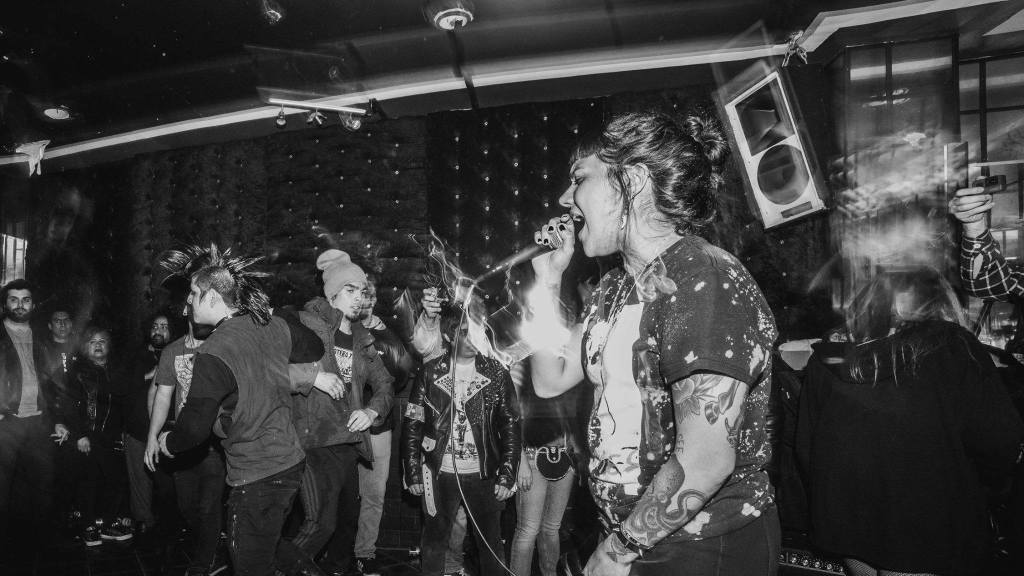
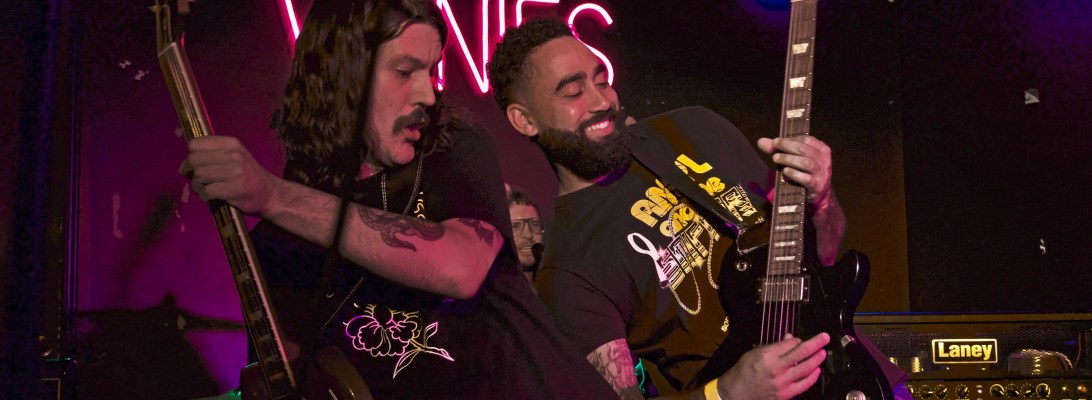
Delivery is an effortlessly cool garage-rock, post-punk combo with programmed beats from Naarm/Melbourne. Today Gimmie are premiering their debut EP Yes We Do in full. Delivery’s Bec Allan and James Lynch were kind enough to fill us in on the energetic release and give us a glimpse into the band.

What do you love about making music?

BEC ALLAN: Really just hanging out with likeminded people and friends, doing a creative thing that we’re all passionate about, nothing funner than that!

JAMES LYNCH: Yeah, just a good excuse to hang out with friends really! Also, quite cool how quick the process can be between making something up and having it out in the world.

How did you both first meet? And, when did you realise you wanted to make music with each other?

BA: We first met at this music festival Boogie in 2017 and have been going out for about four years now… haha. We never really planned to make music together per sé but I guess since we were both doing it separately and share similar musical interests it was bound to happen at one point or another. Also being locked in a room together for a few months helped push that along pretty quickly.

JL: I think we’ve also been big fans of each other’s bands for as long as we’ve known each other, so it was pretty easy to trust we’d be able to make something sorta cool together, even if it was just to pass the time.

Delivery formed in lockdown. You’re both in various other bands – Gutter Girls, Blonde Revolver, The Vacant Smiles & Kosmetika; what did you want to do differently with this new band? I know you started out just making songs up for fun.

BA: We were actually trying to figure out how and why we even started doing this project the other day, but neither of us can really remember haha. I think this band is cool because we both play pretty different music in other bands and it’s kind of a cross over between both our styles. Someone said when we first started that it’s probably the most punk band James has played in and the least punk I have. I think for me, it’s also been really cool to write lyrics for the first time and have a way bigger songwriting input than in other bands.

JL: I guess it was also a nice opportunity to play with someone else who had a pretty different musical background/set of experiences so there wasn’t really an obvious intention to begin with, we just wanted to see what might happen – I don’t think we had any specific goals other than to have some fun with it. It’s definitely forced us both to think about what our usual musical tendencies are, but to also come up with something that suits the group dynamic, which is a good challenge, and I think so far we’ve been able to meet somewhere in the middle nicely.

I love the synthesisers and programmed beats in Delivery’s music; where did your love of these stem from?

JL: To be honest, I don’t think either of us have a proper love for synth heavy or drum machine music haha, this band is my first time ever using drum machines and I know almost nothing about synthesizers. I suppose it was more a necessity to be able to make something interesting from within a bedroom, when you don’t have too many tools are your disposal and can’t really go too loud. That said, I think it’s maybe shifted my brain a bit to be a bit more curious about how bands that I like do use synths and drum machines in cool ways, there’s so many good bands doing this kind of stuff and using those instruments to mess with whatever feels like a ‘normal’ rock band setting. It’s nice to throw yourself in the deep end a bit sometimes too.

Personally, who are your biggest creative inspirations?

BA: Well, I’ve always been really into the 70’s New York punk scene but have definitely been expanding my music taste way more in last few years and that’s probably where more influences for this band came from – recently a lot of garage rock and post punk bands like Parquet Courts / The Clean / ESG / Raincoats and others have been on pretty high rotation so I use them as inspo for sure. Also, just the Melbourne music scene in general is super inspiring and being part of it always keeps me motivated, listening to new stuff coming out constantly and seeing so many sick bands all the time is so cool, so I guess to be able to work on my own things is exciting to be part of it.

J: When we started Delivery, a big reference point was The Intelligence – they’re such a good band and I think a lot of the music coming out of Melb shares a lot of qualities with their stuff but no one really talks about them! Just generally though, I think the biggest inspiration I get is from local bands and friends though, it’s so exciting being in Melbourne and being able to see an amazing band one night and then using that to prompt something in your own music, feels a bit less like you’re ripping off a band if you know them haha.

What puts you in the mood to create?

BA: Literally having any spare time haha… playing in so many bands plus work and uni keeps me busy for sure so getting a sec to relax and just fiddle around on the bass is a bit of a luxury that I try make the most out of when it comes around! And when I can come up with something cool or interesting (to me at least) I pretty much charge with it cause it’s always pretty exciting having something new to bring to the band and work on.

JL: I don’t know if I really need a mood to create either. I think I almost like the idea of having lots of songs more than I like the creative process, so actually making up songs is just a means to an end. I think I’m fairly lucky that I can just force myself to make up ideas if I really want to, so if I do get an idea, I like I’ll run with it regardless of my mood because it’s kinda nice to have another song at the end of the day.

We first heard you on the Blow Blood Records ALTA comp with song ‘Poor-to-middling Moneymaking’; how do you feel your sound has grown since that first song?

JL: A couple of the songs on Yes We Do were written at the exact same time as ‘Poor to Middling’, so that’s a bit of a hard question to answer. I guess both the 7” and that song catches us while we’re trying out different ideas of what Delivery could sound like and maybe testing out a few of our tricks all at once – although maybe the final version of the 7” songs were given a little more focus. We play that song live at the moment though and I’m really excited to do a full band version of that song, maybe once we do that it’ll be easier to compare and see how Delivery has developed. The full band help it rock a little harder I reckon.

Bec, you’ve previously said that writing lyrics is always pretty intimidating; what intimidates you about it and what helps you push through that?

BA: I guess the most intimidating thing is that people will hear what you’re saying and think about it then think it’s lame or bad haha but over time I’ve come to realise people don’t really read into lyrics that much or if you don’t want to give too much away you don’t really have too. Definitely working with our guitarist and my housemate Lisa has made me feel way more comfortable rolling with ideas or even lines of songs. We are both kind of each other’s hype person when it comes to that so it makes it a really fun positive experience and makes me feel way more confident as we go!

What’s something you love about your debut EP Yes We Do?

BA: I love the artwork by Mac Int., massive legend and she hit the nail on the head with it. Feels a bit weird saying what I like about my songs but I will say I love Delivery and everyone in it!
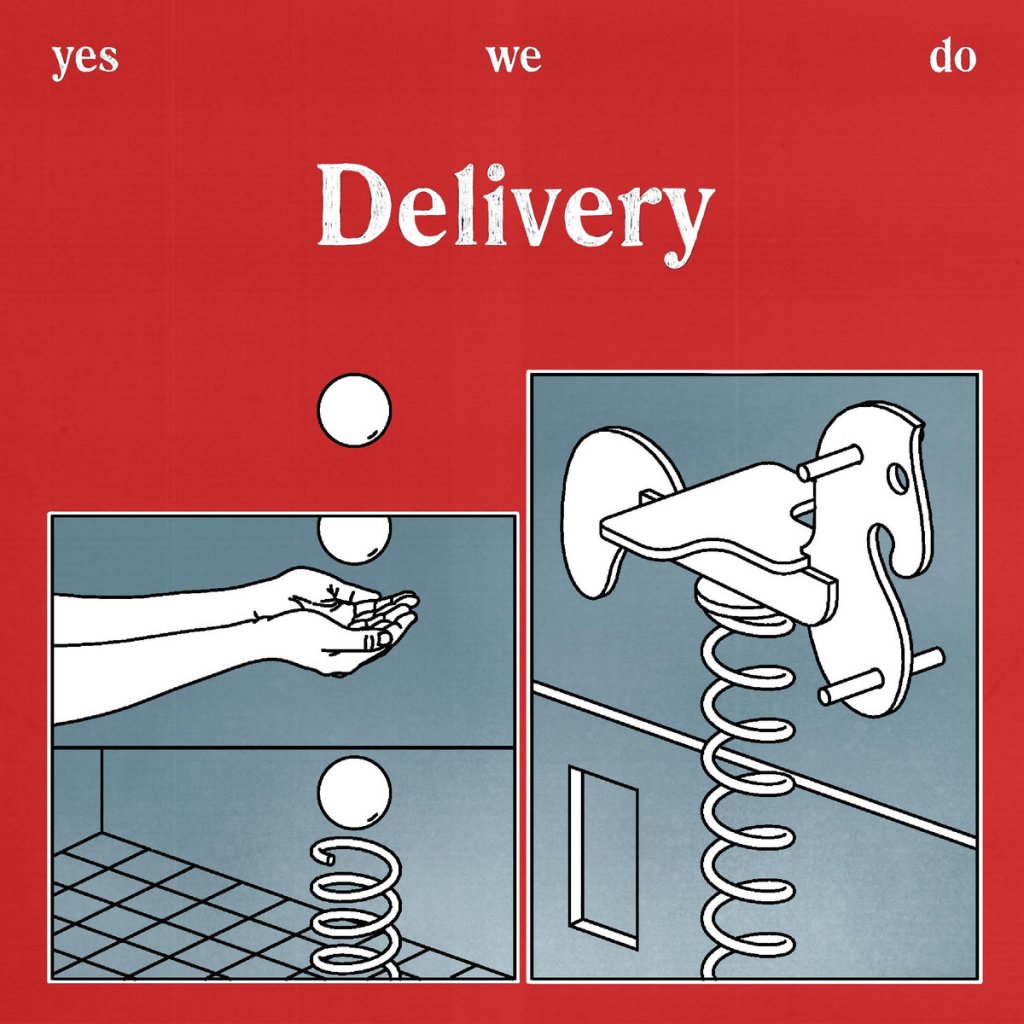
J: I like the drum sound. I also like that Bec and Lisa’s deadpan singing makes us sound a bit more badass than we maybe are.

Was there anything that surprised you about writing or recording this release?

BA: How quickly writing and recording 7” can be done if you want it to be haha – think we decided in April we actually wanted to do this so it all came together pretty quickly.

JL: When we started Delivery, I thought we’d be writing these wild punk songs and then when they were finished it sorta turned out that my most punk still is kinda not super punk whoops. Sam from Spoilsport actually said a nice thing along those lines, that even though we sorta do post-punk there’s still a fair bit of garage and pop smarts about it that maybe helps us stand out a bit from the real punks. If you can’t join them, beat them.

Can you give us a little insight into each song on the EP? ‘Floored’, ‘The Explainer’, ‘Rubber’ & ‘Brickwork’.

BA: ‘Floored’ literally about a stain on my carpet (Lisa and I are pretty precious about our carpet so we were devastated to find it) but also maybe it’s about some other things in life that are stuck and hard to get rid of or move on from. I dunno haha maybe just trying to place some meaning that isn’t there or maybe it is??? You can make what you want of that.

JL: ‘Explainer’ is a song about how you don’t need to hear the end of every story. I’m a sucker for wanting to know what happens next in every irrelevant anecdote, and this is a reminder that you don’t have to tell me if you don’t want to.

BA: I wrote ‘Rubber’ after a kinda shitty experience buying some things from a music store near me and I guess it’s a little diss track to some people that work at some music stores that don’t always take non-male identifying people seriously, not all stores are like this but it still gets you every now and then.

JL: ‘Brickwork’ is about how anyone who does anything good or shitty is ultimately either as celebrated or held as accountable as the people who back them up. Good to double check the people you hold up deserve your support, I guess.

Sound-wise, why was it important for you to keep some of the spirit of the sound of your early home recordings rather than really polish things up too much?

JL: Playing with the band is so good that it was very tempting to just ditch all the home recordings and make an album like we sound live. But there was lots of charm to our original production style that I thought would’ve been a shame not to share, so I guess it seemed nice to do the 7” as a little stepping stone.

After starting as a two-piece Delivery have now expanded into a five-piece; how have the songs evolved with the additions to the band and finally getting to play them live?

JL: It’s been fun making the songs sound a bit bigger, and it’s nice having a few more perspectives in the band to throw in the mix. The 7” definitely wouldn’t have come out as it did if we didn’t have the full band helping to steer the ship. All five of us are real good friends too, so it’s just a blast to play rock songs with more of your buds.

Your release is coming out on Spoilsport; what’s one release you’re loving from a fellow Spoilsport band we should check out?

BA: EGGGYYY!! My favs and besties! Bravo is just excellent but also so many friends and great music on the label… Quality Used Cars, Carpet Burn, Hooper Crescent etc. just go on the bandcamp and pick anything and there will be no disappointment.

JL: Spoilsport are the best in the biz and I love every album they’ve put out. A particularly cool one for me is Quality Used Cars album, Francis is one of my longest friends and the two of us helped each other get into making music when we were about 14, so there’s something special in coming full circle and putting out music in different bands but on the same label 13 years later.

Please check out: DELIVERY on bandcamp. Delivery on Instagram. Delivery’s Yes We Do 7” out now on Spoilsport Records.
Psych Pop band Sunfruits’ Winter McQuinn’s solo record: “Nature and the environment is on my mind most days, it’s all around us and is us, we are it, it is us but I think we’ve lost touch with that”

Original Photo: Liam Brownlie. Handmade collage by B.

Naarm/Melbourne-based musician Winter McQuinn gifts us a shimmering psychedelic pop album, A Rabble of Bees. Themes of environmentalism, friendship, connection and change thread throughout the highly enjoyable jaunt. Gimmie got in touch to find out more about the record and learn more about project, Green Your Noise, co-created with Acacia Coates (Pinch Points) as an initiative for musicians and creative industry workers to get a better idea of how to make events and tours more sustainable.

Hi Winter! How are you? What did you get up to today?

WINTER MCQUINN: I’m doing okay! Drove back from Wadawurrung Country / so-called Fairhaven today on the Great Ocean Road, it’s so dreamy down there. Currently in the midst of either cancelling the rest of the album tour or continuing it! Geez.

What inspired your new album’s title A Rabble Of Bees?

WM: The album had a couple of name options. A Rabble of Bees was actually an idea given to me by the album covers visual artist Zac Terry when we we’re talking about what a group of Bees were called. A Rabble! I think the album was always going to be called something related to Bees; due to the environmental theme running throughout the songs as well as the idea that these songs all used to be B-sides and really rough demos before they got cleaned up.

This collection of songs was written during lockdown; how did writing help you during this time?

WM: Writing was something that I could do to escape from the world around me and make something that was purely creative and not driven by any other forces. I think that I’m always influenced by the world around me though and this poured into my songwriting around this album’s conception. The privilege to be able to spend a lot of time writing and demoing heaps of ideas is something I’m very grateful for and think it’s important to use that privilege to write about things that matter and are meaningful to you.

What sparked the writing of ‘George Harrison’s Crystal Ball’?

WM: I was inspired after a conversation with my mum about our Prime Minister (gross) and her hope for his kids to grow up to be contemporary artists and to reject the church because that would really hurt him the most. It’s really just a foretelling of what future he’s condemning his own kids (and everyone’s kids) to. The name is centred around looking into the future and the guitar line after the first verse kinda gave me George Harrison vibes.


What’s your favourite lyric you’ve written for this record? Where did it come from?

WM: Hmm probably the line between me and Acacia “you make avocados green, yes you do, bananas yellow and still you” I had the most fun with that haha. I think I really wanted to keep it fun and light with the lyrics on Friendship Pheromone and this was the perfect encapsulation of that feeling in a few words.

What was the best part about recording this record yourself in home studios in Brunswick and Northcote?

WM: I guess the freedom both financially and creatively is the best part about home studios in general. Most of the album was done in the Northcote spot which is where I wrote it all. To have written and recorded my first solo album in my childhood home feels pretty special so I think that might be the best part.

Can you tell us a little bit about the recording process? It was produced by Sunfruits’ drummer Gene Argiro and recorded with two SM57 microphones, right?

WM: The recording process was a pretty messy one in all honesty, there was never any intention with this group of songs to make them into an album but I’m so glad they are now! I usually send most demos that I’m working on to Gene to see what he thinks and suss if they’re worthy or not to make the Sunfruits bag of magic. These songs we’re all tracks that maybe didn’t quite fit the Sunfruits vibe but still we’re worthy of something.

I think I actually just decided I wanted to clean up the songs a bit more and asked Gene if he’d wanna mix them. He is such a talented producer, mixing engineer and songwriter and makes everyone he works with a better songwriter so It was a blessing to have him mix these songs. All the recording was done with two SM57s that I have (Drums included!) and I think sometimes that’s all you need.

Some of the songs are centred around friendships; did you find your friendships changed in any way during or even after time spent in isolation due to the lockdown?

WM: Yeah, I think that friendships in my life changed profoundly during lockdown. When you’re involved in a music community, I think you are “friends” with so many people as you share a common interest and share common meeting places e.g., venues, record stores, festivals, studios etc and that helps you connect with a vast range of people. Lockdown changed and stopped these connections from happening as regularly so I felt quite isolated and had a longing for that feeling again.

We really love the song ‘Friendship Pheromone’; what was the writing process for this track? Acacia Coates does vocals on ‘Friendship Pheromone’ and ‘Tangerine La’; what do you love most about her voice?

WM: Thanks so much! “Friendship” was written during a particularly hard part of lockdown where I was really missing a lot of the people in my life. It’s just a reminder to love your friends and spend time with them and listen to them. Acacia is my favourite collaborator and we really have a great synergy when it comes to songwriting and general life! She has such a good ear for melodies and writing catchy but interesting lines and lyrics. I love her voice and just asked if she wanted to sing on both of those tracks.

Nature is a recurring theme on the LP; what compels you to write about the environment?

WM: I think nature and the environment is on my mind most days, it’s all around us and is us, we are it, it is us but I think we’ve lost touch with that. I think it informs anything I do and it has such an effect on my moods and life in general so it was kind of inevitable that it intertwined with all the songs on the album.

Acacia and yourself started Green Your Noise after questioning what else you could do, as musicians and individuals, to combat climate change, for those who might not know about it; can you give us an overview? What’s something important you’ve learnt from this initiative?

WM: Yep! So, we co-founded Green Your Noise together as a way to help musicians and creative industry workers get a better idea of how to make their own events and tours more sustainable. In short, Green Your Noise is an online carbon calculator specifically tailored to musicians and creative industry workers who want to figure out the emissions created from their events, how to mitigate them and how to make their events more sustainable in the future.

I think the one of the most important things we’ve learnt by doing this project is how eager everyone in the creative sector is to be able to work out their impact and how to mitigate it. It was also really interesting to really get into the nuts and bolts of carbon calculating and accounting and just how broken our systems are in terms of power, waste management and transport.

What’s something that’s been interesting to you lately that you’d like to share with us?

WM: I’ve recently been researching the history of environmental activism within music and songwriting and just seeing how widespread and how far back the two go together is really interesting and quite inspiring. To see it in the mainstream as well with Billie Eilish etc is really great, a personal favourite from these research sessions has been a song “I Pity The Country” by Willie Dunn, really powerful folk music from the 60s/70s that’s still so poignant today.

Are there any other projects you’ve been working on?

WM: Yeah a few! I’ve been working on a concept album quietly in the background which is examining environmental activism within music which will be paired with a visual accompaniment. I’ve also been preparing with Sunfruits to record our debut album at a house down on Great Ocean Road which I’m super excited about!

What was the last thing that made you really, really happy?

WM: I think getting to play the solo album live with a group of musicians and people I really admire made me really happy. To be able to travel and play songs you’ve written is a huge privilege and I’m very grateful to be able to do that.

Please check out: WINTER MCQUINN; on Instagram; find GREEN YOUR NOISE here. A Rabble of Bees out now on Third Eye Stimuli.

São Paulo Punks Futuro: “Punk is the best modus-operandi for producing music and art in general”

Original photo by Mateus Mondini. Mixed media art by B.

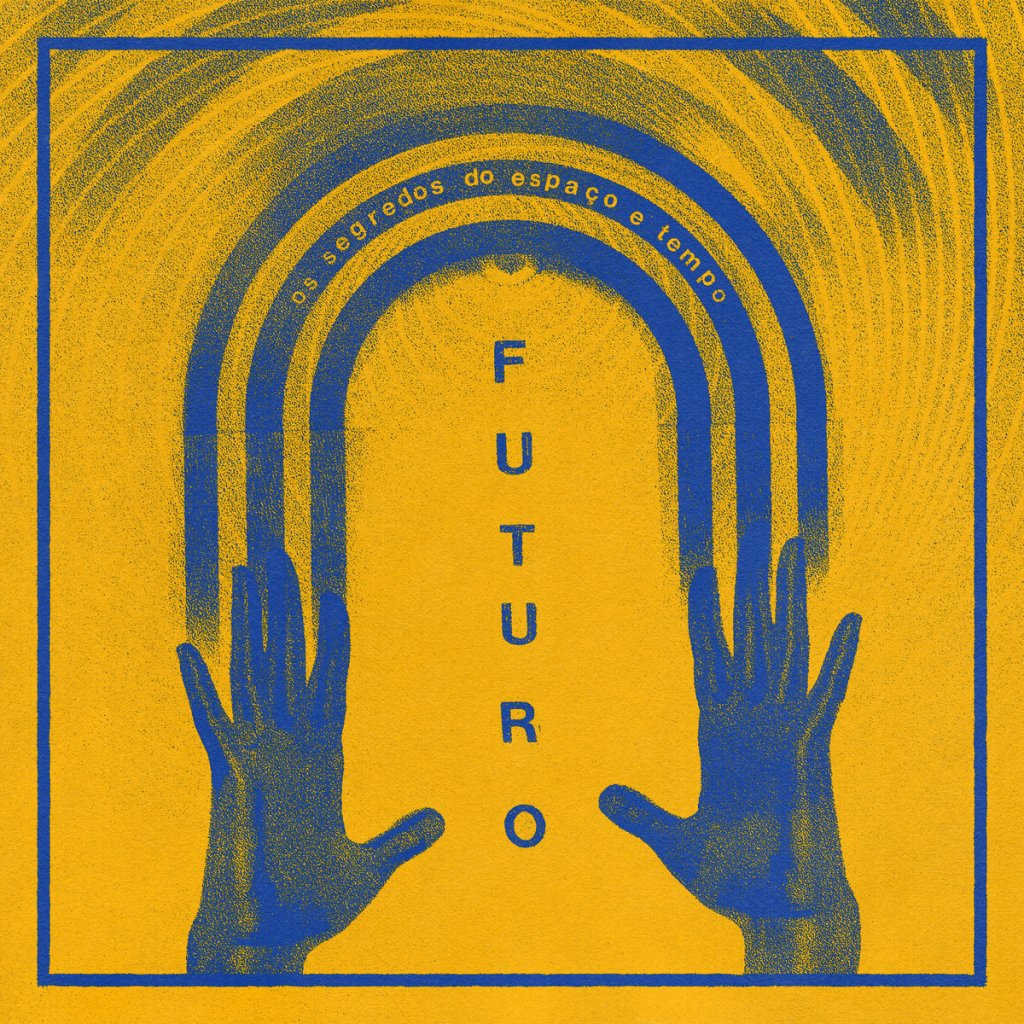
Futuro are a punk band from Brazil, who got the inspiration for their name from the thought that “conservatives are obsessed with the past, while revolutionaries and progressives are obsessed with the future.” At the end of last year, they released their dynamic and frenetic album Os Segredos Do Espaço e Tempo (The Secrets of Space and Time). Gimmie dropped a line to vocalist Camila Leão and guitarist-vocalist Pedro Carvalho to find out more about them, their music and life in São Paulo. Futuro are also big fans of our country’s music, expressing, “Australia has some of the best bands in the world right now.” Agreed!

Futuro are from São Paulo, Brazil; what’s it like where you live?

MILA: It’s a gigantic, grey, neurotic megalopolis. The metro area has about 20 million people. It can drive you crazy. But it’s also an interesting hub where lots of things happen. I think the city is a very big component of what the band is about. Our music and lyrics translate a feeling of anxiety that has everything to do with São Paulo. The band is actually all spread out now. Pedro and Flávio live in São Paulo, Xopô lives in Belo Horizonte and I live in Baltimore.

Can you please tell us a little bit about yourself?

PEDRO: I don’t know what to say about myself, but I’ll try. My whole life revolves around music, both at work and in my free time. I’m not very good at anything else, really. I’m lazy. But also, very determined and rarely give up on things. I’m not very good at anything else, really. I read a lot and think a lot about politics, philosophy, psychology and things like that. Not that I do much about it, but I feel like I need to understand the world and people around me.

MILA: I like to put my mind in creative projects that allow myself to experiment. I’m a graphic designer and illustrator and I really like to make things with my own hands. I like to learn about different cultures and its philosophies, and I love to be around nature and animals. I’m fascinated with natural sounds, textures and colors.

How did you first find music?

PEDRO: My mom was a massive music fan and had a record collection which was always around. She taught me how to play records when I was about four or five years old. I used to wake up at 4 or 5 in the morning and spend hours by myself listening to records and looking at them. We’re basically sponges at this age, so I think music just became part of my DNA.

It’s funny that I still like most of the same records from my mom’s collection I liked as a child, stuff by the Beatles, The Stones, (Brazilian band) Os Mutantes and things like that. My mother had all sorts of records, but for some reason it was 60’s rock that spoke to me.

MILA: I remember traveling to visit my grandparents in the country and my dad had tons of Brazilian rock tapes in his car. When I was six I knew how to sing most of the songs from bands and artists like Legião Urbana, Raul Seixas and Titãs. I think that’s how I started to enjoy rock music, it was fun and energetic.

When I was older, I think MTV helped me to discover other bands and refined my rock and metal music taste a little bit more. But it was only when I was eleven or twelve that I started to buy my own hardcore punk CD’s. I used to go to a store on my way home after school – this is a specific kind of store that is very common in Brazil, they sell used books and used CD’s/ LP’s – to check out whatever had edgy artwork and were in the punk section haha.

Photo by Mateu Mondini

Who or what inspired you to start making music yourself?

PEDRO: I saw Kiss on TV when I was about four or five. They came to Brazil and it was all over the news. I decided there and then that I was going to play music. The image of them and the sound of distorted guitars coming out of instruments that looked like weapons was so powerful… I informed my two best friends that we were going to have a band when we grew up.

As I said I rarely give up on things, so when we were about eleven, I bugged them until they got instruments and we did start a band. By then I had read about early punk and the whole “this is a chord, this is another chord, now go out and start a band” thing and felt encouraged to play even though I still didn’t know how. So, we began doing covers of simple 50’s songs by Buddy Holly, Bo Diddley (some of his songs had one chord) and people like that and eventually began writing our own songs and playing slightly more complicated stuff. That was my first band. But my friends got too much into being musicians while I got more into punk rock, so we drifted apart. They went on playing “good” music while I started playing in punk bands.

MILA: I was a very shy kid and I never really saw myself in bands. I grew up seeing women in bands/groups on TV and even though I wasn’t very passionate about the kind of music that some of them were playing, I always thought they looked cool and powerful and that always caused me some fascination.

When I started to go to hardcore punk shows and I realized that people like me were making music and creating meaningful things, I felt like I wanted to contribute too. My main inspiration to make music was to see the local punk youth putting their hearts into their music, to build some sort of community. It wasn’t just about music, they were raising their voices and sharing their views. When you’re a teenager there’s so much to say and I felt like singing in a band would be the perfect place for me to share my thoughts.

After singing in bands for a while, I felt the desire to evade more creativity. I wanted to be able to play instruments and to start my own music.

What album or band has had a big impact on you?

PEDRO: Early on the Beatles and The Ramones were the bands that really influenced me in all sorts of ways. In a way I feel they’re the two bands that impacted me the most and formed the basis for everything I ever did musically.

The Beatles showed me that you can be adventurous and change from project to project while retaining an identity of your own and that there’s no limits to what can be done. The Ramones showed that anyone can do it as long as they have the focus and the concept in their minds. And also, that music can and should be really exciting all the time. Both bands had really good songs and I always thought the song was the main vehicle for ideas and should be memorable and well thought out. Also, great guitar tones. This is non-negotiable for me.

Later on, there were many other bands and albums that did the same in different ways, but these two were the ones that started it all for me, probably.

MILA: It’s hard to pick only one band or album because I am always changing my main references from time to time, but I think Depeche Mode was the most solid one throughout my life. Musically, it embraces excitement and sadness at the same time. The lyrics take you to a different reality and the voice melodies have a life of its own. I like how some electronic elements can sound odd alone but, in the song, it adds personality. Of course, another solid reference is The Ramones. I appreciate their technical simplicity, creativity, and energy.

What inspired Futuro to start? You’ve been around since 2010, right?

PEDRO: Me and the bass player, Bá, were in a band called B.U.S.H. that had existed since 2003. We never really like the name of the band and by 2009 or so the whole concept of the band had changed a little. We were writing songs that were more serious and had a different general vibe, even though the style wasn’t radically different. So, we decided to change the name of the band to Futuro.

So basically, Futuro was B.U.S.H. under a different name. We recorded the first album MMX and right after it came out the original singer left and Mila joined. When she joined, she began participating in the writing process and bringing her own vision to it, so we started to get rid of the older songs and became an entirely new band. Basically Futuro didn’t start out of nowhere as much as it slowly morphed into what it is now.

What draws you to playing punk music?

PEDRO: Well, I think punk is the best modus-operandi for producing music and art in general. Like, a radical vision of amateurism, being a dilettante on purpose and with a purpose while using this method to criticise the very idea of “professionalism”.

Also, it’s the coolest, most exciting music there is. Of course, punk is incredibly diverse. It’s a huge umbrella for a lot of different forms of music. But from garage punk and post-punk to the most extreme forms of hardcore, I think it is and will always be the coolest music universe to be in. Also, it’s permeable to other musical forms as long as you rid them of the boring aspects. I mean, I could do acoustic folk music or free jazz and it would be done in a punk way, it’s just part of who I am.

MILA: Yeah, I share the same vision as Pedro. I think inside punk you have the autonomy to manifest your creativity and be free to do whatever you want. You don’t have to stick with a formula, you can incorporate different styles and ideas to it and still make it sound punk and original.

Punk music is plural, and it also embraces other aspects such as visual arts, politics, ethics and so on. It’s a whole universe, involving cultural angles and communities and I enjoy all of it.

Photo by Alejandro Reyes-Morales.

This year has been a challenging time for bands. How have you been dealing with it?

PEDRO: Well, a big part of it for us was finishing our record. We took our time. We began recording in 2018, finished it in 2019 and mixed it in 2020. The mixing process and the great reception it had when we put it out basically inject the band with what we needed to keep going despite not being able to play live or even see each other in person (right now we have one member in a different state and another in a different continent). I really miss practicing and traveling to gigs with them, but I think this whole thing only made us appreciate more what we had before. I can’t wait to start playing around again.

You recently released album Os Segredos Do Espaço e Tempo (which translates to The Secrets of Space and Time); where did the title come from?

PEDRO: It’s a line in the song The Third Eye, which we covered. It says: No wings for my flight/ I drift through the night/ Understanding the secrets of space and time. Our bass player Bá used it on the artwork just as a test to see what it looked like and at first there was some resistance. I thought it could be misinterpreted as something pretentious, but then I changed my mind because who gives a shit, right? It’s cool and kind of funny/trippy at the same time. And it goes well with the music and artwork.

MILA: Once Bá put it in the artwork and showed us I loved it right away. I think this one piece of lyrics from The Dovers can be interpreted with a vast range of perspectives. Whoever is reading/listening can relate to it in a different way and even though the rest of the The Dovers lyrics doesn’t speak for the rest of the album, I still can relate this part to my style of writing. And there’s also the fact that we were in the middle of the pandemic, which felt like an event disconnected from our reality and time, so it made perfect sense.

What influences your music the most?

PEDRO: Everything from 60’s garage and psych to early 80’s hardcore, 70’s punk and post-punk. I think we have a very wide range of influences but at the same time it all fits together somehow.

Apart from the more obvious punk references – bands like The Damned, The Saints, X, The Avengers and so on – I steal a lot from Brazilian 60’s rock and tropicalia music – especially the outrageous fuzz guitar tones, as well as other 60’s stuff in the way I play guitar. I like how they used open chords, droning strings and things like that. All mixed with heavy downpicking power chords as well.

I think it’s cool how 60’s psych and early Brazilian hardcore both have these fuzzy guitars that sound like a cloud of wasps attacking you – probably by accident, because they didn’t know how to record it right and/or had limited gear options – so we try to build a bridge between these two universes.

It was interesting that this record has been called hardcore, punk rock, post-punk, psych-punk, noise rock and so on. I think it means we absorb all these influences and turn them into our own thing, which is important. We always felt strong about not following any specific trends or subgenres. I always loved how the early punk and hardcore bands were all influenced by other styles and therefore sounded different from each other while having a similar energy. And this energy is what turns it all into “punk” or “hardcore” as far as I’m concerned. 

MILA: As far as vocals, I like to mix the melodies of post-punk with the intensity of hardcore. Something like Siouxsie and the Banshees meets Bad Brains LOL.

Late 70’s and 80’s bands like 45 Grave, The Bags, Sadonation, Destroy all Monsters, and Legal Weapon are a huge influence to me. I love how these women sound so powerful, it’s like they turned a little distortion switch on their voices!

Where did you write and record your album? Can you tell us about your song-writing process?

PEDRO: We basically wrote the whole thing in the practice room. Most of the songs begin as jams when we’re setting up the amps before we start practicing our set. There are songs that came out about 90% ready on the spot. Xopô starts playing a beat, I create a riff, Bá improvises a bass line and Mila starts humming a vocal line and bingo, we have a song. Then we just polish it, Mila (usually) works on the lyrics, we decide how many times we play each part, add an intro, a solo or whatever and there it is.

Other songs are based on ideas we create at home or concepts we have in our minds. But we rarely write entire songs on our own, they usually appear almost from scratch during our practices.

In this particular record, some of the songs were finished remotely, because Mila had already moved to the United States, so we’d record the instrumental parts and send it to her. She would work on the vocals and we finished the whole thing when she came back to record them.

Photo by Alejandro Reyes-Morales.

On the album you do a cover of The Dovers’ ‘The Third Eye’; why did you choose this song?

PEDRO: We always record a cover on our albums. I think it’s fun to take a song and make it ours, reinterpret it our way. And I always thought The Third Eye would be an amazing song to record. It’s so trippy, but also pretty hard, kind of punky, with that fast rave up solo part in the middle. I love what Hüsker Dü did to the Byrds’ Eight Miles High, what Agent Orange did to Somebody to Love by The Jefferson Airplane and so on. These 60’s songs are always cool to redo in a punk vein. We also like to explore the freaky, kind of mystical aspect it has and combine it with the down to earth, realistic element of punk.

What do you hope people take away from your music?

PEDRO: If they’re able to capture and feel one tenth of the emotion we try to express through it, I think we’ve succeeded. Also, I like it when people really pay attention and listen to the music for what it is, regardless of trends and labels that come and go. If it speaks to them, I’m happy.

MILA: Exactly what Pedro said. Same way in the lyrics aspect.

What do you like to do when not playing music?

PEDRO: I like to go out to eat and have real conversations with people. I think people are becoming less and less capable of having actual conversations as opposed to just talking, so I value real communication. Especially while eating together.

MILA: I like to work on art-related projects. Lately I’ve been drawing and painting a lot, but I also love to hike with my dog and to grow vegetables.

Is there anything else you’d like to tell us about and share with us?

PEDRO: Australia has some of the best bands in the world right now. I’d love to go play there when/if the pandemic is over. It’s an amazing country.

MILA: Thanks for the talk, Bianca! I am also an Australian punk fan and I hope to visit this gorgeous country someday!!

Please check out FUTURO bandcamp; on Instagram; on Facebook.

Naarm/Melbourne-based musician Michael Beach: “Good things in my life have happened because of music”

Original photo: Sarah Gilsenan. Handmade mixed-media collage by B.

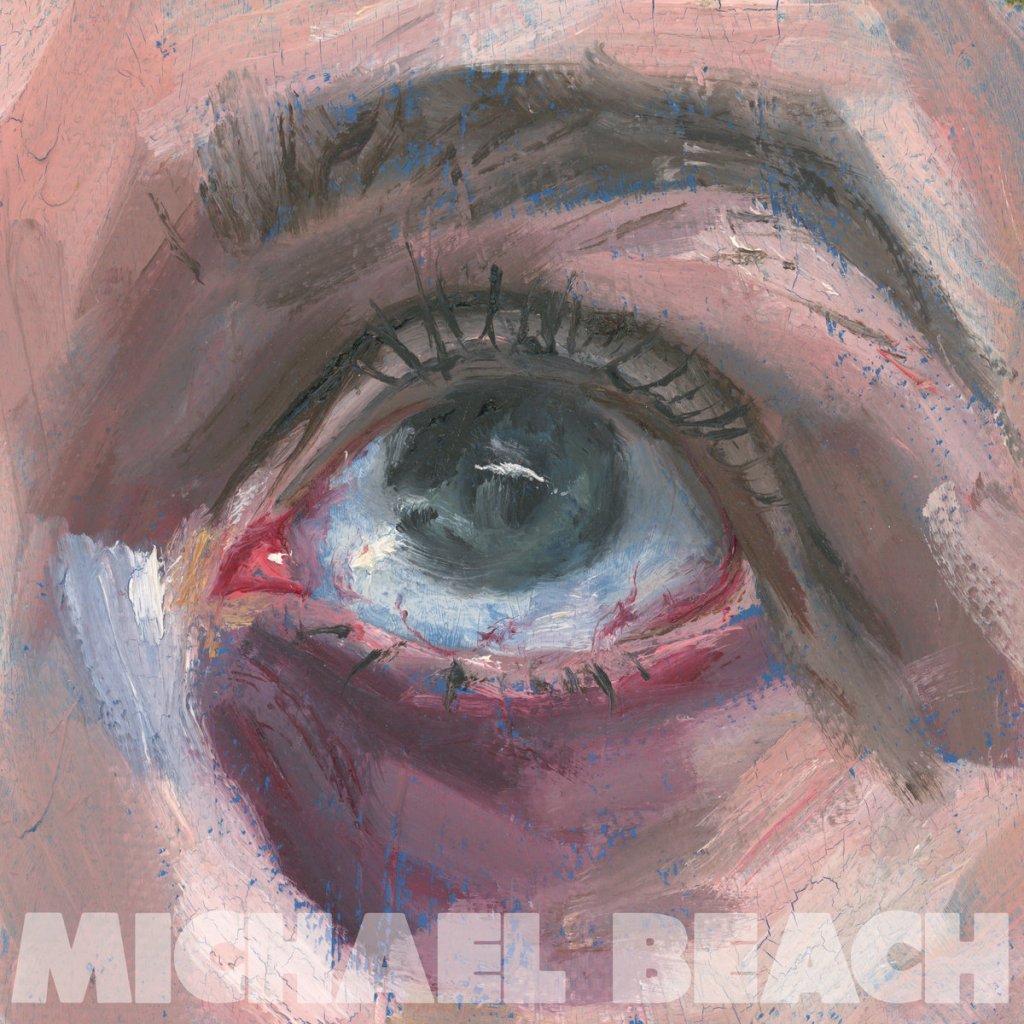
Michael Beach’s fourth studio album Dream Violence carries a touch of the sublime throughout, with moments of naked expressionism and dramatic arcs he explores the duality of the human condition and the struggle of finding and maintaining hope in times that are not so hopeful. A beautiful album from an interesting artist. Gimmie recently got a little insight from Beach.

You first started playing music while at the University of Southern California, but didn’t fully dive into it until you spent your first year here in Melbourne. Previously you’ve mentioned that “my first meaningful connections with other musicians came from my initial year in Australia”; how were the relationships different here than what you’d already experienced in California?

MICHAEL BEACH: I guess it’s just timing.  I met amazing people in Southern California, but when I met my first bandmates and friends in Melbourne, it was life changing.  Those early friendships were the ones that gave me the confidence to pursue music. 

In March you released your fourth album, Dream Violence. The title comes from a song on the release; where did the title-track’s name come from?

MB: I like the dichotomy of the two words.  Dreams aren’t often associated with violence, but can quite often be.  Violence seems to be just behind the veil of society and certainly seemed to be seething when I was writing this record.

Album art by Charlotte Ivey.

Dream Violence was recorded with multiple line-ups in multiple locations in Australia and the US; how do you feel the energy of the varying line-ups and locations helped shape the LP?

MB: Everybody brings something different to the table, and I like bringing people together and seeing what happens.  The record has a lot of different moods that reflect all of those different people and places.

What’s one of your fondest memories from recording?

MB: Etep, Matt and Innez (of Thigh Master fame) and I recorded a few of the tracks from the record at my place.  It was one of those really relaxed sessions where all the mistakes sounded right—there were a lot of happy accidents—it was a really fun way to record.

I understand that you have a pretty laborious process of writing, editing, and arranging your music; can you tell us about your artistic process please?

MB: Yeah—I take my time, and probably over scrutinize things.  Not always the most enjoyable process, but I’m working on that.   I don’t really have any one process, but I do try to play at the same times every day, so I have a routine built around that.

What’s a really special moment for you on the album?

MB; I love that got to improvise the title track with Chris Smith.  It was a first take.  I’m a big fan of his records, so to have him play on mine is really special.  But really that’s the same with all the folks on the record as well. 

One of the overarching themes on the record is of the struggle to maintain hope during challenging times; what are some things that has helped you with your personal experience of this?

MB: Off the top of my head—friends, music, art, books, nature, seeing a psychologist, exercise, and my partner’s eternally optimistic outlook on life. 

We really love the album cover art painting by Charlotte Ivey; can you tell us the story behind the cover please?

I’m glad you love it, I do as well.  Charlotte did a bunch of eye studies of friends’ eyes.  That’s her eye, and I love the intensity and hyperrealism of it. 

During the lockdown as well as continuing your day job you worked on the completion of your studio; tell us a little bit about your studio? What were some important considerations in regards to creating a conducive space for your work?

MB: It’s an 8-track analogue tape setup with a nice mixing desk, outboard gear, and a bunch of synths and amps, and my piano in my living room/live room.  I’ve got digital recording gear if I need more than 8 tracks, but I like working within those limitations when I can.  I like having good light in my studio, and I have a favourite kind of tea that I keep stocked.  As long as all the equipment is working and not getting in my way, I’m happy. 

I know you also had the opportunity to read a lot more during lockdown; what were a couple of the reads that had you engaged and what did you appreciate most about them?

MB: I recently read Shots by Don Walker—that dude can write!  Such gorgeous prose and a very visually immersive book.  Utopia for Realists by Rutger Bregman was pretty great as well—it was inspiring to read a hopeful book amidst a lot of rough news last year. 

Who is an artist that makes you think outside of yourself or your surroundings? What particular work of theirs first had you feeling this way?

MB: I’m listening to Fennesz while I’m writing this.  His music is totally transportive and dreamlike.  I love it.  My bandmate Etep played me his record Endless Summer on a long highway drive in America, and I’ve been a massive fan ever since.

Why is music important to you?

MB: Most of the good things in my life have happened because of music.  It was and still is transformative for me.  It brings me together with my closest friends. 

Please check out: michaelbeach.org; MICHAEL BEACH on bandcamp; Dream Violence out on Poison City Records & Goner.

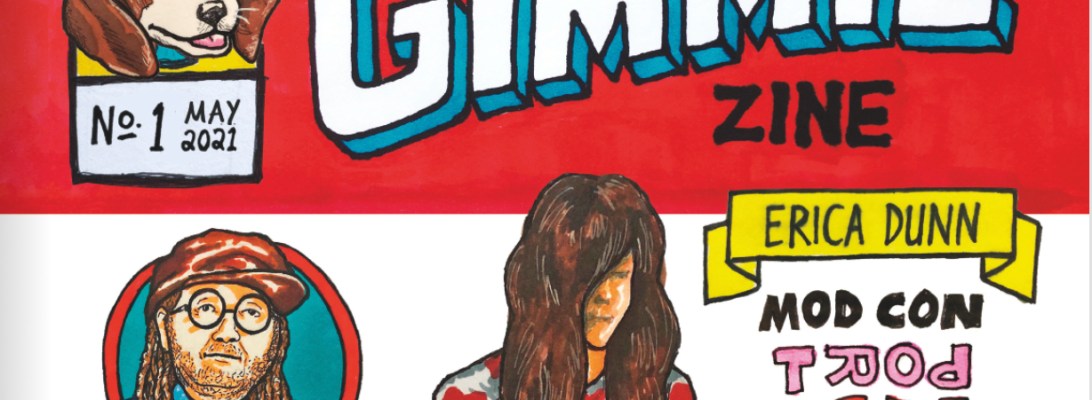
Gimmie Zine Issue 1

hand-drawn cover art by Jhonny Russell

The first issue of our print zine is here! Gimmie issue one features in-depth interviews:

Erica Dunn (Mod Con, Tropical Fuck Storm, Palm Springs) chats about the new TFS and MC albums in the works, songwriting, the importance of staying connected and creating in tough times, mudlarkng on the Thames, lucky talismans and life stuff.

Keith Morris gives us insight into new OFF! projects, Circle Jerks getting ready for their world tour, his conspiracy theory podcast, the importance of supporting First Nations organisations, selling a chunk of his beloved record collection to pay bills when Covid hit, staying engaged and positive + more! (We spoke for a couple of hours).

Jake Robertson (Alien Nosejob) tells us about recording his next album, dealing with stress, Ausmuteants, Australian bands that inspire him and of punk still being alive and thriving.

Ben Mackie (Spiritual Mafia) gives us the lowdown on LP ‘Alfresco’, new band Chemo Beach’s record in the works, art mag Empty Mind Plaza he co-creates with friends along with their toilet gallery, his prison inmate art collection, own art and meditation.

Plus, there’s Spill Gold, Red Red Krovvy and more. Guest contributors include Lira from Sweeping Promises, Marcus from Hot Tubs Time Machine/UV Race and photographs from Jamie Wdziekonski .

48 pages. A4 size.
Colour cover w/ Black + White inside.
Limited Edition.
$10 + postage.

Get a copy at gimmiezine.bandcamp.com

UK post-punks Squid: “Music is one of the fundaments of life for all of us”

Original photo by Holly Whitaker. Handmade mixed-media by B.

Gimmie recently spoke with Anton Pearson and Louis Borlase, both guitarists and vocalists for UK post-punk band Squid. We’ve been following them since we first heard their debut EP in 2019 on producer Dan Carey’s label, Speedy Wunderground. Today they release their debut LP Bright Green Field, an imaginative original work of twists and turns stacked with art-punk grooves, noise rock vitriol, jazz leanings and experimentation. Playful with an emotional depth, a real triumph.

ANTON PEARSON: We have a day of writing in our new studio today.

Is that for the next album?

LOUIS BORLASE: Maybe. We tried to move in yesterday and their handyman was with a drill and every time we were like, “Can we come in now?” He said, “It’s going to be twenty minutes.” He kept doing that all day to the point of, we had to go home. We had a little jam there last night.

Squid have previously mentioned that with your new record Bright Green Field you could have gone down the path of writing something that’s digestible and easy to listen to but you decided to make a “really fucking weird”: album; what sparked the choice to go that route?

LB: It wasn’t as really explicit as that, to be honest. We made a decision that was unanimous, yet relatively subconscious, decision to just continue writing songs in the vein of what we were currently enjoying, which at the time they happened to be quite texturally heavy pieces of music. That was a thread that continued across the writing process. We were enjoying writing really groove-based stuff as well and stuff that was very rhythmic. We didn’t really get to the point where we actively said, we’re not going to try and write a pop song or a funk tune here, it was just that it was very much a feeding in of how we were all feeling at the time. It’s just how it turned out.

Thinking back to that time, how were you feeling?

LB: With us the other thing is that the songs on the album are kind of coming from different times, maybe that is a point in itself because there are tracks that are older, and tracks that are brand new, tracks that we’ve never played before and tracks that have always been a staple of our live set. We’ve been feeling very different at different times over quite a long duration. There’s a real trajectory of different energies and moods, which I consider to be natural. There’s five of us and there’s songs from over the course of two or three years.

Did you find that the lockdown [due to the pandemic] effected your creativity?

AP: Yeah, absolutely. It was the first time that we hadn’t spent every day together for years. We had a few months completely separate in different parts of the country. It absolutely affected how we went about things. We had to do a lot of sharing stuff online and having conversations in the online sphere instead of in person. We managed to have four weeks together until we started doing our album… it was an interesting and different process to what we’ve had.

Your new record was recorded in an old barn?

AP: Yeah. There’s a small town nearby Bristol where a couple of us are now and where Ollie [Judge – vocals-drums] grew up. It’s a very small market town community and his family are friends with the family that run the pub there. They have a venue that was closed down due to the pandemic, so it was a bit of a sitting duck waiting for someone to come along and use to creatively during lockdown. We got to the point where we were legally allowed to see each other again and as soon as we could we started going there every day and doing long days.

At first it was a bit weird because we hadn’t seen each other for a long time, the music I feel that came out of the first few sessions was this explosion and release of what we’d all been sitting on. The Old Road Tavern and barn in Chippenham deserves a very big shout out.

What’s one of your fondest memories from recording?

AP: That’s where we did the last bit of writing… [Anton’s Zoom connection breaks up]

LB: What Anton was saying is that we were writing in the band and then that led us right up to the point of where we were able to go to London to record with our friend Dan [Carey; Speedy Wunderground] who we had worked with before. We had a three and a half week recording process where we hired out a flat, on the other side of the park next to his house. We would walk to his every day, eat with him and it was a very familial experience because he lives above the studio where he does the majority of his recordings. It was just Dan and his little dog Feta and some of his family were there for a bit of the time as well. For the main part we were just there with him and due to it being a very intense time for all the issues that surrounded Coronavirus, we really had to become a bubble, a family. We all had to be quite explicit with what our values were, make sure we were keeping each other safe and healthy at all times. There was a lot of communication which I think was quite conducive to us making, in our opinion, quite focused album.

What kind of experimentation did you try on this record?

LB: One element of it that’s really nice to talk about is an idea that Arthur [Leadbetter – keys-strings-percussion] had. In light of us not being able to see our friends and family for a long time, he put together this series of questions to ask friends and family members about how they’re feeing and what they’ve been up to, just vague stuff, but allowing them to send back these voice notes in their own words. We compiled them – it was about 30 people – into these recordings and at times you can make out a certain friend saying what they’ve been up to and at times it’s almost his nonsensical human chattering; that became a really nice thread that gives this illusion of citizens talking in the city.

There’s also field recordings that we did because we spent a lot of time alone, as you can imagine. We hadn’t seen many people so we went around making iPhone recordings. Anton had a family of bees living in his wall back at home, he recorded those making this nice kind of tooting, humming noise. I recorded these bells that I hear from across the park in my flat. These recordings pepper the album with experiences that we’ve been having on a very individual level, considering the music was very collective. It’s a nice touch.

That’s really cool. What’s one of your favourite moments on the record?

LB: One of my favourite moments, there’s a track called ‘The Flyover’ which was originally written to be an introduction to the song ‘Documentary Filmmaker’ it features those voices that I was just talking about and it also focuses on brass instrumentation. I think it’s a real reflective breather, it’s quite a transitional moment in the album, just before the song that starts after it [‘Peel St’] which is a bit more sinister, a bit more menacing.

I really love that piece too. I was going to ask you about it. The album can get quite chaotic-sounding at times with lots of crescendos which almost make you hold your breath as it builds and then ‘The Flyover’ gives you a moment to breath. The brass gives it a really warm feeling too.

LB: It is quite ceremonial. Upon listening back to the album a few times, I think we all get surprised about the detail within the album that we weren’t all aware of at the time. It’s only merited on with repeat listening, one of those is this weird coincidental feeling of ceremonious events that you can hear, like these bells ringing and chattering of people—it feels quite alive. That’s only something we’ve noticed recently; I wonder what else we’ll notice.

I think what you listen to the album on makes a difference to what you can hear and pick up too. It sounds different when I’m listening to it on my laptop speakers, on my home stereo, on my car stereo; on my phone through headphones, which kind of allows you to be enveloped in that world you’ve created.

LB: You kind of become a little bit of character, don’t you? Walking along with your headphones you can feel like a character in a film.

Photo: Holly Whitaker.

What have you been listening to lately?

LB to AP: Are you here Anton? Are you back in the room?

AP: I’m here.

LB to AP: You sound a bit like a robot talking underwater.

AP: [Laughs]. Maybe that’s what we listen to.

LB: Yeah, we listen to robots talking under water. We’ve all been listening to quite a lot of different stuff. The only time we really listen to music together and talk about it is when we’re seeing people play live or we’re driving along in the van. We haven’t been driving along in the van lately because there’s no gigs. I’ve been listening to a lot of Suzanne Ciani, who is one of my favourite improvisers. She plays on her special synthesizer, a very archaic synthesizer called the Buchla, which is very modular, lots of wires. The album I bought recently is called A Sonic Womb. It’s a live recording from shows she’s done in Spain. It’s a dialogue, she’s having conversations with herself. It’s very free and very focused on rhythm, which is something very important to us as a band. Not a whole lot of music together really because when we see each other we’re working on our own stuff.

You mention earlier you had a jam last night; what was it sounding like?

LB: It was sounding a little bit clunky because we haven’t worked out where to put everything in the room yet. It was nice to do that. It was sounding very loose, there were rapidly changing time signatures and lots of fuzzy guitars and synths. It was very much not like Squid because the whole five of us weren’t there. Today will be the day that we get a bit more Squid in.

Last question, why is music important to you?

LB: Music is one of the fundaments of life for all of us. We’ve always been exposed to it, when we were younger, growing up in very different musical backgrounds. We have things we agree on and things we disagree on and it becomes very much about conversation and points of view. The fact that we all came and formed this band at this uniformed point in our lives but when we were all thinking different things of what it means to play music is pretty important. For us as a band, Squid is a means of where we can have a collective identity through sound and come together.

What’s something you disagree on?

LB: [Laughs]. We disagree on what should feature in a recording, which I think is a good thing because we get carried away with putting the recording down and we tend to track everything live… on the album everything was recorded in live takes and usually we try to get the earliest take as possible, first, second or third take. When it comes to having those live tracks laid down, we go through a meticulous series of overdubs to add instrumentation and then we approach electronic elements. Sometimes there’s things that one of us had played and feel it’s in the perfect position but sometimes we don’t always agree that it should be there. Nine times out of ten we’ll forget about those parts but sometimes they stay and it turns into a nice disagreement because if it didn’t end up on the recording it’s able to be brought back in the live performance.

What’s something you do agree on?

LB: We do agree on what is the most conducive way of writing, which is letting ideas have the space and that there’s never a magic formula for an idea. It’s very embryonic to become something that is very fine-tuned within the space of a day or two.

Anything else you want to tell me about Bright Green Fields?

AP: [The line is still crackly] From robot [laughs]… we had a lot of fun making it. It’s the most important project of our lives. Obviously though, because I’m a robot, I’ll live forever.

Please check out: SQUID; on bandcamp; on Instagram. Bright Green Fields is out today on Warp Records.