Pop driven Adelaide post-punk band Nylex released a brilliant LP Plastic For People late last year. With its repetitive rhythm patterns, deadpan vocal, melodic bass, shimmery guitars, gloomy yet upbeat and very danceable feels, it won a place in our hearts. The band features members of Hydromedusa, Rule Of Thirds and Wireheads. We recently caught up with singer, guitarist and songwriter Celeste.
How did you start playing music?
CELESTE: Growing up, I was around a lot of music. My dad is a sound engineer, so there’d be a bit of recording onto the four track, plonking on the Casio, or out of tune piano. I learnt and played flute all through primary and high school (it’s made a real come back recently which I’m pleased about) and tried guitar when I was 15, learning songs from the Cruel Intentions soundtrack. I still don’t know chords, but I don’t think that matters. When I was 19, a friend and I had a project with a handful of songs. We never played live, but had a MySpace and made a lot of friends around Aus that way. At that point, I’d never left Adelaide independently, or maybe once. After that, I started getting excited and more involved with a national music community. Locally, I played in a lot of random experimental bands, until Rule of Thirds which started in maybe late 2011. I played guitar.
How did Nylex begin?
C: We are all from Adelaide. Dieter and Tom had played in Rule of Thirds too, and we’d been friends or housemates for a while. By mid -017, Guitarist Liam and I had written a few demos, even played one or two of them live once in a duo called Fantasy Lovers. Dieter and I were living in a great and typical-Adelaide share house, huge and cheap with a great jam room. It went from there. Our first gig was on St Patrick’s Day early 2018, in a friend’s squat with a short lived Adelaide band Bomo and the Hard Punchers.
When you started did you have a clear idea of what you wanted to sound like? What was influencing you musically?
C: We didn’t have a clear idea, but we all knew we wanted to write songs with strong hooks and pop-leanings. My song writing style is quite melodic and Liam, likewise, big John McGeoch fan – shiny guitar ala Siouxsie, Magazine, PiL.
What’s the story behind your band name?
C: Nylex is an Australian plastics brand, with famed Melbourne clock. I like the story about the anarchists breaking in and turning that on. I like that plastic is both peril and pleasure. A few names were being thrown around, but you have to settle on something, and the longer you’re deliberating the longer every name starts to feel like that moment at Christmas, where some family member says two random AF words and then says “that’s a band name!”
Towards the end of last year Nylex released LP Plastic for The People; what’s the album about?
C: The album is a lot about our/my social and personal politics. That song in particular is about heteronormativity in relationships, everybody’s right to feel good and about not yucking somebody’s yum.
Art work by Molly Dyson.
What kind of songwriter are you? Where do you write most of your songs? Where do you get your best ideas?
C: I write pop melodies, so work best with other writers who can dial it down or help thread those hooks into a bedded structure. Guitar and bass melodies, I write them vocally and record into voice memos, then transcribe to instrument. Probably have looked off the wall many times cruising down a busy street just “da da dada da” ing into my phone… Vocals melodies, probably much like other singers, I sing gibberish to find a melody (sometimes this goes on for way too long, and I’ve definitely played shows and had near no words for a song) and then work words into a melody. I get my best ideas driving, walking or biking. Lyrics, sometimes I have a theme and completely write to that without prompts, sometimes I use books to feed language through.
What’s your favourite Nylex song? What’s the story behind it?
C: My favorite Nylex song is ‘Fascinate’. I actually wrote that on guitar and bass maybe late 2016 near the end of Rule of Thirds. It’s changed a lot since then with everyone’s input. I especially love the drums, they’re so fab. It’s about a glow-up and allowing yourself without shame or stigma to be fully present in your body.
Can you tell us about recording Plastic For People? How long did it take?
C: We did it over two days in a studio in Glenelg. A beach side suburb in Adelaide. Liam and I were about to move to Sydney and we wanted to capture this moment together before we left. So, maybe we weren’t quite ready but went for it regardless. It was recorded live, mostly. It was maybe the last weekend Liam and I lived in Adelaide, so it was happy, sad, exhausting, emotional. We had to come back to Adelaide once or twice in the following months for mixing. I wouldn’t recommend recording in the midst of a life-transition. It’s hard to concentrate!
What can we hear of your personality in Nylex’s music?
C: I love pop music, so perhaps that?
Nylex played shows in Europe and the UK recently, you mentioned that it was an “experience we hold very close”; what made it so important to you?
C: All members now live in different states or territories (yes, all four!) so being together for one month was a real treat. These three people have shared some pivotal, raw moments with me. And then there’s the privilege to travel, and the honour to lean and be caught by our international punk communities. To meet and share space with musicians and artists around the world is something I cherish. The late passionate talks, to hear of and support political endeavours, to be in moments of sweat, body to body on the dance floor, coughing through air thick with smoke in squats, all of it. I adore it. I miss it.
What’s one of the biggest culture shocks you experienced in Europe?
C: Generally we’d spend our time in the van practicing language for the next place we’d be, which really helps to ease the culture shock. The weather probably shocked me the most. And English food.
You were on tour when the COVID-19 related restrictions and quarantining started happening; what were you feeling being so far home when all this uncertainty begun?
C: Looking back, it’s more than surreal. It didn’t quite feel real until a week in, our show in Milano was cancelled as the city went into shutdown. Even then, many friends across Italy where still confused, so it was pretty opaque. Two weeks in, by the UK we started feeling a lot more awareness of the severity. Having said that, friends from Italy were still able to fly… so it still wasn’t too hectic… Then suddenly numbers were escalating dramatically across Europe. At about three weeks it started getting quite real and borders began closing. Every show we played was the “last one for a while”… for venues and bookers alike… Once our final two gigs were cancelled in Belgium, we began thinking we can’t wait to get home. We didn’t know what to expect, each morning we just hoped our flight wouldn’t be cancelled. An Australian friend had just arrived from North America to meet us, they made their way to Crete – where they’re now trapped due to immigration restrictions and unavailability /expense of flying – unable to return to the US where they live and unable to make it to Australia. When we landed, people in biohazard suits came onto the plane (crazy the flight attendants had no PPE except gloves!) and asked everyone how they felt… Maybe because of Dieter’s luscious hair, they stopped at our row and asked “Where did you come from, are you Italians?”
I know community is important to Nylex; where do you find yours?
C: I feel most at home among my chosen and queer family. Without them I would be lost. This pandemic has made me miss my chosen fam so much.
Are you working on anything new?
C: Nylex has three new songs we’d like to record, but it will have to wait until after borders open. Liam and I have another band in Sydney called Zipper, which has a demo about to come out. Dieter plays in Hotchkiss in Adelaide and Tom too. He also makes electronic music
What takes up your time other than music?
C: Some of us work and some are fulltime artists – designers, gardeners, arts workers. I work with young people at the moment. It’s reassuring to nurture the next gen of little freaks and know the world is in such capable hands. They give me hope.
Lassie are a punk band from Germany. We LOVE Lassie. They answered our questions “in a simulated interview environment – an online doc where everyone can write at the same time while seeing what the others write. So might be a bit chaotic but that is maybe close to the real thing!”—perhaps mirroring their chaotic sound. Today Gimmie is premiering their new release the LASSIE/EX WHITE – SPLITTAPE. It’s officially available on May 1st on cassette (it’s a great time to get it because bandcamp are once again waiving their fees so artists receive all your money).
Lassie are from Leipzig, Germany, and one of you are currently in Berlin; what can you tell us about where you live?
MARI: Three of us Kathi, Shreddy and me live in the east of Leipzig (we actually even live in the same house ) which used to be cheap and still is referred to either as “most dangerous street in Germany” by many (quote from a shitty German TV documentary about the neighbourhood ) or “the new Berlin“ (quote every hip dad).
KATHI: Leipzig is like New York in the ‘80s (quote from some experimental musicians…)
TEUN: …and artists
KATHI: …it’s true except there are less POC and more Nazis.
MARI: You can imagine this neighbourhood as a nice mixture of a never ending variety of Arabian restaurants, meth addicts yelling at you on the street and hip people showing off their vintage Fila trousers. Also the area we live in is officially a “Waffenverbotszone“ which means a zone where weapons are forbidden, haha yeah even like pocket knives etc. and there are these ridiculous signs all around (attached) with crossed baseball bats and knives. Officially they put them up to handle drug criminality but there is really just lot of racial profiling going on. The house we live in is actually really cheap because we have got about the sweetest landlords you can imagine, they are a Christian couple, motorcycle enthusiasts who are dedicated to supporting socially, healthy, community -focused, affordable living – OH MY GOD I SOUND LIKE THE MEMBER OF A CULT! PS: FRITZ lives on another planet.
TEUN: …planet truck stop…
KATHI: …where all you do is camping and riding trucks.
If we came to visit you; where would you take us?
SHREDDY: Flughafen (airport) Halle/Leipzig.
MARI: Shreddy is quite the dedicated aircraft spotter, she has an impressive collection. I‘d take you to RISOCLUB it is the local RISO print shop run by our neighbour and friend Sina, who really is the unofficial mayor of the east. At RISOCLUB a of stuff comes together, we print posters for shows or covers for tapes there, have parties and exhibitions and do a tape compilation called CLUBHITS. It is only 5 minute walking distance from where we live.
SHREDDY: My favourite place in Leipzig is probably the big cemetery in the south called “Südfriedhof“. It is close to “Völkerschlachtdenkmal” a big war monument.
MARI: Yes that‘s beautiful (the cemetery).
KATHI: Lindenauer Hafen. It‘s an abandoned building and you can go all the way up and the one side is open and you have a really nice view.
SHREDDY: Kessy and me would go party with you!
Photo : Johann Von Cargo.
How did you head down the path to being a musician?
TEUN: My parents thought it was a good idea to give me drumming classes to train my arms for some reason. They came to regret it quite soon when the neighbours started to complain with increasing regularity. Then I played in some high school bands shredding ACDC covers LOL.
KATHI: I played the Piano ‘til I started to go out and be a stupid teenager. Later I figured that that if you play synth you can still hang with the cool kids.
MARI: Then reality hit you hard and you were stuck with us. I started learning guitar when I was 11, my major influence was Nirvana and then Mudhoney which I still love both. There was a squat in my hometown and my friends and me had a rehearsal space there. A concrete cube filled with high jump mattresses which could only be entered via a fire escape ladder, so we always had to use a pulley to get in and out our stuff for shows. The squat eventually got evicted (with police lowering down on ropes – crazy!) but since then I‘ve always been in bands because I really love it.
SHREDDY: I think I started to play acoustic guitar when I was around 13 years old. I liked to sing so pretty fast I wanted to write songs by myself. As a teenager I listened to loads of sad guitar music, probably a bit too much haha. But I also felt influenced by other music somehow. My best friend at that time and me became really huge fans of Sonic Youth, which are still one of the most important bands for me personally (I adored Kim Gordon, of course). Actually Lassie is the first band where I play electric guitar.
Can you tell us a little bit about Lassie’s musical journey?
KATHI: Why is nobody answering this question?
MARI: I saw you starting!
Why did you erase this secret information?
KATHI: Because then I‘d have to write so much and I’m hungry.
SHREDDY: Yes, when can we finally eat?????????????
MARI: Hahaha, so should we meet in the backyard? To say it with the words of the late Gene Simmons: “Our idea was to put together the band we never saw onstage: we wanted to be The Beatles on steroids.” “This ain’t a karaoke act, it’s five warriors standing together: love it or leave it it’s real.” “What we’ve created is perhaps the five most iconic faces on planet earth.” “People think Kiss LASSIE is the same thing as U2 and the Stones, that we get up onstage and play some songs, but they don’t have a fucking clue. The commitment involved to being in KissLASSIE is unmatched by any band in history.” Shreddy and me where playing in our friend Leo‘s (he is in PARKING LOT now) band KNICKERS, he also had another band called THE STACHES and since they were pretty busy at that time, we wanted to have our own band and started writing some stuff. Maybe the others can tell what happened next, it‘s unbelievable!
KATHI: …..Marian asked me if I want to play in their band and I said yes.
Photo: Andrea Shettler of the great GYM T0NIC.
Why did you call your band Lassie?
MARI: We had a lot of names lined up and where unsure, one who came very close to making it was SEGWAY COP, which eventually became a song since we couldn‘t waste that hahahaha.
SHREDDY: I still have the list with all the name ideas!
MARI: Great let‘s have a look!
TEUN: Mari wanted to call it KKKevin but the rest of us were afraid of attracting an alt-right following.
KATHI: I was away on the final decision day, got a call and it was between Lassie and something else but I don‘t recall what. So I think I chose Lassie. BUT I really liked KKKevin.
MARI: Yes me too but I am glad we didn‘t take that name, it would be awful for a lot of reasons, took me some time to realize. Unable to decide, we were looking for band names we really liked for their simplicity and one that came up was FLIPPER. Okay I am getting an angry call from Shreddy here because SHE came up with the name!
SHREDDY: Dude that phone call is not angry.
MARI: Okay a lovely call then „DUDE“.
SHREDDY: Embarrassing (but it is true, I was listening to ‘Get Away’ that evening which is my favourite Flipper song).
SHREDDY: So other names we had on the list were: Snack, Jessies Girl, German Band, Coochies/Kooties (?), Chemnitz, Chemtrails, + Support, Angelo, Spock, KKKevin, KKKaufland,
The Rod Stewarts, The Wedding Planners, The Rockers, Blink 110, Star Foam, PMS , Los Karachos, De Windhupen, Der Knecht, Foampeace, Telefoam, Telesatan, Worf, Plenum, De Klingonenallianz, De Cheffs.
TEUN: Phil Collins!
SHREDDY: Ahayes- I loved “Phil Collins”!
MARI: Ahh so many good names! In case you, dear reader will use one of them, please let us know! I‘d love to see Jessie‘s Girl or der Knecht come to life!
SHREDDY: We charge good prices!
KATHI: I think I‘ll have a band called Telesatan.
How would you describe Lassie’s style?
MARI: Flamboyant.
SHREDDY: What does that mean?
MARI: It‘s French for stupid.
Photo: Johann Von Cargo.
What influences your music and makes your feel inspired?
MARI: Right now during the crisis. I feel inspired often and then again fall into a state of apathy, then I will just watch TV, play games or listen to music. Some of the things that inspire me: other music, Point and Click Adventures, Love and Rockets comics. At the moment I love staying home and reading The Lefthand of Darkness, watching V the Visitors, playing Kings Quest III and listening to Alien Nosejob.
TEUN: I‘ve been reading Vonnegut he‘s very funny. Listening to Les Posters (nice new release on Refry) and the new Cowboys album. Also No Trend. And cooking! I‘m making a lot of traditional Italian stuff but also getting into fermentation lately. Does that make me sound like one of those wannabe food influencers? Anyway I‘ve been also discovering some painting I really like. Very into Rasmus Nilaussen, Jon Pilkington, Katherina Olschbaur.
SHREDDDY At the moment I am feeling inspired by reading Sartre and listening to J.S. Bach and watching movies on VHS directed by Jean Cocteau (French artist).
MARI: Is that how you see me?
SHREDDY: Yes, I see you as a French bohemian.
TEUN: It‘s because of the hat.
MARI: We brought home an 8-track recorder to work on new stuff, I know I don‘t find it inspiring to work with that because it gets frustrating fast, but it‘s still fun, maybe we have to figure it out better.
SHREDDY: I already tried and read a lot but some things just don´t seem to work. I was listening to ‘Nebraska’ by Bruce “The Boss” Springsteen yesterday and a friend told that it is recorded on a 4 track. I nearly cried.
MARI: That is exactly what the Boss wants you to do!
TEUN: Beautiful album tho, my fav by the Boss.
SHREDDY: Definitely.
KATHI: I watch Buffy, play the Sims Medieval Times and got to like practicing power chords ‘cause we all try to record stuff in our flat(s) and the only instrument that we have enough of for everybody are guitars.
SHREDDY: PS: Actually I finally got inspired when we watched Troll 2 last Sunday.
MARI: haha NILBOOOG!!!!
Gimmie is premiering the Ex White/ Lassie – Splittape; what’s your song QT Enhancer about?
TEUN: It‘s about someone who is a dick at the office and thinks he owns his time and that of everyone around him and kisses ass to become an executive someday but then winds down on a company trip with all his colleagues.
MARI: It is a work of fiction though, because none of us have ever worked in an office. It is also about time being a financial asset. Which is horrible.
KATHI: I thought it’s about Fritz.
MARI: PSSSST!
KATHI: I meant another Fritz.
MARI: It came to my attention that there are also ‘Company Man’ by Vintage Crop and ‘Company Time’ by Set Top Box, I see a pattern here!
Art: dima_hlcll.
What’s your favourite Lassie lyrics? Why? What do they mean?
MARI: My favourite is: Born and raised to be depressed and on the radio they play GO WEST / Be yourself but don‘t try too hard, no unemployment cheques, back to the start. It is about East Germany after the fall of the wall, referencing The Pet Shop Boys‘ song ‘Go West’ and the Monopoly game.
TEUN: I like the lyrics to Segway Cop: Getting dressed…pedal to the metal leaning forward I‘m the king of the street. It has the nicest cadence and lyrical build-up to it, culminating in: It‘s gonna be a glorious day. I like that the song is written from the perspective of the cop who‘s feeling great about himself.
KATHI: Still receiving phone calls on my deathbed.
SHREDDY: My favourite are the ones from ‘Go West’ too. I really like when Marian is singing the line: who is paying rent for a filthy cage? From the song called ‘Deposit Bottles’. And of course: I see Suzie / riding a surfboard / smoking weed on the beach/ posting iced latte / short pants for the fans / nice tan / a million likes on Instagram. My personal goal in life.
We love the visual art on Lassie’s releases; who’s behind that?
MARI: Shreddy did the cover of the first tape, the second we did together, the single illustration comes from Teun, the album is illustrated by Anna Haifisch, the new tape is illustrated by Dima from Russia haha that sounds funny – he is a guy I met on Instagram. I lay out most of the releases and designed some shirts.
TEUN: What about the French dude?
MARI: He did an illustration for a shirt right, look him up Aldorigolo on Insta. Johanna aka Shreddy does a lot of awesome illustrations and comics Check out her WE ARE DEVO sci fi comics! Teun is a crazy painter. The two studied together. And me I do printing, design and illustration too.
Art: Anna Haifisch & Fuzzgun.
What are you working on now?
SHREDDY: Beach body.
KATHI: Nice tan.
MARI: A really annoying Red Land Destroy Deck.
KATHI: You are not are you????
MARI: MUHAHAHAHAHAHAHAHHAH.
When you’re not making music what would we find you doing?
TEUN: Making tacos, fishing.
SHREDDY: Drawing, rearranging my room, collecting cute animal pix.
MARI: Playing Magic THE GATHERING with Kathi and her boyfriend THE JUPP (SHOUTOUT), we are trying to get LASSIE endorsed by WIZARDS OF THE COAST but the others are not really helping…
SHREDDY: What is WOTC?
MARI: The company that owns Magic.
KATHI: YES MAGIC!
MARI: We got into Magic again on our last tour, I can recommend it to every touring person, time flies, YOU WILL ACTUALLY BE SAD THE DRIVE IS OVER ALREADY disclaimer: you will also destroy your social network and annoy the shit out of the people around you.
SHREDDY: I hate board games and card games, so obviously I always feel super bored during touring.
MARI: Thanks for the interview – this was nice! BYEEE.
Dead are a band that don’t fit neatly into the heavy music community, their sludge metal goes beyond the rules and pushes the parameters incorporating lighter melodies and interesting elements. Every facet of this band is thoughtful and well-crafted, even right down to their album packaging which is illustrated by guitarist-vocalist Jace and laid out and screenprinted by drummer-vocalist Jem. They’re the deep feeling and thinking person’s heavy band. Today we’re premiering the homemade clip for song ‘Grifted Apart’. We spoke to Jem about it and their new album Raving Drooling out on their own label We Empty Rooms Records.
What do you love about playing the drums?
JEM: [Laughs] It’s a very physical instrument and that probably brings with it endorphins from exercise, it’s a happy side effect from playing the drums. I didn’t really actively seek out the drums in the beginning, I started learning because my older brother was getting some lessons through a family friend that happened to be a drum teacher and they owed my dad a favour… [pauses] …oh my god there’s an enormous kangaroo about a foot away from me [laughs nervously].
It’s an accompanying instrument really. For the first time ever, yesterday I started recording some solo stuff which is kind of a result of this isolation stuff. Drums in general means that you’re playing with someone and that’s something I’ve always loved about music, the interaction with the other human beings that you play with. That’s probably why I’ve played in a lot of two-pieces, like this conversation now, it’s easier to have a conversation with two people than it is with six or seven.
How did you and Jace first meet?
JEM: He’s from all over the place, but he was living in Lismore when I first met him. He was playing in a band from there and he needed some shows down in Melbourne. I have no idea how he discovered my band then, it was in the MySpace days. I booked some shows for him and shortly after he moved to Melbourne, he had some music that he wanted to play with people. I found myself for the first and only time in my life since I picked up a pair of drumsticks not really with a band. I agreed to do some demos with him. Honestly I wasn’t super jazzed in the beginning but he was such a lovely dude. I wanted to just get back on the horse. It’s like someone going “I should get back into dating because I’ve just broke up with my long term partner” [laughs].
Really quickly that turned into a band called Fangs Of… a three-piece that proceeded Dead. Very quickly that band became really active and productive. We literally have not stopped playing since then, that was 2007. That band lasted a few years, Mikey the other guy in it didn’t really have the passion that we had, the drive to keep going; you have to drive long distances and might get abused by people or shut down by venues, stuff like that—it can be hard work. Dead just ended up forming out of necessity because we were the only two left that shared the desire that we wanted to keep touring and releasing stuff.
You mentioned that you weren’t so jazzed when you guys first started playing together; when did you start to feel excited?
JEM: Probably within a couple of hours [laughs]. What was strange to me is that I never in my life have had to seek out people to play music with; I started really young, I started gigging when I was fourteen. I did at least two shows a week in Melbourne from the age of fourteen to somewhere into my 20s really. I’ve always just played with the people around me, I guess I’m a bit lucky that I knew really great people and played in bands that were very democratic, sometimes painfully so. When I said I wasn’t so jazzed, I come from an improvisational background, I never learnt covers or never learnt to play in the style of others; my brain struggled with even basic song structures. I struggled to compute Jace’s songs because I hadn’t had a part in writing them. It was more I just didn’t think it was my strength, I’m not good at playing a verse, chorus kind of thing. Really quickly Jace just started to write music that more suited the style of the players, it’s a real strength of his.
Is improvisation important now when you guys are creating?
JEM: Yeah, it’s hugely important to me. Because there’s the two of us it’s mostly unwritten, we don’t have to verbalise because we tend to be in the same frequency as each other. For me, I’ve never played a song the same way twice, I just have that in me. When we practise it’s not as improvisational as I would naturally be. I think Jace is always up for elaborating on something or changing it. Usually he’ll bring in something solid and we’ll start from there. There’s no rules though, we can write music any way we want.
What music were you listening to growing up?
JEM: I was born in ’85 so I pre-date streaming and readily available music by a far bit. At about five I really got into music and became obsessed with it. I was lucky I have an older brother ahead of the game and that was aware of what’s being pitched at teenagers. I just remember really liking music, it almost wouldn’t have mattered what kind, just the actual medium was exciting and you had to take what you could get.
Early on I was drawn to things like Metallica, Megadeth, The Smashing Pumpkins and Nirvana but, I always thought none of those bands were good at executing this as much as stuff from the ‘60s and ‘70s. Having a six-year-old mind I probably didn’t have the language for it but I remember listening to The Beatles on a pair of headphones and thinking it was amazing and so exciting! I felt like the music that was coming out now at the time wasn’t quite as exciting. I just wasn’t aware there was great music going on at the time, as a kid I didn’t have access to the Butthole Surfers. I remember hearing Ministry as a six-year-old and being a bit scared but the song ‘Cannibal Song’ stuck in my head for so long that it wasn’t until I was in high school that I ended up being able to get a copy.
When I was in primary school I bought the second Mr. Bungle album on CD and was so mortified, I thought I wasted so much money on something unlistenable. I bought it because there was a connection to Faith No More. Three of four years later, I got to see them live at an under 18’s show and it was mind blowing and I went back and listened to it. I realised the album was incredible but it’s really hard work to listen to. I didn’t have the language to understand it as a kid. A lot of my favourite records I can’t listen to too often because they take a lot of energy to listen to. I’m not going to put on the last Harvey Milk album if I’ve got really important work to do, because I’ll be too distracted with trying to understand the music; I’ll happily put on a Beatles record because it’s really familiar or trashy pop stuff because it doesn’t take much effort for me to understand it.
In April you put out your latest record Raving Drooling, it’s really heavy to it but still has a lightness and humour.
JEM: Coming from the improvising background, I genuinely take a lot of pleasure in playing very light and dynamic stuff in Dead. Playing with Jem he challenged me as a player to work on my strength of endurance of playing heavy for extended periods of timer rather than going up and down all the time. We don’t just want to do the same thing that’s been done before, a lot of that heavier stuff that’s kind of like us, alternative metal, is often lacking melody or humour or dynamics—those are the areas we like to explore. We just do what we like. We enjoy melody as much as we enjoy brutality. Melody in heavy music is a rarity because there’s a vulnerability to it, people don’t want to admit that or talk about that. If you get up there and just sing gruff, gruff, gruff stuff – that’s fine I’m not canning it – you don’t have to reveal yourself as much. We like the challenge and the exhilaration that comes with playing live and being a bit more vulnerable. We’re used to it because we’ve spent a long time playing music in often hostile environments, we’ve built up a tolerance for that [laughs].
Where did your album title Raving Drooling come from?
JEM: ‘Raving and Drooling’ was the original name of the Pink Floyd song ‘Sheep’ off the album Animals. I just always loved that album. We’re quite big fans of Pink Floyd, they had kind of the same habit that we do, they’d go tour and playing all the material that they hadn’t yet recorded, meaning the audience would sit through a few hours of material they’ve never heard. We do that a lot, our fans are always willing to go with it. Our fans are never upset that we don’t play this hit or that hit, because we don’t have hits. We always have themes to our records vaguely, as we were making this record to I said it Jace, “This is going to be our Animals” whatever that means. As an album it’s a bit more aggressive than the last one we made, that came from that Roger Waters kind of cynical vibe he has.
We’ve premiering the clip for song ‘Grifted Apart’; can you tell me a little bit about that song?
JEM: I don’t really know what ‘Grifted Apart’ is about, it’s more of an energy to us. That whole side of the record that it’s from is our version of heavy metal. Jace just made that clip last week, as far as I know he shot it on his phone and edited it on his home computer. He’s done stop motion stuff for us before, this time he said it would take too long though. We never really play the song live. Most of the lyrics would be written and sung by Jace. We make things vague so we can give credit to the listener and they can interpret it in their own way. It also allows the song to evolve as we grow. We’re a very 50/50 split it down the middle band with writing. If you want to do something more specific you just need to be a solo artist.
Will you be writing specific stuff for your solo stuff then?
JEM: It’s all ambient percussion. Our friend from New Zealand is putting together a compilation and he wants people to only record in this isolation time. Jace and I both try to leave things open to interpretation, so they can mean different stuff to different people.
One of my favourite songs on the record is ‘Follow The Breathing’.
JEM: I’m really happy with how that turned out. That whole first whole side of the record is really just heavy rockin’ tracks and one of the problems with recording stuff like that is well, we can play stuff like that very well live – that’s our bread and butter – there’s a lot of energy and it can be hard to capture when you’re in the studio. With a song like ‘Follow The Breathing’ it’s the complete opposite, we composed it with the purpose of recording it rather than playing live. There’s two different ways of playing: the live way that’s a bit more aggressive and rougher on the edges; then there’s the studio way which is a bit more considered. At the end when the synths come in you have Joe Preston of the Melvins, High On Fire, Harvey Milk fame. He’s on one side playing the synths then our friend Veronica Avola is on the other side, in the other channel, reacting to him. She plays synths with us when we’re in the US.
Creston Spiers from Harvey Milk is also on your album on the song ‘Nunchukka Superfly’.
JEM: It was heaps of fun and a learning experience. The fun thing about being a two-piece is that we have a lot of room if we want to involve other people. Creston was an interesting one, I worked with him on releasing his solo record, we had gone back and forth and spoken on the phone a bit; we had a good understanding of where we were at. It was a bit challenging for me because I thought he’d do anything he wants but he wrote back to me and said I needed to give him direction. It was such a weird feeling having to direct someone who I think is by far a superior musician to me and someone I look up to. He was making incredible records when I was still in primary school! I had to give him a briefing on how to do the solo. He emailed me back and said he was just going to do it then, so he did and sent it back. It took him half an hour.
The art on the new album is pretty cool.
JEM: Jace has done the art for every record we’ve ever done. I do the layout and screenprinting. On this particular record we got our friend Simon from the band Pissbolt to do the colouring. One of his jobs is that he is a professional colourer of comic books. We gave him a briefing of the colours we wanted him to use and he went for it. In the heavy music world it’s nice to play something brutal but make sure there’s always something pink, because it’s such a world that’s dominated by how everything has to be black and dark—that’s not really how we are as people.
Original photo by Josephine Fournis. Handmade collage by B.
French band Mary Bell’s music is a combination of classic punk rock, American hardcore, grunge and Riot Grrrl. We spoke to them about what Paris is really like, got some insight into each member’s history of musical discovery, what they do outside of music, how they pulled through a controversy surrounding the band’s name and of new music in the works.
Mary Bell are from Paris; can you tell us a little bit about where you live?
VICTORIA: I’ll start with the positive things: Paris is very beautiful, it’s thriving in culture, you can go to a different gig every night, things to do and to see are really endless. It’s what keeping me here: as a hyperactive person, I constantly need new things to do and things to see, and Paris is the only city in France that has lived up to those needs. Still, Paris is quite small compared to other European capitals, so I think the DIY punk scene is quite small as well. That means that you easily get to know the other bands and that the different music scenes tend to mix with one another, which is a good thing, to my mind. Otherwise, Paris is a tough city to live in: the population density is very high, gentrification is everywhere, the cost of living is skyrocketing… A lot of people, especially young workers or students can’t afford to live in Paris anymore.
TRISTAN: Yes, gentrified, expensive, violent for a lot of people, especially if you have not a lot of money. What you notice the first when you come here is that there is a lot of impolite, not friendly, stressed and aggressive people, because the “everyday life” in this city makes you become this way. Everybody is always running and there’s no room for everyone in the transportations, and if you want to come home after a long day of work you have to walk on other people to do so… It does still shock me after living here for more than 10 years. But I guess it is normal for one of the most crowded place in the world (people per square mile: 55,138…). And it does rain a lot and the sky is almost always grey. Everything here is grey, the sky, the buildings, the pavements, and it makes you become grey too. I guess this is one of the most greyish city in the world too. The good side is that it is not that hard to find a job here compared to somewhere else in France, and there are a lot of shows and exhibitions happening. But forget about the romantic bullshit.
ALICE: I live in the countryside, two hour drive from Paris, in the “Center” region of France. It is beautiful, this is the “King’s region”, there is a lot of castles from the Renaissance area and a lot of forest… But it’s REALLY CALM. I go to Paris when I want to see shows and friends!
What kind of music and bands were you listening to growing up?
VICTORIA: Growing up, I was listening to lots and lots of music, different styles, different eras, and most of it I’m still listening to now. I had the chance to grow up in a musician family: I listened to classical and baroque music (Bach, Marin Marais…), pop, new wave, rock, hard rock… And then, at the beginning of the 90s, grunge exploded and it totally blew my mind. I listened to bands such as Nirvana, Hole, Babes in Toyland, Melvins, Soundgarden on repeat. Those bands still stick with me nowadays. At the same time, I was really into hip hop and French rap. One of my favorite bands at the time was the French band NTM (it stands for “Nique ta mère” which you can translate to “Fuck your mom”, haha). I discovered punk and hardcore music a couple of years later while hanging with some skateboarders at a party. Again, it totally blew my mind. I was already what you can call a music digger, as music has always been the most important thing in my life, and so, started digging into punk and hardcore.
ALICE: I went to music school, I listened and studied classical music, specifically Baroque. At home my parents were listening to Led Zeppelin a lot, The Doors, The Beatles, Pink Floyd, we danced on Madness… Then I took my big sister’s CDs, I mainly remember screaming to Hole and Nirvana, but also dancing on Madonna and Ricky Martin… At 11, I discovered internet and Sum41, Marylin Manson, Avril Lavigne… Hahaha. I was living in the suburbs, at fifteen I went to school in Paris and discovered the Punk scene.
TRISTAN: I feel like I’m still growing up, so I don’t know what you mean exactly in term of period. So, when I grew up the most (in height) I think it might be when I was five to eight or something, the bands I listened the most were AC/DC, The Cure, Helloween, Sex Pistols, Bad Manners, Deep Purple… Just stealing my parents’ old tapes and records in the attic. A lot of “bed jumping” happened for me as a kid on these things.
GAÏLLA: I grew up listening to what my parents were listening to. Artists like Jimi Hendrix, Led Zeppelin, Jefferson Airplane, Grateful Dead, Zappa, and a lot of blues and jazz too. And I feel like it really impacted me. But during my adolescence, like a lot of teenagers, I wanted to listen – to try – every kind of music. I listened to rock in general, metal/ heavy, punk, grunge but also Hip-hop/ R’n b etc.
Photo : Céline Non.
How did you start playing music?
VICTORIA: I started playing the piano at an early age, and then the viola da gamba, but stopped everything when I became a teenager: the academic way of learning music was becoming a real pain in the ass for me. At that time and since then, most of my friends were musicians, and were playing in bands. And all of them were guys. I could have picked up a guitar, but somehow, being a girl, and having internalized a lot of fucking sexist ideas, I didn’t feel legitimate to do so and even thought, at some point, that it just wasn’t for me. What a bunch of bullshit!! But I guess those crazy ideas kind of stick with you growing up, even when you start to realize that it’s not true and such. While getting deeper into Feminism and meeting more and more female musicians, a lot of them reclaiming from the legacy of riot grrrls, I realized that I could grab an instrument as well and start a band. By the time I realized that, I was 30!! Yes, I guess you can say that it took me some time to get accustomed to the idea… The cool thing about all this is that as soon as I started playing the guitar, I knew exactly what I wanted to play, what I wanted to sound like, and what it was gonna be for me.
ALICE: My big sister was singing in a professional choir, my parents did the same for me and my little brother. I started by learning the piano at 6, then at 10 I went to “half-time teaching music school”, school in the morning and music studies in the afternoon, every day from the age of 10 to 18. Then, at 16, I started screaming. I have to say it was not really good for my lyrical voice, which I gave up on at 18.
TRISTAN: My mom offered me a guitar when I was in primary school. I was too scared and shy to ask to or begin something like this by myself, but was always listening music, so she just bought me the piece of wood and gave it to me. I never stopped playing since…
GAÏLLA: I tried playing bass when I was +/- 15 because my dad was a prog rock and jazz bassist, but I wasn’t very studious. I liked it but it wasn’t really my thing. And at this time, drums looked out of reach for me, so I put this idea aside. But when I turn 26, it feels like an urge to play music again, especially drums, it feels like it was “now or never”. So I took a few drum lessons, and a few days later, I met Victoria and we started Mary Bell.
How did the Mary Bell get together?
VICTORIA: We started playing with Gaïlla while both learning how to play our instruments. After three or four rehearsals, we decided we wanted to have a band, and started looking for musicians.
ALICE: I saw an announcement Victoria posted on Facebook, “looking for a singer”, I was shy to but I answered because I really wanted to sing in a band and I liked the bands she mentioned as references. I passed an audition, we played “Rebel Girl” from Bikini Kill (which is too high for my voice by the way), and a composition she and Gaïlla made. I also played the bass but it was so, so hard for me to play and sing and the same time!
TRISTAN: Playing guitar, they were searching for a girl to complete the band, I’ve insisted a lot and it finally worked out as a boy and as a bass player. I was like, “let me join you, I can play some really dirty bass, and I can record the band too”, and blablabla… I don’t even know why I wanted that much to be in that band in the first place. I was homeless at the time and searching for an additional band to have fun after a long day of work before sleeping who knows where. But I don’t regret my insistence in joining it at all, for what it gave us in terms of records, tours, and funny times. (Haha…)
Photo: JetLag RocknRoll.
Can you tell me something interesting about everyone in the band?
VICTORIA: Gaïlla is a huge fan of Mariah Carey, Tristan is a highly trained virtual plane pilot and Alice bakes amazing carrot cakes.
ALICE: Ok, this is very interesting: Victoria’s zodiac sign is Scorpio, Tristan had a chicken pet when he was little, Gaïlla has her driving license but don’t let her drive!! Hahaha
TRISTAN: Vicky can tell what your future is with tarot, Alice knows a lot of weird medieval music stuff, and Gaïlla can sleep up to 23 hours a day when we tour!
GAÏLLA: We all love listening to horror/crimes podcasts while on tour but, I don’t really remember because I was sleeping.
Your band is named after a British serial killer from the ‘60s; how did you find out about her?
VICTORIA: I first heard of Mary Bell while reading Crackpot from John Waters, where he cites the Mary Bell case as one of his obsessions. Somehow, Mary Bell being a child at the moment she committed her crimes, it really interested him and I totally can understand why. There really is something striking in the Mary Bell case, her being a child, her murdering two children, her trying to manipulate people in thinking that another girl committed the crime… She was just 11. Children are believed to be innocent at that age. Anyway, I think we all thought it matched well with the idea of our band.
Mary Bell was forced to cancel a concert in the UK in February last year following outrage from the families of Bell’s victims and other locals; how did this situation impact the band?
VICTORIA: It all started when a lousy so-called journalist wrote a piece about us claiming we were making lots of money from the name ”Mary Bell” + getting fame out of it (uh hello, we’re a DIY punk band, we’re not making any money…) The worst is that she reached out to the families of the victims to have their say about it (I guess otherwise, they would have never heard of us…). They went to their local MP to send a lot of letters to cancel all our shows in the UK… We had no choice but to let go, and take the shitstorm, the insults and the death threats (which we used to receive daily on our Facebook and YouTube pages). What a time…
ALICE: Victoria worked a lot for this tour, I was really sad but really angry for her because of all this work and efforts being ruined because of this sensationalist press. (Who’s really making money out of people sadness?) We still had a great time with our few concerts, meeting amazing people and having very interesting talks about England and safe spaces.
TRISTAN: Oh yeah, and I get beaten in the middle of the night coming home from one of these shows, by a bunch of crazy guys with knives and no t-shirt in the middle of winter. UK is a very nice place currently, it is really a giant safe space, safe from common sense. I hope it will get quickly better for them and our friends and family there in the future, but it does currently look bad, with clowns at the head, and a lot of racist and violent people. The shows we did were good but when talking to locals, I can see that the country was a mess in the middle of the Brexit thing and it was not an easy time for them at all. So yes, it was a little bit weird sometimes during the tour.
At the end of 2018 you released EP HISTRION on it there’s a song called ‘I Used To Be Kind To People In Crowds, But That Gave Me Murderous Tendencies’; what sparked the idea to write this song?
ALICE: Within a week, a friend of mine lost her daughter and another one had a stroke. It was so sudden and unfair, my friends and I suffered a lot. I’ve always been the “nice person” holding the door, smiling to people, saying hello to my neighbours, never complains… But the day after the funeral, one of my neighbours screamed at me because of my car. First, it was a nonsense, secondly, the fact she was so concerned about this tiny little shitty thing made me furious, I screamed at her, she didn’t say anything, she thought of me as a little smiling girl and was visibly shocked. I pictured my friend losing her child and people complaining to her about everyday problems, it made me furious… And “gave me murderous tendencies”.
GAÏLLA: It’s a really powerful song, and very intense – overwhelming sometimes – to play. I think Alice put the right words on a feeling mixed with hate, frustration, helplessness that we all felt once in our lives.
Your drummer Gaïlla has done the artwork for all your releases before the latest one which is by artist Stellar Leuna; what made you choose her for the art?
GAÏLLA: I studied graphic design so I started working on MB visual art pretty naturally. We love esoteric-witchy-weird stuff so it fitted well. But we also are big fans of Stellar Leuna’s work, she’s really talented. Her art perfectly reflects our music too: It’s dark and goes straight to the point. So we asked her and sent her our music. She loved it and got inspired by it and… ta-da! She did an amazing job, we were thrilled.
Have you been working on any new music? What can you tell me about it?
VICTORIA: We’ve been working on new material since the release of HISTRION, and we currently have 12 new songs we were supposed to record in April, and release on vinyl later this year… Unfortunately, due to the COVID-19 pandemic, all our recording projects are on hold. We’ll see how it goes…
ALICE: New things: donuts, trains, cats.
VICTORIA: Yes, the themes tackled in our new songs are very eclectic!!
What’s your favourite things you’ve been listening to lately?We love finding new music!
VICTORIA: I’ve been listening to lots and lots of music since the beginning of the quarantine… I think you can all find them easily on Bandcamp. Bands like Slush, Gaffer, Cold Meat, Nightmen, Thick, Lizzo, Malaïse, Mr Wrong… Also, please check out my friends Bitpart and Litige who both released records this year on Destructure Records.
ALICE: I mostly listen to podcasts because I need to hear people speaking during this confinement! I really have phases… Today it’s raining so I’m listening to Douche Froide, Traitre, Litige… Yesterday I spent the day listening to rock steady (guess the weather), but sometimes I really can’t bear it. (Apart from Phyllis Dillon I’ll always love).
TRISTAN: a lot of Australian bands actually, I guess you already know them all (Civic, Eastlink, UV Race, Destiny 3000, Cuntz, Venom P Stinger, Gee Tee, the Stroppies…) Aside from that : Destruction Unit, Slippertails, Sun Araw, Pussy Galore, KARP, Part Chimp, Marbled Eye, Lungfish, Red Aunts, Poino, Liquids,… Not new stuff, but these are a lot in my ear currently and I am not in a ‘music searching’ period.
GAÏLLA: Like Alice, I mostly listen to podcasts lately. And during the confinement I listen to really chill stuff as Julia Jacklin, Angel Olsen, Beat Happening, Hope Tala, Cate Le Bon, Part Time, Charlie Megira, Deerhunter, Homeshake, Los Bitchos, No Name and some jazz/ classic rhythm and blues and some 70’s folk music.
Outside of making music what do you do?
ALICE: I’m a music teacher, I don’t do anything outside of music. Haha. Just kidding, I live for food, we cook a lot with my boyfriend and love to have home-made fancy dinner with a lot of red wine. We’re doing gardening too, crafts activities (I made my own garden furniture and I’m really proud of it! Haha). I’m still studying musicology, I love to learn and research new things, I read and cuddle with my cat Mystic.
VICTORIA: I’m currently the International Digital Communication manager for a NGO. That sounds really pompous, but really, my job is great!! Also, with a friend, I’m running women and non-binary people empowerment workshops through music, it’s called “Salut les zikettes!” which I guess you can translate to “hello, musicians!”.
TRISTAN: I work as an IT engineer five days a week, aside from that I drink a lot of beers, like to read technical stuff before the beers, and more “artistic” stuff after, with my cats not far from me. I cook a lot too, and like to eat really tasty food.
GAÏLLA: I’m a graphic designer but I started to study jewellery recently and I hope to do that full time at some point.
Melbourne-based musician Zak Olsen is one of those musical wizards. He has a natural talent for songwriting, doesn’t tie himself to one genre, and somehow magically has a knack for them all. He works his magic in heavy psych power-trio ORB, with new wavers Hierophants and as Traffik Island, a project that jumps style from one album to the next. He’s one of our favourite songwriters. We spoke with him last week to get an insight into his world.
ZAK OLSEN: I’m just at the studio right now, saying studio is a bit of a stretch but, I have a room that’s not my house that has some of my music gear in it [laughs]. It’s really close to my house so I just come here most days. I spend all day and all night in here usually.
Where did you grow up?
ZO: I grew up in New Zealand, I grew up in a few places because we moved every year. I mainly grew up on farms in New Zealand and moved to Australia in the year 2000.
What were you like growing up?
ZO: Most of my youth I grew up on a farm, which was really good. My parents had that school of parenting where they just let you go and make your own mistakes. We had lots of space which was good, my dad would say “Just go and do whatever you want just be back before its dark”. I spent heaps of time outside by myself when I was younger. My dad also played in a few heavy metal bands so he would always have huge parties and there’d be all these metalheads around. That was the first music that I got into when I was really young, like five years old. Its’ pretty appealing to a five year old. My dad would have all these heavy metal VHS tapes, I particularly remember the Megadeath one! I loved it so much.
How did you discover music for yourself?
ZO: I’ve always had an interest in it because my dad did. In high school I heard the Sex Pistols and had one of those light bulb moments! Megadeth also did a Sex Pistols’ cover. I remember watching SBS one night and the Sex Pistols being on there and they played ‘Anarchy In The UK’ and I remember the Megadeth song of it from back when I was a kid and it sort of all came back around again. I got into it from there, I decided that I wanted to play guitar and that was that.
Why is music important to you?
ZO: Just the actual act of making it, is the most fun I could ever have. Once it’s made it’s never quite as good, I still love playing live and all that stuff but for me personally the most fun that I can have in music is writing things—making noises! [laughs].
Is there a particular album or albums that’s helped shape your ideas on music?
ZO: Yes. Besides the obvious stuff like ‘60s pop – I got really into that in high school – just the simple things that are catchy that still have an effect that aren’t intimidating; stuff that involves everyone, simple music like The Beatles and The Kinks. That stuff is always with me. I remember the first time I heard R. Stevie Moore, that was a big influence because he didn’t stick to any genre. I know a lot of people claim they don’t stick to one genre but he really, really pushed that, he really went for it. I remember seeing an interview with him and he said that you can just make any noise, it’s still a song, not every song has to be your magnum opus. That allowed me to open up and make any noise.
I really like with him too that people go “you’re the king of lo-fi!” and he tells them something like “It doesn’t matter if it’s lo-fi or hi-fi or whatever-fi, I’m DIY-fi”.
ZO: Yeah, exactly! I’m definitely not going for a lo-fi thing, it’s just out of necessity. If I could make big grand exotica Martin Denny kind of albums I would. I don’t have that kind of money or resources though [laughs].
How did you first start making music yourself? You were in The Frowning Clouds; were you making stuff before that?
ZO: Nah, no. I was barely playing guitar before that, we just decided to start a band. I couldn’t really play at the time, we learnt as we went. I was a really slow learner with music but we all just kept going and here we are [laughs]. I’m still a slow learner!
When you make music then, is it mostly through feeling and intuition for you?
ZO: Absolutely. I don’t read music or know any of that kind of stuff. It’s 100% intuition for me.
The first Traffik Island LP Nature Strip that you put out – I know there was a split tape before that too – sounded kind of Beatles-y and Kinks-y and a little Bonzo Dog Band-ish and Syd Barrett-esque now with your new release Sweat Kollecta’s Peanut Butter Traffik Jam it’s kind of like a DJ Shadow beat tape, they’re such different sounds…
ZO: It goes back to the doing different things like R. Stevie Moore doing whatever you want. I wanted to do that to the max! I just wanted to make something as different from the first one. I was worried about it once it was made and I thought, oh shit, people that liked the first one probably aren’t going to like the new one. Nature Strip is the album that I always wanted to make ever since I was really young, being an obvious Syd Barrett fan, I just wanted to make an album on an acoustic guitar—that was the mission statement.
For the next one I wanted to do the total opposite and make it more computer-based and not write anything before; every one of those songs are made up just as I’m making it, it wasn’t prewritten.
So when you play them live you’ll have to teach yourself how to play them again?
ZO: Well, yeah. The band haven’t learnt any of those live yet, whether I’ll play them in front of an audience is yet to be seen [laughs].
I really hope you do!
ZO: There’s so many ways to do it that I’m just not sure yet. Hopefully one day… if venues open up again!
I really liked the Button Pusher live stream you did the other night!
ZO: Yeah, that was a test of maybe how we can do it live.
Dude, that test went really well, we super impressed. Just how you walked into the room rolled the tape machine and then started playing was so cool! The lighting and mood really added to it all too.
ZO: That’s good! That’s something I’m working on with a couple of other people at the studio too, we’ve started a YouTube channel live stream for performances and sorts of things. We have a few more coming up soon.
On your first release the split tape Sleepy Head/Traffic Island I noticed there’s Hierophants and Sweat Kollecta’s songs on that from back in 2012.
ZO: Yeah, my friend Danny who ran that label Moontown was doing a split with Nick, another Frowning Clouds member, he was doing the A-side. Danny called me asked me if I had any demos laying around to fill up the B-side of the tape. I said, yes, but I didn’t have any at the time. Lucky it was around the time I heard R. Stevie Moore so I had a real jolt of inspiration and just went out the back for two weeks and did all those songs for the tape. Some of them ended up going into Frowning Clouds or Hierophants after the fact.
I really love Hierophants! Spitting Out Moonlight was one of our favourite LPs of last year! We’re big fans of your other releases last year too, it’s so cool when you can find an artist that makes such different things but they’re all incredible. That’s not an easy thing to pull off.
ZO: That’s nice to hear. Thank you. It all has to do with collaboration with people and letting things just happen the way they do between people. You’re not really pushing an aesthetic or an agenda when you’re collaborating, that’s hopefully when more interesting things come out. I think Hierophants lean into that, we purposely do things that maybe sound ugly or we think we shouldn’t do. That’s the most collaborative band, especially in the sense that no idea gets rejected, we do everything. It’s really warts and all, sometimes good, sometimes bad [laughs].
I wanted to ask you about the Hierophants song ‘Everything In Order’; what inspired that one?
ZO: That was nearly going to be a Traffik Island song. That was inspired by, I broke my arm quite badly and had surgery. I spent a couple of weeks doing demos one-handed, that song was one of the one-handed songs [laughs]. Jake [Robertson] heard it and asked if Hierophants could do it. I was trying to do a show tune-y kind of thing [laughs]. Someone told me that the hook is the same from a song from a Disney movie [laughs]. I was trying to do something Robyn Hitchcock-y, when he does these ridiculous sounding show tunes.
I love the lyrics in it: you don’t need friendship anyway / you don’t need family anyway.
ZO: [Laughs] Don’t quote me on that one, it’s a character who is wrong, because you do need family and friends.
What about the song ‘Limousine’?
ZO: It’s about the obvious, but the funny thing about it is that I think I subconsciously took that from watching a Paul Simon interview. He was on the Dick Cavett Show from back in the ‘70s and he was talking about writing a song about someone that’s trapped by fame and they’re riding around in their limousine. Subconsciously years down the track I just wrote that! I re-watched that interview recently and realised I took it [laughs]. The song is original, I promise! The seed of the song maybe I took from Paul Simon.
Do you have a favourite track on the new Traffik Island Sweat Kollecta’s LP?
ZO: I like ‘Rubber Stamps’ it’s the least beats/DJ Shadow-y one. It’s a short instrumental, sort of exotica, ‘60s kind of sounding, crappy Beach Boys instrumental one. It came out the easiest.
I notice though different lyrics or song titles there’s a humour and lightness to your music.
ZO: Humour is always good, it takes the edge off. Frank Zappa had a humorous side or Devo did too, they had a real sense of humour and both had been big influences on me. It’s not too conscious for me. It is a bit easier if you put a sense of humour on things, it’s easier to put it out into the world because… I’m kind of lost for words…
Because it’s too personal? And you’re not overtly putting yourself out there?
ZO: Yeah. I think if people put irony in their music it protects them from criticism. People don’t criticise things, they just say that I’m being ironic. That’s not why I’m trying to be funny in the songs though, I guess it just makes it more enjoyable. I don’t think anyone wants to be yelled at [laughs].
I wanted to ask you about one of my favourite ORB songs, ‘Space Between The Planets’…
ZO: Oh nice! That’s mainly Daff’s song, it took us ages to do that one, we got a bit lost in the riffage [laughs]. It turned out well in the end. There’s no secret with the ORB songs, everyone brings riffs and we smash ‘em together and hope they turn out good—it’s that boneheaded! [laughs].
It’s fun to have that too.
ZO: Yeah, the goal was just to have a fun band and just turn it up! We wanted to make it fun live and be nice and loud, because a lot of our stuff was never like that.
Do you write every day?
ZO: Yeah, in some sense. I haven’t done any acoustic guitar writing in ages. I come to the studio every day I can. I make noises in some sense but I’m not like Randy Newman on the piano every day, as much as I wish I was!
Do you have a particular way you go about writing songs?
ZO: At the moment, because I’m working on remixes and I’m trying to do a hip-hop thing with a friend from America, all the stuff is very beat-based. I’ll start that by just finding cool drum loops. It’s totally different from writing song songs on the guitar, proper songs I guess, is that I usually try to hum a melody first in the shower or something, the catchiest bit, the bit everyone usually remembers about the song. If I can come up with a line or a chorus without any instruments first and then I’ll go to the guitar or the piano and work out what the chords are and go from there. That usually works.
Where did your interest in hip-hop come from?
ZO: It’s always been a faint interest. I grew up skateboarding so there’s lots of great songs in skateboarding videos…
Like A Tribe Called Quest!
ZO: Yeah, heaps of that and even stuff like DJ Shadow. A lot of new release hip-hop came out last year that I really liked.
What kind of stuff?
ZO: Quelle Chris had this album called Guns. There’s another guy I like too called Billy Woods he did an album called Hiding Places. They don’t give into the tropes of hip-hop and the beats are a lot weirder, psychedelic is the only way that I could describe it. There’s FX on the vocals and lots of echo. It’s not focusing on the tropes of gangsta stuff, they’re not rapping about cash or cars, it’s more introverted and weird. It kicked off my interest in it more. Obviously things like Madlib and MF Doom; I was late to the MF Doom thing but when I got into it, it was all I listened to for a year.
I love his Danger Doom project and the song ‘Benzie Box’ is an all-time favourite.
ZO: Hell yeah!
My brother and I owned a skateboard shop in the late ‘90s, he had one in the ‘80s too, and I loved all the skate vids with the hip-hop and punk soundtracks.
ZO: That’s cool. It’s such a good way to get into stuff. I’m very thankful for all those movies they really got me into stuff that I still listen to now.
Do you have a song of yours that stands out as one of the quickest ones to write?
ZO: ‘Looking Up’ it’s a song on Nature Strip. I never write songs in one sitting but that one was written in an hour, the whole thing; that’s never ever happened to me before. I said, ok, I’m going to sit down and write a song and then that came out really quickly.
What do you find challenging about songwriting?
ZO: Trying to be too tricky! It’s really a problem that you can get lost in that. I’ve been trying to make songs for around ten years now and you think that progressing with songwriting, you should have more complex melodies and complex chords, but it’s not necessarily the case. You have to try to remind yourself of that all of the time. There’s been times where I try to make the craziest song that I can and have weird chords and a fancy melody but it just turns out shit! If it’s not memorable, it’s just not going to have a connection with anyone. Instinct and when it comes out naturally and quickly, that usually resonates with people more and is more memorable.
When you’re working on things and they’re not working do you try and push through that or do you give up and move on to something else?
ZO: Usually I move on to something else. Sometimes I do just sit there banging my head against the wall for aaaaaages! That never works usually.
Is there anything you do in those times like go for a walk or something?
ZO: I should! [laughs]. But, nah. I really fucking just try to get something out of it. The only other thing that does work is before I go to sleep, when I’m lying in bed; that’s usually the best time for it. You’ll be thinking about your songs and that’s usually when things happen.
Do you think it’s because you’re more relaxed?
ZO: It must be, it has to be.
Do you do anything else creative outside of music?
ZO: Not really. I do some painting every now and then. My dad is a really good drawer and tattoo artist, so I kind of did that before I was doing music. I used to make poems all the time as a kid and that turned into songs. Making music is my main creative outlet, unless you count cooking! I try and cook more frequently now. My girlfriend is a really good cook.
What’s one of your favourite things to cook?
ZO: Lately I’ve just been going for all the different kinds of roasts and trying to master each one [laughs]. Cooking is just really good in general though, especially if you put aside the whole night and take your time. I love doing that!
I love cooking too, I find it really relaxing.
ZO: Yeah, totally.
You mentioned before that you’re working a hip-hop project; are you working on anything else?
ZO: I’m just trying to collaborate as much as I can this year. Because of the situation in the world right now, a lot of my friends that make music are staying inside right now and we’re all just sending music between each other right now and making things together. I was starting another Traffik Island one but I just ended up sending all of those ideas to friends to put stuff over the top. I’m working on things right now but I don’t know exactly what it is right now. I definitely just want to get into doing more collaborative stuff.
Why do you like working collaboratively so much?
ZO: Them bringing something to it that I could never possibly conceive. Just them adding something to it, some of my friends can come up with melodies that I would never imagine! Some people are just better at certain things.
What’s a song you’ve collaborated on that you were totally surprised where someone took it?
ZO: The first song on Peanut Butter… [Bits and Peace (Bullant Remix)] it was remixed by my friend Joe [Walker]. That one is basically the only song on the record made up of samples. I played some of my favourite records into my computer and gave him all the bits, they weren’t in time or anything like that and I told him to make a song out of all those noises—he sent me that! Impressed.
The film clip for your song ‘Ulla Dulla’ is pretty fun.
ZO: My friend John [Angus Stewart] made that, I know everyone says their friend is talented but, he IS insanely talented. He did some other clips, some King Gizzard [And The Lizard Wizard] ones. He asked me if he could make a clip for me. I said, sure. We wanted to try to really go above and beyond and to really try and push through the boundary. We did the clip and it was so tiring, we started at midday and I got home at one in the morning. We were driving all around the city, I think only two or three locations made it into the final clip but there was six. I had to do that dance to that song hundreds of times, I reckon [laughs]. Then it sat around for a couple of months because the album got pushed and of course in that time I started freaking out about it and got real paranoid. I was just so scared of being so open and vulnerable like that. I saw him at a party a few weeks before it came out and went up to him and told him that I don’t think I could go through with the video. He was not having a bar of it. He was like, “Don’t give me that stoner bullshit! It’s coming out.” [laughs].
What was it about it that made you freak out?
ZO: It was just so much of me! I didn’t want it to be The Zak Olsen Show… that kind of shot started getting to me. In the end I’m glad it came out. It definitely elevates the song a bit more. I’m really glad.
You did a lot of touring with ORB last year, right?
ZO: We did an Australian tour with Thee Oh Sees, then we went to America and Europe, so lots of moving around.
How do you find travelling so much?
ZO: Personally, I love it. There’s this weird thing about touring this feeling that… where people can feel like bands are running from responsibility… we were touring with King Gizzard and those guys work, it’s like seven James Browns! …it’s not the case with them, they work way harder than any other band I’ve ever met! If you’re into the second month of touring and you haven’t really made much and there’s not much time to make songs you can kind of get in a weird limbo mode where you think; what am I doing every day? I’m just playing the same songs!
It’s sort of like the movie Groundhog Day?
ZO: Yeah. But it’s still better than any other job you could have. You have to be careful of getting into the bad habits of drinking every day and eating shit food all the time.
Where do you get your hard work ethic from?
ZO: Probably my dad, he’s a little bit of a hard arse [laughs]. I can’t stand the feeling of not thinking I’m doing enough or giving enough. Having said that though, I do love staying in bed all day on Sunday! For me the guilt of not doing enough is way worse than just getting up and doing it.
Original photo by Kieran Griffiths. Handmade collage by B.
Lunchtime are a band that wouldn’t be out of place in the ‘90s; the dream of the ‘90s is alive in Brisbane. Their songs are a mix of grunge, punk and indie rock, the band co-founded by twin sisters Eden and Constance along with high school friend Lachlan. We interviewed them just as they were getting set to drop their latest single and video ‘Science Of Sorrow’.
Lunchtime are from Brisbane; what can you tell me about where you live?
LACHLAN: Constance, Eden and I live at Stafford but they used to live in Deception Bay and I lived at Caboolture while Tim lives in Carindale.
CONSTANCE: The best thing about Deception Bay was going down to the local shops and seeing people sitting at the bus stop drinking wine. Our single ‘Deception Bay’ was inspired by these three blokes who were omnipresent at that bus stop.
EDEN: I always know if it’s a cloudy day in Stafford cuz Constance only does the washing when it’s raining which is annoying but funny.
How did Lunchtime get together?
LACHLAN: We started when the twins and I were at school and then two years ago Tim joined the band after our previous drummer left.
CONSTANCE: It was kinda weird how we ended up in the same band because Eden and I were in a band with these other guys that broke up and started a band with Lachlan which also broke up then the three of us formed Lunchtime with the drummer from the original band.
EDEN: I just remember me auditioning Tim before the others got there and the only question I asked was “Do you like Tiny Teddies” and he said “Yeah they’re alright” and I was like yup this is the one.
Photo: Ben McShea.
How did you start playing music?
LACHLAN: I picked up a guitar.
TIM: I started drums in school.
CONSTANCE: I found my dad’s old guitar in the garage. It had three strings and that’s how I taught myself to play. Hence the punk rock band…
EDEN: Constance needed someone to back her up so I got forced into it and then I decided playing piano was cool cuz I was obsessed with Mika back then. Then I also got forced into playing bass cuz our first bass player decided he wanted to play guitar instead.
Can you tell us something about everyone in the band?
LUNCHTIME: Tim can do a kickflip. Eden is an artist @mumblebee_art and has 93 cacti. Lachlan can put his legs over his head Constance is a Pilates nut!
Constance and Eden are twins; what’s it like creating with your sibling?
CONSTANCE: It’s pretty great because I never really have to explain the artistic direction I want the song to go in, she just knows. Or if one of us is struggling with part of a song in the writing process we can run it by the other and they usually can make it perfect in two seconds.
EDEN: I love it because it’s like we were made to harmonise with each other. Singing together is so easy and she can always finish things if I hit a wall or tell me how to do it better. You can be brutally honest with each other and there’s no hard feelings.
What’s an album that means a lot to you?
LACHLAN: Hungry Ghost by Violent Soho. They’re a really good Brisbane band, I think we look up to them a lot.
EDEN: I remember hearing ‘Covered in Chrome’ and thinking he had a weird voice and I liked that cuz I thought I sang funny as well. The show at the Riverstage for that album was my first mosh pit and I lost my toenail which I keep to this day in a jar.
Photo: Schema Collective.
What was the first song you wrote for Lunchtime? What was it about?
CONSTANCE: The first song I wrote for Lunchtime was called “Get over it”. It’s the last song on our first EP Feedback and it was about the first time a band I was in broke up. When bands break up it is way more upsetting than any romantic break up. For me anyway haha. The song was me telling myself that you can try and do everything to forget and still feel the pain but you need to find a way to move on and get on with your life.
EDEN: My first song for us was “I Bleed Lemonade” it was about me punching a concrete pillar after my mate told me he had unknowingly set up my secret crush with someone else.
Your latest song was released late last year and called ‘Deception Bay’; how did that song get started?
CONSTANCE: Deception Bay is where Eden and I grew up. I wrote it when I was about 16 and in the midst of trying to figure out life and all these crazy emotions. ‘Deception Bay’ was named because when it was discovered they thought it was a river because it was so shallow. Random fact but it started the process of ‘huh this place isn’t as it seems let me make some art about it.’ At 16 I was at the restless point when you just want to run away from your problems and used my hometown as a synonym for everything (mentally, etc) I was trying to escape from.
Last year you released single ‘Show n Tell’ which is a song about domestic violence and feeling like there is nowhere to go even when you’re in the place where you are supposed to be safe; what inspired you to write this song?
CONSTANCE: Eden and I had a lot of family issues (as you can probably tell cuz half of our songs are about it.) ‘Show n Tell’ was written about my family and basically what it was like for us growing up. Writing songs has always been a coping method for me because I felt the only way to be heard was through music. The lyrics are pretty dark and sarcastic I think I wrote them after a particularly nasty fight.
EDEN: Family and emotional violence is a hard topic because love is used as a weapon so often. I think we’re trying to help young people who are going through similar situations feel strong and let them know they can get out because there is so much to look forward to in life.
I saw that you were recording last month; is there new music in the works? What can you tell me about it so far?
LACHLAN: We’re recording every day for a couple of things hopefully you see it sooner rather than later cause we don’t have any excuses for time.
CONSTANCE: We’ve been working away at an album which should be finished this year at some point. Its top secret but we may be about to drop a new single – ‘Science Of Sorrow’ [Ed’s note: the song has come out since we did this interview]. We are pretty stoked about this song as it is our longest yet (over 5 mins) and quite different from our other material.
EDEN: One of our mates is hiding in a scene so there’s a Where’s Wally kinda scenario in the new music vid.
I know recently you were super excited to be working on a music vid with Kieran Griffiths Filmmaking; tell us a little bit about it?
LACHLAN: Kieran is a mate we met at a gig and have been good mates since and he did a degree in film so we thought it would fun to work together.
CONSTANCE: We were filming the music vid for our next single. It was pretty fun we all just set up in Tim’s living room for a couple of hours. Kieran is super talented and we are pretty honoured to be working on this with him.
EDEN: The Griffiths twins are our insanely talented best mates, Kieran had been bringing his camera to Gathos and one night we got talking and said it would be cool to do a collab. He directed and shot the whole thing singlehandedly. I’m really proud of it cuz the new song is my baby and is very personal to me. He made me punch yet another concrete wall and made Tim sing which was great. Keen as mustard for yas all to hear it.
How are you keeping busy while we’re all locked down at home right now?
LACHLAN: Lots of recording and Netflix and Minecraft.
CONSTANCE: Studying a marketing degree and a lot of songwriting and jamming.
TIM: Hanging with my girlfriend and fishing.
EDEN: Painting and gardening and watching Friends at 6pm on channel 11.
We really dig Aborted Tortoise with their wild, driving, rapid-fire, jangly, buzzing punk. Their latest release is a concept EP – Scale Model Subsistence Vendor – about Coles’ Minis, the stupidity and frustration of the frenzied obsession and the pointless consumerism people buy into. We chatted with drummer, Alex Patching.
How did you first discover punk rock?
ALEX PATCHING: Personally most of my initial exposure probably came from the skate videos I used to watch when I was younger. The influence of the Tony Hawk’s Pro Skater soundtrack also can’t be overstated. My dad is a massive rock dog so I didn’t really grow up with much punk being played aside from maybe the odd Sex Pistols song. Initially I got really into the bigger names (as you do) like Black Flag, Dead Kennedys, Minor Threat etc. but eventually started digging a little deeper and got really into the lo-fi cassette stuff that’s been so popular on YouTube over the last few years.
You all grew up together before Aborted Tortoise was even a band; tell us a little something about each member?
AP: Connor [Lane; vocals] is The Tony Galati of cryptocurrency (WA reference – sorry). Charles [Wickham; guitar] is a reality TV addict/Coles Minis enthusiast. Tom [Milan; guitar] is a medical physicist/renaissance man. John [Peers; bass] is a rock pig/gamer and I’m a subpar historian.
All of us (except Connor) went to the same high school, so we were all more or less familiar with each other long before the band was a thing. Tom and I have known each other since pre-primary and have a long and vibrant history – I have vivid memories of playing AOE at his house in primary school, the one you used to get in Nutri-Grain boxes. We used to make mazes filled with various hazard like crocodiles and lions and force innocent villagers to escape.
The four of us had a short-lived high school band which we fucked around with before starting Aborted Tortoise just after we graduated. We needed a vocalist, so we ended up recruiting Connor who I’d known for a while through a wider group of friends who used to go skating.
What’s the story behind your band name? How did you come to putting the words “aborted” and “tortoise” together? It’s has a nice ring to it!
AP: Haha, thanks. There was talk of changing the name at one point but we decided against it and now, for better or worse, it’s what we’re called. Its eye catching at least?
From memory we were hanging out in a carpark at this lake near where we live and there are all of these signs warning the public of tortoises crossing the road. Pretty sure I just saw the sign and the words came out. It’s far less heinous than the two pages of alternate names that we had lying around so we decided it would be the band name.
Aborted Tortoise are from Perth, Western Australia; how does your environment influence your music?
AP: I’m not sure it does influence our music per se. It does influence where we play in that it’s far more expensive to tour living here than it would be if we were based in Sydney or Melbourne or something. It’s not like we can pop over to a neighbouring city for the weekend with any ease, so we have to get used to playing the same five venues to the same 50 people. Thankfully we have the internet to peddle our wares because if we had to rely solely on the local scene for selling merch, things would be a bit grim.
You once describe your music as “like Chuck Berry on crack”; what key elements do you think make the Aborted Tortoise sound?
AP: Hahaha that quote is edgy 18-year-old me to a tee. Certainly early on, particularly on the first EP, there was a pretty strong element of traditional garage and surf like the Sonics or Dick Dale, so there was lots of blues scales, and most of the lyrics (at least on my behalf) ripped off a lot of the song concepts from those bands.
That said we’re a totally different band to the one that recorded our first EP. I think now we try to use the dual guitar thing a bit more interestingly rather than just having two guitars playing power chords. There’s also definitely a sense of humour and immaturity because we don’t want to take things too seriously. We have the most fun when we’re taking the piss.
At the start of March you released your Coles’ Minis inspired concept EP, Scale Model Subsistence Vendor EP; what sparked the idea?
AP: We had the idea of doing some form of concept EP and Charles had written a song about Coles Minis so we ran with that idea. Charles reckons he went to some movie night at a friend’s house and saw a bunch of Coles Minis on display around the place and got unreasonably (I say reasonably?) annoyed about it. The rabid presence of makeshift marketplaces and swap-meets for them online were also an inspiration.
Was it hard to write all the EP songs to theme?
AP: Honestly it probably helped a bit. We don’t often write to a consistent theme and we just choose ideas based on what we think is funny. Everyone had an idea about what part of the Minis process they wanted to respond to so we split the writing duties like that. Any parallels to the actual minis process are purely coincidental, but we made some educated guesses. Very happy to have finally used the word polyethylene in a song though.
You recorded and mixed the EP on a 4-track; how did you first learn how to record? Are you self-taught? Can you tell us a bit about recording process?
AP: In the pre-Aborted Tortoise days we used to badly self-record stuff with a USB mic into a computer, but we had no idea what the fuck we were doing and consequently the recordings are heinous. I ended up studying sound at Murdoch Uni which was fun but only maybe 40% was relevant to my interests. During that time I became obsessed with four-tracks, thanks largely to Get Real Stupid the first Reatards 7”, and in the end I learnt more by just playing around with my four track at home than I did during my degree. I just used my other bands, and my friends’ bands as guinea pigs to figure out what I was doing.
The first Aborted Tortoise release that I recorded and mixed was the Do Not Resuscitate 7”. That release was done mostly live on my Yamaha MT50. That machine shat the bed during that session, so the second side of the 7” was recorded on a different four-track that we borrowed (cheers Tom Cahill). When we were doing takes of 20XX the tape was speeding up as we started playing so it sounded like we were taking off or something, it was fucked.
Subsequently, for Scale Model Subsistence Vendor I reverted back to using my first-four track, my Tascam Porta 02. It’s probably the most basic four track you can get that isn’t just a tape deck. It’s technically a four-track but it can only record on two tracks at once. The only mix functions it has is level and pan control so essentially the mix had to be decided on before pressing record, and all the instruments were squashed together on two tracks as a stereo mix.
Connor’s place has a neat granny flat which we have kindly been granted access to, so we can record in there for free. The set up for Scale Model Subsistence Vendor was super basic; we just chucked all the instruments in the same room, popped a few mics about and played some takes, tweaking the settings on the desk as we went. Once we were happy with the mix, we just played the songs through and got them done in a day. Vocals were done separately a week or two later and that was that.
What’s is the most memorable show you’ve played? What made it so?
AP: Definitely a major one was when we went to Melbourne around 2015 to play a couple of gigs. We played a show at The Grace Darling with Dumb Punts who were kind enough to chuck us on a bill with them. The set itself wasn’t very memorable but at some point, someone knocked over a pint glass and it smashed on the stage. Later during Dump Punts’ set, Tom fell over straight onto the smashed pint glass with arms outstretched and badly cut up his hands, so we had to bail to the hospital so he could get stitched up which took all night. Tom still couldn’t move his fingers when we got back to Perth, so he went back to hospital only to find out that he’d actually severed some tendons in his hand, and the fuckhead doctor in Melbourne hadn’t properly checked it out. In any case it’s miraculous that Tom can even play guitar anymore. Hopefully that doctor got fired.
Some honourable mentions: that shit house party in Yanchep, Chaos Club 1 + 2 (for all the wrong reasons), Camp Doogs (both times).
Outside of music, how do you spend your time?
AP: Charles is in his final year at uni studying education so he can finally morph into Mr. Wickham and boss kids about.
I’ve just started studying honours in history part time, so I’ve got two years of uni ahead of me before my life starts truly resembling Night At The Museum. Charles and I both work together at the same store of a popular technology chain selling unnecessary shit to annoying techies who have nothing better to do.
Tom works at a hospital as a medical physicist doing complicated things to complicated machines that I don’t fully understand but its fucking sick nonetheless.
Connor had been residing in Europe until coronavirus kicked off big time so he’s back for the time being. Probably plotting his next crypto move.
Finally, John works in disability support, and has recently logged 200 hrs of the new Call Of Duty.

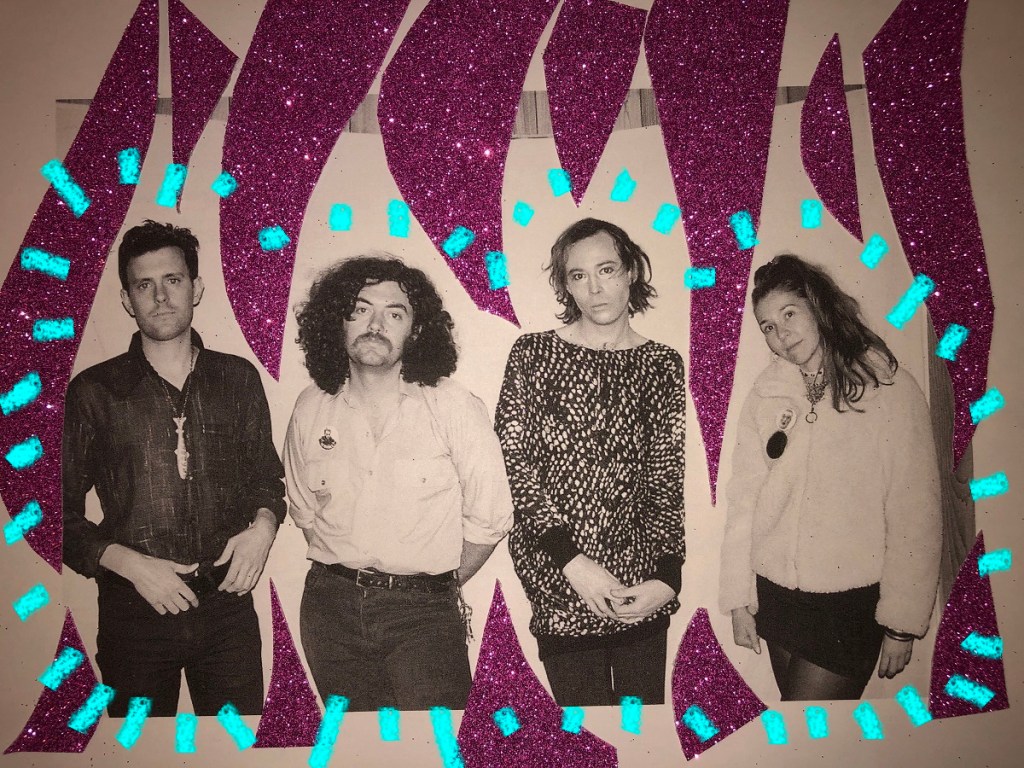
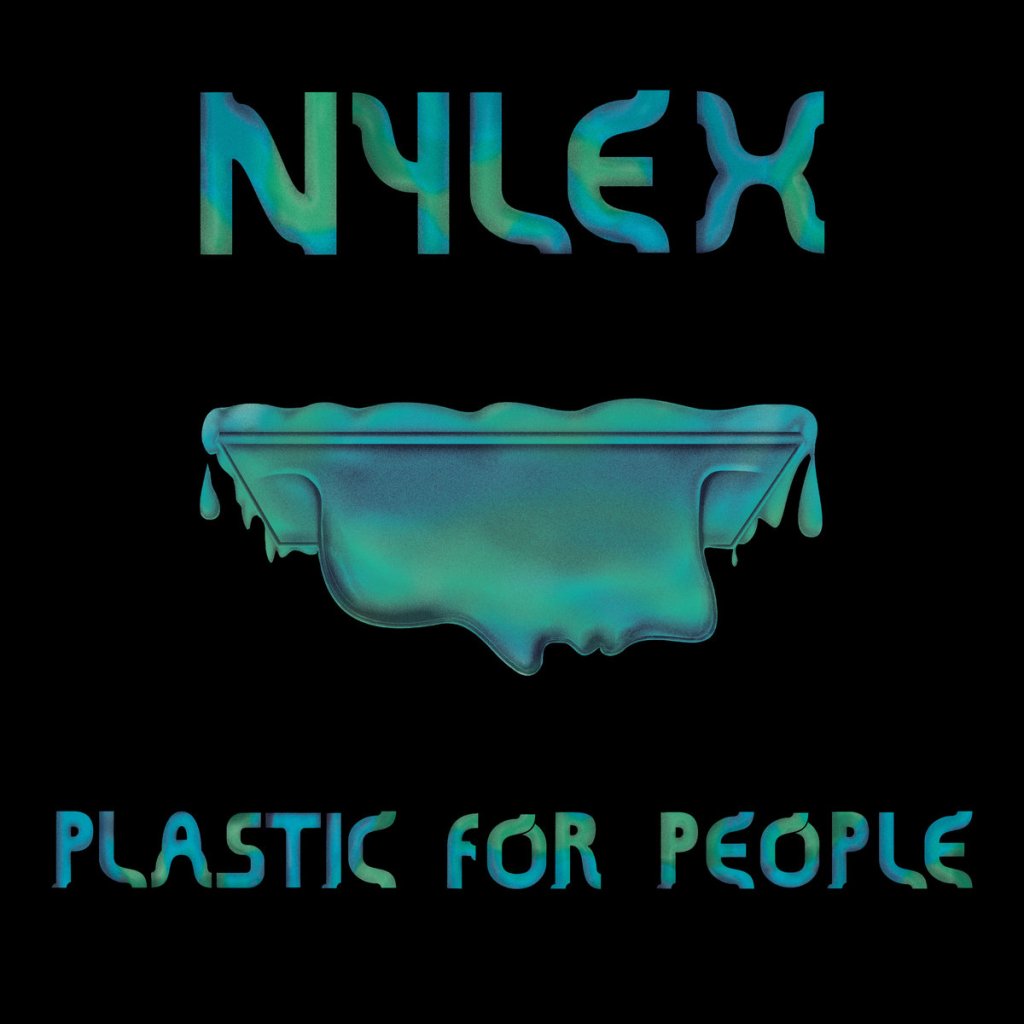
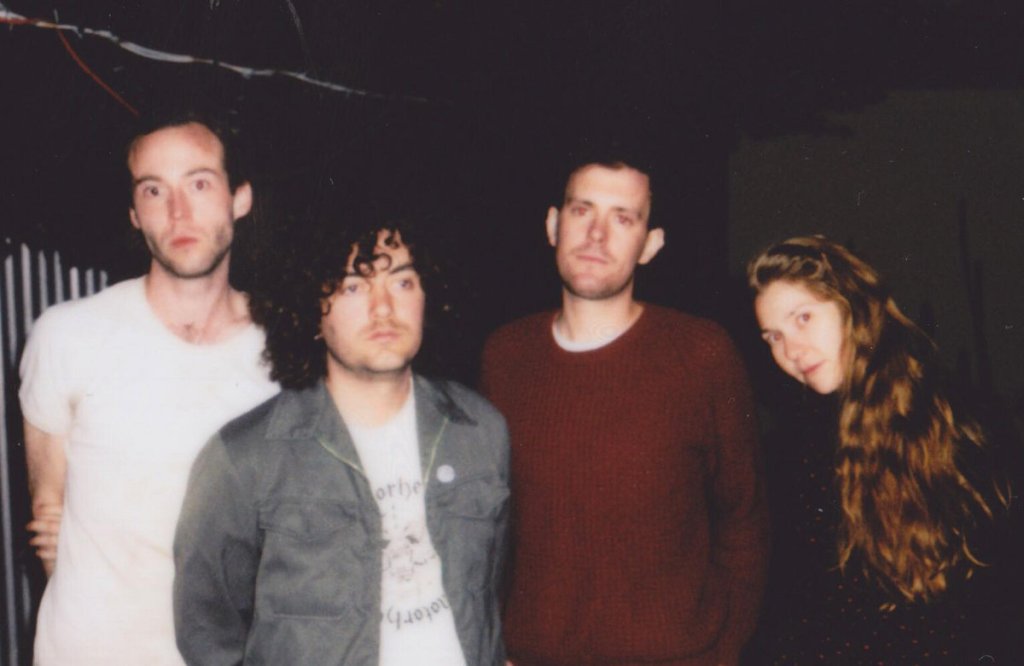
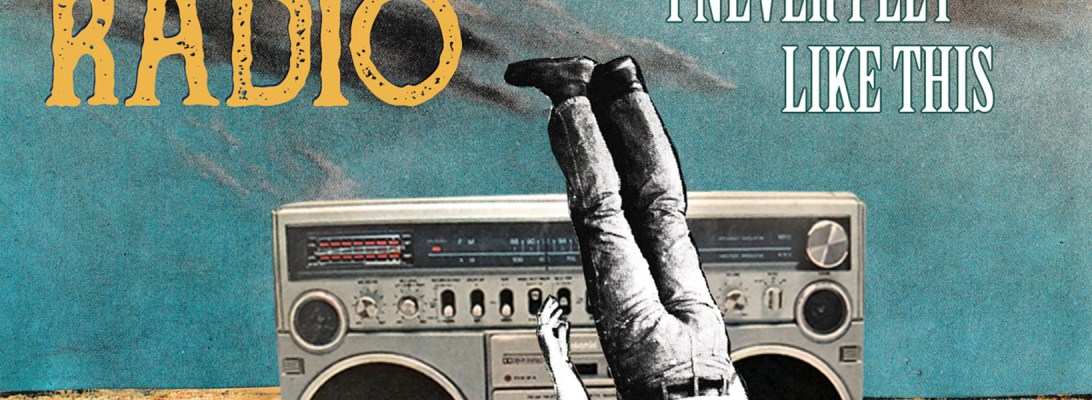

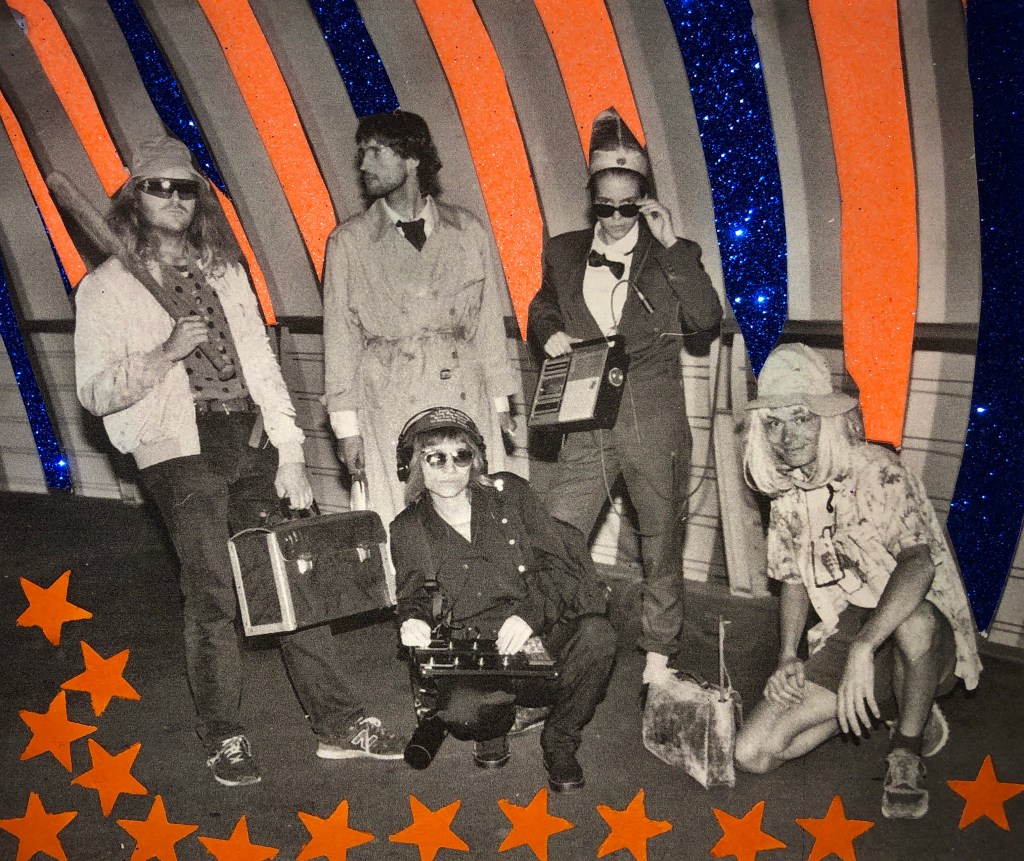
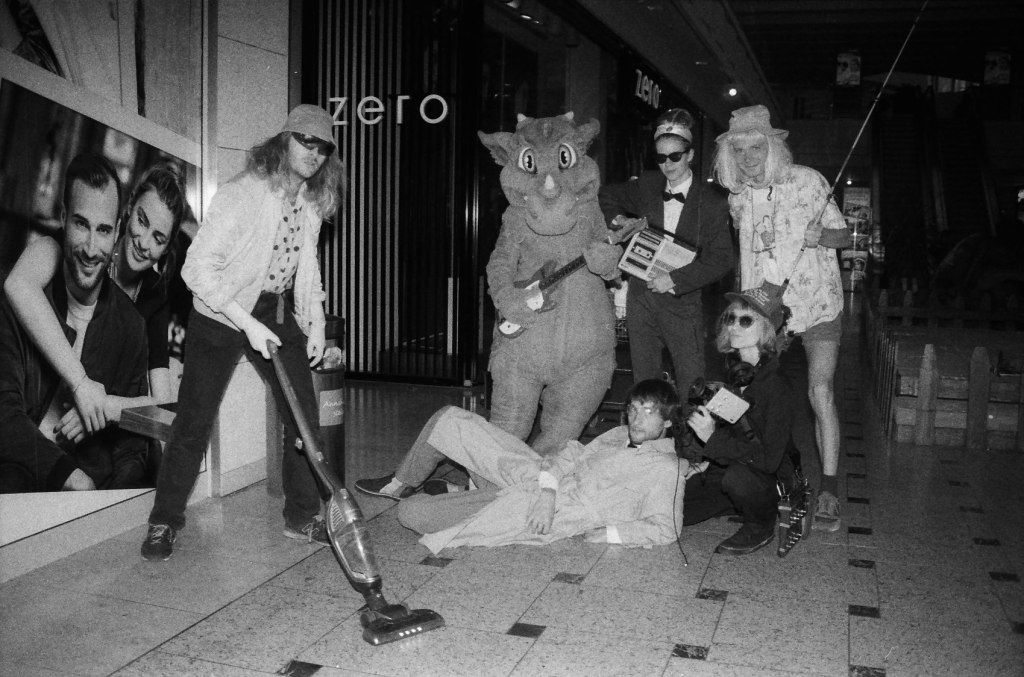
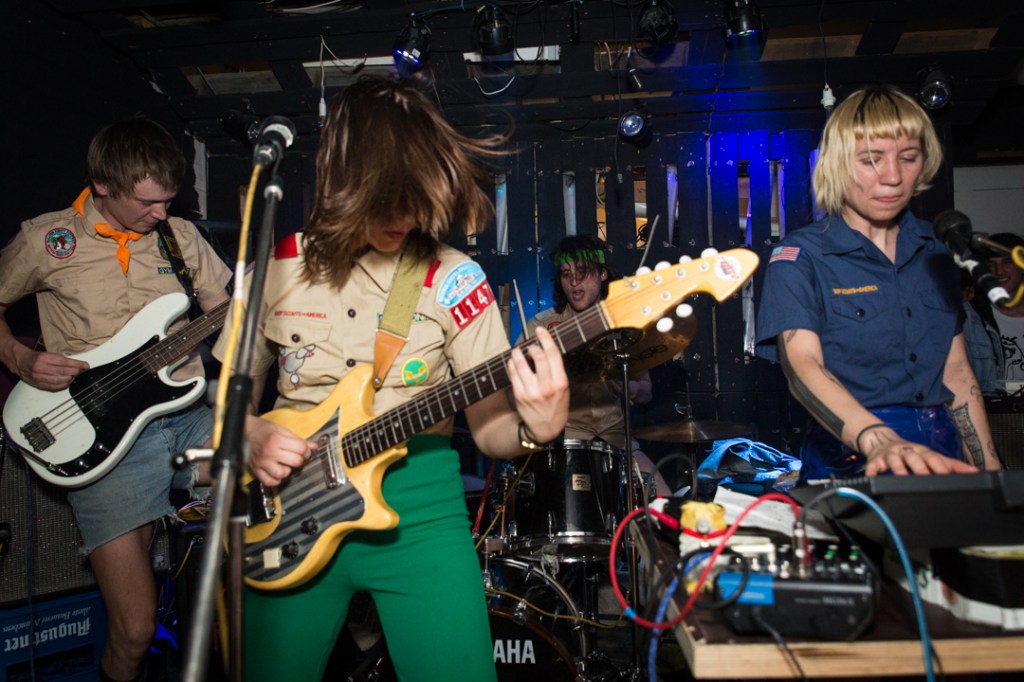
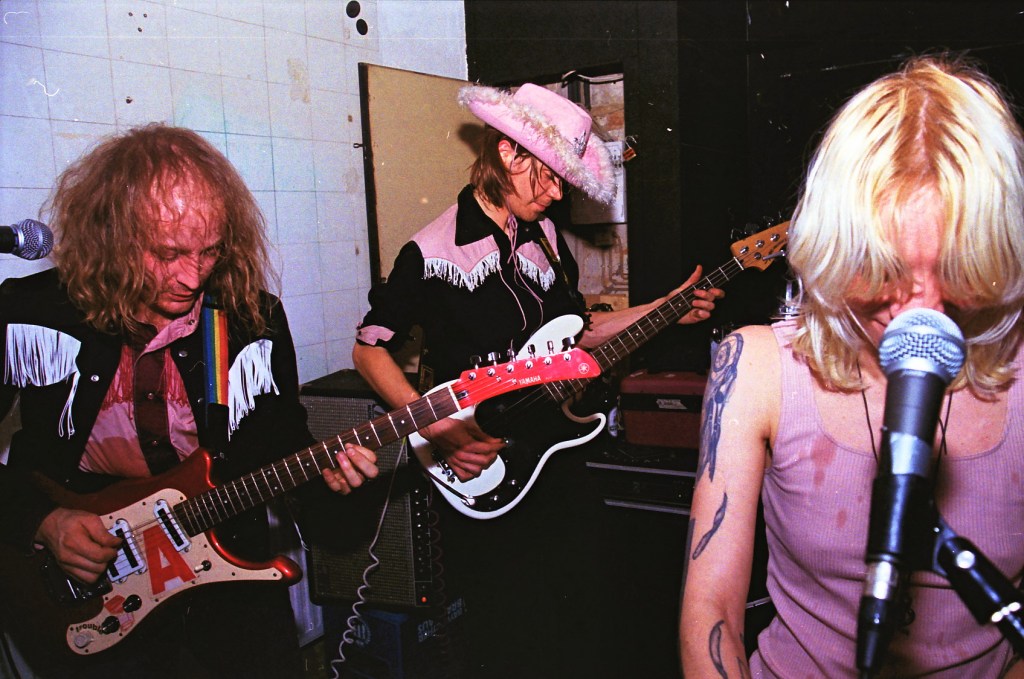
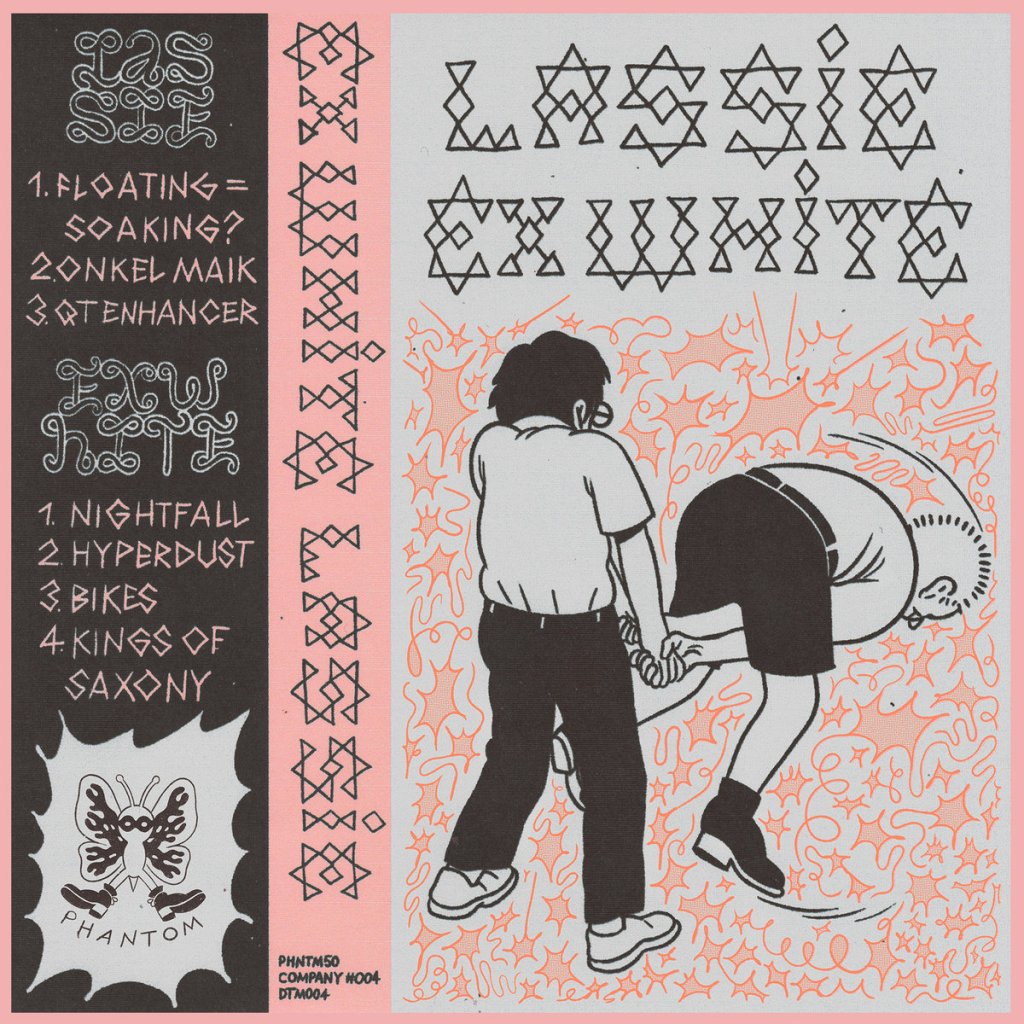
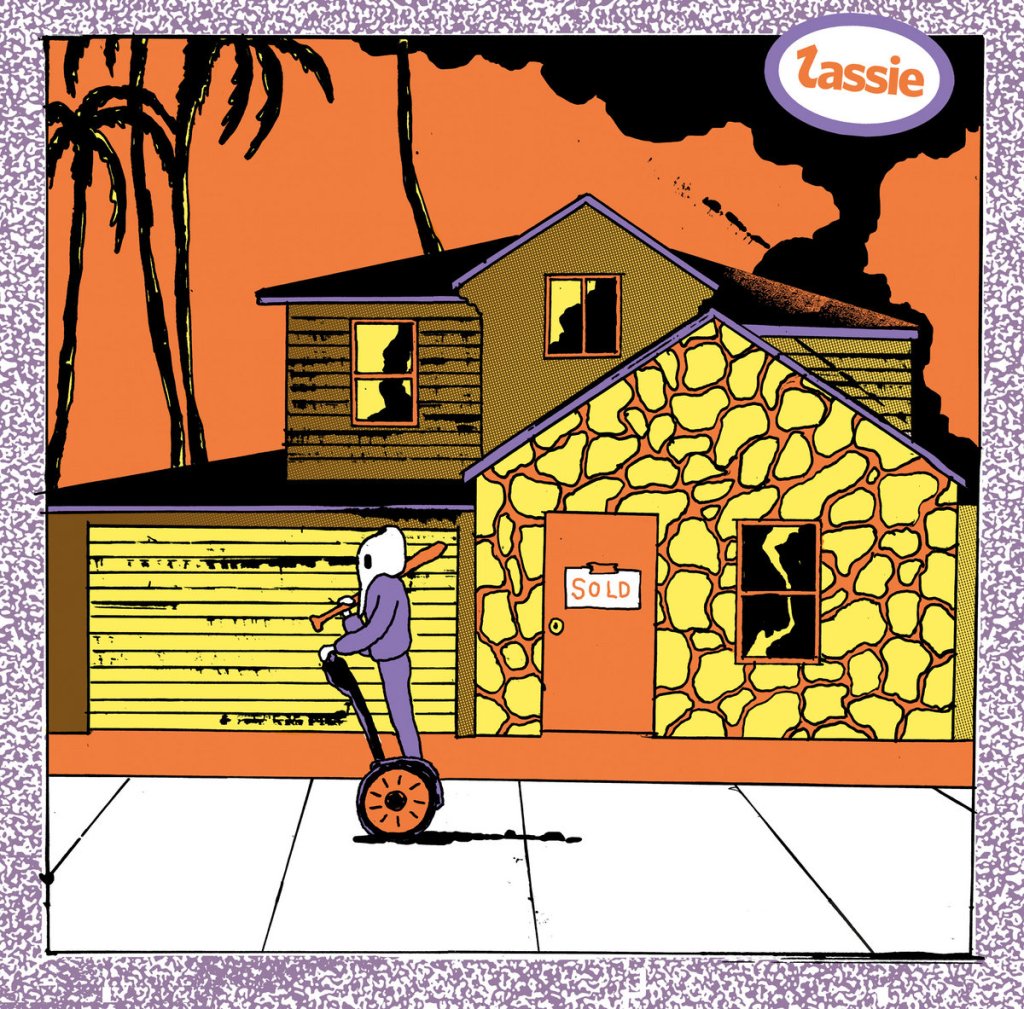

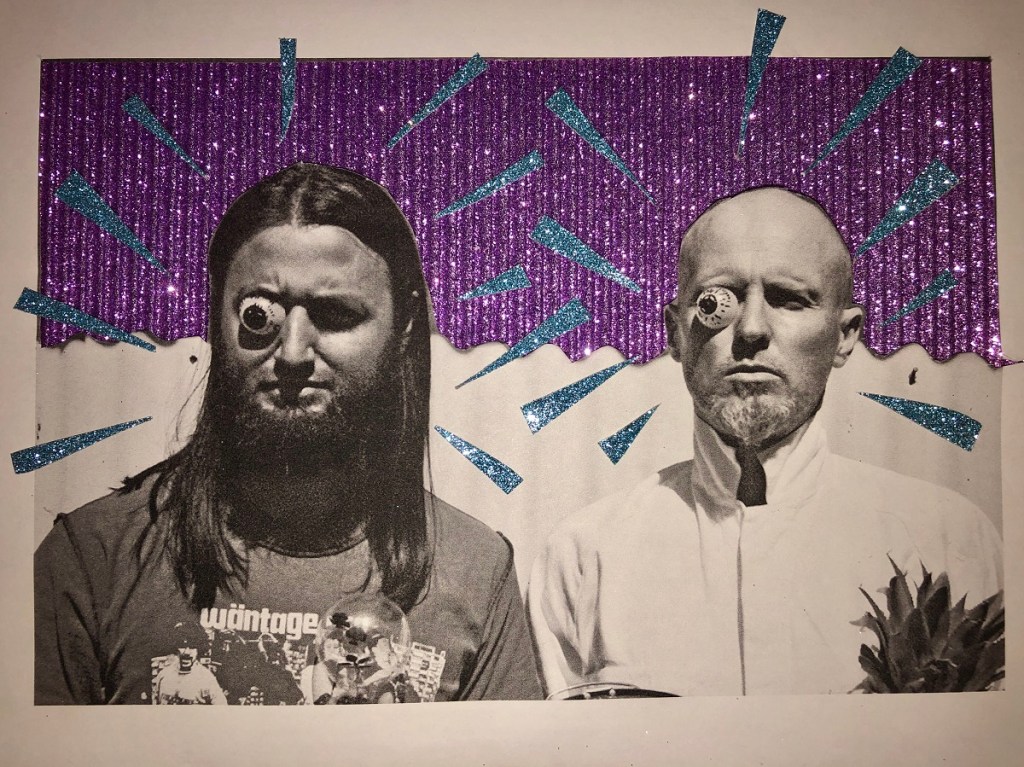
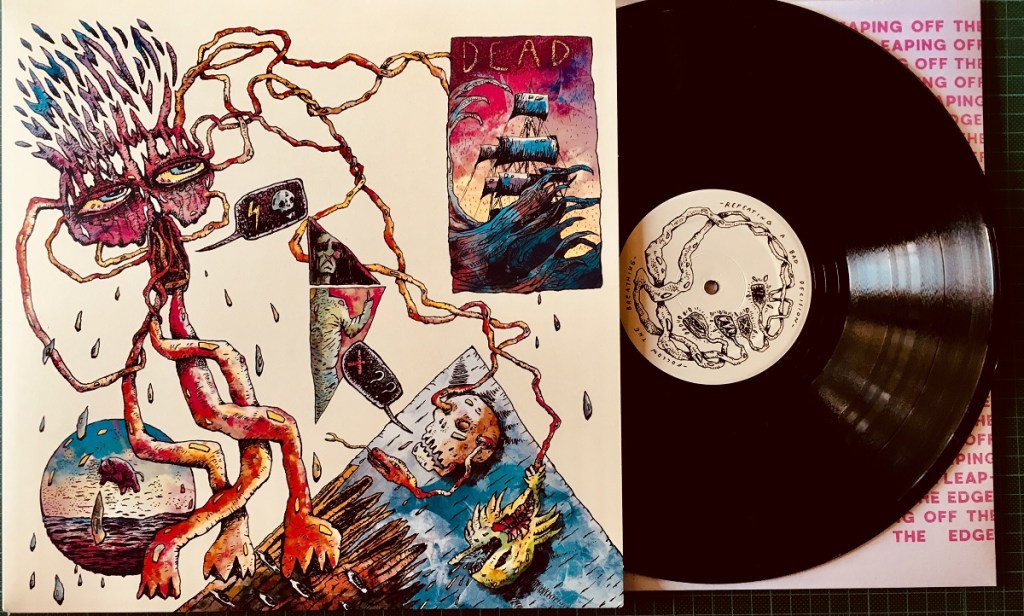
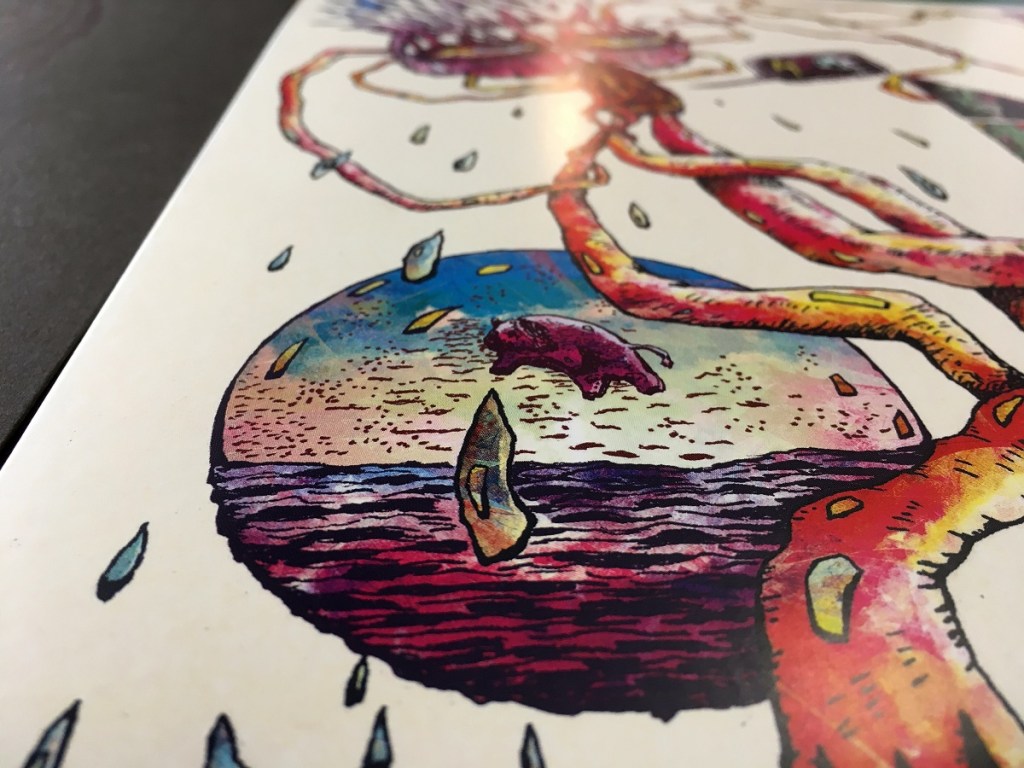
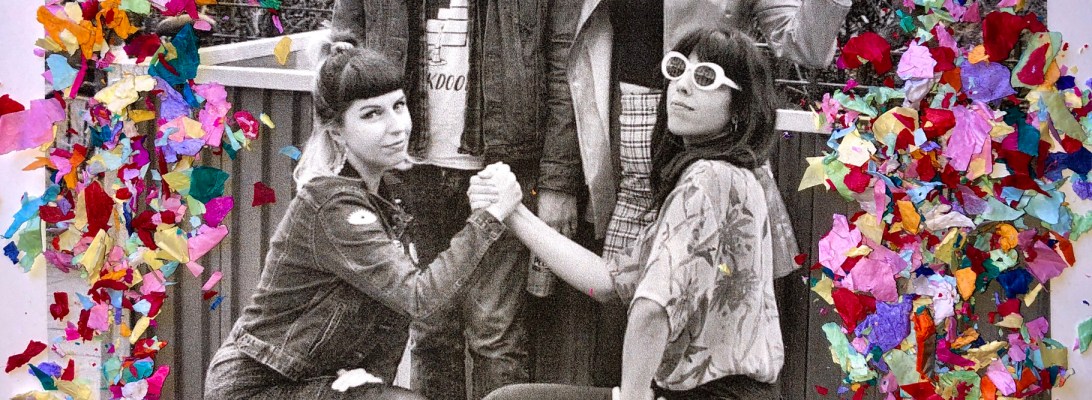
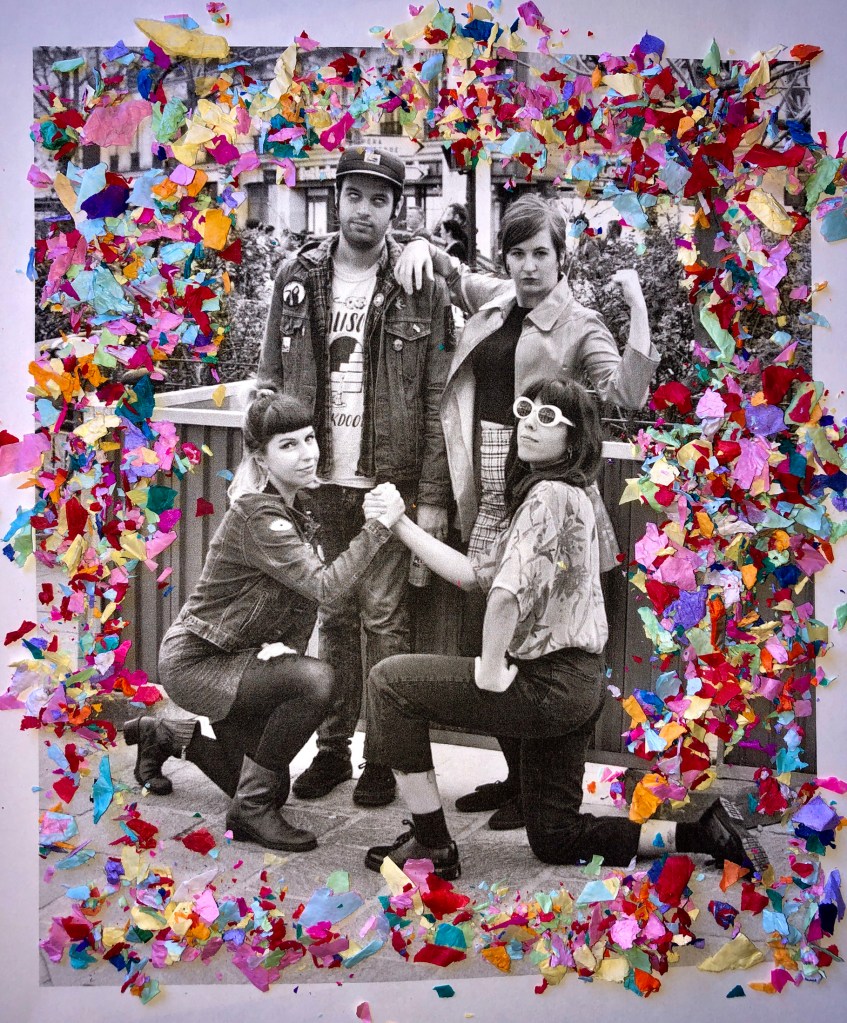
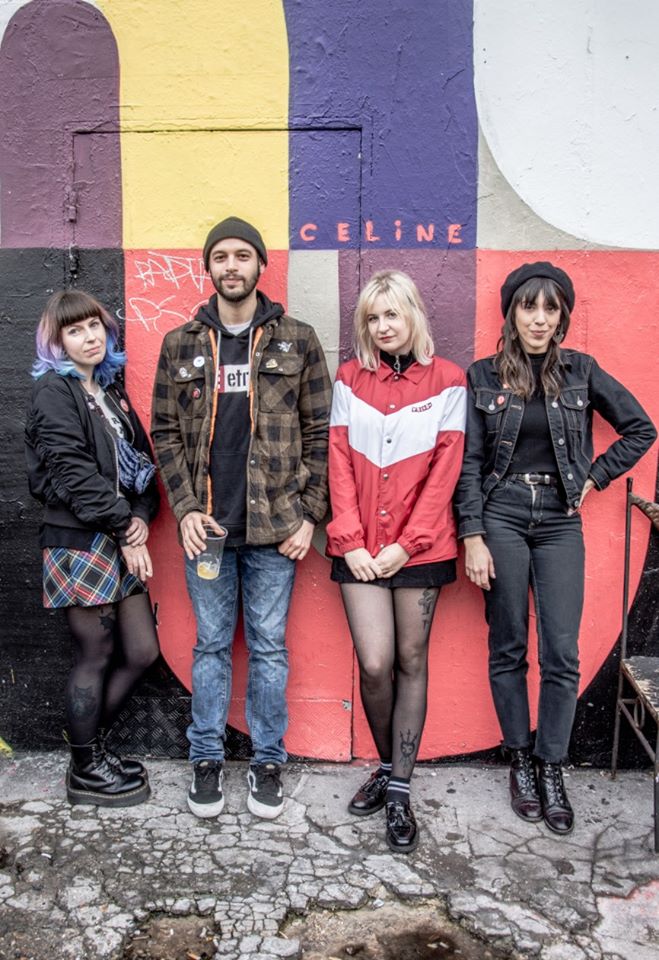

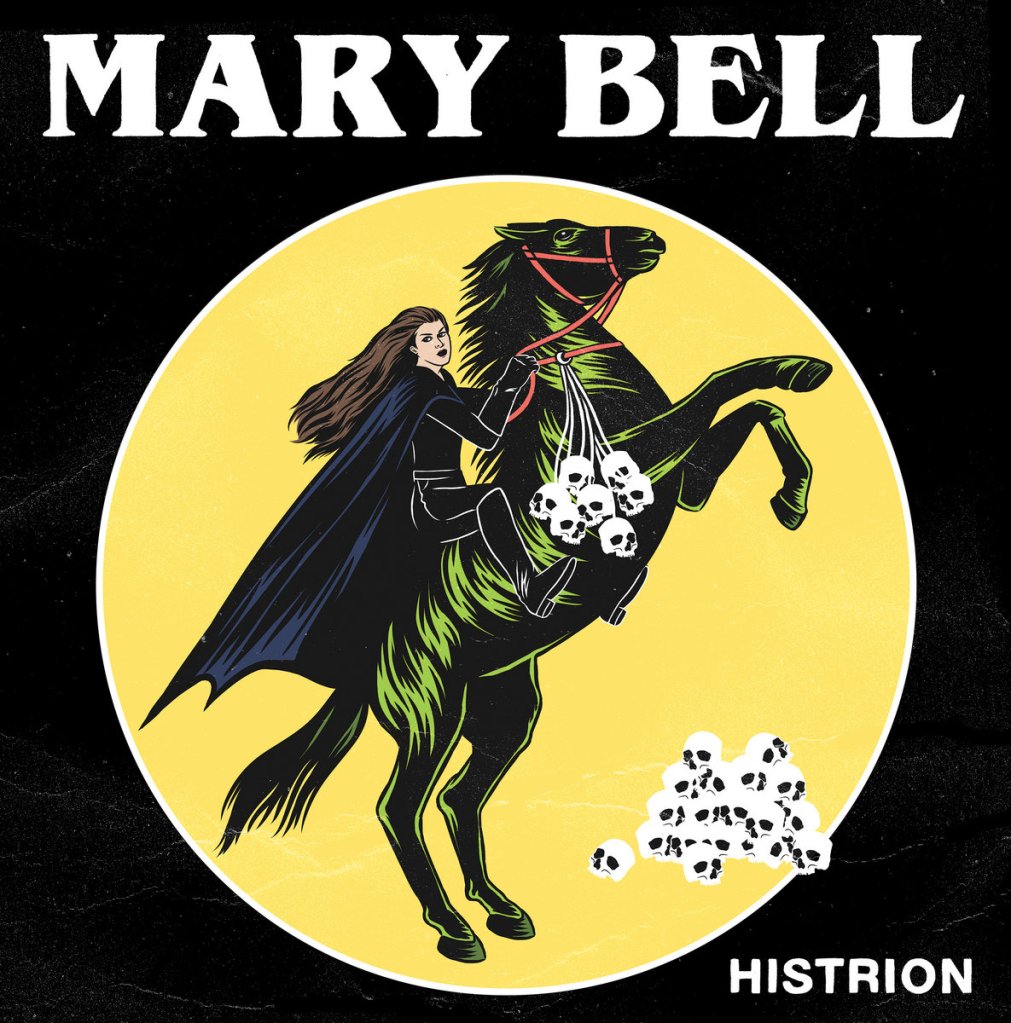
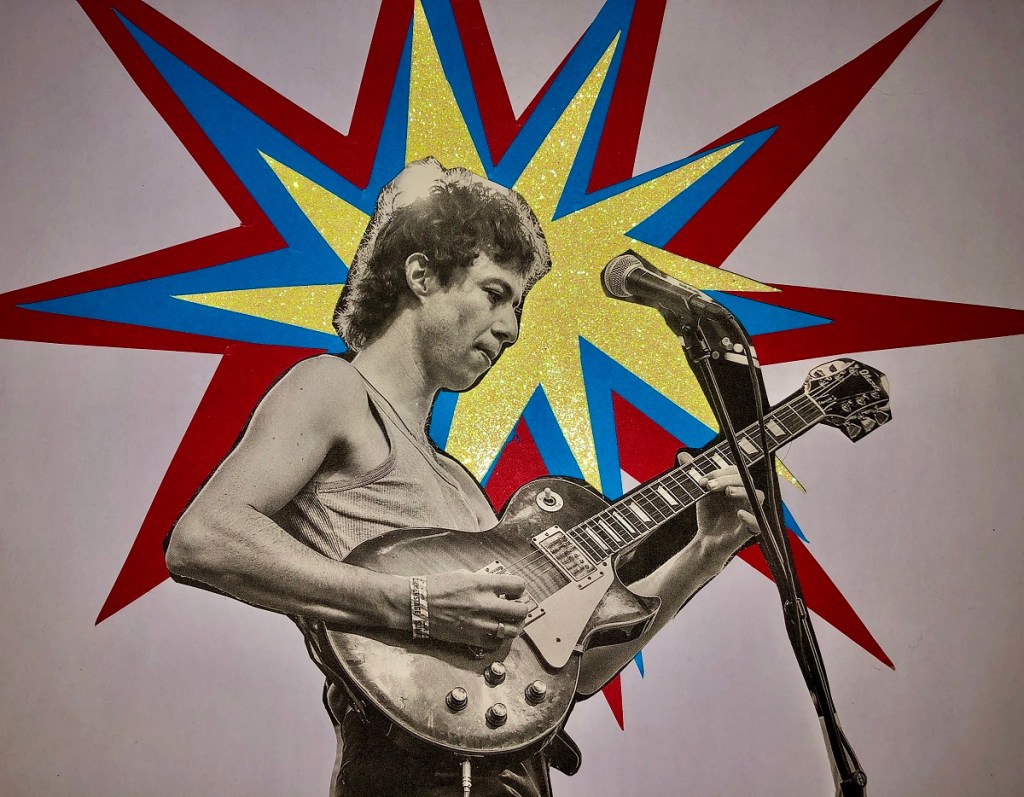
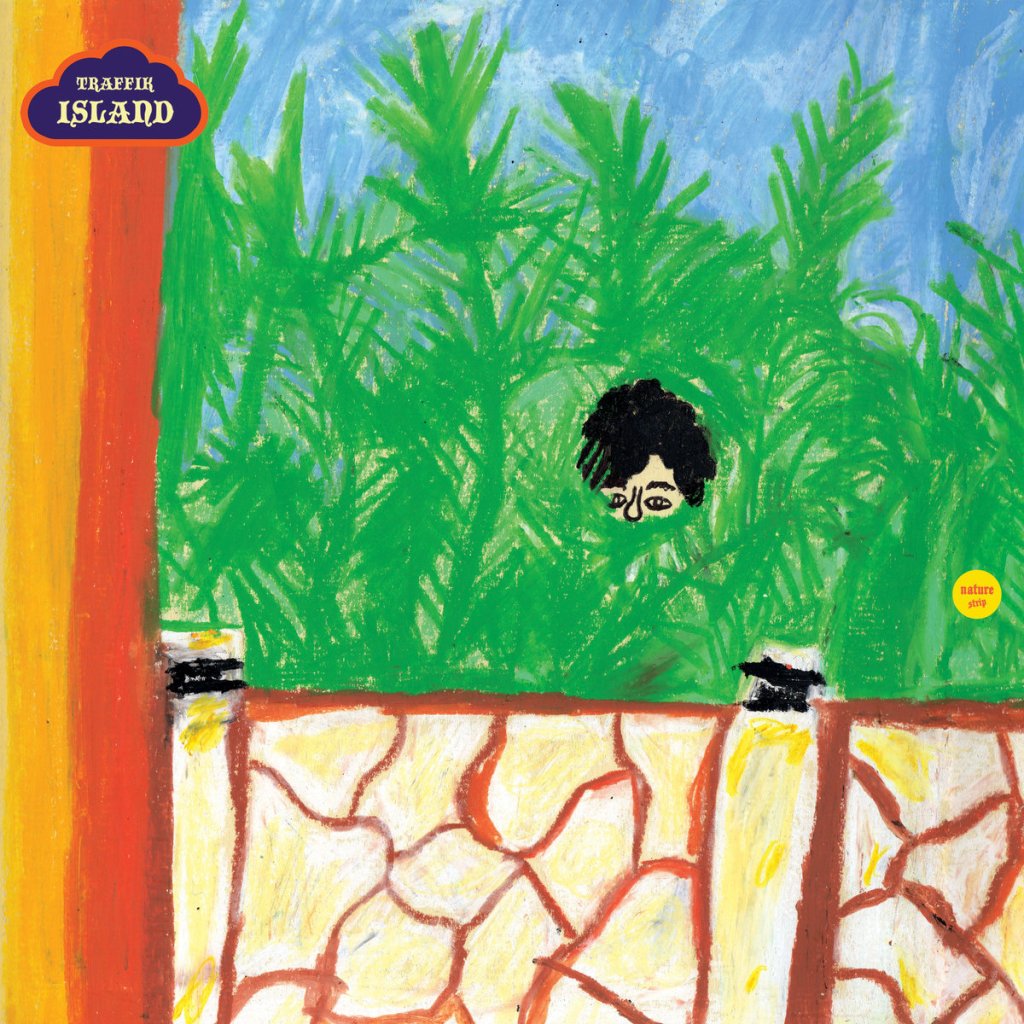
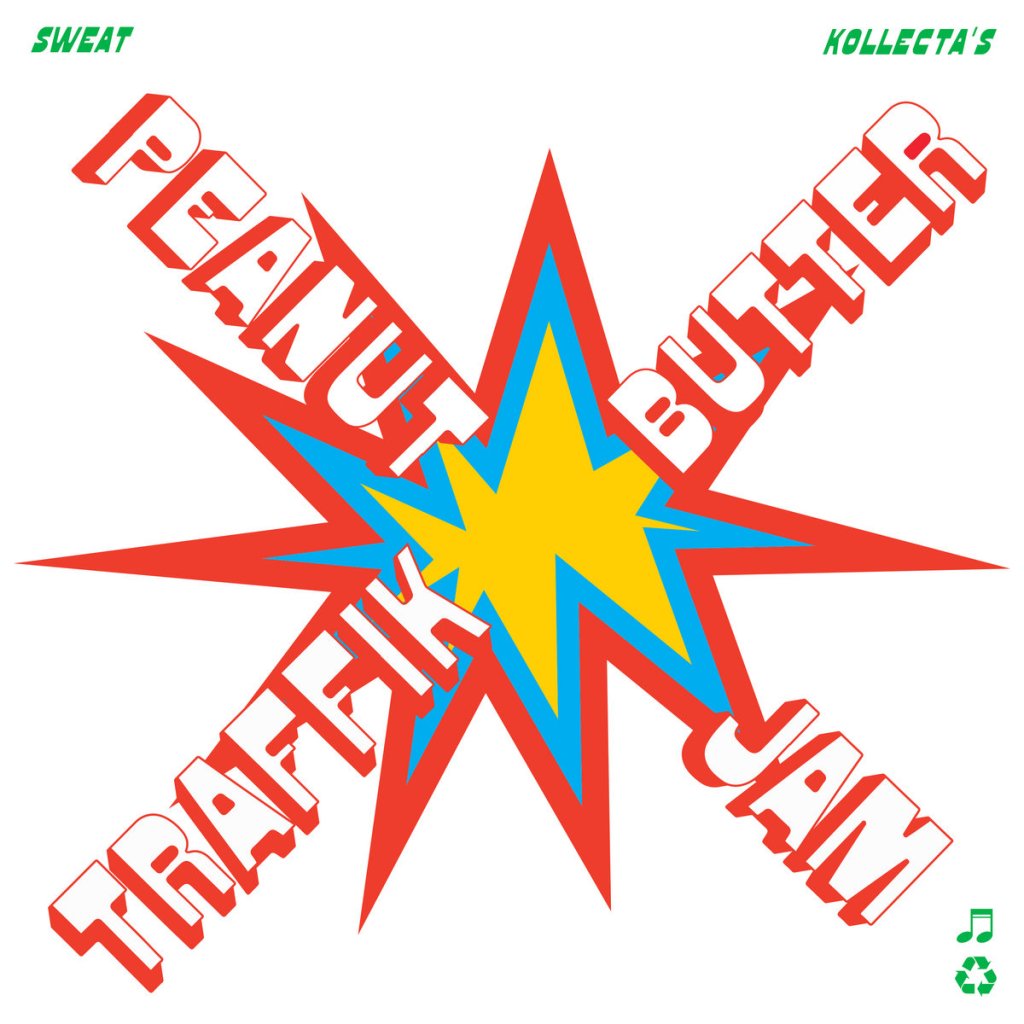

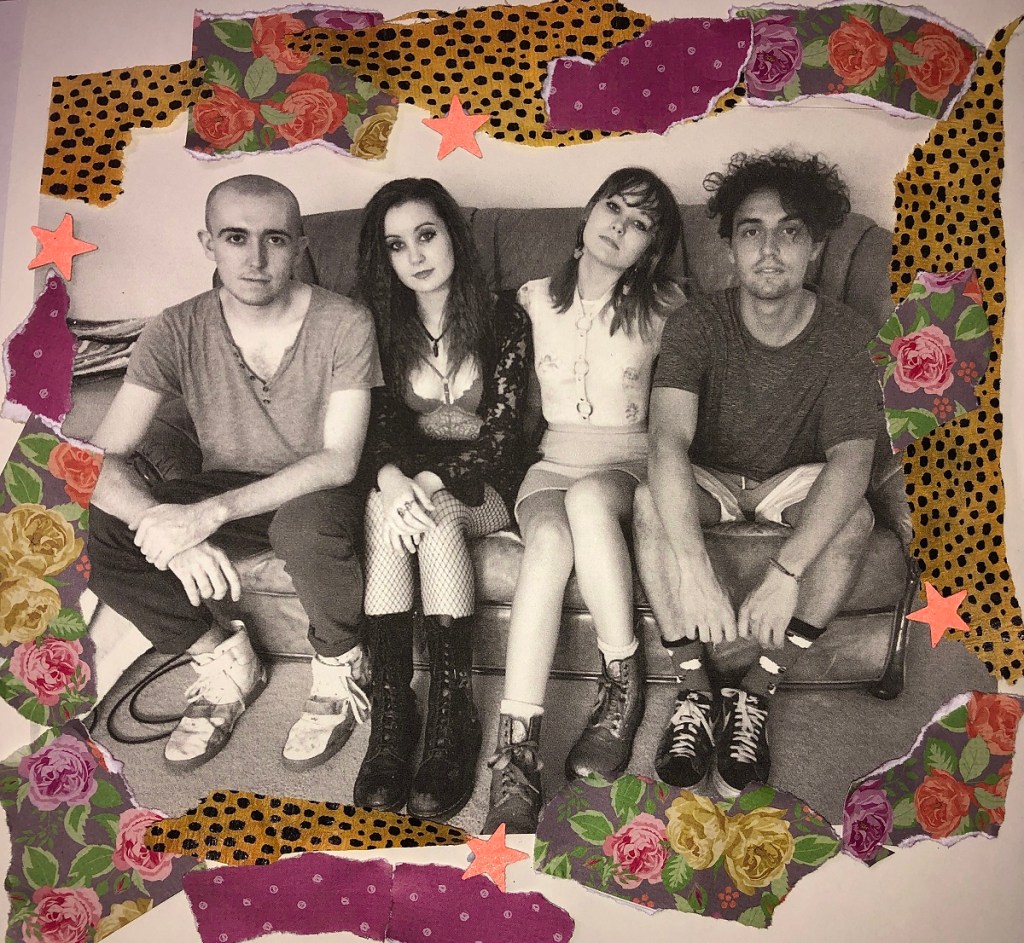
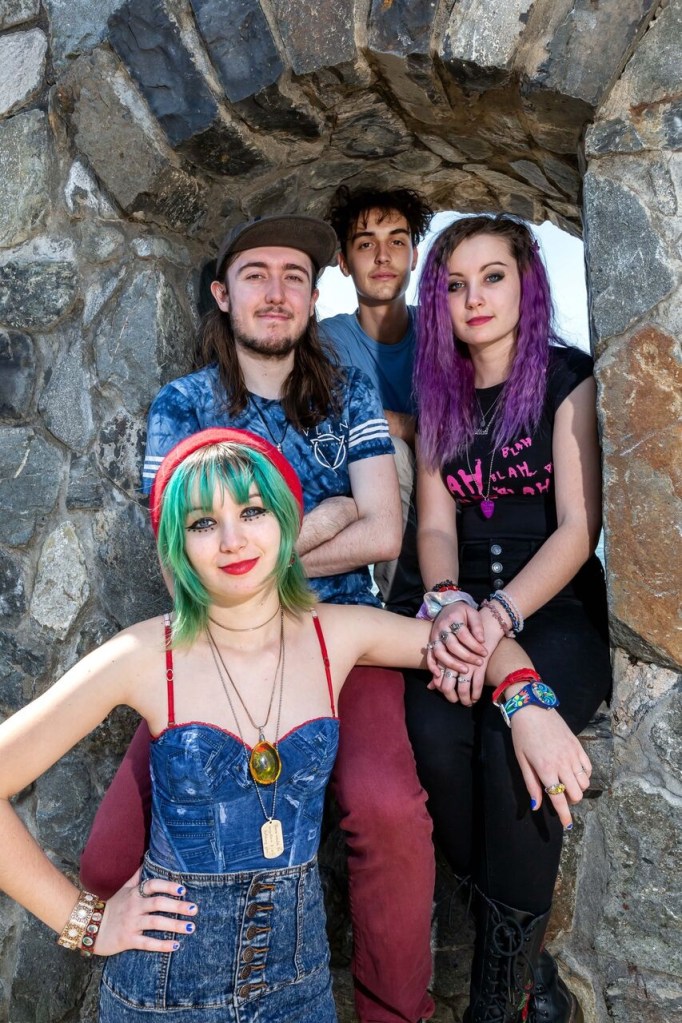
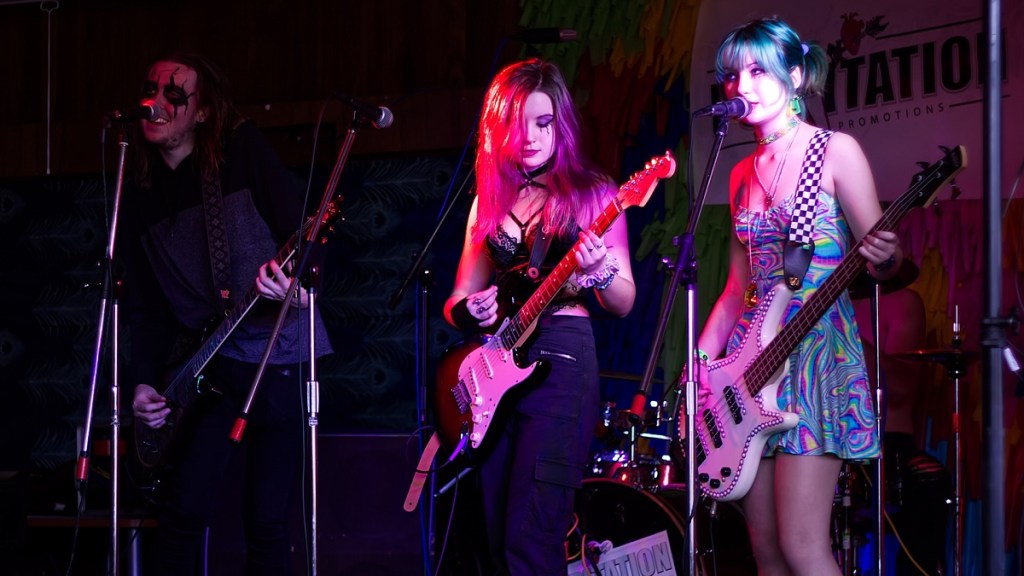

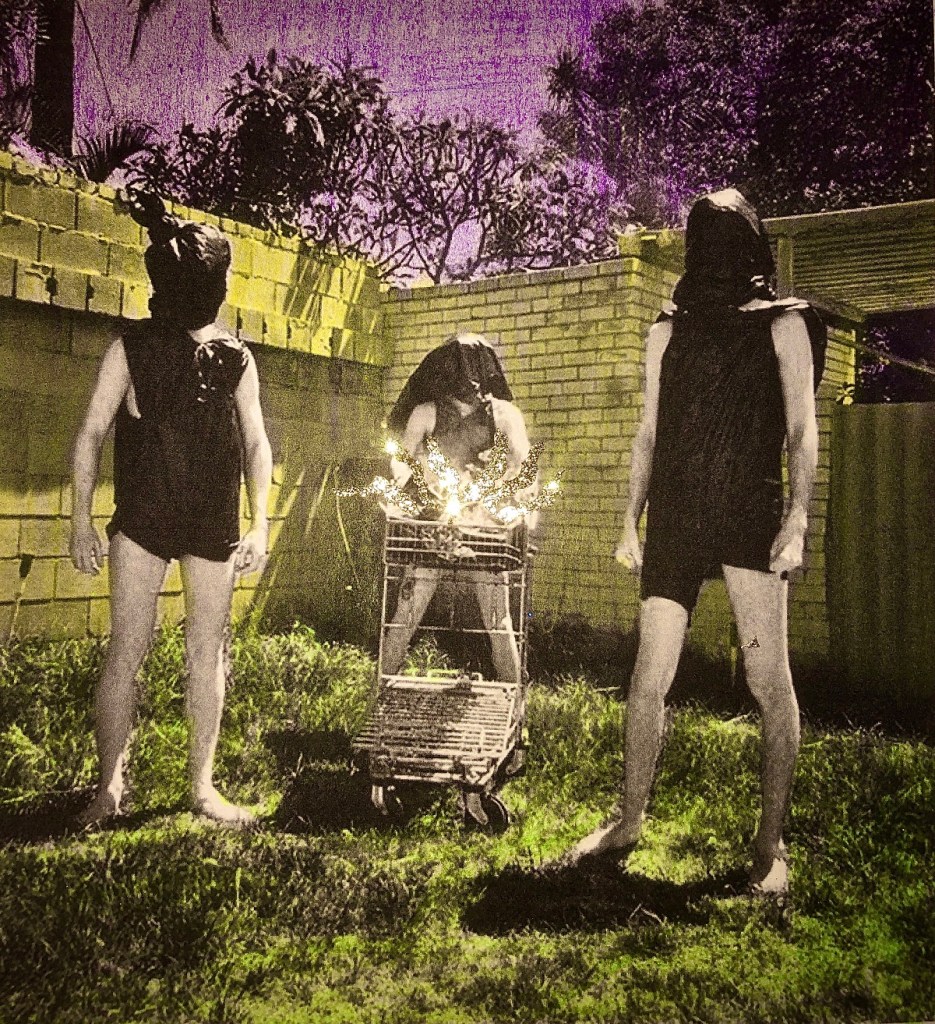
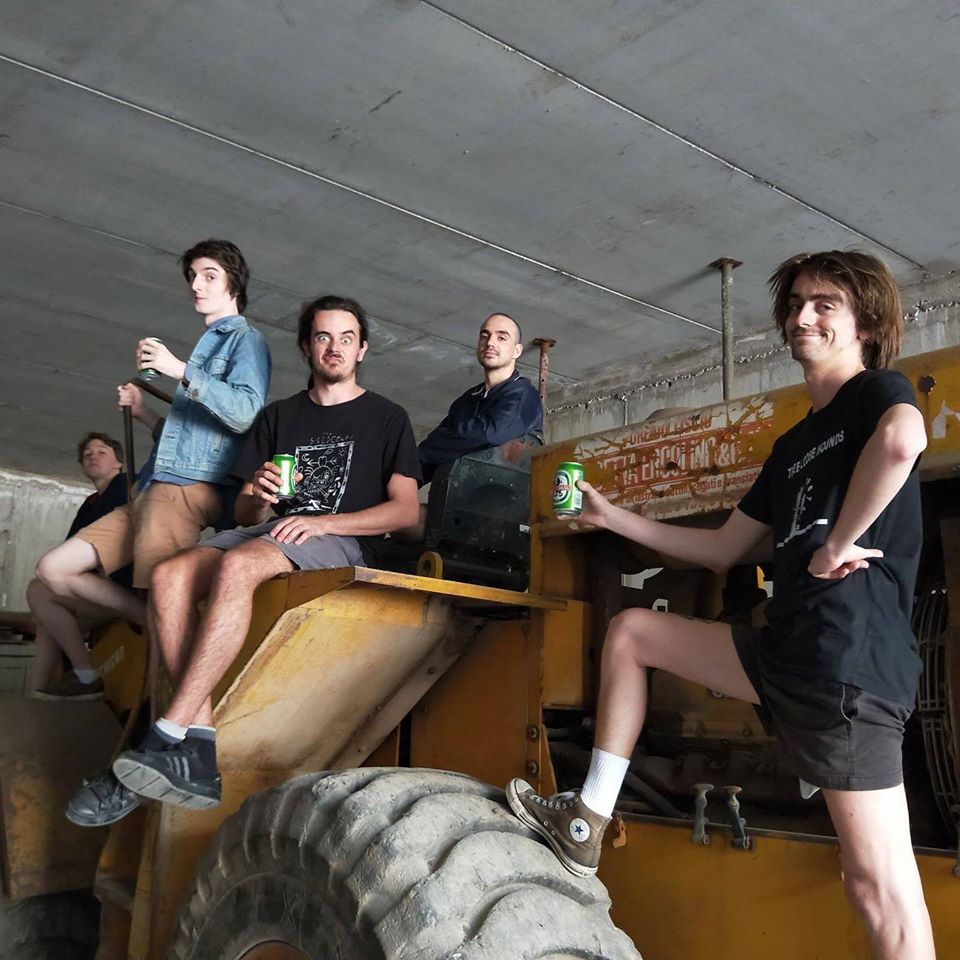
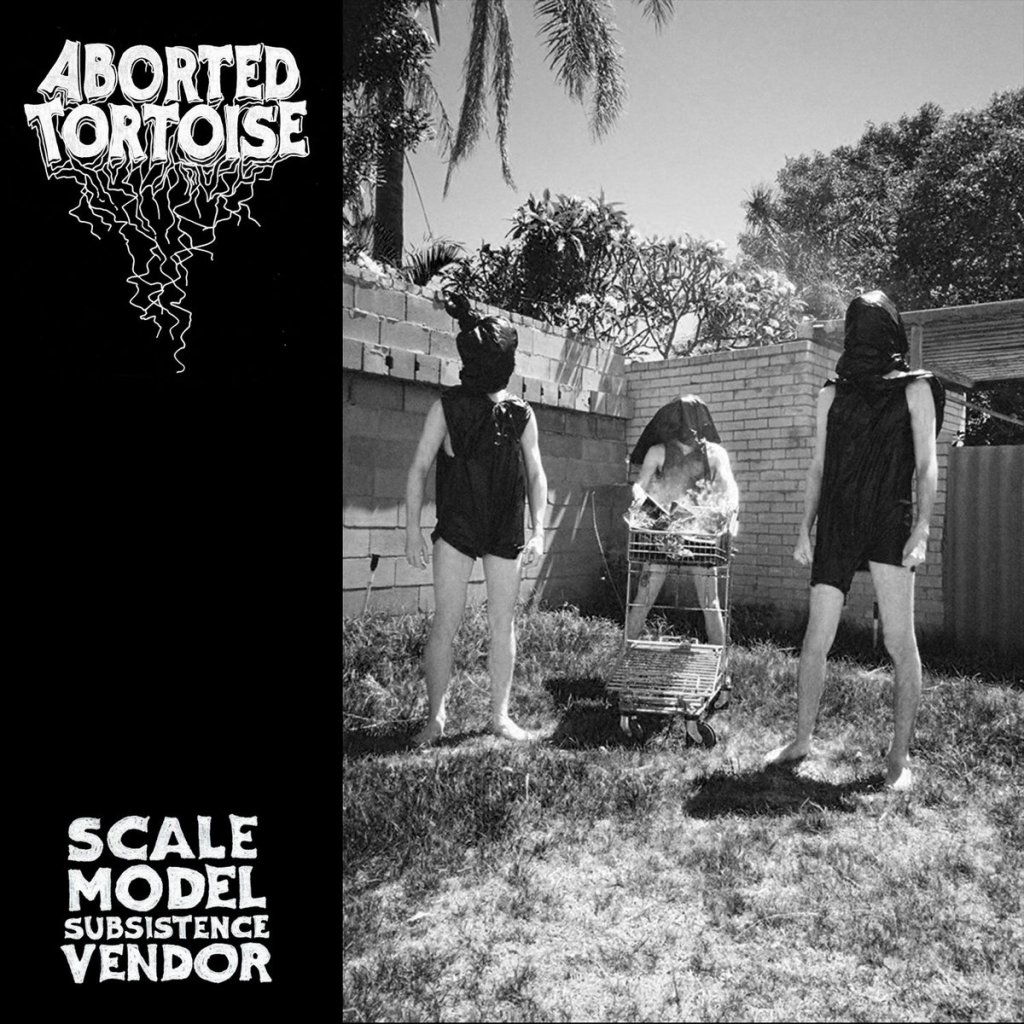
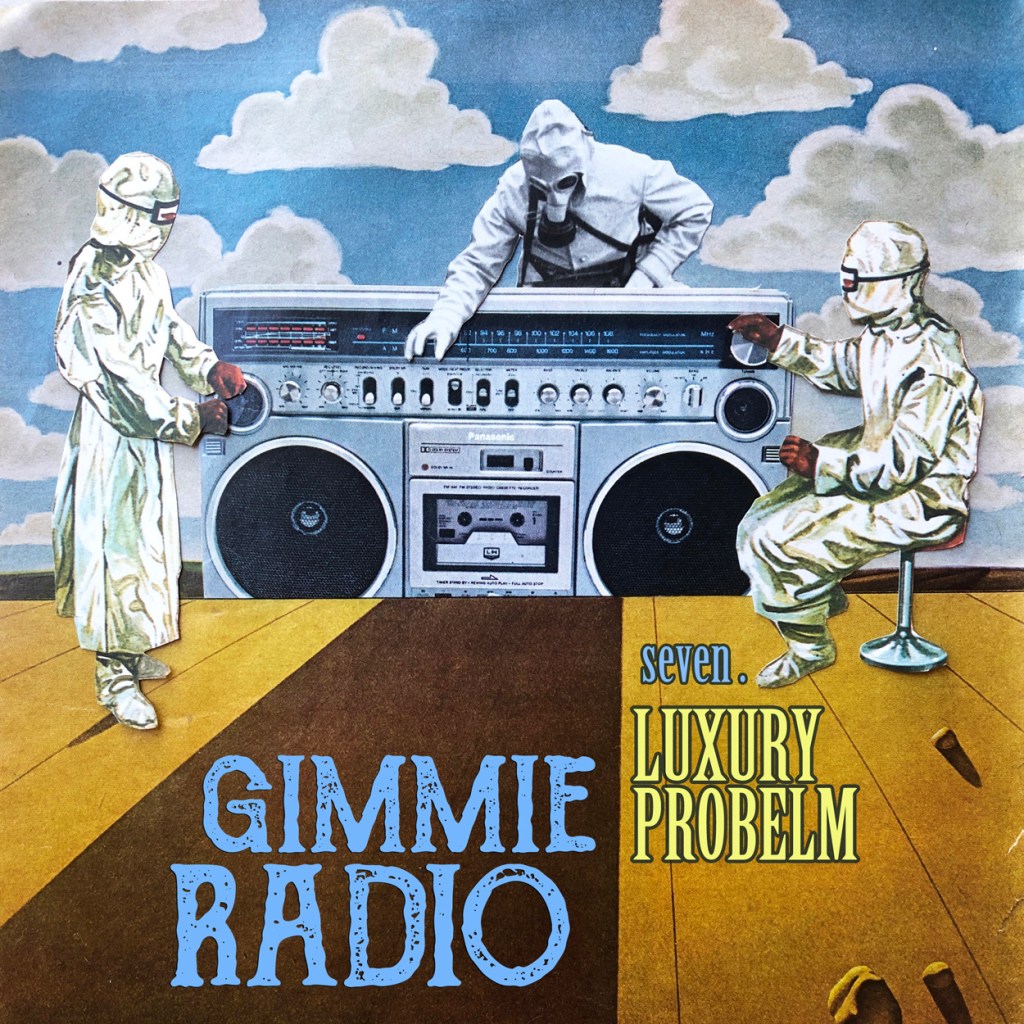
 Gimmie Gimmie Gimmie Zine