Original photo by Rhys Bennett. Handmade art by B.
From the Northern Beaches of Sydney come C.O.F.F.I.N with their loud rock n roll punk and wild shows putting the fun, danger and excitement back into punk rock. They’ve been in the studio recording their new record which is getting ready to see the light of day. Gimmie caught up with them for a chat.
How did you first get into music?
BEN (vocals-drums): Hard to tell, it’s been a key component of my life as far back as I can remember. My mum had really good mixtapes an old boyfriend of hers from NY had made. They were always playing in the car. Maybe that. Apparently I got loose from her when I was two at a benefit gig Midnight Oil were playing on Freshwater Beach. She found me side of stage captive and clapping along. So probably a combination of that and watching Video Hits with my old man at his place on the weekend.
ARTY (guitar-vocals): Whole family loves music. But when I was little my parents were still having parties and house shows and my dad was still always playing gigs in his bands (Crazy Legs Vermin, Knucklehead and others). CLV were out there punk with psychedelic and scientific themes and influences. My imagination went nuts every time the ol’ man had a gig. Probably didn’t even understand what gigs were but there was always a wanting of inclusion.
AARON (guitar-vocals): I listened to Big Willie Style by Will Smith.
I know you guys spin records at events/gigs from your personal collections sometimes; what is: the last record you bought? The most treasured record in your collection? A record we’d be surprised you own? A record that never fails to get the party started?
AARON: Last I bought: All That Glue – Sleaford Mods. Most treasured: My dad’s original Beatles – Revolver. A surprise one: Wrestling Rocks – Real Rock ‘n’ Roll Sung by the World’s Greatest Professional. Party starter: Abijah’s copy of Eddie Murphy’s Party All The Time.
BEN: Last I bought: Greta Now – S/T. Most treasured: OG copy of Motörhead – On Parole. A surprise one: Enoch Light – Big Band Bossa Nova. Party starter: Three 6 Mafia – Mystic Stylez.
C.O.F.F.I.N all grew up together, bonding over a love of music and skateboarding; what initially sparked the idea to start the band?
BEN: We’d always be telling our folks we were staying at each other’s places and then just sneak out and skate, cause a ruckus, and go Shanti Hunting. Shanti Hunting was scoping out well enough covered areas like bin rooms or unit block fire escapes to sleep in for that night.
On the weekends when we did end up staying in we’d just jam anything for hours and talk about rock ‘n’ roll, and usually prank dominoes to con them into delivering free pizza.
We didn’t have any songs or a proper band name really, we’d always just improvise and start again the next time. This is where one of the really uncanny moments in our story takes place. We got our first gig in year 7 and were compelled to make an actual band because Loz who was in year 12 at the time was putting on a show with the Hard-Ons at our local youth centre (aka KANGA). Arty hearing this and being a major fan of the Hard-Ons lied to Loz and told him we had a punk band and really wanted to play. Loz let us open, and we had to get a set together in a month. Who would have known that a decade later Loz would end up joining the band he sorta spring-boarded into creation.
Photo: Oisin Demony.
On a sidenote; who’s your favourite skateboarder? Why do they rule?
BEN: Well our favourite “blader” is Robert Grogan. And our favourite skateboarded is Rhys Grogan. They are both excellent shlonkers.
The band name stands for Children of Finland Fighting in Norway; were there any other names that you consider for the band? What made C.O.F.F.I.N the one that stuck?
BEN: Yeah it’s a fucked name. Well, the full version is at least weird, but C.O.F.F.I.N is a bit ordinary. I guess that happens when you’re 11 years old and naming your band.
Me and Arty had sorta played around with a couple other names (Leatherface, Val Halla) but they were kinda other projects going before the three of us (me, Arty, & Abijah) we’re fully jamming together.
We’d often go to these gigs that would happen at a heavier local rehearsal space in Brookvale called ‘Scene Around Sound’ or maybe ‘Rockafella’s’ because it was one of the only places we could see live music while being underage. The way I remember it was that Arty pleaded with one of the dudes running night to let us get up and play! WE HAD NO SONGS! The bloke said ‘sorry but there was no room’, yet he was intrigued by Arty’s forwardness, and that such young kids had a band. He told Arty that we could possibly do so next time and asked what the name of this young boy’s band was.
Arty being put on the spot for name answered ‘Children Of Finland!’ My only guess being because we were listening to lots of Scandinavian metal at the time. He came back to the couch we were squished in and recounted to Abijah & myself what had happened. We all agreed that was a shithouse name but stupidly felt it had to be kept because we announced to this guy that’s what it was. We decided to try and redeem it somewhat by turning it into an acronym and say that Arty hadn’t told him the full band name. C.O.F…COFFIN…’Fighting In Norway’ was the first thing that came out.
And here we are 15 years later still confusing folks and having Jerry Only implore us to trademark.
What was the inspiration behind having three guitarists?
BEN: Arty being stuck in an anarchist squat in Athens with no passport or idea of when he’d be able to return to Australia hahaha. Aaron filled in for the few gigs Arty missed and he ripped. He was already our best mate and at most of the shows. It seemed stupid to stop the fun he added and stifle his input so we told him he should stay. He’s got great taste and it just makes the sound and already odd setup more offensive and unique. In the new stuff it creates a wall of sound, but they’re different interlocking bricks. I really love Cuban music and how skits the layering is.
We’ve tried to make each guitarists’ part different but not so that it’s sounds obnoxious.
It’s sorta like when the Power Rangers make that one big Megazord or whatever it is.
Photo: Oisin Demony.
When C.O.F.F.I.N started out you were all underage and found it hard to get shows because of that fact; can you tell us a little bit about this time? How did you work around the situation?
BEN: We continued on playing countless shows at KANGA (Manly Youth Centre) and got heavily involved in the Manly Youth Council because of that. It kinda allowed you to put on or influence the shows that happened there, and the community projects proved to be pretty great too.
We did lots of creative collaborations with kids that had intellectual disabilities, and environmental awareness festivals. I was even a penguin warden for a while hahah. Basically I had to stop dogs from chomping fairy penguins at the wharf.
We played for free anywhere that would let us. Other youth centres (YOYOs), band comps, parties, rehearsal studio shows. We’d lie and say we had the same focus or theme as some public event just so we could play at that, and at around age 17 we all stared looking old enough to just tell a venue we were 18+ and hope no questions were asked.
As for going to shows we were pretty skilled at sneaking into places and staking out the shadowed corners or sitting under tables.
You have a new album in the works; what’s it called? When will we see it released? How did you challenge yourself while writing and recording it?
BEN: Not sure about a name yet, maybe S/T. Probably end up releasing it when we are able to tour it properly, hahaha sigh.
I think a major difference and intentional challenge for this one was to sorta just have the skeletons of the songs sorted and work the rest out while doing it – keep a bit of the looseness and spontaneity.
I remember once hearing someone say “an album is never finished, it just has a deadline.” We set a deadline.
You recorded vocals through a vintage mic; what difference did it make to the vocals? Did you experiment with any other interesting equipment?
BEN: The old home phone thing right? We actually recorded harmonica through that, it sounds sick! Antique, like an old Maurice Chevalier recording. Usually we do very little to the vocals but do really like messing around with a few uncommon things.
Some of the odd stuff we used that I can think of is: A lap steel guitar I got second hand in Austin that’s from 1947, heaps of hand percussion and random shit I tink ered together, a bullroarer, and as I mentioned before harmonica.
We met and became friendly with Briggs while recording because he was working on demos at a studio in the same building as The Pet Food Factory. We were going to record him thwacking the roller doors out front with this baseball bat we had for this new song called Dead Land. Unfortunately we didn’t end up at there at the same time again. But that would have been boss.
Photo: Grit Van.
During the creation of the new record, when was the point that you started to get really fired up about it?
BEN: About a month before we were booked in at the Pet Food Factory do it. But we are constantly scribbling notes and jamming riffs. It’s more just that the refined editing that becomes whipped into orbit as we get closer to that deadline.
What kinds of things are informing the new record lyrically?
BEN: Frustrations, depression. The stuff that probably keeps me grinding teeth at night. Holding people accountable for shitty behaviour. There are songs about the consequences of mistreating the land, how appalling domestic abuse against women in Australia is, dead shit abusers disguising themselves as artists…..and the pit gets deeper. The anguish of having things beyond your control controlling your life. But music can be a really powerful therapy for such grief and anger. If a song is done well it sorta becomes a timeless ‘fuck you’ or mirror to whatever it is you’re quarrelling with.
Last year C.O.F.F.I.N toured the country with T.S.O.L.; what did you take away from that experience?
ABIJAH (guitar-vocals): touring with a sober band is great because you get their rider.
ARTY: Been a fan since 13-ish, so stoked that they were all proper legends. Really nice, honest, funny blokes who were great to hang out with. They shared a lot of fucked up & insightful stories with us that’ll probably save our lives a few times in the future.
LOZ (bass-vocals): It’s really good hanging out with a band who have been playing together for so long and still loving it, even with a collection of so many fucked up stories as large as they have.
You guys have toured quite a lot; what’s be one of the most memorable places you’ve been? What made it so?
Ben: Hell, there are so many, a lot that probably can’t even be told yet…
LOZ: Let’s go with China, we were at the tail end of a tour that had gone through Japan and South Korea. Ben had a broken foot, Arty had 2 broken hands, and I shat myself on stage after drinking a bad shoe beer.
Language obstacles, sickness, travelling by public transport city to city, it was more charged than anywhere else we have toured. We witnessed some of most astoundingly beautiful scenery and conversely there some really stained sections too. Some gigs were the loosest and psycho shows we’d ever played and at others the police barged in, took over, and locked everyone in until each person had been drug tested. Just really felt like we never had a clue what was going on and that was awesome.
What do you all do outside of music?
ABIJAH: Snorkelling or diving whenever I get the chance and boring work shit in between
LOZ: I dedicate a lot of my time to music but I’ve also been a sign writer for the last 10 years
AARON: Uni and Radio Shack.
BEN: I also play in Research Reactor Corp and White Dog. I make jewellery, do video stuff, work construction, and sometimes assist my mum with her glass artwork. Essentially make money anyway I can so I can make more music and tour.
Photo: James Brickwood.
What’s something really important that C.O.F.F.I.N care about that you’d like everyone to be informed/aware of?
BEN: Inclusivity and equality, to respect those around you who deserve it, don’t waste it on those who don’t.
What’s one of THE best things you’ve experienced lately?
BEN: Recording with Jason Whalley at The Pet Food Factory, bush walks and the beach.
ABIJAH: You can get Ichi Ran Ramen in Australia!
AARON: I’d have to think about it, not much. Getting our US tour with Amyl & The Sniffers cancelled and staying inside for two months fucking sucked.
LOZ: Great K-hole last weekend.
ARTY: First and foremost is seeing my best mates since this big dumb brain freeze.
Original photo by Oscar Oshea. Handmade collage by B.
At the beginning of the year Melbourne “plant-based diet rockers” CLAMM released their debut album Beseech Me – a 10-track banger touching on mental health, materialism, anti-violence and tuned in self-aware social commentary. Gimmie interviewed guitarist-vocalist Jack and drummer Miles.
How did you first discover music?
JACK: My first memories music is listening to Roy Orbison and Elvis Presley in my grandfather’s old Peugeot. I was probably about six or something. I couldn’t get over tracks like ‘Pretty Woman’ when old Roy does that snarl thing… and then like ‘Hound Dog’. I remember being really moved by music like that and it made me want to dance. He had an iPod and I think they had only been out for a few years so I remember just flicking through his iPod in wonderment. That or dancing to Daddy Cool or the Eagles at Dad’s place when I would have been around the same age.
What does music mean to you?
JACK: Ah it’s everything I guess (couldn’t think of a less cliché answer). A world without music and art sounds like a horrible, horrible place. Being able to create is something of main importance to me, I don’t really need much else I reckon! I feel lucky to have it as a cathartic experience and one that provides me with an outlet and an interaction with things that are not of the (sometimes) mundane day-to-day life. Music tends to allow me to guide me through and answer questions about existence.
How did music become the vehicle for you to express yourself?
JACK: I was always really into music but couldn’t really play. When we were around maybe 17 and 18 a group of us used to try and sneak in watch Miles’ brother play in this band called Water Bear. Full psychedelic rock! We loved it, it made us all want to start a band and so we did (Dragoons). Most of us couldn’t play our instruments. Miles and our mate Rudi Saniga luckily held it down on bass and drums but Archie (of Floodlights) and I basically just started learning guitar through Dragoons. You can hear it too if you listen, some of it is shocking stuff but it is simultaneously the best thing ever. We just sort of said ‘Fuck it’ and played shows and learnt together. Something about the ‘fuck it’ of Dragoons and me simultaneously maybe getting into punkier stuff made me realise that I didn’t need to be “good” at guitar to be able to express myself and not long after came CLAMM I guess.
What brought CLAMM together?
JACK: Like I said, Miles and I played together in Dragoons. We then joined Gamjee with Miles’ brother and absolutely loved that. I think I’ve played in four bands and Miles has drummed for three of them. Miles and I are soul bound I reckon. We’ve been through two bass players and met Maisie one night at a gig we’d played with her band (The Belair Lib Bombs), she came up to us and told us she really liked it and when our bass player at the time Scotty shipped off to art school in Poland we asked Maisie if she wanted to join.
All photos by Oscar Oshea.
Can you tell us a little something about everyone in CLAMM?
MILES: Jack is “The Driving Force” like a pilot in a pod of Orcas. Maisie… she is like the training wheels on a bike of an over excited child, keeping us on the right path. And I’m the treasurer of CLAMM Industries.
At the beginning of the year you put out your debut LP Beseech Me what was the starting point for creating the album?
JACK: I was playing in a few bands when I sort of realised I was maybe trying to write heavier music that wasn’t really appropriate for the bands. So I just started writing on the side with the thought of one day possibly pursuing it. I think the first few songs were like ‘Dog’ and maybe ‘Sucker Punch’ and I just did shocking demos on my iPhone and then one day brought them to Miles and we started jamming them and possibly thought about a two piece. We got about ten songs down and were playing them live a fair bit. We had worked with Sonic God Nao Anzai before and thought it was the best move.
Themes on the record include anti-violence, materialism and mental health; what inspired you to tackle each of these important subjects?
JACK: I suppose I always found the music really intense and moving like I was trying to get some anger or something out of me. And so I think I had to be honest about it when I was writing the lyrics and sort of ask: What are you trying to get out? What are you angry about? What’s going on? I don’t know I guess the anger sort of carries across into my day- to-day when I think about our society. I think there are countless problems within our political structure and it seems like we have a government (or system) that either have the inability or lack of care to do anything about it. CLAMM for me is sorta like: Everything is fucked! How can I write music about anything else?
Beseech Me was recorded by Nao Anzai; what attracted you to working with Nao?
MILES: Another project of ours called Dragoons had recorded with him previously and we loved the Nao experience. His approach to recording appealed to us a lot… record it live and try not to try do too many takes on one song. That formula seems to make a potent energy in the room, and we think Nao captures that energy really well.
On an Insta post you mentioned that bassist Maisie has brought positive and calm energy to CLAMM since she joined; what’s her secret to staying positive and calm, especially in a world which can get a bit chaotic?
JACK: Maisie just seems to be calm with who she is as a person. And she is a great person. For a 20-year-old its scary stuff. Her head seems to be just screwed on TIGHT and there’s nothing anybody is going to do about it. Miles is sort of the same. Maisie refused to detail any of her secrets to me or to the public but let it be known I wish I knew.
What’s the story behind Beseech Me’s art? Darcy Berry from Moth did it, right?
MILES: Correct! Our friend showed us a picture that had something to do with a poem about a walrus and a carpenter and Alice in Wonderland. Not much behind it, think we weren’t sure what to use and that had clams on it and that’s all it took to have some appeal. Darcy played around with it a bit and put his own spin on it, and it came out quite nice.
What influenced your decision to release your LP on cassette tape?
MILES: A mixture of not a lot of money and not a lot of interest from someone else to release it, out of necessity I suppose. Cheap and easy to do.
Can you tell us about your favourite show CLAMM has played to date? What made it so?
JACK: We got asked to play a Bass Drum of Death gig after our second bass player left. ‘Fuck’ Miles and I probably thought. We had a few bass players in mind, and when we went on Bass Drum of Death’s Facebook event we saw that Maisie had pressed interested. She learnt the songs in two sessions and we played the following weekend and it was sorta like, ‘fuck we are back and Maisie is sick!!!!!!!’ hard to go past that one I reckon. Our tape launch at The Tote was pretty special too I don’t think I’ll forget that one.
What’s next for CLAMM?
MILES: Tough to say at the minute with all that is going on of course, but we have recorded and are now in the midst of mixing a new album. Other than that, CLAMM spends there days sitting at home and pondering what could have been… we had some very cool gigs lined up that have been postponed, so hopefully they happen sometime in the future. CLAMM will look after each other and see everyone on the other side at the many gigs to come, sooner rather than later we hope!
ADULT. have been in existence for over two decades! Their darkwave, electronic, synthpunk is always interesting, always pushing boundaries and always reinventing itself. Towards the beginnings of isolation we caught up with ADULT.’s Adam Lee Miller and Nicola Kuperus from their home in Michigan to find out more about their eight studio album – Perception is/as/of Deception. Recorded in their basement, which they painted all black in an effort to deprive their senses and see what would come creatively, the result is a self-aware, tongue-in-cheek, thrilling record!
How have you both been doing? I remember reading an interview with you from way back and you mentioned that you liked working isolation.
ADAM LEE MILLER: [Laughs] We do. We also enjoy knowing that there is going to be a very public part of our lives after the isolation.
NICOLA KUPERUS: We’re beginning to wonder; when is that public time for musicians?
I know it’s an interesting time. We’ve been hearing here in Australia that we might not see live music until 2021!
NK: Same!
ALM: Our European booking agent just nuked our tour that was supposed to be at the end of August.
On the brighter side, you’ve released this incredible new album – Perception is/as/of Deception – on Dais Records! It’s one of my favourites that you’ve made so far.
NK: Thank you! It really feels like someone pulled the rug out from under us with the cancelation of our tour.
You had the launch for the album online?
NK: Yeah.
ALM: Yeah, you know how it works, the record cycle for things is so far ahead, the way it’s planned. If the record label has to push ours back then they have to push everyone else’s back and no one knows when to push it back to, that’s the problem. If we knew it was going to last for four months then we could reschedule according to that. Our North American tour that was supposed to start next Thursday, we’ve rescheduled it three times! Now we’re trying to start October 5th in Boston, but we don’t even know if that will happen. Our Governor today sent out another emergency alert extending the quarantine. We have a very severe lockdown in Detroit, we’re not allowed to visit anyone. We were just watching some of our neighbours taking a walk in the rain a couple of nights ago.
NK: Everyone’s losing their fucking minds!
ALM: They didn’t take an umbrella and it was 36 degrees out [laughs].
Why do you love to create?
NK: I don’t know? I don’t know what else we would do! [laughs]. My entire life I’ve just been interested in making stuff. It doesn’t mean just music, it means creating your own world. No one has ever asked that before… it’s just something that’s innately in you.
ALM: When we started hanging out, that was one of the main things that we had in common, we both liked to make things. It’s not like we were going to a movie and make out point! [laughs]. It was let’s stay in and work on a photograph or something. When we started making music together—the rest is history!
What do you get from creating stuff?
NK: It’s just a satisfaction.
ALM: It’s a compulsion. It’s not always fun!
NK: [Laughs].
As an artist what are the things you value?
ALM: The work that we like the most is the work that has its own vocabulary; the work that you know is always that person’s work. I get satisfaction when we’re making work like that. One of the most satisfying things about releasing work is helping create a community of likeminded individuals that feel like they can have a space place outside of society that we can all feel together in. I’m satisfied when the work is very against what we feel is wrong.
NK: It’s interesting because I think in 2008, we were basically fed up with the music industry and the way things were shifting. We were really burnt out! So we said, fuck it! We didn’t make a public announcement and we also didn’t say to ourselves that it would be forever; we said, we don’t want to do it anymore, the way that we’d been doing it. We actually made a short film and did construction work. We did construction work for money for three years. It’s 12 to 14 hour days of hard labour!
ALM: The work we was making wasn’t satisfying us.
NK: What that did was allow us to recharge and revaluate. It makes you realise that for us making visual work and making music it’s something that’s unavoidable, we can’t stop doing it for whatever reason.
I understand that. No matter what job I do and no matter what I try, I always end up coming back to doing interviews and making zines. I guess something inside you just tells you that it’s your passion, so do it! Like you were saying just before, you feel compelled to do it.
I really love the title of your new album Perception is/as/of Deception. Looking at it made me think; how do I say it? It has options.
ALM: Those lyrics are in the song ‘Total Total Damage’. I don’t see the words before Nicola starts singing them, she was rehearsing and I asked her if I could see those lyrics and we both got talking about how interesting it was… when it’s written as more say a poem on paper, you start seeing if/as/of all together. We thought it would be a great t-shirt if it said: is/as/of. That was before we had an album title. We drew it and put it on the wall and just kept looking at it thinking it was a cool image, somehow that then became the title. It came from designing merch, we weren’t trying to design merch thoug; it was just inspired from one medium to the other. I don’t know a lot of bands that have titles that can be read in different ways.
NK: Choose your own adventure! [laughs].
I love that it made me stop and think. I love words and new ways of looking at them. I’ve worked in libraries for the last twenty years so I read a lot; I’m a total word nerd. It’s really cool what you’ve done with the title.
NK: That’s great! It’s interesting too because it’s the first time in our history of albums that we have not actually put the text on the proper album jacket, so it’s just an image for the album art. I like that too because is/as/of; what does this mean? There is no title in the traditional sense of how titles normally are on the front cover.
I think that makes you more curious to want to know what it is, all you have to go on is the image. It makes you want to open up the sleeve and check out the record or go online to learn more about it, it becomes a different level of interactive experience.
When you recorded the LP I understand that you made it in your basement, painting the whole room black to use sensory deprivation to see where that would lead; where did you get this idea from?
NK: I’m not really certain where the moment was that the idea came to me. I was reading Aldous Huxley The Doors Of Perception and I was thinking of how interesting it is that he was taking LSD to intensify his visual writing experience. I was thinking sonically; what could you do to intensify your experience? What would make you use your ears more? I was thinking about spaces that were just visually void, that’s what led me to do this to our basement; what would it be like to be in this space that is visually void? What would it do to the sound? What would it do to how we’re feeling?
ALM: The basement was, we’re talking walls black, floors black, no windows, lights on dimmers, it was extremely dark. The record we wrote before called This Behavior we also worked in isolation up in a cabin in northern Michigan, in February when the temperature was -14 and there was two-feet of snow in the Great Lake. There were big plates of ice from the lake shifting on top of each other. We were in a beautiful knotty wood cabin with glass windows overlooking on this small cliff, it was cold, outside was beautiful, but you couldn’t go out there; you were isolated with a view. It had the complete opposite effect. This is just when we do the demo process… it was done in the summer for this album, you had this beautiful outside that was warm enough to go out but this time you couldn’t even see it.
Did anything surprise you about the experience of recording in these conditions?
NK: It was really hard. It was really exciting at first but then it just became like… wow! To go into that environment day after day after day for however many months… it’s funny because it’s a problem that you put on yourself, you created the circumstance, you don’t have to stay in it. That’s kind of the way we are though, we’re gonna do it and labour through it.
ALM: We’re changing the formula so we don’t repeat ourselves. It’s so easy for some bands after 20 years where you’re just like… oh, that’s the new Ministry single, it came out today and I heard it and really liked it and I was trying to tell Nicola why. I guess it’s ‘cause I liked it because it sounded like how they sounded ten years ago, that’s not a reason to like it. Anyways, we’re always just trying not to repeat ourselves so if we don’t follow our own rules then we’re not…
NK: We’re not pushing ourselves.
What mood were you in when making the album?
ALM: Well, super happy! [laughs]. Just kidding! It did start to really wear on you to go down there… we’d come up for lunch and be like, oh man, it’s so nice up here! I don’t want to have to go back down into the black hole! Once you were there, time was not an issue. We didn’t bring our phones down. There was just no sense of time, that was something that was amazing. You can get into routines. You’d come up from downstairs and suddenly it would be night-time or there’d be a thunderstorm. A song like ‘Total Total Damage’ was one of the last songs we wrote. I think that’s interesting how you can take a song like ‘Untroubled Mind’ which is one of the early songs along with ‘Second Nature’ and they have a lighter feel, as the record proceeds you get more into…
NK: Tension. Frustration.
I got that when I was listening to it. As the album unfolds I feel we’re along with you for the journey and we get a real insight into where you were at/what you were going through when making it. At the start you have ‘We Look Between Each Other’ like things are exciting at the start and then you get to the middle portion of the album there’s more frustration and by the time you get to the end you have ‘Untroubled Mind’… the synth parts in that one really soar!
ALM: [Laughs]. Thank you.
It’s like you’re ending on a happy note. The LP feels really introspective to me.
NK: When we put an album together we always try to work really hard on there being a journey you’re taking through the album. I do feel like it’s something we’ve done three times, where the end song… I don’t want to say that ‘Untroubled Mind’ is a meditation but, I think it has a relief from the rest of the album. I feel like it’s the song that’s most different from the other songs on the record, it almost has a coda, or a final thought that it’s saying. We did that on Why Bother?, the last song ‘Harvest’ it sounds like bees in a lawnmower almost; it has a strange meditation to me. On Detroit House Guests the last song [‘As You Dream’] on that with Michael Gira, feels like it’s a total “Namaste” wrap up song.
ALM: Just a little trivia on that song, we have this rule that you have to write the whole song in two to three days and if you haven’t got it by then you have to leave it. We could not get that song to go anywhere because it’s a really strange sequence line for us. It was the third day and it was getting late and I said, we just have to document what we have and move on! Nicola was like, ‘yeah, you’re right’. Then she just got on the delay pedal and went on over to the PRO-1 and wrote it. I was like, holy shit! You just finished the demo at the eleventh hour!
It’s my favourite track on the album. I love how it leaves things on a positive note and there’s a real freeness about it. It makes me curious as to where you’ll go next.
NK: I love that! That’s really nice,
ALM: Thank you.
Your record has been making me really happy while in isolation.
NK: The most amazing thing about music compared to visual art is that it is something that everyone can have, it’s out there. A painting is a painting on a wall, you can’t really…
ALM: Experience that on the internet.
I wanted to talk about your film clip for song ‘Why Always Why’. At the start of the clip there’s a quote from GJ Ballard’s book Millennium People: At times you feel like you’re living someone else’s life, in a strange house you’ve rented by accident. Why did you chose this quote?
ALM: We went through four billion quotes! [laughs]. We wanted to make sure that we don’t lead the audience that they feel what they want to feel and look into the work but we also felt the work could have a reading that was a critique of individual humans and their individual behaviours. It was more about us not feeling a part of this world. It was a way to gently say…
NK: That this is a foreshadowing of what you’re going to watch.
I love how in the film clip you’re at the mall and at Home Depot. I’s really fun!
NK & ALM: [Laughter].
ALM: It was so funny, we shot it in Florida. We shot it all on an iPhone. It was funny watching people, everyone was in shorts and flip flops, and we come in with full leather! People are like ‘what the fuck are these people doing!’ [laughs].
NK: It was entertaining.
It was funny too because the way your music is and how you dress etc. is a real juxtapose from the environment you were in. It gives that feeling of being out of place and out of step with the rest of the world.
NK: Certainly.
I especially love the bit where Adam, you’re standing in the foreground just looking at the camera and then there’s kids in the background on trampolines!
ALM & NK: [Laughter].
ALM: We actually went back the next day to get that shot. It felt funny because… we didn’t want it to be me standing there being like, I hate you people! Its more just, I don’t understand what’s going on behind me… you took your kids indoors to play on stuff that should be outdoors, you have no idea of the safety rating on this!
I know that feeling sometimes, like I go to the shops or a café and you’ll hear the conversations of people around you and you think, wow! I really am different from most people.
NK: Absolutely!
ALM: It’s funny how people would love to stare at us but the minute we stare back at them they’d be like, ‘oh shit!’ and run [laughs].
It’s funny how we can be more accepting of other people even if they’re not into what we are but then on the flip side, they can’t accept us. It’s so weird.
NK: It’s totally true!
I also love the ‘Total Total Damage’ film clip too. I know you built that set. It’s fun how Nicola is completely destroying the set and Adam, you’re just crouched down in the middle of it all totally calm. What were you thinking of in that moment to stay calm and in the zone?
ALM: You should see the very first time she swung the sledgehammer about an inch from my head! I grabbed her leg and was like; what are you doing?! [laughs]. Once that was established…
NK: There’s a lot of trust!
ALM: We always say, that if we die on an aeroplane going to a show or on stage or making a music video… well, there’s a lot of worse ways to go [laughs].
I’ve noticed in both film clips lampshades make an appearance.
NK: I think a lot of our visual work deals with domesticity and domestic situations and ritual.
ALM: We also love that the idiot always puts the lampshade on their head! [laughs]. We’ve used it in a lot of our video visuals…. we did a performance piece with Dorit Chrysler at the Austrian Cultural Forum in New York; she’s a theremin player from Austria. We created a performance piece together called We’re Thinking About These Lamps. Nicola put contact mics on a bunch of lamps, while Dorit and I performed music, Nicola played lamps. We’re always just playing on putting the domestic into a public situation, which has a lot to do with being in isolation and going out into the public.
It’s so cool that you both work across so many different mediums whether it’s music, visual art, performance art, film, photography or whatever.
ALM: When you work in a different medium you suddenly perceive things differently. You start to see what you’re really talking about and maybe not what’s superficial.
NK: Everything starts informing each other. If you start getting burnt out on music… really I think that back in 2008 that was the big problem that we were only doing music and we weren’t doing visual work, that’s why we had to stop. When we started back up again we knew we had to have a better balance of visual and music because otherwise it becomes too one-sided and it’s not interesting and it’s not inspiring.
Are there any books that you’ve read that have had a profound impact on you?
ALM: That would be the Holy Bible and The Art Of The Deal by Donald Trump! [laughs].
NK: [Laughs] Oh geeze! We have a lot of books and I read a lot of books but I don’t have something that’s become a staple.
ALM: It depends on what kind of inspiration we’re looking for.
Are you working on anything else now?
NK: Oh, yeah. We’re working on our live set.
ALM: Which is so hard because we want to work on it and we’ve rebuilt what the live rig is, obviously there’s tons of new songs in the set but, you just don’t know when you’re gonna do it. It’s such a strange feeling! I’ve always been more of a deadline orientated artist. It’s going well though.
NK: I’m actually working on… going into the isolation and lockdown and “shelter in place” it really brought up the realisation of how many songs throughout the past 25 years of working, how appropriate the lyrics are for this time and moment in our lives. I’ve been working on the idea of working on a book that’s the lyrics of these songs but, it’s more in form of a poetry book… also doing a recording of the words. I’ve been researching about poets who cross the line between visual artist, and music… it’s a whole new inspiration and world that I’m learning about. It’s exciting!
Anything else you’d like to tell me or add?
ALM: When I got the email from you, Gimmie Gimmie Gimmie zine… our album is called Gimmie Trouble, it comes from the [Black Flag] song ‘Gimmie Gimmie Gimmie’… I asked Nicola if we could spell the title that way because when I was fourteen I grew up in a small town in Indiana and a future friend moved up from Atlanta. I was like; how do you know about all this weird music I want to hear but can’t find it anywhere? He said his older brother had lots of that stuff and would make me a tape. The next day he brought me a tape which was my first tape; side A was Everything Went Black by Black Flag and side B was Depeche Mode’s A Broken Frame. I always say to this day that, that’s who I am as a musician because of that tape, I have both parts in me!
Image courtesy of Music In Exile. Handmade collage by B.
Gordon Koang is a musician that grew up in the Upper Nile region which is now South Sudan. He plays music to make people happy and spread a message of peace and unity! A blend of traditional Neur rhythms and original compositions in English, Arabic, and his mother tongue, Neur; his music infectious as is his million-watt smile that lights up a room. Despite his challenges in life, being born blind and having to flee his home country due to unrest and civil war, Gordon is one of the most positive people we’ve ever met.
GORDON KOANG: Let me tell you this, forgive me for my English because at times it’s not good because I learned it six years ago when I came to Australia from Africa. I didn’t know how to speak English but, the conversation that I have and the discussion with musicians in Victoria, I learned English.
That’s absolutely fine. How about you do your best and I’ll do my best!
GK: Yes! Thank you very much [laughs].
I saw in your Instagram stories that you have been making a gospel record.
GK: That’s true. We started last week. Yesterday I did two songs and now I record already three songs and there remain only seven and it will be a full album.
Why did you want to make a gospel record?
GK: Because my history is very long when I start the music. I have a very long background from when I was born to when I start the music, I started in church.
I know that you’ve been playing music for 31 years; why do you love to play music?
GK: It’s a very long story, if I come there to tell you this, it’s really very good. I’ll do it properly. I start my music exactly as you say, 31 years. In 1989 I was a boy at the time that I start the music. Let me go from my beginning time from when I was born from my mother, I was born blind—I never see this world. When I become eight-years-old I get a teaching from my cousin, the man, his name is Luka – he is not still alive, God has taken his life – he teach me to learn my instrument; the traditional one, its name thom. He teach me and then when I know how to play the thom, I decide to go to church to play the choir songs. When we play the songs together with the choir it was 1988, 1989, 1990, 1991, 1992, 1993, 1994, 1995.
I become sixteen years, I decided to pray and ask God; what I can do? ‘Cause I understand all world has so many Gods, but I choose Jesus to be my God when I was a young boy. I pray to God because I know myself that I will not be able to do work because I was born blind. All my brothers and sisters, they are seeing and I’m not seeing. I say, I can pray to this God, the God I choose; this God can help me with a way for what work I can do in the world. I ask him and he get me to do the music, gospel alone, and then I decide to do my own song. When I start to learn the thom 1988 to 1996, then I compose my own song.
Wow! That is such a beautiful story, thank you for sharing that with me Gordon. When you started writing your own music back then; what kinds of things were you writing about?
GK: When I pray, dreams would come to me. In 1996 a dream come to me that somebody like angel come to me like a person, that’s how it look like, it said: do your music and talk about love, peace and unity among the people, then they will understand you. When you talk to people and you are blind and you tell them to love yourself, have unity and have peace among you, they will understand what you are saying. Love is not broken, somebody cannot see it but it’s in your heart of people. Unity, nobody will see it because it’s in your heart of people. Also the peace, nobody can see the peace, it’s in the heart of people. The angel told me like that and I decide to compose my songs talking about love, talking about unity and talking about peace.
Have you always loved yourself?
GK: Yes, for sure. Exactly! I start loving myself first and then I go to other people. I reckon when people love when I’m playing it’s because I am singing and playing thom at same time. When you love yourself this is the way you will love other people. You talk to me and I see you love me and now my heart went to you and I love you so much!
Aww that is so lovely. Love is the best thing.
GK: Yes, for sure. Love. Unity. Peace.
Your new record that will be coming out soon [August 14] is called Unity, right?
GK: Yes, that’s true.
In these times we are in now I think we need more love, peace and unity. Your album is very timely.
GK: Yes. Now I also to do another album, it will come up when this album went to the people… we record it for the Coronavirus, the songs, it will be an album for it.
You’ve also just released a remix for your song ‘Mal Mi Goa’ by Ginoli (James Ireland); what did you think of the remix when you first heard it?
GK: He’s a very good man. I play my thom and then the brother did the remix. What I think about is to make people happy, to give them a smile and then I also need them to think about me when they listen to my song, even if they don’t understand the language they can still feel the music.
I love that music can transcend language. Even though I don’t know the language that you sing in, I still feel the sentiment, the feelings behind it, the intention.
GK: Exactly! I am singing in Arabic and Neur, my mother tongue, and the little English that I have—I compose some songs like this. “Stand Up (And Clap Your Hands)” and another one say “My dear Asylum Seeker, we know you are waiting for your permanent protection visa” sometimes it’s hard, but be patient I tell them.
What does your song ‘Stand Up (And Clap Your Hands)’ mean to you?
GK: Song ‘Clap Your Hands’ mean to show people my love because you see sister, when you are a blind person you are in a different world ‘cause even when I love them when they love my songs they don’t know when I love them because… people tell me they love hearing from the higher person. I show them my love and say “Clap Your Hands” don’t keep quiet, move your body and come up here on stage with your partner and you can dance; show us your style! That’s what we say with my band. I feel them and they feel me.
I’ve been listening to your new song that will be released [today] on June 19 ‘Tiel E Nei Nywal Ke Ran (We Don’t Have a Problem with Anyone)’; what is the feeling behind this song?
GK: Yeah, that one I compose and Neur my mother tongue! I show the people that will listen to my song that we don’t have a problem with anyone. When I show my band how to play the lines and I play the solo with my thom, we need only people to become happy, we don’t care what they think about… what we need to change their minds to be happy always because if you are happy you decided to do all the beautiful things, all the good things. This world sister, we are coming into it for a short time, when we were in our mother’s stomach for nine months and then this world for ninety years if you are lucky, and if you are very lucky 120 years. We need to do our best and to do things that will remain with our coming generations.
On your new album Unity; is there a part you think stands out as being very interesting?
GK: A lot of things interesting. ‘Asylum Seeker’ song. Also, I love ‘Stand Up’. There is the song in Neur ‘We Don’t Have A Problem With Anyone’. There is another one that says that the world is corrupted, change from the climate, all the diseases coming into the world—we need to keep to do the right thing. I did it like that because I want people to think, not relax too much. When you relax there is a lot of things coming up and you don’t feel them. Think morning, afternoon and night-time.
From the beginning I start my music to now with my eleventh album I compose them in different ways. At the time I will compose my twelfth album there will be a lot of things I compose in English because I need my music to be international [laughs]. Even if English not good, God will translate them to people.
I understand you’re a big fan of Rihanna’s music?
GK: Yeah, for sure. She is very nice. You see in this world if there is no woman, no man can come to the world. It’s what I’ve been thinking about because, I love my mother so much. Now she is not alive but I know when the time comes I will see her again. I’ll get a good high from Heaven and I will see my mother. I love woman so much. Woman is important.
Despite all the challenges that you’ve had in your life you still seem to be so optimistic and hopeful and happy and loving; what helps you be this way?
GK: I decided to do this because in the beginning, when I “see” the thom I start to know it’s a thom, I was 7-years-old. When I tried with my body I feel it, the change with how I feel and when I’m happy I feel the change and know it’s good. It’s why I choose to love people and do the right thing. I will be longer good life if I am happy. I understand that I have got enough.
What is next for you?
GK: I have a future plan that this music I did, I get it from my cousin like I tell you before, I don’t need it to go with me when I leave this world to go to another world—I need to leave it to all the people and coming generations. They will sing about me and say that long ago there is a man named Gordon Koang that teach people with his thom and it make people happy. We need people to have love, peace and unity among them. We need to sing like him. I need to do something for when I go. I have to do something good in this world. If I do a centre I can teach people. This is my future plan if God give it to me [laughs].
Anything else to tell me?
GK: I want to tell you this sister, love your work. Don’t say I am tired, do it because it will remain when you are gone and help generations.
Original photo courtesy of Foodie. Handmade collage by B.
Foodie play bouncy, melody-laden, catchy, poppy-punk. Hailing from Osaka, Japan they’ve been on our radar for the last few years with their super fun, energetic songs. We interviewed guitarist-vocalist Maki to learn more about Foodie. Maki has also started her own label and promotions/touring venture, TOGE; before the worldwide pandemic and lockdown she was in the works to tour another Gimmie favourite, Crack Cloud!
Foodie are from Osaka, Japan; what is it like where you live?
MAKI: Osaka is the second big city in Japan. There are many cool record stores, used clothing stores, restaurants and music venues. People speak Osaka dialect.
What were you like growing up? How did you first discover music?
MAKI: When I was a high school student I met punk like everybody else. I am very influenced by their music and fashion.
Who or what made you want to start playing music?
MAKI: The first time I listened to The Raincoats, I thought I want to make my original music like them.
Photo courtesy of Foodie.
How did you start the band?
MAKI: When I started to try making songs, I found the cool guitar at the same time. It’s my first guitar and still playing it. Then I invited some friends, girls only, to make my own band.
Why did you call your band, Foodie?
MAKI: Not so meaningful…we just love delicious foods!
Being a “Foodie”; what are your favourite things to eat?
MAKI: Sushi, Gyoza, Yakitori and Tacos.
Can you tell us something about each member of Foodie?
MAKI: Bass player is Masaki. He is also a vocalist of the band called BRONxxx. Drum player is Haruro. He is also a vocalist and a guitarist of the band called manchester school≡.
You recently released cassette Storks Talk; can you tell us a little bit about it?
MAKI: New member Masaki joined us and we totally changed our style. (We used to play with switching instruments.) We stopped playing old songs, and make new songs with him. Storks Talk is the 1st recordings of new Foodie.
One of our favourite songs on the EP is ‘Do My Best’; what inspired that song?
MAKI: I think many people interfere in other people too much. I wanted to say leave me alone.
The last song on the EP ‘星屑’; what is it about?
MAKI: 星屑 is stardust in English. It’s a song about nameless great artists.
What bands have you been listening to lately?
MAKI: The World, Table Sugar, Crack Cloud and The Goon Sax.
Can you tell us about one of the most fun shows Foodie has ever played?
MAKI: We had 5 shows in Southern California in 2016. Honestly bad thing happened too, but it was a great experience. Every bands we played with were so cool. We met many lovely people. We miss them.
What do you do when not making music? What’s your day job?
MAKI: I’m working at my friends’ restaurant. (He is from US.) Serving foods and helping him making bagels. I also started my own label / promoter named TOGE.
Is there anything else you’d like to tell us about Foodie?
MAKI: We planned to go to US and have some shows in May, but we couldn’t. I think every music venues are in difficult situation now. We want to save them. We wish we will be able to have shows not only in Japan but also other countries soon. We are making new songs for next time we can see you.
Original image courtesy of Red Mass. Handmade collage by B.
At the heart of Canadian punk band Red Mass is Roy Vucino and Hannah Lewis, though since its inception the band has welcomed over 100 artists and musicians into its unconventional fold forming an ever evolving creative collective. Red Mass’ creation process is inspired by automatic creation techniques and Chaos Magic, openness to pure potentiality and limitless possibility—a desire to create art for art’s sake. Their latest album A Hopeless Noise is an ambitious concept album crafted as a loose modern day retelling of the literature classic Don Quixote but with a female lead, in character Diamond Girl. The LP features Mike Watt, King Khan, Mac DeMarco, Rick Froberg, members of Black Lips, God Speed You! Black Emperor and more. Gimmie spoke to Roy and Hannah to find out more after they had to cut the album’s European tour short due to the recent pandemic.
Why is music important for you?
ROY VUCINO: For years I had a darker time, it helped me get my life in order. I dropped a lot of bad habits and I really concentrated on music, not only as an escape but basically as a way to channel all of my energy and creativity into something that was more positive.
HANNAH LEWIS: I moved a lot when I was a kid. My dad’s a professor, he’s actually a theologian, and we ended up moving all over the world when I was younger. I really, really, really had an affinity for music at a young age, I really explored that, especially because a lot of the places that we ended up moving were pretty remote. We lived in Cape Breton which is a small island off Nova Scotia and Iqaluit which is in the Artic, I was there for my high school; in these places I was able to explore my mind and I think music really helped me do that and was a way for me to express that exploration.
When did you each start making your own music?
HL: I started quite young. When I was very, very young I used to just walk around and sing for hours, whatever came into my head, in the countryside or in the tundra. When I consciously started writing music I was probably thirteen or fourteen.
RV: I started music really young too. I used to play in restaurants and stuff like that. I did classical training. I started writing when I hit mid-teens. The first band I did was more of a dancehall reggae band, after that I started playing in punk bands, initially more garage-based, the rawness of it appealed to me. Skill-wise with the punk stuff it was so easy to record, I could do it with my friends in our basement on a 4-track, that was a big part of the appeal. That’s when I started recording and writing my own music.
Together you’re a really amazing creative team; how did you first meet?
HL: Though friends of friends. I’d moved down to Montreal for school to go to university. I went to see a couple of Roy’s bands before I met him. I started my own punk band and we ended up dating… we were doing Red Mass…
RV: We’re married now. I went to the Arctic to see if I could live there and open a little studio there, it was way too much The Shining for me, too isolated, so she came to Montreal and stayed here. At the beginning we weren’t doing music together, we had our bands; I had Pypy and CPC Gangbang which are more psych bands, and she had Hiroshima Shadows. I played for her band first, filling in on bass and when that broke up she pretty much came into Red Mass.
Photo by Marie-Claude Guay.
What’s something important you’ve both learnt from punk?
RV: When I was younger I’d think of it as more rock n roll based punk that had more of a party vibe that would tie into bands that had more of a nihilistic outlook like the ‘70s L.A. punk. When I got older my taste started varying, I’ve always liked all sorts of music, I really found post-punk opened up that door for me and I started exploring all the genres in that subgenre, that was really what got me! In essence the idea of punk comes from art movements like Dada, which was more of a rebellious and innovative form of creation—that’s what drew me to punk, the innovative side. I still love the wild rock n roll bands though!
I grew up in the suburbs and I listened to a lot of experimental music because of a radio show called Brave New Waves with Patti Schmidt. She would play garage to avant-garde music, you would hear from Derek Bailey to Thee Headcoats, which really blew my mind! When I got into punk, the bands that I really appreciated would be the ones that I considered were trying to innovate in the genre.
HL: For me, punk really opened up the world of music and connections with so many different people. When I started getting into the punk scene, especially in Montreal when I moved down here, it was so varied. You’d go to a show and there would be a noise band, a country-flavoured punk outfit and so many genres crossing and communicating with each other through shows and art. It was really incredible. It taught me not to limit art to any one thing and to accept anything to be art if it’s presented so by whoever is presenting it and to not just go with the concept in mind of what that’s supposed to be.
RV: Montreal was also a really fun city for punk, because there were different scenes. Bands from here achieved a certain amount of international recognition like, Godspeed You! Black Emperor; they’re all punks, they started to work with Constellation Record, and you have this whole avant-garde scene based on Americana, bands that were really influenced by that, the cinematic sound. Then you had bands like The Sainte Catherines, buddies of ours that signed to Fat Wreck Chords, so there was that skate-punk scene. We were playing more garage-punk. All these different bands co-existed and that was really great. Then there’s bands like AIDS Wolf and the noise scene. It was fun because we all had the same sentiment but we didn’t get bored because things were so varied. Someone would be on a bill doing power-electronic and someone from the country scene doing something…
HL: There would be no rules!
That’s the punk I like the best too, real varied stuff. I think genres are pretty flaky and now everything’s so blurred anyway, if you’re just playing and stuck in one style it’s so boring, to me at least. In the beginnings of punk everyone sounded different.
HL: Exactly!
I’ve read that Red Mass incorporate automatic creation techniques into your creative process. Is that like automatic writing?
RV: Yes. It’s based on a lot of ideas put forward by Grant Morrison the comic book writer as well as Austin Osman Spare; he was the first occultist, spiritualist, to bring forth notions of automatic writing and letting your intuition and subconsciousness take over, which also the Surrealists did. We use a lot of sigils and elements of Chaos Magic in our art and in our music but also in our lives, we tie it all in together. A lot of our [album] covers have sigils. We really make music and art for art’s sake. We’ve done a lot of improvisational releases and shows. I find it interesting and important to be able to communicate with people through improvisation, it’s something we try to bring into a project.
How did you first come to Austin Osman Spare’s work?
RV: I’ve read quite a few books on Chaos Magic, I’ve read Phil Hines and Grant Morrison, and some of the more recent authors, so through there I would have discovered Spare. I used to read a lot of [Aleister] Crowley, then I gravitated more to the Chaos magicians, and Austin Osman Spare is one of the originators of these techniques.
Chaos Magic is often misunderstood, from my perspective I feel it’s more of a DIY approach to spirituality and focusing on channelling your own thoughts and energies; what do you think?
RV: It’s exactly that. What you just said is exactly what it is. It’s a DIY approach to spirituality and you create your own belief system around your own iconography and your own symbolism.
I think that’s pretty cool. In a lot of religious texts, for example the Bible, it says that the kingdom of heaven is within you and everything you need is within yourself, it’s all just about tapping into that—living in your truth and trusting yourself.
RV: Yes. There’s elements of all religions and beliefs that tie into that. A lot of these beliefs systems have similar plots, if you want to call them that. Everything with Chaos Magic basically makes it so you don’t have to abide by a specific type of ritual and belief and you can morph it to your own needs.
What are some of your rituals you use to tap into your creativity?
RV: I really like sigil magic so I use a lot of that in the music. I use rituals in the bands, we’ve done performances with rituals, we use them more in our day-to-day life though. It comes and goes, they’ll be points in my life where I really delve into it but then there’s times I’ll have other creative outlets. It basically runs side by side with my artistic development.
Photo by Alex Pallion.
What does spirituality mean to you?
HL: I really connect to nature heavily. With my father being a Theologian, I grew up with him teaching at university, it really knocked down thinking of spirituality as any kind of institution of any sort that’s for sure. Spirituality is connecting with yourself and surroundings and other humans and really finding joy and peace with who you are and what you’re putting out into the world and how you’re affecting it or not, or finding whatever you are looking for in the world.
RV: Spirituality is something that’s a way to tap into the oneness of life and the greater force at work. I used to dabble more in elements of dark arts, occultism but with time I definitely prefer a more positive kind of energy, Chaos Magic gave me that. My spirituality is really open. I think every religion has its truth in it, spirituality is more expressed to oneself how we can cope and situate ourselves in that, that sometimes overwhelming sense of confusion which we may have in front of that, the interconnectedness of everything. Spirituality is a way to give oneself answers or to explain to oneself things that aren’t clearly explainable, maybe more on a metaphysical level.
Previously you’ve mentioned that playing music is a way that you can connect with people and that it’s part of the reason why you do…
RV: Totally! We’ve never approached the band as a regular recording project, we’re talking about being free in our creativity and we’ve always wanted to push our own boundaries and innovate. We decided to approach it differently than you would an art project, we choose not to have a fixed line-up, not to have a fixed genre, to throw it all out the window. What we consider was something fresh for us, was to innovate in the format of the creativity and the bands structure. Instead of innovating with a certain type of music signature or instrumentation, we thought the way for us to move forward was to throw all that out and have a very open project that in itself was…
HL: The only restrictions we had were making music that was it. Every song we were doing was approached as its own thing. We were working on a project but we weren’t restricting ourselves to sound, we really wanted to make it as open and fluid as possible by principal and see where it went.
Your latest album A Hopeless Noise is in a way a modern day retelling of the story of Don Quixote, right?
RV: Yeah, it started like that.
What sparked the idea for it? Were you reading Don Quixote at the time?
RV: Literally I was reading Don Quixote. It is an amazing novel. I wanted to touch on the idea of illusions of grandeur. We had been writing songs around a Diamond Girl character who falls from grace and we thought it will tie in. We were also into Bret Easton Ellis’ work at the time so we added these elements of decadent glamour. We threw it all in a pot and it basically gave the flavour of A Hopeless Noise.
Where did the character Diamond Girl come from?
RV: It’s so old I honestly don’t remember…
HL: [Laughs].
RV: It’s actually one of the first tracks that we recorded. One of our friends Sebastien Perry used us as his final project for school and we needed a song. I had the song ‘Diamond Girl’ that I had written around ten years ago and we just sat on it, the idea not the character [laughs]. We decided to revisit the character and had been writing a few songs like ‘Sharp’ that’s on the record and ‘Howl’. One thing that I thought was interesting is that Bret Easton Ellis had a crew of writers with him when he really exploded, all of the stories and the plots were in the same universe, different writers would be writing around the same fictional school. I always thought that was pretty neat. Their art lived and went on these adventures and pop up in somebody else’s art. It blew me away!
HL: The fictional world is from many people’s world not just one mind.
I read it took five years to make the album, but from what you’re telling me it’s been an idea and in parts for much longer.
HL: It took us a while because we were writing songs and we thought, we should do the guitar like this… eventually we thought if we want to have a bass line sound like Mike Watt or something… Roy was like, ‘I’m going to write Mike Watt and see if he’ll do it’. Mike Watt wrote us back and sent us a bass line the very next day. We thought; why don’t we approach things like that? If we think of people who would fit the part of the song best, let’s ask them! The only thing was that it took a while to get some tracks back from people.
RV: I’d say it took maybe ten years if anything. We didn’t want to rush it. It was a weird one. We’ve had a slew of labels interested at different times and some of them dropped the album because it was taking too long, some of them ended up not understanding it, but we never gave up on it! This record is also something that we have been working on in our relationship, basically we started seeing each other and then we started writing on this. It’s really mirrored our lives because we’ve been working on it so long. We ended up having to go back and work on some of the earlier tracks because we weren’t as happy with some of them as we were with the later tracks, it was a little bit of an endless circle for a while, but after a while it came together. Initially it was meant to be a double album. We ended up going back and taking out songs that had spread a little far from the theme of the record and the concept and story behind it. Once we cut down everything that was superfluous we got what we think is something solid and that we’re proud of.
HL: One of us always had a problem with it and then at one point we were both like—this is it! We left it on the table and didn’t touch it after a certain point. It’s pretty crazy that it’s out! It came out when we were in Austria recently. We were going into the studio from 9 to 1AM every night for years… any idea we had we tried. It taught us so much in the studio and so much about creativity and how we work together and separately.
RV: We really indulged. It’s really important to indulge sometimes, I often see it mentioned and it’s seen as a negative thing but I think it’s fun to be able to enjoy yourself working on something. We gave ourselves zero deadlines. I took a few months to back away from it and get a little bit of perspective and when we came back for a few months, we listened to the whole thing and knew that is was done.
HL: We were also working on other projects at the time. It was interesting how it affected how we both worked with other people and how we were expanding our skill sets.
What was something that sticks out from all the things that you learnt during this process?
RV: To work with people. Often we’d push musicians we worked with out of their comfort zones and have them do different things from what they were used to. It worked sometimes but sometimes it backfired.
HL: Because we were spending so much time in the studio we were also able to push ourselves out of our comfort zone pretty heavily. We made a concerted effort to see how far we could go with things. It was interesting to see and work with another person when they were out of their comfort zone and make them feel comfortable with you and navigate that and trust in yourself and whoever is in the room with you. Eventually we were able to access that with people we worked with because we worked with so many and had been doing it for ourselves too. It’s super fun!
RV: Most things worked well but sometimes things flop, but that’s ok because it’s part of the process. We have a follow up record coming where we’re exploring a new idea it’s, 111 Songs, which is an angel number, a magic number… songs are divided into eleven chapters, each chapter representing a type of personality. As the Diamond Gilr’s psychological state deteriorates because of her multiple personalities, we explored the idea – which is something that comic book writer Grant Morrison put forward – that we should live with a multiple personality complex. If the Diamond Girl would let all her multiple personalities co-exist, sometimes you can avoid a psychosis like that; you can also apply that on a societal level. We used some of the songs that didn’t work for the specific record of A Hopeless Noise and attached them to certain personality traits of the character. The idea is, if you let the personalities co-exist in you, you find a certain harmony.
So you’re still working on 111 Songs?
HL: Yeah, we’ve been doing it since just after we finished A Hopeless Noise. We were living in such a great apartment where we had such a great setup and were recording every single day for two years. Roy came up with the concept pretty early into working on that.
RV: We’re 90% done.
Nice! I can’t wait to hear it. It sounds really interesting and exciting!
HL: It’s certainly weird hearing my twenty-year-old voice [laughs].
RV: Yeah, some of the material is so old. We really hear ourselves’ age on some of it.
Are you working on anything else?
HL: We’re working on another project…
RV: It’s called Birds Of Paradise. It’s a little classic rock and there’s some country material. We’re working on a kid’s book. I’m writing a short novel. I’m also working with Pypy, which I do with musicians from Duchess Says. I do FUBAR… I have a band called Nightseeker, which is basically the Canadian Spinal Tap, we actually did a TV show for Vice; we play exaggerated metal versions of ourselves [laughs].
HL: FUBAR is like a mockumentary.
RV: It’s a mockumentary that turned fantasy into reality though, we go out and we play real shows. Hannah’s worked on a few documentaries too.
What’s the best thing about working with each other?
HL: We definitely have worked on working with each other [laughs], it was kind of difficult at different periods of our relationship because we’re living together too. We’ve found a really good groove with one another and we’ve been able to sit down and produce a lot together. It’s nice to have someone around that every single day you can put your heads together and get stuff done. You’re constantly really in a good work vibe and productive.
RV: For me travelling together is number one. We’ve been all across the US and Europe. That’s a big plus being a married couple and playing music and making art together.
HL: Yeah, you don’t get lonely on the road.
RV: I’d like to think we really get along, I think that’s the magic, I really love it! We definitely have similar tastes, I remember one of the first times we met. I went to her house, she was way younger than me….
HL: I’m still way younger! [laughs].
RV: [Laughs] Well not way younger but younger, she was ten years younger than me, she was in her early twenties and me in my thirties already. I came in and she was listening to Captain Beefheart and that blew my mind! I was like, oh my god! Oh my god! Who is this person?!
HL: [Laughs].
RV: She came to see me to do a little weird bluse-y set at some random place…
HL: It was a place called The Cop Shop.
RV: Yeah. After that I went to her house and she was watching Planet Earth and listening to Captain Beefheart I was like, oh my god! I need to marry this person… and we did! Our tastes are very alike in certain ways, I listen to cornier pop stuff though. I think I’m a bit more…. [*pauses to think*]
HL: Ohhhh, careful now [laughs].
RV: …I have more of a tolerance for stuff that might be a bit cornier. We listen to all kinds of stuff, we find a similar ground in the music that we like.
HL: It’s really great to be able to introduce each other to different art constantly! It would be really difficult to live with someone that you couldn’t do that with.
RV: We both know the other and we listen to anything. We both gravitated towards punk because…
HL: The ethics!
RV: Yeah, the ethics and the creative process behind it, that’s what led us to do this band. Punk’s been done for forty years now, we thought; how do we do something different? We just decided to do what we want, when we want and just indulge and have fun—only for the love of art and music. For me it’s totally been a life saver!
HL: It’s cool to be in a place where people come and contribute what they want to contribute and not feel intimated…
RV: Or obliged…
HL: There’s never an intent or expectation of anyone during it. We keep ourselves open to keep it going.
Is there anything you guys are doing in isolation to keep on top of your wellbeing?
RV: I learnt how to cook!
HL: [Laughs] He was terrible at cooking.
RV: I’ve become a just above average cook, before this you could consider me as someone that would make everything into dog food [laughs]. I had no patience and no love for it, I didn’t understand… like food was very functional for me. I’d eat standing up in my kitchen just shoving in whatever, now I cook!
HL: I used to work in kitchens. When I was really young I really wanted to be a chef. It used to be appalling watching him in the kitchen, up until very recently [laughs].
RV: We share the chores so I was always cooking and she would just be very polite and eat it. Now it’s good! I can sit down and actually enjoy a meal, so that’s been one of the big changes for me. I’ve been working a bit on my novel. We’re going to do some videos. We’re working on our country record…
HL: Yeah, we’re really starting to look at doing a country record so it’s fun looking through all the old country music and trying to figure out how that side of things work in music. I’ve been looking at different vocal styles, stuff like that. I started exercising, so that’s… interesting! [laughs]. I’m very out of shape!
RV: For the first whole month of this virus pandemic, she was also not here, she was in another province, Ontario, about an hour and a half away from here. So I spent that first month of this thing alone… I really feel for people that are alone because you kind of get loopy a little bit. I was starting to go dark and get depressed but she came… playing music also helps, you can only watch so much and read so much. We have all our guitars and amplifiers here so we have a good little setup and make music, which has been a bit of a life saver for me.
That’s the same with my husband and I, we both make art and do music, we’ve been together over eleven years. It’s nice to create together and just be around each other and like you were mentioning before, you can show each other new art and music. I think that’s really inspiring and special.
RV: That’s awesome! Yes, when it works! [laughs]. I’ve seen bands with couples and I’m like mmmmhmmm, I don’t wanna be in that band!
Last question; have you ever had a really life changing moment?
RV: I had to really flip my life around, I had two heart attacks, I was doing a lot of hard drugs when I was younger. I had to have an epiphany. The first version of my epiphany was me becoming a “Born Again” for like a minute, that faded and I found myself more in Chaos Magic, that spirituality. I definitely had a moment where I had to make a rift with my previous life and start from scratch. It really coincided with the beginning of this project. Before that I was playing in more nihilistic punk bands, whereas Red Mass has a very positive outlook—it’s very much about the love and creativity. What about you Hannah?
HL: My dad was drinking a lot and I had to go pick him up at one point and he was really ill, that was a real game changer for me, in the way that I attack life… kind of breaking away from feeling responsible for things that I am not in control of and accepting that—that has been a completely freeing experience for me. To know that I am able to love and care but also not be in control of something. That was a year or two ago, but that was a really big game changer for me.
I love hearing stories of growth and how people deal with experiences in their life and come out the other side. Life can be so rough sometimes and challenging. Sharing experiences can help others who might be reading or hearing it realise that they’re not as alone as they may have thought.
RV: It really allows you to get more perspective and have more empathy. For me, that’s a little bit of why I’ve liked to work in the manner that we have because it allows us to meet people on their terms. To try to relate to someone on a different level and to try to understand their passion and what makes them tick, is really cool. We’re all more similar than we think, we just have little variations. The communicative aspect of collaborating and working with people and the learning is really a driving force for us.
HL: It’s interesting to see how you can musically get along with someone that’s coming from a completely different thought, but then you can play with someone who has practically the same taste and it just doesn’t gel.
RV: It’s the alchemy of art! Sometimes it’s still fun when it doesn’t work, because it is just for fun. If you’re not putting an expectation or an end goal on it, it’s the experience of creating the art itself, the process, that’s enough to be fulfilling.
Photo courtesy of Loose Fit. Handmade collage by B.
We love Loose Fit’s rhythm-heavy groove-driven post-punk no-wave sound. Their self-titled debut EP was released as a limited cassette run in 2018, but was recently put out on 12” vinyl by UK label FatCat Records. We spoke to them about the release, their beginnings and more.
How has your day been? What did you get you get up?
MAX: I’m currently ‘working’ from home. I’m waiting for the phone to ring so I can help someone with their issues using Zoom, as I am apparently an expert since two months ago.
Outside of music what do you do?
KAYLENE: I run a little knitwear label called WAH-WAH Australia and work as a design consultant.
MAX: Just the boring normal stuff. I work a normal job, enjoy socialising on the weekends etc. I’ve been enjoying cooking a lot more recently.
ANNA: I make art, illustration, painting and other. I also freelance as a social-systems designer and right now I’m doing work as a Speculative Futurist, which is basically a dream come true where I get to make sci-fi artefacts and tell people they have been sent back to us from the future.
RICHARD: I’m a video editor.
Photo by Zafiro.
What’s an album that you’ve listened to more than any other? As a music fan what do you appreciate most about it?
KAYLENE: Naughty Boys – YMO. It’s the perfect pop album. It manages to do that thing where it makes you happy and nostalgic at the same time, and such cool synth sounds!
MAX: Too hard to be completely definitive, but one I’ve been obsessed with in recent years and keep returning to is Arthur Russell – Calling Out Of Context. It’s mentioned briefly in the AR doco how he loved riding the ferry and being on the water, and that feeling often filtered into his music somehow. I love that feeling in these songs, how they just kinda meander and float by with this kinda pleasant wistfulness. They’re also still super catchy somehow! He’s a master.
ANNA: Animal Collective archive I have been revisiting for years. When I feel boxed in, I listen to them and I feel myself again.
What was your first introduction to D.I.Y. world?
KAYLENE: I grew up playing trumpet in brass bands and orchestras, which was not in line with what I was listening to, or wanted to play, but it was a great musical training. When I was in year 11, I saw an advertisement on the Wollongong Music Scene online forum looking for a trumpeter to play some mariachi style trumpet on a rock album. After my debut in the rock and roll world, I joined a local band of misfits called The Nice Folk.
MAX: I had a couple of bands during and just after high school, so I guess we were ‘doing it ourselves’ back then? Not because we were super aware of DIY as an ethos or a musical subculture, we were just entertaining ourselves.
ANNA: Tangentially to music….My D.I.Y sensibilities came through my love of fashion and making things. When I was 10 I started designing and making my own outfits and accessories. In high school my friends and I had heaps of little fashion businesses and sold things at music festivals and all ages gigs and markets. We even made swing tags and brand labels.
Pic courtesy of Loose Fit.
I understand that Kaylene and Anna first met at fashion school and bonded over a mutual love of experimental music; what were some of these bands/artists? What was your first impression of each other?
KAYLENE: Fashion school was so all consuming that we didn’t really get a chance to bond over shared musical interests until after we graduated. That was almost a decade ago now, but I remember Anna introduced me to some cool artists like Anna Meredith and Blues Control. We went to a Holy Balm gig together and that really got us talking about synthesisers, and what music we could potentially make with the electronic music gear my brother had given me.
First impressions of Anna? Charismatic, good dancer and intensely creative.
ANNA: I knew Kaylene had an entire room in her house dedicated to records, and at fashion school she also had a vintage designer handbag and a pair of Ann Demeulemeester lace up boots. So I knew she was FRESHHHHH. She is such a clever designer. I had crippling social anxiety during fashion school, it was hard to make friends properly. During fashion school I used to go to gigs by myself at Black Wire and this artist run experimental spot in Chippendale called Serial Space and a grimy stinkhole under an escalator in Chinatown called The Square. I saw the most inspiring stuff at those places, especially Serial Space.
What inspired you to start Loose Fit?
KAYLENE: Until forming Loose Fit, I’d always found myself playing in other people’s bands as the trumpeter. It was satisfying in the sense that playing music with others is always (usually) a fun experience, but it wasn’t necessarily the music I felt I wanted to be making.
ANNA: I felt angry.
Can you describe Loose Fit in a sentence please?
RICHARD: No instrument more important than any other instrument.
ANNA: I still feel pretty angry.
Loose Fit started out with Kaylene and Anna doing lo-fi bedroom recordings; did you have an initial idea of what you wanted to sound like? How did you get started?
KAYLENE: Loose Fit is actually the coming together of two half formed musical projects. Anna and I knew we wanted to make music together, but we only really got as far as learning how to program beats on Ableton, and how to integrate analogue synths and old drum machines and record on a somewhat archaic 8-track mixer that we couldn’t export the audio from. Not long after, Max and I started throwing around the idea of making some music together. Our first attempts involved synthesisers and experimental trumpet, before I jumped on the drums and decided that’s where I’d like to sit. So I guess we started out thinking we were going to be more experimental than where we ended up.
ANNA: I used to joke with my friends that I was going to quit my job, go art school and join a rock band. And then eventually all those things happened. And lucky, because otherwise I’d still be recording videos of myself lip-syncing to Brian Ferry and posting them on the internet.
How’d Richard and Max get involved in the band? How did you meet?
RICHARD: Max was (and is) Kaylene’s boyfriend, I was a friend of Kaylene’s. The first time we were all in a room together was our first rehearsal.
Your self-titled EP was released in 2018 and in April this year UK label Fat Cat Records put it out again; have you been working on anything new? What can you tell us about it so far?
RICHARD: We’re working towards an album and recorded a bunch of tracks but it all got put on hold (like everything else) back in March. We just started rehearsing again and have been working on new stuff so we might try and get back into the studio soon.
ANNA: New songs, many new songs. I really like the new songs. So fun! I really miss playing them at gigs.
How do you write? Is it collaboratively? What’s your process?
RICHARD: A lot of our songs come from stuff that just happened in rehearsal and we liked it. We’ll often just start playing until we hit on something that feels cool. We try and come up with interesting places to take it, and then edit pretty hard to turn the bits into a tight song. Sometimes someone will come in with a bit – like Max came up with Pull The Lever’s main bassline. But nobody brings a completed song and plays it on an acoustic or anything gross like that.
ANNA: Yeah and we tried to do long distance Covid songwriting over email but it sucks.
Can you share with us one of your favourite moments from writing and/or recording your s/t LP back in 2018? I read that you recorded it in one weekend.
MAX: I can’t really think of a particular moment, but the whole process was a real delight. I’m sure everyone who’s been in a band can relate to that intense burst of energy and excitement when you first get together, write your first few songs, play your first handful of shows and make your first recording. It was a blast. Also, Anna had never played in a band before and Kaylene had never played drums. We approached the EP more or less just as a document of what we had achieved in that first 6-8 months.
ANNA: Playing our first shows!!!!!!!! I was so nervous we’d play to an empty room, but all my friends caught the train up from Thirroul to Petersham Bowling Club to see us play! What a buzzzzzzzzz though. Every time someone invites us to play a show I’m still flattered.
RICHARD: We did the EP with Jono Boulet, it was a pretty fast and furious session in his little studio in Marrickville. There wasn’t much overthinking, they were all songs we knew pretty well and we just smashed through them.
The album art features details of “Lost In Highway” a painting by Botond Keresztesi; how did you first find their work? What attracted you to using it for your cover?
ANNA: I discovered Botond through Nick Santoro I think. They have a similar language in their art. It’s one of those things. You see an image it is just obvious that it is perfect for the sound of the music and the mood. I can’t explain it. But I do love the post-internet hyper-real style of Botond’s art, and the sort of awkward non-spaces of the scenes he paints. Objects floating and existing, somewhere kinda vacant and artificial, in no particular time or place.
In regards to song writing, what is one of your biggest challenges?
MAX: Sometimes it’s just hard! Sometimes we’ll stumble upon something and end up with a song an hour later, but other times ideas are just less forthcoming.
RICHARD: Everyone in the band listens to a pretty wide variety of stuff. I think we’re all interested in exploring lots of different territory stylistically. Maybe the challenge is doing that while making sure we retain the band’s own style and personality.
ANNA: Being able to retain the same off-the-cuff natural energy of jamming and chaotic improvised lyricism in the final refined song.
A couple of months ago you released a film clip for song ‘Black Water’; can you please tell us a bit about the day of shooting it?
MAX: It was a really fun day! Two of my friends from work helped us out behind the camera. Solomon directed/shot it and Gabe helped out ‘on set’ and shot some great photos. One of the dancers, Cait, is an old school friend of mine that I called upon when we needed a couple of ballroom guns. So it was just a whole lot of fun. I think it turned out really great too. We’d sort of had the basic idea rattling around for a while but when we pitched it to Solomon he really brought the final thing together and made it look super schmick. Total pro.
ANNA: It was pouring with rain and the roof of this heritage listed hall we rented was leaking. Gabe had to mop the floor between every take so the dancers wouldn’t slip. Kaylene and I spent most of the day applying makeup and fake nails. Richard brought one of his attractive vintage speaker systems for set dressing. All our costumes were from charity shops and we were aiming for daggy-glam but we kind of ended up looking like a rip off Gucci campaign.
What’s next for Loose Fit?
MAX: Hopefully we can finish the album soon! Just focusing on the little victories for the moment I guess.
ANNA: Bringing heaps of hand sanitiser to band practice.
Original photo by Tom Mannion. Handmade collage by B.
Dianas dropped a beautiful, dreamy sophomore album Baby Baby last month, it twists and turns through tracks as polyrhythms unfold, and their melodic interplay and charming vocal harmonies build around them. It’s dream pop, but it’s no nap, it’s a wild and energetic lucid dream. We caught up with them to explore their Perth-based beginnings, their move to Melbourne and the crafting of their new LP.
How did it all begin? How did Dianas get together?
CAITY: Nat moved into my house something like nine years ago and soon after broke up with her partner so we started hanging out a lot. Nat had been playing acoustic guitar for a while and writing songs, and I had stolen my brother’s electric guitar with the intention of learning to play but hadn’t got very far. We kind of just started playing together and tentatively writing songs whilst drinking a lot of cheap wine and generally annoying our neighbours. It’s kind of funny because I remember that as a really good time and Nat remembers it as one of the worst of her life, but either way that cocktail of boredom and heartbreak was essential to get us started because we’d probably have been too shy and awkward otherwise.
NAT: That story pretty much sums it up! It was definitely one of the worst times of my life but also the best, and the absolute best thing in my life has come out of it so it all balances out. Some of my fondest memories are learning how to play Best Coast, The XX and other extremely indie covers on bass and guitar together and just thinking it was the coolest. Also Caitlin taught me how to play bass!
What’s the story behind the name?
CAITY: We don’t have a good story behind the name. I’d love to say it came from the goddess Diana, of hunting and the moon, but actually it came from an op shopped Princess Diana portrait that had been tastelessly defaced for a party and was lying around our lounge room.
NAT: We were literally sitting in our lounge room naming stuff we could see so it was either Dianas or Sofabed. Fun fact we were originally called Undead Dianas but thankfully dropped the Undead before our first show.
What kind of musician would you say you are?
CAITY: A lazy one. I never had enough motivation to learn to play anything properly – despite the fact my mum is a music teacher who tried repeatedly to teach me piano – until Nat and I started playing together and writing songs. So maybe I can say a collaborative or a creative one – I’m never going to be a great guitarist but I love the process of turning ideas into songs especially when the input of other people makes it into something bigger than the sum of its parts.
NAT: That’s a hard one! I’m all over the shop. I really enjoy trying to fit in with other people and what or how they’re playing, move with them while still trying to fit in whatever it is that I want to do or hear. I think similarly to Caity I’m not really the kind of musician who gets great joy out of being totally technically proficient, but can take pleasure in playing with others and for others, trying to make something out of nothing.
Dianas are originally from Perth; what prompted the move to Melbourne? Nat wanted to pursue sound engineering, right? Was it a hard/big decision to move the band there?
NAT: I was always staunchly against the idea of moving to Melbourne, cos it just seems like the ‘classic’ Perth thing to do, but I also really wanted to get into sound engineering, and Melbourne was the best place for it. I didn’t really admit to anyone at home for ages that I’d moved out of embarrassment for totally flipping, and I planned to only come for 5 months but still here 5 years later! Caity and I initially did a long distance thing, flying between cities to play shows, but eventually she missed me too much and followed me over here
CAITY: I was staunchly for leaving Perth at some point so yes, I followed Nat here. I guess I figured I’d have at least one friend and something to do even if I couldn’t get a job!
What do you think of Melbourne now you’ve been there for a little? How is it different to Perth?
CAITY: It’s colder – I do miss the sun and the beach. But there’s a bit more going on culturally (sorry Perth) and in terms of the music scene there’s a lot more venues to play at and local festivals and things going on.
NAT: Quite a few winters in and I’m still not used to how goddam cold and dark it is. But I’ve also really loved getting involved in the music scene here, although there’s some similarities, it’s pretty different to Perth I think, obviously way more bands and venues, but there’s also this collective feeling of experimental space. Also being able to explore up the coast and make new friends all over this side has been amazing.
Photo by Tom Mannion.
You recently released your sophomore album Baby Baby into the world; what do you love most about the record?
NAT: I just love how ‘us’ it sounds. We’ve put so much of ourselves into every aspect of it, from obviously the writing and playing together, but then the whole recording and mixing process to all the design and videos and releases. I’m not sure how I’ll feel in the future but I’m just honestly really proud of this thing that we made.
Can you tell us a bit about the writing of it; what was inspiring it lyrically? Do you feel there’s an overarching theme? I picked up on love, relationships, self-love and a mood of sadness.
CAITY: I think those are themes that are always present in our music and how they show up just shifts and changes depending on where we’re at personally at the time. The lyrics are usually pretty simple and direct but hopefully capture a specific mood or feeling that other people can relate to. The inspiration is mostly just our own little lives; trying to navigate our way through life and love and defining ourselves as people, the sadness and hope in growing up.
One of my favourite tracks on the LP is closer ‘Learning/Unlearning’; what sparked this song?
CAITY: ‘Learning/Unlearning’ was just me trying to tell myself not to have regrets about the past – a self-help song! I think a lot of women especially can look back and see that the way they thought about themselves and allowed themselves to be treated was ill advised and damaging, and it’s hard sometimes not to see that as wasted time. There’s a lot of bad ideas we internalise that take a lifetime to unlearn, so it’s really about going easy on yourself and allowing for the fact that you have to go through things to learn from them.
I also really love the piano, drums and bass combo in song ‘Jewels’; how did that song get started?
CAITY: ‘Jewels’ started with just the piano and vocals, which Nat and Anetta then added their parts to. We had a song on our last album that was just piano, bass and drums that we really liked so I suppose we were going for something similarly simple, but then we ended up adding lots of different vocal layers to the second part in the recording and it became a bit of a different beast. We really like this song though, possibly because it’s the newest and we’re not sick of it yet. We actually only had a chance to play it live once before all our shows got cancelled!
You recorded the record at Phaedra Studios, Nat recorded it; why did you decided to self-record? Can you tell us about the sessions? What were the best and most frustrating bits?
NAT: It sort of started off from a place of necessity, I’d dipped my toes into half recording us on our last EP, as the result of another tumultuous breakup leaving us without our usual recording engineer halfway through the recording process. I was a bit hesitant at first that I’d be able to do it but Caitlin said I should and I just do what she says. (Caity’s edit: not true)
Having the space in the sessions just by ourselves was really amazing. There was no pressure to try and fit in with anyone else’s views or notions, we could just be ourselves and get down and do it. In the past we’ve maybe struggled with communicating what we want or how we feel, but I think that we’ve learnt and grown a lot over the years and there were only minimal tears this time – a record! I think the hardest part was just trying to keep up the confidence and objectivity that what we’d done sounded good, I guess the flip side to doing it ourselves is we then only had ourselves to look to. I just had a really fun time mixing it too, I learnt a lot and had a lot of space to experiment. I think there was only one thing in the end that we had to compromise on (too many delays in a chorus vs not enough!), and I’m real happy and content with how the album sounds as a whole.
Dianas harmonies are really cool; how do you approach making them?
CAITY: Usually one of us just starts singing and the other one joins in when they feel like it. We’ll keep going over things until we find something we like, but it’s not really planned out. At this point it’s just kind of assumed that we’ll both sing in one way or another on a song, rather than have a single vocalist. At least I’ll usually make Nat sing along with me because my voice is kind of weak on its own!
How did you first find your voice? Is confidence something that’s come to you over time? Do you really have to work on it? Are you still working on it?
CAITY: I don’t know if I would ever have got up onto a stage if Nat hadn’t encouraged (forced) me to – or even maybe sung at all. I tried to make her be the front person and just sing the songs I wrote herself but she refused, which I’m now thankful for because I really enjoy it. We’ve definitely become a lot more confident on stage than we used to be, which has just come from time and practice, but we are shy people by nature and can tend to be a bit too self-effacing at times. I think we’ve learned to own our voices a bit more and have hopefully stopped with the “what I don’t even know how to play a guitar hahahah” interview style/stage presence. But it is something we are constantly working on yes.
Baby Baby’s cover art is by artist Tamara Marrington; how did you come to her work?
NAT: We’ve known Tammy for a while (I guess since Perth days!) she’s one of those artists who just elicits a complete emotional response from me, I don’t think there’s been an exhibition of hers I’ve been to where I haven’t had tears streaming down my face. She was very patient working with us and our often indecisive natures, and we’re just so happy with how the record looks
You’ve made videos for the tracks off your LP (people can watch them all over at Baby TV) ‘Weather Girl’ is a favourite; what was the thought behind that one? I really love the fullness and chaotic-ness of this track!
CAITY: I just wanted to make a video about witches, but the kind of less cool TV witches of my childhood from shows like Charmed or Sabrina. The track was always pretty chaotic and only got more so when we recorded it so it seemed like a good fit for a narrative music video involving love potions and a stabbing (sorry spoilers).
As well as doing Dianas Nat does Blossom Rot Records; what’s one of the coolest and hardest things about doing your own label?
NAT: It’s been really cool to just do things on our own terms, in our own way, and on our own time – not having to stick to anyone else’s schedule or run anything by anyone. I think the hardest thing has just sorta been having to write about my own band and trying not to sound too wanky. Definitely looking forward to working on some other releases! It’s also great working with Sophie, I feel like we balance each other out perfectly, she’s the boot to my scoot.
What’s next for Dianas?
NAT: I’m not sure about the others but it’s actually been a bit of a relief for me to be able to slow down, and not get too wrapped up in the constant next step motion. Having said that it will be really really nice when we’re able to play again, we’d love to reschedule the tour we had booked at some point but I’m not in a massive rush to do so until its super safe and would be enjoyable. I think for now I’d love to get back to our roots and sit at home together with some cheap wine and write some more songs 🙂
CAITY: Personally I have not found this time to be a relief at all, and I’m definitely looking forward to that tour. Looks like we’ll be waiting out the winter though so revisiting our roots sounds good – I think I’ll splurge on some nicer wine this time around though.
Original photo by Jess Myers. Handmade collage by B.
Chicago musician NNAMDÏ dropped two powerful releases in the last few months. The latest being EP Black Plight – which raised over $10,000 for not-for-profit organizations eatchicago.org and assatasdaughters.org. And the other being LP, BRAT (released in April), an exploration of needs and wants as a human being and of reaffirming life purpose that brings you joy while helping others. Both are timely releases, both just might have you taking a look at your own place in the world and remind you to ask; how I can help those in a place with less privilege? Good art engages and entertains; great art changes you—NNAMDÏ’s genre-bending, breaking and blurring songs – fusing math-rock, hip hop, pop, R&B and more – definitely did this for us.
How are you?
NNAMDÏ: I’m doing OK, Bianca. I just got home, I was at this food drive and we were giving out meals and food to people.
That’s wonderful, I love how there has been so many positive things happening in the community of late, it’s been a rough, crazy time.
NNAMDÏ: It is a crazy time. It’s really been putting into perspective the things that are important. During all this community building, donating groceries is important, especially now, so many people are suffering and can’t go to work or haven’t gone to work for a long time, it’s intense. It got me thinking, there’s always people going through it, this community building energy needs to continue even after all of this. I’m really trying to check myself so I keep the momentum going after things start to look up in the future.
You’ve mentioned that lately you’ve been learning a lot and seeing a lot of community building and positivity amidst all the turmoil that’s been happening right now; what are some of the things that you’ve been learning?
NNAMDÏ: I feel like I’ve always been for the reform of law enforcement… when you grow up in it, I think a lot of people have ingrained in their brain that it just is the way it is, which is not a great way to live. I’m learning from people that have always been pro community based programs and teaching. Especially in Chicago, there’s a lot of conflicting views where the money goes towards police departments, almost half of the city’s budget is spent towards police. There was couple of years ago where they were planning on building a $90 million cop academy and everyone that I met were against it. There’s been a lot of people in Chicago that are police and law enforcement abolitionist so I’m just learning from that; it’s always been a part of my mindset but I was never actively involved. I’m trying to learn from people that have been doing it for a long time.
Last week you released the ‘Black Plight’ EP with sales raising $10,297.78 with proceeds split between eatChicago and Assata’s Daughters and 2K of the total going directly to people in the community that are in immediate need of food and housing assistance; why was it important for you to make this EP now?
NNAMDÏ: There’s a lot of anxiety going on in my mind and it was forming into physical stomach aches, everything has been piling on for a lot of people this year and like most people, I just didn’t know how to handle it. I feel like it just needed to be done, I forced myself to finish it the week that all the shit went down. I’d gone to one protest but I get a lot of anxiety in those situations. I felt this was my best opportunity to use the skills that I have to help anyone. It felt really important so I pushed myself, I went pretty deep down the rabbit hole trying to finish this; it was going to be five songs but I realised that wasn’t going to happen. I did what I could and made sure it got my point across. I think everyone should use their skills in order to help people, music is one skill that I have.
I can relate with getting anxiety when going to protests. I used to go to them all the time but it started to get so overwhelming for me to the point of panic attacks.
NNAMDÏ: It’s wild to me that so many people can just chill in that situation, there’s so many different sounds, especially in something like this protesting violence; there’s horns and people on megaphones and people honking and chanting. It’s very intense. At any moment I’d look around and be like; is this person yelling a chant or are they yelling at some other person? Or is this person honking because they’re in agreement with what’s going on or are they honking ‘cause they’re mad at something? Also, just being engulfed in a huge crowd of people is never something I’ve really been into.
Same! Was there any significance in having the first song ‘My Life’ on the EP kick off with a drumroll?
NNAMDÏ: No. Musically it just happened how it happened honestly. It all just came together. I didn’t really put that much thought into how the music was being placed or where things were going, I just did exactly what felt right to me and felt like it needed to sound like. It’s very much a projection of emotions felt at that point in time.
Last week was also your 30th birthday, Happy Birthday! What did turning 30 mean to you? Did you get reflective?
NNAMDÏ: Aww thank you! I feel like I was too distracted with everything going on in the world to care. A lot of people think of 30 as this crazy benchmark but it never really felt that way to me. It never really felt old to me. People are like, oh thirty is over the hill; but it’s never really felt that way to me at all. It’s such a crazy thing for people to think. I feel like the situation that a lot of people are in made me realise that I have it really good, I live in a comfortable house and can afford groceries. There was no room for any sort of conflict or crisis because I feel I’ve lived a very privileged life compared to a lot of people that are doing a lot worse off than I am right now. It feels the same being 30 [laughs].
I had a “milestone” birthday last year and I didn’t feel any different either, I’ve been doing all I do, things like doing interviews and making zines for over 25 years since I was fifteen and now I just feel like I do everything better than I ever have and I have a better perspective on the world and things; you can totally rule things at any age.
NNAMDÏ: Yeah, you’re kind of settled into most of the things that you’re into, there’s always room for surprises and improvement but, I feel like most people should be comfortable with themselves by this point, hopefully. Luckily I think I’ve reached that point a few years back.
Speaking of surprises, that’s something I love about your music – I love listening on headphones so I can hear everything that’s going on – there’s always so many surprises in your songs and I never know where it’s gonna go! It’s exciting.
NNAMDÏ: Thank you.
What is the importance of music and art in your life?
NNAMDÏ: It’s the most important thing, it’s pretty much all that I think about [laughs]. It’s so interesting just getting into people’s brain and witnessing the world through other people’s eyes and you can present things in whatever way you want—it’s a maximum expansion of people’s imagination and emotions. It teaches people in a way that is very different from what we learn in school and through teachers. It teaches people a different emotional connection and appreciation for humanity. It’s engulfed in everything that I think about [laughs]. It’s pretty much everything to me.
Totally! I know the feeling. Did you have a moment when you realised music is what you were meant to be doing with your life?
NNAMDÏ: Yeah, I still think I’m having that moment [laughs]. I feel anything involving entertainment, I wanted to be a comedian or actor when I was little – I still do – music has been the medium that has allowed me to express myself in the broadest form. I get real silly with it a lot, I can get real serious with it, I can also make happy fun songs. It’s allowed me to most comfortably express myself and a range that I wasn’t able to do through any other medium. It’s definitely something that I’m going to do until I can’t do it anymore.
Yay! That makes me so happy. You’ve mentioned that putting out your latest album BRAT was very therapeutic for you; how so?
NNAMDÏ: A lot of it has to do with the way I was thinking as I was going through the recording process and learning what’s really important to me. If I had to stop everything, if I couldn’t do music anymore; what’s important to me? Interestingly enough, I feel a lot of musicians are feeling that because of the [Corona]virus and not being able to tour, they have to really focus on; what will I do if I’m not working? What is the thing that actually brings me joy outside of what I have to do all of the time? It’s a lot about that. Also, realising that making art is not a selfish pursuit, even though it can feel like it when you have bigger problems in the world, it doesn’t feel like as an immediate solution. I feel like I’m constantly reminded of how important it is. It always shows itself in a different way like—no, this is important! Even after I put on the EP I’m like, OK, art is important! I don’t really need a reminder anymore but I feel any empathic artist goes through that, where they’re like; am I doing enough? Is this just gassing myself up? Does this mean anything to anyone else or am I just doing it because I want to do it? Both are important, you should do things that you want to do and do things for other people. That was a lot of what I was thinking while making this album and it helped me realise what else is important in my life. Things like making time for people that make time for me was a big thing on that record and doing whatever was in my ability to reach people.
BRAT has such a cool flow to it; how did you go about arranging the run order? Did it take you a while?
NNAMDÏ: It didn’t really take a while. The order just falls into place once there’s chunks of songs written. It wasn’t really a task it was more fun, like a Sudoku puzzle [laughs]. I feel like that’s such an important part of records, the flow of it, you can have all great songs and you can put it in a different order to have a different effect. It’s very important.
I love how with your album if you listen closely you realise that each songs is connected to the next whether in theme or sounds etc. It takes you through all these emotions and unfolds, it’s kind of like a movie in a way.
NNAMDÏ: Yeah, thank you.
In regards to BRAT I’ve read that you were stubborn in some of your decisions regarding it; what were they?
NNAMDÏ: I think I’m just stubborn in general when I’m working on my own music, that’s part of the reason I make solo music. I was in a bunch of bands for so long, and I always need an outlet to be solely in control of everything. This was the first record that I mixed with someone else, I mixed it with my bandmate – I play in this band Monobody – he has a studio, it’s where we recorded everything. I think there was a couple of moments where he wanted me to re-record a couple of things and sometimes I was like, no, we’re just going to keep it like that. Other times I was like, he’s absolutely right! I could do this better. I wasn’t stubborn the whole time [laughs] but I think it’s important to be stubborn with your art sometimes. I feel like a lot of people start a project with a specific intention in mind and then the more people they add to the mix the less their original intention shines through. I never want that to happen!
I wanted to ask you about the song ‘Really Don’t’, at the time of writing that you’ve said that you weren’t feeling that great; what was getting you down?
NNAMDÏ: [Laughs] Everything about life. Shit is hard and sad and things are fucked up a whole lot. Sometimes things feel out of your control. It was one of those times that I was in a dark place and I was letting my thoughts get the best of me.
Following that track there’s the song ‘It’s OK’ and its theme is that, it’s OK not to feel OK. That’s something I feel is important to talk about, ‘cause often people feel that they have to be happy all the time. When you are feeling down; what are the things that help you?
NNAMDÏ: Music a lot! Lately though it’s been less music and more funny shows, I watch a lot of Netflix shows, that’s been what cheers me up lately. I’m really into comedy. The beautiful thihng about comedy is that a lot of it comes from pain [laughs]. I feel that’s a good way to escape if you’re feeling down, because you can see the humour in your situation even if it’s not a humorous situation.
Where did the name of your album BRAT come from?
NNAMDÏ: It came from my brain! [laughs]. It wasn’t the original name, it wasn’t the first name that I thought of. As the songs progressed I realised that more and more songs were talking about my wants and my needs as a human… that’s where the humour comes in, I was like, all these songs are about me, me, me! I’m gonna call it BRAT [laughs].
What was the idea behind the cover image?
NNAMDÏ: That was another thing that came pretty quickly, it was the first image that came into my head when I thought of the name BRAT, me wearing a tiara on a blue background. That stuck with me through the recording of the whole album. Sometimes I’ll have an idea and it will evolve over time, it’ll be like, maybe the first idea wasn’t great but I think it’s really cool when an idea stays with you the whole time, then it’s like this is what it definitely needs to be!
One of my favourite tracks on the album is ‘Semantics’. I love how that song really builds. There’s a line in the song: fuck the world in every language…
NNAMDÏ: Yeah [laughs]. That song is like a giant puzzle. I tried to make a bunch of lines that could be perceived in different ways like, I remember I did the full line where it could mean something completely different, every syllable. It will be interesting to explain one day, maybe someone will go and digest it and be nerdy and figure out some of those lines.
You’ve set me a challenge now!
NNAMDÏ: [Laughs] Oh yeah!
Do you have a favourite track right now?
NNAMDÏ: Honestly, I like them all. I feel like they all stand on their own. The only song that isn’t meant to be a song by itself is ‘Really Don’t’. ‘Really Don’t’ without ‘It’s OK’ is complete insanity. It’s so depressing beyond the point of redemption which is not something I want to put out in the world but, the two of them together is a good combination.
Do you write songs or do something creative every day?
NNAMDÏ: Yeah, more or less. I would say I do two days of being creative and then one lazy day [laughs].
Do you find when you’re trying to have a lazy day that your brain is still thinking of creative things?
NNAMDÏ: Oh, yeah. My thoughts don’t stop. I’m still always taking notes and will write little things down, so it never really stops. I guess sometimes it’s just me trying to actively do a song.
I wanted to end by asking you a question that you asked people online not too long ago; comment one thing you’re grateful for?
NNAMDÏ: I’m really grateful for health, being healthy is a big blessings. I’m grateful for people. I feel like there’s so many beautiful people that have beautiful minds. I feel like we can do anything if we really try and that’s pretty amazing!
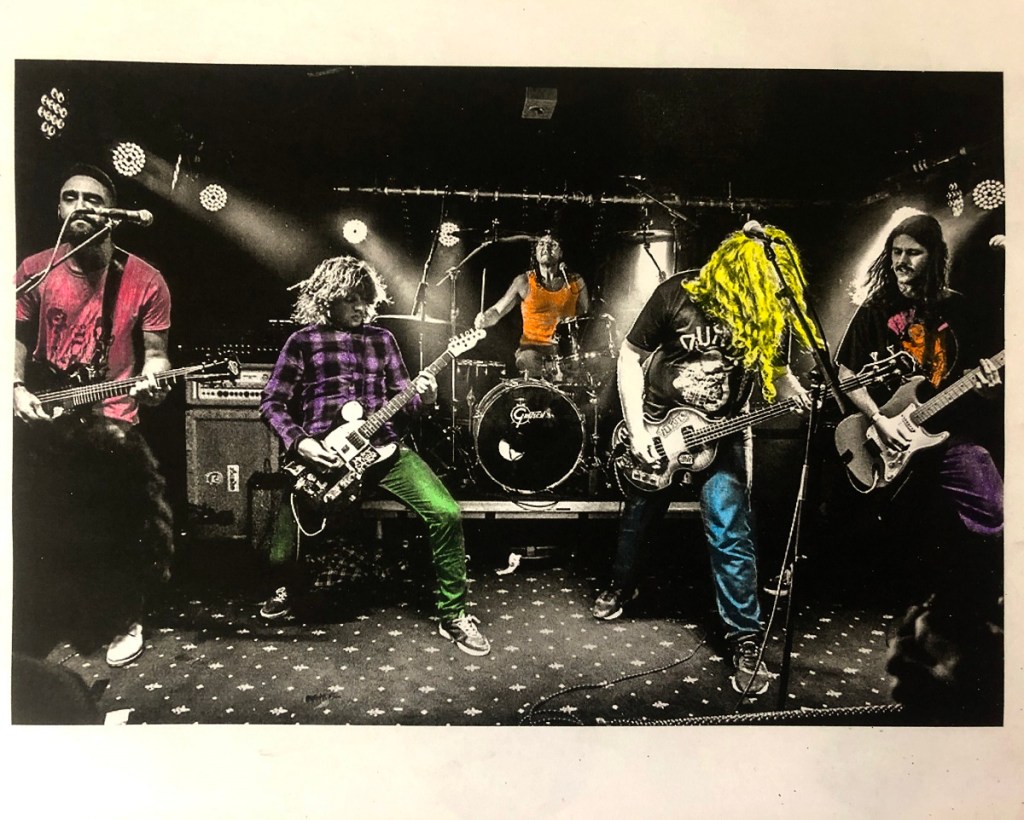
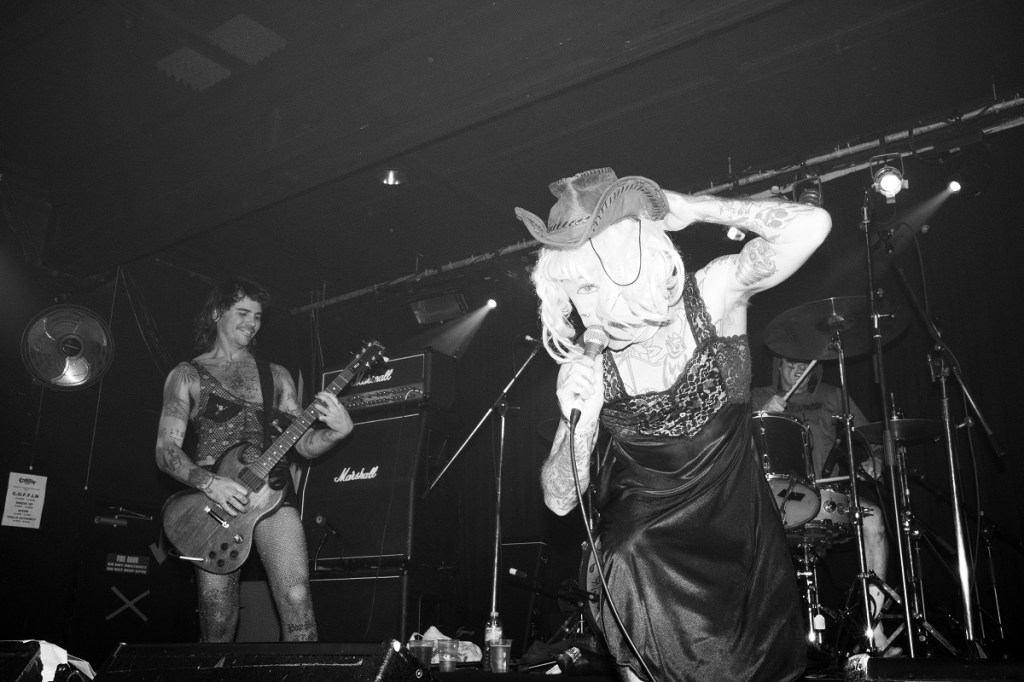
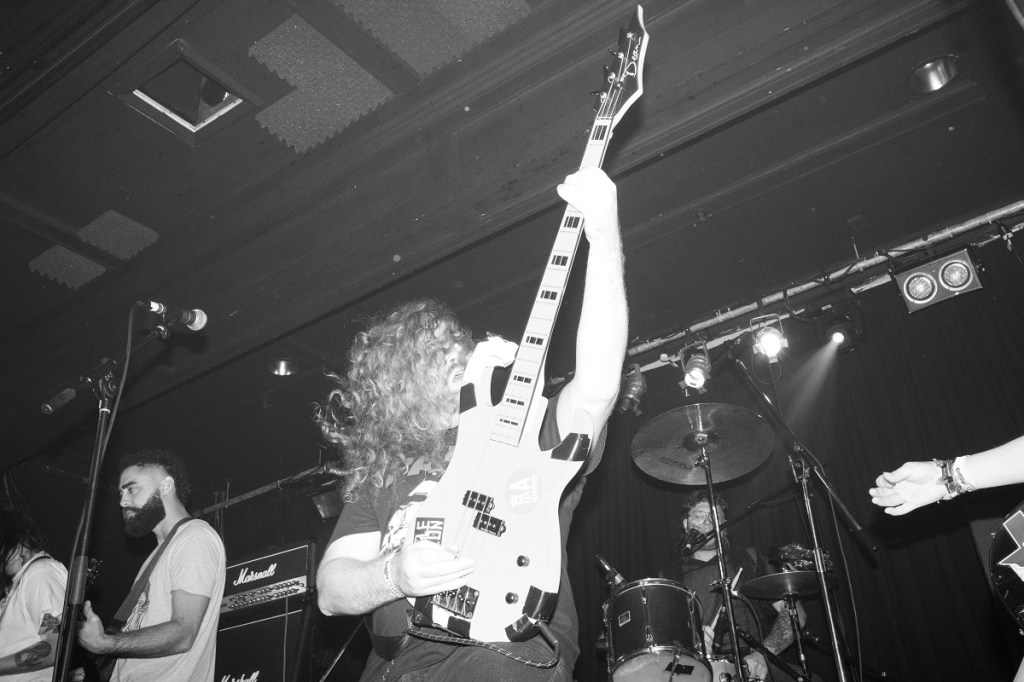
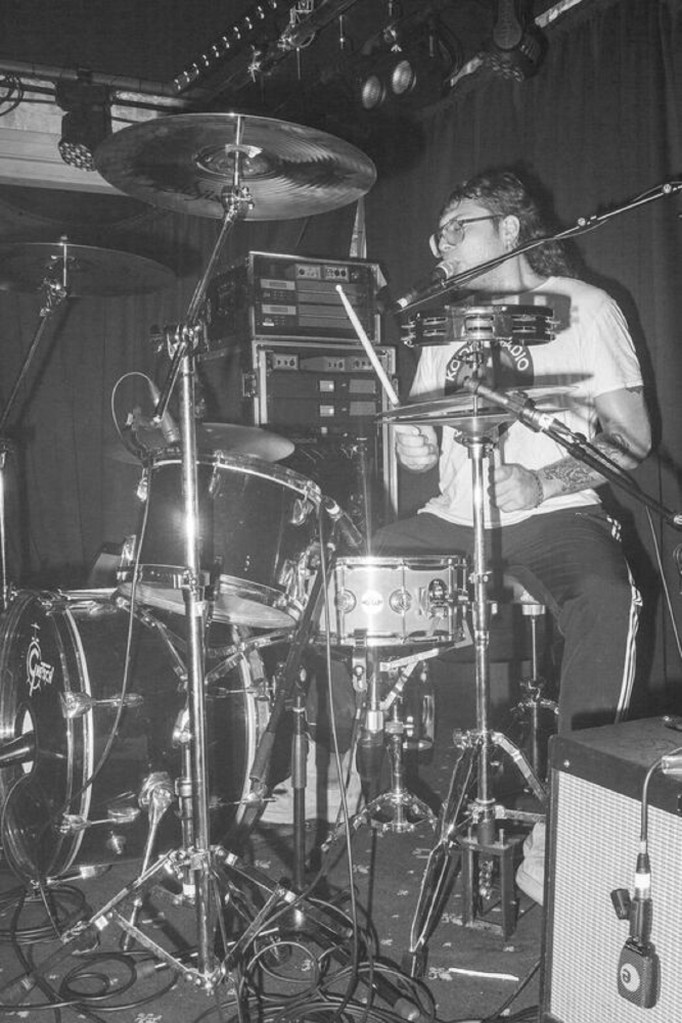
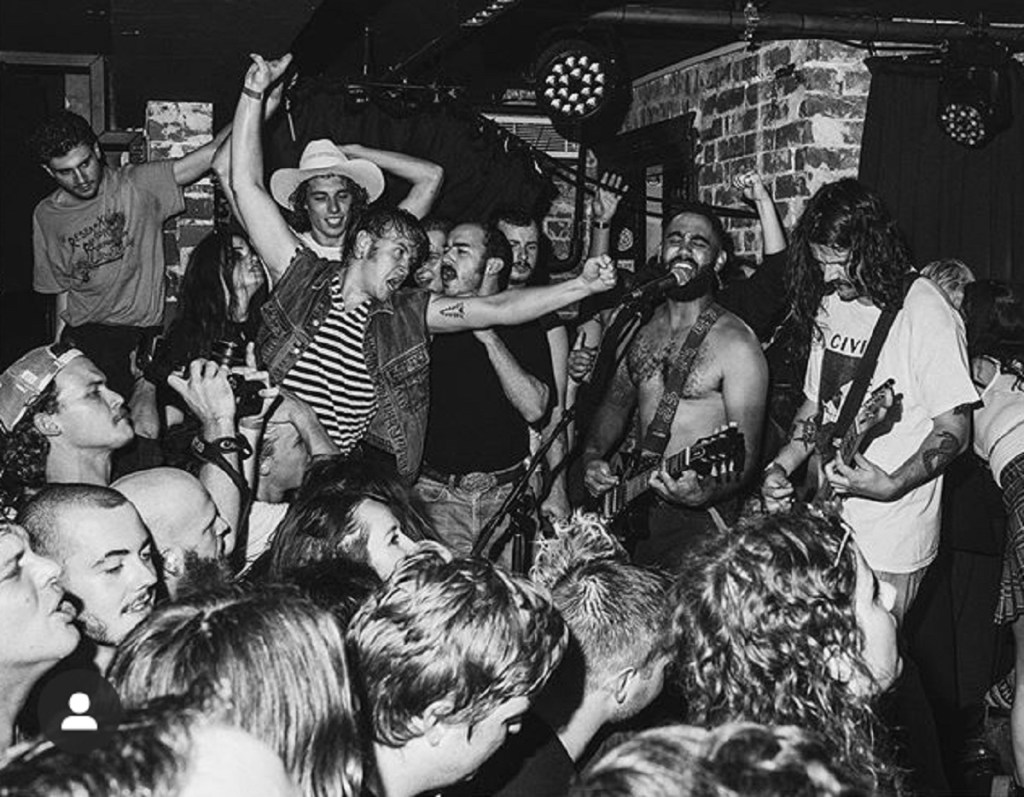
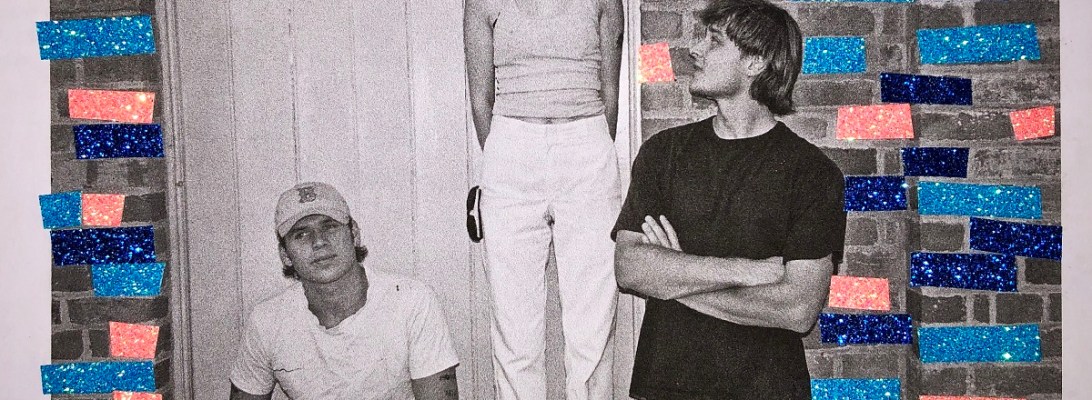
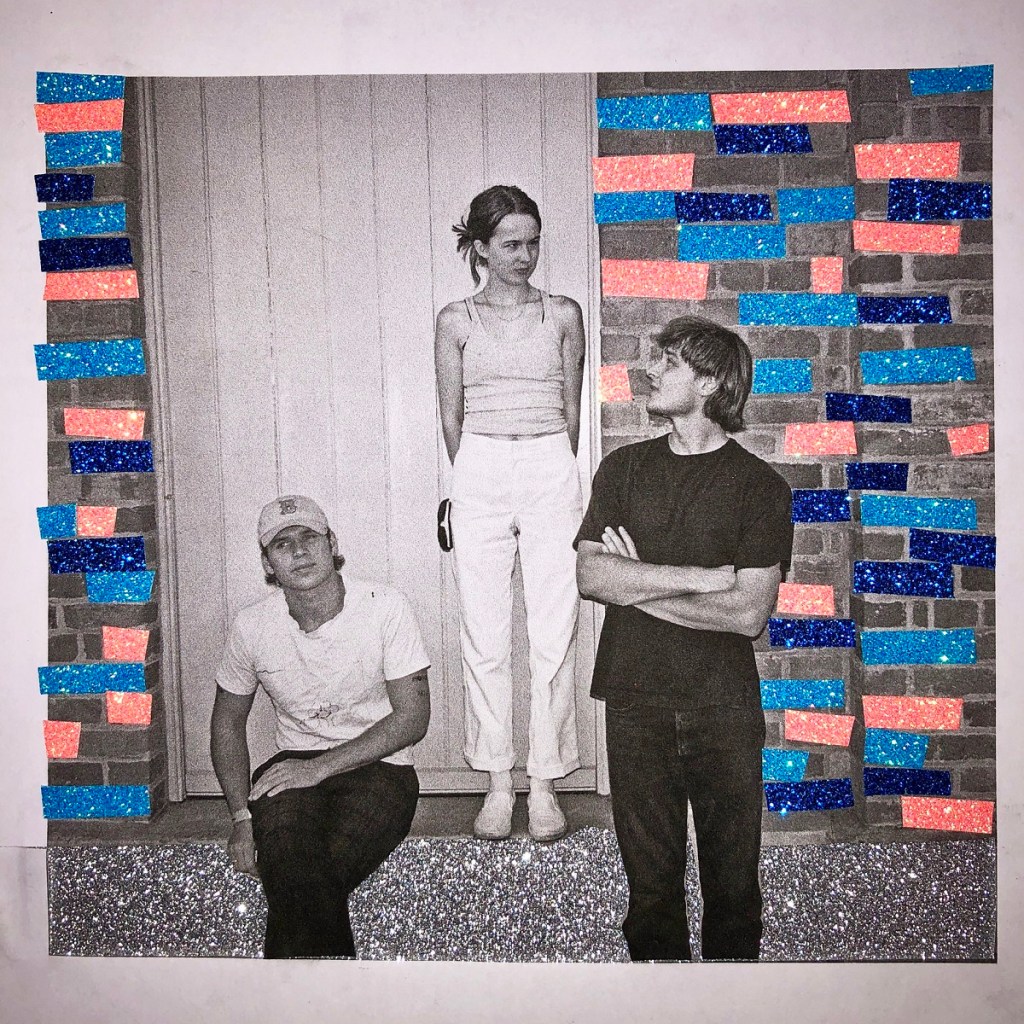
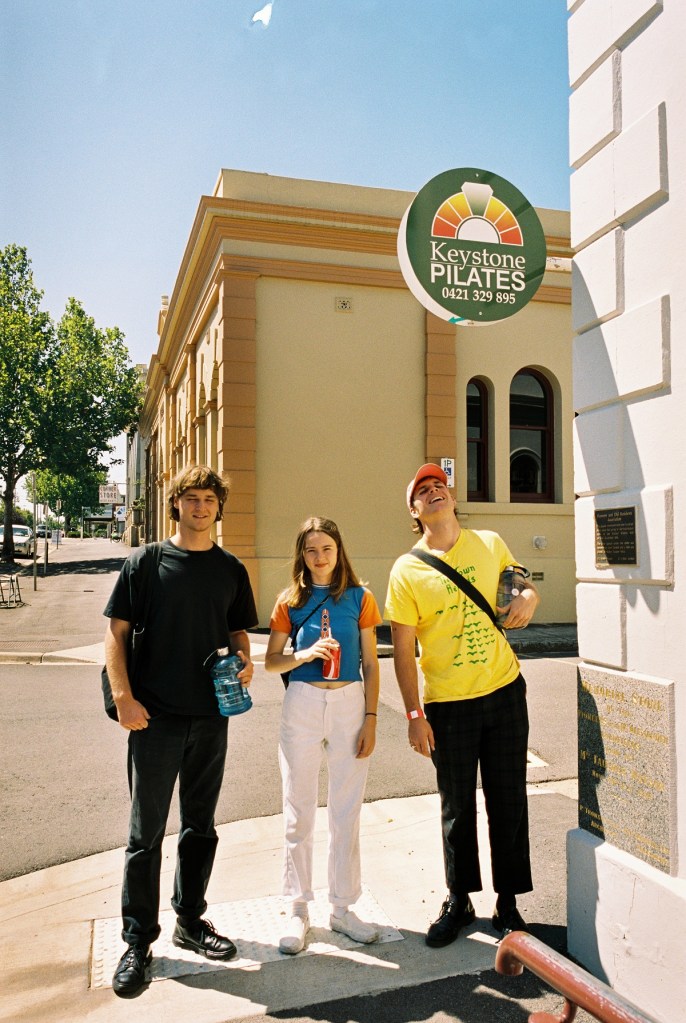
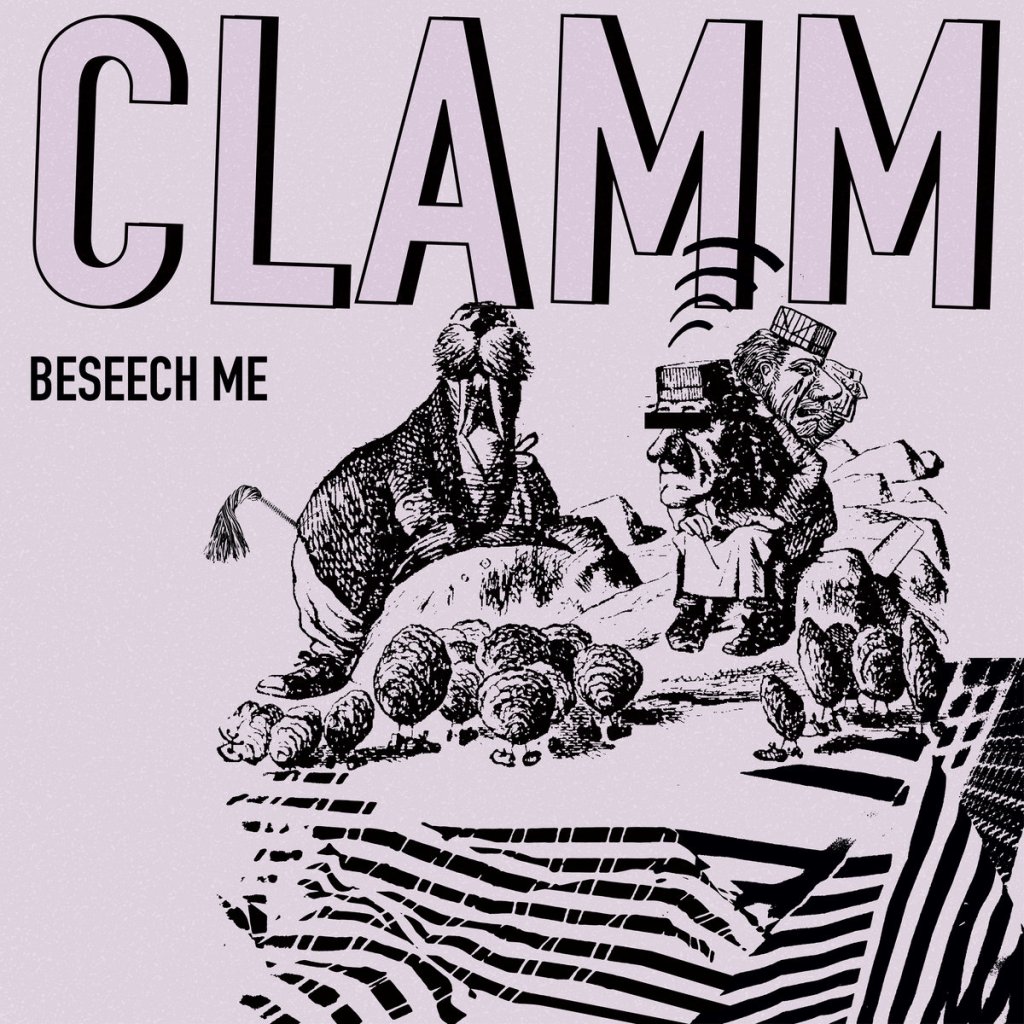

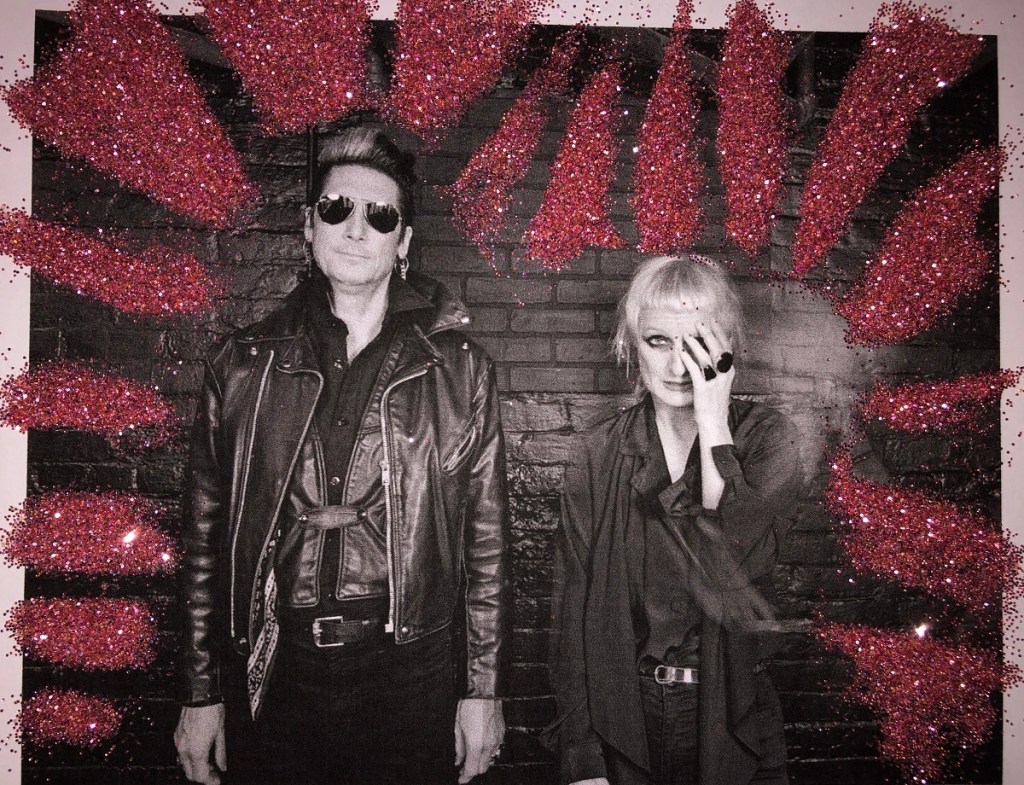
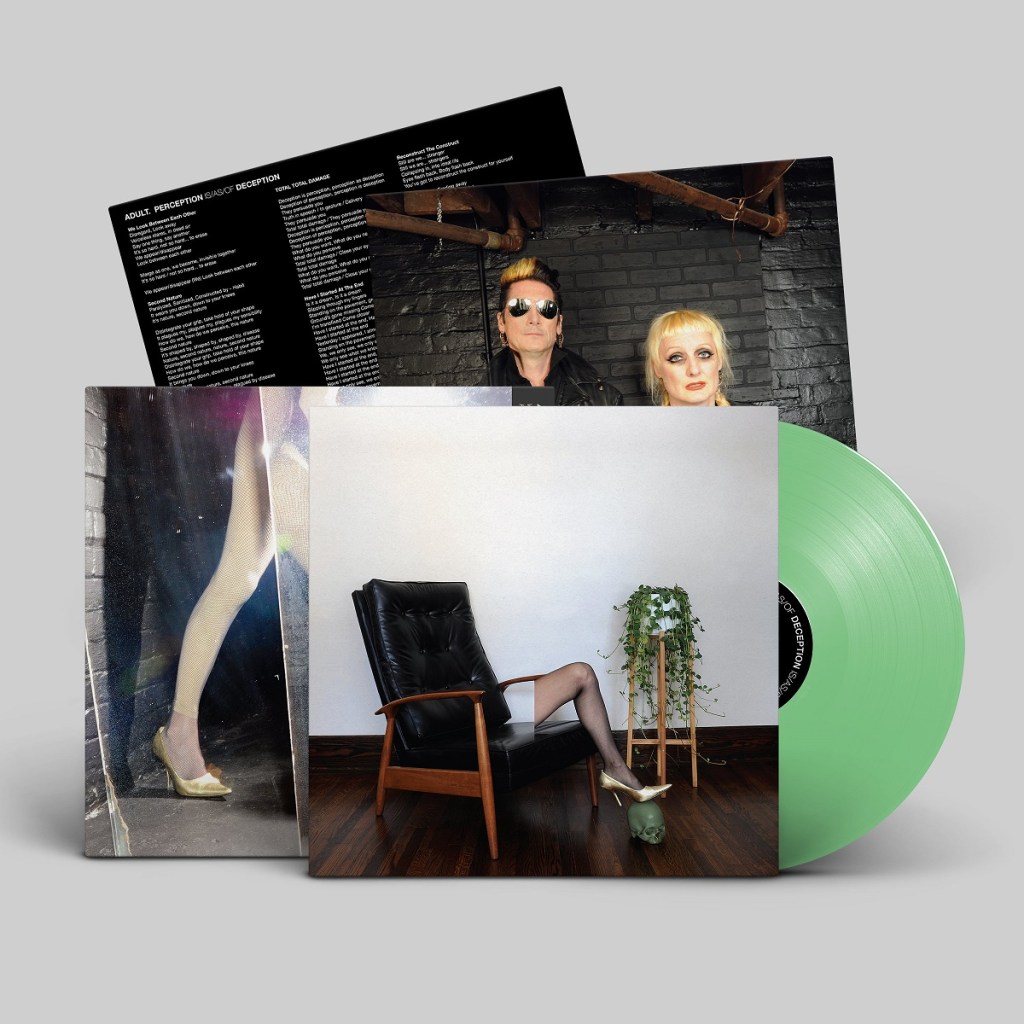

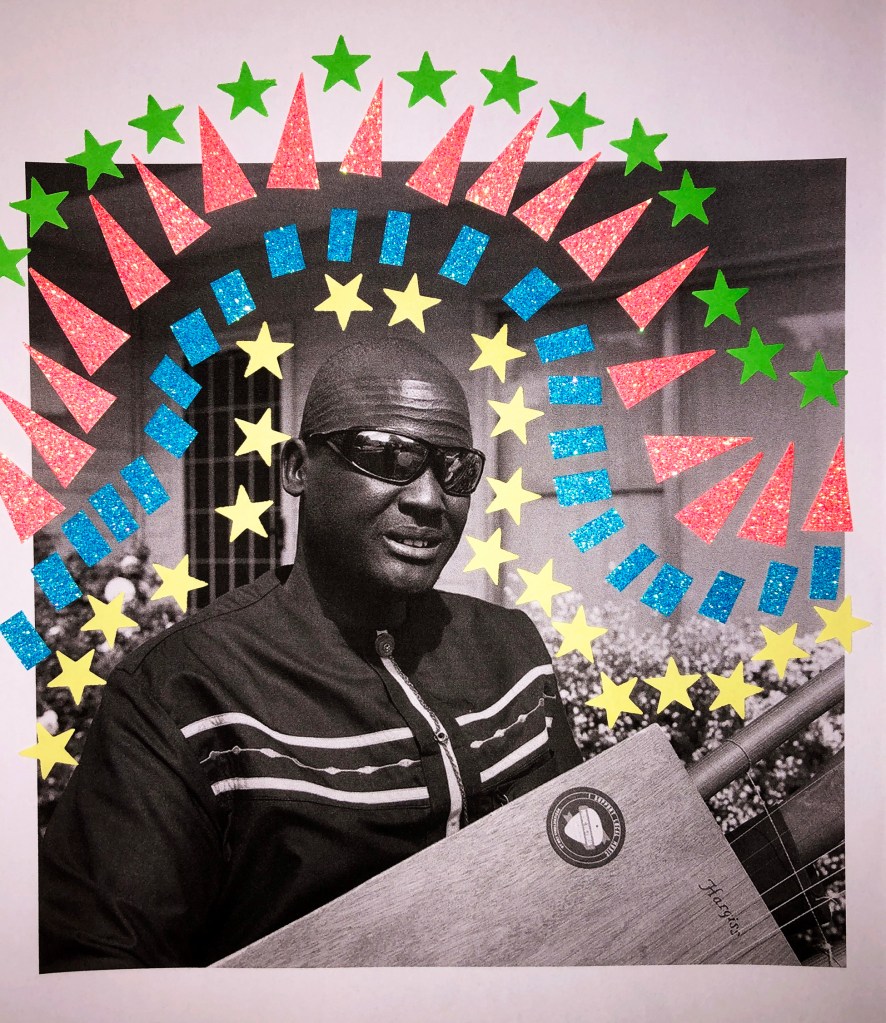
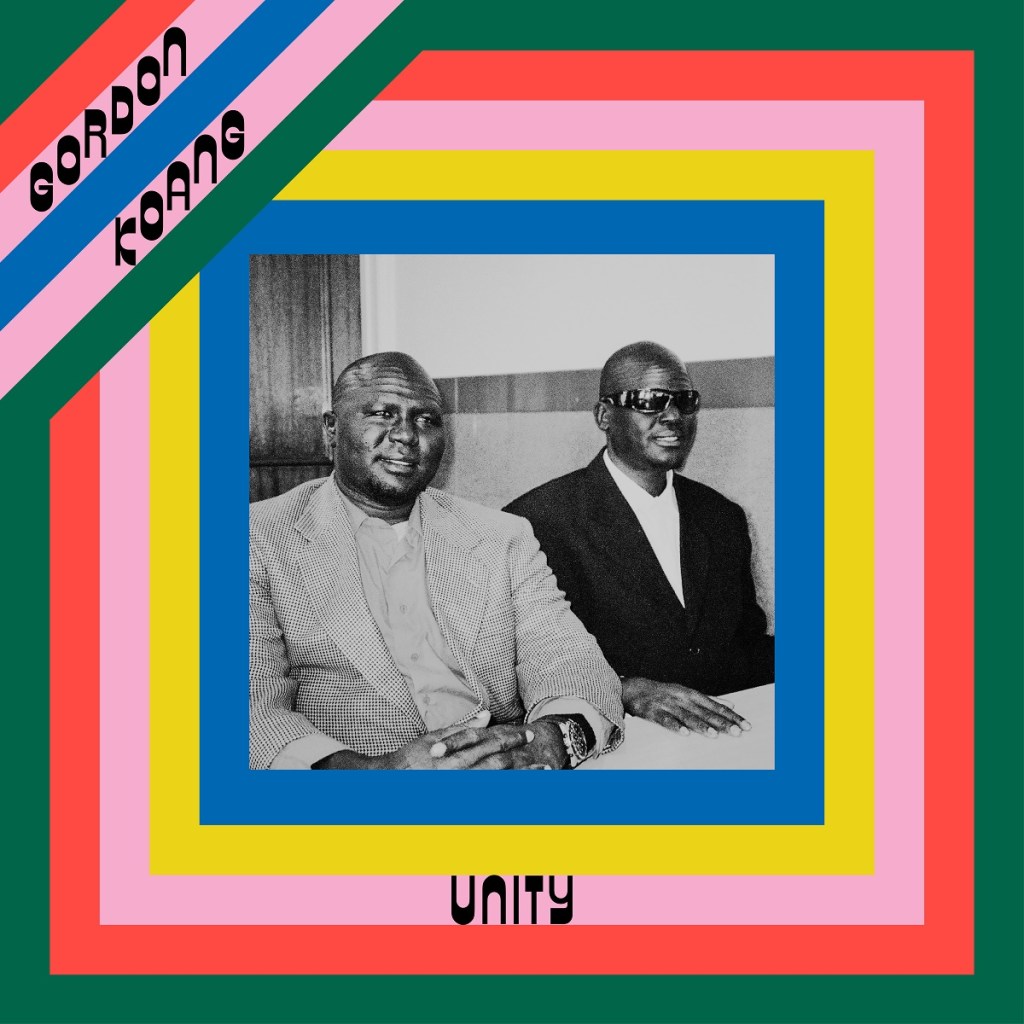

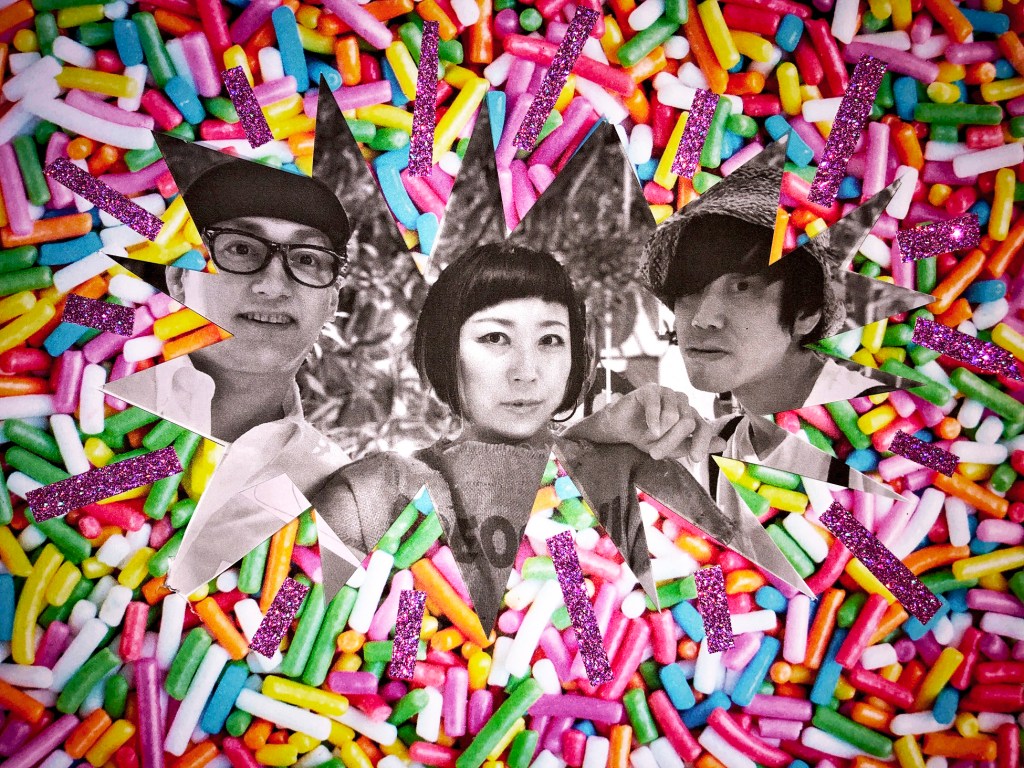
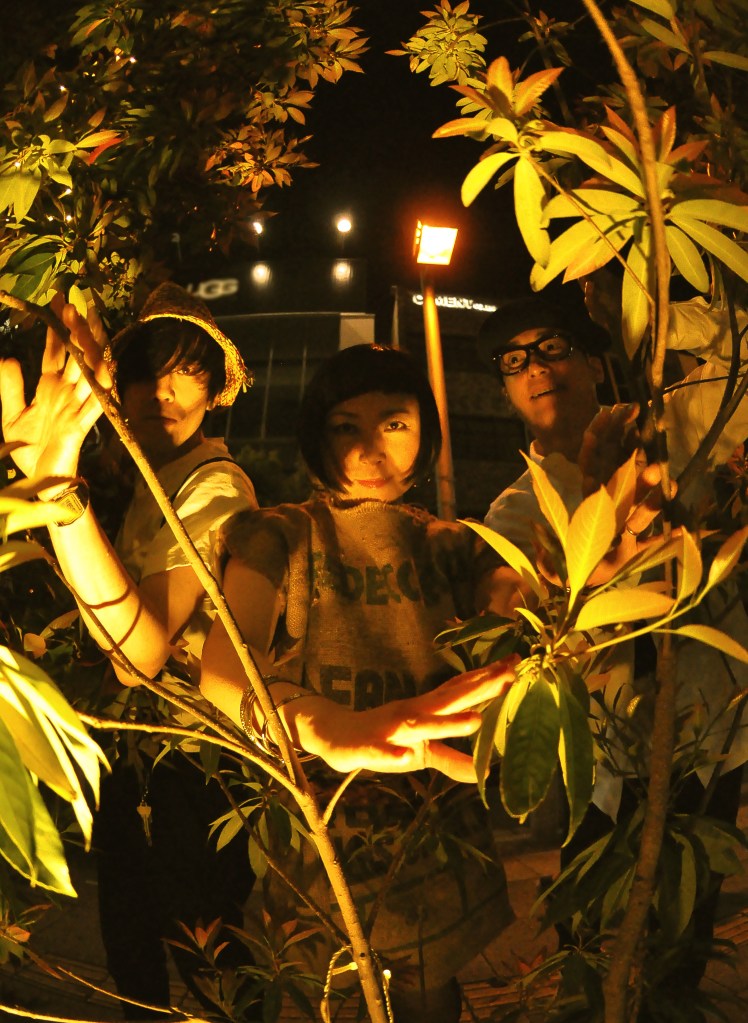
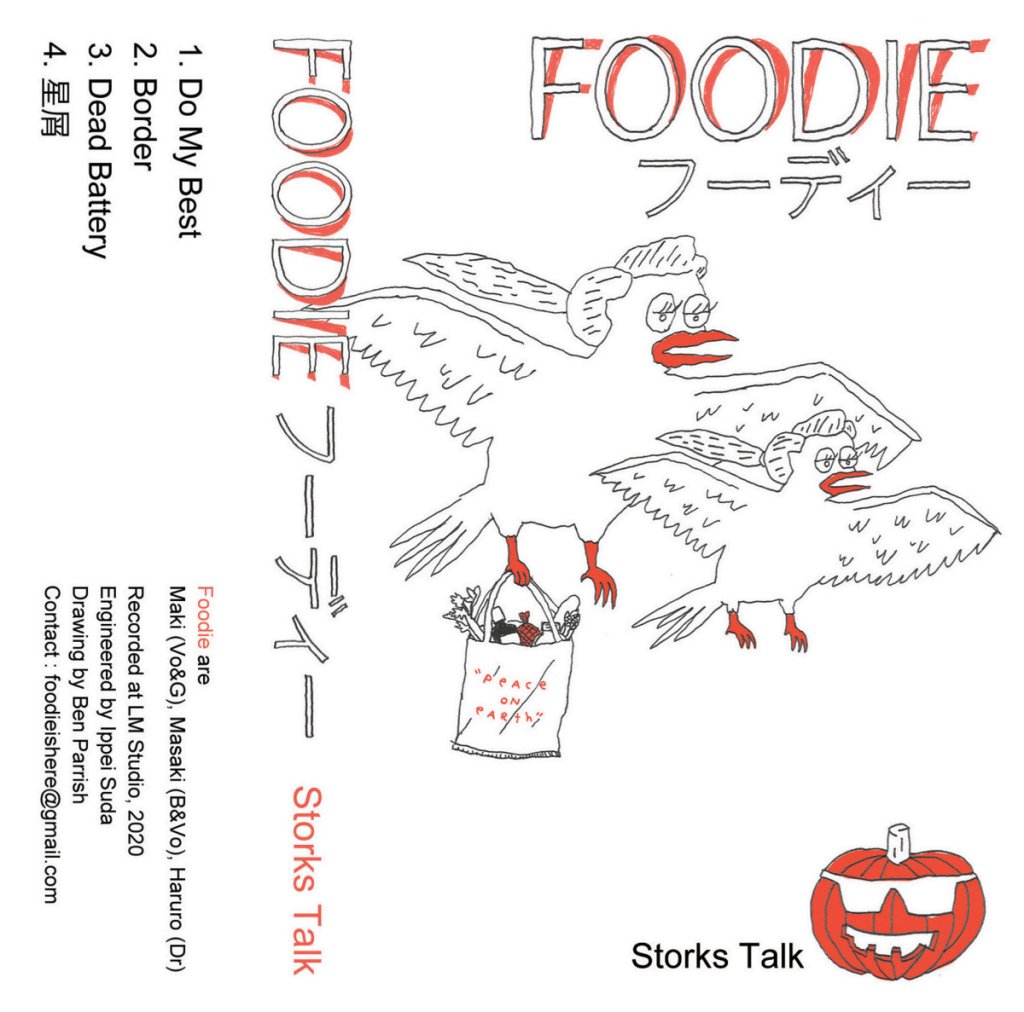
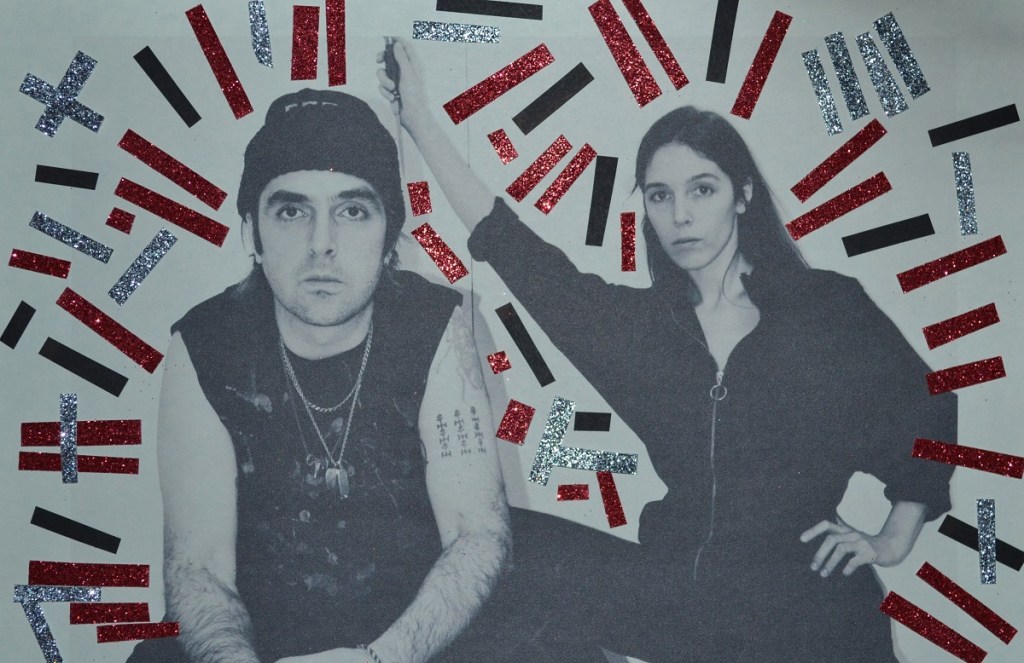
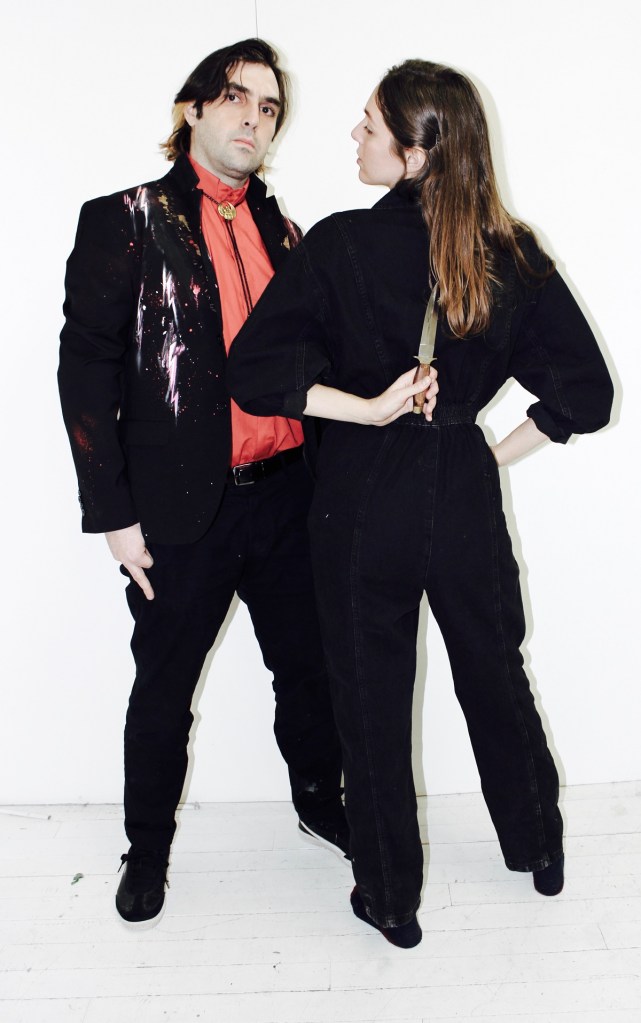

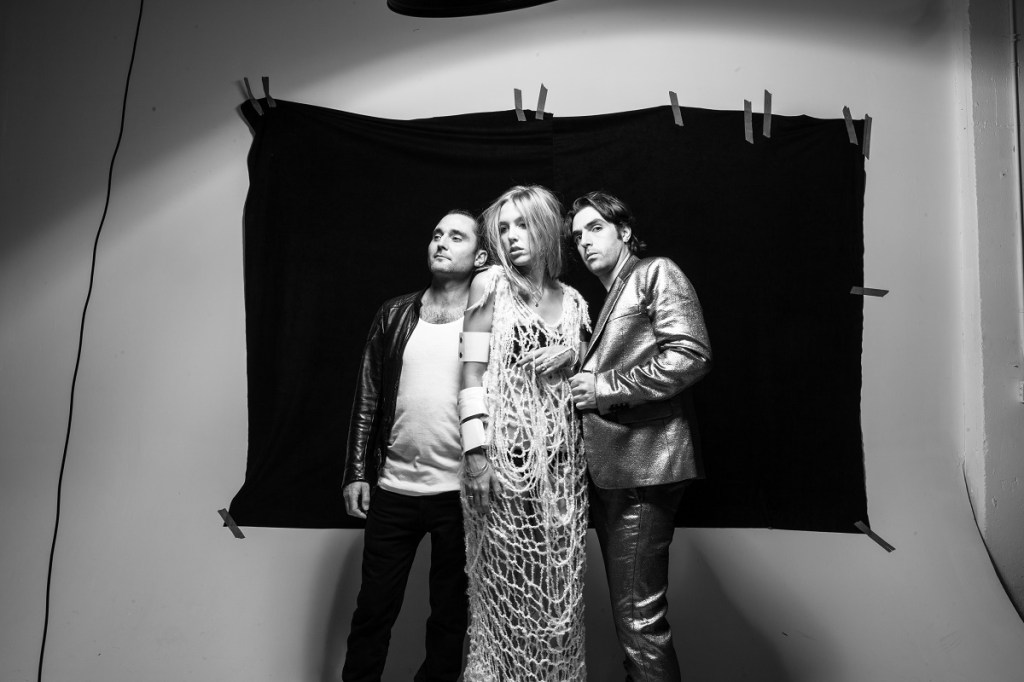
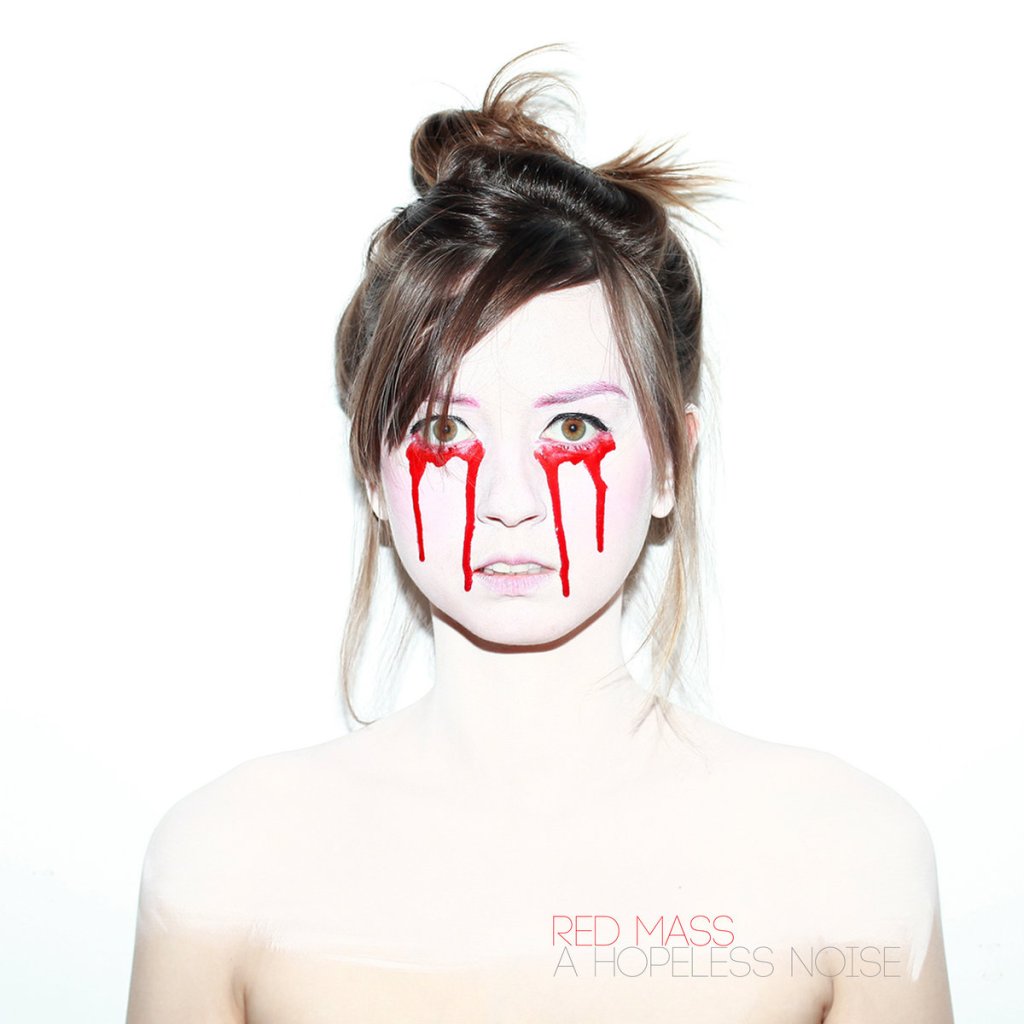


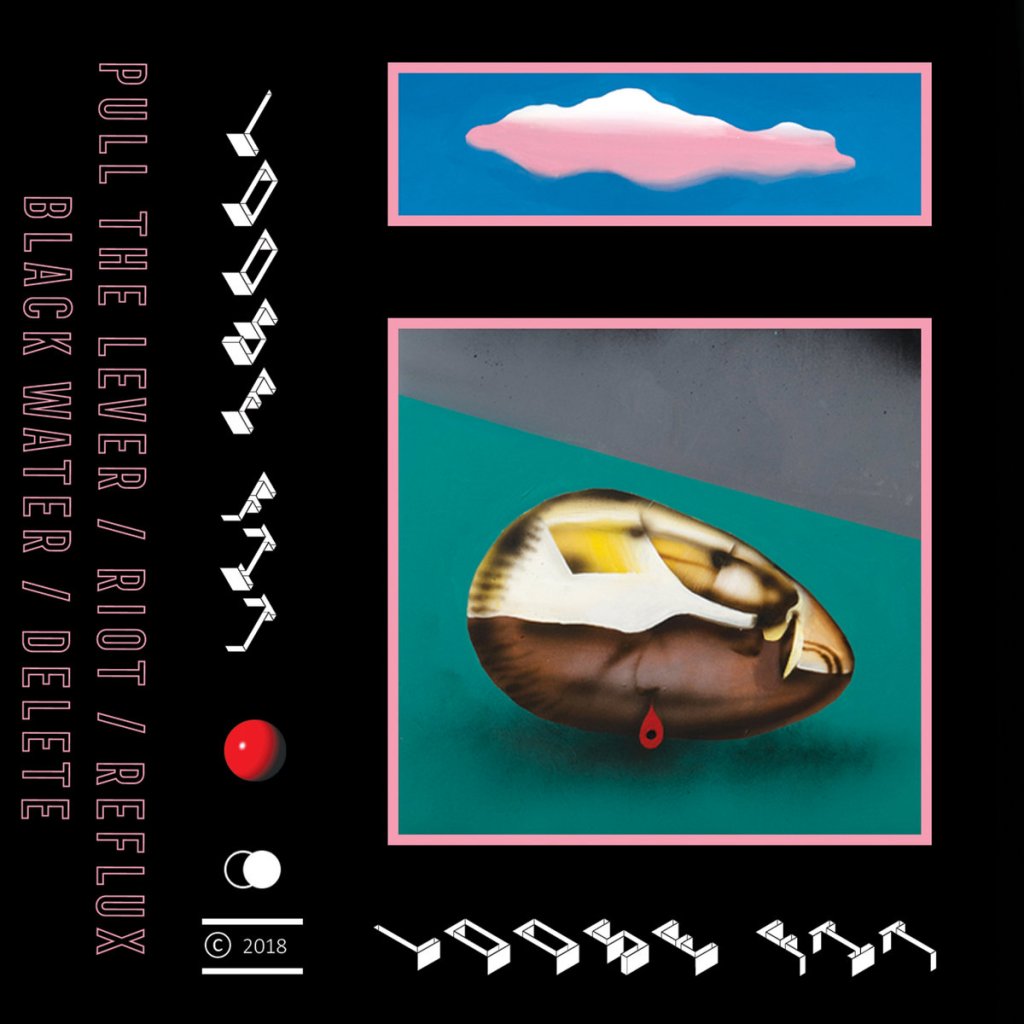

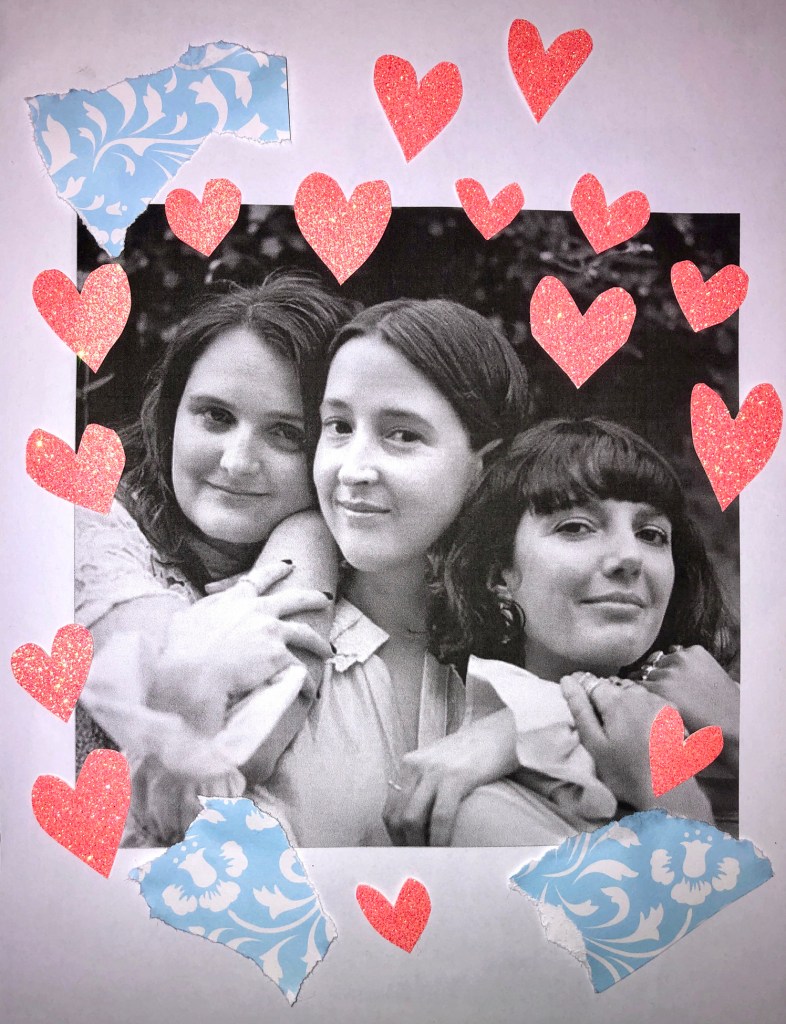
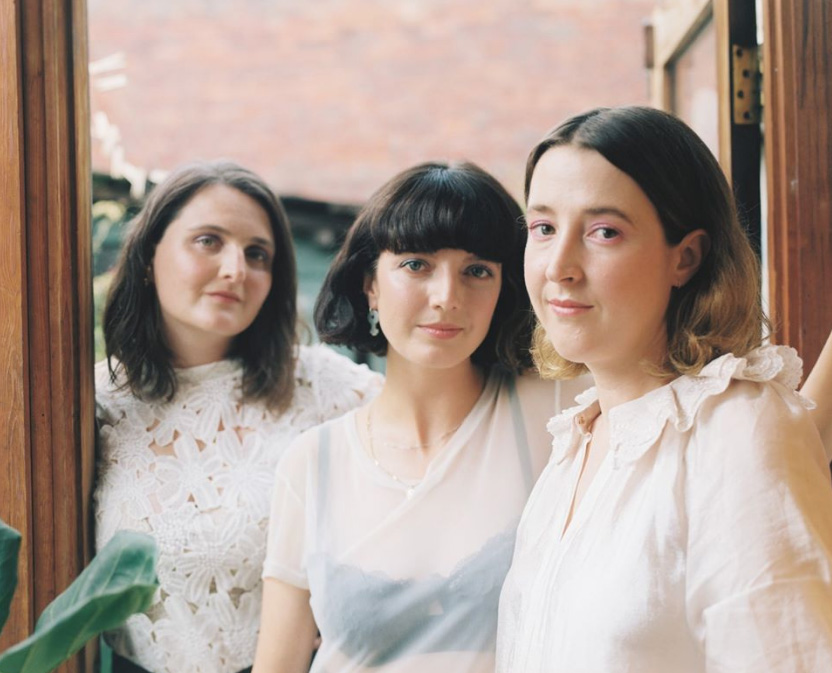
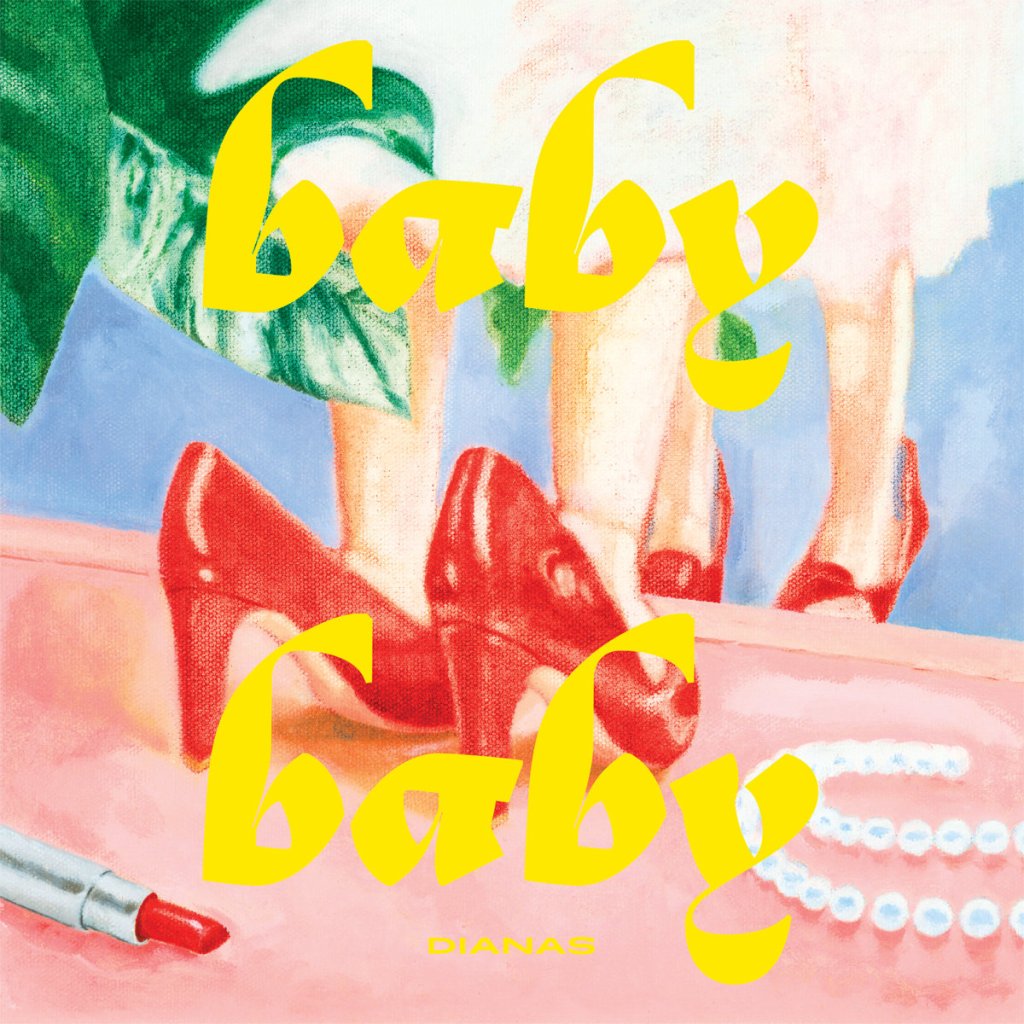

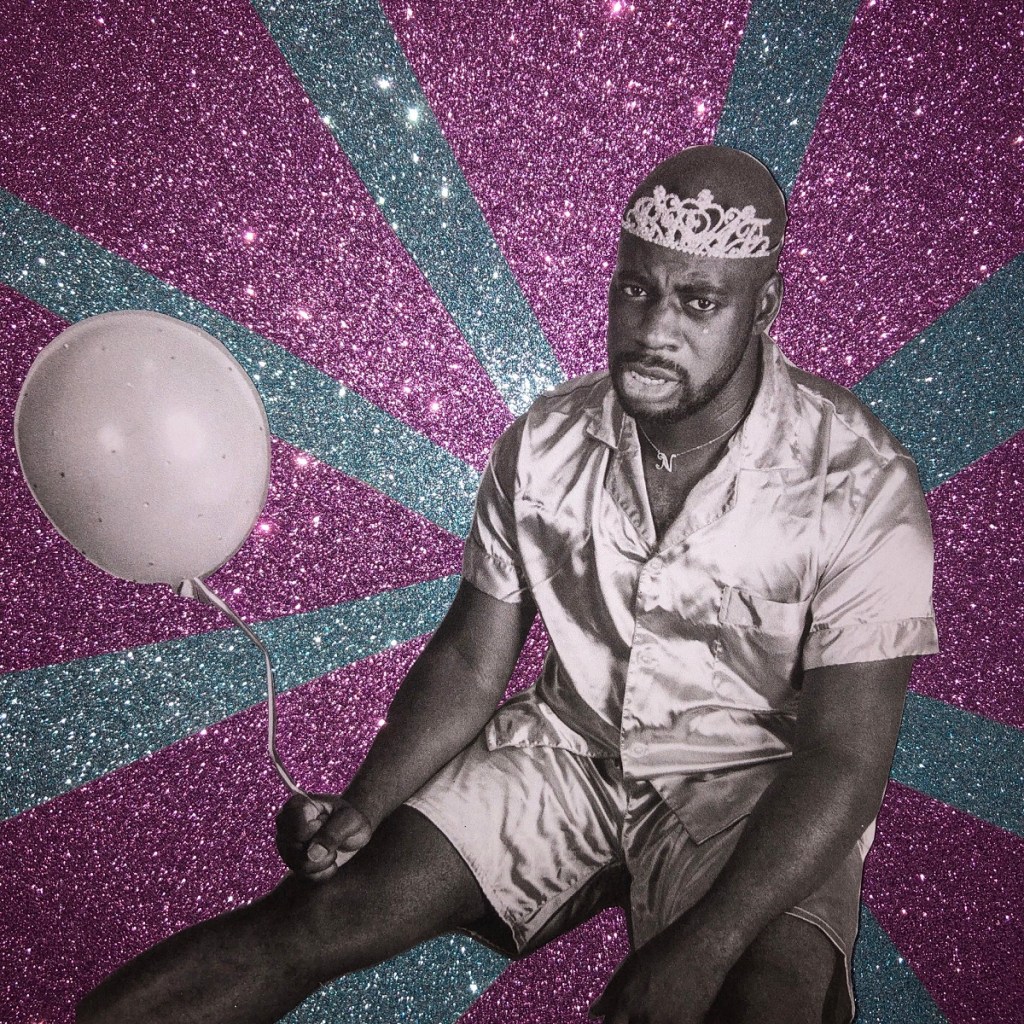
 Gimmie Gimmie Gimmie Zine