
We just released a mixtape dropping vocals from punk rock tunes over hip hop beats. It’s available now on limited edition cassette! You can buy it from our bandcamp page, where you can also hear a little teaser preview featuring a few of the songs.
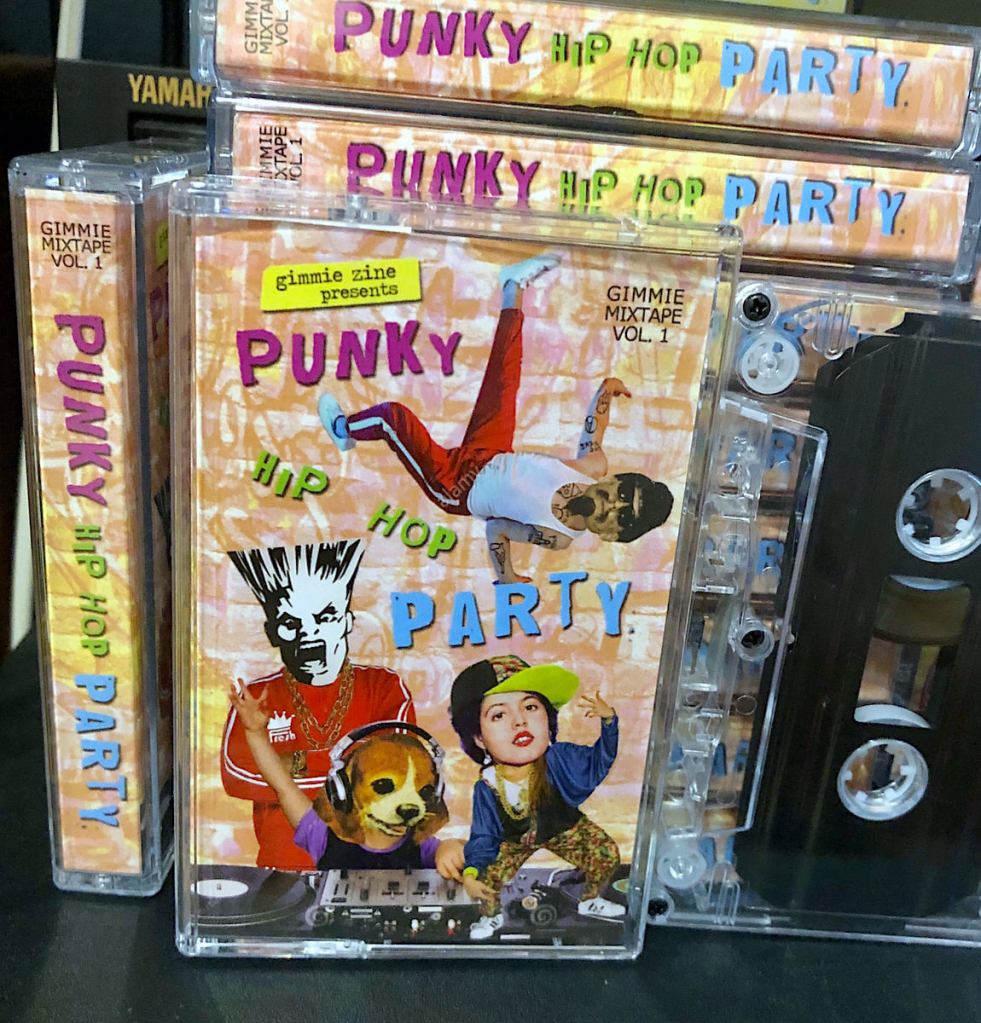
We just released a mixtape dropping vocals from punk rock tunes over hip hop beats. It’s available now on limited edition cassette! You can buy it from our bandcamp page, where you can also hear a little teaser preview featuring a few of the songs.

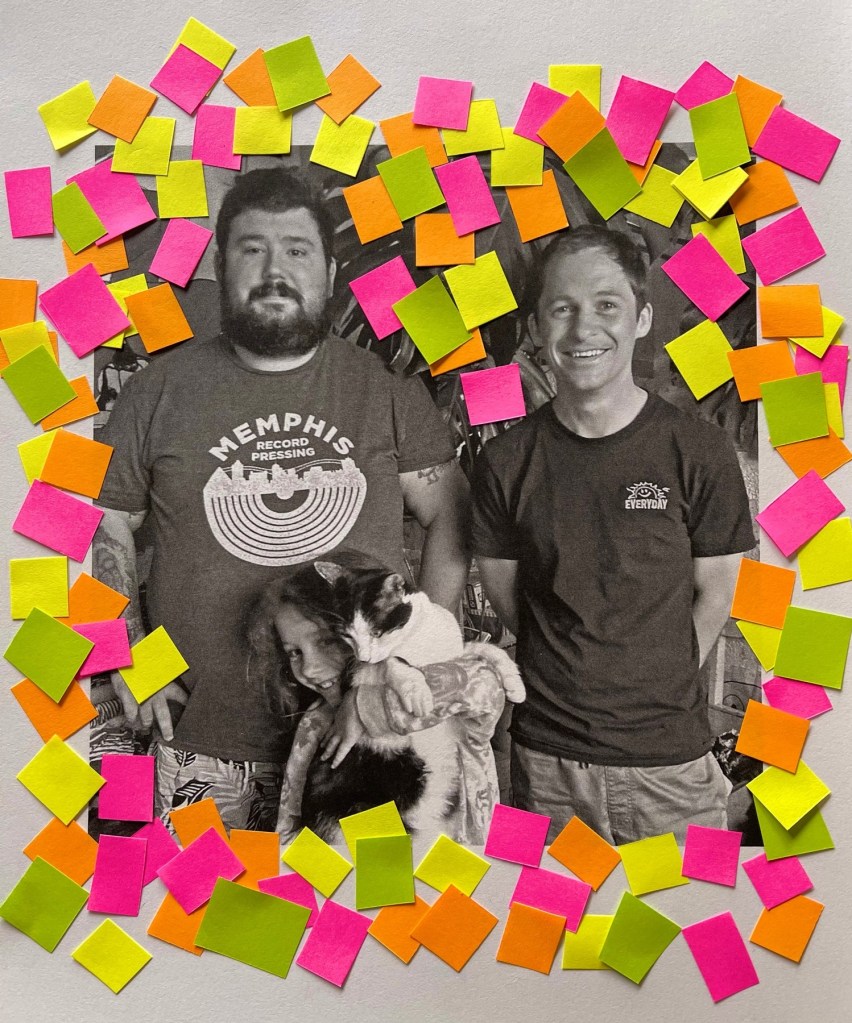
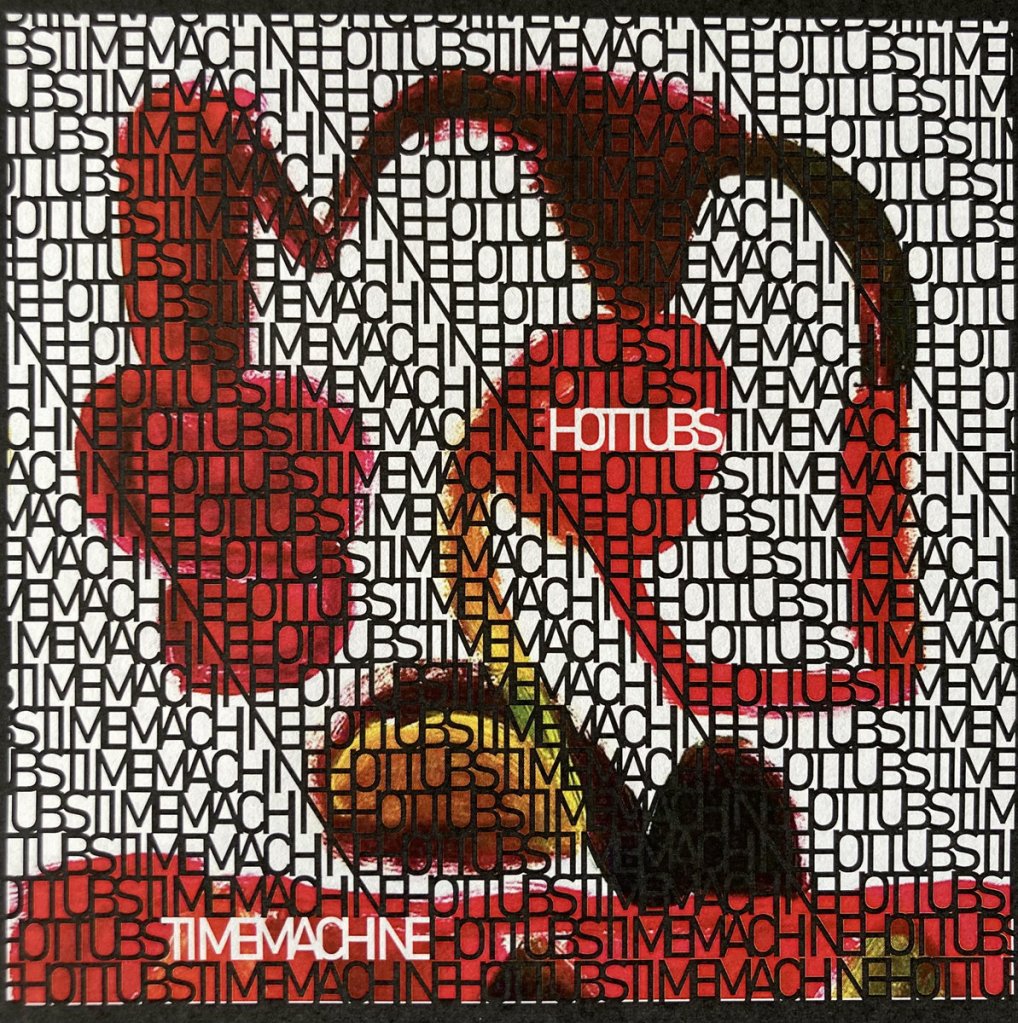
Marcus Rechsteiner (The UV Race, Luxury) and Daniel Twomey (Deaf Wish, Lower Plenty) have gotten together and made an album under the name, Hot Tubs Time Machine. It’s a delightful bare-bones jaunt of minimal bass, 808 beats, layers of synth, bright guitar and percussion, soundtrack-ing Marcus’ engaging, humorous and very relatable stories taken from his daily, that give us an insight into his world. We interviewed Daniel to get a look into the making of Hot Tubs…
Hot Tubs… is yourself and Marcus from The UV Race; how did you both first meet? What were your initial impressions?
DANIEL: I first saw The UV Race at the Tote for Deaf Wish’s 7-inch launch in 2008. I thought Marcus was a loose unit. He won me over when he sang about M*A*S*H. We were always on the periphery of each other’s lives but I didn’t really get to know him very well.
What sparked the idea for you guys to start working together on this project?
DANIEL: A couple of years ago Marcus and his mate Brent were looking for a drummer and asked Mitch Marks to join them the same week that I suggested to Mitch that we might start something with me on guitar. So instead of getting a drummer, they got me tagging along. I suggested I play bass cos there was nothing else left. Mitch didn’t stick around but I did. It was a really fruitful and joyous six months of making music with Brent and Marcus in a group called Luxury with Steph Hughes joining us on drums. When the first lockdown happened last year Brent (who is from the States) was on a visa run to New Zealand so got stuck there. Not the worst place in the world to ride out the pandemic but Marcus and I were gutted. We miss him a lot.
So, late last year, Blonde Revolver asked us to play a show with them and Marcus suggested we do it as a duo. “But we can’t play any Luxury songs” he said. “We’ll write all new stuff”. So that was the brief. “Daniel, write a set of songs in two weeks and I’ll sing on them.” And that is an accurate description of the process. I write a bass line, put together the beats on an 808. Add layers of keyboard or guitar or percussion. Marcus waltzes in and tells a story over the top and I laugh ‘til my face is sore.
What inspired the name?
DANIEL: Marcus called me Tubs. He called me Tubs for about a year. One day I called him and he answers “Hot Tubs Time Machine.” Three weeks later we need a band name. Two months later it’s on an album cover. It’s a funny old world.
What was the first song you wrote for Hot Tubs? What’s the story behind it?
DANIEL: ‘Pants Off O’Clock’ came first. Marcus had been talking to a friend about that moment that the door shuts and you can leave the shackles of pants behind. They had been reflecting on the extended hours Pants Off O’Clock was experiencing due to lockdown. Pants Off O’Clock around the clock.
What kinds of other things inspire this collection of tunes? We love that each song tells a very relatable story, like ‘Southern Hemisphere Christmas’ and ‘No Thanks, Google Maps’.
How were the vocals recorded? They’re so honest and have such a purity and charm in delivery.
DANIEL: Marcus has spoken to me about how anxious he gets about recording vocals so I knew that I had to create the right environment for him. Recording everything as I went meant that the only thing missing fourteen days after I started working on the songs were the vocals so, I was so keen to get some in the can. I recorded the first lot of vocals on the sly. When I was setting everything up at rehearsal, I ran the microphone through the laptop without telling Marcus. A good chunk of the vocals are from that session. Marcus singing away with no idea the red light was on, sometimes it was the first time he had tried singing on a tune. On those takes you can even hear the rest of the music reverberating around the music room we were jamming in because I couldn’t really put headphones on him without him catching in. So then at the end of all the songs I broke the news to him. “Congratulations Marcus, the vocals are recorded!”
Of course, some needed re-recording so when Marcus arrived a couple of hours early for our annual steak night – long story – I casually suggested he have another crack at the vocals. I purposely set myself up facing away from Marcus – so that he didn’t have the pressure of someone watching him, but set him up behind me – so he could see me laughing at all of the words. Apparently, that is how Stanley Kubrick directed Peter Sellers in Dr. Strangelove. He got the camera rolling, made sure Sellers could see the effect he was having on him and proceeded to roll around on the floor laughing. So that’s what I did.
Where or how do you think your best song writing ideas come to you?
DANIEL: Marcus says they are usually from conversation. He’ll be talking to someone or himself and thinks “that would be a good idea for a song”.
What do you personally get from creating stuff?
DANIEL: The second lockdown last year was hard. Everyone you speak to experienced it so differently but myself, I really struggled and I know that for Marcus it was even harder. When he asked me if I thought it was possible to pull a set together, I knew how good it was going to be for his mental health. There was no way I was going to say no. I did it for my brain too. I love a project, one with a deadline is even better. Stretching out of my comfort zone and playing a synth for many of the parts was such a satisfying puzzle to enter into. Knowing I only had seven days left and five songs to go was thrilling. Four days left and three songs to go. Two days left and one song to go. The finish line. For me personally, creating this particular stuff was a very enjoyable, liberating process that resulted in a really great gift for a good friend. Watching Marcus sing on the songs and get a kick out performing them a week later was so rewarding. His enthusiasm is painted in bright colours on his sleeves.
What was one of the most fun moments you had while making the Hot Tubs… album?
DANIEL: I had a silent partner helping me on all of the music. Over the two weeks that I was writing the material, my twin brother was in quarantine. First in a hospital in Bangkok, then in a little place in Vientiane, Laos. He had some recording equipment and instruments with him so he could work on music while he waited the days away so I started hitting him up regularly for ‘bits’ for songs. We spoke every day, multiple times these calls were some of the highlights of the whole process. His whole world was a hospital room for a patch and So the two of us just fell into these songs together. We locked into the twin zone. He served up some very funny shit that didn’t make the record – and some that did. I am still recovering from his bass solo for Hot Tubs Time Machine Theme. Left on the cutting room floor because the world just wasn’t ready.
What’s next for you guys? Will you be playing live shows?
DANIEL: Yes! Sunday the 28th of February we are playing our album launch. A roving, pop-up, public transport powered, guest spot extravaganza. Over the day we will play three busking sets at different locations. Each with a different guest joining us for our set:
Please check out: HOT TUBS TIME MACHINE on bandcamp. All profits from album sales go to Djirra in Abbotsford. “Djirra is a place where culture is shared and celebrated, and where practical support is available to all Aboriginal women and particularly to Aboriginal people who are currently experiencing family violence or have in the past.”

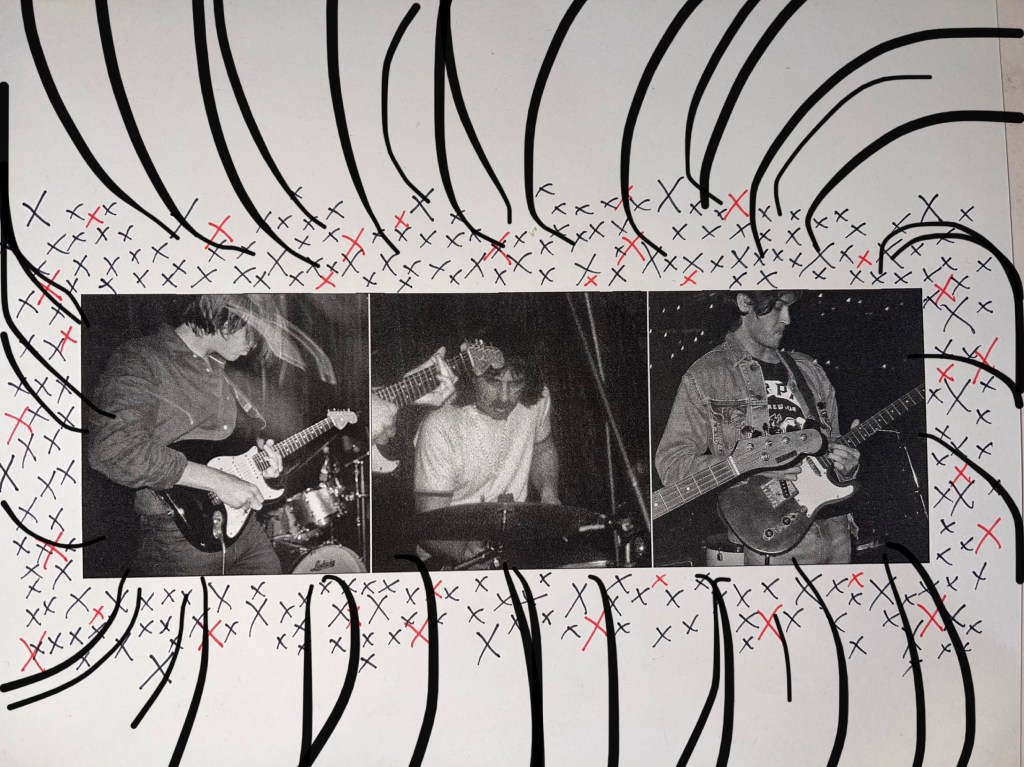
Super-X’s debut self-titled album is full of aliveness, possibilities and risk. The Naarm/Melbourne trio walk the tightrope of balance of control and dissonance that’s beautiful and ugly at the same time. Gimmie interviewed co-vocalist-guitarist, George Ottaway.
Hi George! How are you? What did you get up to today?
GEORGE OTTAWAY: Hey Bianca! I’m pretty good, it’s the weekend, so I’m taking it pretty easy so far. My girlfriend is from Madrid so tonight we are heading to what’s meant to be one of Melbourne’s best Tapas bars. Will report more on this later!
What’s an album in your music collection that’s important for you?
GO: For me, it’s got to be Aphex Twin’s Selected Ambient Works 85-92. It’s a really beautiful album and I find myself coming back to it again and again since first discovering it in my mid-teens. It evokes a lot of memories for me, including a really memorable solo trip I did to Iceland for All Tomorrows Parties Festival back in 2015, when I listened to it a lot. I also think it’s probably the most coherent and consistent Aphex Twin release, and maybe the only one where he isn’t intentionally trying to fuck with his audience!
How did you first get into music? Did you and your brother (Super-X’s co-vocalist-guitarist) Harrison get into music together?
GO: Growing up, music had a very important presence in our house. Our parents are both music fans and liked to fill every possible moment of silence with community radio or a CD from their collection. I remember hearing a lot of the Rolling Stones, Nirvana and Nick Cave. Our dad in particular made it his personal mission to impart his musical taste on us; by the time we hit primary school he was pumping The Stooges’ Raw Power on cassette in the car as he drove us to school! When we were teenagers, we both picked up guitar and formed garage bands with our friends. It was a pretty interesting, exciting time to be making music, websites like Myspace and programs like Garage Band were suddenly making it really easy and accessible for young kids like us to record songs and get them heard by a wider audience. This was also around the time we discovered the Melbourne underground scene! We got into bands like Kiosk, Bird Blobs, Sea Scouts, Circle Pit, Witch Hats, ECSR, Zond, the Nihilistic Orbs label and started going to a lot of shows.
When did you first know that you wanted to play music yourself?
GO: I think around the age of 13. I was pretty obsessed with music and just knew it was something I had to do. In primary school I had a pop-punk band that played to the other students in the school hall, which was pretty cute and my first taste at playing music.
What inspired you to start Super-X?
GO: I’d watched Harrison – he’s a bit older than me – play shows in different bands over the years and I was itching to get into it myself! We were both living together at home at the time and both of us playing guitar just made it easy. We were intrigued by each other’s styles – I’d say Harrison is more technically astute, while my own style is a bit more naive and abrasive. We both wanted to play in a band that was a bit grimier and more ferocious than what we had previously done, so we outlined a bunch of key influences that we both enjoyed and started jamming regularly. After a while Harrison wrote the guitar line for ‘Weapon-X’, which is where we found our sound. A little after that we recorded our first demo, with me playing drums – it’s still up on our Soundcloud!
Can you tell us a little bit about the writing process for your debut self-titled album? Do you write collaboratively?
GO: A lot of the time we just bring in a riff or even a drum idea to practice and see where it takes us. Super-X rehearsals are always really fun: we spend a lot of time just jamming and improvising together. Harrison, Kaelan [Emond ] and I have been playing together now for a while so we all know how to interact with each other, when to rise and when to tone everything down. After we have the instrumentation down then we usually work on our lyrics – often it just begins with a murmur and becomes more fully formed as the song grows.
The album was recorded over six months between August 2019 and February 2020 at Invention Studios in Footscray working with Ryan Fallis and Mathias Dowle. Ryan & Mathias are fantastic to work with – they are incredibly patient, contribute great ideas and have one of the most incredible guitar pedal collections I have ever seen, including a number of pedals from the former U.S.S.R that they let us use! They are also lovely dudes, highly recommended!
Was it intentional to take your time recording or was it a necessity because of other commitments?
GO: In 2019 we had actually hit a bit of a slump with the band. We were all beginning to lose a bit of interest and all had a lack of direction with what we wanted to do and had all considered breaking the band up. We had tried recording a year prior but were pretty disappointed with the results. With work and other musical commitments (Kaelen plays drums in Obscura Hail, and I play rhythm guitar in Future Suck) we were also struggling to find the time to devote to Super-X. It was at this stage we decided to take a gamble and head back into the studio with Ryan Fallis & Mathias Dowle at Invention Studios. We were pretty unprepared in a number of ways, a lot of songs were only 80% complete, but I think taking this risk definitely added a bit of vulnerability and excitement to the sessions. We weren’t really sure what was going to come out of it and we just dived in head first. The album was recorded as live as possible with very minimal overdubs. We’d been thinking about the structure of the album for a while: we wanted a strong narrative and a focus on ambient and sound pieces throughout. Figuring out the exact track listing and order of the album was really exciting – we experimented with it as the tracks started to take shape – and ultimately pretty satisfying.
What influenced your choice to go with a real bare-bones vocal?
GO: Harrison and I aren’t natural singers, and the focus of Super-X has always really been on instrumentation, with lyrics and vocals taking a bit of a backseat a lot of the time. I think a lot of our inspiration vocally came from a the early Iceage LP’s. We wanted a delayed sound on the vocals and to have them gritty and pretty low in the mix. I think lyrically we just wanted them to be direct and to the point as possible so they could pierce through all the distortion and effects.
The album came out right in the middle of lockdown because of the global pandemic; how did you feel about not being able to play shows for its release? Any plans to play shows soon?
GO: I was actually quite thrilled with the album coming out in 2020. It’s such an iconic year for all the wrong reasons, but with no shows on and everyone having a lot of solitude I think it enabled us to carve out our own space and get the interest of Spoilsports records and Polaks, who did a joint release for the album. I think a lot of people took the time to actually give it a spin who might not have given it the time of day in other circumstances. Friends and fans have always described our music and live shows as a bit dystopian so I think having it released in 2020 is sort of fitting funnily enough?
We’ve actually got two shows coming up! Thursday March 4th at the retreat with Crash Material and our official LP launch on Saturday March 27th at Old Bar. We will be revealing the full line-up a little further down the track for that one.
What’s the most fun you’ve ever had playing a show? Where was it? What made it a blast?
GO: I lived in a massive pretty run-down house with an enormous backyard in Caulfield from 2015-2020. A lot of the LP was written in that house and is based on that particular chapter of my life. We had a bunch of parties with my housemates and would get bands to play in the lounge room which would always go off. There’s something about seeing live bands outside of the normal constraints of a venue which gets people really fired up. We had over 100 people at one of the parties and set up smoke machines and strobes, we had a fire lit outside and a TV at the end of a dark corridor looping Clint Eastwood’s The Good, The Bad and The Ugly on high volume. Super-X played with Tony Dork (who just released a brilliant LP on Legless last year!) and it went off! Both bands played well and I’ve got some pretty memorable photos from the night. After bands we had a bunch of techno sets going well and truly into the early hours. Someone put the smoke machine on full blast and the dance floor turned into a thick, smoky nightmare scene for an hour or so with people panicking and spilling out into the backyard. My neighbours wouldn’t look me in the eyes for months after! I went to a music festival a year later and a guy I swear I had never seen before in my life came up to me and was preaching to me about how it was one of the best parties he had ever been to haha. It was loose.
Travel has been off the cards for most people for a while now because of the pandemic but if you could travel anywhere in the world, where would you go?
GO: I had plans to go to Brazil for a 6-8 weeks on my own but COVID of course fucked everything up. I’ve always loved hot weather, good food and to be as far away from anyone who’s first language is English as possible when travelling. In 2018 I travelled through the Balkans and wound up getting a bus from Athens to Gjirokaster in Albania. Its where the dictator Hoxce was born and has a pretty fascinating history. There’s loads of old Nazi war loot that the Albanian army kept after they defeated the axis in the castle, including old tanks and captured flags, weapons and a documentation on how they defeated the retreating axis armies, which is pretty interesting. Albania was definitely a highlight of recent years, beautiful country and off the beaten track.

You did the artwork and design for the album; did you study art? How did you decide on the imagery? What made you go with a stark black & white palette?
GO: Yeah, I did! I did a fine arts course at RMIT specialising in drawing, so I was glad to put it to use for creating the imagery for the album. I’ve always been a firm believer in that the imagery and aesthetics of bands are just as important as the music. It’s got to be strong, bold and to the point. I honestly think if the Germs and Black Flag didn’t have their great aesthetics (the four bars symbol and Germ’s circle one logo) they wouldn’t be anywhere near as popular as they are today. People want to feel cool when they wear your band t-shirt or buy your record so the aesthetics have got to hold up.
Locally HTRK have incredible design for every release they do, I’m a massive fan of them. Nigel Yang is one of my favourite guitarists.
With Super-X I wanted something equally as bold so I decided on an industrial looking electrical plug image. Super-X is pretty mechanical and wild sounding at times so I think it suits what we do. I think for a debut LP classic black and white can never go wrong. I also drew a lot of inspiration from Peter Saville’s design and techno/ambient LP’s from the ‘90s like Underworlds Dubnobasswithmyheadman and Autechre LP’s. A lot of musical groups the less you see of the artists themselves sometimes the better, it creates more mystique and intrigue.
I never want Super-X LP’s to be about my Harrison, Kaelan or myself, or the way we look or whatever or to have us pictured on the front or back cover. I want the experience of listening to a Super-X LP to be like putting on a film with narrative of beginning, middle and end. With a strong emphasis on visual bold aesthetics to suit. The less focus on us as individuals the better. I’m a firm believer in that.
Have you been working on anything new?
GO: We have! We’ve got a bunch of tracks we’ve started to develop and have been working on some ideas in terms of sound and aesthetics for the next piece. It’s going to sound a little bit different.
Who are some bands you love that we should know about?
GO: I think locally Romero – shit hot band that a bunch of our buds play in. I used to play drums in the guitarist Ferg’s post-punk band Eyesores years ago when I was cutting my teeth playing my first ever shows. These guys are working on an LP that I am very much looking forward to, it’s really fun rocking power-pop. I really dug the new TOL album, Justin Fuller has influenced me a lot, he’s an amazing guitarist and always creates a very intense atmosphere. It’s like gothic tinged hardcore? I’m really enjoying Snowy Band, beautiful gentle pop and the production is excellent.
What’s something that’s been interesting you lately that you want to share with others?
GO: I recently discovered Japanese cyberpunk metamorphoses films from the early ‘90s. 964 Pinnochio (check out the trailer on YouTube for an idea) is fucking wild, I guess you could describe them as industrialist-fetish films? and the soundtracks is an absolutely incredible mix of techno and ambient selections I’ve never heard. The director Shozin Fukui also directed Rubber’s Lover which is just as twisted as 964 Pinnochio. There’s also Tetsuo The Iron Man which is more well known by Shinya Tsukamoto. These films are very confronting! Don’t say I didn’t warn you!
Please check out SUPER-X on bandcamp; on Facebook; on Instagram; on Tumblr. Super-X’s self-titled debut album out via Spoilsport Records and Polaks Records.

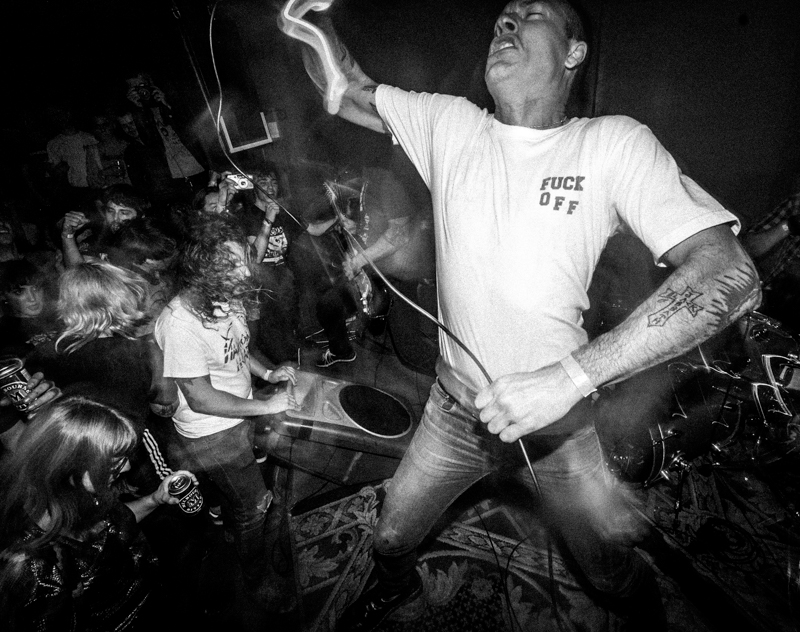
Underground photographer David Forcier has a knack for capturing compelling images. Forcier’s snapshots express the intensity and integrity of live music, documenting a vibrant, vital scene and evoke a myriad of feelings for the viewer. In the latest edition of his photobook project, Reckless, you’ll find an interesting and dynamic collection, mostly from the Australian underground punk scene between June 2016 and April 2019. Gimmie caught up with David recently to chat about the project, as well as the new record from his band, Civic, that’s in the works.
Firstly, how are you doing?
DAVID FORCIER: Yeah, I’m alright, some days are more difficult than others but things could most definitely be worse.
Currently, you’ve found yourself back in Quebec, Canada after spending the past five years living in Melbourne; how does it feel to be back in Canada? I know that having to leave Australia was very overwhelming for you: losing your partner, home, job, dog, support network, creative outlets, identity and sense of security. These are huge things. We really feel for you!
DF: Well to start off I’m living in the country about an hour-ish from Montreal and about a 20-minute drive to the nearest town. When you think of the stereotype of what living in Canada would be like that’s pretty much where I’m at with it all. It’s pretty wholesome mostly and because I’m unable to work and have been in varying stages of lockdown since October I don’t really see anyone and spend most of my days alone working on music or other creative endeavours to keep my mind busy. If I’m honest I’ve barely done anything “normal” since I’ve been back so it’s hard how to say I feel about anything, I haven’t most of my friends and everyone is still in the collective lockdown mess.
Can you tell us a little bit about where you live in Canada? What interesting things did you discover about your neighbourhood since moving back?
DF: So, the little township I’m in at the moment is called Mayo, Quebec. There’s about 600 people that live in the area and its farm land and not much else. So, to call it a neighbourhood would be a stretch but I think I’ve really learned to appreciate being in nature more than I ever thought I would. It’s the middle of winter at the moment so it’s a struggle to get outside much these days but honestly being able to just walk through a field or the forest without a soul around you can be pretty healing especially with the anxiety surrounding the unknown of what’s next in my life.

Initially, what drew you to living in Australia?
DF: It’s not especially exciting but it was honestly the idea of not having to deal with winter anymore. I don’t do well in the cold and it’s so unavoidable here. I had sort of found myself at the end of what felt like a chapter in my life and had lived in Europe in my early twenties already so I thought I’d throw caution to the wind and just do something to figure myself out a bit more. I had never intended on staying for as long as I had but honestly just could never bring myself to leave and it really just felt like my home.
How did you become interested in photography? I understand that you started taking photos while living in Europe in your early 20s.
DF: Looking back at that point in time in my life it was a pretty lonely weird existence and I think I just needed something to be creative with to keep my mind busy. I ended up picking up a few cameras and just started taking photos of everything I could which eventually led to music since that was a pretty big part of my life already. It’s strange to think about but I remember being in my mid-teens seeing live music and seeing some of the photographers that were fairly prominent in the music community around me and think “I’d be good at that” but never really had the courage to do it. I think sometimes leaving the places you spend so much time in can really allow you to explore the things that you might be too anxious to do otherwise. When you move somewhere new you don’t know anyone and as someone who has pretty severe social anxiety being a bit anonymous can be a huge breath of fresh air and luckily, I’ve embraced that in the times I’ve had to step out of my comfort zone.
You’re getting set to release the second issue of your live music photobook, Reckless, which compiles live photographs taken in the Australian underground punk scene between June 2016 and April 2019; how did you initially come up with the idea to make a photobook?
DF: I most definitely used my camera as a crutch for my anxiety when I first moved to Melbourne which meant I ended up with a lot of photos. It’s a bit embarrassing to think but at times when you are going to events that are meant to be pretty social and you don’t know anyone having something to do can be the only that will make you actually go. After a couple years I needed some way to get them out in the world so I could keep moving forward and, in a sense, move on from the things that had happened. Leading up to the release of the second book I’ve found myself thinking about the passage of time a lot and how it’s important to not get stuck in the “what was” of everything. I suppose this is more evident than ever with everything that has changed in 2020 but I’d like to think I’m moving forward and compiling the last several years of photos was a pretty good way to bookend that part of my life and know that everything is in forward motion.
For you, what are the elements that make up a great live photo?
DF: The beauty about photography and a lot of other ways people tend to express themselves, whether it be in music, painting, writing or whatever else is that it can be truly unique from person to person. I know what my strong points are and the way that I’ve developed the aesthetic around what I do but a great photo can literally be so different from person to person and I can find something to appreciate in most. From a technical standpoint you could have a photo that is really shit but could be the one that sticks out in hundreds. So, I think what makes a photo great really varies and at the end of the day when you are taking a snapshot of a moment in time when you get to look back on it there’s always something great you can find in it.
Your images are black and white; what inspired you to choose to work without colour?
DF: For years I’ve been thinking about how important it is to work with limitations within ever way you are expressing yourself. It’s so easy to get caught up in getting the perfect camera or piece of equipment but if you limit your options a bit it can really force you to be creative and work with what’s available to you. Black and white is just one of those things, it was just another thing that I didn’t have to think about and just made the whole process a bit more natural. That and I kinda got obsessed with the aesthetic of black and white after a while because it just always feels a bit more timeless which can be especially good when documenting music.
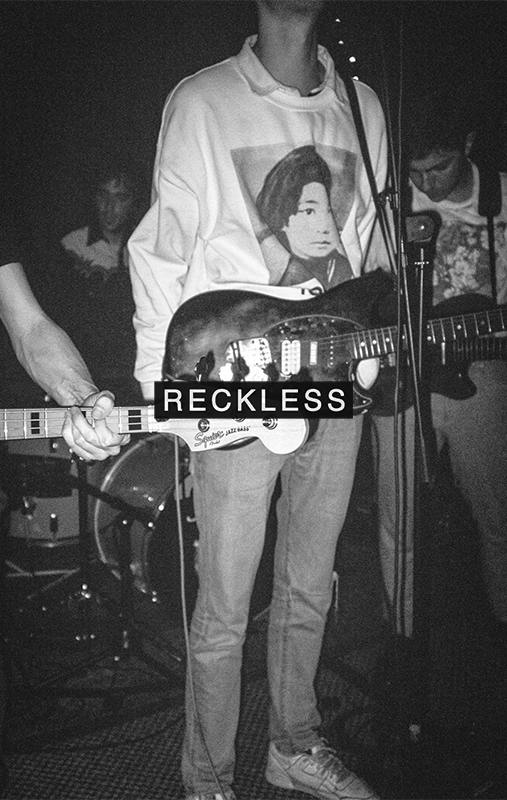
What made you choose the EXEK photo for the cover image? You used a 35mm camera for it, right? I know you didn’t you want to have someone’s face on the cover; what was the thought behind that?
DF: I think I just like the idea of things being a bit more ominous than it just being like “oh yeah that’s such and such” on the cover. There was a point where I was trying to catch really calm parts in bands sets and not have anyone’s face in the photos which ended up with a whole whack of otherwise unusable photos. Also, I kind by default kinda gave people I’m either close friends with or just really love their music a bit more attention in the book. EXEK are just always great and they are mates as well as being a pretty big constant in Melbourne punk to me so it just made sense.
What do you feel is one of the most compelling images in the book? Can you tell us the story behind it?
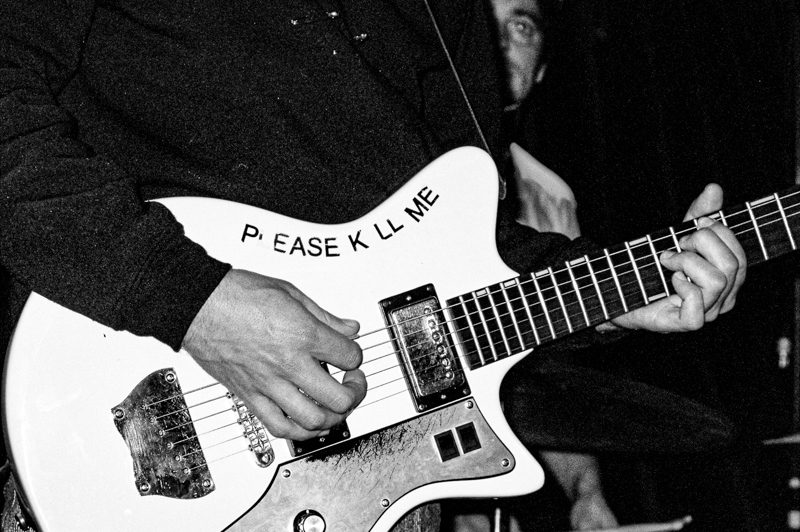
DF: There’s a photo of Jai Morris from EXEKs guitar that just stood out to me and was one of those attempts at getting a cover image sorted. It’s got “please kill me” written on it and just seen it so many times that it feels a bit iconic and I think at times it’s a pretty relatable thing to read.
Assembling material for the photobook, were you trying to emphasize anything about the Australian underground scene with the images you chose?
DF: I just wanted to get a good snapshot of that specific chunk in time within that specific punk scene. I spent so much time being in it and getting to know so many people that I could now call family. I touched on this a bit before but I think it’s really important to be able to look back to certain parts of your life or in time so you can know you are moving forward and becoming at peace with things that are no longer what that used to be like. Probably half the bands in the first book don’t even exist anymore and in a few years’ time it’s likely that all the bands in this issue won’t exist anymore but I like to not get caught up in thinking that’s a bad thing at all and that things just change and adapt. No one likes to be around the person who still thinks high school was the best point of their lives, there’s a whole world of possibility in front of us.
What do you enjoy about the editing process with your photos?
DF: The interesting thing is, not dissimilar to journaling, when you take photos of anything you tend to be able to remember the details of otherwise unremarkable times. I could tell you what I did before and after most of the photos in that book, who I was with, where they were taken and where just by looking at them. Maybe it all just ties into that idea of moving forward and maybe not rehashing all the same thought patterns. It also gave me something to work on after the fact and to be excited about. When you get film developed you never really know exactly what the result is going to be and getting a great photo is really rewarding.
Why is it important to you to document culture?
DF: I think now more than ever it’s evident that there is going to be a bit of a gap in most people’s lives with photos of what was in their periphery because those images are all on old iPhone 3s in some drawer, a hard drive that crashed or gone with the Facebook account you deleted. I guess culture is no different to that, I’d most definitely like to look back on the past not through the lens of the weird technology that we are still trying to work out how to make sense of and instead from the point of view of someone who actually cared enough to take the time to and had intent behind it.
How did you first get into punk?
DF: It’s pretty cliche but my older brother had this dubbed minor threat tape when I was like 11 or 12. Not to sound like Dave Grohl in a music doco but Minor Threat just really blew my mind and I had no idea that kind of music even existed which I imagine a lot of people can relate to.

Can you remember the first live show your ever went to? What details can you remember about it? What feeling did it give you?
DF: The first thing I went to was Canadian punk band S.N.F.U when I was 13. RIP Ken Chinn. It’s interesting to look back at that being the first thing I ever saw because if you are familiar with them then singer who just recently passed away was at once the wildest most offensive person and also seemingly the most misunderstood extremely talented person and will most definitely be talked about for decades to come, at least in Canada… Seeing Chinn perform was scary and weird and often made you feel uncomfortable as a kid that was 23 years ago so it’s hard to really remember the details but I guess just gave me the feeling of what the fuck did I just watch.
What’s something important that you’ve learnt from being a part of the underground music community?
DF: I think over time have really learnt the importance of community in general. I think as humans we generally strive to fit in somewhere and often what comes with that is helping out the people around you and when it happens it can be truly beautiful. I’ve had my share of difficult times with Visa denials and ultimately getting kicked out of the place that I call my home but there was always someone around to help me through it all. I think if anything this has been highlighted with the situation, I find myself in at the moment and really feel this longing for community most days.
How has lockdown, due to the global pandemic, tested your creativity?
DF: Well for the first part of the pandemic I was in Melbourne still and managed to finish recording the Civic LP that we have coming out so that portion was actually really productive. We’d all lost our jobs so we just had infinite time to get it all done which was great. As for now it sort of comes in waves, I’ve managed to pen down a lot of rough ideas for a few different projects but am finding it a bit frustrating to have to think of every single part of what I’m working on. I’m a drummer first so I’ve had to really work on every other instrument a bit which has been a challenge, I’ve also picked up playing saxophone which has been incredibly rewarding. I guess I just really miss collaborating with other people, I guess this is where that community thing I was talking about comes into play. I’ve got pretty good at being alone but it’s definitely not sustainable.
Have you found any positives from the tough last year (spilling into this year for some) that we’ve had?
DF: I think there’s plenty. I have so much time to look inward and sort out a lot of my mental health issues and am actually pretty thankful for the pause and time for self-reflection. I guess maybe I’ve been trying to stay positive as best I can so maybe I’m sounding a bit hokey but I feel like maybe people will just be better to each other now that we’ve realised how much we need each other.? To be honest though, I’m usually a massive pessimist and feel like we collectively haven’t learnt fucking anything at all. Time will tell, I guess.
What project/s will you be working on next?
DF: There was some recordings that have been passed back n forth with Civic so maybe that will materialise into a 7-inch or something. It’s definitely not the ideal way to do anything but will see how it goes. I’ve got a few other music projects I’m slowly piecing together as well but it’s all slow moving when it’s just you. As for photography stuff the drive to do anything really ebbs and flows but I have a huge back catalogue of stuff that no one’s has ever seen dating back to the mid-2000s so maybe I’ll figure out some way to give that some attention. Thanks for the interview!
Please check out: @davidforcier. You can get a copy of RECKLESS here at MOM Publishing.
—

Extra RECKLESS Info: 84 pages, 107 photographs, black and white, risograph printed, 133mm x 210mm. Mix of 35mm and digital photography.
Featured Artists are: THE STEVENS, SYSTEMA EN DECADENCIA, HARAM, THE UV RACE, TOTAL CONTROL, THE FRANTICS, ROT T.V, COLD MEAT, VANILLA POPPERS, SEX DRIVE, RAPID DYE, BLOODLETTER, BB AND THE BLIPS, LOW LIFE, THE NO, L.A SUFFOCATED, KNIFER, EXEK, UBIK, RIXE, POWER, PARSNIP, CONSTANT MONGREL, OILY BOYS, STRAIGHT JACKET NATION, RED RED KROVVY, ORION, VINTAGE CROP, THE STROPPIES, HANK WOOD AND THE HAMMERHEADS, TALC, THE SNAKES, ROBBER, GELD, PUCE MARY, TOL, NUN, NOTS, TERRY, EXECUTION, VERTIGO, SPOTTING, STATIONS OF THE CROSS, RABID DOGS, SPIKE FUCK.
Reckless photobook comes with a cassette mixtape compilation. Tracks chosen by the artists involved.
Reckless Mixtape
Side One
01 David Eastman – Walking On Water /// Total Control
02 The Homosexuals – You’re Not Moving The Way You’re Supposed To /// Terry
03 Au Pairs – You /// Spotting
04 Leather Nun – No Rule /// Puce Mary
05 The Viletones – Screaming fist /// Rot T.V
06 Scrotum poles – Pick the Cat’s Eyes Out /// Constant Mongrel
07 Pagans- Boy Can I Dance Good /// The Frantics
08 The Comes – Public Circle /// Vanilla Poppers
09 Stations – Cultural Capital /// Stations
10 Japan – Quiet Life /// Bloodletter
Side Two
11 Screamers – Vertigo /// Vertigo
12 Electric Eels – Accident /// Cold Meat
13 Pink Fairies – Do It /// The Snakes
14 High Rise – Psychedelic Speed Freaks /// Geld
15 Jesus and the Gospelfuckers – Kill the Police /// Straightjacket Nation
16 Sheer Terror – Here to Stay /// Low Life
18 The Dogs – Slash Your Face /// Rabid Dogs
19 Dr Feelgood – I Can Tell /// Kniffer
20 Little Bob Story – Like Rock’n’Roll /// Rixe
21 Davy Graham and Shirley Collins – Love Is Pleasing /// The Stevens


Gimmie Radio returns! We are keen for suggestions on how people would like to hear these playlists outside of just being a Spotify playlist. What alternatives are available?
But for now, here’s the latest playlist of stuff we’ve been listening to around Gimmie HQ.

Sydney punk trio ARSE’s straight-forward, minimalist, and most importantly honest music, captures the daily grind of the modern world in all of its anxieties, pressures, stresses, and frustration. Gimmie spoke at length with guitarist-vocalist, Dan Cunningham.
How did you get into music?
DAN CUNNINGHAM: From a very young age my parents got me playing music as soon as I was old enough to do so. It’s been a lifelong thing for me really, it’s in my family as well, I have cousins, aunts and uncles that all play. There’s always been music in my life and it just made sense to go for it myself. When I got to high school, I started playing guitar and that’s where I met Jono [Boulet], who also plays in ARSE. He and I have been on the road musically, and literally, together for years; we’ve always played in bands together. I’ve always been in bands, ARSE is the most recent one.
I know you did bands Parades and Snake Face too! You’ve gone from doing Parades that sounds pretty indie pop to doing a punk band with ARSE. Often when people are younger and in their teens, they’re really angsty and the music is aggressive and as you get older you mellow out more, I feel like you guys have gone the opposite!
DC: Jono and I have always had a punk band of some kind or another going at all times, even during Parades we had Snake Face as the side thing. We’ve always bonded over that kind of music. As we’ve gotten older, we’ve even said it out loud, at this point we’re in our 30s now… it’s insane when you’re doing music and you get to that point, it feels a bit ridiculous to be doing a kind of indie thing, unless you do it really well and you really think about it and it’s coming from a really visceral, honest kind of place and you do it convincingly, then it works. For us, we’re just at the point where we want to keep playing music together. At the time we started this band, it just felt like the absolutely right thing to do, especially for where I was at in my life, to do the band I always wanted to be in. Jono has always been on the level. We just did it and it felt like a really natural thing to do. We had zero plans for this band, to be quite honest. We started it three years ago.
I understand at the time you started the band you were going through a real depressive period in your life?
DC: Yeah, somewhat. I was a bit wayward really… just, life never turns out the way that you want it to, which is a sad reality. At that point I was really frustrated with everything in my life… which is totally normal I think, anyone can relate to that. At that time there was a real lack of music in my life, at the bottom of it all I think that was the root of a lot of my problems. I just needed to fill that space, that void in my life, it was absolutely the thing that I needed to do—that’s how the band started really. That’s something I only realised much later though, maybe after a year of doing it.
Was there a reason why there was a lack of music in your life at that time?
DC: Circumstances. I was at university studying and I didn’t have the time to do it, there were other personal things going on, it was a tumultuous time. Doing what I was doing at university I was pretty conflicted about it taking up so much of my creative time. There were a lot of questions about whether I was doing the right thing? As you get older I think you’re more aware of time, how you’re spending it and if you’re being honest with yourself in that. That’s where I was. I’m still kind of there [laughs] in a lot of ways. There’s a lot of those questions still hanging around. At least music is more of a thing though, it’s a clear and present thing in my life. I feel a lot better about everything.
What is ARSE for you?
DC: It’s an outlet for a lot of stuff. I do it with two of my best and longest standing friends which is a huge thing, just getting to create something with them! We get to spend a shitload of time together. When we play shows we love to hang out, often playing a gig is an excuse to go grab dinner somewhere, for me it’s something to do—that’s’ the most important thing to me. I love playing out of Sydney. Before lockdown we’d spend a lot of time in Melbourne, last year [2019] we went down five or six times; every time we play down there it gets better and better. Melbourne is such a great place to hang out. They’re really going through it right now with the Coronavirus. Knowing the people I know down there through playing in the band, the cultural aspect of Melbourne is its greatest strength and right now they’ve completely lost it, it’s pretty devastating. ARSE for me is to make connections, that’s a really valuable thing in my life. The music is the most fun I think I could have, doing that, getting up there and turning everything up to 11! Really feeling it! When you play it’s really a bit of a heighted state that I can’t get any other way.
I saw the podcast you were on recently and you mentioned that playing live was almost like a meditative experience for you.
DC: Yeah, absolutely. I’m definitely not thinking about whatever is going on in my life when we play, that’s a hugely underrated thing. We also mentioned that in the world of music there is this innate relationship with music and substance abuse and all that sort of thing, we see that when we play ‘cause obviously we’re playing shows all the time and spending a lot of times out in the evening, playing pubs, venues, where there is alcohol everywhere – which is totally fine, do whatever you do. For me, after a few years of getting on stage with a few beers under my skin and feeling maybe not as present as I could have been, now it’s really valuable to me to really be present and to just take it all in—to really be there for the moment. If I want to have ten beers after, well, that’s a different story, but when I play it’s really important to me to take stock of the moment, because moments are fleeting, moments are all we have at the end of the day, experiences and things like that. It sounds new age or something but that’s just where it’s at for us. I don’t know if that’s a bummer for some people, because I think people want punk bands to be bit lawless and fucked up basically, there’s an image there that people really connect with. It’s not our thing, it’s not what we set out to do.
One of the reasons I really love ARSE is because music-wise you are very traditionally punk rock and what people may expect from a punk band but then your lyrics are intelligent, at times philosophical and there’s a lot more going on there then what it might seem at first though. I feel like you have a lot of deep thought happening there.
DC: Thank you! I think about what I’m writing, if for no other reason than… for me, a lot of the band is writing the things that I would want to hear or that I would be stoked on if I was hearing the band for the first time, that’s always in the back of my mind. I’m a huge fan of music, music is my life! Even when I’m not playing it. I’ve been in bands where you’re not into the music that you’re making, which is a really weird thing to do. I reckon there’s so many bands playing right now that don’t love their own music, that they just do it for some other reason. For me the only reason to be in a band is to make the music that you want to hear—that’s all we’re doing. It’s definitely what I try to do with the lyrics. I really nerd out on the lyrics of all of my favourite artists and bands. The lyrics are half of the picture for me, music is one part and then if you’ve got the lyrical side happening as well, those are the things that make my favourite bands.
Same! One of the first songs of yours that I heard and that really resonated with me was ‘NRVSNRG’.
DC: Cool!
You have no idea how many times I’ve listened to that song, especially in the car on my way to work every day, I could so relate to what you were saying. The lyrics are so honest. I’m listening to it and I’m like, “yeah buddy, me too!“
DC: Awww that’s amazing. Thank you for saying so.
What’s the story behind that song?
DC: That was a really easy one for me. Some of our songs you don’t want to know how long I’ve spent on the lyrics, it freaks me out. I definitely get stuck in a kind of feedback loop when I’m writing stuff, I’m in it big time right now because we’re using the downtime to try and put out new stuff. I’m working on lyrics to a whole bunch of things at the moment, it’s kind of a bit of a pain in the arse. That song was not one of those instances, I remember being surprised at how easy that one was to do. The music was really straightforward and I didn’t need to fit things in anywhere, I could just go for it. A lot of the time when I am playing guitar as well, a lot of the lyrical side of things has to fit in with how I’m playing because it’s too hard to do live, it’s got to be feasible for me to be able to sing and play at the same time. That one was really easy for me because I don’t really play anything in the verses in that song, I had a chance to do whatever I wanted.
What you’re singing, the lyrics, is that how you were feeling at the time?
DC: Absolutely! It was a really natural thing to put all of that down, I was surprised at how well it worked, that’s what you want. I always want to get a result where I feel like it wasn’t written by me, that it was written by someone else; that’s the mark of a great result, that is the pinnacle of that feeling for me. I don’t know who wrote that song [laughs], it hit all the beats for me.
How good is the bass line in that song!? It has such a groove.
DC: Yeah, that’s Jono. He brought that to the table. That whole song is a great example of every piece falling into place. I would say in a way that is our most well-known song. When we play it in Sydney, that’s the one that everyone knows, I think it’s because it’s probably the most relatable.
I’ve noticed that at your shows. You look around at everyone in the crowd when you’re singing it and it really feels like everyone is like: I get you! I feel it too.
DC: Yeah, that’s it.
I like how you guys have a real minimalist kind of drumming.
DC: [Laughs] Yeah, we do. There’s a few things going on there with the drums, the big one is that it’s a bit of a, I don’t want to say experiment… Tim [Watkins] our drummer is a really incredible drummer, very talented, we just wanted to see if we could focus his energy completely, we didn’t want him to have all these extra bits of the drum kit to play with; we wanted him to have three things to hit. It’s so tempting to be all over the drum kit, he is that guy, he’d be all over it if he could! There’s only three of us in the band and we wanted to have every element going at 100%. The best way to do that with the drums is just to give him a couple of things to do. It helps us write the most effective song if we only use a couple of things.
You mentioned the song ‘NRVSNRG’ was easy to write; what’s something that’s been hard to write?
DC: Probably the EP, Safe Word. That was definitely harder, because we were trying some stuff, we were seeing what we could do differently. There was a lot of trial and error in that. There were also some time issues. It was a bad time to try to write a record, in our lives there were a lot of things going on; there was a lot of juggling of things. Lyrically as well I was trying new things. We’re still happy with the end result, but it didn’t come together easily. The odds were against us.
It’s been really cool now to have the time to think about what we’re doing; that’s one upside to the lockdown pandemic situation we’re all in.
What kinds of things have you found yourself writing about now?
DC: I think I’m definitely trying to get to that place where things lyrically need to come from the heart, which sounds a bit wishy-washy but I’m really trying to connect with that and things I’m feeling and try to put that into songs where we can play with new ideas. Musically, we’re in the early stages. Jono and I are just trying to figure out how we can be the best version of what we do. We’re not trying to reinvent the wheel, we’re just trying to hone in on the things that we love about the band and try and do better. We’re chipping away. We hang out once or twice a week and throw ideas around. At the moment we have a lot of stuff to go through, we have a big pile of trash we’re working our way through [laughs]. We’ll pull one or two things out and finish them.
What do you love about writing lyrics?
DC: I’m a writer for my work. I write for websites, that’s my bread and butter. For as long as I can remember, even as a kid, I’ve always had music going and I’ve always had writing. I studied journalism at uni. Like I said before, I really nerd out on great lyricists and lyrics. Writing is something I can’t not do—it feels good to be doing this. I feel like it’s what I should be doing.
Do you have any favourite lyricists?
DC: Definitely. I hate to be obvious, but someone like Gareth Liddiard [Tropical Fuck Storm / The Drones] for me is one of the most underrated lyricists; he is rated but he could be rated better!
Totally! He is one of the best Australia’s ever had.
DC: Yeah, he’s one of the best Australian songwriters of the last thirty years. That’s not gushing either, that’s the truth. He’s kind of like the gold standard. I feel like what he does is uniquely Australian, I think only an Australian could do the thing he does really well.
The way he delivers the vocal as well, it can give you chills and make you feel. It’s really emotive and he’s really great at creating an atmosphere.
DC: Yeah. I’ve read a lot of interviews with him as well and he kind of brushes off his talents in a way like, “Oh yeah, I just wrote this thing.” You can tell there’s so much work went into what he does. It can’t be mistaken; you just know when someone has worked really hard at what they do. He may be blasé about what he does but he is way better than people realise.
I also really like Nick Cave, for all the reasons I just said before, an Australian songwriter that’s undeniably Australian in what they do. These are big figures to have looming over me as I’m trying to write [laughs]. I’m not saying I’m anywhere near the talent of those guys.
You’re very talented at songwriting. I can tell there’s a lot of thought behind your lyrics.
DC: Thank you. I’m really glad when we play that the thing people often approach us with after we play is that the lyrics really resonate with them. For me, that is the ultimate compliment. I really appreciate that.
You meditate, don’t you?
DC: A little bit. It’s something that I’ve dabbled with for a long time and Jono’s done a little bit here and there. I’m always trying things. I’m always trying to be healthier. I think it’s an age thing. I’m always trying to create habits that I can carry into my later years because there’s people in my family and people that I know that are close to me in my life that never cared about that stuff and now in their 40’s, 50’s and 60’s they’re just fucked! I don’t know how else to say it. Just surviving and not living. It goes for mental health as well. We’re of the generation now where there is a huge focus on mental health, it’s being taken more seriously. There’s not a person out there that doesn’t struggle with some form of mental health. I’ve certainly had my share of issues. There’s no one I know that hasn’t. For me meditation – it’s not something I do as much as I could or should – is something that I’m mindful of and work on.
So, when you’re doing it it’s mindful meditation that you’re doing?
DC: Yeah, a real basic one. I got really into it for six months, to the point I was doing it almost every day. I look back on that time as a time of better mental health. I’m currently trying to steer the ship back to that period.
I’ve been doing it on and off for around twenty years now and I know for a fact that my life is always better when I do it.
DC: You can’t deny it’s impacts. What type do you do?
I’ve tried a lot, like you I like to try as much as possible. I’ve struggled a lot with mental health and my whole family has had most major health problems you can think of, so I can really relate to what you were saying before about loved ones being fucked. At different points in my life different styles of meditation have helped but I always come back to the mindful breathing in, breathing out, simple meditation.
DC: Yeah, that’s the one.
I’ve been doing the mindful breathing one lately but when I breathe in, in my mind I say, “I’m breathing in, I’m alive” and you acknowledge that you are alive and that you’re here now. When I breathe out, I say in my mind, “I’m breathing out, I smile” and that’s appreciating that I am alive and that I should make the most of that. It’s as simple as that.
DC: Amazing! That’s a great lesson for anything really. You just have to find the thing that works for you.
Exactly! And, everyone is different…
DC: Yeah, so it might not work for someone else but if it works for you, fuck, you’ve just got to do it, right?
Right!
DC: I never thought that something like music and my practice of music, that mindfulness, by extension meditation, could play into the musical part of my life. There’s a relationship forming there, which to me is something worth pursuing. It’s great! Anything that’s going to improve your existence and whatever time you have left—you just have to do it.
*More of this interview can be found in our editor’s up coming book, Conversations With Punx, alongside in-depth chats with Ian MacKaye, Martin Rev, Brendan Suppression, Keith Morris, spiderxdeath, Rikk Agnew, Geza X, Steve Ignorant and many more.
Please check out ARSE on bandcamp; on Facebook; on Instagram.
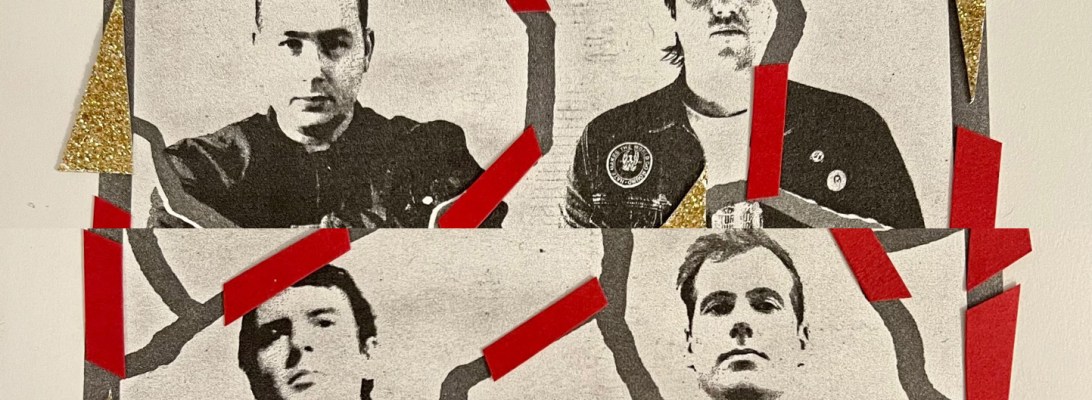
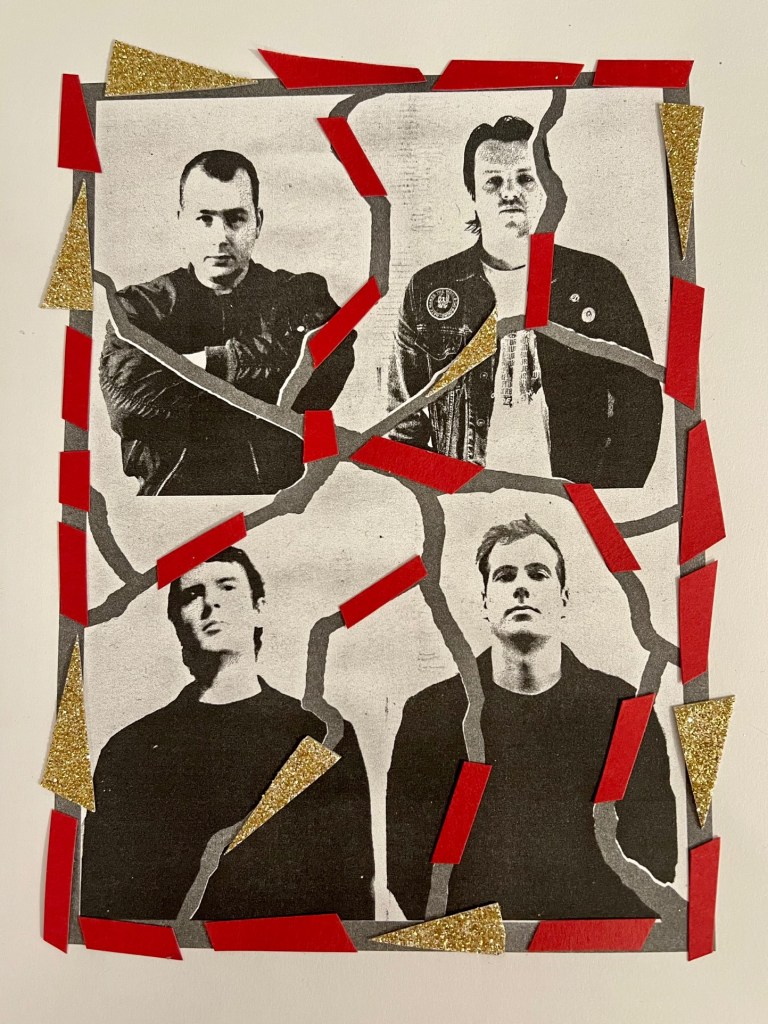
In November last year beloved Melbourne rock roll band Civic put out their first release 7” Radiant Eye on new label home Flightless Records; powerful and exciting with a muscular sound and caveman groove, flourishes of psychedelic apocalyptic guitar meltdown, cutting through fire hooks. As we eagerly await their debut full-length, slated for early this year, we caught up with bassist Roland Hlavka.
What did you get up to today?
ROLAND HLAVKA: I went to work for a few hours moving furniture. It was hot!
When Civic first started, around 2016/2017, I know your concept was to simply play good rock n roll; what embodies good rock n roll to you?
RH: I think it was more to just make music we collectively listen to and like. Which happened to be rock n roll at the time. The type of music we play, I personally think just needs to be loud, catchy and have a fairly even mix of not caring and caring too much. A lot of what we do is very thought out. But you need to balance that with some naivety, or you just end up sounding like what’s been done.
Why do you think rock n roll matters?
RH: It’s pretty obviously influenced popular culture for the last 70 years, be it in music, fashion, art etc… countless sub-cultures have come from “rock n roll”. It has changed and morphed over the years. But I think what hasn’t changed is its sentiment. Doing or making something because you think it’s good and it conjures a feeling. And doing it regardless if it’s well received or not.
What’s one of the staple records in your collection that you always keep going back to? What do you appreciate about it?
RH: This is going to be pretty obvious coming from us but The Stooges first three albums. I still listen to them heavily to this day. What always fascinates me is hundreds, if not thousands, of bands and musicians have used them as a point of reference and no-one in my opinion has even come close to making something in their era that has been so widely accepted as “cool”.
What have you been listening to lately?
RH: Over the last few months I have been enjoying a lot of compilations put together by people I like.
One to note has been Sad About The Times a 12″ compilation by Mikey Young. It features a bunch of weird outsider artists and one hit wonders. Lots of great tracks.
Outside the context of this interview… I’ve also been listening to a lot of Westside Gunn and his affiliated acts. Very talented rappers.
There’s often a bunch of sneaky references to both Australian and international bands you love in your music; what’s an Australian band you love that you feel is totally underrated? Why do they rule?
RH: I’m not sure how underrated they are but definitely The Celibate Rifles have been a big influence on us, more so in the early days. As I said early… loud, catchy and a good middle ground of self-consciousness.
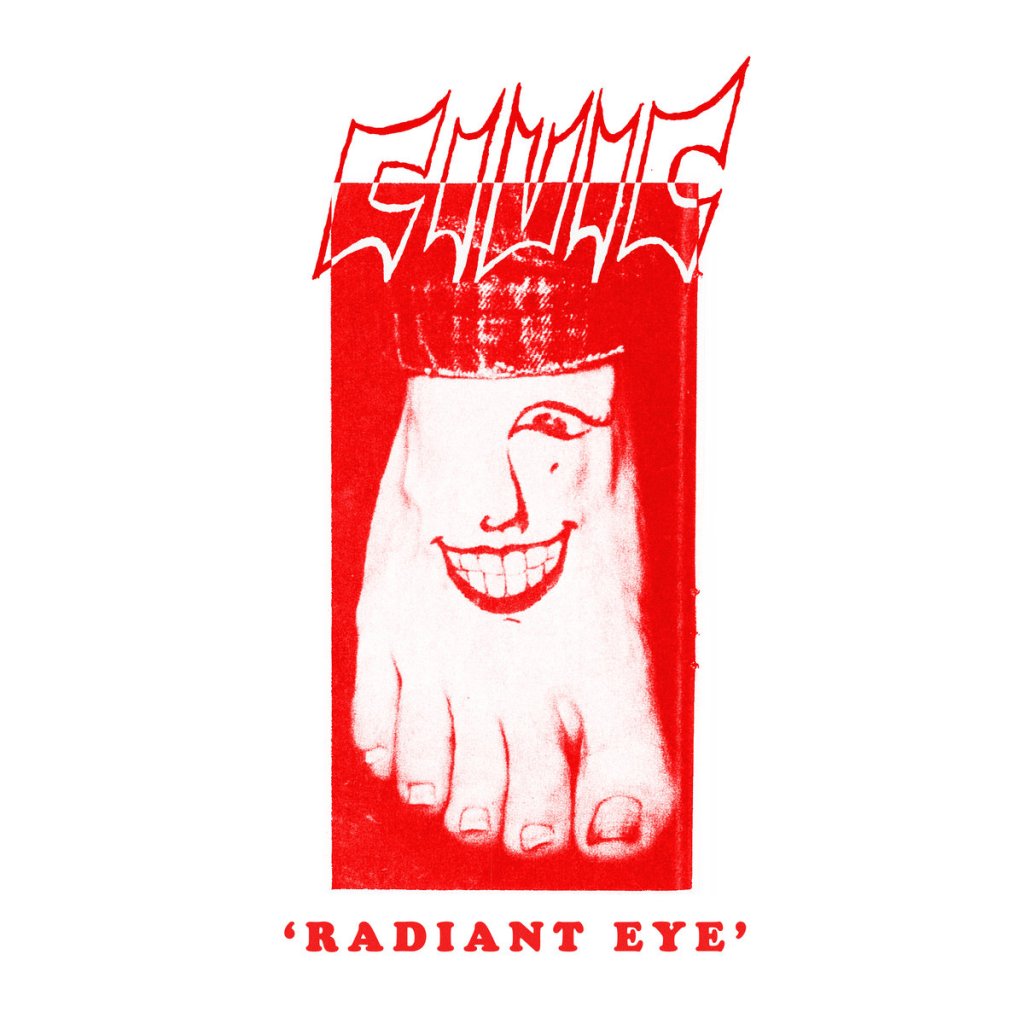
In November last year you put out a new 7” and your first release on Flightless Records, Radiant Eye. We’re really digging the brass on the track; what inspired you to add it into the mix?
RH: We had played the song live a handful of times before recording it. And had said to each other it could be cool to have some horns. We are all fans of The Saints and Ed Kuepper in general. Not that this is a nod to them. But the mix between what we were doing and some brass obviously sounds great. So, we called up Stella Rennex [Parsnip/Smarts] while we were recording and got her to come up with a part. We have her playing on a few tracks from the upcoming album too.
On the b-side you covered The Creation’s 1966 hit ‘Making Time’; how’d you come to choosing this song to cover?
RH: That was Lewis’ idea. We liked the idea of having a cover on the b-side. So, we started listing tracks we thought would work. Had a few run throughs at practice and it was sounding good. We recorded it, and it sounds good.
Civic’s full-length debut is coming out early 2021. We’re super excited for it! What can you tell us about it at this point?
RH: It’s twelve tracks. We’ve been working hard on it. There was an idea to make it sound more like an ‘album’ rather than slapped together songs that sound exactly how we sound live. I don’t like this phrase at all, but we wanted it to ‘feel like a journey’. I think there is a pretty diverse group of songs on the album in my opinion. Some of which we may never play live. But as I said, we worked hard. I like it. Hopefully you will like it.
How do you feel your collaborative relationship has grown since first EP New Vietnam?
RH: We’ve always had somewhat of the same format for a lot of our songs. Someone comes up with a few parts that we piece together at rehearsal. Or, someone will bring a fully finished song to the table and not much, if any tweaking needed. This upcoming album is no different. We all work well together and aren’t afraid to tell each other if something is terrible.
All your artwork thus far has had a red, black & white colour palette; was their much intention behind this? There’s also a one-eyed face both on your Radiant Eye and Those Who No releases; what’s the story with that?
RH: The intention behind the colour choice was somewhat sub-conscious. They are about as bold and contrasting as you can get. Endless bands, brands and companies have used them. Coca-Cola, McDonald’s, Ferrari, Supreme… the list goes on and on. I’ve always like labels and bands that keep a similar aesthetic across their releases. Sacred Bones Records have their border and lay-out the same on every release as an example. Your colour choice becomes your brand after a while. This doesn’t work for everyone and every band… and who’s to say our next release will have any of those colours on it. But I think this far it has served us well. And narrows down the decisions on what colours things should be.
In relation to the one eye… people say when one sense is lost the others get stronger. We view this eye as an eye of judgement. Everyone more so now than ever is being watched and documented. If I say deodorant too loudly around my phone, when I open an app all of my targeted ads are for deodorant. If I use my credit card to buy something from a website. That information is stored, sold and marketed back at me. As technology advances, so does the eye watching us. We use this eye to our advantage. We have taken away the second eye and have put all the focus on the one, powerful, beautiful eye. Do you see what I mean?
What do you love most about music?
RH: That you can use something to change your mood just by listening. No pills needed. Sounds someone recorded seventy years ago can make you want to punch a wall or cry yourself to sleep.
What’s something you learnt in 2020 that you’re taking into 2021 with you?
RH: If you think something is good you should just do it. Worry about it later, because as we’re seeing now more than ever… you could become completely irrelevant very quickly.
Please check out: CIVIC on bandcamp. Radiant Eye 7″ out via Flightless Records.
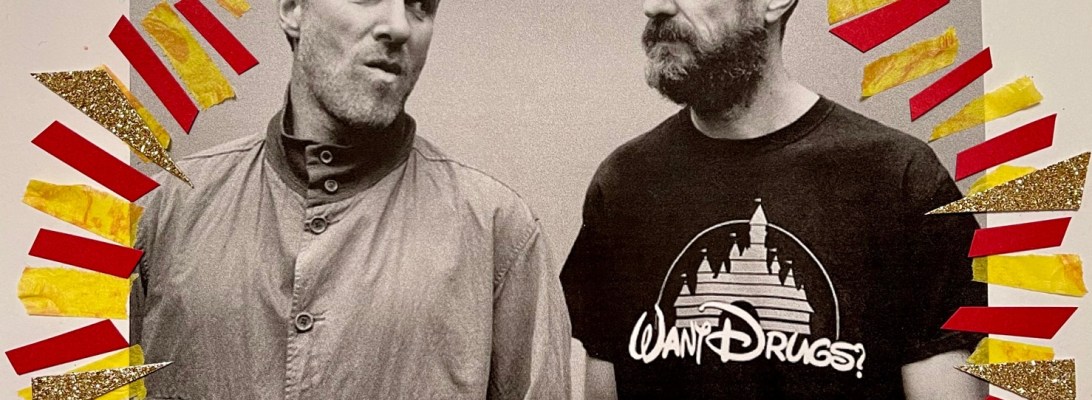

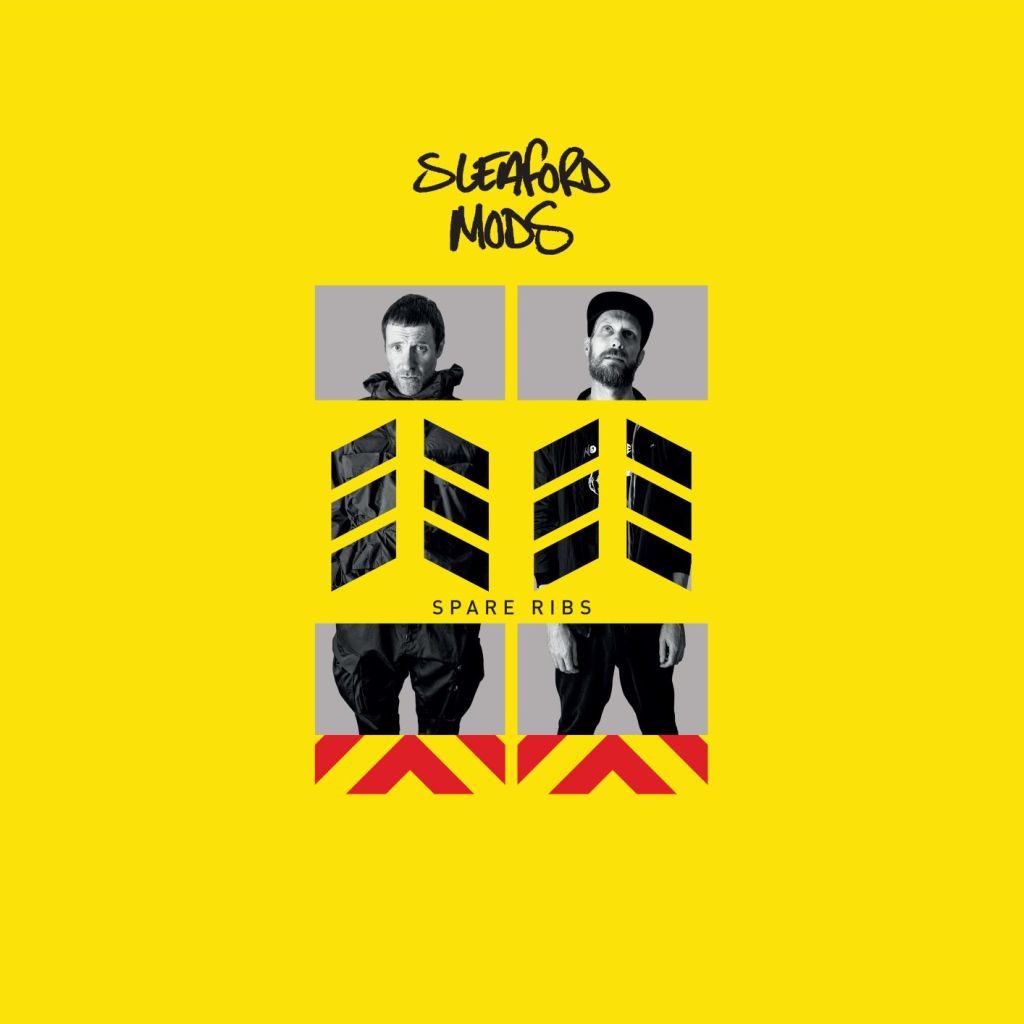
English duo Sleaford Mods discovered their signature “shouting over beats” style by accident; known for its punk spirit and radical heart of working-class, social commentary and observational themed lyrical content giving a snapshot of the challenges of daily life. Latest album Spare Ribs takes us beyond what we know and gives a deeper personal insight, Williamson getting introspective and reflecting on his early days, partly inspired by time spent in lockdown due to the global pandemic. Gimmie caught up with Jason to chat about the new record.
How did you first discover music?
JASON WILLIAMSON: As a child, through films really, and children’s television and the records my dad would play.
Why is music important to you?
JW: I just connected with it as a person more so than I have with anything else. I find it… not an easy thing to communicate and express myself in, but it’s more of a suitable thing; I just naturally connect to it.
I was listening to the song ‘Fishcakes’ from the new Sleaford record Spare Ribs and reading about it, you mentioned that when you were a younger you had spina bifida and that you went through spine surgery; during that time were you listening to a lot of music? How were you passing the downtime?
JW: No, I wasn’t, I don’t think. I was in hospital for about a month. There was a lot of sleeping. A lot of trying to figure out what I was going through and why. I was too young; I was only thirteen. A lot of it was I just didn’t connect with much really. I was just a young kid doing whatever I was doing.
Can you remember when you first wanted to start making your own music?
JW: When I was about twenty-one. I really got into indie stuff, Stone Roses and The Wonder Stuff I was listening to a lot of, and I joined a few bands in college. I tried singing and I realised that it was something that I could do.
When making things, what are the things that matter to you?
JW: That it satisfies my own needs and whatever those needs are. Generally, it’s got to be good, I’ve got to think that it’s good, I’ve got to feel that it’s good. That is obviously something that is tailored to my own tastes. It’s quite a personal thing. I have to feel that I’m satisfied with it, ya know what I mean?
Totally. When writing Spare Ribs what were you feeling? What were you working through that writing and getting this stuff out was helping with?
JW: I just kept going back to the idea and refining it with each of the songs and studying it, like I do with any album. Just to make sure what has been recorded and submitted is up to scratch. It’s just a fine tooth combing process. It’s quite tormenting and quite intimidating going into the studio, even if you think you have ideas, it can be quite frightening, it’s quite terrifying, ya know what I mean? [laughs] …’cause especially with Sleaford Mods, it could fall on it’s arse at any minute because it is so minimal, there’s not that many components to it. It’s really just that… going back to the personal process again.
I find a lot of Sleaford Mods songs to be observational and more about outward kinds of stuff but I feel lately you’ve been writing more personal songs.
JW: Yeah, that was down to the kind of history with the operation and my back, which I got a back injury over the summer doing too much exercise in the house, I couldn’t go to the gym during lockdown. I went to see a specialist and they brought all the operation up again and I only found out then that I was suffering from spina bifida; that’s what I was born with, a really rare form of it. Things got quite emotional and that turned into inspiration and content to put into songs. A couple of them especially ‘Mork n Mindy’ and ‘Fishcakes’, the last song on the album—they deal with my experiences and memories as a kid.
When I’m listening to those two songs in particular, you can really feel that emotion in your voice. There’s almost like a real sadness in there, it’s really emotive, it was making me teary. I could feel your pain, you guys captured that so well.
JW: That’s really nice to know actually, that it evokes those emotions, I think it certainly did for me… especially ‘Fishcakes’. I tried to give over that experience of what it was like growing up in the early ‘80s. But I didn’t want to make it a self-pity type song; I was quite concerned about that. I think I did eventually pull it off though. It’s really nice to know it evokes those emotions in people.
It gives another layer to Sleaford Mods; it gives us more understanding about you. Everyone goes through stuff in their lives and when you hear someone else being so honest, you can really connect with that.
JW: Thank you.
Were those two songs hard to record?
JW: No, not at all. I just got on with them. I knew what they needed. Once Andrew [Fearn] got the gist of what I was after, it was just a case of pressing record. We did ‘Fishcakes’ in a couple of takes. It was pretty sort of “bom bom bom”.
Was it called ‘Fishcakes’ because that’s what you used to eat a lot growing up?
JW: Yes, well, where I grew up, the housing estate where I grew up on, it always constantly smelt of fish cakes… or occasionally smelt of fish cakes! This really massive scent of it, it would drift down the street and that did remind me of being a child growing up in that period.
Another song on the record ‘All Day Ticket’ is another track I feel is personal with a lot going on there.
JW: ‘All Day Ticket’ talks about karma, about how somebody can find themselves in a great position but all of a sudden that position will just vanish and they will hurtle back towards the old way they used to live, which wasn’t great. It’s about them connecting to the reasons why they’re back in that crappy position, whether they admit that to themselves or they blame other people for it. So, this is what that songs about; its kind of about karma, about taking stock of your responsibilities and being honest with yourself.
Did you find yourself doing that when writing and having a lot of downtime because of the pandemic to reflect?
JW: Yeah, a little bit. Some of it, the pandemic, made me quite angry, in how the government handle it and are still handling it and how we are as a nation in England still ruled by an aristocracy, all of these things were exposed even more I thought during the pandemic. It made me really angry, that went into it. Also, a lot of recollection. A little bit of soul-searching perhaps… ‘cause you’re just stuck in the house all the time. It’s also laced with the usual trademark humour that we do that I still find quite interesting.
When reflecting and soul-searching, have you ever tried mediation?
JW: Oh yeah, I do a lot of meditating, especially at night. On tour I do it a lot as well. It’s definitely something that I have looked into.
What kind of meditation do you do?
JW: Phone apps, where it’s someone talking, you eventually fall asleep, stuff like that. I find it quite useful really.
Before you mentioned karma, that and things like meditation are from Buddhist philosophy; have you looked into that?
JW: It definitely can be… a bit of Yoga Nidra, Pilates, but I generally haven’t dived into any of that. As you get older you kind of pick some of that up anyway, don’t you, naturally if you’re in the position where you’re thinking about yourself as a human being and how you’re moving forwards and how you cope with life. You eventually connect to stuff like that.
Is there a philosophy that you like to live your life by?
JW: I don’t know really. Just to carry on and keep doing and being as alert as I can be and to make the right decisions in a controlled and calm manner. I think learning to incorporate patience into everyday things is the real, real goal. Being calm can attribute much more to a positive experience on a daily basis than not being calm, ya know what I mean… taking stock and stepping back and not panicking is something I am increasingly finding myself wanting to move towards.
It can be a hard thing to cultivate in the climate we find ourselves in with everything that is happening in the world. I walk out my front door and there’s something that can make me angry.
JW: Oh god yeah, don’t get me wrong! There’s a barrage of stuff out there that on daily basis I suffer with really badly, in the sense of frustration, in the sense of being aggressive, but when it comes down to it, when you’re on your own and you’re at the point when you’re going to boil over, that’s where I try and step back now. I find that’s becoming increasingly more possible to do.
When you first started Sleaford Mods, what initially inspired you to do it?
JW: I really like the punk aspect… I accidentally found this formula of shouting over beats and realised very quickly that it could be something bigger than that initial discovery. Also, that it could carry so many approaches because before I was only doing a traditional approach which was guitar and vocals, a traditional band setup, which I found quite restricting. When I stumbled over this formula, this really early form of it, that’s when I started to get other ideas.
I was so excited when I first found Sleaford Mods, it made total sense to me being someone that grew up on both punk and hip-hop, you combine two things that I love and doing so it made you unique. You have so much spirit and I believe what you’re saying.
JW: Thank you very much, that means a lot!
Is there anything that you haven’t talked about in regards to the new album that you’d like to?
JW: The two guest collaborators Amy Taylor from Amyl and the Sniffers and Billy Nomates who is an up-and-coming singer in England, those two for me really did transform the advancement we made in production on this album. We really took our time to make the production on this album better than the last one. The inclusion of those two have definitely completely changed it. We’re really happy about that.
Please check out SLEAFORD MODS. Spare Ribs out now via Rough Trade. Watch Sleaford Mods live in Brisbane, Australia. Watch Amyl & the Sniffers do a Sleaford Mods cover live on Gold Coast, Australia.
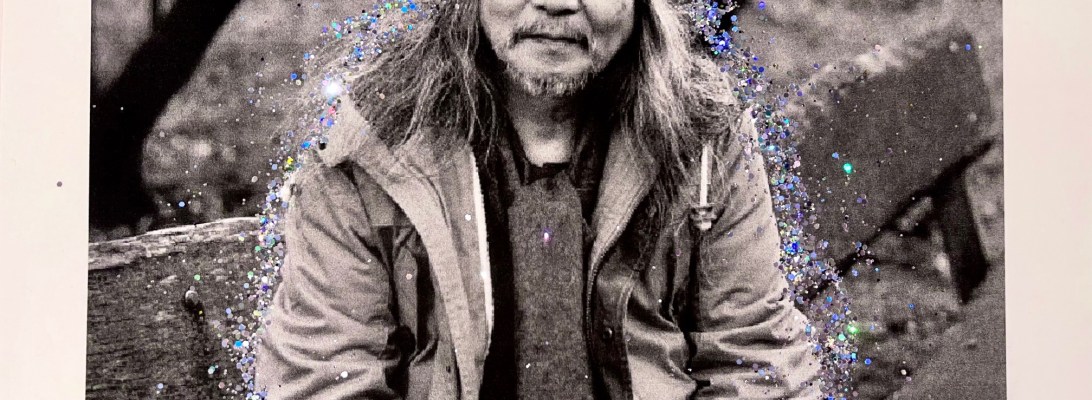
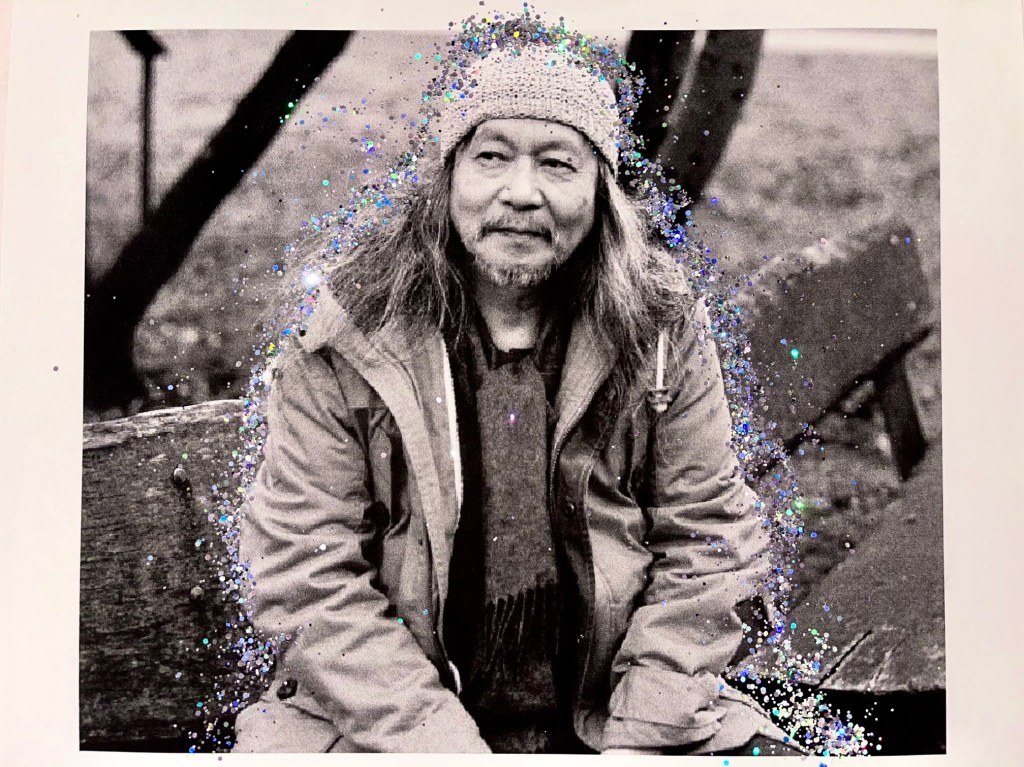
Damo Suzuki is a sound carrier that communicates with an assembly of other sound carriers (local musicians from whatever location he happens to be playing, that he meets just before their performance) and the audience to engage in “instant composition”, creating a free space outside of the systems of daily life and restraints of society to experience freedom and truth. He believes that energy and communication is an important part of life and that when there is true communication there is no violence; he uses his music as a weapon against violence and to spread positivity. Gimmie spoke with Damo from his home in Cologne, Germany.
Hi Damo! Thank you for speaking with us.
DAMO SUZUKI: Sorry, I haven’t spoke English for about half a year, I have been talking more German. I haven’t had any concerts; last time I spoke English was when I had concerts in the UK. It takes a bit of time to use the English. It’s ok though, no problems.
I don’t make any concerts right now because organisers don’t like to make anything because they can not make money. Another thing is, I said to organiser, if audience is made to wear a mask then I don’t perform. I don’t like things that people are supposed to do, when it is commanded from somewhere, because the only system that exists is the system from God, not human systems. I don’t need anything… especially now, people are being forced to do this kind of stuff, it’s absolutely not like a human being, everybody can’t live how they like to…
…I have to know myself because I have to know my truth. I have been talking to you about my truth, that’s not your truth, it is important to find your truth; that’s why I make music. We don’t have any kind of concept what we will play, we don’t know what’s coming up and audience doesn’t know what we will play; “what is Damo going to sing?” Audience can make their own story; everything is their own truth. Being at a concert is better than listening to a CD or something like that, being there you meet new people and atmosphere. It’s a totally different thing than if you are listening to music in the studio or at home with headphones.
I use the space to make live music, live music is no system to me and together with audience we are creating new platform—this is my music. My music is not so I create every day the same piece that’s maybe four of five minutes, no, now I create one piece for one or two hours without any stops because I think this is my music and I like to live together with nature, nature never stops. If you have a product there is always a stop, radio stations like to play short singles, they want you to make short pieces, I am against this; I am against any kind of stop [laughs]. I like to only have system from God.
I don’t know the musician I play with; I don’t have any information from them, I don’t know how technical they are; the thing that makes me happy is they like to make music together with me and audience. They are coming and spending their time, this is a very happy moment. I am not making music right now because if they have to wear a mask that is not freedom; if they want to wear a mask then that is OK, though.
What else makes you really happy?
DS: Speaking with you. Communication is the best part of social life. Everything starts with communication. Music is communication. I can play guitar, I can make music alone but for me music is communication, a social thing much more. That’s why I was so happy this morning to speak with you.
Have you always known that energy was important? When did you become aware of the importance of energy?
DS: Energy is coming, if you are curious about anybody or any things and you have the possibility to research then, energy is coming. Energy is not always geographically; energy is a place that you create and develop yourself—this power that is pushing you is energy. Also, energy is feedback you can get from other people, this exchange exists and another energy is coming. It is understanding. It is communication. From communication also started energy. This source is a kind of spiritual food. If you have positive energy, you share it with people then they are sharing it with other people and then they share it with other people. Positivity starts with, as you said, happiness, and communication.
I love how it’s important for you to put out positive energy! There’s so much negative energy in the world I feel like it makes sense to counter that with creating and communicating positive energy.
DS: Yeah, this is how I have lived for a long time. The only thing I have a problem with is lies, I care about the truth.
Truth is the most important thing, also creativity, communication and love.
DS: Information is kind of like a good food. Many war and many hate family or friend, it is coming from missing information, not communicating. Full trust is the most important thing in social life, if you don’t have trust, you cannot have communication and be together in this.
I am quite happy making music. Music for me is a process. If you go to studio and make a hit, you make money, you plan, plan, plan; it is not the music that I like to do. Having a plan is not creative for me; creative things for me must start at zero, a place of emptiness, a place of nothing—this is creativity for me. Real creativity is having no information. If you have information you go a particular way. At home I don’t hear any kind of music, I don’t play any musical instrument, I do nothing musical. I cook, I really like cooking. Every night I like to see a movie. I buy so much books too; if I am on tour and at the airport, I will buy books. I generally read them at my desk. Maybe we might have 10,000 books.
Wow! That’s a lot. I love books too! My day job is working in a library.
DS: That’s a good job to have.
Yes, and working in a community service and helping people find information and knowledge rather than trying to sell people things they don’t need.
DS: That is so good you are enjoying your job, it is not something that everybody can do, this kind of life. Many people are doing things they don’t like. Reading books is quite special.
It is important to have your own ideas of life. Now days so many people don’t read books they just go to YouTube for information. After that, if you have questions, you can decide by yourself—this is important. Einstein said something about having questions… if you have questions you can develop. Like, many people are Catholic because their family were Catholic and they don’t prove it to themselves. It’s important to prove things to yourself and educate yourself and to know yourself. If you take everything from information from everyone, you cannot go anywhere because you are stopped… It’s the same with the spiritual or creativity. Many people make mistake because they take in so much information, before they did something, they already had the answer, this way you cannot develop yourself. I wish everybody is developing and finding their own way to live and can be a free person.
Everyone has a mission in their own life but the majority of people don’t find it. If you are developing yourself and are trying you can find it because you are trying something. If you are trying something you are movement. If you take information from everywhere else you can not find yourself.
Everyone should have their own goal, own opinion, own experience and find their own lifestyle, because everybody is unique and everybody has a talent. Unfortunately, it doesn’t come automatically, you must find it; if you don’t move nothing is coming. Everybody is individual, you don’t have to compare with anybody, just compare yourself to yourself.
Energy!
Please check out: damosuzuki.com
 Gimmie Gimmie Gimmie Zine